


Consumer medicine information

Lorstat

Atorvastatin

BRAND INFORMATION

Brand name

Lorstat

Active ingredient

Atorvastatin

Schedule

S4


Consumer medicine information (CMI) leaflet

Please read this leaflet carefully before you start using Lorstat.

What is in this leaflet

This leaflet answers some common questions about LORSTAT.

It does not contain all the available information. It does not take the place of talking to your doctor or pharmacist.

All medicines have benefits and risks. Your doctor has weighed the risks of you taking LORSTAT against the benefits expected for you.

If you have any concerns about taking this medicine, talk to your doctor or pharmacist.

Keep this leaflet with your medicine. You may need to read it again.

What LORSTAT is used for

LORSTAT is used to treat

  • lowers high cholesterol levels
  • to reduce the risk of having a heart attack or stroke in people who have high blood pressure and coronary heart disease (CHD) or who are at risk of CHD. Examples of risk factors for CHD include diabetes, a history of stroke, or small blood vessel disease.

What is cholesterol

Everyone has cholesterol in their blood. It is a type of blood fat needed by the body for many things, such as building cell walls, making bile acids (which help to digest food) and some hormones. However, too much cholesterol can be a problem.

Cholesterol is present in many foods and is also made in your body by the liver. If your body makes too much cholesterol or you have too much cholesterol in your diet, then your cholesterol level becomes too high.

High cholesterol is more likely to occur with certain diseases or if you have a family history of high cholesterol.

There are different types of cholesterol. LDL, or low-density lipoprotein, is the 'bad' cholesterol that can block your blood vessels. HDL, or high density lipoprotein cholesterol is the 'good' cholesterol that is thought to remove the 'bad' cholesterol from the blood vessels.

When you have high levels of 'bad' cholesterol in your blood, it may 'stick' to the inside of your blood vessels instead of being carried to the parts of the body where it is needed. Over time, this can form hard areas (called plaques) on the walls of your blood vessels, making it more difficult for the blood to flow. Sometimes, the plaque can detach from the vessel wall and float in the bloodstream; it can then reach a smaller vessel and completely block it. This blocking of your blood vessels can lead to several types of blood vessel disease, heart attack, angina and stroke.

There is another type of fat called triglyceride, which is a source of energy. However, high levels of be associated with low level of 'good' cholesterol and may increase your risk of heart disease.

In some patients, LORSTAT is used to treat high cholesterol and high triglycerides together.

In most people, there are no symptoms of abnormal cholesterol or triglyceride levels. Your doctor can measure your levels with a simple blood test.

How LORSTAT works

LORSTAT belongs to a group of medicines known as HMG-CoA reductase inhibitors. It works by reducing the amount of cholesterol made by the liver. LORSTAT 'bad' cholesterol and can raise the 'good' cholesterol. LORSTAT also helps to protect you from a heart attack or stroke.

When you are taking LORSTAT, you also need to follow a low fat diet and other measures, such as exercise and weight control.

LORSTAT may be used alone, or in combination with other medicines, to treat your condition.

Ask your doctor if you have any questions about why this medicine has been prescribed for you. Your doctor may have prescribed it for another reason.

This medicine is not addictive.

This medicine is available only with a doctor's prescription.

This medicine is not expected to affect your ability to drive a car or operate machinery.

There is not enough information to recommend the use of this medicine for children.

Before you take LORSTAT

When you must not take it

Do not take LORSTAT if you have an allergy to:

  • any medicine containing atorvastatin calcium
  • any of the ingredients listed at the end of this leaflet

Some of the symptoms of an allergic reaction may include

  • shortness of breath
  • wheezing or difficulty breathing
  • swelling of the face, lips, tongue or other parts of the body
  • rash, itching or hives on the skin

Do not take this medicine if you have active liver disease.

Do not take this medicine if you are pregnant or intend to become pregnant.

If you are a woman of child-bearing age and are taking this medicine, use a proven method of birth control to avoid pregnancy. It may affect your developing baby if you take it during pregnancy.

Do not breast-feed if you are taking this medicine. The active ingredient in LORSTAT passes into breast milk and there is a possibility that your baby may be affected.

Do not give this medicine to a child. Information of safety and effectiveness in children is limited.

Do not take this medicine if you are taking the antibiotic fusidic acid hemihydrate which is used to treat infections.

Do not take this medicine if you are taking the antivirals, glecaprevir/ pibrentasvir for the treatment of Hepatitis C.

Do not take this medicine after the expiry date printed on the pack or if the packaging is torn or shows signs of tampering. If it has expired or is damaged, return it to your pharmacist for disposal.

If you are not sure whether you should start taking this medicine, talk to your doctor.

Before you start to take it

Your doctor will ask you to have your liver function tested before you start to take LORSTAT.

Tell your doctor if you have allergies to any other medicines, foods, preservatives or dyes.

Tell your doctor if you have or have had any of the following medical conditions:

  • liver problems
  • kidney problems
  • muscle pain, tenderness or weakness from other medicines used to treat high cholesterol or triglycerides
  • a type of stroke called a haemorrhagic stroke or a type of stroke called a lacunar stroke
    If you have had one of these strokes before, this medicine may increase the risk of you having a haemorrhagic stroke.
  • breathing problems

Tell your doctor if you drink alcohol regularly.

Tell your doctor if you are pregnant or plan to become pregnant or are breastfeeding. Your doctor can discuss with you the risks and benefits involved.

If you have not told your doctor about any of the above, tell him/ her before you start taking LORSTAT.

Taking other medicines

Tell your doctor or pharmacist if you are taking any other medicines, including any that you get without a prescription from a pharmacy, supermarket or health food shop.

Some medicines and LORSTAT may interfere with each other. These include:

  • digoxin, a medicine used to treat some heart problems
  • diltiazem, a medicine used to treat angina
  • other medicines to treat high cholesterol or triglycerides
  • antacids, medicines used to treat reflux or ulcers
  • the antibiotics erythromycin, clarithromycin, rifampicin or fusidic acid hemihydrate
  • phenytoin, a medicine used to treat epilepsy (seizures)
  • oral contraceptives for birth control
  • ciclosporin, a medicine used to suppress the immune system
  • some medicines used to treat some fungal infections, such as itraconazole and ketoconazole
  • protease inhibitors for the treatment of HIV infection and/or Hepatitis C, such as efavirenz, fosamprenavir, ritonavir, boceprevir, telaprevir, tipranavir/ritonavir, elbasvir/grazoprevir and simeprevir
  • HCV non structural protein 5A (NS5A)/5B (NS5B) inhibitors such as daclatasvir and ledipasvir
  • letermovir
  • spironolactone, a medicine used to treat high blood pressure and certain types of swelling
  • vitamin B3
  • colchicine, a medicine used to treat a disease with painful, swollen joints caused by uric acid crystals.

These medicines may be affected by LORSTAT or may affect how well it works. You may need different amounts of your medicines, or you may need to take different medicines.

Your doctor and pharmacist have more information on medicines to be careful with or avoid while taking this medicine.

How to take LORSTAT

Follow all directions given to you by your doctor and pharmacist carefully. They may differ from the information contained in this leaflet.

If you do not understand the instructions on the box/bottle, ask your doctor or pharmacist for help.

How much to take

Take LORSTAT only when prescribed by your doctor.

Your doctor will tell you how many tablets you need to take each day. This may depend on your condition and whether or not you are taking any other medicines.

The usual dose of LORSTAT is between 10-80 mg taken once a day.

Follow all directions given to you by your doctor and pharmacist carefully. If you do not understand the instructions ask your doctor or pharmacist for help.

How to take it

Swallow the tablets/capsules whole with a full glass of water.

Do not crush or chew the tablets.

When to take it

Take your medicine at about the same time each day. Taking it at the same time each day will have the best effect. It will also help you remember when to take it.

It does not matter if you take this medicine before or after food.

How long to take it

Continue taking your medicine for as long as your doctor tells you to.

This medicine helps to control your condition, but does not cure it. It is important to keep taking your medicine even if you feel well.

If you forget to take it

If it is less than 12 hours before your next dose, skip the dose you missed and take your next dose when you are meant to.

Otherwise, take it as soon as you remember, and then go back to taking your medicine as you would normally.

Do not take a double dose to make up for the dose you missed. This may increase the chance of you getting an unwanted side effect.

If you are not sure what to do, ask your doctor or pharmacist.

If you have trouble remembering to take your medicine, ask your pharmacist for some hints.

If you take too much (overdose)

Immediately telephone your doctor or the Poisons Information Centre (telephone 13 11 26) for advice, or go to Accident and Emergency at the nearest hospital, if you think that you or anyone else may have taken too much LORSTAT. Do this even if there are no signs of discomfort or poisoning. You may need urgent medical attention.

While you are taking LORSTAT

Things you must do

Keep all of your doctor's appointments so that your progress can be checked.

Your doctor will ask you to have your liver function tested from time to time while you are taking LORSTAT to make sure the medicine is working and to prevent unwanted side effects.

Your cholesterol and triglyceride levels also need to be checked regularly while you are taking this medicine.

A regular blood test to check an enzyme called creatine kinase (CK) may be needed. CK in your blood can rise after muscle injury which can be caused by medicines used to treat cholesterol or triglycerides, such as LORSTAT.

If you become pregnant while taking this medicine, stop taking it and contact your doctor immediately.

If you are about to be started on any new medicine, remind your doctor and pharmacist that you are taking LORSTAT.

Tell any other doctors, dentists and pharmacists who treat you that you are taking this medicine.

If you are going to have surgery, tell the surgeon or anaesthetist that you are taking this medicine. It may affect other medicines used during surgery.

If you are about to have any blood tests, tell your doctor that you are taking this medicine. It may interfere with the results of some tests.

Things you must not do

Do not take LORSTAT to treat any other complaints unless your doctor tells you to.

Do not give your medicine to anyone else, even if they have the same condition as you.

Do not stop taking your medicine or change the dosage without checking with your doctor. If you stop taking it suddenly, your condition may worsen or you may have unwanted side effects.

If possible, your doctor will gradually reduce the amount you take each day before stopping the medicine completely.

Things to be careful of

Be careful driving or operating machinery until you know how LORSTAT affects you. LORSTAT generally does not cause any problems with your ability to drive a car or operate machinery. However, as with many other medicines, LORSTAT may cause dizziness in some people. If you have any of these symptoms, do not drive, operate machinery or do anything else that could be dangerous.

Be careful when drinking alcohol while you are taking this medicine. Drinking large quantities of alcohol may increase your chance of LORSTAT causing liver problems.

If you feel light-headed, dizzy or faint when getting out of bed or standing up, get up slowly. Standing up slowly, especially when you get up from bed or chairs, will help your body get used to the change in position and blood pressure. If this problem continues or gets worse, talk to your doctor.

Be careful when drinking large quantities of grapefruit juice. Grapefruit juice contains one or more constituents that alter the metabolism of some medicines, including LORSTAT. Therefore, drinking very large quantities of grapefruit juice (over 1 litre) each day increases the chance of LORSTAT causing side effects.

Things that would be helpful for your condition

Some self-help measures suggested below may help your condition. Your doctor or pharmacist can give you more information about these measures.

  • Weight: While you are taking LORSTAT, you need to follow a diet plan agreed to with your doctor. This may include measures to lose some weight.
  • Exercise: Regular exercise can help lower your cholesterol levels. It is important not to overdo it. Before commencing regular exercise, you should consult your doctor who will suggest the most suitable exercise for you. If you experience any discomfort when exercising, see your doctor.
  • Alcohol: Excessive alcohol intake can raise your cholesterol levels or affect your liver function, which could increase the chance of you getting unwanted side effects. Your doctor may discuss with you whether you should reduce the amount of alcohol you drink.
  • Smoking: Smoking increases the risk of you suffering from heart problems. Your doctor may advise you to stop smoking.

Side effects

Tell your doctor or pharmacist as soon as possible if you do not feel well while you are taking LORSTAT.

This medicine helps most people with lowering high cholesterol levels and reducing the risk of having a heart attack or stroke in people who have high blood pressure and coronary heart disease (CHD) or who are at risk of CHD, but it may have unwanted side effects in some people.

All medicines can have side effects. Sometimes they are serious, most of the time they are not. You may need medical attention if you get some of the side effects.

Do not be alarmed by the following list of side effects. You may not experience any of them.

Ask your doctor or pharmacist to answer any questions you may have.

Tell your doctor or pharmacist if you notice any of the following and they worry you:

  • muscle and joint pain, muscle weakness, especially in the forearms, thighs, hips, shoulders, neck, and back
  • difficulty climbing stairs or standing up from a chair
  • difficulty lifting arms over the head
  • falling and difficulty getting up from a fall
  • constipation, diarrhoea
  • stomach or belly pain, nausea (feeling sick)
  • heartburn, indigestion or wind
  • urine infection
  • headache
  • stuffy or runny nose
  • nose bleeds
  • rash

The above list includes the more common side effects of your medicine. They are usually mild and short-lived.

Tell your doctor as soon as possible if you notice any of the following:

  • yellowing of the skin and eyes and dark coloured urine
  • feeling weak and tired, excessively thirsty and passing more urine
  • problems with breathing, including shortness of breath, persistent cough and fever

The above list includes serious side effects that may require medical attention. Serious side effects are rare.

If any of the following happen, tell your doctor immediately or go to Accident and Emergency at your nearest hospital:

  • symptoms of allergy such as skin rash, itching, swelling of the face, lips, mouth, throat or neck which may cause difficulty in swallowing or breathing
  • chest pain
  • unexpected muscle pain, tenderness or weakness not caused by exercise, particularly if you also feel unwell or have a fever
  • sudden severe headache, which may be accompanied by nausea, vomiting, loss of sensation, tingling in any part of the body or ringing in the ears
  • severe blisters and bleeding of the lips, eyes, mouth, nose or genitals

The above list includes very serious side effects. You may need urgent medical attention or hospitalisation. These side effects are very rare.

Tell your doctor or pharmacist if you notice anything that is making you feel unwell.

Other side effects not listed above may also occur in some people.

Some of these side effects (for example, changes in thyroid function, cholesterol level or blood pressure) can only be found when your doctor does tests from time to time to check your progress.

After taking LORSTAT

Storage

Keep your tablets in the pack/bottle until it is time to take them. If you take the tablets out of the pack/bottle they may not keep well.

Keep your tablets in a cool dry place where the temperature stays below 25°C.

Do not store LORSTAT or any other medicine in the bathroom or near a sink. Do not leave it on a window sill or in the car. Heat and dampness can destroy some medicines.

Keep it where children cannot reach it. A locked cupboard at least one-and-a-half metres above the ground is a good place to store medicines.

Disposal

If your doctor tells you to stop taking this medicine or the expiry date has passed, ask your pharmacist what to do with any medicine that is left over.

Product description

What it looks like

LORSTAT tablets are available in 4 different strengths:

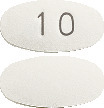
  • LORSTAT 10 mg - White, oval, biconvex, film coated tablet plain on one side and debossed '10' on the other side.
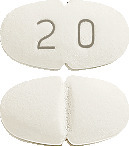
  • LORSTAT 20 mg - White, oval, biconvex, film coated tablet with break line on one side and debossed '20' on the other side.
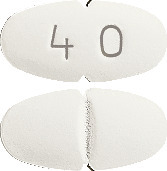
  • LORSTAT 40 mg - White, oval, biconvex, film coated tablet with break line on one side and debossed '40' on the other side.
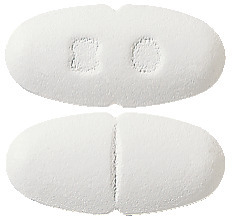
  • LORSTAT 80 mg - White, oval, biconvex, film coated tablet with break line on one side and debossed '80' on the other side.

Each blister pack contains 30 tablets. Discard blister pack 30 days after the first tablet is taken.

Each bottle pack contains 90 tablets. Discard bottle pack 90 days after opening.

Ingredients

The active ingredient of LORSTAT is atorvastatin (as calcium trihydrate).

It also contains the following inactive ingredients:

  • colloidal anhydrous silica
  • sodium carbonate
  • microcrystalline cellulose
  • arginine
  • lactose
  • croscarmellose sodium
  • hyprolose
  • magnesium stearate
  • Opadry II complete film coating system 85F18378 WHITE (ARTG PI No 12315)

This medicine contains sugars as lactose.

Supplier

LORSTAT is supplied in Australia by:

Alphapharm Pty Ltd trading as Viatris
Level 1, 30 The Bond
30-34 Hickson Road
Millers Point NSW 2000
Phone: (02) 9298 3999
www.viatris.com.au
Phone: 1800 274 276

Australian registration numbers:

LORSTAT 10 mg blister pack:
AUST R 334865

LORSTAT 10 mg bottle:
AUST R 334861

LORSTAT 20 mg blister pack:
AUST R 334862

LORSTAT 20 mg bottle:
AUST R 334868

LORSTAT 40 mg blister pack:
AUST R 334863

LORSTAT 40 mg bottle:
AUST R 334867

LORSTAT 80 mg blister pack:
AUST R 334864

LORSTAT 80 mg bottle:
AUST R 334866.

This leaflet was prepared in
December 2023

LORSTAT ® is a Viatris company trade mark

LORSTAT_cmi\Dec23/00

Published by MIMS February 2024

BRAND INFORMATION

Brand name

Lorstat

Active ingredient

Atorvastatin

Schedule

S4


1 Name of Medicine

Atorvastatin calcium trihydrate.

2 Qualitative and Quantitative Composition

Each Lorstat tablet contains either 10 mg, 20 mg, 40 mg or 80 mg of atorvastatin as the active ingredient.

Excipients with known effect.

Sugars as lactose.
For the full list of excipients, see Section 6.1 List of Excipients.

3 Pharmaceutical Form

Lorstat 10 mg tablets.

White, oval, biconvex, film coated tablet plain on one side and debossed '10' on the other side.

Lorstat 20 mg tablets.

White, oval, biconvex, film coated tablet with break line on one side and debossed '20' on the other side.

Lorstat 40 mg tablets.

White, oval, biconvex, film coated tablet with break line on one side and debossed '40' on the other side.

Lorstat 80 mg tablets.

White, oval, biconvex, film coated tablet with break line on one side and debossed '80' on the other side.

4 Clinical Particulars

4.1 Therapeutic Indications

Lorstat is indicated as an adjunct to diet for the treatment of patients with hypercholesterolaemia.
Prior to initiating therapy with atorvastatin, secondary causes of hypercholesterolaemia (e.g. poorly controlled diabetes mellitus, hypothyroidism, nephrotic syndrome, dysproteinaemias, obstructive liver disease, other drug therapy, and alcoholism) should be identified and treated.
Lorstat is indicated in hypertensive patients with multiple risk factors for coronary heart disease (CHD) which may include diabetes, history of stroke or other cerebrovascular disease, peripheral vascular disease or existing asymptomatic CHD (see Section 5.1 Pharmacodynamic Properties, Clinical trials, Prevention of cardiovascular disease) to reduce the risk of nonfatal myocardial infarction and nonfatal stroke.
These effects do not replace the need to independently control known causes of cardiovascular (CV) mortality and morbidity such as hypertension, diabetes and smoking.

4.2 Dose and Method of Administration

Dosage.

Lorstat can be administered within the dosage range of 10-80 mg/day as a single daily dose. Therapy should be individualised according to the target lipid levels, the recommended goal of therapy, and the patient's response. After initiation and/or upon titration of Lorstat, lipid levels should be reanalysed within 4 weeks and dosage adjusted according to the patient's response.

Primary hypercholesterolaemia and mixed dyslipidaemia.

The majority of patients are controlled with 10 mg Lorstat once a day. A therapeutic response is evident within two weeks, and the maximum response is usually achieved within four weeks. The response is maintained during chronic therapy.

Method of administration.

Lorstat is for oral administration. It can be taken at any time of the day, with or without food.

Dosage adjustment.

Homozygous familial hypercholesterolaemia.

Adults.

In the compassionate use study of patients with homozygous familial hypercholesterolaemia, most patients responded to 80 mg of atorvastatin tablets with a greater than 15% reduction in LDL-C (18%-42%).

Children.

Treatment experience in a paediatric population (with doses of atorvastatin up to 80 mg/day) is limited.
Use in renal impairment. Renal disease has no influence on the plasma concentrations or on the LDL-C reduction of atorvastatin; thus, no adjustment of the dose is required (see Section 4.4 Special Warnings and Precautions for Use; Section 5.2 Pharmacokinetic Properties).
Use in hepatic impairment. Plasma concentrations of atorvastatin are markedly increased in patients with chronic alcoholic liver disease (Child-Pugh B). The benefits of therapy should be weighed against the risks when atorvastatin is to be given to patients with hepatic insufficiency (see Section 4.3 Contraindications; Section 4.4 Special Warnings and Precautions for Use, Liver dysfunction; Section 5.1 Pharmacodynamic Properties; Section 5.2 Pharmacokinetic Properties).

Use in combination with other medicines.

In cases where coadministration of atorvastatin with ciclosporin, telaprevir, or the combination tipranavir/ritonavir is necessary, the dose of atorvastatin should not exceed 10 mg.
Use of atorvastatin is not recommended in patients taking letermovir coadministered with ciclosporin.
When atorvastatin and letermovir are administered concomitantly, do not exceed 20 mg atorvastatin daily (see Section 4.4 Special Warnings and Precautions for Use, Skeletal muscle; Section 4.5 Interactions with Other Medicines and Other Forms of Interactions, Effects of other medicines on atorvastatin, Transporter inhibitors). Appropriate clinical assessment is recommended to ensure that the lowest dose of atorvastatin necessary is used.
Caution should be used when coprescribing atorvastatin with medicinal compounds that result in an increase in systematic concentrations of atorvastatin, such as elbasvir/grazoprevir and simeprevir, and appropriate clinical assessment is recommended to ensure that the lowest necessary dose of atorvastatin is employed (see Section 4.4 Special Warnings and Precautions for Use, Skeletal muscle; Section 4.5 Interactions with Other Medicines and Other Forms of Interactions).

4.3 Contraindications

Hypersensitivity to any component of this medication.
Active liver disease or unexplained persistent elevations of serum transaminases (see Section 4.4 Special Warnings and Precautions for Use, Liver dysfunction).
Pregnancy and lactation (see Section 4.6 Fertility, Pregnancy and Lactation, Use in pregnancy and Use in lactation). Women of childbearing potential, unless on an effective contraceptive and highly unlikely to conceive.
Concomitant use with fusidic acid hemihydrate (see Section 4.4 Special Warnings and Precautions for Use, Skeletal muscle; Section 4.5 Interactions with Other Medicines and Other Forms of Interactions).
Treatment with the hepatitis C antivirals, glecaprevir/pibrentasvir.

4.4 Special Warnings and Precautions for Use

Liver dysfunction.

As with other lipid lowering agents of the same class, moderate (> 3 x upper limit of normal (ULN)) elevations of serum transaminases have been reported following therapy with atorvastatin.
Persistent increases in serum transaminases > 3 x ULN occurred in 0.7% of patients who received atorvastatin in clinical trials. The incidence of these abnormalities was 0.2, 0.2, 0.6, and 2.3% for 10 mg, 20 mg, 40 mg, and 80 mg respectively. Increases were generally not associated with jaundice or other clinical signs or symptoms. When the dosage of atorvastatin was reduced, or drug treatment interrupted or discontinued, transaminase levels returned to pretreatment levels. Most patients continued treatment on a reduced dose of atorvastatin without sequelae.
Liver function tests should be performed before the initiation of treatment and periodically thereafter. Patients who develop increased transaminase levels should be monitored until the abnormalities resolve. Should an increase in ALT or AST of > 3 x ULN persist, reduction of dose or withdrawal of Lorstat is recommended.

Use in hepatic impairment.

Lorstat should be used with caution in patients who consume substantial quantities of alcohol and/or have a history of liver disease. Active liver disease or unexplained persistent transaminase elevations are contraindications to the use of atorvastatin (see Section 4.3 Contraindications).

Skeletal muscle.

Uncomplicated myalgia has been reported in atorvastatin treated patients (see Section 4.8 Adverse Effects (Undesirable Effects)). Myopathy, defined as muscle ache or muscle weakness in conjunction with increases in creatine kinase (CK) values > 10 x ULN, should be considered in any patient with diffuse myalgias, muscle tenderness or weakness and/or marked elevation of CK. Patients should be advised to report promptly unexplained muscle pain, tenderness or weakness, particularly if accompanied by malaise or fever. Lorstat therapy should be discontinued if markedly elevated CK levels occur or myopathy is diagnosed or suspected.
The risk of myopathy and rhabdomyolysis is increased with concurrent administration of drugs that increase the systemic concentration of atorvastatin (see Section 4.2 Dose and Method of Administration; Section 4.5 Interactions with Other Medicines and Other Forms of Interactions). Physicians considering combined therapy with Lorstat and fibric acid derivatives, erythromycin, immunosuppressive drugs, azole antifungals, human immunodeficiency virus (HIV)/hepatitis C virus (HCV) protease inhibitors, HCV non-structural protein 5A (NS5A)/5B (NS5B) inhibitors, letermovir or lipid lowering doses of niacin should carefully weigh the potential benefits and risks and should carefully monitor patients for any signs and symptoms of muscle pain, tenderness, or weakness, particularly during the initial months of therapy and during any periods of upward dosage titration of either drug. When atorvastatin and letermovir are administered concomitantly, do not exceed 20 mg atorvastatin daily (see Section 4.2 Dose and Method of Administration, Use in combination with other medicines; Section 4.5 Interactions with Other Medicines and Other Forms of Interactions, Effects of other medicines on atorvastatin, Transporter inhibitors). Appropriate clinical assessment is recommended to ensure that the lowest dose of atorvastatin necessary is used. Lower starting and maintenance doses of atorvastatin should also be considered when taken concomitantly with the aforementioned drugs (see Section 4.2 Dose and Method of Administration, Use in combination with other medicines). Atorvastatin must not be coadministered with fusidic acid hemihydrate. There have been reports of rhabdomyolysis (including some fatalities) in patients receiving concomitant fusidic acid hemihydrate and statins (see Section 4.3 Contraindications; Section 4.5 Interactions with Other Medicines and Other Forms of Interactions). In patients where the use of systemic fusidic acid hemihydrate is considered essential, statin treatment should be discontinued throughout the duration of the fusidic acid hemihydrate treatment. The patient should be advised to seek medical advice immediately if they experience any symptoms of muscle weakness, pain or tenderness. Statin therapy may be reintroduced seven days after the last dose of fusidic acid hemihydrate.
Periodic creatine kinase (CK) determinations may be considered in such situations, although there is no assurance that such monitoring will prevent the occurrence of severe myopathy (see Section 4.4 Special Warnings and Precautions for Use, Effects on laboratory tests).
As with other drugs in this class, rhabdomyolysis with acute renal failure has been reported. A history of renal impairment may be a risk factor for the development of rhabdomyolysis. Such patients merit closer monitoring for skeletal muscle effects. Lorstat therapy should be temporarily withheld or discontinued in any patient with an acute, serious condition suggestive of a myopathy or having a risk factor predisposing to the development of renal failure secondary to rhabdomyolysis (e.g. severe acute infection, hypotension, major surgery, trauma, severe metabolic, endocrine and electrolyte disorders, and uncontrolled seizures).

Immune mediated necrotising myopathy.

There have been rare reports of an immune-mediated necrotising myopathy (IMNM) during or after treatment with some statins. IMNM is clinically characterised by persistent proximal muscle weakness and elevated serum creatinine kinase, which persists despite discontinuation of statin treatment.

Myasthenia gravis/ocular myasthenia.

In few cases, statins have been reported to induce de novo or aggravate pre-existing myasthenia gravis or ocular myasthenia (see Section 4.8 Adverse Effects (Undesirable Effects)). Atorvastatin should be discontinued in case these conditions occur. Recurrences when the same or a different statin was (re-) administered have been reported.

Haemorrhagic stroke.

A post hoc analysis of a clinical study (SPARCL) in patients without known coronary heart disease who had a recent stroke or transient ischaemic attack (TIA), showed a higher incidence of haemorrhagic stroke in patients on atorvastatin 80 mg (55/2365, 2.3%) compared to placebo (33/2366, 1.4%), (p = 0.02). Throughout the study, all cause mortality was numerically higher in the atorvastatin arm than the placebo arm. At study end all cause mortality was 9.1% on atorvastatin vs. 8.9% on placebo.
The increased risk of haemorrhagic stroke was observed in patients who entered the study with prior haemorrhagic stroke (15.6% for atorvastatin vs. 4.2% for placebo, HR 4.06; 95% CI 0.84-19.57) or prior lacunar infarct (2.8% for atorvastatin vs. 0.6% for placebo, HR 4.99; 95% CI 1.71-14.61). All cause mortality was also increased in these patients with prior haemorrhagic stroke (15.6% for atorvastatin vs. 10.4% for placebo) or prior lacunar infarct (10.9% for atorvastatin vs. 9.1% for placebo). The potential risk of hemorrhagic stroke should be carefully considered before initiating treatment with atorvastatin in patients with recent (1-6 months) stroke or TIA.
In 68% of patients who entered the study with neither a haemorrhagic stroke nor lacunar infarct, the risk of haemorrhagic stroke on atorvastatin vs placebo was 2% vs. 1.8% (large vessel), 1.7% vs. 1.6% (TIA), 1.6% vs. 1.7% (unknown cause).

Endocrine function.

3-hydroxy-3-3methylglutaryl-coenzyme A (HMG-CoA) reductase inhibitors interfere with cholesterol synthesis and theoretically may blunt adrenal and/or gonadal steroid production. Clinical studies have shown that atorvastatin does not reduce basal plasma cortisol concentration nor impair adrenal reserve. The effects of HMG-CoA reductase inhibitors on male fertility have not been studied in adequate numbers of patients. The effects, if any, on the pituitary gonadal axis in premenopausal women are unknown. Caution should be exercised if an HMG-CoA reductase inhibitor is administered concomitantly with other drugs that may decrease the levels or activity of endogenous steroid hormones such as ketoconazole, spironolactone and cimetidine.
Increases in haemoglobin A1c (HbA1c) and fasting serum glucose levels have been reported with HMG-CoA reductase inhibitors, including atorvastatin.

Interstitial lung disease.

Exceptional cases of interstitial lung disease have been reported with some statins, especially with long-term therapy (see Section 4.8 Adverse Effects (Undesirable Effects)). Presenting features can include dyspnoea, nonproductive cough and deterioration in general health (fatigue, weight loss and fever). If it is suspected a patient has developed interstitial lung disease, statin therapy should be discontinued.

Effect on ubiquinone levels (COQ10).

Significant decreases in circulating ubiquinone levels in patients treated with atorvastatin and other statins have been observed. The clinical significance of a potential long-term, statin induced deficiency of ubiquinone has not been established.

Effect on lipoprotein(a).

Like other HMG-CoA reductase inhibitors, atorvastatin has variable effects on lipoprotein(a) (Lp(a)). It is unclear whether the beneficial effects of lowering LDL-C and total cholesterol in some patients may be blunted by raised Lp(a) levels.

Use in the elderly.

Treatment experience in adults age ≥ 70 years with doses of atorvastatin up to 80 mg/day has been evaluated in 221 patients. The safety and efficacy of atorvastatin in this population were similar to those of patients < 70 years of age.

Paediatric use.

Treatment experience in a paediatric population is limited to doses of atorvastatin up to 80 mg/day for 1 year in 8 patients with homozygous FH. No clinical or biochemical abnormalities were reported in these patients.

Effects on laboratory tests.

Atorvastatin can cause elevations in ALT/AST, alkaline phosphatase, GGT, bilirubin and creatine kinase.

4.5 Interactions with Other Medicines and Other Forms of Interactions

Atorvastatin is metabolised by cytochrome P450 3A4 (CYP 3A4).
Concomitant administration of atorvastatin with inhibitors of cytochrome P450 3A4 can lead to increases in plasma concentrations of atorvastatin. The extent of interaction and potentiation of effects depends on the variability of effect on cytochrome P450 3A4. Pharmacokinetic drug interactions that result in increased systematic concentration of atorvastatin have been noted with HIV protease inhibitors (fosamprenavir and combinations of lopinavir/ritonavir, saquinavir/ritonavir, darunavir/ritonavir, fosamprenavir/ritonavir), HCV protease inhibitors (boceprevir, elbasvir/grazoprevir, simeprevir), HCV NS5A/NS5B inhibitors, clarithromycin, itraconazole and letermovir. Based on experience with other HMG-CoA reductase inhibitors, caution should be exercised when Lorstat is administered with inhibitors of cytochrome P450 3A4 (e.g. ciclosporin, macrolide antibiotics including erythromycin and azole antifungals including itraconazole). The risk of myopathy during treatment with other HMG-CoA reductase inhibitors is increased with concurrent administration of ciclosporin, fibric acid derivatives, erythromycin, azole antifungals or niacin (see Section 4.2 Dose and Method of Administration, Use in combination with other medicines; Section 4.4 Special Warnings and Precautions for Use, Skeletal muscle).
Concomitant administration of atorvastatin with inducers of cytochrome P450 3A4 (e.g. efavirenz, rifampicin, phenytoin) can lead to variable reductions in plasma concentrations of atorvastatin. Due to the dual interaction mechanism of rifampicin (cytochrome P450 3A4 induction and inhibition of hepatocyte uptake transporter (OATP1B1)), simultaneous coadministration of atorvastatin with rifampicin is recommended, as delayed administration of atorvastatin after administration of rifampicin has been associated with a significant reduction in atorvastatin plasma concentrations.

Fusidic acid hemihydrate.

The risk of myopathy including rhabdomyolysis may be increased by the concomitant administration of systemic fusidic acid hemihydrate with statins. Coadministration of this combination may cause increased plasma concentrations of both agents. The mechanism of this interaction (whether it is pharmacodynamics or pharmacokinetic, or both) is yet unknown.
Although interaction studies with atorvastatin and fusidic acid hemihydrate have not been conducted, there have been reports of rhabdomyolysis (including some fatalities) in patients receiving this combination. If treatment with fusidic acid hemihydrate is necessary, statin treatment should be discontinued throughout the duration of the fusidic acid hemihydrate treatment (see Section 4.3 Contraindications; Section 4.4 Special Warnings and Precautions for Use, Skeletal muscle).

Colchicine.

Although interaction studies with atorvastatin and colchicine have not been conducted, cases of myopathy have been reported with atorvastatin coadministered with colchicine, and caution should be exercised when prescribing atorvastatin with colchicine (see Section 4.4 Special Warnings and Precautions for Use, Skeletal muscle).

Effects of other medicines on atorvastatin.

The following medicines have been shown to have an effect on the pharmacokinetics or pharmacodynamics of atorvastatin tablets.

Antacid.

Coadministration of an oral antacid suspension containing magnesium and aluminium hydroxides with atorvastatin decreased atorvastatin plasma concentrations approximately 35%, however, LDL-C reduction was not altered.

Colestipol.

Plasma concentrations of atorvastatin were lower (approximately 25%) when colestipol and atorvastatin were coadministered. However, LDL-C reduction was greater when atorvastatin and colestipol were coadministered than when either drug was given alone.

Transporter inhibitors.

Atorvastatin and atorvastatin metabolites are substrates of the organic anion-transporting polypeptide 1B1 (OATP1B1) transporter. Concomitant administration of atorvastatin 10 mg and ciclosporin 5.2 mg/kg/day resulted in an increase in exposure to atorvastatin (see Section 4.2 Dose and Method of Administration, Use in combination with other medicines). Ciclosporin is an inhibitor of organic anion-transporting polypeptide 1B1 (OATP1B1), OATP1B3, multi-drug resistance protein 1 (MDR1), and breast cancer resistance protein (BCRP) as well as CYP 3A4, thus it increases exposure to atorvastatin. Do not exceed 10 mg atorvastatin daily (see Section 4.2 Dose and Method of Administration, Use in combination with other medicines).
Glecaprevir and pibrentasvir are inhibitors of OATP1B1, OATP1B3, MDR1 and BCRP, thus they increase exposure to atorvastatin. Coadministration of atorvastatin with products containing glecaprevir or pibrentasvir is contraindicated (see Section 4.3 Contraindications).
Concomitant administration of atorvastatin (20 mg single dose) and letermovir (480 mg once daily) for 10 days resulted in an increase in exposure to atorvastatin (ratio of AUC: 3.29; ratio of Cmax: 2.17). The ratio of AUC or Cmax is calculated by dividing the AUC or Cmax of co-administered letermovir plus atorvastatin by that of atorvastatin alone, respectively. Letermovir inhibits efflux transporters P-gp, BCRP, MRP2, OAT2 and hepatic transporter OATP1B1/1B3, thus it increases exposure to atorvastatin. Do not exceed 20 mg atorvastatin daily (see Section 4.2 Dose and Method of Administration, Use in combination with other medicines).
The magnitude of CYP3A- and OATP1B1/1B3-mediated drug interactions on coadministered drugs may be different when letermovir is coadministered with ciclosporin. Use of atorvastatin is not recommended in patients taking letermovir coadministered with ciclosporin.
Elbasvir and grazoprevir are inhibitors of OATP1B1, OATP1B3, MDR1 and BCRP, thus they increase exposure to atorvastatin. Use with caution and lowest dose necessary (see Section 4.2 Dose and Method of Administration, Use in combination with other medicines).

Erythromycin/clarithromycin.

In healthy individuals, coadministration of atorvastatin (10 mg once daily) with erythromycin (500 mg four times daily), or clarithromycin (500 mg twice daily), known inhibitors of cytochrome P450 3A4, was associated with higher plasma concentrations of atorvastatin (see Section 4.4 Special Warnings and Precautions for Use, Skeletal muscle).

Protease inhibitors.

Coadministration of atorvastatin with protease inhibitors, known inhibitors of cytochrome P450 3A4, was associated with increased plasma concentrations of atorvastatin (see Section 4.4 Special Warnings and Precautions for Use, Skeletal muscle).

Diltiazem hydrochloride.

Coadministration of atorvastatin (40 mg) with diltiazem (240 mg) was associated with higher plasma concentrations of atorvastatin.

Itraconazole.

Concomitant administration of atorvastatin (20 to 40 mg) and itraconazole (200 mg) was associated with an increase in atorvastatin AUC.

Grapefruit juice.

Contains one or more components that inhibit cytochrome P450 3A4 and can increase plasma concentrations of atorvastatin, especially with excessive grapefruit juice consumption (> 1.2 L per day).

Ticagrelor.

Co-administration of atorvastatin and ticagrelor increased the atorvastatin acid Cmax by 23% and AUC by 36%. Similar increases in AUC and Cmax were observed for all atorvastatin acid metabolites. These increases are not considered clinically significant.

Effects of atorvastatin on other medicines.

The following medicines have been shown to have their pharmacokinetics or pharmacodynamics affected by atorvastatin tablets.

Digoxin.

When multiple doses of digoxin (0.25 mg once daily) and 10 mg atorvastatin were coadministered, steady-state plasma digoxin concentrations were unaffected. However, steady-state plasma digoxin concentrations increased by approximately 20% following administration of digoxin with 80 mg atorvastatin daily. Patients taking digoxin should be monitored appropriately.

Oral contraceptives.

Coadministration with an oral contraceptive containing norethindrone and ethinyl oestradiol increased AUC values for norethindrone and ethinyl oestradiol by approximately 30% and 20%. These increases should be considered when selecting an oral contraceptive for a woman taking atorvastatin.

Medicines shown not to interact with atorvastatin.

Cimetidine.

Atorvastatin plasma concentrations and LDL-C reduction were not altered by coadministration of cimetidine.

Warfarin.

Atorvastatin had no clinically significant effect on prothrombin time when administered to patients receiving chronic warfarin treatment.

Amlodipine.

Atorvastatin pharmacokinetics were not altered by the coadministration of atorvastatin 80 mg daily with amlodipine 10 mg daily at steady-state. In a drug-drug interaction study in healthy subjects, coadministration of atorvastatin 80 mg and amlodipine 10 mg resulted in an 18% increase in exposure to atorvastatin, which was not clinically meaningful.

Azithromycin.

Coadministration of atorvastatin 10 mg daily with azithromycin (500 mg once daily) did not alter the plasma concentrations of atorvastatin.

Other concomitant therapy.

In clinical studies, atorvastatin was used concomitantly with antihypertensive agents and oestrogen replacement therapy without evidence of clinically significant adverse interactions. Interaction studies with all specific agents have not been conducted.

4.6 Fertility, Pregnancy and Lactation

Effects on fertility.

The effects of atorvastatin on spermatogenesis and human fertility have not been investigated in clinical studies. Dietary administration of 100 mg atorvastatin/kg/day to rats caused a decrease in spermatid concentration in the testes, a decrease in sperm motility and an increase in sperm abnormalities. Similar effects, however, were not observed in male rats dosed by gavage to 175 mg/kg/day (plasma AUC for HMG-CoA reductase inhibitory activity 14 times higher than in humans dosed at 80 mg/day) and male fertility was not affected in either study. No adverse effects on fertility or reproduction were observed in female rats given doses up to 225 mg/kg/day (plasma AUC for enzyme inhibitory activity 56 times higher than in humans dosed at 80 mg/day). Atorvastatin caused no adverse effects on sperm or semen parameters, or on reproductive organ histopathology in dogs given doses of 10 mg/kg, 40 mg/kg, or 120 mg/kg for 2 years (plasma AUC for enzyme inhibitory activity 13 times higher than in humans).
(Category D)
The definition of Pregnancy Category D is drugs which have caused, are suspected to have caused or may be expected to cause, an increased incidence of human fetal malformations or irreversible damage. These drugs may also have adverse pharmacological effects.
Atorvastatin is contraindicated in pregnancy. Atherosclerosis is a chronic process and discontinuation of lipid lowering drugs during pregnancy should have little impact on the outcome of long-term therapy of primary hypercholesterolaemia. Cholesterol and other products of cholesterol biosynthesis are essential components for fetal development (including synthesis of steroids and cell membranes). Since HMG-CoA reductase inhibitors decrease cholesterol synthesis and possibly the synthesis of other biologically active substances derived from cholesterol, they may cause fetal harm when administered to pregnant women. Lorstat should be administered to women of childbearing age only when such patients are highly unlikely to conceive and have been informed of the potential. If the patient becomes pregnant while taking this drug, therapy should be discontinued and the patient apprised of the potential hazard to the fetus (see Section 4.3 Contraindications).
Atorvastatin crosses the rat placenta and reaches a level in fetal liver equivalent to that in maternal plasma. Animal reproduction studies showed no evidence of teratogenic activity in rats or rabbits at oral doses up to 300 mg/kg/day and 100 mg/kg/day, respectively. Increased postimplantation loss, decreased fetal weight and increased skeletal variations were observed in rats dosed at 100-300 mg/kg/day and rabbits dosed at 50-100 mg/kg/day. In a peri/ postnatal study, rats dosed at 225 mg/kg/day showed an increased incidence of stillbirths, decreases in birthweight, an increased incidence of dilated renal pelvis, increased postnatal mortality, suppression of pup growth, retardation of physical development and abnormal behavioural development; some of these effects were also observed at the nonmaternotoxic dose of 100 mg/kg/day; the plasma AUC for HMG-CoA reductase inhibitory activity at the no effect dose level of 20 mg/kg/day was similar to that in humans dosed at 80 mg/day.
HMG-CoA reductase inhibitors are contraindicated in pregnancy. The risk of fetal injury outweighs the benefits of HMG-CoA reductase inhibitor therapy during pregnancy.
In two series of 178 and 143 cases where pregnant women took a HMG-CoA reductase inhibitor (statin) during the first trimester of pregnancy, serious fetal abnormalities occurred in several cases. These included limb and neurological defects, spontaneous abortions and fetal deaths. The exact risk of injury to the fetus occurring after a pregnant woman is exposed to HMG-CoA reductase inhibitor has not been determined. The current data do not indicate that the risk of fetal injury in women exposed to HMG-CoA reductase inhibitors is high. If a pregnant woman is exposed to a HMG-CoA reductase inhibitor she should be informed of the possibility of fetal injury and discuss the implications with her pregnancy specialist.
It is not known whether this drug is excreted in human milk. In rats, plasma concentrations of atorvastatin are similar to those in milk. Because of the potential for adverse reactions in nursing infants, women taking Lorstat should not breastfeed (see Section 4.3 Contraindications; Section 4.4 Special Warnings and Precautions for Use).

4.7 Effects on Ability to Drive and Use Machines

Effects of ability to drive and operate machines on atorvastatin tablets have not been established.

4.8 Adverse Effects (Undesirable Effects)

Lorstat is generally well tolerated. Adverse events have usually been mild and transient.

Clinical adverse events.

In the atorvastatin placebo controlled clinical trial database of 16,066 patients (8,755 atorvastatin; 7,311 placebo), treated for a median period of 53 weeks, 5.2% of patients on atorvastatin discontinued due to adverse reactions compared to 4.0% of the patients on placebo.
The most frequent (≥ 1%) adverse effects associated with atorvastatin tablet therapy, reported in patients participating in controlled clinical studies include:

Gastrointestinal disorders.

Dyspepsia, nausea, flatulence, diarrhoea.

Infections and infestations.

Nasopharyngitis.

Investigations.

Liver function test abnormal (hepatic enzyme increased, alanine aminotransferase increased, aspartate aminotransferase increased, blood bilirubin increased, liver function test abnormal and transaminases increased), blood creatine phosphokinase increased.

Metabolism and nutrition disorders.

Hyperglycaemia.

Musculoskeletal and connective tissue disorders.

Myalgia, arthralgia, pain in extremity, musculoskeletal pain, muscle spasms, joint swelling.

Respiratory, thoracic and mediastinal disorders.

Pharyngolaryngeal pain, epistaxis.

Additional adverse events.

The following have been reported in clinical trials of atorvastatin, however, not all the events listed have been causally associated with atorvastatin therapy.
Common (≥ 1% and < 10%).

Gastrointestinal disorders.

Constipation.

Infections and infestations.

Urinary tract infection.

Nervous system disorders.

Headache.
Uncommon (≥ 0.1% and < 1%).

Ear and labyrinth disorders.

Deafness.

Eye disorders.

Vision blurred.

Gastrointestinal disorders.

Abdominal discomfort, abdominal pain, vomiting.

General disorders and administration site conditions.

Asthenia, malaise.

Infections and infestations.

Infection, influenza.

Metabolism and nutrition disorders.

Anorexia.

Musculoskeletal and connective tissue disorders.

Back pain, neck pain.

Nervous system disorders.

Paraesthesia.

Psychiatric disorders.

Insomnia, nightmare.

Reproductive system and breast disorders.

Erectile dysfunction.

Respiratory, thoracic and mediastinal disorders.

Asthma.

Skin and subcutaneous tissue disorders.

Rash, pruritus, urticaria.
Rare (≥ 0.01% and < 0.1%).

Ear and labyrinth disorders.

Tinnitus.

Gastrointestinal disorders.

Pancreatitis, eructation.

General disorders and administration site conditions.

Pyrexia.

Hepatobiliary disorders.

Hepatitis, cholestasis.

Immune system disorders.

Hypersensitivity (including anaphylaxis).

Infections and infestations.

Sinusitis, pharyngitis.

Injury, poisoning and procedural complications.

Injury.

Investigations.

White blood cells urine positive.

Metabolism and nutrition disorders.

Hypoglycaemia.

Musculoskeletal and connective tissue disorders.

Immune mediated necrotising myopathy, myositis, myopathy, muscle fatigue.

Nervous system disorders.

Peripheral neuropathy.

Skin and subcutaneous tissue disorders.

Angioedema, alopecia.
A post hoc analysis of a clinical study (SPARCL) in patients without known coronary heart disease who had a recent stroke or TIA, showed an increased risk of haemorrhagic stroke in patients with prior haemorrhagic stroke or prior lacunar infarct (see Section 4.4 Special Warnings and Precautions for Use).
In ASCOT (see Section 5.1 Pharmacodynamic Properties, Clinical trials, Prevention of cardiovascular disease) involving 10,305 participants treated with atorvastatin 10 mg tablets daily (n = 5,168) or placebo (n = 5,137), the safety and tolerability profile of the group treated with atorvastatin tablets was comparable to that of the group treated with placebo during a median of 3.3 years of follow-up.

Postmarketing experience.

Rare adverse events that have been reported postmarketing which are not listed above, regardless of causality, include the following.

Blood and lymphatic system disorders.

Thrombocytopenia.

General disorders and administration site conditions.

Chest pain, fatigue, peripheral oedema.

Hepatobiliary disorders.

Hepatic failure.

Injury, poisoning and procedural complications.

Tendon rupture.

Investigations.

Weight increased.

Musculoskeletal and connective tissue disorders.

Lupus-like syndrome, muscle rupture, immune mediated necrotising myopathy, rhabdomyolysis which may be fatal1 (see Section 4.3 Contraindications; Section 4.4 Special Warnings and Precautions for Use; Section 4.5 Interactions with Other Medicines and Other Forms of Interactions).

Nervous system disorders.

Hypoaesthesia, dizziness, amnesia, dysgeusia, myasthenia gravis.

Eye disorders.

Ocular myasthenia.

Reproductive system and breast disorders.

Gynaecomastia.

Skin and subcutaneous tissue disorders.

Bullous rashes (including erythema multiforme, Stevens-Johnson syndrome and toxic epidermal necrolysis).

Psychiatric disorders.

Depression.
The following adverse events have been reported with some statins: exceptional cases of interstitial lung disease, especially with long-term therapy (see Section 4.4 Special Warnings and Precautions for Use).
1 Examples of signs and symptoms are muscle weakness, muscle swelling, muscle pain, dark urine, myoglobinuria, elevated serum creatine kinase, acute renal failure and cardiac arrhythmia.

Reporting suspected adverse effects.

Reporting suspected adverse reactions after registration of the medicinal product is important. It allows continued monitoring of the benefit-risk balance of the medicinal product. Healthcare professionals are asked to report any suspected adverse reactions at www.tga.gov.au/reporting-problems.

4.9 Overdose

There is no specific treatment for Lorstat overdosage. Should an overdose occur, the patient should be treated symptomatically, and supportive measures instituted as required. In symptomatic patients, monitor serum creatinine, BUN, creatinine phosphokinase, and urine myoglobin for indications of renal impairment secondary to rhabdomyolysis. Liver function tests should be performed in symptomatic patients.
If there has been significant ingestion, consider administration of activated charcoal. Activated charcoal is most effective when administered within 1 hour of ingestion. In patients who are not fully conscious or have impaired gag reflex, consideration should be given to administering activated charcoal via nasogastric tube once the airway is protected. For rhabdomyolysis, administer sufficient 0.9% saline to maintain urine output of 2 to 3 mL/kg/hr. Diuretics may be necessary to maintain urine output. Urinary alkalinization is not routinely recommended. Due to extensive drug binding to plasma proteins, haemodialysis is not expected to significantly enhance atorvastatin clearance.
For information on the management of overdose, contact the Poisons Information Centre on 13 11 26 (Australia).

5 Pharmacological Properties

5.1 Pharmacodynamic Properties

Mechanism of action.

Atorvastatin is a synthetic lipid lowering agent. Atorvastatin is an inhibitor of HMG-CoA reductase, the rate limiting enzyme that converts 3-hydroxy-3-methyl-glutaryl-coenzyme A to mevalonate, a precursor of sterols, including cholesterol. Triglycerides (TG) and cholesterol in the liver are incorporated into very low density lipoprotein (VLDL) and released into the plasma for delivery to peripheral tissues. Low density lipoprotein (LDL) is formed from VLDL and is catabolised primarily through the high affinity LDL receptor.
Atorvastatin lowers plasma cholesterol and lipoprotein levels by inhibiting HMG-CoA reductase and cholesterol synthesis in the liver and by increasing the number of hepatic LDL receptors on the cell surface to enhance uptake and catabolism of LDL. Atorvastatin reduces LDL production and the number of LDL particles. Atorvastatin produces a marked and sustained increase in LDL receptor activity coupled with a beneficial change in the quality of circulating LDL particles.
A variety of clinical and pathologic studies have demonstrated that elevated cholesterol and lipoprotein levels of total cholesterol (total-C), LDL-C and apolipoprotein B (apo B) promote human atherosclerosis and are risk factors for developing cardiovascular disease. Similarly, decreased levels of HDL-C are associated with the development of atherosclerosis. Epidemiological investigations have established that cardiovascular morbidity and mortality vary directly with the level of total-C and LDL-C and inversely with the level of HDL-C.
Atorvastatin reduces total-C, LDL-C, and apo B in both normal volunteers and in patients with homozygous and heterozygous familial hypercholesterolaemia (FH), nonfamilial forms of hypercholesterolaemia, and mixed dyslipidaemia. Atorvastatin also reduces VLDL-C and TG and produces variable increases in HDL-C and apolipoprotein A-1. Atorvastatin reduces total-C, LDL-C, VLDL-C, apo B and TG, and increases HDL-C in patients with isolated hypertriglyceridaemia. Atorvastatin reduces intermediate density lipoprotein cholesterol (IDL-C) in patients with dysbetalipoproteinaemia. In animal models, atorvastatin limits the development of lipid enriched atherosclerotic lesions and promotes the regression of pre-established atheroma.

Pharmacodynamics.

Atorvastatin and its metabolites are responsible for pharmacological activity in humans. The liver is its primary site of action and the principal site of cholesterol synthesis and LDL clearance. Drug dose rather than systemic drug concentration correlates better with LDL-C reduction. Individualisation of drug dose should be based on therapeutic response (see Section 4.2 Dose and Method of Administration).

Clinical trials.

In a multicentre, placebo controlled, double blind dose response study in patients with hypercholesterolaemia, atorvastatin was given as a single daily dose over 6 weeks. Atorvastatin (10-80 mg) reduced total-C (30%-46%), LDL-C (41%-61%), apolipoprotein B (34%-50%) and triglycerides (14%-33%) while producing variable increases in HDL-C and apolipoprotein A (see Table 1). A therapeutic response was seen within 2 weeks, and maximum response achieved within 4 weeks.
In three further trials, 1148 patients with either heterozygous familial hypercholesterolaemia, nonfamilial forms of hypercholesterolaemia, or mixed dyslipidaemia were treated with atorvastatin for one year. The results were consistent with those of the dose response study and were maintained for the duration of therapy.
In patients with primary hypercholesterolaemia and mixed dyslipidaemia (Fredrickson types IIa and IIb), data pooled from 24 controlled trials demonstrated that the adjusted mean percent increases from baseline in HDL-C for atorvastatin (10-80 mg) were 5.0 to 7.8% in a nondose related manner.
Clinical studies demonstrate that the starting dose of 10 mg atorvastatin is more effective than simvastatin 10 mg, and pravastatin 20 mg in reducing LDL-C, total-C, TG triglycerides and apo B. In several multicentre, double blind studies in patients with hypercholesterolaemia, atorvastatin was compared to other HMG-CoA reductase inhibitors. After randomisation, patients were treated with atorvastatin 10 mg per day or the recommended starting dose of the comparative agent. At week 16 a greater proportion of atorvastatin treated patients than those treated with simvastatin (46% vs 27%) or pravastatin (65% vs 19%) reached their target LDL-C levels. Increasing the dosage of atorvastatin resulted in more patients reaching target LDL-C goals.

Prevention of cardiovascular disease.

In the lipid lowering arm of the Anglo-Scandinavian Cardiac Outcomes Trial (ASCOT), the effect of the atorvastatin calcium tablets on the composite endpoint of fatal coronary heart disease and nonfatal myocardial infarction was assessed in 10,305 hypertensive patients, 40-79 years of age, without a history of symptomatic coronary heart disease and with TC levels ≤ 6.5 mmol/L. Additionally patients were at moderate risk of coronary heart disease, having at least 3 of the predefined cardiovascular risk factors (male gender (81%), age ≥ 55 years (84%), smoking (33%), noninsulin dependent diabetes mellitus (25%), history of CHD in a first degree relative (26%), plasma TC to HDL cholesterol ratio ≥ 6 (14%), peripheral vascular disease (5%), left ventricular hypertrophy on echocardiography (14%), past history of cerebrovascular event (10%), specific ECG abnormality (14%), proteinuria/albuminuria (62%)). Patients with a history of previous myocardial infarction or angina were excluded.
In this randomised, double blind, placebo controlled study patients were treated with antihypertensive therapy (goal BP < 140/90 mmHg for nondiabetic patients, < 130/80 mmHg for diabetic patients) and either atorvastatin calcium 10 mg tablets daily (n = 5168) or placebo (n = 5137) and followed for a median duration of 3.3 years. At baseline, in the atorvastatin group, 38 patients (0.7%) had total-C levels less than 3.5 mmol/L; 2340 patients (45.3%) had total-C levels greater than or equal to 3.5 mmol/L and less than 5.5 mmol/L; 2304 patients (44.6%) had total-C levels greater than or equal to 5.5 mmol/L and less than 6.5 mmol/L; and 486 patients (9.4%) had total-C levels greater than or equal to 6.5 mmol/L. At baseline, 457 patients (9.8%) in the atorvastatin group had LDL-C levels less than or equal to 2.5 mmol/L; 1731 patients (37%) had LDL-C greater than 2.5 mmol/L and less than 3.4 mmol/L; and 2495 patients (53.3%) had LDL-C levels greater than or equal to 3.4 mmol/L. Median (25th and 75th percentile) changes from baseline after 1 year of atorvastatin treatment in total-C, LDL-C, TG and HDL-C were -1.40 mmol/L (-1.80, -0.90), -1.27 mmol/L (-1.66, -0.84), -0.20 mmol/L (-0.60, 0.10) and 0.00 mmol/L (-0.10, 0.10). Blood pressure control throughout the trial was similar in patients assigned to atorvastatin and placebo.
The primary endpoint examined in ASCOT was the rate of fatal coronary heart disease or nonfatal myocardial infarction over 3.3 years. These coronary events occurred in 1.9% of atorvastatin treated patients compared to 3% of placebo treated patients, a relative risk reduction of 36% (p = 0.0005) (Table 2). Although this difference was statistically significant for the whole trial population, this difference was not statistically significant in specified subgroups such as diabetes, patients with left ventricular hypertrophy (LVH), previous vascular disease or metabolic syndrome.
There was no statistically significant reduction in the rate of total mortality, cardiovascular mortality or heart failure in the atorvastatin treated group compared to placebo.

Noninsulin dependent diabetes mellitus (NIDDM).

A 26 week randomised, double blind, comparator study in NIDDM subjects showed that atorvastatin is effective in dyslipidaemic patients with NIDDM. A 10 mg dose of atorvastatin produced a 34% reduction in LDL cholesterol, 27% reduction in total cholesterol, a 24% reduction in triglycerides and a 12% rise in HDL cholesterol.

Homozygous familial hypercholesterolaemia.

Atorvastatin has also been shown to reduce LDL-C in patients with homozygous familial hypercholesterolaemia (FH), a population that has not usually responded to other lipid lowering medication. In an uncontrolled compassionate use study, 29 patients aged 6 to 37 years with homozygous FH received maximum daily doses of 20 to 80 mg of atorvastatin. The mean LDL reduction in this study was 18%. Twenty-five patients with a reduction in LDL-C had a mean response of 20% (range 7%-53%, median 24%). Five of the 29 patients had absent LDL receptor function, three of whom responded to atorvastatin with a mean LDL-C reduction of 22%. Experience in paediatric patients has been limited to patients with homozygous FH.

Hypertriglyceridaemia.

In patients with hypertriglyceridaemia (baseline TG ≥ 2.26 mmol/L and LDL-C < 4.14 mmol/L) atorvastatin (10 to 80 mg) reduced serum triglycerides by 31% to 40%.
In patients with severe hypertriglyceridaemia (baseline TG > 5.7 mmol/L), atorvastatin (10 to 80 mg) reduced serum triglycerides by 30% to 56%.
In a randomized, placebo controlled, double blind, multicentre study in patients with hypertriglyceridaemia (TG ≥ 3.95 mmol/L, LDL-C ≤ 4.1 mmol/L), atorvastatin 20 mg/day and 80 mg/day produced significantly greater reductions in triglyceride levels than placebo (see Table 3).

Dysbetalipoproteinaemia.

In patients with dysbetalipoproteinaemia, atorvastatin (10 to 80 mg) reduced intermediate density lipoprotein (IDL-C) (range 28% to 52%) and IDL-C + VLDL-C (range 34% to 58%).
In an open label, randomized, crossover study in patients with dysbetalipoproteinaemia, treatment with atorvastatin 80 mg/day resulted in significantly greater mean percent decreases in IDL-C + VLDL-C, IDL-C, total-C, VLDL-C and apo B than either simvastatin 40 mg/day or gemfibrozil 1200 mg/day and significantly greater mean percent decreases in triglycerides than simvastatin 40 mg/day (see Table 4).

5.2 Pharmacokinetic Properties

Absorption.

Atorvastatin is rapidly absorbed after oral administration; maximum plasma concentrations occur within 1 to 2 hours. A constant proportion of atorvastatin is absorbed intact. The absolute bioavailability is 14%. The low systemic availability is attributed to presystemic clearance in gastrointestinal mucosa and/or hepatic first-pass metabolism. Although food decreases the rate and extent of drug absorption by approximately 25% and 9%, respectively, as assessed by Cmax and AUC, LDL-C reduction is similar whether atorvastatin is given with or without food. Plasma atorvastatin concentrations are lower (approximately 30% for Cmax and AUC) following evening drug administration compared with morning. However, LDL-C reduction is the same regardless of the time of day of drug administration (see Section 4.2 Dose and Method of Administration).

Distribution.

The mean volume of distribution of atorvastatin is about 400 L. Atorvastatin is ≥ 98% bound to plasma proteins. A RBC/plasma ratio of approximately 0.25 indicates poor drug penetration into red blood cells. Based on observations in rats, atorvastatin is likely to be secreted in human milk (see Section 4.4 Special Warnings and Precautions for Use).

Metabolism.

In humans, atorvastatin is extensively metabolised to ortho- and para-hydroxylated derivatives. In vitro inhibition of HMG-CoA reductase by ortho- and para-hydroxylated metabolites is equivalent to that of atorvastatin. Approximately 70% of circulating inhibitory activity for HMG-CoA reductase is attributed to active metabolites. In vitro studies suggest the importance of atorvastatin metabolism by cytochrome P450 3A4, consistent with increased plasma concentrations of atorvastatin in humans following coadministration with erythromycin, a known inhibitor of this isozyme (see Section 4.4 Special Warnings and Precautions for Use). In animals, the ortho hydroxy metabolite undergoes further glucuronidation.

Excretion.

Atorvastatin is eliminated primarily in bile following hepatic and/or extrahepatic metabolism; however, the drug does not appear to undergo enterohepatic recirculation. Mean plasma elimination half-life of atorvastatin in humans is approximately 14 hours, but the half-life of inhibitory activity for HMG-CoA reductase is 20 to 30 hours due to the contribution of active metabolites. Less than 2% of a dose of atorvastatin is recovered in urine following oral administration.
Atorvastatin is a substrate of the hepatic transporters, OATP1B1 and OATP1B3 transporter. Metabolites of atorvastatin are substrates of OATP1B1. Atorvastatin is also identified as a substrate of the efflux transporters MDR1 and BCRP, which may limit the intestinal absorption and biliary clearance of atorvastatin.

Special populations.

Elderly (≥ 65 years).

Plasma concentrations of atorvastatin are higher (approximately 40% for Cmax and 30% for AUC) in healthy elderly subjects (age ≥ 65 years) than in young adults. Lipid effects are comparable to that seen in younger patient populations given equal doses of atorvastatin.

Children and adolescents.

Pharmacokinetic studies have not been conducted in the paediatric population.

Gender.

Plasma concentrations of atorvastatin in women differ (approximately 20% higher for Cmax and 10% lower for AUC) from those in men; however, there is no clinically significant difference in lipid effects with atorvastatin between men and women.

Renal impairment.

Renal disease has no influence on the plasma concentrations or lipid effects of atorvastatin; thus, dose adjustment in patients with renal dysfunction is not necessary (see Section 4.2 Dose and Method of Administration; Section 4.4 Special Warnings and Precautions for Use).

Haemodialysis.

While studies have not been conducted in patients with endstage renal disease, haemodialysis is not expected to significantly enhance clearance of atorvastatin since the drug is extensively bound to plasma proteins.

Hepatic impairment.

Plasma concentrations of atorvastatin are markedly increased (approximately 16-fold in Cmax and 11-fold in AUC) in patients with chronic alcoholic liver disease (Child-Pugh B) (see Section 4.2 Dose and Method of Administration; Section 4.3 Contraindications; Section 4.4 Special Warnings and Precautions for Use).

5.3 Preclinical Safety Data

Genotoxicity.

Atorvastatin did not demonstrate mutagenic or clastogenic potential in an appropriate battery of assays. It was negative in the Ames test with Salmonella typhimurium and Escherichia coli, and in the in vitro HGPRT forward mutation assay in Chinese hamster lung cells. Atorvastatin did not produce significant increases in chromosomal aberrations in the in vitro Chinese hamster lung cell assay and was negative in the in vivo mouse micronucleus test.

Carcinogenicity.

In a 2 year study in rats given 10, 30 or 100 mg/kg/day, the incidence of hepatocellular adenoma was marginally, although not significantly, increased in females at 100 mg/kg/day. The maximum dose used was 11 times higher than the highest human dose (80 mg/kg) based on AUC(0-24) values. In a 2 year study in mice given 100, 200 or 400 mg/kg, incidences of hepatocellular adenoma in males and hepatocellular carcinoma in females were increased at 400 mg/kg. The maximum dose used was 14 times higher than the highest human dose (80 mg/kg) based on AUC(0-24) values. Other HMG-CoA reductase inhibitors have been reported to induce hepatocellular tumours in mice and rats.

6 Pharmaceutical Particulars

6.1 List of Excipients

Colloidal anhydrous silica, sodium carbonate, microcrystalline cellulose, arginine, lactose, croscarmellose sodium, hyprolose, magnesium stearate and Opadry II complete film coating system 85F18378 White (ID 12135).

6.2 Incompatibilities

Incompatibilities were either not assessed or not identified as part of the registration of this medicine.

6.3 Shelf Life

In Australia, information on the shelf life can be found on the public summary of the Australian Register of Therapeutic Goods (ARTG). The expiry date can be found on the packaging.

6.4 Special Precautions for Storage

Store below 25°C. Protect from light and moisture.

6.5 Nature and Contents of Container

Blister packs.

Al/Al or PVC/PCTFE (Aclar) /Al.

Bottle packs.

HDPE bottle with white opaque polypropylene child-resistant closure.
Some strengths, pack sizes and/or pack types may not be marketed.

Australian register of therapeutic goods (ARTG).

AUST R 334865 - Lorstat 10 atorvastatin (as calcium trihydrate) 10 mg tablets blister pack.
AUST R 334861 - Lorstat 10 atorvastatin (as calcium trihydrate) 10 mg tablets bottle.
AUST R 334862 - Lorstat 20 atorvastatin (as calcium trihydrate) 20 mg tablets blister pack.
AUST R 334868 - Lorstat 20 atorvastatin (as calcium trihydrate) 20 mg tablets bottle.
AUST R 334863 - Lorstat 40 atorvastatin (as calcium trihydrate) 40 mg tablets blister pack.
AUST R 334867 - Lorstat 40 atorvastatin (as calcium trihydrate) 40 mg tablets bottle.
AUST R 334864 - Lorstat 80 atorvastatin (as calcium trihydrate) 80 mg tablets blister pack.
AUST R 334866 - Lorstat 80 atorvastatin (as calcium trihydrate) 80 mg tablets bottle.

6.6 Special Precautions for Disposal

Discard blister pack 30 days after the first tablet is taken and discard bottle 90 days after opening.
In Australia, any unused medicine or waste material should be disposed of by taking it to your local pharmacy.

6.7 Physicochemical Properties

Atorvastatin calcium trihydrate is a white to off-white powder that is practically insoluble in aqueous solutions of pH 4 and below. Atorvastatin calcium trihydrate is very slightly soluble in distilled water, pH 7.4 phosphate buffer, and acetonitrile, slightly soluble in ethanol and freely soluble in methanol.

Chemical structure.


CAS number.

344423-98-9.

7 Medicine Schedule (Poisons Standard)

S4 (Prescription Only Medicine).

Summary Table of Changes