


Consumer medicine information

Actair

American house dust mite extract; European house dust mite extract

BRAND INFORMATION

Brand name

Actair

Active ingredient

American house dust mite extract; European house dust mite extract

Schedule

S4


Consumer medicine information (CMI) leaflet

Please read this leaflet carefully before you start using Actair.

What is in this leaflet

This leaflet answers some common questions about Actair Initiation Treatment and Actair Continuation Treatment sublingual tablets.

It does not contain all the available information.

It does not take the place of talking to your doctor.

All medicines have risks and benefits. Your doctor has weighed the risks of you taking Actair against the expected benefits it will have for you.

If you have any concerns about taking this medicine, ask your doctor.

What is Actair used for

Actair contains a 50% mixture of allergen extracts from 2 species of house dust mite. The treatment with Actair is intended to increase the immunological tolerance towards house dust mites, and thereby reducing the allergic symptoms.

Actair is used for the treatment of house dust mite allergies that are characterised by rhinitis (sneezing, runny or itchy nose, nasal congestion) with or without conjunctivitis (itchy and watery eyes) in adults and adolescents over 12 years.

Before treatment, the allergy is confirmed by a doctor with adequate training and experience in allergic diseases, who will perform the appropriate skin and/or blood tests.

The house dust mites that Actair is used for are: European house dust mite (Dermatophagoides pteronyssinus) and American house dust mite (Dermatophagoides farinae).

How it works:

Treatment with Actair is intended to increase the immunological tolerance towards house dust mites, thereby building immunity to the specific allergens in house dust mites, thus helping to reduce the allergic symptoms.

Ask your doctor if you have any questions why Actair has been prescribed for you.

Actair is not addictive.

This medicine is available only with a doctor’s prescription.

Before you are given Actair

Do not take Actair:

  • if you are hypersensitive (allergic) to any of the other ingredients of Actair;
  • if you suffer from severe and/or unstable asthma;
  • if your immune system is very weakened or if you suffer from a disease that attacks your own immune system;
  • if you suffer from a malignant disease (for example cancer);
  • if you have any inflammation in your mouth (for example mouth ulcers, bleeding gums).

If you are not sure if you should be taking Actair, talk to your doctor.

Before you start your treatment with Actair:

Take special care with Actair:

If you have to undergo surgery in the mouth or if you are having a tooth pulled, you should stop the treatment with Actair for 7 days to allow your oral cavity to heal. Thereafter, restart the treatment with the previous dosage. If you stopped the treatment for more than 7 days, please ask your doctor how you should restart the treatment.

Talk to your doctor if:

  • you have any history of allergic inflammation of the oesophagus (eosinophilic oesophagitis). During treatment with Actair, if you have severe or persistent upper abdominal pain, swallowing difficulties or chest pain, please contact your doctor who may reconsider your treatment.
  • you are taking a beta blocker (i.e., a class of drugs often prescribed for heart conditions and high blood pressure but also present in some eye drops and ointments), as this drug may decrease the effectiveness of adrenaline, a medicine used to treat serious allergic reactions.

Taking other medicines

Tell your doctor if you are taking or have recently taken any other medicines, including medicines obtained without a prescription.

Pregnancy and breast-feeding

Ask your doctor for advice before taking any medicine.

At present there is no experience for the use of Actair during pregnancy. Therefore, you should not start immunotherapy if you are pregnant. If you become pregnant, speak to your doctor about whether it is appropriate for you to continue treatment.

There is no experience for the use of Actair during breast-feeding as well. No effects on infants who are breast-fed during treatment are anticipated. However, you should not start immunotherapy if you are breast-feeding. If you wish to breastfeed while on treatment, speak to your doctor about whether it is appropriate for you to continue treatment.

Driving and using machines

No effect on the capacity to drive or use machines has been observed with Actair.

Important information about some of the ingredients of Actair

This medicine contains lactose. If you have been told by your doctor that you have intolerance to some sugars, contact your doctor before taking this medicinal product.

Your doctor will advise you.

Your doctor has more information on medicines to be careful with or avoid while taking Actair.

If necessary, your doctor may at the same time prescribe medications to treat the possible allergic reactions.

How Actair is given

Always take Actair exactly as your doctor has told you. Check with your doctor if you are not sure.

Actair is prescribed by doctors with adequate training and experience in treatment of allergy. With prescriptions for adolescents over 12 years, the doctor will have the relevant experience in the treatment of patients in this age group.

You are advised to take the first tablet under medical supervision and be monitored for 30 minutes. This gives you the possibility of discussing possible side effects with your doctor.

Dosage

Adults and adolescents over 12 years
The therapy is composed of an initiation treatment (including a 3-day dose escalation) and a continuation treatment.

Initiation Treatment:

The pack corresponding to the initiation treatment contains two or four blisters:

  • One small blister with 3 tablets of 100 IR
  • One large blister with 28 tablets of 300 IR or three large blisters with respectively 28, 30 and 30 tablets of 300 IR

Method of administration

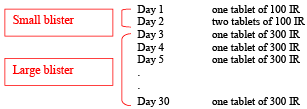
Take one 100 IR tablet on day one. Keep the tablet under your tongue until it is completely disintegrated before you swallow. On the second day of treatment, two 100 IR tablets must be placed under the tongue simultaneously and then swallowed.

It is recommended that the tablets be taken during the day. You should have no food or drink in your mouth at the same time you are taking the medicine.

Use the following dosing scheme:

Always start with the small blister:
Continuation Treatment:

The pack corresponding to the continuation treatment contains large blister strip with 30 or 90 tablets of 300IR sublingual tablets

The treatment must be continued with 1 tablet of 300 IR once a day from the Actair continuation treatment which contains 300 IR sublingual tablets only.

Do not halve the tablet. Tablet is to be taken whole.

Duration of treatment

Start your Actair treatment on the day determined by your doctor.

Take these tablets as prescribed by your doctor until the end of the treatment course.

After one year of treatment, efficacy has been shown to be maintained in the following year without treatment.

There is no experience with Actair in children younger than 5 years and in patients over 65 years of age.

How long should Actair be taken for?

Actair is started on the day determined by your doctor. It is recommended to maintain the treatment all year round.

Each year your doctor will assess if it is suitable for you to continue Actair treatment.

If you take more Actair than you should

Higher doses may be associated with reduced tolerability and may potentially increase the risk of serious allergic reactions.

In the event of overdose you may need medical treatment.

Contact the Poisons Information Centre on (13 11 26 in Australia and 0800 POISON (0800 764 766) in New Zealand) for advice on the management of overdose.

If you forget to take Actair

Do not take a double dose to make up for forgotten dose.

If you interrupted the treatment with Actair for less than one week, you can take up treatment where you left off.

If you stop taking Actair

If you stop taking Actair, you may not have an effect of the treatment.

If you interrupt treatment for longer than 7 days, you should ask your doctor before restarting treatment

If you have any further questions on the use of this product, ask your doctor.

While you are receiving Actair

Things you must do

Tell all doctors, dentists and pharmacists who are treating you, that you are receiving Actair.

Tell your doctor if you feel the treatment is not helping your condition.

If you experience any infection or inflammation in the mouth or if you experience an increase in asthma or allergy symptoms, ask your doctor for advice before continuing treatment with Actair.

Side effects

Actair helps people with allergies to the house dust mites allergen extracts of the product but they may have unwanted side effects in a few people.

All medicines can have side effects. Sometimes they may be serious, most of the time they are not. You may need medical treatment if you get some of these side effects.

Contact your doctor or nurse immediately if symptoms of an allergic reaction occur.

During treatment with Actair, you will be exposed to substances that may cause application site reactions and/or symptoms, which affect the whole body. You may experience application site reactions (such as itching of the mouth and throat irritation).

Stop taking ACTAIR and contact your doctor immediately if you develop or notice:

Allergic symptoms that affect the whole body (i.e. rapid onset of an illness associated with involvement of the skin and/or mucosa, breathing difficulty, abdominal pain or symptoms related to a drop in blood pressure).

Other possible side effects include the following:

Very common (affects more than 1 in 10 people)

  • Throat irritation, itchy mouth, swelling mouth, itchy ears

Common (affects less than 1 in 10 people):

  • Inflammation in the eyes, itchy eyes, watery eyes
  • Swelling tongue, itchy tongue, inflammation of the tongue
  • Swelling or itching or blistering of lips,
  • Formation of blisters in the mouth, uncomfortable feeling in the mouth or throat, tingling or numbness in the mouth, Decreased sensitivity in the mouth, Inflammation in the mouth with or without ulcers, pain in the mouth,
  • Pain in the throat, swelling in the throat, sensation of dryness in throat.
  • Difficulty in swallowing
  • Ear pain
  • Sinus congestion
  • Cough
  • Breathing difficulty, chest discomfort, asthma, bronchospasm
  • Nausea, abdominal pain, diarrhoea
  • Itching, dry skin, abnormal skin sensations

Uncommon (affects less than 1 in 100 people):

  • Eyelid spasm
  • Rhinitis (stuffy nose, runny nose, sneezing, , nasal discomfort ),
  • Dry mouth
  • Inflammation of the nose and throat, Throat tightness
  • Gum swelling, gum pain, swelling of palate
  • Salivary gland enlargement, increased production of saliva
  • Wheezing
  • Chest pain,
  • Serious allergic reaction with swelling of the face and throat (angioedema)
  • Headache
  • Tiredness, malaise
  • Bad breath, heartburn, vomiting, bowel disorders
  • Increased heartbeat rhythm
  • Anxiety, Sleepiness
  • Muscle spasms
  • Rash, urticaria, blisters
  • Abnormalities in morphology or count of blood cells or in biological parameters

Side effects in children and adolescents
In children and adolescents, malaise was reported at a higher incidence than in adults. In patients of this age group, oral disorder, bronchitis, enterocolitis, candida infection, seborrhoea and ear disorder were also reported as uncommon (affects less than 1 in 100 people).

Additional side effects experienced with similar products

Cases of oesophageal inflammation have been reported with other sublingual immunotherapy products.

These do not represent all possible adverse drug reactions. For a full list of all reported adverse drug reactions refer to the Australian Product Information, New Zealand Data Sheet or Doctor.

After using Actair

Storage

  • Keep it where children cannot reach it
  • Keep it in the original pack in order to protect from moisture
  • Keep it below 30ºC.
  • Do not use if past the expiry date which is stamped on the carton side panel

Product Description

Actair Initiation Treatment sublingual tablets 100 IR and 300 IR contain a small blister with 3 tablets of 100 IR concentration and a large blister with 28 tablets of 300 IR concentration

OR

Actair Initiation Treatment sublingual tablets 100 IR and 300 IR contain a small blister with 3 tablets of 100 IR concentration and a three large blisters with respectively 28, 30 and 30 tablets of 300 IR concentration

OR

Actair Initiation Treatment sublingual tablets 100 IR and 300 IR contain a small blister with 3 tablets of 100 IR concentration and a large blister with 7 tablets of 300 IR concentration

Actair Continuation Treatment sublingual tablets 300 IR contain blisters with 30 tablets of 300 IR concentration. The continuation treatment is available in packs of 30 or 90 tablets.

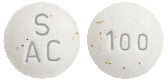
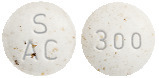
The tablets are round, biconvex, white to beige, brown speckled. The 100 IR tablets are engraved “SAC” on one side and “100” on the other and the 300 IR tablets are engraved SAC” on one side and “300” on the other.

Presentation

The following pack sizes are available:

Actair Initiation Treatment sublingual tablets 100 IR and 300 IR (AUST R 233470)

  • Pack with 3 tablets 100 IR and 28 tablets 300 IR
  • Pack with 3 tablets 100 IR and 88 tablets 300 IR
  • Pack with 3 tablets 100 IR and 7 tablets 300 IR

Actair Continuation Treatment sublingual tablets 300 IR (AUST R 233471)

  • Pack with 30 tablets
  • Pack with 90 tablets

NAME AND ADDRESS OF THE SPONSOR IN AUSTRALIA:

Stallergenes Australia Pty Ltd
Suite 2408,
4 Daydream St.,
Warriewood, NSW 2102
Ph: 1800 824 166
Fax: 1800 824 199

NAME AND ADDRESS OF THE SPONSOR IN NEW ZEALAND:

Stallergenes Greer New Zealand Limited
Level 1, 24 Manukau Road,
Epsom, Auckland 1023
New Zealand
Ph: 0800 824 166

Date Prepared: 30 May 2019

Published by MIMS August 2019
BRAND INFORMATION

Brand name

Actair

Active ingredient

American house dust mite extract; European house dust mite extract

Schedule

S4


1 Name of Medicine

Actair initiation treatment sublingual tablets 100 IR and 300 IR.

Mixture of American (D. farinae) and European (D. pteronyssinus) house dust mite allergen extracts.

Actair continuation treatment sublingual tablets 300 IR.

Mixture of American (D. farinae) and European (D. pteronyssinus) house dust mite allergen extracts.

2 Qualitative and Quantitative Composition

A 50% mixture of house dust mite allergen extracts from: European house dust mites (Dermatophagoides pteronyssinus) and American house dust mites (Dermatophagoides farinae), 100 IR* or 300 IR* per sublingual tablet.
*IR (index of reactivity): the IR unit has been defined to measure the allergenicity of an allergen extract. The allergen extract contains 100 IR/mL when, on a skin prick test using a Stallerpoint, it induces a wheal diameter of 7 mm in 30 patients sensitized to this allergen, (geometric mean). The cutaneous reactivity of these patients is simultaneously demonstrated by a positive skin prick test to either 9% codeine phosphate or 10 mg/mL histamine dihydrochloride. The IR unit of Stallergenes is not comparable to the units used by other allergen manufacturers.

Excipients with known effects.

Lactose monohydrate.
One sublingual tablet of 100 IR contains 82.8 - 83.3 mg lactose monohydrate.
One sublingual tablet of 300 IR contains 80.8 - 82.3 mg lactose monohydrate.
For full list of excipients, see Section 6.1 List of Excipients.

3 Pharmaceutical Form

Sublingual tablet.
Actair is presented as white to beige, brown speckled tablet. The 100 IR tablets are engraved "SAC" on one side and "100" on the other and the 300 IR tablets are engraved "SAC" on one side and "300" on the other.

4 Clinical Particulars

4.1 Therapeutic Indications

Treatment of house dust mite allergic rhinitis with or without conjunctivitis in adults, adolescents and children 5 years and over diagnosed with house dust mite allergy.

4.2 Dose and Method of Administration

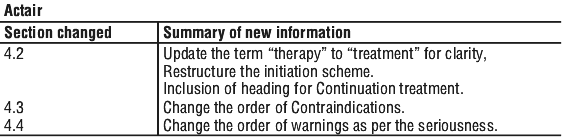
Treatment with Actair should only be prescribed and initiated by physicians with adequate training and experience in the treatment of allergic diseases. In the case of treatment of adolescent and paediatric patients 5 years and over, the physicians should have the corresponding training and experience in patients in this age group. It is recommended that the first tablet of Actair is taken under medical supervision and that the patient is monitored for 30 minutes.

Method of administration.

It is recommended to take the tablets during the day in an empty mouth. Tablets should be placed under the tongue until complete disintegration (at least 2 minutes) and then swallowed. Food or beverage should not be taken for the following 5 minutes. On the first day, one 100 IR tablet should be taken. On the second day of treatment, two 100 IR tablets should be placed under the tongue simultaneously.

Dose regimen in adults, adolescents and children 5 years and over.

The treatment is composed of an initiation phase (including a 3-day dose escalation) and a continuation phase.

Initiation treatment.

The dose of Actair should be increased over a three-day period to reach the maintenance dose, according to the following scheme:
Day 1: 1 tablet of 100 IR.
Day 2: 2 tablets of 100 IR simultaneously.
Day 3: 1 tablet of 300 IR.
The dose-escalation period could be prolonged, when considered necessary by the physician according to the patient's condition.

Continuation treatment.

The dose for adults, adolescents and children is 300 IR daily.
Study 1 (VO57.07) has shown that, after one year of Actair treatment in adults, efficacy is demonstrated during the subsequent treatment free year.

Duration of treatment.

Post treatment efficacy data after 12 months of treatment with Actair are available (see Section 5.1 Pharmacodynamic Properties, Clinical trials). Discontinuation should be considered if no improvement is observed during the first year of treatment with Actair.

Paediatric population.

The posology is the same for adults, adolescents and children (5 years and over).
The efficacy of Actair in children below the age of 5 years has not been established.

Discontinuation of therapy.

In general, if treatment is interrupted for less than 7 days, treatment can be resumed by the patient. Should the interruption period be longer than 7 days, it is recommended to contact a physician before resuming the treatment.

4.3 Contraindications

Hypersensitivity to any of the excipients (see Section 6.1 List of Excipients).
Severe, uncontrolled or unstable asthma; (FEV1 < 80% of predicted value) or severe exacerbation of asthma within the previous 3 months.
Patients with active or poorly controlled autoimmune disease, immune defects, immunodeficiencies or immunosuppression or malignant neoplasia with current disease relevance.
Severe oral inflammations (such as oral lichen planus, oral ulcerations or oral mycosis).
Initiation of allergen immunotherapy treatment during pregnancy is contraindicated (see Section 4.6 Fertility, Pregnancy and Lactation).

4.4 Special Warnings and Precautions for Use

Identified precautions.

Severe allergic reactions.

As with any sublingual allergen immunotherapy, severe allergic reactions including severe laryngopharyngeal disorders, or systemic allergic reactions may occur. Patients should be made aware of the signs and symptoms of severe allergic reactions. Severe allergic reactions may be treated with adrenaline (epinephrine). In case of severe allergic reactions, patients should discontinue the treatment and seek immediate medical care. The treatment should only be resumed upon instruction of a physician.

Previous systemic allergic reaction to allergen immunotherapy.

Initiation of Actair in patients who have had a systemic allergic reaction to previous allergen immunotherapy should be carefully considered, and measures to treat potential reactions should be available.

Asthma.

The asthma status should be carefully evaluated before starting therapy (see Section 4.3 Contraindications).
Asthma is a known risk factor for severe systemic allergic reactions. Patients with associated asthma should be controlled at the initiation and during all the duration of Actair treatment. Abrupt discontinuation of asthma controller medication after initiation of Actair treatment is not recommended.
Patients with concomitant asthma should be informed of the need to seek medical attention immediately if their asthma deteriorates suddenly.

Cardiovascular diseases.

Patients with cardiac disease may be at increased risk in case of systemic allergic reactions to allergen immunotherapy. This should be taken into consideration prior to initiating Actair.

Beta-adrenergic blockers.

Patients taking beta-adrenergic blockers may be unresponsive to the usual doses of adrenaline (epinephrine) used to treat serious systemic reactions, including anaphylaxis. Specifically, beta-adrenergic blockers antagonise the cardiostimulating and bronchodilating effects of adrenaline (epinephrine).

MAOIs, tricyclic antidepressants and COMT inhibitors.

Allergen immunotherapy in patients treated with mono amine oxidase inhibitors (MAOIs) or tricyclic antidepressants or COMT inhibitors should be considered carefully as these treatments could potentiate the effect of adrenaline (epinephrine).

Mild to moderate local allergic reactions.

The treatment consists of exposure to allergens to which the patient is allergic. Therefore, mild or moderate local allergic reactions in the oropharyngeal area (e.g. oral pruritus, throat irritation, ear pruritus) may be expected. If the patient experiences significant application site reactions, symptomatic treatment (e.g. antihistamines) may be considered.

Oral lesions.

In case of oral surgery, including dental extraction, treatment with Actair should be stopped until complete healing.

Eosinophilic oesophagitis.

Cases of eosinophilic oesophagitis have been reported in association with Actair treatment and other sublingual immunotherapies. If severe or persistent gastroesophageal symptoms including dysphagia or chest pain occur, Actair should be interrupted and the patients evaluated by their physician. Treatment should only be resumed upon instruction of the physician.

Autoimmune diseases in remission.

Limited data are available on treatment with allergen immunotherapy in patients with autoimmune diseases in remission. Actair should therefore be prescribed with caution in these patients.

Lactose.

Due to the presence of lactose, patients with rare hereditary problems of galactose intolerance, the Lapp lactase deficiency or glucose-galactose malabsorption should not take this medicine.

Use in the elderly.

Clinical experience on immunotherapy with Actair in patients older than 65 years is lacking.

Paediatric use.

The safety and efficacy of Actair in children below the age of 5 years have not been demonstrated.

Effects on laboratory tests.

No data available.

4.5 Interactions with Other Medicines and Other Forms of Interactions

No interaction studies have been performed.
No interactions were reported in clinical trials with Actair, during which patients were able to take medications to treat allergic symptoms (antihistamines, corticosteroids).
Concomitant therapy with symptomatic anti-allergic medications or anti-IgE medications e.g. omalizumab may increase the tolerance level of the patient to immunotherapy. This should be considered at discontinuation of such medications.
There are no data on possible risks of simultaneous immunotherapy with other allergens during treatment with Actair.
Clinical experience in relation to simultaneous vaccination and treatment with Actair is missing. Vaccination may be given without interrupting treatment with Actair after medical evaluation of the general condition of the patient.

4.6 Fertility, Pregnancy and Lactation

Effects on fertility.

There are no fertility data available in humans.
Animal fertility studies have not been conducted with Actair active substances. However, histopathological examination of the male and female reproductive organs revealed no adverse effects in the repeat dose toxicity studies with mite allergen extracts.
(Category B2)
There are no adequate and well controlled studies of Actair in pregnant women.
There was no evidence of maternal and embryofetal development toxicity following oral administration of Actair active substances to pregnant rats and rabbits, commencing on gestation day 6, at doses at least 76 times the 300 IR Actair dose, based on body surface area. No peripostnatal toxicity study has been conducted.
Treatment with Actair should not be initiated during pregnancy (see Section 4.3 Contraindications). If pregnancy occurs during treatment, the treatment may continue after evaluation of the general condition of the patient and reactions to previous administration of Actair.
No clinical data are available for the use of Actair during lactation. Studies in animals to investigate excretion of Actair into milk were not conducted.
No effects on the breastfed infants are anticipated. It is not recommended to initiate immunotherapy during breastfeeding. However, if a patient is under treatment at delivery, she can breastfeed with close supervision.

4.7 Effects on Ability to Drive and Use Machines

Actair has no known influence on the ability to drive and use machines.

4.8 Adverse Effects (Undesirable Effects)

Assessment of adverse reactions from clinical study data is based on trials in which 3007 patients received at least one dose of house dust mite sublingual tablet. The most frequent adverse reactions were application site reactions: oral pruritus, mouth oedema, throat irritation and ear pruritus. Adverse reactions were generally mild or moderate. They mostly occurred within the first days of treatment and decreased over the next 3 months.
Severe allergic reactions including severe laryngopharyngeal disorder or systemic allergic reactions such as serious anaphylactic reactions (i.e. acute onset of an illness with involvement of the skin, mucosal tissue, or both, respiratory compromise, persistent gastrointestinal symptoms, or reduced blood pressure and/or associated symptoms) can occur (see Section 4.4 Special Warnings and Precautions for Use).

Adults and adolescents.

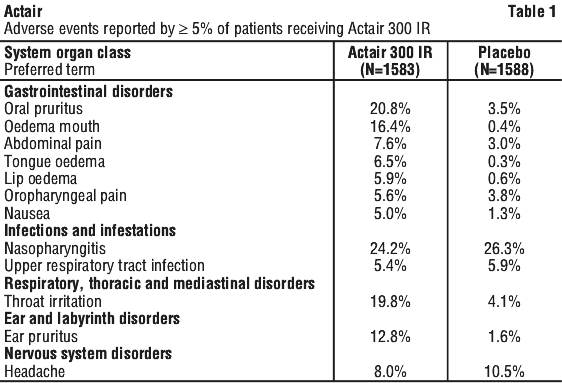
In adults and adolescents with house dust mite-induced allergic rhinitis receiving Actair (N=1583) or placebo (N=1588) once daily for up to 12 months, 1238 patients (78.2%) in the 300 IR treatment group reported adverse events as did 1036 (65.2%) in the placebo group.
Adverse events reported at an incidence of ≥ 5% of patients receiving Actair 300 IR compared to placebo in pooled study data are listed in Table 1.
Adverse events with an incidence < 5% and with causality assigned to Actair are listed below according to the MedDRA convention by system organ class and by frequency common: ≥ 1/100, < 1/10, uncommon: ≥ 1/1,000, < 1/100, rare: ≥ 1/10,000, < 1/1,000.
Infections and infestations.

Uncommon: gastroenteritis, oral candidiasis.
Rare: bronchitis, periodontitis.

Immune system disorders.

Uncommon: oral allergy syndrome.
Rare: seasonal allergy.

Psychiatric disorders.

Uncommon: anxiety.
Rare: irritability.

Nervous system disorders.

Common: dysgeusia.
Uncommon: dizziness, paraesthesia.
Rare: disturbance in attention, hypoaesthesia, somnolence, speech disorder, tremor.

Eye disorders.

Common: eye pruritus.
Uncommon: conjunctivitis, eye oedema, lacrimation increased.
Rare: ocular hyperaemia, blepharitis, blepharospasm, eye irritation.

Ear and labyrinth disorders.

Uncommon: vertigo, ear pain, paraesthesia ear.
Rare: ear congestion, tinnitus.

Cardiac disorders.

Rare: tachycardia, palpitations.

Respiratory, thoracic and mediastinal disorders.

Common: pharyngeal oedema, dyspnoea, cough.
Uncommon: laryngeal oedema, pharyngeal disorder, asthma, bronchospasm, wheezing, throat tightness, dysphonia, epistaxis, laryngeal discomfort, pharyngeal paraesthesia, rhinitis (nasal congestion, nasal pruritus, rhinorrhoea, sneezing).
Rare: hyperventilation, larynx irritation, nasal discomfort, pharyngeal hypoaesthesia, sinus congestion.

Gastrointestinal disorders.

Common: mouth ulceration, stomatitis, diarrhoea, dyspepsia, dysphagia, oropharyngeal discomfort, paraesthesia oral, tongue pruritus, lip pruritus.
Uncommon: eosinophilic oesophagitis, palatal oedema, gastritis, gastrooesophageal reflux disease, oropharyngeal blistering, oesophageal pain, cheilitis, dry mouth, dry throat, glossitis, glossodynia, hypoaesthesia oral, oral disorder, salivary gland disorder, vomiting.
Rare: oesophageal oedema, mouth haemorrhage, irritable bowel syndrome, frequent bowel movements, breath odour, eructation, flatulence, odynophagia.

Skin and subcutaneous tissue disorders.

Common: pruritus.
Uncommon: angioedema, dermatitis, rash, urticaria.
Rare: erythema multiforme, blister, erythema, prurigo.

Musculoskeletal and connective tissue disorders.

Rare: muscle spasms, musculoskeletal discomfort.

Renal and urinary disorders.

Rare: micturition urgency.

Reproductive system and breast disorders.

Rare: breast pain.

General disorders and administration site conditions.

Common: chest pain.
Uncommon: Face oedema, localised oedema, chest discomfort, lump feeling in throat, asthenia, malaise, thirst.

Investigations.

Uncommon: laboratory test abnormal (haematologic, hepatic, uric acid).

Paediatric population (5 to 11 years).

The safety experience in the paediatric population is based on clinical trials enrolling 270 children from 5 to 11 years old with house dust mite-induced allergic rhinitis and who received Actair at the 300 IR dose. Overall, the safety profile of Actair in the paediatric population was similar to that in adults and adolescents.
In addition to the reactions listed in the tabulated summary, the following reactions were reported:
Uncommon: enterocolitis, eye pain, decreased appetite, pyrexia and seborrhoea.
Moreover, the following reactions were reported at a higher incidence than in adults and adolescents: Common: laryngeal discomfort, vomiting, urticaria and laboratory test abnormal (haematologic, hepatic, uric acid).
Uncommon: ocular hyperhaemia and larynx irritation.

Patients enrolled in studies of allergic asthma.

The safety experience in patients with allergic asthma is based on clinical trials enrolling 589 patients from 6 to 50 years old with a medical history of house dust mite-induced allergic asthma controlled with asthma therapies consistent with GINA treatment Step 2, 3 or 4 with or without perennial rhinitis and who received Actair at doses up to 2000 IR. Overall, the safety profile of Actair in patients with house dust mite-induced allergic asthma was similar to that in patients with house dust mite-induced allergic rhinitis.
In addition to the reactions listed in the tabulated summary, the following reaction was reported with Actair 300 IR: Common: intranasal paraesthesia.

Post-marketing.

Cases of systemic allergic reactions, including serious anaphylactic reactions have been reported in post marketing and are considered a class effect.

Reporting suspected adverse effects.

Reporting suspected adverse reactions after registration of the medicinal product is important. It allows continued monitoring of the benefit-risk balance of the medicinal product. Healthcare professionals are asked to report any suspected adverse reactions at www.tga.gov.au/reporting-problems.

4.9 Overdose

Overdoses of up to 1000 IR for up to 28 days and overdosing of at least 600 IR for up to 324 days were reported in patients receiving Actair. No unexpected safety risk emerged in those patients. Doses up to 2000 IR for 10 days in asthmatic patients have been investigated without any new safety concerns. Higher doses may be associated with reduced tolerability and may potentially increase the risk of serious allergic reactions.
In the event of an overdose, the adverse effects should be treated symptomatically.
For information on the management of overdose, contact the Poisons Information Centre on 13 11 26 (Australia).

5 Pharmacological Properties

Pharmacotherapeutic group: Allergen extract, house dust mites. ATC code: V01AA03.

5.1 Pharmacodynamic Properties

Treatment with Actair has been shown to induce a systemic antibody response towards house dust mite allergens, with an increase in specific IgG4 antibodies in some patients. These immunoglobulins may compete with IgE for allergen binding, thereby decreasing allergen capture and presentation.

Mechanism of action.

Immunologic changes associated with immunotherapy are complex, and the exact mechanism(s) responsible for its clinical efficacy are unknown.
The allergic reaction is dependent on the presence of allergen specific immunoglobulin E (IgE) antibodies bound to specific receptors on mast cells and basophils. Upon interaction of allergens with such cell bound IgE antibodies, histamine and other mediators are released and produce local or systemic responses in atopic individuals.
Several studies have shown that the immunological response to allergen immunotherapy is characterized by an induction of allergen specific IgG4 that competes with IgE for the binding to allergens, and thereby reduces activation of immune cells. Treatment with Actair has been shown to induce a systemic antibody response towards house dust mite allergens, with an early and transient increase in specific IgE antibodies followed by a gradual decrease and an increase in specific IgG4.

Clinical trials.

Clinical experience in adults: study 1-VO57.07.

During a European, multicenter, multinational, randomized, double blind, placebo controlled study conducted over 2 years, 509 patients received either the 300 IR dose (n = 170) or the 500 IR dose (n = 169) sublingual tablet of house dust mites allergen extract or placebo (n = 170) daily for 12 months and were followed up during the subsequent treatment free year.
Study patients had allergic rhinitis caused by house dust mites, confirmed by positive skin tests and in vitro testing for dust mites specific IgE antibodies. Patients with intermittent asthma were included. Approximately 30% had asthma at baseline and 52% were polysensitized (i.e. sensitized to house dust mites allergens and at least one of the other allergens tested).
Efficacy was assessed via daily recording of rhinitis symptoms and rescue medication use by patients.
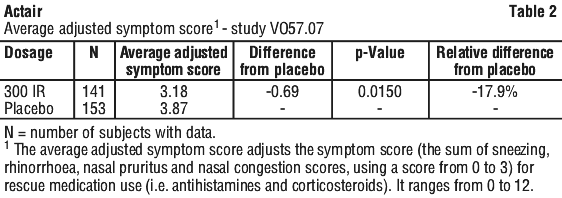
Patients receiving the 300 IR dose had a lower average adjusted symptom score over the last 3 months of treatment by 17.9% than those receiving placebo.
The results of the primary efficacy analysis are presented in Table 2.
Patients receiving the 300 IR dose had a lower average rhinitis total symptom score by 18.5% than those receiving placebo. There was no difference in the average rescue medication score between the active and placebo treatment groups.
The individual symptom scores for sneezing, nasal pruritus, nasal congestion, rhinorrhoea and ocular itching were reduced in the 300 IR group by 19.0%, 21.2%, 20.7%, 12.2% and 20.5%, respectively, compared to the placebo group.
An overall improvement of 23.0% was demonstrated in the rhinoconjunctivitis quality of life questionnaire score in the 300 IR group versus the placebo group in the first year. The improvement was also observed for each of the 7 domains: activities, sleep, non-nose/ eye symptoms, practical problems, nasal symptoms, eye symptoms, and emotional.
At the end of treatment, the proportion of patients reporting marked improvement was higher in the 300 IR group (36.9%) than in the placebo group (18.0%). A higher proportion of patients in the 300 IR group reported treatment success (80.5% versus 59.6% for placebo).

Clinical experience in adults and adolescents (12-17): study 2-1207D1731.

During a multicenter, randomized, double blind, placebo controlled study conducted in Japan over one treatment year, 968 adults and adolescents aged 12 to 64 years received either a 300 IR dose (n = 322) or a 500 IR dose (n = 324) of sublingual tablet of house dust mites allergen extract or placebo (n = 322) daily for 12 months.
Study patients had allergic rhinitis caused by house dust mites, confirmed by positive nasal provocation test and in vitro testing for dust mites specific IgE antibodies. Patients with intermittent or mild asthma were included.
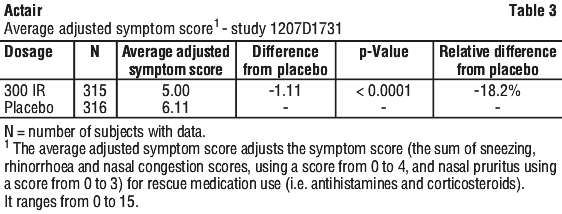
Patients receiving the 300 IR dose had a lower average adjusted symptom score over the last 2 months of treatment by 18.2% than those receiving placebo.
The results of the primary efficacy analysis are presented in Table 3.
In the subset of adolescents (aged 12 to 17 years), patients receiving the 300 IR dose had a lower average adjusted symptom score by 26.9% than those receiving placebo.
Patients receiving the 300 IR dose had a lower average rhinitis total symptom score by 17.7% and a lower average rescue medication score by 41.6% than those receiving placebo.
The individual symptoms scores for sneezing, rhinorrhoea, nasal pruritus, nasal congestion and eye tearing were reduced in the 300 IR group by 11.4%, 17.8%, 17.7%, 22.8% and 18.1%, respectively, compared to the placebo group.
For each of the domains of the Japanese rhinoconjunctivitis quality of life questionnaire score (i.e. 'nasal and eye symptoms', 'QOL related questionnaire' and 'general state'), a numerically superior improvement was demonstrated at the end of the treatment in patients receiving 300 IR compared to those receiving placebo.
At the end of treatment, the proportion of patients reporting marked improvement was higher in the 300 IR group (22.2%) than in the placebo group (9.7%).

Clinical experience in paediatric population (5-16): study 3-1501D1732.

During a multicenter, randomized, double-blind, placebo-controlled study conducted in Japan over one treatment year, 438 children and adolescents aged 5 to 16 years received either a 300 IR dose (n=219) of sublingual tablet of house dust mites allergen extract or placebo (n=219) daily for 12 months.
Study patients had allergic rhinitis caused by house dust mites, confirmed by positive nasal provocation test and in vitro testing for dust mites-specific IgE antibodies. Patients with intermittent or mild asthma were included.
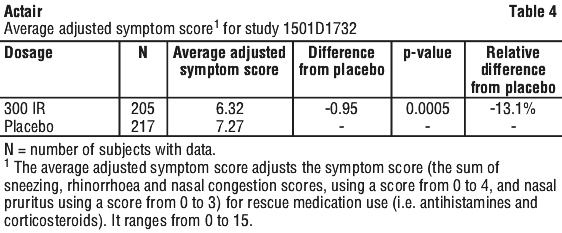
Patients receiving the 300 IR dose had a lower Average Adjusted Symptom Score over the last 4 weeks of treatment by 13.1% than those receiving placebo.
The results of the primary efficacy analysis are presented in Table 4.
Patients receiving the 300 IR dose had a lower Average Rhinitis Total Symptom Score by 12.7% and a lower Average Rescue Medication Score by 8.5% than those receiving placebo.
The individual symptoms scores for sneezing, rhinorrhoea, nasal pruritus and nasal congestion were reduced in the 300 IR group by 14.4%, 9.9%, 12.1% and 15.0%, respectively, compared to the placebo group.
At the end of treatment, the proportion of patients reporting marked improvement was higher in the 300 IR group (19.7%) than in the placebo group (8.8%).
Study 3 included 282 children aged 5 to 11 years and 156 adolescents aged 12 to 17 years. Of these, 268 children (300 IR: 130, Placebo: 138) and 154 adolescents (300 IR: 75, Placebo: 79) were evaluable for efficacy. Although this study was not designed for efficacy analysis in the age subgroups, the treatment effect in children and in adolescents was consistently in favour of 300 IR as observed in the overall population. Children and adolescents receiving the 300 IR dose had a lower Average Adjusted Symptom Score by 12.4% and 13.6%, respectively, than those receiving placebo.
In another double-blind, placebo-controlled paediatric study (VO64.08), 471 children and adolescents (5-17 years old) received Actair at a dose up to 300 IR (n=241) or placebo (n=230). Patients were not sufficiently symptomatic to enable assessment of the efficacy of Actair.

5.2 Pharmacokinetic Properties

The pharmacological effect of the active substances of house dust mite tablet is not related to blood allergen levels. Allergens are large molecules; after swallowing, allergens that have not been captured within the sublingual mucosa are broken down into smaller polypeptides and amino acids in the lumen of the gastrointestinal tract and in tissues. The extent of systemic absorption of the house dust mite extracts is assumed to be very low or negligible.
Therefore, no pharmacokinetic studies in animals or in humans have been carried out to investigate the pharmacokinetic profile and metabolism of Actair.

5.3 Preclinical Safety Data

Genotoxicity.

Actair active substances revealed no evidence of mutagenic or clastogenic potential based on the results of in vitro genotoxicity tests (bacterial reverse mutation, mouse lymphoma thymidine kinase and micronucleus assays).

Carcinogenicity.

Carcinogenicity studies have not been conducted with Actair.

6 Pharmaceutical Particulars

6.1 List of Excipients

Mannitol, microcrystalline cellulose, croscarmellose sodium, colloidal anhydrous silica, magnesium stearate and lactose monohydrate.

6.2 Incompatibilities

Incompatibilities were either not assessed or not identified as part of the registration of this medicine.

6.3 Shelf Life

In Australia, information on the shelf life can be found on the public summary of the Australian Register of Therapeutic Goods (ARTG). The expiry date can be found on the packaging.

6.4 Special Precautions for Storage

Store below 30°C.
Store in the original package in order to protect from moisture.

6.5 Nature and Contents of Container

Initiation treatment.

Pack of 1 x 3 sublingual tablets of 100 IR in a small blister + 1 x 28 sublingual tablets of 300 IR in a blister, pack of 1 x 3 sublingual tablets of 100 IR in a small blister + 88 sublingual tablets of 300 IR in 3 blisters (1 x 28, 1 x 30 and 1 x 30 sublingual tablets) and pack of 1 x 3 sublingual tablets of 100 IR in a small blister + 1 x 7 sublingual tablets of 300 IR in a blister.

Continuation treatment.

1 x 30 sublingual tablets of 300 IR in a blister. Pack of 30 or 90 tablets.
Actair Initiation Treatment Sublingual Tablets 100 IR and 300 IR (A 50% mixture of Allergen house dust mite extracts of European house dust mite (D. pteronyssinus) and American house dust mite (D. farinae) - (AUST R233470).
Actair Continuation Treatment Sublingual Tablets 300 IR (A 50% mixture of Allergen house dust mite extracts of European house dust mite (D. pteronyssinus) and American house dust mite (D. farinae) - (AUST R 233471).
Not all pack sizes may be marketed.

6.6 Special Precautions for Disposal

In Australia, any unused medicine or waste material should be disposed of by taking to your local pharmacy.

6.7 Physicochemical Properties

Not applicable.

7 Medicine Schedule (Poisons Standard)

Prescription Only Medicine - S4.

Summary Table of Changes