


Consumer medicine information

Adrenaline Viatris

Adrenaline (epinephrine)

BRAND INFORMATION

Brand name

Adrenaline Viatris

Active ingredient

Adrenaline (epinephrine)

Schedule

S3


Consumer medicine information (CMI) leaflet

Please read this leaflet carefully before you start using Adrenaline Viatris.

What is in this leaflet?

This leaflet answers some common questions about ADRENALINE MYLAN Auto-Injector. It does not contain all the available information. It does not take the place of talking to your doctor or pharmacist.

All medicines have risks and benefits. Your doctor or pharmacist has weighed the risks of you receiving ADRENALINE MYLAN against the benefits this medicine is expected to have for you.

If you have any concerns about receiving this medicine, talk to your doctor or pharmacist before there is a situation where ADRENALINE MYLAN is needed.

Please read this leaflet carefully before an emergency arises.

Keep this leaflet safely, with the ADRENALINE MYLAN Auto-Injector. You will probably want to read it again.

What ADRENALINE MYLAN is used for

ADRENALINE MYLAN is only to be used for the immediate EMERGENCY TREATMENT of a SEVERE ALLERGIC REACTION (also known as ANAPHYLAXIS).

Your doctor or pharmacist will explain what this is like, so that you know when you must use ADRENALINE MYLAN.

ADRENALINE MYLAN is used to treat people who have a severe allergic reaction caused by, for example, hypersensitivity to

  • food
  • medicines
  • stinging insects
  • insect bites
  • latex or
  • other allergens, possibly unidentified.

See Side effects for information regarding allergy to sodium metabisulfite.

Avoidance of known allergens is most important in preventing severe allergic reactions. A severe allergic reaction, otherwise known as anaphylaxis, is overwhelming and life-threatening.

It affects the whole body, in particular the

  • heart and blood circulation.
    This may cause, for example, low blood pressure and collapse, or abnormal heart beat or function.
  • air passages and lungs.
    This causes difficulty in breathing, with noisy wheezing or gasping, possibly with sneezing and a very runny nose.
  • stomach and bowels.
    This may cause nausea, vomiting, diarrhoea and abdominal cramps, often severe.
  • skin (very common).
    This causes flushing, itching, skin rash, hives or swelling, which may be widespread or in one part of the body.
  • brain.
    There may be fits or confusion due to lack of oxygen.

Usually several parts of the body are affected. The patient feels extremely unwell.

It is important to act quickly to treat a severe allergic reaction.

The adrenaline in ADRENALINE MYLAN treats allergic emergencies. It

  • shrinks abnormally wide blood vessels and
  • makes the heart beat strongly.

This helps improve the very low blood pressure and poor circulation that occur in a severe allergic reaction.

Adrenaline also

  • relaxes the lungs. This eases breathing and lessens wheezing.
  • helps stop
    - swelling, for example, of the face and lips
    - skin rash and/or
    - itching.

The ADRENALINE MYLAN Auto-Injector is intended for use in people who have been assessed and advised by their doctor or pharmacist as needing an ADRENALINE MYLAN Auto-Injector to treat their severe allergic reaction and who

  • weigh more than 30 kg, and
  • are having a severe allergic reaction.

Note: Selection of the appropriate dosage is determined according to patient body weight.

For a person who weighs from 15 kg up to 30 kg, the doctor or pharmacist may assess their severe allergic reaction as needing the larger dosage of adrenaline as provided by an ADRENALINE MYLAN Auto-Injector. (The ADRENALINE JR MYLAN Auto-Injector delivers a smaller amount of adrenaline).

If you have any questions about this, talk to your doctor or pharmacist.

ADRENALINE MYLAN

  • provides convenient first-aid
  • may be self-administered or administered by a carer
  • has a spring-activated, hidden needle
  • automatically injects one pre-measured dose of adrenaline
  • is for single use only.

ADRENALINE MYLAN may be prescribed by your doctor. You can also purchase it directly from a pharmacy.

Before you use ADRENALINE MYLAN

The ADRENALINE MYLAN Auto-Injector is simple to use. Please read and follow the step-by-step instructions.

Do not remove the blue safety release until you need to use ADRENALINE MYLAN and are ready to use it.

The safety release stops ADRENALINE MYLAN from "firing" or working.

There is no visible needle. This helps overcome fear of injection. The hidden needle is very fine so that the injection does not usually hurt.

When you must not use it

ADRENALINE MYLAN is a life-saving treatment in the emergency management of severe allergic reactions. Therefore, it should not be withheld from anyone who is considered to need it.

The ADRENALINE MYLAN Auto-Injector has a clear "viewing window" so you can see the contents.

Do not use ADRENALINE MYLAN if the contents

  • are cloudy or
  • are coloured or
  • contain sediment or
  • if the "viewing window" is obscured.

These changes indicate that the effectiveness of the drug product may be decreased.

When the "viewing window" is obscured, the auto-injector has already "fired" and cannot be used again.

Check your ADRENALINE MYLAN regularly (see Things you must do).

Do not use ADRENALINE MYLAN

  • after the expiry date on the ADRENALINE MYLAN Auto-Injector and carton or
  • if the packaging is torn, doesn't look quite right or shows signs of tampering.

If the ADRENALINE MYLAN packaging is damaged or it is past the expiry date, return it to your pharmacist for disposal.

Help in using ADRENALINE MYLAN

It is important to know how to use an ADRENALINE MYLAN Auto-Injector BEFORE a severe allergic reaction causes a medical emergency.

Ask your doctor or pharmacist to show you how to use an ADRENALINE MYLAN Auto-Injector.

It is important to regularly ask your doctor or pharmacist how to use an ADRENALINE MYLAN Auto-Injector.

ADRENALINE MYLAN is effective as emergency treatment of a severe allergic reaction ONLY when used according to the directions in this leaflet.

Give WITH CAUTION to those who have

  • high blood pressure
  • thyroid problems
  • high pressure in the eye (narrow-angle glaucoma).

Take care also when giving ADRENALINE MYLAN to those

  • having an anaesthetic

or who have:

  • diabetes
  • heart disease
  • allergy to ADRENALINE MYLAN
  • brain damage.

You should tell your doctor or pharmacist if you have:

  • depression, or are on medication for depression
  • thyroid problems, or are on thyroid medication
  • heart disease or high blood pressure
  • diabetes
  • high pressure in the eye (narrow angle glaucoma)
  • asthma
  • are pregnant or planning to become pregnant
  • ever had an allergic reaction to sodium metabisulfite.

Taking other medicines

Tell your doctor or pharmacist if you are taking other medicines, including any medicines that you buy without a prescription from your pharmacy, supermarket or health food shop. Some medicines may interfere with ADRENALINE MYLAN including:

  • medicines for high blood pressure, especially those known as "beta-blockers", and other medicines for heart problems
  • medicines for depression, especially "tricyclic antidepressants"
  • thyroid hormone
  • medicines for diabetes
  • antihistamines.

These medicines may affect how well the adrenaline in ADRENALINE MYLAN works. Your doctor or pharmacist can tell you what to do if you are taking any of these medicines.

You should discuss any concerns you have with your doctor or pharmacist.

How to use ADRENALINE MYLAN

It is important to know how to use your ADRENALINE MYLAN in an emergency (see Help in using ADRENALINE MYLAN).

Follow carefully all directions given to you by your doctor or pharmacist. They may differ from the information contained in this leaflet.

If you do not understand the instructions in this leaflet or on the ADRENALINE MYLAN Auto-Injector, ask your doctor or pharmacist for help.

When to use it

Use ADRENALINE MYLAN immediately if you have signs and symptoms of a severe allergic reaction, as described by your doctor or pharmacist. Symptoms do vary. However, the symptoms are likely to include:

  • collapse
  • difficulty in breathing
  • wheezing
  • swelling, especially of the face, lips, tongue or throat
  • flushing of the face
  • irregular or faint pulse
  • vomiting, diarrhoea, stomach cramps
  • skin rash, hives
  • itching.

How much to use

  • ADRENALINE MYLAN Auto-Injector delivers one measured dose of adrenaline. This dose is intended for a person who weighs more than 30 kg and has been assessed by their doctor or pharmacist as needing ADRENALINE MYLAN.
  • Your doctor or pharmacist may also advise ADRENALINE MYLAN Auto-Injector for a child who weighs from 15 kg up to 30 kg.

NOTE: Unless otherwise advised by the doctor or pharmacist, ADRENALINE JR MYLAN Auto-Injector should be used for children who weigh from 15 kg up to 30 kg.

See also "What ADRENALINE MYLAN is used for" above.

How to use it

General

  • Grip only the mid-section of the ADRENALINE MYLAN Auto-Injector. Avoid touching either end, except when you remove the blue safety release. The blue safety release stops the ADRENALINE MYLAN from "firing" or working.
  • Never place thumb, fingers or hand over the orange end as this contains the needle.
  • Always point the orange end (which holds the needle) away from any part of any body, except the planned injection site. This is usually the thigh of the person who has the severe allergic reaction.
  • Always hold the leg firmly during injection especially in people who are uncooperative and kick or move during an injection. This will reduce the risk of injection related injuries.
  • Keep ADRENALINE MYLAN away from the face and eyes.
  • Never inject ADRENALINE MYLAN into the buttock.

Carefully follow the step-by-step directions to make the ADRENALINE MYLAN Auto-Injector work properly.

Step 1

Flip open the yellow cap on the protective carry tube. Carefully tip and slide the ADRENALINE MYLAN Auto-Injector out of the carry tube. Never place thumb, fingers or hand over the orange endas this contains the needle. Check the contents of the ADRENALINE MYLAN Auto-Injector through the"viewing window". Make sure the solution is clear, colourless and sediment-free. If the "viewing window" is obscured, the ADRENALINE MYLAN Auto-Injector has already "fired" and cannot be used again.

Step 2

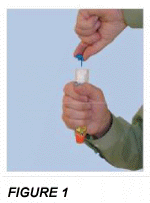
Make a fist around the ADRENALINE MYLAN Auto-Injector, with your thumb nearest to the blue safety release (see FIGURE 1).
Step 3

Activate the ADRENALINE MYLAN Auto-Injector by removing the blue safety release with your other hand (also shown in FIGURE 1). This "triggers" the ADRENALINE MYLAN Auto-Injector. It is now ready to

  • "fire" the needle and
  • inject the medicine through the needle into the thigh muscle.

After you remove the blue safety release do not touch or place thumb, fingers or hand over the orange end as this contains the needle.

Step 4

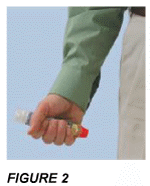
Hold the ADRENALINE MYLAN Auto-Injector at a 90° angle (right angle) to the outer part of the thigh. Hold the orange end about 5cm away from the thigh (see FIGURE 2).
Step 5

If you are administering the ADRENALINE MYLAN Auto-Injector to another person, hold their leg firmly, especially if they are uncooperative.

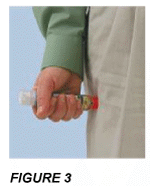
Push the orange end FIRMLY into the outer mid-thigh until a "click" is heard or felt. Keep pressing the ADRENALINE MYLAN Auto-Injector firmly against the thigh for approximately 3 seconds (see FIGURE 3).
NOTE: ADRENALINE MYLAN may be used either

  • through clothing, as shown in FIGURE 3, or
  • directly on to skin.

When you press the orange end of the ADRENALINE MYLAN Auto-Injector firmly against the thigh, the hidden needle "fires". It injects the measured dose of adrenaline into the thigh muscle.

Step 6

Carefully take the ADRENALINE MYLAN Auto-Injector away from the thigh.

The orange needle cover will extend to cover the needle (see FIGURE 4).
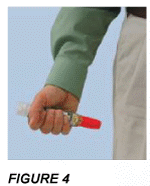
Check the "viewing window" – it should now be obscured. If it isn't, the ADRENALINE MYLAN Auto-Injector has not "fired" or worked. If the "viewing window" is not obscured, repeat steps 2-6 above.

Step 7

Record the time ADRENALINE MYLAN was given.

Step 8

Seek further medical attention for yourself immediately. Although you have received adrenaline from ADRENALINE MYLAN, you may need more medical treatment.

Either

  • Contact your doctor or
  • Call an ambulance (telephone 000 in Australia). State that adrenaline treatment may be needed.

Step 9

With severe, persistent allergic reactions, repeat injections with an additional ADRENALINE MYLAN may be necessary. The ADRENALINE MYLAN dose may be repeated every 5 to 15 minutes if symptoms recur or have not subsided.

Do not inject more than two sequential doses of ADRENALINE MYLAN unless under medical supervision.

Step 10

Explain to the doctor that you have had ADRENALINE MYLAN (intramuscular adrenaline).

Take your used ADRENALINE MYLAN Auto-Injector with you.

To avoid injury, follow the used ADRENALINE MYLAN disposal instructions below (see Disposal).

Additional information about treatment of insect sting allergy

Use ADRENALINE MYLAN immediately if you have been stung or bitten by the insect and experience the signs and symptoms as described by your doctor or pharmacist.

If the insect's sting is easily accessible, remove the sting with your fingernails. Do not squeeze, pinch or push the sting deeper into the skin. If available, ice packs or sodium bicarbonate soaks may then be applied to the stung area.

Keep warm, calm, and as still as possible.

If you use too much(overdose)

Because each ADRENALINE MYLAN Auto-Injector contains only one dose, overdosage is unlikely. Overdosage may lead to a rise in blood pressure. This may cause bleeding in the brain or fluid in the lung.

If you think you or anyone else may have used too much of this medicine,

  • consult your doctor immediately or
  • telephone the Poisons Information Centre (telephone 13 11 26 in Australia) for advice, or
  • go to Accident and Emergency at your nearest hospital. Do this even if there are no signs of discomfort or poisoning. Urgent medical attention may be required.

Things to note about ADRENALINE MYLAN

Things you must do

Check what the expiry date is on your ADRENALINE MYLAN Auto-Injector.

Mark this expiry date on your calendar or diary.

Replace your ADRENALINE MYLAN Auto-Injector prior to this expiry date.

Also note on your calendar or diary to check the contents of your ADRENALINE MYLAN Auto-Injector each month. Do this through the "viewing window".

Make sure the solution is clear, colourless and sediment-free. If not, obtain a new ADRENALINE MYLAN Auto-Injector immediately.

If the "viewing window" is obscured this means the ADRENALINE MYLAN Auto-Injector has already "fired" or worked. It cannot be used again. Return it to your doctor or pharmacist for disposal. Obtain a new ADRENALINE MYLAN Auto-Injector immediately.

The ADRENALINE MYLAN Auto-Injector can be damaged and made unusable if it is mishandled.

ADRENALINE MYLAN is NOT a toy. Keep it out of reach of children.

Things you must not do

Do not use ADRENALINE MYLAN

  • to treat any other medical conditions including other types of shock unless your doctor tells you to.
  • if the solution is brown or contains any particles or cloudiness.
  • in a child who weighs 15 kg to 30 kg unless advised by your doctor or pharmacist. ADRENALINE JR MYLAN is generally recommended for children who weigh 15 kg to 30 kg. (See also "What ADRENALINE MYLAN is used for" above).
  • in a child who weighs less than 15 kg. Talk to your doctor or pharmacist if this is the case so that a careful assessment can be made and the appropriate dose selected based on the child's weight and the life-threatening nature of the reaction(s) for which ADRENALINE MYLAN is being prescribed.

Do not take off the blue safety release until you need to use ADRENALINE MYLAN and are ready to use it.

Remember that the ADRENALINE MYLAN Auto-Injector is activated ("triggered", ready to "fire") as soon as you take off the blue safety release.

Do not touch the orange end on any person or object while you are taking off the blue safety release and/or after you have taken off the blue safety release.

The orange end holds the hidden needle, ready to "fire" and inject the adrenaline.

After you take off the blue safety release

  • Do not "click" on either end of the ADRENALINE MYLAN Auto-Injector. The ADRENALINE MYLAN Auto-Injector does not work like a retractable ball-point pen (see How to use it step 3).
  • Do not bump the ADRENALINE MYLAN Auto-Injector until you intentionally push the orange end firmly into the thigh (see How to use it step 4).
  • This will help prevent accidental activation of the ADRENALINE MYLAN Auto-Injector prior to use.

Do not inject into hands, feet, ears, nose, buttocks, genital area or into a blood vessel. If this does happen accidentally you must immediately seek medical attention.

Do not inject into the buttock. Rare cases of serious skin infections have been reported following injection into the buttock. If you develop signs or symptoms of infection, such as persistent redness, warmth, swelling, or tenderness, at the adrenaline injection site you must seek medical attention immediately.

Side effects

Like all medicines, ADRENALINE MYLAN can cause some side effects. Side effects not listed in this leaflet may occur in some patients.

Tell your doctor or pharmacist if you experience any unpleasant side effects after using ADRENALINE MYLAN, even if you do not think the effect is connected with the medicine or is listed in this leaflet. Ask your doctor or pharmacist to answer any questions you may have.

Do not be alarmed by the following list of side effects. You may not experience any of them.

Adrenaline

Tell your doctor or pharmacist if you have any of the following:

  • fast or noticeable heart beat
  • difficulty breathing
  • chest pain
  • shortness of breath
  • dizziness
  • pale skin colour
  • weakness
  • tremor
  • headache
  • throbbing
  • sweating
  • nausea or vomiting
  • sleeplessness
  • coldness
  • hallucinations
  • restlessness
  • anxiety
  • fear
  • flushing or redness of face and skin.

These side effects are minor and short lasting.

Accidental injection into the hands, fingers or feet may result in the following:

  • fast or noticeable heart beat
  • pale skin colour at the site of accidental injection
  • feeling of coldness at the site of accidental injection
  • bruising or discolouration at the site of accidental injection
  • bleeding

If an accidental injection occurs at one of these areas, seek medical attention immediately.

Injection related injuries, such as needle cuts and bent needles, have been reported in people who are uncooperative and kick or move during the injection.

Rare cases of serious skin infections have been reported following injection into the buttock.

More severe side effects can occur occasionally. They are caused by adrenaline stimulating the heart and increasing the blood pressure. Rarely, these side effects can cause, for example, a stroke, lung problems or severe irregular heartbeat.

Adrenaline may also cause disorientation and impaired memory.

Sodium metabisulfite

ADRENALINE MYLAN contains a very small quantity of sodium metabisulfite as a preservative. In people who are allergic to sodium metabisulfite, this could cause, for example, severe allergic reactions (hypersensitivity) or breathing difficulty (bronchospasm) in certain groups of people, especially those with history of asthma. However, the active ingredient, adrenaline, in ADRENALINE MYLAN is expected to overcome any allergic reaction to sodium metabisulfite. In an emergency, the risk of exposure to the very small amount of sodium metabisulfite is generally outweighed by the benefits of ADRENALINE MYLAN.

Storing ADRENALINE MYLAN before use

Always handle the ADRENALINE MYLAN Auto-Injector carefully, so as not to accidentally activate it or make it "fire" or work.

Storage

Keep ADRENALINE MYLAN available with the person for whom it is intended.

Keep ADRENALINE MYLAN in a cool dry place below 25°C. Temperature excursions between 15°C to 25°C permitted.

Do not place ADRENALINE MYLAN in the fridge. Do not leave ADRENALINE MYLAN in your car. Extreme temperatures may cause the auto-injector unit to malfunction.

Protect ADRENALINE MYLAN from light. Keep ADRENALINE MYLAN in the protective carry tube until required.

Do not store ADRENALINE MYLAN or any other medicine in the bathroom or near a sink. Do not leave it on a windowsill or in the car. Heat and dampness can destroy some medicines.

Keep ADRENALINE MYLAN where children cannot accidentally reach it.

After using ADRENALINE MYLAN

Disposal

After the ADRENALINE MYLAN Auto-Injector has "fired" or worked, the orange needle cover will extend to cover the exposed needle. After use, continue to handle the ADRENALINE MYLAN Auto-Injector safely and with care. Do this even if you think the ADRENALINE MYLAN Auto-Injector has not "triggered", "fired" or worked properly.

You CANNOT RE-USE the ADRENALINE MYLAN Auto-Injector even though some adrenaline is left inside it.

After use, do not just throw away the ADRENALINE MYLAN Auto-Injector.

  • Do not tamper with the orange needle cover.
  • Do not replace the blue safety release.
  • The used auto-injector with extended needle cover will not fit back into the carry tube.
  • Give your used ADRENALINE MYLAN Auto-Injector, to the doctor's office or to a hospital. This is for inspection, if required, and also for safe disposal. The used ADRENALINE MYLAN Auto-Injector, should be placed in a rigid sharps disposal unit.

Product description

Ingredients

ADRENALINE MYLAN delivers one x 0.3 mL dose of adrenaline (epinephrine). This ADRENALINE MYLAN dose provides 300 mcg of adrenaline (epinephrine).

The ADRENALINE MYLAN Auto-Injector holds 2 mL of adrenaline (epinephrine) 1:1,000 solution.

The injection also contains small amounts of

  • sodium chloride
  • sodium metabisulfite
  • hydrochloric acid.

The ADRENALINE MYLAN Auto-Injector is packed in a non-waterproof protective plastic carry tube. This carry tube has a yellow cap. The carry tube is supplied in a cardboard pack.

The Australian Registration Number is AUST R 296842.

This is not all the information available on ADRENALINE MYLAN. If you have any more questions or are unsure about anything, ask your doctor or pharmacist.

Supplier

ADRENALINE MYLAN is distributed in Australia by:

Alphapharm Pty Ltd
Level 1, 30 The Bond
30-34 Hickson Road
Millers Point NSW 2000
www.mylan.com.au

Medical Information
Phone: 1800 274 276

This leaflet was prepared in July 2021.

Made in USA

ADRENALINE MYLAN_CMI/Jul21\00

Published by MIMS March 2022

BRAND INFORMATION

Brand name

Adrenaline Viatris

Active ingredient

Adrenaline (epinephrine)

Schedule

S3


1 Name of Medicine

* In some countries, adrenaline is known as epinephrine.
Adrenaline (epinephrine)*.

2 Qualitative and Quantitative Composition

Each Adrenaline Viatris adrenaline (epinephrine) injection contains adrenaline (epinephrine) 300 microgram (0.3 mg) in 0.3 mL as the active ingredient.

Excipients with known effect.

Sulfites.
For the full list of excipients, see Section 6.1 List of Excipients.

3 Pharmaceutical Form

Clear and colourless liquid.

4 Clinical Particulars

4.1 Therapeutic Indications

For the emergency treatment of anaphylaxis (acute severe allergic reactions) due to insect stings, or bites, foods, drugs or other allergens.

4.2 Dose and Method of Administration

Dosage.

Selection of the appropriate dosage strength is determined according to patient body weight and this decision should be based on careful assessment of the individual patient and recognition of the life-threatening nature of reactions for which Adrenaline Viatris is prescribed.

Adults (≥ 30 kg).

Intramuscular injection of Adrenaline Viatris Auto-Injector containing 0.3 mg adrenaline injection (0.3 mg/0.3 mL).

Children (15 to 30 kg).

Intramuscular injection of Adrenaline Jr Viatris Auto-Injector containing 0.15 mg adrenaline injection (0.15 mg/0.3 mL).
The doctor or pharmacist may choose to recommend more or less than this amount**. With severe persistent anaphylaxis, repeat injections with an additional Adrenaline Viatris Auto-Injector may be necessary.
To manage severe anaphylaxis, repeat Adrenaline Viatris injections may be necessary. Each Adrenaline Viatris Auto-Injector is used once only. The Adrenaline Viatris dose may be repeated every 5 to 15 minutes if symptoms recur or have not subsided (see Section 4.9 Overdose). It is recommended that patients are prescribed two Adrenaline Viatris Auto-Injector pens which they should carry at all times.

Use of adrenaline.

The Adrenaline Viatris Auto-Injector is intended for immediate self-administration. It is designed as emergency supportive therapy only and is not a replacement or substitute for subsequent medical or hospital care. The patient must consult a physician after injection in order to have relevant actions taken for further evaluation and/or treatment.
Before using, check the medicine through the Auto-Injector viewing window and make sure the solution in the Auto-Injector is clear, colourless and free of particles. If it is discoloured or contains a precipitate, do not use, since these changes indicate that the effectiveness of the drug product may be decreased.
The delivered dose of the Adrenaline Viatris Auto-Injector should be injected intramuscularly into the anterolateral aspect of the thigh, not the buttock. It is designed to inject through clothing or directly through the skin. The Adrenaline Viatris Auto-Injector should be pushed firmly into the outer mid-thigh until a "click" is heard or felt and it should then be held firmly against the thigh for approximately 3 seconds to ensure the dose is delivered. Instruct caregivers of young children who are prescribed an Adrenaline Viatris Auto-Injector and who may be uncooperative and kick or move during an injection to hold the leg firmly in place and limit movement prior to and during an injection.
Do not inject intravenously. Every effort should be made to avoid inadvertent intravascular administration (see Section 4.9 Overdose).
Appropriate steps should be taken to ensure that the patient thoroughly understands the indications and correct usage of this device. The Adrenaline Viatris Auto-Injector should not be used for demonstration purposes. The healthcare professional, educator or caregiver should regularly review in detail with the patient, the package leaflet provided inside the Adrenaline Viatris Auto-Injector carton, which includes usage instructions for the Adrenaline Viatris Auto-Injector.

Important information - after use.

Patients should be instructed to dispose of the device safely after use by placing the used Auto-Injector in a sharps disposal unit.

4.3 Contraindications

Contraindications are relative as this product is intended for use in life-threatening emergencies.
Adrenaline should not be used in patients with certain types of arrhythmia, cerebral arteriosclerosis and where vasopressor drugs are contraindicated e.g. thyrotoxicosis.
Adrenaline is also contraindicated in shock (other than anaphylactic shock) in patients or during general anaesthesia with halogenated hydrocarbons or cyclopropane.
Clinical conditions where special precautions are advised and interactions with other medicines are described in further detail in Section 4.4 Special Warnings and Precautions for Use.

4.4 Special Warnings and Precautions for Use

A severe anaphylactic reaction is a life-threatening emergency and administration of Adrenaline Viatris is not intended as a substitute for immediate medical care. In conjunction with the administration of adrenaline, the patient should seek immediate medical or hospital care. More than two sequential doses of adrenaline should only be administered under direct medical supervision.
The presence of anaphylactic shock should be confirmed before administering Adrenaline Viatris, as Adrenaline Viatris is only indicated for the treatment of anaphylaxis. Anaphylaxis may occur within minutes after exposure and consist of flushing, apprehension, syncope, tachycardia, thready or unobtainable pulse associated with a fall in blood pressure, convulsions, vomiting, diarrhoea and abdominal cramps, involuntary voiding, wheezing, dyspnoea due to laryngeal spasm, pruritus, rashes, urticaria or angioedema.
For these reasons, auto-injectors should always be carried by such persons in situations of potential risk.
The patient/carer should be informed about the possibility of biphasic anaphylaxis which is characterised by initial resolution followed by recurrence of symptoms some time later.
Do not inject intravenously as cerebral haemorrhage may occur due to a sharp rise in blood pressure. Rapidly acting vasodilators can counteract the marked pressor effects of adrenaline if there is such inadvertent administration.

Excipient warnings.

Adrenaline Viatris Auto-Injector contains sodium metabisulfite, a sulfite, which may itself cause allergic-type reactions including anaphylactic symptoms and bronchospasm in susceptible persons, especially those with a history of asthma. The alternatives to using adrenaline in a life-threatening situation may not be satisfactory. The presence of a sulfite in this product should not deter administration for serious allergic reactions even if the patient is sulfite-sensitive.
Patients with these conditions must be carefully instructed in regard to the circumstances under which Adrenaline Viatris should be used.

Concomitant diseases.

Use with caution in patients with ventricular fibrillation, cerebral arteriosclerosis, prefibrillatory rhythm, tachycardia, myocardial infarction, and phenothiazine-induced circulatory collapse.
Adrenaline should not be used in the presence of cardiac dilation.
Adrenaline causes ECG changes including a decrease in T-wave amplitude in all leads of normal persons. Caution should be taken when administering in the presence of cardiac dilation.
Adrenaline should be administered with caution in patients who have heart disease, including patients with cardiac arrhythmias, coronary artery or organic heart disease or hypertension.
Adrenaline can cause potentially fatal ventricular arrhythmias including fibrillation, especially in patients with organic heart disease or those receiving other drugs that sensitise the heart to arrhythmias (see Section 4.5 Interactions with Other Medicines and Other Forms of Interactions).
Anginal pain may be induced by adrenaline in patients with coronary insufficiency.
Use with caution in patients with pre-existing conditions whereby the use of vasopressor drugs is contraindicated (e.g. thyrotoxicosis).
Administer with caution to the elderly, and to individuals with diabetes, cardiovascular disease, hypertension, organic brain damage, severe renal impairment, prostatic adenoma leading to residual urine, hypercalcaemia, hypokalaemia, hyperthyroidism and psychoneurosis. In patients with Parkinsonism the drug increases rigidity and tremor.
In patients with high intraocular pressure in angle-closure glaucoma, adrenaline dilates the pupil (mydriasis) and produces an acute episode of angle-closure. Adrenaline reduces intraocular pressure in open-angle glaucoma, decreasing aqueous formation and increasing outflow facility.
Syncope has occurred following administration to asthmatic children.
Adrenaline Viatris should not be injected into the hands, feet, ears, nose, buttocks or the genitalia as it may result in loss of blood flow to the affected area and may not provide effective treatment of anaphylaxis. Treatment should be directed at vasodilatation in addition to further treatment of anaphylaxis. If an accidental injection into one of these areas occurs, specialist medical advice must be sought immediately. Ensure the product is kept well clear of the face.
Additionally, injection into the buttock has been associated with Clostridial infections (gas gangrene). Cleansing with alcohol does not kill bacterial spores, and therefore, does not lower this risk.
Rare cases of serious skin and soft tissue infections, including necrotising fasciitis and myonecrosis caused by Clostridia (gas gangrene), have been reported at the injection site following adrenaline injection for anaphylaxis. Clostridium spores can be present on the skin and introduced into the deep tissue with subcutaneous or intramuscular injection. While cleansing with alcohol may reduce presence of bacteria on the skin, alcohol cleansing does not kill Clostridium spores. To decrease the risk of Clostridium infection, do not inject Adrenaline Viatris into the buttock. Advise patients to seek medical care if they develop signs or symptoms of infection, such as persistent redness, warmth, swelling, or tenderness, at the adrenaline injection site.
In patients with a thick sub-cutaneous fat layer (> 20 mm skin to muscle distance under maximum compression), there is a risk for adrenaline not reaching the muscle tissue resulting in a suboptimal effect (see Section 5.2 Pharmacokinetic Properties). A second injection with an additional Adrenaline Viatris may be needed in such individuals (see Section 4.2 Dose and Method of Administration).
Hold leg firmly during injection. Lacerations, bent needles, and embedded needles have been reported when adrenaline has been injected into the thigh of young children who are uncooperative and kick or move during an injection. To minimise the risk of injection related injury when administering Adrenaline Viatris to young children, instruct caregivers to hold the child's leg firmly in place and limit movement prior to and during injection.
Despite these concerns, adrenaline is essential for the treatment of anaphylaxis. Therefore, patients with these conditions, and/or any other person who might be in a position to administer Adrenaline Viatris Auto-Injector to a patient experiencing anaphylaxis should be carefully instructed in regard to the circumstances under which adrenaline should be used.

Use in the elderly.

No data available.

Paediatric use.

No data available.

Effects on laboratory tests.

No data available.

4.5 Interactions with Other Medicines and Other Forms of Interactions

Central nervous system and other medicines.

The effects of adrenaline may be potentiated by tricyclic antidepressants, levothyroxine sodium, thyroid hormones, monoamine oxidase inhibitors (MAO inhibitors), catechol-O-methyl transferase inhibitors (COMT inhibitors), theophylline, oxytocin, parasympatholytics, some antihistamines (e.g. diphenhydramine, dexchlorpheniramine, chlorpheniramine and tripelennamine), levodopa and alcohol.

Other sympathomimetic agents.

Adrenaline should not be administered with other sympathomimetic agents because of the danger of additive effects and increased toxicity.

Alpha-adrenergic blocking agents.

The vasoconstricting and hypertensive effects of adrenaline are antagonised by alpha-adrenergic blocking agents such as ergot alkaloids and phentolamine.

Beta-adrenergic blocking agents.

Patients taking non-selective beta-blocking drugs when administered adrenaline for the treatment of an anaphylactic reaction may experience severe hypertension and bradycardia. The cardiostimulating and bronchodilating effects of adrenaline are antagonised by beta-adrenergic blocking drugs, such as propranolol. The risk of cardiac arrhythmias is higher when adrenaline is given to patients receiving digoxin or quinidine.

General anaesthetics.

Halothane and other anaesthetics such as cyclopropane and trichlorethylene increase the risk of adrenaline-induced ventricular arrhythmias and acute pulmonary oedema if hypoxia is present.

Hypoglycaemic agents.

Adrenaline-induced hyperglycaemia may lead to loss of blood sugar control in diabetic patients treated with hypoglycaemic agents. It may be necessary for diabetic patients receiving adrenaline to increase their dosage of insulin or oral hypoglycaemic drugs.

4.6 Fertility, Pregnancy and Lactation

Effects on fertility.

Studies of adrenaline after repeated exposure in animals to evaluate the effect on fertility have not been conducted. As adrenaline is a substance that naturally occurs in the body, it is unlikely that this drug would have any detrimental effects on fertility. This should not prevent the use of adrenaline under the conditions noted under Section 4.1 Therapeutic Indications.
(Category A)
Adrenaline has been given to a large number of pregnant women and women of childbearing age without any proven increase in the frequency of malformations or other direct or indirect harmful effects on the foetus having been observed.
Adrenaline may delay the second stage of labour by inhibiting contractions of the uterus.
Use with caution in pregnant women whose maternal blood pressure is in excess of 130/80.
Adrenaline is not orally bioavailable. Adrenaline is excreted in breast milk but would not be expected to have any effect on the nursing infant.

4.7 Effects on Ability to Drive and Use Machines

The patients' ability to drive and use machinery may be affected by the anaphylactic reaction, as well as by possible adverse effects to adrenaline.

4.8 Adverse Effects (Undesirable Effects)

Common symptomatic adverse events include anxiety, apprehensiveness, restlessness, tachycardia, respiratory difficulty, tremor, weakness, dizziness, headache, dyspnoea, cold extremities, sweating, pallor, nausea, vomiting, sleeplessness, hallucinations, palpitations, fear and flushing or redness of face and skin. Psychomotor agitation, disorientation, impaired memory and psychosis may occur.
Potentially fatal ventricular arrhythmias, including ventricular fibrillation may occur and severe hypertension may lead to cerebral haemorrhage and pulmonary oedema.
Angina may occur in patients with coronary artery disease.
Cardiac arrhythmias may lead to ventricular fibrillation and death.
Rare cases of stress cardiomyopathy have been reported in patients treated with adrenaline.
The potential for adrenaline to produce these types of adverse effects does not contraindicate its use in an acute life-threatening allergic reaction.
Accidental injection into the hands, fingers or feet may result in loss of blood flow to the affected area (see Section 4.4 Special Warnings and Precautions for Use). Adverse events experienced as a result may include increased heart rate, local reactions including injection site pallor, coldness or hypoaesthesia or injury at the injection site resulting in bruising, bleeding, discolouration, erythema or skeletal injury.
Lacerations, bent needles, and embedded needles have been reported when adrenaline has been injected into the thigh of young children who are uncooperative and kick or move during the injection (see Section 4.4 Special Warnings and Precautions for Use).
Rare cases of serious skin and soft tissue infections, including necrotising fasciitis and myonecrosis caused by Clostridia (gas gangrene), at the injection site have been reported from post-marketing experience. Injection into the buttock has resulted in cases of gas gangrene (see Section 4.4 Special Warnings and Precautions for Use).

Reporting suspected adverse effects.

Reporting suspected adverse reactions after registration of the medicinal product is important. It allows continued monitoring of the benefit-risk balance of the medicinal product. Healthcare professionals are asked to report any suspected adverse reactions at www.tga.gov.au/reporting-problems.

4.9 Overdose

Effects.

Overdosage or inadvertent intravascular injection of adrenaline may cause cerebral haemorrhage resulting from a sharp rise in blood pressure. Fatalities may also result from pulmonary oedema because of peripheral vascular constriction together with cardiac stimulation.
Repeated administration of adrenaline can result in severe metabolic acidosis because of elevated blood concentration of lactic acid.

Treatment.

Adrenaline is rapidly inactivated in the body and treatment of acute toxicity is mainly supportive. If necessary, the combined alpha and beta mediated effects of adrenaline may be counteracted by labetalol. Individually, alpha mediated effects may be counteracted by phentolamine whilst beta mediated effects may be counteracted by beta blocking agents.
For information on the management of overdose, contact the Poisons Information Centre on 13 11 26 (Australia).

5 Pharmacological Properties

5.1 Pharmacodynamic Properties

Mechanism of action.

Adrenaline is a sympathomimetic drug, acting on both alpha and beta receptors. Through its action on alpha adrenergic receptors, adrenaline lessens the vasodilatation and increased vascular permeability that occurs during anaphylaxis, which can lead to a loss of intravascular fluid volume and hypotension. Through its action on beta-adrenergic receptors, adrenaline causes bronchial smooth muscle relaxation that helps alleviate bronchospasm, wheezing and dyspnoea that may occur during anaphylaxis. Other major effects are increased systolic blood pressure, reduced diastolic pressure, tachycardia, hyperglycaemia and hypokalaemia. It is a powerful cardiac stimulant, raising cardiac rate, cardiac output and coronary circulation. It has vasopressor properties, an antihistaminic action and is a bronchodilator. Adrenaline also alleviates pruritus, urticaria, and angioedema and may be effective in relieving gastrointestinal and genitourinary symptoms associated with anaphylaxis because of its relaxant effects on the smooth muscle of the stomach, intestine, uterus, and urinary bladder.

Clinical trials.

No data available.

5.2 Pharmacokinetic Properties

Absorption.

The onset of action is rapid and of short duration. The plasma half-life of adrenaline is about 2.5 minutes. However, following subcutaneous or intramuscular administration, local vasoconstriction retards absorption, so that the effects occur insidiously and last much longer than the half-life would predict.

Distribution.

Adrenaline is rapidly distributed to the heart, spleen, several glandular tissues and adrenergic nerves. It is approximately 50% bound to plasma proteins.

Metabolism.

Adrenaline is rapidly inactivated in the liver and tissues mostly by the enzymes COMT and MAO. The liver is rich in these enzymes and is an important, although not essential, tissue in the degradation process.

Excretion.

Up to 90% of the intravenous dose is excreted as metabolites in the urine. It crosses the placenta and is excreted in breast milk.

Clinical trials.

In a pharmacokinetic study in 35 healthy subjects, grouped by varying degrees of thickness in the subcutaneous fat layer of the thigh and stratified by gender, a single 0.3 mg/0.3 mL injection at the anterolateral aspect of the mid-thigh was made with an adrenaline auto-injector and was compared in crossover design to a manual syringe-delivered dose with needles individualized for delivery to muscle layer. The results indicate that female subjects with a thick sub-cutaneous fat layer (> 20 mm skin to muscle distance under maximum compression) had slower adrenaline absorption rate, reflected in a trend to lower plasma exposure in such subjects in the first ten minutes following injection. However, overall adrenaline exposure from 0 to 30 min (AUC0-30 min) for all groups of subjects receiving adrenaline auto-injector exceeded exposures resulting from syringe delivery.
Both inter-subject and intra-subject variability was however high in this study and therefore robust conclusions cannot be drawn.

5.3 Preclinical Safety Data

Genotoxicity.

Adrenaline and other catecholamines have been shown to have mutagenic potential in vitro and to be an oxidative mutagen in a WP2 bacterial reverse mutation assay. Adrenaline had a moderate degree of mutagenicity, and was positive in the DNA Repair test with B. subtilis (REC) assay, but was not mutagenic in the Salmonella bacterial reverse mutation assay.
Studies of adrenaline after repeated exposure in animals to evaluate the mutagenic potential have not been conducted. This should not prevent the use of adrenaline under the conditions noted under Section 4.1 Therapeutic Indications.

Carcinogenicity.

Studies of adrenaline after repeated exposure in animals to evaluate the carcinogenic potential have not been conducted. This should not prevent the use of adrenaline under the conditions noted under Section 4.1 Therapeutic Indications.

6 Pharmaceutical Particulars

6.1 List of Excipients

Hydrochloric acid (for pH adjustment), sodium chloride, sodium metabisulfite, water for injections.

6.2 Incompatibilities

Adrenaline and its salts are physically incompatible with alkalis, metals, oxidising agents, sodium warfarin, hyaluronidase and many other drugs; it forms polymers with sodium bicarbonate.
Oxidation can be inhibited by addition of anti-oxidants. The solution darkens in colour upon exposure to air or light.

6.3 Shelf Life

In Australia, information on the shelf life can be found on the public summary of the Australian Register of Therapeutic Goods (ARTG). The expiry date can be found on the packaging.

6.4 Special Precautions for Storage

Adrenaline is light sensitive and should be stored in the carrier tube provided. The carrier tube is not waterproof.
Store below 25°C. Temperature excursions between 15°C to 25°C permitted.
Do not refrigerate. Protect from light.
Before using, check periodically through the viewing window of the auto-injector to make sure the solution is not discoloured. Replace the auto-injector if the solution is discoloured or contains a precipitate.

6.5 Nature and Contents of Container

The Adrenaline Viatris Auto-Injector contains 2 mL Adrenaline Injection USP 0.3 mg/0.3 mL and delivers a single 300 microgram adrenaline dose.
Adrenaline Viatris Auto-Injector is available in a single pack or in a pack of 2.
Not all pack sizes may be marketed.

Australian register of therapeutic goods (ARTG).

AUST R 296842 - Adrenaline Viatris adrenaline (epinephrine) 0.3 mg/0.3 mL injection syringe auto-injector.

6.6 Special Precautions for Disposal

In Australia, any unused medicine or waste material should be disposed of by taking it to your local pharmacy.

6.7 Physicochemical Properties

Chemical structure.

Chemical name: (R)-1-(3,4-dihydroxyphenyl)- 2-methylaminoethanol.
Structural formula:
Molecular formula: C9H13NO3. Molecular weight: 183.2.

CAS number.

CAS Registry No: 51-43-4.
Adrenaline is a white odourless crystalline powder, soluble in solutions of mineral acids and alkalis.
Adrenaline solution deteriorates rapidly on exposure to air or light, turning pink from oxidation to adrenochrome and brown from the formation of melanin. Replace the Adrenaline Viatris Auto-Injector if the adrenaline solution appears discoloured.
Adrenaline Viatris has a pH range of 2.2-5.0.

References

**Australasian Society of Clinical Immunology and Allergy Guidelines - Adrenaline (Epinephrine) Injector Prescription, ASCIA 2024 https://www.allergy.org.au/hp/anaphylaxis/adrenaline-injector-prescription.

7 Medicine Schedule (Poisons Standard)

S3 (Pharmacist Only Medicine).

Summary Table of Changes