


Consumer medicine information

Alecensa

Alectinib

BRAND INFORMATION

Brand name

Alecensa

Active ingredient

Alectinib

Schedule

S4


Consumer medicine information (CMI) leaflet

Please read this leaflet carefully before you start using Alecensa.

What is in this leaflet

This leaflet answers some common questions about Alecensa. It does not contain all the available information. It does not take the place of talking to your doctor or pharmacist.

All medicines have risks and benefits. Your doctor has weighed the risks of you taking Alecensa against the benefits they expect it will have for you.

If you have any concerns about taking this medicine, ask your doctor or pharmacist.

Keep this leaflet with the medicine. You may need to read it again.

What Alecensa is used for

Alecensa is used to treat adults with a type of lung cancer called non-small cell lung cancer. It is used if your cancer:

  • is ALK-positive – this means your cancer cells have a fault in a gene called anaplastic lymphoma kinase (ALK)
  • is advanced or has spread to another part of your body (metastatic)

Alecensa contains the active ingredient alectinib.

Alecensa belongs to a group of medicines called anti-neoplastic (or anti-cancer) agents, which are used to treat cancer.

Alecensa prevents the activity of the ALK protein. This protein is known to be involved in the growth and spread of cancer cells.

Alecensa may slow down or stop the growth of your cancer. It may also help to shrink your cancer.

Some people may experience side effects not yet known or mentioned in this leaflet. If you notice any side effects not listed in this leaflet, please inform your doctor or pharmacist.

Ask your doctor if you have any questions about why Alecensa has been prescribed for you. Your doctor may have prescribed it for another reason.

Alecensa is not addictive.

This medicine is available only with a doctor's prescription.

Before you take Alecensa

When you must not take it

Do not take Alecensa if you have an allergy to:

  • any medicine containing alectinib
  • any of the ingredients listed at the end of this leaflet.

Some of the symptoms of an allergic reaction may include:

  • shortness of breath
  • wheezing or difficulty breathing
  • swelling of the face, lips, tongue or other parts of the body
  • rash, itching or hives on the skin.

Do not take this medicine if you are pregnant. It may affect your developing baby if you take it during pregnancy.

Do not breastfeed if you are taking this medicine.

Do not give Alecensa to children under the age of 18 years. Safety and effectiveness in children have not been established.

Do not take Alecensa after the expiry date printed on the pack or if the packaging is torn or shows signs of tampering. If it has expired or is damaged, return it to your pharmacist for disposal.

If you are not sure whether you should start taking this medicine, talk to your doctor.

Before you start to take it

Tell your doctor if you have allergies to any other medicines, foods, preservatives or dyes.

Tell your doctor if you have or have had any of the following medical conditions:

  • you are pregnant or plan to become pregnant
    Alecensa may be harmful to an unborn baby when taken by a pregnant woman. You should not take Alecensa while you are pregnant.
    If you are a woman who could become pregnant, use highly effective contraception (birth control) during treatment, and for at least 1 week after taking the last capsule.
    If you are the partner of a woman who could become pregnant, use highly effective contraception during treatment, and for at least 3 months after taking the last capsule.
    Talk to your doctor about the right methods of contraception for you and your partner.
  • you are breastfeeding or plan to breastfeed
    It is not known whether alectinib passes into breast milk. It is not recommended that you breastfeed while taking Alecensa and for 1 week after taking the last capsule.
  • you have liver problems
    Your doctor will do blood tests before treatment to check your liver function.
  • you cannot tolerate lactose, or you have an inherited problem called galactose intolerance, congenital lactase deficiency or glucose-galactose malabsorption.
  • if you have ever had stomach or intestine problems as holes (perforation), or if you have conditions causing inflammation inside the abdomen (diverticulitis), or if you have spread of cancer inside the abdomen (metastasis).
    It is possible that Alecensa may increase the risk of developing holes in the wall of your gut.

If you have not told your doctor about any of the above, tell him/her before you start taking Alecensa.

Taking other medicines

Tell your doctor or pharmacist if you are taking any other medicines, including any that you get without a prescription from your pharmacy, supermarket or health food shop.

Alecensa may interfere with some medicines. These include some medicines with a narrow therapeutic index (meaning medicines that need tight control of the dose to produce the desired effects without causing severe or fatal problems). These include:

  • digoxin, used to treat heart disease
  • dabigatran, used to prevent or treat blood clots
  • methotrexate, used to treat rheumatoid arthritis and some cancers

These medicines may be affected by Alecensa or may affect how well it works. You may need different amounts of your medicines, or you may need to take different medicines.

Your doctor and pharmacist have more information on medicines to be careful with or avoid while taking this medicine.

How to take Alecensa

Follow all directions given to you by your doctor or pharmacist carefully. They may differ from the information contained in this leaflet.

How much to take

Your doctor will tell you how many capsules you need to take each day. This may depend on your condition, whether you are taking any other medicines and whether you experience side effects.

The normal dose of Alecensa is 4 capsules twice a day, taken with food.

How to take it

Swallow the capsules whole with a full glass of water. Do not open or dissolve the capsules.

Alecensa capsules should be taken with food.

When to take it

Take 4 capsules in the morning (i.e. with breakfast), then 4 capsules in the evening (i.e. with dinner).

Take your medicine at about the same time each day.

Taking it at the same time each day will have the best effect. It will also help you remember when to take it.

How long to take it

The duration of treatment with Alecensa varies, depending on the nature of your illness and your individual response to treatment.

Continue taking Alecensa until your doctor tells you to stop.

If you forget to take Alecensa

If you forget to take a dose, or if you vomit after taking a dose, skip the dose you missed and take your next dose when you are meant to. Do not take a double dose to make up for the dose that you missed. This may increase the chance of you getting an unwanted side effect.

If you are not sure what to do, ask your doctor or pharmacist.

If you have trouble remembering to take your medicine, ask your pharmacist for some hints.

If you take too much (overdose)

Immediately telephone your doctor or the Poisons Information Centre (Australia - telephone 13 11 26; New Zealand - telephone 0800 764 766 or 0800 POISON) for advice, or go to Accident and Emergency at the nearest hospital, if you think that you or anyone else may have taken too much Alecensa. Do this even if there are no signs of discomfort or poisoning. You may need urgent medical attention.

Keep telephone numbers for these places handy.

If you are not sure what to do, contact your doctor or pharmacist.

While you are using Alecensa

Things you must do

Tell all doctors, dentists, and pharmacists who treat you that you are taking Alecensa.

Use highly effective contraception to prevent pregnancy while you are being treated with Alecensa.

Women must avoid pregnancy during treatment with Alecensa and for at least 1 week after taking the last dose. Men must avoid fathering a child during treatment with Alecensa and for at least 3 months after taking the last dose.

If you or your partner becomes pregnant while taking Alecensa, tell your doctor immediately.

Avoid prolonged exposure to the sun while you are taking Alecensa and for at least 7 days after you stop. Apply sunscreen and a lip balm with a SPF of 50 or higher and cover your arms, legs and head to reduce exposure to sunlight. Alecensa may increase your sensitivity to sunlight.

Tell your doctor right away if you get new or worsening signs of muscle problems, including unexplained muscle pain or muscle pain that does not go away, tenderness, or weakness. Muscle problems are common with Alecensa and sometimes these can be severe.

Keep all of your doctor's appointments so that your progress can be checked. Your doctor will do blood tests and other tests from time to time to monitor your progress and check for side effects. If necessary, your doctor may decide to reduce your dose, temporarily interrupt your treatment or stop it altogether.

Things you must not do

Do not take Alecensa to treat any other complaints unless your doctor tells you to.

Do not give your medicine to anyone else, even if they have the same condition as you.

Do not stop taking your medicine or change the dosage without checking with your doctor.

Things to be careful of

Be careful driving or operating machinery until you know how Alecensa affects you. Alecensa may cause problems with vision or slowing of the heartbeat or low blood pressure that can lead to dizziness or fainting in some people. If you have any of these symptoms, do not drive, operate machinery or do anything else that could be dangerous.

If you experience any of these problems and they continue or get worse, talk to your doctor.

Side effects

Tell your doctor or pharmacist as soon as possible if you do not feel well while you are taking Alecensa.

Alecensa helps people with non-small cell lung cancer, but it may have unwanted side effects. All medicines can have side effects. Sometimes they are serious; most of the time they are not. You may need medical attention if you get some of the side effects.

Do not be alarmed by the following lists of side effects. You may not experience any of them.

Ask your doctor or pharmacist to answer any questions you may have.

Tell your doctor or pharmacist if you notice any of the following and they worry you:

  • rash
  • diarrhoea or constipation
  • tiredness
  • dizziness
  • nausea and/or vomiting
  • swelling of hands, feet, legs or around the eyes
  • problems with your eyes such as blurred or impaired vision, black dots or white spots in your vision, double vision
  • headache
  • sensitivity to sunlight
  • inflammation in your mouth
  • change in sense of taste
  • weight gain

The above list includes the more common side effects of your medicine.

If any of the following happen, tell your doctor immediately or go to Accident and Emergency at your nearest hospital:

  • shortness of breath or difficulty breathing, cough and/or fever
  • yellowing of your skin or the whites of your eyes
  • slow heart beat (bradycardia)
  • new or worsening signs and symptoms of muscle problems, including unexplained muscle pain that does not go away, tenderness or weakness
  • decrease in urine, confusion, new or worsening swelling of legs, ankles or around the eyes, tiredness, nausea, chest pain or pressure

The above list includes very serious side effects. You may need urgent medical attention or hospitalisation.

Tell your doctor or pharmacist if you notice anything that is making you feel unwell.

Other side effects not listed above may also occur in some people.

Some side effects can only be found when your doctor does blood tests or other tests. These tests could show a change in the liver, kidneys, levels of blood cells or changes in heart rate or blood pressure.

After using Alecensa

Tell your doctor or pharmacist if you are experiencing severe stomach or abdominal pain, fever, chills, sickness, vomiting, or abdominal rigidity or bloating. These these could be symptoms of a hole in the wall of your gut.

Storage

Keep your capsules inside the original package until it is time to take them. If you take the capsules out of the package they may not keep well.

Keep your capsules inside the carton in a cool dry place where the temperature stays below 30°C.

Do not store Alecensa or any other medicine in the bathroom or near a sink. Do not leave it on a window sill or in the car. Heat and dampness can destroy some medicines.

Keep it where children cannot reach it. A locked cupboard at least one-and-a-half metres above the ground is a good place to store medicines.

Disposal

If your doctor tells you to stop taking this medicine or the expiry date has passed, ask your pharmacist what to do with any medicine that is left over.

Product description

What it looks like

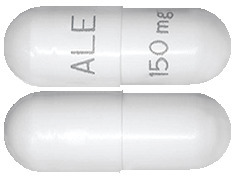
Alecensa 150 mg capsules are white and are printed with "ALE" on the cap and "150 mg" printed on the body in black ink.

The capsules are provided in blisters and are available in multipacks containing 224 hard capsules (4 packs of 56).

Ingredients

Alecensa contains 150 mg of alectinib, equivalent to 161.3 mg of alectinib hydrochloride, as the active ingredient.

The capsules also contain:

  • lactose monohydrate
  • hyprolose
  • sodium lauryl sulfate
  • carmellose calcium
  • magnesium stearate

The capsule shell contains:

  • carrageenan
  • potassium chloride
  • titanium dioxide
  • carnauba wax
  • maize starch
  • hypromellose

The printing ink contains:

  • iron oxide red (E172)
  • iron oxide yellow (E172)
  • indigo carmine aluminium lake
  • carnauba wax
  • shellac
  • glyceryl monooleate

Alecensa capsules do not contain gluten.

Manufacturer

Alecensa is distributed in Australia by:

Roche Products Pty Limited
ABN 70 000 132 865
Level 8, 30 - 34 Hickson Road
Sydney NSW 2000
AUSTRALIA
Medical enquiries: 1800 233 950

Please check with your pharmacist for the latest Consumer Medicine Information.

Australian Registration Number:
AUST R 272115

Alecensa is distributed in New Zealand by:

Roche Products (NZ) Limited
PO Box 109113 Newmarket
Auckland 1149
NEW ZEALAND
Medical enquiries: 0800 276 243

This leaflet was prepared on 09 July 2020

Published by MIMS September 2020

BRAND INFORMATION

Brand name

Alecensa

Active ingredient

Alectinib

Schedule

S4


1 Name of Medicine

Alecensa (alectinib) 150 mg hard capsules.

2 Qualitative and Quantitative Composition

Each capsule contains 161.3 mg alectinib hydrochloride equivalent to 150 mg alectinib.
Alectinib hydrochloride is a tyrosine kinase inhibitor for oral administration. The molecular formula is C30H35ClN4O2 HCl. The molecular weight is 482.62 g/mol (free base form) and 519.08 g/mol (hydrochloride salt). Alectinib hydrochloride is described chemically as: 9-ethyl-6,6-dimethyl-8-[4-(morpholin-4-yl)piperidin-1-yl]-11-oxo-6,11-dihydro-5H-benzo[b]carbazole-3-carbonitrile hydrochloride. Alectinib HCl is a white to yellow white powder or powder with lumps, with a pKa of 7.05 (base). It has low solubility in aqueous buffers across the pH range, and low to high solubility in organic solvents.

Excipients with known effect.

Each capsule contains 33.7 mg lactose monohydrate and 6 mg sodium (as sodium lauryl sulfate).
For the full list of excipients, see Section 6.1 List of Excipients.

3 Pharmaceutical Form

White hard capsule of 19.2 mm length with "ALE" printed in black ink on the cap and "150 mg" printed in black ink on the body.

4 Clinical Particulars

4.1 Therapeutic Indications

Adjuvant treatment of resected non-small cell lung cancer.

Alecensa is indicated as adjuvant treatment in adult patients following tumour resection of anaplastic lymphoma kinase (ALK)-positive non-small cell lung cancer (NSCLC) (tumours ≥ 4 cm or node positive).

Treatment of metastatic NSCLC.

Alecensa is indicated for the treatment of patients with ALK-positive, locally advanced or metastatic NSCLC.

4.2 Dose and Method of Administration

A validated ALK assay is required for the selection of ALK-positive NSCLC patients. ALK positive NSCLC status should be established prior to initiation of Alecensa therapy.

Dose.

The recommended dose of Alecensa is 600 mg (four 150 mg capsules) given orally, twice daily with food (total daily dose of 1200 mg).
Duration of treatment.

Adjuvant treatment of resected NSCLC.

It is recommended that patients are treated with Alecensa for a total of 2 years, or until disease recurrence or unmanageable toxicity.

Treatment of locally advanced or metastatic NSCLC.

It is recommended that patients are treated with Alecensa until disease progression or unmanageable toxicity.
Delayed or missed doses. Advise patients that if a dose of Alecensa is missed, or if the patient vomits after taking a dose of Alecensa, patients should be advised not to take an extra dose, but to take the next dose at the regular time.
Dose modifications. Management of adverse events may require temporary interruption, dose reduction, or discontinuation of treatment with Alecensa. The dose of Alecensa should be reduced in steps of 150 mg twice daily based on tolerability (Table 1). Dose modification guidelines for specific adverse events are provided in Table 2 (also see Section 4.4 Special Warnings and Precautions for Use). Alecensa treatment should be permanently discontinued if patients are unable to tolerate the 300 mg twice daily dose.

Special populations.

Elderly.

No dose adjustment of Alecensa is required in patients ≥ 65 years of age.

Paediatric population.

The safety and efficacy of Alecensa in children and adolescents below 18 years of age have not been established.

Renal impairment.

No dose adjustment is required in patients with renal impairment (see Section 4.4 Special Warnings and Precautions for Use).

Hepatic impairment.

No starting dose adjustment is required in patients with underlying mild (Child-Pugh A) or moderate (Child-Pugh B) hepatic impairment. Patients with underlying severe hepatic impairment (Child-Pugh C) should receive a starting dose of 450 mg given orally twice daily (total daily dose of 900 mg). For all patients with hepatic impairment, appropriate monitoring (e.g. markers of liver function) is advised (see Section 4.4 Special Warnings and Precautions for Use).

Method of administration.

Alecensa hard capsules should be swallowed whole and must not be opened or dissolved. They must be taken with food.

4.3 Contraindications

Alecensa is contraindicated in patients with a known hypersensitivity to alectinib or any of the excipients listed, see Section 6.1.

4.4 Special Warnings and Precautions for Use

Gastrointestinal perforation.

Cases of gastrointestinal perforation have been reported in patients at increased risk (e.g. history of diverticulitis, metastases to the gastrointestinal tract, concomitant use of medicinal product with a recognised risk of gastrointestinal perforation) and Alecensa should be used with caution.
Patients should be informed of the signs and symptoms of gastrointestinal perforations and advised to seek rapid medical attention in case of occurrence. Discontinuation of Alecensa in patients who develop gastrointestinal perforation should be considered.

Interstitial lung disease (ILD)/pneumonitis.

ILD/pneumonitis occurred in 1.3% of patients treated with Alecensa in studies NP28761, NP28673, ALEX and ALINA. In 0.4% of patients, these events were severe (grade 3). No grade 4 or 5 events were reported. Five patients (0.9%) in the pooled safety population discontinued Alecensa due to ILD/pneumonitis. Cases of ILD/pneumonitis have also been reported in the post-market setting (see Section 4.8 Adverse Effects (Undesirable Effects), Post-marketing).
Promptly investigate worsening of respiratory symptoms indicative of ILD/pneumonitis (e.g. dyspnoea, cough and fever) in any patient taking Alecensa. Immediately withhold treatment with Alecensa in patients diagnosed with ILD/pneumonitis and permanently discontinue it if no other potential causes of ILD/pneumonitis are identified (see Section 4.2 Dose and Method of Administration).

Hepatotoxicity.

Elevations in ALT and AST greater than 5-fold the upper limit of normal (ULN) and bilirubin elevations of more than 3 times the ULN were reported in patients in clinical trials with Alecensa. Grade ≥ 3 elevations of ALT and AST and bilirubin occurred in 3.2%, 3.0 % and 3.4% of patients, respectively, receiving Alecensa in Studies NP28761, NP28673, ALEX and ALINA.
The majority (71% of the patients with hepatic transaminase elevations and 67% of the patients with bilirubin elevations) of these events occurred during the first 3 months of treatment. Discontinuation of Alecensa treatment due to ALT, AST and bilirubin elevations occurred in 1.3%, 1.1% and 1.5% of patients, respectively.
Concurrent elevations in ALT or AST greater than or equal to three times the ULN and total bilirubin greater than or equal to two times the ULN, with normal alkaline phosphatase (grade 4 hepatotoxicity) occurred in less than 1% of patients treated in Alecensa clinical trials. Three patients with grade 3-4 ALT/AST elevations had drug-induced liver injury.
Test for liver function (including ALT, AST, and total bilirubin) at baseline and then every 2 weeks during the first 3 months of treatment. Test periodically during treatment thereafter, with more frequent testing in patients who develop transaminase and bilirubin elevations. Based on the severity of the reaction, withhold Alecensa and resume at a reduced dose, or permanently discontinue Alecensa as described under Section 4.2.

Bradycardia.

Symptomatic bradycardia can occur with Alecensa. Cases of bradycardia (11.1%) have been reported in patients treated with Alecensa in studies NP28761, NP28673, ALEX and ALINA. Of the 521 patients treated with Alecensa who had serial electrocardiograms (ECGs) available, 20% had post-dose heart rates slower than 50 beats per minute (bpm).
Heart rate and blood pressure should be monitored regularly. No dose modification is required for asymptomatic bradycardia. If symptomatic or life-threatening bradycardia occurs, adjust Alecensa treatment as described, see Section 4.2.

Severe myalgia and creatine phosphokinase (CPK) elevation.

Myalgia/musculoskeletal pain have been reported very commonly in patients treated with Alecensa in clinical trials. Myalgia events (including musculoskeletal pain and arthralgia) occurred in 34.9% of patients in studies NP28761, NP28673, ALEX and ALINA. The incidence of grade 3 myalgia events was 0.9%. Dose modifications for myalgia events were required in 1.7% of patients.
Elevations of CPK occurred in 55.6% of 491 patients with CPK laboratory data available in studies NP28761, NP28673, ALEX and ALINA. The incidence of grade ≥ 3 elevations of CPK was 5.5%. Median time to grade ≥ 3 CPK elevation was 15 days across clinical trials. Dose modifications for elevation of CPK occurred in 5.3% of patients. In the ALINA study, elevated CPK occurred in 77% of 128 patients with CPK laboratory data, including 6% grade ≥ 3 elevations.
Advise patients to report any unexplained muscle pain, tenderness, or weakness. Assess CPK levels every fortnight for the first month of treatment and as clinically indicated in patients reporting symptoms. Based on the severity of the CPK elevation, withhold Alecensa, then resume or reduce dose (see Section 4.2 Dose and Method of Administration).

Haemolytic anaemia.

Haemolytic anaemia was initially reported with Alecensa in the postmarketing setting including cases associated with a negative direct antiglobulin test (DAT) result. Additional assessments for the determination of haemolytic anaemia were subsequently collected in the ALINA study, where it was observed in 3.1% of patients treated with Alecensa (see Section 5.1 Pharmacodynamic Properties, Clinical trials; Section 4.8 Adverse Effects (Undesirable Effects), Post-marketing). If haemoglobin concentration is below 100 g/L and haemolytic anaemia is suspected, withhold Alecensa and initiate appropriate laboratory testing. If haemolytic anaemia is confirmed, resume at a reduced dose upon resolution or permanently discontinue Alecensa (see Section 4.2 Dose and Method of Administration).

Photosensitivity.

Photosensitivity and/or sunburn occurred in 8.3% of patients exposed to Alecensa in studies NP28761, NP28673, ALEX and ALINA. Study participants were advised to avoid sun exposure and to use broad-spectrum sunscreen. All events were grade 1 or 2 severity except for one non-serious grade 3 event.
Advise patients that they should avoid prolonged sun exposure and use a broad-spectrum Ultraviolet A (UVA)/Ultraviolet B (UVB) sunscreen and lip balm (both SPF ≥ 50) whilst taking Alecensa and for at least 7 days after discontinuation.

Use in hepatic impairment.

As elimination of alectinib is predominantly through metabolism in the liver, hepatic impairment may increase the plasma concentration of alectinib and/or its major metabolite M4. Based on a population pharmacokinetic analysis, alectinib and M4 exposures were similar in patients with mild hepatic impairment and normal hepatic function.
Following administration of a single oral dose of 300 mg alectinib in subjects with severe (Child-Pugh C) hepatic impairment, alectinib Cmax was the same and AUCinf was 2.2-fold higher compared with the same parameters in matched healthy subjects. M4 Cmax and AUCinf was 39% and 34% lower respectively, resulting in a combined exposure of alectinib and M4 (AUCinf) 1.8-fold higher in patients with severe hepatic impairment compared with matched healthy subjects.
The hepatic impairment study also included a group with moderate (Child-Pugh B) hepatic impairment, and a modestly higher alectinib exposure was observed in this group compared with matched healthy subjects. The subjects in the Child Pugh B group however did in general not suffer from abnormal bilirubin, albumin or prothrombin time, indicating that they may not be fully representative of moderately hepatically impaired subjects with decreased metabolic capacity.

Use in renal impairment.

Mild to moderate renal impairment (creatinine clearance 30 to 89 mL/min) had no clinically meaningful effect on the systemic exposure of alectinib and the active metabolite M4. No dose adjustment is required in mild to moderate renal impairment. Negligible amounts of alectinib and M4 are excreted unchanged in urine (< 0.2% of the dose). The pharmacokinetics of alectinib has not been studied in patients with severe renal impairment, however due to the negligible renal clearance of alectinib, no dose adjustment is required in severe renal impairment.

Use in the elderly.

Nineteen percent of the 533 patients studied in NP28761, NP28673, ALEX and ALINA were 65 years of age and older. No overall differences in effectiveness were observed based on age. Exploratory analysis suggests a higher incidence of serious adverse events (38% vs 25%), more frequent adverse events leading to treatment discontinuations (18% vs 6%) and dose modifications (48% vs 35%) in patients 65 years or older as compared to those younger than 65 years.

Paediatric use.

The safety and efficacy of Alecensa in children and adolescents below 18 years of age have not been established (also see Section 5.3 Preclinical Safety Data).

Effects on laboratory tests.

No data available.

4.5 Interactions with Other Medicines and Other Forms of Interactions

Effects of alectinib on other medicines.

CYP substrates.

In vitro studies suggest that alectinib and M4 do not inhibit CYP1A2, CYP2B6, CYP2C9, CYP2C19, or CYP2D6. No clinically meaningful effect on the exposure of midazolam (a sensitive CYP3A substrate) or repaglinide (a sensitive CYP2C8 substrate) is expected following co-administration with Alecensa. No dose adjustment is required for co-administered CYP3A substrates.

P-gp and BCRP substrates.

In vitro studies suggest that alectinib and M4 inhibit P-gp and BCRP. Therefore, alectinib may have the potential to increase plasma concentrations of co-administered substrates of P-gp or BCRP transporters (the increase in exposure is not expected to be more than 2-fold). Appropriate monitoring is recommended when Alecensa is co-administered with P-gp or BCRP substrates with narrow therapeutic index (e.g. digoxin, dabigatran, methotrexate).

Other transporters.

Alectinib did not inhibit OATP1B1, OATP1B3, OAT1, OAT3, or OCT2 transport activity in vitro.

Effects of other medicines on alectinib.

CYP3A inducers.

Co-administration of multiple oral doses of 600 mg rifampicin once daily, a strong CYP3A inducer, with a single oral dose of 600 mg alectinib exhibited a minor effect on combined exposure of alectinib and M4 (geometric mean ratio with/without rifampicin [90% confidence interval]: Cmax 0.96 [0.88 - 1.05], AUCinf 0.82 [0.74 - 0.90]). Therefore, no dose adjustments are required when Alecensa is co-administered with CYP3A inducers.

CYP3A inhibitors.

Co-administration of multiple oral doses of 400 mg posaconazole twice daily, a strong CYP3A inhibitor, with a single oral dose of 300 mg alectinib had a minor effect on combined exposure of alectinib and M4 (geometric mean ratio with/without posaconazole [90% confidence interval]: Cmax 0.93 [0.81 - 1.08], AUCinf 1.36 [1.24 - 1.49]). Therefore, no dose adjustments are required when Alecensa is co-administered with CYP3A inhibitors.

Medicinal products that increase gastric pH.

Although the aqueous solubility of alectinib in vitro is pH dependent, a dedicated clinical drug-drug interaction study with 40 mg esomeprazole once daily, a proton pump inhibitor, demonstrated no clinically relevant effect on the combined exposure of alectinib and M4. Therefore, no dose adjustments are required when Alecensa is co-administered with proton pump inhibitors or other drugs which raise gastric pH (e.g. H2 receptor antagonists or antacids).

Effect of transporters on alectinib disposition.

Based on in vitro data, alectinib is not a substrate of P-gp. Alectinib and M4 are not substrates of BCRP or organic anion-transporting polypeptide (OATP) 1B1/B3. In contrast, M4 is a substrate of P-gp. Alectinib inhibits P-gp, and therefore, it is not expected that co-medication with P-gp inhibitors has a relevant effect on M4 exposure.

4.6 Fertility, Pregnancy and Lactation

Effects on fertility.

No fertility-specific studies of alectinib in animals have been performed.

Contraception in males and females.

Alecensa may cause fetal harm when administered to a pregnant woman (see below). Advise females of reproductive potential to avoid pregnancy by using highly effective contraception during treatment with Alecensa and for at least 5 weeks after the final dose.
Based on genotoxicity findings (see Section 5.3 Preclinical Safety Data), advise males with female partners of reproductive potential to use highly effective contraception during treatment with Alecensa and for 3 months following the final dose.
(Category D)
In animal studies, a maternal dose of alectinib (27 mg/kg/day) equivalent to 2.7-times the recommended human dose of 600 mg twice-daily (based on AUC) caused embryo-fetal loss (miscarriage), visceral malformation (retro-oesophageal subclavian) and skeletal variations (an increase in full supernumerary ribs and a corresponding decrease in short supernumerary ribs) in pregnant rabbits. The same dose given to pregnant rats (4 times the clinical AUC) resulted in total litter loss. Alectinib at 9 mg/kg/day (2.5 times the clinical AUC) caused small fetuses and fetal abnormalities (dilated ureter, thymic cord, small ventricle and thin ventricle wall of the heart, and decreased number of sacral and caudal vertebrae).
Based on animal studies and its mechanism of action, Alecensa may cause fetal harm if taken during pregnancy. No clinical studies of Alecensa in pregnant women have been performed.
Advise a pregnant woman of the potential harm to the fetus.
Advise patients that they must inform their healthcare provider of a known or suspected pregnancy.
The use of Alecensa during labour and delivery has not been established.
There are no data on the presence of alectinib or its metabolites in human milk, the effects of alectinib on the breastfed infant, or its effects on milk production. Because of the potential for serious adverse reactions from alectinib in breastfed infants, advise a lactating woman not to breastfeed during treatment with Alecensa and for 1 week after the final dose.

4.7 Effects on Ability to Drive and Use Machines

No studies of the effects on the ability to drive and to use machines have been performed.
Caution should be exercised when driving or operating machines as patients may experience symptomatic bradycardia (e.g. syncope, dizziness, hypotension) or vision disorders while taking Alecensa (see Section 4.8 Adverse Effects (Undesirable Effects)).

4.8 Adverse Effects (Undesirable Effects)

The following adverse events of specific concern are discussed in detail, see Section 4.4: interstitial lung disease (ILD)/pneumonitis; hepatotoxicity; bradycardia; severe myalgia and creatine phosphokinase (CPK) elevation; photosensitivity.
The safety profile of Alecensa was generally consistent across the phase III clinical trials and the pivotal phase I/II trials (studies NP28761 and NP28673); however, relevant differences between studies are described, see Section 4.4.

Clinical trials.

Adjuvant treatment of resected ALK-positive NSCLC.

The safety of Alecensa was evaluated in ALINA, a multi-centre, open-label, randomised trial for the adjuvant treatment of patients with resected ALK-positive NSCLC (see Section 5.1 Pharmacodynamic Properties, Clinical trials). At the time of DFS analysis, the median duration of exposure was 23.9 months for Alecensa and 2.1 months for platinum-based chemotherapy.
Serious adverse reactions occurred in 13% of patients treated with Alecensa; the most frequent serious adverse reaction was pneumonitis (0.8%). Adverse reactions that led to treatment discontinuation of Alecensa occurred in 5.5% of patients; the most frequent adverse reaction (≥ 2%) that led to treatment discontinuation was pneumonitis (2.3%).
Dose interruptions occurred in 27% of patients treated with Alecensa; the most frequent adverse reactions (≥ 2%) that led to dose interruptions were increased blood creatine phosphokinase (5.5%), increased blood bilirubin (3.9%), increased ALT (5.5%), increased AST (4.7%) and myalgia (2.3%).
Dose reductions occurred in 26% of patients treated with Alecensa; the most frequent adverse reactions (≥ 2%) that led to dose reductions were increased blood creatine phosphokinase (6.3%) and increased blood bilirubin (3.9%).
Table 3 and Table 4 summarise the common adverse reactions and laboratory abnormalities observed in ALINA.
The following additional clinically significant adverse reactions (< 10%) were observed in patients treated with Alecensa in ALINA: nausea (7.8%), vomiting (7.0%), vision disorders (4.7%; includes blurred vision, visual acuity reduced and photopsia), stomatitis (4.7%; includes stomatitis and mouth ulceration), photosensitivity reaction (3.9%) and pneumonitis (2.3%).

Patients not previously treated systemically for advanced or metastatic NSCLC.

The safety of Alecensa 600 mg twice daily compared to crizotinib 250 mg twice daily was evaluated in 152 and 151 patients with ALK-positive NSCLC, respectively, in the phase III clinical trial, ALEX (see Table 5). The median duration of exposure to Alecensa and crizotinib was 17.9 and 10.7 months, respectively. Patients presenting with baseline symptomatic bradycardia were not studied in this trial.
Serious adverse reactions occurred in 28% and 29% of patients treated with Alecensa and crizotinib, respectively. The most frequently reported serious adverse reactions were pneumonia (3.3%) and acute kidney injury (2.6%) for patients treated with Alecensa, and pneumonia, pneumonitis and elevated ALT (2.6% each) for patients treated with crizotinib. Grade ≥ 3 adverse events were reported for 41% of patients in the Alecensa arm and 50% in the crizotinib arm. Fatal adverse events occurred in both treatment arms: 5 (3.3%), all unrelated in the Alecensa arm, and 7 (4.6%), 2 related in the crizotinib arm.
Permanent treatment discontinuation for adverse reactions occurred in 11% of patients treated with Alecensa, and in 13% of crizotinib-treated patients. Acute kidney injury was the most commonly reported adverse drug reaction leading to study drug discontinuation in the Alecensa arm (2.0%) and elevated ALT (5.3%), AST (4.0%) and pneumonitis (2.6%) in the crizotinib arm. Dose modifications (dose reductions and drug interruption, respectively) were required in 16% and 19% of patients in the Alecensa arm and in 21% and 25% in the crizotinib arm, respectively. The most frequent adverse reactions that led to dose modifications in the Alecensa arm were pneumonia, elevation in ALT and AST and in the crizotinib arm were elevated ALT, AST, neutropenia and vomiting.
Additional adverse drug reactions in patients treated with Alecensa compared to crizotinib respectively include weight increased (9.9% vs 0%), photosensitivity reaction (5.3% vs 0%), stomatitis (3.3% vs 2.6%, which includes cases of stomatitis and mouth ulceration), interstitial lung disease (1.3% vs. 6.0%, which includes cases of interstitial lung disease and pneumonitis), and hepatotoxicity (1.4% vs. 0.7%, which includes cases of drug-induced liver injury, 0.7% vs 0.7, and hepatotoxicity).
Table 6 summarises treatment-emergent shifts in laboratory abnormalities with Alecensa in ALEX.

Crizotinib pre-treated patients.

The safety of Alecensa has been evaluated in two phase I/II clinical trials (studies NP28761 and NP28673) in 253 patients with ALK-positive non-small cell lung cancer (NSCLC) treated with the recommended dose of 600 mg twice daily. Due to the single-arm design of these trials, no control adverse event data is available, and treatment emergent adverse event data is presented below. The median duration of exposure to Alecensa was 11 months (range 0-35 months) with 169 patients (67%) exposed for more than 6 months, and 123 patients (49%) for more than 12 months. The characteristics of the population were: median age 53 years, 86% aged less than 65 years, 55% female, 74% White, 18% Asian, 96% NSCLC adenocarcinoma histology, 98% never or former smokers, 91% with ECOG performance status 0 or 1, and 78% had prior chemotherapy treatment.
The most common adverse events (≥ 20%) were fatigue (44%, includes fatigue and asthenia), constipation (36%), oedema (34%, includes peripheral, generalised, eyelid, periorbital), myalgia (31%, includes myalgia and musculoskeletal pain), nausea (22%), cough (21%), rash (20%, includes rash, maculopapular rash, acneiform dermatitis, erythema, generalised rash, papular rash, pruritic rash, and macular rash) and headache (20%).
Serious adverse events occurred in 22% of patients. The most frequent reported serious adverse events were pulmonary embolism (1.2%), dyspnoea (1.2%) and hyperbilirubinaemia (1.2%). Fatal adverse reactions occurred in 2.8% of patients and included haemorrhage (0.8%), intestinal perforation (0.4%), dyspnoea (0.4%), pulmonary embolism (0.4%), endocarditis (0.4%) and unknown adverse reaction (0.4%).
Adverse events led to permanent discontinuation of Alecensa in 6% of patients, most frequently due to hyperbilirubinaemia (1.6%), increased ALT levels (1.6%), and increased AST levels (1.2%). At least one dose reduction or interruption was required for 33% of patients initiating treatment at the recommended dose, and the median time to first dose reduction or interruption was 56 days. The most frequent adverse reactions that led to dose changes were elevations in bilirubin (6.3%), CPK (4.3%), ALT (4.0%) or AST (2.8%), and vomiting (3.2%).
Table 7 summarises the most common treatment-emergent adverse events (≥ 10% any grade and ≥ 2% grade 3-5) occurring in patients who received Alecensa (600 mg twice daily) in studies NP28761 and NP28673.
Table 8 summarises the most common treatment-emergent shifts in key laboratory abnormalities occurring in patients who received Alecensa in studies NP28761 and NP28763.

Post-marketing.

The adverse drug reactions of increased alkaline phosphatase, haemolytic anaemia and hyperuricaemia were reported with Alecensa in the post-marketing setting as well as during clinical trials (see Section 5.1 Pharmacodynamic Properties, Clinical trials).

Reporting of suspected adverse reactions.

Reporting suspected adverse reactions after registration of the medicinal product is important. It allows continued monitoring of the benefit-risk balance of the medicinal product. Healthcare professionals are asked to report any suspected adverse reactions at https://www.tga.gov.au/reporting-problems.

4.9 Overdose

No experience with overdosage is available from the pivotal clinical trials and there is no specific antidote for overdosage with Alecensa. Patients who experience overdose should be closely supervised and supportive care instituted. Alectinib is > 99% bound to plasma proteins and haemodialysis is likely to be ineffective in the treatment of overdose.
For information on the management of overdose, contact the Poison Information Centre on 131126 (Australia).

5 Pharmacological Properties

5.1 Pharmacodynamic Properties

ATC code: L01ED03.

Mechanism of action.

Alectinib is a tyrosine kinase inhibitor that targets anaplastic lymphoma kinase (ALK) and Rearranged during Transfection (RET) tyrosine kinase.
In nonclinical studies, alectinib inhibits ALK tyrosine kinase activity, leading to blockage of downstream signalling pathways including STAT3 and PI3K/AKT, and inhibits proliferation of cancer cells harbouring ALK fusion proteins.
Alectinib demonstrated in vitro and in vivo activity against mutant forms of ALK, including some that have been identified in non-small cell lung cancer (NSCLC) tumours in patients who progressed on crizotinib. The major active metabolite of alectinib (M4) showed similar in vitro potency and activity.
Administration of alectinib to mice implanted with ALK-rearranged tumour cell line xenografts, including some that received intracranial xenografts, resulted in antitumour activity and prolonged survival.

Clinical trials.

Adjuvant treatment of resected ALK-positive non-small cell lung cancer.

The efficacy of Alecensa for the adjuvant treatment of patients with ALK-positive NSCLC following complete tumour resection was established in a global randomised Phase III open-label clinical trial ALINA (BO40336). Eligible patients were required to have Stage IB (tumours ≥ 4 cm) - IIIA NSCLC per the Union for International Cancer Control/American Joint Committee on Cancer (UICC/AJCC) Staging System, 7th Edition, with ALK-positive disease identified by a locally performed FDA-approved or CE-marked ALK test, or centrally performed by the Ventana ALK (D5F3) immunohistochemistry (IHC) assay.
Patients were randomised (1:1) to receive Alecensa 600 mg orally twice daily or platinum-based chemotherapy following tumour resection. Randomization was stratified by race (Asian and non-Asian) and stage of disease. Alecensa was administered at the recommended oral dose of 600 mg twice daily for a total of 2 years, or until disease recurrence or unmanageable toxicity. Platinum-based chemotherapy was administered intravenously for 4 cycles, with each cycle lasting 21 days, according to one of the following regimens:
Cisplatin 75 mg/m2 on day 1 plus vinorelbine 25 mg/m2 on days 1 and 8.
Cisplatin 75 mg/m2 on day 1 plus gemcitabine 1250 mg/m2 on days 1 and 8.
Cisplatin 75 mg/m2 on day 1 plus pemetrexed 500 mg/m2 on day 1.
In the event of intolerance to a cisplatin-based regimen, carboplatin was administered instead of cisplatin in the above combinations at a dose of area under the free carboplatin plasma concentration versus time curve (AUC) 5 mg/mL/min or 6 mg/mL/min.
The major efficacy outcome measures were disease-free survival (DFS) in patients with stage II-IIIA NSCLC and DFS in patients with stage IB-IIIA (intent to treat, ITT) as assessed by investigator. DFS was defined as the time from the date of randomisation to the date of occurrence of any of the following: first documented recurrence of disease, new primary NSCLC, or death due to any cause, whichever occurred first. The secondary and exploratory efficacy endpoints were overall survival (OS) and time to CNS recurrence or death (CNS-DFS).
A total of 257 patients were studied; 130 patients were randomised to the Alecensa arm, and 127 patients were randomised to the chemotherapy arm. Overall, the median age was 56 years (range: 26 to 87), 24% were ≥ 65 years old, 52% were female, 56% were Asian, 60% were never smokers, 53% had an Eastern Cooperative Oncology Group performance status (ECOG PS) of 0, 10% of patients had stage IB, 36% had stage II and 54% had stage IIIA disease.
ALINA demonstrated a statistically significant and clinically meaningful improvement in DFS for patients treated with Alecensa compared to patients treated with chemotherapy in the stage II-IIIA and the stage IB-IIIA (ITT) patient populations. OS data were not mature at the time of DFS analysis with 2.3% of deaths reported overall. The median duration of survival follow-up was 27.8 months in the Alecensa arm and 28.4 months in the chemotherapy arm.
The DFS efficacy results are summarized in Table 9, and Figure 1.
An exploratory analysis of the site(s) of relapse showed the proportion of patients with brain involvement at the time of disease recurrence was 4 patients (3.1%) in the Alecensa arm and 14 patients (11.0%) in the chemotherapy arm in the ITT population.

Patients not previously treated systemically for advanced or metastatic NSCLC.

The safety and efficacy of Alecensa were studied in a global randomised phase III open label clinical trial (ALEX) in ALK-positive NSCLC patients not previously treated systemically for advanced or metastatic NSCLC. Central testing for ALK protein expression positivity of tissue samples from all patients by Ventana anti-ALK (D5F3) immunohistochemistry (IHC) was required before randomisation into the study. Retrospective ALK testing using the Vysis fluorescence in situ hybridisation (FISH) assay was also performed.
A total of 303 patients were included in the phase III trial, 151 patients randomised to the crizotinib arm and 152 patients randomised to the Alecensa arm receiving Alecensa orally, at the recommended dose of 600 mg twice daily.
ECOG performance status (0/1 vs. 2), race (Asian vs. non-Asian), and CNS metastases at baseline (yes vs. no) were stratification factors for randomisation. The primary endpoint of the trial was to demonstrate superiority of Alecensa versus crizotinib based on Progression Free Survival (PFS) as per investigator assessment using RECIST 1.1. Baseline demographic and disease characteristics for Alecensa were median age 58 years (54 years for crizotinib), 55% female (58% for crizotinib), 55% non-Asian (54% for crizotinib), 61% with no smoking history (65% for crizotinib), 93% ECOG performance status of 0 or 1 (93% for crizotinib), 97% Stage IV disease (96% for crizotinib), 90% adenocarcinoma histology (94% for crizotinib), 40% CNS metastases at baseline (38% for crizotinib) and 17% having received prior CNS radiation (14% for crizotinib).
The trial met its primary endpoint at the primary analysis. Efficacy data are summarised in Table 10 and the Kaplan-Meier curves for investigator and Independent Review Committee (IRC)-assessed PFS are shown in Figures 2 and 3.
The magnitude of PFS benefit was consistent for patients with CNS metastases at baseline (HR = 0.40, 95% CI: 0.25-0.64, median PFS for Alecensa = NE, 95% CI: 9.2-NE, median PFS for crizotinib = 7.4 months, 95% CI: 6.6-9.6) and without CNS metastases at baseline (HR = 0.51, 95% CI: 0.33-0.80, median PFS for Alecensa = NE, 95% CI: NE, NE, median PFS for crizotinib = 14.8 months, 95% CI:10.8-20.3), indicating benefit of Alecensa over crizotinib in both subgroups.
Crizotinib pre-treated patients. The use of Alecensa in the treatment of ALK-positive NSCLC patients previously treated with crizotinib was investigated in two multicentre, open-label, single-arm clinical trials, studies, NP28761 and NP28673. Both studies enrolled patients with locally advanced or metastatic ALK-positive NSCLC, who had progressed on crizotinib, with documented ALK-positive NSCLC based on an FDA-approved test, and ECOG performance status of up to 2. Eligibility criteria permitted enrolment of patients with prior chemotherapy and prior CNS radiotherapy provided that CNS metastases were stable for at least two weeks.
All patients received Alecensa 600 mg orally twice daily. The primary endpoint in both studies was objective response rate (ORR) in the overall population, according to Response Evaluation Criteria in Solid Tumours (RECIST v1.1) as evaluated by an Independent Review Committee (IRC). Additional outcome measures as evaluated by the IRC included duration of response (DOR), CNS ORR, and CNS DOR. NP28673 included as co-primary endpoint evaluation of ORR by IRC using RECIST v1.1 in patients with prior exposure of cytotoxic chemotherapy treatments.
NP28761 was conducted in North America and included 87 patients in the phase II part of the study. Baseline demographic and disease characteristics in NP28761 were median age 54 years (range 29 to 79 years, 18% ≥ 65 years), 84% White and 8% Asian, 55% female, 35% ECOG performance status 0 and 55% ECOG performance status 1, 100% never or former smokers, 99% Stage IV, 94% adenocarcinoma, and 74% prior chemotherapy. The most common sites of extra-thoracic metastasis included 60% CNS (of whom 65% had received CNS radiation), 43% lymph nodes, 36% bone, and 34% liver.
NP28673 was conducted internationally and included 138 patients in the phase II part of the study. Baseline demographic and disease characteristics in NP28673 were median age 52 years (range 22 to 79 years, 10% ≥ 65 years), 67% White and 26% Asian, 56% female, 32% ECOG performance status 0 and 59% ECOG performance status 1, 98% never or former smokers, 99% Stage IV, 96% adenocarcinoma, and 80% prior chemotherapy. The most common sites of extra-thoracic metastasis included 61% CNS (of whom 73% had received CNS radiation), 51% bone, 38% lymph nodes, and 30% liver.

Efficacy.

Efficacy results from NP28761 and NP28673 in all treated patients are summarised in Table 11. The median duration of follow-up was 17 months in NP28761 and 21 months in NP28673 for both IRC and Investigator assessments. According to the IRC, all responses were partial responses. According to Investigator assessment, 2 patients and 3 patients achieved a complete response in NP28761 and NP28673, respectively.

CNS efficacy.

Results of ORR and DOR for CNS metastases in a subgroup of 50 patients (pooled from both studies) who had measurable CNS lesions at baseline according to RECIST v1.1 are summarised in Table 12. Thirty-four (68%) patients with measurable CNS lesions had received prior brain radiation, including 25 (50%) who had completed radiation treatment at least 6 months before starting treatment with Alecensa. Responses were observed irrespective of prior brain radiation status.

Quality of life (QoL).

In NP28761, 79 patients (91%) completed questionnaires at baseline and during treatment to assess QoL. The European Organization for Research and Treatment of Cancer (EORTC) Quality of Life Questionnaire (QLQ-C30) and Lung Cancer subscale (LC13) were used, in which clinically meaningful improvement is defined as a change from baseline of ≥ 10 points. A median change of 16.7 points was seen in the 'Global Health Status' domain (during weeks 6 to 30). There were no detriments meeting the threshold for clinically meaningful change in any of the subscales assessed.

5.2 Pharmacokinetic Properties

The pharmacokinetic (PK) parameters for alectinib and its major active metabolite (M4) have been characterised in healthy subjects and in patients with ALK-positive NSCLC. The results for patients with ALK-positive NSCLC are summarised in Table 13.

Absorption.

The absolute bioavailability of alectinib was 36.9% (90% CI: 33.9%, 40.3%) under fed conditions in healthy subjects.
Alectinib reached maximal serum concentrations 4 to 6 hours post-dose when administered orally at 600 mg twice daily under fed conditions to patients with ALK-positive NSCLC. For both alectinib and M4, steady-state concentrations were reached by Day 7.
Population PK analysis estimated geometric mean accumulation ratio to be 6-fold for both alectinib and M4, and supports that alectinib exposure is dose proportional across the dose range 300 mg to 900 mg under fed conditions.
A high-fat, high-calorie meal increased the combined exposure of alectinib and M4 by 3-fold (AUC0-inf 3.1 [90% CI: 2.7, 3.6]) relative to fasted conditions following oral administration of a single 600 mg dose of alectinib.

Distribution.

Alectinib and M4 are highly bound to human plasma proteins (> 99%), independent of drug concentration. The mean in vitro human blood-to-plasma concentration ratios of alectinib and M4 are 2.64 and 2.50, respectively, at clinically relevant concentrations. The geometric mean volume of distribution at steady state (Vss) of alectinib following IV administration was 475 L, indicating extensive distribution into tissues.
Alectinib is not an in vitro substrate of efflux transporters p-glycoprotein (P-gp), breast cancer resistance protein (BCRP), organic anion-transporting polypeptide (OATP) 1B1, or OATP1B3. The same is true for M4, except that M4 is a substrate of P-gp. Alectinib concentrations in the cerebrospinal fluid of patients with ALK-positive NSCLC were similar to the estimated free alectinib concentrations in their plasma.

Metabolism.

In vitro studies showed that alectinib is mainly metabolised by cytochrome p450 (CYP) isozyme CYP3A4 (40-50% of alectinib metabolism in human hepatocytes) to its major active metabolite M4. The geometric mean metabolite/parent exposure ratio at steady-state is 0.40. M4 is subsequently metabolised by CYP3A4. Results from a human mass balance study utilising 14C-labeled alectinib demonstrated that alectinib and M4 are the main circulating moieties in plasma, constituting 76% of the total radioactivity.

Excretion.

Following administration of a single oral dose of 14C-labeled alectinib to healthy subjects, the majority of radioactivity was excreted in faeces (mean recovery 97.8%, range 95.6%-100%). Most of the dose (84%) was excreted as unchanged alectinib with 6% excreted as M4. There was minimal excretion in urine (mean recovery 0.46%, range 0.30%-0.60%).
Based on a population PK analysis, the apparent clearance (CL/F) was 81.9 L/hour for alectinib and 217 L/hour for M4. The geometric mean elimination half-life was 32.5 hours for alectinib and 30.7 hours for M4 in patients with ALK-positive NSCLC.

Pharmacokinetics in special populations.

Population PK analysis of data from two phase I/II clinical trials (NP28761 and NP28673) was undertaken to characterise the PK of alectinib and M4 in special populations.
In the range of exposure achieved with the 600 mg twice daily dose, age, body weight, race and sex had no clinically meaningful effect on the systemic exposure of alectinib and M4. The pharmacokinetics of alectinib has not been studied in children. For hepatic and renal impairment, see Section 4.4 Special Warnings and Precautions for Use.

5.3 Preclinical Safety Data

Genotoxicity.

Alectinib was not mutagenic in vitro in the bacterial reverse mutation (Ames) assay but induced a slight increase in numerical aberrations in the in vitro cytogenetic assay using Chinese Hamster Lung (CHL) cells with metabolic activation, and micronuclei in a rat bone marrow micronucleus test. The mechanism of micronucleus induction was abnormal chromosome segregation (aneugenicity), and not a clastogenic effect on chromosomes.

Carcinogenicity.

Carcinogenicity studies have not been performed to establish the carcinogenic potential of Alecensa.

Juvenile development.

Juvenile animal studies have not been conducted using alectinib. In general toxicology studies, treatment of rats with doses of ≥ 27 mg/kg/day (AUC0-24h 38,200 nanogram.h/mL) alectinib resulted in changes in the growing teeth and bones. Findings in teeth included discoloration and changes in tooth size along with histopathological disarrangement of the ameloblast and odontoblast layers and degeneration/necrosis of ameloblasts. There were also decreases in the trabecular bone and increased osteoclast activity in the femur and sternum. Increased plasma alkaline phosphatase (ALP) of the bone isoform was observed at alectinib doses ≥ 6 mg/kg/day (AUC0-24h 13,900 nanogram.h/mL).

Other.

Alectinib absorbs UV light between 200 and 400 nanometre and demonstrated phototoxic potential in an in vitro photosafety test in cultured murine fibroblasts after UVA irradiation.

6 Pharmaceutical Particulars

6.1 List of Excipients

Capsule content.

Lactose monohydrate, hyprolose, sodium lauryl sulfate, carmellose calcium, magnesium stearate.

Capsule shell.

Carrageenan, potassium chloride, titanium dioxide, carnauba wax, maize starch, hypromellose.

Printing ink.

Iron oxide red, iron oxide yellow, indigo carmine aluminium lake, carnauba wax, shellac, glyceryl monooleate.

6.2 Incompatibilities

Not applicable.

6.3 Shelf Life

In Australia, information on the shelf life can be found on the public summary of the Australian Register of Therapeutic Goods (ARTG). The expiry date can be found on the packaging.

6.4 Special Precautions for Storage

Store below 30°C. Store in the original package to protect from light and moisture.
This medicine should not be used after the expiry date (EXP) shown on the pack.

6.5 Nature and Contents of Container

Alecensa capsules are packaged in aluminium foil blister sealed with an aluminium lidding foil containing 8 capsules per blister.
Each Alecensa multipack contains 224 (4 packs of 56) capsules.

6.6 Special Precautions for Disposal

The release of medicines into the environment should be minimised. Medicines should not be disposed of via wastewater and disposal through household waste should be avoided. Unused or expired medicine should be returned to a pharmacy for disposal.

6.7 Physicochemical Properties

Chemical structure.


CAS number.

1256589-74-8.

7 Medicine Schedule (Poisons Standard)

Schedule 4 - Prescription Only Medicine.

Summary Table of Changes