


Consumer medicine information

Allereze

Loratadine

BRAND INFORMATION

Brand name

Allereze

Active ingredient

Loratadine

Schedule

S2


Consumer medicine information (CMI) leaflet

Please read this leaflet carefully before you start using Allereze.

What is in this leaflet

This leaflet answers some common questions about Allereze.

It does not contain all the available information. It does not take the place of talking to your doctor or pharmacist.

All medicines have benefits and risks. Your doctor or pharmacist may have advised you to take Allereze after weighing the risks against the benefits expected for you.

If you have any concerns about taking this medicine, talk to your doctor or pharmacist.

Keep this leaflet with your medicine. You may need to read it again.

What Allereze is used for

Allereze is a non-sedating antihistamine, used to relieve the symptoms of sneezing; runny nose; watery, itchy or red eyes in the following allergic conditions:

  • hayfever (also known as seasonal allergic rhinitis), which usually occurs during the warmer seasons
  • perennial allergic rhinitis, which may occur throughout the year.

Allereze can also be used to relieve the symptoms of hives or nettle rash (also known as chronic urticaria), which appears as a pinkish skin rash with itchy, swollen lumps.

The body releases histamine in response to substances it recognises as 'foreign', such as pollen, dust and dyes. This can cause the symptoms mentioned above. Antihistamines can relieve allergic symptoms by blocking the effects of histamine.

The severity of your condition will depend how sensitive you are to 'foreign substances'.

Ask your doctor or pharmacist if you have any questions about why Allereze has been recommended.

They may have recommended Allereze for another reason.

Allereze can be purchased without a prescription from pharmacies only.

There is no evidence that Allereze is addictive.

Before you take Allereze

When you must not take it

Do not take Allereze if you are allergic to any other medicines containing:

  • loratadine (e.g. Claratyne, Clarinase, Lorastyne)
  • desloratadine (e.g. Claramax)
  • any of the ingredients listed at the end of this leaflet.

Some of the symptoms of an allergic reaction may include: skin rash, itching or hives; swelling of the face, lips or tongue which may cause difficulty in swallowing or breathing, wheezing or shortness of breath.

Do not give Allereze tablets to children under 12 years of age.

Do not take the tablets if they have passed the expiry date (EXP) printed on the pack. If you take this medicine after the expiry date, it may not work as well.

Do not take Allereze if the packaging shows signs of tampering or the tablets do not look quite right.

If you are not sure whether you should start taking this medicine, talk to your doctor or pharmacist.

Before you start to take it

Tell your doctor or pharmacist if you are pregnant or breastfeeding. Allereze is not recommended for use during pregnancy or while you are breastfeeding. Your doctor or pharmacist will discuss the risks involved.

Tell your doctor if you are allergic to any other medicines, foods, dyes or preservatives.

Tell your doctor or pharmacist if you have liver problems or any other medical conditions.

If you have not told your doctor about any of the above, tell them before you start taking Allereze.

Taking other medicines

Tell your doctor if you are taking any other medicines, including any that you buy without a prescription from a pharmacy, supermarket or health food shop.

How to take Allereze

Follow all directions given to you by your doctor and pharmacist carefully. They may differ from the information contained in this leaflet.

If you do not understand the instructions on the pack, ask your doctor or pharmacist.

How much to take

Adults and children aged 12 years and older:

Take one tablet (10 mg) daily.

How to take Allereze

Swallow the tablet with a glass of water.

When to take Allereze

Allereze can be taken with or without food.

Allereze can be taken when the allergic symptoms start showing:

  • hayfever may begin with an itchiness in the throat, nose or eyes
  • hives will usually cause your skin to itch and you may notice pink lumps appearing.

People suffering from hayfever (seasonal allergic rhinitis) are more likely to experience symptoms during spring and summer, when there is more plant pollen in the air to trigger off symptoms.

How long to take Allereze for

You can stop taking Allereze when you obtain relief from the symptoms. It can be restarted if the symptoms recur.

If your condition does not improve or is not well controlled by Allereze, speak to your doctor or pharmacist.

If you take too much Allereze (overdose)

Immediately telephone your doctor, or the Poisons Information Centre (telephone 13 11 26), or go to Accident and Emergency at the nearest hospital, if you think you or anyone else may have taken too much Allereze. Do this even if there are no signs of discomfort or poisoning.

You may need urgent medical attention.

If you take too much Allereze, you may feel sleepy, have heart palpitations or a headache.

While you are taking Allereze

Things you must do

Tell all the doctors, dentists and pharmacists who are treating you that you are taking Allereze.

If you are planning to have skin tests to find out what you are allergic to, stop taking Allereze for 48 hours before the test. Allereze may interfere with the true results of the skin tests.

If you become pregnant while taking Allereze, tell your doctor.

If you already know which substances set off your allergies, keep a supply of Allereze ready so you can control the symptoms when they start appearing.

Things you must not do

Do not give Allereze to anyone else, even if they have similar symptoms to you. Other people who think Allereze may help their own condition should consider asking their doctor or pharmacist before taking Allereze for the first time.

Do not use Allereze to treat any other conditions unless your doctor or pharmacist tells you to.

Things to be careful of

Try to avoid contact with the substances you are allergic to.

Even though Allereze is a not likely to cause drowsiness you still need to be careful driving or operating machinery until you know how Allereze affects you.

If dizziness, lightheadedness or fainting occurs, do not drive, operate machinery or do anything else that could be dangerous.

These side effects may occur rarely in some people.

Side effects

Tell your doctor or pharmacist as soon as possible if you do not feel well while you are taking Allereze. Allereze helps most people with allergies. It is generally well tolerated but it may have unwanted side effects in some people.

Do not be alarmed by this list of possible side effects. You may not experience any of them.

Ask your doctor or pharmacist to answer any questions you may have.

Tell your doctor or pharmacist if you notice any of the more common side effects listed below, and they worry you:

  • headache
  • feeling sleepy
  • fatigue
  • dry mouth.

If any of the following happen, stop taking it and tell your doctor immediately, or go to Accident and Emergency at the nearest hospital:

  • sudden or severe signs of allergy such as skin rash, itching or hives
  • swelling of the face, lips, tongue or other parts of the body, shortness of breath, wheezing or trouble breathing.

The above allergic side effects to Allereze are very rare and require urgent medical attention or hospitalisation.

Tell your doctor if you notice anything that is making you feel unwell. Other side effects not listed above may also occur in some patients.

After taking Allereze

Storage

Keep Allereze where children cannot reach it. A locked cupboard at least one-and-a-half metres above the ground is a good place to store medicines.

Keep your tablets in the blister pack until it is time to take them. If you take the tablets out of the pack they will not keep well.

Keep your tablets in a cool dry place where the temperature stays below 25°C.

Do not store Allereze or any other medicine in the bathroom or near a sink.

Do not leave Allereze in the car or on window sills. Heat and dampness can destroy some medicines.

Disposal

If your doctor or pharmacist tells you to stop taking Allereze, or your tablets have passed their expiry date, ask your pharmacist what to do with any that are left over.

Product description

What it looks like

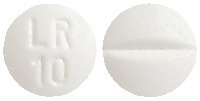
Allereze film-coated tablets are round, white, with a scoreline on one side and marked "LR" over "10" on the reverse, packs of 10, 30 and 50 tablets.

Ingredients

The active ingredient in Allereze is loratadine. Each Allereze tablet contains 10 mg of loratadine.

The tablets also contain the following inactive ingredients:

  • lactose
  • microcrystalline cellulose
  • maize starch
  • pregelatinised maize starch
  • silicon dioxide
  • magnesium stearate
  • Opadry Clear YS-1R-7006
  • carnauba wax
  • purified talc.

Supplier

Allereze is supplied in Australia by:
Alphapharm Pty Limited
(ABN 93 002 359 739)
Chase Building 2
Wentworth Park Road
Glebe NSW 2037
Phone: (02) 9298 3999
www.alphapharm.com.au

Medical Information
Phone: 1800 028 365

Australian registration number:
Allereze - AUST R 117492

This leaflet was prepared on
9 March 2006.

Published by MIMS July 2006

BRAND INFORMATION

Brand name

Allereze

Active ingredient

Loratadine

Schedule

S2


1 Name of Medicine

Loratadine.

2 Qualitative and Quantitative Composition

Each tablet contains 10 mg of loratadine as the active ingredient.

Excipients with known effect.

Lactose and gluten.
For the full list of excipients, see Section 6.1 List of Excipients.

3 Pharmaceutical Form

Loratadine 10 mg film-coated tablets: white, round, biconvex, scored on one side and marked "LR" over "10" on the reverse.

4 Clinical Particulars

4.1 Therapeutic Indications

In adults and children 12 years + and older, Allereze tablets are indicated for the:
treatment of seasonal and perennial allergic rhinitis;
relief of symptoms and signs of chronic urticaria.

4.2 Dose and Method of Administration

Adults and children 12 years of age and over. 10 mg (one tablet) daily.
For patients with severe hepatic impairment a lower initial dose (5 mg daily) is recommended.

4.3 Contraindications

Allereze tablets are contraindicated in patients who have shown hypersensitivity or idiosyncrasy to loratadine, desloratadine or any of the excipients.

4.4 Special Warnings and Precautions for Use

Immune system.

In a 17 month study in monkeys, loratadine demonstrated no functional impairment of the immune system as indicated by mortality, peripheral leucocyte count or incidences of inflammatory reactions, autoimmune disease and malignancy. Specific studies investigating the effect of loratadine on immune function in man have not been performed.

Hepatic.

As with all drugs metabolised by the liver, loratadine should be used with caution in patients with severe liver dysfunction.

Use in the elderly.

No data available.

Paediatric use.

No data available.

Effects on laboratory tests.

Allereze should be discontinued approximately 48 hours prior to skin testing procedures since antihistamines may prevent or diminish otherwise positive reactions to dermal reactivity indicators.

4.5 Interactions with Other Medicines and Other Forms of Interactions

Various tests (psychomotor tests, wakefulness tests, cognitive function and mood tests and driving tests) have shown that loratadine does not interact with alcohol.
When administered concomitantly with diazepam, loratadine has no potentiating effects as measured by psychomotor performance studies.
Loratadine (10 mg once daily) has been safely coadministered with therapeutic doses of erythromycin, cimetidine and ketoconazole in controlled clinical pharmacology studies. Although increased plasma concentrations (AUC0-24 hrs) of loratadine and/or descarboethoxyloratadine were observed following coadministration of loratadine with each of these drugs in normal volunteers, there were no clinically relevant changes in the safety profile of loratadine and no reports of sedation or syncope (see Section 5 Pharmacological Properties).

4.6 Fertility, Pregnancy and Lactation

Effects on fertility.

Animal studies showed that loratadine had an adverse effect on male fertility when administered to rats at doses greater than 24 mg/kg/day. The clinical relevance of this observation is unknown at this time.
(Category B1)
Reproductive studies in pregnant rats and rabbits showed no evidence of embryotoxic or teratogenic activity at loratadine doses up to 96 mg/kg/day. In pregnant rats, loratadine and its metabolite crossed the placental barrier, distributing in foetal tissues in a pattern similar to that in maternal tissues but at lower concentrations.
The safe use of loratadine during pregnancy has not been established. Therefore, the compound should be used only if the potential benefit justifies the potential risk to the foetus.
Australian categorisation definition of Category B1: Drugs which have been taken by only a limited number of pregnant women and women of childbearing age, without an increase in the frequency of malformation or other direct or indirect harmful effects on the human foetus having been observed. Studies in animals have not shown evidence of an increased occurrence of foetal damage.
The safe use of loratadine during lactation has not been established. Therefore, the use of loratadine by breastfeeding mothers is not recommended. The compound should be used only if the potential benefit justifies the potential risk to the infant.
A study in lactating women showed that breast milk levels of loratadine and its active metabolite parallel their respective plasma concentrations after oral administration. Acute toxicity studies have demonstrated that neonatal rats and mice are more sensitive to loratadine than the adults of the corresponding species.

4.7 Effects on Ability to Drive and Use Machines

The effects of this medicine on a person's ability to drive and use machines were not assessed as part of its registration.

4.8 Adverse Effects (Undesirable Effects)

In worldwide controlled clinical studies, the incidence of adverse effects associated with loratadine has been comparable to that of placebo. In these trials, loratadine has shown no clinically significant sedative or anticholinergic properties.
Most commonly reported side effects for loratadine include headache (12% vs placebo 11%), sedation (8% vs placebo 6%), fatigue (4% vs placebo 3%) and dry mouth (3% vs placebo 2%).
Adverse experiences occurring in less than 1% of patients are listed below.

Cardiovascular.

Hypertension, hypotension, syncope, palpitation, tachycardia, chest pain, epistaxis.

Gastrointestinal.

Dyspepsia, diarrhoea, constipation, abdominal/ gastric pain, nausea.

Renal.

Increased frequency of urination, urine discolouration.

Respiratory.

Nasal dryness, pharyngitis, coughing.

Other.

Depression, dizziness, fever, nervousness, viral infection, insomnia, menstruation delay, myalgia, pruritus, altered taste, paroniria, tinnitus, rash on face, increased saliva, increased appetite, paraesthesia, malaise and alopecia.
The incidence and general nature of these rarer reports were similar in both placebo treated and loratadine treated patients.
During the marketing of loratadine, alopecia, anaphylaxis and abnormal hepatic function have been reported rarely.

Reporting suspected adverse effects.

Reporting suspected adverse reactions after registration of the medicinal product is important. It allows continued monitoring of the benefit-risk balance of the medicinal product. Healthcare professionals are asked to report any suspected adverse reactions at www.tga.gov.au/reporting-problems.

4.9 Overdose

Somnolence, tachycardia and headache have been reported with overdoses. In volunteer studies, single doses of up to 160 mg have been administered without any untoward effects.
In the event of overdosage, consideration should be given to adsorption of any unabsorbed loratadine by use of activated charcoal. Otherwise, treatment, which should be started immediately, is symptomatic and supportive. Loratadine is not eliminated by haemodialysis; it is not known if loratadine is eliminated by peritoneal dialysis. After emergency treatment, the patient should continue to be medically monitored.
For information on the management of overdose, contact the Poisons Information Centre on 13 11 26 (Australia).

5 Pharmacological Properties

5.1 Pharmacodynamic Properties

Mechanism of action.

Loratadine is a potent, long acting antihistamine with relative selectivity for peripheral histamine H1-receptors. Loratadine does not readily penetrate into the CNS. It exhibits greater affinity for peripheral H1-receptors than for central H1-receptors. These properties account for the observed lack of sedation. The incidence of sedation with loratadine is comparable to that of placebo.
Loratadine has a rapid onset of action after oral administration, usually within one hour.

Clinical trials.

Specific studies involving sleep tests with EEG tracings, motor car driving under actual driving conditions, as well as psychomotor performance tests have not shown any significant difference between loratadine 10 mg and placebo with respect to interaction with the CNS or impairment of performance.
Specific clinical pharmacology studies were conducted with concomitant administration of loratadine with therapeutic doses of erythromycin, ketoconazole and cimetidine for 10 days in healthy subjects. Although increased plasma concentrations (AUC0-24 hrs) of loratadine and/or its active metabolite descarboethoxyloratadine (desloratadine) were observed, there were no clinically relevant changes in the safety profile of loratadine as assessed by electrocardiographic parameters including QTc interval, clinical laboratory tests, vital signs and adverse events. Additionally, cardiac repolarisation was not altered, nor were other electrocardiographic parameters (see Section 4.5 Interactions with Other Medicines and Other Forms of Interactions).

5.2 Pharmacokinetic Properties

Absorption.

Loratadine is well absorbed, with peak plasma levels occurring at approximately one or two hours after dosing.

Distribution.

In man, loratadine is extensively bound to plasma protein (97 to 99%) and desloratadine, moderately bound (73 to 76%).

Metabolism.

The drug is almost totally metabolised. It has an active metabolite desloratadine.

Excretion.

Approximately 40% of the dose is excreted in the urine and 42% in the faeces in a 10-day period. Approximately 27% of the dose is eliminated in the urine during the first 24 hours. The mean elimination half-life of loratadine in normal volunteers is approximately 12 hours, while that of desloratadine is approximately 20 hours. Renal impairment has no significant effect on loratadine clearance. In children, clearance appears to be marginally faster. Concomitant ingestion of food with loratadine may delay absorption (by approximately one hour) and may increase the AUC for both loratadine (40%) and its active metabolite desloratadine (approximately 15%). These differences would not be expected to be clinically important.

5.3 Preclinical Safety Data

Genotoxicity.

No data available.

Carcinogenicity.

Loratadine administered in the diet to mice for 18 months at doses greater than 12 mg/kg/day resulted in an increased incidence of benign hepatic tumours. A 2 year study in rats showed no increase in the incidence of carcinogenicity in loratadine treated animals compared with control animals at dietary doses up to 25 mg/kg/day.

6 Pharmaceutical Particulars

6.1 List of Excipients

The inactive excipients are: lactose, microcrystalline cellulose, maize starch, pregelatinised maize starch, silicon dioxide, magnesium stearate, carnauba wax, purified talc and Opadry Clear YS-1R-7006.

6.2 Incompatibilities

Incompatibilities were either not assessed or not identified as part of the registration of this medicine.

6.3 Shelf Life

In Australia, information on the shelf life can be found on the public summary of the Australian Register of Therapeutic Goods (ARTG). The expiry date can be found on the packaging.

6.4 Special Precautions for Storage

Store below 25°C.

6.5 Nature and Contents of Container

PVC/Al blister packs of 10, 30, 50, 70* and 90* tablets.
*Not marketed in Australia.

Australian register of therapeutic goods (ARTG).

AUST R 117492 - Allereze loratadine 10 mg tablet blister pack.

6.6 Special Precautions for Disposal

In Australia, any unused medicine or waste material should be disposed of by taking it to your local pharmacy.

6.7 Physicochemical Properties

Loratadine is freely soluble in methanol, ethanol and chloroform, soluble in ether and practically insoluble in water.

Chemical structure.

Chemical name: ethyl 4-(8-chloro-5,6-dihydro-11H-benzo 5,6-cyclohepta 1,2-b pyridin-11-ylidene)-1-piperidinecarboxylate.
Structural formula:
Molecular formula: C22H23N2ClO2. Molecular weight: 382.9.

CAS number.

79794-75-5.

7 Medicine Schedule (Poisons Standard)

S2 (Pharmacy Medicine).

Summary Table of Changes