
Consumer medicine information

Allmercap

Mercaptopurine monohydrate

BRAND INFORMATION

Brand name

Allmercap

Active ingredient

Mercaptopurine monohydrate

Schedule

S4


Consumer medicine information (CMI) leaflet

Please read this leaflet carefully before you start using Allmercap.

What is in this leaflet

This leaflet answers some common questions about ALLMERCAP®. It does not contain all of the available information. It does not take the place of talking to your doctor or pharmacist.

All medicines have risks and benefits. Your doctor has weighed the risks of you taking ALLMERCAP® against the benefits they expect it will have for you.

If you have any concerns about taking this medicine, ask your doctor or pharmacist.

Keep this leaflet with the medicine. You may need to read it again.

What ALLMERCAP® is used for

ALLMERCAP® contains mercaptopurine monohydrate as the active ingredient. It belongs to a group of medicines called cytotoxics (also called chemotherapy).

ALLMERCAP® is used solely or in combination with other medicines to treat acute leukaemia, a cancer of certain blood cells.

It works by interfering with the growth of cancer cells.

Ask your doctor if you have any questions about why ALLMERCAP® has been prescribed for you. Your doctor may have prescribed it for another purpose. This medicine is only available with a doctor's prescription.

There is no evidence that it is addictive.

Before you take it

When you must not take it

Do not take ALLMERCAP® if you have ever had an allergic reaction to:

  • Mercaptopurine monohydrate
  • any of the oral liquid suspension ingredients listed at the end of this leaflet.

Symptoms of an allergic reaction may include shortness of breath, wheezing or difficulty in breathing; swelling of the face, lips, tongue or any other parts of the body; rash, itching or hives on the skin.

Do not receive the yellow fever vaccine whilst you are taking ALLMERCAP®.

Do not take ALLMERCAP® if you are planning to become pregnant or father a child unless you and your doctor have discussed the risks and benefits involved. As with all cytotoxic drugs, ALLMERCAP® may harm eggs and sperm. Reliable contraceptive methods must be taken to avoid pregnancy whilst you or your partner is taking this medicine.

Do not take ALLMERCAP® if you are pregnant unless you and your doctor have discussed the risks and benefits involved. It may affect your developing baby if you take it during pregnancy.

Do not take this medicine whilst breast feeding. It is not recommended for use while breast feeding as it is found in breast milk.

Do not take ALLMERCAP® after the expiry date printed on the bottle. If you take it after the expiry (EXP) date has passed, it may not work as well.

Do not take it if the packaging is torn or shows signs of tampering.

ALLMERCAP® contains aspartame (E951), hydroxybenzoates and sorbates.

Aspartame is a source of phenylalanine. It may be harmful if you have phenylketonuria (PKU), a rare genetic disorder in which phenylalanine builds up because the body cannot remove it properly.

Before you start to take it

Tell your doctor if you are allergic to any other medicines or any other foods, dyes or preservatives.

Tell your doctor if you have received the yellow fever vaccine.

Tell your doctor if you have or have had any of the following conditions:

  • you have recently received or are receiving radiotherapy or chemotherapy
  • you have recently been vaccinated or are planning to be vaccinated
  • chickenpox, shingles or hepatitis B (a liver disease caused by a virus)
  • kidney or liver disease
  • a condition where your body produces too little of a natural chemical called thiopurine methyltransferase (TPMT).
  • inflammatory bowel disease – some patients with inflammatory bowel disease who have received mercaptopurine monohydrate have developed a rare and aggressive type of cancer called Hepatosplenic T-cell Lymphoma
  • an inherited mutation in the NUDT15 gene (a gene which is involved in the break down of Allmercap in the body) – you may have a higher risk of infections and hair loss and your doctor may give you a lower dose.
  • Lesch-Nyhan Syndrome, a rare inherited condition where there is a deficiency of the hypoxanthine-guanine-phosphoribosyltransferase enzyme.

If you have not told your doctor about any of the above, tell them before you start taking ALLMERCAP®.

Taking other medicines

Tell your doctor if you are taking any other medicines, including any that you buy without a prescription from a pharmacy, supermarket or health food shop.

Some medicines may be affected by ALLMERCAP® or may affect how well it works. You may need to take different amounts of your medicine or you may need to take different medicines. These include:

  • allopurinol, oxipurinol and/or thiopurinol
  • methotrexate
  • infliximab
  • medicines to treat or prevent blood clots e.g. warfarin
  • 6-thioguanine
  • aminosalicylate derivatives such as olsalazine, mesalazine or sulphasalazine
  • vaccinations with 'live' organism vaccines
  • Other medicines used to suppress the body’s immune defence system agents
  • ribavirin
  • phenytoin
  • febuxostat

Your doctor or pharmacist has more information on medicines to be careful with or avoid while taking this medicine.

How to take it

How much to take

Take ALLMERCAP® exactly as directed by your doctor.

Your doctor will decide what dose and for how long you will be taking ALLMERCAP®. This depends on factors such as:

  • your age and weight
  • any pre-existing conditions such as kidney or liver disease
  • your response to the treatment
  • other medicines taken in combination with ALLMERCAP®.

For children the usual dose is 2.5 mg/kg bodyweight/day but your dose will be carefully adjusted by your doctor depending on your condition. Your doctor may change the dose and frequency of your medicine as your condition changes. Your doctor may order regular blood cell count, liver function and urine tests while you are taking ALLMERCAP® in order to monitor your condition and to change your dose if necessary.

How to take it

It is important to take ALLMERCAP® in the evening to make the medicine more effective.

You can take your medicine with food or on an empty stomach but the choice of method should be consistent from day to day. You should take your medicine at least 1 hour before or 2 hours after having milk or dairy products.

Your pack of ALLMERCAP® contains a bottle of medicine, a cap, a bottle adaptor and two dosing syringes (a purple 1 mL syringe and an orange 5 mL syringe). Always use the syringes provided to take your medicine. The syringes provided must only be used with ALLMERCAP®.

It is important that you use the correct dosing syringe for your medicine. Your doctor or pharmacist will advise which syringe to use depending on the dose that has been prescribed.

The smaller 1 mL syringe (purple), marked from 0.1 mL to 1 mL, is for measuring doses of less than or equal to 1 mL. You should use this one if the total amount you have to take is less than or equal to 1 mL (each graduation of 0.1 mL contains 2 mg of mercaptopurine monohydrate).

The larger 5 mL syringe (orange), marked 1 mL to 5 mL, is for measuring doses of more than 1 mL. You should use this one if the total amount you have to take is more than 1 mL (each graduation of 0.2 mL contains 4 mg of mercaptopurine monohydrate).

If you are a parent or care giver administering the medicine, wash your hands before and after administering a dose. Wipe up spillages immediately. To decrease the risk of exposure disposable gloves should be used when handling ALLMERCAP®.

If ALLMERCAP® comes into contact with skin, eyes or nose, it should be washed immediately and thoroughly with soap and water.

When you use the medicine follow the instructions below:

  1. Put on disposable hand gloves before handling ALLMERCAP®.
  2. Shake the bottle vigorously for at least 30 seconds to ensure the medicine is well mixed (figure 1).
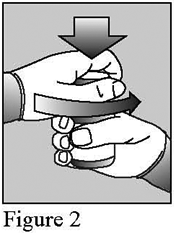
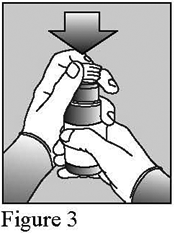
  3. Remove the bottle cap (figure 2) and push the adaptor firmly into the top of the bottle and leave in place for future doses (figure 3).
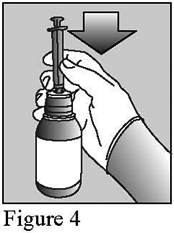
  4. Push the tip of the dosing syringe into the hole in the adaptor (figure 4). Your doctor or pharmacist will advise you of the correct syringe to use, either the 1 mL (purple syringe) or the 5 mL (orange syringe) in order to give the correct dose.
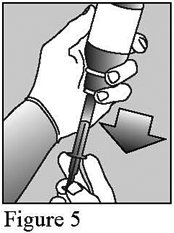
  5. Turn the bottle upside down (figure 5).
  6. Pull the plunger of the syringe back so that the medicine is drawn from the bottle into the syringe. Pull the plunger back to the point on the scale that corresponds to the dose prescribed (figure 5). If you are not sure about how much medicine to draw into the syringe, always ask your doctor or nurse for advice.
  7. Turn the bottle back the right way up and carefully remove the syringe from the adaptor, holding it by the barrel rather than the plunger.
  8. Gently put the tip of the syringe into your mouth and to the inside of your cheek.
  9. Slowly and gently push the plunger down to gently squirt the medicine into the inside of your cheek and swallow it. DO NOT forcefully push down the plunger, or squirt the medicine to the back of your mouth or throat, as you may choke.
  10. Remove the syringe from your mouth.
  11. Swallow the dose of oral liquid suspension then drink some water, making sure no medicine is left in your mouth.
  12. Put the cap back on the bottle with the adaptor left in place. Ensure that the cap is tightly closed.
  13. Wash the syringe with warm ‘soapy’ water and rinse well. Hold the syringe under water and move the plunger up and down several times to make sure the inside of the syringe is clean. Let the syringe dry completely before you use that syringe again for dosing. Store the syringe in a hygienic place with the medicine.

Repeat the above for each dose as instructed by your doctor or pharmacist.

Like all cytotoxic drugs, ALLMERCAP® is irritant to the eyes and skin. To prevent irritation it is important to wash your hands immediately after handling the oral liquid suspension, to avoid contact with the eyes.

How long to take it

Your doctor will tell you how long to take ALLMERCAP® for. Do not stop taking it or change the dose without first checking with your doctor.

After first opening of the bottle, discard any unused contents after 8 weeks (56 days). Write the date of first opening on the bottle to help you remember.

If you take too much (overdose)

Immediately telephone your doctor or the Poisons Information Centre (in Australia telephone 131126, in New Zealand telephone 0800 764 766, in Hong Kong telephone your doctor or the nearest hospital) for advice, if you think you or anyone else may have taken too much ALLMERCAP®, even if there are no signs of discomfort or poisoning. You may need urgent medical attention.

While you are taking it

Things you must do

Tell your doctor if, for any reason, you have not taken your medicine exactly as directed. Otherwise, your doctor may think that it was not working as it should and change your treatment unnecessarily.

Do not take a double dose to make up for the one you have missed. Visit your doctor regularly so they can check your progress and make sure your medicine is working.

Tell any other specialist, doctor, dentist or pharmacist that you are on ALLMERCAP®, especially if you are about to be started on any new medicines, immunisations, vaccinations or radiotherapy.

Tell your doctor if you become pregnant, are trying to become pregnant or trying to father a child.

Use a sunscreen with a high SPF and protective clothing and limit exposure to sunlight and UV light.

Things you must not do

Do not give this medicine to anyone else, even if their symptoms seem similar to yours.

Do not use ALLMERCAP® to treat any other complaints unless your doctor says to.

Things to be careful of

Be careful driving or operating machinery until you know how ALLMERCAP® affects you.

Do not have any vaccinations without your doctor's approval. ALLMERCAP® can lower the number of white blood cells and platelets in your blood. This means that you have an increased chance of getting an infection or bleeding. The risk of viral, fungal and bacterial infections is increased and the infections may be more serious.

Side effects

Tell your doctor as soon as possible if you do not feel well while you are taking ALLMERCAP®

All medicines can cause some side effects. Sometimes they are serious, most of the time they are not. You may need medical treatment if you get some of the side effects.

The following side effects have been reported with ALLMERCAP®

  • production of bone marrow cells may be reduced. You may notice an increase in infections. Your doctor will do regular blood tests, but you should tell them at once if you notice any signs of fever or infection or any unexpected bruising, bleeding or signs of blood in your urine
  • increased risk of liver disease or damage
  • in men, sperm production may be reduced
  • as with all cytotoxic medicines, there is an increased risk of some cancers
  • as with all cytotoxic medicines, there is an increased risk of damage to the genes in some cells.

Tell your doctor if you notice any of the following:

  • nausea and vomiting
  • diarrhoea
  • infections such as fever, severe chills, sore throat or mouth ulcers
  • bruising or bleeding more easily than normal
  • loss of appetite and/or weight loss
  • jaundice, a yellowing of the whites of the eyes or the skin
  • a condition in which there is a decreased number of red blood cells, called anaemia. Symptoms include tiredness, headaches, shortness of breath, dizziness and looking pale.
  • painful, swollen joints
  • skin rash
  • hair loss.

If you get any of the following side effects, tell your doctor immediately or go to Accident and Emergency at your nearest hospital:

  • wheezing
  • swelling of the lips/mouth
  • difficulty in breathing
  • hayfever
  • lumpy rash (hives)
  • fainting
  • sudden abdominal pain with nausea and vomiting.

Tell your doctor if you notice anything else that is making you feel unwell, even if you think the problems are not connected with this medicine and are not referred to in this leaflet. Other side effects not listed above may also occur in some people.

Do not be alarmed by this list of possible side effects. You may not experience any of them.

After taking it

Storage

Keep it in a cool, dry place, protected from light, where the temperature stays below 25°C.

Do not leave it in a car, on window sills, near a sink or in the bathroom. Heat and dampness can affect some medicines.

Keep it where children cannot reach it. A locked cupboard at least one-and-a-half metres above the ground is a good place to store medicines.

After first opening of the bottle, discard any unused contents after 8 weeks (56 days). Write the date of first opening on the bottle to help you remember.

Medicines should not be disposed of via wastewater or household waste. Ask your pharmacist how to dispose of medicines no longer required. These measures will help to protect the environment.

Product description

What it looks like

ALLMERCAP® is a pink to brown oral liquid suspension. It comes in bottles of 100 mL capped with a child-resistant closure. Each pack contains one bottle, a bottle adaptor and two dosing syringes (a purple syringe graduated to 1 mL and an orange syringe graduated to 5 mL). Your doctor or pharmacist will advise which syringe to use depending on the dose that has been prescribed.

Ingredients

Active ingredient:
One mL of suspension contains 20 mg of mercaptopurine monohydrate.

Inactive ingredients:

  • xanthan gum
  • aspartame (E951)
  • concentrated raspberry juice
  • sodium methylhydroxybenzoate (E219)
  • sodium ethylhydroxybenzoate (E215)
  • potassium sorbate (E202)
  • sodium hydroxide
  • purified water.

Sponsor

In Australia:

Link Medical Products Pty Ltd
5 Apollo Street,
Warriewood NSW 2012
Australia
Ph: 1800 181 060
linkhealthcare.com.au

In New Zealand:

Link Pharmaceuticals Ltd
Suite 32, Level 26, PwC Tower
188 Quay Street
Auckland 1010
New Zealand

In Hong Kong:

Unit 16, Floor 12
Corporation Square
8 Lam Lok Street
Kowloon Bay
Hong Kong

Australian Registration Number: AUST R 213881

This leaflet was prepared in January 2021.

Published by MIMS March 2021

BRAND INFORMATION

Brand name

Allmercap

Active ingredient

Mercaptopurine monohydrate

Schedule

S4


1 Name of Medicine

Mercaptopurine monohydrate.

2 Qualitative and Quantitative Composition

Allmercap oral liquid suspension contains 20 mg/mL mercaptopurine monohydrate.

Excipients with known effect.

Hydroxybenzoates, sorbates, and aspartame.
For the full list of excipients, see Section 6.1 List of Excipients.

3 Pharmaceutical Form

Allmercap is a pink/brown oral liquid suspension.

4 Clinical Particulars

4.1 Therapeutic Indications

Allmercap oral liquid suspension is indicated for: treatment of acute lymphoblastic leukaemia (ALL) in paediatric patients.

4.2 Dose and Method of Administration

Dosage (dose and interval).

Allmercap is only indicated for use in children. For children the usual dose is 2.5 mg/kg bodyweight/day, but the dose and duration of administration depend on the nature and dosage of other cytotoxic agents given in conjunction with mercaptopurine. The dosage should be carefully adjusted to suit the individual patient.
Mercaptopurine has been used in various combination therapy schedules for acute leukaemia and the literature should be consulted for details.
When allopurinol and mercaptopurine are administered concomitantly it is essential that only a quarter of the usual dose of mercaptopurine is given since allopurinol decreases the rate of catabolism of mercaptopurine.
Mercaptopurine is metabolised by the polymorphic Thiopurine Methyl Transferase (TPMT) enzyme. Patients with little or no inherited TPMT activity are at increased risk for severe toxicity from conventional doses of mercaptopurine and generally require substantial dose reduction. TPMT genotyping or phenotyping can be used to identify patients with absent or reduced TPMT activity. TPMT testing cannot substitute for haematological monitoring in patients receiving mercaptopurine. The optimal starting dose for homozygous deficient patients has not been established (see Section 4.4 Special Warnings and Precautions for Use).

Method of administration.

Allmercap may be taken with food or on an empty stomach, but patients should standardise the method of administration. The dose should not be taken at the same time as milk or dairy products (see Section 4.5 Interactions with Other Medicines and Other Forms of Interactions). Allmercap should be taken at least 1 hour before or 2 hours after milk or dairy products.

Renal or hepatic impairment.

Consideration should be given to reducing the dosage in patients with impaired hepatic or renal function.

Patients with NUDT15 variant.

Patients with inherited mutated NUDT15 gene are at increased risk for severe mercaptopurine toxicity, (see Section 4.4 Special Warnings and Precautions for Use). These patients generally require dose reduction; particularly those being NUDT15 variant homozygotes (see Section 4.4 Special Warnings and Precautions for Use). Genotypic testing of NUDT15 variants may be considered before initiating mercaptopurine therapy. In any case, close monitoring of blood counts is necessary.

4.3 Contraindications

Hypersensitivity to any component of the preparation.
Concomitant use with yellow fever vaccine (see Section 4.5 Interactions with Other Medicines and Other Forms of Interactions).
In view of the seriousness of the indications there are no other absolute contraindications.

4.4 Special Warnings and Precautions for Use

Mercaptopurine monohydrate is an active cytotoxic agent for use only under the direction of physicians experienced in the administration of such agents.
Co-administration of ribavirin and mercaptopurine is not advised. Ribavirin may reduce efficacy and increase toxicity of mercaptopurine (see Section 4.5 Interactions with Other Medicines and Other Forms of Interactions).
The handling of Allmercap oral liquid suspension should follow standard guidelines for the handling and disposal of cytotoxic drugs.
As with all cytotoxic chemotherapy, adequate contraceptive precautions should be advised if either partner is receiving Allmercap oral liquid suspension.

Immunosuppression.

Immunisation using a live organism vaccine has the potential to cause infection in immunocompromised hosts. Therefore, immunisations with live organism vaccines are not recommended.

Cytotoxic and haematological monitoring.

Since mercaptopurine is strongly myelosuppressive, full blood counts must be monitored daily during remission induction. Patients must be carefully monitored during therapy.
Treatment with mercaptopurine causes bone marrow suppression leading to leucopenia and thrombocytopenia, and less frequently anaemia. Full blood counts must be taken daily during remission induction and careful monitoring of haematological parameters should be conducted during maintenance therapy. The mercaptopurine oral suspension and tablet are not bioequivalent with respect to peak plasma concentration, and therefore intensified haematological monitoring of the patient is advised on switching formulations.
The leucocyte and platelet counts continue to fall after treatment is stopped, so at the first sign of abnormally large fall in the counts, treatment should be interrupted immediately.
Bone marrow suppression is reversible if mercaptopurine is withdrawn early enough.
During remission induction in acute myelogenous leukaemia the patient may frequently have to survive a period of relative bone marrow aplasia and it is important that adequate supportive facilities are available.
The dosage of mercaptopurine may need to be reduced when this agent is combined with other drugs whose primary or secondary toxicity is myelosuppression (see Section 4.5 Interactions with Other Medicines and Other Forms of Interactions, Effect of concomitant drugs on mercaptopurine, Myelosuppressive agents).

Hepatotoxicity.

Mercaptopurine is hepatotoxic and liver function tests should be monitored weekly during treatment. More frequent monitoring may be advisable in those with pre-existing liver disease or receiving other potentially hepatotoxic therapy. The patient should be instructed to discontinue mercaptopurine immediately if jaundice becomes apparent.

Renal toxicity.

During remission induction when rapid cell lysis is occurring, uric acid levels in blood and urine should be monitored as hyperuricaemia and/or hyperuricosuria may develop, with the risk of uric acid nephropathy.

Renal and/or hepatic impairment.

Caution is advised during the administration of mercaptopurine in patients with renal impairment and/or hepatic impairment. Consideration should be given to reducing the dosage in these patients and haematological response should be carefully monitored (see Section 4.2 Dose and Method of Administration).

TPMT testing.

There are individuals with an inherited deficiency of the enzyme thiopurine methyltransferase (TPMT) who may be unusually sensitive to the myelosuppressive effect of mercaptopurine and prone to developing rapid bone marrow depression following the initiation of treatment with mercaptopurine. There have been fatal cases of myelosuppression in patients with low or absent TPMT activity treated with thiopurines. This problem could be exacerbated by coadministration with drugs that inhibit TPMT, such as olsalazine, mesalazine or sulfasalazine. Also a possible association between decreased TPMT activity and secondary leukaemias and myelodysplasia has been reported in individuals receiving mercaptopurine in combination with other cytotoxics (see Section 4.8 Adverse Effects (Undesirable Effects)).
Some laboratories offer testing for TPMT deficiency, although these tests have not been shown to identify all patients at risk of severe toxicity. Therefore, close monitoring of blood counts is still necessary.
Cross resistance usually exists between mercaptopurine and tioguanine (Lanvis).

Hypersensitivity.

Patients suspected to have previously presented with a hypersensitivity reaction to mercaptopurine monohydrate should not be advised to use its pro-drug azathioprine, unless the patient has been confirmed as hypersensitive to mercaptopurine monohydrate with allergological tests, and has tested negative for azathioprine. As azathioprine is a pro-drug of mercaptopurine monohydrate, patients with a previous history of hypersensitivity to azathioprine must be assessed for hypersensitivity to mercaptopurine monohydrate prior to initiating treatment.

Carcinogenesis and mutagenesis.

Mercaptopurine in common with other anti-metabolites is potentially mutagenic and chromosome damage has been reported in rats and humans.
Increases in chromosomal aberrations were observed in the peripheral lymphocytes of leukaemic patients and in a hypernephroma patient who received an unstated dose of mercaptopurine and in patients with chronic renal disease treated at doses of 0.4-1.0 mg/kg/day.
In view of its action on cellular deoxyribonucleic acid (DNA), mercaptopurine is potentially carcinogenic and consideration should be given to the theoretical risk of carcinogenesis with this treatment. Three cases have been documented of the occurrence of acute nonlymphatic leukaemia in patients who received mercaptopurine for non-neoplastic disorders. A single case has been reported where a patient was treated for pyoderma gangrenosum with mercaptopurine monohydrate and later developed acute nonlymphatic leukaemia.
A patient with Hodgkin's disease treated with mercaptopurine and multiple additional cytotoxic agents developed acute myelogenous leukaemia.
Twelve and a half years after mercaptopurine treatment for myasthenia gravis, a female patient developed chronic myeloid leukaemia.
Reports of hepatosplenic T-cell lymphoma in the inflammatory bowel disease population (this is an unregistered indication) have been received when azathioprine (the prodrug to mercaptopurine) or mercaptopurine is used either with or without concomitant treatment with anti-TNF alpha antibody. This rare type of T cell lymphoma has an aggressive disease course and is usually fatal (see Section 4.8 Adverse Effects (Undesirable Effects)).

Carcinogenicity.

Patients receiving immunosuppressive therapy, including mercaptopurine, are at an increased risk of developing lymphoproliferative disorders and other malignancies, notably skin cancers (melanoma and non-melanoma), sarcomas (Kaposi's and non-Kaposi's) and uterine cervical cancer in situ. The increased risk appears to be related to the degree and duration of immunosuppression. It has been reported that discontinuation of immunosuppression may provide partial regression of the lymphoproliferative disorder.
A treatment regimen containing multiple immunosuppressants (including thiopurines) should therefore be used with caution as this could lead to lymphoproliferative disorders, some with reported fatalities. A combination of multiple immunosuppressants, given concomitantly increases the risk of Epstein-Barr virus (EBV)-associated lymphoproliferative disorders.

Infections.

Patients treated with mercaptopurine alone or in combination with other immunosuppressive agents, including corticosteroids, have shown increased susceptibility to viral, fungal and bacterial infections, including severe or atypical infection, and viral reactivation. The infectious disease and complications may be more severe in these patients than in non-treated patients.
Prior exposure to or infection with varicella zoster virus should be taken into consideration prior to starting treatment. Local guidelines may be considered, including prophylactic therapy if necessary. Serologic testing prior to starting treatment should be considered with respect to hepatitis B. Local guidelines may be considered, including prophylactic therapy for cases which have been confirmed positive by serologic testing. Cases of neutropenic sepsis have been reported in patients receiving mercaptopurine for ALL.

Macrophage activation syndrome.

Allmercap is only indicated for treatment of ALL in paediatric patients.
Macrophage activation syndrome (MAS) is a known, life-threatening disorder that may develop in patients with autoimmune conditions, in particular with inflammatory bowel disease (IBD) (unlicensed indication), and there could potentially be an increased susceptibility for developing the condition with the use of mercaptopurine. If MAS occurs, or is suspected, evaluation and treatment should be started as early as possible, and treatment with mercaptopurine should be discontinued. Physicians should be attentive to symptoms of infection such as EBV and cytomegalovirus (CMV), as these are known triggers for MAS.

Lesch-Nyhan syndrome.

Limited evidence suggests that neither mercaptopurine monohydrate nor its pro-drug azathioprine are effective in patients with hypoxanthine-guanine-phosphoribosyltransferase deficiency (Lesch-Nyhan syndrome). The use of mercaptopurine monohydrate or azathioprine is not recommended in these patients.

UV exposure.

Patients treated with mercaptopurine monohydrate are more sensitive to the sun. Exposure to sunlight and UV light should be limited, and patients should be advised to wear protective clothing and to use a sunscreen with a high protection factor.

Patients with NUDT15 variant.

Patients with inherited mutated NUDT15 gene are at increased risk for severe mercaptopurine toxicity, such as early leukopenia and alopecia, from conventional doses of thiopurine therapy. They generally require dose reduction, particularly those being NUDT15 variant homozygotes (see Section 4.2 Dose and Method of Administration). In any case, close monitoring of blood counts is necessary.

Metabolic and nutritional disorders.

Purine analogues (azathioprine and mercaptopurine) may interfere with the niacin pathway, potentially leading to nicotinic acid deficiency (pellagra). Cases of pellagra have been reported with the use of purine analogues, particularly in patients with chronic inflammatory bowel disease. The diagnosis of pellagra should be considered in patients with a localised pigmented rash (dermatitis), gastroenteritis, or neurological deficits including cognitive deterioration. Appropriate medical care with niacin/nicotinamide supplementation must be initiated.

Hypoglycaemia.

Cases of symptomatic hypoglycaemia have been reported in children with ALL receiving mercaptopurine (see Section 4.8 Adverse Effects (Undesirable Effects)). The majority of reported cases were in children under the age of six or with a low body mass index.

Use in the elderly.

Allmercap is only indicated for use in children.

Paediatric use.

Allmercap is only indicated for use in children.

Effects on laboratory tests.

See Section 4.4, Cytotoxic and haematological monitoring.

Excipients.

This medicinal product contains aspartame (E951), a source of phenylalanine. May be harmful for people with phenylketonuria. Neither non-clinical nor clinical data are available to assess aspartame use in infants below 12 weeks of age.
It also contains sodium methyl parahydroxybenzoate and sodium ethyl parahydroxybenzoate which may case allergic reaction (possibly delayed).
This medicine contains sucrose. Patients with rare hereditary problems of fructose intolerance, glucose-galactose malabsorption or sucrase-isomaltase insufficiency should not take this medicine. Long term use increase the risk of dental caries and it is essential that adequate dental hygiene is maintained.

4.5 Interactions with Other Medicines and Other Forms of Interactions

Concomitant administration of yellow fever vaccine is contraindicated, due to the risk of fatal disease in immunocompromised patients. Vaccinations with live organism vaccines are not recommended in immunocompromised individuals (see Section 4.3 Contraindications; Section 4.4 Special Warnings and Precautions for Use).

Effect of concomitant drugs on mercaptopurine.

Ribavirin.

Ribavirin inhibits the enzyme, inosine monophosphate dehydrogenase (IMPDH), leading to a lower production of the active 6-thioguanine nucleotides. Severe myelosuppression has been reported following concomitant administration of a pro-drug of mercaptopurine and ribavirin; therefore, concomitant administration of ribavirin and mercaptopurine is not advised (see Section 4.4 Special Warnings and Precautions for Use).

Myelosuppressive agents.

When mercaptopurine is combined with other myelosuppressive agents, caution should be used; dose reductions may be needed based on haematological monitoring (see Section 4.4 Special Warnings and Precautions for Use).

Allopurinol/oxipurinol/thiopurinol and other xanthine oxidase inhibitors.

Xanthine oxidase activity is inhibited by allopurinol, oxipurinol and thiopurinol, which results in reduced conversion of biologically active 6-thioinosinic acid to biologically inactive 6-thiouric acid.
When allopurinol, oxipurinol and/or thiopurinol and mercaptopurine are administered concomitantly it is essential that only a 25% of the usual dose of mercaptopurine is given (see Section 4.2 Dose and Method of Administration) since allopurinol decreases the rate of catabolism of mercaptopurine.
Other xanthine oxidase inhibitors, such as febuxostat, may decrease the metabolism of mercaptopurine monohydrate. Concomitant administration is not recommended as data are insufficient to determine an adequate dose reduction.

Aminosalicylates.

There is in vitro and in vivo evidence that aminosalicylate derivatives (e.g. olsalazine, mesalazine or sulphasalazine) inhibit the TPMT enzyme. Therefore, lower doses of mercaptopurine may need to be considered when administered concomitantly with aminosalicylate derivatives (see Section 4.4 Special Warnings and Precautions for Use).
Following unregulated consumption of salicylates, sulphonamides or undefined tranquillisers by patients receiving mercaptopurine therapy, a slower onset of pancytopenia has been documented.

Methotrexate.

Methotrexate may increase mercaptopurine monohydrate exposure (area under curve, AUC). Methotrexate (20 mg/m2 orally) increased mercaptopurine AUC by approximately 31% and methotrexate (2 or 5 g/m2 intravenously) increased mercaptopurine AUC by 69% and 93%, respectively. When administered concomitantly with high dose methotrexate, the mercaptopurine dose may need adjustment including dose adjustments to maintain a suitable white blood cell count.

Infliximab.

Interactions have been observed between azathioprine, a pro-drug of mercaptopurine monohydrate, and infliximab. Patients receiving ongoing azathioprine experienced transient increases in 6-TGN (6-thioguanine nucleotide, an active metabolite of azathioprine) levels and decreases in the mean leukocyte count in the initial weeks following infliximab infusion, which returned to previous levels after 3 months.

Effect of mercaptopurine on other drugs.

Anticoagulants.

Inhibition of the anticoagulant effect of warfarin and acenocoumarol has been reported when coadministered with mercaptopurine; therefore, higher doses of the anticoagulant may be needed. It is recommended that coagulation tests are closely monitored when anticoagulants are concurrently administered with mercaptopurine.

Anti-epileptic medicines.

Cytotoxic agents may decrease the intestinal absorption of phenytoin. Careful monitoring of the phenytoin serum levels is recommended. It is possible that the levels of other anti-epileptic medicinal products may also be altered. Serum antiepileptic levels should be closely monitored during treatment with mercaptopurine monohydrate, making dose adjustments as necessary.

Other forms of interaction.

The administration of mercaptopurine with food may decrease systemic exposure slightly but this is unlikely to be of clinical significance. Therefore, Allmercap may be taken with food or on an empty stomach, but patients should standardise the method of administration. The dose should not be taken with milk or dairy products since they contain xanthine oxidase, an enzyme which metabolises mercaptopurine and might therefore lead to reduced plasma concentrations of mercaptopurine.

4.6 Fertility, Pregnancy and Lactation

Effects on fertility.

See Section 4.6 Fertility, Pregnancy and Lactation, Use in pregnancy (Category D), Maternal exposure, Paternal exposure.
(Category D)
Substantial transplacental and transamniotic transmission of mercaptopurine and its metabolites from the mother to the foetus have been shown to occur.
As with all cytotoxic chemotherapy, adequate contraceptive precautions should be advised if either partner is receiving Allmercap oral liquid suspension.
Mercaptopurine has been shown to be embryotoxic in rats at doses that are not toxic to the mother. It has also been proven to be embryolethal when administered at higher doses in the first half of the gestation period. The potential risk for humans is largely unknown.

Maternal exposure.

Normal offspring have been born after mercaptopurine therapy administered as a single chemotherapy agent during human pregnancy, particularly when given prior to conception or after the first trimester.
Abortions and prematurity have been reported after maternal exposure. Multiple congenital abnormalities have been reported following maternal mercaptopurine treatment in combination with other chemotherapy agents.
Cholestasis of pregnancy has occasionally been reported in association with azathioprine (a prodrug of mercaptopurine) therapy. A careful assessment of benefit to the mother and impact on the foetus should be performed, if cholestasis of pregnancy is confirmed.
Mercaptopurine causes embryolethality and severe teratogenic effects in mice, rats, hamsters and rabbits at doses that are non-toxic to the mother. In all species, the degree of embryotoxicity and type of malformations is dependent on the dose and the stage of gestation at the time of administration.

Paternal exposure.

Congenital abnormalities and spontaneous abortions have been reported after paternal exposure to mercaptopurine.
A leukaemia patient treated with mercaptopurine 100 mg/day (plus splenic irradiation) throughout pregnancy gave birth to a normal, premature baby. A second baby, born to the same mother who was treated as before, together with busulfan 4 mg/day, had multiple severe abnormalities, including corneal opacities, microphthalmia, cleft palate and hypoplasia of the thyroid and ovaries. The use of mercaptopurine should be avoided whenever possible during pregnancy, particularly during the first trimester. In any individual case the potential hazard to the foetus must be balanced against the expected benefit to the mother.
Transient profound oligospermia was observed in a young man who received mercaptopurine 150 mg/day plus prednisone 80 mg/day for acute leukaemia. Two years after cessation of the chemotherapy he had a normal sperm count and fathered a normal child.
Mercaptopurine has been detected in the breast milk of renal transplant patients receiving immunosuppressive therapy with azathioprine, a pro-drug of mercaptopurine and thus mothers receiving mercaptopurine should not breastfeed.

4.7 Effects on Ability to Drive and Use Machines

The effects of this medicine on a person's ability to drive and use machines were not assessed as part of its registration.

4.8 Adverse Effects (Undesirable Effects)

The following convention has been utilised for the classification of undesirable effects: very common (≥ 1/10), common (≥ 1/100 and < 1/10), uncommon (≥ 1/1000 and < 1/100), rare (≥ 1/10,000 and < 1/1000), very rare (< 1/10,000).

Infections and infestations.

Uncommon: Bacterial and viral infections, infections associated with neutropenia.

Neoplasms benign, malignant and unspecified (including cysts and polyps).

Rare: neoplasms including lymphoproliferative disorders, skin cancers (melanomas and nonmelanomas), sarcomas (Kaposi's and non-Kaposi's) and uterine cervical cancer in situ.
Very rare: secondary leukaemia and myelodysplasia.
Frequency not known: Hepatosplenic T-cell lymphoma in patients with inflammatory bowel disease (an unlicensed indication) when used in combination with or without concomitant anti-TNF alpha antibody has been reported (see Section 4.4 Special Warnings and Precautions for Use).

Blood and lymphatic system disorders.

Very common: bone marrow suppression; leucopenia and thrombocytopenia. The main side effect of treatment with mercaptopurine is bone marrow suppression leading to leucopenia and thrombocytopenia.
Common: anaemia.

Immune system disorders.

Hypersensitivity reactions with the following manifestations have been reported.
Uncommon: arthralgia; skin rash; drug fever.
Rare: facial oedema.

Metabolism and nutrition disorders.

Common: anorexia.
Frequency not known: hypoglycaemia, pellagra (see Section 4.4).

Gastrointestinal disorders.

Common: nausea; vomiting; pancreatitis in the IBD population (an unlicensed indication), stomatitis and diarrhoea.
Uncommon: pancreatitis (in the licensed indication), oral ulceration.
Rare: intestinal ulceration.
Not known: cheilitis.

Hepatobiliary disorders.

Common: biliary stasis; hepatotoxicity.
Uncommon: hepatic necrosis.
Frequency not known: portal hypertension*, nodular regenerative hyperplasia*, sinusoidal obstruction syndrome*.
* In patients with inflammatory bowel disease (IBD), and unlicensed indication.
Mercaptopurine is hepatotoxic in animals and humans. The histological findings in humans have shown hepatic necrosis and biliary stasis.
The incidence of hepatotoxicity varies considerably and can occur with any dose, but more frequently when the recommended dose of 2.5 mg/kg bodyweight daily is exceeded.
Monitoring of liver function tests may allow early detection of liver toxicity. This is usually reversible if mercaptopurine therapy is stopped soon enough. However, irreversible liver damage leading to a fatal outcome has occurred.

Skin and subcutaneous tissue disorders.

Rare: alopecia.
Frequency not known: photosensitivity reaction; erythema nodosum.

Reproductive system and breast disorders.

Rare: transient oligospermia.

General disorders and administration site conditions.

Frequency not known: mucosal inflammation.

Investigations.

Frequency not known: coagulation factors decreased.

Reporting suspected adverse effects.

Reporting suspected adverse reactions after registration of the medicinal product is important. It allows continued monitoring of the benefit-risk balance of the medicinal product. Healthcare professionals are asked to report any suspected adverse reactions at www.tga.gov.au/reporting-problems.

4.9 Overdose

For information on the management of overdose, contact the Poisons Information Centre on 13 11 26 (Australia).

Symptoms.

Gastrointestinal effects, including nausea, vomiting, diarrhoea and anorexia may be early symptoms of overdosage having occurred. The principal toxic effect is on the bone marrow and haematological toxicity is likely to be more profound with chronic overdosage than with a single ingestion of mercaptopurine.
The risk of overdosage is also increased when allopurinol is being given concomitantly with mercaptopurine. Liver dysfunction and gastroenteritis may also occur.

Treatment.

As there is no known antidote, blood counts should be closely monitored and general supportive measures, together with appropriate blood transfusion, instituted if necessary. Active measures (such as the use of activated charcoal) may not be effective in the event of mercaptopurine overdose unless the procedure can be undertaken within 60 minutes of ingestion.

5 Pharmacological Properties

5.1 Pharmacodynamic Properties

Mechanism of action.

Mercaptopurine is an analogue of adenine, one of the bases required for nucleic acid biosynthesis, and of the purine base hypoxanthine. Hence mercaptopurine acts as an antimetabolite and interferes with the synthesis of nucleic acids in proliferating cells. Its metabolites are also pharmacologically active.

Clinical trials.

No data available.

5.2 Pharmacokinetic Properties

Absorption of an oral tablet dose of mercaptopurine is incomplete and variable averaging about 50% of the administered dose. The half-life of mercaptopurine in the circulation is of the order of 90 minutes. It is extensively metabolised and excreted via the kidneys and the active metabolites have a longer half-life than the parent drug. Mercaptopurine has pKa's of 7.7 and 11.
In a study of healthy adult volunteers given a single dose of Allmercap oral liquid suspension, the mean Cmax was found to be 86.6 nanogram/mL at 45 minutes. The mean AUC0-t was found to be 121.6 nanogram/mL.h.
Comparison of the oral tablet and oral suspension shows the AUC to be 14% (90%CI 8, 21) and Cmax to be 39% (90%CI 22, 58) higher with the oral suspension.

5.3 Preclinical Safety Data

Genotoxicity.

Mercaptopurine in common with other anti-metabolites is potentially mutagenic and chromosome damage has been reported in rats and humans.

Carcinogenicity.

Given its genotoxic potential, mercaptopurine is potentially carcinogenic. See Section 4.4, Carcinogenicity.

6 Pharmaceutical Particulars

6.1 List of Excipients

Xanthan gum, aspartame, Rubus idaeus (raspberry juice), sodium methyl hydroxybenzoate, sodium ethyl hydroxybenzoate, potassium sorbate, sodium hydroxide, and purified water.

6.2 Incompatibilities

Incompatibilities were either not assessed or not identified as part of the registration of this medicine.

6.3 Shelf Life

In Australia, information on the shelf life can be found on the public summary of the Australian Register of Therapeutic Goods (ARTG). The expiry date can be found on the packaging.

6.4 Special Precautions for Storage

Store below 25°C. Protect from light.
A shelf life of 56 days is proposed after first opening the bottle, when stored below 25°C.

6.5 Nature and Contents of Container

100 mL Type III coloured glass bottle with a tamper evident child resistant closure (HDPE with expanded polyethylene liner). The product is supplied with a bottle adaptor and 2 oral syringes (graduated to 1 mL and 5 mL).

6.6 Special Precautions for Disposal

In Australia, any unused medicine or waste material should be disposed of in accordance with local requirements for cytotoxic drugs.

6.7 Physicochemical Properties

Mercaptopurine monohydrate is odourless or practically odourless, yellow crystalline powder, with a solubility of 0.26 mg/mL in water at 37°C.
The chemical name of mercaptopurine monohydrate is 1,7-dihydro-6H-purine-6-thione hydrate.
Relative molecular mass: 170.2.
Molecular formula: C5H4N4S.H2O.

Chemical structure.


CAS number.

6112-76-1 (monohydrate).

7 Medicine Schedule (Poisons Standard)

S4 - Prescription Only Medicine.

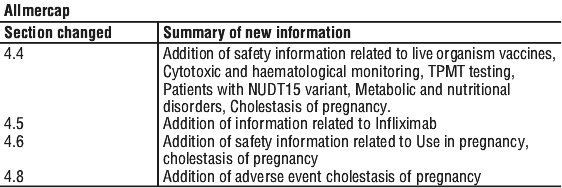
Summary Table of Changes