
Consumer medicine information

Alprolix

Eftrenonacog alfa

BRAND INFORMATION

Brand name

Alprolix

Active ingredient

Eftrenonacog alfa

Schedule

Unscheduled


Consumer medicine information (CMI) leaflet

Please read this leaflet carefully before you start using Alprolix.

What is in this leaflet

This leaflet answers some common questions about ALPROLIX. It does not contain all the available information. It does not use the place of talking to your doctor or pharmacist.

This leaflet was last updated on the date at the end of this leaflet.

Speak to your pharmacist or doctor to obtain the most up to date information on this medicine.

All medicines have risks and benefits. Your doctor has weighed the risks of you taking ALPROLIX against the benefits they expect it will have for you.

If you have any concerns about taking this medicine, ask your doctor or pharmacist.

Keep this leaflet with the medicine. You may need to read it again.

What ALPROLIX is used for

ALPROLIX is used for the management of haemophilia B (congenital factor IX deficiency). ALPROLIX is used to:

  • control and prevent bleeding episodes
  • routinely prevent and reduce the frequency of bleeding episodes
  • reduce bleeding before, during, and after surgery.

People with haemophilia B lack sufficient factor IX to control bleeding. ALPROLIX works by replacing factor IX to enable blood to clot.

Ask your doctor if you have any questions about why this medicine has been prescribed for you. Your doctor may have prescribed it for another reason.

This medicine is not addictive.

It is available only with a doctor's prescription.

Do not give this medicine to anyone else. It may harm them, even if their symptoms are the same as yours.

Before you use ALPROLIX

When you must not use it

Do not use ALPROLIX if you have an allergy to:

  • ALPROLIX or other factor IX replacement factors
  • any of the ingredients listed at the end of this leaflet.

Some of the symptoms of an allergic reaction may include:

  • shortness of breath
  • wheezing or difficulty breathing
  • swelling of the face, lips, tongue or other parts of the body
  • rash, itching or hives on the skin.

If any of these signs occur, stop using ALPROLIX and see your doctor immediately.

Do not use this medicine after the expiry date printed on the pack or if the packaging is torn or shows signs of tampering. If it has expired or is damaged, return it to your pharmacist for disposal.

Do not use ALPROLIX if the medicine is cloudy, contains particles or is discoloured. It should be clear to slightly opalescent and colourless.

If you are not sure whether you should start taking this medicine, talk to your doctor.

Before you start to use it

Tell your doctor if you have allergies to any other medicines, foods, preservatives or dyes.

Tell your doctor if you are pregnant or intend to become pregnant. There is no information on the use of ALPROLIX during pregnancy. Your doctor will discuss the risks and benefits of taking it if you are pregnant.

Tell your doctor if you are breast-feeding or planning to breast-feed. It is not known whether ALPROLIX passes into breast milk. Your doctor will discuss the risks and benefits of taking it if you are breast-feeding.

If you have not told your doctor about any of the above, tell them before you start using ALPROLIX.

Taking other medicines

Tell your doctor or pharmacist if you are taking any other medicines, including any that you get without a prescription from your pharmacy, supermarket or health food shop. Your doctor and pharmacist have more information on medicines to be careful with or avoid while taking this medicine.

How to use ALPROLIX

Follow all directions given to you by your doctor or pharmacist carefully. They may differ from the information contained in this leaflet.

If you do not understand the instructions on the box, ask your doctor or pharmacist for help.

How much to use

Your doctor will decide how much ALPROLIX you use. This will depend on your individual need for replacement factor IX therapy. Your doctor may change the dose you use during your treatment.

Do not stop using ALPROLIX or change the dosage, without checking with your doctor unless you have an allergic reaction.

How to use it

ALPROLIX is given by slow injection directly into your veins.

ALPROLIX is provided as a powder and sterile sodium chloride solution 0.325% (diluent) which need to be mixed together before use.

It is important to not shake ALPROLIX when mixing it. Shaking can damage this medicine.

Mix the ALPROLIX powder with the diluent provided only when you are ready to use it. If you mix the powder and diluent and are interrupted, you can keep the mixed product for a maximum of 6 hours when stored at room temperature (below 30°C).

Do not put it in the freezer.

Always inspect ALPROLIX before use and after it has been mixed. The medicine should be clear to slightly opalescent and colourless.

Do not inject if the solution is discoloured or cloudy or contains particles.

Refer to the leaflet in the pack for step-by-step instructions about how to prepare and inject ALPROLIX.

Use in one patient on one occasion only. Dispose of all unused solution, empty vials, and used needles and syringes into a sharps bin.

Talk to your doctor or pharmacist, or telephone 1800 852 289 in Australia or 0800 852 289 in NZ, if you have any questions about how to use ALPROLIX.

How long to use it

Continue taking your medicine for as long as your doctor tells you.

This medicine helps to control your condition, but does not cure it.

If you forget to use it

Use your dose of ALPROLIX as soon as you remember, and resume your normal dosing schedule.

Do not use a double dose to make up for the dose that you missed. This may increase the chance of you getting an unwanted side effect.

If you are not sure what to do, ask your doctor or pharmacist.

If you have trouble remembering to use your medicine, ask your pharmacist for some hints.

If you use too much (overdose)

Immediately telephone your doctor or the Poisons Information Centre (in Australia telephone 13 11 26, in New Zealand telephone 0800 764 766) for advice, or go to Emergency at the nearest hospital, if you think that you or anyone else may have used too much ALPROLIX. Do this even if there are no signs of discomfort or poisoning. You may need urgent medical attention.

While you are using ALPROLIX

Things you must do

Tell your doctor immediately if bleeding is not controlled after using ALPROLIX.

If you become pregnant while on treatment with ALPROLIX, immediately tell your doctor.

Always talk to your doctor or pharmacist before taking any other medicine while you are using ALPROLIX.

Do not use more than the recommended dose.

Tell any other doctors, dentists and pharmacists who treat you that you are using this medicine.

If you are about to have any blood tests, tell your doctor that you are using ALPROLIX.

Keep all of your doctor's appointments so that your progress can be checked. Your doctor may do some blood tests before you start your treatment and from time to time during your treatment to monitor your progress.

Things you must not do

Do not use ALPROLIX to treat any other complaints unless your doctor tells you to.

Do not give your medicine to anyone else, even if they appear to have the same condition as you.

Do not stop using your medicine or change the dosage without checking with your doctor.

Side effects

Tell your doctor or pharmacist as soon as possible if you do not feel well while you are taking ALPROLIX.

All medicines can have side effects. Sometimes they are serious, most of the time they are not. You may need medical attention if you get some of the side effects.

Do not be alarmed by the following lists of side effects. You may not experience any of them.

Ask your doctor or pharmacist to answer any questions you may have.

Tell your doctor or pharmacist if you notice any of the following and they worry you:

  • headache
  • tingling or numbness in your mouth (paraesthesia)
  • breath odour
  • fatigue
  • dizziness
  • taste disturbance or loss of taste (dysguesia)
  • pain at site of infusion
  • low blood pressure (symptoms include dizziness or feeling lightheaded)
  • fast or irregular heartbeats, also called palpitations
  • pain in your side with blood in your urine (obstructive uropathy).

The above list includes the more common side effects of your medicine. If any of these persist or worsen, talk to your doctor.

If any of the following happen, tell your doctor immediately or go to Emergency at your nearest hospital:

  • swelling of your face, lips, tongue or other parts of the body, rash or hives
  • shortness of breath, wheezing, difficulty breathing, chest pain or discomfort.

The above list includes very serious side effects. You may need urgent medical attention or hospitalisation. These side effects are very rare.

ALPROLIX may increase the risk of formation of abnormal blood clots in your body if you have risk factors for developing blood clots.

Your body can make antibodies called "inhibitors" against ALPROLIX, which may stop ALPROLIX from working properly

Tell your doctor or pharmacist if you notice anything that is making you feel unwell.

After using ALPROLIX

Storage

Keep your ALPROLIX in the pack until it is time to use it. This medicine should be protected from light.

Keep ALPROLIX in the refrigerator at 2°C to 8°C. If necessary, you can keep ALPROLIX out of the refrigerator for a single 6 month period. If out of the refrigerator, store the sealed carton in a cool dry place where the temperature stays below 30°C. The date that the product is removed from the refrigerator should be recorded on the carton.

Do not use any ALPROLIX that has been out of the refrigerator for more than 6 months (refer to Disposal below).

Once reconstituted, you can keep ALPROLIX at room temperature (below 30°C) for up to 6 hours. Protect the product from direct sunlight.

Do not store ALPROLIX or any other medicine in the bathroom or near a sink. Do not leave it on a window sill or in the car. Heat and dampness can destroy some medicines.

Do not freeze ALPROLIX. Do not place in the freezer or freezing compartment of a refrigerator.

Keep it where children cannot reach it. A locked cupboard at least one-and-a-half metres above the ground is a good place to store medicines.

Disposal

If your doctor tells you to stop using this medicine or the expiry date has passed, ask your pharmacist what to do with any medicine that is left over.

Product description

What it looks like

ALPROLIX comes as a white to off-white powder to cake in a glass vial. Each pack contains:

  • 1 vial of sterile ALPROLIX powder
  • 1 pre-filled syringe of diluent
  • 1 sterile vial adapter reconstitution device.

ALPROLIX is available in 6 strengths: 250 IU, 500 IU, 1000 IU, 2000 IU, 3000 IU and 4000IU.

Ingredients

ALPROLIX contains eftrenonacog alfa as the active ingredient.

Other ingredients:

  • sucrose
  • sodium chloride
  • histidine
  • mannitol
  • polysorbate 20.

Further information

You can obtain more information from your doctor, pharmacist or your Haemophilia Treatment Centre, or by telephoning 1800 207 753 in Australia or 0800 852 289 in New Zealand.

Sponsor

ALPROLIX is supplied in Australia by:

sanofi-aventis pty ltd
12-24 Talavera Road
Macquarie Park NSW 2113
Freecall No: 1800 818 806
Email: [email protected]

ALPROLIX is supplied in New Zealand by:

Sanofi-aventis New Zealand limited
Level 8, 56 Cawley Street
Ellerslie, Auckland
New Zealand Free Call: 0800 283 684
Email: [email protected]

This leaflet was prepared in May 2020.

ALPROLIX 250 IU - AUST R 209227

ALPROLIX 500 IU - AUST R 209223

ALPROLIX 1000 IU - AUST R 209224

ALPROLIX 2000 IU - AUST R 209225

ALPROLIX 3000 IU - AUST R 209226

ALPROLIX 4000 IU - AUST R 315497

ALPROLIX® is a registered trademark of Bioverativ Therapeutics Inc.

Published by MIMS July 2020
BRAND INFORMATION

Brand name

Alprolix

Active ingredient

Eftrenonacog alfa

Schedule

Unscheduled


1 Name of Medicine

Eftrenonacog alfa.

2 Qualitative and Quantitative Composition

Each single-use vial contains nominally 250, 500, 1000, 2000, 3000, or 4000 International Units (IU) of eftrenonacog alfa.
Each pre-filled syringe contains 5 mL of solvent.
Eftrenonacog alfa is produced by recombinant DNA technology in a human embryonic kidney (HEK) cell line, which has been extensively characterised. The HEK cell line expresses eftrenonacog alfa into a defined cell culture medium that does not contain any proteins derived from animal or human sources. Eftrenonacog alfa is purified by a series of chromatography steps that does not require use of a monoclonal antibody. The process includes multiple viral clearance steps including 15 nanometre virus-retaining nano-filtration. No human or animal additives are used in the cell culture, purification, and formulation processes.
For the full list of excipients, see Section 6.1 List of Excipients.

3 Pharmaceutical Form

Powder and solvent for solution for injection.
Alprolix is formulated as a sterile, preservative-free, non-pyrogenic, lyophilised, white to off-white powder to cake, for intravenous (IV) administration in a single-use vial.
The liquid diluent (sterile sodium chloride solution 0.325%) is in a pre-filled syringe.

4 Clinical Particulars

4.1 Therapeutic Indications

Alprolix is a long-acting anti-haemophilic factor (recombinant) indicated in adults and children with haemophilia B (congenital factor IX deficiency) for:
Control and prevention of bleeding episodes;
Routine prophylaxis to prevent or reduce the frequency of bleeding episodes;
Perioperative management (surgical prophylaxis).

4.2 Dose and Method of Administration

For intravenous use only after reconstitution.
Treatment should be initiated and supervised by qualified healthcare professionals experienced in the diagnosis and treatment of haemophilia B. The ability of a patient to self-inject intravenously should be assessed. Consult the Directions for use for detailed reconstitution instructions.
Each vial of Alprolix has the recombinant FIX potency in International Units stated on the label. It is recommended that prescribed doses of Alprolix are expressed as "International Units", written in full.
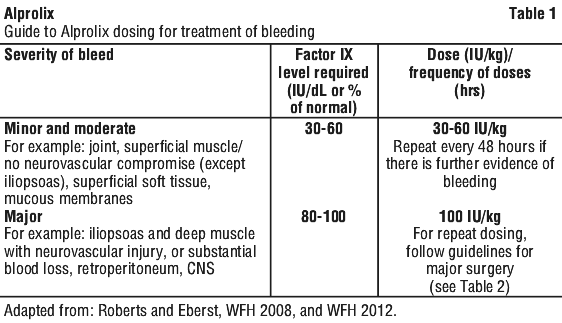
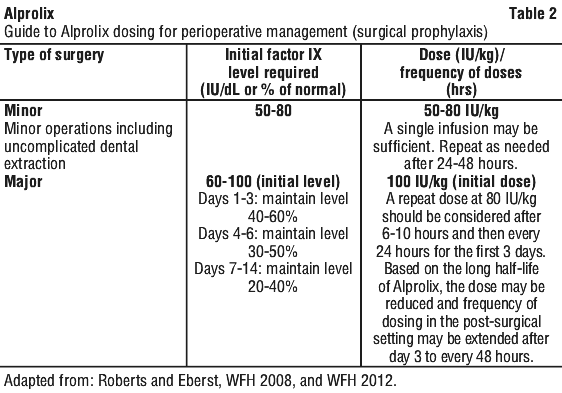
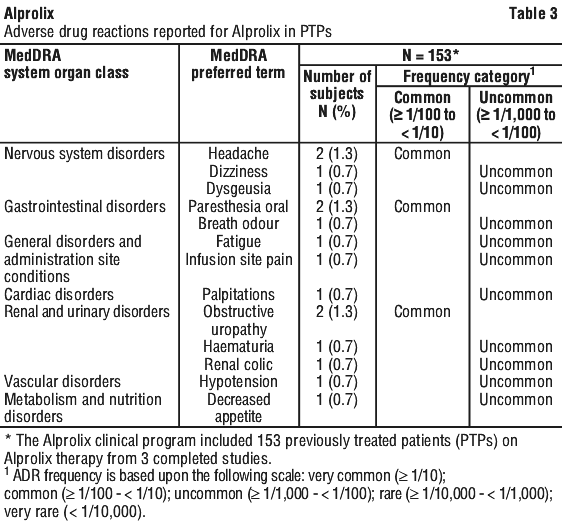
Careful control of replacement therapy is especially important in cases of life-threatening bleeding episodes or major surgery (see Table 1 and Table 2).
Although dosing can be estimated by the guidelines below, it is recommended that standard routine laboratory tests such as factor IX activity assays be performed (see Section 4.4 Special Warnings and Precautions for Use; Section 5.2 Pharmacokinetic Properties).

Method of calculating initial estimated dose.

1 IU of Alprolix per kg body weight is expected to increase the circulating level of factor IX by approximately 1% (IU/dL) in patients 12 years of age or older.
Alprolix has been shown to have a prolonged circulating half-life. In patients 12 years of age or older, no dose adjustment for recovery is generally required. In paediatric patients less than 12 years of age, recovery may be lower and dose should be adjusted accordingly (see Section 4.4 Special Warnings and Precautions for Use, Paediatric use).
Since patients may vary in their pharmacokinetic (e.g. half-life, in vivo recovery) and clinical responses to Alprolix, the expected in vivo peak increase in factor IX level expressed as IU/dL (or % of normal) or the required dose can be estimated using the following formulae:
IU/dL (or % of normal) = [Total Dose (IU)/body weight (kg)] x recovery (IU/dL per IU/kg); or
Dose (IU) = body weight (kg) x Desired Factor IX Rise (IU/dL or % of normal) x reciprocal of recovery (IU/kg per IU/dL).

Control and prevention of bleeding episodes.

Table 1 can be used to guide dosing in bleeding episodes.
Subsequent dosage and duration of treatment depends on the individual clinical response, pharmacokinetic profile, the severity of the factor IX deficiency, and the location and extent of bleeding.
Higher doses or more frequent dosing may be needed in patients less than 12 years of age.
Perioperative management.

Table 2 can be used to guide dosing for perioperative management (surgical prophylaxis).
Higher doses or more frequent dosing may be needed in patients less than 12 years of age.

Routine prophylaxis.

The recommended starting regimens are either:
50 IU/kg once weekly or 100 IU/kg once every 10 days.
Either regimen may be adjusted based on patient response (see Section 5.2 Pharmacokinetic Properties).

Effect of food.

There is no known effect of food on exposure of Alprolix. Therefore, Alprolix may be taken with or without food.

4.3 Contraindications

Alprolix is contraindicated in patients who have manifested severe hypersensitivity reactions, including anaphylaxis, to the product or its components (excipients listed in Section 6.1 List of Excipients).

4.4 Special Warnings and Precautions for Use

The clinical response to Alprolix may vary. If bleeding is not controlled with the recommended dose, the plasma level of factor IX should be determined, and a sufficient dose of Alprolix should be administered to achieve a satisfactory clinical response. If the patient's plasma factor IX level fails to increase as expected or if bleeding is not controlled after Alprolix administration, the presence of an inhibitor (neutralising antibodies) should be suspected, and appropriate testing performed (see Section 4.4 Special Warnings and Precautions for Use, Monitoring laboratory tests).

Anaphylaxis and hypersensitivity reactions.

Allergic type hypersensitivity reactions, including anaphylaxis, have been reported with Alprolix. The presence of inhibitors has been associated with allergic reactions with factor IX replacement therapies, including with Alprolix. Advise patients to discontinue use of Alprolix if hypersensitivity symptoms occur and contact a physician and/or seek immediate emergency care.

Thromboembolic complications.

Thrombotic events with other factor IX products have been reported including in patients receiving continuous-infusion through a central venous catheter. The safety and efficacy of Alprolix administration by continuous infusion have not been established (see Section 4.2 Dose and Method of Administration).

Neutralising antibodies (inhibitors).

Inhibitors have been reported with factor replacement therapy in the treatment of haemophilia B. Patients using Alprolix should be monitored for the development of factor IX inhibitors by appropriate clinical observations and laboratory tests. Inhibitors have been reported with Alprolix in the treatment of haemophilia B, including in previously untreated patients. If the patient's plasma factor IX level fails to increase as expected or if bleeding is not controlled after Alprolix administration, the presence of an inhibitor (neutralising antibodies) should be suspected, and appropriate testing performed (see Section 4.4 Special Warnings and Precautions for Use, Monitoring laboratory tests).
Patients with factor IX inhibitors may be at an increased risk of anaphylaxis upon subsequent challenge with factor IX. Patients experiencing allergic reactions should be evaluated for the presence of an inhibitor. Patients should be observed closely for signs and symptoms of acute hypersensitivity reactions, particularly during the early phases of exposure to product.

Monitoring laboratory tests.

Monitor plasma factor IX activity levels by performing the one-stage clotting assay to confirm adequate factor IX levels have been achieved and maintained, when clinically indicated (see Section 4.2 Dose and Method of Administration). Factor IX results can be affected by the type of aPTT reagent used. Measurement with a one-stage clotting assay utilizing a kaolin-based aPTT reagent will likely result in an underestimation of activity level.
Monitor for the development of factor IX inhibitors. If bleeding is not controlled with Alprolix and the expected factor IX activity plasma levels are not attained, perform an assay to determine if factor IX inhibitors are present (use Bethesda Units to titer inhibitors).

Nephrotic syndrome.

Nephrotic syndrome has been reported following immune tolerance induction with factor IX products in haemophilia B patients with factor IX inhibitors and a history of allergic reactions to factor IX. The safety and efficacy of using Alprolix for immune tolerance induction have not been established.

Use in patients with renal impairment.

Alprolix has not been studied in patients with renal impairment.

Use in patients with hepatic impairment.

Specific studies of Alprolix in patients with hepatic impairment have not been performed.

Use in the elderly.

Clinical studies of Alprolix did not include sufficient numbers of subjects aged 65 and over to determine whether they respond differently from younger subjects. Dose selection for an elderly patient should be individualised (see Section 4.2 Dose and Method of Administration).

Paediatric use.

Safety, efficacy, and pharmacokinetics of Alprolix have been evaluated in previously treated paediatric patients (PTPs) ages 12 to less than 18 years of age from Study 1 and under 12 years of age from Study 2. Safety and efficacy of Alprolix have been evaluated in previously untreated paediatric patients (PUPs) less than 18 years of age (median: 0.6 year; range: 0.08-2 years) from Study 4 (see Section 4.8 Adverse Effects (Undesirable Effects); Section 5.1 Pharmacodynamic Properties, Clinical trials).
No dose adjustment is required for ages 12 to less than 18 years of age (see Section 5.2 Pharmacokinetic Properties; Section 5.1 Pharmacodynamic Properties, Clinical trials). In comparison with adolescents and adults, children less than 12 years of age may have a lower recovery and higher body-weight normalised factor IX clearance. These differences should be taken into account when dosing. Higher doses or more frequent dosing may be needed in patients less than 12 years of age (see Section 5.2 Pharmacokinetic Properties, Paediatric pharmacokinetics).

Effects on laboratory tests.

Alprolix temporarily corrects partial thromboplastin time (PTT) in patients with haemophilia B. No effect on normal prothrombin time was seen. There was no trend observed in coagulation activation parameters, including prothrombin fragment 1 + 2, D-dimer, and thrombin-antithrombin complex (TAT).

4.5 Interactions with Other Medicines and Other Forms of Interactions

There are no known drug interactions reported with Alprolix. No drug interaction studies have been performed.

4.6 Fertility, Pregnancy and Lactation

Effects on fertility.

No fertility studies have been conducted in animals with Alprolix. Alprolix has not been evaluated in animal reproductive studies.
(Category C)
Animal reproductive studies have not been conducted with Alprolix. Alprolix has been shown to cross the placenta in small amounts in a placental transfer study in mice. Based on the rare occurrence of haemophilia B in women, experience regarding the use of factor IX during pregnancy and breastfeeding is not available. It is not known whether Alprolix can affect reproductive capacity. Fc fusion products, including eftrenonacog alfa, may pass through the placenta. The effects on the developing foetus are unknown.
Alprolix should be used during pregnancy only if the potential benefit justifies the potential risk.
Lactation studies have not been conducted with Alprolix. It is not known whether Alprolix is excreted into human milk. Caution should be exercised if Alprolix is administered to nursing mothers. Alprolix should be used only if clinically indicated.

4.7 Effects on Ability to Drive and Use Machines

No studies on the effects on the ability to drive and use machines have been performed.

4.8 Adverse Effects (Undesirable Effects)

Previously treated patients (PTPs).

Alprolix has been evaluated in three completed studies (Study 1, Study 2 and Study 3), which were conducted in previously treated patients (PTPs) with severe haemophilia B (≤ 2% endogenous FIX activity). A total of 153 subjects have been treated. Thirty (30) (19.6%) were paediatric subjects < 12 years of age, 11 (7.2%) were adolescents (12 to < 18 years of age), and 112 (73.2%) were adults (18 years of age and older). There were 126 subjects (82.4%) treated for at least 52 weeks, 107 subjects (69.9%) for at least 104 weeks and 67 (43.8%) treated for at least 208 weeks. The total number of exposure days (EDs) was 26, 106 with a median of 165 (range 1-528) EDs per subject. Adverse events were monitored for a total of 561 subject-years.
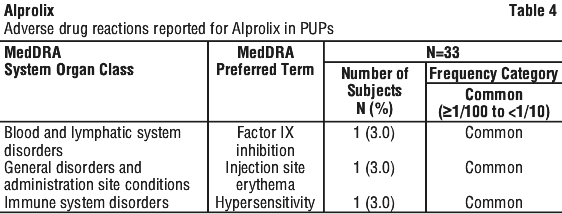
Adverse drug reactions (ADRs) were reported in 14 of 153 (9.2%) subjects treated with Alprolix. Adverse drug reactions are considered adverse events assessed by the investigator as related or possibly related to treatment with Alprolix. Adverse drug reactions in PTPs are summarised in Table 3.
The most common adverse reactions in PTPs with an incidence ≥ 1% for Alprolix were headache, oral paraesthesia, and obstructive uropathy.
No subject was withdrawn from the studies due to an adverse drug reaction. In the studies, no inhibitors were detected and no events of anaphylaxis were reported.

Previously untreated patients (PUPs).

Alprolix safety was also evaluated in one completed study (Study 4) in 33 previously untreated patients (PUPs) with haemophilia B (≤ 2% endogenous FIX activity).
At enrolment, the median age was 0.6 years (range: 0.08-2 years). Overall, the median number of weeks on treatment was 83.01 (range: 6.7-226.7 weeks). The median number of weeks for the episodic treatment regimen was 22.86 (range: 0.3-164.2 weeks), and for the prophylactic treatment regimen, the median number of weeks was 77.5 (range: 10.1-134.0 weeks). The total number of exposure days (EDs) was 2,233.
The number of subjects with at least 10 EDs was 28 (84.8%), at least 20 EDs was 26 (78.8%), and at least 50 EDs was 21 (63.6%). The median number of EDs was 76 (range; 1 to 137 days) per subject.
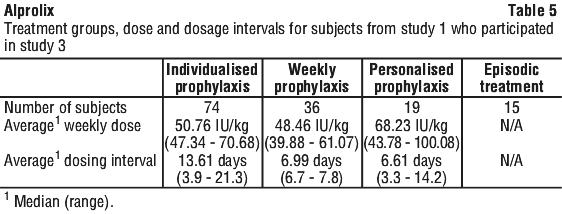
Adverse events were monitored for a total of 57.51 subject-years. Adverse drug reactions (ADRs) were reported in 2 of 33 (6.1%) subjects treated with Alprolix. A total of 1 previously untreated patient (3.0%) developed a low-titer factor IX inhibitor. Adverse drug reactions in PUPs are summarised in Table 4.
Both events of factor IX inhibition and hypersensitivity shown in Table 4 occurred in a single previously untreated subject while on Alprolix, after 10 Eds. This subject discontinued Alprolix due to the adverse drug reactions.
Post marketing experience.

In post-marketing experience, the following adverse reactions have been reported:

Blood and lymphatic disorders.

FIX inhibitor development.

Immune system disorders.

Hypersensitivity, including anaphylaxis.

Reporting suspected adverse effects.

Reporting suspected adverse reactions after registration of the medicinal product is important. It allows continued monitoring of the benefit-risk balance of the medicinal product. Healthcare professionals are asked to report any suspected adverse reactions at www.tga.gov.au/reporting-problems.

4.9 Overdose

No symptoms of overdose have been reported. For information on the management of overdose, contact the Poisons Information Centre on 13 11 26 (Australia).

5 Pharmacological Properties

5.1 Pharmacodynamic Properties

Mechanism of action.

Factor IX (FIX) is an approximately 55 kDa vitamin K-dependent serine protease, which is an essential clotting factor in the coagulation cascade critical to the haemostasis process. FIX is normally converted to activated FIX (FIXa) by the activated factor VII/Tissue Factor complex or by activated factor XI. FIXa forms a complex with activated factor VIII on phospholipid surfaces to convert factor X to activated factor X, and which ultimately converts prothrombin to thrombin and leads to the formation of a fibrin clot.
Haemophilia B patients have a deficiency of functional FIX, which results in prolonged bleeding after trauma and recurrent spontaneous bleeds into soft tissue and joints. The FIX portion of eftrenonacog alfa has similar structural and functional characteristics as endogenous FIX, and promotes haemostasis by correcting the deficiency of functional FIX.
Alprolix (eftrenonacog alfa) is a long-acting, fully recombinant, fusion protein comprising human coagulation factor IX (FIX) covalently linked to the Fc domain of human IgG1, and produced by recombinant DNA technology.
The other portion of eftrenonacog alfa is the Fc region of human IgG1 which binds with the neonatal Fc receptor (FcRn). This receptor is expressed throughout life as part of a naturally occurring pathway that protects immunoglobulins from lysosomal degradation by cycling these proteins back into circulation, resulting in their long plasma half-life.
Haemophilia B is a bleeding disorder characterized by a deficiency of functional clotting factor IX (FIX), which leads to a prolonged clotting time in the activated partial thromboplastin time (aPTT) assay, a conventional in vitro test for the biological activity of FIX. Treatment with Alprolix shortens the aPTT over the effective dosing period.
Alprolix is used as a replacement therapy to increase plasma levels of factor IX activity, thereby enabling a temporary correction of the factor deficiency and correction of the bleeding tendency.

Clinical trials.

The safety, efficacy and pharmacokinetics of Alprolix were evaluated in two multicentre, open-label, pivotal studies in previously treated patients (PTPs): a Phase 3 study (Study 1) and a Phase 3 paediatric study (Study 2). Patients from Study 1 and Study 2 could subsequently enrol in a long-term extension study (Study 3). The safety and efficacy of Alprolix was also evaluated in previously untreated patients (PUPs) with haemophilia B (Study 4).
Study 1 compared the efficacy of each of two prophylactic treatment regimens to episodic (on-demand) treatment; determined haemostatic efficacy in the treatment of bleeding episodes; and determined haemostatic efficacy during perioperative management of subjects undergoing major surgical procedures. A total of 123 previously treated patients (PTPs) aged 12-71 with severe haemophilia B (≤ 2% endogenous FIX activity) were followed for up to 77 weeks.
Sixty-three (63) subjects in the fixed weekly interval arm received Alprolix for routine prophylaxis starting at an initial dose of 50 IU/kg. The dose was adjusted to maintain trough between 1 and 3% above baseline or higher as clinically indicated to prevent bleeding. The median average weekly dose during the last 6 months on study in 58 subjects who were on study for at least 9 months was 40.7 IU/kg (interquartile range, 32.3, 54.1).
Twenty-nine (29) subjects in the individualised interval arm received Alprolix for routine prophylaxis at a dose of 100 IU/kg every 10 days, with the interval adjusted to maintain trough between 1 and 3% above baseline or higher as clinically indicated to prevent bleeding. The median average interval during the last 6 months in 26 subjects who were on study for at least 9 months was 13.8 days (interquartile range, 10.5, 14.0).
Twenty-seven (27) subjects received Alprolix as needed for the treatment of bleeding episodes in the episodic (on-demand) treatment arm. Twelve (12) subjects received Alprolix for perioperative management in 14 major surgical procedures. Four subjects did not participate in the other arms.
Study 2 enrolled a total of 30 previously treated male paediatric patients with severe haemophilia B (≤ 2% endogenous FIX activity). Subjects were less than 12 years of age (15 were < 6 years of age and 15 were 6 to < 12 years of age). All subjects received treatment with Alprolix and were followed for up to 52 weeks.
All 30 subjects were treated with Alprolix on an individualised prophylactic dose regimen starting with 50-60 IU/kg every 7 days, with adjustment of dose to a maximum of 100 IU/kg and dosing interval to a minimum of once weekly and a maximum of twice weekly. The median dosing interval was 6.99 days (interquartile range, 6.94 to 7.03) with no difference in the median dosing interval between age cohorts. The median weekly dose of Alprolix was 59.40 IU/kg (interquartile range, 52.95 to 64.78 IU/kg) for subjects < 6 years of age and 57.78 IU/kg (interquartile range, 51.67 to 65.01 IU/kg) for subjects 6 to < 12 years of age.
Study 3 was an open-label, multicentre, long-term study in previously treated patients with haemophilia B who had completed Study 1 or Study 2. The study evaluated the long-term safety and efficacy of rFIXFc for routine prophylaxis, on-demand treatment, and perioperative management with Alprolix. During the study, subjects, could change treatment groups. Of the 120 subjects in Study 3 (aged 3-63), 93 were from Study 1 and 27 were from Study 2.
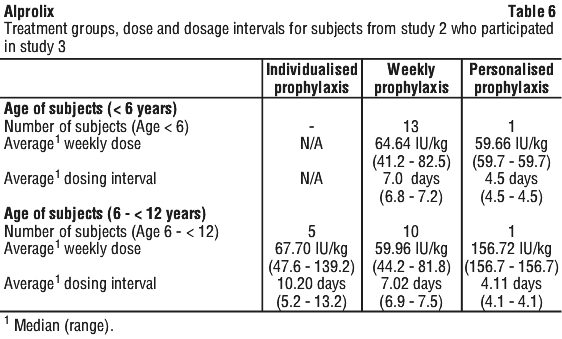
Subject treatment regimes and doses are shown in Tables 5 and 6.
From Study 1, the majority of subjects stayed on their treatment regimen throughout the extension study, with 21 subjects (22.6%) switching treatment regimens once or twice during the study. From the start of Study 1 to the end of Study 3, subjects had a median of 189 weeks of treatment (range < 1 to 338). Fifteen subjects were part of the surgery subgroup.
The majority of subjects from Study 2 stayed on their treatment regimen throughout the extension study, with 3 subjects (11.1%) switching treatment regimens once or twice during the study. From the start of Study 2 to the end of Study 3, subjects had a median of 150 (range: 16.9 to 251.1) cumulative weeks of treatment.
Study 4 enrolled 33 previously untreated patients (PUPs) < 18 years old with haemophilia B (≤ 2% endogenous FIX activity). The primary endpoint was the occurrence of inhibitor development. At enrolment, the median age was 0.6 years (range: 0.08-2 years), 78.8% of subjects were less than 1 year old, and the median weight was 9 kg (range: 4.6-17 kg). The overall median number of weeks on treatment was 83.01 (range: 6.7-226.7 weeks), and the overall median number of EDs was 76 days (range: 1-137 days) per subject. Subjects could be treated episodically (optional), until a prophylactic regimen was initiated.
Twenty-two subjects began on the episodic treatment regimen and received Alprolix as needed for the treatment of bleeding episodes. Of the 22 subjects who began the study on the episodic treatment regimen, 17 switched to prophylactic treatment for a total of 28 subjects who were ever on the prophylactic treatment regimen. The recommended starting dose was 50 IU/kg weekly for subjects on routine prophylaxis. Adjustments to the dose and dosing interval could be made based upon available incremental recovery data, subsequent FIX activity levels, level of physical activity, and bleeding pattern.
For those on prophylaxis regimen, the median average weekly dose was 57.96 IU/kg (range: 47.0-233.9 IU/kg) and the median average dosing interval was 7 days (range: 3.3-14.6 days).

Efficacy in routine prophylaxis.

Study 1 (≥ 12 years).

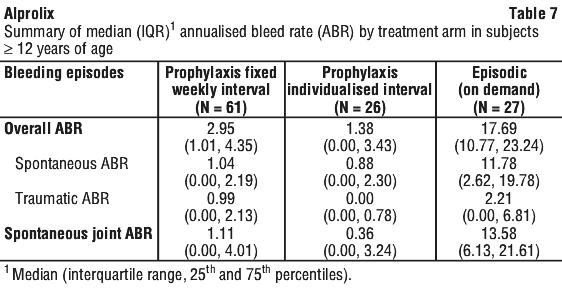
There was a reduction in annualised bleed rate (ABR) of 83% (76% to 89%) for subjects in the fixed weekly interval arm and a reduction of 87% (80% to 92%) for subjects in the individualised interval arm compared to the episodic (on demand) treatment arm based on a negative binomial model.
The median duration of treatment on study was 51.4 weeks (range < 1-77). A comparison of the ABRs in subjects evaluable for efficacy is summarised in Table 7.

Study 2 (< 12 years).

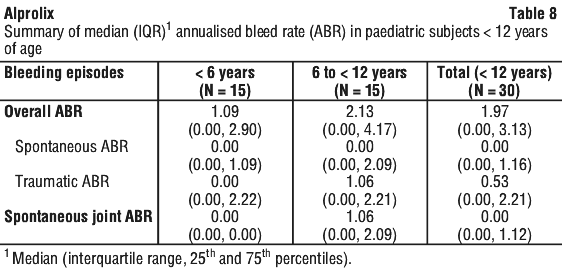
The median duration of treatment on study was 49.4 weeks (range 12 to 52). A summary of the median ABRs in paediatric subjects evaluable for efficacy is presented in Table 8.

Study 3 (extension study).

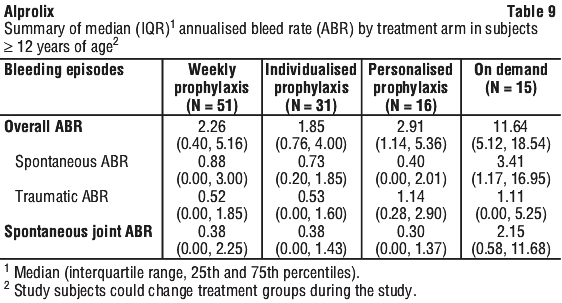
The combined overall median annualised bleeding rates in adults and adolescent subjects (> 12-66 years) are presented in Table 9. The median duration of treatment on study was 208.0 weeks (range: 13.9 to 280).
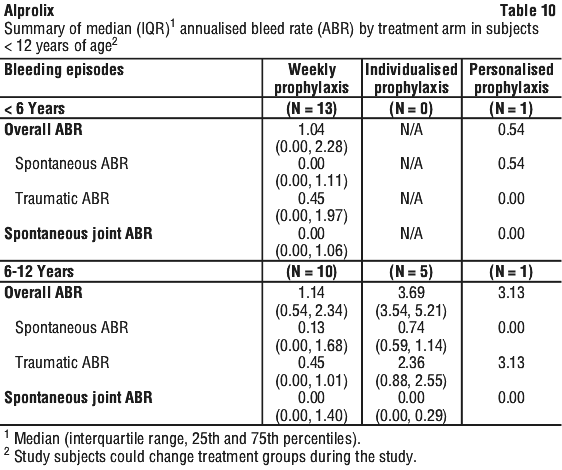
The overall median annualised bleeding rates in paediatric subjects < 12 years of age are presented in Table 10. The median duration of treatment on Study 2 was 55 weeks (range: 7.9-177.0) in subjects < 5 and 175.7 weeks (range: 47.0-201.1) in subjects 6 to < 12.
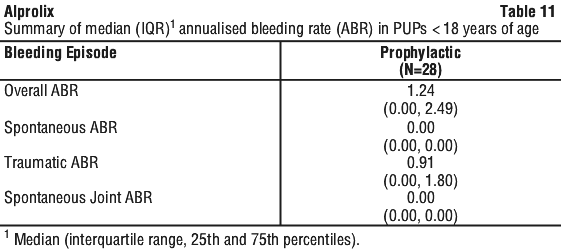
Study 4 (< 18 years) - PUPs.

A summary of the median ABRs in PUPs evaluable for efficacy is presented in Table 11.

Efficacy in control of bleeding.

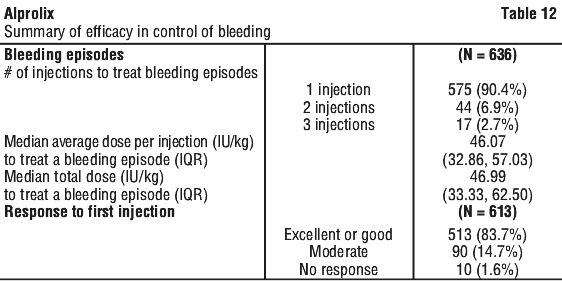
Study 1 (≥ 12 years). A total of 636 bleeding events were observed in the fixed dose, fixed interval, and the episodic (on-demand) arms. Assessment of response to each injection was recorded by subjects at 8-12 hours post-treatment. A 4-point rating scale of excellent, good, moderate, and no response was used to assess response. Bleeding episodes are summarised in Table 12.
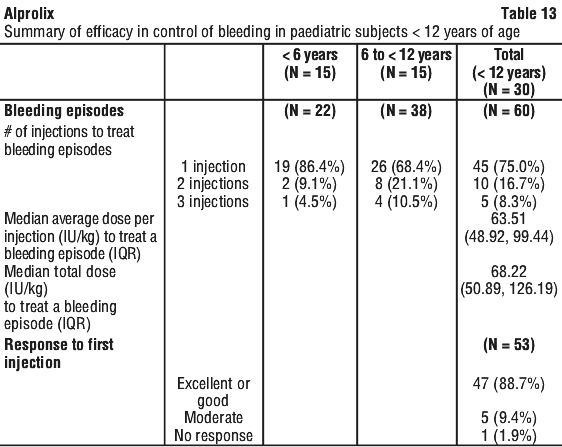
Study 2 (< 12 years). A total of 60 bleeding events were observed during the study. Assessment of response to each injection was recorded by subjects at 8 to 12 hours post treatment. A 4-point rating scale of excellent, good, moderate, and no response was used to assess response. Bleeding episodes are summarised in Table 13.
Study 3 (extension study).

Adult and adolescent study (12 to 71 years).

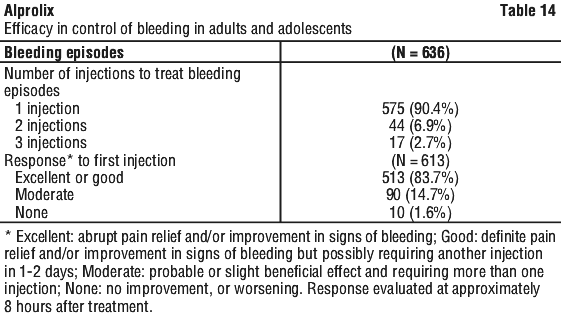
A total of 636 bleeding events were observed by 114 subjects in the fixed weekly interval prophylaxis, individualized interval prophylaxis, and the episodic (on-demand) arms. The median total dose to treat a bleeding episode was 47.0 IU/kg (interquartile range: 33.3, 62.5). Assessment of response to each injection was recorded by subjects at 8-12 hours after treatment. Efficacy in control of bleeding episodes is summarized in Table 14.

Paediatric study (1 to 11 years).

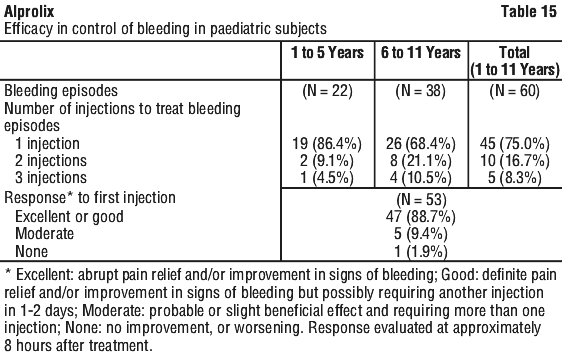
A total of 60 bleeding events were observed by 20 subjects during the study. The median total dose to treat a bleeding episode was 68.2 IU/kg (interquartile range: 50.9, 126.2). Assessment of response to each injection was recorded by subjects at 8 to12 hours post treatment. Efficacy in control of bleeding episodes is summarized in Table 15.
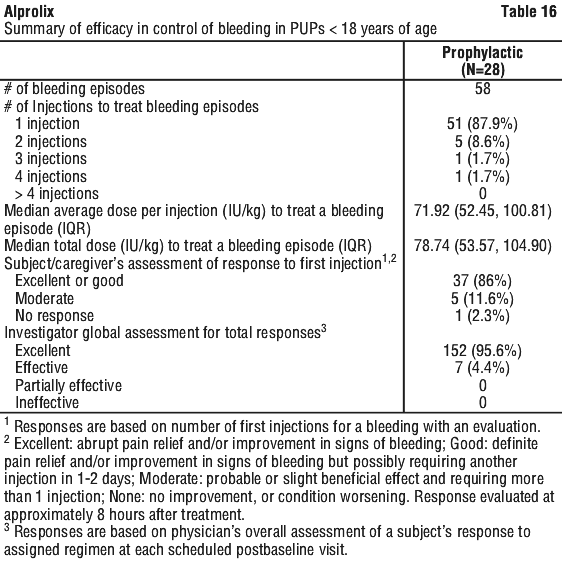
Study 4 (< 18 years) - PUPs. A summary of efficacy in control of bleeding in PUPs is presented in Table 16.

Efficacy in perioperative management (surgical prophylaxis).

Major surgeries.

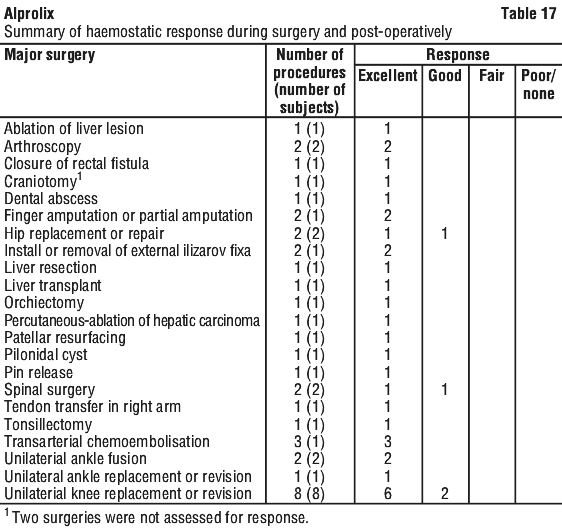
There were a total of 35 major surgeries in twenty two (22) subjects in Study 1 and Study 3 (21 adults and adolescents, and 1 paediatric patient < 12 years of age). Of the 35 major surgeries, 28 surgeries (80.0%) required a single pre-operative dose to maintain haemostasis during surgery. The median average dose per injection to maintain haemostasis during surgery was 94.7 IU/kg (range: 49 to 152).
Haemostasis was assessed post-operatively by the investigator using a 4-point scale of excellent, good, fair, and none. The haemostatic response was assessed for 33 major surgeries and 100% were rated as excellent or good. There was no clinical evidence of thrombotic complications in any of the subjects.
Haemostatic response to dosing during surgery and post-operatively for Study 1 and Study 3 are summarised in Table 17.

Minor surgeries.

A haemostatic assessment in forty-three 62 minor surgical procedures in 37 subjects was conducted in Study 1, Study 2, and Study 3. Haemostatic response was assessed for 38 minor surgeries; 36 minor surgeries were rated as excellent or good and 2 as fair.

5.2 Pharmacokinetic Properties

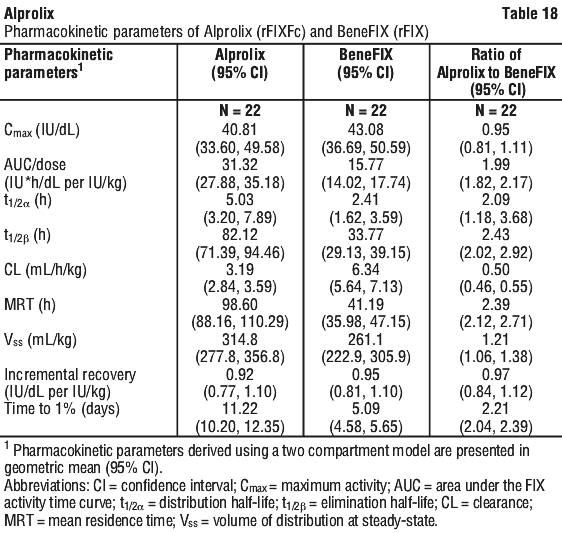
The pharmacokinetics of Alprolix (eftrenonacog alfa) [rFIXFc] versus BeneFIX (nonacog alfa) [rFIX] were evaluated following a 10-minute IV infusion in 22 evaluable subjects (≥ 19 years) in Study 1. The subjects underwent a washout period of 5 days prior to receiving 50 IU/kg of BeneFIX. Pharmacokinetic sampling was conducted pre-dose followed by assessments at 8 time points up to 96 hours post-dose. Following a washout period of 120 hours (5 days), the subjects received a single dose of 50 IU/kg of Alprolix. Pharmacokinetic samples were collected pre-dose and then subsequently at 11 time points up to 240 hours (10 days) post-dose. A repeat pharmacokinetic evaluation of Alprolix was conducted at Week 26.
Pharmacokinetic parameters for Alprolix were estimated based on the plasma FIX activity over time profile. A central laboratory analysed all of the PK study plasma samples utilizing a one-stage clotting assay with a silica-based aPTT reagent (Auto APTT, Trinity Biotech) calibrated against factor IX plasma standards. For Alprolix, the maximum activity (Cmax) was observed immediately following infusion, e.g. at 10 minutes from the start of the dosing. The geometric mean increase in circulating FIX activity from pre-infusion level was 0.92 IU/dL per IU/kg and the elimination half-life was 82 hours. This half-life is influenced by the Fc region of Alprolix, which in animal models was shown to be mediated by the FcRn cycling pathway. The Alprolix pharmacokinetic profile was stable over repeated dosing as shown by comparable pharmacokinetic parameters at Week 26. A summary of pharmacokinetic parameters for Alprolix and BeneFIX are presented in Table 18.

Paediatric pharmacokinetics.

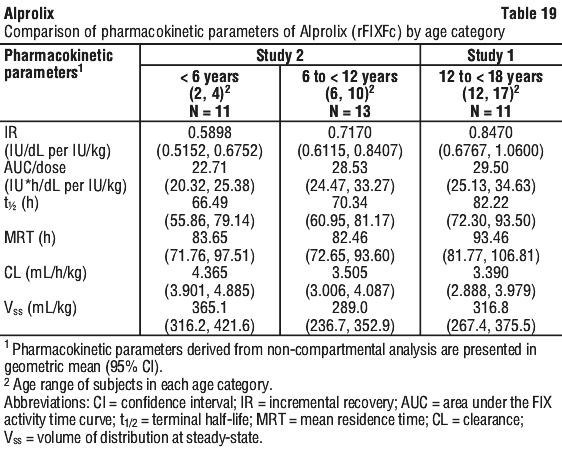
Pharmacokinetic parameters of Alprolix (rFIXFc) were determined for adolescents 12 to less than 18 years of age in Study 1, and for children less than 12 years of age in Study 2 (see Section 4.4 Special Warnings and Precautions for Use, Paediatric use).
Pharmacokinetic parameters were evaluated following a 10-minute IV infusion in 11 evaluable adolescents who received a single dose of Alprolix. Pharmacokinetic samples were collected pre-dose and at multiple time points up to 336 hours (14 days) post-dose. In Study 2, pharmacokinetic parameters were evaluated following a 10-minute IV infusion in 24 evaluable children (less than 12 years of age) who received a single dose of Alprolix. Pharmacokinetic samples were collected pre-dose and at 7 time points up to 168 hours (7 days) post-dose. Pharmacokinetic parameters for Alprolix were estimated based on the plasma FIX activity over time profile. A central laboratory analysed all of the pharmacokinetic study plasma samples utilizing a one-stage clotting assay with a silica-based aPTT reagent (Auto APTT, Trinity Biotech) calibrated against factor IX plasma standards.
Table 19 presents the pharmacokinetic parameters calculated from the paediatric data of 35 subjects less than 18 years of age. Compared to adults, incremental recovery appeared to be lower and body weight normalised clearance appeared to be higher in children less than 12 years of age. This may result in a need for dose adjustments in children less than 12 years of age (see Section 4.4 Special Warnings and Precautions for Use, Paediatric use).

Population pharmacokinetics.

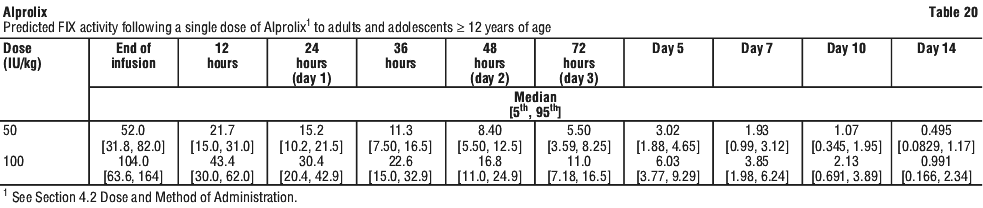
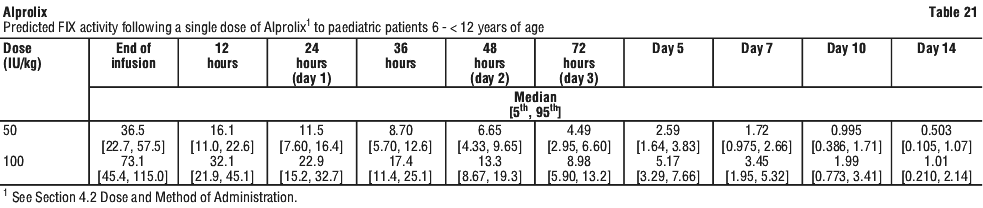
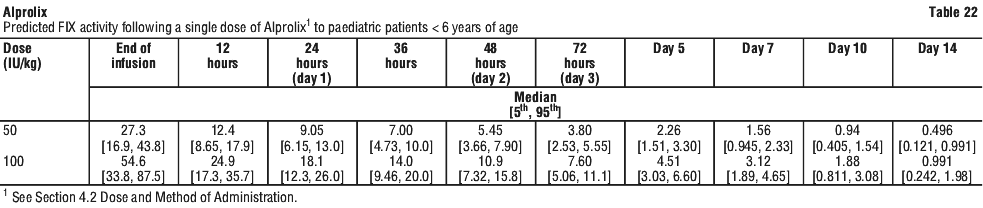
A three-compartment population pharmacokinetic model was developed based on pharmacokinetic data from 161 subjects, from 2 to 76 years old and weighing between 12.5 kg and 186.7 kg, in three clinical studies (12 subjects in a phase 1/2a study, 123 subjects in Study 1, and 26 subjects in Study 2). The estimate of CL of Alprolix for a typical 70 kg adult is 2.30 dL/h, volume of central compartment (V1) is 66.4 dL, and Vss is 194.8 dL. The model was used to predict the activity time profile following dosing with Alprolix in patients with severe haemophilia B (see Table 20, Table 21, Table 22).
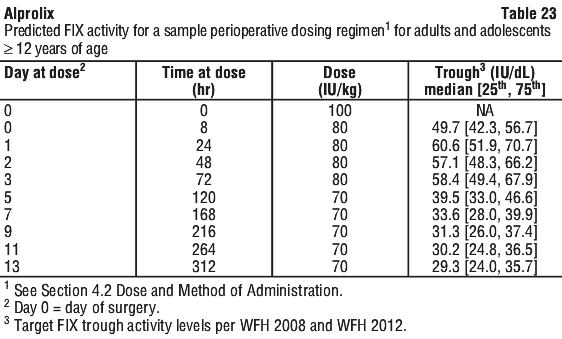
Measured FIX activity in 14 subjects undergoing surgical procedures in a clinical study was consistent with the values predicted by the population PK model. A sample perioperative dosing regimen to achieve target FIX levels for adults and adolescents, as simulated by this model, is shown in Table 23.
Alprolix has been evaluated in 161 male haemophilia B patients from 2 to 76 years of age (see Section 4.4 Special Warnings and Precautions for Use, Use in the elderly) and weighing between 12.5 to 186.7 kg. Body weight has an impact on the pharmacokinetics of Alprolix. Age does not provide any further impact beyond that provided by body weight.

No formal pharmacokinetic studies have been conducted to examine the effects of renal or hepatic impairment on Alprolix disposition.
Race and ethnicity have no observed effect on the pharmacokinetics of Alprolix.

5.3 Preclinical Safety Data

Genotoxicity.

Alprolix has not been evaluated in mutagenicity or chromosomal aberration assays since it is a replacement protein factor for coagulation.

Carcinogenicity.

No animal studies investigating carcinogenicity effects of Alprolix have been conducted since it is a replacement factor for coagulation activity.

6 Pharmaceutical Particulars

6.1 List of Excipients

Powder.

Sucrose, histidine, mannitol, polysorbate 20.

Solvent.

Sodium chloride, water for injections.

6.2 Incompatibilities

Incompatibilities were either not assessed or not identified as part of the registration of this medicine.

6.3 Shelf Life

4 years. The expiry date can be found on the packaging.

Reconstituted solution.

The reconstituted product can be stored at room temperature (30°C) for 6 hours. Protect product from direct sunlight. If product is not used within 6 hours, it must be discarded. The appearance of the reconstituted product should be clear to slightly opalescent and colourless.

6.4 Special Precautions for Storage

Protect from light. Unopened vials should be stored under controlled refrigeration (2°C - 8°C). Do not freeze.
The product may be stored at room temperature (up to 30°C) for a single 6 month period. The date that the product is removed from refrigeration should be noted on the carton. The product must be used or discarded before the end of this period. Do not freeze the pre-filled syringe.
For storage conditions of the reconstituted medicinal product, see Section 6.3 Shelf Life.

6.5 Nature and Contents of Container

Powder.

Vial (type I glass) with a stopper (butyl) and a flip-off seal (aluminium). Alprolix is available as 6 vial sizes - containing 250 IU, 500 IU, 1000 IU, 2000 IU, 3000 or 4000 IU. Factor IX activity in International Units is stated on the label of each Alprolix carton and vial.

Solvent.

5 mL diluent in a pre-filled syringe (type I glass) with a plunger stopper (butyl), a tipcap (butyl), and a sterile vial adaptor reconstitution device.

Pack size.

1 vial with powder; 1 pre-filled syringe with solvent; 1 vial adapter.

6.6 Special Precautions for Disposal

Any unused medicine or waste material should be disposed of in accordance with local requirements. The syringe and needle cap should be disposed of in a sharps container.

6.7 Physicochemical Properties

Alprolix (eftrenonacog alfa) (rhu) is a long-acting, fully recombinant, fusion protein consisting of human coagulation factor IX (FIX) covalently linked to the Fc domain of human immunoglobulin G1 (IgG1). The factor IX portion of eftrenonacog alfa has a primary amino acid sequence that is identical to the Thr148 allelic form of plasma derived factor IX and has structural and functional characteristics similar to endogenous factor IX. The Fc domain of eftrenonacog alfa contains the hinge, CH2 and CH3 regions of IgG1. Eftrenonacog alfa contains 867 amino acids with a molecular weight of approximately 98 kilodaltons.

CAS number.

1270012-74-2.

7 Medicine Schedule (Poisons Standard)

Unscheduled.

Summary Table of Changes