


Consumer medicine information

Anamorph Tablets

Morphine sulfate pentahydrate

BRAND INFORMATION

Brand name

Anamorph

Active ingredient

Morphine sulfate pentahydrate

Schedule

S8


Consumer medicine information (CMI) leaflet

Please read this leaflet carefully before you start using Anamorph Tablets.

What is in this leaflet

This leaflet answers some common questions about ANAMORPH tablets.

It does not contain all the available information about this medicine.

It does not take the place of talking to your doctor or pharmacist.

All medicines have risks and benefits. Your doctor has weighed the risks of you taking ANAMORPH against the benefits they expect it will have for you.

Ask your doctor or pharmacist if you have any concerns about taking this medicine.

Keep this leaflet with the medicine. You may need to read it again.

What is ANAMORPH used for

The name of your medicine is ANAMORPH. It is available as a 30 mg tablet.

The active ingredient is called morphine sulfate.

Morphine sulfate belongs to a group of medicines called analgesics. It is an opioid analgesic, and it acts in the central nervous system by blocking pain and your emotional response to pain.

ANAMORPH is used to treat moderate to severe pain.

Your doctor however may have prescribed ANAMORPH for another purpose.

Ask your doctor if you have any questions about why ANAMORPH has been prescribed for you.

This medicine only available with a doctor’s prescription.

ANAMORPH may be habit-forming, so it is important to take it exactly as directed by your doctor.

As with all other opioid containing products, your body may become used to you taking ANAMORPH. Taking it may result in physical dependence. Physical dependence means that you may experience withdrawal symptoms if you stop taking ANAMORPH suddenly, so it is important to take it exactly as directed by your doctor.

Tolerance to [Product] may develop, which means that the effect of the medicine may decrease. If this happens, more may be needed to maintain the same effect.

Before you take it

When you must not take it

Do not take ANAMORPH if you are allergic to:

  • morphine sulfate or any other analgesics
  • any of the ingredients listed at the end of this leaflet.

Some of the symptoms of an allergic reaction may include shortness of breath, wheezing or difficulty in breathing; swelling of the face, lips, tongue or other parts of the body; rash, itching or hives on the skin.

This medicine should not be taken in the presence of the following medical conditions / health problems:

  • severe breathing or lung problems such as asthma, bronchitis or emphysema
  • head injury or brain tumor
  • raised pressure in the head or spine
  • fits or convulsions such as epilepsy
  • kyphoscoliosis (abnormal curvature of the spine)
  • heart problems such as chronic pulmonary disease
  • irregular heart beat
  • severe CNS depression
  • alcoholism (or use of excessive amounts of alcohol)
  • kidney or liver disease
  • recently had biliary tract surgery
  • inflammatory bowel disease
  • gastrointestinal obstruction or obstructive bowel disorders

Do not take ANAMORPH if you are taking a medicine for depression called a ‘monoamine oxidase inhibitors (MAOIs)’ e.g. Parnate®, Nardil®, Aurorix®, or have taken one within the past two weeks.

Do not take it after the expiry date (EXP.) printed on the pack. If you take it after the expiry date has passed, it may have no effect at all, or worse, there may be an entirely unexpected effect.

Do not take it if the packaging is torn or shows signs of tampering. If it is damaged, return it to your pharmacist for disposal.

If you are not sure whether you should start taking this medicine, talk to your doctor.

Before you start to take it

You must tell your doctor if:

  • You are allergic to any other medicines or any foods, dyes or preservatives.
  • You are pregnant or intend to become pregnant.
    Your doctor can discuss the risks and benefits involved of taking ANAMORPH during pregnancy.
  • You are breast-feeding or intend to breastfeed.
    This medicine passes into breast milk, so it is not recommended for nursing mothers.

Tell your doctor if you have had or have any of the following medical conditions / health problems:

  • an underactive thyroid gland (hypothyroidism)
  • an underactive adrenal gland
  • increased prostate size
  • low blood pressure
  • narrowing of the urinary bladder tract
  • inflammation of the pancreas
  • epilepsy (a disease that causes fits, convulsions or seizures)
  • stomach pains, constipation or diarrhoea

If you have not told your doctor about any of the above, tell them before you start taking ANAMORPH.

Taking other medicines

Tell your doctor or pharmacist if you are taking any other medicines, including medicines that you buy without a prescription from a pharmacy, supermarket or health food shop.

SOME of these medicines may interfere with ANAMORPH. These include:

  • alcohol
  • medicines used to treat high blood pressure and heart conditions e.g. propranolol
  • some medicines used during surgery and emergency situations such as anaesthetics
  • cimetidine, medicine used to treat stomach ulcers
  • atropine, medicine used in some eye drops
  • some medicines used to treat depression
  • medicines used to treat fever, pain and inflammation e.g. paracetamol
  • medicines used to help you sleep
  • medicines used to help relieve anxiety
  • stimulants such as dexamphetamine
  • medicines used to control epilepsy e.g. diazepam
  • medicines used to treat certain mental and emotional conditions

The above medicines may either reduce the effectiveness of ANAMORPH, or react with it resulting in untoward or sometimes dangerous side effects.

This list is not exhaustive. Your doctor or pharmacist has more information on medicines to be careful with or avoid while taking ANAMORPH.

Tell your doctor or pharmacist that you are taking ANAMORPH before you start to take any other medicine.

Use in Children

This medicine is not recommended for use in children.

Use in Elderly or Debilitated Patients

Elderly or debilitated patients are more likely to have less effective kidney or liver function due to age. This may increase the risk of side effects. You should discuss how much ANAMORPH to use with your doctor or pharmacist.

How to take it

Follow all directions given to you by your doctor or pharmacist carefully. They may differ from the information contained in this leaflet.

If you do not understand the instructions on the pack, ask your doctor or pharmacist for help.

How much to take

The recommended doses of ANAMORPH are:

Adults:
The initial dose is ½ to 1 tablet, every four to six hours as necessary or as directed by your doctor.

Elderly patients may need smaller doses and/or longer dosage intervals.

How to take it

Swallow the tablets whole with a full glass of water.

When to take it

It does not matter if you take ANAMORPH before or after food.

This medicine should be taken at about the same time each day. Taking it at the same time each day will have the best effect. It will also help you remember when to take it.

How long to take it

Continue taking your medicine for as long as your doctor tells you. If you stop having this medicine suddenly, your pain may worsen and you may experience some or all of the following withdrawal symptoms:

  • nervousness, restlessness, agitation, trouble sleeping or anxiety
  • body aches, weakness or stomach cramps
  • loss of appetite, nausea, vomiting or diarrhoea
  • increased heart rate, breathing rate or pupil size
  • watery eyes, runny nose, chills or yawning
  • increased sweating.

ANAMORPH given to the mother during labour can cause breathing problems and signs of withdrawal in the newborn.

If you forget to take it

If it is almost time for your next dose, skip the dose you missed and take your next dose when you are meant to.

Otherwise, take your dose as soon as you remember, and then go back to taking it as you would normally.

Do not take a double dose to make up for the dose that you missed. This may increase the chance of you getting an unwanted side effect.

If you are unsure about whether to take your next dose, speak to your doctor or pharmacist.

If you have trouble remembering when to take your medicine, ask your pharmacist for some hints.

If you take too much (Overdose):

If you or someone else receive too much (overdose), and experience one or more of the symptoms below, immediately remove the patch(es) and call triple zero (000) for an ambulance.

Keep the person awake by talking to them or gently shaking them every now and then. You should follow the above steps even if someone other than you have accidentally used ANAMORPH that was prescribed for you.

If someone takes an overdose they may experience one or more of the following symptoms:

  • Slow, unusual or difficult breathing
  • Drowsiness, dizziness or unconsciousness
  • Slow or weak heartbeat
  • Nausea or vomiting
  • Convulsions or fits

If you think you or someone else may have used too much ANAMORPH, you should immediately:

  • phone the Poisons Information Centre (by calling 13 11 26), or
  • contact your doctor, or
  • go to the Emergency Department at your nearest hospital.

You should do this even if there are no signs of discomfort or poisoning.

When seeking medical attention, take this leaflet and remaining medicine with you to show the doctor. Also tell them about any other medicines or alcohol which have been taken.

While you are taking it

Things you must do

Immediately stop taking ANAMORPH if a skin rash or any other allergic reaction occurs.

Tell your doctor or pharmacist that you are taking this medicine if you are about to start any new medicine.

Tell any other doctors, dentists and pharmacists who are treating you that you are taking it.

Tell your doctor immediately if you become pregnant.

Tell your doctor if you are breast-feeding while you are taking this medicine.

Tell the surgeon or anaesthetist that you are taking this medicine if you are going to have surgery.

Keep all of your doctor’s appointments so that your progress can be checked.

Always discuss with your doctor any problems or difficulties during or after taking ANAMORPH.

Things you must not do

Do not take ANAMORPH to treat any other complaints unless your doctor tells you to.

Do not give your medicine to anyone else, even if they have the same condition as you.

Do not stop taking your medicine or lower the dosage without first checking with your doctor.

Things to be careful of

Be careful driving or operating machinery until you know how ANAMORPH affects you. This medicine may cause dizziness, light-headedness or drowsiness in some people. If you have any of these symptoms, do not drive, operate machinery or do anything else that could be dangerous.

Be careful when drinking alcohol while you are taking ANAMORPH. If you drink alcohol, it could make some of the unwanted side effects worse.

Your doctor may suggest that you avoid alcohol completely or reduce the amount of alcohol you drink while you are using ANAMORPH.

If you feel light-headed, dizzy or faint when getting out of bed or standing up, get up slowly. Standing up slowly, especially when you get up from bed or chairs, will help your body get used to the change in position and blood pressure. If this problem continues or gets worse, talk to your doctor.

You can become addicted to ANAMORPH even if you take it exactly as prescribed.

ANAMORPH may become habit forming causing mental and physical dependence. If abused it may become less able to reduce pain.

Side effects

Tell your doctor or pharmacist as soon as possible if you do not feel well while you are taking ANAMORPH. This medicine helps most people with the medical conditions listed in the beginning of this leaflet, but it may have unwanted side effects in some people.

All medicines can have side effects. Sometimes they are serious, most of the time they are not. You may need medical treatment if you get some of the side effects.

Elderly patients may have an increased chance of getting side effects.

Do not be alarmed by the following lists of side effects. You may not experience any of them.

Ask your doctor or pharmacist to answer any questions you may have.

Tell your doctor or pharmacist if you notice any of the following and they worry you:

  • drowsiness, and dizziness
  • restlessness
  • confusion
  • nervousness
  • headache
  • dry mouth
  • weakness
  • stomach pain or cramps
  • mood changes
  • flushing of the face
  • nausea (feeling sick)
  • vomiting
  • loss of appetite
  • constipation
  • sweating
  • inability to sleep
  • unusual movements including tremor
  • breathing difficulty

These side effects are common. They are usually mild and short-lived.

Tell your doctor as soon as possible if you notice any of the following:

  • skin rashes which include severe itching
  • spinning sensation
  • fainting
  • pounding or irregular heart beats
  • problems in passing urine
  • seeing, feeling or hearing things that are not there (hallucinations)

These are serious side effects that may require medical attention. Serious side effects are rare.

If any of the following happen, tell your doctor immediately or go to Accident and Emergency at your nearest hospital:

  • seizures, fits or convulsions
  • coma

These are very serious side effects. You may need urgent medical attention or hospitalisation. These side effects are very rare.

Some people may get other side effects while taking ANAMORPH.

Check with your doctor as soon as possible if you have any problems while taking ANAMORPH, even if you do not think the problems are connected with the medicine or are not listed in this leaflet.

After taking it

Storage

Keep your tablets in the pack until it is time to take them.Keep your tablets in a cool dry place where the temperature stays below 30°C. Protect from light.

Do not store it or any other medicine in the bathroom or near a sink.

Do not leave it in the car or on windowsills. Heat and dampness can destroy some medicines.

Keep it where children cannot reach it. A locked cupboard at least one-and-a-half metres above the ground is a good place to store medicines.

Do not take ANAMORPH if the tablets do not look quite right.

Disposal

If you no longer need to use this medicine or it is out of date, take it to any pharmacy for safe disposal.

Do not use this medicine after the expiry date.

Product description

What it looks like

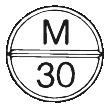
ANAMORPH tablets (oral) are 30 mg; round, white, flat bevelled edge tablets, scored on one side and marked with “M” above the breakline and “30” below the breakline; blister pack; 6’s, 8’s, 10’s, 20’s.

Not all pack sizes may be available.

Ingredients

ANAMORPH tablets contain 30 mg of morphine sulfate pentahydrate as the active ingredient.

ANAMORPH tablets also contain the following ingredients:

  • lactose
  • croscarmellose sodium
  • magnesium stearate

ANAMORPH tablets are gluten and sucrose free, but they contain sugars as lactose.

Sponsor

Arrotex Pharmaceuticals Pty Ltd
15-17 Chapel Street
Cremorne VIC 3121

The Australian Registration Number for ANAMORPH 30 mg tablets is AUST R 34032.

This leaflet was revised in June 2023.

Published by MIMS August 2023

BRAND INFORMATION

Brand name

Anamorph

Active ingredient

Morphine sulfate pentahydrate

Schedule

S8


1 Name of Medicine

Morphine sulfate pentahydrate.

2 Qualitative and Quantitative Composition

Morphine is a phenanthrene derivative opiate agonist. Morphine is the chief opium alkaloid which is dried or partially dried latex from the capsules of Papaver somniferum.
Anamorph tablets: Each tablet contains 30 mg morphine sulfate pentahydrate.

Excipients with known effect.

Sugars as lactose.
For the full list of excipients, see Section 6.1 List of Excipients.

3 Pharmaceutical Form

Anamorph 30 mg tablets; round, white, flat bevelled edge tablets, scored on one side and marked with letter M above breakline and numeral 30 below the breakline.

4 Clinical Particulars

4.1 Therapeutic Indications

Anamorph is indicated for the short-term management of severe pain for which other treatment options have failed, are contraindicated, not tolerated or are otherwise inappropriate to provide sufficient management of pain.

4.2 Dose and Method of Administration

Adults.

Usually half to one tablet initially; may be repeated every 4 to 6 hours. In chronic pain of carcinoma, doses should be individually adjusted to provide analgesia.

Geriatric.

Plasma half-life is prolonged in the elderly. Longer dosage intervals or lower doses may be required.

4.3 Contraindications

Morphine is contraindicated in the following conditions:
Hypersensitivity to morphine or any of the ingredients in Anamorph tablets (see Section 6.1 List of Excipients).
Severe respiratory disease, acute respiratory disease and respiratory depression, or where respiratory reserve is depleted (e.g. severe emphysema, severe chronic bronchitis, kyphoscoliosis).
Raised intracranial pressure or cerebrospinal pressure.
Acute bronchial asthma.
Patients with head injury or brain tumour.
Cardiac arrhythmias.
Severe CNS depression.
Heart failure secondary to chronic pulmonary disease.
Acute alcoholism or delirium tremens.
Severe liver or renal disease.
Incipient hepatic encephalopathy.
After operations on the biliary tract.
In the presence of gastrointestinal obstruction.
Convulsive states such as status epilepticus, tetanus and strychnine poisoning due to the stimulatory effects of morphine in the spinal cord.
Obstructive bowel disorders.
Morphine should not be given to patients taking monoamine oxidase inhibitors or within 14 days of stopping such treatment.

4.4 Special Warnings and Precautions for Use

Hazardous and harmful use.

Anamorph contains the opioid morphine sulfate and is a potential drug of abuse, misuse and addiction. Addiction can occur in patients appropriately prescribed Anamorph at recommended doses.
The risk of addiction is increased in patients with a personal or family history of substance abuse (including alcohol and prescription and illicit drugs) or mental illness. The risk also increases the longer the drug is used and with higher doses. Patients should be assessed for their risks for opioid abuse or addiction prior to being prescribed Anamorph.
All patients receiving opioids should be routinely monitored for signs of misuse and abuse. Opioids are sought by people with addiction and may be subject to diversion. Strategies to reduce these risks include prescribing the drug in the smallest appropriate quantity and advising the patient on the safe storage and proper disposal of any unused drug (see Section 6.4 Special Precautions for Storage; Section 6.6 Special Precautions for Disposal). Caution patients that abuse of oral or transdermal forms of opioids by parenteral administration can result in serious adverse events, which may be fatal.
Patients should be advised not to share Anamorph with anyone else.

Respiratory depression.

Serious, life-threatening or fatal respiratory depression can occur with the use of opioids even when used as recommended. It can occur at any time during the use of Anamorph but the risk is greatest during initiation of therapy or following an increase in dose. Patients should be monitored closely for respiratory depression at these times.
The risk of life-threatening respiratory depression is also higher in elderly, frail, or debilitated patients (see Special risk groups), in patients with existing impairment of respiratory function (e.g. chronic obstructive pulmonary disease; asthma), and in patients with renal or hepatic disease (see Use in hepatic impairment; Use in renal impairment). Opioids should be used with caution and with close monitoring in these patients (see Section 4.2 Dose and Method of Administration). The use of opioids is contraindicated in patients with severe respiratory disease, acute respiratory disease and respiratory depression (see Section 4.3 Contraindications).
The risk of respiratory depression is greater with the use of high doses of opioids, especially high potency and modified release formulations, and in opioid naïve patients. Initiation of opioid treatment should be at the lower end of the dosage recommendations with careful titration of doses to achieve effective pain relief. Careful calculation of equianalgesic doses is required when changing opioids or switching from immediate release to modified release formulations, together with consideration of pharmacological differences between opioids. Consider starting the new opioid at a reduced dose to account for individual variation in response.
Morphine should be used with extreme caution in patients with chronic pulmonary disease or cor pulmonale, patients having a substantially decreased respiratory reserve, and patients with pre-existing respiratory depression, hypoxia or hypercapnia. In such patients, even the usual therapeutic doses of morphine may decrease respiratory drive while simultaneously increasing airways resistance to the point of apnoea. Opioids may cause sleep-related breathing disorders including central sleep apnoea (CSA) and sleep-related hypoxemia. Opioid use increases the risk of CSA in a dose-dependent fashion. Opioids may also cause worsening of pre-existing sleep apnoea (see Section 4.8 Adverse Effects (Undesirable Effects)). In patients who present with CSA, consider decreasing the total opioid dosage.

Sleep-related breathing disorders.

Opioids can cause sleep-related breathing disorders including central sleep apnoea (CSA) and sleep related hypoxemia. Opioid use increases the risk of CSA in a dose-dependent fashion. Opioids may also cause worsening of pre-existing sleep apnoea (see Section 4.8 Adverse Effects (Undesirable Effects)). In patients who present with CSA, consider decreasing the total opioid dosage.

Risks from concomitant use of benzodiazepines or other CNS depressants, including alcohol.

Concomitant use of opioids and benzodiazepines or other CNS depressants, including alcohol, may result in sedation, respiratory depression, coma and death. Because of these risks, concomitant prescribing of Anamorph with CNS depressant medicines, such as other opioid analgesics, benzodiazepines, gabapentinoids, cannabis, sedatives, hypnotics, tricyclic antidepressants, antipsychotics, antihistamines, centrally-active anti-emetics and other CNS depressants, should be reserved for patients for whom other treatment options are not possible. If a decision is made to prescribe Anamorph concomitantly with any of the medicines, the lowest effective dose should be used, and the duration of treatment should be as short as possible. Patients should be followed closely for signs and symptoms of respiratory depression and sedation. Patients and their caregivers should be made aware of these symptoms. Patients and their caregivers should also be informed of the potential harms of consuming alcohol while taking Anamorph.

Opioid use disorder (abuse and dependence).

Tolerance and physical and/or psychological dependence may develop upon repeated administration of opioids such as morphine.
Repeated use of morphine can lead to Opioid use disorder (OUD). A higher dose and longer duration of opioid treatment can increase the risk of developing OUD. Abuse or intentional misuse of morphine may result in overdose and/or death. The risk of developing OUD is increased in patients with a personal or a family history (parents or siblings) of substance use disorders (including alcohol use disorder), in current tobacco users or in patients with a personal history of other mental health disorders (e.g. major depression, anxiety and personality disorders).
Before initiating treatment with morphine and during the treatment, treatment goals and a discontinuation plan should be agreed with the patient. Before and during treatment the patient should also be informed about the risks and signs of OUD. If these signs occur, patients should be advised to contact their physician.
Patients will require monitoring for signs of drug-seeking behaviour (e.g. too early requests for refills). This includes the review of concomitant opioids and psycho-active drugs (like benzodiazepines). For patients with signs and symptoms of OUD, consultation with an addiction specialist should be considered.

Use of opioids in chronic (long-term) non-cancer pain (CNCP).

Opioid analgesics have an established role in the treatment of acute pain, cancer pain and palliative and end-of-life care. Current evidence does not generally support opioid analgesics in improving pain and function for most patients with chronic non-cancer pain. The development of tolerance and physical dependence and risks of adverse effects, including hazardous and harmful use, increase with the length of time a patient takes an opioid. The use of opioids for long-term treatment of CNCP is not recommended.
The use of an opioid to treat CNCP should only be considered after maximised non-pharmacological and non-opioid treatments have been tried and found ineffective, not tolerated or otherwise inadequate to provide sufficient management of pain. Opioids should only be prescribed as a component of comprehensive multidisciplinary and multimodal pain management.
Opioid therapy for CNCP should be initiated as a trial in accordance with clinical guidelines and after a comprehensive biopsychosocial assessment has established a cause for the pain and the appropriateness of opioid therapy for the patient (see Hazardous and harmful use, above). The expected outcome of therapy (pain reduction rather than complete abolition of pain, improved function and quality of life) should be discussed with the patient before commencing opioid treatment, with agreement to discontinue treatment if these objectives are not met.
Owing to the varied response to opioids between individuals, it is recommended that all patients be started at the lowest appropriate dose and titrated to achieve an adequate level of analgesia and functional improvement with minimum adverse reactions. Immediate-release products should not be used to treat chronic pain, but may be used for a short period in opioid-naïve patients to develop a level of tolerance before switching to a modified-release formulation. Careful and regular assessment and monitoring is required to establish the clinical need for ongoing treatment. Discontinue opioid therapy if there is no improvement of pain and/or function during the trial period or if there is any evidence of misuse or abuse. Treatment should only continue if the trial has demonstrated that the pain is opioid responsive and there has been functional improvement. The patient's condition should be reviewed regularly and the dose tapered off slowly if opioid treatment is no longer appropriate (see Ceasing opioids).

Tolerance, dependence and withdrawal.

Neuroadaptation of the opioid receptors to repeated administration of opioids can produce tolerance and physical dependence. Tolerance is the need for increasing doses to maintain analgesia. Tolerance may occur to both the desired and undesired effects of the opioid.
Physical dependence, which can occur after several days to weeks of continued opioid usage, results in withdrawal symptoms if the opioid is ceased abruptly or the dose is significantly reduced. Withdrawal symptoms can also occur following the administration of an opioid antagonist (e.g. naloxone) or partial agonist (e.g. buprenorphine). Withdrawal can result in some or all of the following symptoms: dysphoria, restlessness/agitation, lacrimation, rhinorrhoea, yawning, sweating, chills, myalgia, mydriasis, irritability, anxiety, increasing pain, backache, joint pain, weakness, abdominal cramps, insomnia, nausea, anorexia, vomiting, diarrhoea, increased blood pressure, increased respiratory rate and increased heart rate. Dependence, however, is not of paramount importance in the management of terminally ill patients.
When discontinuing Anamorph in a person who may be physically-dependent, the drug should not be ceased abruptly but withdrawn by tapering the dose gradually (see Ceasing opioids and see Section 4.2 Dose and Method of Administration).

Accidental ingestion/exposure.

Accidental ingestion or exposure of Anamorph, especially by children, can result in a fatal overdose of morphine. Patients and their caregivers should be given information on safe storage and disposal of unused Anamorph (see Section 6.4 Special Precautions for Storage; Section 6.6 Special Precautions for Disposal).

Hyperalgesia.

Hyperalgesia may occur with the use of opioids, particularly at high doses. Hyperalgesia may manifest as an unexplained increase in pain, increased levels of pain with increasing opioid dosages or diffuse sensitivity not associated with the original pain. Hyperalgesia should not be confused with tolerance (see Tolerance, dependence and withdrawal). If opioid induced hyperalgesia is suspected, the dose should be reduced and tapered off if possible. A change to a different opioid may be required.

Ceasing opioids.

Abrupt discontinuation or rapid decreasing of the dose in a person physically dependent on an opioid may result in serious withdrawal symptoms and uncontrolled pain (see Tolerance, dependence and withdrawal). Such symptoms may lead the patient to seek other sources of licit or illicit opioids. Opioids should not be ceased abruptly in a patient who is physically dependent but withdrawn by tapering the dose slowly. Factors to take into account when deciding how to discontinue or decrease therapy include the dose and duration of the opioid the patient has been taking, the type of pain being treated and the physical and psychological attributes of the patient. A multimodal approach to pain management should be in place before initiating an opioid analgesic taper. During tapering, patients require regular review and support to manage any increase in pain, psychological distress and withdrawal symptoms.
There are no standard tapering schedules suitable for all patients and an individualised plan is necessary. In general, tapering should involve a dose reduction of no more than 10 percent to 25 percent every 2 to 4 weeks (see Section 4.2 Dose and Method of Administration). If the patient is experiencing increased pain or serious withdrawal symptoms, it may be necessary to go back to the previous dose until stable before proceeding with a more gradual taper.
When ceasing opioids in a patient who has a suspected opioid use disorder, the need for medication assisted treatment and/or referral to a specialist should be considered.

Endocrine effects.

Opioids, such as morphine sulfate pentahydrate, may influence the hypothalamic-pituitary-adrenal or gonadal axes. Some changes that can be seen include an increase in serum prolactin and decreases in plasma cortisol and testosterone. Clinical symptoms may manifest from these hormonal changes. Also see Section 4.8 Adverse Effects (Undesirable Effects), Endocrine disorders.

Head injury and increased intracranial pressure.

The respiratory depressant effects of morphine and its capacity to elevate cerebrospinal fluid pressure may be markedly exaggerated in the presence of head injury, other intracranial lesions or a pre-existing increase in intracranial pressure. Furthermore, morphine produces adverse reactions that may obscure the clinical course of patients with head injuries. In such patients, morphine must be used only if its use is deemed essential and then with extreme caution.

Hypotensive effect.

Morphine sulfate may cause severe hypotension in the postoperative patient or any individual whose ability to maintain blood pressure has been compromised by a depleted blood volume or the administration of drugs such as phenothiazines or certain anaesthetics (see Section 4.5 Interactions with Other Medicines and Other Forms of Interactions). Morphine sulfate may produce orthostatic hypotension in ambulatory patients.
Morphine sulfate, like all opioid analgesics, should be administered with caution to patients in circulatory shock, since vasodilation produced by the drug may further reduce cardiac output and blood pressure.

Abdominal conditions.

Morphine may obscure the diagnosis or clinical course of patients with acute abdominal conditions. Where there is a possibility of paralytic ileus occurring, morphine should not be used. Should paralytic ileus be suspected or occur during use, morphine tablets should be discontinued immediately. As with all oral morphine preparations, morphine tablets should be used with caution post-operatively including, but not limited to, following abdominal surgery, as morphine impairs intestinal motility and should not be used until the physician is assured of normal bowel function.
Decreased gastric emptying associated with morphine may be expected to increase the risks of aspiration either associated with morphine-induced CNS depression/coma, or during or after general anaesthesia.

Cordotomy.

Severe pain antagonises the subjective and respiratory depressant actions of morphine. Should pain suddenly subside, these effects may rapidly become manifest. Patients who are scheduled for cordotomy or other pain-relieving surgical procedures should not receive morphine tablets within 24 hours of the procedure. If further treatment with morphine tablets is indicated then the dosage should be adjusted to the new post-operative requirements.

Hepatobiliary disorders.

Morphine can cause dysfunction and spasm of the sphincter of Oddi, thus raising intrabiliary pressure and increasing the risk of biliary tract symptoms and pancreatitis. Because of the spasmogenic properties of morphine in the biliary tract and sphincter of Oddi, it should be used only when necessary, and with caution in biliary colic, operations on the biliary tract and pancreatitis. Patients with diseases of the biliary tract should be monitored for worsening of symptoms while administering morphine.

Supraventricular tachycardias.

Because of possible vagolytic action that may produce a significant increase in the ventricular response rate, morphine should be used with caution in patients with atrial flutter and other supraventricular tachycardias.

Convulsions.

Morphine may exacerbate pre-existing convulsions in patients with convulsive disorders. If dosage is escalated substantially above recommended levels because of tolerance development, convulsions may occur in individuals without a history of convulsive disorders.

Acute ulcerative colitis.

Morphine may cause toxic dilation in patients with acute ulcerative colitis.

Acute chest syndrome (ACS) in patients with sickle cell disease (SCD).

Due to a possible association between ACS and morphine use in SCD patients treated with morphine during a vaso-occlusive crisis, close monitoring for ACS symptoms is warranted.

Severe cutaneous adverse reactions (SCARs).

Acute generalized exanthematous pustulosis (AGEP), which can be life-threatening or fatal, has been reported in association with morphine treatment. Most of these reactions occurred within the first 10 days of treatment. Patients should be informed about the signs and symptoms of AGEP and advised to seek medical care if they experience such symptoms.
If signs and symptoms suggestive of these skin reactions appear, morphine should be withdrawn and an alternative treatment considered.

Special risk groups.

Morphine should be administered with caution, and in reduced dosages, to debilitated patients and in patients with Addison's disease, hypothyroidism, prostatic hypertrophy or urethral stricture.
Morphine should be used with caution in patients with convulsive disorders, inflammatory bowel disorders (including constipation), adrenocortical insufficiency, hypotension with hypovolaemia, diseases of the biliary tract, and pancreatitis.
Morphine may lower the seizure threshold in patients with a history of epilepsy.

Use in hepatic impairment.

Morphine may have a prolonged duration and cumulative effect in patients with liver dysfunction, with the potential for an increase of adverse effects.
Morphine should be administered with caution, and in reduced dosages to patients with severely reduced hepatic function.

Use in renal impairment.

Morphine may have a prolonged duration and cumulative effect in patients with kidney or liver dysfunction, with the potential for an increase of adverse effects.
Morphine should be administered with caution, and in reduced dosages to patients with severely reduced renal or hepatic function.
Morphine-6-glucuronide may accumulate in patients with renal failure, leading to CNS and respiratory depression.

Use in the elderly.

Care should be taken when prescribing for the elderly and debilitated patients. Morphine can show atypical effects. Morphine should be administered with caution, and in reduced dosages to elderly patients.

Paediatric use.

Not recommended for children below three years of age.

Effects on laboratory tests.

No data available.

4.5 Interactions with Other Medicines and Other Forms of Interactions

Acidifying or alkalising agents.

Generally, the effects of morphine may be antagonised by acidifying agents and potentiated by alkalinising agents. Concurrent administration of antacids may result in a more rapid release of morphine than otherwise expected; dosing should therefore be separated by a minimum of two hours.

Amphetamines, chlorpromazine and methocarbamol.

The analgesic effect of morphine is potentiated by amphetamines, chlorpromazine and methocarbamol.

Anticholinergics.

Medicinal products that block the action of acetylcholine, for example antihistamines, anti-parkinsonian drugs and anti-emetics, may interact with morphine to potentiate anti-cholinergic adverse events.

Atropine.

May counteract morphine induced miosis.

Cimetidine.

A potentially lethal interaction causing apnoea, reduced respiratory rate and grand mal seizure has been reported. Naloxone increased respiratory rate, however, confusion, disorientation, generalised twitching and periods of apnoea persisted for 80 hours.

CNS depressants.

CNS depressant medications which include but are not limited to opioids, anaesthetics, sedatives (including benzodiazepines), anxiolytics, hypnotics, barbiturates, phenothiazines, antidepressants (including tricyclic antidepressants), chloral hydrate, antipsychotics, glutethimide, tranquilisers, muscle relaxants, antihypertensives, gabapentinoids (gabapentin or pregabalin), antihistamines, cannabis, centrally-acting anti-emetics and alcohol may enhance the depressant effects of morphine. Beta-blockers may also enhance the depressant effect of morphine. Interactive effects resulting in respiratory depression, hypotension, profound sedation, coma or death may result if these drugs are taken in combination with the usual doses of morphine (see Section 4.4 Special Warnings and Precautions for Use, Risks from concomitant use of benzodiazepines or other CNS depressants, including alcohol).

Dexamphetamine.

Enhances the analgesic effects of morphine, decreases sedation and lack of alertness.

Diazepam.

Exacerbates hypotension produced by high dose of morphine as well as enhancing CNS depressant effects of morphine.

Doxapram.

Antagonises morphine-induced respiratory depression.

Coumarin and other anticoagulants.

Morphine may increase the anticoagulant activity of coumarin and other anticoagulants.

Mixed agonist/antagonist opioid analgesics.

Mixed agonist/antagonist opioid analgesics (e.g. buprenorphine, nalbuphine, pentazocine) should not be administered to a patient who has received a course of therapy with a pure opioid agonist analgesic.

Monoamine oxidase inhibitors (MAOIs).

Because severe and sometimes fatal reactions have occurred in patients concurrently administered MAOIs and pethidine, morphine should not be given to patients taking non-selective MAOIs or within 14 days of stopping such treatment. It is unknown whether there is an interaction between the new selective MAOIs (e.g. moclobemide, selegiline) and morphine, therefore caution is advised with this combination (see Section 4.3 Contraindications).

Paracetamol.

Morphine delays gastric emptying and will delay the absorption of paracetamol.

Propranolol.

The combination of morphine and propranolol is potentially lethal. Propranolol increases the acute CNS toxicity of morphine.

Thiopentone.

Inactivates morphine in solution.

Tubocurarine and other muscle relaxants.

Morphine augments the neuromuscular blockade.

Rifampicin.

Plasma concentrations of morphine may be reduced by rifampicin.

Ritonavir.

Available data indicate that ritonavir may increase the activity of glucuronyl transferases. Consequently, co-administration of ritonavir and morphine may result in decreased serum concentrations of morphine with possible loss of analgesic effectiveness.

Zidovudine.

Morphine may alter the metabolism of zidovudine by competitively inhibiting glucuronidation or directly inhibiting hepatic microsomal metabolism; therefore, this combination should be used with caution.

4.6 Fertility, Pregnancy and Lactation

Effects on fertility.

Prolonged use of opioid drugs may result in impairment of reproductive function, including infertility and sexual dysfunction in both sexes and irregular menses in women. Animal studies have shown that morphine may reduce fertility. In male rats, reduced fertility and chromosomal damage in gametes have been reported.
(Category C)
Opioid analgesics may cause respiratory depression in the newborn infant. Withdrawal symptoms in newborn infants have been reported with prolonged use of this class of drugs. Pregnant women should only be given Anamorph when the benefits clearly outweigh the potential risks to the fetus.

Use during labour/delivery.

Not indicated. Morphine crosses the placental barrier and its administration during labour can produce respiratory depression in the neonate. Morphine tablets should only be used during labour after weighing the needs of the mother against the risk to the foetus.
Morphine is excreted in breast milk, therefore is not recommended for nursing mothers.

4.7 Effects on Ability to Drive and Use Machines

Morphine may impair the mental and/or physical ability required for the performance of potentially hazardous tasks such as driving a car or operating machinery. Patients must be cautioned accordingly.

4.8 Adverse Effects (Undesirable Effects)

The following frequencies are the basis for assessing adverse effects. Very common (≥ 1/10), common (≥ 1/100 to < 1/10), uncommon (≥ 1/1,000 to < 1/100), rare (≥ 1/10,000 to < 1/1,000), very rare (< 1/10,000), not known (cannot be estimated from the available data).
The major hazards associated with morphine, as with other opioid analgesics, are respiratory depression and, to a lesser degree, circulatory depression. Respiratory arrest, shock and cardiac arrest have occurred.

Very common adverse effects requiring medical attention.

Frequently observed side effects of opioid analgesics such as morphine are sedation, nausea and vomiting, constipation and sweating.

Sedation.

Most patients experience initial drowsiness partly from pharmacokinetic reasons and partly because patients often recuperate from prolonged fatigue after the relief of persistent pain. Drowsiness usually clears in three to five days and is usually not a reason for concern providing that it is not excessive or associated with unsteadiness or confusional symptoms. If excessive sedation persists the reason for it must be sought. Some of these are: concomitant sedative medications, hepatic or renal failure, exacerbated respiratory failure, higher doses than tolerated in an older patient, or the patient is actually more severely ill than realised. If it is necessary to reduce the dose, it can be carefully increased again after three or four days if it is obvious that the pain is not being well controlled. Dizziness and unsteadiness may be caused by postural hypotension particularly in elderly or debilitated patients. It can be alleviated if the patient lies down. Because of the slower clearance in patients over 50 years of age, an appropriate dose in this age group may be as low as half or less the usual dose in the younger age group.

Nausea and vomiting.

Nausea and vomiting occur frequently after single doses of opioids or as an early, unwanted effect of regular opioid therapy. When instituting prolonged therapy for chronic pain, the routine prescribing of an anti-emetic should be considered. Patients taking the equivalent of a single dose of 20 mg or more of morphine usually require an anti-emetic during early therapy. Small doses of prochlorperazine or haloperidol are frequently prescribed anti-emetics. Nausea and vomiting tend to lessen in a week or so but may persist due to opioid-induced gastric stasis. In such patients, metoclopramide is often useful.

Constipation.

As with all opioid analgesics, constipation is very common. In some instances, particularly the elderly or bedridden, patients may become impacted. It is essential to caution the patients in this regard and to institute an appropriate regimen of bowel management at the start of prolonged opioid therapy. Dietary modification, suitable exercise, softeners, laxatives and other appropriate measures should be used as required.

Other adverse effects include.

Cardiovascular disorders.

Not known: bradycardia, palpitations, supra-ventricular tachycardia.

Vascular disorders.

Uncommon: facial flushing, hypotension.
Not known: faintness, postural hypotension, circulatory failure (usually at high doses), chills, hypertension.

Ear and labyrinth disorders.

Uncommon: vertigo.

Endocrine disorders.

Uncommon: a syndrome of inappropriate antidiuretic hormone secretion characterised by hyponatremia secondary to decreased free-water excretion may be prominent (monitoring of electrolytes may be necessary).

Eye disorders.

Uncommon: visual impairment.
Not known: miosis.

General disorders.

Common: asthenic conditions (fatigue, malaise), pruritus.
Uncommon: peripheral oedema.
Not known: drug tolerance, oedema, drug withdrawal syndrome, drug withdrawal syndrome neonatal.

Gastrointestinal disorders.

Common: abdominal pain, anorexia, dry mouth.
Uncommon: dyspepsia, ileus, taste perversion.
Not known: cramps, gastrointestinal disorders, pancreatitis.

Genitourinary.

Urinary retention or hesitancy, ureteric spasm, oliguria, reduced libido or potency.

Hepato-biliary disorders.

Uncommon: increased hepatic enzyme.
Not known: biliary pain, biliary spasm, biliary tract cramps, sphincter of Oddi dysfunction, spasm of sphincter of Oddi.

Immune system disorders.

Uncommon: hypersensitivity.
Not known: anaphylactic reaction, anaphylactoid reaction.

Nervous system disorders.

Common: dizziness, headache, involuntary muscle contractions, somnolence.
Uncommon: convulsions, hypertonia, paraesthesia, syncope.
Not known: hyperalgesia, weakness, allodynia, central sleep apnoea syndrome.

Psychiatric disorders.

Common: confusion, insomnia.
Uncommon: agitation, euphoria, hallucinations, malaise, mood altered.
Not known: drug dependence, dysphoria, thinking disturbances.

Renal and urinary disorders.

Uncommon: ureteric spasm, urinary retention or hesitance.

Reproductive and breast disorders.

Not known: amenorrhoea, erectile dysfunction, reduced libido or potency.

Respiratory, thoracic and mediastinal disorders.

Uncommon: bronchospasm, pulmonary oedema, respiratory depression.
Not known: cough decreased, central sleep apnoea syndrome.

Skin and subcutaneous tissue disorders.

Common: hyperhidrosis, other skin rashes including contact dermatitis.
Uncommon: urticaria.
Not known: Acute generalised exanthematous pustulosis (AGEP).

Other.

Sedation, restlessness, deepening coma (usually with high doses), increased intracranial pressure, drowsiness, seizures, nervousness, delirium, mental clouding or depression, physical dependence (with repeated administration) and tolerance development (with repeated administration), sweating, muscle rigidity, orthostatic hypotension and hypothermia.

Withdrawal (abstinence) syndrome.

Physical dependence, with or without psychological dependence tends to occur on chronic administration. A withdrawal may be precipitated when morphine is abruptly discontinued or opioid antagonists administered. The following symptoms may be observed: body aches, diarrhoea, gooseflesh, anorexia, nervousness or restlessness, rhinorrhoea, sneezing, tremors or shivering, stomach cramps, nausea, sleep disturbance, unusual increase in sweating and yawning, weakness, tachycardia, unexplained fever and mydriasis.

Drug dependence.

Repeated use of morphine can lead to drug dependence, even at therapeutic doses. The risk of drug dependence may vary depending on a patient's individual risk factors, dosage, and duration of opioid treatment (see Section 4.4 Special Warnings and Precautions for Use).

Post-marketing.

Nervous system disorders.

Not known: allodynia, sleep apnoea syndrome.

Reporting suspected adverse effects.

Reporting suspected adverse reactions after registration of the medicinal product is important. It allows continued monitoring of the benefit-risk balance of the medicinal product. Healthcare professionals are asked to report any suspected adverse reactions at www.tga.gov.au/reporting-problems.

4.9 Overdose

Symptoms.

Acute morphine overdosage is characterised by cold, clammy skin; confusion; convulsions; severe dizziness, severe drowsiness; low blood pressure; severe nervousness or restlessness; pinpoint pupils of eyes; slow heartbeat; slow or troubled breathing; severe weakness; and unconsciousness. Severe overdosage may result in apnoea, circulatory collapse, cardiac arrest and death.
Toxic leukoencephalopathy has been observed with morphine overdose.

Treatment.

Immediate attention should be given to the re-establishment of adequate respiratory exchange through provision of a patent airway and institution of assisted or controlled ventilation. If clinically significant respiratory or cardiovascular depression is present, naloxone (a specific antidote for opioid overdose) is given. The usual initial adult dose is 0.40 to 2.0 mg intravenously, administered at 2 to 3 minute intervals if necessary. If no response is observed after 10 mg has been administered, the diagnosis of opioid induced toxicity should be questioned. Children may receive an initial IV dose of 0.01 mg/kg; if this dose does not produce the desired degree of response, a subsequent dose of 0.1 mg/kg may be administered. Since the duration of action of morphine may exceed that of the antidote, the patient should be carefully monitored, and doses of the antidote repeated as needed. In physically dependent patients, use of naloxone will precipitate withdrawal symptoms. Naloxone should only be used when necessary, and the dose will need to be titrated in such patients. Naloxone should not be administered in the absence of clinically significant respiratory or cardiovascular depression. Oxygen, intravenous fluids, vasopressors and other supportive measures should be used as indicated.
For information on the management of overdose, contact the Poisons Information Centre on 13 11 26 (Australia).

5 Pharmacological Properties

5.1 Pharmacodynamic Properties

Mechanism of action.

Morphine is an opioid analgesic, which binds with stereospecific receptors at many sites within the central nervous system (CNS) to alter processes affecting both the perceptions of pain and the emotional response to pain. There are multiple subtypes of opioid receptors, each mediating various therapeutic and/or side effects of morphine. Morphine exerts its agonist activity primarily at the mu opioid receptors.
In addition to analgesia, alterations in mood including euphoria and dysphoria, drowsiness and mental clouding commonly occur. Cough suppression is mediated through direct effect on the medullary centre. Respiratory depression results from reduced responsiveness of the respiratory centre to carbon dioxide. Even at therapeutic doses, all phases of respiratory activity (rate, minute volume and tidal exchange) are depressed. Nausea and emesis are a consequence of direct stimulation of the chemoreceptor trigger zone. Biliary tract pressure may result from morphine induced spasm of the Sphincter of Oddi. Constipation is secondary to the narcotic action on bowel wall nerve plexuses.

Clinical trials.

No data available.

5.2 Pharmacokinetic Properties

Absorption.

Morphine salts are well absorbed from the gastrointestinal tract but have poor oral bioavailability since they undergo extensive first-pass metabolism in the liver and gut.
The majority of a dose of morphine is conjugated with glucuronic acid in the liver and the gut to produce morphine-3-glucuronide and morphine-6-glucuronide. The latter is considered to contribute to the analgesic effects of morphine, especially when repeated doses are given by mouth.
Other active metabolites include normorphine, codeine and morphine ethereal sulfate.

Distribution.

Morphine is distributed throughout the body, but mainly in the kidneys, lungs, liver and spleen, with lower concentrations in the brain and muscles. Morphine crosses the blood brain barrier less readily than more lipid soluble opioids such as diamorphine, but it has been detected in the CSF, as have its highly polar metabolites.

Excretion.

About 90% of the total morphine is excreted in the urine as morphine or its metabolites within the first 24 hours of administration. Up to 10% of a dose of morphine may eventually be excreted, as conjugates, through the bile into the faeces. The remainder is excreted in the urine, mainly as conjugates. Mean plasma elimination half-lives of 1.7 hours for morphine.

5.3 Preclinical Safety Data

Genotoxicity.

Adequate studies in animals have not been conducted to determine whether morphine sulfate has the potential for carcinogenesis or mutagenesis.

Carcinogenicity.

Adequate studies in animals have not been conducted to determine whether morphine sulfate has the potential for carcinogenesis or mutagenesis.

6 Pharmaceutical Particulars

6.1 List of Excipients

Anamorph tablets contain the following excipients: lactose, croscarmellose sodium and magnesium stearate.

6.2 Incompatibilities

Incompatibilities were either not assessed or not identified as part of the registration of this medicine.

6.3 Shelf Life

In Australia, information on the shelf life can be found on the public summary of the Australian Register of Therapeutic Goods (ARTG). The expiry date can be found on the packaging.

6.4 Special Precautions for Storage

Store below 30°C in a dry place

6.5 Nature and Contents of Container

Anamorph 30 mg: blister pack (PVC/Al); 6's, 8's, 10's, 20's,
Not all pack sizes may be available.

6.6 Special Precautions for Disposal

In Australia, any unused medicine or waste material should be disposed of by taking to your local pharmacy.

6.7 Physicochemical Properties

Morphine sulfate pentahydrate is an odourless, white or almost white, acicular crystals, cubical masses, or crystalline powder. When exposed to air it gradually loses water of hydration. It darkens on prolonged exposure to light.
Morphine sulfate pentahydrate is very soluble in water, and is very slightly soluble in alcohol. It is practically insoluble in toluene, and insoluble in chloroform and in ether.

Chemical structure.

Morphine sulfate is chemically known as 7,8-didehydro-4,5α- epoxy-17-methylmorphinan- 3,6α-diol sulfate (2:1) (salt) pentahydrate. Morphine sulfate has a molecular formula of (C17H19NO3)2, H2SO4, 5H2O and a molecular weight of 758.83.
Morphine sulfate pentahydrate has the following structural formula:

CAS number.

6211-15-0.

7 Medicine Schedule (Poisons Standard)

Controlled Drug (S8).

Summary Table of Changes