


Consumer medicine information

APO-Baclofen Tablets

Baclofen

BRAND INFORMATION

Brand name

APO-Baclofen

Active ingredient

Baclofen

Schedule

S4


Consumer medicine information (CMI) leaflet

Please read this leaflet carefully before you start using APO-Baclofen Tablets.

What is in this leaflet

This leaflet answers some common questions about this medicine. It does not contain all the available information. It does not take the place of talking to your doctor or pharmacist.

All medicines have risks and benefits. Your doctor has weighed the risks of you taking this medicine against the benefits they expect it will have for you.

If you have any concerns about taking this medicine, ask your doctor or pharmacist.

Keep this leaflet with the medicine. You may need to read it again.

What this medicine is used for

The name of your medicine is APO-Baclofen Tablets. It contains the active ingredient baclofen.

It is used to treat:

  • multiple sclerosis
  • spinal cord damage resulting from disease or physical injury

Baclofen belongs to a group of medicines called muscle relaxants. It is used to reduce excess tension in your muscles which causes spasms.

Because this medicine reduces spasms and the pain that goes with them, it helps to make you more mobile. This helps you to manage your daily activities more easily.

Ask your doctor if you have any questions about why this medicine has been prescribed for you. Your doctor may have prescribed it for another reason.

There is no evidence that this medicine is addictive.

This medicine is available only with a doctor's prescription.

Use in children

Baclofen should be used with extreme caution in children under 16 years of age as only limited information is available. Baclofen should not be used in children who weigh less than 33 kg.

Before you take this medicine

When you must not take it

Do not take this medicine if you have an allergy to:

  • baclofen
  • any of the ingredients listed at the end of this leaflet

Symptoms of an allergic reaction may include:

  • cough, shortness of breath, wheezing or difficulty breathing
  • swelling of the face, lips, tongue, throat or other parts of the body
  • rash, itching or hives on the skin
  • fainting; or hay fever-like symptoms.

Do not take this medicine if you are currently pregnant or you plan to become pregnant. Do not take this medicine until you and your doctor have discussed the risks and benefits involved.

If you must take baclofen during pregnancy, your baby may have convulsions and other symptoms related to sudden discontinuation of the medicine just after delivery.

Do not take this medicine if you are currently breastfeeding or you plan to breastfeed. Baclofen may pass into breast milk and there is a possibility that your baby may be affected.

Do not take this medicine until you and your doctor have discussed the risks and benefits involved.

Do not take this medicine after the expiry date printed on the pack or if the packaging is torn or shows signs of tampering. If it has expired or is damaged, return it to your pharmacist for disposal.

If you are not sure whether you should start taking this medicine, talk to your doctor.

Before you start to take it

Tell your doctor if you have allergies to any other medicines, foods, preservatives or dyes.

Tell your doctor if you have or have had any of the following medical conditions:

  • lactose intolerance – this medicine contains a small amount of lactose
  • any mental/psychiatric illness
  • Parkinson's disease
  • seizures (fits) from any cause
  • stiffness and restriction of movement in a group of muscles
  • stomach or duodenal ulcers
  • stroke or other blood vessel diseases
  • heart problems
  • kidney problems
  • liver problems
  • lung problems which make breathing difficult
  • diabetes
  • high blood pressure
  • porphyria, a disorder which can affect liver function and blood formation
  • history of alcoholism, drink alcohol to excess or you have a history of drug abuse or dependence. Some people being treated with baclofen have had thoughts of harming themselves or have tried to kill themselves. Most of these people also had depression, had been using alcohol excessively or were prone to having thoughts of killing themselves. If you have thoughts of harming or killing yourself at any time, speak to your doctor straightaway or go to a hospital. Also, ask a relative or close friend to tell you if they are worried about any changes in your behaviour and ask them to read this leaflet.

Tell your doctor if you are pregnant or plan to become pregnant or are breastfeeding. Your doctor can discuss with you the risks and benefits involved.

If you have not told your doctor about any of the above, tell them before you start taking this medicine.

Taking other medicines

Tell your doctor or pharmacist if you are taking any other medicines, including any that you get without a prescription from your pharmacy, supermarket or health food shop.

Some medicines may interact with baclofen. These include:

  • any medicine that tends to make you sleepy, such as medicines used to help you sleep or calm you down (e.g. diazepam), relax muscles (e.g. tizanidine), pain relievers (e.g. morphine), travel sickness medicines and medicines for colds or allergies - these may add to the sedative effect of baclofen
  • medicines used to treat mood disorders such as tricyclic antidepressants, lithium and monoamine oxidase inhibitors (MAOIs)
  • medicines for high blood pressure
  • medicines used to treat Parkinson's disease, including levodopa and carbidopa
  • medicines used to treat diabetes
  • medicines which may affect the way your kidney works

These medicines may be affected by baclofen or may affect how well it works. You may need different amounts of your medicines, or you may need to take different medicines.

Your doctor and pharmacist have more information on medicines to be careful with or avoid while taking this medicine.

How to take this medicine

Follow all directions given to you by your doctor or pharmacist carefully. They may differ from the information contained in this leaflet.

If you do not understand the instructions on the label, ask your doctor or pharmacist for help.

How much to take

This will depend on your condition and whether you are taking any other medicines.

Treatment is normally started in hospital with small doses of baclofen.

The dose is then gradually increased to an amount that works best for you.

For example, baclofen may be started at a dose of 15 mg a day, then increased slowly to anywhere from 30 to 75 mg a day. Sometimes, doses up to 100 mg a day may be needed.

If you are under the age of 16 or over 65, or you have kidney disease, your doctor may start you on a lower doseand increase it more gradually to prevent side effects.

How to take it

Swallow the tablets during meals with some water. This will lessen the chance of a stomach upset.

Baclofen is usually taken in at least three divided doses throughout the day. But your doctor may tell you to take it more or less often, depending on your situation.

How long to take it for

Continue taking your medicine for as long as your doctor tells you.

Your doctor will check your progress to make sure the medicine is working and will discuss with you how long your treatment should continue.

If you forget to take it

If it is almost time to take your next dose, skip the dose you missed and take your next dose when you are meant to.

Otherwise, take it as soon as you remember and then go back to taking your medicine as you would normally.

Do not take a double dose to make up for missed doses. This may increase the chance of you experiencing side effects.

If you are not sure what to do, ask your doctor or pharmacist.

If you have trouble remembering to take your medicine, ask your pharmacist for some hints to help you remember.

If you take too much (overdose)

Immediately telephone your doctor or the Poisons Information Centre (telephone 13 11 26) for advice or go to Accident and Emergency at the nearest hospital, if you think that you or anyone else may have taken too much of this medicine. Do this even if there are no signs of discomfort or poisoning. You may need urgent medical attention.

Symptoms of an overdose include feeling drowsy, having problems breathing or losing consciousness.

You may also feel confused, hallucinate (imagine things that are not there), have unusual muscle weakness, blurred vision, feel sick (nausea), be sick (vomit), faint, have diarrhoea, increased saliva, slow or irregular heartbeat, or fits (seizures).

If you have kidney disease and have accidentally taken more tablets than your doctor has prescribed, you may experience neurological symptoms of overdose (e.g. drowsiness, feeling confused, hallucinations)

While you are taking this medicine

Things you must do

If you are about to be started on any new medicine, remind your doctor and pharmacist that you are taking this medicine.

Tell any other doctors, dentists, and pharmacists who treat you that you are taking this medicine.

If you are going to have surgery, tell the surgeon or anaesthetist that you are taking this medicine. It may affect other medicines used during surgery.

If you become pregnant or start to breastfeed while taking this medicine, tell your doctor immediately.

If you are about to have any blood tests, tell your doctor that you are taking this medicine. It may interfere with the results of some tests.

Keep all your doctor's appointments so that your progress can be checked. Your doctor may occasionally do tests to make sure the medicine is working and to prevent side effects.

Go to your doctor regularly for a check-up.

Things you must not do

Do not take this medicine to treat any other complaints unless your doctor tells you to.

Do not give your medicine to anyone else, even if they have the same condition as you.

Do not stop taking your medicine or lower the dosage without checking with your doctor.

This medicine is not habit-forming but stopping it suddenly may bring on severe spasms and other unwanted symptoms, such as nervousness, feeling confused, hallucinations, abnormal thinking or behaviour, convulsions, uncontrollable twitching, jerking or writhing movements, fast heartbeat, high body temperature, pain in muscles, fever and dark urine. The excessive stiffness (spasms) in your muscles may also get worse.

If baclofen must be stopped, your doctor will reduce the dose gradually over a period of 1 to 2 weeks so that these unwanted effects are avoided.

Things to be careful of

Be careful when driving, operating machinery or doing jobs that require you to be alert until you know how this medicine affects you. Baclofen may cause sleepiness, dizziness, light-headedness and decreased alertness in some people, especially at the start of treatment.

Be careful when drinking alcohol while you are taking baclofen. The combination may make you feel more sleepy, dizzy or lightheaded and less alert than usual.

Side effects

Tell your doctor or pharmacist as soon as possible if you do not feel well while you are taking this medicine.

All medicines can have side effects. Sometimes they are serious but most of the time they are not.

Do not be alarmed by the following lists of side effects. You may not experience any of them.

Ask your doctor or pharmacist to answer any questions you may have.

Tell your doctor if you notice any of the following and they worry you:

  • daytime sleepiness or drowsiness
  • lack of energy or feeling exhausted
  • dizziness or light-headedness
  • spinning sensation (vertigo)
  • mental confusion
  • headache
  • difficulty sleeping or nightmares
  • nausea (feeling sick), retching or vomiting
  • constipation, stomach cramps or diarrhoea
  • loss of appetite
  • stuffy or blocked nose
  • dry mouth
  • change in sense of taste
  • misuse, abuse and dependence
  • suicide or suicide attempts
  • problems with co-ordination and balance
  • difficulty in speaking
  • swelling of the ankles due to fluid build-up
  • blurred or double vision
  • mild rash or mildly itchy skin
  • ringing in the ears
  • frequent urination or bed wetting
  • excessive sweating
  • erection problems or inability to ejaculate
  • weight gain
  • increased blood sugar
  • low body temperature

Tell your doctor as soon as possible if you notice any of the following:

  • mental confusion
  • numbness or tingling in hands and feet
  • muscle weakness, spasms or pain
  • swelling of ankles due to fluid build-up
  • blurred or double vision
  • problems with coordination, balance and movement
  • difficulty in speaking
  • increased blood sugar
  • low body temperature.

These may be serious side effects and you may need medical attention.

If any of the following happen, tell your doctor immediately or go to Accident and Emergency at your nearest hospital:

  • slow or difficult breathing
  • fast or irregular heart beat
  • fainting or loss of consciousness
  • seizures (fits)
  • chest pain
  • uncontrollable muscle spasms affecting the eyes, head, neck or body
  • depression or other severe mood or mental changes
  • hallucinations (feeling, hearing or seeing things that are not there)
  • being unable to urinate or pain when urinating; blood in the urine
  • symptoms following sudden discontinuation of the medicine (such as spasms).

The above list includes very serious side effects. You may need urgent medical attention or hospitalisation.

Other side effects not listed above may occur in some patients.

Storage and disposal

Storage

Keep your medicine in its original packaging until it is time to take it. If you take your medicine out of its original packaging it may not keep well.

Keep your medicine in a cool dry place where the temperature stays below 25°C.

Do not store this medicine or any other medicine in the bathroom or near a sink. Do not leave it on a window sill or in the car. Heat and dampness can destroy some medicines.

Keep this medicine where children cannot reach it. A locked cupboard at least one-and-a-half metres above the ground is a good place to store medicines.

Disposal

If your doctor tells you to stop taking this medicine or the expiry date has passed, ask your pharmacist what to do with any medicine that is left over.

Product description

What APO-Baclofen looks like

Baclofen 10 mg tablets:
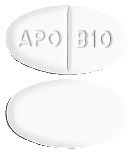
White, oval, flat-faced, bevel-edged tablets scored and engraved "APOB10" on one side. AUST R 77577.

Baclofen 25 mg tablets:
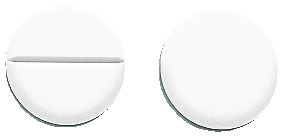
White, round, flat-faced, bevel-edged tablets, scored on one side. AUST R 77576.

Bottle packs of 100 tablets.

* Not all strengths, pack types and/or pack sizes may be available.

Ingredients

Each tablet contains 10 mg or 25 mg of baclofen as the active ingredient.

It also contains the following inactive ingredients:

  • lactose monohydrate
  • maize starch
  • microcrystalline cellulose
  • magnesium stearate.

This medicine is gluten-free, sucrose-free, tartrazine-free and free of other azo dyes.

Sponsor

Apotex Pty Ltd
16 Giffnock Avenue
Macquarie Park NSW 2113

APO and APOTEX are registered trade marks of Apotex Inc.

This leaflet was last updated in February 2020.

Published by MIMS April 2020

BRAND INFORMATION

Brand name

APO-Baclofen

Active ingredient

Baclofen

Schedule

S4


1 Name of Medicine

Baclofen.

2 Qualitative and Quantitative Composition

Each tablet contains 10 mg or 25 mg of baclofen.

Excipients with known effect.

Lactose monohydrate.
For the full list of excipients, see Section 6.1 List of Excipients.

3 Pharmaceutical Form

APO-Baclofen 10 mg tablets.

White, oval, flat-faced, bevel-edged tablets, scored and engraved "APO B10" on one side.

APO-Baclofen 25 mg tablets.

White, round, flat-faced, bevel-edged tablets, scored on one side.

4 Clinical Particulars

4.1 Therapeutic Indications

Suppression of voluntary muscle spasm in:
multiple sclerosis;
spinal lesions of traumatic, infectious, degenerative, neoplastic and unknown origin, causing skeletal hypertonus and spastic and dyssynergic bladder dysfunction.
Baclofen is not recommended in Parkinson's disease or spasticity arising from strokes, cerebral palsy or rheumatoid disorders.

4.2 Dose and Method of Administration

APO-Baclofen 10 mg and 25 mg tablets are intended for oral administration.

Dosage.

Treatment with baclofen should always be started in hospital using small doses, which are then gradually increased stepwise. The lowest dose compatible with an optimal response is recommended. The optimum daily dosage should be individually adapted to each patient's requirements, so that clonus, flexor and extensor spasms, and spasticity are reduced, while at the same time retaining enough muscle tone to permit active movements, and avoiding adverse effects as far as possible.
In order to prevent excessive weakness and falling, baclofen should be used with caution when spasticity is needed to sustain upright posture and balance in locomotion or whenever spasticity is used to maintain function. It may be important to maintain some degree of muscle tone and allow occasional spasms to help support circulatory function.
Abrupt discontinuation of treatment should be avoided (see Section 4.4 Special Warnings and Precautions for Use).
Baclofen should be taken during meals with a glass of water.
In adults, baclofen should be given in at least three divided doses daily.

Dosage regimen.

As a rule, treatment should be started with a dose of 5 mg three times daily, which should subsequently be increased at three day intervals by 5 mg three times daily (i.e. the dosage regimen is 5 mg three times a day for 3 days, then 10 mg three times a day for 3 days, etc.) until an optimum response is attained. In certain patients who react sensitively to drugs, it may be advisable to begin with a lower daily dose (5 or 10 mg), increased by smaller steps at longer intervals (see Section 4.4 Special Warnings and Precautions for Use). The optimum dosage generally ranges from 30 to 75 mg daily, although occasionally in hospitalised patients doses up to 100 mg daily may be necessary.
If no benefit is apparent within 6 to 8 weeks of achieving the maximum dosage, a decision should be made on whether to continue treatment with baclofen.
Discontinuation of the treatment should always be gradual by successively reducing the dosage over a period of approximately 1 to 2 weeks, except in overdose-related emergencies, or where serious adverse effects have occurred (see Section 4.4 Special Warnings and Precautions for Use).

Hepatic impairment.

No studies have been performed in patients with hepatic impairment under baclofen therapy. Baclofen should be prescribed with caution in patients with hepatic impairment (see Section 4.4 Special Warnings and Precautions for Use).

Renal impairment.

In patients with impaired renal function or undergoing chronic haemodialysis, low doses (i.e. approximately 5 mg daily) should be used. Signs and symptoms of overdosage have been reported with doses at and above 5 mg daily in this setting (see Section 4.9 Overdose).
Baclofen should only be administered to patients with end stage renal failure when benefit outweighs risk. These patients should be closely monitored for prompt diagnosis of early signs and/or symptoms of toxicity (e.g. somnolence, lethargy) (see Section 4.4 Special Warnings and Precautions for Use; Section 4.9 Overdose).

Use in the elderly.

Since unwanted effects are more likely to occur in elderly patients (due to increased risk of renal function impairment and CNS toxicity), a very cautious dosage schedule should be adopted and the patient kept under appropriate surveillance.
Toxicity due to baclofen may be mistaken for uraemic encephalopathy.

Paediatric use.

Baclofen should be given with extreme caution to children under 16 years of age, as only limited data are available. Baclofen tablets are not suitable for use in children with a body weight below 33 kg.

Monitoring advice.

In rare instances elevated serum levels of aspartate transaminase (AST), alkaline phosphatase, or glucose have been recorded. Appropriate laboratory tests should be performed periodically in patients with liver diseases or diabetes mellitus, in order to ensure that no drug induced changes have occurred.
Careful monitoring of respiratory and cardiovascular function is essential, especially in patients with cardiopulmonary disease or respiratory muscle weakness.

4.3 Contraindications

Known hypersensitivity to baclofen or the inactive ingredients.

4.4 Special Warnings and Precautions for Use

Patients with psychiatric and nervous system disorders.

Baclofen should be used with caution in patients who suffer from spasticity together with psychotic disorders, schizophrenia, depressive or manic disorders or confusional states. These patients should be kept under careful surveillance, because treatment with baclofen may exacerbate these other conditions.
Suicide and suicide-related events have been reported in patients treated with baclofen. In most cases, the patients had additional risk factors associated with an increased risk of suicide including alcohol use disorder, depression and/or a history of previous suicide attempts. Close supervision of patients with additional risk factors for suicide should accompany drug therapy. Patients (and caregivers of patients) should be alerted about the need to monitor for clinical worsening, suicidal behaviour or thoughts or unusual changes in behaviour and to seek medical advice immediately if these symptoms present.
Cases of misuse, abuse and dependence have been reported with baclofen. Caution should be exercised in patients with a history of substance abuse and the patient should be monitored for symptoms of baclofen misuse, abuse or dependence e.g. dose escalation, drug-seeking behaviour, development of tolerance.

Patients with potential convulsive conditions, including epilepsy.

Baclofen should be used with caution in patients with epilepsy or other convulsive conditions, cortical or subcortical brain damage or significant E.E.G abnormalities. In these patients baclofen may cause deterioration of seizure control and E.E.G changes and may precipitate convulsions. Baclofen can be used under appropriate supervision in patients with epilepsy and muscle spasticity, provided adequate anticonvulsant therapy is continued.
Lowering of the convulsion threshold may occur and seizures have been reported occasionally after cessation of baclofen, or with overdosage.

Encephalopathy.

Cases of encephalopathy have been reported in patients treated with baclofen (see Section 4.8 Adverse Effects (Undesirable Effects); Section 4.9 Overdose). Symptoms included somnolence, depressed level of consciousness, confusion, myoclonus and coma which are usually reversible after treatment discontinuation. If any signs or symptoms of encephalopathy are observed, baclofen should be discontinued.

Patients with other concomitant conditions.

Baclofen should be used with caution in patients with the following conditions:
Peptic ulcer or with a history of peptic ulcers;
Cerebrovascular disease or respiratory, hepatic or renal failure (due to increased risk of central nervous system, respiratory and cardiovascular depression);
Porphyria;
A history of alcoholism;
Diabetes mellitus (baclofen may increase blood glucose concentrations);
Hypertension (see Section 4.5 Interactions with Other Medicines and Other Forms of Interactions).
Since unwanted effects are more likely to occur, a cautious dosage schedule should be adopted in elderly and patients with spasticity. Baclofen is not recommended in Parkinson's disease or spasticity arising from strokes, cerebral palsy or rheumatoid disorders.

Changes in muscle tone.

Baclofen should be used with caution in patients who use spasticity to maintain upright posture and balance in moving. If an undesirable degree of muscular hypotonia occurs, making it more difficult for patients to walk or fend for themselves, this can usually be relieved by adjusting the dosage (i.e. by reducing the doses given during the day and possibly increasing the evening dose).
During treatment with baclofen, neurogenic disturbances affecting emptying of the bladder may improve, whereas in patients with pre-existing sphincter hypertonia, acute retention of urine may occur; the drug should therefore be used with caution in such cases.

Abrupt discontinuation.

Following abrupt withdrawal of baclofen, especially after long-term medication, anxiety, confusional states, delirium, hallucinations, psychotic disorders, mania or paranoia, convulsions (status epilepticus), dyskinesia, tachycardia, hyperthermia and, as a rebound phenomenon, temporary aggravation of spasticity and hypertonia, have been reported. Therefore, except in overdose related emergencies, or where serious adverse effects have occurred, treatment should always be gradually withdrawn by successive dosage reduction over a period of approximately 1 to 2 weeks. If withdrawal symptoms occur, restarting baclofen therapy and withdrawing over a longer period may help to resolve withdrawal problems.
Drug withdrawal reactions including postnatal convulsions in neonates have been reported after intrauterine exposure to oral baclofen (see Section 4.6 Fertility, Pregnancy and Lactation, Use in pregnancy).
For the intrathecal formulation of baclofen, it has been reported that clinical characteristics of withdrawal may resemble autonomic dysreflexia, infection (sepsis), malignant hyperthermia, neuroleptic-malignant syndrome, or other conditions associated with a hypermetabolic state or widespread rhabdomyolysis.

Switching from oral to intrathecal baclofen and vice versa.

An attempt should be made to discontinue concomitant antispastic medication to avoid possible overdose or adverse drug interactions. This should preferably be done before switching from oral to intrathecal baclofen or vice versa and requires careful monitoring by the physician. Abrupt reduction or discontinuation of concomitant antispastics during chronic therapy with baclofen should be avoided.

Use in hepatic impairment.

Baclofen is partially metabolised in the liver. Patients with impaired liver function should be periodically monitored with laboratory tests (see Section 4.2 Dose and Method of Administration, Monitoring advice).

Use in renal impairment.

Since baclofen is largely eliminated by the kidneys, a dosage reduction is advised to avoid drug accumulation. Baclofen should be used with caution in patients with renal insufficiency and should only be administered to patients with end stage renal failure when benefit outweighs risk (see Section 4.2 Dose and Method of Administration, Renal impairment).
Neurological signs and symptoms of overdose including clinical manifestations of toxic encephalopathy (e.g. confusion, somnolence, hallucination) have been observed in patients with renal impairment taking baclofen at doses at and above 5 mg daily. Patients with renal impairment should be closely monitored for prompt diagnosis of early signs and symptoms of toxicity (see Section 4.9 Overdose).
Particular caution is required when combining baclofen to drugs or medicinal products than can significantly impact renal function. Renal function shall be closely monitored and baclofen daily dosage adjusted accordingly to prevent baclofen toxicity.
Besides discontinuing treatment, unscheduled haemodialysis might be considered as a treatment alternative in patients with severe baclofen toxicity. Haemodialysis effectively removes baclofen from the body, alleviates clinical symptoms of overdose and shortens the recovery time in these patients.

Posture and balance.

Baclofen should be used with caution when spasticity is needed to sustain upright posture and balance in locomotion (see Section 4.2 Dose and Method of Administration).

Use in the elderly.

See Section 4.2 Dose and Method of Administration.

Paediatric use.

Baclofen should be given with extreme caution to children under 16 years of age, as only limited data are available. Baclofen tablets are not suitable for use in children with a body weight below 33 kg.

Effects on laboratory tests.

No information is available on the effects of baclofen on laboratory tests.

4.5 Interactions with Other Medicines and Other Forms of Interactions

Levodopa/dopa decarboxylase (DDC) inhibitor (carbidopa).

In patients with Parkinson's disease receiving treatment with baclofen and levodopa (alone or in combination with DDC inhibitor, carbidopa), there have been reports of mental confusion, hallucinations, headaches, nausea and agitation. Worsening of the symptoms of Parkinsonism has also been reported. Hence, caution should be exercised during concomitant administration of baclofen and levodopa/carbidopa.

Drugs causing central nervous system (CNS) depression.

Increased sedation may occur when baclofen is taken concomitantly with other drugs acting on the central nervous system, including other muscle relaxants (such as tizanidine), with synthetic opiates or with alcohol (see Section 4.4 Special Warnings and Precautions for Use). The risk of respiratory depression is also increased. In addition, hypotension has been reported with concomitant use of morphine and intrathecal baclofen. Careful monitoring of respiratory and cardiovascular functions is essential, especially in patients with cardiopulmonary disease and respiratory muscle weakness.

Antidepressants.

The effect of baclofen may be potentiated during concurrent treatment with tricyclic antidepressants, resulting in pronounced muscular hypotonia.

Lithium.

Concurrent use of oral baclofen and lithium resulted in aggravated hyperkinetic symptoms.
Thus, caution should be exercised when baclofen is used concomitantly with lithium.

Antihypertensives and other drugs known to lower blood pressure.

Since concomitant treatment with drugs that lower blood pressure is likely to potentiate the fall in blood pressure, the dosage of concomitant medication should be adjusted accordingly.

Agents reducing renal function.

Drugs or medicinal products than can significantly impact renal function may reduce baclofen excretion leading to toxic effects (see Section 4.4 Special Warnings and Precautions for Use, Use in renal impairment).

Others.

Concurrent use of baclofen with monoamine oxidase (MAO) inhibitors may result in increased CNS-depressant and hypotensive effects. Caution is recommended and dosage of one or both agents may require reduction.
Since baclofen may increase blood glucose concentrations, dosage adjustments of insulin and/or oral hypoglycaemic agents may be necessary during and after concurrent therapy.
Studies in rats indicate that diazepam potentiates the agonistic effects of baclofen on gastric acid secretion.

4.6 Fertility, Pregnancy and Lactation

Effects on fertility.

There are no data available on the effect of baclofen on fertility in humans.
(Category B3)

Risk summary.

There are no adequate and well-controlled studies in pregnant women. Baclofen crosses the placental barrier and should be used during pregnancy only if the expected benefit outweighs the potential risk to the foetus.
Drug withdrawal reactions including postnatal convulsions in neonates following intra-uterine exposure to oral baclofen, have been reported. In one suspected case of postnatal baclofen withdrawal, the convulsions were refractory to various anticonvulsants, but responsive to the administration of baclofen to the affected neonate (see Section 4.4 Special Warnings and Precautions for Use, Abrupt discontinuation).
Studies in lactating women are limited to one patient. In this particular case, available evidence suggests that baclofen was found in quantities so small that undesirable effects in the infant would have been unlikely. However, given the limited information available, treatment of breast-feeding women with baclofen should be approached with caution.

4.7 Effects on Ability to Drive and Use Machines

Baclofen may be associated with dizziness, sedation, somnolence and visual disturbance (see Section 4.8 Adverse Effects (Undesirable Effects)) which may impair the patient's reaction. Patients experiencing these adverse effects should be advised to refrain from driving or using machines.
The sedation and decreased alertness caused by baclofen may adversely affect the patient's ability to react; patients should therefore exercise due caution when driving a vehicle or operating machinery.

4.8 Adverse Effects (Undesirable Effects)

Adverse reactions mainly occur at the start of treatment (for example, somnolence and sedation), if the dosage is increased too quickly, if large doses are used, or if the patient is elderly. These are often transitory and can be attenuated or eliminated by reducing the dosage; however, they may necessitate withdrawal of the medication.
Elderly patients, and patients with a history of psychiatric illness, cortical or organic brain disorders, or with cerebrovascular disorders (such as stroke), may experience more serious adverse reactions.
It is often difficult to distinguish whether some of these are drug effects or manifestations of the diseases under treatment. Psychiatric manifestations can occur in acute or chronic toxicity due to baclofen.
Lowering of the convulsion threshold and convulsions may occur, particularly in epileptic patients (see Section 4.4 Special Warnings and Precautions for Use).
Certain patients have shown increased spasticity as a paradoxical reaction to the medication.
Frequency estimate: very common ≥ 10%; common 1% to < 10%; uncommon 0.1% to < 1%; rare 0.01% to < 0.1%; very rare < 0.01%; not known (cannot be estimated from the available data).

Immune system disorders.

Not known: hypersensitivity.

Psychiatric disorders.

Common: confusional state, hallucination, depressive states, insomnia, euphoria, nightmare.

Cardiac disorders.

Common: diminished cardiovascular functions.
Rare: arrhythmias, palpitations, chest pain.
Not known: bradycardia.

Vascular disorders.

Common: hypotension.
Rare: dyspnoea, ankle oedema.

Gastrointestinal disorders.

Very common: nausea (particularly at the start of treatment).
Common: gastrointestinal disturbance, constipation, diarrhoea, retching, vomiting, dry mouth.
Rare: colicky abdominal pain, anorexia.

Hepatobiliary disorders.

Rare: disorders of hepatic function (e.g. increased AST and glucose).

Nervous system disorders.

Very common: sedation, somnolence.
Common: lightheadedness, dizziness, personality changes, vertigo, headache, ataxia, tremor, nystagmus, tinnitus.
Rare: paraesthesia, dysarthria, dysgeusia/taste disturbances, syncope, dyskinesia, coma.
Not known: cases of misuse, abuse and dependence have been reported with baclofen. Suicide and suicide-related events have been reported in patients treated with baclofen (see Section 4.4 Special Warnings and Precautions for Use, Patients with psychiatric and nervous system disorders), encephalopathy.

Eye disorders.

Common: accommodation disorders, visual disturbances.

Skin and subcutaneous tissue disorders.

Common: hyperhidrosis, rash, pruritus.
Not known: urticaria, alopecia.

Musculoskeletal and connective tissue disorders.

Common: muscular weakness, myalgia.

Renal and urinary disorders.

Common: dysuria, frequency of micturition (pollakiuria), enuresis.
Rare: retention of urine, nocturia, haematuria.

Reproductive system and breast disorders.

Rare: erectile dysfunction, inability to ejaculate.
Not known: sexual dysfunction.

Respiratory, thoracic and mediastinal disorder.

Common: respiratory depression.

General disorders and administration site conditions.

Common: fatigue.
Very rare: hypothermia.
Not known: drug withdrawal syndrome*, swelling face and peripheral oedema.

Investigations.

Common: cardiac output decreased.
Not known: blood glucose increase.

Other.

Rare: nasal congestion, weight gain.
*Drug withdrawal syndrome including postnatal convulsions has also been reported after intra-uterine exposure to oral baclofen.

Reporting suspected adverse effects.

Reporting suspected adverse reactions after registration of the medicinal product is important. It allows continued monitoring of the benefit-risk balance of the medicinal product. Healthcare professionals are asked to report any suspected adverse reactions at www.tga.gov.au/reporting-problems and contact Arrotex Medical Information Enquiries/Adverse Drug Reaction Reporting on 1800 195 055.

4.9 Overdose

Signs and symptoms.

Prominent features of overdosage are signs of central nervous depression or encephalopathy: somnolence, depressed level of consciousness, respiratory depression due to absent respiratory movement, coma.
Other signs and symptoms which are liable to occur are: confusion, hallucinations, agitation, abnormal electroencephalogram (burst suppression pattern and triphasic waves), accommodation disorders, impaired pupillary reflex; generalised muscular hypotonia, myoclonus, hyporeflexia or areflexia; convulsions; peripheral vasodilatation, hypotension or hypertension, bradycardia, tachycardia or cardiac arrhythmias, hypothermia; nausea, vomiting, diarrhoea, salivary hypersecretion; increased hepatic enzymes, sleep apnoea, rhabdomyolysis, tinnitus, elevated lactate dehydrogenase (LDH), aspartate transaminase (AST) and alkaline phosphatase (ALP) values.
A deterioration in the condition may occur if various substances or drugs acting on the central nervous system (e.g. alcohol, diazepam, tricyclic antidepressants) have been taken at the same time.
Adult patients have ingested up to 1125 mg of baclofen and survived. Ingestion of 1250 to 2500 mg by one patient was fatal. Serious poisoning has occurred with doses of 150 and 300 mg in adults.

Treatment.

No specific antidote is known.
Supportive measures and symptomatic treatment should be given for complications such as hypotension, hypertension, convulsions, gastrointestinal disturbances, and respiratory or cardiovascular depression.
Symptomatic treatment should include the following:
elimination of the drug from the gastrointestinal tract, e.g. administration of activated charcoal or administration of saline laxatives if necessary;
administration of artificial respiration in cases of respiratory muscle weakness;
measures in support of cardiovascular functions;
since the drug is excreted chiefly via the kidneys, generous quantities of fluid should be given, possibly together with a diuretic;
in the event of convulsions, diazepam should be administered cautiously intravenously, paying attention to increased muscle relaxation, and possible respiratory insufficiency, if the patient is not already being artificially ventilated;
haemodialysis (sometimes unscheduled) may be useful in severe poisoning associated with renal failure (see Section 4.4 Special Warnings and Precautions for Use).
For information on the management of overdose, contact the Poisons Information Centre on 131126 (Australia).

5 Pharmacological Properties

5.1 Pharmacodynamic Properties

Mechanism of action.

Baclofen is a derivative of gamma aminobutyric acid (GABA).
Baclofen is an effective antispastic agent with a spinal site of action. Its mechanism of action and pharmacological properties are different from those of other antispastic agents. Baclofen also has central sites of action given the adverse event profile and general CNS depressant properties.
Baclofen depresses monosynaptic and polysynaptic reflex transmission, probably by various actions, including stimulation of GABAβ receptors. This stimulation in turn inhibits the release of excitatory amino acids (glutamate and aspartate) in guinea pig preparations. Neuromuscular transmission is not affected by baclofen.
Baclofen exerts an antinociceptive effect. The clinical significance of this awaits clarification. In neurological diseases associated with spasm of the skeletal muscles, the clinical effects of baclofen take the form of a beneficial action on reflex muscle contractions and of marked relief from painful spasm, automatism and clonus. Baclofen, where indicated, improves the patient's mobility, making for greater independence, and facilitating passive and active physiotherapy. Baclofen stimulates gastric acid secretion.

Clinical trials.

No data available.

5.2 Pharmacokinetic Properties

Absorption.

Absorption from the gastrointestinal tract is rapid and complete. After an oral dose, peak plasma levels of unchanged drug are achieved in 1 to 2 hours. The bioavailability of oral baclofen is 70 to 80%.
Following oral administration of a single dose of 40 mg baclofen, peak serum concentrations of 500 to 600 nanogram/mL are reached. The serum concentration remains above 200 nanogram/mL for 8 hours. The onset of action is highly variable and may range from hours to weeks.

Distribution.

The distribution volume of baclofen is about 0.7 L/kg. In cerebrospinal fluid, the active substance attains concentrations approximately 8.5 times lower than in the plasma.
Baclofen is about 30% bound to plasma proteins.

Metabolism.

About 15% of a dose of baclofen is metabolised in the liver. Deamination yields the main metabolite is β-chlorophenyl gamma hydroxybutyric acid, which is pharmacologically inactive.

Excretion.

Baclofen is eliminated largely in unchanged form. The plasma elimination half-life of baclofen has been reported at between 2 and 6.8 hours. Approximately 75% of a single oral dose is excreted via the kidneys within 72 hours, with approximately 5% of this being excreted in the form of metabolites.
The remainder of the dose, including 5% as metabolites, is excreted in the faeces.

5.3 Preclinical Safety Data

Genotoxicity.

Baclofen did not induce mutations in bacterial or mammalian cells in vitro, lacked DNA damaging activity in the sister chromatid exchange assay, and had no clastogenic activity in the nuclear anomaly test.

Animal data.

In two teratogenic studies in pregnant rats, baclofen has been shown to increase the incidence of omphaloceles (ventral hernias) in foetuses, at a dose of 20 mg/kg/day, which is maternotoxic. The relevance of this finding to humans is unknown. At the same dose the incidence of incomplete sternebral ossification in the foetuses was increased.
In mice, no teratogenic effects were observed at a dose of 81.5 mg/kg/day given via the diet or up to 40 mg/kg/day given by gavage. At 40 mg/kg/day by gavage, a delay in foetal growth was associated with maternal anorexia. The lack of maternotoxicity seen in the dietary study suggests that the dose used was inadequate.
In pregnant rabbits, doses of up to 10 mg/kg/day were given orally. Maternotoxicity was manifested as a sedative effect. Skeletal examination of foetuses revealed a marked increase in the absence of ossification of the phalangeal nuclei of fore limbs and hind limbs.

Carcinogenicity.

A two year carcinogenicity study in rats found no evidence that baclofen had carcinogenic potential at oral doses up to 100 mg/kg/day. An apparently dose related increase in the incidence of ovarian cysts and of enlarged and/or haemorrhagic adrenals at the highest two doses (50 and 100 mg/kg/day) was observed in female rats. The clinical relevance of these findings is not known.
Ovarian cysts have been found by palpation in about 5% of the multiple sclerosis patients who were treated with oral baclofen for up to one year. In most cases these cysts disappeared spontaneously while patients continued to receive the drug. Ovarian cysts are known to occur spontaneously in a proportion of the normal female population.

6 Pharmaceutical Particulars

6.1 List of Excipients

Lactose monohydrate, maize starch, microcrystalline cellulose, magnesium stearate.

6.2 Incompatibilities

Incompatibilities were either not assessed or not identified as part of the registration of this medicine.

6.3 Shelf Life

In Australia, information on the shelf life can be found on the public summary of the Australian Register of Therapeutic Goods (ARTG). The expiry date can be found on the packaging.

6.4 Special Precautions for Storage

Store below 25°C. Protect from light and moisture.

6.5 Nature and Contents of Container

APO-Baclofen 10 mg tablets.

100 tablets per bottle.
AUST R 77577.

APO-Baclofen 25 mg tablets.

100 tablets per bottle.
AUST R 77576.
Not all strengths may be available.

6.6 Special Precautions for Disposal

In Australia, any unused medicine or waste material should be disposed of by taking to your local pharmacy.

6.7 Physicochemical Properties

Baclofen is a white or almost white powder, which is slightly soluble in water, very slightly soluble in ethanol (96%), and practically insoluble in acetone and in ether. It dissolves in dilute mineral acids and in dilute alkali hydroxides.

Chemical structure.


Chemical name: (RS)-4 amino-3 (4-chlorophenyl) butyric acid.
Molecular formula: C10H12ClNO2.
Molecular weight: 213.7.

CAS number.

1134-47-0.

7 Medicine Schedule (Poisons Standard)

S4 - Prescription Only Medicine.

Summary Table of Changes