


Consumer medicine information

APO-Nebivolol

Nebivolol

BRAND INFORMATION

Brand name

APO-Nebivolol

Active ingredient

Nebivolol

Schedule

S4


Consumer medicine information (CMI) leaflet

Please read this leaflet carefully before you start using APO-Nebivolol.

What is in this leaflet

Read this leaflet carefully before taking your medicine.

This leaflet answers some common questions about nebivolol hydrochloride. It does not contain all the available information. It does not take the place of talking to your doctor or pharmacist.

The information in this leaflet was last updated on the date listed on the last page. More recent information on this medicine may be available.

Ask your doctor or pharmacist:

  • if there is anything you do not understand in this leaflet,
  • if you are worried about taking your medicine, or
  • to obtain the most up-to-date information.

You can also download the most up to date leaflet from www.apotex.com.au.

All medicines have risks and benefits. Your doctor has weighed the risks of you using this medicine against the benefits they expect it will have for you.

Pharmaceutical companies cannot give you medical advice or an individual diagnosis.

Keep this leaflet with your medicine. You may want to read it again.

What this medicine is used for

The name of your medicine is APO-NEBIVOLOL Tablet. It contains the active ingredient Nebivolol hydrochloride.

It is used to treat:

  • high blood pressure (essential hypertension) or,
  • chronic heart failure. It is usually used in combination with other medicines.

How it works

This medicine belongs to a group of medicines called beta-blockers.

High Blood Pressure (Hypertension):

Nebivolol can be used to treat high blood pressure. It works by blocking the transmission of messages to the beta receptors in the heart which slows down the activity of the heart. It also relaxes the blood vessels and reduces the resistance that the heart has to pump against. The blood pressure lowering effects occur after 1 to 2 weeks, although it may take up to 4 weeks for the full effect to occur.

Chronic Heart Failure:

Nebivolol can also be used to treat chronic heart failure. It slows down the heart rate and makes it beat more regularly.

It also reduces the pressure the heart has to pump against and therefore reduces the amount of work that the heart has to do.

This improves the symptoms of chronic heart failure and reduces the likelihood of you being hospitalized and/or dying from your heart condition.

Use in children

There is not enough information to recommend the use of this medicine for children under the age of 18 years.

Before you take this medicine

When you must not take it

Do not take this medicine if:

  • You have or have had any of the following:
    - have liver problems
    - have acute heart failure or cardiogenic shock, a serious heart condition causing low blood pressure
    - have a history of slow heart rate or uneven heart beating
    - have certain other heart conditions
    - have asthma, bronchitis or other lung disease with tightening of the airways
    - have untreated phaeochromocytoma, a rare tumour of the adrenal gland
    - have metabolic acidosis, where there is too much acid in the blood
    - have hypotension, low blood pressure
    - have a severe blood vessel disorder causing poor circulation in the arms and legs.
  • You are pregnant.
    Nebivolol may affect your developing baby if you take it during pregnancy.
  • You are breastfeeding.
    Nebivolol may pass into human breast milk.
  • You are hypersensitive to, or have had an allergic reaction to, Nebivolol or any of the ingredients listed at the end of this leaflet.
    Symptoms of an allergic reaction may include: cough, shortness of breath, wheezing, difficulty breathing or tightness in chest; swelling of the face, lips, tongue, throat or other parts of the body; rash, itching or hives on the skin; fainting; or hay fever-like symptoms.
    If you think you are having an allergic reaction, do not take any more of the medicine and contact your doctor immediately or go to the Accident and Emergency department at the nearest hospital.
  • The expiry date (EXP) printed on the pack has passed.
  • The packaging is torn, shows signs of tampering or it does not look quite right.

Before you start to take it

Before you start taking this medicine, tell your doctor if:

  1. You have allergies to:
  • any other medicines
  • any other substances, such as foods, preservatives or dyes.
  1. You have or have had any medical conditions, especially the following:
  • low blood pressure or poor circulation
  • a slow heartbeat, lower than 60 beats per minute
  • asthma or breathing difficulties
  • angina, chest pain or any other heart problems, or your heart failure has just occurred or worsened recently
  • diabetes
  • a history of psoriasis, a skin disease with thickened patches of red skin, often with silvery scales
  • a severe blood vessel disorder causing poor circulation in the arms and legs
  • thyroid disorders
  • liver problems
  • kidney problems
  • phaeochromocytoma, a rare tumour of the adrenal gland
  • a lactose intolerance
  1. You are currently pregnant or you plan to become pregnant. Do not take this medicine whilst pregnant (until you and your doctor have discussed the risks and benefits involved).
  2. You are currently breastfeeding or you plan to breast-feed. Do not take this medicine whilst breastfeeding (until you and your doctor have discussed the risks and benefits involved).
  3. You have recently been vaccinated or plan to get a vaccination.
  4. You are planning to have surgery or an anaesthetic.
  5. You are currently receiving or are planning to receive dental treatment.
  6. You are taking or are planning to take any other medicines. This includes vitamins and supplements that are available from your pharmacy, supermarket or health food shop.

Taking other medicines

Some medicines may interact with Nebivolol. These include:

  • those used to treat irregular or abnormal heartbeat (e.g. quinidine, flecainide, disopyramide, lidocaine, mexiletine, amiodarone)
  • those used to treat high blood pressure (e.g. clonidine)
  • calcium channel blockers for high blood pressure or heart problems (e.g. verapamil, diltiazem)
  • insulin and tablets used to treat diabetes
  • those used to treat depression and anxiety (e.g. phenelzine, tranylcypromine, paroxetine, sertraline, sedatives, phenothiazine)
  • those used to treat excessive stomach acid (e.g. cimetidine).
  • you should take Nebivolol during a meal, and the antacid between meals.
  • digoxin, a medicine used to treat heart failure
  • drugs used to treat asthma, blocked nose or certain eye disorders such as glaucoma or dilation of the pupil
  • dextromethorphan, an ingredient in cough medicines
  • anaesthetics
  • other beta-blocker medicines, including beta-blocker eye drops

If you are taking any of these you may need a different dose or you may need to take different medicines.

Other medicines not listed above may also interact with nebivolol.

How to take this medicine

Follow carefully all directions given to you by your doctor. Their instructions may be different to the information in this leaflet.

How much to take

Your doctor will tell you how much of this medicine you should take. This will depend on your condition and whether you are taking any other medicines.

Do not stop taking your medicine or change your dosage without first checking with your doctor.

How to take it

Swallow the tablets whole with a full glass of water.

Do not crush or chew the tablets

When to take it

Take this medicine at the same time each day. Taking it at the same time each day will have the best effect and will also help you remember when to take it.

It does not matter if you take it before, with or after food.

How long to take it for

Continue taking your medicine for as long as your doctor tells you.

Make sure you have enough to last over weekends and holidays.

If you forget to take it

If it is almost time to take your next dose, skip the missed dose and take your next dose at the usual time. Otherwise, take it as soon as you remember and then go back to taking your medicine as you would normally.

Do not take a double dose to make up for missed doses. This may increase the chance of you experiencing side effects.

If you have trouble remembering to take your medicine, ask your pharmacist for some hints to help you remember.

If you take too much (overdose)

If you think that you or anyone else may have taken too much of this medicine, immediately telephone your doctor or the Poisons Information Centre (Tel: 13 11 26 in Australia) for advice. Alternatively, go to the Accident and Emergency department at your nearest hospital.

Do this even if there are no signs of discomfort or poisoning. You may need urgent medical attention.

While you are taking this medicine

Things you must do

Tell your doctor that you are taking this medicine if:

  • you are about to be started on any new medicine
  • you plan to have any vaccinations or immunisations
  • you are pregnant or are planning to become pregnant
  • you are breastfeeding or are planning to breast-feed
  • you are about to have any blood tests
  • you are going to have surgery or an anaesthetic or are going into hospital.

Your doctor may occasionally do tests to make sure the medicine is working and to prevent side effects. Go to your doctor regularly for a check-up.

Tell any other doctors, dentists and pharmacists who are treating you that you take this medicine.

Things you must not do

Do not:

  • Give this medicine to anyone else, even if their symptoms seem similar to yours.
  • Take your medicine to treat any other condition unless your doctor tells you to.
  • Stop taking your medicine, or change the dosage, without first checking with your doctor.

Things to be careful of

Be careful when driving or operating machinery until you know how this medicine affects you.

Possible side effects

Tell your doctor as soon as possible if you do not feel well while you are taking nebivolol or if you have any questions or concerns.

Do not be alarmed by the following lists of side effects. You may not experience any of them. All medicines can have side effects. Sometimes they are serious but most of the time they are not.

Tell your doctor if you notice any of the following:

  • headache, tiredness nausea or vomiting stomach upset, wind, diarrhoea or constipation
  • disturbed sleep or nightmares
  • coldness or numbness in the hands or fee

Tell your doctor as soon as possible if you notice any of the following.

These may be serious side effects and you may need medical attention:

  • slow heart beat
  • dizziness or fainting
  • tingling or "pins and needles"
  • abnormal thinking, depression or hallucinations
  • sexual problems
  • skin rashes and itching
  • dry eyes or problems with eye sight
  • an increase in a cramp-like pain in one or both legs that develops on walking.

If you experience any of the following, stop taking your medicine and contact your doctor immediately or go to the Accident and Emergency department at your nearest hospital.

These are very serious side effects and you may need urgent medical attention or hospitalisation:

  • swelling of the face, lips, tongue or throat that may cause difficulty swallowing or breathing
  • chest tightness, shortness of breath or difficulty breathing
  • swelling of the feet and ankles
  • chest pain or changes in heart rate

Other side effects not listed above may occur in some patients.

Allergic reactions

If you think you are having an allergic reaction to nebivolol, do not take any more of this medicine and tell your doctor immediately or go to the Accident and Emergency department at your nearest hospital.

Symptoms of an allergic reaction may include some or all of the following:

  • cough, shortness of breath, wheezing, difficulty breathing or tightness in chest
  • swelling of the face, lips, tongue, throat or other parts of the body
  • rash, itching or hives on the skin
  • fainting
  • hay fever-like symptoms.

Storage and disposal

Storage

Keep your medicine in its original packaging until it is time to take it.

If you take your medicine out of its original packaging it may not keep well.

Keep your medicine in a cool dry place where the temperature will stay below 30°C.

Do not store your medicine, or any other medicine, in the bathroom or near a sink. Do not leave it on a window sill or in the car. Heat and dampness can destroy some medicines.

Keep this medicine where children cannot reach it. A locked cupboard at least one-and-a-half metres above the ground is a good place to store medicines.

Disposal

If your doctor (or pharmacist) tells you to stop taking this medicine or it has passed its expiry date, your pharmacist can dispose of the remaining medicine safely.

Product description

What APO-NEBIVOLOL looks like

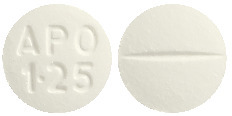
1.25 mg tablet: White to off-white, round, biconvex tablets debossed "APO" over "1.25" on one side and single score on the other side.

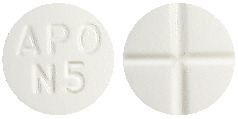
5 mg tablet: White to off-white, round, biconvex tablets debossed "APO" over "N5" on one side and cross scored on the other side

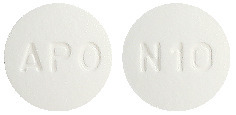
10 mg tablet: White to off-white, round, biconvex tablets debossed "APO" on one side and "N10" on the other side

* Not all strengths, pack types and/or pack sizes may be available.

Ingredients

Each tablet contains 1.25mg, 5mg or 10 mg of nebivolol hydrochloride as the active ingredient.

It also contains the following inactive ingredients:

  • lactose monohydrate,
  • crospovidone,
  • copovidone,
  • pregelatinised starch
  • magnesium stearate

This medicine contains sugars as lactose.

This medicine is gluten-free, tartrazine-free and free of other azo dyes.

Australian Registration Numbers

APO-Nebivolol 1.25 mg tablet (Blister pack): AUST R 281799.

APO-Nebivolol 5 mg tablet (Blister pack): AUST R 281795.

APO-Nebivolol 10 mg tablet (Blister pack): AUST R 281798.

Sponsor

Apotex Pty Ltd
16 Giffnock Avenue
Macquarie Park NSW 2113

APO and APOTEX are registered trademarks of Apotex Inc.

This leaflet was last updated in: June 2023.

Published by MIMS July 2023

BRAND INFORMATION

Brand name

APO-Nebivolol

Active ingredient

Nebivolol

Schedule

S4


1 Name of Medicine

Nebivolol hydrochloride.

2 Qualitative and Quantitative Composition

Each tablet contains 1.25 mg, 5 mg or 10 mg nebivolol (as hydrochloride salt).

Excipients with known effect.

Contains sugars as lactose monohydrate.
For the full list of excipients see Section 6.1 List of Excipients.

3 Pharmaceutical Form

1.25 mg tablets.

White to off-white, round, biconvex tablets debossed "APO" over "1.25" on one side and single score on the other side; the score line on the 1.25 mg tablets is for identification purposes only and is not intended for dividing doses.

5 mg tablets.

White to off-white, round, biconvex tablets debossed "APO" over "N5" on one side and cross scored on the other side.

10 mg tablets.

White to off-white, round, biconvex tablets debossed "APO" on one side and "N10" on one the other side.

4 Clinical Particulars

4.1 Therapeutic Indications

APO-Nebivolol is indicated:
To treat essential hypertension.
To treat stable chronic heart failure as an adjunct to standard therapies in patients 70 years or older.

4.2 Dose and Method of Administration

Nebivolol tablets are intended for oral administration.
The dose of nebivolol should always be adjusted to the individual requirements of the patient (see Section 5 Pharmacological Properties, Section 5.2 Pharmacokinetic Properties).

Hypertension.

The dose is one 5 mg tablet daily, preferably at the same time of the day. Tablets may be taken with or without meals.
The blood pressure lowering effect becomes evident after 2 weeks of treatment. Occasionally, the optimal effect is reached only after 4 weeks.

Combination with other antihypertensive agents.

Nebivolol may be used as monotherapy or in combination with hydrochlorothiazide (12.5 mg-25 mg).

Patients with renal insufficiency.

In patients with renal insufficiency, the recommended starting dose is 2.5 mg daily. If needed, the daily dose may be increased to 5 mg.

Patients with hepatic insufficiency.

Data in patients with hepatic insufficiency or impaired liver function are limited. Therefore the use of nebivolol in these patients is contraindicated.

Elderly.

In patients over 65 years, the recommended starting dose is 2.5 mg daily. If needed, the daily dose may be increased to 5 mg. However, in view of the limited experience in patients above 75 years, caution must be exercised and these patients monitored closely.

Paediatric.

No studies have been conducted in children and adolescents aged below 18 years. Therefore, use in children and adolescents is not recommended.

Chronic heart failure (CHF).

The treatment of stable chronic heart failure has to be initiated with a gradual up titration of dosage until the optimal individual maintenance dose is reached.
Patients should have stable chronic heart failure without acute failure during the past six weeks. It is recommended that the treating physician should be experienced in the management of chronic heart failure.
For those patients receiving cardiovascular drug therapy including diuretics and/or digoxin and/or ACE inhibitors and/or angiotensin II antagonists, dosing of these drugs should be stabilised during the past two weeks prior to initiation of nebivolol treatment.
The initial up titration should be done according to the following steps at 1-2 weekly intervals based on patient tolerability:
1.25 mg nebivolol, to be increased to 2.5 mg nebivolol once daily, then to 5 mg once daily and then to 10 mg once daily;
the maximum recommended dose is 10 mg nebivolol once daily.
Initiation of therapy and every dose increase should be done under the supervision of an experienced physician over a period of at least 2 hours to ensure that the clinical status (especially as regards blood pressure, heart rate, conduction disturbances, signs of worsening of heart failure) remains stable.
Occurrence of adverse events may prevent patients being treated with the maximum recommended dose. If necessary, the dose reached can also be decreased step by step and reintroduced as appropriate.
In cases of worsening of heart failure or intolerance in the titration phase, it is recommended first to reduce the dose of nebivolol, or if necessary, to stop it immediately. Immediate cessation should be considered especially in cases of severe hypotension, worsening of heart failure with acute pulmonary oedema, cardiogenic shock, symptomatic bradycardia or AV block.
Treatment of stable chronic heart failure with nebivolol is generally a long-term treatment. The treatment with nebivolol is not recommended to be stopped abruptly since this might lead to a transitory worsening of heart failure. If discontinuation is necessary, the dose should be gradually decreased by dividing into halves weekly.
Nebivolol tablets can be given with or without meals, but a consistent approach is recommended.

Patients with renal insufficiency.

No dose adjustment is required in mild to moderate renal insufficiency since up titration to the maximum tolerated dose is individually adjusted. There is no experience in patients with severe renal insufficiency (serum creatinine ≥ 250 micromol/L). Therefore, the use of nebivolol in these patients is not recommended.

Patients with hepatic insufficiency.

Data in patients with hepatic insufficiency are limited. Therefore the use of nebivolol in these patients is contraindicated.

Elderly.

No dose adjustment is required since up titration to the maximum tolerated dose is individually adjusted.

Paediatric.

No studies have been conducted in children and adolescents aged below 18 years. Therefore, use in children and adolescents is not recommended.

4.3 Contraindications

Hypersensitivity to the nebivolol hydrochloride or to any of the excipients.
Liver insufficiency or liver function impairment.
Acute heart failure, cardiogenic shock or episodes of heart failure decompensation requiring I.V. inotropic therapy.
Sick sinus syndrome, including sino-atrial block.
Second and third degree heart block (without a pacemaker).
History of bronchospasm (e.g. including that in chronic obstructive pulmonary disease) and/or asthma (see Section 4.4 Special Warnings and Precautions for Use, Respiratory).
Untreated pheochromocytoma.
Metabolic acidosis.
Bradycardia (heart rate < 60 bpm prior to starting therapy).
Hypotension (systolic blood pressure < 100 mmHg).
Severe peripheral circulatory disturbances.

4.4 Special Warnings and Precautions for Use

The following warnings and precautions apply to β-adrenergic antagonists in general.

Abrupt withdrawal.

The cessation of therapy with nebivolol should not be done abruptly unless clearly indicated. Care should be taken if β-blockers have to be discontinued abruptly in patients with coronary artery disease. Severe exacerbation of angina and precipitation of myocardial infarction and ventricular arrhythmias have occurred following abrupt discontinuation of β-blockade in patients with ischaemic heart disease. Therefore, it is recommended that the dosage be reduced gradually over a period of about 1-2 weeks during which time the patient's progress should be assessed. Nebivolol should be temporarily reinstituted if the angina worsens markedly or if acute coronary insufficiency develops. If the drug must be withdrawn abruptly, close observation is required. In the peri-operative period, β-blockers should not be withdrawn unless indicated.

Anaesthesia.

Prior to surgery the anaesthetist should be informed that the patient is receiving nebivolol because of the potential for interactions of β-blockers with other drugs, resulting in severe bradyarrhythmias and hypotension, decreased reflex ability to compensate for blood loss, hypovolaemia and regional sympathetic blockade, and decreased propensity for vagal-induced bradycardia. Continuation of β-blockade reduces the risk of arrhythmias during induction and intubation. If β-blockade is interrupted in preparation for surgery, the β-adrenergic antagonist should be discontinued at least 24 hours beforehand.
Caution should be observed with certain anaesthetics that cause myocardial depression (see Section 4.4 Special Warnings and Precautions for Use; Section 4.5 Interactions with Other Medicines and Other Forms of Interactions). The patient can be protected against vagal reactions by intravenous administration of atropine.

Cardiovascular.

In general, β-adrenergic antagonists should not be used in patients with untreated congestive heart failure, unless their condition has been stabilised (see Section 4.3 Contraindications).
β-adrenergic antagonists may induce bradycardia: if the pulse rate drops below 50-55 bpm at rest and/or the patient experiences symptoms that are suggestive of bradycardia, the dosage should be reduced or treatment gradually withdrawn (see Section 4.3 Contraindications).
β-adrenergic antagonists should be used with caution:
in patients with peripheral circulatory disorders (Raynaud's disease or syndrome, intermittent claudication), as aggravation of these disorders may occur (see Section 4.3 Contraindications);
in patients with first degree heart block, because of the negative effect of β-blockers on conduction time;
in patients with Prinzmetal's or variant angina due to unopposed α-receptor mediated coronary artery vasoconstriction: β-adrenergic antagonists may increase the number and duration of anginal attacks.
Combination of nebivolol with calcium channel antagonists of the verapamil and diltiazem type, with Class I antiarrhythmic drugs, and with centrally acting antihypertensive drugs is generally not recommended (see Section 4.5 Interactions with Other Medicines and Other Forms of Interactions).

Metabolic/endocrinological.

Nebivolol does not affect glucose levels in diabetic patients. Care should be taken in diabetic patients however, as nebivolol may mask certain symptoms of hypoglycaemia (tachycardia, palpitations). In patients with insulin or non-insulin dependent diabetes, especially labile diabetes, or with a history of spontaneous hypoglycaemia, β-blockade may result in the loss of diabetic control and delayed recovery from hypoglycaemia. The dose of insulin or oral hypoglycaemic agent may need adjustment. Such effects on the glucose metabolism may occur with non-selective β-blockers but they are less likely with a β1-selective agent like nebivolol.
β-adrenergic blocking agents may mask tachycardic symptoms in hyperthyroidism. Abrupt withdrawal may intensify symptoms.

Other metabolic effects.

β-adrenoceptors are involved in the regulation of lipid as well as carbohydrate metabolism. Some β-blockers affect the lipid profile adversely although the long-term clinical significance of this change is unknown and the effect is more apparent with non-selective β-blockers while it appears to be less for drugs with β1-adrenoceptor-selectivity and for those with intrinsic sympathomimetic activity.

Respiratory.

In patients with chronic obstructive pulmonary disorders, β-adrenergic antagonists should be used with caution as airway constriction may be aggravated. Patients with a history of bronchospasm (e.g. including that in chronic obstructive pulmonary disease) and/or asthma are contraindicated (see Section 4.3 Contraindications).

Pheochromocytoma.

In patients with pheochromocytoma, an α-blocker should be administered prior to use of any β-blocker.

Effects on the eye and skin.

Various skin rashes and conjunctival xerosis have been reported with β-blocking agents. Cross-reactions may occur between β-blockers, therefore substitutions within the group may not necessarily preclude occurrence of symptoms.
Oculomucocutaneous syndrome whose signs include conjunctivitis sicca and psoriasiform rashes, and sclerosing serositis has occurred with the chronic use of one β-adrenergic blocking agent, (practolol). This syndrome has not been observed in association with nebivolol. However, physicians should be alert to the possibility of such reactions and discontinue treatment in the event that they occur.

Other.

Patients with a history of psoriasis should take β-adrenergic antagonists only after careful consideration.
β-adrenergic antagonists may increase the sensitivity to allergens and the severity of anaphylactic reactions. Adrenaline treatment does not always give the expected therapeutic effect.
The initiation of chronic heart failure treatment with nebivolol necessitates regular monitoring (see Section 4.2 Dose and Method of Administration). Treatment discontinuation should not be done abruptly unless clearly indicated.
This medicinal product contains lactose. Patients with rare hereditary problems of galactose intolerance, the Lapp-lactase deficiency or glucose-galactose malabsorption should not take this medicinal product.

Use in hepatic impairment.

Data in patients with hepatic insufficiency or impaired liver function are limited. Therefore, the use of nebivolol in these patients is contraindicated.

Use in renal impairment.

Hypertension.

In patients with renal insufficiency, the recommended starting dose is 2.5 mg daily. If needed, the daily dose may be increased to 5 mg. Nebivolol has not been studied in patients receiving dialysis.

Chronic heart failure.

No dose adjustment is required in mild to moderate renal insufficiency since up titration to the maximum tolerated dose is individually adjusted. There is no experience in patients with severe renal insufficiency (serum creatinine ≥ 250 micromol/L). Therefore, the use of nebivolol in these patients is not recommended.

Use in the elderly.

Hypertension.

In patients over 65 years, the recommended starting dose is 2.5 mg daily. If needed, the daily dose may be increased to 5 mg. However, in view of the limited experience in patients above 75 years, caution must be exercised and these patients monitored closely.

Chronic heart failure.

The SENIORS study was restricted to patients ≥ 70 years of age. The efficacy and safety of nebivolol in patients with stable heart failure under 70 years of age has not been established. The SENIORS study enrolled patients with all NYHA functional classes. However, data is limited in chronic heart failure patients with NYHA Class I and IV functional status.
No dose adjustment is required since up titration to the maximum tolerated dose is individually adjusted.

Paediatric use.

No studies have been conducted in children and adolescents aged below 18 years. Therefore, use in children and adolescents is not recommended.

Effects on laboratory tests.

No data available.

4.5 Interactions with Other Medicines and Other Forms of Interactions

Pharmacodynamic interactions.

Combinations not recommended.

Class I antiarrhythmics (quinidine, flecainide, disopyramide, lidocaine, mexiletine).

Effect on atrio-ventricular conduction time may be potentiated and negative inotropic effect increased (see Section 4.4 Special Warnings and Precautions for Use).

Calcium channel antagonists of verapamil/diltiazem type.

Negative influence on contractility and atrio-ventricular conduction. Intravenous administration of verapamil in patients with β-blocker treatment may lead to profound hypotension and atrio-ventricular block (see Section 4.4 Special Warnings and Precautions for Use).

Centrally-acting antihypertensives (clonidine, guanfacine, moxonidine, methyldopa).

Concomitant use of centrally acting antihypertensive drugs may worsen heart failure by a decrease in the central sympathetic tonus (reduction of heart rate and cardiac output, vasodilation) (see Section 4.4 Special Warnings and Precautions for Use). Abrupt withdrawal, particularly if prior to β-blocker discontinuation, may increase risk of "rebound hypertension".

Other β-blockers.

Other β-blockers, including eye drops, may have additive effects. Patients receiving this combination should be kept under close surveillance.
Combinations to be used with caution.

Class III antiarrhythmic drugs (amiodarone).

Effect on atrio-ventricular conduction time may be potentiated.

Anaesthetics - volatile halogenated.

Concomitant use of β-adrenergic antagonists and anaesthetics may attenuate reflex tachycardia and increase the risk of hypotension (see Section 4.4 Special Warnings and Precautions for Use). As a general rule, avoid sudden withdrawal of β-blocker treatment. The anaesthesiologist should be informed when the patient is receiving nebivolol.

Insulin and oral antidiabetic drugs.

Although nebivolol does not affect glucose levels, concomitant use may mask certain symptoms of hypoglycaemia (palpitations, tachycardia).

Calcium antagonists of the dihydropyridine type (amlodipine, felodipine, nifedipine, nimodipine).

Concomitant use may increase the risk of hypotension, and an increase in the risk of a further deterioration of the ventricular pump function in patients with heart failure cannot be excluded. Co-administration of nebivolol and nicardipine results in a slight mutual elevation of drug levels.

Catecholamine depleting agents.

Patients receiving catecholamine-depleting drugs, such as reserpine or guanethidine, should be closely monitored, because the added β-blocking action of nebivolol may produce excessive reduction of sympathetic activity.

Baclofen (antispastic agent), amifostine (antineoplastic adjunct).

Concomitant use with antihypertensives, such as nebivolol, is likely to increase the fall in blood pressure, therefore the dosage of the antihypertensive medication should be adjusted accordingly.
Combinations requiring careful consideration.

Digitalis glycosides.

Concomitant use may increase atrio-ventricular conduction time. Clinical trials with nebivolol have not shown any clinical evidence of an interaction. Nebivolol does not influence the kinetics of digoxin.

Antipsychotics, sedatives, antidepressants (tricyclics and phenothiazines).

Concomitant use may enhance the hypotensive effect of the β-blockers (additive effect).

Non-steroidal anti-inflammatory drugs (NSAID).

No effect on the blood pressure lowering effect of nebivolol.

Sympathomimetic agents.

Concomitant use may counteract the effect of β-adrenergic antagonists. β-adrenergic blockers may lead to unopposed α-adrenergic activity of sympathomimetic agents with both α and β-adrenergic effects (risk of hypertension, severe bradycardia and heart block).

Pharmacokinetic interactions.

As nebivolol metabolism involves the CYP2D6 isoenzyme, co-administration with substances inhibiting this enzyme, especially paroxetine, fluoxetine, thioridazine and quinidine may lead to increased plasma levels of nebivolol associated with an increased risk of excessive bradycardia and adverse events.
Co-administration of 400 mg cimetidine bd for 3 days increased the mean peak plasma nebivolol concentration by about 21%-23% compared to placebo.
Co-administration of ranitidine did not affect the pharmacokinetics of nebivolol. Provided nebivolol is taken with the meal, and an antacid between meals, the two treatments can be co-prescribed.
Co-administration of alcohol, furosemide or hydrochlorothiazide did not affect the pharmacokinetics of nebivolol. Nebivolol does not affect the pharmacokinetics and pharmacodynamics of warfarin.
The effects of sildenafil and other antihypertensive drugs on nebivolol pharmacokinetics have not been evaluated.

4.6 Fertility, Pregnancy and Lactation

Effects on fertility.

A randomised, double-blind, single-centre, clinical trial in 30 subjects monitored the hormone levels of patients given nebivolol 5 mg and d-nebivolol 2.5 mg in a cross-over fashion for 4 weeks each. Alterations in testosterone levels differed between men and women. Whilst nebivolol and d-nebivolol resulted in an increase in testosterone in males; the converse is seen in women, with administration resulting in a decrease in testosterone plasma concentration. Plasma progesterone concentrations are seen to decrease with administration of nebivolol or d-nebivolol in both male and female patients. All other hormone parameters tested, including ACTH, aldosterone, cortisol, LH, FSH and estradiol demonstrated no significant within or between treatment differences.
Adverse effects on male and female reproduction organs in rats and mice were observed. Nebivolol decreased fertility in rats at a dose of 160 mg/kg/day (145 times anticipated clinical exposure at the MRHD; mg/m2). Whether fertility of males or females or both was affected could not be determined but a no-effect level of 40 mg/kg/day (36 times MRDH; mg/m2) was achieved.
(Category C)
Nebivolol has pharmacological effects that may cause harmful effects in pregnancy and/or the fetus/newborn. β-adrenoceptor blockers reduce placental perfusion, which may induce growth retardation, intrauterine death or immature/premature deliveries. Adverse effects (e.g. hypoglycaemia and bradycardia) may occur in the fetus and newborn infant. If treatment with β-adrenoceptor blockers is necessary, β1-selective adrenoceptor blockers are preferable.
Reduced fetal body weights and associated small delays in ossification were observed following nebivolol administration to pregnant rats during organogenesis at maternally toxic doses of 20 and 40 mg/kg/day (18 and 36 times the Maximum Recommended Human Dose (MRHD); mg/m2), while a small increase in resorption occurred at 40 mg/kg/day. No adverse effects on embryo-fetal viability, sex, weight or morphology were observed in studies in which nebivolol was given to pregnant rabbits at doses up to 10 mg/kg/day (23 times the MRHD; mg/m2).
Peri/postnatal exposure of rats to nebivolol (late gestation, parturition and lactation) decreased pup body weights at 2.5 mg/kg, with 5 mg/kg and higher doses (> 5 times the MRHD; mg/m2) causing prolonged gestation and dystocia along with corresponding increases in late fetal deaths and stillbirths, and decreases in birth weight, live litter size and pup survival. The no observable adverse effect level for nebivolol for the F1 generation was 1.25 mg/kg/day (similar to MRHD, mg/m2).
Nebivolol should not be used during pregnancy unless clearly necessary. If treatment with nebivolol is considered necessary, the uteroplacental blood flow and the fetal growth should be monitored. In case of harmful effects on pregnancy or the fetus alternative treatment should be considered. The newborn infant must be closely monitored. Symptoms of hypoglycaemia and bradycardia are generally to be expected within the first 3 days.
Animal studies have shown that nebivolol and or its metabolites cross the placental barrier and are excreted in breast milk. The dose of nebivolol, in mg/kg body weight, ingested by a suckling pup was 0.3% of the dose of the dam. Peri/postnatal studies in rats have shown adverse effects following maternal nebivolol treatment through to weaning (see Use in pregnancy). Most β-blockers, particularly lipophilic compounds like nebivolol and its active metabolites, pass into breast milk to varying degrees. Therefore, mothers receiving nebivolol should not breastfeed.

4.7 Effects on Ability to Drive and Use Machines

No studies on the effects of nebivolol on the ability to drive and use machines have been performed. Pharmacodynamic studies have shown that nebivolol 5 mg does not affect psychomotor function. When driving vehicles or operating machines it should be taken into account that dizziness and fatigue may occasionally occur with nebivolol treatment (see Section 4.8 Adverse Effects (Undesirable Effects)).

4.8 Adverse Effects (Undesirable Effects)

Clinical trial data.

Hypertension.

A summary of the adverse events reported in ≥ 1% of nebivolol patients or placebo patients in therapeutic dose (5 mg) hypertension clinical trials, are provided in Table 1.
Other adverse events reported during US clinical trials with an incidence of at least 1% include: hypercholesterolaemia, hyperuricaemia, increase in BUN, uric acid, triglycerides and a decrease in HDL cholesterol and platelet count. These adverse events were in most cases observed at a similar frequency in placebo-treated patients in controlled-studies.

Chronic heart failure.

Data on adverse reactions in CHF patients are available from one placebo-controlled clinical trial, SENIORS, involving 1067 patients taking nebivolol and 1061 patients taking placebo. In this study, a total of 449 nebivolol patients (42.1%) reported at least possibly causally related adverse reactions compared to 334 placebo patients (31.5%). The most commonly reported adverse reactions in nebivolol patients were bradycardia and dizziness, both occurring in approximately 11% of patients. The corresponding frequencies among placebo patients were approximately 2% and 7%, respectively.
Adverse events occurring in at least 5% of patients in either the nebivolol or placebo groups are listed in Table 2. The higher incidence of some adverse events compared to placebo (e.g. bradycardia) reflects the pharmacology of the drug and is therefore not unexpected. As is common for other β-blockers, the majority of these adverse events were reported during the up-titration phase and so it is recommended dosage is increased gradually (see Section 4.2 Dose and Method of Administration).
In the SENIORS study, 165 (15.5%) of nebivolol patients and 136 (12.8%) of placebo patients experienced at least one adverse event that led to permanent treatment discontinuation. The higher discontinuation rate due to adverse events in the nebivolol group, in particular due to bradycardia, is not unexpected given the pharmacology of the drug.
Post-marketing experience.

A summary of post-marketing and hypertension clinical trial adverse reactions are summarised below.
The following definitions of frequency are used: very common ≥ 1/10; common ≥ 1/100 to < 1/10; uncommon ≥ 1/1000 to < 1/100; rare ≥ 1/10,000 to < 1/1000; very rare ≤ 1/10,000.

Psychiatric disorders.

Uncommon: nightmares, depression.

Nervous system disorders.

Common: headache, dizziness, paraesthesia.
Very rare: syncope.

Eye disorders.

Uncommon: impaired vision.

Cardiac disorders.

Uncommon: bradycardia, heart failure, slowed AV conduction/AV-block.

Vascular disorders.

Uncommon: hypotension, (increase of) intermittent claudication.

Respiratory, thoracic and mediastinal disorders.

Common: dyspnoea.
Uncommon: bronchospasm.

Gastrointestinal disorders.

Common: constipation, nausea, diarrhoea.
Uncommon: dyspepsia, flatulence, vomiting.

Skin and subcutaneous tissue disorders.

Uncommon: pruritus, rash erythematous.
Very rare: psoriasis aggravated.

Reproductive system and breast disorders.

Uncommon: impotence.

General disorders and administration site conditions.

Common: tiredness, oedema.
There have also been occasional reports of hypersensitivity, angioneurotic oedema and urticaria during post-marketing use of nebivolol.

Events identified from spontaneous reports of nebivolol received worldwide.

The following adverse events have been identified from spontaneous reports of nebivolol received worldwide and have not been listed elsewhere. Because these events were reported voluntarily from a population of uncertain size, it is not possible to estimate their frequency or establish a causal relationship to nebivolol exposure: abnormal hepatic function (including increased AST, ALT and bilirubin), acute pulmonary oedema, acute renal failure, myocardial infarction, Raynaud's phenomenon, thrombocytopenia and various rashes and skin disorders.
The following adverse reactions have also been reported with some β-adrenergic antagonists: hallucinations, psychoses, confusion, cold/cyanotic extremities, Raynaud's phenomenon, dry eyes, and oculo-mucocutaneous toxicity of the practolol-type.

Reporting suspected adverse effects.

Reporting suspected adverse reactions after registration of the medicinal product is important. It allows continued monitoring of the benefit-risk balance of the medicinal product. Healthcare professionals are asked to report any suspected adverse reactions at http://www.tga.gov.au/reporting-problems and to also contact Arrotex Medical Information Enquiries/Adverse Drug Reaction Reporting on 1800 195 055.

4.9 Overdose

No data are available on overdose with nebivolol.

Symptoms.

Symptoms of overdose with β-blockers are: bradycardia, hypotension, bronchospasm and acute cardiac insufficiency.

Treatment.

In case of overdose or hypersensitivity, the patient should be kept under close supervision and be treated in an intensive care ward. Blood glucose levels should be checked. Artificial respiration may be required. Bradycardia or extensive vagal reactions should be treated by administering atropine. Hypotension and shock should be treated with plasma/plasma substitutes and, if necessary, catecholamines. The β-blocking effect can be counteracted by slow intravenous administration of isoprenaline hydrochloride, starting with a dose of approximately 5 microgram/minute, or dobutamine, starting with a dose of 2.5 microgram/minute, until the required effect has been obtained. In refractory cases isoprenaline can be combined with dopamine. If this does not produce the desired effect either, intravenous administration of glucagon 50-100 microgram/kg I.V. may be considered. If required, the injection should be repeated within one hour, to be followed if required by an intravenous infusion of glucagon 70 microgram/kg/h. In extreme cases of treatment-resistant bradycardia, a pacemaker may be inserted.
For information on the management of overdose, contact the Poisons Information Centre on 13 11 26 (Australia).

5 Pharmacological Properties

5.1 Pharmacodynamic Properties

Mechanism of action.

Nebivolol is a racemate of two enantiomers, d-nebivolol and l-nebivolol.
Pharmacological studies have shown that the d-enantiomer is largely responsible for the β-receptor antagonist activity while the l-enantiomer has mild vasodilating properties attributable to an interaction with the L-arginine/nitric oxide pathway.
Nebivolol is a selective β1-receptor antagonist in extensive metabolisers and at doses less than or equal to 10 mg. Nebivolol is devoid of α1-adrenergic receptor blocking activity and lacks intrinsic sympathomimetic and membrane stabilising activity at clinically relevant doses/concentrations. Many of nebivolol's hydroxylated and glucuronidated metabolites contribute to β-blocking activity.
Single and repeated doses of nebivolol reduce heart rate and blood pressure at rest and during exercise, both in normotensive subjects and in hypertensive patients. The antihypertensive effect is maintained during chronic treatment.
During acute and chronic treatment with nebivolol in hypertensive patients systemic vascular resistance is decreased. Despite heart rate reduction, reduction in cardiac output during rest and exercise may be limited due to an increase in stroke volume. The clinical relevance of these haemodynamic differences as compared to other β1-receptor antagonists has not been fully established.
In hypertensive patients, nebivolol increases the NO-mediated vascular response to acetylcholine (ACh) which is reduced in patients with endothelial dysfunction.

Clinical trials.

Hypertension. Initial randomised, double-blind, placebo controlled dose finding trials included a total of 1106 patients in 5 studies administered placebo or nebivolol. Four out of the five trials showed that 5 mg doses significantly decreased diastolic blood pressure (DBP) and systolic blood pressure (SBP) compared to placebo. The optimal antihypertensive dose was 5 mg. Four of the five dose finding trials were of 1 month duration with the fifth study of 3 months duration.
Further randomised, double-blind, placebo and/or active controlled therapeutic dose trials were conducted. These trials included 1493 patients in 7 studies administered placebo, nebivolol or another active comparator. They ranged in duration from 1 to 3 months, with one study of 36 months duration. The data generated confirmed that 5 mg nebivolol significantly reduces blood pressure in hypertensive patients versus placebo. Non-inferiority margins were not defined in the active controlled trials.
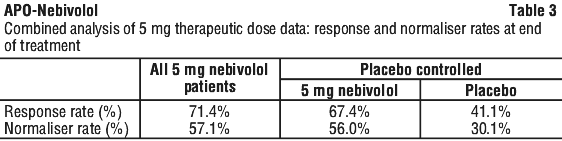
Combined analysis of a subset of patients from dose finding and therapeutic dose trials treated with the therapeutic dose of 5 mg of nebivolol (n=932 patients) showed that nebivolol decreased DBP at drug trough level from 103.1 mmHg to 90.8 mmHg and SBP from 162.0 mmHg to 147.4 mmHg. The 5 mg dose adequately controls blood pressure over 24 hours, with a trough/peak ratio of 87.9% at end point in placebo controlled trials. End of treatment response and normalised blood pressure (BP) rates for all 5 mg therapeutic dose trials are presented Table 3.
The blood pressure lowering effect becomes evident after 2 weeks of treatment. Occasionally, the optimal effect is reached only after 4 weeks.

Long term use.

Continued long-term antihypertensive effects of nebivolol have been demonstrated in 6 studies (5 of which were open-label and uncontrolled) involving 596 patients over a duration of up to 3 years. A combined analysis showed that SBP/DBP remained decreased during long-term treatment, with SBP/DBP of 165.9/103.7 mmHg at base line (n=596) and 140.0/85.4 mmHg at 3 years (n=204).
Hypertension registration trials provided no data on the effects of nebivolol on cardiovascular morbidity and mortality and target organ damage.
Chronic heart failure. The efficacy of nebivolol as add on treatment in treating chronic heart failure (CHF) was evaluated in a mortality-morbidity, multinational multicentre, centrally randomised, placebo-controlled trial in 2128 patients. Patients enrolled were aged ≥ 70 years (median age 75.2 years) and 37% were women. Patients had stable chronic heart failure with or without impaired left ventricular ejection fraction and were on standard therapy. Patients entered had either a documented hospital discharge diagnosis of congestive heart failure in the last 12 months or a documented LVEF < 35% in the last 6 months. Patients were evenly matched at baseline including background therapies and were mainly in NYHA class II (56.4%) or class III (38.7%) with background therapy being ACE inhibitors (82%), diuretics (86%), cardiac glycosides (39%), aldosterone antagonists (28%), anti-arrhythmics (13%) and angiotensin receptor blockers (7%). Median LVEF was 33% with a range of 4-82% and 80% reached a maintenance dose ≥ 5 mg (68% on 10 mg daily). The trial was named SENIORS - Study on the Effects of Nebivolol Interventions on Outcomes and Rehospitalisation in Seniors with heart failure, and had an average follow-up period of 20 months.
The primary outcome in the SENIORS study was a combined end-point of cardiovascular hospital admission or all cause mortality (time to first event).
Treatment duration exceeded 12 months in all patients. The population of CHF patients studied is highly representative of that found in the community in terms of advanced age, gender distribution and wide range of LV ejection fraction (including 64.3% with a LVEF of ≤ 35%). See Table 4.
The study period encompassed an up-titration period from between 4 and 16 weeks, with a dose escalation every 1-2 weeks. The maintenance period continued for up to 40 months, resulting in a median observation period of 20 months (in quartile range 14 to 29 months) and a median treatment exposure of 17 months. The trial concluded with a down-titration phase involving halving the dose every week.
The clinical efficacy results from the SENIORS trial are summarised in Table 5. The table presents the primary composite endpoint together with those secondary outcomes that contribute to the primary result. Functional capacity as measured by changes in NYHA status or 6 minute walk test showed no differences between nebivolol and placebo.
Nebivolol, on top of standard therapy, induced a statistically and clinically significant benefit over placebo by prolonging the time to occurrence of either death from any cause or cardiovascular hospitalisation (time to first event, primary end-point for efficacy) with a relative risk reduction of 14% and absolute risk reduction of 4.2%. This corresponds to a number needed to treat (NNT) of 28 patients to prevent one death or one cardiac hospitalisation. The benefit over placebo is evident after about 6 month's treatment and was maintained for the duration of follow-up.
The SENIORS study indicated that the effect of nebivolol was independent from age, gender, or left ventricular ejection fraction of the population on study.

5.2 Pharmacokinetic Properties

Absorption.

Both nebivolol enantiomers are rapidly absorbed after oral administration. Nebivolol can be given with or without meals, but a consistent approach is recommended.

Distribution.

Steady-state plasma levels in most subjects (fast metabolisers) are reached within 24 hours for nebivolol and within a few days for the hydroxy-metabolites.
Plasma concentrations are dose-proportional between 1 mg and 30 mg. The pharmacokinetics of nebivolol are not affected by age.
In plasma, both nebivolol enantiomers are predominantly bound to albumin. Plasma protein binding is 98.1% for d-nebivolol and 97.9% for l-nebivolol.

Metabolism.

Nebivolol is extensively metabolised, partly to active hydroxy-metabolites. Nebivolol is metabolised via alicyclic and aromatic hydroxylation, N-dealkylation and glucuronidation; in addition, glucuronides of the hydroxy-metabolites are formed. The metabolism of nebivolol by aromatic hydroxylation is subject to the CYP2D6 dependent genetic oxidative polymorphism. The approximate oral bioavailability of nebivolol averages 13% in fast metabolisers and is virtually complete in slow metabolisers. At steady state and at the same dose level, the peak plasma concentration of unchanged nebivolol is about 23 times higher in poor metabolisers than in extensive metabolisers. When unchanged drug plus active metabolites are considered, the difference in peak plasma concentrations is 1.3 to 1.4 fold. Because of the variation in rates of metabolism, the dose of nebivolol should always be adjusted to the individual requirements of the patient: poor metabolisers therefore may require lower doses.

Excretion.

In fast metabolisers, elimination half-lives of the nebivolol enantiomers average 10 hours. In slow metabolisers, they are 3-5 times longer. In fast metabolisers, plasma levels of l-nebivolol are slightly higher than for d-nebivolol. In slow metabolisers, this difference is larger. In fast metabolisers, elimination half-lives of the hydroxymetabolites of both enantiomers average 24 hours, and are about twice as long in slow metabolisers.
One week after administration, 38% of the dose is excreted in the urine and 48% in the faeces. Urinary excretion of unchanged nebivolol is less than 0.5% of the dose.

5.3 Preclinical Safety Data

Genotoxicity.

Nebivolol was not genotoxic or clastogenic when tested in a battery of assays (Ames, in vitro mouse lymphoma TK+/-, in vitro human peripheral lymphocyte chromosome aberration, in vivo Drosophila melanogaster sex-linked recessive lethal, and in vivo bone marrow micronucleus tests.)

Carcinogenicity.

In a two-year study of nebivolol in mice, a statistically significant increase in the incidence of benign testicular Leydig cell tumours was observed at 40 mg/kg/day (18 times MRHD; mg/m2). Similar treatment-related findings were not observed in the same study at doses up to 5 times the MRHD (mg/m2) or in a two-year rat study at doses up to 10 mg/kg/day (9 times MRHD; mg/m2). There is evidence that the Leydig cell hyperplasia and tumours observed in mice are related to a species-specific reduction in blood LH by nebivolol which is not observed in humans.

6 Pharmaceutical Particulars

6.1 List of Excipients

Lactose monohydrate, crospovidone, copovidone, pregelatinised maize starch, magnesium stearate.

6.2 Incompatibilities

Incompatibilities were either not assessed or not identified as part of the registration of this medicine.

6.3 Shelf Life

In Australia, information on the shelf life can be found on the public summary of the Australian Register of Therapeutic Goods (ARTG). The expiry date can be found on the packaging.

6.4 Special Precautions for Storage

Store below 25°C.

6.5 Nature and Contents of Container

APO-Nebivolol tablets.

1.25 mg tablet: Blister pack (PVC/PVDC/Al) of 28 tablets. (AUST R 281799).
5 mg tablet: Blister pack (PVC/PVDC/AI) of 28 tablets. (AUST R 281795).
10 mg tablet: Blister pack (PVC/PVDC/AI) of 28 tablets. (AUST R 281798).

Note.

Not all packs sizes and/or pack types may be available.

6.6 Special Precautions for Disposal

In Australia, any unused medicine or waste material should be disposed of by taking to your local pharmacy.

6.7 Physicochemical Properties

Nebivolol hydrochloride is a white to almost white powder with a solubility in water at a pH of 5.4 of 0.091 g/100 mL solution. It is a racemate mixture of the RSSS (=SSSR) enantiomer called l-nebivolol and the SRRR (=RRRS) enantiomer called d-nebivolol. Its pKa value is 8.13 and it is BCS class II substance. Due to very slight solubility in water its Log P is not determined.

Chemical structure.


Chemical name.

(IRS,1'RS)-1,1'-[(2RS,2'SR)-Bis (6-fluorochroman-2-yl)]-2,2'-iminodiethanol hydrochloride or (IRS, 1'RS)-1,1'-[(2RS, 2'SR)-bis (6-fluoro-3,4- dihydro-2H-1- benzopyran-2-yl)]-2,2'- iminodiethanol hydrochloride or [2R*[R*[R*(S*)]]]-α,α'-[iminobis (methylene)] bis[6-fluoro-3,4- dihydro-2H-1-benzopyran-2- methanol] hydrochloride.

Molecular formula.

C22H25F2NO4.HCl.

CAS number.

152520-56-4.

7 Medicine Schedule (Poisons Standard)

S4 - Prescription Only Medicine.

Summary Table of Changes