



Consumer medicine information

APO-Prazosin Tablets

Prazosin

BRAND INFORMATION

Brand name

APO-Prazosin

Active ingredient

Prazosin

Schedule

S4


Consumer medicine information (CMI) leaflet

Please read this leaflet carefully before you start using APO-Prazosin Tablets.

What is in this leaflet

This leaflet answers some common questions about this medicine. It does not contain all the available information. It does not take the place of talking to your doctor or pharmacist.

All medicines have risks and benefits. Your doctor has weighed the risks of you taking this medicine against the benefits they expect it will have for you.

If you have any concerns about taking this medicine, ask your doctor or pharmacist.

Keep this leaflet with the medicine. You may need to read it again.

What this medicine is used for

The name of your medicine is APO-Prazosin. It contains the active ingredient, prazosin (as prazosin hydrochloride).

It is used to treat:

  • high blood pressure (hypertension)
  • prostate problems, such as benign prostatic hyperplasia (BPH) in men waiting for prostate surgery
  • Raynaud's disease, where the fingers become white and very painful when cold
  • certain types of heart failure

Prazosin belongs to a group of medicines called alpha blockers.

It works by relaxing the muscles in the walls of blood vessels and making it easier for blood to flow.

They also relax the muscles in the prostate gland and increase the flow of urine.

When used to treat high blood pressure or heart failure, prazosin is often used together with other medicines.

Ask your doctor if you have any questions about why this medicine has been prescribed for you. Your doctor may have prescribed this medicine for another reason.

This medicine is available only with a doctor's prescription

There is no known evidence to show that this medicine is addictive.

There is not enough information to recommend the use of this medicine in children under the age of 12 years.

Before you take this medicine

When you must not take it

Do not take this medicine if you have an allergy to:

  • prazosin
  • related medicines called quinazolines
  • any of the ingredients listed at the end of this leaflet

Some of the symptoms of an allergic reaction may include:

  • shortness of breath
  • wheezing or difficulty breathing
  • swelling of the face, lips, tongue or other parts of the body
  • rash, itching or hives on the skin

Do not take this medicine if you are pregnant. It may affect your developing baby if you take it during pregnancy. Your doctor can discuss with you the risks and benefits involved.

Do not breastfeed if you are taking this medicine. Prazosin passes into breast milk and there is a possibility that your baby may be affected. Your doctor can discuss with you the risks and benefits involved.

Do not take this medicine after the expiry date printed on the pack or if the packaging is torn or shows signs of tampering. If it has expired or is damaged, return it to your pharmacist for disposal.

If you are not sure whether you should start taking this medicine, talk to your doctor.

Before you start to take it

Tell your doctor if you have allergies to any other medicines, foods, preservatives or dyes.

Tell your doctor if you have or have had any of the following medical conditions:

  • heart problems such as heart failure or angina or recent heart attack
  • kidney or liver problems.

Tell your doctor if you are pregnant or plan to become pregnant or are breastfeeding. Your doctor can discuss with you the risks and benefits involved.

Tell your doctor if you are planning to have cataract surgery. If you are taking or have previously taken prazosin, then the eye surgeon needs to be aware of this to avoid complications during the operation.

If you have not told your doctor about any of the above, tell them before you start taking this medicine.

Taking other medicines

Tell your doctor or pharmacist if you are taking any other medicines, including any that you get without a prescription from your pharmacy, supermarket or health food shop.

Some medicines may interact with prazosin. These include:

  • medicines used to lower blood pressure or for other heart conditions
  • fluid tablets (diuretics), also used to lower blood pressure
  • medicines to treat impotence (erectile dysfunction)

These medicines may be affected by prazosin or may affect how well it works. You may need different amounts of your medicines, or you may need to take different medicines.

Your doctor and pharmacist have more information on medicines to be careful with or avoid while taking this medicine.

Other medicines not listed above may also interact with prazosin.

How to take this medicine

Follow carefully all directions given to you by your doctor. Their instructions may be different to the information in this leaflet.

How much to take

Your doctor will tell you how much of this medicine you should take. This will depend on your condition and whether you are taking any other medicines.

Prazosin is usually started at a low dose of 0.5 mg (half a 1 mg tablet). Your doctor may gradually increase this dose as required. Starting with a low dose reduces the risk of too great a drop in your blood pressure which can make you dizzy, light-headed or faint.

Hypertension (high blood pressure):
The usual starting dose is 0.5 mg twice a day, increasing to 1 mg two or three times a day. Your doctor may increase this up to 20 mg a day, taken as divided doses.

Heart failure:
The usual starting dose is 0.5 mg increasing to 4 mg a day, divided into three or four doses. This may be increased by your doctor up to 20 mg a day, taken in divided doses.

Raynaud's disease:
The usual starting dose is 0.5 mg twice a day. Your doctor may increase this up to 1 mg or 2 mg twice a day.

Benign prostatic hyperplasia (BPH):
The usual starting dose is 0.5 mg twice a day. Your doctor may increase this gradually up to a maximum of 2 mg twice a day.

How to take it

Swallow the tablets with a glass of water.

The tablets can be broken in half, if your doctor has prescribed this.

When to take it

Take your medicine at about the same time each day. Taking it at the same time each day will have the best effect. It will also help you remember when to take it.

Take your very first dose last thing at night, just before going to bed. Be very careful if you need to get up during the night, because you may feel dizzy and could fall.

If your doctor increases your dose, take the first of that increased dose last thing at night. Again, be especially careful if you must get up in the night.

It does not matter if you take it before, with or after food.

How long to take it for

Continue taking your medicine for as long as your doctor tells you. Prazosin helps control your condition but does not cure it. It is important to keep taking your medicine even if you feel well.

If you are taking prazosin for high blood pressure, heart failure or Raynaud's disease, you may need to take it for a long time.

If you are taking prazosin for prostate problems, you will only have to take it until your operation.

If you forget to take it

If it is almost time for your next dose (within 3 hours), skip the dose you missed and take your next dose when you are meant to.

Otherwise, take it as soon as you remember, and then go back to taking your medicine as you would normally.

Do not take a double dose to make up for missed doses. This may increase the chance of you getting an unwanted side effect.

If you miss two doses or more, you will need to restart at a low dose and build up again gradually to your usual dose. Ask your doctor how to do this.

If you are not sure what to do, ask your doctor or pharmacist.

If you have trouble remembering to take your medicine, ask your pharmacist for some hints to help you remember.

If you take too much (overdose)

Immediately telephone your doctor or the Poisons Information Centre (Tel: 13 11 26 for Australia) for advice or go to the Accident and Emergency Department at the nearest hospital, if you think that you or anyone else may have taken too much prazosin.

Do this even if there are no signs of discomfort or poisoning. You may need urgent medical attention.

If you take too much prazosin, you may feel lightheaded, dizzy, have a fast or irregular heartbeat, or you may faint.

While you are taking this medicine

Things you must do

If you are about to be started on any new medicine, remind your doctor and pharmacist that you are taking this medicine.

Tell any other doctors, dentists, and pharmacists who treat you that you are taking this medicine.

If you are going to have surgery (especially eye surgery), tell the surgeon or anaesthetist that you are taking this medicine. It may affect other medicines used during surgery.

If you become pregnant or start to breastfeed while taking this medicine, tell your doctor immediately.

Get up slowly after you have been sitting or lying down. Prazosin can cause dizziness, lightheadedness and fainting, particularly if you get up too quickly. This effect is more likely to occur if you have just started prazosin, if the dose has just been increased or you have started taking another blood pressure medicine as well.

These symptoms can be dangerous, especially in people aged 65 years or older with heart or blood vessel disease.

If you feel dizzy or light-headed, lie down so that you do not faint, then sit for a few moments before standing to prevent the dizziness from returning. Make sure the area around you is clear so that you do not injure yourself if you fall.

If these symptoms continue, tell your doctor.

A change in your dose may be needed.

See your doctor immediately if you experience painful erections or if your erection continues for longer than four hours.

Keep all your doctor's appointments so that your progress can be checked. Your doctor may do some tests from time to time to make sure the medicine is working and to prevent unwanted side effects.

Things you must not do

Do not take this medicine to treat any other complaints unless your doctor tells you to.

Do not give your medicine to anyone else, even if they have the same condition as you.

Do not stop taking your medicine or lower the dosage without checking with your doctor.

Things to be careful of

Be careful driving or operating machinery until you know how prazosin affects you. Prazosin may cause dizziness, lightheadedness or fainting in some people, especially after the first dose or a dose increase. Blurred vision or drowsiness may also occur. Make sure you know how you react to prazosin before you drive a car, operate machinery, or do anything else that could be dangerous if you are dizzy, light-headed or not alert. If this occurs do not drive.

Limit the amount of alcohol you drink while taking prazosin. Combining prazosin with alcohol can make you more dizzy or light-headed.

Make sure you drink enough water in hot weather, during exercise and when you must stand for long periods of time, while you are taking prazosin. This is because dizziness, light-headedness and fainting are more likely to occur in these situations.

If you continue to feel unwell, tell your doctor.

Side effects

Tell your doctor or pharmacist as soon as possible if you do not feel well while you are taking this medicine.

All medicines can have side effects. Sometimes they are serious, but most of the time they are not.

Do not be alarmed by the following list of side effects. You may not experience any of them.

If you are over 65 years of age you may have an increased chance of getting side effects.

Tell your doctor if you notice any of the following:

  • nausea, vomiting or feeling sick
  • dry mouth
  • constipation or diarrhoea
  • weakness or lack of energy
  • headache
  • drowsiness
  • pain or fever
  • hair loss or thinning
  • poor bladder control
  • impotence
  • painful joints
  • ringing in the ears (tinnitus)
  • stuffy nose
  • problems getting to sleep
  • breast enlargement

Tell your doctor immediately if you notice any of the following:

  • dizziness, spinning sensation or light-headedness when standing up
  • fast or pounding heart beat
  • skin problems such as rash, itching or hives
  • blurred vision or painful or red eyes
  • painful, continual erection
  • tingling or numbness in the hands or feet
  • swelling of the hands, feet or ankles
  • feelings of nervousness or depression
  • severe chest pain, that may also spread to the shoulders, arms and neck

The above list includes serious side effects that may require medical attention.

If any of the following happen, tell your doctor immediately or go to Accident and Emergency at your nearest hospital:

  • sharp pain in the stomach or back
  • fast or slow heart beat
  • chest pain
  • fainting or passing out
  • hallucinations (seeing, hearing or feeling things that aren't there)
  • symptoms of an allergic reaction including cough, shortness of breath, wheezing or difficulty breathing; swelling of the face, lips, tongue, throat or other parts of the body; rash, itching or hives on the skin

The above list includes very serious side effects. You may need urgent medical attention or hospitalisation.

Tell your doctor or pharmacist if you notice anything that is making you feel unwell.

Other side effects not listed above may occur in some patients.

Storage and disposal

Storage

Keep your medicine in its original packaging until it is time to take it. If you take your medicine out of its original packaging it may not keep well.

Keep your medicine in a cool dry place where the temperature will stay below 25°C. Protect it from light.

Do not store your medicine, or any other medicine, in the bathroom or near a sink. Do not leave it on a window sill or in the car. Heat and dampness can destroy some medicines.

Keep it where children cannot reach it. A locked cupboard at least one-and-a-half metres above the ground is a good place to store medicines.

Disposal

If your doctor tells you to stop taking this medicine or the expiry date has passed, ask your pharmacist what to do with any medicine that is left over.

Product description

What APO-Prazosin looks like

1 mg tablets:
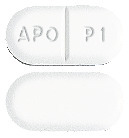
Capsule-shaped, white, flat-faced, bevelled edge tablets, scored and engraved "APO P1" on one side, the other side plain. AUST R 73858.

2 mg tablets:
Round, white biconvex tablets, scored and engraved "APO" over "P2" on one side, the other side plain. AUST R 73862.

5 mg tablets:
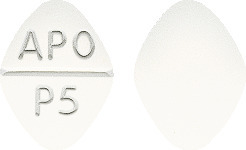
Diamond-shaped, white biconvex tablet, scored and engraved "APO" over "P5" on one side, the other side plain. AUST R 73866.

Each tablet strength is available in a blister pack containing 100 tablets.

Ingredients

Each tablet contains 1 mg, 2 mg or 5 mg of prazosin as the active ingredient.

It also contains the following inactive ingredients:

  • lactose monohydrate
  • polysorbate 80
  • microcrystalline cellulose
  • croscarmellose sodium
  • magnesium stearate.

This medicine is gluten-free, tartrazine-free and free of other azo dyes.

Sponsor

Arrotex Pharmaceuticals Pty Ltd
15-17 Chapel Street
Cremorne VIC 3121
Australia

This leaflet was prepared in June 2023.

Published by MIMS July 2023

BRAND INFORMATION

Brand name

APO-Prazosin

Active ingredient

Prazosin

Schedule

S4


1 Name of Medicine

Prazosin hydrochloride.

2 Qualitative and Quantitative Composition

Each tablet contains prazosin hydrochloride equivalent to 1 mg, 2 mg or 5 mg prazosin base.

Excipients with known effect.

Lactose monohydrate.
For the full list of excipients, see Section 6.1 List of Excipients.

3 Pharmaceutical Form

APO-Prazosin 1 mg tablets.

Capsule-shaped, white, flat-faced, bevelled-edged tablets scored and engraved "APO P1" on one side, other side plain.

APO-Prazosin 2 mg tablets.

Round, white, biconvex tablets, scored and engraved "APO" over "P2" on one side, other side plain.

APO-Prazosin 5 mg tablets.

Diamond-shaped, white, biconvex tablets, scored and engraved "APO" over "P5" on one side, other side plain.

4 Clinical Particulars

4.1 Therapeutic Indications

In patients with hypertension.

Prazosin is indicated in the treatment of hypertension of varied aetiology and all grades of severity. It can be used as the initial and sole agent or it may be employed in a general treatment programme in conjunction with other antihypertensive agents.
Renal blood flow and glomerular filtration rate are not impaired by long-term oral administration. Prazosin can be used with safety in hypertensive patients with impaired renal function.

In patients with congestive heart failure.

Prazosin is indicated in the treatment of severe refractory congestive heart failure. Prazosin may be added to the therapeutic regimen in those patients who have become refractory to conventional therapy with cardiac glycosides and diuretics.

In patients with Raynaud's phenomenon and Raynaud's disease.

Prazosin is indicated in the treatment of Raynaud's phenomenon and Raynaud's disease.

Benign prostatic hyperplasia.

Prazosin is indicated as an adjunct in the symptomatic treatment of urinary obstruction caused by benign prostatic hyperplasia in patients awaiting prostatic surgery.

4.2 Dose and Method of Administration

General comment.

There is evidence that patient toleration is best when therapy is initiated with a low starting dose. The dose is to be adjusted on the basis of the patient's individual blood pressure response.
Response is usually seen early (1 to 14 days) if it is to occur at a given dose. If a response is seen, therapy should be continued at the dose until the degree of response has reached the optimum possible before adding the next increment.

Specific recommendations.

Hypertension. Suggested initial dose range: 0.5 mg twice daily increasing to 1.0 mg twice daily or three times daily.
Usual maintenance dose: 3.0 mg to 20 mg daily in divided doses.
The following are given as guides to administration.

Patients receiving no antihypertensive therapy.

It is recommended that therapy be initiated at 0.5 mg twice daily for three days. Unless the patient is unusually sensitive, this dose should be increased to 1.0 mg twice daily or three times daily for a further three days and then to 2.0 mg two or three times daily. Thereafter, as determined by the patient's response to the blood pressure lowering effect, the daily dose should be increased gradually to 20 mg. The optimal response may take up to six weeks. After initial titration some patients can be maintained on a twice daily dosage regimen.
A diuretic may be added to enhance the efficacy. It is recommended that this addition be considered when the prazosin dose is at 2 mg twice daily or three times daily.

Patients receiving diuretic therapy with inadequate control of blood pressure.

The diuretic should be reduced to a maintenance dose level for the particular agent and prazosin initiated at 0.5 mg twice daily or three times daily. After the initial period of observation, the dose of prazosin should be gradually increased as determined by the patient's response.

Patients receiving other antihypertensive agents but with inadequate control.

Because some additive effect is anticipated, the dosage level of other agent (e.g. beta-adrenergic blocking agent, alpha-methyldopa, reserpine, clonidine* etc.) should be reduced and prazosin initiated at 0.5 mg twice daily. Subsequent dosage increase should be made depending upon the patient's response.
Though experience is limited, there is evidence that adding prazosin to beta-adrenergic blocking agents, calcium channel blockers or angiotensin-converting enzyme (ACE) inhibitors may bring about a substantial reduction in blood pressure. Thus, the low initial dose regimen is strongly recommended.
* Termination of oral therapy should be gradual (e.g. over more than 7 days). Sudden cessation of antihypertensive therapy is known to be associated with rebound hypertension which in some cases may be severe. This may occur with clonidine particularly in patients receiving more than 900 microgram/day.
Congestive heart failure. Suggested initial daily dose range: 0.5 mg increasing to 4.0 mg in divided doses.
Usual daily maintenance dose: 4.0 mg to 20 mg in divided doses.
In recumbent patients the recommended starting dose is 0.5 mg three or four times daily. Dosage should be titrated according to the patient's clinical response, based on careful monitoring of cardiopulmonary signs and symptoms or haemodynamic studies when indicated. Dosage titration steps may be performed as often as every 2 to 3 days in patients under close medical supervision. In severely ill, decompensated patients, rapid dose titration over 1 or 2 days may be indicated and is best done when haemodynamic monitoring is available. In clinical studies to date the mean optimal daily dose during the initial treatment period was 11.5 mg, with therapeutic dosages ranging from 4 mg to 20 mg daily in divided doses. Retitration may be required in some patients to maintain optimal clinical improvement.
Raynaud's phenomenon and Raynaud's disease. Suggested starting dosage: 0.5 mg twice daily.
Usual daily maintenance dosage: 1 mg or 2 mg twice daily.
The recommended starting dosage is 0.5 mg twice daily given for a period of 3 to 7 days. Dosage should be adjusted according to the patient's clinical response.
Benign prostatic hyperplasia. The recommended starting dose is 0.5 mg twice daily, given for a period of 3 to 7 days and then adjusted according to clinical response. The maintenance dosage is 2 mg twice daily. The use of doses over 4 mg daily has not been studied, and cannot be recommended at present. Doses up to 4 mg daily have produced amelioration of symptoms for periods of up to 4 weeks but currently longer term data are not available. Postural hypotension may occur (see Section 4.4 Special Warnings and Precautions for Use, General (all patients)).

Dosage adjustment in renal impairment.

For patients with moderate to severe grades of renal impairment, evidence to date shows that prazosin does not further compromise renal function when used in patients with renal impairment. Because some patients in this category have responded to small doses of prazosin, it is recommended that therapy be initiated at 0.5 mg daily and that dose increases be instituted with caution.

4.3 Contraindications

Prazosin is contraindicated in patients with a known sensitivity to quinazolines, prazosin or any other component of the tablets.

4.4 Special Warnings and Precautions for Use

General (all patients).

Syncope.

Prazosin may cause syncope with sudden loss of consciousness. In most cases this is believed to be due to an excessive postural hypotensive effect although occasionally the syncopal episode has been preceded by a bout of severe tachycardia with heart rates of 120-160 beats per minute. Syncopal episodes have usually occurred within 30 to 90 minutes of the initial dose of the drug: occasionally they have been reported in association with rapid dosage increases or the introduction of another antihypertensive drug into the regimen of a patient taking high doses of prazosin. The incidence of syncopal episodes is approximately 1% in patients given an initial dose of 2 mg or greater. Clinical trials conducted during the investigational phase of this drug suggest that syncopal episodes can be minimised by limiting the initial dose of the drug to 0.5 mg, by subsequently increasing the dosage slowly and by introducing any additional antihypertensive drugs into the patient's regimen with caution (see Section 4.2 Dose and Method of Administration). Hypotension may develop in patients given prazosin who are also receiving a beta-blocker or a diuretic.
Addition of a diuretic or other antihypertensive agent to prazosin therapy has been shown to cause an additive hypotensive effect. This effect can be minimised by reducing the dose of prazosin to 1 mg or 2 mg twice daily, by introducing additional antihypertensive drugs cautiously and then retitrating prazosin based on clinical response.
If syncope occurs, the patient should be placed in the recumbent position and treated supportively as necessary. This adverse effect is self limiting and in most cases does not recur after the initial period of therapy or during subsequent dose titration.
Patients should always be started at a dose of 0.5 mg of prazosin. The 2 mg and 5 mg tablets are not indicated for initial therapy. Both lying and standing blood pressure should be measured.
More common than loss of consciousness are the symptoms often associated with lowering of the blood pressure, namely, dizziness and lightheadedness. The patient should be cautioned about these possible adverse effects and advised what measures to take should they develop. The patient should also be cautioned to avoid situations where injury could result should syncope occur during the initiation of prazosin therapy.

Priapism.

Prolonged erections and priapism have been reported with alpha-1 blockers, including prazosin, in postmarketing experience. In the event of an erection that persists longer than 4 hours, the patient should seek immediate medical assistance. If priapism is not treated immediately, penile tissue damage and permanent loss of potency could result.

Patients with Raynaud's phenomenon or Raynaud's disease.

Because prazosin decreases peripheral vascular resistance, careful monitoring of blood pressure during initial administration and titration of prazosin is suggested (see Section 4.4 Special Warnings and Precautions for Use, General (all patients)).

Patients with congestive heart failure.

In patients with acute or chronic left ventricular failure who have undergone vigorous diuretic and vasodilator treatment, the resultant decrease in left ventricular filling may be associated with a significant fall in cardiac output and systemic blood pressure when prazosin is administered. In such patients, a low initial dose of prazosin and gradual titration with close observation is recommended (see Section 4.2 Dose and Method of Administration).
The haemodynamic response to prazosin in patients with congestive heart failure should be carefully monitored to ensure sustained clinical improvement as rapid attenuation of improved cardiac performance might occur in some patients.
In occasional patients, the clinical efficacy of prazosin has been reported to diminish due to complete or partial tolerance to haemodynamic effects of prazosin. Evidence of efficacy for periods exceeding 6 months is lacking. In these patients there is usually evidence of weight gain or peripheral oedema indicating fluid retention. Since spontaneous deterioration may occur in such severely ill patients a causal relationship to prazosin therapy has not been established. Thus, as with all patients with congestive cardiac failure, careful adjustment of diuretic dosage according to the patient's clinical condition is required to prevent excessive fluid retention and consequent recurrence of symptoms. In those patients without evidence of fluid retention, when clinical improvement has diminished, an increase in the dosage of prazosin, temporary withdrawal of the drug and/or addition of an aldosterone antagonist (e.g. spironolactone) to the treatment regimen will usually restore clinical efficacy.

Use in patients with congestive heart failure.

Prazosin is not recommended in the treatment of congestive heart failure due to mechanical obstruction such as aortic valve stenosis, mitral valve stenosis, pulmonary embolism and restrictive pericardial disease. Adequate data is not yet available to establish efficacy in patients with congestive cardiac failure due to recent myocardial infarction.

Patients with benign prostatic hyperplasia.

Prazosin decreases peripheral vascular resistance and since many patients with this disorder are elderly, standing and lying blood pressure should be carefully monitored during initial administration and during adjustment of the dose of prazosin (see Section 4.4 Special Warnings and Precautions for Use, General (all patients)). Close observation is especially recommended for patients taking medications that are known to lower blood pressure.

Patients with angina.

Prazosin should be used cautiously in patients with ischaemic heart disease as angina may be exacerbated.

Use in hepatic impairment.

There are no data available on the use of prazosin in liver disease. However, as the drug is primarily metabolised by the liver and excreted in the bile and faeces, patients with impaired hepatic function may require a lower dose.

Use in renal impairment.

See Section 4.2 Dose and Method of Administration, Dosage adjustment in renal impairment.

Cataract surgery.

The intraoperative floppy iris syndrome (IFIS, a variant of small pupil syndrome) has been observed during cataract surgery in some patients on or previously treated with tamsulosin.
In addition, isolated reports have been received with other alpha-1 blockers and so the possibility of a class effect cannot be excluded. As IFIS may lead to increased procedural complications during the cataract operation the ophthalmic surgeon should be made aware of current or past use of alpha-1 blockers in advance of surgery.

Use in the elderly.

See Section 4.4 Special Warnings and Precautions for Use, Patients with benign prostatic hyperplasia; Section 4.8 Adverse Effects (Undesirable Effects), Serious or life threatening reactions.

Paediatric use.

Prazosin is not recommended for the treatment of children under the age of twelve years since safe conditions for its use have not been established.

Effects on laboratory tests.

False positive results may occur in screening tests for phaeochromocytoma (urinary vanillylmandelic acid, VMA, and methoxyhydroxyphenyl glycol, MHPG, a urinary metabolite of noradrenaline) in patients who are being treated with prazosin.

4.5 Interactions with Other Medicines and Other Forms of Interactions

Patients taking phosphodiesterase type-5 inhibitors.

As with other alpha-1 blockers, concomitant administration of prazosin hydrochloride with a phosphodiesterase type-5 (PDE-5) inhibitor should be used with caution as it may lead to symptomatic hypotension in a few susceptible individuals. No studies have been conducted with prazosin hydrochloride.

4.6 Fertility, Pregnancy and Lactation

Effects on fertility.

In long-term studies for 1 year or more, testicular changes, necrosis and atrophy have occurred at 25 mg/kg/day in rats and dogs. This is 60 times the usual maximum recommended dose of 20 mg per day in humans. Testicular weight was marginally depressed but no morphological testicular changes were seen in dogs at a daily dose of 10 mg/kg which is 24 times the usual maximum recommended dose of 20 mg per day in humans.
In view of the testicular changes observed in animals, 105 patients on long-term therapy with prazosin were monitored for 17-ketosteroid excretion and no changes indicating a drug effect were observed. In addition no changes in sperm morphology suggestive of drug effect were seen in 27 males given prazosin alone for up to 51 months.
(Category B2)
When both male and female rats were treated with prazosin at a dose of 75 mg/kg/day and then mated, there was a significant impairment of fertility. There is no information available as to whether prazosin crosses the placenta. No teratogenic effects were seen in animal testing. However the safety of prazosin used during pregnancy has not been established. Accordingly, it should be used only when, in the opinion of the physician, expected benefit to the pregnant patient outweighs potential risk.
Prazosin has been shown to appear in breast milk. Prazosin should be administered to a nursing mother only when, in the opinion of the physician, the expected benefit outweighs any potential risk. Consideration should be given to not breastfeeding the baby.

4.7 Effects on Ability to Drive and Use Machines

Patients should be cautioned that their ability to drive or operate machinery may be impaired, especially when initiating prazosin therapy.

4.8 Adverse Effects (Undesirable Effects)

More common reactions.

Cardiovascular.

Postural hypotension (14%), palpitations (5%), oedema (4%).

Gastrointestinal.

Nausea (5%), dry mouth (4%).

General.

Lack of energy (7%), weakness, asthenia (7%).

Nervous system.

Headaches (8%), drowsiness (8%), dizziness (faintness).

Ocular.

Blurred vision (4%).

Respiratory.

Nasal congestion (4%).

Less common reactions.

Body as a whole.

Allergic reaction, malaise, pain.

Cardiovascular.

Tachycardia (1%), syncope (1%), bradycardia, angina pectoris, hypotension, vasculitis, angina pectoris.

Endocrine.

Gynaecomastia.

Dermatological.

Rash and pruritus (1%), alopecia, lichen planus, urticaria.

Gastrointestinal.

Vomiting (3%), constipation (3%), diarrhoea (2%), liver function abnormalities, pancreatitis, abdominal discomfort and/or pain.

Genitourinary.

Urinary incontinence, priapism, impotence, urinary frequency.

Central nervous system.

Nervousness (2%), depression (2%), paraesthesiae, hallucinations, reddened sclera, tinnitus, worsening of pre-existing narcolepsy, vertigo, insomnia.

Respiratory.

Dyspnoea (2%), epistaxis.

Ocular.

During cataract surgery, a variant of small pupil syndrome known as intraoperative floppy iris syndrome (IFIS) has been reported in association with tamsulosin and alpha-1 blocker therapy (see Section 4.4 Special Warnings and Precautions for Use).

General.

Fever, diaphoresis, positive ANA titre, arthralgia, flushing, eye pain.

Serious or life threatening reactions.

Postural hypotension, especially in elderly patients with cerebrovascular disease, may be dangerous. Exacerbation of pre-existing angina, new onset angina and myocardial infarction have been associated with prazosin, although a causal relationship has not been established.

Reporting suspected adverse effects.

Reporting suspected adverse reactions after registration of the medicinal product is important. It allows continued monitoring of the benefit-risk balance of the medicinal product. Healthcare professionals are asked to report any suspected adverse reactions at www.tga.gov.au/reporting-problems and contact Arrotex Medical Information Enquiries/Adverse Drug Reaction Reporting on 1800 195 055.

4.9 Overdose

Accidental ingestion of at least 50 mg of prazosin in a 2 year old child resulted in profound drowsiness and depressed reflexes. No decrease in blood pressure was noted. Recovery was uneventful.
Should overdosage lead to hypotension, support of the cardiovascular system is of first importance. Restoration of blood pressure and normalisation of heart rate may be accomplished by keeping the patient in the supine position. If this measure is inadequate shock should first be treated with volume expanders. If necessary, vasopressors should then be used. Renal function should be monitored and supported as needed. Laboratory data indicate prazosin is not dialysable because it is protein bound.
For information on the management of overdose, contact the Poisons Information Centre on 131126 (Australia).

5 Pharmacological Properties

5.1 Pharmacodynamic Properties

Mechanism of action.

Prazosin causes a decrease in total peripheral resistance. Animal studies suggest that the vasodilator effect of prazosin is related to blockade of postsynaptic alpha-adrenoreceptors. The results of dog forelimb experiments demonstrate that the peripheral vasodilator effect is confined mainly to the level of the resistance vessels (arterioles). Unlike conventional alpha-blockers the antihypertensive action of prazosin is usually not accompanied by reflex tachycardia.
Haemodynamic studies have been carried out in hypertensive patients following acute single dose administration and during the course of long-term maintenance therapy. The results confirm that the usual therapeutic effect is a fall in blood pressure unaccompanied by a clinically significant change in cardiac output, heart rate, renal blood flow and glomerular filtration rate. There is no measurable negative chronotropic effect.
Prazosin may increase plasma renin activity in patients with congestive heart failure.
Clinically, the antihypertensive effect is believed to be a direct result of peripheral vasodilation. In humans, blood pressure is lowered in both the supine and standing positions. This effect is more pronounced on the diastolic blood pressure. Tolerance does not appear to develop in long-term clinical use in the treatment of hypertension.
Rebound elevation of blood pressure does not occur following abrupt cessation of prazosin therapy.
A variety of epidemiological, biochemical and experimental studies have suggested that an elevated level of low density lipoprotein (LDL) cholesterol may be associated with an increased risk of coronary heart disease. There is also evidence that reduced levels of high density lipoprotein (HDL) cholesterol may be associated with an increased risk of coronary heart disease. Clinical studies have shown that prazosin therapy is not associated with adverse changes in the serum lipid profile.
Haemodynamic studies carried out in patients with congestive heart failure following acute oral dosing and during the course of longer term maintenance therapy both at rest and on exercise indicate that the therapeutic effect in these patients is due to a reduction in left ventricular filling pressure, reduction in cardiac impedance, and an augmentation of cardiac output. These effects, as indicated in forearm plethysmographic studies in humans, are associated with a balanced vasodilator effect on both resistance vessels (arterioles) and capacitance vessels (veins). The use of prazosin in congestive heart failure does not provoke a reflex tachycardia.
Enucleated hyperplastic glandular tissue and hypertrophied muscular tissue removed from the enlarged prostate gland is rich in alpha-adrenoceptor content. Variations in the tone of the smooth muscle in the prostate will produce variations in the closure pressure exerted on the prostatic urethra. This finding has provided the basis of a pharmacological treatment of benign prostatic hyperplasia (BPH) involving alpha-adrenoceptor antagonism.
There is evidence of statistically significant improvement in urinary flow following prazosin therapy in patients with BPH. There is also evidence for a reduction in the volume of residual bladder urine and for improvement in symptoms of BPH such as frequency of micturition.
Raynaud's phenomenon and Raynaud's disease have been successfully treated with prazosin. The vasodilator action of the drug may increase blood flow to affected parts to reduce the severity of the signs and symptoms and the frequency and duration of the attacks.

Clinical trials.

No data available.

5.2 Pharmacokinetic Properties

Absorption.

Following oral administration to normal volunteers and hypertensive patients, plasma concentrations reach a peak in 1 to 2 hours, with a plasma half-life of 2 to 3 hours. Pharmacokinetic data in a limited number of patients with congestive heart failure, most of whom showed evidence of hepatic congestion, indicate that peak plasma concentrations are reached in 2.5 hours and plasma half-life is approximately 7 hours. The bioavailability of oral prazosin was also increased 2-3 times in patients with congestive heart failure but the time to reach the peak was not affected in patients compared to normal volunteers. The mechanism of increase in plasma half-life and bioavailability of prazosin in congestive heart failure has not been satisfactorily explained.

Metabolism.

The drug is highly bound to plasma protein. Animal studies indicate that prazosin is extensively metabolised primarily by demethylation and conjugation. Less extensive human studies suggest similar metabolism in man.

Excretion.

Prazosin is excreted mainly via the bile and faeces.

5.3 Preclinical Safety Data

Genotoxicity.

No data available.

Carcinogenicity.

No data available.

6 Pharmaceutical Particulars

6.1 List of Excipients

Lactose monohydrate, polysorbate 80, microcrystalline cellulose, croscarmellose sodium, magnesium stearate.

6.2 Incompatibilities

Incompatibilities were either not assessed or not identified as part of the registration of this medicine.

6.3 Shelf Life

In Australia, information on the shelf life can be found on the public summary of the Australian Register of Therapeutic Goods (ARTG). The expiry date can be found on the packaging.

6.4 Special Precautions for Storage

Store below 25°C. Protect from light.

6.5 Nature and Contents of Container

APO-Prazosin 1 mg tablets.

Cartons containing 100 tablets in clear PVC/PVDC/Aluminium blister packs.
AUST R 73858.

APO-Prazosin 2 mg tablets.

Cartons containing 100 tablets in clear PVC/PVDC/Aluminium blister packs.
AUST R 73862.

APO-Prazosin 5 mg tablets.

Cartons containing 100 tablets in clear PVC/PVDC/Aluminium blister packs.
AUST R 73866.

6.6 Special Precautions for Disposal

In Australia, any unused medicine or waste material should be disposed of by taking to your local pharmacy.

6.7 Physicochemical Properties

Prazosin hydrochloride, a quinazoline derivative, is the first antihypertensive of its chemical class. Prazosin hydrochloride is a white or almost white powder, which is very slightly soluble in water, slightly soluble in alcohol and in methanol, practically insoluble in acetone.

Chemical structure.

It is the hydrochloride salt of 1-(4-amino-6,7-dimethoxy-2-quinazolinyl)- 4-(2-furoyl) piperazine and its structural formula is:
Molecular Weight is 419.87.

CAS number.

19237-84-4.

7 Medicine Schedule (Poisons Standard)

S4 (Prescription Only Medicine).

Summary Table of Changes