


Consumer medicine information

Aprepitant Lupin

Aprepitant

BRAND INFORMATION

Brand name

Aprepitant Lupin

Active ingredient

Aprepitant

Schedule

S4


Consumer medicine information (CMI) leaflet

Please read this leaflet carefully before you start using Aprepitant Lupin.

What is in this leaflet

This leaflet answers some common questions about APREPITANT SCP.

It does not contain all of the available information. It does not take the place of talking to your doctor or pharmacist.

All medicines have benefits and risks. Your doctor has weighed the risks of you taking APREPITANT SCP against the benefits they expect it will have for you.

If you have any concerns about taking this medicine, talk to your doctor or pharmacist.

Keep this leaflet with your medicine. You may need to read it again.

What APREPITANT SCP is used for

Chemotherapy Induced Nausea and Vomiting
APREPITANT SCP, in combination with other medicines, is used to prevent nausea (feeling sick) and vomiting associated with cancer chemotherapy.

Post-Operative Nausea and Vomiting
APREPITANT SCP is used to prevent nausea (feeling sick) and vomiting which can occur after surgery.

APREPITANT SCP belongs to a group of medicines called neurokinin 1 (NK1) receptor antagonists. It works by blocking the actions of substances in your brain, called substance P neurokinins, that cause nausea and vomiting.

APREPITANT SCP is available only with a doctor's prescription.

Your doctor may have prescribed APREPITANT SCP for another reason.

Ask your doctor if you have any questions about why APREPITANT SCP has been prescribed for you.

The safety and effectiveness of APREPITANT SCP in children and teenagers under the age of 18 years have not been established.

APREPITANT SCP is not addictive.

Before you take APREPITANT SCP

When you must not take it

Do not take APREPITANT SCP if you have an allergy to APREPITANT SCP or any of the ingredients listed at the end of the leaflet.

Do not take APREPITANT SCP if you are taking:

  • cisapride, used to treat stomach reflux
  • pimozide, used to treat psychotic conditions
  • terfenadine (Teldane*) and astemizole (Hismanal*), antihistamines used for allergic conditions, including hayfever
    * not available in Australia
  • St Johns Wort - a herb used to treat depression

Taking APREPITANT SCP with these medicines may cause serious or life threatening reactions.

Do not take APREPITANT SCP if you have a rare hereditary problem of fructose intolerance, glucose-galactose malabsorption, or sucrose-isomaltase insufficiency.

Do not take APREPITANT SCP if you are breast-feeding or plan to breast-feed.

It is not known if APREPITANT SCP passes into breast milk. You and your doctor should discuss whether you should stop breast-feeding or not take APREPITANT SCP.

Do not take APREPITANT SCP if the expiry date (Exp.) printed on the pack has passed.

Do not take APREPITANT SCP if the packaging is torn or shows signs of tampering. If you take this medicine after the expiry date has passed, it may not work.

If you are not sure whether you should start taking APREPITANT SCP, talk to your doctor.

Before you take it

Tell your doctor if:

  • you have or have had any medical conditions
  • you are pregnant or intend to become pregnant
    APREPITANT SCP has not been studied in pregnant women. APREPITANT SCP should be used during pregnancy only if clearly needed.
  • you have any allergies to any other medicine or any other substances, such as foods, preservative or dyes.

If you have not told your doctor about any of the above, tell the doctor before you take any APREPITANT SCP.

Taking other medicines

Tell your doctor if you are taking any other medicines, including any that you buy without a prescription from a pharmacy, supermarket or health food shop.

Some medicines should not be taken with APREPITANT SCP. These include:

  • cisapride, used to treat stomach reflux
  • pimozide, used to treat psychotic conditions
  • terfenadine (Teldane*) and astemizole (Hismanal*), antihistamines used for allergic conditions, including hayfever
    *not available in Australia
  • St John’s Wort – a herb used to treat depression

Taking APREPITANT SCP with these medicines may cause serious or life threatening reactions.

Some medicines and APREPITANT SCP may interfere with each other. These include:

  • warfarin, used to prevent blood clots.
    Your doctor may order additional blood tests to check the effect of warfarin after you have taken APREPITANT SCP.
  • rifampicin, an antibiotic used to treat tuberculosis and other infections
  • ketoconazole, used to treat fungal infections
  • oral contraceptive pills (also known as the pill). Alternative or "back-up" measures of contraception should be used during treatment with APREPITANT SCP and for one month following the last dose of APREPITANT SCP
  • paroxetine, used to treat depression, and obsessive compulsive and panic disorders
  • diltiazem, used to treat angina and high blood pressure
  • midazolam, triazolam, or alprazolam, used as sedatives or to treat anxiety or panic disorder
  • dexamethasone or methylprednisolone, steroid medicines used for a variety of conditions
  • certain cancer chemotherapy agents, including etoposide, vinorelbine, paclitaxel
  • tolbutamide, used to treat diabetes
  • phenytoin, used to treat epilepsy

These medicines may be affected by APREPITANT SCP or may affect how well it works. You may need different amounts of your medicine, or you may need to take different medicines.

Your doctor can tell you what to do if you are taking any of these medicines.

If you are not sure whether you are taking any of these medicines, check with your doctor or pharmacist.

Your doctor and pharmacist have more information on medicines to be careful with or avoid while taking APREPITANT SCP.

How to take APREPITANT SCP

How much to take

Take APREPITANT SCP only when prescribed by your doctor.

Chemotherapy Induced Nausea and Vomiting

APREPITANT SCP may be given to you in one of two ways:

  1. APREPITANT SCP 1-Day Regimen Day 1 (day of chemotherapy):
One 165 mg capsule of APREPITANT SCP will be given to you to take by mouth 1 hour before you start your chemotherapy treatment on Day 1 only.
OR
  1. APREPITANT SCP 3-Day Regimen Day 1 (day of chemotherapy):
APREPITANT SCP 125 mg will be given to you by mouth 1 hour before you start your chemotherapy treatment on Day 1.

Day 2 and Day 3 (the two days after chemotherapy):

Take one 80 mg capsule of APREPITANT SCP each morning for the 2 days following your chemotherapy treatment.

Post-Operative Nausea and Vomiting

The recommended does APREPITANT SCP to prevent nausea and vomiting caused by surgery is one 40 mg capsule within 3 hours before your surgery.

Follow all directions given to you by your doctor and pharmacist carefully. They may differ from the information contained in this leaflet.

If you do not understand the instructions on the carton, ask your doctor or pharmacist for help.

How to take APREPITANT SCP

Chemotherapy Induced Nausea and Vomiting

Swallow each capsule of APREPITANT SCP with a glass of water.

It does not matter if you take APREPITANT SCP before, with or after food. However, if you are taking the 165 mg capsule, take it either without food or with a light meal.

Post-Operative Nausea and Vomiting

Your doctor will give you one 40 mg capsule of APREPITANT SCP 3 hours before your surgery.

APREPITANT SCP can be taken with or without food. Follow your doctor’s instructions about eating or drinking before surgery.

How long to take APREPITANT SCP for

Chemotherapy Induced Nausea and Vomiting
APREPITANT SCP may be given in one of two ways. APREPITANT SCP 1-Day regimen is a 165 mg capsule given only on the day of chemotherapy treatment.

APREPITANT SCP 3-Day regimen is usually taken for 3 days.

Post-Operative Nausea and Vomiting
APREPITANT SCP is given as 1 dose before your surgery.

If you are not sure how long to take APREPITANT SCP, talk to your doctor.

If you forget to take APREPITANT SCP

If you forget to take your capsules, contact your doctor for instructions.

If you take too much APREPITANT SCP (overdose)

Immediately telephone your doctor, or the Poisons Information Centre (telephone 13 11 26), or go to Accident and Emergency at the nearest hospital, if you think you or anyone else may have taken too much APREPITANT SCP. Do this even if there are no signs of discomfort or poisoning. You may need urgent medical attention.

While you are using APREPITANT SCP

Things you must do

Women taking oral contraceptive pills for birth control should also use other methods of contraception during treatment with APREPITANT SCP and for one month following the last dose of APREPITANT SCP. This is because oral contraceptive pills may not work as well when taking APREPITANT SCP.

If you become pregnant while taking APREPITANT SCP, tell your doctor immediately.

If you are about to be started on any new medicine, tell your doctor and pharmacist that you are taking APREPITANT SCP.

Things you must not do

Do not give APREPITANT SCP to anyone else, even if they have the same condition as you.

Things to be careful of

Be careful driving or operating machinery until you know how APREPITANT SCP affects you.

APREPITANT SCP generally does not cause any problems with your ability to drive a car or operate machinery.

However, as with many medicines, it may cause certain side effects in some people, including tiredness and dizziness.

Things that may be helpful to manage your chemotherapy induced nausea and vomiting

Small, frequent meals or eating a snack before your chemotherapy treatment may help you to tolerate it better.

Talk to your doctor, pharmacist or nurse for more information.

Things that may be helpful to manage your nausea and vomiting caused by your surgery

Talk to your doctor about measures to manage your nausea and vomiting after surgery.

Side effects

Tell your doctor or pharmacist as soon as possible if you do not feel well while you are taking APREPITANT SCP.

APREPITANT SCP helps most people with nausea and vomiting associated with cancer chemotherapy, but it may have unwanted side effects in few people. All medicines can have side effects. Sometimes they are serious, most of the time they are not. You may need medical treatment if you get some of the side effects.

Ask your doctor or pharmacist to answer any questions you may have.

Tell your doctor if you notice or have any of the following and they worry you:

  • tiredness
  • generally feeling unwell
  • muscle weakness
  • headache dizziness
  • constipation, diarrhoea
  • indigestion, heartburn, loss of appetite
  • gas from the stomach or bowel, wind
  • hiccups/hiccoughs
  • vomiting
  • disorientation
  • chills
  • hot flushes
  • bloating
  • pain on urination
  • change to your walking pattern
  • acne

These are the common side effects of APREPITANT SCP. For the most part these have been mild.

Tell your doctor immediately if you notice any of the following:

  • slow, fast or irregular heart beat
  • severe upper stomach pain
  • symptoms of severe sunburn, such as redness, itching, pain, swelling or blistering
  • signs of anaemia such as, being short of breath when exercising, looking pale
  • frequent signs of infections such as fever, severe chills, sore throat or mouth ulcers

These may be serious side effects. You may need urgent medical attention. These side effects are rare.

If any of the following happen tell your doctor immediately or go emergency department at the nearest hospital:

  • swelling of the face, lips, mouth, throat or tongue which may cause difficulty in breathing or swallowing
  • pinkish, itchy swellings on the skin, also called hives or nettlerash
  • severe skin reactions, including the inside of the nose or mouth

These may be serious side effects. If you have them, you may be having a serious allergic reaction to APREPITANT SCP. You may need urgent medical attention. These side effects are rare.

Other side effects not listed above may also occur in some patients. Tell your doctor if you notice anything that is making you feel unwell.

After using APREPITANT SCP

Storage

Keep APREPITANT SCP where children cannot reach it. A locked cupboard at least one- and-a-half metres above the ground is a good place to store medicines.

Keep your capsules in a cool dry place where the temperature stays below 25°C.

Do not store APREPITANT SCP or any other medicine in the bathroom or near a sink.

Do not leave APREPITANT SCP in the car or on window sills. Heat and dampness can destroy some medicines.

Disposal

If your doctor tells you to stop taking APREPITANT SCP, or your capsules have passed its expiry date, ask your pharmacist what to do with any that are left over.

Product description

What it looks like

APREPITANT SCP 40 mg:

  • opaque hard gelatin capsules with a yellow cap and white body, printed with “40mg” on the body

APREPITANT SCP 80 mg:

  • opaque hard gelatin capsules with a white cap and white body, printed with “80mg” on the body

APREPITANT SCP 125 mg:

  • opaque hard gelatin capsules with a pink cap and white body, printed with “125mg” on the body

APREPITANT SCP 165 mg:

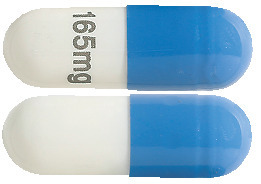
  • opaque hard gelatin capsules with a blue cap and white body, printed with “165mg” on the body

Available in OPA/ALU/PVC - Aluminium foil blister packs of 1 capsules for each strength. And pack of two capsules for the 80 mg strength.

Ingredients

Active ingredient:

APREPITANT SCP 40 mg
Each capsules contains 40 mg of aprepitant.

APREPITANT SCP 80 mg
Each capsules contains 80 mg of aprepitant.

APREPITANT SCP 125 mg
Each capsules contains 125 mg of aprepitant.

APREPITANT SCP 165 mg
Each capsules contains 165 mg of aprepitant.

They also contain the inactive ingredients:

  • hypromellose
  • microcrystalline cellulose spheres
  • poloxamer
  • sucrose

Capsule shell ingredients:

  • gelatin
  • sodium lauryl sulfate
  • titanium dioxide
  • iron oxide yellow (40 mg)
  • iron oxide red (125 mg)
  • indigo carmine aluminium lake (165 mg).

The capsules do not contain gluten, tartrazine or any other azo dyes.

Supplier

Southern Cross Pharma Pty Ltd
Suite 5/118 Church Street
Hawthorn, Victoria 3122
Australia

Australian registration numbers:

APREPITANT SCP 40 mg
AUST R 310215

APREPITANT SCP 80 mg
AUST R 319700

APREPITANT SCP 125 mg
AUST R 310216

APREPITANT SCP 165 mg
AUST R 310220

Date of preparation: May 2023.

Published by MIMS May 2024

BRAND INFORMATION

Brand name

Aprepitant Lupin

Active ingredient

Aprepitant

Schedule

S4


Notes

Distributed by Generic Health Pty Ltd

1 Name of Medicine

Aprepitant.

2 Qualitative and Quantitative Composition

Each capsule of Aprepitant Lupin for oral administration contains 40 mg, 80 mg, 125 mg or 165 mg of aprepitant.

Excipients with known effect.

Contains sugars.
For the full list of excipients, see Section 6.1 List of Excipients.

3 Pharmaceutical Form

Aprepitant Lupin is available in a 40 mg, 80 mg, 125 mg and 165 mg capsule.
The Aprepitant Lupin 40 mg capsules are opaque hard gelatin capsules with a yellow cap and white body, printed with "40 mg" on the body.
The Aprepitant Lupin 80 mg capsules are opaque hard gelatin capsules with a white cap and white body, printed with "80 mg" on the body.
The Aprepitant Lupin 125 mg capsules are opaque hard gelatin capsules with a pink cap and white body, printed with "125 mg" on the body.
The Aprepitant Lupin 165 mg capsules are opaque hard gelatin capsules with a blue cap and white body, printed with "165 mg" on the body.

4 Clinical Particulars

4.1 Therapeutic Indications

Aprepitant Lupin, in combination with other antiemetic agents, is indicated for the prevention of acute and delayed nausea and vomiting associated with initial and repeat courses of:
highly emetogenic cancer chemotherapy;
moderately emetogenic cancer chemotherapy.
Aprepitant Lupin is indicated for the prevention of postoperative nausea and vomiting.

4.2 Dose and Method of Administration

General information.

Aprepitant Lupin may be taken with or without food. It is recommended that Aprepitant Lupin 165 mg be taken with or without a light (low fat) meal, as administration with a high fat meal results in a 47% increase in systemic exposure of aprepitant see Section 5.2 Pharmacokinetic Properties.
No dosage adjustment is necessary based on age, gender or race.
No dosage adjustment is necessary for patients with severe renal insufficiency (creatinine clearance < 30 mL/min) or for patients with end stage renal disease undergoing haemodialysis.
No dosage adjustment is necessary for patients with mild to moderate hepatic insufficiency (Child-Pugh score 5 to 9). There are no clinical data in patients with severe hepatic insufficiency (Child-Pugh score > 9).
See Section 4.5 Interactions with Other Medicines and Other Forms of Interactions for additional information on the administration of aprepitant with corticosteroids.
Refer to the full product information for coadministered antiemetic agents.

Prevention of chemotherapy induced nausea and vomiting (CINV).

Aprepitant Lupin is given for 1 day or 3 days as part of a regimen that includes a corticosteroid and a 5-HT3 antagonist.

1-day regimen of Aprepitant Lupin.

The recommended dose of Aprepitant Lupin for the 1-day oral regimen is 165 mg orally 1 hour prior to chemotherapy treatment on day 1 only. See Tables 1 and 2.

3-day regimen of Aprepitant Lupin.

The recommended dose of Aprepitant Lupin for the 3-day oral regimen is 125 mg orally 1 hour prior to chemotherapy treatment (day 1) and 80 mg orally once daily in the morning on days 2 and 3. See Tables 3 and 4.

Prevention of postoperative nausea and vomiting (PONV).

The recommended oral dosage of Aprepitant Lupin is 40 mg within 3 hours prior to induction of anaesthesia.

4.3 Contraindications

Aprepitant Lupin is contraindicated in patients who are hypersensitive to any component of the product.
Aprepitant Lupin should not be used concurrently with pimozide, terfenadine, astemizole, or cisapride. Dose-dependent inhibition of cytochrome P450 isoenzyme 3A4 (CYP3A4) by aprepitant could result in elevated plasma concentrations of these drugs, potentially causing serious or life-threatening reactions.

4.4 Special Warnings and Precautions for Use

Aprepitant, a dose-dependent inhibitor of CYP3A4, should be used with caution in patients receiving concomitant orally administered medicinal products that are primarily metabolised through CYP3A4; some chemotherapy agents are metabolised by CYP3A4 see Section 4.5 Interactions with Other Medicines and Other Forms of Interactions. Moderate inhibition of CYP3A4, by aprepitant (125 mg/80 mg 3-day oral regimen or 165 mg single dose) could result in elevated plasma concentrations of these concomitant medicinal products see Section 4.5 Interactions with Other Medicines and Other Forms of Interactions. Weak inhibition of CYP3A4 by a single 40 mg dose of aprepitant is not expected to alter the plasma concentrations of these concomitant medicinal products to a clinically significant degree. The effect of aprepitant on the pharmacokinetics of orally administered CYP3A4 substrates is greater than the effect of aprepitant on the pharmacokinetics of intravenously administered CYP3A4 substrates see Section 4.5 Interactions with Other Medicines and Other Forms of Interactions.
Coadministration of aprepitant with warfarin may result in a clinically significant decrease in international normalised ratio (INR) of prothrombin time. In patients on chronic warfarin therapy, the INR should be closely monitored in the 2-week period, particularly at 7 to 10 days, following initiation of the 3-day regimen of Aprepitant Lupin (125 mg/80 mg) or administration of a single 165 mg dose of Aprepitant Lupin with each chemotherapy cycle or following administration of a single 40 mg dose of Aprepitant Lupin for the prevention of postoperative nausea and vomiting (PONV) see Section 4.5 Interactions with Other Medicines and Other Forms of Interactions.
The efficacy of hormonal contraceptives during and for 28 days after administration of Aprepitant Lupin may be reduced. Alternative or back-up methods of contraception should be used during treatment with Aprepitant Lupin and for one month following the last dose of Aprepitant Lupin see Section 4.5 Interactions with Other Medicines and Other Forms of Interactions.

Use in hepatic impairment.

See Section 4.2 Dose and Method of Administration.

Use in renal impairment.

See Section 4.2 Dose and Method of Administration.

Use in the elderly.

In clinical studies, the efficacy and safety of aprepitant in the elderly (≥ 65 years) were comparable to those seen in younger patients (< 65 years). No dosage adjustment is necessary in elderly patients.

Paediatric use.

Safety and effectiveness of aprepitant in paediatric patients have not been established.

Effects on laboratory tests.

See Section 4.8 Adverse Effects (Undesirable Effects).

4.5 Interactions with Other Medicines and Other Forms of Interactions

General.

Aprepitant is a substrate, a weak-to-moderate (dose-dependent) inhibitor and inducer of CYP3A4. Aprepitant is also an inducer of CYP2C9. During treatment, the single 40 mg dose of aprepitant recommended for PONV results in a weak inhibition of CYP3A4. Aprepitant has been studied at higher doses. During treatment for chemotherapy induced nausea and vomiting (CINV), the 3-day 125 mg/80 mg regimen of aprepitant is a moderate inhibitor of CYP3A4. After the end of treatment with the 3-day CINV regimen, aprepitant causes a transient moderate induction of CYP2C9 and a transient mild induction of CYP3A4 and glucuronidation. The effects of induction by a single 40 mg dose of aprepitant have not been studied, but it is unlikely that a 40 mg single dose will cause any clinically relevant induction.

Effect of aprepitant on the pharmacokinetics of other agents.

As a weak (40 mg) to moderate (125 mg/80 mg, 165 mg) inhibitor of CYP3A4, aprepitant can increase plasma concentrations of orally coadministered medicinal products that are metabolised through CYP3A4. Aprepitant can increase plasma concentrations of intravenously coadministered medicinal products metabolised through CYP3A4 to a lesser extent.
Caution should be exercised in using aprepitant concurrently with drugs which have a narrow therapeutic index and are known to be metabolised primarily by CYP3A4, such as cyclosporine, sirolimus and tacrolimus.
Aprepitant has been shown to induce the metabolism of S(-) warfarin and tolbutamide, which are metabolised through CYP2C9. Coadministration of aprepitant with these drugs or other drugs that are known to be metabolised by CYP2C9, such as phenytoin, may result in lower plasma concentrations of these drugs.
Aprepitant is unlikely to interact with drugs that are substrates for the P-glycoprotein transporter, as demonstrated by the lack of interaction of aprepitant with digoxin in a clinical drug interaction study.
5-HT3 antagonists. In clinical drug interaction studies, aprepitant when given as a regimen of 125 mg on day 1 and 80 mg on days 2 and 3, did not have clinically important effects on the pharmacokinetics of ondansetron, granisetron or hydrodolasetron (the active metabolite of dolasetron).
Corticosteroids.

Dexamethasone.

Aprepitant, when given as a regimen of 125 mg with dexamethasone coadministered orally as 20 mg on day 1, and aprepitant when given as 80 mg/day with dexamethasone coadministered orally as 8 mg on days 2 through 5, increased the AUC of dexamethasone, a CYP3A4 substrate by 2.2-fold, on days 1 and 5. The usual oral dexamethasone doses should be reduced by approximately 50% when coadministered with aprepitant (125 mg/80 mg regimen) to achieve exposures of dexamethasone similar to those obtained when it is given without aprepitant. The daily dose of dexamethasone administered in clinical chemotherapy induced nausea and vomiting studies with aprepitant reflects an approximate 50% reduction of the dose of dexamethasone (see Section 4.2 Dose and Method of Administration).
Aprepitant, when given as a single dose of 200 mg in the fed state (standard light breakfast) on day 1 with oral dexamethasone coadministered orally as 12 mg on day 1 and 8 mg on days 2 through 4, increased the AUC of dexamethasone by 2.1- and 2.3-fold on days 1 and 2, to a lesser extent (1.4-fold increase) on day 3, and had no effect on day 4 (1.1-fold increase). The daily dose of dexamethasone on days 1 and 2 should be reduced by approximately 50% when coadministered with aprepitant 165 mg on day 1 to achieve exposures of dexamethasone similar to those obtained when given without aprepitant 165 mg.

Methylprednisolone.

Aprepitant, when given as a regimen of 125 mg on day 1 and 80 mg/day on days 2 and 3, increased the AUC of methylprednisolone, a CYP3A4 substrate, by 1.3-fold on day 1 and by 2.5-fold on day 3, when methylprednisolone was coadministered intravenously as 125 mg on day 1 and orally as 40 mg on days 2 and 3. The usual IV methylprednisolone dose should be reduced by approximately 25%, and the usual oral methylprednisolone dose should be reduced by approximately 50% when coadministered with aprepitant (125 mg/80 mg regimen), to achieve exposures of methylprednisolone similar to those obtained when it is given without aprepitant.
Chemotherapeutic agents. Chemotherapy agents that are known to be metabolised by the CYP3A4 include docetaxel, paclitaxel, etoposide, irinotecan, ifosfamide, imatinib, vinorelbine, vinblastine and vincristine. In clinical studies, aprepitant (125 mg/80 mg regimen) was administered commonly with etoposide, vinorelbine, and paclitaxel. The doses of these agents were not adjusted to account for potential drug interactions. Adequate data are not available on interactions between aprepitant and other chemotherapy agents primarily metabolised by CYP3A4. Particular caution and careful monitoring are advised in patients receiving these agents or other chemotherapy agents metabolised primarily by CYP3A4. Post-marketing events of neurotoxicity, a potential adverse reaction of ifosfamide, have been reported after aprepitant and ifosfamide coadministration (see Section 4.4 Special Warnings and Precautions for Use).

Docetaxel.

In an interaction study, aprepitant (125 mg/80 mg regimen) did not influence the pharmacokinetics of docetaxel.

Vinorelbine.

In a separate pharmacokinetic study, aprepitant (125 mg/80 mg regimen) did not influence the pharmacokinetics of vinorelbine.
Formal interaction studies have not been conducted with other chemotherapy agents.
Warfarin. A single 125 mg dose of aprepitant was administered on day 1 and 80 mg/day on days 2 and 3 to healthy subjects who were stabilised on chronic warfarin therapy. Although there was no effect of aprepitant on the plasma AUC of R(+) or S(-) warfarin determined on day 3, there was a 34% decrease in S(-) warfarin (a CYP2C9 substrate) trough concentration accompanied by a 14% decrease in the prothrombin time (reported as international normalised ratio or (INR) 5 days after completion of dosing with aprepitant.
In patients on chronic warfarin therapy, the prothrombin time (INR) should be closely monitored in the 2 week period, particularly at 7 to 10 days, following initiation of the 3-day regimen (125 mg/80 mg) or administration of a single 165 mg dose of aprepitant with each chemotherapy cycle, or following administration of a single 40 mg dose of aprepitant for the prevention of PONV.
Oral contraceptives. Aprepitant, when given once daily for 14 days as a 100 mg capsule with an oral contraceptive containing 35 microgram of ethinyl estradiol and 1 mg of norethindrone, decreased the AUC of ethinyl estradiol by 43%, and decreased the AUC of norethindrone by 8%.
In another study, a single dose of an oral contraceptive containing ethinyl estradiol and norethindrone was administered on days 1 through 21 with aprepitant, given as a regimen of 125 mg on day 8 and 80 mg/day on days 9 and 10 with ondansetron 32 mg IV on day 8 and oral dexamethasone given as 12 mg on day 8 and 8 mg/day on days 9, 10, and 11. In the study, the AUC of ethinyl estradiol decreased by 19% on day 10 and there was as much as a 64% decrease in ethinyl estradiol trough concentrations during days 9 through 21. While there was no effect of aprepitant on the AUC of norethindrone on day 10, there was as much as a 60% decrease in norethindrone trough concentrations during days 9 through 21.
The efficacy of hormonal contraceptives during and for 28 days after administration of aprepitant may be reduced. Alternative or back-up methods of contraception should be used during treatment with aprepitant and for one month following the last dose of aprepitant.
Tolbutamide. Aprepitant, when given as 125 mg on day 1 and 80 mg/day on days 2 and 3, decreased the AUC of tolbutamide (a CYP2C9 substrate) by 23% on day 4, 28% on day 8 and 15% on day 15, when a single dose of tolbutamide 500 mg was administered orally prior to the administration of the 3-day regimen of aprepitant and on Days 4, 8 and 15.
Midazolam. Aprepitant increased the AUC of midazolam, a sensitive CYP3A4 substrate, by 2.3-fold on day 1 and 3.3-fold on day 5, when a single oral dose of midazolam 2 mg was coadministered on day 1 and day 5 of a regimen of aprepitant 125 mg on day 1 and 80 mg/day on days 2 through 5. A single dose of aprepitant 200 mg in the fed state (standard light breakfast) coadministered orally with 2 mg midazolam increased the AUC of midazolam by 3.2-fold on day 1. No clinically important effect resulted on day 4 (midazolam AUC 1.2-fold increase) and a slight change in midazolam AUC was observed on day 8 (35% decrease). The potential effects of increased plasma concentrations of midazolam or other benzodiazepines metabolised via CYP3A4 (alprazolam, triazolam) should be considered when coadministering these agents with aprepitant (125 mg/80 mg or 165 mg).
In another study with intravenous administration of midazolam, aprepitant was given as 125 mg on day 1 and 80 mg/day on days 2 and 3, and midazolam 2 mg IV was given prior to the administration of the 3-day regimen of aprepitant and on days 4, 8, and 15. Aprepitant increased the AUC of midazolam by 25% on day 4 and decreased the AUC of midazolam by 19% on day 8 relative to the dosing of aprepitant on days 1 through 3.
These effects were not considered clinically important. The AUC of midazolam on day 15 was similar to that observed at baseline.
An additional study was completed with intravenous administration of midazolam and aprepitant. Intravenous midazolam 2 mg was given 1 hour after oral administration of a single dose of aprepitant 125 mg. The plasma AUC of midazolam was increased by 1.5-fold. This effect was not considered clinically important.

Effect of other agents on the pharmacokinetics of aprepitant.

Aprepitant is a substrate for CYP3A4; therefore, coadministration of aprepitant with drugs that inhibit CYP3A4 activity may result in increased plasma concentrations of aprepitant. Consequently, concomitant administration of aprepitant with strong CYP3A4 inhibitors (e.g. ketoconazole) should be approached cautiously; but concomitant administration of aprepitant with moderate CYP3A4 inhibitors (e.g. diltiazem) does not result in clinically meaningful changes in plasma concentrations of aprepitant.
Aprepitant is a substrate for CYP3A4; therefore, coadministration of aprepitant with drugs that strongly induce CYP3A4 activity (e.g. rifampicin) may result in reduced plasma concentrations of aprepitant that may result in decreased efficacy of aprepitant.
Concomitant administration of aprepitant with St. John's wort is not recommended.

Ketoconazole.

When a single 125 mg dose of aprepitant was administered on day 5 of a 10-day regimen of 400 mg/day of ketoconazole, a strong CYP3A4 inhibitor, the AUC of aprepitant increased approximately 5-fold and the mean terminal half-life of aprepitant increased approximately 3-fold. Concomitant administration of aprepitant with strong CYP3A4 inhibitors should be approached cautiously.

Rifampicin.

When a single 375 mg dose of aprepitant was administered on day 9 of a 14-day regimen of 600 mg/day of rifampicin, a strong CYP3A4 inducer, the AUC of aprepitant decreased approximately 11-fold and the mean terminal half-life decreased approximately 3-fold. Coadministration of aprepitant with drugs that induce CYP3A4 activity may result in reduced plasma concentrations and decreased efficacy of aprepitant.
Patients with rare hereditary problems of fructose intolerance, glucose-galactose malabsorption or sucrase-isomaltase insufficiency should not take this medicine.

Additional interactions.

Diltiazem.

In patients with mild to moderate hypertension, administration of aprepitant once daily, as a tablet formulation comparable to 230 mg of the capsule formulation, with diltiazem 120 mg 3 times daily for 5 days, resulted in a 2-fold increase of aprepitant AUC and a simultaneous 1.7-fold increase of diltiazem AUC. These pharmacokinetic effects did not result in clinically meaningful changes in ECG, heart rate, or blood pressure beyond those changes induced by diltiazem alone.

Paroxetine.

Coadministration of once daily doses of aprepitant, as a tablet formulation comparable to 85 mg or 170 mg of the capsule formulation, with paroxetine 20 mg once daily, resulted in a decrease in AUC by approximately 25% and Cmax by approximately 20% of both aprepitant and paroxetine.

4.6 Fertility, Pregnancy and Lactation

Effects on fertility.

Aprepitant administered to male or female rats at doses up to 1000 mg/kg twice daily (approximately 1.5 times the adult human dose based on systemic exposure following oral aprepitant 125 mg in females, or lower than the adult human dose in males) had no effects on mating performance, fertility, or embryonic/foetal survival. Sperm count and motility were unaffected in males.
(Category B1)
Reproductive studies performed in rats and rabbits at doses up to about 1.5 times the systemic exposure at the adult human dose following oral aprepitant 125 mg have revealed no evidence of harm to the foetus due to aprepitant. There are, however, no adequate and well-controlled studies in pregnant women. Because animal reproduction studies are not always predictive of human response, this drug should be used during pregnancy only if clearly needed.
Significant concentrations of aprepitant were observed in the milk of lactating rats. It is not known whether this drug is excreted in human milk. Because many drugs are excreted in human milk and because of the possible adverse effects of aprepitant on nursing infants, a decision should be made whether to discontinue nursing or to discontinue the drug, taking into account the importance of the drug to the mother.

4.7 Effects on Ability to Drive and Use Machines

The effects of this medicine on a person's ability to drive and use machines were not assessed as part of its registration.

4.8 Adverse Effects (Undesirable Effects)

The overall safety of aprepitant was evaluated in approximately 6500 individuals.

Prevention of chemotherapy induced nausea and vomiting (CINV).

In 2 well-controlled clinical trials in patients receiving highly emetogenic cancer chemotherapy (HEC), 544 patients were treated with the 3-day oral aprepitant regimen during cycle 1 of chemotherapy and 413 of these patients continued into the multiple-cycle extension for up to 6 cycles of chemotherapy. In 2 well-controlled clinical trials in patients receiving moderately emetogenic cancer chemotherapy, 868 patients were treated with the 3-day oral aprepitant regimen during cycle 1 of chemotherapy and 686 of these patients continued into the multiple-cycle extensions for up to 4 cycles of chemotherapy. The 3-day oral aprepitant regimen was given in combination with ondansetron and dexamethasone and was generally well tolerated. Most adverse experiences reported in these clinical studies were described as mild to moderate in intensity.

Highly emetogenic chemotherapy (HEC).

In cycle 1, in patients receiving HEC, drug-related clinical adverse experiences were reported in approximately 19% of patients treated with the 3-day oral aprepitant regimen, compared with approximately 14% of patients treated with standard therapy. Treatment was discontinued due to drug-related clinical adverse experiences in 0.6% of patients treated with the 3-day oral aprepitant regimen, compared with 0.4% of patients treated with standard therapy. Table 5 shows the drug-related adverse experiences reported at an incidence ≥ 0.5% (and at a greater incidence than standard therapy) in patients treated with the 3-day oral aprepitant regimen.
In an additional active-controlled clinical study in 1169 patients receiving the 3-day oral aprepitant regimen and HEC, the adverse experience profile was generally similar to that seen in the other HEC studies with the 3-day oral aprepitant regimen.

Moderately emetogenic chemotherapy (MEC).

In the combined analysis of cycle 1 data in patients receiving MEC, drug-related adverse experiences were reported in approximately 14% of patients treated with the 3-day oral aprepitant regimen compared with approximately 15% of patients treated with standard therapy. Treatment was discontinued due to drug-related adverse experiences in 0.7% of patients treated with the 3-day oral aprepitant regimen compared with 0.2% of patients treated with standard therapy. Table 6 shows the drug-related adverse experiences reported at an incidence ≥ 0.5% and at a greater incidence than standard therapy in patients treated with the 3-day oral aprepitant regimen.

Highly and moderately emetogenic chemotherapy.

In a pooled analysis of the HEC and MEC studies, the following drug-related adverse experiences were reported in patients treated with the 3-day oral aprepitant regimen at a greater incidence than standard therapy and not described above:

Blood and lymphatic system disorders.

Febrile neutropenia.

Infection and infestations.

Candidiasis, staphylococcal infection.

Metabolism and nutrition disorders.

Polydipsia.

Psychiatric disorders.

Disorientation, euphoric mood.

Nervous system disorders.

Cognitive disorder, lethargy, dysgeusia.

Eye disorders.

Conjunctivitis.

Ear and labyrinth disorders.

Tinnitus.

Cardiac disorders.

Cardiovascular disorder, bradycardia, palpitations.

Vascular disorders.

Hot flush.

Respiratory, thoracic and mediastinal disorders.

Cough, oropharyngeal pain, postnasal drip, sneezing, throat irritation.

Gastrointestinal disorders.

Abdominal distension, dry mouth, faeces hard, flatulence, neutropenic colitis, duodenal ulcer perforation, stomatitis, vomiting.

Skin and subcutaneous tissue disorders.

Acne, hyperhidrosis, seborrhoea, photosensitivity reaction, rash pruritic, rash, skin lesion.

Musculoskeletal and connective tissue disorders.

Muscular weakness, muscle spasms.

Renal and urinary disorders.

Dysuria, pollakiuria.

General disorders and administration site conditions.

Chest discomfort, oedema, gait disturbance, malaise.

Investigations.

Blood sodium decreased, red blood cells urine positive, neutrophil count decreased, weight decreased, glucose urine present, urine output increased.
The adverse experience profiles in the multiple-cycle extensions of HEC and MEC studies for up to 6 cycles of chemotherapy were generally similar to those observed in cycle 1.
In other clinical studies, isolated cases of serious adverse experiences were reported. In another chemotherapy induced nausea and vomiting (CINV) study, Stevens-Johnson syndrome was reported as a serious adverse experience in a patient receiving aprepitant with cancer chemotherapy. Angioedema and urticaria were reported in a patient receiving aprepitant in a non-CINV study.
Oral administration of a single 165 mg dose of aprepitant was generally well tolerated in healthy adults.
Based on a comparable pharmacokinetic/pharmacodynamic profile, the 1-day oral regimen of aprepitant 165 mg administered in the fasted state or with a light (low fat) meal is anticipated to have a similar safety and tolerability profile to that of the 1-day regimen of fosaprepitant 150 mg and the 3-day oral aprepitant regimen in chemotherapy patients see Section 5 Pharmacological Properties.

Prevention of postoperative nausea and vomiting (PONV).

In well-controlled clinical studies in patients receiving general anaesthesia, 564 patients were administered 40 mg aprepitant orally and 538 patients were administered 4 mg ondansetron IV. Aprepitant was generally well tolerated. Most adverse experiences reported in these clinical studies were described as mild to moderate in intensity.
Clinical adverse experiences were reported in approximately 60% of patients treated with 40 mg aprepitant compared with approximately 64% of patients treated with 4 mg ondansetron IV. Table 7 shows the percent of patients with clinical adverse experiences reported at an incidence ≥ 3% of the combined studies.
The following additional clinical adverse experiences (incidence > 0.5% and greater than ondansetron), regardless of causality, were reported in patients treated with aprepitant.
Infections and infestations.

Postoperative infection.

Metabolism and nutrition disorders.

Hypokalaemia, hypovolaemia.

Nervous system disorders.

Dizziness, hypoaesthesia, syncope.

Vascular disorders.

Haematoma.

Respiratory, thoracic and mediastinal disorders.

Dyspnoea, hypoxia, respiratory depression.

Gastrointestinal disorders.

Abdominal pain, abdominal pain upper, dry mouth, dyspepsia.

Skin and subcutaneous tissue disorders.

Urticaria.

General disorders and administrative site conditions.

Hypothermia, pain.

Investigations.

Blood pressure decreased.

Injury, poisoning and procedural complications.

Operative haemorrhage, wound dehiscence.
Other adverse experiences (incidence ≤ 0.5%) reported in patients treated with aprepitant 40 mg for PONV included:

Nervous system disorders.

Dysarthria, sensory disturbance.

Eye disorders.

Miosis, visual acuity reduced.

Respiratory, thoracic and mediastinal disorders.

Wheezing.

Gastrointestinal disorders.

Bowel sounds abnormal, stomach discomfort.
In addition, two serious drug-related adverse experiences were reported in PONV clinical studies in patients taking a higher dose of aprepitant: one case of constipation, and one case of subileus.

Laboratory adverse experiences.

One laboratory adverse experience, haemoglobin decreased (40 mg aprepitant 3.8%, ondansetron 4.2%), was reported at an incidence ≥ 3% in a patient receiving general anaesthesia.
The following additional laboratory adverse experiences (incidence > 0.5% and greater than ondansetron), regardless of causality, were reported in patients treated with aprepitant 40 mg: blood albumin decreased, blood bilirubin increased, blood glucose increased, blood potassium decreased, glucose urine present.
The adverse experience of ALT increased occurred with similar incidence in patients treated with aprepitant 40 mg (1.1%) as in patients treated with ondansetron 4 mg (1.0%).

Other studies.

Angioedema and urticaria were reported as serious adverse experiences in a patient receiving aprepitant in a non-CINV/non-PONV study.

Post marketing experience.

The following adverse reactions have been identified during post-marketing use of aprepitant. Because these reactions are reported voluntarily from a population of uncertain size, it is generally not possible to reliably estimate their frequency or establish a causal relationship to the drug.

Skin and subcutaneous tissue disorders.

Pruritus, rash, urticaria, Stevens-Johnson syndrome/toxic epidermal necrolysis.

Immune system disorders.

Hypersensitivity reactions including anaphylactic reactions.

Reporting suspected adverse effects.

Reporting suspected adverse reactions after registration of the medical product is important. It allows continued monitoring of the benefit-risk balance of the medicinal product. Healthcare professionals are asked to report any suspected adverse reactions at http://www.tga.gov.au/reporting-problems.

4.9 Overdose

No specific information is available on the treatment of overdosage with aprepitant. Single doses up to 600 mg of aprepitant were generally well tolerated in healthy subjects. Aprepitant was generally well tolerated when administered as 375 mg once daily for up to 42 days to patients in non-CINV studies. In 33 cancer patients, administration of a single 375 mg dose of aprepitant on day 1 and 250 mg once daily on days 2 to 5 was generally well tolerated.
Drowsiness and headache were reported in one patient who ingested 1440 mg of aprepitant.
In the event of overdose, Aprepitant Lupin should be discontinued and general supportive treatment and monitoring should be provided. Because of the antiemetic activity of aprepitant, drug-induced emesis may not be effective.
Aprepitant cannot be removed by haemodialysis.
For information on the management of overdose, contact the Poison Information Centre on 131126 (Australia).

5 Pharmacological Properties

5.1 Pharmacodynamic Properties

Mechanism of action.

Aprepitant is a selective high affinity antagonist at human substance-P neurokinin-1 (NK1) receptors. Aprepitant showed at least 3,000-fold selectivity for the NK1 receptor over other enzyme, transporter, ion-channel and receptor sites, including the dopamine and serotonin (5HT3) receptors that are targets for existing chemotherapy-induced nausea and vomiting (CINV) and postoperative nausea and vomiting (PONV) therapies.
Aprepitant has been shown in animal models to inhibit emesis induced by cytotoxic chemotherapeutic agents, such as cisplatin, via central actions. Preclinical and human positron emission tomography (PET) studies with aprepitant have shown that it is brain penetrant and occupies brain NK1 receptors. Preclinical studies show that aprepitant has a long duration of central activity, inhibits both the acute and delayed phases of cisplatin-induced emesis, and augments the antiemetic activity of the 5HT3-receptor antagonist ondansetron, and the corticosteroid dexamethasone against cisplatin-induced emesis.

Pharmacodynamics.

Fosaprepitant, a prodrug of aprepitant, when administered intravenously is rapidly converted to aprepitant.
Fosaprepitant IV formulation is unavailable in this brand, however is available in another brand. Pharmacodynamic and pharmacokinetic information obtained using fosaprepitant IV formulations are also included in the following sub-sections for prescriber information.

Cardiac electrophysiology.

In a randomised, double-blind, positive controlled, thorough QTc study, a single 200 mg dose of fosaprepitant had no effect on the QTc interval.

Brain NK1 receptor occupancy assessed by positron emission tomography.

A positron emission tomography study in healthy young men administered a single oral dose of 165 mg aprepitant or a single intravenous dose of 150 mg fosaprepitant demonstrated similar brain NK1 receptor occupancy at Tmax, (≥ 99%), 24 hours (≥ 99%), 48 hours (≥ 97%), and 120 hours (37 to 76%) following dosing. Following administration of a single oral dose of 165 mg aprepitant or a single intravenous dose of 150 mg fosaprepitant, Tmax was approximately 4 hours or 30 minutes post dose, respectively. Occupancy of brain NK1 receptors by aprepitant correlate well with aprepitant plasma concentrations.

Clinical trials.

Prevention of chemotherapy induced nausea and vomiting (CINV).

3-day regimen of aprepitant.

Oral administration of aprepitant in combination with ondansetron and dexamethasone has been shown to prevent acute and delayed nausea and vomiting associated with highly and moderately emetogenic chemotherapy (HEC and MEC) in well-controlled clinical studies.
Highly emetogenic chemotherapy (HEC). In 2 multicentre, randomised, parallel, double-blind, controlled clinical studies, the aprepitant regimen was compared with standard therapy in 1094 patients receiving a chemotherapy regimen that included cisplatin ≥ 70 mg/m2. Some patients also received additional chemotherapeutic agents such as gemcitabine, etoposide, fluorouracil, vinorelbine tartrate, doxorubicin, cyclophosphamide, paclitaxel, or docetaxel. The aprepitant regimen consisted of aprepitant 125 mg on day 1 and 80 mg/day on days 2 and 3 in combination with ondansetron 32 mg IV on day 1 and dexamethasone 12 mg on day 1 and 8 mg once daily on days 2 through 4. Standard therapy consisted of placebo in combination with ondansetron 32 mg IV on day 1 and dexamethasone 20 mg on day 1 and 8 mg twice daily on days 2 through 4. Although a 32 mg IV dose of ondansetron was used in clinical trials, this may no longer be the currently recommended dose. See the package insert for ondansetron for appropriate dosing information.
The antiemetic activity of aprepitant was evaluated during the acute phase (0 to 24 hours post-cisplatin treatment), the delayed phase (25 to 120 hours post-cisplatin treatment) and overall (0 to 120 hours post-cisplatin treatment) in cycle 1. Efficacy was based on evaluation of the following composite measures:
complete response (defined as no emetic episodes and no use of rescue therapy);
complete protection (defined as no emetic episodes, no use of rescue therapy, and a maximum nausea visual analogue scale [VAS] score < 25 mm);
impact of nausea and vomiting on daily life (functional living index-emesis [FLIE] total score > 108).
Efficacy was also based on the following individual efficacy measures:
no emesis (defined as no emetic episodes regardless of use of rescue therapy);
no significant nausea (maximum VAS < 25 mm).
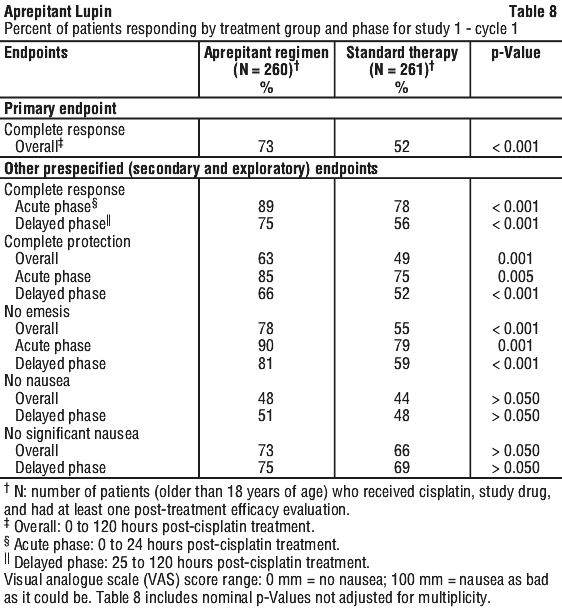
A summary of the key study results from each individual study analysis is shown in Table 8 and in Table 9.
In both studies, a statistically significant, higher proportion of patients receiving the aprepitant regimen in cycle 1 had a complete response (primary endpoint), compared with patients receiving standard therapy. A statistically significant difference in complete response in favour of the aprepitant regimen was also observed when the acute phase and the delayed phase were analysed separately.
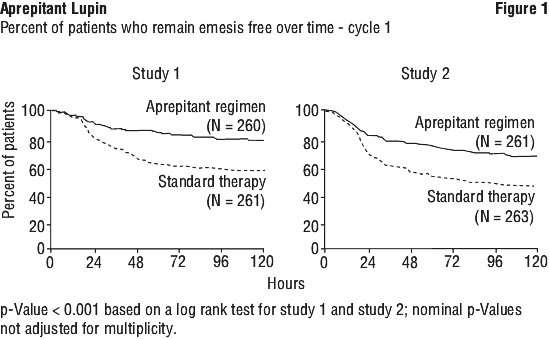
In both studies, the estimated time to first emesis after initiation of cisplatin treatment was longer with the aprepitant regimen, and the incidence of first emesis was reduced in the aprepitant regimen group compared with standard therapy group as depicted in the Kaplan-Meier curves in Figure 1.

Patient-reported outcomes.

The impact of nausea and vomiting on patients' daily lives was assessed in cycle 1 of both phase III studies using the functional living index-emesis (FLIE), a validated nausea- and vomiting-specific patient-reported outcome measure. Minimal or no impact of nausea and vomiting on patients' daily lives is defined as a FLIE total score > 108. In each of the 2 studies, a higher proportion of patients receiving the aprepitant regimen reported minimal or no impact of nausea and vomiting on daily life (Study 1: 74% versus 64%; Study 2: 75% versus 64%).

Multiple-cycle extension.

In the same 2 clinical studies, patients continued into the multiple cycle extension for up to 5 additional cycles of chemotherapy. The proportion of patients with no emesis and no significant nausea by treatment group at each cycle is depicted in Figure 2. Antiemetic effectiveness for the patients receiving the aprepitant regimen is maintained throughout the repeat cycles for those patients continuing in each of the multiple cycles.
Moderately emetogenic chemotherapy (MEC). In a multicentre, randomised, double-blind, parallel-group, clinical study, the aprepitant regimen was compared with standard therapy in 866 breast cancer patients receiving a chemotherapy regimen that included cyclophosphamide 750-1500 mg/m2; or cyclophosphamide 500-1500 mg/m2 and doxorubicin (≤ 60 mg/m2) or epirubicin (≤ 100 mg/m2). Some patients also received other chemotherapeutic agents such as fluorouracil, methotrexate, docetaxel or paclitaxel. The aprepitant regimen consisted of aprepitant 125 mg on day 1 and 80 mg/day on days 2 and 3 in combination with ondansetron 8 mg orally twice on day 1 plus dexamethasone 12 mg orally on day 1. Standard therapy consisted of placebo in combination with ondansetron 8 mg orally (twice on day 1, and every 12 hours on days 2 and 3) plus dexamethasone 20 mg orally on day 1. See Table 10.
The antiemetic activity of aprepitant was evaluated during the acute phase (0 to 24 hours post-chemotherapy treatment), the delayed phase (25 to 120 hours post-chemotherapy treatment) and overall (0 to 120 hours post-chemotherapy treatment) in cycle 1. Efficacy was based on evaluation of the following composite measures:
complete response (defined as no emetic episodes and no use of rescue therapy);
impact of nausea and vomiting on daily life (functional living index-emesis [FLIE] total score > 108).
Efficacy was also based on the following individual efficacy measures:
no emesis (defined as no emetic episodes regardless of use of rescue therapy);
no rescue therapy.
A summary of the key study results is shown in Table 11.
In this study, a statistically significantly (p = 0.015) higher proportion of patients receiving the aprepitant regimen (51%) in cycle 1 had a complete response (primary endpoint) during the overall phase compared with patients receiving standard therapy (42%). The unadjusted absolute difference in complete response (8.3%) represents a 20% relative improvement (relative risk ratio = 1.2, aprepitant regimen over standard therapy).
In this study, the estimated time to first emesis after initiation of chemotherapy treatment was significantly (p < 0.001) longer with the aprepitant regimen, and the incidence of first emesis was reduced in the aprepitant regimen group compared with the standard therapy group as depicted in Figure 3.
In this study, a statistically significantly higher proportion of patients receiving the aprepitant regimen in cycle 1 reported no impact of nausea and vomiting on daily life, as measured by a FLIE total score > 108, compared with patients receiving standard therapy.

Multiple-cycle extension.

A total of 744 patients receiving MEC continued into the multiple-cycle extension for up to 4 cycles of chemotherapy. The efficacy of the aprepitant regimen was maintained during all cycles. The response rates are depicted in Figure 4.
In a second multicentre, randomised, double-blind, parallel-group, clinical study, the aprepitant regimen was compared with standard therapy in 848 patients receiving a chemotherapy regimen that included any IV dose of oxaliplatin, carboplatin, epirubicin, idarubicin, ifosfamide, irinotecan, daunorubicin, doxorubicin; cyclophosphamide IV (< 1500 mg/m2); or cytarabine IV (> 1 g/m2). Patients who were randomised to receive the aprepitant regimen consisted of 76% women and 24% men. Patients receiving the aprepitant regimen were receiving chemotherapy for a variety of tumour types including 52% with breast cancer, 21% with gastrointestinal cancers including colorectal cancer, 13% with lung cancer and 6% with gynaecological cancers. The aprepitant regimen consisted of aprepitant 125 mg on day 1 and 80 mg/day on days 2 and 3 in combination with ondansetron 8 mg orally twice on day 1 plus dexamethasone 12 mg orally on day 1. Standard therapy consisted of placebo in combination with ondansetron 8 mg orally (twice on day 1, and every 12 hours on days 2 and 3) plus dexamethasone 20 mg orally on day 1.
The antiemetic activity of aprepitant was evaluated during the overall phase (0 to 120 hours post-chemotherapy treatment) in cycle 1. Efficacy was based on the evaluation of the following endpoints:
Primary endpoint: no vomiting in the overall period (0 to 120 hours post-chemotherapy).
Other pre-specified endpoints:
complete response (defined as no vomiting and no use of rescue therapy) in the overall period (0 to 120 hours post-chemotherapy);
time to first vomiting episode overall (0 to 120 hours post-chemotherapy);
no vomiting - Acute (0 to 24 hours following initiation of chemotherapy infusion) and delayed (25 to 120 hours following initiation of chemotherapy infusion);
complete response - Acute and Delayed, as defined above;
no use of rescue therapy - Overall, Acute, and Delayed, as defined above;
no impact on daily life (functional living index-emesis [FLIE] total score > 108) - overall, as defined above;
no vomiting and no significant nausea (VAS < 25 mm) - overall, as defined above.
A summary of the key study results is shown in Table 12.
In this study, a statistically significantly (p < 0.0001) higher proportion of patients receiving the aprepitant regimen (76%) in cycle 1 had no vomiting (primary endpoint) during the overall phase compared with patients receiving standard therapy (62%). In addition, a higher proportion of patients receiving the aprepitant regimen in cycle 1 had a complete response in the overall phase (0-120 hours), compared with patients receiving standard therapy. Aprepitant was numerically superior versus standard therapy regardless of age, gender, or tumor type (breast, gastrointestinal, lung or other) as assessed by the no vomiting and complete response endpoints.
In this study, the estimated time to first vomiting after initiation of chemotherapy treatment was longer with the aprepitant regimen, and the incidence was reduced in the aprepitant regimen group compared with standard therapy group as depicted in the Kaplan-Meier curves in Figure 5.
In this study, a statistically significantly higher proportion of patients receiving the aprepitant regimen in cycle 1 reported no impact of nausea and vomiting on daily life, as measured by a FLIE total score > 108, compared with patients receiving standard therapy.
1 - day regimen of fosaprepitant. Fosaprepitant, a prodrug of aprepitant, when administered intravenously is rapidly converted to aprepitant. Based on a comparable pharmacokinetic/pharmacodynamic profile, the 1-day oral regimen of aprepitant 165 mg is anticipated to have a similar efficacy profile to that of the 1-day regimen of fosaprepitant 150 mg, an IV prodrug of aprepitant (available in another brand) and 3-day regimen of oral aprepitant see Section 5 Pharmacological Properties.
In a randomised, parallel, double-blind, active-controlled study, fosaprepitant 150 mg (N = 1147) was compared with a 3-day aprepitant regimen (N = 1175) in patients receiving a highly emetogenic chemotherapy regimen that included cisplatin (≥ 70 mg/m2). Other concomitant chemotherapy agents were administered similar to those in prior HEC studies described above. The fosaprepitant regimen consisted of fosaprepitant 150 mg on day 1 in combination with ondansetron 32 mg IV on day 1 and dexamethasone 12 mg on day 1, 8 mg on day 2, and 8 mg twice daily on days 3 and 4. The aprepitant regimen consisted of aprepitant 125 mg on day 1 and 80 mg/day on days 2 and 3 in combination with ondansetron 32 mg IV on day 1 and dexamethasone 12 mg on day 1 and 8 mg daily on days 2 through 4. Fosaprepitant placebo, aprepitant placebo, and dexamethasone placebo (in the evenings on days 3 and 4) were used to maintain blinding. Although a 32 mg IV dose of ondansetron was used in the clinical trials, this may no longer be the currently recommended dose. Please see the pack insert for ondansetron for appropriate dosing information.
Efficacy was based on the evaluation of the following composite measures: complete response in both the overall and delayed phases and no vomiting in the overall phase. Aprepitant IV 150 mg was shown to be noninferior to that of the 3-day regimen of aprepitant. A summary of the primary and secondary endpoints is shown in Table 13.

Prevention of postoperative nausea and vomiting (PONV).

In two multicentre, randomised, double-blind, active comparator-controlled, parallel-group clinical studies, aprepitant was compared with ondansetron for the prevention of postoperative nausea and vomiting in 1658 adult patients undergoing open abdominal surgery. The majority of patients were women (> 90%), mainly undergoing gynaecological surgery. Patients were randomised to receive 40 mg aprepitant, 125 mg aprepitant, or 4 mg ondansetron. Aprepitant was given orally with 50 mL of water 1 to 3 hours before anaesthesia. Ondansetron was given intravenously immediately before induction of anaesthesia.
The antiemetic activity of aprepitant was evaluated during the 0 to 48 hour period following the end of surgery. Efficacy measures included:
no emesis (defined as no emetic episodes regardless of use of rescue therapy) in the 0 to 24 hours following the end of surgery (primary);
complete response (defined as no emetic episodes and no use of rescue therapy) in the 0 to 24 hours following the end of surgery (primary);
no emesis (defined as no emetic episodes regardless of use of rescue therapy) in the 0 to 48 hours following the end of surgery (secondary);
no use of rescue therapy in the 0 to 24 hours following the end of surgery (exploratory);
nausea severity (measured on a verbal rating score/VRS) in the 0 to 24 hours following the end of surgery (exploratory);
time to first emesis in the 0 to 48 hours following the end of surgery (exploratory).
A closed testing procedure was applied to control the type I error for the primary end points.
The results demonstrate that a higher percentage of post-surgical patients will experience complete response (no emesis and no use of rescue) with aprepitant 40 mg than with ondansetron 4 mg (lower bound of C.I. is 0.0 indicating borderline significance) as described in Table 14.
Results presented in the table were obtained by use of a logistics model with terms for treatment and investigative sites. For the no vomiting endpoint, an additional analysis was performed for time to first event, where patients who received rescue medication were censored at the time of rescue. In study 090, results of this analysis show that the reduction in risk for a vomiting episode over the 0 to 24 hour period with aprepitant 40 mg relative to ondansetron 4 mg was 61.9% (95% C.I.: 32.1%, 78.6%). In study 091, results of this analysis show that reduction in risk for a vomiting episode over the 0 to 24 hour period with aprepitant 40 mg relative to ondansetron 4 mg was 48.7% (95% C.I.: 23.6%, 65.5%).

5.2 Pharmacokinetic Properties

Aprepitant is a substance P neurokinin 1 (NK1) receptor antagonist.

Absorption.

The mean absolute oral bioavailability of aprepitant (125 or 80 mg capsules) is approximately 60% to 65% and the mean peak plasma concentration (Cmax) of aprepitant occurred at approximately 4 hours (Tmax).
Following oral administration of a single 125 mg dose of aprepitant on day 1 and 80 mg once daily on days 2 and 3, the AUC0-24hr was approximately 19.5 microgram.hr/mL and 20.1 microgram.hr/mL on day 1 and day 3, respectively. The Cmax of 1.5 microgram/mL and 1.4 microgram/mL were reached in approximately 4 hours (Tmax) on day 1 and day 3, respectively.
The pharmacokinetics of aprepitant are non-linear across the clinical dose range. In healthy young adults, the increase in AUC0-∞ was 26% greater than dose proportional between 80 mg and 125 mg single doses administered in the fed state.
Oral administration of the capsule with a standard breakfast had no clinically meaningful effect on the bioavailability of aprepitant.
Following oral administration of a single 40 mg dose of aprepitant in the fasted state, the AUC0-∞ was 7.8 microgram.hr/mL, the Cmax, 0.7 microgram/mL, the Tmax, 3 hours, and the half-life 9 hours.
A separate clinical study in healthy young adults demonstrated that there is no clinically important effect of food on the pharmacokinetics of a single 40 mg dose of aprepitant.
As shown in Table 15, following oral administration of a single 165 mg dose of aprepitant, in the fasted state, the AUC0-∞ of aprepitant was 32.5 microgram.hr/mL and the mean maximal aprepitant concentration (Cmax) was 1.67 microgram/mL, as compared to aprepitant exposures in the fed state when a single 165 mg dose of aprepitant was given with a standard light (low-fat) breakfast, and when given with a standard high-fat breakfast.
Oral administration of the 165 mg dose of aprepitant with a standard light (low-fat) breakfast and a high-fat breakfast resulted in up to an 8% and 47% increase in AUC0-∞ of aprepitant, respectively. It is recommended that aprepitant 165 mg be taken fasted or with a light (low fat) meal to minimise the potential for drug interactions see Section 4.5 Interactions with Other Medicines and Other Forms of Interactions.
The geometric mean ratio (GMR) and nominal 95% confidence interval (CI) for aprepitant AUC0-∞ for 165 mg oral aprepitant/ 150 mg IV fosaprepitant was 0.93 (0.84, 1.02) which demonstrated that a single 165 mg dose of aprepitant taken in the fasted state was AUC0-∞-equivalent to a single 150 mg dose (1 mg/mL) of the IV prodrug, fosaprepitant, when infused over 20 minutes. Mean plasma concentrations following single doses are depicted in Figure 6.

Distribution.

Aprepitant is greater than 95% bound to plasma proteins. The geometric mean apparent volume of distribution at steady state (Vdss) is approximately 66 L in humans.
Aprepitant crosses the placenta in rats and rabbits, and crosses the blood brain barrier in rats and ferrets. PET studies in humans indicate that aprepitant crosses the blood brain barrier see Section 5.1 Pharmacodynamic Properties.

Metabolism.

Aprepitant undergoes extensive metabolism. In healthy young adults, aprepitant accounts for approximately 24% of the radioactivity in plasma over 72 hours following a single oral 300 mg dose of [14C]-aprepitant, indicating a substantial presence of metabolites in the plasma. Seven metabolites of aprepitant, which are only weakly active, have been identified in human plasma. The metabolism of aprepitant occurs largely via oxidation at the morpholine ring and its side chains. In vitro studies using human liver microsomes indicate that aprepitant is metabolised primarily by CYP3A4, with minor metabolism by CYP1A2 and CYP2C19, and no metabolism by CYP2D6, CYP2C9, or CYP2E1.

Excretion.

Aprepitant is eliminated primarily by metabolism; aprepitant is not renally excreted. Following administration of a single oral 300 mg dose of [14C]-aprepitant to healthy subjects, 5% of the radioactivity was recovered in urine and 86% in faeces.
The apparent plasma clearance of aprepitant ranged from approximately 60 to 84 mL/min. The apparent terminal half-life ranged from approximately 9 to 13 hours.

Special populations.

Aprepitant 165 mg pharmacokinetics have not been evaluated in special populations. No clinically relevant differences in aprepitant pharmacokinetics are expected.

Gender.

Following oral administration of a single 125 mg dose of aprepitant, the Cmax for aprepitant is 16% higher in females as compared with males. The half-life of aprepitant is 25% lower in females as compared with males and its Tmax occurs at approximately the same time. These differences are not considered clinically meaningful. No dosage adjustment for aprepitant is necessary based on gender.

Elderly.

Following oral administration of a single 125 mg dose of aprepitant on day 1 and 80 mg once daily on days 2 through 5, the AUC0-24hr of aprepitant was 21% higher on day 1 and 36% higher on day 5 in elderly (≥ 65 years) relative to younger adults. The Cmax was 10% higher on day 1 and 24% higher on day 5 in elderly relative to younger adults. These differences are not considered clinically meaningful. No dosage adjustment for aprepitant is necessary in elderly patients.

Race.

Following oral administration of a single 125 mg dose of aprepitant, the AUC0-24hr is approximately 25% and 29% higher in Hispanics as compared with Caucasians and Blacks, respectively. The Cmax is 22% and 31% higher in Hispanics as compared with Caucasians and Blacks, respectively. These differences are not considered clinically meaningful. No dosage adjustment for aprepitant is necessary based on race.

Renal insufficiency.

A single 240 mg dose of aprepitant was administered to patients with severe renal insufficiency (CrCl < 30 mL/min) and to patients with end stage renal disease (ESRD) requiring haemodialysis.
In patients with severe renal insufficiency, the AUC0-∞ of total aprepitant (unbound and protein bound) decreased by 21% and Cmax decreased by 32%, relative to healthy subjects. In patients with ESRD undergoing haemodialysis, the AUC0-∞ of total aprepitant decreased by 42% and Cmax decreased by 32%. However, due to decreases in protein binding of aprepitant in ESRD patients, the AUC of pharmacologically active unbound drug was not significantly affected as compared with healthy subjects. Haemodialysis conducted 4 or 48 hours after dosing had no significant effect on the pharmacokinetics of aprepitant; less than 0.2% of the dose was recovered in the dialysate.
No dosage adjustment for aprepitant is necessary in patients with severe renal insufficiency or in patients with ESRD undergoing haemodialysis, based on the pharmacokinetics of aprepitant in these patients, although no clinical studies have been conducted to determine whether efficacy is affected.

Hepatic insufficiency.

Aprepitant was well tolerated in patients with mild to moderate hepatic insufficiency. Following administration of a single 125 mg dose of aprepitant on day 1 and 80 mg once daily on days 2 and 3 to patients with mild hepatic insufficiency (Child-Pugh score 5 to 6), the AUC0-24hr of aprepitant was 11% lower on day 1 and 36% lower on day 3, as compared with healthy subjects given the same regimen. In patients with moderate hepatic insufficiency (Child-Pugh score 7 to 9), the AUC0-24hr of aprepitant was 10% higher on day 1 and 18% higher on day 3, as compared with healthy subjects given the same regimen. These differences in AUC0-24hr are not considered clinically meaningful; therefore, no dosage adjustment for aprepitant is necessary in patients with mild to moderate hepatic insufficiency.
There are no clinical or pharmacokinetic data in patients with severe hepatic insufficiency (Child-Pugh score > 9).

Paediatric patients.

The pharmacokinetics of aprepitant have not been evaluated in patients below 18 years of age.

5.3 Preclinical Safety Data

Genotoxicity.

Aprepitant was not genotoxic in the in vitro microbial and TK6 human lymphoblastoid cell mutagenesis assays, alkaline elution/rat hepatocyte DNA strand break test and chromosomal aberration assay in Chinese hamster ovary cells or in the in vivo mouse micronucleus assay.

Carcinogenicity.

Carcinogenicity studies of approximately 2 years duration were conducted in mice and rats with oral aprepitant. In mice, aprepitant was not carcinogenic at doses up to 500 mg/kg/day (approximately 2 times the adult human dose based on systemic exposure). Rats developed hepatocellular adenomas at a dose of 25 mg/kg twice daily (females) and 125 mg/kg twice daily (males), thyroid follicular cell adenomas at a dose of 125 mg/kg twice daily (females and males), and thyroid follicular cell carcinomas at a dose of 125 mg/kg twice daily (males). Systemic exposures at these doses in rats were approximately equivalent to or lower than exposures in humans at the recommended dose. Tumours of these types are considered to be a consequence of hepatic CYP enzyme induction in the rat, and are consistent with changes observed in rats with other structurally and pharmacologically dissimilar compounds that have been shown to induce hepatic CYP enzymes. Consideration of the mechanisms involved in the development of these tumour types suggests that it is unlikely that there is any carcinogenic risk in humans at therapeutic dose levels of aprepitant.

6 Pharmaceutical Particulars

6.1 List of Excipients

Each capsule of Aprepitant Lupin contains the following inactive ingredients: hypromellose, sucrose, poloxamer, microcrystalline cellulose spheres.
The hard gelatin capsules contain the following inactive ingredients: gelatin, sodium lauryl sulfate, titanium dioxide CI 77891.
The 40 mg capsule shell also contains iron oxide yellow CI 77492.
The 125 mg capsule shell also contains iron oxide red CI 77491.
The 165 mg capsule shell also contains indigo carmine aluminium lake.
The capsules are printed with OPACODE monogramming ink S-1-17823 black.

6.2 Incompatibilities

Incompatibilities were either not assessed or not identified as part of the registration of this medicine.

6.3 Shelf Life

In Australia, information on the shelf life can be found on the public summary of the Australian Register of Therapeutic Goods (ARTG). The expiry date can be found on the packaging.

6.4 Special Precautions for Storage

Aprepitant Lupin capsules should be stored below 25°C in their original packaging.

6.5 Nature and Contents of Container

Aprepitant Lupin capsules are packed in polyamide-aluminium foil-polyvinylchloride/aluminium Foil blisters in the following pack sizes:
1 x 165 mg capsule;
2 x 80 mg capsules, 1 x 80 mg capsule;
1 x 40 mg* capsule;
1 x 125 mg* capsule.
*Strengths are not marketed.

6.6 Special Precautions for Disposal

In Australia, any unused medicine or waste material should be disposed of by taking to your local pharmacy.

6.7 Physicochemical Properties

Chemical structure.


CAS number.

170729-80-3.
Chemical Name: 5-[[(2R,3S)-2-[(1R)-1-[3,5-bis(trifluoromethyl)phenyl]ethoxy]-3-(4-fluorophenyl)-4-morpholinyl]methyl]-1,2-dihydro-3H-1,2,4-triazol-3-one.
Molecular Formula: C23H21F7N4O3.
Molecular Weight: 534.4 g/mol.
Aprepitant is a white to off-white crystalline solid. It is practically insoluble in water. Aprepitant is sparingly soluble in ethanol and isopropyl acetate and slightly soluble in acetonitrile.

7 Medicine Schedule (Poisons Standard)

S4 (Prescription Only Medicine).

Summary Table of Changes