


Consumer medicine information

Aspen Dexamfetamine

Dexamfetamine sulfate

BRAND INFORMATION

Brand name

Aspen Dexamfetamine

Active ingredient

Dexamfetamine sulfate

Schedule

S8


Consumer medicine information (CMI) leaflet

Please read this leaflet carefully before you start using Aspen Dexamfetamine.

What is in this leaflet

This leaflet answers some common questions about ASPEN DEXAMFETAMINE tablets.

It does not contain all of the available information. It does not take the place of talking to your doctor or pharmacist.

All medicines have risks and benefits. Your doctor has weighed the risks of you or your child taking ASPEN DEXAMFETAMINE tablets against the benefits they expect it will have.

Ask your doctor or pharmacist if you have any concerns about taking this medicine.

Keep this leaflet with the medicine. You may need to read it again.

What is ASPEN DEXAMFETAMINE

The active ingredient is called dexamfetamine sulfate which belongs to a group of medicines called central nervous system stimulants and is a sympathomimetic amine of the amphetamine group.

It is used to treat a number of medical conditions.

  • Hyperkinetic behaviour disorders in children. This behavioural disorder is also known as Attention-deficit Hyperactivity Disorder (ADHD). Not all people with this disorder are hyperactive, which affects the ability to concentrate on tasks for any length of time.
Children suffering from ADHD may have trouble learning or doing school work, and may become aggressive or unmanageable at school or at home. ASPEN DEXAMFETAMINE helps focus attention and shuts out distraction, allowing the child to concentrate.
  • Narcolepsy (a sleep disorder). People with narcolepsy have recurring attacks of irresistible day-time sleepiness in spite of a good night’s sleep.

Note:

Because of the liability for abuse, drugs of the amphetamine type are subject to special restrictions on their availability. Prescriptions for this substance may require validation by State or Territory Health Departments or Commissions.

Ask your doctor if you have any questions about why this medicine has been prescribed for you. Your doctor may have prescribed this medicine for another purpose.

If you have any concerns, you should discuss this with your doctor.

This medicine is available only with a doctor’s prescription.

Before you take it

When you must not take it

Do not take ASPEN DEXAMFETAMINE if you are allergic to:

dexamfetamine or other amphetamine type medications including other sympathomimetic amines or any of the ingredients listed at the end of this leaflet.

Symptoms of an allergic reaction may include shortness of breath, wheezing or difficulty breathing; swelling of the face, lips, tongue or other parts of the body; rash, itching or hives on the skin.

Do not take ASPEN DEXAMFETAMINE if you have any of the following medical conditions:

  • heart disease or severe blood vessel disease
  • moderate to severe high blood pressure
  • heart attack or angina
  • glaucoma
  • hyperthyroidism (overactive thyroid)
  • tics (muscle twitching usually in the face or shoulders)
  • degenerative diseases of the nervous system or suffer from epilepsy
  • Tourette’s syndrome or you have a family history of this disorder
  • severe depression, suicidal ideation or behaviour, thoughts or acts of self-harm or other mental illness
  • periods of severe anxiety, tension or agitation
  • drug dependence
  • alcohol abuse.

Do not take it if you are taking Mono Amine Oxidase Inhibitors (MAOI) drugs or it is not yet 14 days since MAOI therapy was discontinued.

Do not take it if you are breastfeeding or plan to breast feed.

Do not use it after the expiry date (EXP.) printed on the pack. If you take it after the expiry date has passed, it may have no effect at all, or worse, there may be an entirely unexpected effect.

Do not give it to children unless your doctor has prescribed it. It is not recommended for use in children under three years of age.

Before you start to take it

You must tell your doctor if:

  1. you are allergic to any other medicines or any foods, dyes or preservatives.
  2. you have any other medical conditions or health problems, including:
  • suspicion or presence of any cardiac or heart-related abnormalities; irregular heart beats or rate; family history of sudden/cardiac death
  • suffer from blood pressure and/or take any medications to treat blood pressure
  • angina (chest pain)
  • disease of the arteries due to cholesterol deposits
  • disorders of the blood vessels in the brain
  • epilepsy
  • drug dependence or addiction including alcoholism
  • suffer from insomnia (an inability to sleep)
  • suffer from depression or schizophrenia or another mental illness
  • suffer from motor tic or Tourette syndrome (or a family member does)
  • kidney problems.
  1. you drink alcohol regularly.
Alcohol should not be taken with ASPEN DEXAMFETAMINE.
  1. you are pregnant or plan to become pregnant.
Like all medicines, it should not be used during pregnancy, unless your doctor tells you.
  1. you are breastfeeding or plan to breastfeed.
ASPEN DEXAMFETAMINE is passed into breast milk. Breast-feeding is not recommended while taking this medicine.

Taking other medicines

Tell your doctor if you are taking any other medicines, including medicines that you buy without a prescription from a pharmacy, supermarket or health food shop.

Some medicines may interfere with ASPEN DEXAMFETAMINE. These include:

  • drugs which are used to treat depression e.g. tricyclic antidepressants and MAO inhibitors
  • drugs used to treat other types of mental illnesses such as schizophrenia e.g. chlorpromazine or manic depressive psychosis e.g. lithium carbonate
  • medicines used to treat mental illnesses such as psychotic disorders e.g. haloperidol
  • some medicines including Vitamin C and fruit juices which can affect the gastric or urine pH (that is make it acidic or alkaline) may alter the rate of absorption or urinary excretion of ASPEN DEXAMFETAMINE e.g. guanethidine, reserpine, glutamic acid, ammonium chloride, sodium bicarbonate, acetazolamide, some thiazide diuretics
  • blood pressure medicines
  • some antihistamines
  • anti-epileptic medicines e.g. phenytoin
  • ethosuximide e.g. Zarontin
  • some opioid type analgesics e.g. pethidine
  • barbiturates e.g. phenobarbitone.

The above medicines may either reduce the effectiveness of ASPEN DEXAMFETAMINE, reduce its own effectiveness and/or react with this medicine resulting in untoward or sometimes dangerous side effects.

This list is not exhaustive. Your doctor or pharmacist has more information on medicines to be careful with or avoid while taking this medicine.

If you have not told your doctor about any of these things, tell them before you start taking this medicine.

How to take it

How much to take

The dose of ASPEN DEXAMFETAMINE may be different for each person and their medical condition. Your doctor will decide the right dose for you.

The recommended doses for:

Narcolepsy

For children 6 to 12 years one tablet (5 mg) is given daily. The dose may be increased by 5 mg each week until the required response is obtained.

For patients 12 years or older your doctor may start treatment with two tablets (10 mg) daily. The dose may be increased by 10 mg each week until the required response is obtained.

Attention Deficit Disorder

For children over 3 years, your doctor may start treatment with half a tablet (2.5 mg) daily. The dose may be increased by 2.5 mg every week until the required response is obtained up to a maximum of 40 mg (8 tablets) each day taken in two divided doses.

How to take it

Swallow the medicine with water. If the dose is one-half tablet, there is a breakline on the tablet to help you divide it.

When to take it

ASPEN DEXAMFETAMINE should be taken either early in the day or in the morning.

How long to take it

Continue taking your medicine as long as your doctor recommends it.

If you forget to take it

If you forget to take a dose of ASPEN DEXAMFETAMINE, take the missed dose as soon as you remember, but not later than 6 hours before bedtime. If it is almost time for your next dose, skip the dose you missed and take your next dose when you are meant to.

Otherwise, take it as soon as you remember and then go back to taking it as you would normally.

Do not try to make up for missed doses by taking more than one dose at a time. This may increase the chance of you getting an unwanted side effect.

If you are unsure about whether to take your next dose, speak to your doctor or pharmacist.

If you have trouble remembering when to take your medicine, ask your pharmacist for some hints.

If you take too much (overdose)

Immediately telephone your doctor or Poisons Information Centre (telephone 13 11 26) for advice or go to casualty at your nearest hospital, if you think that you or anyone else may have taken too much ASPEN DEXAMFETAMINE. Do this even if there are no signs of discomfort or poisoning. Be sure to report any other medicine or alcohol which has been taken. You may need urgent medical attention.

Symptoms of overdose include nausea, vomiting, diarrhoea, chills, sweating, restlessness, hallucinations, panic, headache, convulsions and symptoms associated with severe high blood pressure or manifestations of acute psychosis.

While you are taking it

Things you must do:

Use ASPEN DEXAMFETAMINE exactly as your doctor has prescribed.

Tell all doctors, dentists and pharmacists who are treating you that you are taking this medicine.

Tell your doctor (immediately) if you become pregnant while you are taking it. Your doctor can discuss with you the risks and benefits of taking it while you are pregnant.

Tell your doctor if you feel this medicine is not helping your condition.

Visit your doctor regularly for checking on your blood pressure and pulse.

Regularly check the height and weight of your child. If your child is not growing or gaining height or weight as expected, treatment with ASPEN DEXAMFETAMINE may need to be interrupted.

This medicine helps to control your or your child’s symptoms but does not cure your condition. Your doctor will check your or your child’s progress to make sure the medicine is working and will discuss with you how long your treatment should continue.

During treatment for ADHD, your doctor may stop your treatment every so often (e.g. over weekends or school holidays) to see whether it is still needed. Breaks from treatment also help to prevent a slow-down in growth that sometimes happens when children take this medicine for a long time.

Always discuss with your doctor any problems or difficulties during or after taking ASPEN DEXAMFETAMINE.

Like all CNS stimulants, it may become habit-forming and can be abused by some people. Using this medicine strictly as your doctor prescribed will ensure that abuse or drug dependence should not be a problem.

Tell your doctor if, for any reason, you have not taken your medicine exactly as prescribed. Otherwise your doctor may think that it was not effective and change your treatment unnecessarily.

Keep enough medicine to last weekends and holidays.

Things you must not do

Do not take any other medicines while you are taking ASPEN DEXAMFETAMINE without first checking with your doctor.

Do not take this medicine for a longer time than your doctor has prescribed.

Do not change your dose without first checking with your doctor.

Do not stop your treatment without first checking with your doctor. If you suddenly stop taking this medicine, your conditions may reappear or you may get unwanted effects such as depression or extreme tiredness. To prevent this, your doctor may want to gradually reduce the amount of medicine you take each day before stopping you take each day before stopping it completely.

Do not use this medicine to treat any other complaints unless your doctor says to.

Do not give this medicine to anyone else even if their symptoms seem similar to yours.

Things to be careful of

Do not drive or operate machinery until you know how ASPEN DEXAMFETAMINE affects you. It may cause dizziness in some people and therefore may affect alertness.

Make sure you know how you react to it before you drive a car, operate machinery, or do anything else that could be dangerous if you are dizzy or overstimulated.

Be careful when doing strenuous exercise or activity and drinking alcohol while taking ASPEN DEXAMFETAMINE. If you drink alcohol, it could make some of the unwanted side effects worse.

Your doctor may suggest that you avoid alcohol completely or reduce the amount of alcohol you drink.

Some people may experience side effects such as nausea, headache and dizziness which may affect co-ordination and increase the risk when using dangerous machinery.

Side effects

Tell your doctor or pharmacist as soon as possible if you do not feel well while you are taking ASPEN DEXAMFETAMINE.

All medicines have side effects. Sometimes they are serious, most of the time they are not. You may need medical treatment if you get some of the side effects.

Do not be alarmed by these lists of possible side effects. You may not experience any of them.

Ask your doctor or pharmacist to answer any questions you may have.

Tell your doctor if you notice any of the following and they worry you:

  • nausea (feeling sick)
  • vomiting or abdominal pain
  • headache
  • dizziness
  • mood changes such as depression or irritability
  • fast heart beat or pulse
  • palpitations
  • restlessness, nervousness, tremor
  • insomnia. This might be improved by taking the dose well before bedtime
  • loss of appetite, weight loss or slower growth in children.

The above side effects are usually mild and mostly occur during the first few days of treatment and some may disappear as your body adjusts to the treatment.

There are other side effects which occur less often, for example stomach pain or other stomach problems that won’t go away, dry mouth, metallic taste, uncontrolled movements, impotence, skin rash or itchiness, Raynaud’s phenomenon – a condition where there is decreased blood supply to extremities (e.g. fingers or toes) which may feel cold, numb or painful.

Tell your doctor or go to Accident and Emergency at your nearest hospital if you /your child develop:

  • chest pain or tightness in the chest
  • shortness of breath
  • irregular heart beat
  • seizures (fits)
  • vision problems
  • mood changes such as depression or irritability
  • new or worsening aggressive behaviour
  • excitement, overactivity and uninhibited behaviour
  • weakness or paralysis of limbs or face
  • difficulty speaking or unexplained fainting
  • severe or persistent headache
  • suicidal or self-harm thoughts or behaviour
  • confusion, delusion or hallucinations (seeing or feeling things that are not really there)
  • abnormal thinking (psychosis).

The above side effects may be serious. You may need urgent medical attention.

Some people may get other side effects of ASPEN DEXAMFETAMINE not yet known or mentioned in this leaflet.

Your doctor may lower the dose to help control serious side effects and decide on necessary tests to monitor any of the above problems.

Check with your doctor as soon as possible if you have any problems while taking ASPEN DEXAMFETAMINE even if you do not think the problems are connected with the medicine or are not listed in this leaflet.

After taking it

Storage

Keep it where children cannot reach it. A locked cupboard at least one-and-a-half metres above the ground is a good place to store medicines.

Keep your medicine in a cool dry place where the temperature stays below 25°C and protect from light. Do not store it, or any other medicines, in a bathroom or near a sink.

Do not leave it in the car or on window sills. Heat and dampness can destroy some medicines.

Keep your tablets in the plastic bottle they were provided in until it is time to take them.

Disposal

If your doctor tells you to stop taking the tablets OR they have passed their expiry date, ask your pharmacist what to do with any left over.

Product description

What it looks like

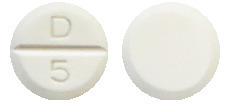
ASPEN DEXAMFETAMINE 5 mg tablet is a white round scored tablet marked with ‘D5’ on one side and plain on the other. Available in bottles of 100 tablets.

Ingredients

Each tablet contains 5 mg of the active ingredient, dexamfetamine (present as dexamfetamine sulfate).

The non-active ingredients are povidone, lactose monohydrate, wheat starch and magnesium stearate.

ASPEN DEXAMFETAMINE tablets contain sugars (from lactose monohydrate) and gluten (from wheat starch). They do not contain tartrazine or any other azo dye.

Sponsor

Aspen Pharma Pty Ltd
34-36 Chandos Street
St Leonards NSW 2065
Australia

Australian registration number:
AUST R 19684.

This leaflet was revised in October 2021.

Published by MIMS December 2021

BRAND INFORMATION

Brand name

Aspen Dexamfetamine

Active ingredient

Dexamfetamine sulfate

Schedule

S8


1 Name of Medicine

Dexamfetamine sulfate.

2 Qualitative and Quantitative Composition

Aspen Dexamfetamine tablets contain dexamfetamine sulfate 5 mg.
List of excipients with known effect include sugars (as lactose) and gluten. For the full list of excipients, see Section 6.1 List of Excipients.

3 Pharmaceutical Form

Aspen Dexamfetamine tablets are a round, white, scored tablet marked 'D5' on one side and plain on the other side.

4 Clinical Particulars

4.1 Therapeutic Indications

Narcolepsy and hyperkinetic behaviour disorders in children.

4.2 Dose and Method of Administration

Dexamfetamine should be started at the lowest possible dose and should then be individually and slowly adjusted to the lowest effective dose for each individual.
Time of administration should receive special attention because of insomnia. Late evening medication should be avoided.

Narcolepsy.

The usual daily dose ranges from 5 to 60 mg (given in divided doses) for optimal response. If bothersome adverse reactions appear (e.g. insomnia or anorexia), reduce the dosage. In patients from 6 to 12 years of age, start with 5 mg daily. The dosage may be raised in increments of 5 mg at weekly intervals until the optimal response is obtained. In patients 12 years or older, start with 10 mg daily. The daily dosage may be raised in increments of 10 mg at weekly intervals until the optimal response is obtained.

Attention deficit disorder (hyperkinetic activity behaviour disorders).

Not recommended for children under 3 years of age.
In children over 3 years of age start with 2.5 mg daily. Then the daily dosage may be raised in 2.5 mg increments, at weekly intervals, until the optimal response is obtained, up to a maximum of 40 mg daily in two divided doses. The first dose should be given on awakening and any additional dose given 4 to 6 hours later.
Where possible, drug administration should be interrupted occasionally to determine if there is an occurrence of behaviour symptoms sufficient to require continued therapy.
If therapy is recommenced after discontinuation, it should not be restarted at the dose that had been reached prior to treatment interruption, but should be re-titrated from the usual starting dose.

4.3 Contraindications

Cardiac arrhythmia, patients with symptomatic cardiovascular disease including those with a history of myocardial infarction. Severe angina pectoris and ischaemic heart disease, moderate to severe hypertension, hyperthyroidism, phaeochromocytoma, known hypersensitivity or idiosyncrasy to dexamfetamine, sympathomimetic amines, glaucoma, motor tics and Tourette syndrome.
Anxiety, tension, and agitation. Patients who currently exhibit severe depression, anorexia nervosa, psychotic symptoms or suicidal tendency.
Patients with known drug dependence or alcohol abuse.
Concurrent treatment with or within 14 days following the administration of monoamine oxidase inhibitors (hypertensive crises may result, see Section 4.5 Interactions with Other Medicines and Other Forms of Interactions).
Allergy to any of the excipients.

4.4 Special Warnings and Precautions for Use

Note.

Because of the liability for abuse, drugs of the amfetamine type are subject to special restrictions on their availability. Prescriptions of this substance may require validation by State or Territory Health Departments of Commissions.

Warning of drug abuse, misuse and addiction.

Amfetamines have a high potential for drug abuse and misuse which can lead to the development of a substance use disorder, including addiction. Aspen Dexamfetamine tablets can be diverted for non-medical use into illicit channels or distribution. Misuse and abuse of CNS stimulants, such as Aspen Dexamfetamine tablets can result in overdose and death and this risk is increased with higher doses or unapproved methods of administration, such as snorting or injection. Care should be exercised in the selection of patients for amfetamine therapy concerning the risk for abuse, misuse and addiction and prescription size should be limited to that required to achieve the therapeutic goal. Patients and their caregivers should be cautioned against increasing the recommended dosage. Should psychological dependence occur, gradual withdrawal of the medication is recommended. Abrupt cessation or dose reduction following prolonged high dosage results in extreme fatigue and mental depression; changes have also been noted on the sleep EEG. Manifestations of chronic intoxication with amfetamines include severe dermatoses, marked insomnia, irritability, hyperactivity and personality changes. The most severe manifestation of chronic intoxication is psychosis, often clinically indistinguishable from schizophrenia.
Throughout Aspen Dexamfetamine treatment, reassess each patient's risk of abuse, misuse and addiction and frequently monitor for signs and symptoms of abuse, misuse and addiction.

Pre-treatment assessment.

Before starting treatment with dexamfetamine, it is important to consider the patient's personal and family cardiac and psychiatric history. In patients with identified or potential cardiovascular or psychiatric risk factors, further investigation or specialist review may be considered.
Children, adolescents or adults who are being considered for treatment with stimulant medications should have a careful history (including assessment for a family history of sudden death or ventricular arrhythmia) and physical exam to assess for the presence of cardiac disease and should receive further cardiac evaluation if findings suggest such disease. Patients who develop symptoms such as exertional chest pain, unexplained syncope or other symptoms suggestive of cardiac disease during stimulant treatment should undergo a prompt cardiac evaluation.

Sudden death and pre-existing structural cardiac abnormalities or other serious heart problems.

Children and adolescents.

Sudden death has been reported in association with CNS stimulant treatment at usual doses in children and adolescents with structural cardiac abnormalities or other serious heart problems. Although some serious heart problems alone carry an increased risk of sudden death, stimulant products generally should not be used in children or adolescents with known serious structural cardiac abnormalities, cardiomyopathy, serious heart rhythm abnormalities or other serious cardiac problems that may place them at increased vulnerability to the sympathomimetic effects of a stimulant drug.

Adults.

Sudden deaths, stroke and myocardial infarction have been reported in adults taking stimulant drugs at usual doses for ADHD. Although the role of stimulants in these adult cases is also unknown, adults have a greater likelihood than children of having serious structural cardiac abnormalities, cardiomyopathy, serious heart rhythm abnormalities, coronary artery disease or other serious cardiac problems. Adults with such abnormalities should also generally not be treated with stimulant drugs.
It is essential that children, adolescents, or adults with pre-existing structural cardiac abnormalities or other serious heart problems being considered for treatment are assessed by a cardiologist before initiating treatment. Ongoing cardiological supervision should be maintained throughout treatment in these patients.

Hypertension and other cardiovascular disease.

According to the FDA's voluntary Adverse Event Reporting System (AERS) database for the period January 1992 to February 2005, 7 of the 14 cases of sudden death in children and adolescents occurred during or shortly after exercise, or in association with hyperthermia and dehydration. However, exercise is almost universal in children and this does not necessarily indicate a true association. Nevertheless, due to the effects on the sympathetic nervous system, dexamfetamine should be used with caution in patients who are involved in strenuous exercise or activities, use stimulants, or have a family history of sudden/ cardiac death or life threatening arrhythmia.
Dexamfetamine should be used with caution in patients with mild hypertension and, in such patients, blood pressure should be monitored more frequently than usual. Because dexamfetamine can increase blood pressure and heart rate, it is not recommended in patients with conditions which may be aggravated by an increase in blood pressure or heart rate.

Aggressive behaviour.

Emergent aggressive behaviour or a worsening of baseline aggressive behaviour has been reported during stimulant therapy. However, patients with ADHD may experience aggression as part of their medical condition. Therefore, causal association with treatment is difficult to assess. Physicians should evaluate the need for adjustment of treatment regimen in patients experiencing these behavioural changes, bearing in mind that upwards or downwards titration may be appropriate.

Depression, bipolar disorders or psychosis.

Administration of dexamfetamine may exacerbate symptoms of behaviour disturbance and thought disorder in patients with a pre-existing psychotic disorder.
Prior to initiating treatment with dexamfetamine, patients with co-morbid depressive symptoms should be adequately screened to determine if they are at risk for bipolar disorder; such screening should include a detailed psychiatric history, including a family history of suicide, bipolar disorder, and depression.
In patients with a past history of or concurrent depression, bipolar disorder or psychosis, dexamfetamine should be used under close supervision and the patient should be closely observed for worsening of depression or the development of suicidal thoughts or behaviour, or thoughts or acts of self-harm. Treatment with dexamfetamine should be withdrawn in patients who develop suicidal ideation or behaviour, thoughts or acts of self-harm, psychosis/mania, or worsening of aggression/violent behaviour, and treatment should be re-introduced with caution following recovery.
Particular care should be taken in using dexamfetamine to treat ADHD in patients with co-morbid bipolar disorder because of concern for possible induction of a mixed/ manic episode in such patients.
Treatment emergent psychotic or manic symptoms, e.g. hallucinations, delusional thinking, or mania in children and adolescents without a prior history of psychotic illness or mania can be caused by dexamfetamine at usual doses.

Peripheral vasculopathy, including Raynaud's phenomenon.

Stimulants, including dexamfetamine, used to treat ADHD are associated with peripheral vasculopathy, including Raynaud's phenomenon. Signs and symptoms are usually intermittent and mild; however, very rare sequelae include digital ulceration and/or soft tissue breakdown. Effects of peripheral vasculopathy, including Raynaud's phenomenon, have been observed in postmarketing reports at different times and at therapeutic doses in all age groups throughout the course of treatment. Signs and symptoms generally improve after reduction in dose or discontinuation of drug. Careful observation for digital changes is necessary during treatment with ADHD stimulants. Further clinical evaluation (e.g. rheumatology referral) may be appropriate for certain patients.

Seizures.

There is some clinical evidence that dexamfetamine may lower the convulsive threshold in patients with prior history of seizures, in patients with prior EEG abnormalities in absence of seizures and, very rarely, in patients without a history of seizures and no prior EEG evidence of seizures. In the presence of seizures, the drug should be discontinued.

Long-term suppression of growth.

Careful follow-up of weight and height in children ages 7 to 10 years who were randomized to either methylphenidate or non-medication treatment groups over 14 months, as well as in naturalistic subgroups of newly methylphenidate-treated and non-medication treated children older than 36 months (to the ages of 10 to 13 years), suggests that consistently medicated children (i.e. treatment for 7 days per week throughout the year) have a temporary slowing in growth rate (on average, a total of about 2 cm less growth in height and 2.7 kg less growth in weight over 3 years), without evidence of growth rebound during this period of development.
Published data are inadequate to determine whether chronic use of dexamfetamine may cause a similar suppression of growth, however, it is anticipated that they likely have this effect as well. Therefore, growth should be monitored during treatment with dexamfetamine, and patients who are not growing or gaining height or weight as expected may need to have their treatment interrupted.

Motor tics or Tourette's syndrome.

Use with caution in patients with a family history of motor tics or Tourette syndrome.

Regular review.

Blood pressure, cardiovascular status and psychiatric status should be reviewed regularly during treatment with dexamfetamine. Children on dexamfetamine should have their growth monitored, and patients who are not growing or gaining height or weight as expected may need to have their treatment interrupted.

Use in renal impairment.

Use with caution in renal insufficiency.

Use in the elderly.

There is no information available on use in the elderly.

Paediatric use.

Long-term effects of amfetamines in children have not been well established and use in children under 3 years of age with attention deficit disorder with hyperactivity is not recommended (see Section 4.2 Dose and Method of Administration).
Infants born to mothers dependent on amfetamines have an increased risk of premature delivery and low birth weight. These infants may experience symptoms of withdrawal as demonstrated by dysphoria, including agitation and significant lassitude.

Effects on laboratory tests.

Amfetamines can cause a significant elevation in plasma corticosteroid levels (this increase is greatest in the evening) and may interfere with urinary steroid determinations.

4.5 Interactions with Other Medicines and Other Forms of Interactions

Acidifying agents.

Gastrointestinal acidifying agents (guanethidine, reserpine, glutamic acid hydrochloride, ascorbic acid, fruit juices, etc.) lower absorption of amfetamines. Urinary acidifying agents (ammonium chloride, sodium acid phosphate, etc.) increase the concentration of the ionised species of the amfetamine molecule, thereby increasing urinary excretion. Both groups of agents lower blood levels and the efficacy of amfetamines.

Alkalising agents.

Gastrointestinal alkalising agents (sodium bicarbonate, etc.) increase absorption of amfetamines. Urinary alkalising agents (acetazolamide and some thiazides) increase the concentration of the non-ionised species of the amfetamine molecule thereby decreasing urinary excretion.

Adrenergic agents.

Adrenergic blockers are inhibited by amfetamines.

Antidepressants, tricyclic.

Amfetamines may enhance the activity of tricyclic or sympathomimetic agents; d-amfetamine with desipramine or protryptaline and possibly other tricyclics cause striking and sustained release in the concentration of noradrenaline in the brain; the adverse cardiovascular effects of tricyclic antidepressants can be potentiated.

Monoamine oxidase inhibitors (MAOI).

MAOI antidepressants slow amfetamine metabolism. This slowing potentiates amfetamines, increasing their effect on the release of noradrenaline and other monoamines from adrenergic nerve endings; this can cause headaches and other signs of hypertensive crisis. A variety of neurological toxic effects and malignant hyperpyrexia can occur, sometimes with fatal results (see Section 4.3 Contraindications).

Antihistamines.

Amfetamines may counteract the sedative effect of antihistamines.

Antihypertensives.

Amfetamines may antagonise the hypotensive effects of antihypertensives.

Chlorpromazine.

Chlorpromazine blocks dopamine and noradrenaline uptake, thus inhibiting the central stimulant effects of amfetamines and can be used to treat amfetamine poisoning.

Ethosuximide.

Amfetamines may delay intestinal absorption of ethosuximide.

Haloperidol.

Haloperidol blocks dopamine and noradrenaline re-uptake, thus inhibiting the central stimulant effects of amfetamines.

Lithium carbonate.

The stimulatory effects of amfetamines may be inhibited by lithium carbonate.

Pethidine.

Amfetamines potentiate the analgesic effect of pethidine.

Methenamine therapy.

Urinary excretion of amfetamine is increased and efficacy is reduced by the acidifying agents used in methenamine therapy.

Adrenaline.

Amfetamines enhance the adrenergic effect of noradrenaline/adrenaline.

Phenobarbital.

Amfetamines may delay intestinal absorption of phenobarbital; co-administration of phenobarbital may produce a synergistic anticonvulsant action.

Phenytoin.

Amfetamines may delay intestinal absorption of phenytoin; coadministration of phenytoin may produce a synergistic anticonvulsant action.

Dextropropoxyphene.

In cases of dextropropoxyphene overdosage, amfetamine CNS stimulation may be potentiated and fatal convulsions could occur.

4.6 Fertility, Pregnancy and Lactation

Effects on fertility.

No data available.
(Category B3)
Dexamfetamine has been shown to have embryotoxic and teratogenic effects in A/Jax and C57B1 mice. Although there are no adequate and well-controlled studies in pregnant women, the use of amfetamines during early pregnancy may be associated with an increased risk of congenital malformations. Infants born to mothers dependent on amfetamines have an increased risk of premature delivery and low birth weight. These infants may experience symptoms of withdrawal as demonstrated by dysphoria, including agitation, and lassitude. Dexamfetamine should not be used by women who are pregnant, and women should be advised to avoid pregnancy during therapy with this drug.
Amfetamines are excreted in human milk and mothers should be advised to refrain from breastfeeding infants.

4.7 Effects on Ability to Drive and Use Machines

Dexamfetamine, like all amfetamines, may impair the ability of the patient to engage in potentially hazardous activities such as operating machinery or vehicles and should be cautioned accordingly.

4.8 Adverse Effects (Undesirable Effects)

Cardiovascular.

Palpitations, tachycardia, Raynaud's phenomenon in susceptible individuals (see Section 4.4 Special Warnings and Precautions for Use), elevation of blood pressure and some reports of cardiomyopathy associated with chronic amfetamine use.

Central nervous system (CNS).

Psychotic episodes at recommended doses (uncommon), overstimulation, restlessness, dizziness, insomnia, dyskinesia, tremor, headache, exacerbation of motor and phonic tics and Tourette's syndrome.

Psychiatric.

Causality in relation to suicidality, psychosis/mania and aggression/violence has not been established, although these events tend to be supported by post-marketing reports of positive rechallenge with dexamfetamine. Therefore, adverse psychiatric events are regarded as potential but very rare effects at normal therapeutic doses of dexamfetamine.

Gastrointestinal.

Mouth dryness, unpleasant taste, diarrhoea, constipation, other gastrointestinal disturbances.

Allergic.

Urticaria.

Endocrine.

Impotence, changes in libido.

Other.

Anorexia and weight loss.

Reporting suspected adverse effects.

Reporting suspected adverse reactions after registration of the medicinal product is important. It allows continued monitoring of the benefit-risk balance of the medicinal product. Healthcare professionals are asked to report any suspected adverse reactions at www.tga.gov.au/reporting-problems.

4.9 Overdose

Individual response to amfetamines varies widely. While toxic symptoms occasionally occur as an idiosyncrasy at dosages as low as 2 mg, they are uncommon with doses of less than 15 mg. Dosages of 30 mg can produce severe reactions, yet doses of 400 mg to 500 mg are not necessarily fatal.
Symptoms include dilated and reactive pupils, shallow rapid respiration, rhabdomyolysis, fever, chills, sweating, hyperactive tendon reflexes.
Central nervous system effects may include psychomotor agitation, restlessness, aggressiveness, anxiety, confusion, delirium, hallucinations, panic attacks and suicidal or homicidal tendencies. Serotonin syndrome, seizures, cerebral vascular accidents and coma may occur. The stimulant effect is usually followed by depression, lethargy, exhaustion.
Cardiovascular effects may include anginal pain, extrasystoles, and other arrhythmias, flushing, headache, hypertension, or hypotension, pallor, palpitations, tachycardia. Circulatory collapse and syncope may occur. Vasospasm, myocardial infarction, or aortic dissection may precipitate sudden cardiac death. Takotsubo cardiomyopathy may develop.
Gastrointestinal effects include nausea, vomiting, diarrhoea and abdominal cramps.
Fatal poisoning is usually preceded by convulsions and coma.

Drug abuse and dependence.

Amfetamines have been extensively abused. Tolerance, extreme psychological dependence and severe social disability have occurred. There are reports of patients who have increased the dosage to many times that recommended. Abrupt cessation following prolonged high dosage results in extreme fatigue and mental depression; changes are also noted on sleep EEG.
Manifestations of chronic intoxication with amfetamines include restlessness, tremor, hyper-reflexia, rhabdomyolysis, rapid respiration, hyperpyrexia, confusion, aggression, hallucinations, panic states, severe dermatoses, marked insomnia, irritability, hyperactivity and personality changes. The most severe manifestation of chronic intoxication is psychosis, often clinically indistinguishable from schizophrenia. This is uncommon with oral amfetamines.

Treatment of acute intoxication.

Treatments of overdoses are usually symptomatic. Emergency stabilization is required to manage those suffering seizure, cardiac arrest, or the acute consequences of arteriospasm or rupture such as stroke.
Efficacy has not been proven for the use of activated charcoal and should only be considered in cases of life threatening overdoses. Activated charcoal may reduce absorption of the drug if given within one or two hours after ingestion. In patients who are not fully conscious or have impaired gag reflex, consideration should be given to administering activated charcoal via nasogastric tube, once the airway is protected. In case of massive overdose, whole bowel irrigation (iso-osmotic polyethylene glycol electrolyte solution) may be beneficial but is not otherwise recommended. Insufficient data is available to recommend the use of haemodialysis or peritoneal dialysis.
For information on the management of overdose, contact the Poisons Information Centre on 13 11 26 (Australia).

5 Pharmacological Properties

5.1 Pharmacodynamic Properties

Mechanism of action.

Amfetamines are non-catecholamine, sympathomimetic amines with central nervous system (CNS) stimulant activity. Dexamfetamine stimulates both alpha and beta-adrenergic receptors. Peripheral actions include elevation of systolic and diastolic blood pressures and weak bronchodilator and respiratory stimulant action. It has pronounced stimulation of the central cortex and the respiratory and vasomotor centres. It increases motor activity, mental, wakefulness and produces euphoria.
The exact mechanism of action has not been established, however in animals, amfetamines facilitate the action of dopamine and noradrenaline by blocking re-uptake from the synapse, inhibit the action of monoamine oxidase (MAO), and facilitate the release of catecholamines. There is no specific evidence which clearly establishes the mechanism whereby amfetamines produce mental and behavioural effects in children, nor conclusive evidence regarding how these effects relate to the condition of the central nervous system.
Tolerance and dependence of the amfetamine type develop on repeated administration of dexamfetamine.

Clinical trials.

No data available.

5.2 Pharmacokinetic Properties

Absorption.

Amfetamines are rapidly absorbed from the gastro-intestinal tract reaching peak levels in approximately 2 hours post-administration and have an apparent volume of distribution of 2-3 L/kg body weight.

Distribution.

Dexamfetamine is concentrated in the brain, lung and kidneys.

Metabolism.

Thirty to forty percent is metabolised by the liver, and the hydroxylated metabolite may be responsible for the psychotic effect; the remainder (60 to 70%) is excreted directly by the kidneys. The approximate plasma half-life is 10.25 hours, however excretion of dexamfetamine is enhanced in an acid urine and slowed in an alkaline urine.

Excretion.

The half-life is 16-31 hours in urine with a pH of more than 7.5 and falls to 6-8 hours when the urinary pH is 5.0 or less. The average urinary recovery is 45% in 48 hours.

5.3 Preclinical Safety Data

Genotoxicity.

No data available.

Carcinogenicity.

Carcinogenicity and mutagenicity studies and long-term studies in animals to determine the carcinogenicity potential of dextroamfetamine sulfate have not been performed.

6 Pharmaceutical Particulars

6.1 List of Excipients

Lactose monohydrate, povidone, wheat starch and magnesium stearate.

6.2 Incompatibilities

Incompatibilities were either not assessed or not identified as part of the registration of this medicine.

6.3 Shelf Life

In Australia, information on the shelf life can be found on the public summary of the Australian Register of Therapeutic Goods (ARTG). The expiry date can be found on the packaging.

6.4 Special Precautions for Storage

Store below 25°C.
Due to the high potential for abuse, misuse and addiction, it is advisable to store this medicine in a safe place, preferably locked.

6.5 Nature and Contents of Container

HDPE bottles capped with a white 33 mm PP child-resistant closure, with silica gel desiccant. Pack size of 100 tablets.

6.6 Special Precautions for Disposal

In Australia, any unused medicine or waste material should be disposed of by taking to your local pharmacy.

6.7 Physicochemical Properties

Dexamfetamine sulfate, is the dextro isomer of the compound d,l-amfetamine sulfate, a sympathomimetic amine of the amfetamine group.
Chemically, dextroamfetamine is (S)-alpha-methylphenethylamine sulphate with a chemical formula of (C19H13N)2H2SO4 and a molecular weight of 368.5. It is soluble approximately 1:10 in water, 1:500 in alcohol 95% and readily soluble in acids.

Chemical structure.


CAS number.

51-63-8.

7 Medicine Schedule (Poisons Standard)

S8 (Controlled Drug).

Summary Table of Changes