1 Name of Medicine
Australian Approved Name: carbamazepine.
2 Qualitative and Quantitative Composition
Avloire tablets containing 100 mg or 200 mg of carbamazepine.
Avloire controlled-release (CR) tablets containing 200 mg or 400 mg of carbamazepine.
Carbamazepine is a white or yellowish-white almost odourless crystalline powder, tasteless or with a slightly bitter taste; melting point: 189 to 193°C. The powder is slightly soluble in water and ether; soluble 1 in 10 of alcohol and 1 in 10 of chloroform; soluble in acetone.
For the full list of excipients, see Section 6.1 List of Excipients.
3 Pharmaceutical Form
Tablets.
100 mg.
White, scored, marked BW, GEIGY on reverse.
200 mg.
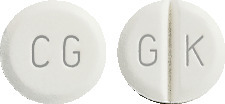
White, scored, marked GK, CG on reverse.
200 mg CR.
Beige-orange, ovaloid, scored, marked H/C and C/G.
400 mg CR.
Brown-orange, ovaloid, scored, marked ENE/ENE and CG/CG.4.1 Therapeutic Indications
Epilepsy.
Complex or simple partial seizures (with or without loss of consciousness) with or without secondary generalisation.
Generalised tonic-clonic seizures.
Mixed seizure patterns incorporating the above.
Avloire is suitable for monotherapy and combination therapy. Avloire is usually not effective in absence seizures, atonic seizures and myoclonic seizures and should not be used for status epilepticus (see Section 4.4 Special Warnings and Precautions for Use).
Trigeminal neuralgia.
For relief of pain in idiopathic trigeminal neuralgia and trigeminal neuralgia due to multiple sclerosis; and in idiopathic glossopharyngeal neuralgia. (Avloire is not a simple analgesic and is not intended for trivial facial pain or headache).
Mania and bipolar affective disorders.
Treatment of mania and maintenance treatment of bipolar affective disorders to prevent or attenuate recurrence.4.2 Dose and Method of Administration
Administration.
Tablets and CR tablets.
Avloire tablets and CR tablets may be taken during or after meals with a little liquid. The CR tablets (either whole, or if so prescribed, as half-tablets) should be swallowed unchewed.
Switching from one formulation to another.
When switching patients from conventional tablets to CR tablets, dosage of the CR tablets may need to be increased. In most cases, the CR tablets can be prescribed in twice-daily doses.
Use in pregnancy.
Women of child-bearing age under treatment with Avloire should be counselled to inform their medical practitioner immediately if pregnancy is suspected (see Section 4.6 Fertility, Pregnancy and Lactation, Use in pregnancy).
Use in the elderly.
Due to drug interactions and different antiepileptic drug pharmacokinetics, the dosage of Avloire should be selected with caution in elderly patients.
Dosage recommendations.
Epilepsy. Wherever possible, Avloire should be prescribed as monotherapy. Treatment should be initiated with a low daily dosage, to be slowly increased until an optimal effect is obtained (see Section 5.2 Pharmacokinetic Properties, Plasma concentrations). After obtaining adequate seizure control, the dosage may be reduced very gradually to the minimum effect level.
Determination of plasma concentrations may help in establishing the optimum dosage (see Section 5.2 Pharmacokinetic Properties, Plasma concentrations).
When Avloire is added to existing anticonvulsant therapy, this should be done gradually while maintaining, or if necessary, adjusting, the dosage of the other anticonvulsant(s) (see Section 4.5 Interactions with Other Medicines and Other Forms of Interactions).
Adults and children over 15 years.
Initially, 100 to 200 mg once or twice daily. Slowly raise the dosage until an optimum response is obtained generally at 400 mg 2 or 3 times daily. In some patients, 1600 mg or even 2000 mg daily may be required in rare instances.
Children aged 6 - 15 years.
Children 6 to 12 years should commence treatment with 100 mg daily in 2 divided doses increasing by 100 mg/day in 3 to 4 divided doses at weekly intervals until optimal control is obtained. Dosage should generally not exceed 1000 mg daily. The initial dose for children 13 to 15 years is as in adults.
The recommended maintenance doses are:
6-10 years: 400 - 600 mg daily;
11-15 years: 600 - 1000 mg daily.
Daily dose should generally not exceed 1000 mg.
Children aged less than 6 years.
Limited data are available concerning the safety and efficacy in children less than 6 years old. For children aged ≥ 4 weeks up to 5 years, a starting dose of 20 to 60 mg daily has been recommended. This dose can be increased by up to 60 mg/day, every 3 to 7 days, (steady state is usually obtained in less than 3 days) until optimal control is obtained. Divided doses are recommended in order to minimise serum fluctuations following administration. The maximum daily dose is not well defined but should probably not exceed 600 mg/day. Monitoring of serum levels is recommended, especially during the initial stages of therapy.
Trigeminal neuralgia. The recommended initial dose is 200 to 400 mg daily in 2 divided doses increasing by 200 mg each day in divided doses until pain relief is obtained. This is usually achieved with doses up to 800 mg daily. Larger doses of conventional tablets should be given as 3 to 4 divided doses. The maximum dose should not exceed 1200 mg daily. As soon as the pain is well controlled, gradually reduce the dosage to the minimal effective level. Because trigeminal neuralgia is characterised by periods of remission, attempts should be made to reduce or discontinue the use of carbamazepine at intervals of not more than 3 months.
Mania and maintenance treatment of bipolar affective disorder. The dosage range is 400-1600 mg daily. When used alone in mania the starting dose of carbamazepine should be 200 - 400 mg daily in 2 divided doses. Dosage should be increased to 800-1000 mg during the first week by daily increments of 200 mg and up to 1600 mg if no response is found after a second week. Due to the differing pharmacokinetic profiles of the various dosage forms of Avloire and the need for rapid dose titration, conventional tablets may be the preferred dose forms for initiating treatment of mania.
For maintenance treatment, carbamazepine is commenced at a dosage of 200 - 400 mg daily in 2 divided doses. Dosage should be increased weekly by increments of 100 mg. Due to auto induction, concentrations may fall after 2 to 3 weeks, and dosage increases may be necessary after this time. The same plasma level range as for anticonvulsant therapy is considered adequate (4 - 12 microgram/mL; 17 - 50 micromol/L). However, dose increases should be titrated against the appearance of side effects.4.3 Contraindications
Known hypersensitivity to carbamazepine or structurally related drugs (e.g. tricyclic antidepressants) or to any other component of the formulations.
Atrioventricular block.
Systemic lupus erythematosus.
History of hepatic porphyrias (e.g. acute intermittent porphyria, variegate porphyria, porphyria cutanea tarda).
History of bone marrow depression.
Because it is structurally related to tricyclic antidepressants, the use of Avloire is contraindicated in combination with monoamine-oxidase inhibitors (MAOIs). Before administering Avloire, MAOIs should be discontinued for a minimum of 2 weeks, or longer if the clinical situation permits.
Hepatic failure (as metabolism occurs in the liver, it is recommended that carbamazepine not be given to patients with significant hepatic dysfunction).
Neonates below 4 weeks of age (see Section 4.4 Special Warnings and Precautions for Use).
4.4 Special Warnings and Precautions for Use
Avloire should be given only under medical supervision.
Avloire should be prescribed only after a critical benefit-risk appraisal and under close monitoring in patients with a history of cardiac, hepatic or renal damage, adverse haematological reactions to other drugs, or interrupted courses of therapy with Avloire.
Serious dermatological reactions.
Serious dermatologic reactions, including toxic epidermal necrolysis (TEN; also known as Lyell's syndrome) and Stevens-Johnson syndrome (SJS), have been reported very rarely with Avloire. Patients with serious dermatological reactions may require hospitalization, as these conditions may be life-threatening and may be fatal. Most of the SJS/TEN cases appear in the first few months of treatment with Avloire. If signs and symptoms suggestive of severe skin reactions (e.g. SJS/TEN) appear, Avloire should be withdrawn at once and alternative therapy should be considered.
Pharmacogenomics.
There is growing evidence of the role of different HLA alleles in predisposing patients to immune-mediated adverse reactions.
Association with HLA-A*3101.
Human leukocyte antigen (HLA)-A*3101 may be a risk factor for the development of hypersensitivity syndrome and cutaneous adverse drug reactions such as SJS, TEN, DRESS, AGEP and maculopapular rash. Retrospective genome-wide studies in Japanese and Northern European populations reported association between severe skin reactions (SJS, TEN, DRESS, AGEP and maculopapular rash) associated with carbamazepine use and the presence of the HLA-A*3101 allele in these patients.
Testing for the presence of HLA-A*3101 allele should be considered in patients with ancestry in genetically at-risk populations (for example, patients of the Japanese and Caucasian populations, patients who belong to the indigenous populations of the Americas, Hispanic populations, people of southern India, and people of Arabic descent), prior to initiating treatment with Avloire. The use of Avloire should be avoided in patients who are found to be positive for HLA-A*3101, unless the benefits clearly outweigh the risks. Screening is generally not recommended for any current Avloire users, as the risk of SJS/TEN, AGEP, DRESS and maculopapular rash is largely confined to the first few months of therapy, regardless of HLA-A*3101 status.
Association with HLA-B*1502.
Retrospective studies in patients of Han Chinese and Thai origin found a strong correlation between SJS/TEN skin reactions associated with carbamazepine and the presence in these patients of the human leukocyte antigene (HLA)-B*1502 allele. Higher reporting rates of SJS (rare rather than very rare) are reported in some countries in Asia (e.g. Taiwan, Malaysia and the Philippines) in which there is a higher prevalence of the HLA-B*1502 allele in the population. The prevalence of carriers of this allele in Asian populations is above 15% in the Philippines, Thailand, Hong Kong and Malaysia, around 10% in Taiwan, around 4% in North China, around 2 to 4% in South Asia including Indians, and less than 1% in Japan and Korea. The prevalence of the HLA-B*1502 allele is negligible in Caucasian, African, indigenous peoples of the Americas, and Hispanic populations sampled.
Testing for the presence of HLA-B*1502 allele should be considered in patients with ancestry in genetically at-risk populations, prior to initiating treatment with Avloire. If testing for the presence of the HLA-B*1502 allele should be performed, high-resolution "HLA-B*1502 genotyping" is recommended. The test is positive if either one or two HLA-B*1502 alleles are detected and negative if no HLA-B*1502 alleles are detected.
The use of Avloire should be avoided in tested patients who are found to be positive for HLA-B*1502 unless the benefits clearly outweigh the risks. Screening is not generally recommended in patients from populations in which the prevalence of HLA-B*1502 is low. Screening is generally not recommended for any current Avloire users, as the risk of SJS/TEN is largely confined to the first few months of therapy, regardless of HLA-B*1502 status.
The identification of subjects carrying the HLA-B*1502 allele and the avoidance of carbamazepine therapy in these subjects has been shown to decrease the incidence of carbamazepine-induced SJS/TEN.
Limitation of genetic screening.
Genetic screening results must never substitute for appropriate clinical vigilance and patient management. Many Asian patients positive for HLA-B*1502 and treated with Avloire will not develop SJS/TEN and patients negative for HLA-B*1502 of any ethnicity can still develop SJS/TEN. Similarly, many patients positive for HLA-A*3101 and treated with Avloire will not develop SJS, TEN, DRESS, AGEP or maculopapular rash and patients negative for HLA-A*3101 of any ethnicity can still develop these severe cutaneous adverse reactions. The role of other possible factors in the development of, and morbidity from these severe cutaneous adverse reactions, such as AED dose, compliance, concomitant medications, co-morbidities, and the level of dermatologic monitoring have not been studied.
Other dermatologic reactions.
Mild skin reactions (e.g. isolated macular or maculopapular exanthemata) can also occur and are mostly transient and not hazardous, and they usually disappear within a few days or weeks, either during the course of treatment or following a decrease in dosage. However, since it may be difficult to differentiate the early signs of more serious skin reactions from mild transient reactions, the patient should be kept under close surveillance with consideration given to immediately withdrawing the drug should the reaction worsen with continued use.
The HLA-A*3101 allele has been found to be associated with less severe adverse cutaneous reactions from carbamazepine and may predict the risk of these reactions from carbamazepine, such as anticonvulsant hypersensitivity syndrome or non-serious rash (maculopapular eruption). However, the HLA-B*1502 allele has not been found to predict the risk of less severe adverse cutaneous reactions from carbamazepine, such as anticonvulsant hypersensitivity syndrome or non-serious rash (maculopapular eruption).
Hypersensitivity.
Class I (immediate) hypersensitivity reactions including rash, pruritus, urticaria, angioedema and reports of anaphylaxis have been reported with Avloire. If a patient develops these reactions after treatment with Avloire, the drug must be discontinued, and an alternative treatment started.
Avloire may trigger hypersensitivity reactions, including drug rash with eosinophilia and systemic symptoms (DRESS), a delayed multi-organ hypersensitivity disorder with fever, rash, vasculitis, lymphadenopathy, pseudolymphoma, arthralgia, leukopenia, eosinophilia, hepatosplenomegaly, abnormal liver function tests and vanishing bile duct syndrome (destruction and disappearance of intrahepatic bile ducts), that may occur in various combinations. Other organs may also be affected (e.g. lungs, kidneys, pancreas, myocardium, colon) (see Section 4.8 Adverse Effects (Undesirable Effects)).
Patients who have exhibited hypersensitivity reactions to carbamazepine should be informed that approximately 25 - 30% of these patients may experience hypersensitivity reactions with oxcarbazepine (Trileptal).
Cross-hypersensitivity can occur between carbamazepine and aromatic antiepileptic drugs (e.g. phenytoin, primidone and phenobarbital) (see Section 4.5 Interactions with Other Medicines and Other Forms of Interactions).
In general, if signs and symptoms suggestive of hypersensitivity reactions occur, Avloire should be withdrawn immediately.
Seizures.
Avloire should be used with caution in patients with mixed seizures, which include absences, either typical or atypical. In all of these conditions, Avloire may exacerbate seizures. In case of exacerbation of seizures, Avloire should be discontinued.
Hyponatremia.
Hyponatremia is known to occur with carbamazepine. In patients with pre-existing renal conditions associated with low sodium or in patients treated concomitantly with sodium-lowering medicinal products (e.g. diuretics, medicinal products associated with inappropriate ADH secretion), serum sodium levels should be measured prior to initiating carbamazepine therapy. Thereafter, serum sodium levels should be measured after approximately two weeks and then at monthly intervals for the first three months during therapy, or according to clinical need. These risk factors may apply especially to elderly patients.
Hypothyroidism.
Carbamazepine may reduce serum concentrations of thyroid hormones through enzyme induction requiring an increase in dose of thyroid replacement therapy in patients with hypothyroidism. Hence thyroid function monitoring is suggested to adjust the dosage of thyroid replacement therapy.
Haematological effects.
Aplastic anaemia and agranulocytosis (in some cases fatal) have been reported in association with the use of Avloire. However, due to the very low incidence of these conditions, meaningful risk estimates for Avloire are difficult to obtain. The overall risk in the general untreated population has been estimated at 4.7 persons per million per year for agranulocytosis and 2 persons per million per year for aplastic anaemia.
Although reports of transient or persistent reductions in platelet count or white cell count are not uncommon in association with the use of Avloire, data are not available to estimate accurately their incidence or outcome. Nevertheless, the vast majority of leukopenia cases have not progressed to aplastic anaemia or agranulocytosis. Nonetheless, complete blood counts, including platelets and possibly reticulocytes and serum iron, should be obtained before treatment as a baseline and periodically thereafter.
If during treatment definitely low or decreased white blood cell or platelet counts are observed, the patient and the complete blood count should be monitored closely. Avloire should be discontinued if any evidence of significant bone-marrow depression appears.
Because the onset of potentially serious blood dyscrasias may be rapid, patients should be made aware of early toxic signs and symptoms of a potential haematological problem, as well as symptoms of dermatological or hepatic reactions. If reactions such as fever, sore throat, and rash, ulcers in the mouth, easy bruising, petechial or purpuric haemorrhage appear, the patient should be advised to consult the physician immediately.
Anticholinergic effects.
Avloire has shown mild anticholinergic activity. Patients with increased intraocular pressure, urinary retention or prostatism should, therefore, be observed closely during therapy (see Section 4.8 Adverse Effects (Undesirable Effects)).
Ophthalmological effects.
Carbamazepine therapy has been associated with punctate cortical lens opacities and conjunctivitis, although a direct causal relationship has not been established. Baseline and periodic ophthalmological examinations are recommended.
Psychiatric effects.
The possibility of activation of a latent psychosis and, in elderly patients, of confusion or agitation should be borne in mind.
Suicidal behaviour and ideation.
Antiepileptic drugs, including carbamazepine, increase the risk of suicidal thoughts or behaviour in patients taking these drugs for any indication. Patients treated with any AED for any indication should be monitored for the emergence or worsening of depression, suicidal thoughts or behaviour, and/or any unusual changes in mood or behaviour.
Pooled analyses of 199 placebo-controlled clinical trials (mono- and adjunctive therapy) of 11 different AEDs showed that patients randomised to one of the AEDs had approximately twice the risk (adjusted relative risk 1.8, 95% CI:1.2, 2.7) of suicidal thinking or behaviour compared to patients randomised to placebo. Based on the subgroup analysis, the adjusted relative risks (estimated odds ratios) of suicidal behaviour or ideation was 0.65 (95% CI: 0.08, 4.42) for carbamazepine compared to placebo. In these trials, which had a median treatment duration of 12 weeks, the estimated incidence rate of suicidal behaviour or ideation among 27,863 AED-treated patients was 0.43%, compared to 0.24% among 16,029 placebo-treated patients, representing an increase of approximately one case of suicidal thinking or behaviour for every 530 patients treated. There were four suicides in drug-treated patients in the trials and none in placebo-treated patients, but the number is too small to allow any conclusion about drug effect on suicide.
The increased risk of suicidal thoughts or behaviour with AEDs was observed as early as one week after starting drug treatment with AEDs and persisted for the duration of treatment assessed. Because most trials included in the analysis did not extend beyond 24 weeks, the risk of suicidal thoughts or behaviour beyond 24 weeks could not be assessed.
The risk of suicidal thoughts or behaviour was generally consistent among drugs in the data analysed. The finding of increased risk with AEDs of varying mechanisms of action and across a range of indications suggests that the risk applies to all AEDs used for any indication. The risk did not vary substantially by age (5 - 100 years) in the clinical trials analysed. Table 1 shows absolute and relative risk by indication for all evaluated AEDs.
 The relative risk for suicidal thoughts or behaviour was higher in clinical trials for epilepsy than in clinical trials for psychiatric or other conditions, but the absolute risk differences were similar for the epilepsy and psychiatric indications.
Anyone considering prescribing Trileptal, or any other AED must balance this risk with the risk of untreated illness. Epilepsy and many other illnesses for which AEDs are prescribed are themselves associated with morbidity and mortality and an increased risk of suicidal thoughts and behaviour. Should suicidal thoughts and behaviour emerge during treatment, the prescriber needs to consider whether the emergence of these symptoms in any given patient may be related to the illness being treated.
Patients, their caregivers, and families should be informed that AEDs increase the risk of suicidal thoughts and behaviour and should be advised of the need to be alert for the emergence or worsening of the signs and symptoms of depression, any unusual changes in mood or behaviour, or the emergence of suicidal thoughts, behaviour, or thoughts about self-harm. Behaviours of concern should be reported immediately to healthcare providers.
Pregnancy and females of reproductive potential.
Carbamazepine may be associated with fetal harm when administered to a pregnant woman (see Section 4.6 Fertility, Pregnancy and Lactation). Avloire should be used during pregnancy only if the potential benefit justifies the potential risks.
Adequate counselling should be made available to all pregnant women and women of childbearing potential, regarding the risks associated with pregnancy due to potential teratogenic risk to the foetus (see Section 4.6 Fertility, Pregnancy and Lactation).
Women of childbearing potential should use effective contraception during treatment with carbamazepine and for 2 weeks after the last dose (see Section 4.6 Fertility, Pregnancy and Lactation, Contraception).
Monitoring of plasma concentrations.
Although correlations between dosage and plasma concentrations of carbamazepine, and between plasma concentrations and clinical efficacy or tolerability are rather tenuous, monitoring of the plasma concentrations may be useful in the following circumstances: dramatic increase in seizure frequency; verification of patient compliance; during pregnancy; when treating children or adolescents; in suspected absorption disorders; in suspected toxicity when more than one drug is being used (see Section 4.5 Interactions with Other Medicines and Other Forms of Interactions).
Dose reduction and withdrawal effects.
Abrupt dose reduction or withdrawal may precipitate convulsions or even status epilepticus, therefore carbamazepine should be withdrawn gradually. If treatment with Avloire has to be withdrawn abruptly in a patient with epilepsy, the changeover to the new antiepileptic compound should be made under cover of a suitable drug (e.g. intravenous diazepam or intravenous phenytoin).
Falls.
Avloire treatment has been associated with ataxia, dizziness, somnolence, hypotension, confusional state, sedation (see Section 4.8 Adverse Effects (Undesirable Effects)) which may lead to falls and, consequently fractures or other injuries. For patients with diseases, conditions, or medications that could exacerbate these effects, complete risk assessment of fall should be considered recurrently for patients on long-term Avloire treatment.
Use in hepatic impairment.
Baseline and periodic evaluations of hepatic function, particularly in patients with a history of liver disease and in elderly patients, must be performed during treatment with Avloire. The drug should be withdrawn immediately in cases of aggravated liver dysfunction or active liver disease.
Use in renal impairment.
Baseline and periodic complete urinalysis and BUN determinations are recommended.
Use in the elderly.
Due to drug interactions and different antiepileptic drug pharmacokinetics, the dosage of Avloire should be selected with caution in elderly patients.
Paediatric use.
See Section 4.2 Dose and Method of Administration, Dose recommendations, Epilepsy; Section 4.4 Special Warnings and Precautions for Use, Monitoring of plasma concentrations; Section 4.9 Overdose; Section 5.1 Pharmacodynamic Properties, Antiepileptic agent.
Effects on laboratory tests.
Interference with serological testing.
Carbamazepine may result in false positive perphenazine concentrations in HPLC analysis due to interference.
Carbamazepine and the 10,11-epoxide metabolite may result in false positive tricyclic antidepressant concentration in fluorescence polarized immunoassay method.4.5 Interactions with Other Medicines and Other Forms of Interactions
Cytochrome P450 3A4 (CYP 3A4) is the main enzyme catalysing the formation of the active metabolite carbamazepine-10,11-epoxide. Co-administration of inhibitors of CYP 3A4 may result in an increased plasma concentration of carbamazepine which could induce adverse reactions. The dose of Avloire may have to be adjusted.
Co-administration of CYP 3A4 inducers might increase the rate of carbamazepine metabolism, thus leading to a decrease in carbamazepine plasma concentration and a potential decrease in the therapeutic effect. Similarly, discontinuation of a CYP3A4 inducer may decrease the rate of metabolism of carbamazepine, leading to an increase in carbamazepine plasma levels. The dose of Avloire may have to be adjusted.
Carbamazepine is a potent inducer of CYP3A4 and other phase I and phase II enzyme systems in the liver and may therefore reduce plasma concentrations of co-medications mainly metabolized by CYP3A4 by induction of their metabolism (see Section 4.4 Special Warnings and Precautions for Use).
Human microsomal epoxide hydrolase has been identified as the enzyme responsible for the formation of the 10,11-transdiol derivative from carbamazepine-10,11 epoxide. Co-administration of inhibitors of human microsomal epoxide hydrolase may result in increased carbamazepine-10,11 epoxide plasma concentrations.
Agents that may raise carbamazepine plasma concentrations.
Since high plasma concentrations of carbamazepine may result in adverse reactions (e.g. dizziness, drowsiness, ataxia, diplopia), the dosage of Avloire should be adjusted accordingly and/or the plasma concentrations monitored when used concomitantly with the substances described below.
Analgesics, anti-inflammatory drugs.
Dextropropoxyphene, ibuprofen.
Androgens.
Danazol.
Antibiotics.
Macrolide antibiotics (e.g. erythromycin, troleandomycin, josamycin, clarithromycin), ciprofloxacin.
Antidepressants.
Possibly desipramine, fluoxetine, fluvoxamine, nefazodone, paroxetine, trazodone.
Antiepileptics.
Vigabatrin.
Antifungals.
Azoles (e.g. itraconazole, ketoconazole, fluconazole, voriconazole).
Antihistamines.
Loratadine, terfenadine.
Antipsychotics.
Olanzapine, quetiapine.
Antituberculosis.
Isoniazid.
Antivirals.
Protease inhibitors for HIV treatment (e.g. ritonavir).
Carbonic anhydrase inhibitors.
Acetazolamide.
Cardiovascular drugs.
Diltiazem, verapamil.
Gastrointestinal drugs.
Possibly cimetidine, omeprazole.
Muscle relaxants.
Oxybutynin, dantrolene.
Platelet aggregation inhibitors.
Ticlopidine.
Other interactions.
Grapefruit juice, nicotinamide (in adults, only in high dosage).
Agents that may raise the active metabolite carbamazepine-10,11-epoxide plasma levels.
Since raised plasma carbamazepine-10,11-epoxide levels may result in adverse reactions (e.g. dizziness, drowsiness, ataxia, diplopia), the dosage of Avloire should be adjusted accordingly and/or the plasma levels monitored when used concomitantly with the substances described: quetiapine, valproic acid, valnoctamide, valpromide and primidone.
Agents that may decrease carbamazepine plasma concentrations.
The dose of Avloire consequently may have to be adjusted when used concomitantly with the substances described below.
Antiepileptics.
Oxcarbazepine, phenobarbital, phenytoin, primidone, progabide, and, although the data are partly contradictory, possibly also clonazepam, valproic acid or valpromide, brivaracetam.
Antineoplastics.
Cisplatin or doxorubicin.
Antituberculosis.
Rifampicin.
Bronchodilators or anti-asthma drugs.
Theophylline, aminophylline.
Dermatological drugs.
Isotretinoin has been reported to alter the bioavailability and/or clearance of carbamazepine and carbamazepine-10,11-epoxide. Carbamazepine plasma concentrations should be monitored.
Other interactions.
Herbal preparations containing St. John's wort (Hypericum perforatum).
Effect of Avloire on plasma concentrations of concomitant drugs.
Due to induction of the hepatic mono-oxygenase enzyme system, carbamazepine may lower the plasma concentration and or diminish or even abolish the activity of certain drugs that are metabolised by this system. The dosage of the following drugs may have to be adjusted to clinical requirements:
Analgesics, anti-inflammatory agents.
Buprenorphine, methadone, paracetamol (long term administration of carbamazepine and paracetamol may be associated with hepatotoxicity), tramadol.
Antibiotics.
Doxycycline, rifabutin.
Anticoagulants.
Oral anticoagulants (warfarin, phenprocoumon, dicoumarol, acenocoumarol, rivaroxaban, dabigatran, apixaban, edoxaban).
Antidepressants.
Bupropion, citalopram, mianserin, nefazodone, sertraline, trazodone, tricyclic antidepressants (e.g. imipramine, amitriptyline, nortriptyline, clomipramine).
Antiemetics.
Aprepitant.
Antiepileptics.
Clobazam, clonazepam, ethosuximide, lamotrigine, eslicarbazepine, oxcarbazepine, primidone, tiagabine, topiramate, valproic acid. Plasma phenytoin levels have been reported both to be raised and to be lowered by carbamazepine, and mephenytoin plasma levels have been reported in rare instances to increase.
Antifungals.
Itraconazole, voriconazole.
Antihelmintics.
Praziquantel, albendazole.
Antineoplastics.
Imatinib, cyclophosphamide, lapatinib, temsirolimus.
Antipsychotics.
Clozapine, haloperidol, bromperidol, olanzapine, quetiapine, risperidone, ziprasidone, aripiprazole, paliperidone.
Antivirals.
Protease inhibitors for HIV treatment, (e.g. indinavir, ritonavir, saquinavir).
Anxiolytics.
Alprazolam, midazolam.
Bronchodilators or anti-asthma drugs.
Theophylline.
Contraceptives.
Hormonal contraceptives (alternative contraceptive methods should be considered).
Cardiovascular drugs.
Calcium channel blockers (dihydropyridine group), e.g. felodipine, digoxin, simvastatin, atorvastatin, lovastatin, cerivastatin, ivabradine.
Corticosteroids.
Corticosteroids (e.g. prednisolone, dexamethasone).
Drugs used in erectile dysfunction.
Tadalafil.
Immunosuppressants.
Cyclosporin, everolimus, tacrolimus, sirolimus.
Thyroid agents.
Levothyroxine.
Other drug interactions.
Products containing oestrogens and/or progesterones.
Combinations that require specific consideration.
Concomitant use of carbamazepine and levetiracetam has been reported to increase carbamazepine-induced toxicity.
Concurrent use of carbamazepine and isoniazid has been reported to increase isoniazid-induced hepatotoxicity.
Combined use of carbamazepine and lithium or metoclopramide on one hand and carbamazepine and neuroleptics (haloperidol, thioridazine) on the other may lead to an increase in neurological adverse reactions (with the latter combination even in the presence of "therapeutic" plasma level concentrations).
The causative role of carbamazepine in inducing or contributing to the development of a serotonin syndrome during concomitant use with selective serotonin re-uptake inhibitors is unclear. (Symptoms of serotonin syndrome include e.g. hyperthermia, tremor, convulsions, sweating, muscle contractions and changes in mental state, including confusion, irritability and extreme agitation).
Concurrent medication with Avloire and some diuretics (hydrochlorothiazide, frusemide) may lead to symptomatic hyponatraemia.
Carbamazepine may antagonise the effects of non-depolarising muscle relaxants (e.g. pancuronium). Their dosage may need to be raised, and patients should be monitored closely for more rapid recovery from neuromuscular blockade than expected.
Carbamazepine, like other psychoactive drugs, may reduce alcohol tolerance. It is, therefore, advisable for the patient to abstain from alcohol.
Avloire should not be administered with MAO inhibitors (see Section 4.3 Contraindications).
Concurrent use of Avloire with hormonal contraceptives may render this type of contraceptive ineffective (see Section 4.4 Special Warnings and Precautions for Use, Endocrinological effects).
Concomitant use of carbamazepine with direct acting oral anti-coagulants (rivaroxaban, dabigatran, apixaban, and edoxaban) may lead to reduced plasma concentrations of direct acting oral anti-coagulants, which carries the risk of thrombosis. Therefore, if a concomitant use is necessary, close monitoring of signs and symptoms of thrombosis is recommended.4.6 Fertility, Pregnancy and Lactation
Contraception.
Women of childbearing potential should use effective contraception during treatment with Avloire and for 2 weeks after the last dose. Breakthrough bleeding has been reported in women taking Avloire while using hormonal contraceptives. The reliability of hormonal contraceptives may be adversely affected by Avloire (see Section 4.5 Interactions with Other Medicines and Other Forms of Interactions). Women of childbearing potential should be advised to consider using alternative forms of birth control while taking Avloire. Due to enzyme induction Avloire may cause failure of the therapeutic effect of any drugs containing oestrogen and/or progesterone (e.g. failure of contraception) (see Section 4.5 Interactions with Other Medicines and Other Forms of Interactions).
Effects on fertility.
There have been very rare reports of impaired male fertility and/or abnormal spermatogenesis (see Section 5.3 Preclinical Safety Data, Carcinogenicity).
(Category D)
In animals (mice, rats, rabbits), oral administration of carbamazepine during organogenesis led to increased embryonic mortality at daily doses which caused maternal toxicity (above 200 mg/kg/day, or about 1.5 times the maximum recommended clinical dose on a surface area basis). In rats, there was also some indication of abortion at 300 mg/kg/day. Near-term rat foetuses showed growth retardation at maternally toxic doses. In mice, oral administration of carbamazepine at doses of 40 to 240 mg/kg/day (less than the maximum recommended clinical dose on a surface area basis) caused defects (mainly dilatation of cerebral ventricles) in 4.7% of exposed foetuses compared with 1.3% of controls. In rats, a small number of congenital abnormalities occurred following oral administration of carbamazepine at doses of 250 and 650 mg/kg (respectively, 2 and 4 times the maximum recommended clinical dose on a surface area basis).
The risk of a mother with epilepsy giving birth to a baby with an abnormality is about three times that of the general population. Some of this risk is due to the anticonvulsant drugs taken. Although carbamazepine has been known to produce malformations in one animal species (the rat), the significance of this in humans is not known. Mothers taking more than one anticonvulsant drug might have a higher risk of having a baby with a malformation than mothers taking one drug. Overall, the risk of having an abnormal child as a result of medication is far outweighed by the dangers to the mother and foetus of uncontrolled epilepsy.
Review of a cohort of 1457 women exposed to carbamazepine not combined with valproate revealed a one percent incidence of spina bifida. A smaller cohort of 50 women on carbamazepine monotherapy produced two babies with spina bifida. Other congenital anomalies such as craniofacial defects, cardiovascular malformations, hypospadias, microcephaly and anomalies involving various body systems (e.g. fingernail hypoplasia and developmental disorder) have been reported. There is evidence suggestive of an increased risk of malformations in humans when carbamazepine has been used in combination with other anticonvulsant drugs. The risk of malformations following exposure to carbamazepine as polytherapy may vary depending on the specific drugs used and may be higher in polytherapy combinations that include valproate. Monotherapy is recommended wherever possible. Patients should be counselled regarding the possibility of an increased risk of malformations and specialist prenatal diagnosis including detailed mid-trimester ultrasound should be offered. Minimum effective doses should be given, and monitoring of plasma levels is recommended. The plasma concentration could be maintained in the lower side of the therapeutic range provided seizure control is maintained (see Section 5.2 Pharmacokinetic Properties, Plasma concentrations). If pregnancy occurs in a woman receiving Avloire, or if the question of initiating treatment with Avloire arises during pregnancy, the drug's expected benefits must be carefully weighed against its possible hazards, particularly in the first 3 months of pregnancy.
Data from an epidemiological study suggests an increased risk for infants of being born small for gestational age (potentially associated with foetal growth restriction) in pregnant women receiving antiepileptic drugs (including carbamazepine) during pregnancy compared to unexposed pregnant women with epilepsy. Neurodevelopmental disorders (such as developmental delay, autism spectrum disorder, intellectual disability, ADHD, etc.) have been reported among children born to women with epilepsy treated with carbamazepine alone or in combination with other antiepileptic drugs during pregnancy. Studies related to the risk of neurodevelopmental disorders in children exposed to carbamazepine during pregnancy are contradictory and a risk cannot be excluded.
Folic acid deficiency is known to occur in pregnancy. Antiepileptic drugs have been reported to aggravate folic acid deficiency. This deficiency may contribute to the increased incidence of birth defects in the offspring of treated epileptic women. Folic acid supplementation has, therefore, been recommended before and during pregnancy. Folic acid supplementation (5 mg) should be commenced four weeks prior to and continue for twelve weeks after conception.
In the neonate.
In order to prevent bleeding disorders in the offspring, it has also been recommended that vitamin K1 be given to the mother during the last weeks of pregnancy as well as to the neonate.
There have been a few cases of neonatal seizures and/or respiratory depression associated with maternal Avloire and other concomitant anticonvulsant drug use. A few cases of neonatal vomiting, diarrhoea and/or decreased feeding have also been reported in association with maternal Avloire use. These reactions may represent a neonatal withdrawal syndrome.
Carbamazepine passes into human milk (about 25 to 60% of plasma concentrations). The benefits of breastfeeding should be weighed against the possibility of adverse effects occurring in the infant. Mothers taking Avloire may breastfeed their infants, provided the infant is observed for possible adverse reactions (e.g. excessive somnolence, allergic skin reaction). There have been some reports of cholestatic hepatitis in neonates exposed to carbamazepine during antenatal and/or during breastfeeding. Therefore, breast-fed infants of mothers treated with carbamazepine should be carefully observed for adverse hepatobiliary effects.4.7 Effects on Ability to Drive and Use Machines
The patient's ability to react may be impaired by the medical condition resulting in seizures and adverse reactions including dizziness, drowsiness, ataxia, diplopia, impaired accommodation and blurred vision have been reported with Avloire, especially at the start of treatment or in association with dose adjustments. Patients should, therefore, exercise due caution when driving a vehicle or operating machinery.
4.8 Adverse Effects (Undesirable Effects)
Particularly at the start of treatment with Avloire, or if the initial dosage is too high, or when treating elderly patients, certain types of adverse reaction occur very commonly or commonly, e.g. CNS adverse reactions (dizziness, headache, ataxia, drowsiness, fatigue, diplopia), gastrointestinal disturbances (nausea, vomiting), as well as allergic skin reactions. Such reactions can be minimised by starting with a low dose.
The dose-related adverse reactions usually abate within a few days, either spontaneously or after a dosage reduction. The occurrence of CNS adverse reactions may be a manifestation of relative overdosage or significant fluctuation in concentration of the drug in plasma. In such cases it is advisable to monitor the plasma concentrations and possibly to lower the daily dosage and/or divide it into 3 or 4 fractional doses.
Adverse drug reactions from clinical trials are listed by MedDRA system organ class. Within each system organ class, the adverse drug reactions are ranked by frequency, with the most frequent reactions first. Within each frequency grouping, adverse drug reactions are presented in order of decreasing seriousness. In addition, the corresponding frequency category for each adverse drug reaction is based on the following convention (CIOMS III): very common (≥ 1/10); common (≥ 1/100 to < 1/10); uncommon (≥ 1/1,000 to < 1/100); rare (≥ 1/10,000 to < 1/1,000); very rare (< 1/10,000).
Adverse drug reactions from clinical trials with carbamazepine.
Blood and lymphatic system disorders.
Very common: leucopenia.
Common: eosinophilia, thrombocytopenia.
Rare: leucocytosis, lymphadenopathy.
Very rare: agranulocytosis/aplastic anaemia (with fatal outcome in some cases), pancytopenia, aplasia pure red cell, anaemia, anaemia megaloblastic, reticulocytosis, haemolytic anaemia.
Immune system disorders.
Rare: a delayed multi-organ hypersensitivity disorder with fever, rashes, vasculitis, lymphadenopathy, pseudo lymphoma, arthralgia, leucopenia, eosinophilia, hepato-splenomegaly, abnormal liver function tests and vanishing bile duct syndrome (destruction and disappearance of the intrahepatic bile ducts), occurring in various combinations. Other organs may also be affected (e.g. lungs, kidneys, pancreas, myocardium, and colon).
Very rare: anaphylactic reactions, angioedema, hypogammaglobulinaemia.
Endocrine disorders.
Common: oedema, fluid retention, weight increase, hyponatraemia and blood osmolarity decreased due to an antidiuretic hormone (ADH)-like effect, leading in rare cases to water intoxication accompanied by lethargy, vomiting, headache, confusional state, neurological disorders.
Very rare: galactorrhoea; gynaecomastia.
Metabolism and nutrition disorders.
Rare: folate deficiency, decreased appetite.
Very rare: porphyria acute (acute intermittent porphyria and variegate porphyria), porphyria non-acute (porphyria cutanea tarda).
Psychiatric disorders.
Rare: hallucinations (visual or auditory), depression, aggression, agitation, anorexia, restlessness, confusional state.
Very rare: activation of psychosis.
Nervous system disorders.
Very common: ataxia, dizziness, somnolence.
Common: diplopia, headache, increases in seizure frequency in patients with atypical absences.
Uncommon: abnormal involuntary movements (e.g. tremor, asterixis, dystonia, tics), nystagmus.
Rare: orofacial dyskinesia, choreoathetosis, eye movement disorder, speech disorders (e.g. dysarthria, slurred speech), neuropathy peripheral, paraesthesia, paresis. There have been some reports of paralysis and other symptoms of cerebral arterial insufficiency, but no conclusive relationship to the administration of carbamazepine could be established.
Very rare: neuroleptic malignant syndrome (the causative role of carbamazepine in inducing or contributing to the development of neuroleptic malignant syndrome, especially in conjunction with neuroleptics, is unclear), aseptic meningitis with myoclonus and peripheral eosinophilia, dysgeusia.
Eye disorders.
Common: accommodation disorders (e.g. blurred vision).
Very rare: lenticular opacities (see Section 4.4 Special Warnings and Precautions for Use), conjunctivitis.
Ear and labyrinth disorders.
Very rare: hearing disorders, e.g. tinnitus, hyperacusis, hypoacusis, change in pitch perception.
Cardiac disorders.
Rare: cardiac conduction disorders.
Very rare: arrhythmia, Stokes-Adams attacks and syncope associated with AV-block, bradycardia, cardiac failure, aggravation of symptoms of coronary insufficiency.
Vascular disorders.
Rare: hypertension or hypotension.
Very rare: circulatory collapse, thromboembolism (e.g. pulmonary embolism), thrombophlebitis.
Respiratory, thoracic and mediastinal disorders.
Very rare: pulmonary hypersensitivity characterised by fever, dyspnoea, pneumonitis or pneumonia.
Gastrointestinal disorders.
Very common: vomiting, nausea.
Common: dry mouth.
Uncommon: diarrhoea, constipation.
Rare: abdominal pain.
Very rare: pancreatitis. glossitis, stomatitis.
Hepato-biliary disorders.
Rare: cholestatic hepatitis, parenchymal (hepatocellular) or mixed type, vanishing bile duct syndrome, jaundice.
Very rare: hepatic failure, granulomatous liver disease.
Skin and subcutaneous tissue disorders.
Very common: urticaria which may be severe, dermatitis allergic.
Uncommon: dermatitis exfoliative and erythroderma.
Rare: systemic lupus erythematosus, pruritus.
Very rare: Stevens-Johnson syndrome, toxic epidermal necrolysis, photosensitivity reaction, erythema multiforme, erythema nodosum, pigmentation disorder, purpura, acne, hyperhydrosis, alopecia, hirsutism.
Musculoskeletal, connective tissue and bone disorders.
Rare: muscular weakness.
Very rare: bone metabolism disorders (decrease in plasma calcium and blood 25-hydroxy-cholecalciferol) leading to osteomalacia/osteoporosis arthralgia, myalgia, muscle spasms.
Renal and urinary disorders.
Very rare: tubulointerstitial nephritis, renal failure, renal impairment (e.g. albuminuria, haematuria, oliguria and blood urea increased/azotaemia), urinary retention, urinary frequency.
Reproductive system.
Very rare: sexual dysfunction/erectile dysfunction, spermatogenesis abnormal (with decreased sperm count and/or motility).
General disorders and administration site conditions.
Very common: fatigue.
Investigations.
Very common: gamma-glutamyl transferase increased (due to hepatic enzyme induction), usually not clinically relevant.
Common: blood alkaline phosphatase increased.
Uncommon: transaminases increased.
Very rare: intraocular pressure increased, blood cholesterol increased, high density lipoprotein increased, blood triglycerides increased. Thyroid function test abnormal: decreased L-thyroxin (free thyroxine, thyroxine, triiodothyronine) and increased blood thyroid stimulating hormone, usually without clinical manifestations, blood prolactin increased.
Adverse drug reactions from spontaneous reports (frequency not known).
The following adverse drug reactions have been derived from postmarketing experience with carbamazepine via spontaneous case reports and literature cases. Because these reactions are reported voluntarily from a population of uncertain size, it is not possible to reliably estimate their frequency which is therefore categorized as not known. Adverse drug reactions are listed according to system organ classes in MedDRA. Within each system organ class, ADRs are presented in order of decreasing seriousness.
Infections and infestations.
Reactivation of human herpes virus 6 infection.
Blood and lymphatic system disorders.
Bone marrow failure.
Injury, poisoning and procedural complications.
Fall (associated with carbamazepine treatment induced ataxia, dizziness, somnolence, hypotension, confusional state, sedation) (see Section 4.4 Special Warnings and Precautions for Use).
Nervous system disorders.
Sedation, memory impairment.
Gastrointestinal disorders.
Colitis.
Musculoskeletal and connective tissue disorders.
Fracture.
Immune system disorders.
Drug rash with eosinophilia and systemic symptoms (DRESS).
Skin and subcutaneous tissue disorders.
Acute generalized exanthematous pustulosis (AGEP), lichenoid keratosis, onychomadesis.
Investigations.
Bone density decreased.
Reporting suspected adverse effects.
Reporting suspected adverse reactions after registration of the medicinal product is important. It allows continued monitoring of the benefit-risk balance of the medicinal product. Healthcare professionals are asked to report any suspected adverse reactions at www.tga.gov.au/reporting-problems.4.9 Overdose
Signs and symptoms.
The presenting signs and symptoms of overdosage develop within 1 to 3 hours of ingestion and usually involve the central nervous, cardiovascular, respiratory systems, and the adverse drug reactions mentioned (see Section 4.8 Adverse Effects (Undesirable Effects)). Relapse and aggravation of symptoms on the 2nd and 3rd day after overdose may occur. This is thought to be due to delayed absorption, possibly due to production of a gastric mass of tablets. In the case of the CR tablet, there is the theoretical possibility that this may be accentuated. However, there is limited clinical experience to support this.
Central nervous system.
CNS depression: disorientation, depressed level of consciousness somnolence, agitation, hallucination, coma; blurred vision, slurred speech, dysarthria, nystagmus, ataxia, dyskinesia, initially hyperreflexia, later hyporeflexia, convulsions (especially in small children), psychomotor disturbances, myoclonus, hypothermia, mydriasis.
Respiratory system.
Respiratory depression, pulmonary oedema.
Cardiovascular system.
Tachycardia, hypotension, at times hypertension, conduction disturbance with widening of QRS complex, syncope in association with cardiac arrest.
Gastrointestinal system.
Vomiting, delayed gastric emptying, reduced bowel motility.
Musculoskeletal system.
Rhabdomyolysis.
Renal function.
Retention of urine, oliguria or anuria, fluid retention, water intoxication due to an ADH-like effect of carbamazepine.
Laboratory findings.
Hyponatraemia (see Section 4.9 Overdose, Management), leukocytosis, leukopenia, hypokalaemia, metabolic acidosis, hyperglycaemia, glycosuria, acetonuria, increased muscle creatine phosphokinase.
Management.
Contact the Poisons Information Centre on 131 126 for advice on management.
There is no specific antidote. Management should be guided initially by the patient's clinical condition. All patients suspected of serious overdose should be admitted to hospital and the plasma carbamazepine concentration measured to confirm carbamazepine poisoning and to ascertain the size of the overdose.
Administration of activated charcoal.
If the patient's level of consciousness is impaired, intubation may be necessary to protect the airway. Supportive medical care in an intensive care unit with cardiac monitoring and careful correction of electrolyte imbalance.
Hyponatraemia is not usually a problem in acute overdosage. However, in chronic intoxication it may be managed by fluid restriction and slow and careful intravenous infusion of NaCl 0.9%. These measures may be useful in preventing brain damage.
Special recommendations.
Hypotension.
Intravenous fluid replacement. If the patient fails to respond, consider intravenous dopamine or dobutamine.
Disturbances of cardiac rhythm.
There are no data regarding drug treatment of carbamazepine-induced arrhythmias. These should, therefore, be handled according to the circumstances in each patient.
Convulsions.
Initially, administer a benzodiazepine (e.g. diazepam) if seizures occur. If seizures recur, another anticonvulsant, e.g. phenobarbitone (with caution because of increased respiratory depression), may be considered.
Charcoal haemoperfusion has been recommended. Forced diuresis, haemodialysis and peritoneal dialysis have been reported to not be effective.5 Pharmacological Properties
5.1 Pharmacodynamic Properties
Pharmacotherapeutic groups: antiepileptic, neurotropic, and psychotropic agent.
ATC code: N03 AF01.
Antiepileptic agent.
Avloire as an antiepileptic agent has been shown to be effective in the treatment of partial seizures (simple and complex) with and without secondary generalisation, generalised tonic-clonic seizures and combinations of these seizure types.
In some clinical studies Avloire, given as monotherapy to patients with epilepsy including children and adolescents, has been reported to exert a mild psychotropic action, including a beneficial effect on attentiveness and cognitive performance and on symptoms of anxiety and depression, as well as a decrease in irritability and aggressiveness. Other studies have not confirmed these findings.
Neurotropic agent.
As a neurotropic agent Avloire is clinically effective in relieving paroxysmal attacks of pain in idiopathic trigeminal neuralgia.
Psychotropic agent.
As a psychotropic agent, Avloire has shown clinical efficacy as treatment for mania as well as for the maintenance treatment of bipolar affective disorders, when given either as monotherapy or in combination with neuroleptics, antidepressants or lithium.
Mechanism of action.
The mechanism of action of carbamazepine has been partially elucidated. Carbamazepine stabilises hyperexcited nerve membranes, inhibits repetitive neuronal discharges and reduces synaptic propagation of excitatory impulses. It is conceivable that prevention of repetitive firing of sodium-dependent action potentials in depolarised neurons via use and voltage-dependent blockade of sodium channels may be its main mechanism of action.
Whereas reduction of glutamate release and stabilisation of neuronal membranes may account mainly for the antiepileptic effects, it is speculated that the depressant effect on dopamine and noradrenaline turnover could be responsible for the antimanic properties of carbamazepine.
Carbamazepine possesses anticholinergic and antidiuretic activity and may suppress ventricular automaticity through its membrane depressant effect.
Clinical trials.
No data available.
5.2 Pharmacokinetic Properties
Absorption.
Absorption from the gastrointestinal tract is relatively slow yet almost complete from the conventional tablet formulation. The controlled-release (CR) tablet is absorbed more slowly and less completely than the conventional tablet.
Plasma concentrations.
When taken as a single oral dose, the conventional tablet yields a peak concentration of unchanged carbamazepine within 4 to 24 hours (majority within 12 hours). During one study, the peak following 400 mg in conventional tablet form was approximately 4.5 microgram/mL. Steady-state plasma concentrations of carbamazepine are attained within about 1 - 2 weeks, depending individually upon auto-induction by carbamazepine and hetero-induction by other enzyme-inducing drugs, as well as on pre-treatment status, dosage and duration of treatment. The therapeutic range at steady state is 4 to 12 microgram/mL (or 17 to 50 micromol/L) carbamazepine. The main metabolite, carbamazepine-10,11-epoxide, possesses anticonvulsant activity and reaches concentrations approximately 30% of those of carbamazepine.
When CR tablets are administered singly and repeatedly, they yield about 25% lower peak concentrations of active substance in plasma than the conventional tablets. The peaks are attained within 24 hours. The CR tablets provide a statistically significant decrease in the fluctuation index at steady state.
Bioavailability.
Absolute bioavailability could not be determined, as an intravenous formulation was not developed. Nevertheless, it appears that systemic availability of the conventional tablet approaches 100% and is unaffected by food. The bioavailability of the CR tablet is about 15% lower than that of the other oral dosage forms.
Serum protein binding.
70 to 80%. The concentration of unchanged substance in saliva and CSF reflects the non-protein bound fraction present in plasma.
Distribution.
The concentration of unchanged drug in the CSF and saliva is approximately 20 to 30% of that attained in plasma. Milk concentration ranges from 25 to 60% of the plasma concentration. Carbamazepine readily crosses the placenta. The apparent volume of distribution was found to be 0.8 to 1.9 L/kg.
Metabolism.
Carbamazepine is metabolised in the liver via the epoxide-diol pathway, the main metabolite (carbamazepine-10,11-epoxide) being pharmacologically active. Cytochrome P450 3A4 has been identified as the major isoform responsible for the formation of carbamazepine-10,11-epoxide. Human microsomal epoxide hydrolase has been identified as the enzyme responsible for the formation of the 10,11-transdiol derivative from carbamazepine-10,11 epoxide. Carbamazepine is capable of inducing its own metabolism by the hepatic mono-oxygenase system.
Elimination.
The elimination half-life of unchanged carbamazepine following a single oral dose averaged 36 hours whereas, after repeated administration which leads to hepatic enzyme induction, it averaged 16 to 24 hours, depending on the duration of treatment. In patients receiving concomitant treatment with other liver-enzyme inducing drugs (e.g. phenytoin, phenobarbitone), half-life values averaging 9 to 10 hours have been found. The mean elimination half-life of the 10,11-epoxide metabolite in the plasma is about 6 hours following single oral doses of the epoxide itself.
Excretion.
Following a single 400 mg dose, 72% was excreted in the urine mainly in the form epoxidated, hydroxylated and conjugated metabolites. Some 28% of the dose was excreted in the faeces.
Note.
Pharmacokinetics were not altered in the elderly. There are no data on patients with impaired hepatic or renal function.
5.3 Preclinical Safety Data
Genotoxicity.
Bacterial and mammalian mutagenicity studies yielded negative results.
Carcinogenicity.
In rats treated with oral carbamazepine at doses of 25, 75 and 250 mg/kg/day for 2 years, the incidence of hepatocellular tumours was dose-dependently increased in females, and aspermatogenesis and testicular atrophy were observed at all doses (see Section 4.6 Fertility, Pregnancy and Lactation, Effects on fertility). This dose range is 0.2 to 2 times the maximum recommended clinical dose of 1200 mg/day, on a surface area basis. The significance of the carcinogenicity findings relative to the use of carbamazepine in humans is not known.6 Pharmaceutical Particulars
6.1 List of Excipients
Avloire tablets.
Contain cellulose-microcrystalline, carmellose sodium, silica-colloidal anhydrous and magnesium stearate.
Avloire controlled-release (CR) tablets.
Contain silica-colloidal anhydrous, Aquacoat ECD 30, cellulose-microcrystalline, acrylates copolymer, magnesium stearate, carmellose sodium and talc. The coating contains hypromellose, polyoxy 40 hydrogenated castor oil, iron oxide red CI 77491, iron oxide yellow CI 77492, talc, titanium dioxide.
6.2 Incompatibilities
Incompatibilities were either not assessed or not identified as part of the registration of this medicine.
6.3 Shelf Life
In Australia, information on the shelf life can be found on the public summary of the Australian Register of Therapeutic Goods (ARTG). The expiry date can be found on the packaging.
6.4 Special Precautions for Storage
Tablets.
Store below 30°C; protect from moisture.
CR tablets.
Store below 30°C; protect from moisture.
6.5 Nature and Contents of Container
Tablets.
100 mg.
Blister packs of 100 and 200 tablets.
200 mg.
Blister packs of 100, 200 tablets; bottle packs of 1000 tablets*.
200 mg CR.
PVC/PE/PVDC/Al blister packs of 100 or 200 tablets.
400 mg CR.
In PVC/PE/PVDC/Al blister packs of 100 or 200 tablets.
*Some presentations are unavailable.
6.6 Special Precautions for Disposal
In Australia, any unused medicine or waste material should be disposed of by taking to your local pharmacy.
6.7 Physicochemical Properties
Chemical structure.
 Chemical name: 5H-dibenzo[b,f]azepine-5-carboxamide.
Empirical formula: C15H12N2O.
Molecular weight: 236.3.
CAS number.
298-46-4.7 Medicine Schedule (Poisons Standard)
Prescription Medicine.