


Consumer medicine information

BENZTROP

Benzatropine mesilate

BRAND INFORMATION

Brand name

Benztrop

Active ingredient

Benzatropine mesilate

Schedule

S4


Consumer medicine information (CMI) leaflet

Please read this leaflet carefully before you start using BENZTROP.

What is in this leaflet

This leaflet answers some common questions about Benztrop. It does not contain all the available information. It does not take the place of talking to your doctor or pharmacist.

All medicines have risks and benefits. Your doctor has weighed the risks of you taking Benztrop against the benefits they expect it will have for you.

If you have any concerns about taking this medicine, ask your doctor or pharmacist.

Keep this leaflet with the medicine. You may need to read it again.

What Benztrop is used for

This medicine is used to treat:

  • all forms of parkinsonism
  • the side effects of certain drugs.

Symptoms of parkinsonism can be caused by certain diseases of the brain affecting movement. They can also be caused by some medicines that are used to treat some mental conditions.

This medicine belongs to a group of medicines called anticholinergic agents.

This medicine works by improving shaking and muscle stiffness.

Ask your doctor if you have any questions about why this medicine has been prescribed for you. Your doctor may have prescribed it for another reason.

Before you take Benztrop

When you must not take it

Do not take Benztrop if you have an allergy to:

  • any medicine containing benztropine mesylate
  • any of the ingredients listed at the end of this leaflet
  • any other similar medicines.

Some of the symptoms of an allergic reaction may include:

  • shortness of breath
  • wheezing or difficulty breathing
  • swelling of the face, lips, tongue or other parts of the body
  • rash, itching or hives on the skin.

Do not use this medicine if you have narrow angle glaucoma.

Do not use this medicine if you have a rare condition called tardive dyskinesia. This condition causes uncontrollable twitching or jerking movements of the arms and legs.

Do not give this medicine to a child under the age of 3 years. Safety and effectiveness in children younger than 3 years has not been established.

Do not take this medicine after the expiry date printed on the pack or if the packaging is torn or shows signs of tampering. If it has expired or is damaged, return it to your pharmacist for disposal.

If you are not sure whether you should start taking this medicine, talk to your doctor.

Before you start to take it

Tell your doctor if you have allergies to any other medicines, foods, preservatives or dyes.

Tell your doctor if you have or have had any of the following medical conditions:

  • heart problems such as fast heart beat
  • prostate problems
  • mental illness
  • any long term illness
  • dehydration
  • difficulty sweating
  • glaucoma
  • alcoholism
  • difficulty with bowel movements.

Tell your doctor if you are pregnant or plan to become pregnant or are breast-feeding. Your doctor can discuss with you the risks and benefits involved.

If you have not told your doctor about any of the above, tell him/her before you start taking Benztrop.

Taking other medicines

Tell your doctor or pharmacist if you are taking any other medicines, including any that you get without a prescription from your pharmacy, supermarket, health food shop, naturopath or herbalist.

Some medicines and Benztrop may interfere with each other. These include:

  • some medicines used to treat mental illness or psychotic disorders
  • a group of medicines called tricyclic antidepressants which are used to treat depression
  • other anticholinergic medicines such as benzhexol, biperiden, procyclidine, orphenadrine, levodopa
  • alcohol
  • medicines to calm and help you sleep such as sedatives, tranquillisers and some pain killers
  • metoclopramide medicines used to prevent nausea
  • cisapride, a medicine used to treat reflux
  • ketoconazole, a medicine used to treat fungal infections
  • medicines used to treat glaucoma and oedema, build up of fluid in the body
  • some medicines used to treat Alzheimer’s disease and myasthenia gravis.

These medicines may be affected by Benztrop or may affect how well it works. You may need different amounts of your medicines, or you may need to take different medicines.

Your doctor and pharmacist have more information on medicines to be careful with or avoid while taking this medicine.

How to take Benztrop

Follow all directions given to you by your doctor or pharmacist carefully. They may differ from the information contained in this leaflet.

If you do not understand the instructions on the bottle, ask your doctor or pharmacist for help.

How much to take

Your doctor will tell you the dose of tablets you need to take each day. This will depend on your symptoms, age weight and whether you are taking other medicines. The dose can vary from patient to patient.

The dose can range from 0.5 mg to 6 mg but is usually 1 to 2 mg.

How to take it

Swallow the tablets whole with a full glass of water.

When to take it

Take your medicine at about the same time each day. Taking it at the same time each day will have the best effect. It will also help you remember when to take it.

How long to take it

Continue taking your medicine for as long as your doctor tells you. This medicine helps to control your condition, but does not cure it. It is important to keep taking your medicine even if you feel well.

If you forget to take it

If it is almost time for your next dose, skip the dose you missed and take your next dose when you are meant to.

Otherwise, take it as soon as you remember, and then go back to taking your medicine as you would normally.

Do not take a double dose to make up for the dose that you missed. This may increase the chance of you getting an unwanted side effect.

If you are not sure what to do, ask your doctor or pharmacist.

If you have trouble remembering to take your medicine, ask your pharmacist for some hints.

If you take too much (overdose)

Immediately telephone your doctor or the Poisons Information Centre (telephone 13 11 26) for advice, or go to the Emergency Department at the nearest hospital, if you think that you or anyone else may have taken too much Benztrop. Do this even if there are no signs of discomfort or poisoning. You may need urgent medical attention.

Symptoms of an overdose may include:

  • confusion, seeing or hearing things that are not there
  • nervousness, shock, listlessness
  • dizziness, headache
  • poor coordination, unsteadiness when walking
  • muscle weakness, numbness in fingers
  • dry mouth, difficulty swallowing
  • dilated pupils, blurred vision, pressure in the eye
  • fast or irregular heart beats
  • nausea, vomiting
  • pain when urinating
  • fever, hot and dry flushed skin
  • skin rash
  • constipation
  • breathing difficulties
  • convulsions, fits or seizures
  • difficulty sweating
  • loss of consciousness.

While you are using Benztrop

Things you must do

If you are about to be started on any new medicine, remind your doctor and pharmacist that you are taking Benztrop.

Tell any other doctors, dentists, and pharmacists who treat you that you are taking this medicine.

If you are going to have surgery, tell the surgeon or anaesthetist that you are taking this medicine. It may affect other medicines used during surgery.

If you become pregnant while taking this medicine, tell your doctor immediately.

Keep all of your doctor’s appointments so that your progress can be checked. Your doctor may do some tests from time to time to make sure the medicine is working and to prevent unwanted side effects.

Things you must not do

Do not take Benztrop to treat any other complaints unless your doctor tells you to.

Do not give your medicine to anyone else, even if they have the same condition as you.

Things to be careful of

Be careful driving or operating machinery until you know how Benztrop affects you. This medicine may cause blurred vision or cause you to be less alert than normal. If you have any of these symptoms, do not drive, operate machinery or do anything else that could be dangerous.

Be careful when drinking alcohol while you are taking this medicine. If you drink alcohol, you may become more drowsy and sleepy.

Side effects

Tell your doctor or pharmacist as soon as possible if you do not feel well while you are taking Benztrop. This medicine helps most people with symptoms of Parkinsonism, but it may have unwanted side effects in a few people. All medicines can have side effects. Sometimes they are serious, most of the time they are not. You may need medical attention if you get some of the side effects.

Do not be alarmed by the following lists of side effects. You may not experience any of them.

Ask your doctor or pharmacist to answer any questions you may have.

Tell your doctor or pharmacist if you notice any of the following and they worry you:

  • constipation
  • dry mouth causing difficulty swallowing
  • nausea and/or vomiting
  • loss of appetite, weight loss
  • blurred vision, dilated pupils.

The above list includes the more common side effects of your medicine. They are usually mild.

Tell your doctor as soon as possible if you notice any of the following:

  • difficulty or pain passing urine
  • skin rash
  • swelling of the face lips tongue or throat
  • changes in mood or mental ability such as depression, nervousness, tiredness or sleepiness, confusion disorientation or memory loss
  • numb fingers
  • hallucinations
  • increased heart rate
  • worsening symptoms of an existing mental illness
  • severe pain in the stomach with bloating and gut cramps.

The above list includes serious side effects that may require medical attention. Serious side effects are rare.

If any of the following happen, tell your doctor immediately or go to the Emergency Department at your nearest hospital:

  • raised body temperature or fever with lack of sweating
  • unable to pass urine.

The above list includes very serious side effects. You may need urgent medical attention or hospitalisation. These side effects are very rare.

Tell your doctor or pharmacist if you notice anything that is making you feel unwell. Other side effects not listed above may also occur in some people.

After using Benztrop

Storage

Keep your tablets in the bottle until it is time to take them. If you take the tablets out of the bottle they may not keep well.

Keep your tablets in a cool dry place where the temperature stays below 25°C.

Do not store Benztrop or any other medicine in the bathroom or near a sink. Do not leave it on a window sill or in the car. Heat and dampness can destroy some medicines.

Keep it where children cannot reach it. A locked cupboard at least one-and-a-half metres above the ground is a good place to store medicines.

Disposal

If your doctor tells you to stop taking this medicine or the expiry date has passed, ask your pharmacist what to do with any medicine that is left over.

Product description

What it looks like

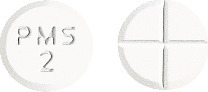
Benztrop 2 mg tablets are round flat faced, white quarter scored on one side and debossed “PMS-2” on the other.

Each bottle of Benztrop contains 60 tablets.

Ingredients

Each tablet of Benztrop contains 2 mg of benztropine mesylate as the active ingredient.

It also contains:

  • starch- pregelatinised maize
  • lactose anhydrous
  • cellulose- microcrystalline
  • magnesium stearate.

This medicine does not contain sucrose, gluten, tartrazine, alcohol, dyes or preservatives.

Supplier

Benztrop is supplied in Australia by:
Phebra Pty Ltd
19 Orion Road, Lane Cove West,
NSW 2066, Australia.
Telephone: 1800 720 020

Benztrop is distributed in New Zealand by:
AFT Pharmaceuticals Ltd
PO Box 33-203 Auckland.
Telephone: +64 9 4880232

Benztrop™
2mg benztropine mesylate per tablet
60 tablets

AUST R 83130

Phebra product code-TAB005

Date of most recent amendment:
2nd April 2012

Phebra and the Phi symbol are trademarks of Phebra Pty Ltd, 19 Orion Road, Lane Cove West, NSW 2066, Australia.

Published by MIMS November 2013

BRAND INFORMATION

Brand name

Benztrop

Active ingredient

Benzatropine mesilate

Schedule

S4


1 Name of Medicine

Benzatropine mesilate.

2 Qualitative and Quantitative Composition

Each Benztrop tablet contains 2 mg of benzatropine mesilate.

Excipients with known effect.

Sugars (as lactose monohydrate).
For the full list of excipients, see Section 6.1 List of Excipients.

3 Pharmaceutical Form

Benztrop 2 mg is a round, flat-faced white tablet, quarter-scored on one side and debossed with "PMS 2" on the other side.

4 Clinical Particulars

4.1 Therapeutic Indications

The treatment of all forms of parkinsonism. The treatment of extrapyramidal reactions (except tardive dyskinesia (see Section 4.3 Contraindications; Section 4.4 Special Warnings and Precautions for Use)) due to neuroleptic drugs.

4.2 Dose and Method of Administration

Because Benztrop is cumulative in action, therapy should be initiated with a small dose which then can be increased gradually at five or six day intervals. Increases in dosage should be made in increments of 0.5 mg, to a maximum of 6 mg.
Some patients experience greatest relief when taking the entire dose at bedtime; others react more favourably to divided doses, two to four times a day.
The long duration of action of Benztrop makes it particularly suitable for administration at bedtime when the effects may persist throughout the night. Therefore, Benztrop enables the patient to turn in bed more easily and to rise in the morning.
When Benztrop is started, therapy with other agents in parkinsonism should not be terminated abruptly but reduced or discontinued gradually. Many patients obtain the greatest relief with a combination of Benztrop and other drugs.
Benztrop may be used concomitantly with Sinemet (carbidopa/ levodopa, MSD), or with levodopa in which case periodic dosage adjustment may be required in order to maintain optimum response.

Arteriosclerotic, idiopathic and postencephalitic parkinsonism.

The usual daily dose of Benztrop is 1 to 2 mg, with a range of 0.5 to 6 mg orally.
Dosage must be individualised. In determining the dosage, the age and weight of the patient and the type of parkinsonism must be taken into consideration. Older patients, thin patients and patients with arteriosclerotic parkinsonism generally cannot tolerate large doses. However, most patients with postencephalitic parkinsonism require and, indeed, tolerate fairly large doses. Patients with a poor mental outlook are usually poor candidates for therapy.
In arteriosclerosis and idiopathic parkinsonism, therapy may be initiated with a single daily dose of 0.5 mg to 1 mg at bedtime. This dosage will be adequate in some patients, whereas 4 mg to 6 mg a day may be required by others.
Therapy may be initiated in most patients with postencephalitic parkinsonism, with 2 mg a day in one or more doses. In highly sensitive individuals, therapy may be initiated with 0.5 mg at bedtime and increased as necessary.

Drug induced parkinsonism.

When treating extrapyramidal disorders due to central nervous system drugs such as phenothiazines or reserpine, a dosage of 1 to 4 mg once or twice a day is recommended. Dosage should be varied to suit the needs of the patient. Benztrop should be withdrawn to determine the continued need for medication after one or two weeks of administration. If parkinsonism recurs therapy with Benztrop can be reinstituted.

4.3 Contraindications

Benztrop is contraindicated in children less than three years of age, and should be used with caution in older children because of the atropine-like side effects.
Benztrop is contraindicated in patients who are hypersensitive to any component in this product.
The use of Benztrop is contraindicated in the presence of narrow angle glaucoma.
Benztrop should not be used in patients with tardive dyskinesia as it can exacerbate this condition.

4.4 Special Warnings and Precautions for Use

Benztrop has cumulative action. Patients with a tendency to tachycardia and patients with prostatic hypertrophy must be closely observed during treatment.
Benztrop may cause complaints of weakness and inability to move particular muscle groups in large doses. For example, if the neck has been rigid and suddenly relaxes, it may feel weak, causing some concern. In this event, dosage adjustment may be required.
With large doses or in susceptible patients, mental confusion and excitement may occur. Visual hallucinations have been reported occasionally. In the treatment of extrapyramidal symptoms due to central nervous system drugs, such as phenothiazines, in patients with mental disorders, occasionally there may be intensification of mental disorders with large doses. In such cases antiparkinsonian drugs can precipitate a toxic psychosis. Patients with mental disorders should be kept under careful observation, especially at the beginning of treatment or if dosage is increased.
Tardive dyskinesia may appear in some patients on long-term therapy with phenothiazines and related agents, or may occur after therapy when these drugs have been discontinued. Antiparkinsonian agents usually do not alleviate their symptoms of tardive dyskinesia, and in some instances may aggravate or unmask such symptoms. Benztrop is not recommended in tardive dyskinesia.
As Benztrop contains structural features of atropine, it may produce anhydrosis. Therefore, it should be given with caution during hot weather, especially when given concomitantly with other atropine-like drugs to the chronically ill, the alcoholic, those who have central nervous system disease and those who do manual labour in a hot environment. When some disturbance of sweating already exists, anhydrosis may occur more readily. If there is evidence of anhydrosis, the possibility of hyperthermia should be considered. Dosage should be decreased at the discretion of the physician so that the ability to maintain body heat equilibrium by perspiration is not impaired. Severe anhydrosis and fatal hyperthermia have occurred.
The physician should be aware of the possible occurrence of glaucoma. Although the drug does not appear to have any adverse effect on simple glaucoma, it should not be used in narrow angle glaucoma. (See Section 4.3 Contraindications.)
Dysuria may occur but rarely becomes a problem. Urinary retention has been reported with benzatropine.
Benztrop should be used with caution in patients with obstructive gastrointestinal disease as benzatropine may cause decreased motility and tone which may aggravate or precipitate obstruction.

Use in the elderly.

No data available.

Paediatric use.

See Section 4.3 Contraindications.

Effects on laboratory tests.

No data available.

4.5 Interactions with Other Medicines and Other Forms of Interactions

When Benztrop is given concomitantly with anticholinergics or those with antidopaminergic activity, such as phenothiazines, haloperidol or other such drugs, patients should be advised to report fever, heat intolerance and gastrointestinal complaints promptly. Paralytic ileus, sometimes fatal, has occurred in patients taking anticholinergic-type antiparkinsonism drugs, including Benztrop, in combination with phenothiazines and/or tricyclic antidepressants.
Alcohol and other CNS depressants, such as anxiolytics, sedatives and hypnotics, can increase the sedative effects of benzatropine.
Drugs that exert anticholinergic properties may pharmacodynamically oppose the effects of prokinetic agents such as cisapride or metoclopramide.
The doses of Benztrop and levodopa must be adjusted when the drugs are given simultaneously. Through its central anticholinergic actions Benztrop can potentiate the dopaminergic effects of levodopa. While some patients may benefit from this interaction, clinicians should be ready to decrease doses of levodopa if benzatropine is added. The anticholinergic properties of Benztrop, by slowing gastrointestinal transit, may decrease levodopa bioavailability. However, this mechanism appears to be of modest clinical significance.
Anticholinergics can raise intragastric pH. This effect may interfere with the oral bioavailability of ketoconazole. Benztrop should be used cautiously in patients receiving ketoconazole.
Opiate agonists should be used cautiously with anticholinergics since additive depressive effects on GI motility or bladder function may be seen.
The muscarinic actions of drugs known as parasympathomimetics, including both direct cholinergic receptor agonists and cholinesterase inhibitors, can antagonise the anticholinergic actions of benzatropine. Benzatropine might also antagonise some of the effects of the parasympathomimetics.
Carbonic anhydrase inhibitors increase the alkalinity of the urine, thereby increasing the amount of nonionised drug available for renal tubular reabsorption.
Use with caution if Benztrop is administered with carbonic anhydrase inhibitors, which can decrease excretion and enhance the effects of Benztrop. Monitor for excessive anticholinergic adverse effects.

4.6 Fertility, Pregnancy and Lactation

Effects on fertility.

The effect of benzatropine on fertility has not been investigated.
(Category B2)
Drugs which have been taken by only a limited number of pregnant women and women of childbearing age, without an increase in the frequency of malformation or other direct or indirect harmful effects on the human fetus having been observed.
Studies in animals are inadequate or may be lacking, but available data show no evidence of an increased occurrence of fetal damage.
It is not known whether Benztrop can cause fetal harm when administered to a pregnant woman nor if it can affect reproductive capacity. The safe use of benzatropine in pregnancy has not been established.
It is not known whether Benztrop is excreted in breast milk. Because many drugs are excreted in human milk, caution should be exercised if Benztrop is administered to a breastfeeding woman.

4.7 Effects on Ability to Drive and Use Machines

Benztrop may impair mental and/or physical abilities required for performance of hazardous tasks, such as operating machinery or driving a motor vehicle.

4.8 Adverse Effects (Undesirable Effects)

Adverse reactions, most of which are anticholinergic or antihistaminic in nature, are listed below by body system in order of decreasing severity.

Cardiovascular.

Tachycardia.

Digestive.

Constipation, dry mouth, nausea, vomiting, paralytic ileus.
Reduce dosage, or discontinue the drug temporarily if dry mouth is so severe that there is difficulty in swallowing or speaking, or loss of appetite and weight occur.
Slight reduction in dosage may control nausea and still give sufficient relief of symptoms. Vomiting may be controlled by temporary discontinuation, followed by resumption at a lower dosage.

Nervous system.

Toxic psychosis, including confusion, disorientation, memory impairment, visual hallucinations, exacerbation of pre-existing psychotic symptoms, nervousness, depression, listlessness, numbness of fingers.

Special senses.

Dilated pupils, blurred vision.

Urogenital.

Urinary retention, dysuria.

Metabolic/ immune and skin.

Occasionally, an allergic reaction, e.g. skin rash, develops. If this cannot be controlled by dosage reduction, the medication should be discontinued.

Other.

Heat stroke, hyperthermia, fever.

Reporting suspected adverse effects.

Reporting suspected adverse reactions after registration of the medicinal product is important. It allows continued monitoring of the benefit-risk balance of the medicinal product. Healthcare professionals are asked to report any suspected adverse reactions at www.tga.gov.au/reporting-problems.

4.9 Overdose

Manifestations.

As with any of those seen in atropine poisoning or antihistamine overdosage: CNS depression, preceded or followed by stimulation; confusion; nervousness; listlessness; intensification of mental symptoms or toxic psychosis in patients with mental illness being treated with phenothiazine derivatives; hallucinations (especially visual); dizziness; muscle weakness; ataxia; dry mouth; mydriasis; blurred vision; palpitations; tachycardia; nausea; vomiting; dysuria; numbness of fingers; dysphagia; allergic reactions, e.g. skin rash; headache; hot, dry, flushed skin, delirium; coma; shock; convulsions; respiratory arrest; anhydrosis; hyperthermia; glaucoma; constipation.

Treatment.

Treatment is symptomatic and supportive.
Physostigmine salicylate, 1 to 2 mg subcutaneous or intravenous, will reverse symptoms of anticholinergic intoxication. A second injection may be given after two hours if required.
Activated charcoal may reduce absorption of the medicine if given within one or two hours after ingestion. In patients who are not fully conscious or have impaired gag reflex, consideration should be given to administering activated charcoal via a nasogastric tube, once the airway is protected. Maintain respiration. A short acting barbiturate may be used for CNS excitement, but with caution to avoid subsequent depression; supportive care for depression (avoid convulsant stimulants such as picrotoxin, pentylenetetrazole or bemegride); artificial respiration for severe respiratory depression; a local miotic for mydriasis and cycloplegia; ice bags or other cold applications and alcohol sponges for hyperpyrexia, a vasopressor and fluids for circulatory collapse. Darken room for photophobia.
For information on the management of overdose, contact the Poisons Information Centre on 131126 (Australia).

5 Pharmacological Properties

5.1 Pharmacodynamic Properties

Mechanism of action.

Benztrop is a centrally acting anticholinergic agent with antihistaminic properties resulting from the combination of the tropine portion of the atropine molecule and the benzohydryl portion of diphenhydramine. Animal studies have indicated that anticholinergic activity of benzatropine is approximately half that of atropine, while antihistaminic activity approaches that of pyrilamine. Its anticholinergic effects have been established as therapeutically significant in the management of parkinsonism. Benztrop antagonises the effect of acetylcholine, decreasing the imbalance between the neurotransmitters acetylcholine and dopamine, which may improve the symptoms of early Parkinson's disease.

Clinical trials.

No data available.

5.2 Pharmacokinetic Properties

Absorption.

Benztrop is administered orally. It is absorbed from the GI tract, crosses the blood/ brain barrier, and may cross the placenta. After oral administration, a small part of the dose may pass through the GI tract unchanged into the faeces.

Distribution.

Benzatropine binds extensively, approximately 95%, with serum proteins.

Metabolism.

The metabolism of benzatropine is unknown.

Excretion.

Most of the drug is excreted renally, both as parent drug and as metabolites.

5.3 Preclinical Safety Data

Genotoxicity.

Investigations of the genotoxic potential of benzatropine have not been performed.

Carcinogenicity.

Investigations of the carcinogenic potential of benzatropine have not been performed.

6 Pharmaceutical Particulars

6.1 List of Excipients

Each Benztrop tablet contains the excipients pregelatinised maize starch 5 mg, lactose monohydrate 118.6 mg, microcrystalline cellulose 13.2 mg, and magnesium stearate 1.2 mg.

6.2 Incompatibilities

Incompatibilities were either not assessed or not identified as part of the registration of this medicine.

6.3 Shelf Life

In Australia, information on the shelf life can be found on the public summary of the Australian Register of Therapeutic Goods (ARTG)1. The expiry date can be found on the packaging.
1 AUST R 83130.

6.4 Special Precautions for Storage

Store below 25°C.

6.5 Nature and Contents of Container

Supplied in bottles of 60 tablets.
Phebra product code: TAB005.

6.6 Special Precautions for Disposal

In Australia, any unused medicine or waste material should be disposed of by taking to your local pharmacy.

6.7 Physicochemical Properties

Benzatropine mesilate is a synthetic compound resulting from the combination of the active portions of atropine and diphenhydramine. It is a crystalline white powder and very soluble in water.
The molecular weight of the compound is 403.5. The molecular formula is C21H25NO.CH4O3S.

Chemical structure.


CAS number.

132-17-2.

7 Medicine Schedule (Poisons Standard)

Schedule 4 - Prescription Only Medicine.

Summary Table of Changes