


Consumer medicine information

Bivalirudin ARX Powder for Injection

Bivalirudin

BRAND INFORMATION

Brand name

Bivalirudin ARX

Active ingredient

Bivalirudin

Schedule

S4


Consumer medicine information (CMI) leaflet

Please read this leaflet carefully before you start using Bivalirudin ARX Powder for Injection.

What is in this leaflet

This leaflet answers some common questions about bivalirudin. It does not contain all the available information. It does not take the place of talking to your doctor or pharmacist.

All medicines have risks and benefits. Your doctor has weighed the risks of you using this medicine against the benefits they expect it will have for you.

If you have any concerns about receiving this medicine, ask your doctor or pharmacist.

Keep this leaflet with the medicine. You may want to read it again.

What this medicine is used for

Bivalirudin helps prevent unwanted blood clotting during an angioplasty. Bivalirudin belongs to a group of medicines called anticoagulants.

How it works

An angioplasty is a medical procedure in which blocked blood vessels in the heart are unblocked. Angioplasty is also called percutaneous coronary intervention, or PCI. Angioplasty improves blood flow in the heart, helping heart problems such as angina.

Bivalirudin prevents blood clotting during an angioplasty by stopping thrombin from working. Thrombin is a protein that starts blood clotting.

Ask your doctor if you have any questions about why this medicine has been prescribed for you. Your doctor may have prescribed this medicine for another reason.

This medicine is not addictive.

This medicine is available only with a doctor's prescription.

There is not enough information to recommend the use of this medicine in children.

Before you are given this medicine

When you must not be given it

Do not receive this medicine if you have an allergy to:

  • bivalirudin
  • any of the ingredients listed at the end of this leaflet.

Some of the symptoms of an allergic reaction may include:

  • shortness of breath
  • tightness of the chest, wheezing or difficulty breathing
  • swelling of the face, lips, tongue, throat or other parts of the body
  • rash, itching or hives on the skin

Do not receive this medicine if you have or have had any of the following medical conditions:

  • active bleeding or increased risk of bleeding because of haemostasis disorders or irreversible coagulation disorders
  • severe uncontrolled hypertension
  • subacute bacterial endocarditis
  • severe kidney problems (such as kidney failure) or are on dialysis

Do not receive this medicine after the expiry date printed on the pack or if the packaging is torn or shows signs of tampering. If it has expired or is damaged, the pharmacist will arrange for its disposal.

If you are not sure whether you should receive this medicine, talk to your doctor.

Before you are given it

Tell your doctor if you have allergies to any other medicines, foods, preservatives or dyes.

Tell your doctor if you have or have had any of the following medical conditions:

  • tend to bleed or bruise easily
  • kidney or liver disease
  • uncontrolled high blood pressure
  • other heart conditions

Tell your doctor if you are already taking any medications such as blood-thinners/anticoagulants or medicines to prevent blood clots. Your risk of bleeding may increase. Your doctor will discuss with you the risks and benefits involved.

Tell your doctor if you are pregnant, plan to become pregnant or if you have recently given birth. Your risk of bleeding may increase. Your doctor will discuss with you the risks and benefits involved.

Tell your doctor if you are breastfeeding. It is not known whether this medicine passes into human breast milk. Your doctor will discuss with you the risks and benefits involved.

If you have not told your doctor about any of the above, tell them before you start receiving this medicine.

Taking other medicines

Tell your doctor and pharmacist if you are taking other medicines, including any that you get without a prescription from your pharmacy, health food shop or supermarket.

Some medicines may interact with bivalirudin. These include:

  • other medicines use to stop blood clotting (e.g. warfarin, heparin)
  • medicines which affect platelets (e.g. aspirin, ticlopidine, clopidogrel)
  • St John's Wort, ginseng and ginkgo biloba

These medicines may be affected by bivalirudin or may affect how well it works. You may need different amounts of your medicines, or you may need to take different medicines.

Your doctor and pharmacist have more information on medicines to be careful with or avoid while taking this medicine.

How this medicine is given

Your doctor will give you bivalirudin into a vein as an injection or as a continuous infusion.

During angioplasty, bivalirudin should be given with aspirin.

How much is given

Your doctor will decide how much of this medicine you will receive.

If you have kidney disease, your doctor may change the usual dose.

If you receive too much (overdose)

As bivalirudin is given to you in a hospital under the supervision of your doctor or medical staff, it is very unlikely that you will receive an overdose.

You will be closely monitored while in the hospital so that any unwanted side effects can be treated, and you may need to stay overnight if you have certain medical conditions.

However, tell your doctor immediately if you experience side effects.

While you are using this medicine

Things you must do

If you are about to be started on any new medicine, remind your doctor and pharmacist that you are receiving this medicine.

Tell any other doctors, dentists, and pharmacists who treat you that you are receiving this medicine.

If you are going to have surgery, tell the surgeon or anaesthetist that you are receiving this medicine. Bivalirudin may affect other medicines used during surgery.

If you become pregnant or start to breastfeed while receiving this medicine, tell your doctor immediately.

If you are about to have any blood tests, tell your doctor that you are receiving this medicine. It may interfere with the results of some tests.

If you are taking warfarin, your doctor may do some blood clotting tests after your treatment with bivalirudin, as it may affect your INR levels.

Keep all your doctor's appointments so that your progress can be checked. Your doctor may do some tests from time to time to make sure the medicine is working and to prevent unwanted side effects.

Things you must not do

Do not give your medicine to anyone else, even if they have the same condition as you.

Side effects

Tell your doctor and nurse as soon as possible if you do not feel well after you have been given bivalirudin.

All medicines can have side effects. Sometimes they are serious, most of the time they are not. You may need medical attention if you get some of the side effects.

Do not be alarmed by the following lists of side effects. You may not experience any of them.

Ask your doctor or pharmacist to answer any questions you may have.

Tell your doctor if you notice any of the following:

  • nausea or vomiting
  • headache
  • trouble falling asleep
  • high or low blood pressure
  • fever
  • pain at injection site, chest or back
  • slow or fast heart beat
  • skin rash
  • anaemia, decreased platelets or blood vessel disorders

If any of the following happen, tell your doctor and nurse immediately:

  • bleeding from other parts of the body, such as at needle puncture wounds, in the urine, or bruising where the intravenous catheter was inserted
  • shortness of breath, wheezing or difficulty breathing; swelling of the face, lips, tongue, throat or other parts of the body; tightness of the chest; rash, itching or hives on the skin (signs of an allergic reaction)

These may be serious side effects and you may need medical attention.

Tell your doctor or nurse if you notice anything that is making you feel unwell.

Other side effects not listed above may occur in some patients.

Storage and disposal

Storage

This medicine will be stored in the pharmacy or on the ward.

It is kept in a cool dry place where the temperature stays below 25°C. It should be stored in the original container.

After bivalirudin powder has been dissolved, use the solution as soon as possible.

Disposal

Bivalirudin is used for one dose in one patient only. Any remaining contents should be discarded.

Product description

What it looks like

White to off-white lyophilisate powder for reconstitution for IV injection. Supplied in a clear glass vial. AUST R 241714.

Ingredients

Each vial contains 250 mg of bivalirudin (as trifluoroacetate) as the active ingredient.

It also contains the following:

  • mannitol
  • sodium hydroxide

This medicine does not contain gluten, lactose, sucrose, tartrazine or any other azo dyes.

Sponsor

Arrotex Pharmaceuticals Pty Ltd
15 – 17 Chapel Street
Cremorne VIC 3121

This leaflet was prepared in July 2022.

Published by MIMS June 2023

BRAND INFORMATION

Brand name

Bivalirudin ARX

Active ingredient

Bivalirudin

Schedule

S4


1 Name of Medicine

Bivalirudin.

2 Qualitative and Quantitative Composition

Each vial contains 250 mg bivalirudin (as trifluoroacetate) as the active ingredient.
For the full list of excipients, see Section 6.1 List of Excipients.

3 Pharmaceutical Form

Bivalirudin ARX powder for injection is available as a sterile, white to off-white lyophilised cake/powder in single-use, glass vials.
When reconstituted with water for injections the solution will be a clear to slightly opalescent, colourless to slightly yellow solution with pH of 5 to 6.

4 Clinical Particulars

4.1 Therapeutic Indications

Bivalirudin is indicated for use as an anticoagulant:
in the treatment of patients with moderate to high risk acute coronary syndromes (ACS) (unstable angina/non-ST segment elevation myocardial infarction (UA/NSTEMI) who are undergoing early invasive management; and
in patients undergoing percutaneous coronary intervention (PCI).
Bivalirudin is intended for use with aspirin.
A P2Y12 antagonist (e.g. clopidogrel or ticlopidine) may be used in addition to aspirin.

4.2 Dose and Method of Administration

Bivalirudin ARX powder for injection is intended for intravenous administration.

Dosage.

Bivalirudin is intended for use with aspirin (300-325 mg daily).
A P2Y12 antagonist (e.g. clopidogrel or ticlopidine) may be used in addition to aspirin.

ACS.

The recommended starting dose for patients with ACS is an IV bolus of 0.1 mg/kg followed by an infusion of 0.25 mg/kg/hour. Patients who are to be medically managed may continue the infusion of 0.25 mg/kg/hour for up to 72 hours.
If the patient proceeds to PCI, an additional bolus of 0.5 mg/kg should be administered at initiation of the PCI and the infusion increased to 1.75 mg/kg/hour for the duration of the procedure. Following the PCI, the reduced infusion dose of 0.25 mg/kg/hour may be resumed for 4 to 12 hours as clinically necessary.

PCI.

The recommended dosage of bivalirudin for patients undergoing PCI is an IV bolus dose of 0.75 mg/kg immediately followed by an IV infusion at a rate of 1.75 mg/kg/hour for the duration of the procedure, or for up to 4 hours post-PCI, as clinically indicated.
In STEMI patients undergoing primary PCI, bivalirudin infusion at a rate of 1.75 mg/kg/hour should be continued for up to 4 hours post-procedure as clinically necessary (see Section 4.4 Special Warnings and Precautions for Use).
Treatment with bivalirudin should be initiated just prior to PCI.
Patients should be carefully monitored following primary PCI for signs and symptoms consistent with MI.

Instructions for administration.

Bivalirudin is intended for use as an IV bolus followed by an infusion (see Section 4.2 Dose and Method of Administration). The safety and efficacy of a bolus only dose of bivalirudin has not been evaluated and is not recommended even if a short PCI procedure is planned.
Bivalirudin should be administered via an IV line. As with other parenteral anticoagulants, bivalirudin is not intended for intramuscular administration.
Bivalirudin must be reconstituted and then diluted prior to administration of the IV bolus and the IV infusion. To reconstitute each 250 mg vial, add 5 mL of Water for Injections (WFI). Gently swirl contents in vial until all material is dissolved. Before administration, the contents of each reconstituted 250 mg vial should be diluted in 5% Glucose in Water or 0.9% Sodium Chloride for Injection up to a total volume of 50 mL (final bivalirudin concentration 5 mg/mL).
Diluted bivalirudin at a concentration of 5 mg/mL is stable at room temperature for up to 24 hours.
The dose to be administered is adjusted according to the patient's weight.
The product should be administered within 24 hours of reconstitution and dilution to reduce microbiological hazard. If required it may be held at 2° to 8°C for up to 24 hours after reconstitution and dilution. Product is for one dose in one patient only. Any remaining contents should be discarded.
Reconstituted bivalirudin should be a clear to slightly opalescent, colourless to slightly yellow solution.

Use in the elderly.

Since many elderly patients may have reduced renal function the anticoagulant status in elderly patients should be monitored and a bivalirudin dose adjustment should be considered based on the calculated GFR.

Renal impairment.

As bivalirudin is excreted by the kidneys, each individual's renal function should be considered prior to administration.
There is no clinical trial evidence regarding the safety and efficacy of bivalirudin in patients with creatinine clearance < 30 mL/min.
For patients with renal insufficiency not undergoing PCI, the ACS bolus dose and infusion dose should not be adjusted.
For patients with renal insufficiency undergoing PCI the dose of bivalirudin may need to be reduced (see Section 5.2 Pharmacokinetic Properties). The anticoagulation status (ACT levels) may also need to be monitored in patients with renal impairment. Close, active clinical monitoring of the patient should also be considered.
Anticoagulants eliminated via renal mechanisms should be prescribed with caution for patients with moderate renal impairment (GFR 30-59 mL/min) as there is a higher risk of bleeding events.

Hepatic impairment.

Pharmacokinetic studies indicate that hepatic metabolism of bivalirudin is limited. Dose adjustment is not required.

Children.

The safety and effectiveness of bivalirudin have not been studied in children.

4.3 Contraindications

Bivalirudin is contraindicated in patients with:
active bleeding or increased risk of bleeding because of haemostasis disorders and/or irreversible coagulation disorders;
severe uncontrolled hypertension and subacute bacterial endocarditis;
hypersensitivity to bivalirudin or its components;
severe renal impairment (GFR < 30 mL/min) and in dialysis-dependent patients.

4.4 Special Warnings and Precautions for Use

Bivalirudin is not intended for intramuscular administration. There is no known antidote to bivalirudin.

Haemorrhage.

Patients must be carefully observed for symptoms and signs of bleeding during treatment particularly if bivalirudin is combined with another anticoagulant. Although most bleeding associated with the use of bivalirudin occurs at the site of arterial puncture, haemorrhage can occur at any site. An unexplained fall in blood pressure or hematocrit, or any unexplained symptom, should lead to serious consideration of a haemorrhagic event and cessation of bivalirudin administration.
Bivalirudin should be used with caution in patients with disease states associated with an increased risk of bleeding.

Co-administration with platelet inhibitors or anti-coagulants.

Combined use of platelet inhibitors or anti-coagulant medicinal products can be expected to increase the risk of bleeding. When bivalirudin is combined with a platelet inhibitor or an anti-coagulant medicine, clinical and biological parameters of haemostasis should be regularly monitored. In patients taking warfarin who are treated with bivalirudin, International Normalised Ratio (INR) monitoring should be considered to ensure that it returns to pre-treatment levels following discontinuation of bivalirudin treatment.

Use in renal impairment.

Clearance of bivalirudin is reduced in patients with renal insufficiency. Monitoring of ACT may be advisable (see Section 5.2 Pharmacokinetic Properties; Section 4.2 Dose and Method of Administration). Close, active clinical monitoring of the patient should also be considered.
There is no clinical trial evidence regarding the safety and efficacy of bivalirudin in patients with creatinine clearance < 30 mL/min. The use of bivalirudin is contraindicated in patients with creatinine clearance < 30 mL/min and in dialysis dependent patients (see Section 4.3 Contraindications).

Acute stent thrombosis.

Acute stent thrombosis (< 24 hours) has been observed in patients with ST segment elevation myocardial infarction (STEMI) undergoing primary PCI and has been managed by Target Vessel Revascularisation (TVR). Patients should remain for at least 24 hours in a facility capable of managing ischemic complications and should be carefully monitored following primary PCI for signs and symptoms consistent with myocardial ischemia.
An increased incidence of acute stent thrombosis has been observed in STEMI patients undergoing primary PCI. The majority of these cases were non-fatal. This increased risk of acute stent thrombosis was observed during the first 4 hours following the end of the procedure (see Section 4.2 Dose and Method of Administration).

Gamma brachytherapy.

Intraprocedural thrombus formation has been observed during gamma brachytherapy procedures with bivalirudin. Bivalirudin is therefore not recommended for use during gamma brachytherapy.

Immunogenicity/hypersensitivity.

Allergic type hypersensitivity reactions were reported uncommonly in clinical trials. Necessary preparations should be made to deal with this. Patients should be informed of the early signs of hypersensitivity reactions including hives, generalised urticaria, tightness of chest, wheezing, hypotension and anaphylaxis. In the case of shock, the current medical standards for shock treatment should be applied. Anaphylaxis, including anaphylactic shock with fatal outcome has been reported very rarely in post-marketing experience (see Section 4.8 Adverse Effects (Undesirable Effects)).
Treatment-emergent positive bivalirudin antibodies are rare and have not been associated with clinical evidence of allergic or anaphylactic reactions. Caution should be exercised in patients previously treated with lepirudin who had developed lepirudin antibodies.

Use in the elderly.

The relationship between age and bivalirudin pharmacodynamics has not been addressed directly, but in patients with normal renal function no differences in pharmacodynamics between patients above and below 65 years have been identified.
Since many elderly patients may have reduced renal function the anticoagulant status in elderly patients should be monitored and a bivalirudin dose adjustment should be considered based on the calculated GFR.

Paediatric use.

The safety and effectiveness of bivalirudin in children have not been established.

Effects on laboratory tests.

In patients receiving warfarin, INR is increased by administration of bivalirudin. Therefore, INR may not be useful for determining the appropriate dose of warfarin. In patients taking warfarin who are treated with bivalirudin, INR monitoring should be considered to ensure that it returns to pre-treatment levels following discontinuation of bivalirudin treatment.

4.5 Interactions with Other Medicines and Other Forms of Interactions

Heparin.

Patients can be started on bivalirudin 30 minutes after discontinuation of unfractionated heparin or 8 hours after discontinuation of low molecular weight heparin.

Other anticoagulants.

Large scale studies support the concomitant use of bivalirudin with other anticoagulants commonly used during PCI (e.g. acetylsalicylic acid (aspirin), ticlopidine, clopidogrel, abciximab, eptifibatide or tirofiban).
However, the combined use of anticoagulant drugs may increase the risk of bleeding. In any case, when bivalirudin is combined with a platelet inhibitor or an anticoagulant drug, clinical and biological parameters of haemostasis should be regularly monitored.
No incompatibilities have been observed with glass bottles or polyvinyl chloride bags and administration sets. Ninety-six IV medications including those commonly administered to patients with coronary artery disease undergoing PCI were tested for Y-site physical compatibility with bivalirudin.
It is known that the following drugs should not be administered in the same IV line with bivalirudin: alteplase, amiodarone HCl, amphotericin B, chlorpromazine HCl, diazepam, prochlorperazine edisylate, reteplase, streptokinase and vancomycin HCl. Use in the IV line resulted in haze formation, microparticulate formation, or gross precipitation.
The chemical stability of bivalirudin or the additives in any admixtures has not been determined.
The following test drugs however are physically compatible with bivalirudin: abciximab, dexamethasone sodium phosphate, digoxin, dobutamine HCl (up to 4 mg/mL), dopamine HCl, adrenaline HCl, eptifibatide, esmolol, frusemide, heparin sodium, hydrocortisone sodium succinate, lignocaine HCl, pethidine HCl, methylprednisolone sodium succinate, midazolam HCl, morphine sulphate, potassium chloride, sodium bicarbonate, tirofiban HCl, and verapamil HCl.
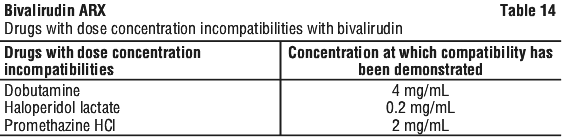
Dobutamine, haloperidol lactate and promethazine HCl have been observed to have dose concentration incompatibilities with bivalirudin (Table 1).
All parenteral drug products should be inspected visually for particulate matter and discolouration prior to administration. If particulate matter is observed in preparations of the parenteral drug products, these products should not be used with bivalirudin.

4.6 Fertility, Pregnancy and Lactation

Effects on fertility.

Fertility and general reproductive performance in rats were unaffected by subcutaneous doses of bivalirudin up to 150 mg/kg/day starting 2 weeks before mating until late gestation (gestation day 17), but the number of corpora lutea and implantations was decreased at 500 mg/kg/day, corresponding to about 3 times the clinical exposure (based on AUC) at the maximum recommended clinical dose (MRCD).
(Category C)
All anticoagulants and thrombolytic agents can produce placental haemorrhage and subsequent prematurity and fetal loss. Bivalirudin had minimal effects on embryofetal development in rats and rabbits at SC doses up to 150 mg/kg/day (similar to the clinical exposure based on AUC at the MRCD). In rats, increased numbers of resorptions, decreased litter size, decreased fetal body weight, increased cervical rib and incomplete sternal ossification were observed at 500 mg/kg/day, a maternotoxic dose corresponding to about 3 times the clinical exposure based on AUC at the MRCD.
There are no adequate and well-controlled studies in pregnant women. Because animal reproduction studies are not always predictive of human response, this drug should be used during pregnancy only if clearly needed.
SC administration of up to 150 mg/kg/day bivalirudin to lactating rats had no effects on pup development.
It is not known whether bivalirudin is excreted in human milk.
Because many drugs are excreted in human milk, caution should be exercised when bivalirudin is administered to a breastfeeding woman.

4.7 Effects on Ability to Drive and Use Machines

The effects of this medicine on a person's ability to drive and use machines were not assessed as part of its registration.

4.8 Adverse Effects (Undesirable Effects)

Acute coronary syndrome (ACS) (the ACUITY trial).

The following adverse reaction data are based on a clinical study of bivalirudin in 13,819 patients with ACS; 4612 were randomised to bivalirudin alone, 4604 were randomised to bivalirudin plus GP IIb/IIIa inhibitor and 4603 were randomised to either unfractionated heparin or enoxaparin plus GP IIb/IIIa inhibitor. Adverse reactions were more frequent in females and in patients more than 65 years of age in both the bivalirudin and the heparin-treated comparator groups compared to male or younger patients.
Approximately 23.3% of patients receiving bivalirudin experienced at least one adverse event and 2.1% experienced an adverse drug reaction. Adverse events occurring in at least 1% of study patients in either the heparin or bivalirudin groups are listed by system organ class in Table 2.

Platelets, bleeding and clotting.

In ACUITY, bleeding data were collected separately from adverse events. Major bleeding was measured by the ACUITY and TIMI major bleeding scales as defined in the footnotes to Table 3. Minor haemorrhage was defined as any observed bleeding event that did not meet the criteria for a major haemorrhage. Minor bleeding occurred very commonly (≥ 1/10) and major bleeding occurred commonly (≥ 1/100 and < 1/10).
Both major and minor bleeds were significantly less frequent with bivalirudin alone than the heparin plus GP IIb/IIIa inhibitor and bivalirudin plus GP IIb/IIIa inhibitor groups (see Table 3). Similar reductions in bleeding were observed in patients who were switched to bivalirudin from heparin-based therapies (N = 2078).
Adverse drug events occurring in less than 1% of the ACUITY study population administered heparin plus GP IIb/IIIa inhibitor, bivalirudin plus GP IIb/IIIa inhibitor, or bivalirudin alone include bradycardia, haemorrhage, vascular pseudoaneurysm, rash, urticaria, and injection site reactions.
Major bleeding occurred most frequently at the sheath puncture site (see Table 4). Other less frequently observed bleeding sites with greater than 0.1% (uncommon) bleeding included "other" puncture site, retroperitoneal, gastrointestinal, ear, nose or throat.
Thrombocytopenia was reported in 10 bivalirudin-treated patients participating in the ACUITY study (0.1%). The majority of these patients received concomitant acetylsalicylic acid and clopidogrel, and 6 out of the 10 patients also received a GP IIb/IIIa inhibitor. Mortality among these patients was nil.

Percutaneous coronary intervention (PCI) (the REPLACE-2 trial).

The following adverse reaction data is based on a clinical study of bivalirudin in 6000 patients undergoing PCI, half of whom were treated with bivalirudin (REPLACE-2). Adverse events were more frequent in females and in patients more than 65 years of age in both the bivalirudin and the heparin-treated comparator groups compared to male or younger patients.
Approximately 30% of patients receiving bivalirudin experienced at least one adverse event and 3% experienced an adverse drug reaction. Adverse events occurring in at least 1% of the study population in either the heparin or bivalirudin groups are listed by system organ class in Table 5.
Adverse drug events occurring in less than 1% of the REPLACE-2 study population administered heparin plus GP IIb/IIIa inhibitor or bivalirudin plus provisional GP IIb/IIIa inhibitor include anaemia, allergic reaction, thrombosis, haemorrhage, vascular disorder, vascular anomaly, dyspnoea, rash, and injection site haemorrhage.

Platelets, bleeding and clotting.

In REPLACE-2, bleeding data were collected separately from adverse events.
Major bleeding was defined as the occurrence of any of the following: intracranial haemorrhage, retroperitoneal haemorrhage, blood loss leading to a transfusion of at least two units of whole blood or packed red blood cells, or bleeding resulting in a haemoglobin drop of more than 3 g/dL, or a fall in haemoglobin greater than 4 g/dL (or 12% of haematocrit) with no bleeding site identified. Minor haemorrhage was defined as any observed bleeding event that did not meet the criteria for a major haemorrhage. Minor bleeding occurred very commonly (≥ 1/10) and major bleeding occurred commonly (≥ 1/100 and < 1/10).
Both minor and major bleeds were significantly less frequent with bivalirudin than the heparin plus GP IIb/IIIa inhibitor comparator group. Major bleeding occurred most frequently at the sheath puncture site (see Table 6). Other less frequently observed bleeding sites with greater than 0.1% (uncommon) bleeding included "other" puncture site, retroperitoneal, gastrointestinal, ear, nose or throat.

Post-marketing experience.

Adverse reactions that have been reported from post-marketing experience (more than 2,800,000 patients exposed) are summarised by system organ class in Table 7.

Heparin-induced thrombocytopenia/heparin-induced thrombocytopenia and thrombosis syndrome (HIT/HITTS).

A clinical study evaluating the safety of bivalirudin in 52 patients with a prior diagnosis of HIT/HITTS, indicates 31% of the patients experienced an adverse event, and 6% a serious adverse event. The range and frequency of adverse events in HIT/HITTS patients is consistent with the PCI population, with no evidence of thrombosis syndromes or induction of thrombocytopenia.

Reporting suspected adverse effects.

Reporting suspected adverse reactions after registration of the medicinal product is important. It allows continued monitoring of the benefit-risk balance of the medicinal product. Healthcare professionals are asked to report any suspected adverse reactions at http://www.tga.gov.au/reporting-problems and contact Arrotex Medical Information Enquiries/Adverse Drug Reaction Reporting on 1800 195 055.

4.9 Overdose

Symptoms.

Cases of overdose of up to 10 times the recommended bolus or continuous infusion dose of bivalirudin have been reported in clinical trials and in post-marketing reports. A number of reported overdoses were due to failure to adjust the infusion dose of bivalirudin in patients with renal dysfunction including persons on haemodialysis (see Section 4.2 Dose and Method of Administration).
Bleeding as well as deaths due to haemorrhage, have been observed in some reports of overdose.

Treatment.

In case of overdosage, bivalirudin should be discontinued and the patient should be closely monitored for signs of bleeding.
Discontinuation of bivalirudin leads to a gradual reduction in anticoagulant effects due to metabolism of the drug.
There is no known antidote to bivalirudin.
Bivalirudin is haemodialysable.
Approximately 25% bivalirudin is cleared by haemodialysis.
For information on the management of overdose, contact the Poisons Information Centre on 131126 (Australia).

5 Pharmacological Properties

5.1 Pharmacodynamic Properties

Mechanism of action.

Bivalirudin directly inhibits thrombin by binding both to the catalytic site and to the anion-binding exosite of circulating and clot-bound thrombin.
Thrombin is a serine proteinase that plays a central role in the thrombotic process. It acts to cleave fibrinogen into fibrin monomers and activates Factor XIII to Factor XIIIa, allowing fibrin to develop a covalently cross-linked framework which stabilises the thrombus. Thrombin also activates Factors V and VIII, promoting further thrombin generation, and activates platelets, stimulating aggregation and granule release.
The binding of bivalirudin to thrombin is reversible.
Bivalirudin inhibits the action of thrombin by bivalent binding to the anion binding site and the active site of thrombin. It is slowly cleaved at the Arg3-Pro4 bond, which results in recovery of thrombin catalytic site action.
In vitro studies have indicated that bivalirudin inhibits both soluble (free) and clot-bound thrombin. Bivalirudin remains active and is not neutralised by products of the platelet release reaction.
In vitro studies have also shown that bivalirudin prolongs the activated partial thromboplastin time (aPTT), thrombin time (TT) and prothrombin time (PT) of normal human plasma in a concentration-dependent manner, and that bivalirudin does not induce a platelet aggregation response against sera from patients with history of Heparin-Induced Thrombocytopenia/Heparin-Induced Thrombocytopenia and Thrombosis Syndrome (HIT/HITTS).
In healthy volunteers and patients bivalirudin exhibits dose and concentration dependent anticoagulant activity as evidenced by prolongation of the ACT, aPTT, PT and TT. Intravenous administration of bivalirudin produces measurable anticoagulation within minutes.
In clinical studies bivalirudin has been shown to provide adequate anticoagulation during the percutaneous coronary intervention (PCI) procedure, including studies in patients with, or at risk of, HIT/HITTS.
The pharmacodynamic effects of bivalirudin may be assessed using measures of anticoagulation including the ACT. The ACT value is positively correlated with the dose and plasma concentration of bivalirudin administered. Data from 366 patients indicates that the ACT is unaffected by concomitant treatment with a glycoprotein (GP) IIb/IIIa inhibitor.
Intravenous administration of bivalirudin produces an immediate anticoagulant effect. Coagulation times return to sub-therapeutic values within approximately two hours following cessation of bivalirudin administration.

Clinical trials.

Acute coronary syndrome (ACS), [unstable angina (UA) and non-ST segment elevation myocardial infarction (NSTEMI)].

ACUITY trial.

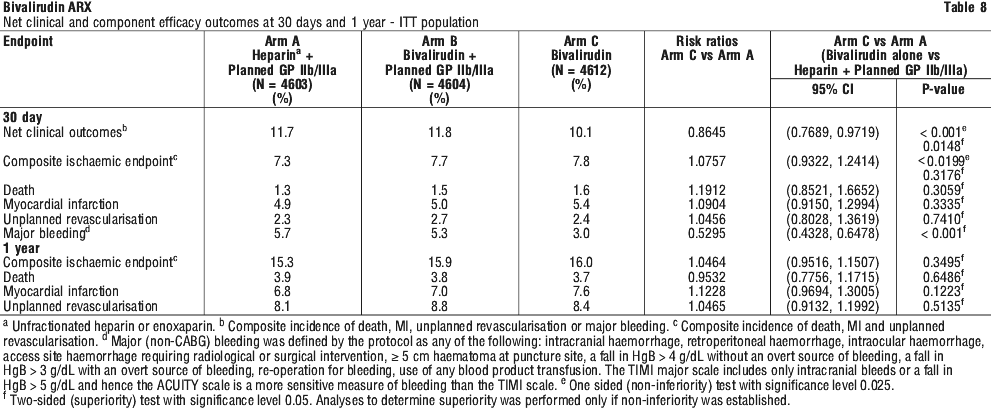
Bivalirudin was evaluated in a randomised, open-label study (ACUITY), intended to determine the non-inferiority and/or superiority of bivalirudin with or without GP IIb/IIIa inhibitor to unfractionated heparin or enoxaparin with GP IIb/IIIa inhibitor in patients with moderate or high-risk acute coronary syndromes (ACS) (unstable angina (UA) and non-ST segment elevation myocardial infarction (NSTEMI). The study's primary endpoints consisted of a net clinical outcome of death, myocardial infarction (MI), unplanned revascularisation for ischaemia, or major bleeding (ACUITY scale); a composite ischaemic endpoint of death, MI or unplanned revascularisation for ischaemia; and major bleeding (ACUITY scale) at 30 days.
Patients with a calculated serum creatinine clearance < 30 mL/min, determined using the Cockcroft and Gault formula, were excluded from the ACUITY study.
All patients received aspirin prior to treatment. Patients were randomised to receive either bivalirudin monotherapy (n = 4612), bivalirudin plus planned GP IIb/IIIa inhibitor (n = 4604), or unfractionated heparin or enoxaparin plus planned GP IIb/IIIa inhibitor (n = 4603). Provisional GP IIb/IIIa inhibitor could be administered to patients in the bivalirudin monotherapy group for procedural or angiographic complications at any time during the PCI. In the bivalirudin monotherapy group, 6.5% of PCI patients received both bivalirudin and a GP IIb/IIIa inhibitor, and 93.5% received bivalirudin alone. In the bivalirudin plus planned GP IIb/IIIa inhibitor group, 95.7% of PCI patients received both bivalirudin and a GP IIb/IIIa inhibitor, and 4.3% of patients received bivalirudin alone. In the unfractionated heparin or enoxaparin plus planned GP IIb/IIIa inhibitor group, 95.6% of all PCI patients received a GP IIb/IIIa inhibitor, and 4.4% of patients received unfractionated heparin or enoxaparin alone.
This study was powered to show non-inferiority and/or superiority. Analyses to determine superiority was performed only if non-inferiority was established. The primary analysis and results for ACUITY at day 30 and at 1 year for the overall (ITT) population and for those patients who received both aspirin and clopidogrel as per the protocol (pre-angiography or pre-PCI) are shown in Tables 8 and 9.
In the ITT population (Table 8), at 30 days, use of bivalirudin alone was superior to heparin or enoxaparin plus planned GP IIb/IIIa inhibitor with regards to major bleeding (ACUITY scale) (3.0% vs 5.7%, Psup < 0.0001) and for the net clinical outcome endpoint (10.1% vs 11.7%, Psup < 0.0148). Use of bivalirudin alone was non-inferior to unfractionated heparin or enoxaparin plus planned GP IIb/IIIa inhibitor for the composite ischaemic endpoint (7.8% vs 7.3%, Pinf = 0.0199). Bivalirudin plus planned GP IIb/IIIa inhibitor was non-inferior to unfractionated heparin or enoxaparin plus planned GP IIb/IIIa inhibitor for net clinical outcome endpoint (11.8% vs 11.7%, Pinf < 0.0001), the composite ischaemic endpoint (7.7% vs 7.3%, Pinf = 0.0074) and for major bleeding (5.3% vs 5.7%, Pinf < 0.0001). At 12 months follow-up, bivalirudin either with or without GP IIb/IIIa inhibitors (15.9%) was non-inferior to unfractionated heparin or enoxaparin plus GP IIb/IIIa inhibitors (15.3%) for the composite ischaemic endpoint of death, MI, or unplanned revascularisation.
The advantage of bivalirudin over unfractionated heparin or enoxaparin plus GPIIb/IIIa inhibitor in terms of bleeding events was only observed in the bivalirudin monotherapy arm.
For patients that received aspirin and clopidogrel as per protocol (Table 9), at 30 days, use of bivalirudin alone was superior to heparins plus planned GP IIb/IIIa inhibitor with regards to major bleeding (ACUITY scale) (3.1% vs 5.9%, Psup < 0.0001) and for the net clinical endpoint (9.5% vs 11.8%, Psup = 0.0052).

Description of the patient population.

High risk patient characteristics of the ACUITY population that mandated angiography within 72 hours were balanced across the three treatment arms. Approximately 77% of patients had recurrent ischaemia, approximately 70% had dynamic ECG changes or elevated cardiac biomarkers, approximately 28% had diabetes and approximately 99% of patients underwent angiography within 72 hours.
Following angiographic assessment, patients were triaged to either medical management (33%), PCI (56%) or coronary artery bypass graft (CABG) (11%). Additional anti-platelet therapy utilised in the study included aspirin and clopidogrel.
Overall, 64% of patients in either treatment group were administered unfractionated heparin or enoxaparin in the period up to 7 days prior to entry into hospital and randomisation (63.9% bivalirudin alone vs 63.1% bivalirudin plus GP IIb/IIIa vs 65.4% unfractionated heparin or enoxaparin plus GP IIb/IIIa). Pre-treatment with aspirin occurred in 96.0% of patients in either treatment group in the ITT population. The majority of patients received pre-treatment with a thienopyridine derivative to inhibit ADP-induced platelet aggregation, with clopidogrel or ticlopidine administered to 64.2% of patients in the bivalirudin monotherapy arm, 64.7% of patients in the bivalirudin plus GP IIb/IIIa arm, and 62.8% of patients in the unfractionated heparin or enoxaparin plus GP IIb/IIIa arm. Administration of clopidogrel was widespread, with only 0.7% of patients in either treatment arm receiving ticlopidine.
For patients randomised to the bivalirudin arms, an IV bolus of bivalirudin of 0.1 mg/kg was administered followed by an IV infusion of bivalirudin at 0.25 mg/kg/hour. For patients being medically managed, the dosage of 0.25 mg/kg/hour was continued at the clinician's discretion. These infusions continued for a mean of 16.9 hours, with 722 patients (21%) receiving bivalirudin for over 48 hours and 281 (8%) for over 72 hours with a maximum exposure of 167 hours. For patients who underwent PCI, an additional bolus of 0.50 mg/kg was administered and the infusion rate increased to 1.75 mg/kg/hour for the duration of the procedure (mean 3.2 ± 13.1 hours, range 0.02, 166.8 hours). Post-procedural infusions of bivalirudin (0.25 mg/kg/hour) were continued in 6.4% of patients for a mean of 9.9 + 15.1 hours, range of 0.02, 163.3 hours, at the clinician's discretion.
For patients randomised to the unfractionated heparin plus planned GP IIb/IIIa inhibitor arm, an initial IV bolus injection of 60 U/kg unfractionated heparin was administered, followed by a 12 U/kg/hour infusion for the duration of the procedure.
For patients randomised to the enoxaparin plus planned GP IIb/IIIa inhibitor arm, an initial subcutaneous (SC) dose of 1.0 mg/kg was administered every 12 hours until angiography. If the previous SC dose was less than 8 hours before the PCI, then no further enoxaparin was necessary. If the previous SC dose was administered 8 hours or more before PCI, an additional 0.3 mg/kg IV bolus was administered before PCI.
Percutaneous coronary intervention (PCI).

REPLACE-2 trial.

Bivalirudin was evaluated in a randomised, double-blind study (REPLACE-2), intended to determine non-inferiority of bivalirudin plus provisional GP IIb/IIIa inhibitors to heparin plus planned GP IIb/IIIa inhibitors during elective or urgent PCI. The study's primary endpoint consisted of a quadruple composite measure of death, MI, urgent revascularisation, or major haemorrhage at 30 days. Secondary endpoints included a triple composite measure of death, MI, or urgent revascularisation at 30 days.
All patients received aspirin prior to PCI. Provisional GP IIb/IIIa inhibitor could be administered for procedural or angiographic complications at any time during the PCI using a blinded bolus plus infusion. Patients in the bivalirudin arm (n = 2994) could receive either eptifibatide or abciximab in addition to bivalirudin. Patients in the heparin plus planned GP IIb/IIIa inhibitor group (n = 3008) could receive placebo. In the bivalirudin group, 7.2% of patients received both bivalirudin and a GP IIb/IIIa inhibitor, and 92.8% received bivalirudin alone. In the heparin plus planned GP IIb/IIIa inhibitor group, in which all patients received the combination of heparin and either eptifibatide or abciximab, 5.2% of patients received placebo.
This study was powered to show non-inferiority. There was no significant difference between the 2 groups (bivalirudin vs heparin respectively) for either the primary (quadruple composite: 9.2% vs 10.0%, P = 0.32) or secondary (triple composite: 7.6% vs 7.1%, P = 0.40) endpoints. The study outcomes for the primary composite (quadruple) endpoint are shown in Table 10.
At 12 months follow-up, mortality was 1.9% amongst patients randomised to bivalirudin plus provisional glycoprotein (GP) IIb/IIIa inhibitors and 2.5% amongst patients randomised to heparin plus planned GP IIb/IIIa inhibitors.

Description of patient population.

Less than 15% of patients in either treatment group were administered heparin up to 48 hours prior to PCI: 12.3% vs 10.9% in the heparin plus planned GP IIb/IIIa inhibitor and bivalirudin groups, respectively. Similarly, less than 15% of patients in either treatment group were administered low molecular weight heparin up to 48 hours prior to PCI: 10.4% vs 9.6% in the low molecular weight heparin plus planned GP IIb/IIIa inhibitor and bivalirudin groups, respectively. Pre-treatment with aspirin occurred in 99.0% of patients in either treatment group in the ITT population. The majority of patients received pre-treatment with a thienopyridine derivative to inhibit ADP-induced platelet aggregation, with clopidogrel or ticlopidine administered to 85.4% and 86.7% of patients in the heparin plus planned GP IIb/IIIa inhibitor and bivalirudin groups, respectively. Administration of clopidogrel was widespread, with only 1.8% of patients in the heparin plus planned GP IIb/IIIa inhibitor group and 1.7% in the bivalirudin group receiving ticlopidine.
For patients randomised to the bivalirudin arm, an IV bolus of bivalirudin of 0.75 mg/kg was administered prior to device activation (first balloon inflation). Immediately following the IV bolus, an IV infusion of bivalirudin at 1.75 mg/kg/hour was commenced and continued for the duration of the PCI procedure. Post-procedural continuation of the bivalirudin infusion was for up to 4 hours as required. Patients also received a placebo to match GP IIb/IIIa inhibitor boluses and placebo infusion (saline) for 12 or 18 hours. Provisional use of GP IIb/IIIa inhibitor was considered necessary in 7.2% of patients in the bivalirudin treatment arm.
For patients randomised to the heparin plus planned GP IIb/IIIa inhibitor arm, an initial IV bolus injection of weight-adjusted heparin of 65 U/kg (up to 7000 U) was administered prior to device activation (first balloon inflation) followed by an infusion of saline for the duration of the procedure. Post-procedural continuation of the saline infusion was for up to 4 hours as required. A GP IIb/IIIa inhibitor bolus was administered and the infusion initiated prior to PCI (total infusion duration 12 hours for abciximab or 18 hours for eptifibatide). Provisional use of GP IIb/IIIa inhibitor (placebo) was considered necessary in 5.2% of patients in the heparin plus planned GP IIb/IIIa inhibitor treatment arm.
Heparin-induced thrombocytopenia/heparin-induced thrombocytopenia and thrombosis syndrome (HIT/HITTS). In in vitro studies, bivalirudin exhibited no platelet aggregation response against sera from patients with a history of HIT/HITTS.

AT-BAT study.

The number of HIT/HITTS patients treated is inadequate to reliably assess efficacy and safety in these patients undergoing PCI. Bivalirudin was administered to a small number of patients with a history of HIT/HITTS or active HIT/HITTS in an uncontrolled, open-label study. Bivalirudin appeared to provide adequate anticoagulation in these patients. The mean ACT during the PCI in patients with, or at risk of HIT/HITTS was 337 seconds. These results are consistent with those reported for bivalirudin in patients who do not have HIT/HITTS and who undergo PCI.

5.2 Pharmacokinetic Properties

Absorption.

Bivalirudin is readily soluble in water and freely filtered at the glomerulus. Bivalirudin fragments are inactive in vivo.

Distribution.

After intravenous (IV) injection, bivalirudin is almost instantaneously distributed to a volume (V) approximately equal to the sum of plasma and interstitial fluid.

Metabolism.

Bivalirudin is metabolised predominantly by plasma proteases and exhibits rapid plasma clearance. In normal subjects and patients, bivalirudin has a mean half-life (T½) around 25 minutes.

Excretion.

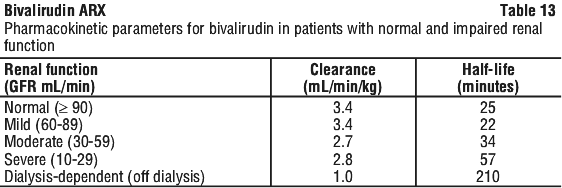
Bivalirudin is rapidly cleared from plasma by a combination of renal mechanisms and proteolytic cleavage. Clearance is not dose-dependent. Total plasma clearance of bivalirudin is similar for patients with normal renal function (≥ 90 GFR mL/min) and with mild renal impairment (60-89 GFR mL/min). In patients with moderate (30-59 GFR mL/min) and severe (10-29 GFR mL/min) renal impairment, plasma clearance of bivalirudin is reduced by approximately 20%. In dialysis-dependent patients, clearance is reduced by approximately 80%.
Table 11 summarises the main pharmacokinetic parameters of bivalirudin for patients with normal and impaired renal function.
As bivalirudin is excreted by the kidneys, each individual's renal function should be considered prior to administration. For patients with renal insufficiency not undergoing PCI, the ACS bolus dose and infusion dose should not be adjusted. For patients with renal insufficiency undergoing PCI, the dose of bivalirudin may need to be reduced, and the anticoagulation status (ACT levels) monitored. (See Section 4.2 Dose and Method Administration, Renal impairment). Bivalirudin is contraindicated in patients with severe renal impairment (GFR < 30 mL/min) and in dialysis dependent patients. See Section 4.3 Contraindications.
Glomerular filtration may contribute to clearance of intact bivalirudin peptide. Bivalirudin does not bind to plasma proteins (other than thrombin) or to red blood cells. Bivalirudin is haemodialysable.
5.3 Preclinical Safety Data

Genotoxicity.

In vitro, bivalirudin displayed no genotoxic potential in the bacterial cell reverse mutation assay (Ames test), the Chinese hamster ovary cell forward gene mutation test (CHO/HGPRT), the human lymphocyte chromosomal aberration assay, and the rat hepatocyte unscheduled DNA synthesis (UDS) assay. Bivalirudin displayed no genotoxic potential in the in vivo rat micronucleus assay.

Carcinogenicity.

No long-term studies in animals have been performed to evaluate the carcinogenic potential of bivalirudin.

6 Pharmaceutical Particulars

6.1 List of Excipients

Mannitol, sodium hydroxide.

6.2 Incompatibilities

No incompatibilities have been observed with glass bottles or polyvinyl chloride bags and administration sets. Ninety-six IV medications including those commonly administered to patients with coronary artery disease undergoing PCI were tested for Y-site physical compatibility with bivalirudin.
It is known that the following drugs should not be administered in the same IV line with bivalirudin: alteplase, amiodarone HCl, amphotericin B, chlorpromazine HCl, diazepam, prochlorperazine edisylate, reteplase, streptokinase and vancomycin HCl. Use in the IV line resulted in haze formation, microparticulate formation, or gross precipitation.
The chemical stability of bivalirudin or the additives in any admixtures has not been determined.
The following test drugs however are physically compatible with bivalirudin: abciximab, dexamethasone sodium phosphate, digoxin, dobutamine HCl (up to 4 mg/mL), dopamine HCl, adrenaline HCl, eptifibatide, esmolol, frusemide, heparin sodium, hydrocortisone sodium succinate, lignocaine HCl, pethidine HCl, methylprednisolone sodium succinate, midazolam HCl, morphine sulphate, potassium chloride, sodium bicarbonate, tirofiban HCl, and verapamil HCl.
Dobutamine, haloperidol lactate and promethazine HCl have been observed to have dose concentration incompatibilities with bivalirudin (Table 12).
All parenteral drug products should be inspected visually for particulate matter and discolouration prior to administration. If particulate matter is observed in preparations of the parenteral drug products, these products should not be used with bivalirudin.

Also see Section 4.5 Interactions with Medicines and Other Forms of Interactions.

6.3 Shelf Life

In Australia, information on the shelf life can be found on the public summary of the Australian Register of Therapeutic Goods (ARTG). The expiry date can be found on the packaging.
Diluted bivalirudin at a concentration of 5 mg/mL is stable at room temperature for up to 24 hours. (Also see Section 6.4 Special Precautions for Storage.)

6.4 Special Precautions for Storage

Store below 25°C. Store in original container.

Storage after reconstitution.

Do not freeze reconstituted or diluted bivalirudin powder for injection.
Reconstituted and diluted material may be stored for at 2°C to 8°C for up to 24 hours. Discard any unused portion of reconstituted solution remaining in the vial. (Also see Section 6.3 Shelf Life.)

6.5 Nature and Contents of Container

Bivalirudin ARX powder for injection.

Available in cartons of 1 and 10 vials.
Type I clear glass vial with chlorobutyl rubber stopper and aluminium seal with flip-off cap.
AUST R 241714.
Not all pack sizes may be available.

6.6 Special Precautions for Disposal

In Australia, any unused medicine or waste material should be disposed of by taking to your local pharmacy.

6.7 Physicochemical Properties

Bivalirudin is a specific and reversible direct thrombin inhibitor. Bivalirudin is a synthetic, 20 amino acid residue peptide. The substance isolated from the synthesis and used in the manufacture of Bivalirudin powder for injection is bivalirudin trifluoroacetate salt.
When reconstituted with water for injections the solution will be a clear to slightly opalescent, colourless to slightly yellow solution with pH of 5 to 6.

Chemical structure.


Chemical name: D-phenylalanyl-L-prolyl-L-arginyl-L-prolyl-glycyl-glycyl-glycyl-glycyl-L-asparagyl-glycyl-L-α-aspartyl-L-phenylalanyl-L-α-glutamyl-L-α-glutamyl-L-isoleucyl-L-prolyL-L-α-glutamyl-L-α-glutamyl-L-tyrosyl-L-leucine.
Molecular formula: C98H138N24O33.
Molecular weight: 2180.3 Da.

CAS number.

128270-60-0.

7 Medicine Schedule (Poisons Standard)

S4 - Prescription Only Medicine.

Summary Table of Changes