1 Name of Medicine
Irbesartan.
2 Qualitative and Quantitative Composition
Blooms Irbesartan 75 mg tablets contain 75 mg irbesartan.
Blooms Irbesartan 150 mg tablets contain 150 mg irbesartan.
Blooms Irbesartan 300 mg tablets contain 300 mg irbesartan.
Excipients with known effect.
Lactose.
For the full list of excipients, see Section 6.1 List of Excipients.3 Pharmaceutical Form
Blooms Irbesartan 75 mg.
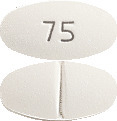
White, oval biconvex film-coated tablets, marked "75" on one side and scored on the other side.
Blooms Irbesartan 150 mg.
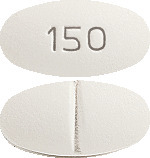
White, oval biconvex film-coated tablets, marked "150" on one side and scored on the other side.
Blooms Irbesartan 300 mg.
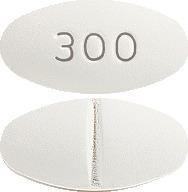
White, oval biconvex film-coated tablets, marked "300" on one side and scored on the other side.4.1 Therapeutic Indications
Blooms Irbesartan is indicated for the treatment of hypertension.
Blooms Irbesartan is indicated for delaying the progression of renal disease in hypertensive type II diabetics with persistent microalbuminuria (≥ 30 mg per 24 hours) or urinary protein in excess of 900 mg per 24 hours.
4.2 Dose and Method of Administration
Dosage.
Irbesartan may be used either alone or in combination with other antihypertensive agents (e.g. thiazide diuretic, beta-adrenergic blocking agent, long-acting calcium-channel blocking agent).
The usual initial and maintenance dose of Blooms Irbesartan is 150 mg once daily. Therapy should be adjusted according to blood pressure response. Patients requiring further reduction in blood pressure should have the dose increased to 300 mg once daily.
In patients with hypertension and type II diabetic renal disease, 300 mg of Blooms Irbesartan once daily is the preferred maintenance dose. Although irbesartan slowed the progression of renal disease in hypertensive patients separately to its effect on blood pressure, this does not remove the clinical requirement for a patient's blood pressure to be adequately controlled. If irbesartan alone is insufficient, then other agents should be added in order to gain blood pressure control.
Irbesartan increases the risk of significant hyperkalaemia in hypertensive patients with type II diabetes and moderate to severe renal insufficiency (see Section 4.8 Adverse Effects (Undesirable Effects); Section 4.4 Special Warnings and Precautions for Use, Effects on laboratory tests, Hyperkalaemia). Serum potassium should be monitored regularly in such patients.
If blood pressure is not adequately controlled with Blooms Irbesartan alone, a diuretic (e.g. hydrochlorothiazide 12.5 mg daily) or another antihypertensive drug (e.g. beta-adrenergic blocking agent, long-acting calcium channel blocking agent) may be added.
Method of administration.
Blooms Irbesartan may be administered with or without food.
Dosage adjustment.
Renal/hepatic impairment.
No dosage reduction is generally necessary in the elderly or in patients with impaired hepatic function (mild to moderate degree) or impaired renal function (regardless of degree), unless accompanied by uncorrected volume depletion (see Patients with intravascular volume depletion).
Elderly.
See above.
Patients with intravascular volume depletion.
Volume and/or sodium-depletion should be corrected before initiating therapy with irbesartan or a lower starting dose (e.g. 75 mg) should be considered. Patients undergoing haemodialysis should receive a starting dose of 75 mg and the dose should be adjusted according to B.P. response. If the blood pressure is not adequately controlled, the dose can be increased.4.3 Contraindications
Blooms Irbesartan is contraindicated in patients who are hypersensitive to irbesartan or to any other component of the formulation.
Pregnancy (see Section 4.6 Fertility, Pregnancy and Lactation, Use in pregnancy).
Co-administration of Blooms Irbesartan with aliskiren containing medicines in patients with diabetes mellitus or with moderate to severe renal impairment.
Do not co-administer Blooms Irbesartan with ACE inhibitors in patients with diabetic nephropathy.
4.4 Special Warnings and Precautions for Use
Hypotension - volume-depleted patients.
Irbesartan has been rarely associated with hypotension in hypertensive patients without other co-morbid conditions. Symptomatic hypotension, as with ACE inhibitors, may be expected to occur in sodium/ volume-depleted patients such as those treated vigorously with diuretics and/or salt restriction, diarrhea, vomiting or on haemodialysis. Volume and/or sodium-depletion should be corrected before initiating therapy with irbesartan or a lower starting dose (e.g. 75 mg) should be considered. Patients undergoing haemodialysis should receive a starting dose of 75 mg and the dose should be adjusted according to blood pressure response.
Hyperkalaemia.
While hyperkalaemia in uncomplicated patients with hypertension has not been reported with irbesartan, hyperkalaemia may occur during treatment with other drugs that affect the renin-angiotensin-aldosterone system, especially in the presence of renal impairment, overt proteinuria due to diabetic renal disease and/or heart failure. Adequate monitoring of serum potassium in patients at risk is recommended.
Dual blockade of the renin-angiotensin-aldosterone system (RAAS).
Dual blockade of the RAAS by combining irbesartan with an ACE inhibitor or with aliskiren is not recommended since there are increased risks of hypotension, hyperkalaemia, and changes in renal function compared to monotherapy. The use of irbesartan in combination with aliskiren is contraindicated in patient with diabetes mellitus or renal impairment (see Section 4.3 Contraindications).
The use of irbesartan in combination with an ACE inhibitor is contraindicated in patients with diabetic nephropathy (see Section 4.3 Contraindications; Section 4.5 Interactions with Other Medicines and Other Forms of Interactions).
Hypoglycaemia.
Irbesartan may induce hypoglycaemia, particularly in patients treated for diabetes. Therefore dose adjustments of antidiabetic treatment such as repaglinide or insulin may be required (see Section 4.8 Adverse Effects (Undesirable Effects)).
Intestinal angioedema.
Intestinal angioedema has been reported in patients treated with angiotensin II receptor antagonists, including irbesartan (see Section 4.8 Adverse Effects (Undesirable Effects)). These patients presented with abdominal pain, nausea, vomiting and diarrhoea. Symptoms resolved after discontinuation of angiotensin II receptor antagonists. If intestinal angioedema is diagnosed, Blooms Irbesartan should be discontinued and appropriate monitoring should be initiated until complete resolution of symptoms has occurred.
Psoriasis.
The use of irbesartan in patients with psoriasis or a history of psoriasis should be carefully weighed as it may exacerbate psoriasis.
Cardiac disorders.
The safety of irbesartan in the presence of heart failure has not been fully defined. Sudden death has occurred in some studies of patients with heart failure, and although such deaths may have reflected the natural history of the underlying heart failure, caution is recommended when treating such patients with irbesartan.
At this time, experience is limited with irbesartan in the treatment of patients with ventricular dysfunction or cardiac arrhythmias; caution is advised.
As with other vasodilators, special caution is indicated in patients suffering from aortic or mitral stenosis, or obstructive hypertrophic cardiomyopathy.
General.
As with any antihypertensive agent, excessive blood pressure decrease in patients with ischaemic cardiopathy or ischaemic cardiovascular disease could result in a myocardial infarction or stroke.
As observed for angiotensin converting enzyme inhibitors, irbesartan and the other angiotensin antagonists are apparently less effective in lowering blood pressure in black people than in non-blacks, possibly because of higher prevalence of low-renin states in the black hypertensive population.
Primary aldosteronism.
Patients with primary aldosteronism generally will not respond to antihypertensive medicinal products acting through inhibition of the renin-angiotensin system. Therefore, the use of irbesartan is not recommended.
Use in renal impairment.
As a consequence of inhibiting the renin-angiotensin-aldosterone system, changes in renal function may be anticipated in susceptible individuals. In patients whose renal function depends on the activity of the renin-angiotensin-aldosterone system (e.g. hypertensive patients with renal artery stenosis in one or both kidneys, or patients with severe congestive heart failure), treatment with drugs that affect this system has been associated with oliguria and/or progressive azotaemia and (rarely) with acute renal failure and/or death. The possibility of a similar effect occurring with the use of an angiotensin II receptor antagonist, including irbesartan cannot be excluded.
In hypertensive type II diabetic patients with proteinuria (≥ 900 mg/day), a population which has a high risk of renal artery stenosis, no patient treated with irbesartan in IDNT had an early acute rise in serum creatinine attributable to renal artery disease. (See Section 5.1 Pharmacodynamic Properties, Clinical trials.)
Experience is limited with irbesartan in patients with moderate to severe renal impairment; careful monitoring of renal function and potassium in such patients is advised. There is no experience regarding the administration of irbesartan in patients with recent kidney transplantation.
Use in the elderly.
Among patients who received irbesartan in clinical studies, no overall differences in efficacy or safety were observed between older patients (65 years or older) and younger patients.
Paediatric use.
Safety and effectiveness in children have not been established.
Effects on laboratory tests.
No clinically significant changes in laboratory test parameters occurred in controlled clinical studies of hypertension. No special monitoring of laboratory parameters is necessary for patients with uncomplicated essential hypertension. Monitoring of potassium levels and renal function is recommended for patients with heart failure and those with moderate to severe renal impairment (see Section 4.4 Special Warnings and Precautions for Use).
In two clinical studies of patients with hypertension and type II diabetic renal disease (IDNT and IRMA2) the following was reported.
Hyperkalaemia.
In IDNT the percent of subjects with hyperkalaemia (> 6 mmol/L) was 18.6% in the irbesartan group compared to 6.0% in the placebo group. In IRMA 2 the percent of subjects with hyperkalaemia (> 6 mmol/L) was 1.0% in the irbesartan groups and none in the placebo group. In IDNT discontinuations due to hyperkalaemia in the irbesartan group were 2.1% vs 0.36% in the placebo group. In IRMA 2 discontinuations due to hyperkalaemia in the irbesartan groups were 0.5% vs none in the placebo group.4.5 Interactions with Other Medicines and Other Forms of Interactions
Based on in vitro data, no interactions would be expected to occur with drugs whose metabolism is dependent upon cytochrome P450 isoenzymes CYP1A1, CYP1A2, CYP2A6, CYP2B6, CYP2D6, CYP2E1 or CYP3A4. Irbesartan is primarily metabolised by CYP2C9, however, during clinical interaction studies, no significant pharmacodynamic interactions were observed when irbesartan was co-administered with warfarin (a drug metabolised by CYP2C9).
Irbesartan does not affect the pharmacokinetics of digoxin. The pharmacokinetics of irbesartan is not affected by co-administration with nifedipine or hydrochlorothiazide.
Potassium-sparing diuretics, potassium supplements, potassium containing salt substitutes.
Based on experience with the use of other drugs that affect the renin-angiotensin system, concomitant use of potassium-sparing diuretics, potassium supplements, or salt substitutes containing potassium or other medicinal products that may increase kalaemia with irbesartan may lead to increases in serum potassium, sometimes severe, and requires close monitoring of serum potassium.
Lithium.
Reversible increases in lithium concentrations and toxicity have been reported during concomitant administration of lithium with angiotensin converting enzyme inhibitors. Similar effects have been very rarely reported with irbesartan. Therefore, this combination is not recommended. If co-administration of irbesartan and lithium proves necessary, careful monitoring of serum lithium levels is necessary.
Combination use of ACE inhibitors or angiotensin receptor antagonists, anti-inflammatory drugs and thiazide diuretics.
Concomitant use of a renin-angiotensin system inhibiting drug (ACE-inhibitor or angiotensin receptor antagonist), an anti-inflammatory drug (NSAID, including COX-2 inhibitor) alone or with a thiazide diuretic may increase the risk of renal impairment, including possible acute renal failure. These effects are usually reversible. This includes use in fixed-combination products containing more than one class of drug. The combination of these agents should be administered with caution, especially in the elderly, volume-depleted, and in patients with pre-existing renal impairment. Renal function (serum creatinine) should be monitored after initiation of concomitant therapy, and periodically thereafter. The antihypertensive effect of angiotensin II receptor antagonists, including irbesartan, may be attenuated by NSAIDs including selective COX-2 inhibitors.
Other antihypertensive agents may increase the hypotensive effects of irbesartan; however irbesartan has been safely administered with other antihypertensive agents, such as beta-blockers, long-acting calcium channel blockers, and thiazide diuretics. Prior treatment with high dose diuretics may result in volume depletion and a risk of hypotension when initiating therapy with irbesartan.
The use of irbesartan in combination with an ACE inhibitor is contraindicated in patients with diabetic nephropathy and is not recommended in other patients (see Section 4.3 Contraindications; Section 4.4 Special Warnings and Precautions for Use).
Renin inhibitor.
The combination of irbesartan with aliskiren-containing medicinal products is contraindicated in patients with diabetes mellitus or moderate to severe renal impairment and is not recommended in other patients (see Section 4.3 Contraindications).
Angiotensin-converting enzyme inhibitors (ACE inhibitors).
The combination of irbesartan with ACE inhibitors is not recommended.
Repaglinide.
Irbesartan has the potential to inhibit OATP1B1. In a clinical study, it was reported that irbesartan increased the Cmax and AUC of repaglinide (substrate of OATP1B1) by 1.8-fold and 1.3-fold, respectively, when administered 1 hour before repaglinide. In another study, no relevant pharmacokinetic interaction was reported when the two drugs were co-administered. Therefore, dosage adjustment of antidiabetic treatment such as repaglinide may be required (see Section 4.4 Special Warnings and Precautions for Use).4.6 Fertility, Pregnancy and Lactation
Effects on fertility.
Fertility and reproductive performance were not affected in studies of male and female rats at oral doses of up to 650 mg/kg/day (approximately 3 (male) and 8 (female) fold higher exposure, based on AUC, than that of humans at the maximum recommended clinical dose of 300 mg/day).
(Category D)
Drugs that act directly on the renin-angiotensin system can cause foetal and neonatal morbidity and death when administered to pregnant women. Several dozen cases have been reported in the world literature in patients who were taking angiotensin-converting enzyme inhibitors. When pregnancy is detected, irbesartan should be discontinued as soon as possible.
The use of drugs that act directly on the renin-angiotensin system during the second and third trimesters of pregnancy have been associated with foetal and neonatal injury, including hypotension, neonatal skull hypoplasia, anuria, reversible or irreversible renal failure, and death. Oligohydramnios has also been reported, presumably resulting from decreased foetal renal function; oligohydramnios in this setting has been associated with foetal limb contractures, craniofacial deformation and hypoplastic lung development. Prematurity, intrauterine growth retardation and patent ductus arteriosus have also been reported, although it is not clear whether these occurrences were due to exposure to the drug.
These adverse effects do not appear to have resulted from intrauterine drug exposure that has been limited to the first trimester. Mothers whose embryos and foetuses are exposed to an angiotensin II receptor antagonist only during the first trimester should be so informed.
Nonetheless, when patients become pregnant, physicians should have the patient discontinue the use of irbesartan as soon as possible.
Infants with histories of in utero exposure to an angiotensin II receptor antagonist should be closely observed for hypotension, oliguria and hyperkalaemia.
When pregnant rats were treated with irbesartan from day 0 to day 20 of gestation, at doses of 50 mg/kg/day and higher, transient effects (increased renal pelvic cavitation, hypoureter or subcutaneous oedema) were noted in full term rat foetuses but not in the young animals necropsied after 6 weeks of age. In pregnant rabbits, at doses of 30 mg/kg/day, maternal mortality, abortion and early foetal resorptions were noted. No teratogenic effects were observed in the rat or rabbit.
Irbesartan is excreted in the milk of lactating rats. It is not known whether irbesartan or its metabolites are excreted in human milk. A decision should be made whether to discontinue breastfeeding or to discontinue the drug, taking into account the importance of irbesartan to the therapy of the mother and the potential risk to the infant.4.7 Effects on Ability to Drive and Use Machines
The effect of irbesartan on ability to drive and use machines has not been studied. When driving vehicles or operating machines, it should be taken into account that occasionally dizziness or weariness may occur during treatment of hypertension.
4.8 Adverse Effects (Undesirable Effects)
Hypertension.
Irbesartan has been evaluated for safety in approximately 5000 subjects in clinical studies, including 1300 hypertensive patients treated for over 6 months and over 400 patients treated for one year or more. Adverse events in patients receiving irbesartan were generally mild and transient with no relationship to dose. The incidence of adverse events was not related to age, gender, or race.
In placebo-controlled clinical studies, including 1965 irbesartan-treated patients (usual duration of treatment 1 to 3 months), discontinuations due to any clinical or laboratory adverse event were 3.3 percent for irbesartan-treated patients and 4.5 percent for placebo-treated patients (p = 0.029).
Clinical adverse events, occurring in at least 1% of patients treated with irbesartan in placebo-controlled trials are shown in Table 1. The incidence of the same adverse events in the placebo control group is also shown.
 Adverse reactions that occurred in 2 or more hypertensive patients in clinical trials involving 3396 patients have been classified using standard terminology and in the following listing are categorised by body system and listed in order of decreasing frequency according to the following definitions: common adverse reactions are those occurring on one or more occasions in at least 1/100 but less than 1/10 patients; uncommon adverse reactions are those occurring in at least 1/1000 but less than 1/100 patients; rare adverse reactions are those occurring in less than 1/1000 patients.
Cardiovascular.
Uncommon: subjective rhythm disturbance, flushing, ECG abnormality, cardiac murmur, cardiac rhythm disturbance, orthostatic hypotension, atrial rhythm disturbance, bradycardia, hypotension.
Rare: syncope, conduction disorder, myocardial infarction.
Dermatologic.
Uncommon: pruritus, facial erythema.
Rare: dermatitis, acne, scalp-hair abnormality.
Endocrine/metabolic/electrolyte imbalance.
Uncommon: sexual dysfunction, libido change.
Rare: breast disorder, gout, hot flashes.
Gastrointestinal.
Uncommon: constipation, flatulence, dry mouth, abdomen distention.
Rare: abnormal stool, decreased appetite, increased appetite, oral lesion, dysphagia, oesophagitis.
General.
Uncommon: weakness, hyperhidrosis, malaise, weight gain.
Rare: cold sensation, warmth sensation, pain.
Haematopoietic.
Rare: anaemia.
Immunology/sensitivity disorder.
Uncommon: upper extremity oedema.
Rare: head/neck oedema.
Musculoskeletal/connective tissue.
Common: significant increase in blood creatine phosphokinase.
Uncommon: muscle cramp, swelling extremity.
Rare: arthritis, muscle ache, myalgia, extremity weakness, stiffness lower extremity.
Nervous system.
Uncommon: orthostatic dizziness, numbness, sleep disturbance, depression, emotion labile/disturbance, somnolence, vertigo, paresthesia.
Rare: stress related disorder, tremor, coordination disturbance, disturbing dreams.
Renal/genitourinary.
Uncommon: urination abnormality.
Respiratory.
Uncommon: epistaxis, dyspnoea.
Special senses.
Uncommon: vision disturbance, hearing abnormality.
Rare: eye disturbance - other, eyelid abnormality, visual field abnormality, medication bad taste, taste disturbance.
Hypertension and type II diabetic renal disease.
In clinical studies (see Section 5.1 Pharmacodynamic Properties, Clinical trials, Hypertension and type II diabetic renal disease), the adverse experiences were similar to those in clinical trials of hypertensive patients with the exception of orthostatic symptoms (dizziness, orthostatic dizziness and orthostatic hypotension) observed in IDNT (proteinuria ≥ 900 mg/day, and serum creatinine from 90-265 micromol/L). In IDNT orthostatic symptoms occurred more frequently in the irbesartan group (dizziness 10.2%, orthostatic dizziness 5.4%, orthostatic hypotension 5.4%) than in the placebo group (dizziness 6.0%, orthostatic dizziness 2.7%, orthostatic hypotension 3.2%). The rates (percents) of discontinuations due to orthostatic symptoms for irbesartan versus placebo were dizziness 0.3 vs 0.5; orthostatic dizziness 0.2 vs 0.0; and orthostatic hypotension, 0.0 vs 0.0.
Post-marketing experience.
As with other angiotensin-II receptor antagonists, hypersensitivity reactions (urticaria, angioedema, anaphylactic reactions including anaphylactic shock) have been reported since the marketing of irbesartan. The following have been reported during post-marketing surveillance: vertigo, asthenia, hyperkalaemia, thrombocytopenia (including thrombocytopenic purpura), myalgia, jaundice, elevated liver function tests, hepatitis, arthralgia, tinnitus, anaemia, psoriasis (and psoriasis exacerbation) (see Section 4.4 Special Warnings and Precautions for Use), photosensitivity, impaired renal function including cases of renal failure in patients at risk, and hypoglycaemia. (See Section 4.4 Special Warnings and Precautions for Use, General.)
Rare cases of intestinal angioedema (see Section 4.4 Special Warnings and Precautions for Use) and rhabdomyolysis have been reported in patients receiving angiotensin II receptor blockers.
Reporting suspected adverse effects.
Reporting suspected adverse reactions after registration of the medicinal product is important. It allows continued monitoring of the benefit-risk balance of the medicinal product. Healthcare professionals are asked to report any suspected adverse reactions at www.tga.gov.au/reporting-problems.4.9 Overdose
Experience in adults exposed to doses of up to 900 mg/day for 8 weeks revealed no toxicity. The most likely manifestations of overdose are expected to be hypotension and tachycardia; bradycardia might also occur from overdose. No specific information is available on the treatment of overdosage with irbesartan. The patient should be closely monitored, and the treatment should be symptomatic and supportive. If simple supine positioning is found insufficient to correct hypotension then judicious I.V. volume replacement/ augmentation may be indicated. Activated charcoal may be useful in the treatment of overdose. Irbesartan is not removed from the body by hemodialysis.
For information on the management of overdose, contact the Poisons Information Centre on 131126 (Australia).
5 Pharmacological Properties
5.1 Pharmacodynamic Properties
Pharmacotherapeutic group: angiotensin II antagonist, plain, ATC code: C09CA04.
Mechanism of action.
Irbesartan is a specific antagonist of angiotensin II receptors (AT1 subtype). Angiotensin II is an important component of the renin-angiotensin system and is involved in the pathophysiology of hypertension and in sodium homeostasis. Irbesartan does not require metabolic activation for its activity.
Irbesartan blocks the potent vasoconstrictor and aldosterone-secreting effects of angiotensin II by selective antagonism of the angiotensin II (AT1 subtype) receptors localized on vascular smooth muscle cells and in the adrenal cortex. It has no agonist activity at the AT1 receptor and a much greater affinity (more than 8500-fold) for the AT1 receptor than for the AT2 receptor (a receptor that has not been shown to be associated with cardiovascular homeostasis).
Irbesartan does not inhibit enzymes involved in the renin-angiotensin system (i.e. renin, angiotensin converting enzyme [ACE]) or affect other hormone receptors or ion channels involved in the cardiovascular regulation of blood pressure and sodium homeostasis.
In healthy subjects, single oral irbesartan doses of up to 300 mg produced dose-dependent inhibition of the pressor effect of angiotensin II infusions. Inhibition was complete (≥ 90%) at the time of peak irbesartan concentrations and sustained for 24 hours (60% and 40% at 300 mg and 150 mg, respectively).
In hypertensive patients, angiotensin II receptor inhibition following chronic administration of irbesartan causes a 1.5-2 fold rise in angiotensin II plasma concentration and a 2-3 fold increase in plasma renin levels. Aldosterone plasma concentrations generally decline following irbesartan administration, however serum potassium levels are not significantly affected at recommended doses.
In hypertensive patients, chronic oral doses of irbesartan (up to 300 mg) had no effect on glomerular filtration rate, renal plasma/blood flow or filtration fraction. In multiple dose studies in hypertensive patients, there were no notable effects on fasting triglycerides, total cholesterol or HDL-cholesterol. There was no effect on serum uric acid during chronic oral administration. Following repeated doses of irbesartan, there was no uricosuric effect.
Clinical trials.
The antihypertensive effects of irbesartan were examined in seven (7) major placebo-controlled 8-12 week trials in patients with baseline diastolic blood pressures of 95-110 mmHg.
The seven (7) studies of irbesartan monotherapy included a total of 1915 patients randomised to irbesartan (1-900 mg) and 611 patients randomised to placebo. Once daily doses of 150 to 900 mg provided statistically and clinically significant decreases in systolic and diastolic blood pressure with a plateau in effect at doses above 300 mg.
Systolic/diastolic mean decreases in blood pressure at trough (24 hours post-dosing), compared to placebo, following 6 to 12 weeks of treatment were in the range of 7.5-9.9/4.6-6.2 mmHg with a 150 mg dose, and 7.9-12.6/5.2-7.9 mmHg with a 300 mg dose.
Once-daily dosing with 150 mg gave trough and mean 24 hour responses corresponding to those observed in patients receiving twice-daily dosing at the same total daily dose. Peak (3-6 hour) effects were uniformly, but moderately, larger than trough effects, with the trough-to-peak ratio for systolic and diastolic response generally between 60-70%.
Two of the seven placebo-controlled trials identified above and two additional studies examined the antihypertensive effects of irbesartan and hydrochlorothiazide in combination.
Addition of a low dose of hydrochlorothiazide (12.5 mg) to irbesartan (75 to 300 mg) once daily resulted in further diastolic blood pressure reductions at trough (24 hours post-dosing) of 2.3-4.8 mmHg and an overall systolic/diastolic placebo-subtracted reduction of up to 13.6/11.5 mmHg at a dose of 300 mg irbesartan and 12.5 mg hydrochlorothiazide. Once daily dosing with 150 mg irbesartan and 12.5 mg hydrochlorothiazide gave systolic/diastolic mean placebo-adjusted blood pressure reductions at trough (24 hours post-dosing) of 12.9/6.9 mmHg.
In patients not adequately controlled (SeDBP ≥ 90 mmHg) on irbesartan (up to 300 mg) alone, the addition of 12.5 mg hydrochlorothiazide gave an added reduction of up to 6.1 mmHg in trough (24 hours) diastolic blood pressure.
In patients not adequately controlled (SeDBP 93-120 mmHg) on 25 mg hydrochlorothiazide alone, the addition of irbesartan (75-150 mg) gave an added systolic/diastolic mean reduction of 11.1/7.2 mmHg.
Analysis of age, gender and race subgroups of patients showed that men and women, and patients over and under 65 years of age, had generally similar responses.
The effect of irbesartan is apparent after the first dose, substantially present within 1-2 weeks, and reaches a maximal effect within 4-6 weeks. In long-term studies the effect of irbesartan appeared to be maintained for more than one year. After withdrawal of irbesartan, blood pressure gradually returned towards baseline; no rebound was observed. There was essentially no change in average heart rate in irbesartan-treated patients in controlled trials.
Hypertension and type II diabetic renal disease.
The Irbesartan Diabetic Nephropathy Trial (IDNT) was a multicentre, randomised, controlled, double-blind, morbidity and mortality trial comparing irbesartan, amlodipine and placebo. In 1715 hypertensive patients with type II diabetes (proteinuria ≥ 900 mg/day and serum creatinine 110-265 micromol/L in men and 90-265 micromol/L in women) the long-term effects (mean 2.6 years) of irbesartan on the progression of renal disease and all-cause mortality were examined. In addition, a secondary endpoint, the effect of irbesartan on the risk of fatal or non-fatal cardiovascular events was assessed. Patients were randomised to receive irbesartan 75 mg, amlodipine 2.5 mg, or matching placebo once daily. Patients were then titrated to a maintenance dose of 300 mg irbesartan, 10 mg amlodipine, or placebo as tolerated. Additional antihypertensive agents (excluding ACE inhibitors, angiotensin II receptor antagonists and calcium channel blockers) were added as needed to help achieve blood pressure goal (≤ 135/85 or 10 mmHg reduction in systolic blood pressure if higher than 160 mmHg) for patients in all groups. Irbesartan demonstrated a 20% relative risk reduction in the composite primary endpoint (first occurrence of any of the following: doubling of serum creatinine, end-stage renal disease or all-cause mortality) compared to placebo (95% CI (3%, 34%), p = 0.023) and a 23% relative risk reduction compared to amlodipine (95% CI (7%, 37%), p = 0.006). When the individual components of the primary endpoint were analysed, no effect in all-cause mortality was observed, while a positive trend in the reduction in ESRD and a significant reduction in doubling of serum creatinine were observed. Similar blood pressure was achieved in the irbesartan and amlodipine groups. There was no significant difference in the assessment of fatal or non-fatal cardiovascular events (cardiovascular death, non-fatal myocardial infarction, hospitalization for heart failure, permanent neurologic deficit attributed to stroke, or above-the-ankle amputation) among the three treatment groups.
The study of the Effects of Irbesartan on MicroAlbuminuria in Hypertensive Patients with Type 2 Diabetes Mellitus (IRMA 2) was a multicentre, randomised, placebo-controlled, double-blind morbidity study, conducted in 590 hypertensive patients with type II diabetes, microalbuminuria (20-200 mcg/min; 30-300 mg/day) and normal renal function (serum creatinine ≤ 130 micromol/L in males and ≤ 100 micromol/L in females). The study examined as a primary endpoint the long-term effects (2 years) of irbesartan on the progression to (overt) proteinuria (urinary albumin excretion rate [AER] > 200 microgram/min [> approximately 300 mg/day] and an increase in AER of at least 30% from baseline). In addition, after one and two years of treatment, the effect of irbesartan on the change in overnight AER and the change in 24-hour creatinine clearance was assessed. Patients were randomised to receive irbesartan 150 mg, irbesartan 300 mg, or matching placebo once daily. Additional antihypertensive agents (excluding ACE inhibitors, angiotensin II receptor antagonists and dihydropyridine calcium blockers) were added as needed to help achieve blood pressure goal (≤ 135/85 mmHg) for patients in all groups. Irbesartan 300 mg demonstrated a 70% relative risk reduction in the development of clinical (overt) proteinuria compared to placebo (95% CI (39%, 86%), p = 0.0004). Irbesartan 150 mg demonstrated a 39% relative risk reduction in the development of proteinuria compared to placebo (95% CI (-8%, 66%), p = 0.085). In the intent to treat analysis, when the primary endpoint is adjusted for urinary albumin excretion rate and mean arterial pressure, irbesartan 300 mg demonstrated a 68% relative risk reduction, (95% CI (35%, 85%), p = 0.002). The slowing of progression to clinical (overt) proteinuria was evident as early as three months and continued over the 2 year period. The decline in 24-hour creatinine clearance did not differ significantly among the 3 groups. Regression to normoalbuminuria (< 20 microgram/min; < 30 t1/2 mg/day) was more frequent in the irbesartan 300 mg group (34%) than in the placebo group (21%).
The adverse experiences reported in these two studies are summarised (see Section 4.8 Adverse Effects (Undesirable Effects), Hypertension and type II diabetic renal disease; Section 4.4 Special Warnings and Precautions for Use, Effects on laboratory tests).
5.2 Pharmacokinetic Properties
Absorption.
Following oral administration, irbesartan is rapidly and well absorbed. In studies employing an injection and an oral solution, containing radio-labelled irbesartan the average absolute oral bioavailability of irbesartan was 60-80%. Median peak plasma concentrations generally occurred 1.5-2 hours after oral administration of irbesartan capsules and tablets. Food did not affect the bioavailability.
Bioequivalence study.
In a study comparing Blooms Irbesartan tablets with Karvea tablets, the two products were shown to be bioequivalent. The point estimate and 90% confidence intervals for AUC0-t, were found to be 92.5% and 86.2-99.4% respectively while those for Cmax were 116.0% and 108.5-124.0% respectively.
Distribution.
Irbesartan is 90% protein-bound in the plasma, and has negligible binding to cellular components of blood. The volume of distribution (Vss) is 53-93 litres.
Metabolism.
Irbesartan is an orally active agent and does not require biotransformation for its activity.
Following oral or intravenous administration of 14C irbesartan, more than 80% of the circulating plasma radioactivity was attributable to unchanged irbesartan. Irbesartan is metabolised by the liver via glucuronide conjugation and oxidation. The major circulating metabolite is irbesartan glucuronide (~ 6%). Irbesartan undergoes oxidation primarily by the cytochrome P450 isoenzyme CYP2C9; isoenzyme CYP3A4 has negligible effect. It is not metabolised by, nor does it substantially induce or inhibit most isoenzymes commonly associated with drug metabolism (i.e. CYP1A1, CYP1A2, CYP2A6, CYP2B6, CYP2D6, or CYP2E1). Irbesartan does not induce nor inhibit isoenzyme CYP3A4.
Excretion.
Irbesartan and its metabolites are excreted by both biliary and renal routes. About 20% of the administered radioactivity after an oral or intravenous dose of 14C irbesartan was recovered in urine with the remainder in the faeces. Less than 2% of the dose was excreted in urine as unchanged irbesartan.
The terminal elimination half-life (t1/2) of irbesartan averaged 11-15 hours over a range of doses following multiple oral dosing. The total body clearance of intravenously administered irbesartan was 157-176 mL/min, of which 3.0-3.5 mL/min was renal clearance. Irbesartan exhibits linear pharmacokinetics over the therapeutic dose range. Steady-state plasma concentrations are attained within 3 days after initiation of a once-daily dosing regimen. Limited accumulation (< 20%) is observed in plasma upon repeated once-daily dosing.
Special populations.
In male and female hypertensive subjects, higher (11-44%) plasma concentrations of irbesartan were observed in females than in males, although, following multiple dosing, males and females did not show differences in either accumulation or elimination half-life. No gender-specific differences in clinical effect have been observed.
In elderly (male and female) normotensive subjects (65-80 years) with clinically normal renal and hepatic function, the plasma AUC and peak plasma concentrations (Cmax) of irbesartan are approximately 20%-50% greater than those observed in younger subjects (18-40 years). Regardless of age, the elimination half-life is comparable. No significant age-related differences in clinical effect have been observed.
In black and white normotensive subjects, the plasma AUC and t1/2 of irbesartan are approximately 20-25% greater in blacks than in whites; the peak plasma concentrations (Cmax) of irbesartan are essentially equivalent.
In patients with renal impairment (regardless of degree) and in haemodialysis patients, the pharmacokinetics of irbesartan are not significantly altered. Irbesartan is not removed by haemodialysis.
In patients with hepatic insufficiency due to mild to moderate cirrhosis, the pharmacokinetics of irbesartan are not significantly altered.
5.3 Preclinical Safety Data
Genotoxicity.
Irbesartan was not genotoxic in a series of assays for mutagenic and clastogenic effects.
Carcinogenicity.
The carcinogenic potential of irbesartan was assessed in two 104 week studies in mice and rats. No carcinogenic potential was observed in either species at doses of up to 500 mg/kg/day (males rats) and 1000 mg/kg/day (mice and female rats). The AUC based exposure levels were 3-6 fold higher in mice, 3 fold higher in male rats and 25 fold higher in female rats than that of humans at the maximum recommended clinical dose of 300 mg/day.6 Pharmaceutical Particulars
6.1 List of Excipients
Blooms Irbesartan tablets also contain the inactive (excipients) ingredients microcrystalline cellulose, lactose monohydrate, croscarmellose sodium, colloidal anhydrous silica, hypromellose, magnesium stearate, hyprolose, macrogol 6000, purified talc and titanium dioxide.
6.2 Incompatibilities
Incompatibilities were either not assessed or not identified as part of the registration of this medicine.
For information on interactions with other medicines and other forms of interactions, see Section 4.5 Interactions with Other Medicines and Other Forms of Interactions.
6.3 Shelf Life
In Australia, information on the shelf life can be found on the public summary of the Australian Register of Therapeutic Goods (ARTG). The expiry date can be found on the packaging.
6.4 Special Precautions for Storage
Store below 25°C.
6.5 Nature and Contents of Container
Available in PA/Al/PVC/Al or PVC/PVDC/Al blister packs of 30 tablets.
6.6 Special Precautions for Disposal
In Australia, any unused medicine or waste material should be disposed of in accordance with local requirements.
6.7 Physicochemical Properties
Irbesartan is a white to off-white powder. It is slightly soluble in alcohol and methylene chloride and practically insoluble in water.
Chemical structure.
 Chemical name: 2-butyl-3-[[2'-(1H-tetrazol-5-yl) [1,1'-biphenyl]-4-yl ]methyl]-1,3-diazaspiro [4,4]non-1-en-4-one.
Molecular formula: C25H28N6O.
Molecular weight: 428.53.
CAS number.
138402-11-6.7 Medicine Schedule (Poisons Standard)
S4 - Prescription Only Medicine.
Summary Table of Changes