


Consumer medicine information

Burinex

Bumetanide

BRAND INFORMATION

Brand name

Burinex

Active ingredient

Bumetanide

Schedule

S4


Consumer medicine information (CMI) leaflet

Please read this leaflet carefully before you start using Burinex.

What is in this leaflet

This leaflet answers some of the common questions about Burinex®. It does not contain all the available information. It does not take the place of talking to your doctor or pharmacist.

All medicines have risks and benefits. Your doctor has weighed the risks of you taking Burinex® against the benefits this medicine is expected to have for you.

If you have any concerns about taking this medicine, ask your doctor or pharmacist.

Keep this leaflet. You may need to read it again.

What Burinex® is used for

Burinex® is a medicine which makes the kidneys produce more urine. It is effective for people who have swollen feet and ankles due to fluid which has built-up as a result of heart, liver or kidney disease. It is also used when there is too much fluid in the lungs.

Burinex® belongs to a group of medicines called diuretics.

Your doctor may have prescribed Burinex® for another reason. Ask your doctor why Burinex® has been prescribed for you.

This medicine is available only with a doctor’s prescription.

There is no evidence that Burinex® is addictive.

Before you take Burinex®

When you must not take it

Do not take Burinex® if you:

  • are unable to produce urine
  • are dehydrated or have been told you have very low levels of electrolytes such as potassium, sodium or chloride in your blood
  • have severe liver disease which is causing a decline in your brain function including coma
  • have ever had an allergic reaction to Burinex® (bumetanide) or to any of the ingredients listed at the end of this leaflet.

Symptoms of an allergic reaction may include skin rash, itching, hives, shortness of breath or swelling of the face, lips or tongue.

Do not use after the expiry date (EXP) printed on the pack. If you take this medicine after the expiry date has passed, it may not work as well.

Do not take Burinex® if the packaging is torn or shows signs of tampering.

Do not give Burinex® to a child or adolescent. Safety and use in children or adolescents under 18 years old has not been established.

Before you start to take it

You must tell your doctor if you:

  • have an allergy to
    - Burinex® (bumetanide), to any of the ingredients listed at the end of this leaflet or to
    - sulphonamide medicines (e.g. antibiotics, some medicines for diabetes). If you are unsure ask your doctor..
  • have some symptoms of an allergic reaction that may include skin rash, itching, difficulty in breathing or swelling of the face, lips, tongue or throat
  • have any type of liver disease or impairment
  • have kidney problems
  • have low blood pressure
  • have been told you have abnormal levels of electrolytes in your blood
  • have been feeling weak, dizzy, tired or confused
  • have difficulty in passing urine
  • have prostate gland problems
  • suffer from diarrhoea, vomiting or dehydration
  • have diabetes
  • are lactose intolerant
  • are on a low salt diet
  • compete in sport at a level subject to anti-doping regulations
  • are pregnant, intending to become pregnant or breast-feeding.

Taking other medicines

Tell your doctor if you are taking any other medicines, including medicines that you buy without a prescription from a pharmacy, supermarket or health food shop.

Some commonly used medicines that may interfere with Burinex® include:

  • lithium, used to treat mood disorders
  • probenecid, used to treat gout
  • medicines for high or low blood pressure
  • medicines used to treat gastrointestinal conditions including ulcers
  • medicines for heart conditions including digoxin and other medicines that are used to treat abnormal heart rhythms
  • aminoglycoside antibiotics, for example Gentamicin or Tobramycin or other medicines which may adversely affect hearing
  • drugs that are toxic to the kidneys
  • non-steroidal anti-inflammatory drugs (NSAIDs), such as ibuprofen or diclofenac, which are used to treat pain and arthritis
  • medicines that affect the amount of potassium in your blood.

These medicines may be affected by Burinex®, or may affect how well it works. You may need different amounts of your medicine, or you may need to take different medicines. Your doctor will advise you.

Your doctor or pharmacist has more information on medicines to be careful with, or avoid, whilst taking Burinex®.

How to take Burinex®

How much to take

The usual dose of Burinex® is one tablet (1 mg) every day, either in the morning or early evening.

However, your doctor may recommend a different dose for you. Follow your doctor’s instructions or the instructions printed on the pharmacist’s label.

How to take it

Burinex® tablets should be swallowed with a glass of water.

The score line is there to help you break the tablet if you have difficulty swallowing it whole.

How long to take it

Continue taking your medicine for as long as your doctor tells you. If you are unsure how long to take it ask your doctor or pharmacist.

If you forget to take it

If you forget to take a dose, take it as soon as you remember. If your next dose is due in less than four hours, or it is near your bedtime, wait and take the next dose at the usual time.

If you have any questions, ask your doctor or pharmacist.

If you take too much (overdose)

If you think that you or anyone else may have taken too much Burinex®:

Immediately telephone your doctor or the Poisons Information Centre (13 11 26) or go to Accident and Emergency at your nearest hospital

Do this even if there are no signs of discomfort or poisoning. You may need urgent medical attention.

If you take too much Burinex® you may feel thirsty, weak, tired, dizzy and/or confused. You may also have a dry mouth, loose your appetite, experience cramps and/or vomiting.

While you are taking Burinex®

Things you must do

If you are about to be started on any new medicine, tell your doctor and pharmacist that you are taking Burinex®.

Tell your doctor immediately if you become pregnant while you are taking Burinex®.

Things you must not do

Do not give this medicine to anyone else, even if they have the same condition as you.

Do not take this medicine to treat any other complaints unless your doctor tells you to.

Do not stop taking Burinex®, or change the dose, unless your doctor has told you to.

Things to be careful of

Be careful driving or operating machinery until you know how Burinex® affects you.

If dizziness or light-headedness occurs, do not drive a car, operate machinery, or do anything else that could be dangerous if you are not alert.

Burinex® is banned for use in sport. It can be detected by routine urine testing and will result in athlete disqualification.

Side effects

All medicines can have side effects. Sometimes they are serious, but most of the time they are not. Your doctor has weighed the risks of using this medicine against the benefits they expect it will have for you.

Do not be alarmed by the following lists of side effects. You may not experience any of them.

Tell your doctor or pharmacist as soon as possible if you do not feel well or have any unpleasant effects while you are taking Burinex®. Tell your doctor even if you do not think the effect is because of the medicine or is not listed in this leaflet.

Ask your doctor or pharmacist to answer any questions that you may have.

Tell your doctor if you notice any of the following and they worry you:

  • headache
  • dizziness
  • fatigue / weakness
  • cough
  • feeling light-headed when you stand up quickly.

These are mild side effects of Burinex® and are usually short-lived.

Tell your doctor as soon as possible if you notice any of the following:

  • muscle weakness, pain or cramps
  • passing less urine than is normal for you
  • difficulty passing urine
  • abdominal pain or discomfort nausea (feeling sick)
  • an increase in breast size in men
  • blood disorders e.g. low blood cell or platelet count
  • gout – painful swollen joint(s)
  • constipation
  • dry mouth and thirst
  • an unusual amount of salts in the body
  • swelling of hands, ankles or feet

Tell your doctor immediately or go to Accident and Emergency at your nearest hospital if you notice any of the following:

  • impaired hearing or ear discomfort
  • rash, sometimes itchy
  • vomiting
  • diarrhoea
  • shortness of breath
  • unexplained bruising
  • chest pain
  • abnormal or irregular heartbeat.

These may be serious side effects of Burinex®. You may need urgent medical attention.

If any of the following happen, stop taking Burinex® and tell your doctor immediately, or go to Accident and Emergency at your nearest hospital:

  • swelling of the face, lips or tongue which may cause difficulty in swallowing or breathing.

These are very serious side effects. You may need urgent medical attention or hospitalisation.

Tell your doctor if you notice anything else that is making you feel unwell. Other side effects not listed above may occur in some people.

After taking it

Storage

Keep your tablets in the blister pack until it is time to take them.

Store the blister pack in the carton to protect the tablets from light.

Keep this medicine in a cool dry place where the temperature stays below 25°C.

Do not store Burinex®, or any other medicine, in the bathroom or near a sink. Do not leave it in the car on hot days. Heat and dampness can destroy some medicines.

Keep it where young children cannot reach it. A locked cupboard at least one-and-a-half metres above the ground is a good place to store medicines.

Disposal

If your doctor tells you to stop taking Burinex®, or the tablets have passed their expiry date, ask your pharmacist what to do with the left over tablets.

Return any unused or expired medicine to your pharmacist.

Product description

What Burinex® looks like

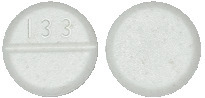
Burinex® tablets are white, round tablets, with a diameter of 8 mm. One side is marked with a score line and the number 133. The other side is marked with the image of a lion.

The tablets are supplied in a blister pack. Each blister tray contains 10 tablets. Each carton contains 10 blister trays and a total of 100 tablets.

Ingredients

Active ingredients:

  • 1 mg bumetanide per tablet

Inactive ingredients:

  • Starch (maize)
  • lactose
  • silica (colloidal anhydrous)
  • povidone
  • polysorbate 80
  • agar
  • magnesium stearate
  • purified talc

Burinex® does not contain gluten, tartrazine or any other azo dye.

Ask your doctor or pharmacist if you are unsure about anything or want more information about Burinex®.

Supplier

LEO Pharma Pty Ltd
Level 3, Tower 1,
25 Montpelier Road
Bowen Hills, QLD 4006
AUSTRALIA

This leaflet was prepared in
October 2017.

Australian Registration Number

AUST R 51734

®Burinex, LEO and LEO/lion device are registered trademarks of LEO Pharma A/S.

Published by MIMS February 2018

BRAND INFORMATION

Brand name

Burinex

Active ingredient

Bumetanide

Schedule

S4


1 Name of Medicine

Bumetanide.

2 Qualitative and Quantitative Composition

Each Burinex tablet contains 1 mg bumetanide.

Excipients with known effect.

Lactose monohydrate (see Section 4.4 Special Warnings and Precautions for Use).
For the full list of excipients, see Section 6.1 List of Excipients.

3 Pharmaceutical Form

Burinex 1 mg tablets are white, flat, circular (diameter 8 mm) and uncoated, with a bevelled edge, and are marked on one face with a score line and the number 133.

4 Clinical Particulars

4.1 Therapeutic Indications

Burinex is indicated for the treatment of oedema, particularly that associated with congestive heart failure, hepatic and renal diseases including the nephrotic syndrome and acute pulmonary oedema.

4.2 Dose and Method of Administration

Oral administration.

Most patients will respond to 1 mg daily, administered as a single dose, either in the morning or early evening.
If the diuretic response to an initial dose of Burinex is not adequate, and in view of its rapid onset and short duration of action, a second or third dose may be given at 4- to 5-hour intervals up to a maximum daily dose of 10 mg in refractory patients. An intermittent dose schedule, whereby Burinex is given on alternate days or for 3 - 4 days with rest periods of 1 - 2 days in between, is recommended as the safest and most effective method for the continued control of oedema.

4.3 Contraindications

Anuria.

Although Burinex can be used to induce diuresis in renal insufficiency, any marked increase in blood urea nitrogen or creatinine or the development of oliguria during therapy of patients with progressive renal disease is an indication for discontinuation of treatment with Burinex.
Hepatic encephalopathy including coma.
Severe electrolyte depletion.
Hypersensitivity to the active substance (bumetanide) or to any of the excipients (see Section 6.1 List of Excipients). Reports of successful treatment with Burinex following instances of allergic reactions to frusemide suggests a lack of cross sensitivity between the two substances.

4.4 Special Warnings and Precautions for Use

Volume and electrolyte imbalance.

Excessive doses or too frequent administration can lead to profound water loss, electrolyte depletion, dehydration, reduction in blood volume and circulatory collapse with the possibility of vascular thrombosis and embolism, particularly in elderly patients. Replacement therapy should be instituted where indicated.
Serum potassium should be measured regularly and potassium supplements or potassium sparing diuretics added if necessary. Prevention of hypokalaemia is of particular importance in patients receiving digitalis and diuretics for congestive heart failure, hepatic cirrhosis or ascites, states of aldosterone excess with normal renal function, potassium losing nephropathy, certain diarrhoeal states, or other states where hypokalemia is thought to represent particular added risks to the patient, i.e. history of ventricular arrhythmias.
Periodic determinations of other electrolytes (in particular, sodium, potassium, chloride, calcium and bicarbonate) are advised in patients treated with high doses or for prolonged periods, particularly in those on low salt diets.
Symptoms of electrolyte depletion are weakness, dizziness, lethargy, leg cramps, anorexia, vomiting or mental confusion.
As with other diuretics, bumetanide may cause an increase in blood uric acid.
Reversible elevations of blood urea nitrogen (BUN) and creatinine may also occur, especially in association with dehydration and in patients with renal failure.
Administration of proton pump inhibitors has been associated with development of hypomagnesaemia. Hypomagnesaemia may be exacerbated with co-administration of Burinex and particular attention to magnesium levels should be given when this combination is used.
Toxic epidermal necrolysis (TEN) and Stevens-Johnson syndrome (SJS), which can be life-threatening or fatal, have been reported in relation to non-antibiotic sulphonamide containing products, including bumetanide. Patients should be advised of the signs and symptoms of SJS and TEN and closely monitored for those. If signs and symptoms suggestive of these reactions appear, bumetanide should be withdrawn, and an alternative therapy should be considered. If the patient has developed a serious reaction such as SJS or TEN, with the use of bumetanide, treatment with bumetanide must not be restarted in this patient at any time.

Hypotension.

Caution should be exercised when bumetanide is used in patients with hypotension.

Allergy to sulphonamides.

Patients allergic to sulphonamides may also exhibit hypersensitivity to bumetanide.

Lactose intolerance.

Burinex tablets contain lactose as an excipient. Patients with rare hereditary problems of galactose intolerance, the Lapp lactase deficiency or glucose-galactose malabsorption should not take this medicinal product.

Glucose metabolism.

Studies in normal subjects receiving Burinex revealed no adverse effects on glucose tolerance, plasma insulin, glucagon and growth hormone levels, but the possibility of an effect on glucose metabolism exists. Periodic determinations of urine and blood glucose should be made, particularly in patients with diabetes or suspected latent diabetes.

Genito-urinary conditions.

Bumetanide should be used with caution in patients with potential obstruction of the urinary tract. Bumetanide should be used with care in patients with prostatic hypertrophy or impairment of micturition.

Use by athletes.

Bumetanide found in urine by doping test is cause for disqualification of athletes.

Use in hepatic impairment.

Caution is advised if bumetanide is to be administered to patients with severe hepatic impairment. Special caution should be used in patients with hepatic cirrhosis and ascites since sudden changes in electrolyte balance may precipitate hepatic encephalopathy and coma.

Use in renal impairment.

Caution is advised if bumetanide is to be administered to patients with severe or progressive renal impairment or with elevated urea/BUN or creatinine (see Section 4.3 Contraindications).

Use in the elderly.

No data available.

Paediatric use.

Safety and efficacy in children below the age of 18 years has not been established.

Effects on laboratory tests.

No data available.

4.5 Interactions with Other Medicines and Other Forms of Interactions

Lithium.

Burinex should not be administered concurrently with lithium salts since diuretics can reduce lithium clearance, resulting in high serum levels of lithium.

Probenecid.

The diuretic and natriuretic effects of bumetanide are inhibited by probenecid.

Antihypertensives and medicinal products inducing postural hypotension.

Bumetanide may potentiate the effect of antihypertensive drugs including diuretics and drugs inducing postural hypotension (e.g. tricyclic antidepressants). First-dose hypotension may occur. A reduction in the dosage of the antihypertensive may be necessitated.

Digitalis glycosides.

Hypokalaemia increases the sensitivity to digitalis glycosides which may result in digitalis toxicity (nausea, vomiting and arrhythmias). Hypokalaemia may also increase the sensitivity of the myocardium to the toxic effects of digitalis preparations. Potassium level and signs of digitalis toxicity should be monitored. Potassium supplementation and lower digitalis glycoside dose should be considered.

Drugs with ototoxic potential.

Animal studies have shown bumetanide may produce ototoxicity.
The possibility of ototoxic potentiation in humans cannot be excluded.
Concomitant administration of bumetanide and ototoxic drugs such as aminoglycosides may increase ototoxic effects and should be avoided. This is of particular importance when renal function is impaired. It has been suggested that bumetanide may cause significantly less ototoxicity than frusemide.

Drugs with nephrotoxic potential.

There has been no experience on the concurrent use of Burinex with drugs known to have a nephrotoxic potential. Therefore, the simultaneous administration of these drugs should be avoided.

Anticoagulants.

Interaction studies in humans have shown Burinex to have no effect on warfarin metabolism or on plasma prothrombin activity.

Non-steroidal anti-inflammatory drugs (NSAIDs).

NSAIDs inhibit the effect of bumetanide. The effects of concurrent use should be monitored (e.g. blood pressure, signs of renal failure). Diuretics, such as bumetanide, may enhance the nephrotoxicity of NSAIDs.

Non-depolarising neuromuscular blocking agents.

Hypokalaemia increases sensitivity to non-depolarising neuromuscular blocking agents.

Antiarrhythmics.

Concomitant use of bumetanide and class III antiarrhythmic drugs may increase the risk of electrolyte imbalance and subsequent cardiotoxicity (QT prolongation, torsades de pointes, cardiac arrest). Monitor electrolyte levels and arrhythmia symptoms.

Potassium depleting agents.

The potassium depleting effect of bumetanide may be increased by other potassium depleting agents.

Proton pump inhibitors.

Administration of proton pump inhibitors has been associated with development of hypomagnesaemia. Hypomagnesaemia may be exacerbated with co-administration of Burinex and particular attention to magnesium levels should be given when this combination is used (see Section 4.4 Special Warnings and Precautions for Use).

4.6 Fertility, Pregnancy and Lactation

Effects on fertility.

There are no clinical studies with bumetanide regarding fertility.
(Category C)
Bumetanide may cause harmful pharmacological effects during pregnancy, to the foetus or to the newborn child.
Thiazides, related diuretics and loop diuretics enter the foetal circulation and may cause electrolyte disturbances. Neonatal thrombocytopenia has been reported with thiazides and related diuretics. Loop diuretics like frusemide and bumetanide are also associated with this risk.
Burinex should not be used during pregnancy unless the expected benefits outweigh the potential risks.
It is not known whether bumetanide is excreted in breast milk, therefore the drug should not be used during lactation unless the expected benefits outweigh the potential risks.

4.7 Effects on Ability to Drive and Use Machines

Dizziness may occur during treatment which may impact on the ability to drive and use machines.

4.8 Adverse Effects (Undesirable Effects)

Clinical trial adverse effects.

The frequency of adverse effects is based on pool data from LEO Pharma clinical studies in the approved indication, and include 369 patients who had received bumetanide.
AEs ≥ 1% from LEO Pharma clinical studies in approved indication. See Table 1.
AEs ≥ 0.5% and < 1% from LEO Pharma clinical studies in approved indication.

Metabolism and nutrition disorders.

Gout.

Ear and labyrinth disorders.

Hearing impairment.

Respiratory, thoracic and mediastinal disorders.

Cough.

Gastrointestinal disorders.

Vomiting, diarrhoea, constipation.

Skin and subcutaneous tissue disorders.

Pruritus, urticaria (hives), rash.

Musculoskeletal and connective tissue disorders.

Arthralgia, musculoskeletal pain, pain in extremity.

General disorders and administration site conditions.

Chest pain, malaise/weakness, thirst.

Investigations.

Electrocardiogram changes.
Manifestations of the pharmacologic activity, such as increased serum creatinine and BUN, hyperuricaemia and azotemia may occur, particularly during intensive or prolonged therapy.
Blood dyscrasias (including leucopenia and thrombocytopenia), liver damage, idiosyncratic reactions and gynaecomastia have been reported.
In one study, increased serum amylase values were observed in 4 out of 11 patients. The cause of this is unknown, but could be due to subclinical pancreatitis with some extrahepatic cholestasis.
Other clinical adverse reactions, which have each occurred in approximately 0.1% of patients, are vertigo, ear discomfort, fatigue, dehydration, sweating, hyperventilation, dry mouth, upset stomach, renal failure, asterixis, itching, nipple tenderness, premature ejaculation and difficulty maintaining an erection.

Abnormal laboratory findings: hematologic, clinical chemistry and other quantitative data.

Laboratory abnormalities reported have included hyperuricaemia (in 18.4% of patients tested), hypochloremia (14.9%), hypokalaemia (14.7%), azotemia (10.6%), hyponatraemia (9.2%), increased serum creatinine (7.4%), hyperglycaemia (6.6%) and variations in phosphorus (4.5%), CO2 content (4.3%), bicarbonate (3.1%) and calcium (2.4%). Although manifestations of the pharmacologic action of bumetanide, these conditions may become more pronounced by intensive therapy.
Diuresis induced by bumetanide may also rarely be accompanied by changes in LDH (1.0%), total serum bilirubin (0.8%), serum proteins (0.7%), AST (0.6%), ALT (0.5%), alkaline phosphatase (0.4%), cholesterol (0.4%) and creatinine clearance (0.3%). Also reported have been deviations in haemoglobin (0.8%), prothrombin time (0.8%), haematocrit (0.6%), WBC (0.3%), platelet counts (0.2%) and differential counts (0.1%). Increases in urinary glucose (0.7%) and urinary protein (0.3%) have also been seen.

Post-marketing adverse effects.

The following lists the types of adverse effects that have been reported from post-marketing experience. Because these ADRs are reported from a population of uncertain size, it is not always possible to reliably estimate their frequency.

Blood and lymphatic system disorders.

Bone marrow failure and pancytopenia, thrombocytopenia, leukopenia including neutropenia, anaemia.

Metabolism and nutrition disorders.

Electrolyte imbalance (including hypokalaemia, hyponatraemia, hypochloraemia and hyperkalaemia), dehydration, glucose metabolism disorder, hyperuricaemia and gout.

Nervous system disorders.

Dizziness (including orthostatic hypotension and vertigo), fatigue (including lethargy, somnolence, asthenia and malaise), headache, syncope.

Ear and labyrinth disorders.

Hearing disturbances.

Cardiac disorders.

Chest pain and discomfort.

Vascular disorders.

Hypotension.

Respiratory, thoracic and mediastinal disorders.

Dyspnoea, cough.

Gastrointestinal disorders.

Abdominal pain, nausea, vomiting, diarrhoea, constipation, dry mouth and thirst.

Skin and subcutaneous tissue disorders.

Rash (various types of rash reactions such as erythematous, maculo-papular and pustular have been reported), dermatitis and eczema, urticarial, pruritus, photosensitivity.
Severe cutaneous adverse reactions (SCARs), including Stevens-Johnson syndrome (SJS), toxic epidermal necrolysis (TEN).

Musculoskeletal and connective tissue disorders.

Muscle spasms, pain and myalgia.

Renal and urinary disorders.

Micturition disorder, renal impairment (including renal failure).

General disorders and administration site conditions.

Oedema peripheral.

Reporting suspected adverse effects.

Reporting suspected adverse reactions after registration of the medicinal product is important. It allows continued monitoring of the benefit-risk balance of the medicinal product. Healthcare professionals are asked to report any suspected adverse reactions at: https://www.tga.gov.au/reporting-problems.

4.9 Overdose

In high doses and during long term treatment loop diuretics may cause electrolyte imbalance, polyuria and dehydration. Further overdose can lead to reduction of blood volume and circulatory collapse with a possibility of vascular thrombosis and embolism.

Symptoms of electrolyte imbalance.

Dry mouth, thirst, weakness, lethargy, drowsiness, confusion, gastrointestinal disturbances, restlessness, muscle pain, cramps, seizures, anorexia and vomiting.

Symptoms of dehydration.

Dizziness, postural hypotension, postural tachycardia. With large and acute fluid losses hypovolemic shock may occur, manifest as hypotension, tachycardia, peripheral vasoconstriction, and hypoperfusion with cyanosis, cold and clammy extremities, oliguria, and altered mental status.

Treatment.

Symptomatic treatment.

Adjustment of the fluid and electrolyte imbalance by careful monitoring of urine and electrolyte output and serum electrolyte levels should be carried out. General measures should be taken to restore blood volume, maintain blood pressure and correct electrolyte disturbances.
For information on the management of overdose, contact the Poison Information Centre on 13 11 26 (Australia).

5 Pharmacological Properties

5.1 Pharmacodynamic Properties

Mechanism of action.

Burinex is a loop diuretic with a rapid onset and short duration of action. Pharmacological and clinical studies have shown that 1 mg bumetanide has a diuretic efficacy equivalent to approximately 40 mg frusemide. The major site of action is the ascending limb of the loop of Henle where it inhibits sodium reabsorption.
Reabsorption of chloride in the ascending loop is also blocked by bumetanide. The excretion of chloride is greater than that of sodium and bumetanide also increases potassium excretion in a dose related fashion. Bumetanide decreases uric acid excretion and increases serum uric acid. Bumetanide may have an additional action on the proximal tubule. This proximal tubular activity does not seem to be related to an inhibition of carbonic anhydrase.
Bumetanide does not exert an observable effect on the distal tubule. The diuretic effect of bumetanide is dose related so that patients who fail to respond to a low initial dose usually respond as the dose is increased.

Clinical trials.

No data available.

5.2 Pharmacokinetic Properties

After oral administration, diuresis begins within 30 minutes with a peak effect between 1 and 2 hours. At usual doses (1-2 mg) the diuretic effect is virtually complete in 3-4 hours. After higher doses (3-5 mg) the diuretic action lasts for 4-6 hours. This short and rapid action minimises disturbance of the patient's daily routine.
Maximum plasma concentrations range between 30 nanogram/mL (80 nanomoles/L) after administration of 1 mg, to 420 nanogram/mL (1,150 nanomoles/L) after 5 mg.

Absorption.

Bumetanide is rapidly and almost completely absorbed when given orally.

Distribution.

The apparent volume of distribution is approximately 25 L indicating that the drug is not distributed into tissues to any great extent. The degree of plasma protein binding is approximately 95%.

Metabolism.

Metabolism occurs by oxidation of the N-butyl side chain to form alcohol metabolites. These are excreted in the urine and bile mainly as glucuronides.
The similar fate of bumetanide following intravenous and oral administration excludes the possibility of any significant first pass effect or degradation in the gastro-intestinal tract.

Excretion.

Approximately 75 - 80% of an administered dose is excreted in the urine within 48 hours, approximately 50% of the dose as the unchanged drug. Approximately 10% of the dose is excreted in the faeces. Bumetanide is eliminated rapidly with a plasma half-life of 60 - 90 minutes.

5.3 Preclinical Safety Data

Genotoxicity.

No data available.

Carcinogenicity.

No data available.

6 Pharmaceutical Particulars

6.1 List of Excipients

Maize starch, lactose monohydrate, colloidal anhydrous silica, povidone, polysorbate 80, agar, magnesium stearate, purified talc.

6.2 Incompatibilities

Incompatibilities were either not assessed or not identified as part of the registration of this medicine.

6.3 Shelf Life

In Australia, information on the shelf life can be found on the public summary of the Australian Register of Therapeutic Goods (ARTG). The expiry date can be found on the packaging.

6.4 Special Precautions for Storage

Store below 25°C. Keep the blister in the carton in order to protect from light.

6.5 Nature and Contents of Container

Burinex 1 mg tablets are packed in PVC/aluminium blisters.
Burinex 1 mg tablets are presented in blister packs of 100.

6.6 Special Precautions for Disposal

In Australia, any unused medicine or waste material should be disposed of by taking to your local pharmacy.

6.7 Physicochemical Properties

Bumetanide is a derivative of metanilamide, and is therefore structurally different to frusemide and the thiazides which are derivatives of sulphanilamide. It is a white odourless crystalline powder with a slightly bitter taste. It melts at approximately 230°C and at 22°C is soluble in ethanol and acetone; slightly soluble in ether and chloroform, very slightly soluble in water and practically insoluble in hydrochloric acid. It should be protected from light.
The chemical name for bumetanide is 3-n-(butylamino)-4-phenoxy-5-sulphamoyl-benzoic acid. The molecular weight is 364.41.

Chemical structure.


CAS number.

The CAS registry number is 28395-03-1.

7 Medicine Schedule (Poisons Standard)

Schedule 4. Prescription Only Medicine (S4).

Summary Table of Changes