


Consumer medicine information

Catapres 150 Tablets

Clonidine hydrochloride

BRAND INFORMATION

Brand name

Catapres 150 Tablets and Catapres Ampoules

Active ingredient

Clonidine hydrochloride

Schedule

S4


Consumer medicine information (CMI) leaflet

Please read this leaflet carefully before you start using Catapres 150 Tablets.

What is in this leaflet

This leaflet answers some common questions about Catapres 150 tablets.

It does not contain all the available information. It does not take the place of talking to your doctor or pharmacist.

All medicines have benefits and risks. Your doctor has weighed the risks of you taking Catapres against the benefits they expect it will have for you.

If you have any concerns about taking this medicine, ask your doctor or pharmacist.

This leaflet was last updated on the date at the end of this leaflet. More recent information may be available. The latest Consumer Medicine Information is available from your pharmacist, doctor, or from www.medicines.org.au (Australia) and www.medsafe.govt.nz/Consumers/cmi/CMIForm.asp (New Zealand) and may contain important information about the medicine and its use of which you should be aware.

Keep this leaflet with your medicine. You may need to read it again.

What Catapres is used for

Catapres lowers high blood pressure, also called hypertension.

Everyone has blood pressure. This pressure helps your blood move around your body. Your blood pressure may be different at different times of the day. You have hypertension when your blood pressure stays higher than normal, even when you are calm or relaxed.

There are usually no signs of hypertension. The only way of knowing that you have hypertension is to have your blood pressure checked on a regular basis. You may feel fine and have no symptoms, but if high blood pressure is not treated, it can lead to serious health problems (such as heart disease).

Catapres works by relaxing and widening blood vessels and so helps to lower your blood pressure.

Ask your doctor if you have any questions about why Catapres has been prescribed for you. Your doctor may have prescribed Catapres for another reason.

Before you take Catapres

When you must not take it

Do not take Catapres if you have an allergy to:

  • any medicine containing clonidine
  • any of the other ingredients listed at the end of this leaflet.

Some of the symptoms of an allergic reaction may include:

  • shortness of breath
  • wheezing or difficulty breathing
  • swelling of the face, lips, tongue or other parts of the body
  • rash, itching or hives on the skin.

Do not take Catapres if you have the rare hereditary condition of galactose intolerance.

Do not take Catapres if you have certain heart problems, such as irregular/slow heartbeat.

Do not take Catapres if you are pregnant. It may affect your developing baby if you take it during pregnancy.

Do not breast-feed if you are taking this medicine. The active ingredient in Catapres passes into breast milk and there is a possibility that your baby may be affected.

Do not give Catapres to a child under the age of 18 years of age.

Serious side effects have been observed when clonidine, the active ingredient in Catapres, is used with methylphenidate in children with ADHD. Therefore, Catapres in this combination is not recommended.

Do not take Catapres after the expiry date printed on the carton or blister strips or if the packaging is torn or shows signs of tampering. If it has expired or is damaged, return it to your pharmacist for disposal.

If you are not sure whether you should start taking this medicine, talk to your doctor.

Before you start to take it

Tell your doctor if you have allergies to any other medicines, foods, preservatives or dyes.

Tell your doctor if you have or have had any of the following medical conditions:

  • heart failure or any heart or circulation problem
  • stroke, or transient ischaemic attack (TIA)
  • mental depression
  • sugar diabetes
  • nerve damage, which may lead to weakness in the arms and legs
  • constipation
  • phaeochromocytoma (a rare tumour of the adrenal gland)
  • any problems with your kidneys.

If you are uncertain as to whether you have, or have had, any of these conditions you should raise those concerns with your doctor.

If you have not told your doctor about any of the above, tell him/her before you start taking Catapres.

Taking other medicines

Tell your doctor or pharmacist if you are taking any other medicines, including any that you get without a prescription from your pharmacy, supermarket or health food shop.

Some medicines and Catapres may interfere with each other. These include:

  • other medicines for high blood pressure
  • medicines for heart problems
  • alcohol
  • medicines used to control mood swings and some types of depression
  • medicines used to relieve pain, swelling or other symptoms of inflammation.

These medicines may be affected by Catapres, or may affect how well it works. You may need different amounts of your medicine, or you may need to take different medicines.

Your doctor and pharmacist have more information on medicines to be careful with or avoid while being given this medicine.

How to take Catapres

Follow the directions given to you by your doctor and pharmacist carefully. These directions may differ from the information contained in this leaflet.

If you do not understand the instructions on the box, ask your doctor or pharmacist for help.

How much to take

Your doctor will tell you how much of your medicine you need to take every day. This depends on your condition and whether you are taking other medicines.

How to take it

Swallow the tablets with a full glass of water.

When to take it

Take your medicine at about the same time each day. Taking it at the same time each day will have the best effect. It will also help you remember when to take it.

How long to take it

Continue taking Catapres for as long as your doctor tells you.

Catapres helps to control your condition, but does not cure it. It is important to keep taking your medicine even if you feel well.

If your doctor tells you to stop taking Catapres, you should reduce the dose of medicine gradually over a period of a week or more. This is to avoid a sudden increase in your blood pressure.

Ask your doctor or pharmacist if you have any concerns.

If you forget to take it

It is important to take Catapres as directed.

If you miss a dose, take it as soon as you remember. However, if you remember when it is almost time for your next dose, take only your usual dose at that time.

Do not take a double dose to make up for the dose that you missed.

If you are not sure what to do, ask your doctor or pharmacist.

If you have trouble remembering to take your medicine, ask your pharmacist for some hints.

If you take too much (overdose)

Immediately telephone your doctor or Poisons Information Centre (in Australia telephone 13 11 26; in New Zealand telephone 0800 764 766) for advice, or go to Emergency at your nearest hospital, if you have taken more than the recommended or prescribed dose of Catapres. Do this even if there are no signs of discomfort or poisoning. You may need urgent medical attention.

Signs of overdose may include slow heartbeat, drowsiness, temporarily stopping breathing and coma. Other signs include dizziness, weakness, lethargy, feeling cold, vomiting, looking pale, or having an irregular heartbeat.

While you are taking Catapres

Things you must do

If you are about to be started on any new medicine, tell your doctor and pharmacist that you are taking Catapres.

Tell any other doctors, dentists and pharmacists who treat you that you are taking Catapres.

If you are going to have surgery, tell the surgeon or anaesthetist that you are taking Catapres. It may affect other medicines used during surgery.

If you become pregnant while taking Catapres, tell your doctor immediately.

Have your blood pressure checked as instructed by your doctor, to make sure Catapres is working.

Tell your doctor if, for any reason, you have not taken Catapres exactly as prescribed. Otherwise, your doctor may think that it was not effective and change your treatment unnecessarily.

Things you must not do

Do not take Catapres to treat any other complaints unless your doctor tells you to.

Do not give Catapres to anyone else, even if they have the same condition as you.

Do not stop taking your medicine or lower the dosage without checking with your doctor.

Things to be careful of

Be careful driving or operating machinery until you know how Catapres affects you. Catapres, like other medicines used to treat high blood pressure, may cause dizziness or drowsiness in some people. Make sure you know how you react to Catapres before you drive or operate machinery.

If you feel light-headed, dizzy or faint, get up slowly when getting out of bed or standing up. You may feel light-headed or dizzy when you begin to take Catapres or if the dose is increased. This is because your blood pressure is falling suddenly. Standing up slowly will help your body get used to the change in position and blood pressure. The problem usually goes away after the first few days.

Side effects

Tell your doctor or pharmacist as soon as possible if you do not feel well while you are taking Catapres.

All medicines can have side effects. Sometimes they are serious, most of the time they are not. You may need medical attention if you get some of the side effects.

Do not be alarmed by the following list of side effects. You may not experience any of them.

Ask your doctor or pharmacist to answer any questions you may have.

The more frequently reported side effects of Catapres are lightheadedness when you stand up suddenly, drowsiness, dryness of the mouth, nausea and vomiting.

Less frequently reported side effects of Catapres include the following:

  • blurred vision
  • dizziness
  • confusion
  • headache
  • sleep disturbances
  • mental depression
  • irrational or abnormal thoughts
  • irritability
  • decreased sexual drive / impotence
  • generally feeling unwell
  • thinning of hair
  • rash / hives / itching
  • constipation
  • dryness of the nose and eyes
  • pain in the salivary glands
  • tingling or numbness of the hands or feet
  • larger breasts than normal, in men
  • slow or irregular heart beat
  • blood glucose increased.

Occasional reports of abnormal liver function tests and cases of hepatitis have also been reported.

Tell your doctor or pharmacist as soon as possible if you experience any side effects during or after taking Catapres, so that these may be properly treated.

Other side effects not listed above may also occur in some people.

Tell your doctor or pharmacist if you notice anything unusual, during or after taking Catapres.

After taking Catapres

Storage

Keep your tablets in the blister strip until it is time to take them. The blister strip protects the tablets. If you take the tablets out of the blister strip they may not keep well.

Keep your tablets in a cool dry place where the temperature stays below 25°C.

Do not store Catapres or any other medicine in the bathroom or near a sink. Do not leave it in the car or on the window sill. Heat and dampness can destroy some medicines.

Keep it where children cannot reach it. A locked cupboard at least one-and-a-half metres above the ground is a good place to store medicines.

Disposal

If your doctor tells you to stop taking this medicine or the expiry date has passed, ask your pharmacist what to do with any medicine that is left over.

Product Description

What it looks like

Catapres is the brand name of your medicine.

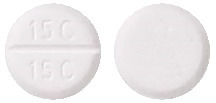
Catapres 150 tablets are white, round tablets, marked with the Boehringer Ingelheim logo on one side and 15C/15C on the other.

Blister packs of 100 tablets.

Ingredients

Each Catapres 150 tablet contains 150 micrograms clonidine hydrochloride. The other ingredients are maize starch, colloidal anhydrous silica, povidone, stearic acid, calcium hydrogen phosphate and lactose monohydrate.

Supplier

Catapres 150 tablets are supplied in Australia by:

Boehringer Ingelheim Pty Limited
ABN 52 000 452 308
78 Waterloo Road
NORTH RYDE NSW 2113

Catapres 150 tablets are supplied in New Zealand by:

BOEHRINGER INGELHEIM (N.Z.) LIMITED
Auckland

This Consumer Medicine Information was updated in October 2017

® Catapres is a registered trademark of Boehringer Ingelheim

© Boehringer Ingelheim Pty Limited

Australian Registration Number

Blister pack AUST R 78376

Published by MIMS December 2017

BRAND INFORMATION

Brand name

Catapres 150 Tablets and Catapres Ampoules

Active ingredient

Clonidine hydrochloride

Schedule

S4


1 Name of Medicine

Clonidine hydrochloride.

2 Qualitative and Quantitative Composition

Catapres 150 tablets contain 150 microgram of clonidine hydrochloride.
Catapres ampoules contain 150 microgram of clonidine hydrochloride/1 mL.

Excipients with known effect.

Each Catapres 150 tablet contains 36.05 mg of lactose monohydrate.
For the full list of excipients, see Section 6.1 List of Excipients.

3 Pharmaceutical Form

Catapres 150 tablets.

white, round, flat tablets with bevelled edges, one side marked with "15C/ break line/ 15C". Each tablet contains 150 microgram of clonidine hydrochloride.

Catapres ampoules.

Clear, colourless solution for injection.

4 Clinical Particulars

4.1 Therapeutic Indications

Oral.

All grades of essential hypertension.
Renal hypertension.

Parenteral.

Acute hypertensive crisis.
As an alternative to oral therapy where the oral route of administration is inappropriate.

4.2 Dose and Method of Administration

The dosage recommendations are as follows:

Tablets.

75 microgram (half a tablet) two or three times a day. Increase the daily dosage by half tablet (75 microgram) increments until desired control of blood pressure is achieved. In those patients to whom Catapres is given as sole therapy, there may be in the early months of treatment a need to gradually increase dosage to achieve optimal control. Dosage adjustment by small increments is desirable up to a maximum recommended dose of 900 microgram per day. In the early stages of treatment, some associated fluid retention may be minimised by the concomitant use of a thiazide diuretic.

Maintenance.

150 microgram (one tablet) to 300 microgram (two tablets) three times a day.
In impaired renal and hepatic function the half-life is prolonged and the dosage regimen should be monitored carefully.
The hypotensive effect of Catapres is dose dependent. It is usual to titrate the dose of oral Catapres to satisfy the requirements of each patient.
Catapres alone may provide full control of blood pressure. The concomitant use of a thiazide diuretic is a valuable adjunct in all but mild cases of hypertension.

Ampoules.

Subcutaneous or intramuscular injection of Catapres should only be administered to patients in a lying position.
One to two ampoules (150-300 microgram) by intramuscular injection undiluted, or given intravenously in 10 mL of normal saline over five minutes. May be repeated at intervals of 3 to 6 hours as necessary. Following intravenous injection an initial pressor phase of 5-10 mmHg lasting approximately 5 minutes may occur. This effect can be lessened by slow administration. As clonidine is metabolised in the liver and excreted mainly by the kidneys, any hepatic or renal impairment may require a reduction in dosage. Catapres may be given in combination with guanethidine, alpha-methyldopa or other antihypertensives, to provide effective control of blood pressure in refractory cases. In this way the dose of each individual drug may be reduced and side effects minimised.
Catapres ampoules contain 0.145 mmol sodium (3.3 mg) per ampoule.

Renal impairment.

Dosage must be adjusted: according to the individual antihypertensive response which can show high variability in patients with renal insufficiency; according to the degree of renal impairment.
Careful monitoring is required. Since only a minimal amount of clonidine is removed during routine haemodialysis, there is no need to give supplemental clonidine following dialysis.

4.3 Contraindications

Catapres should not be used in patients with known hypersensitivity to the active ingredient, clonidine hydrochloride, and in patients with severe bradyarrhythmia resulting from either sick sinus syndrome or AV block of second or third degree.
In case of rare hereditary conditions that may be incompatible with an excipient of the product (see Section 4.4 Special Warnings and Precautions for Use) the use of the product is contraindicated.

4.4 Special Warnings and Precautions for Use

Special care should be exercised in treating patients who have a history of depression or who have advanced cerebrovascular disease. Reduction of blood pressure in the latter circumstances may itself cause mental changes. Concurrent administration of tricyclic antidepressants may require adjustment of Catapres dosage.
Although a transient rise in blood sugar has been noted occasionally in humans treated with Catapres, which may be due to a pharmacologic alpha-adrenomimetic effect of the drug, no case of induced diabetes mellitus due to Catapres has been reported. Patients with clinical diabetes mellitus should be watched for a possible increase in their requirements of anti-diabetic therapy.
Catapres should be used with caution in patients with mild to moderate bradyarrhythmia such as low sinus rhythm, with disorders of cerebral or peripheral perfusion, polyneuropathy, and constipation.
No therapeutic effect of Catapres can be expected in the treatment of hypertension caused by phaeochromocytoma.
Since Catapres and its metabolites are extensively excreted in the urine, careful adjustment of dosage is required in patients with renal insufficiency (see Section 4.2 Dose and Method of Administration, Renal impairment).
As with other anti-hypertensives, treatment with Catapres should be monitored particularly carefully in patients with heart failure or severe coronary heart disease.
Termination of oral therapy should be gradual (e.g. over more than 7 days).
Sudden cessation of antihypertensive therapy is known to be associated in some instances with rebound hypertension which in some cases may be severe. This may occur with Catapres particularly in patients receiving more than the maximum recommended dose of 900 microgram per day.
Following sudden discontinuation of Catapres after prolonged treatment with high doses, restlessness, palpitations, rapid rise in blood pressure, nervousness, tremor, headache or nausea have been reported.
An excessive rise in blood pressure following discontinuation of Catapres therapy can be reversed by intravenous phentolamine (see Section 4.5 Interactions with Other Medicines and Other Forms of Interactions).
If long-term treatment with a β-blocker needs to be interrupted, the β-blocker should be gradually phased out first, then clonidine.
Patients who wear contact lenses should be warned that treatment with Catapres may cause decreased lacrimation.
Catapres 150 tablets contain 205.5 mg of lactose monohydrate per maximum recommended daily dose. Patients with the rare hereditary conditions of galactose intolerance, e.g. galactosaemia should not take this medicine.

Anaesthesia.

Abrupt withdrawal of Catapres is undesirable. Limited evidence suggests that it is unnecessary to withdraw Catapres before anaesthesia and that maintenance of therapy is preferable to abrupt withdrawal. In the peri-operative period Catapres can, where necessary, be administered parenterally until oral therapy is resumed.
Where therapy with Catapres is to be suspended before operation, withdrawal should be gradual (i.e. over more than 7 days) and monitored by regular observation of blood pressure.

Use in the elderly.

No data available.

Paediatric use.

The use and the safety of clonidine in children and adolescents has little supporting evidence in randomised controlled trials and therefore cannot be recommended for use in this population.
In particular, when clonidine is used off label concomitantly with methylphenidate in children with ADHD, serious adverse reactions, including death, have been observed. Therefore, clonidine in this combination is not recommended.

Effects on laboratory tests.

No data available.

4.5 Interactions with Other Medicines and Other Forms of Interactions

If the patient is on antihypertensive therapy, care should be taken as even a small dose of clonidine may further lower blood pressure and necessitate adjustment of the antihypertensive regimen.
When Catapres is used as an antihypertensive agent additional clonidine for the prophylaxis of migraine or the alleviation of symptoms in menopausal flushing should not be prescribed. Catapres may potentiate the effects of alcohol, sedatives, hypnotics or other centrally active substances.
Although retinal, lens or corneal damage have not been detected with clonidine therapy, follow-up procedures, such as ophthalmoscopy, are recommended.
Substances which raise blood pressure or induce a sodium and water retaining effect such as nonsteroidal anti-inflammatory drugs can reduce the therapeutic effect of clonidine.
Substances with α2-adrenergic receptor blocking properties, such as phentolamine, may abolish the α2-adrenergic receptor mediated effects of clonidine in a dose dependent way.
Concomitant administration of drugs with a negative chronotropic or dromotropic effect such as β-blockers or digitalis glycosides can cause or potentiate bradycardic rhythm disturbances.
It cannot be ruled out that concomitant administration of a β-blocker will cause or potentiate peripheral vascular disorders.
The antihypertensive effect of clonidine may be reduced or abolished and orthostatic regulation disturbances may be provoked or aggravated by concomitant administration of tricyclic antidepressants or neuroleptics with α-receptor blocking effects.
Based on observations in patients in a state of delirium alcoholicum, it has been suggested that high intravenous doses of clonidine may increase the arrhythmogenic potential (QT prolongation, ventricular fibrillation) of high intravenous doses of haloperidol.

4.6 Fertility, Pregnancy and Lactation

Effects on fertility.

Clinical studies on the effect of clonidine on human fertility have not been conducted.
Clonidine had no effect on fertility in male or female rats when administered orally at doses up to 0.15 mg/kg/day (35% higher than the maximum recommended total daily dose of clonidine in humans, based on body surface area).
(Category B3)
Clonidine hydrochloride has not shown teratogenic potential when tested in rats, but in some circumstances the incidence of embryonic and perinatal deaths was increased with doses comparable to those used clinically for antihypertensive therapy.
There are limited data from the use of clonidine in pregnant women, but the experience with clonidine hydrochloride since marketing does not include any positive evidence of adverse effect on the foetus. Since this experience cannot exclude such an effect, clonidine hydrochloride should be used during pregnancy only when the benefit clearly justifies the possible risk to the foetus.
Clonidine passes the placental barrier, and may lower the heart rate of the foetus. There is no adequate experience regarding the long-term effects of prenatal exposure.
Clonidine hydrochloride may also induce transitory elevation of blood glucose and impairment of glucose tolerance. Children born to mothers treated with clonidine hydrochloride during pregnancy should be specifically examined for changes in glucose metabolism.
During pregnancy the oral forms of clonidine are preferred. Intravenous injection of clonidine should be avoided.
Non-clinical studies in rats do not indicate direct or indirect harmful effects with respect to reproductive toxicity (see Section 4.6 Fertility, Pregnancy and Lactation).
Postpartum a transient rise in blood pressure in the newborn cannot be excluded.
Clonidine is excreted in human milk. As the effect on the new-born is not known, infants born to mothers being treated with Catapres should not be breast fed.

4.7 Effects on Ability to Drive and Use Machines

No studies on the effects on the ability to drive and use machines have been performed.
However, patients should be advised that they may experience undesirable effects such as dizziness, sedation and accommodation disorder during treatment with Catapres. Therefore, caution should be recommended when driving a car or operating machinery. If patients experience the above mentioned side effects they should avoid potentially hazardous tasks such as driving or operating machinery.

4.8 Adverse Effects (Undesirable Effects)

The following adverse events (regardless of causality) and incidences are based on a review of 22 clinical studies comprising 640 patients treated with clonidine hydrochloride.
The corresponding frequency category estimation for each adverse drug reaction is based on the following convention: very common (≥ 1/10); common (≥ 1/100 to < 1/10); uncommon (≥ 1/1,000 to < 1/100); rare (≥ 1/10,000 to < 1/1,000); very rare (< 1/10,000); not known (cannot be estimated from the available data). See Table 1.
Most adverse effects are mild and tend to diminish with continued therapy.
Occasional reports of abnormal liver function tests and cases of hepatitis have also been reported.

Reporting of suspected adverse reactions.

Reporting suspected adverse reactions after registration of the medicinal product is important. It allows continued monitoring of the benefit-risk balance of the medicinal product. Healthcare professionals are asked to report any suspected adverse reactions at https://www.tga.gov.au/reporting-problems.

4.9 Overdose

For information on the management of overdose, contact the Poisons Information Centre on 13 11 26 (Australia).

Symptoms.

The most important features of clonidine overdosage are likely to be bradycardia, sedation, respiratory depression including apnoea and somnolence including coma. Blood pressure response may be variable and may vary from severe hypotension (due to central sympathetic inhibition and vagal stimulation) to severe hypertension (due to direct alpha-agonist activity). Treatment must therefore be appropriate to the clinical features (i.v. atropine followed by a pressor amine if necessary in patients with hypotension or an alpha-blocker such as phentolamine for patients with hypertension). Other features which may be seen include weakness, vomiting, diminished or absent reflexes, skin pallor, hypothermia, cardiac arrhythmias and constricted pupils with poor reaction to light.

Management.

General supportive measures with regular checks of pulse, BP, ECG, blood sugar and body temperature should be undertaken. The blood pressure should be monitored carefully for 48 hours following the overdosage, as a later hypertensive phase may be associated with declining blood levels of clonidine.

5 Pharmacological Properties

5.1 Pharmacodynamic Properties

Mechanism of action.

The hypotensive effect of Catapres is produced mostly by its central effect or reducing sympathetic drive. In this respect Catapres differs from previously used anti-hypertensives. Catapres neither depletes major catecholamine stores, nor acts as a ganglion blocking agent. The specific and different mode of action of Catapres leads to benefits such as reduced incidence of postural hypotension and only rarely an effect on libido.
The central action of Catapres is ascribed mainly to an action on the bulbar structures of the central nervous system, particularly the sympathetic cardio-accelerator and constrictor mechanisms. This central action leads to decreased sympathetic outflow. Peripheral effects of Catapres include both vasodilatation and vasoconstriction in various vascular beds, and alpha and possible beta-adrenomimetic effects. A transient rise in blood sugar occurs following large doses of Catapres. In addition, a small transient pressor effect (5-10 mmHg systolic blood pressure) lasting approximately five minutes may occur following intravenous use. These effects reflect the alpha-adrenomimetic action of Catapres. The peripheral effects of Catapres generally require isolated organ type preparations for their demonstration, as in the intact animal or man, the central action predominates.

Clinical trials.

No data available.

5.2 Pharmacokinetic Properties

Absorption and distribution.

The pharmacokinetics of clonidine is dose proportional in the range of 75-300 microgram. Clonidine, the active ingredient of Catapres is well absorbed from the gastrointestinal tract and undergoes a minor first pass effect. Peak plasma concentrations are reached within 1-3 hours after oral administration. The duration of action varies from 6-12 hours, the duration of action being longer in the milder hypertensives. The plasma protein binding is 30-40%.

Metabolism and excretion.

The terminal elimination half-life of clonidine has been found to range from 9-26 hours in patients with normal renal function. With impaired renal function it has been reported to increase to 18-48 hours.
The metabolic pathway of clonidine involves cleavage of the imidazolidine ring and the hydroxylation of the phenyl ring. Five metabolites have been identified in man and include para-hydroxy-clonidine and dichlorophenylguanidine.
Two-thirds of an administered dose is excreted in the urine (about half of which is unchanged Catapres) and the remainder is excreted in the faeces.
The antihypertensive effect is reached at plasma concentrations between about 0.2 and 2.0 nanogram/mL in patients with normal renal function. The hypotensive effect is attenuated or decreases with plasma concentrations above 2.0 nanogram/mL.
Given intravenously, Catapres is effective within five minutes, has a maximum hypotensive action within 20 to 30 minutes, and the effect lasts for several hours. Following intramuscular administration, Catapres is effective within 5 to 10 minutes. The maximum hypotensive effect is reached after 75 minutes and the duration of action is approximately 5 hours.
In a study designed to evaluate the pharmacokinetics of clonidine following administration of Catapres controlled release tablets (formulation not registered in Australia) in 30 patients (13 white patients, 6 black patients and 11 Hispanic patients), the pharmacokinetics was found to be similar between subjects from different racial groups.
The pharmacokinetics of clonidine is not influenced by food.

5.3 Preclinical Safety Data

Genotoxicity.

Comprehensive investigations have not been performed to assess the potential genotoxic effects of clonidine. Clonidine showed no activity in the Ames test for mutagenicity or mouse micronucleus test for clastogenicity.

Carcinogenicity.

The carcinogenic potential of clonidine has not been assessed in an adequate range of studies. In rats, dietary administration of clonidine at doses up to 1.2 mg/kg/day (males) or 1.5 mg/kg/day (females) did not cause carcinogenic effects. These doses are 10-14 times the maximum recommended human daily dose of clonidine, based on body surface area.

6 Pharmaceutical Particulars

6.1 List of Excipients

Catapres 150 tablets contain the excipients maize starch, lactose monohydrate, calcium hydrogen phosphate, colloidal anhydrous silica, povidone and stearic acid.
Catapres ampoules contain the excipients sodium chloride, hydrochloric acid and water for injections.

6.2 Incompatibilities

Incompatibilities were either not assessed or not identified as part of the registration of this medicine.

6.3 Shelf Life

In Australia, information on the shelf life can be found on the public summary of the Australian Register of Therapeutic Goods (ARTG). The expiry date can be found on the packaging.

6.4 Special Precautions for Storage

Catapres 150 tablets should be stored below 25°C
Catapres ampoules should be stored below 30°C.

6.5 Nature and Contents of Container

Catapres 150 tablets.

Blister pack PVC/PVDC/Al.
Catapres 150 tablets are available in blister packs of 100 tablets.

Catapres ampoules.

Glass ampoule.
Catapres ampoules are available in boxes of 5 ampoules.

6.6 Special Precautions for Disposal

In Australia, any unused medicine or waste material should be disposed of in accordance with local requirements.

6.7 Physicochemical Properties

Chemical structure.

Chemical name: 2,6-dichloro-N-2-imidazolidinylidene benzenamine hydrochloride.
Molecular formula: C9H9N3Cl2.HCl.
Molecular weight: 266.56.
Laboratory designation: ST 155.
Structural formula:
Clonidine hydrochloride is a white or almost white, crystalline powder. It is soluble in ethanol, slightly soluble in chloroform and practically insoluble in ether. One gram is soluble in 13 mL of water (20°C).

CAS number.

4205-91-8.

7 Medicine Schedule (Poisons Standard)

S4 - Prescription Only Medicine.

Summary Table of Changes