1 Name of Medicine
Clobazam.
2 Qualitative and Quantitative Composition
Each Clobium tablet contains 10 mg clobazam.
Excipient with known effect(s).
Lactose monohydrate.
For the full list of excipients, see Section 6.1 List of Excipients.3 Pharmaceutical Form
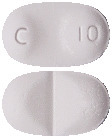
Clobium tablets appear as white to off white oval shaped uncoated tablets with a functional score on one side and "C" and "10" debossed on other side.
4.1 Therapeutic Indications
Adults.
Short term use (up to one month) for the symptomatic management of acute anxiety and sleep disturbances associated with anxiety.
Children (4 years of age and over).
As adjunctive therapy in patients with partial refractory and Lennox-Gastaut epilepsy types who are not adequately stabilized with their current anticonvulsant therapy.4.2 Dose and Method of Administration
Where possible benzodiazepines should not be administered over prolonged periods. Clobium is approved for short term use only (up to one month) in the treatment of anxiety and sleep disorders.
The 10 mg tablets can be divided into equal halves of 5 mg.
Anxiety states and sleep disorders.
Adults. The usual dose is 10 to 30 mg daily (1 to 3 tablets) in a single or divided dosage. Doses of up to 60 to 80 mg daily have been used in the treatment of hospitalised adult patients with severe anxiety states. Due regard must be paid to the possibility of interference with alertness and reaction time. After improvement of the symptoms, the dose may be reduced. The fundamental principle is to keep the dose as low as possible.
Geriatric patients may be given one 10 mg tablet once or twice daily. Increased responsiveness and higher susceptibility to adverse effects may be present in elderly patients and require low initial doses and gradual dose increments under careful observation.
It should be kept in mind that after each change in dosage, a new steady state plasma level will not be reached for several days for clobazam itself and longer for its principal metabolite.
Patients with impairment of renal or hepatic function.
Increased responsiveness and higher susceptibility to adverse effects may be present in these patients and require low initial doses and gradual dose increments under careful observation.
Discontinuation of treatment.
It is strongly recommended that after prolonged treatment clobazam is not withdrawn suddenly but rather that the dose is reduced gradually under medical supervision.
Children. Clobium tablets are not recommended for children for the treatment of anxiety or sleep disorders.
Adjunctive therapy in partial refractory epilepsy.
The patient must be re-assessed after a period not exceeding four weeks and regularly thereafter in order to evaluate the need for continued treatment.
Children (4 years of age and over).
The following dosage regime is recommended as an addition to the patient's current antiepileptic therapy.
It is recommended that normally treatment be started at 5 mg daily. A maintenance dose of 0.3 to 1.0 mg/kg body weight daily is usually sufficient.
Increased responsiveness and higher susceptibility to adverse effects may be present in children and elderly patients and require low initial doses and gradual dose increments under careful observation. Benzodiazepines must not be given to children without careful assessment of the need for their use. The possible interference with alertness and reaction time must be taken into account. The fundamental principle is to keep the dose as low as possible.
Constant doses and intermittent therapy, discontinuing clobazam and subsequently prescribing it again, have proved effective. If the daily dose is divided, the higher proportion should be taken at night. Daily doses up to 30 mg may be taken as a single dose at night.
As with other benzodiazepines, the possibility of a decrease in anticonvulsant efficacy during the course of treatment should be borne in mind.
At the end of treatment - including cases in which response to therapy has been poor - it is strongly recommended that clobazam is not withdrawn suddenly but rather that the dose is reduced gradually; otherwise there is an increased susceptibility to seizures as well as other withdrawal symptoms.4.3 Contraindications
Hypersensitivity to clobazam or other benzodiazepines, or excipients.
History of drug or alcohol dependence.
Myasthenia gravis.
Severe respiratory insufficiency or chronic obstructive airways disease with incipient respiratory failure.
Sleep apnoea syndrome.
Severe impairment of liver function.
Pregnancy (see Section 4.6 Fertility, Pregnancy and Lactation, Use in pregnancy).
Lactation (see Section 4.6 Fertility, Pregnancy and Lactation, Use in lactation).
Benzodiazepines must not be given to children without careful assessment of the need for their use.
4.4 Special Warnings and Precautions for Use
Alcohol and CNS depressant drugs.
Patients should be advised that their tolerance for alcohol and other CNS depressants will be diminished and that these medications should either be eliminated or given in reduced dosage in the presence of clobazam.
Clobazam may potentiate the effects of CNS depressant drugs, particularly sedation; therefore the administration of clobazam should be cautious in cases of acute intoxication with alcohol, hypnotics, analgesics, neuroleptics, antidepressants or lithium (see Section 4.5 Interactions with Other Medicines and Other Forms of Interactions).
Opioids and benzodiazepines.
Concomitant use of opioids and benzodiazepines, including clobazam, may result in sedation, respiratory depression, coma and death. Because of these risks, reserve concomitant prescribing of opioids and benzodiazepines for use in patients for whom alternative treatment options are inadequate.
If a decision is made to prescribe clobazam concomitantly with opioids, prescribe the lowest effective dosages and minimum durations of concomitant use, and follow patients closely for signs and symptoms of respiratory depression and sedation (see Section 4.5 Interactions with Other Medicines and Other Forms of Interactions).
Dependence and tolerance.
In general, benzodiazepines should be prescribed for short periods only (e.g. 2-4 weeks). Continuous long-term use of clobazam is not recommended. The use of benzodiazepines may lead to physical and psychological dependence as defined by the presence of a withdrawal syndrome on discontinuation of the drug. The risk of dependence increases with the dose and the duration of treatment, however this can still occur when used within the therapeutic range. Tolerance as defined by a need to increase the dose in order to achieve the same anti-epileptic effect may occur in patients receiving long term recommended dose under medical supervision. Tolerance to sedation may occur with benzodiazepines, especially in those with drug seeking behaviour. In patients with a history of drug or alcohol dependence, there may be an increased risk of development of dependence with clobazam.
Withdrawal.
After as little as one week of therapy, withdrawal symptoms can appear following the cessation of recommended doses. Following the use of clobazam at therapeutic doses, withdrawal from the medication should be gradual. An individualised withdrawal timetable needs to be planned for each patient in whom dependence is known or suspected. The minimum time is probably four weeks, although programmes as long as four months have been suggested. As with all benzodiazepines, when treatment is suddenly withdrawn, a temporary increase of sleep disturbance can occur after use. A withdrawal syndrome may also occur when abruptly changing over from a benzodiazepine with a long duration of action (e.g clobazam) to one with a short duration of action.
Withdrawal symptoms similar in character to those noted with barbiturates and alcohol have occurred following abrupt discontinuation of benzodiazepines. These symptoms range from headaches, sleep disturbances, increased dreaming, tension, restlessness, confusion, excitability, symptomatic psychoses (e.g withdrawal delirium), numbness and tingling sensations in extremities, muscle pain, sweating, nausea and vomiting, hyperacusis, epileptic seizures, insomnia, anxiety, dysphonia, palpitations, panic attacks, vertigo, myoclonus, akinesia, hypersensitivity to light, sound and touch, abnormal body sensations, (e.g. feelings of motion, metallic taste), depersonalisation, derealisation, delusional beliefs, hyperreflexia and loss of short term memory, to a major syndrome which may include convulsions, tremor, abdominal and muscle cramps, confusional state, delirium, hallucinations, hyperthermia, psychosis, vomiting and sweating. Such manifestations of withdrawal, especially the more serious ones are more common in patients who have received excessive doses over a prolonged period. However, withdrawal symptoms have been reported following abrupt discontinuation of benzodiazepines taken continuously at therapeutic levels. Accordingly clobazam should be terminated by tapering the dose to minimise occurrence of withdrawal symptoms. Patients should be advised to consult with their physician before either increasing the dose or abruptly discontinuing the medication.
Rebound phenomena have been described in the context of benzodiazepine use. Rebound insomnia, mood changes, anxiety or sleep disturbances and restlessness mean an increase in the severity of these symptoms beyond pre-treatment levels following cessation of benzodiazepines. Rebound phenomena in general possibly reflect re-emergence of pre-existing symptoms combined with withdrawal symptoms described earlier. Some patients prescribed benzodiazepines with very short half-lives (in the order of 2 to 4 hours) may experience relatively mild rebound symptoms in between their regular doses. Withdrawal/rebound symptoms may follow high doses for relatively short periods.
Abuse.
Caution must be exercised in administering clobazam to individuals known to be addiction prone or those whose history suggests they may increase the dosage on their own initiative. It is desirable to limit repeat prescription without adequate medical supervision.
Use in elderly or debilitated patients.
Dosage should be limited to the smallest effective amount to reduce the possibility of a fall due to sedation, giddiness, confusion or ataxia.
Hypotension.
Although hypotension occurs uncommonly, clobazam should be administered with care to patients in whom a drop in blood pressure may lead to cardiac or cerebral complications. This is particularly important in elderly patients.
Epilepsy.
When benzodiazepines are administered to persons with convulsive disorders, there is a possibility that the frequency and/or severity of seizures may increase and require an adjustment of anticonvulsant medication (development of tolerance). There is some evidence that concurrent administration of clobazam with phenobarbitone, phenytoin or carbamazepine may marginally increase the blood levels of the anticonvulsants and also increase the rate of metabolism of clobazam. Increases in valproic acid levels with clobazam treatment, have also been observed in a study involving six patients. Therefore the blood levels of the anticonvulsants should be determined in such cases. Abrupt withdrawal of benzodiazepine should be avoided, as this may temporarily increase seizure frequency and severity.
Amnesia.
Amnesia, usually anterograde but extending sometimes to the period preceding drug administration, has been frequently reported after parenteral administration and less frequently after oral doses of benzodiazepines.
Paradoxical reactions.
Paradoxical reactions such as rage, stimulation or excitement may occur rarely with clobazam and are an indication to discontinue the drug.
Muscle weakness.
Clobazam can cause muscle weakness. Therefore in patients with pre-existing muscle weakness or spinal or cerebellar ataxia, special observation is required and a dose reduction may be necessary. Clobazam is contraindicated in patients with myasthenia gravis.
Caution should be used in the treatment of patients with acute narrow-angle glaucoma (because of atropine-like side effects).
Impaired renal/hepatic function.
In patients with impairment of renal and hepatic function, responsiveness to clobazam and susceptibility to adverse effects are increased, and a dose reduction may be necessary. In rare instances some patients taking benzodiazepines have had elevations of liver enzymes. In long-term treatment renal and hepatic function must be checked regularly.
Blood dyscrasias.
In rare instances some patients taking benzodiazepines have developed blood dyscrasias. As with other benzodiazepines, periodic blood counts are recommended.
Depression, psychosis and schizophrenia.
Clobazam is not recommended as primary therapy in patients with depression and psychosis. In such conditions, psychiatric assessment and supervision are necessary if benzodiazepines are indicated. Benzodiazepines may increase depression in some patients and may contribute to deterioration in severely disturbed schizophrenics with confusion and withdrawal. Suicidal tendencies may be present or uncovered and protective measures may be required.
Impaired respiratory function.
Caution in the use of clobazam is recommended in patients with respiratory depression and in patients with chronic or acute respiratory insufficiency. In patients with chronic obstructive pulmonary disease, benzodiazepines can cause increased arterial carbon dioxide tension and decreased oxygen tension. Respiratory function must be monitored and a dose reduction may be necessary. Clobazam is contraindicated in patients with severe respiratory insufficiency (see Section 4.3 Contraindications).
Serious skin reactions.
Serious skin reactions, including Stevens-Johnson syndrome (SJS) and toxic epidermal necrolysis (TEN), have been reported with clobazam in both children and adults during the post-marketing experience. A majority of the reported cases involved the concomitant use of other drugs, including antiepileptic drugs, that are associated with serious skin reactions.
SJS/TEN could be associated with a fatal outcome. Patients should be closely monitored for signs or symptoms of SJS/TEN, especially during the first 8 weeks of treatment. Clobazam should be immediately discontinued when SJS/TEN is suspected. If signs or symptoms suggest SJS/TEN, use of this drug should not be resumed and alternative therapy should be considered.
CYP2C19 poor metabolizers.
In patients who are CYP2C19 poor metabolizers, levels of the active metabolite N-desmethylclobazam are expected to be increased as compared to extensive metabolizers. Dosage adjustment of clobazam may be necessary (e.g. low starting dose with careful dose titration).
Concomitant use of CYP2C19 inhibitors.
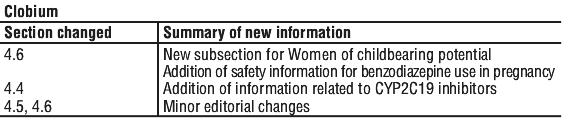
The concomitant use of clobazam with CYP2C19 inhibitors, including cannabidiol containing medicinal products, dietary supplements and recreational products may result in increased exposure to N-desmethylclobazam (N-CLB). Such increases might lead to increased adverse effects, such as somnolence and sedation. When used with medicinal products that are CYP2C19 inhibitors dosage adjustment of clobazam may be necessary. Dietary supplements and recreational products containing cannabidiol must not be taken in combination with clobazam as they contain unknown quantities of cannabidiol and are of variable quality (see Section 4.5 Interactions with Other Medicines and Other Forms of Interactions; Section 5.2 Pharmacokinetic Properties).
Suicidality.
A meta-analysis of 199 randomised placebo controlled trials of Antiepileptic drugs (AEDs) (in monotherapy or adjunctive therapy) for various indications has shown a small increased risk of suicidal ideation and behaviour in patients treated with these drugs. The results of this analysis were largely based on AED monotherapy in non-epilepsy indications. Clobazam was not part of the meta-analysis.
Based on this class effect, clobazam, as an AED, may increase the risk of suicidal thoughts or behaviour in patients with any indication.
Patients should be monitored for worsening of depression, suicidal thoughts or behaviour, and any unusual changes in mood or behaviour. This applies in particular to patients with a history of depression or suicidal ideation. Pre-existing depression may be unmasked during benzodiazepine use. In patients with anxiety associated with depression, clobazam must be used only in conjunction with adequate concomitant treatment. Use of benzodiazepines (such as clobazam) alone can precipitate suicidal behaviour in such patients.
Several other epidemiological studies show an increased incidence of suicide and suicide attempt in patients with or without depression, treated with benzodiazepines and hypnotics. There are very limited data available for clobazam in those studies.
Cases of suicidal behaviour have been reported with clobazam in post-marketing surveillance. However, in those cases, a causal relationship has not been established due to confounding factors or insufficient information.
Paediatric use.
Clobazam tablets are not recommended for children for the treatment of anxiety or sleep disorders.
In a published study, oral administration of clobazam to rats during early development (postnatal days 14 to 48) at a dose of 120 mg/kg/day (16 fold the 30 mg paediatric clinical dose based on body surface area) was associated with effects on growth (decreased bone density and length) and behaviour. The effects on bone but not on behaviour were reversible when the drug was discontinued. The no adverse effect level in this study was 36 mg/kg/day (~ 5 fold the 30 mg paediatric clinical dose based on body surface area).
Use in the elderly.
As the elderly have increased sensitivity to adverse reactions, dosage should be limited to the smallest effective amount to reduce the possibility of a fall due to sedation, giddiness, confusion or ataxia (see Section 4.4 Special Warnings and Precautions for Use, Dependence and tolerance).
Effect on laboratory tests.
See Section 4.8 Adverse Effects (Undesirable Effects).4.5 Interactions with Other Medicines and Other Forms of Interactions
Central nervous system depressant drugs.
The benzodiazepines, including clobazam, produce additive CNS depressant effects when co-administered with other medications which themselves produce CNS depression e.g. barbiturates, alcohol, sedatives, tricyclic antidepressants, non-selective MAO inhibitors, phenothiazines and other antipsychotics, skeletal muscle relaxants, antihistamines, hypnotics, narcotic analgesics, anxiolytics, anticonvulsants and anaesthetics (see Section 4.4 Special Warnings and Precautions for Use). Special caution is also necessary when clobazam is administered in cases of intoxication with such substances or lithium.
The anticholinergic effects of other drugs including atropine and similar drugs, antihistamines and antidepressants may be potentiated.
CYP interactions.
In vitro studies identified CYP 3A4 and 2C19 as the main isozymes involved in the oxidative metabolism of clobazam, and 2C19 further metabolises the active metabolite N-desmethylclobazam (N-CLB), highlighting potential interactions with known inducers or inhibitors of these isozymes.
Strong and moderate inhibitors of CYP2C19 may result in increased exposure to N-desmethylclobazam (N-CLB), and dosage adjustment of clobazam may be necessary when co-administered with strong CYP2C19 inhibitors (e.g. cannabidiol containing medicinal products, fluconazole, fluvoxamine, ticlopidine) or moderate (e.g. omeprazole) CYP2C19 inhibitors (see Section 5.2 Pharmacokinetic Properties).
Clobazam is a weak CYP2D6 inhibitor. Dose adjustment of drugs metabolised by CYP2D6 (e.g. dextromethorphan, pimozide, paroxetine, nebivolol) may be necessary.
Anticonvulsants.
Interactions have been reported between some benzodiazepines and anticonvulsants, with changes in the serum concentration of the benzodiazepine or anticonvulsant. It is recommended that patients be observed for altered responses when benzodiazepines and anticonvulsants are prescribed together. ECG monitoring should be performed and serum level monitoring of the anticonvulsant be performed more frequently.
Minor EEG changes, usually low voltage fast activity, of no known clinical significance, has been reported with benzodiazepine administration.
In patients receiving concomitant treatment with valproic acid, there may be a slight to moderate rise in plasma valproic acid concentration. Phenytoin plasma levels may rise if patients receive concomitant treatment with clobazam. Where possible, it is recommended that blood levels of concomitantly administered valproic acid or phenytoin be monitored.
Carbamazepine and phenytoin may cause an increase in the metabolic conversion of clobazam to the active metabolite N-desmethyl clobazam.
Stiripentol increases plasma levels of clobazam and its active metabolite N-desmethyl clobazam. Monitoring of blood levels is recommended.
Muscle relaxants.
The effects of muscle relaxants and nitrous oxide may be enhanced.
Narcotic analgesics.
If clobazam is used concomitantly with narcotic analgesics, possible euphoria may be enhanced; this may lead to increased psychological dependence.
Opioids.
The concomitant use of benzodiazepines, including clobazam, and opioids increases the risk of sedation, respiratory depression, coma and death because of additive CNS depressant effect. Limit dosage and duration of concomitant use of benzodiazepines and opioids (see Section 4.4 Special Warnings and Precautions for Use).
Alcohol.
Patients should be advised of possible interactions, especially with alcohol, as bioavailability of clobazam can be increased by 50%.4.6 Fertility, Pregnancy and Lactation
Effects on fertility.
There has been no study done on effect of clobazam on human fertility.
Adequate fertility studies in animals are lacking. The available data shows no effects of oral clobazam on fertility in rats and mice.
Women of childbearing potential.
Women of childbearing potential should be informed of the risks and benefits of the use of clobazam during pregnancy.
Data from observational studies suggest that there is an increased risk of miscarriage from benzodiazepine exposure during pregnancy. When treating women of childbearing potential, the benefits of treatment should be weighed against the risks and the patient should be informed of the increased risk of miscarriage.
If a woman plans a pregnancy or becomes pregnant, carefully evaluate the risks and benefits and whether treatment with clobazam should be discontinued. If clobazam treatment is to be continued, use clobazam at the lowest effective dose.
(Category C)
Clobazam must not be used in the first trimester of pregnancy and in women of childbearing potential not using contraception and is not recommended in the other stages of pregnancy. Clobium should be used during pregnancy only if the potential benefit justifies the potential risk to the foetus. Data from observational studies suggest that there is an increased risk of miscarriage from benzodiazepine exposure during pregnancy.
Benzodiazepines cross the placenta and may cause hypotonia, reduced respiratory function, respiratory depression (including respiratory distress and apnoea), hypothermia and feeding difficulties (signs and symptoms of so-called "floppy infant syndrome") in the newborn infant. Continuous treatment during pregnancy and administration of high doses in connection with delivery should be avoided. Withdrawal symptoms in newborn infants have been reported with this class of drugs. Appropriate monitoring of the newborn in the postnatal period is recommended.
Cases of reduced foetal movement and foetal heart rate variability have been described after administration of benzodiazepines during pregnancy.
Animal studies have demonstrated reproductive toxicity.
Clobazam may appear in the breast milk of nursing mothers and may cause drowsiness and feeding difficulties in the infant. For this reason, clobazam must not be used in breast-feeding women. Neonates are generally more susceptible to the toxic effects of benzodiazepines.
In limited studies, no effects on offspring development were reported following oral administration of clobazam to rats from late gestation to weaning.4.7 Effects on Ability to Drive and Use Machines
Clobazam has been shown to have a less detrimental effect on psychomotor performance than 1,4 - benzodiazepines (diazepam, lorazepam) in experimental studies in volunteers at doses of 10 to 30 mg/day.
However, as with all patients taking CNS-depressant medications, patients receiving clobazam should be warned not to operate dangerous machinery or motor vehicles until it is known that they do not become drowsy or dizzy from clobazam therapy. Abilities may be impaired on the day following use.
4.8 Adverse Effects (Undesirable Effects)
The most common adverse effect reported in the clobazam clinical trials was sedation/tiredness/drowsiness occurring in 32% as compared to 43% given diazepam and 22% on placebo. The following side effects occurred in more than 1% of patients in the reported double blind studies.
Cardiovascular.
Hypotension (1.2%).
Dermatological.
Rash (1.4%).
Gastrointestinal.
Dry mouth (3.2%), constipation (2.1%), diarrhoea (1.4%), nausea (1.3%).
Nervous system.
Sedation/tiredness/drowsiness (32%), dizziness/ataxia (8.2%), headache (3.6%), insomnia (1.8%), confusion (1.6%), slurred speech (1.6%), tremor (1.3%).
Psychiatric.
Depression (3.5%), irritability (1.5%).
Clinical adverse experiences occurring since the drug was marketed or occurring in less than 1% of patients in the controlled studies are listed below.
Gastrointestinal.
Vomiting, decreased appetite.
General.
Weight gain, sweating, hypothermia, hang-over, anorexia, slowed or indistinct speech (disorders of articulation), fatigue and fall.
Dependence and tolerance may develop especially with prolonged use.
Genitourinary.
Decreased libido or loss of libido.
Musculoskeletal.
Muscle aches and weakness, stiffness or spasm, unsteady movement, slowing of reaction time, fine tremor of fingers, unsteadiness of gait and other motor functions.
Skin and subcutaneous tissue disorders.
Urticaria, pruritus, rash, Stevens-Johnson syndrome, toxic epidermal necrolysis including some cases with fatal outcomes.
Photosensitivity reactions have been reported.
Nervous system.
Amnesia, euphoria, agitation, numbed emotions, memory impairment, anterograde amnesia, pre-existing depression may be unmasked during benzodiazepine use. Amnesia effects may be associated with inappropriate/abnormal behaviour.
Disturbance in attention and speech disorder have commonly been reported.
Impairment/altered state of consciousness, sometimes combined with respiratory disorders, may occur in rare cases, and sometimes persist for a considerable length of time. Cognitive disorders and abnormal behaviour have also been reported.
Eye disorders.
Visual disorders (blurred vision, diplopia, nystagmus).
Laboratory tests.
Abnormal liver function tests and haematology.
Respiratory.
Respiratory depression, particularly in patients with pre-existing compromised respiratory function (e.g bronchial asthma) or brain damage, respiratory insufficiency and respiratory failure may occur or deteriorate.
Paradoxical reactions.
Especially in the elderly and in children, paradoxical reactions may occur, such as restlessness, poor quality of sleep, difficulty in falling asleep or sleeping through, irritability, acute agitational states, anxiety, aggressiveness, delusion, anger, fits of rage, nightmares, hallucinations, psychotic reactions, suicidal tendencies, frequent muscle spasms, initial insomnia and insomnia. In the event of such reactions, treatment with clobazam must be discontinued.
Reporting suspected adverse effects.
Reporting suspected adverse reactions after registration of the medicinal product is important. It allows continued monitoring of the benefit-risk balance of the medicinal product. Healthcare professionals are asked to report any suspected adverse reactions at http://www.tga.gov.au/reporting-problems.4.9 Overdose
Overdose of benzodiazepines is usually manifested by degrees of central nervous system depression ranging from drowsiness to coma. In mild cases, symptoms include drowsiness, mental confusion and lethargy. In more serious cases symptoms may include ataxia, hypotonia, hypotension, respiratory depression, coma and very rarely death. The risk of a fatal outcome is increased in cases of combined poisoning with other central nervous system depressants, including alcohol.
Treatment.
In the management of overdosage with any medication, it should be borne in mind that multiple agents may have been taken. Activated charcoal should be given to reduce absorption if the patient is conscious. Hypotension and respiratory depression should be managed according to general principles. Secondary elimination by forced diuresis, haemoperfusion or haemodialysis, are not effective in benzodiazepine intoxication. The benzodiazepine antagonist flumazenil may be useful in hospitalised patients for the reversal of acute benzodiazepine effects. Please consult the flumazenil product information prior to usage.
For information on the management of overdose, contact the Poisons Information Centre on 131126 (Australia).5 Pharmacological Properties
5.1 Pharmacodynamic Properties
Pharmacotherapeutic group: Anxiolytics of the benzodiazepine derivatives, ATC code: N05BA09.
Mechanism of action.
Electrophysiological investigations have shown that the most important sites of action of the benzodiazepines are the limbic system, the thalamus and the spinal cord. At the synaptic level it has been proposed that various neurological systems including those utilising noradrenaline (norepinephrine), dopamine, serotonin, acetylcholine, glycine and gamma-aminobutyric acid (GABA) as neurotransmitters may be involved in the mediation of the pharmacological effects.
Evidence suggests that the observed decreased turnover rate of these various neurotransmitters can be explained in a unified way by a primary action of benzodiazepines on the GABA system through a facilitation of GABA-ergic neurotransmission. GABA is the major inhibitory neurotransmitter in the mammalian brain. In most brain regions GABA is the transmitter of postsynaptic inhibitions, but at certain brain stem synapses GABA mediates presynaptic inhibition. Benzodiazepines may enhance both of these actions of GABA.
Recent studies have demonstrated the presence of specific binding sites for benzodiazepines which are independent of GABA sites which occur exclusively in the central nervous system.
The concentration of the binding sites is highest in the cerebral and cerebellar cortex followed by areas of the limbic system, the basal ganglia and the brain stem. It remains to be demonstrated whether benzodiazepine receptors are associated with GABA synapses or whether they show a wider pattern of distribution.
Like the 1,4-benzodiazepines, clobazam has been found to be an effective antianxiety agent and produces approximately equivalent anxiolytic activity compared to diazepam when used on a 2:1 dosage basis (clobazam: diazepam). Clobazam produces almost no muscular relaxation at normal dosage levels.
Clinical trials.
No data available.
5.2 Pharmacokinetic Properties
Absorption.
After oral administration of 14C-labelled clobazam to man, approximately 90% of the radioactivity was recovered in the urine.
Distribution.
Peak serum concentrations of clobazam occurred between one and four hours after oral administration, irrespective of the dose given. After a single 10 mg dose the peak serum concentration was found to be approximately 200 nanogram/mL. There are large differences between individuals in the levels reached. Approximately 85% of clobazam is bound to plasma proteins in the concentration range 50-10,000 nanogram/mL.
Metabolism.
Clobazam is demethylated by CYP 3A4, and to a lesser extent by 2C19 and 2B6 to form the active metabolite N-desmethyl-clobazam (N-CLB), which itself is further metabolised by CYP 2C19 into 4'-hydroxy-N-desmethyl-clobazam.
The main urinary metabolites are N-desmethyl-clobazam and 4'-hydroxy-clobazam. In man, the plasma elimination phase of unchanged clobazam varies with age and sex. In one study, after a single dose of 20 mg, the following half-lives were observed: young men 17 hours; young women 31 hours; elderly men 48 hours; elderly women 49 hours.
A steady level of clobazam in the plasma is reached within 1 week of initiating treatment or changing the dose. The plasma beta elimination phase of the major plasma metabolite, N-desmethyl-clobazam is considerably longer and is about 2 to 3 days for young men and women and 3 to 5 days for elderly men and women. It may increase with repeated doses. In a repeated dose study following administration of 10 mg clobazam twice daily for 28 days, the level of unchanged clobazam reached a steady state of 333 nanogram/mL within one week whereas the major serum metabolite took 28 days to reach a near steady state level about 8 times higher than that of unchanged clobazam and this was from 8.3 to 27.5 times higher than the metabolite level after a single dose. The levels fell slowly after the last dose from 2,811 nanogram/mL to 2,031 nanogram/mL on the 7th day.
Excretion.
Over a two week period approximately 79% of a 20 mg oral dose of clobazam is excreted in the urine and 12% in the faeces as parent drug and/or metabolites.
Age and sex influence the metabolism of clobazam in that the total clearance of clobazam is significantly lower in the elderly male and elimination half life is extended in both the elderly male and female which leads to the accumulation of the parent compound and its active metabolite. Lower dosage should be given to these patients.
5.3 Preclinical Safety Data
Genotoxicity.
Clobazam was not genotoxic in a battery of in vitro (bacterial reverse mutation, mammalian forward mutation, chromosomal aberrations, unscheduled DNA synthesis) and in vivo (micronucleus test) assays.
Carcinogenicity.
The carcinogenic potential of clobazam has not been adequately assessed. In a limited study in rats oral administration of clobazam at doses of 4, 20 and 100 mg/kg/day for two years found an increased incidence of thyroid follicular cell adenoma in males at the high dose (30 fold the 30 mg adult clinical dose based on body surface area), thought to be due to enhanced hepatic thyroxine clearance. A limited study on mice treated with clobazam for 80 weeks did not show evidence of increased tumour incidence.6 Pharmaceutical Particulars
6.1 List of Excipients
Each Clobium tablet contains: lactose monohydrate, pregelatinized maize starch, colloidal anhydrous silica, purified talc, magnesium stearate.
6.2 Incompatibilities
Incompatibilities were either not assessed or not identified as part of the registration of this medicine.
6.3 Shelf Life
In Australia, information on the shelf life can be found on the public summary of the Australian Register of Therapeutic Goods (ARTG). The expiry date can be found on the packaging.
6.4 Special Precautions for Storage
Store below 25°C.
6.5 Nature and Contents of Container
Tablets are supplied in Al/Al blister pack containing 50 tablets;
HDPE bottles* containing 100 tablets and 500 tablets.
* Hospital packs only - not to be supplied to patients.
6.6 Special Precautions for Disposal
In Australia, any unused medicine or waste material should be disposed of by taking to your local pharmacy.
6.7 Physicochemical Properties
Clobazam is white or almost white crystalline powder, freely soluble in dichloromethane. Clobazam is the first anxiolytic drug which belongs to the class of 1,5 rather than 1,4-benzodiazepines. Clobazam differs from the 1,4-benzodiazepines in that the nitrogen atoms in the 7-membered heterocyclic ring are located at positions 1 and 5 and an oxo substituent is located at position 4. This chemical difference confers both chemical and pharmacological properties upon clobazam which distinguish it from diazepam and other compounds of the 1,4-benzodiazepine series.
Chemical structure.
 Chemical name: 7-Chloro-1-methyl-5-phenyl-1,5-dihydro-3H-1,5-benzodiazepine-2,4-(3H)dione.
Molecular formula: C16H13ClN2O2.
Molecular weight: 300.74.
CAS number.
22316-47-8.7 Medicine Schedule (Poisons Standard)
Prescription only medicine (S4).
Summary Table of Changes