



What is in this leaflet
This leaflet answers some common questions about Clopidogrel Sandoz Pharma.
It does not contain all the available information. Some of the information it contains may not apply to you.
It does not take the place of talking to your doctor or pharmacist.
All medicines have benefits and risks. In deciding to give you Clopidogrel Sandoz Pharma tablets, your doctor has weighed the risks of you taking Clopidogrel Sandoz Pharma tablets against the expected benefits it will have for you.
Always follow the instructions that your doctor and pharmacist give you about Clopidogrel Sandoz Pharma.
If you have any concerns about taking this medicine, ask your doctor or pharmacist.
Please read this leaflet carefully before you start taking Clopidogrel Sandoz Pharma.
Keep this leaflet with the medicine. You may need to read it again.
What Clopidogrel Sandoz Pharma is used for
Clopidogrel Sandoz Pharma tablets contain the medicine clopidogrel. Clopidogrel Sandoz Pharma tablets belong to a group of medicines called antiplatelet medicines.
Platelets are very small blood cells which clump together during blood clotting. By preventing this clumping, anti-platelet medicines reduce the chances of blood clots forming (a process called thrombosis).
Clopidogrel Sandoz Pharma tablets are used to prevent blood clots forming in hardened blood vessels (a process known as atherothrombosis) which can lead to events such as stroke, heart attack or death.
You may have been prescribed Clopidogrel Sandoz Pharma tablets to help prevent blood clots forming and to reduce the risk of stroke, heart attack and death because:
- You have previously suffered a heart attack, stroke or have a condition known as peripheral arterial disease (leg pain on walking or at rest).
- You have suffered Acute Coronary Syndrome (either a severe type of chest pain called unstable angina, or a heart attack). In this case you may also be prescribed aspirin.
Your doctor may have prescribed this medicine for another use. If you want more information, ask your doctor.
Clopidogrel Sandoz Pharma tablets are only available on a doctor's prescription.
Before you take Clopidogrel Sandoz Pharma
When you must not take it
You should not take Clopidogrel Sandoz Pharma tablets if:
- you are allergic to clopidogrel or any of the ingredients listed under 'Product Description' at the end of this leaflet.
- you have a medical condition that is causing bleeding such as a stomach ulcer or bleeding within your head.
- you suffer from severe liver disease.
- you are breast feeding or intend to breast feed. Clopidogrel Sandoz Pharma tablets passes into breast milk and, therefore, there is the possibility that the breast fed baby may be affected.
- the packaging shows signs of tampering.
- the expiry date on the pack has passed. If you use this product after the expiry date has passed, it may not work.
Do not take Clopidogrel Sandoz Pharma tablets to treat any other complaint unless your doctor says it is safe. Do not give this medicine to anyone else.
Clopidogrel Sandoz Pharma tablets are not recommended for children as its safety and effectiveness in children have not been established.
Before you start to take it
You must tell your doctor if:
- You are pregnant or intend to become pregnant. Your doctor will discuss the possible risks and benefits of taking Clopidogrel Sandoz Pharma tablets during pregnancy.
- You are planning to have an operation (including dental surgery) in the next two weeks. Your doctor will decide whether or not you need to stop Clopidogrel Sandoz Pharma tablets prior to surgery.
- If you have or have had any medical conditions, especially the following:
- bleeding disorders or blood clotting problems
- any illness or disability that was caused by bleeding, for example impaired sight or vision because of bleeding within the eye
- recent serious injury
- recent surgery (including dental surgery)
- any form of liver disease or kidney problems
- allergic to other antiplatelet medicines (such as ticlopidine, prasugrel)
- rare hereditary problems of galactose intolerance, the Lapp lactase deficiency or glucose-galactose malabsorption
If you have not told your doctor about any of the above, tell him/ her before you start taking Clopidogrel Sandoz Pharma tablets.
Some patients may not convert Clopidogrel Sandoz Pharma tablets to its active form as well as other patients. These patients may not get the same benefit from Clopidogrel Sandoz Pharma tablets. Your doctor may advise you to go for tests to determine if Clopidogrel Sandoz Pharma tablets will adequately work for you. Based on the test results, your doctor may change your dose of Clopidogrel Sandoz Pharma tablets or consider alternative treatments for you.
Taking other medicines
Tell your doctor or pharmacist if you are taking any other medicines, including any that you buy without a prescription from your pharmacy, supermarket or health food store.
Some medicines and Clopidogrel Sandoz Pharma tablets may interfere with each other. These include:
- medicines that "thin the blood". The most common examples of these include aspirin, heparins and warfarin. There are others so please check with your doctor.
- non-steroidal anti-inflammatory drugs (NSAIDs) - medicines used to treat arthritis, period pain, aches and pains.
- medicines used to treat stomach ulcers or reflux disease (also called heartburn).
- some medicines used to treat infections (e.g. ciprofloxacin, chloramphenicol, fluconazole and voriconazole).
- some antidepressant medicines.
- medicines used to treat epilepsy (e.g. carbamazepine, oxcarbazepine, phenytoin).
- medicines used to treat diabetes (e.g. tolbutamide, repaglinide).
- medicines used to treat breast cancer (e.g. tamoxifen, paclitaxel).
- fluvastatin - a medicine used to lower cholesterol.
- medicines used to prevent gastric reflux – proton pump inhibitors (e.g. omeprazole).
- certain type of pain relief medicines called opiates.
These medicines may be affected by Clopidogrel Sandoz Pharma tablets or affect how well Clopidogrel Sandoz Pharma tablets works.
Your doctor may need to change the amount of your medicines, or you may need to take different medicines.
If you are unsure about any medicine you are taking you should check with your doctor or pharmacist. They will have more information on medicines to be careful with or avoid while taking Clopidogrel Sandoz Pharma tablets.
How to take Clopidogrel Sandoz Pharma
How to take it
Your doctor will tell you how many tablets to take each day. Take Clopidogrel Sandoz Pharma tablets only as prescribed by your doctor and follow his or her directions carefully. They may differ from the information contained in this leaflet.
The usual dose of Clopidogrel Sandoz Pharma tablets is one 75 mg tablet daily.
If you are prescribed Clopidogrel Sandoz Pharma tablets for the treatment of Acute Coronary Syndrome, you may receive a starting dose of 300 mg (four 75 mg tablets), then one 75 mg tablet daily.
You can take Clopidogrel Sandoz Pharma tablets before or after meals. You should swallow the tablet with a glass of water.
Take Clopidogrel Sandoz Pharma tablets at about the same time each day.
Taking your tablet at the same time each day will have the best effect. It will also help you to remember when to take it.
You should take Clopidogrel Sandoz Pharma tablets for as long as your doctor continues to prescribe it.
If you forget to take it
If you miss a dose, take it as soon as you remember. If it is almost time for your next dose, skip the dose you missed and take your next dose when you are meant to.
If you are not sure what to do, ask your doctor or pharmacist.
If you have trouble remembering to take your medicine, ask your pharmacist for some hints.
If you take too much (overdose)
Immediately telephone your doctor or the Poisons Information Centre (telephone 13 11 26), or go to the Emergency Department at your nearest hospital, if you think that you or anyone else may have taken too much Clopidogrel Sandoz Pharma tablets. Do this even if there are no signs of discomfort or poisoning. You may need urgent medical attention.
While you are taking Clopidogrel Sandoz Pharma
Things you must do
- Take Clopidogrel Sandoz Pharma tablets exactly as your doctor has prescribed, and have any blood tests promptly if your doctor orders them.
- Tell your doctor if you become pregnant while taking Clopidogrel Sandoz Pharma tablets.
- Tell your doctor if you decide to breast feed your baby. Your doctor may want to discuss this and change your medicine.
- Tell your doctor that you are taking Clopidogrel Sandoz Pharma tablets if you are about to start on any new medicine.
- Tell all your doctors, dentists, nurses and pharmacists that you are taking Clopidogrel Sandoz Pharma tablets. Clopidogrel Sandoz Pharma tablets may increase the risk of bleeding during an operation or some dental work. Therefore, treatment may need to be stopped before surgery. Your doctor will decide whether to stop Clopidogrel Sandoz Pharma tablets and if so, how long before surgery or dental work.
- Ask you doctor whether there are any activities you should avoid while taking Clopidogrel Sandoz Pharma tablets, for example certain sports.
Sometimes after an injury bleeding may occur inside your body without you knowing about it. - Tell your doctor immediately if you are injured while taking Clopidogrel Sandoz Pharma tablets.
It may take longer than usual to stop bleeding while you are taking Clopidogrel Sandoz Pharma tablets. - Tell your doctor immediately if you notice any of the following:
- abnormal bruising or bleeding
- abnormal nose bleeds
- bloody or black bowel motions
- red or purple blotches on your skin
- swelling of the face, lips, mouth, tongue or throat which may cause difficulty swallowing or breathing (see also 'Side effects' section)
Do not suddenly stop taking Clopidogrel Sandoz Pharma tablets without telling your doctor.
Things to be careful of
Be careful driving or operating machinery until you know how Clopidogrel Sandoz Pharma tablets affect you. As with other medicines, Clopidogrel Sandoz Pharma tablets may cause faintness or dizziness in some people. Make sure you know how you react to Clopidogrel Sandoz Pharma tablets before you drive a car or operate machinery, or do anything else that could be dangerous if you are faint or dizzy. If this occurs, do not drive. If you drink alcohol, faintness or dizziness may be worse.
Side effects
Tell your doctor or pharmacist as soon as possible if you do not feel well while you are taking Clopidogrel Sandoz Pharma.
Like other medicines, Clopidogrel Sandoz Pharma tablets can cause some side effects. Most are likely to be minor and temporary.
However, some may be serious and need medical attention.
Ask your doctor or pharmacist to answer any questions you may have.
Tell your doctor if you notice any of the following and they worry you:
- diarrhoea
- itching
- pain or stiffness in the joints
- things taste different
- hunger
- trembling
- flushing
- a fast, pounding heart beat.
Tell your doctor immediately if you notice any of the following:
(NOTE: If you take both Clopidogrel Sandoz Pharma tablets and aspirin the risk of side effects related to bleeding may be increased.)
- bloody or black bowel motions
- diarrhoea with blood, mucus, stomach pain and fever
- abdominal or stomach pain
- vomiting of blood or vomit that looks like coffee grounds
- coughing up blood
- blood in the urine
- blood in the eyes
- unusually heavy bleeding or oozing from cuts or wounds
- bleeding (including nose bleeds) or bruising more easily than normal
- unusually heavy or unexpected menstrual bleeding
- breast enlargement in men
- numbness (paralysis) or problems with co-ordination
- nausea or vomiting
- faintness or dizziness
- light-headedness or blurred vision
- slurred speech or other difficulty in speaking
- headache (severe and continuing)
- confusion or hallucinations
- fever or other signs of infection, such as a sore throat
- rash or hives
- chills, sweating or clammy skin
- fever, muscle weakness, loss of appetite and fatigue
- muscle pain
- weight loss
- anaemia (being tired and looking pale)
- red or purple spots visible through your skin
- itching, inflamed, cracking or red skin
- tightness of the chest, wheezing, coughing or difficulty breathing
- yellowing of the skin or the whites of the eyes, pale stools and dark urine with vomiting and stomach pain
- swelling of the face, lips, mouth, tongue or throat which may cause difficulty in swallowing or breathing.
These could be more serious side effects - you may need urgent medical attention.
Other side effects not listed above may also occur in some patients. Tell your doctor if you notice any other effects.
Do not be alarmed by this list of side effects. Most people do not experience any of them.
After using Clopidogrel Sandoz Pharma
Storage
Keep your tablets in the blister pack until it is time to take them. If you take your tablets out of the box or blister pack they will not keep well.
Keep Clopidogrel Sandoz Pharma tablets in a cool dry place where the temperature stays below 25°C.
Do not store Clopidogrel Sandoz Pharma or any other medicine in the bathroom or near a sink. Do not leave it on a window sill or in the car. Heat and dampness can destroy some medicines.
Keep it where children cannot reach it. A locked cupboard at least one-and-a-half metres above the ground is a good place to store medicines.
Disposal
If your doctor tells you to stop taking this medicine or the expiry date has passed, ask your pharmacist what to do with any medicine that is left over.
Product description
What it looks like
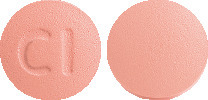
Clopidogrel Sandoz Pharma tablets 75 mg comes as pink coloured, round, biconvex, film coated tablets, debossed with “Cl” on one side and plain on other side.
Clopidogrel Sandoz Pharma Tablets 75 mg is available in blister packs containing 4, 7, 14, 28*, 30, 50, 56, 84, 112 and 280 tablets.
* Marketed pack
Not all pack size are marketed in Australia.
Ingredients
Active ingredients:
Clopidogrel Sandoz Pharma contains 75 mg of clopidogrel (as clopidogrel hydrogen sulfate).
Inactive ingredients:
- microcelac 100 (microcrystalline cellulose + lactose) [PI 4191]
- hyprolose
- hydrogenated castor oil
- colloidal anhydrous silica
- The coating contains Opadry II complete film coating system 31K34575 PINK (lactose, hypromellose, titanium dioxide, glycerol triacetate and iron oxide red) [PI 106397].
This medicine does not contain sucrose, gluten, tartrazine or any other azo dyes.
Supplier
Clopidogrel Sandoz Pharma is supplied in Australia by:
Sandoz Pty Ltd
54 Waterloo Road
Macquarie Park NSW 2113
Tel: 1800 726 369
® = Registered Trademark or
This leaflet was prepared in May 2020.
Australian Register Number
Clopidogrel Sandoz Pharma 75 mg: AUST R 187042
Published by MIMS July 2020
 In CHARISMA, a study conducted in a broad patient population including patients with prior documented coronary artery disease, cerebrovascular disease or peripheral arterial disease as well as patients with a combination of atherothrombotic risk factors only, all receiving a background therapy with low dose aspirin (75-162 mg), there was an excess in moderate and severe bleeding, as adjudicated to the GUSTO definitions, in the clopidogrel group. This represented a number needed to treat, to harm, of 84 in 23 months of follow-up. See Table 2.
 Clinically relevant adverse reactions not listed above pooled from CAPRIE, CURE, CLARITY and COMMIT studies with an incidence of ≥ 0.1% as well as all serious and clinically relevant adverse reactions are listed below according to the World Health Organisation classification.
 As shown in Table 4, clopidogrel was associated with a lower incidence of outcome events of every kind. The overall risk reduction (9.78 versus 10.64%) was 8.7%, p = 0.045. Similar results were obtained when all cause mortality and all cause strokes were counted instead of vascular mortality and ischaemic strokes (risk reduction 6.9%). In patients who survived an on-study stroke or myocardial infarction, the incidence of subsequent events was again lower in the clopidogrel group.
 The randomised, double-blind, placebo-controlled, 2x2 factorial design COMMIT trial included 45,852 patients presenting within 24 hours of the onset of the symptoms of suspected myocardial infarction with supporting ECG abnormalities (i.e. ST elevation, ST depression or left bundle-branch block). Patients were randomised to receive clopidogrel (75 mg/day) or placebo, in combination with aspirin (162 mg/day), for 28 days or until hospital discharge, whichever came first.

 The benefit associated with clopidogrel on the combined endpoint was consistent across age, gender and with or without fibrinolytics and was observed as early as 24 hours.
 A crossover study in 40 healthy subjects, 10 each in the four CYP2C19 metaboliser groups (ultrarapid, extensive, intermediate and poor), evaluated pharmacokinetic and antiplatelet responses using 300 mg followed by 75 mg/day and 600 mg followed by 150 mg/day, each for a total of 5 days (steady state). No substantial differences in active metabolite exposure and mean inhibition of platelet aggregation (IPA) were observed between ultrarapid, extensive and intermediate metabolisers.
 Consistent with the above results, in a meta-analysis including 6 studies of 335 clopidogrel-treated subjects at steady state, it was shown that active metabolite exposure was decreased by 28% for intermediate metabolisers, and 72% for poor metabolisers while platelet aggregation inhibition (5 microM ADP) was decreased with differences in IPA of 5.9% and 21.4%, respectively, when compared to extensive metabolisers.
 Chemical name: methyl (+)-(S)-α-(2-chlorophenyl)-4,5,6,7-tetrahydrothieno[3,2-c] pyridine-5-yl-acetic acid methyl ester benzene sulfonate.