1 Name of Medicine
Desvenlafaxine.
2 Qualitative and Quantitative Composition
Desven is formulated as an extended-release tablet for once-a-day oral administration. Two strengths of Desven tablets are available, containing 50 mg or 100 mg of desvenlafaxine.
For the full list of excipients, see Section 6.1 List of Excipients.
3 Pharmaceutical Form
Extended release tablet.
50 mg.
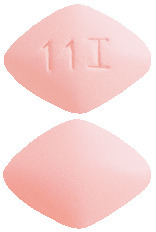
Light pink coloured, diamond shaped, biconvex tablets, debossed with '11I' on one side and plain on other side.
100 mg.
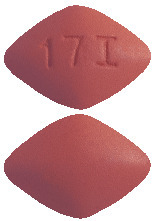
Dark brown to red coloured, diamond shaped, biconvex tablets, debossed with '17I' on one side and plain on other side.4.1 Therapeutic Indications
Desven is indicated for the treatment of major depressive disorder, including the prevention of relapse.
Desven is not indicated for paediatric use.
4.2 Dose and Method of Administration
Dosage.
Desvenlafaxine should be taken at approximately the same time each day. Tablets must be swallowed whole with fluid and not divided, crushed, chewed, or dissolved.
Initial treatment.
The recommended dose for desvenlafaxine is 50 mg once daily, with or without food. In clinical trials, no additional benefit was demonstrated at doses greater than 50 mg/day. Based on clinical judgment, if dose increases are indicated for individual patients, they should occur gradually and at intervals of not less than 7 days. The maximum dose should not exceed 200 mg/day.
When discontinuing therapy, gradual dose reduction is recommended to minimise discontinuation symptoms (see Section 4.4 Special Warnings and Precautions for Use; Section 4.8 Adverse Effects (Undesirable Effects)).
Maintenance/continuation/extended treatment.
It is generally agreed that acute episodes of major depressive disorder require several months or longer of sustained pharmacological therapy. Patients should continue on the same dose at which they were stabilised. They should be periodically reassessed to determine the need for continued treatment.
Children and adolescents.
Safety and efficacy in patients less than 18 years of age have not been established.
Discontinuing desvenlafaxine.
When discontinuing therapy gradual dose reduction is recommended to minimise discontinuation symptoms (see Section 4.4 Special Warnings and Precautions for Use; Section 4.8 Adverse Effects (Undesirable Effects)).
Symptoms associated with discontinuation of desvenlafaxine, as well as other serotonin-norepinephrine reuptake inhibitors (SNRIs) and selective serotonin reuptake inhibitors (SSRIs) have been reported (see Section 4.4 Special Warnings and Precautions for Use). Patients should be monitored for these symptoms when discontinuing treatment. A gradual reduction in the dose rather than abrupt cessation is recommended. If intolerable symptoms occur following a decrease in the dose or upon discontinuation of treatment, then resuming the previously prescribed dose may be considered. Subsequently, the physician may continue decreasing the dose, but at a more gradual rate (see Section 4.4 Special Warnings and Precautions for Use; Section 4.8 Adverse Effects (Undesirable Effects)). In some patients, discontinuation may need to occur over periods of months or longer.
Switching patients from other antidepressants to desvenlafaxine.
Discontinuation symptoms have been reported when switching patients from other antidepressants, including venlafaxine to desvenlafaxine. Tapering of the initial antidepressant followed by a washout period may be necessary to minimise discontinuation symptoms and the possibility of drug-drug interactions from a pharmacokinetic or pharmacodynamic perspective.
Residual inert tablet matrix.
Patients receiving desvenlafaxine may notice an inert matrix tablet passing in the stool or via colostomy.
Patients should be informed that the active medication has already been absorbed by the time the patient sees the inert matrix tablet.
Dosage adjustment.
Use in renal impairment.
The recommended starting dose in patients with severe renal impairment (24-hr CrCl < 30 mL/min) or end-stage renal disease (ESRD) is 50 mg every other day. Because of individual variability in clearance in these patients, individualisation of dosage may be desirable. Supplemental doses should not be given to patients after dialysis (see Section 5.2 Pharmacokinetic Properties).
Use in hepatic impairment.
No adjustment of dose is necessary in patients with mild, moderate, and severe hepatic impairment (see Section 5.2 Pharmacokinetic Properties).
Use in the elderly.
No dosage adjustment is required solely on the basis of age; however, possible reduced renal clearance of desvenlafaxine should be considered when determining dose (see Section 5.2 Pharmacokinetic Properties).4.3 Contraindications
Hypersensitivity to desvenlafaxine, venlafaxine hydrochloride or to any excipients in the Desven formulation.
Monoamine oxidase inhibitors (MAOIs).
Desvenlafaxine must not be used in combination with monoamine oxidase inhibitors (MAOIs) or reversible MAOIs (RIMA) (e.g. moclobemide, linezolid and intravenous methylene blue), or within 14 days of discontinuing treatment with a MAOI. Similarly, desvenlafaxine must be discontinued for at least 7 days before starting treatment with a MAOI. Cases of serious reactions, such as potentially life-threatening serotonin syndrome (characterised by neuromuscular excitation, altered mental status and autonomic dysfunction) have been reported in patients receiving an SNRI in combination with MAOIs and RIMA, and in patients who have recently discontinued an SNRI and have been started on a MAOI (also see Section 4.4 Special Warnings and Precautions for Use; Section 4.5 Interactions with Other Medicines and Other Forms of Interactions).4.4 Special Warnings and Precautions for Use
Clinical worsening and suicide risk.
Patients with major depression, both adult and paediatric, may experience worsening of their depression and/or the emergence of suicidal ideation and behaviour (suicidality) or unusual changes in behaviour, whether or not they are taking antidepressant medications, and this risk may persist until significant remission occurs. Suicide is a known risk of depression and certain other psychiatric disorders, and these disorders themselves are the strongest predictors of suicide. Antidepressants may have a role in inducing worsening of depression and the emergence of suicidality in certain patients during the early phases of treatment. As improvement may not occur during the first few weeks or more of treatment, patients should be monitored appropriately and observed closely for clinical worsening and suicidality, especially at the beginning of a course of treatment or at the time of dose changes, either increases or decreases.
Pooled analyses of short-term placebo-controlled trials of antidepressant medicines (SSRIs and others) showed that these medicines increase the risk of suicidality in children, adolescents, and young adults (ages 18-24 years) with major depression and other psychiatric disorders, generally during initial treatment (1-2 months). Short-term studies did not show an increase in the risk of suicidality with antidepressants compared to placebo in adults beyond the age of 24 years; there was a reduction in the risk of suicidality with antidepressants compared to placebo in adults age 65 years and older.
The pooled analysis of placebo-controlled trials in children and adolescents with major depression, obsessive compulsive disorder, or other psychiatric disorders included a total of 24 short-term trials of nine antidepressant medicines in over 4,400 patients. The pooled analyses of placebo-controlled trials in adults with major depression or other psychiatric disorders included a total of 295 short-term trials (medium duration 2 months) of 11 antidepressant medicines in over 77,000 patients. There was considerable variation in risk of suicidality among medicines, but a tendency toward an increase in the younger patients for almost all medicines studied. There were differences in absolute risk of suicidality across the different indications, with the highest incidence with major depression.
No suicides occurred in any of the paediatric trials. There were suicides in the adult trials, but the number was not sufficient to reach any conclusion about the medicine effect on suicide.
It is unknown whether the suicidality risk extends to longer-term use, i.e. beyond several months. However, there is substantial evidence from placebo-controlled maintenance trials in adults with depression that the use of antidepressants can delay the recurrence of depression.
Consideration should be given to changing the therapeutic regimen, including possibly discontinuing the medication, in patients whose depression is persistently worse or whose emergent suicidality is severe, abrupt in onset, or was not part of the patient's presenting symptoms (see Discontinuation effects below).
It is particularly important that monitoring be undertaken during the initial course of antidepressant treatment or at times of dose increase or decrease.
Patients with co-morbid depression associated with other psychiatric or non-psychiatric disorders being treated with antidepressants should be similarly observed for clinical worsening and suicidality.
Symptoms of anxiety, agitation, panic attacks, insomnia, irritability, hostility (aggressiveness), impulsivity, akathisia (psychomotor restlessness), hypomania and mania, have been reported in adults, adolescents and children being treated with antidepressants for major depression as well as for other indications, both psychiatric and non-psychiatric. Although a causal link between the emergence of such symptoms and either worsening of depression and/or emergence of suicidal impulses has not been established, there is concern that such symptoms may be precursors of emerging suicidality.
Prescriptions for desvenlafaxine should be written for the smallest quantity of tablets consistent with good patient management in order to reduce the possibility of overdosage. This is particularly so at the times of treatment initiation or dosage change.
Information for patients and caregivers.
Patients and their caregivers should be alerted about the need to monitor for the emergence of anxiety, agitation, panic attacks, insomnia, hostility, impulsivity, akathisia, hypomania, mania, worsening of depression, and suicidal ideation, especially early during antidepressant treatment. Such symptoms should be reported to the patient's doctor, especially if they are severe, abrupt in onset, or were not part of the patient's presenting symptoms.
Discontinuation effects.
During marketing of SNRIs and SSRIs, there have been post-marketing reports of adverse events occurring upon discontinuation of these drugs, particularly when abrupt, including the following: dysphoric mood, irritability, agitation, dizziness, sensory disturbances (e.g. paraesthesias such as electric shock sensations), anxiety, confusion, headache, lethargy, emotional lability, insomnia, hypomania, tinnitus, seizures, visual impairment, and hypertension. While these events are generally self-limiting, there have been reports of serious discontinuation symptoms, and sometimes these effects can be protracted and severe. In addition, suicide/suicidal thoughts and aggression have been observed in patients during changes in desvenlafaxine dosing regimen, including during discontinuation.
Patients should be monitored when discontinuing treatment with desvenlafaxine. A gradual reduction in the dose rather than abrupt cessation is recommended. If intolerable symptoms occur following a decrease in the dose or upon discontinuation of treatment, then resuming the previously prescribed dose may be considered (see Section 4.2 Dose and Method of Administration; Section 4.8 Adverse Effects (Undesirable Effects)). In some patients, discontinuation may need to occur over periods of months or longer.
Sexual dysfunction.
SNRIs may cause symptoms of sexual dysfunction (see Section 4.8 Adverse Effects (Undesirable Effects)). There have been reports of long-lasting sexual dysfunction where the symptoms have continued despite discontinuation of SNRIs.
Mania/hypomania.
In clinical trials, mania was reported for approximately 0.1% of patients treated with desvenlafaxine. Activation of mania/hypomania has also been reported in a small proportion of patients with mood disorders who were treated with other marketed antidepressants. A major depressive episode may be the initial presentation of bipolar disorder. It is generally believed (though not established in controlled trials) that treating such an episode with an antidepressant alone may increase the likelihood of precipitation of a mixed/manic episode in patients at risk for bipolar disorder. Whether any of the symptoms represent such a conversion is unknown.
However, prior to initiating treatment with an antidepressant, patients with depressive symptoms should be adequately screened to determine if they are at risk for bipolar disorder; such screening should include a detailed psychiatric history, including a family history of suicide, bipolar disorder, and depression. It should be noted that desvenlafaxine is not approved for use in treating bipolar depression.
As with all antidepressants, desvenlafaxine should be used cautiously in patients with a history or family history of mania or hypomania.
Serotonin syndrome or neuroleptic malignant syndrome (NMS)-like reactions.
The development of a potentially life-threatening serotonin or neuroleptic malignant syndrome (NMS)-like reactions syndrome may occur with desvenlafaxine treatment, particularly with concomitant use of other serotonergic drugs including SSRIs, SNRIs and triptans, with opioids, with drugs that impair metabolism of serotonin (e.g. MAOIs, including reversible MAOIs such as moclobemide, linezolid and intravenous methylene blue), or with antipsychotics or other dopamine antagonists (see Section 4.3 Contraindications).
Serotonin syndrome symptoms may include mental status changes (e.g. agitation, confusion, hallucinations, and coma), autonomic instability (e.g. diaphoresis, tachycardia, labile blood pressure, and hyperthermia), neuromuscular aberrations (e.g. hyperreflexia, incoordination, myoclonus, tremor) and/or gastrointestinal symptoms (e.g. nausea, vomiting, and diarrhoea). Serotonin syndrome, in its most severe form can resemble NMS, which includes hyperthermia, muscle rigidity, autonomic instability with possible rapid fluctuation of vital signs and mental status changes (see Section 4.5 Interactions with Other Medicines and Other Forms of Interactions).
If concomitant treatment with desvenlafaxine and other agents that may affect the serotonergic and/or dopaminergic neurotransmitter system (such as an SSRI, another SNRI, amphetamines or a 5-hydroxytryptamine receptor agonist (triptan)) is clinically warranted, careful observation of the patient is advised, particularly during treatment initiation and dose increases.
The concomitant use of desvenlafaxine with serotonin precursors (such as tryptophan supplements) is not recommended.
Treatment with desvenlafaxine should be discontinued if serotonin syndrome or NMS-like reactions occur and supportive symptomatic treatment initiated.
Narrow-angle glaucoma.
Patients with raised intraocular pressure (IOP) or narrow angle glaucoma were excluded from all desvenlafaxine studies. Mydriasis has been reported in association with desvenlafaxine. It is recommended that patients with raised intra-ocular pressure or patients at risk for acute narrow-angle glaucoma (angle closure glaucoma) should be closely monitored.
Co-administration of drugs containing venlafaxine and/or desvenlafaxine.
Desvenlafaxine is the major active metabolite of venlafaxine, a medication used to treat major depressive, generalised anxiety, social anxiety and panic disorders. Products containing desvenlafaxine should not be used concomitantly with products containing venlafaxine hydrochloride or other products containing desvenlafaxine.
Effects on blood pressure.
Increases in blood pressure were observed in some patients in clinical trials, particularly with higher doses. Pre-existing hypertension should be controlled before treatment with desvenlafaxine. Patients receiving desvenlafaxine should have regular monitoring of blood pressure. Cases of elevated blood pressure requiring immediate treatment have been reported with desvenlafaxine. Sustained blood pressure increases could have adverse consequences. For patients who experience a sustained increase in blood pressure while receiving desvenlafaxine, either dose reduction or discontinuation should be considered. Caution should be exercised in treating patients with underlying conditions that might be compromised by increases in blood pressure.
Cardiovascular/cerebrovascular disease.
Caution is advised in administering desvenlafaxine to patients with cardiovascular, cerebrovascular, or lipid metabolism disorders (see Section 4.8 Adverse Effects (Undesirable Effects)). Increases in blood pressure and heart rate were observed in clinical trials with desvenlafaxine. Desvenlafaxine has not been evaluated systematically in patients with a recent history of myocardial infarction, unstable heart disease, uncontrolled hypertension, or cerebrovascular disease. Patients with these diagnoses, except for cerebrovascular disease, were excluded from clinical trials.
Serum lipids.
In the short-term, placebo-controlled, pre-marketing trials for MDD, desvenlafaxine treatment was associated with mean increases of 5.7, 1.4, 3.6 and 5.5 mg/dl in total cholesterol, HDL, LDL cholesterol and triglycerides, respectively (0.11, 0.03, 0.07 and 0.04 mmol/L, respectively). The changes in fasting serum total cholesterol, LDL, and triglycerides were dose-related. Measurement of serum lipids should be considered during treatment with desvenlafaxine.
Seizures.
Cases of seizures have been reported in clinical trials with desvenlafaxine. Desvenlafaxine has not been systematically evaluated in patients with a seizure disorder. Patients with a history of seizures were excluded from clinical trials. Desvenlafaxine should be prescribed with caution in patients with a seizure disorder.
Abnormal bleeding.
Selective serotonin reuptake inhibitors (SSRIs) and serotonin-noradrenaline reuptake inhibitors (SNRIs), including desvenlafaxine, may increase the risk of bleeding events. Concomitant use of aspirin, nonsteroidal anti-inflammatory drugs (NSAIDs), warfarin, and other anticoagulants may add to this risk. Bleeding events related to SSRIs and SNRIs have ranged from ecchymosis, haematoma, epistaxis, and petechiae to life-threatening haemorrhages. Patients should be cautioned about the risk of bleeding associated with the concomitant use of desvenlafaxine and NSAIDs, aspirin, or other drugs that affect coagulation or bleeding.
Hyponatraemia.
Cases of hyponatraemia and/or the syndrome of inappropriate anti-diuretic hormone (SIADH) secretion have been described with SNRIs (including desvenlafaxine) and SSRIs, usually in volume-depleted or dehydrated patients, including elderly patients and patients taking diuretics (see Section 4.8 Adverse Effects (Undesirable Effects)).
Physical and psychological dependence.
Although desvenlafaxine has not been systematically studied in preclinical or clinical trials for its potential for abuse, no indication of drug-seeking behaviour was seen in the clinical trials. However, it is not possible to predict on the basis of pre-marketing experience, the extent to which a CNS-active drug will be misused, diverted, and/or abused once marketed.
Consequently, physicians should carefully evaluate patients for a history of drug abuse and follow such patients closely, observing them for signs of misuse or abuse of desvenlafaxine (e.g. development of tolerance, incrementation of dose, drug-seeking behaviour).
Electroconvulsive therapy.
There are no clinical data establishing the risks and/or benefits of electroconvulsive therapy combined with desvenlafaxine treatment for MDD.
Antidepressants and post-partum haemorrhage.
A retrospective cohort study of 332,224 pregnancies among 225,973 women demonstrated an increased risk of post-partum haemorrhage (PPH) in mothers exposed to SNRI therapy in the last month of pregnancy. The adjusted odd-ratio (OR) for an increased risk of PPH in mothers exposed to a SNRI in the final month of pregnancy was 1.76 (95% CI 1.47-2.11) compared to non-exposed mothers. A meta-analysis of 8 case control and cohort studies showed a 32% increase in the risk of PPH in patients exposed to antidepressants. The pooled sample size of the meta analysis was 572,686 pregnancies, and there were 48,784 cases of PPH.
The risk of PPH was affected by type of antidepressant, mode of delivery and time of exposure. For type of antidepressant, the most pronounced risk was found among SNRI users (Relative Risk [RR] = 1.62; 95% CI 1.41-1.85). A higher risk was found in exposed patients who underwent Caesarean sections (RR = 2.02, 95% CI 1.61-2.54) compared to vaginal delivery (RR = 1.43, 95% CI 1.15-1.78). There was no increase in risk of PPH associated with past use of antidepressants. However, there was a further increase in risk among recent SNRI users (RR = 1.73, 95% CI 1.5-2.0) and current SNRI users (RR = 1.79, 95% CI 1.53-2.10).
Use in the elderly.
No dosage adjustment is required solely on the basis of age; however, possible reduced renal clearance of desvenlafaxine should be considered when determining dose (see Section 4.2 Dose and Method of Administration; Section 5.2 Pharmacokinetic Properties).
Greater sensitivity to desvenlafaxine in some older patients cannot be ruled out.
Of the 3,292 patients in pre-marketing clinical trials of desvenlafaxine for major depressive disorder, 5% were 65 years of age or older. No overall differences in safety or efficacy were observed between these subjects and younger subjects; however, in the short-term placebo-controlled trials, there was a higher incidence of systolic orthostatic hypotension in patients ≥ 65 years of age compared to patients < 65 years of age treated with desvenlafaxine.
Paediatric use.
Safety and effectiveness in patients less than 18 years of age have not been established.
Effects on laboratory tests.
False-positive urine immunoassay screening tests for phencyclidine (PCP) and amphetamine have been reported in patients taking desvenlafaxine. This is due to lack of specificity of the screening tests. False positive test results may be expected for several days following discontinuation of desvenlafaxine therapy. Confirmatory tests, such as gas chromatography/mass spectrometry, will distinguish desvenlafaxine from PCP and amphetamine.4.5 Interactions with Other Medicines and Other Forms of Interactions
Monoamine oxidase inhibitors.
Adverse reactions, some of which were serious, have been reported in patients who have recently been discontinued from a monoamine oxidase inhibitor (including reversible MAOIs such as moclobemide, linezolid and intravenous methylene blue) and started on antidepressants with pharmacological properties similar to desvenlafaxine (SNRIs or SSRIs), or who have recently had SNRI or SSRI therapy discontinued prior to initiation of an MAOI (see Section 4.4 Special Warnings and Precautions for Use). Concomitant use of desvenlafaxine in patients taking monoamine oxidase inhibitors is contraindicated (see Section 4.3 Contraindications).
Central nervous system (CNS)-active agents.
The risk of using desvenlafaxine in combination with other CNS-active drugs has not been systematically evaluated. Consequently, caution is advised when desvenlafaxine is taken in combination with other CNS-active drugs.
Serotonin syndrome.
As with other serotonergic agents, serotonin syndrome, a potentially life threatening condition, may occur with desvenlafaxine treatment, particularly with concomitant use of other agents that may affect the serotonergic neurotransmitter system including triptans, SSRIs, other SNRIs, amphetamines, lithium, sibutramine, opioids (e.g. fentanyl and its analogues, tramadol, dextromethorphan, tapentadol, pethidine, methadone, pentazocine), or St. John's wort (Hypericum perforatum), with drugs which impair metabolism of serotonin (such as MAOIs including moclobemide, linezolid [an antibiotic which is a reversible non-selective MAOI] and intravenous methylene blue), or with serotonin precursors (such as tryptophan supplements). Serotonin syndrome symptoms may include mental status changes, autonomic instability, neuromuscular aberrations and/or gastrointestinal symptoms (see Section 4.3 Contraindications; Section 4.4 Special Warnings and Precautions for Use).
If concomitant treatment with desvenlafaxine and other agents that may affect the serotonergic neurotransmitter system (such as an SSRI, another SNRI or a 5-hydroxytryptamine receptor agonist (triptan)) is clinically warranted, careful observation of the patient is advised, particularly during treatment initiation and dose increases. The concomitant use of desvenlafaxine with serotonin precursors (such as tryptophan supplements) is not recommended (see Section 4.4 Special Warnings and Precautions for Use).
Ethanol.
A clinical study has shown that desvenlafaxine does not increase the impairment of mental and motor skills caused by ethanol. However, as with all CNS-active drugs, patients should be advised to avoid alcohol consumption while taking desvenlafaxine.
Potential for other drugs to affect desvenlafaxine.
Inhibitors of CYP3A4.
CYP3A4 is minimally involved in desvenlafaxine elimination. In a clinical study, ketoconazole (200 mg BID) increased the AUC of desvenlafaxine (400 mg single dose) by approximately 43%, a weak interaction. Concomitant use of desvenlafaxine with potent inhibitors of CYP3A4 may result in higher exposure to desvenlafaxine.
Inhibitors of other CYP enzymes.
Based on in vitro data, drugs that inhibit CYP isozymes 1A1, 1A2, 2A6, 2D6, 2C8, 2C9, 2C19, and 2E1 are not expected to have significant impact on the pharmacokinetic profile of desvenlafaxine.
Potential for desvenlafaxine to affect other drugs.
Drugs metabolised by CYP2D6.
When desvenlafaxine was administered at a dose of 400 mg daily in conjunction with a single 50 mg dose of desipramine, a CYP2D6 substrate, the AUC of desipramine increased approximately 90%. Concomitant use of desvenlafaxine with a drug metabolised by CYP2D6 may result in higher concentrations of that drug.
Drugs metabolised by CYP3A4.
In vitro, desvenlafaxine does not inhibit, or induce the CYP3A4 isozyme.
In a clinical study, desvenlafaxine (400 mg daily) decreased the AUC of midazolam (a single 4 mg dose), by approximately 31%. Concomitant use of desvenlafaxine with a drug metabolised by CYP3A4 may result in lower exposures to that drug.
Drugs metabolised by CYP1A2, 2A6, 2C8, 2C9 and 2C19.
In vitro, desvenlafaxine does not inhibit CYP1A2, 2A6, 2C8, 2C9, and 2C19 isozymes and would not be expected to affect the pharmacokinetics of drugs that are metabolised by these CYP isozymes.
P-glycoprotein transporter.
In vitro, desvenlafaxine is not a substrate or an inhibitor for the P-glycoprotein transporter.4.6 Fertility, Pregnancy and Lactation
Effects on fertility.
Fertility in male rats was unaffected by oral administration of desvenlafaxine resulting in exposure (plasma AUC) up to 4 times that in humans treated with 200 mg/day. When treated male rats were mated with treated females, female fertility was variably reduced with oral doses resulting in exposures (plasma AUC) 2 to 7 times that in humans treated with 200 mg/day; there was some evidence that this was associated with disruption of estrus cycles.
(Category B2)
The safety of desvenlafaxine in human pregnancy has not been established. Studies have demonstrated that desvenlafaxine crosses the human placenta. Only administer desvenlafaxine to pregnant women if the expected benefits outweigh any possible risk. If desvenlafaxine is used until, or shortly before birth, discontinuation effects in the newborn should be considered.
Neonates exposed to venlafaxine, other SNRIs (serotonin and noradrenaline reuptake inhibitors), or SSRIs (selective serotonin reuptake inhibitors), late in the third trimester have developed complications requiring prolonged hospitalisation, respiratory support, and tube feeding. Such complications can arise immediately upon delivery. Reported clinical findings have included respiratory distress, cyanosis, apnoea, seizures, temperature instability, feeding difficulty, vomiting, hypoglycaemia, hypotonia, hypertonia, hyper-reflexia, tremor, jitteriness, irritability and constant crying. These features are consistent with either a direct toxic effect of SSRIs and SNRIs or, possibly, a drug discontinuation syndrome.
Epidemiological data have suggested that the use of SSRIs in pregnancy, particularly in late pregnancy, may increase the risk of persistent pulmonary hypertension in the new born (PPHN). This potential risk cannot be ruled out with desvenlafaxine taking into account the related mechanism of action (inhibition of the re-uptake of serotonin).
A small prospective, observational study consisted of 56 mother-infant pairs: 18 controls and 38 SSRI/SNRI mother-infant pairs. Of these, 11 mother-infant pairs were exposed to venlafaxine. The median (interquartile range [IQR]) gestational age was higher in infants born to control mothers than those born to mothers treated with antidepressants (40 [39-40 weeks] versus 39 [38-40 weeks]; p < 0.05). Neonates born to control mothers also had a longer median (IQR) length at birth (51 [49-51.6] cm versus 49 [47-51] cm; p < 0.05) than infants born to mothers in the cases group. The infants also displayed mild behavioural anomalies, categorised as less optimal functioning for habituation and motor and autonomic clusters (using the Brazelton Neonatal Behavioural Assessment Scale [BNBAS]); however these events were self-limiting and usually resolved in 1 to 2 weeks.
In another study, 6 of the 7 neonates with in utero exposure to venlafaxine at near term had acceptable Apgar scores at birth; however an improvement in Apgar scores at 5 minutes was observed in all 7 neonates. No cases of intrauterine growth retardation were recorded. The adverse events observed in 5 neonates at birth, included respiratory distress, tachypnoea, irritability, tremors, excessive suckling, rigidity, increased tonus, vomiting, hyper reflexia, disorganised movements of limbs, initial decreased reactivity, agitation, poor sleep and liquid/abundant stool. In 4 of the 5 neonates, the events resolved spontaneously without the need for any pharmacological treatment, while one neonate required resuscitation and continuous positive airway pressure (C-PAP) for 48 hours.
A prospective longitudinal study of 201 women with a history of major depression who were euthymic at the beginning of pregnancy showed that women who discontinued antidepressant medication during pregnancy were more likely to experience a relapse of major depression than women who continued antidepressant medication.
Exposure to SNRIs in mid to late pregnancy may increase the risk for preeclampsia, and exposure to SNRIs near delivery may increase the risk for postpartum haemorrhage.
Teratogenicity.
Desvenlafaxine was not teratogenic in rats at an oral dose resulting in a drug exposure (plasma AUC) that was 7 times that in humans treated with 200 mg/day. There were tendencies for reduced numbers and bodyweights of fetuses with this dose in some studies. No teratogenicity was observed in a rabbit embryo-fetal development study, but the oral doses resulted in drug exposures (AUC) that were below the value in humans treated with 200 mg/day. Potential effects on embryo-fetal development may therefore not have been fully defined due to excessive maternal toxicity at higher dosages in rabbits.
Oral administration of desvenlafaxine to pregnant rats from early gestation to weaning was associated with increased post-partum pup mortality and reduced birth weight persisting to maturity, but no effect on developmental indices, at maternal exposure (plasma AUC) 7 times that in humans treated with 200 mg/day. Maternal toxicity was observed at this dose; at the no-effect dose maternal exposure was 2 times that in humans treated with 200 mg/day.
Desvenlafaxine (O-desmethylvenlafaxine) is excreted in human milk. Because of the potential for serious adverse reactions in nursing infants from desvenlafaxine, a decision should be made whether or not to discontinue nursing or to discontinue the drug, taking into account the importance of the drug to the mother.
Desvenlafaxine should only be taken by breastfeeding women if the expected benefits outweigh any possible risk.4.7 Effects on Ability to Drive and Use Machines
The results of a clinical study that assessed the effects of desvenlafaxine on behavioural performance of healthy individuals revealed no clinically significant impairment of psychomotor, cognitive, or complex behaviour performance. However, since any CNS-active drug may impair judgement, thinking, or motor skills, patients should be cautioned about operating hazardous machinery, including automobiles, until they are reasonably certain that desvenlafaxine therapy does not adversely affect their ability to engage in such activities.
4.8 Adverse Effects (Undesirable Effects)
The safety of desvenlafaxine was established in a total of 4,724 patients, who were exposed to at least one dose of desvenlafaxine ranging from 50 to 400 mg/day in clinical trials. Long-term safety was evaluated in 1,576 patients, who were exposed to desvenlafaxine for at least 6 months and with 575 patients exposed for 1 year.
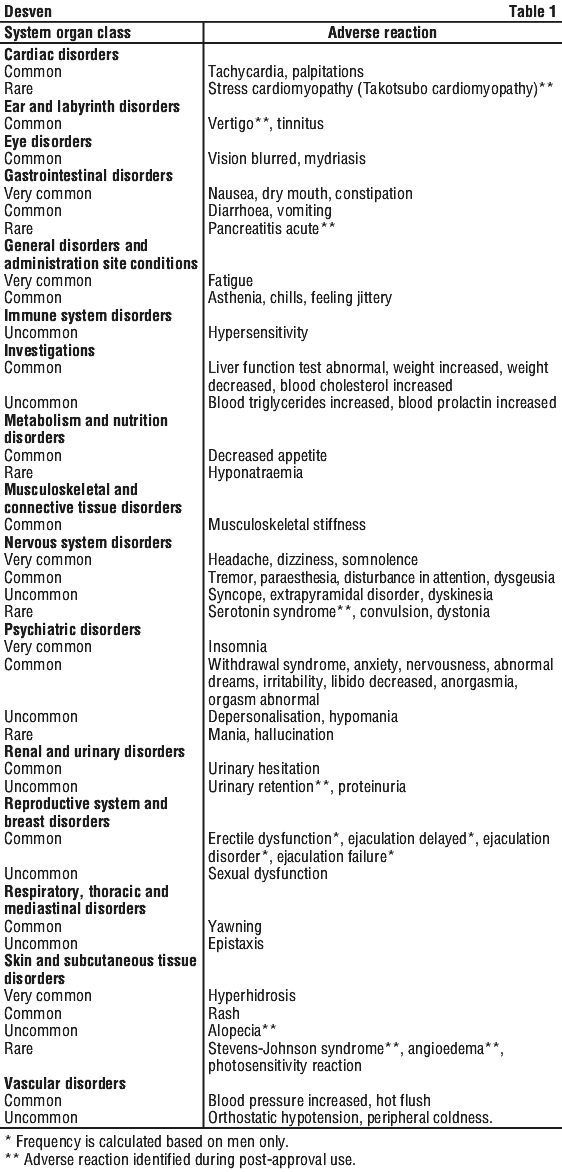
The following list of adverse reactions was reported by patients treated with desvenlafaxine throughout the dose range studied (50 to 400 mg) during both short- and long-term trials. In general, the adverse reactions were most frequent in the first week of treatment.
Adverse reactions are listed in Table 1 in CIOMS frequency categories: very common ≥ 10%; common: ≥ 1% and < 10%; uncommon: ≥ 0.1% and < 1%; rare: ≥ 0.01% and < 0.1%; very rare: < 0.01%.
Adverse reactions reported with other SNRIs.
Although the following are not considered adverse reactions for desvenlafaxine, they are adverse reactions for other SNRIs and may also occur with desvenlafaxine: gastrointestinal bleeding and severe cutaneous reactions (such as Stevens-Johnson syndrome, toxic epidermal necrolysis and/or erythema multiforme).
Ischaemic cardiac adverse events.
In clinical trials, there were uncommon reports of ischaemic cardiac adverse events including myocardial ischaemia, myocardial infarction, and coronary occlusion requiring revascularisation; these patients had multiple underlying cardiac risk factors. More patients experienced these events during desvenlafaxine treatment as compared to placebo (see Section 4.4 Special Warnings and Precautions for Use, Cardiovascular/cerebrovascular disease).
Discontinuation symptoms.
Adverse drug reactions reported in association with abrupt discontinuation, dose reduction or tapering of treatment in MDD clinical trials at a rate of ≥ 5% include: dizziness, withdrawal syndrome, nausea, headache, irritability, diarrhoea, anxiety, abnormal dreams, fatigue, and hyperhidrosis. In general, discontinuation symptoms occurred more frequently with higher doses and longer duration of therapy (see Section 4.2 Dose and Method of Administration; Section 4.4 Special Warnings and Precautions for Use, Discontinuation effects).
Orthostatic hypotension.
Of the 3,292 patients in clinical trials with desvenlafaxine, 5% of patients were 65 years of age or older. No overall differences in safety or efficacy were observed between these patients and younger patients; however, in the short-term placebo-controlled trials, there was a higher incidence of systolic orthostatic hypotension in patients ≥ 65 years of age compared to patients < 65 years of age treated with desvenlafaxine.
Adverse reactions leading to discontinuation of therapy.
The most common adverse reactions leading to discontinuation in at least 2% of the desvenlafaxine-treated patients in the short-term trials, up to 8 weeks, were: nausea (4%); dizziness and vomiting (2% each); in the long-term trial, up to 9 months, the most common was vomiting (2%).
Reporting suspected adverse effects.
Reporting suspected adverse reactions after registration of the medicinal product is important. It allows continued monitoring of the benefit-risk balance of the medicinal product. Healthcare professionals are asked to report any suspected adverse reactions at www.tga.gov.au/reporting-problems.4.9 Overdose
There is limited clinical experience with desvenlafaxine overdosage in humans. In clinical trials, no cases of fatal acute overdose of desvenlafaxine were reported.
Among the patients included in the major depressive disorder trials of desvenlafaxine, there were four adults who ingested doses greater than 800 mg of desvenlafaxine (4000 mg [desvenlafaxine alone], 900, 1800 mg and 5200 mg [in combination with other drugs]); all patients recovered. In addition, a patient's 11-month-old child accidentally ingested 600 mg of desvenlafaxine, was treated, and recovered.
In post-marketing experience, overdose cases (including cases with fatal outcome) have been reported with desvenlafaxine in combination with alcohol and/or other medicinal products.
Desvenlafaxine is the major active metabolite of venlafaxine. Hypoglycaemia has been reported in association with venlafaxine overdose.
Management of overdose.
In managing an overdose, consider the possibility of multiple drug involvement. The physician should consider contacting a poison control centre for additional information on the treatment of any overdose. Treatment should consist of those general measures employed in the management of overdosage with any SSRI/SNRI.
General supportive and symptomatic measures are recommended. Ensure an adequate airway, oxygenation and ventilation. Cardiac rhythm and vital signs must be monitored. Administration of activated charcoal may also limit drug absorption. Where there is a risk of aspiration, induction of emesis is not recommended. No specific antidotes for desvenlafaxine are known. Forced diuresis, dialysis, haemoperfusion and exchange transfusion are unlikely to be of benefit.
For information on the management of overdose, contact the Poisons Information Centre on 13 11 26 (Australia).5 Pharmacological Properties
5.1 Pharmacodynamic Properties
Non-clinical studies have shown that desvenlafaxine is a selective serotonin and noradrenaline reuptake inhibitor (SNRI).
Mechanism of action.
Desvenlafaxine lacked significant affinity for numerous receptors, including muscarinic-cholinergic, H1-histaminergic, or α1-adrenergic receptors in vitro. Pharmacological activity at these receptors has been hypothesised to be associated with the various anticholinergic, sedative, and cardiovascular effects seen with other psychotropic drugs. In the same comprehensive binding profile assay, desvenlafaxine also lacked significant affinity for various ion channels, including calcium, chloride, potassium and sodium ion channels and also lacked monoamine oxidase (MAO) inhibitory activity. Desvenlafaxine lacked significant activity in the in vitro cardiac potassium channel (hERG) assay.
In preclinical rodent models, desvenlafaxine demonstrated activity predictive of antidepressant, anxiolytic and thermoregulatory actions, and pain inhibitory properties.
Clinical trials.
Major depressive disorder.
The efficacy of desvenlafaxine as a treatment for depression was established in four, 8-week, randomised, double-blind, placebo-controlled, fixed-dose trials in adult outpatients who met the Diagnostic and Statistical Manual of Mental Disorders (DSM-IV) criteria for major depressive disorder (MDD). In the first study, patients received 100 mg (n = 114), 200 mg (n = 116), or 400 mg (n = 113) of desvenlafaxine once daily, or placebo (n = 118). In a second study, patients received either 200 mg (n = 121) or 400 mg (n = 124) of desvenlafaxine once daily, or placebo (n = 124). In two additional trials, patients received 50 mg (n = 150 and n = 164) or 100 mg (n = 147 and n = 158) of desvenlafaxine once daily, or placebo (n = 150 and n = 161).
Desvenlafaxine showed superiority over placebo as measured by improvement in the 17-item Hamilton Rating Scale for Depression (HAM-D17) total score in four trials and, as measured by the Clinical Global Impressions Scale-Improvement (CGI-I), in three of the four trials. There was no clear evidence that doses greater than 50 mg/day conferred any additional benefit. Two other studies that treated patients with doses of 200 mg to 400 mg also showed superiority to placebo when appropriately analysed to take early drop-outs for adverse effects into account.
In a long-term study, adult outpatients meeting DSM-IV criteria for major depressive disorder and who responded to 12 weeks of acute treatment with desvenlafaxine were assigned randomly to the same dose (200 or 400 mg/day) they had received during acute treatment or to placebo for up to 26 weeks of observation for relapse. Response during the open-label phase was defined as a HAM-D17 total score of ≤ 11 at the Day 84 evaluation. Relapse during the double-blind phase was defined as follows: (1) a HAM-D17 total score of ≥ 16 at any office visit, (2) a CGI-I score of ≥ 6 (versus day 84) at any office visit, or (3) discontinuation from the study due to unsatisfactory response. Patients receiving continued desvenlafaxine treatment experienced significantly lower relapse rates over the subsequent 26 weeks compared with those receiving placebo.
Analyses of the relationships between treatment outcome and age and treatment outcome and gender did not suggest any differential responsiveness on the basis of these patient characteristics.
5.2 Pharmacokinetic Properties
The single dose pharmacokinetics of desvenlafaxine are linear and dose-proportional in a dose range of 100 to 600 mg/day. The mean terminal half-life (t1/2) is approximately 11 hours. With once-daily dosing, steady-state plasma concentrations are achieved within approximately 4-5 days. At steady state, multiple-dose accumulation of desvenlafaxine is linear and predictable from the single-dose pharmacokinetic profile.
The pharmacokinetics of desvenlafaxine have been thoroughly evaluated in women and men. There are minimal differences based on gender; data from all subjects are presented below.
Absorption/distribution.
Desvenlafaxine is well absorbed, with an absolute oral bioavailability of 80%. Mean time to peak plasma concentrations (Tmax) is about 7.5 hours after oral administration. AUC and Cmax of 6,747 nanogram.hr/mL and 376 nanogram/mL, respectively, are predicted after a single dose of 100 mg.
Administration with food has minimal impact on drug absorption. Following administration with low, medium, and high-fat meals, increases in Cmax of approximately 16% (observed confidence interval: 107.8-125.1%; required confidence interval for bioequivalence 80-125%) were observed only following a high-fat meal. There was no statistically significant change in AUC values for any of the meals; therefore, desvenlafaxine can be taken without regard to meals.
The plasma protein binding of desvenlafaxine in vitro is low (approximately 30%) and is independent of drug concentration over the range 100-500 nanogram/mL. Desvenlafaxine's volume of distribution at steady-state following intravenous administration is 3.4 L/kg, indicating distribution into nonvascular compartments.
Metabolism/excretion.
Approximately 45% of desvenlafaxine is excreted unchanged in urine. Desvenlafaxine is primarily metabolised by conjugation (shown to be mediated by UGT isoforms UGT1A1, UGT1A3, UGT2B4, UGT2B15, and UGT2B17 in vitro) and to a minor extent through oxidative metabolism. Approximately 19% of the administered dose is excreted as the glucuronide metabolite and < 5% as the oxidative metabolite (N,O-didesmethylvenlafaxine) in urine. In vitro studies showed that CYP3A4 is the predominant cytochrome P450 isozyme mediating the oxidative metabolism (N-demethylation) of desvenlafaxine.
Special populations.
Elderly (> 65 years).
In a trial of healthy subjects administered doses up to 300 mg, there was an age-dependent decrease in desvenlafaxine clearance, resulting in a 32% increase in Cmax and a 55% increase in AUC values in subjects greater than 75 years of age as compared with subjects 18-45 years of age. No dosage adjustment is required solely on the basis of age; however, possible reduced renal clearance of desvenlafaxine should be considered when determining dose.
Paediatric.
Safety and effectiveness in the paediatric population have not been established.
Renal impairment.
The pharmacokinetics of desvenlafaxine succinate 100 mg were studied in subjects with mild (n = 9), moderate (n = 8), severe (n = 7) and end-stage renal disease (ESRD) requiring dialysis (n = 9) and in healthy, age-matched control subjects (n = 8). Elimination was significantly correlated with creatinine clearance. Total body clearance was reduced by 29% in mild, 39% in moderate, 51% in severe renal impairment, and 58% in ESRD compared to healthy subjects. This reduced clearance resulted in increases in AUCs of 42% in mild (24-hr CrCl = 50-80 mL/min), 56% in moderate (24-hr CrCl = 30-50 mL/min), 108% in severe (24-hr CrCl < 30 mL/min) renal impairment, and 116% in ESRD subjects.
The mean terminal half-life (t1/2) was prolonged from 11.1 hours in the control subjects to 13.5, 15.5, 17.6, and 22.8 hours in mild, moderate, severe renal impairment and ESRD subjects, respectively.
Less than 5% of the drug in the body was cleared during a standard 4-hour haemodialysis procedure. Therefore, supplemental doses should not be given to patients after dialysis. Dosage adjustment is recommended in patients with significant impairment of renal function (see Section 4.2 Dose and Method of Administration).
Hepatic impairment.
The pharmacokinetics of desvenlafaxine succinate 100 mg were studied in subjects with mild (Child-Pugh A, n = 8), moderate (Child-Pugh B, n = 8), and severe (Child-Pugh C, n = 8) hepatic impairment and in healthy subjects (n = 12).
Average AUC was increased by approximately 31% and 35% in patients with moderate and severe hepatic impairment, respectively, as compared to healthy subjects. Average AUC values were comparable in subjects with mild hepatic impairment and healthy subjects (< 5% difference).
Systemic clearance (CL/F) was decreased by approximately 20% and 36% in patients with moderate and severe hepatic impairment, respectively, as compared to healthy subjects. CL/F values were comparable in mild hepatic impairment and healthy subjects (< 5% difference).
The mean t1/2 changed from approximately 10 hours in healthy subjects and subjects with mild hepatic impairment to 13 and 14 hours in moderate and severe hepatic impairment, respectively.
Thorough QTc trial.
In a thorough QTc trial with prospectively determined criteria, in healthy women, desvenlafaxine did not cause QT prolongation. Additionally, no effect on QRS interval was observed.
5.3 Preclinical Safety Data
Genotoxicity.
Desvenlafaxine was not genotoxic in in vitro assays for bacterial gene mutation, mammalian gene mutation, chromosomal aberrations and cell transformation, or in in vivo tests for clastogenic activity in mice and rats.
Carcinogenicity.
Desvenlafaxine did not increase the incidence of tumours in long-term mouse and rat carcinogenicity studies at oral doses up to 7 (mice), 14 (male rats) and 23 (female rats) times the maximal recommended human dose of 200 mg/day, on a mg/m2 basis.6 Pharmaceutical Particulars
6.1 List of Excipients
Alginic acid, citric acid monohydrate, hypromellose, microcrystalline cellulose, povidone, purified talc, magnesium stearate, Opadry complete film coating system 03F84770 Pink (PI 109228) (50 mg tablet only), Opadry complete film coating system 03F86990 Brown (PI 109232) (100 mg tablet only).
6.2 Incompatibilities
Incompatibilities were either not assessed or not identified as part of the registration of this medicine.
6.3 Shelf Life
In Australia, information on the shelf life can be found on the public summary of the Australian Register of Therapeutic Goods (ARTG). The expiry date can be found on the packaging.
6.4 Special Precautions for Storage
Store below 25°C.
6.5 Nature and Contents of Container
Each carton of Desven 50 mg and 100 mg extended release tablet contains 28 tablets packaged in PVC/PVDC/Al blisters.
6.6 Special Precautions for Disposal
In Australia, any unused medicine or waste material should be disposed of by taking to your local pharmacy.
6.7 Physicochemical Properties
Desvenlafaxine is a white to off-white crystalline powder that is sparingly soluble in dimethyl sulphoxide. The solubility of desvenlafaxine is pH dependent.
Chemical structure.
 Chemical name: RS-4-[2-dimethylamino-1-(1-hydroxycyclohexyl)ethyl]phenol.
Molecular formula: C16H25NO2.
Molecular weight: 263.38.
CAS number.
93413-62-8.7 Medicine Schedule (Poisons Standard)
Schedule 4 - Prescription Only Medicine.
Summary Table of Changes