1 Name of Medicine
Metformin hydrochloride.
2 Qualitative and Quantitative Composition
Each Diaformin Alphapharm XR 500, (500 mg) modified release tablet contains 500 mg of metformin hydrochloride.
Each Diaformin Alphapharm XR 1000, (1000 mg) modified release tablet contains 1000 mg of metformin hydrochloride.
For the full list of excipients, see Section 6.1 List of Excipients.
3 Pharmaceutical Form
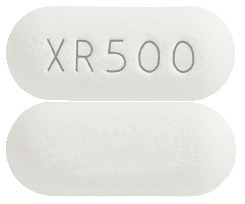
Diaformin Alphapharm XR 500 are white, capsule shaped uncoated tablet with 'XR 500' on one side and a plain on the other side.
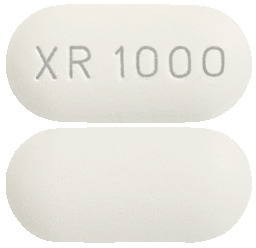
Diaformin Alphapharm XR 1000 are white, capsule shaped uncoated tablet with 'XR 1000' on one side and a plain on the other side.
The tablet shells may be present in the faeces. Patients should be advised that this is normal.
4.1 Therapeutic Indications
Treatment of type 2 diabetes mellitus in adults, particularly in overweight patients, when dietary management and exercise alone does not result in adequate glycaemic control. Metformin modified release tablets may be used as monotherapy or in combination with other oral antidiabetic agents, or with insulin.
4.2 Dose and Method of Administration
Life threatening lactic acidosis can occur due to accumulation of metformin. The main risk factor is renal impairment, other risk factors include old age associated with reduced renal function.
Monotherapy and combination with other oral antidiabetic agents.
Initiating therapy with metformin hydrochloride modified release tablets.
For patients new to metformin, the usual starting dose is one tablet of metformin hydrochloride modified release tablet (500 mg) or metformin hydrochloride modified release tablets (750 mg*) once daily taken with the evening meal.
After 10 to 15 days the dose should be adjusted on the basis of blood glucose measurements. A slow increase of dose may improve gastro-intestinal tolerability. Dosage increases should be made in increments of 500 mg or 750 mg* every 10-15 days, up to a maximum of 2000 mg once daily with the evening meal.
Combining metformin hydrochloride modified release tablet dosage strengths.
The combined use of different strengths of metformin hydrochloride modified release tablets 500 mg, 750 mg*, or 1000 mg is not recommended. Only one strength (metformin hydrochloride modified release tablet 500 mg, metformin hydrochloride modified release tablets 750 mg*, or metformin hydrochloride modified release tablet 1000 mg) should be used at a time in order to avoid accidentally exceeding the recommended upper daily dose limit of 2000 mg.
Maintenance therapy with metformin hydrochloride modified release tablet.
Metformin hydrochloride modified release tablet 1000 mg is intended as a maintenance therapy for patients currently treated with either 1000 mg or 2000 mg of metformin. In patients already treated with metformin tablets, the starting dose of metformin hydrochloride modified release tablets should be equivalent to the daily dose of metformin immediate-release tablets.
The maximum recommended dose is either 4 tablets of metformin hydrochloride modified release tablets 500 mg, 2 tablets of metformin hydrochloride modified release tablets 750 mg*, or 2 tablets of metformin hydrochloride modified release tablets 1000 mg once daily with the evening meal.
Switching from metformin hydrochloride modified release tablets to immediate-release metformin.
If glycaemic control is not achieved with the maximum recommended dose of metformin hydrochloride modified release tablets 500 mg (2000 mg), metformin hydrochloride modified release tablets 750 mg* (1500 mg), or metformin hydrochloride modified release tablets 1000 mg (2000 mg) patients may be switched to metformin immediate-release tablets to a maximum dose of 3000 mg daily.
Switching from immediate-release metformin to metformin hydrochloride modified release tablets.
In patients already treated with metformin tablets, the starting dose of metformin hydrochloride modified release tablets 500 mg, metformin hydrochloride modified release tablets 750 mg*, or metformin hydrochloride modified release tablets 1000 mg should be equivalent to the daily dose of metformin immediate-release tablets. In patients treated with metformin at a dose above 2000 mg daily, switching to metformin hydrochloride modified release tablets 500 mg, metformin hydrochloride modified release tablets 750 mg*, or metformin hydrochloride modified release tablets 1000 mg is not recommended.
Transferring from other oral agents.
If transfer from another oral antidiabetic agent is intended: discontinue the other agent. Titration should begin with metformin hydrochloride modified release tablets 500 mg before switching to metformin hydrochloride modified release tablets 750 mg* or metformin hydrochloride modified release tablets 1000 mg and initiate metformin hydrochloride modified release tablets at the dose indicated above.
Combination with insulin.
Metformin and insulin may be used in combination therapy to achieve better blood glucose control. The usual starting dose of metformin hydrochloride modified release tablets is 500 mg or 750 mg* once daily with the evening meal, while insulin dosage is adjusted on the basis of blood glucose measurements. After titration, switch to metformin hydrochloride modified release tablets 1000 mg should be considered.
Elderly.
Due to the potential for decreased renal function in elderly subjects, the metformin dosage should be adjusted based on renal function. Regular assessment of renal function is necessary.
Children.
In the absence of available data, metformin should not be used in children.
* Metformin hydrochloride modified release tablet 750 mg is not available in this brand. It is available in other brands. Please refer to the relevant product information for these products where applicable.4.3 Contraindications
Hypersensitivity to metformin hydrochloride or to any of the excipients.
Any type of metabolic acidosis (such as lactic acidosis, diabetic ketoacidosis).
Diabetic pre-coma.
Renal failure or renal dysfunction (creatinine clearance < 60 mL/min).
Acute conditions with the potential to alter renal function such as: dehydration; severe infection; shock; intravascular administration of iodinated contrast agents (see Section 4.4 Special Warnings and Precautions for Use).
Acute or chronic disease which may cause tissue hypoxia such as cardiac failure, recent myocardial infarction, respiratory failure, pulmonary embolism, shock, acute significant blood loss, sepsis, gangrene, pancreatitis.
Major surgery (see Section 4.4 Special Warnings and Precautions for Use).
Severe hepatic insufficiency, acute alcohol intoxication, alcoholism.
Lactation.
4.4 Special Warnings and Precautions for Use
Lactic acidosis.
Lactic acidosis is a rare, but serious (high mortality in the absence of prompt treatment), metabolic complication that can occur due to metformin accumulation. Reported cases of lactic acidosis in patients on metformin have occurred primarily in diabetic patients with significant renal failure. The incidence of lactic acidosis can and should be reduced by assessing other associated risk factors such as poorly controlled diabetes, ketosis, prolonged fasting, excessive alcohol intake, hepatic insufficiency and any condition associated with hypoxia.
Diagnosis. The risk of lactic acidosis must be considered in the event of non-specific signs such as muscle cramps with digestive disorders such as abdominal pain and severe asthenia.
Lactic acidosis is characterised by acidotic dyspnea, abdominal pain and hypothermia followed by coma. Diagnostic laboratory findings are decreased blood pH, plasma lactate levels above 5 mmol/L and an increased anion gap and lactate/ pyruvate ratio. If metabolic acidosis is suspected, metformin should be discontinued and the patient should be hospitalised immediately, see Section 4.9 Overdose, Treatment.
Renal function.
As metformin is excreted by the kidney, it is recommended that creatinine clearance and/or serum creatinine levels be determined before initiating treatment and regularly thereafter:
At least annually in patients with normal renal function.
At least two to four times a year in patients with serum creatinine levels at the upper limit of normal and in elderly subjects.
Decreased renal function in elderly subjects is frequent and asymptomatic. Special caution should be exercised in situations where renal function may become impaired, for example when initiating antihypertensive therapy or diuretic therapy and when starting therapy with a non-steroidal anti-inflammatory drug (NSAID).
Administration of iodinated contrast materials.
The intravascular administration of iodinated contrast materials in radiologic studies can lead to renal failure. This may induce metformin accumulation and may expose the patient to lactic acidosis. Therefore, metformin must be discontinued either 48 hours before the test when renal function is known to be impaired or from the time of the test when renal function is known to be normal; and may not be reinstituted until 48 hours afterwards, and only after renal function has been re-evaluated and found to be normal, see Section 4.5 Interactions with Other Medicines and Other Forms of Interactions.
Surgery.
Metformin hydrochloride must be discontinued 48 hours before elective surgery. Therapy may be restarted no earlier than 48 hours following surgery and only after renal function has been re-evaluated and found to be normal.
Other precautions.
All patients should continue their diet with a regular distribution of carbohydrate intake during the day. Overweight patients should continue their energy-restricted diet.
The usual laboratory tests for diabetes monitoring should be performed regularly.
Metformin hydrochloride alone does not cause hypoglycaemia; however caution is advised when it is used in combination with other antidiabetic agents (sulphonylureas, glinides, insulin).
The tablet shells may be present in the faeces. Patients should be advised that this is normal.
It is recommended that vitamin B12 serum levels are monitored annually. The risk of low vitamin B12 levels increases with increasing metformin dose, treatment duration, and/or in patients with risk factors known to cause vitamin B12 deficiency. See Section 4.8 Adverse Effects (Undesirable Effects).
Use in the elderly.
Due to the potential for decreased renal function in elderly subjects, the metformin dosage should be adjusted based on renal function. Regular assessment of renal function is necessary, see Section 4.2 Dose and Method of Administration.
Paediatric use.
In absence of available data, metformin hydrochloride modified release tablets 500 mg, or 1000 mg should not be used in children.
Effects on laboratory tests.
No data available.4.5 Interactions with Other Medicines and Other Forms of Interactions
Contraindicated combinations.
Iodinated contrast materials.
Metformin must be discontinued either 48 hours before the test when renal function is known to be impaired, or from the time of the test when renal function is known to be normal, see Section 4.4 Special Warnings and Precautions for Use, Administration of iodinated contrast materials.
Metformin should not be reinstituted until 48 hours after the test, and only after renal function has been re-evaluated and found to be normal, see Section 4.4 Special Warnings and Precautions for Use.
Inadvisable combinations.
Alcohol.
Increased risk of lactic acidosis in acute alcohol intoxication, particularly in case of fasting or malnutrition, hepatic insufficiency.
Avoid consumption of alcohol and alcohol containing medications.
Combinations requiring precautions for use.
Medicinal products with intrinsic hyperglycaemic activity (e.g. glucocorticoids and tetracosactides (systemic and local routes), beta-2-agonists, danazol, chlorpromazine at high dosages of 100 mg per day and diuretics.
More frequent blood glucose monitoring may be required, especially at the beginning of treatment. If necessary, adjust the metformin dosage during therapy with the respective medicinal product and upon discontinuation.
Diuretics, especially loop diuretics.
May increase the risk of lactic acidosis due to their potential to decrease renal function.
ACE-inhibitors.
ACE-inhibitors may decrease the blood glucose levels. Therefore, dose adjustment of metformin hydrochloride may be necessary when such medicinal products are added or discontinued.
Calcium channel blockers.
Calcium channel blockers may affect glucose control in diabetic patients; regular monitoring of glycaemic control is recommended.
Beta-blockers.
Co-administration of metformin and beta-blockers may result in a potentiation of the antihyperglycaemic action. In addition, some of the premonitory signs of hypoglycaemia, in particular tachycardia, may be masked. Monitoring of blood glucose should be undertaken during dosage adjustment of either agent.
Thyrotropin.
Reduction of TSH serum levels has been reported in diabetic patients with hypothyroidism when metformin therapy is initiated.
Cimetidine.
Reduced clearance of metformin has been reported during cimetidine therapy, so a dose reduction should be considered.
Anticoagulants.
Metformin increases the elimination rate of vitamin K antagonists. Consequently, the prothrombin time should be closely monitored in patients in whom metformin and vitamin K antagonists are being coadministered. Cessation of metformin in patients receiving vitamin K antagonists can cause marked increases in the prothrombin time.
Nifedipine.
A single-dose, metformin-nifedipine drug interaction study in normal healthy volunteers demonstrated that co-administration of metformin and nifedipine increased plasma metformin Cmax and AUC by 20% and 9%, respectively, and increased the amount of metformin excreted in the urine. Tmax and half-life of metformin were unaffected. Nifedipine appears to enhance the absorption of metformin. Metformin had minimal effects on the pharmacokinetics of nifedipine.
Organic cation transporters (OCT).
Metformin is a substrate of both transporters OCT1 and OCT2.
Co-administration of metformin with:
Substrates/ inhibitors of OCT1 (such as verapamil) may reduce efficacy of metformin.
Inducers of OCT1 (such as rifampicin) may increase gastrointestinal absorption and efficacy.
Substrates/ inhibitors of OCT2 (such as cimetidine, dolutegravir, crizotinib, olaparib, daclatasvir, vandetanib) may decrease the renal elimination of metformin and thus lead to an increase metformin plasma concentration.
Carbonic anhydrase inhibitors.
Topiramate or other carbonic anhydrase inhibitors (e.g. zonisamide, acetazolamide or dichlorphenamide) frequently cause a decrease in serum bicarbonate and induce non-anion gap, hyperchloremic metabolic acidosis. Concomitant use of these drugs with metformin hydrochloride tablets may increase the risk of lactic acidosis. Consider more frequent monitoring of these patients.
NSAID.
May increase the risk of lactic acidosis and adversely affect renal function.
Therefore, caution is advised when these drugs are co-administered with metformin and a dose adjustment may be considered, particularly in patients with renal impairment.4.6 Fertility, Pregnancy and Lactation
Effects on fertility.
No data available.
(Category C1)
Hyperglycemia in the periconceptional phase and/or during pregnancy affects at least 10% of all births worldwide. The mother is at risk of pregnancy-induced hypertension and preeclampsia, excessive gestational weight gain and birth complications. Insufficient glycemic control leads to higher risk of pregnancy loss and congenital malformations than in normoglycemic women.
A register-based cohort study (10,129 pregnancy outcomes) on children with in utero exposure to metformin alone (3,967 pregnancy outcomes), metformin in combination with insulin (889 pregnancy outcomes), and insulin alone (5,273 pregnancy outcomes) identified there was no increased risk of obesity, hypoglycaemia, hyperglycaemia or diabetes mellitus in the long-term amongst children with in utero exposure metformin alone compared to those with insulin only.
The published data (meta-analyses, clinical studies, and registries) indicates no increased risk of congenital abnormalities nor feto/neonatal toxicity after exposure to metformin in the periconceptional phase and/or during pregnancy.
Children exposed to metformin in utero may have lower birthweight than those exposed to insulin. There is limited and conflicting evidence on the metformin effect on the long-term weight outcome of children exposed in utero. Metformin exposure in utero most likely has no negative impact on motor social development of children up to 4 years. The risk in children aged more than 4 years, cannot be established due to limitation of available data.
If clinically needed, the use of metformin can be considered in pregnant women or women who plan to become pregnant. Blood glucose levels should be maintained as close to normal as possible.
1 Drugs which, owing to their pharmacological effects, have caused or may be suspected of causing, harmful effects on the human fetus or neonate without causing malformations. These effects may be reversible. Accompanying texts should be consulted for further details.
Metformin is excreted into milk in lactating rats. Similar data is not available in humans and a decision should be made whether to discontinue breastfeeding or to discontinue metformin, taking into account the importance of the medicinal product to the mother.4.7 Effects on Ability to Drive and Use Machines
Metformin monotherapy does not cause hypoglycaemia and therefore has no effect on the ability to drive or to use machinery.
However, patients should be alerted to the risk of hypoglycaemia when metformin is used in combination with other antidiabetic agents (sulphonylureas, glinides, insulin).
4.8 Adverse Effects (Undesirable Effects)
In post marketing data and in controlled clinical studies, adverse event reporting in patients treated with metformin extended release tablets, were similar in nature and severity to that reported in patients treated with metformin immediate-release tablets.
The following undesirable effects may occur under treatment with metformin. Frequencies are defined as follows: very common: > 1/10; common: ≥ 1/100, < 1/10; uncommon: ≥ 1/1,000, ≥ 1/100; rare: ≥ 1/10,000, ≥ 1/1,000; very rare: ≥ 1/10,000; not known (cannot be estimated from the available data).
Within each frequency grouping, adverse effects are presented in order of decreasing seriousness.
Nervous system disorders.
Common: taste disturbance.
Gastrointestinal disorders.
Very common: gastrointestinal disorders such as nausea, vomiting, diarrhoea, abdominal pain and loss of appetite. These undesirable effects occur most frequently during initiation of therapy and resolve spontaneously in most cases. A slow increase of the dose may improve gastrointestinal tolerability.
Skin and subcutaneous tissue disorders.
Very rare: skin reactions such as erythema, pruritus, urticaria.
Metabolism and nutrition disorders.
Common: vitamin B12 deficiency. Consideration of such aetiology is recommended if a patient presents with megaloblastic anaemia. Therefore, serum B12 levels should be appropriately monitored or periodic parenteral B12 supplementation considered, see Section 4.4 Special Warnings and Precautions for Use, Other precautions.
Very rare: lactic acidosis (see Section 4.4 Special Warnings and Precautions for Use).
Hepatobiliary disorders.
Not known: isolated reports of liver function test abnormalities or hepatitis resolving upon metformin discontinuation.
Reporting suspected adverse effects.
Reporting suspected adverse reactions after registration of the medicinal product is important. It allows continued monitoring of the benefit-risk balance of the medicinal product. Healthcare professionals are asked to report any suspected adverse reactions at www.tga.gov.au/reporting-problems.4.9 Overdose
Symptoms.
Although hypoglycaemia has not been seen with ingestion of up to 85 g of metformin alone, lactic acidosis has occurred in such circumstances. This condition is a medical emergency and must be treated in hospital. The onset of lactic acidosis is often subtle and accompanied only by non-specific symptoms, such as malaise, myalgia, respiratory distress, increasing somnolence and non-specific abdominal distress. There may also be associated hypothermia, hypotension and resistant bradyarrhythmias with more marked acidosis. Lactic acidosis should be suspected in any diabetic patient with metabolic acidosis lacking evidence of ketoacidosis (ketonuria and ketonaemia).
Treatment.
Lactic acidosis may develop in diabetic metformin-treated patients with overdose. Lactic acidosis is diagnosed and monitored by measurement of serum electrolytes, arterial pH and pCO2 and arterial lactate plasma levels.
The aim of treatment is to manage any underlying disorder, and in some cases this will be sufficient to enable the body's homeostatic mechanism to correct the acid-base imbalance. The advantages of more active treatment of the acidosis must be balanced against the risks, including over-alkalinisation with sodium bicarbonate. Because metformin hydrochloride is dialysable (with a clearance of up to 170 mL/min under good haemodynamic conditions), prompt haemodialysis is recommended to correct the acidosis and remove the accumulated metformin.
For information on the management of overdose, contact the Poisons Information Centre on 13 11 26 (Australia).5 Pharmacological Properties
5.1 Pharmacodynamic Properties
Mechanism of action.
Metformin hydrochloride modified release tablets are oral anti-diabetic medicines. Metformin is a biguanide with antihyperglycaemic effects, lowering both basal and postprandial plasma glucose. It does not stimulate insulin secretion and therefore does not produce hypoglycaemia.
Metformin may act via 3 mechanisms:
Reduction of hepatic glucose production by inhibiting gluconeogenesis and glycogenolysis.
In muscle, by increasing insulin sensitivity, improving peripheral glucose uptake and utilisation.
Delay of intestinal glucose absorption.
Metformin stimulates intracellular glycogen synthesis by acting on glycogen synthase.
Metformin increases the transport capacity of all types of membrane glucose transporters (GLUT).
In humans, independently of its action on glycaemia, metformin has favourable effects on lipid metabolism.
This has been shown at therapeutic doses in controlled, medium-term or long-term clinical studies: metformin reduces total cholesterol, LDL cholesterol and triglyceride levels.
Clinical trials.
Metformin modified release tablet has been evaluated in three double-blind, randomised, multicentre, parallel-group clinical trials, two of which employed a placebo control. These studies were each followed by a 52 week open-label extension study involving subjects who completed double-blind treatment and/or were withdrawn for inadequate glycaemic control. The primary endpoint was the mean change in HbA1C from baseline in each case.
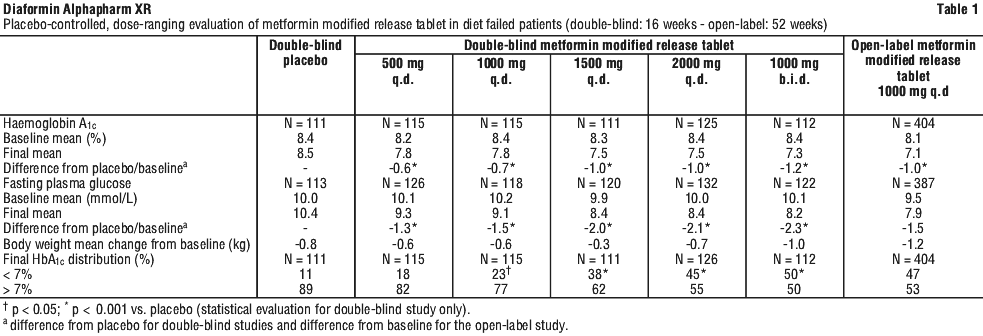
Both placebo-controlled studies were in diet-failed patients previously not exposed to metformin. One study evaluated once-daily metformin modified release tablet at daily doses of 500 mg, 2 x 500 mg, 3 x 500 mg, and 4 x 500 mg, and also twice daily 2 x 500 mg, for 16 weeks. Treatment with once-daily metformin modified release tablet resulted in dose-related reductions in indices of glycaemic control (HbA1C, fasting plasma glucose [FPG] and the proportions of patients achieving HbA1C < 7.0% at study end or last prior measurement) that were significant at all doses relative to placebo (Table 1). The results of a 52-week open-label extension to this study (Table 1) showed that the antihyperglycaemic effects of metformin modified release tablet were maintained over time. There was no weight gain in any treatment group.
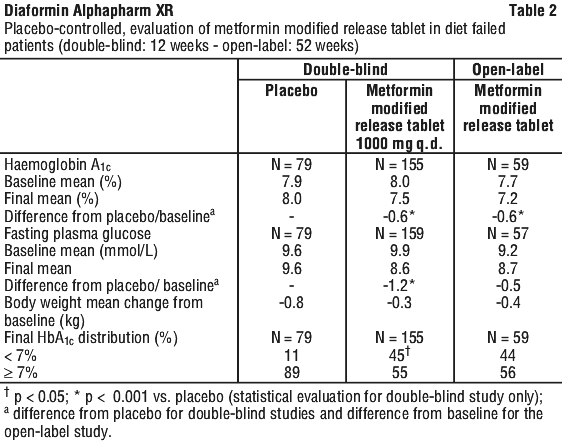
The second placebo-controlled study evaluated metformin modified release tablet at a target dose of 2 x 500 mg, once-daily for a period of 12 weeks. Indices of glycaemic control (as above) improved significantly compared with placebo (Table 2). The magnitudes of improvements were comparable to those observed in the dose-ranging study (Table 1). The accompanying 52-week open-label study again showed that improvements in glycaemia were durable over time. No weight gain was associated with metformin modified release tablet treatment.
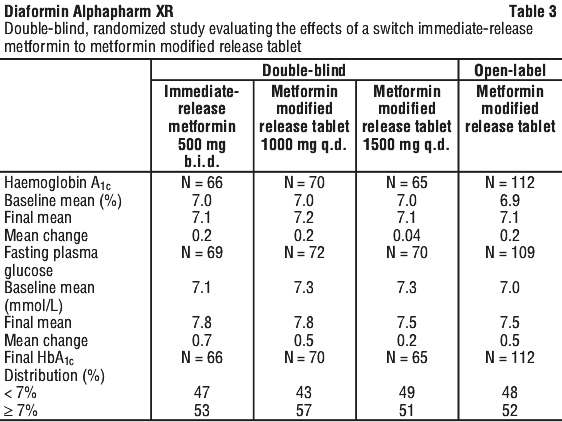
The third randomised, double-blind study evaluated the effects of switching from the immediate-release formulation of metformin to metformin modified release tablet. Patients suboptimally, controlled with metformin received immediate-release metformin 500 mg twice daily, were randomised to continue on immediate-release metformin or to receive once-daily metformin modified release tablet at a dose of 2 x 500 mg or 3 x 500 mg for a period of 12 weeks. Indices of glycaemia were not markedly altered after switching between the formulations, either in the double-blind study or an associated 52-week open-label study (Table 3).
 The prospective randomised (UKPDS) study has established the long-term benefit of intensive blood glucose control in overweight type 2 diabetes. The immediate release tablet form of metformin was used in the UKPDS.
Analysis of the results for overweight patients treated with metformin after failure of diet alone showed:
A significant reduction of the absolute risk of any diabetes-related complication in the metformin group (29.8 events/1,000 patient-years) versus diet alone (43.3 events/1,000 patient-years), p = 0.0023, and versus the combined sulphonylurea and insulin monotherapy groups (40.1 events/1,000 patient-years), p = 0.0034;
a significant reduction of the absolute risk of diabetes-related mortality: metformin 7.5 events/1,000 patient-years, diet alone 12.7 events/1,000 patient-years, p = 0.017;
a significant reduction of the absolute risk of overall mortality: metformin 13.5 events/1,000 patient-years versus diet alone 20.6 events/1,000 patient-years (p = 0.011), and versus the combined sulphonylurea and insulin monotherapy groups 18.9 events/1,000 patient-years (p = 0.021);
a significant reduction in the absolute risk of myocardial infarction: metformin 11 events/1,000 patient-years, diet alone 18 events/1,000 patient-years (p = 0.01).
Benefit regarding clinical outcome has not been shown for metformin used as second-line therapy, in combination with a sulphonylurea.
In type 1 diabetes, the combination of metformin and insulin has been used in selected patients, but the clinical benefit of this combination has not been formally established.
5.2 Pharmacokinetic Properties
Absorption.
After an oral dose of the metformin extended release 500 mg tablet absorption is significantly delayed compared to the immediate release tablet with a Tmax at 7 hours (Tmax for the immediate release tablet is 2.5 hours).
At steady state, similar to the immediate release formulation, Cmax and AUC are not proportionally increased to the administered dose.
The AUC after a single oral administration of 2000 mg of metformin extended release tablets is similar to that observed after administration of 1000 mg of metformin immediate release tablets twice daily.
Intrasubject variability of Cmax and AUC of metformin extended release is comparable to that observed with metformin immediate release tablets.
Although the AUC is decreased by 30% when the extended release tablet is administered in fasting conditions, both Cmax and Tmax are unaffected.
Metformin absorption from the extended release formulation is not altered by meal composition.
No accumulation is observed after repeated administration of up to 2000 mg of metformin as extended release tablets.
Distribution.
Plasma protein binding is negligible. Metformin partitions into erythrocytes. The blood peak is lower than the plasma peak and appears at approximately the same time. The red blood cells most likely represent a secondary compartment of distribution. The mean volume of distribution Vd ranged between 63 to 276 L.
Metabolism.
Metformin is excreted unchanged in the urine. No metabolites have been identified in humans.
Excretion.
Renal clearance of metformin is > 400 mL/min, indicating that metformin is eliminated by glomerular filtration and tubular secretion. Following an oral dose, the apparent terminal elimination half-life is approximately 6.5 hours. When renal function is impaired, renal clearance is decreased in proportion to that of creatinine and thus the elimination half-life is prolonged, leading to increased levels of metformin in plasma.
5.3 Preclinical Safety Data
Genotoxicity.
Preclinical data reveal no specific hazard for humans based on conventional studies on safety pharmacology, repeated dose toxicity, genotoxicity, carcinogenic potential, or reproductive toxicity.
Carcinogenicity.
See Genotoxicity.6 Pharmaceutical Particulars
6.1 List of Excipients
Diaformin Alphapharm XR tablets contain the following excipients: magnesium stearate, colloidal anhydrous silica, povidone and hypromellose.
The tablets are gluten free.
6.2 Incompatibilities
Incompatibilities were either not assessed or not identified as part of the registration of this medicine.
6.3 Shelf Life
In Australia, information on the shelf life can be found on the public summary of the Australian Register of Therapeutic Goods (ARTG). The expiry date can be found on the packaging.
6.4 Special Precautions for Storage
Store below 25°C.
6.5 Nature and Contents of Container
PVC/aluminium foil blister packs of 30, 60, 90, 100 and 120 tablets.
Some pack sizes are not marketed in Australia.
6.6 Special Precautions for Disposal
In Australia, any unused medicine or waste material should be disposed of by taking to your local pharmacy.
6.7 Physicochemical Properties
Metformin hydrochloride is a white crystalline solid, freely soluble in water, sparingly soluble in alcohol, practically insoluble in acetone and methylene chloride.
Metformin is a strong base with a pKa greater than 12. At pH < 12, which is always the case in the body, metformin is very hydrophilic: the octanol/water partition coefficient is 0.05. The melting point of metformin hydrochloride is 224°C. Metformin hydrochloride is a very stable molecule.
Chemical structure.
 Chemical name: 1,1-dimethylbiguanide hydrochloride.
Molecular formula: C4H12ClN5.
Molecular weight: 165.63.
CAS number.
1115-70-4.7 Medicine Schedule (Poisons Standard)
Prescription Only Medicine - S4.
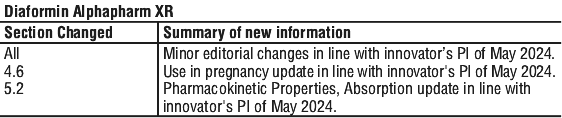
Summary Table of Changes