


Consumer medicine information

Dicarz

Carvedilol

BRAND INFORMATION

Brand name

Dicarz

Active ingredient

Carvedilol

Schedule

S4


Consumer medicine information (CMI) leaflet

Please read this leaflet carefully before you start using Dicarz.

What is in this leaflet

This leaflet answers some common questions about Dicarz.

It does not contain all of the available information. It does not take the place of talking to your doctor or pharmacist.

All medicines have benefits and risks. Your doctor has weighed the risks of you taking Dicarz against the benefits he/she expects it will have for you.

If you have any concerns about taking this medicine, talk to your doctor or pharmacist.

Keep this leaflet with your medicine. You may need to read it again.

What Dicarz is used for

Dicarz is used to treat:

  • heart failure
  • high blood pressure (hypertension).
  • Dicarz belongs to a group of medicines called beta-blockers. These medicines work by affecting the body's response to some nerve impulses, especially in the heart. As a result, it decreases the heart's need for blood and oxygen and therefore reduces the amount of work the heart has to do. Dicarz also slows your heart rate, which in turn increases the efficiency of your heart. Dicarz has the additional effect of being an antioxidant.

Heart Failure:
Heart failure means that the heart muscle cannot pump blood strongly enough to supply all the blood needed throughout the body. Heart failure is not the same as heart attack and does not mean that the heart stops working. Heart failure may start off with no symptoms, but as the condition progresses, patients may feel short of breath or may get tired easily after light physical activity such as walking. Some patients may wake up short of breath at night. Fluid may collect in different parts of the body, often first noticed as swollen ankles and feet.

Dicarz can help to reduce the number of heart failure episodes needing hospital admission and also the risk of sudden death.

Dicarz is often used with other medicines to treat heart failure.

Hypertension:
All people have blood pressure. This pressure helps to push blood all around your body. Your blood pressure changes during the day, depending on how busy you are or how you are feeling.

You have hypertension (high blood pressure) when your blood pressure stays higher than is needed, even when you are calm and relaxed.

Regular blood pressure checks are the only way of knowing that you have hypertension. There are usually no symptoms of hypertension and you may feel fine. If hypertension is not treated, serious health problems such as stroke, heart disease and kidney failure may occur.

Dicarz helps to lower your blood pressure.

Your doctor, however, may have prescribed Dicarz for another reason. Ask your doctor if you have any questions about why Dicarz has been prescribed for you.

Dicarz is not recommended for use in children, as the safety and efficacy in children have not been established.

It is available only with a doctor's prescription.

Before you take Dicarz

When you must not take it

Do not take Dicarz if you are allergic to:

  • any medicine containing carvedilol
  • any of the ingredients listed at the end of this leaflet.

Some of the symptoms of an allergic reaction may include:

  • shortness of breath
  • wheezing or difficulty breathing
  • swelling of the face, lips, tongue or other parts of the body
  • rash, itching or hives on the skin.

Do not take Dicarz if you have:

  • asthma or other condition that makes you short of breath from time to time.
  • a history of allergic problems, including hayfever. Symptoms of an allergy may include: rash, itching, watery eyes or sneezing.
  • a history of a very slow heart rate or uneven heart beating.
  • very low blood pressure.
  • certain other heart conditions. Your doctor will know what these conditions are.
  • liver problems, including liver failure.

Do not take this medicine after the expiry date printed on the pack or if the packaging is torn or shows signs of tampering. If it has expired or is damaged, return it to your pharmacist for disposal.

If you are not sure whether you should start taking this medicine, talk to your doctor.

Before you start to take it

Tell your doctor if you are allergic to any other medicines, foods, dyes or preservatives.

Tell your doctor if you are pregnant or plan to become pregnant. It is not known whether Dicarz is harmful to an unborn baby when taken by a pregnant woman. If there is a need to take Dicarz when you are pregnant your doctor will discuss the risks and benefits to you.

Tell your doctor if you are breastfeeding or wish to breastfeed. Dicarz is not recommended while you are breastfeeding as it passes into breast milk. Your doctor will discuss the risks and benefits of taking Dicarz when breastfeeding.

Tell your doctor if you have, or have had, any medical conditions, especially the following:

  • angina or chest pain/tightness which occurs even when you are at rest (also known as unstable angina)
  • low blood pressure
  • high blood pressure which varies widely
  • very poor circulation to your fingers and/or toes (also called peripheral vascular disease)
  • a history of poor kidney function
  • chronic bronchitis or emphysema causing breathing difficulties
  • diabetes
  • sudden low blood sugar levels (also known as hypoglycaemia)
  • thyroid disorders
  • severe allergic reactions causing swelling and/or difficulty breathing
  • a rare cancer of the adrenal gland called phaeochromocytoma which is not being treated with other medicines.
  • psoriasis, a skin disease with thickened patches of red skin, often with silvery scales.

Your doctor may want to take special care if you have any of these conditions.

Tell your doctor if you plan to have surgery. The surgeon and anaesthetist must be told that you are taking Dicarz well ahead of the date of your surgery, in order to allow for your condition and medications.

If you have not told your doctor about any of the above, tell them before you start taking Dicarz.

Taking other medicines

Tell your doctor if you are taking any other medicines, including any that you buy without a prescription from a pharmacy, supermarket or health food shop.

Some medicines may be affected by Dicarz, or may affect how well it works. These include:

  • rifampicin, a medicine use to treat tuberculosis
  • cimetidine, a medicine used to treat stomach ulcers or reflux
  • digoxin, medicine used to treat heart failure
  • monoamine oxidase inhibitors, medicines used to treat depression (e.g. phenelzine, tranylcypromine)
  • clonidine, a medicine used to treat high blood pressure, migraine or menopausal symptoms
  • diltiazem, a medicine used to treat high blood pressure or angina
  • verapamil, a medicine used to treat high blood pressure, angina or fast heart rate
  • ciclosporin, a medicine used to treat certain problems with the immune system
  • anti-arrhythmic drugs used to treat irregular or abnormal heartbeat (e.g. disopyramide, flecainide, amiodarone, quinidine, procainamide, mexiletine and lidocaine (lignocaine))
  • insulin injections, glibenclamide, metformin, gliclazide, or glipizide, medicines used for the treatment of diabetes
  • aspirin and other pain relievers or non-steroidal anti-inflammatory medicines such as ibuprofen or naproxen medicines which may relieve asthma or help you breath better such as salbutamol and salmeterol
  • fluoxetine, a medicine used to treat depression and other conditions
  • other medicines that may help lower your blood pressure.

Your doctor can tell you what to do if you are taking any of these medicines.

If you are not sure whether you are taking any of these medicines, check with your doctor or pharmacist. Your doctor and pharmacist have more information on medicines to be careful with or avoid while taking Dicarz.

How to take Dicarz

Follow all directions given to you by your doctor or pharmacist carefully. They may differ from the information contained in this leaflet.

How much to take

Take Dicarz exactly as your doctor has prescribed. Your doctor will tell you how many Dicarz tablets to take each day. This depends on your condition and whether or not you are taking other medicines.

Heart Failure
The usual starting dose in heart failure is 3.125 mg twice daily. The dose is usually increased every two weeks to 6.25 mg twice daily, 12.5 mg twice daily and then 25 mg twice daily. However, this may be done more slowly if side effects occur. If the tablets slow your heart too much you may go back to a lower dose.

High Blood Pressure
Adults: The recommended dose for initiation of therapy is 12.5 mg a day for the first two days.

Thereafter, the recommended dosage is 25 mg once a day.

If necessary, the dosage may be increased every two weeks up to the recommended maximum daily dose of 50 mg given once a day or in divided doses (twice daily).

Elderly: The recommended dose for initiation of therapy is 12.5 mg once daily, which has provided satisfactory control in some patients. If the response is inadequate, the dose may be increased every two weeks up to the recommended maximum daily dose.

Your doctor will monitor your blood pressure, heart rate and other vital signs carefully after you start treatment with Dicarz.

How to take it

Swallow the tablets whole or halved with a glass of water.

Do not crush or chew the tablets.

When to take it

Take Dicarz during or immediately after food at about the same time each day. Taking your medicine at the same time each day will have the best effect. It will also help you to remember when to take it.

If you take Dicarz on an empty stomach, it may increase the risk of some of the side effects.

If you forget to take it

If it is almost time for your next dose, skip the dose you missed and take your next dose when you are meant to.

Otherwise, take the missed dose as soon as you remember, and then go back to taking your tablets as you would normally.

Do not take a double dose to make up for the dose you missed. This may increase the chance of you getting an unwanted side effect.

If you are not sure what to do, ask your doctor or pharmacist.

If you have trouble remembering your dose, ask your pharmacist for some hints.

How long to take it for

Continue taking Dicarz until your doctor tells you to stop. Make sure you have enough to last over weekends and holidays.

It is very important that Dicarz is not ceased suddenly. If you are to stop taking Dicarz your doctor will advise you to reduce the dose slowly over approximately two weeks.

If you take too much (overdose)

Immediately telephone your doctor, or the Poisons Information Centre (telephone 13 11 26), or go to Accident and Emergency at the nearest hospital, if you think you or anyone else may have taken too much Dicarz. Do this even if there are no signs of discomfort or poisoning. You may need urgent medical attention.

The following are some symptoms, which may or may not occur.

  • low blood pressure, causing dizziness or fainting
  • a very slow heart rate
  • difficulty breathing
  • vomiting
  • shock
  • seizures.

While you are taking Dicarz

Things you must do

Before starting any new medicine, tell your doctor or pharmacist that you are taking Dicarz.

Tell all the doctors, dentists and pharmacists who are treating you that you are taking Dicarz.

Make sure you drink enough water during exercise and hot weather when you are taking Dicarz, especially if you sweat a lot.

Tell your doctor if you become pregnant while taking Dicarz.

Tell your doctor that you are taking Dicarz if you are going to have any laboratory tests.

If you plan to have surgery, including dental surgery, tell your doctor or dentist that you are taking Dicarz.

Be sure to keep all of your appointments with your doctor so that your progress can be checked. Your doctor may check your eyes, kidney function, and blood glucose levels from time to time.

Tell your doctor if, for any reason, you have not taken your medicine exactly as prescribed. Your doctor may think it is not working effectively and change your treatment unnecessarily.

Things you must not do

Do not stop taking Dicarz, or lower the dose, without checking with your doctor. Stopping Dicarz suddenly may cause your condition to worsen or other heart complications may occur.

Dicarz should only be reduced gradually over a period of about two weeks before stopping completely.

Do not use Dicarz to treat any other conditions unless your doctor tells you to.

Do not give Dicarz to anyone else, even if they have the same condition as you.

Do not give Dicarz to children. The safety and effectiveness of Dicarz in this group have not been proven.

Do not take any other medicines whether they require prescription or not without first consulting your doctor or pharmacist.

Things to be careful of

Be careful driving or operating machinery until you know how Dicarz affects you. Dicarz may cause tiredness, dizziness or light-headedness in some people, especially after the first dose or when the dosage is increased. If any of these occur, do not drive, operate machinery or do anything else that could be dangerous.

Be careful getting up from a sitting or lying position. Dizziness, light-headedness or fainting may occur, especially when you get up quickly. Getting up slowly may help.

If you wear contact lenses you may also notice a reduction in the amount of tear fluid in your eyes.

When taken with grapefruit juice the amount of Dicarz absorbed by your body may be increased.

Lifestyle measures that help reduce heart disease risk

By following these simple measures, you can further reduce the risk from heart disease.

  • Quit smoking and avoid second-hand smoke.
  • Limit alcohol intake.
  • Enjoy healthy eating by:
    - eating plenty of vegetables and fruit;
    - reducing your saturated fat intake (eat less fatty meats, full fat dairy products, butter, coconut and palm oils, most take-away foods, commercially-baked products).
  • Be active. Progress, over time, to at least 30 minutes of moderate-intensity physical activity on 5 or more days each week. Can be accumulated in shorter bouts of 10 minutes duration. If you have been prescribed anti-angina medicine, carry it with you when being physically active.
  • Maintain a healthy weight.
  • Discuss your lifestyle and lifestyle plans with your doctor. Do this before starting any exercise programme.
  • For more information and tools to improve your heart health, call Heartline, the Heart Foundation's national telephone information service, on 1300 36 27 87 (local call cost).

Know warning signs of heart attack and what to do:

  • Tightness, fullness, pressure, squeezing, heaviness or pain in your chest, neck, jaw, throat, shoulders, arms or back.
  • You may also have difficulty breathing, or have a cold sweat or feel dizzy or light headed or feel like vomiting (or actually vomit).
  • If you have heart attack warning signs that are severe, get worse or last for 10 minutes even if they are mild, call triple zero (000). Every minute counts.

Side effects

Tell your doctor or pharmacist as soon as possible if you do not feel well while you are taking Dicarz.

Dicarz helps most people with heart failure, but it may have unwanted side effects in some people.

All medicines can have side effects. Sometimes they are serious, most of the time they are not. You may need medical treatment if you get some of the side effects.

Do not be alarmed by this list of possible side effects. You may not experience any of them.

Ask your doctor or pharmacist to answer any questions you may have.

Tell your doctor if you notice any of the following and they worry you:

  • headache (this is usually mild and happens at the start of your treatment)
  • tiredness, drowsiness
  • low blood pressure. The signs include feeling dizzy or light headed especially after you stand up
  • abnormal or blurry vision
  • slow heart rate
  • diarrhoea
  • nausea or vomiting
  • bronchitis
  • loss of control of blood sugar in diabetics
  • weight increase
  • fluid retention. The signs include overall swelling of parts of your body such as your hands, feet, ankles and legs
  • unusual hair loss or thinning.

These are the more common side effects of Dicarz. Most of them are mild and usually occur at the beginning of therapy, often disappearing within 1 to 2 weeks.

Tell your doctor immediately or go to Accident and Emergency at the nearest hospital if you notice any of the following:

  • itching, dark urine, loss of appetite, yellowing of skin or eyes, or feeling "flu-like" with no clear cause
  • shortness of breath or swelling of the mouth or tongue
  • irregular heart beat
  • swelling of the feet or legs due to fluid build up
  • bleeding or bruising more easily than normal
  • severe blisters and bleeding in the lips, eyes, mouth, nose and genitals.

These are very serious but uncommon side effects. You may need urgent medical attention or hospitalisation.

Other side effects not listed above may also occur in some patients. Tell your doctor if you notice anything that is making you feel unwell.

After taking Dicarz

Storage

Keep Dicarz where children cannot reach it. A locked cupboard at least one-and-a-half metres above the ground is a good place to store medicines.

Keep your tablets in the pack until it is time to take them. If you take the tablets out of the pack they may not keep well.

Keep your tablets in a cool dry place where the temperature stays below 25°C.

Do not store Dicarz or any other medicine in the bathroom or near a sink.

Do not leave Dicarz in the car or on windowsills. Heat and dampness can destroy some medicines.

Disposal

If your doctor tells you to stop taking Dicarz, or your tablets have passed their expiry date, ask your pharmacist what to do with any that are left over.

Product description

What it looks like

Dicarz is available in three tablet strengths:

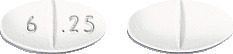
  • Dicarz 6.25 mg - White, oval shaped, film-coated tablets, with break line on both sides imprinted "6.25" on one side. Available in blister pack of 60.
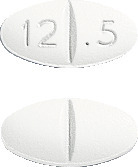
  • Dicarz 12.5 mg - White, oval shaped, film-coated tablets, with break line on both sides, imprinted "12.5" on one side. Available in blister pack of 60.
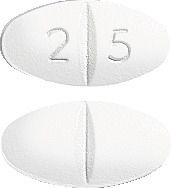
  • Dicarz 25 mg - White, oval shaped, film-coated tablets, with break line on both sides, imprinted "25" on one side. Available in blister pack of 60.

Ingredients

The active ingredient in Dicarz is carvedilol.

The tablets also contain:

  • cellulose-microcrystalline
  • lactose monohydrate
  • crospovidone
  • povidone
  • silica-colloidal anhydrous
  • magnesium stearate
  • opadry II white YS-22-18096

The tablets are gluten free.

Supplier

Dicarz is supplied by:

Alphapharm Pty Ltd
Level 1, 30 The Bond
30-34 Hickson Road
Millers Point NSW 2000

Australian registration numbers:

Dicarz 6.25 mg -
Blister packs AUST R 124079

Dicarz 12.5 mg -
Blister packs AUST R 124081

Dicarz 25 mg -
Blister packs AUST R 101742

This leaflet was prepared on 04/12/2019

Dicarz_cmi\Dec19/00

Published by MIMS February 2020
BRAND INFORMATION

Brand name

Dicarz

Active ingredient

Carvedilol

Schedule

S4


1 Name of Medicine

Carvedilol.

2 Qualitative and Quantitative Composition

Each Dicarz tablet contains 3.125 mg, 6.25 mg, 12.5 mg or 25 mg of carvedilol as the active ingredient.

Excipients with known effect.

Sugars as lactose.
For the full list of excipients, see Section 6.1 List of Excipients.

3 Pharmaceutical Form

Dicarz 3.125 mg tablets.

White, oval shaped, film-coated tablets, plain on both sides.

Dicarz 6.25 mg tablets.

White, oval shaped, film-coated tablets, with break line on both sides, imprinted "6.25" on one side.

Dicarz 12.5 mg tablets.

White, oval shaped, film-coated tablets, with break line on both sides, imprinted "12.5" on one side.

Dicarz 25 mg tablets.

White, oval shaped, film-coated tablets, with break line on both sides, imprinted "25" on one side.

4 Clinical Particulars

4.1 Therapeutic Indications

Dicarz is indicated for the treatment of hypertension. Data have not been provided to support the use of this drug in renovascular disease.
Dicarz is indicated for the treatment of patients with symptomatic mild to severe (NYHA class II-IV) congestive heart failure (CHF) as an adjunct to conventional treatments (e.g. diuretics, digoxin, ACE inhibitors and vasodilators).

4.2 Dose and Method of Administration

Hypertension.

Once daily dosing is recommended.

Adults.

The recommended dose for initiation of therapy is 12.5 mg once a day for the first 2 days. Thereafter the recommended dosage is 25 mg once a day. If necessary, the dosage may subsequently be increased at intervals of at least two weeks up to the recommended maximum daily dose of 50 mg given once a day or twice daily.

Elderly.

The recommended dose for initiation of therapy is 12.5 mg once daily, which has provided satisfactory control in some patients. If the response is inadequate, the dose may be titrated at intervals of at least two weeks up to the recommended maximum daily dose.
Carvedilol can be combined with other antihypertensive agents, thiazide diuretics in particular.

Symptomatic congestive heart failure.

Dosage must be individualised and closely monitored by a physician during up-titration.
For patients receiving digitalis, diuretics and ACE inhibitors, dosing of these agents should be stabilised prior to initiation of carvedilol.
It is recommended that carvedilol be taken with food to slow the rate of absorption and to reduce the risk of orthostatic effects. The tablets should be swallowed with sufficient fluid.
The recommended starting dose is 3.125 mg twice daily for 2 weeks. If this dose is tolerated, the dosage may subsequently be increased, at intervals of not less than two weeks, to 6.25 mg twice daily, followed by 12.5 mg twice daily, then 25 mg twice daily. Dosing should be increased to the highest level tolerated by the patient.
The recommended maximum daily dose is 25 mg twice daily in patients with mild or moderate CHF weighing less than 85 kg. In patients with mild or moderate CHF weighing more than 85 kg, the recommended maximum daily dose is 50 mg twice daily. For all patients with severe CHF the recommended maximum daily dose is 25 mg twice daily.
For severe CHF, before commencement of therapy, patients should be fully clinically evaluated to ensure that they have sitting systolic blood pressure ≥ 85 mmHg, no more than trace oedema of the peripheral limbs, no new pulmonary rales or ascites, optimisation of diuretic therapy and other established therapy such as ACE inhibitors and angiotensin II antagonists, no recent unstable angina, cardiac surgery or ventricular arrhythmias and no recent use of intravenous positive inotropic or vasodilator agents (other than digitalis).
Before each dose increase, the patient should be evaluated by the physician for symptoms of worsening heart failure, vasodilation or bradycardia. If either heart failure or vasodilation occurs the dose of carvedilol should not be increased until symptoms of heart failure or vasodilation have been stabilised.
If bradycardia (pulse rate < 55 beats/minute) occurs the dose of carvedilol should be reduced.
Transient worsening of heart failure or fluid retention should be treated with increased doses of diuretics. Occasionally, it may be necessary to lower the dose of carvedilol or temporarily discontinue carvedilol. If carvedilol treatment is discontinued for more than one week, therapy should be recommenced at a lower dose level (twice daily) and up-titrated in line with the above dosing recommendation. If carvedilol is discontinued for more than two weeks, therapy should be recommenced at 3.125 mg twice daily and up-titrated in line with the above dosing recommendations. Such episodes do not preclude subsequent successful up-titration of carvedilol.
Symptoms of vasodilation may be managed initially by a reduction in the dose of diuretics. If symptoms persist, the dose of ACE inhibitor (if used) may be reduced, followed by a reduction in the dose of carvedilol if necessary.

Hepatic dysfunction.

Since plasma levels have been shown to be increased in patients with cirrhosis, carvedilol is contraindicated in patients with significant liver disease.

Renal dysfunction.

Dosage adjustments are not required for mild to moderate impairment, however, in patients with underlying renal insufficiency, renal function should be monitored during up-titration of carvedilol and the drug discontinued or dosage reduced if worsening of renal function occurs.

4.3 Contraindications

Dicarz must not be used in patients with:
New York Heart Association (NYHA) class IV decompensated heart failure requiring intravenous inotropic support.
Bronchial asthma (two cases of death from status asthmaticus have been reported in patients receiving single doses of carvedilol) or related bronchospastic conditions including chronic obstructive pulmonary disease (COPD) with a bronchospastic component.
Allergic disorders (including asthma and allergic rhinitis) which may suggest a predisposition to bronchospasm.
Severe sinus bradycardia (less than 45 to 50 beats per minute) or sick sinus syndrome (unless a permanent pacemaker is in place).
Shock (including cardiogenic and hypovolaemic shock).
Second and third degree atrioventricular block.
Known hypersensitivity to carvedilol.
Hepatic impairment; carvedilol is contraindicated in patients with clinically manifest liver dysfunction.
Severe hypotension (systolic blood pressure < 85 mmHg).

4.4 Special Warnings and Precautions for Use

Beta-blockers can cause worsening heart failure. Since Dicarz has beta-blocking properties, care must be taken during initiation and up-titration of the drug in heart failure patients, since worsening heart failure has been observed in this phase of treatment. In order to minimise the risk of these events, it is critical to carefully follow the recommended dosing for carvedilol in patients with congestive heart failure (see Section 4.2 Dose and Method of Administration).
There are a number of important pharmacokinetic and pharmacodynamic interactions with other drugs (e.g. digoxin, ciclosporin, rifampicin, anaesthetic drugs, antiarrhythmic drugs) (see Section 4.5 Interactions with Other Medicines and Other Forms of Interactions).

Abrupt withdrawal.

In patients with heart failure, ischaemic heart disease or angina pectoris, abrupt cessation of therapy may lead to deterioration. There have been reports of severe exacerbation of angina, and of myocardial infarction or ventricular arrhythmias occurring in patients with angina pectoris, following abrupt discontinuation of beta-blocker therapy. Therefore, when discontinuing carvedilol in patients with angina pectoris the dosage should be gradually reduced over a period of about 2 weeks and the patient should be carefully observed. The same frequency of administration should be maintained. If angina markedly worsens or acute coronary insufficiency develops, reinstitute carvedilol therapy promptly, at least temporarily.

Prinzmetal's variant angina.

Agents with nonselective beta-blocking activity may provoke chest pain in patients with Prinzmetal's variant angina. There has been no clinical experience with carvedilol in these patients, although the alpha-blocking activity of carvedilol may prevent such symptoms. However, caution should be taken in the administration of carvedilol to patients suspected of having Prinzmetal's variant angina.

Bradycardia.

In clinical trials, carvedilol caused bradycardia in about 2% of hypertensive patients and 9% of congestive heart failure patients. If pulse rate drops below 55 beats/minute, the dosage should be reduced.

Hypotension.

Hypotension and postural hypotension occurred in 9.7% and syncope in 3.4% of congestive heart failure patients receiving carvedilol compared to 3.6% and 2.5% of placebo patients, respectively. The risk for these events was highest during the first 30 days of dosing, corresponding to the up-titration period and was a cause for discontinuation of therapy in 0.7% of carvedilol patients, compared to 0.4% of placebo patients.
To decrease the likelihood of syncope or excessive hypotension, treatment should be initiated with 3.125 mg b.i.d. for congestive heart failure patients. Dosage should then be increased slowly, according to recommendations in Dose and Method of Administration, and the drug should be taken with food. During initiation of therapy, the patient should be cautioned to avoid situations such as driving or hazardous tasks, where injury could result should syncope occur.

Labile hypertension.

Carvedilol should be used with caution in patients with labile or secondary hypertension until further clinical experience is available.

Peripheral vascular disease and Raynaud's phenomenon.

Carvedilol should be used with caution in patients suffering from peripheral vascular disease (e.g. Raynaud's phenomenon) as beta-blockers can precipitate or aggravate symptoms of arterial insufficiency.

Hypertensive patients with left ventricular failure.

In hypertensive patients who have congestive heart failure controlled with digitalis, diuretics and/or an angiotensin converting enzyme inhibitor, carvedilol may be used. However, since it is likely that such patients are dependent, in part, on sympathetic stimulation for circulatory support, it is recommended that dosing follow the instructions for patients with congestive heart failure.

Psoriasis.

Patients with a history of psoriasis associated with β-blocker therapy should take carvedilol only after consideration of the risk benefit ratio.

Concomitant use of calcium channel blockers.

Careful monitoring of ECG and blood pressure is necessary in patients receiving concomitant therapy with calcium channel blockers of the verapamil or diltiazem type or other antiarrhythmic drugs (see Section 4.5 Interactions with Other Medicines and Other Forms of Interactions).

Ocular effects.

Animal studies have shown that carvedilol binds to the melanin of the uveal tract. The significance of this in humans is not known but periodic ophthalmic examinations are advisable while the patient is taking carvedilol.
Oculomucocutaneous syndrome whose signs include conjunctivitis sicca, psoriasiform rashes and sclerosing serositis has occurred with the chronic use of one beta-adrenergic blocking agent (practolol). This syndrome has not been observed in association with carvedilol or any other such agent. However, physicians should be alerted to the possibility of such reactions and discontinue treatment in the event that they occur.
Wearers of contact lenses should bear in mind the possibility of reduced lacrimation.

Diabetes and hypoglycaemia.

Care should be taken in the administration of carvedilol to patients with diabetes as it may be associated with the worsening control of blood glucose, or the early signs and symptoms of acute hypoglycaemia may be masked or attenuated. Nonselective beta-blockers may potentiate insulin induced hypoglycaemia and delay recovery of serum glucose levels. Patients subject to spontaneous hypoglycaemia, or diabetic patients receiving insulin or oral hypoglycaemic agents, should be cautioned about these possibilities and carvedilol should be used with caution. In congestive heart failure patients with diabetes, the use of carvedilol may lead to worsening hyperglycaemia, which responds to intensification of hypoglycaemic therapy. It is recommended that blood glucose be monitored when carvedilol dosing is initiated, adjusted or discontinued (see Section 4.5 Interactions with Other Medicines and Other Forms of Interactions, Pharmacodynamic interactions).

Thyrotoxicosis.

Beta-adrenergic blockade may mask the clinical signs of hyperthyroidism such as tachycardia. Abrupt withdrawal of beta-blockade may be followed by an exacerbation of the symptoms of hyperthyroidism or may precipitate thyroid storm.

Hypersensitivity reaction.

Care should be taken in administering carvedilol to patients with a history of serious hypersensitivity reactions, and in those patients undergoing desensitisation therapy, as beta-blockers may increase both the sensitivity towards allergens and the severity of hypersensitivity reactions. Such patients may be unresponsive to the usual doses of adrenaline (epinephrine) used to treat allergic reaction.

Risk of anaphylactic reaction.

While taking beta-blockers, patients with a history of severe anaphylactic reaction to a variety of allergens may be more reactive to repeated challenge, either accidental, diagnostic, or therapeutic. Such patients may be unresponsive to the usual doses of adrenaline used to treat allergic reaction.

Severe cutaneous adverse reactions (SCARs).

Very rare case of severe cutaneous adverse reactions such as toxic epidermal necrolysis (TEN) and Stevens-Johnson syndrome (SJS) have been reported during treatment of carvedilol (see Section 4.8 Adverse Effects (Undesirable Effects), Postmarketing experience). Carvedilol should be permanently discontinued in patients who experience severe cutaneous adverse reactions possibly attributable to carvedilol.

Nonallergic bronchospasm (e.g. chronic bronchitis and emphysema).

Patients with bronchospastic disease should, in general not receive beta-blockers. Carvedilol may be used with caution.
In clinical trials of patients with congestive heart failure, patients with bronchospastic disease were enrolled if they did not require oral or inhaled medication to treat their bronchospastic disease. In such patients, it is recommended that carvedilol be used with caution. The dosing recommendations should be followed closely and the dose should be lowered if any evidence of bronchospasm is observed during up-titration (see Section 4.5 Interactions with Other Medicines and Other Forms of Interactions, Pharmacodynamic interactions).

Anaesthesia and major surgery.

If carvedilol treatment is to be continued perioperatively, particular care should be taken when anaesthetic agents which depress myocardial function, such as ether, cyclopropane, and trichlorethylene, are used (see Section 4.5 Interactions with Other Medicines and Other Forms of Interactions; Section 4.9 Overdose).

Phaeochromocytoma.

In patients with this condition an alpha-blocking drug (e.g. phentolamine or phenoxybenzamine) should be administered before the beta-blocker to avoid exacerbation of hypertension. Although carvedilol has both alpha and beta-blocking pharmacological activities, there is no experience with its use in this condition. Therefore, caution should be taken in the administration of carvedilol to patients suspected of having phaeochromocytoma.

Use in hepatic impairment.

Mild hepatocellular injury, confirmed by rechallenge, has occurred rarely with carvedilol therapy.
In controlled studies of congestive heart failure, the incidence of liver function abnormalities reported as adverse experiences was 5.0% (38 of 765 patients) in patients receiving carvedilol and 4.6% (20 of 437 patients) in those receiving placebo. Three patients receiving carvedilol (0.4%) and two patients receiving placebo (0.5%) in placebo-controlled trials withdrew for abnormal hepatic function.
Hepatic injury has been reversible and has occurred after short-and/or long-term therapy with minimal clinical symptomatology. No deaths due to liver function abnormalities have been reported.
At the first symptom/sign of liver dysfunction (e.g. pruritus, dark urine, persistent anorexia, jaundice, right upper quadrant tenderness or unexplained "flu-like" symptoms) laboratory testing should be performed. If the patient has laboratory evidence of liver injury or jaundice, carvedilol should be stopped and not restarted.

Use in renal impairment.

Rarely, use of carvedilol in patients with congestive heart failure has resulted in deterioration of renal function. Patients at risk appear to be those with low blood pressure (systolic BP < 100 mmHg), ischaemic heart disease and diffuse vascular disease, and/or underlying renal insufficiency. Renal function has returned to baseline when carvedilol was stopped. In patients with these risk factors, it is recommended that renal function should be monitored during up-titration of carvedilol and the drug discontinued or dosage reduced if worsening of renal function occurs.

Use in the elderly.

In congestive heart failure trials of carvedilol worldwide, there were no notable differences in efficacy or the incidence of adverse events between older (> 65 years) and younger patients. With the exception of dizziness (incidence 8.8% in the elderly vs 6% in younger patients), there were no events in the worldwide hypertensive trial population for which the incidence in the elderly exceeded that in the younger population by greater than 2%.

Paediatric use.

Safety and efficacy of carvedilol in patients younger than 18 years of age has not been established. Use of carvedilol in paediatric patients is not recommended as substantial information regarding benefits and risks is missing (see Section 5.1 Pharmacodynamic Properties, Clinical trials).

Effects on laboratory tests.

Carvedilol does not affect laboratory tests.

4.5 Interactions with Other Medicines and Other Forms of Interactions

Pharmacokinetic interactions.

Effects of carvedilol on the pharmacokinetics of other drugs. Carvedilol is a substrate as well as an inhibitor of P-glycoprotein. Therefore, the bioavailability of drugs transported by P-glycoprotein may be increased with concomitant administration of carvedilol. In addition, the bioavailability of carvedilol can be modified by inducers or inhibitors of P-glycoprotein.

Digoxin.

An increased exposure of digoxin of up to 56% has been shown in some studies in healthy subjects and patients with heart failure, when given carvedilol. A significantly larger effect has been seen in male patients compared to female patients. Therefore, monitoring of digoxin levels and signs and symptoms of digoxin toxicity is recommended when initiating, adjusting or discontinuing carvedilol (see Section 4.4 Special Warnings and Precautions for Use; Section 4.5 Interactions with Other Medicines and Other Forms of Interactions, Pharmacodynamic interactions). Carvedilol had no effect on digoxin administered intravenously.
Digoxin: Digoxin plasma concentrations are increased by about 15% when digoxin and carvedilol are administered concomitantly. Therefore, increased monitoring of digoxin is recommended when initiating, adjusting or discontinuing carvedilol (see Section 4.5 Interactions with Other Medicines and Other Forms of Interactions, Pharmacodynamic interactions).

Ciclosporin and tacrolimus.

Two studies in renal and cardiac transplant patients receiving oral ciclosporin have shown an increase in ciclosporin plasma concentration following the initiation of carvedilol. It appears that carvedilol increases the absorption of ciclosporin (po) through inhibition of P-glycoprotein activity in the intestine. In an attempt to maintain therapeutic ciclosporin levels, an average 10-20% reduction of the ciclosporin dose was necessary. Therefore, due to wide interindividual variability of ciclosporin levels, it is recommended that ciclosporin concentrations are monitored closely after initiation of carvedilol therapy and that the dose of ciclosporin be adjusted as appropriate. In case of IV administration of ciclosporin, no interaction with carvedilol is anticipated. Furthermore, there is evidence that CYP3A4 is involved in the metabolism of carvedilol. As tacrolimus is a substrate of P-glycoprotein and CYP3A4, its pharmacokinetics may also be affected by carvedilol through these interaction mechanisms.
Effects of other drugs and other substances on the pharmacokinetics of carvedilol. Inhibitors as well as inducers of CYP2D6 and CYP2C9 can modify the systemic and/or presystemic metabolism of carvedilol stereoselectively, leading to increased or decreased plasma concentrations of R and S-carvedilol. Retrospective analysis of side effects in clinical trials showed that poor CYP2D6 metabolisers had a higher rate of dizziness during up-titration, presumably resulting from vasodilating effects of the higher concentrations of the alpha-blocking R-enantiomer.
Some examples observed in patients or in healthy subjects are listed below but the list is not exhaustive.

Grapefruit juice.

Consumption of a single dose of 300 mL of grapefruit juice (an inhibitor of CYP3A4 and CYP1A2) was shown to result in a 16% increase of the AUC of carvedilol in comparison to water. While the clinical relevance of this observation is unclear, it is advisable that patients avoid concomitant intake of grapefruit juice at least until a stable dose-response relationship is established.

Rifampicin.

In a study in 12 healthy subjects, exposure to carvedilol decreased by around 60% during concomitant administration with rifampicin and a decreased effect of carvedilol on the systolic blood pressure during exercise was observed. The mechanism for the interaction is not known but it may be due to the induction of the intestinal P-glycoprotein by rifampicin. A close monitoring of the beta-blockade activity in patients receiving concomitant administration of carvedilol and rifampicin is appropriate.

Cimetidine.

The AUC of carvedilol was increased by 30% without associated increase in Cmax in healthy male subjects receiving concomitant cimetidine which is not a potent CYP2D6 inhibitor.

Amiodarone.

An in vitro study with human liver microsomes has shown that amiodarone and desethylamiodarone inhibited the oxidation of R and S-carvedilol. The trough concentration of S-carvedilol was significantly increased by 2.2-fold in heart failure patients receiving carvedilol and amiodarone concomitantly as compared to patients receiving carvedilol monotherapy. The effect on S-carvedilol was attributed to desethylamiodarone, a metabolite of amiodarone, which is a strong inhibitor of CYP2C9. Monitoring of the beta-blockade activity in patients treated with the combination carvedilol and amiodarone is advised.

Fluoxetine and paroxetine.

In a randomised, crossover study in 10 patients with heart failure, coadministration of fluoxetine, a strong inhibitor of CYP2D6, resulted in stereoselective inhibition of carvedilol metabolism with a 77% increase in mean R-enantiomer's AUC and a non-statistically 35% increase of the S-enantiomer's AUC as compared to the placebo group. However, no differences in adverse events and no statistically significant differences in blood pressure and heart rate were noted between treatment groups. The effect of paroxetine, a strong CYP2D6 inhibitor, on carvedilol pharmacokinetics was investigated in 12 healthy subjects following single oral carvedilol administration. In the study, the AUC of R-carvedilol and S-carvedilol were increased by approximately 2.5-fold and 1.9-fold, respectively. Despite significant increase in R- and S-carvedilol exposure, no clinical effects were observed in these healthy subjects. Care should be taken when carvedilol is combined with fluoxetine or paroxetine in clinically unstable patients.

Alcohol.

Concomitant consumption of alcohol can potentiate the antihypertensive action of carvedilol and cause different adverse reactions, such as syncope and hypotension. Alcohol intake was shown to have acute hypotensive effects which possibly augment the blood pressure caused by carvedilol. As carvedilol is only sparingly soluble in water but soluble in ethanol, the presence of alcohol could affect the rate and/or extent of intestinal absorption of carvedilol by increasing its solubility. Furthermore, carvedilol was shown to be partly metabolised by CYP2E1, an enzyme known to be both induced and inhibited by alcohol.

Pharmacodynamic interactions.

Insulin or oral hypoglycaemics.

Agents with beta-blocking properties may enhance the blood sugar reducing effect of insulin and oral hypoglycaemics. The signs of hypoglycaemia may be masked or attenuated (especially tachycardia). Therefore, in patients taking insulin or oral hypoglycaemics, regular monitoring of blood glucose is recommended (see Section 4.4 Special Warnings and Precautions for Use, Diabetes and hypoglycaemia).

Catecholamine depleting agents.

Patients treated with both carvedilol and a drug that can deplete catecholamines (e.g. reserpine and monoamine oxidase inhibitors) should be observed closely for signs of hypotension and/or severe bradycardia.

Clonidine.

Concomitant administration of clonidine with agents with beta-blocking properties may potentiate blood pressure and heart rate lowering effects. When concomitant treatment with agents with beta-blocking properties and clonidine is to be terminated, the beta-blocking agent should be discontinued first. Clonidine therapy can then be discontinued several days later by gradually decreasing the dosage.

Non-dihydropyridines calcium channel blockers, amiodarone, and other antiarrhythmic drugs.

Isolated cases of conduction disturbance (rarely with haemodynamic compromise) have been observed when carvedilol and diltiazem were coadministered. As with other drugs with beta-blocking activity, if carvedilol is to be administered orally with calcium channel blockers of the verapamil or diltiazem type, it is recommended that ECG and blood pressure be monitored.
Care should be taken when prescribing beta-blockers with non-dihydropyridines calcium blockers, amiodarone or other antiarrhythmics because their combination with carvedilol can increase the risk of AV conduction disturbances. Isolated cases of conduction disturbance (rarely with haemodynamic compromise) have been observed when carvedilol is co-administered with diltiazem. As with other agents with beta-blocking properties, if carvedilol is to be administered orally with non-dihydropyridines calcium channel blockers of the verapamil or diltiazem type, amiodarone or other antiarrhythmics, it is recommended that ECG and blood pressure be monitored. Interactions have been reported during concomitant beta-blocker therapy with the class IA agents disopyramide, and less frequently quinidine; class IB agents, tocainide, mexiletine and lidocaine (lignocaine); the class IC agent, flecainide; the class III agent, amiodarone; and the class IV antiarrhythmic agents.

Antihypertensives.

As with other agents with beta-blocking activity, carvedilol may potentiate the effect of other concomitantly administered drugs that are antihypertensive in action (e.g. alpha1-receptor antagonists) or have hypotension as part of their adverse effect profile.

Anaesthetic agents.

Careful monitoring of vital signs is recommended during anaesthesia due to the synergistic negative inotropic and hypotensive effects of carvedilol and anaesthetic drugs (see Section 4.4 Special Warnings and Precautions for Use).

NSAIDs.

The concurrent use of nonsteroidal anti-inflammatory drugs (NSAIDs) and beta-adrenergic blockers may result in an increase in blood pressure and impairment of blood pressure control.

Beta-agonist bronchodilators.

Noncardioselective beta-blockers oppose the bronchodilator effects of beta-agonist bronchodilators. Careful monitoring of patients is recommended.

Digoxin.

The combined use of beta-blockers and digoxin may result in additive prolongation of atrioventricular (A-V) conduction time (see Section 4.5 Interactions with Other Medicines and Other Forms of Interactions, Pharmacokinetic interactions, Effects of carvedilol on the pharmacokinetics of other drugs).

4.6 Fertility, Pregnancy and Lactation

Effects on fertility.

When mated with similarly treated male rats, oral administration of carvedilol to adult female rats at a toxic dose (300 mg/kg/day, 55 times the MRHD on a body surface area basis) resulted in impairment of fertility (poor mating, fewer corpora lutea and fewer implants). No adverse effects on fertility were seen at 60 mg/kg/day (11 times the MRHD on a body surface area basis).
(Category C)
There is no adequate clinical experience with carvedilol in pregnant women. Carvedilol should not be used during pregnancy unless the potential benefit outweighs the potential risk.
Studies in animals have shown reproductive toxicity. The potential risk for humans is unknown.
Beta-blockers reduce placental perfusion, which may result in intrauterine fetal death and immature and premature deliveries. In addition, adverse effects (especially hypoglycaemia and bradycardia) may occur in the foetus and neonate. There may be an increased risk of cardiac and pulmonary complications in the neonate in the postnatal period. There is no evidence from animal studies that carvedilol has any teratogenic effects.
Studies in rats have shown that carvedilol and/or its metabolites cross the placental barrier. Carvedilol was embryotoxic and fetotoxic at doses greater than 60 mg/kg/day in rats and 15 mg/kg/day in rabbits (11 and 5 times, respectively, the MRHD based on body surface area). Maternal toxicity was noted in rats and rabbits at doses greater than 60 and 75 mg/kg/day, respectively.
Carvedilol is excreted in breast milk, although the risk of affecting the child appears unlikely at therapeutic doses, the possibility of the consequences of alpha and beta-blockage should be borne in mind. Carvedilol must not be used during lactation unless the anticipated benefits outweigh the possible risks.

4.7 Effects on Ability to Drive and Use Machines

Individually varying reactions can impair alertness (e.g. patients' capacity for driving or operating machinery). This applies particularly when starting or changing treatment and in conjunction with alcohol.

4.8 Adverse Effects (Undesirable Effects)

Carvedilol is well tolerated by most patients. Most of the adverse reactions are transient and occur at the beginning of treatment. Adverse reactions are related to the pharmacological effects and to the dose.
Carvedilol has been evaluated for safety in mild to moderate congestive heart failure in more than 1900 patients worldwide of whom 1300 participated in U.S. clinical trials. Approximately 54% of the total treated population received carvedilol for at least 6 months and 20% received carvedilol for at least 12 months. The adverse experience profile of carvedilol in congestive heart failure patients was consistent with the pharmacology of the drug and the health status of the patients. In U.S. clinical trials comparing carvedilol in daily doses up to 100 mg (n = 765) to placebo (n = 437), 5.4% of carvedilol patients discontinued for adverse experiences vs 8.0% of placebo patients. Generally, the overall incidence of adverse experiences in U.S. placebo controlled trials was not related to dose. However, there was an increased incidence of dizziness, abnormal vision (primary blurry vision), and bradycardia, with increasing dose.

More common events (occurring with a frequency of > 1%).

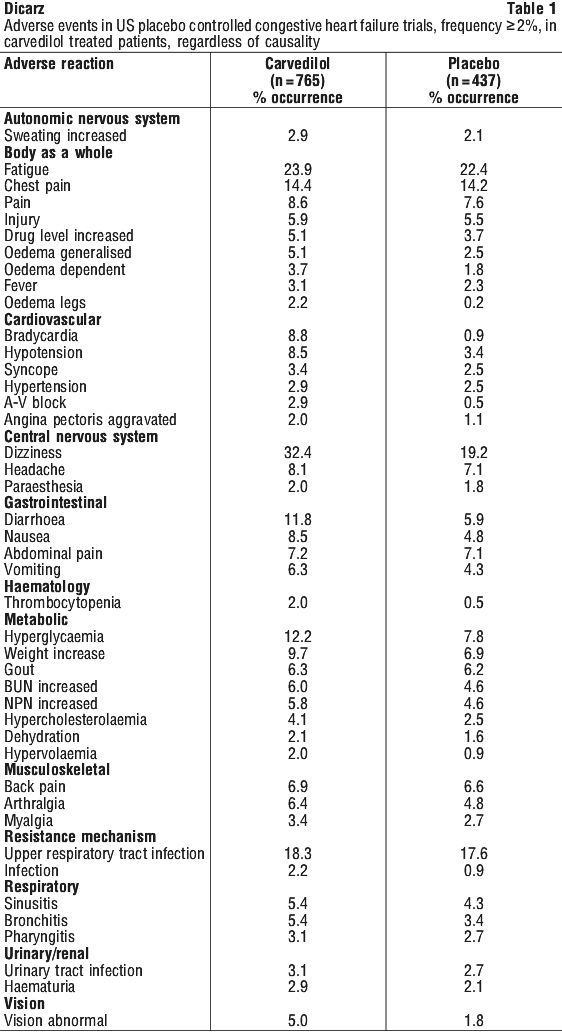
Events occurring with a frequency ≥ 2%. Table 1 shows adverse events in U.S. placebo controlled clinical trials of congestive heart failure patients that occurred with an incidence of 2% or more regardless of causality and were more frequent in drug treated patients than placebo treated patients. Median study medication exposure was 6.33 months for carvedilol and placebo patients.
In addition to the events in Table 1, asthenia, cardiac failure, flatulence, anorexia, dyspepsia, palpitation, extrasystoles, hyperkalaemia, arthritis, angina pectoris, insomnia, depression, anaemia, viral infection, dyspnoea, coughing, respiratory disorder, rhinitis, rash and leg cramps were also reported, but rates were equal to, or more common in placebo treated patients.
The following adverse events were reported more frequently with carvedilol in placebo controlled trials in patients with congestive heart failure:
Events occurring with frequency of > 1% to < 2%.

Body as a whole.

Peripheral oedema, allergy, sudden death, malaise, hypovolaemia.

Cardiovascular system.

Fluid overload, and postural hypotension.

Central and peripheral nervous system.

Hyperaesthesia and vertigo.

Gastrointestinal.

Melaena and periodontitis.

Liver and biliary system.

AST and ALT increased.

Haematology.

Purpura, prothrombin decreased.

Metabolic and nutritional.

Hyperuricaemia, hypoglycaemia, hyponatraemia, increased alkaline phosphatase, glycosuria.

Psychiatric.

Somnolence.

Reproductive, male.

Impotence.

Urinary system.

Abnormal renal function, albuminuria.

Less common > 0.1% to ≤ 1%.

The following adverse events were reported as possibly or probably related in worldwide open or controlled trials with carvedilol in patients with hypertension or congestive heart failure.

Cardiovascular.

Peripheral ischaemia, tachycardia.

Central and peripheral nervous system.

Hypokinesia.

Gastrointestinal.

Hyperbilirubinaemia, increased hepatic enzymes (0.2% of hypertension patients and 0.4% of congestive heart failure patients were discontinued from therapy because of increases in hepatic enzymes; see Section 4.4 Special Warnings and Precautions for Use, Use in hepatic impairment).

General.

Substernal chest pain, oedema.

Psychiatric.

Sleep disorder, aggravated depression, impaired concentration, abnormal thinking, paranoia, emotional lability.

Respiratory system.

Asthma (see Section 4.3 Contraindications).

Reproductive, male.

Decreased libido.

Skin and appendages.

Pruritus, rash erythematous, rash maculopapular, rash psoriasiform, photosensitivity reaction.

Special senses.

Tinnitus.

Urinary system.

Micturition frequency.

Autonomic nervous system.

Dry mouth, sweating increased.

Metabolic and nutritional.

Hypokalaemia, diabetes mellitus, hypertriglyceridaemia.

Haematology.

Anaemia, leucopenia.
The following events were reported in ≤ 0.1% of patients (all clinical trials) and are potentially important: complete A-V block, bundle branch block, myocardial ischaemia, cerebrovascular disorder, convulsions, migraine, neuralgia, paresis, anaphylactoid reaction, alopecia, exfoliative dermatitis, amnesia, GI haemorrhage, bronchospasm, pulmonary oedema, decreased hearing, respiratory alkalosis, increased BUN, decreased HDL, pancytopenia, and atypical lymphocytes.

Adverse events in severe congestive heart failure.

The overall safety and tolerability of carvedilol in the COPERNICUS study in patients with severe CHF was found to be in good agreement with the established safety profile for patients with mild and moderate CHF.
The incidence of serious adverse events was lower in the carvedilol (39.0%) than in the placebo (45.5%) group, and the rate of withdrawal from treatment due to adverse events was also lower in the carvedilol (9.5%) than in the placebo (11.3%) group.
The most frequently occurring serious adverse events were cardiovascular disorders, the incidences of which were lower in the carvedilol (26.3%) than in the placebo group (34.2%). Among cardiovascular disorders, worsening heart failure was the most commonly reported serious adverse event. During initiation of treatment the risk of worsening heart failure was similar in the two groups, but with continued treatment the risk of worsening heart failure decreased in the carvedilol group resulting in a slightly lower overall incidence in the carvedilol group (26%) compared with the placebo group (31.5%). The risk of experiencing vasodilatory events such as dizziness, hypotension and syncope was highest during initiation of carvedilol treatment and the risk decreased with continued treatment. Within the body system 'body as a whole' the most frequently reported serious adverse event was sudden death and the incidence was lower in the carvedilol group. (See Table 2.)

Postmarketing experience.

The following adverse events have been identified during postmarketing use of carvedilol. As these events are reported from a population of uncertain size, it is not possible to reliably estimate their frequency and/or establish a causal relationship to drug exposure.

Cardiac disorders.

Sinus arrest in predisposed patients (e.g. elderly patients or patients with pre-existing bradycardia, sinus node dysfunction or atrioventricular block).

Metabolism and nutrition disorders.

Due to the beta-blocking properties, it is also possible for latent diabetes mellitus to become manifest, manifest diabetes to be aggravated, and blood glucose counter regulation to be inhibited.

Renal and urinary disorders.

Isolated cases of urinary incontinence in women, which resolved upon discontinuation of the medication, have been reported.

Skin and subcutaneous tissue disorders.

Alopecia. Severe cutaneous adverse reactions (toxic epidermal necrolysis, Stevens-Johnson syndrome) (see Section 4.4 Special Warnings and Precautions for Use). Hyperhidrosis.

Psychiatric disorders.

Hallucination.

Reporting suspected adverse effects.

Reporting suspected adverse reactions after registration of the medicinal product is important. It allows continued monitoring of the benefit-risk balance of the medicinal product. Healthcare professionals are asked to report any suspected adverse reactions at www.tga.gov.au/reporting-problems.

4.9 Overdose

Cases of overdosage with carvedilol alone or in combination with other drugs have been reported. Quantities ingested in some cases exceeded 1000 mg. Symptoms experienced included low blood pressure and heart rate. Standard supportive treatment was provided and individuals recovered.

Signs and symptoms.

In the event of overdosage, there may be severe hypotension, bradycardia, heart failure, cardiogenic shock, sinus arrest and cardiac arrest. There may also be respiratory problems, bronchospasm, vomiting, disturbed consciousness and generalised seizures.

Treatment.

Treatment of overdose should consist of general supportive measures.
The patient should be monitored for the above mentioned signs and symptoms and managed according to the best judgement of the treating physicians and according to standard practice for patients with beta-blocker overdose (e.g. atropine, transvenous pacing, glucagon, phosphodiesterase inhibitors such as milrinone, beta-sympathomimetics).

Note.

In the event of severe intoxication with symptoms of shock, supportive treatment with antidotes must be continued for a sufficiently long period of time since prolonged elimination half-life and redistribution of carvedilol from deeper compartments can be expected. Duration of antidote therapy is dependent upon severity of overdose. Supportive measures should therefore be continued until the patient is stabilised.
For information on the management of overdose, contact the Poisons Information Centre on 13 11 26 (Australia).

5 Pharmacological Properties

5.1 Pharmacodynamic Properties

Mechanism of action.

Carvedilol is a dual action cardiovascular agent; a vasodilating, nonselective beta-blocking agent with antioxidant properties. Vasodilation has been shown to be mediated primarily by selective blockade of alpha1-adrenoreceptors.
Carvedilol is a racemic mixture. In animal models, both enantiomers have alpha-adrenergic receptor blocking properties. The beta-adrenergic receptor blocking properties are nonselective for beta1 and beta2-adrenoreceptors and are associated with the S-enantiomer of carvedilol.
Carvedilol has no intrinsic sympathomimetic activity and like propranolol, it has membrane stabilising properties. Carvedilol suppresses the renin angiotensin aldosterone system through beta-blockade.
The mechanism for the beneficial effects of carvedilol in congestive heart failure has not been established. Possible mechanisms include, neurohormonal inhibition, beta-blockade, balanced vasodilation (reduced preload and afterload), antioxidant activity, potent anti-ischaemic activity, and inhibition of neutrophil adhesion. Antioxidant activity and inhibition of neutrophil adhesion have been demonstrated in in vitro and in vivo animal models and in in vitro human models.
Carvedilol reduces the peripheral vascular resistance by vasodilation predominantly mediated through selective alpha1-antagonism and beta-blockade prevents reflex tachycardia with the net result that heart rate is slightly decreased.
In hypertensive patients, a reduction in blood pressure is not associated with a concomitant increase in total peripheral resistance, as observed with pure beta-blocking agents. Renal blood flow and renal function are maintained. Peripheral blood flow is maintained; therefore, cold extremities (often observed with drugs possessing beta-blocking activity) are rarely seen. Fluid retention does not occur.
In studies that compared the acute haemodynamic effects of carvedilol to baseline measurements in patients with congestive heart failure, there were significant reductions in systemic blood pressure, pulmonary artery pressure, pulmonary capillary wedge pressure, and heart rate. Initial effects on cardiac output, stroke volume index and systemic vascular resistance were small and variable.
In terms of chronic haemodynamic effects (12 to 14 weeks) carvedilol significantly reduced systemic blood pressure, pulmonary artery pressure, right atrial pressure, systemic vascular resistance and heart rate while stroke volume index was increased.
In patients with ischaemic cardiomyopathy, long-term treatment (6 months) with carvedilol (6.25, 12.5 and 25 mg) reduced left ventricular dimensions measured echocardiographically.
In patients with renal impairment, the autoregulatory blood supply is preserved and the glomerular filtration is unchanged during chronic treatment with carvedilol.
A normal ratio of high density lipoproteins to low density lipoproteins (HDL/LDL) is maintained. Serum electrolytes are also unaffected.
During one small randomised trial in patients with hypertension and noninsulin dependent diabetes carvedilol exerted no significant effect on fasting glucose, postprandial glucose concentration and glycosylated haemoglobin A1. In another trial of noninsulin dependent diabetics, carvedilol did not significantly affect glucose tolerance test result. A third trial in hypertensive nondiabetic subjects with metabolic syndrome and baseline insulin resistance carvedilol demonstrated a modest but nonsignificant increase in insulin sensitivity. A fourth trial demonstrated a decrease in plasma glucose and insulin responses to a glucose load in hypertensive noninsulin dependent diabetics.

Clinical trials.

The use of this agent in congestive heart failure (CHF) patients has been shown to reduce cardiovascular hospitalisation, improve patient wellbeing, slow the progression of the disease and reduce the risk of death.
Four U.S. multicentre, double blind, placebo controlled studies enrolled 1094 patients (696 randomised to carvedilol) with New York Heart Association (NYHA) class II-III heart failure and ejection fraction < 0.35. The vast majority was on digitalis, diuretics and an ACE inhibitor at study entry. Patients were assigned to the studies based upon exercise ability. An Australia-New Zealand double blind, placebo controlled study randomised 415 patients (half to carvedilol) with less severe heart failure. All protocols excluded patients expected to undergo cardiac surgery during the 6 to 12 months of double blind follow-up. All randomised patients had tolerated a 2 week course on carvedilol 6.25 mg b.i.d.
In each study, there was a primary endpoint, either progression of heart failure (one U.S. study) or exercise tolerance (2 U.S. studies meeting enrolment goals and the Australia-New Zealand study). There were many secondary endpoints specified in these studies, including NYHA classification, patient and physician global assessments, and cardiovascular hospitalisation. Death was not a specified endpoint in any study, but it was analysed in all studies. Other analyses not prospectively planned included the sum of deaths and total or cardiovascular hospitalisations. In situations where the primary endpoints of a trial do not show a significant benefit of treatment, assignment of significance values to the other results is complex, and such values need to be interpreted cautiously.

The results of the U.S. and Australia-New Zealand trials were as follows.

Slowing progression of heart failure.

One U.S. multicentre study (366 subjects) had as its primary endpoint the sum of cardiovascular mortality, cardiovascular hospitalisation and sustained increase in heart failure medications. Heart failure progression was reduced, during an average follow-up of 7 months, by 48% (p = 0.008).
In the Australia-New Zealand study, death and total hospitalisations were reduced by about 25% over 18-24 months. In the three largest U.S. studies, death and total hospitalisations were reduced by 19%, 39% and 49%, these results being nominally statistically significant in the last two studies. The Australia-New Zealand results were statistically borderline.

Functional measures.

None of the multicentre studies had NYHA classification as a primary endpoint, but all such studies had it as a secondary endpoint. There was at least a trend toward improvement in NYHA class in all studies. Exercise tolerance was the primary endpoint in 3 studies; in none was a statistically significant effect found.

Subjective measures.

Quality of life, as measured with a standard questionnaire (a primary endpoint in one study), was unaffected by carvedilol. However, patients' and investigators' global assessments showed significant improvement in most studies.

Mortality.

Mortality was not a planned endpoint in any study. Overall, the results from four US studies are consistent with a beneficial effect of carvedilol on mortality due to the consistency of the results seen across different trials. However, the actual effect, size and statistical difference of this observation are difficult to define.

Severe congestive heart failure (COPERNICUS) trial.

In a large, multicentre, double blind, placebo controlled mortality trial (COPERNICUS), 2289 patients with stable, severe, CHF of ischaemic, or nonischaemic origin, on standard therapy, were randomised to either carvedilol (1156 patients) or placebo (1133 patients). Patients had left ventricular systolic dysfunction with a mean ejection fraction of < 20%, sitting systolic blood pressure ≥ 85 mmHg, no more than trace oedema of the peripheral limbs, no new pulmonary rales or ascites, optimisation of diuretic therapy and other established therapy such as ACE inhibitors and angiotensin II antagonists, no recent unstable angina, cardiac surgery or ventricular arrhythmias and no recent use of intravenous positive inotropic or vasodilator agents (other than digitalis). The primary efficacy parameter was all cause mortality and the secondary efficacy parameters were defined as combined mortality or hospitalisations for heart failure, mortality or cardiovascular hospitalisations and mortality or all cause hospitalisations. Interim analyses were conducted to determine whether the Data Safety Monitoring Board (DSMB) could recommend the study to be terminated early due to convincing evidence of benefit or harm. Deaths were classified as either cardiovascular or noncardiovascular, and within the group of cardiovascular deaths as being due to left ventricular dysfunction or other cardiovascular causes.
Efficacy results. At the fourth interim analysis, the upper interim monitoring boundary was exceeded, indicating a statistically significant survival benefit for patients on carvedilol. As a result, the DSMB recommended early termination of the trial.

Primary efficacy parameter.

The rate of survival was significantly higher in the patients receiving carvedilol than the placebo group. The benefit of carvedilol became apparent after about 100 days of treatment. All cause mortality was reduced by 35% from 19.7% in the placebo group to 12.8% in the carvedilol group (Cox proportional hazards, p = 0.00013). The mortality benefit of carvedilol was consistent across all subpopulations investigated. The most frequent cause of death, sudden death, was reduced by 41% in the carvedilol group (5.3% vs 8.9%). See Figure 1.

Secondary efficacy parameters.

Hospitalisations due to worsening heart failure, cardiovascular hospitalisations and all hospitalisations were significantly reduced under carvedilol therapy. Thus, the combined risk of death or hospitalisation due to worsening heart failure was reduced by 31% (p = 0.000004), death or cardiovascular hospitalisation by 27% (p = 0.000023) and death or all hospitalisation by 24% (p = 0.00004). See Table 3.
The majority of patients were hospitalised for cardiovascular reasons. Treatment with carvedilol resulted in lower rates for almost all cardiac hospitalisations (worsening heart failure, atrial and ventricular and tachyarrhythmias, myocardial infarction and unstable angina pectoris). The number of patients hospitalised for symptomatic bradycardia and symptomatic heart block were slightly higher in the carvedilol treated patients than placebo, although the total number of patients hospitalised was low (1.3% and 0.8%, respectively, for bradycardia and 0.3% and 0.1%, respectively, for heart block). The number of patients hospitalised for noncardiovascular events was similar in both groups (placebo 11.2%, carvedilol 10.6%).
Paediatric population. Available studies regarding safety and efficacy in children and adolescents are limited in number and size and were focused on treatment of paediatric heart failure which, however, differs from the disease in adults regarding characteristics and aetiology. Because of the small number of participants compared to studies in adults and a general lack of optimal dosing scheme for children and adolescents, the available data is not sufficient to establish a paediatric safety profile for carvedilol. Use of carvedilol in paediatric patients is therefore a safety concern and not recommended as substantial information regarding benefits and risks is missing.

5.2 Pharmacokinetic Properties

Absorption.

Carvedilol is rapidly and extensively absorbed following oral administration. Carvedilol is a substrate of the intestinal efflux transporter P-glycoprotein which plays a major role in the bioavailability of certain medicines. The absolute bioavailability of carvedilol is approximately 25%. Plasma levels peak approximately 1 hour after an oral dose. Carvedilol undergoes stereoselective first pass metabolism with plasma levels of R-carvedilol approximately 2 to 4-fold higher than S-carvedilol following oral administration in healthy subjects. Plasma levels increase in a dose proportional manner.
No data on the effect of food on carvedilol tablets exist. Studies carried out with the capsule formulation indicate that food does not affect the extent of bioavailability or the maximum plasma concentration, although the time to reach maximum plasma concentration is delayed.
In vitro studies have shown that carvedilol is a substrate of the efflux transporter P-glycoprotein. The role of P-glycoprotein in the disposition of carvedilol was also confirmed in vivo in healthy subjects.

Distribution.

Greater than 98% of carvedilol is bound to plasma proteins, primarily albumin. Carvedilol is highly lipophilic; the volume of distribution is approximately 2 L/kg and is increased in patients with liver disease. When used as directed, carvedilol is unlikely to accumulate during long-term treatment.

Metabolism.

In humans, carvedilol is extensively metabolised in the liver via oxidation and glucuronidation into a variety of metabolites which are mainly excreted in the bile. The first pass effect after oral administration amounts to about 60-75%; enterohepatic circulation of carvedilol and/or its metabolites has been shown in animals.
The oxidative metabolism of carvedilol is stereoselective. The R-enantiomer is predominantly metabolised by CYP2D6 and CYP1A2, while the S-enantiomer is mainly metabolised by CYP2C9, and to a lesser extent by CYP2D6. Other CYP450 isoenzymes involved in the metabolism of carvedilol include CYP3A4, CYP2E1 and CYP2C19. The maximum plasma concentration of R-carvedilol is approximately 2-fold higher than that S-carvedilol. Although results from in vitro studies demonstrate that carvedilol has inhibitory potential against several P450s (CYP1A2, CYP2C9/8, CYP2C19, CYP3A and CYP2D6), it is important to note that the estimated IC50 values (concentration of carvedilol required to produce 50% inhibition of the CYP450 isoenzymes) for the R- and S-enantiomers are substantially higher than their circulating peak plasma levels achieved during therapy.
The R-enantiomer is predominantly metabolised through hydroxylation. Poor metabolisers of debrisoquine (a marker for CYP2D6) exhibited 2 to 3-fold higher plasma concentrations of R-carvedilol, compared to extensive metabolisers. In contrast, plasma levels for S-carvedilol were only increased by about 20-25% in poor metabolisers. As R-carvedilol is only responsible for alpha-blocking activity, it would be anticipated that, on average, poor metabolisers of debrisoquine would have greater alpha-blockade after carvedilol administration with little change in beta-blocking activity, compared to extensive metabolisers (see Section 4.5 Interactions with Other Medicines and Other Forms of Interactions).
The pharmacokinetics of carvedilol do not appear to be different in poor metabolisers of S-mephenytoin (patients deficient in CYP2C19).
Demethylation and hydroxylation at the phenol ring produces three active metabolites with beta-receptor blocking activity. Based on preclinical studies, the 4'-hydroxyphenol metabolite is approximately 13 times more potent than carvedilol for beta-blockade. Compared to carvedilol, the three active metabolites exhibit weak vasodilating activity. In humans, the concentrations of the three active metabolites are about 10 times lower than that of the parent substance. According to an in vitro study using rat brain homogenate, two of the hydroxycarbazole metabolites of carvedilol are extremely potent antioxidants, demonstrating a 30 to 80-fold greater potency than carvedilol. Clinical significance remains to be established.

Excretion.

After oral administration, the elimination half-life of carvedilol is approximately 6 to 10 hours. Plasma clearance ranges from 500 to 700 mL/min. Elimination is mainly biliary, with the primary route of excretion being via the faeces. A minor portion is eliminated via the kidneys.
The pharmacokinetics of carvedilol are affected by age. AUC and Tmax values are increased in the elderly. Plasma levels of carvedilol are approximately 50% higher in the elderly compared to young subjects.
Steady-state plasma concentrations of both carvedilol enantiomers increased proportionally over the 6.25 to 50 mg dose range in patients with congestive heart failure. Compared to healthy subjects, congestive heart failure patients had increased mean AUC and Cmax values for both carvedilol enantiomers with up to 50% to 100% higher values observed in class IV patients. The mean apparent terminal elimination half-life for carvedilol was similar to that observed in healthy subjects.

Pharmacokinetics in special populations.

Patients with renal impairment.

In patients with hypertension and renal insufficiency, the area under plasma level time curve, elimination half-life and maximum plasma concentration do not change significantly. Following a single dose (12.5 mg) the mean ± SD of AUCs on day 1 were 220 ± 120 in patients with renal impairment and 165 ± 83.5 nanogram.h/mL in controls. Following multiple doses (25 mg daily) and on day 9, the corresponding AUCs were 618 ± 335 in patients with renal impairment and 413 ± 247 nanogram.h/mL in controls. Renal excretion of the unchanged drug decreases in the patients with renal insufficiency; however, changes in pharmacokinetic parameters are modest for racemic carvedilol and R-carvedilol.
Carvedilol is not eliminated during dialysis because it does not cross the dialysis membrane, probably due to its high plasma protein binding.

Patients with hepatic impairment.

Carvedilol is contraindicated in patients with clinically manifest liver dysfunction (see Section 4.3 Contraindications). A pharmacokinetic study in cirrhotic patients has shown that exposure (AUC) to carvedilol was increased by 6.8-folds in patients with liver impairment as compared to healthy subjects.

Patients with heart failure.

In a study in 24 Japanese patients with heart failure, the clearance of R and S-carvedilol was significantly lower than previously estimated in healthy volunteers. These results suggested that the pharmacokinetics of R and S-carvedilol are significantly altered by heart failure.

Geriatric use.

Age has no statistically significant effect on the pharmacokinetics of carvedilol in hypertensive patients. A study in elderly hypertensive patients showed that there was no significant difference in the adverse event profile compared to younger patients. Another study which included elderly patients with coronary heart disease showed no significant difference in the adverse events reported vs those reported by younger patients.

Paediatric use.

There is limited data available on pharmacokinetics in people younger than 18 years of age.

5.3 Preclinical Safety Data

Genotoxicity.

No data available.

Carcinogenicity.

Repeat dose toxicity studies showed an increase in the incidence of bile duct hyperplasia in rats at doses greater than 34 mg/kg/day following 12 and 18 months dietary treatment with carvedilol, and in dogs receiving doses greater than 30 mg/kg/day for 12 months. Focal hepatocellular hyperplasia was noted in rats at oral doses greater than 100 mg/kg/day at 3 months and greater than 30 mg/kg/day at 12 months of treatment with carvedilol. Hepatocellular hyperplasia was not noted in dogs at doses up to 300 mg/kg/day. In addition, there was a small increase in the incidence of hepatic adenomas in rats receiving carvedilol at doses greater than 100 mg/kg/day in the 18 month dietary study. There was no increase in the incidence of hepatic adenomas in the rat 2 year dietary carcinogenicity study, in which the average dose was 75 mg/kg/day. Based on AUC, this dose showed a 9 to 15-fold higher systemic exposure when compared to a dose of 50 mg/day in humans. A carcinogenicity study in mice was negative at dietary doses up to 200 mg/kg/day. Therefore, the carcinogenic risk to humans following long-term administration of carvedilol appears to be low.

6 Pharmaceutical Particulars

6.1 List of Excipients

Dicarz tablets contain microcrystalline cellulose, lactose monohydrate, crospovidone, povidone, colloidal anhydrous silica, magnesium stearate and Opadry II complete film coating system YS-22-18096 White (ARTG PI No: 4171).

6.2 Incompatibilities

Incompatibilities were either not assessed or not identified as part of the registration of this medicine.

6.3 Shelf Life

In Australia, information on the shelf life can be found on the public summary of the Australian Register of Therapeutic Goods (ARTG). The expiry date can be found on the packaging.

6.4 Special Precautions for Storage

Store below 25°C.

6.5 Nature and Contents of Container

Dicarz 3.125 mg* tablets.

Available in PVC/Al blister pack of 30 and HDPE bottle pack of 30.

Dicarz 6.25 mg tablets.

Available in PVC/Al blister pack of 60 and HDPE bottle* pack of 60.

Dicarz 12.5 mg tablets.

Available in PVC/Al blister packs of 60 and HDPE bottle* pack of 60.

Dicarz 25 mg tablets.

Available in PVC/Al blister packs of 30 and 60 and HDPE bottle* pack of 60.
*Some strengths, pack sizes and/or pack types may not be marketed.

Australian register of therapeutic goods (ARTG).

AUST R 101739 - Dicarz carvedilol 3.125 mg tablet blister pack.
AUST R 101741 - Dicarz carvedilol 3.125 mg tablet bottle.
AUST R 101742 - Dicarz carvedilol 25 mg tablet blister pack.
AUST R 101743 - Dicarz carvedilol 25 mg tablet bottle.
AUST R 124079 - Dicarz carvedilol 6.25 mg tablet blister pack.
AUST R 124080 - Dicarz carvedilol 6.25 mg tablet bottle.
AUST R 124081 - Dicarz carvedilol 12.5 mg tablet blister pack.
AUST R 124083 - Dicarz carvedilol 12.5 mg tablet bottle.

6.6 Special Precautions for Disposal

In Australia, any unused medicine or waste material should be disposed of by taking it to your local pharmacy.

6.7 Physicochemical Properties

Carvedilol is a white, crystalline powder and has low solubility in water (0.01 mg/mL). It is soluble in ethanol (22.7 mg/mL).

Chemical structure.

Active ingredient: Carvedilol.
Chemical name: (±)-1-(9H-carbazol-4-yloxy)-3- {[2-(2-methoxyphenoxy)ethyl]amino} propan-2-ol.
Structural formula:
Molecular formula: C24H26N2O4. Molecular weight: 406.5.

CAS number.

72956-09-3.

7 Medicine Schedule (Poisons Standard)

S4 (Prescription Only Medicine).

Summary Table of Changes
