


Consumer medicine information

Dithiazide

Hydrochlorothiazide

BRAND INFORMATION

Brand name

Dithiazide

Active ingredient

Hydrochlorothiazide

Schedule

S4


Consumer medicine information (CMI) leaflet

Please read this leaflet carefully before you start using Dithiazide.

What is in this leaflet

This leaflet answers some common questions about Dithiazide. It does not contain all the available information. It does not take the place of talking to your doctor or pharmacist.

All medicines have risks and benefits. Your doctor has weighed the risks of you taking Dithiazide against the benefits they expect it will have for you.

If you have any concerns about taking this medicine, ask your doctor or pharmacist.

Keep this leaflet with the medicine. You may need to read it again.

What Dithiazide is used for

Dithiazide is used to treat:

  • high blood pressure which is also called hypertension
  • the build up of fluid in the body which may cause swelling. This is called oedema and can occur as the result of some heart, lung or kidney conditions
  • fluid build-up caused by pre-menstrual tension (PMT) or certain medications.

This medicine may be taken alone or in combination with other medicines to treat your condition.

This medicine belongs to a group of medicines called diuretics.

It helps reduce the amount of excess fluid in the body by increasing the amount of urine produced. This helps reduce some forms of swelling and fluid accumulation and reduce high blood pressure.

Ask your doctor if you have any questions about why this medicine has been prescribed for you. Your doctor may have prescribed it for another reason.

Before you take Dithiazide

When you must not take it

Do not take Dithiazide if you have an allergy to:

  • any medicine containing hydrochlorothiazide
  • any of the ingredients listed at the end of this leaflet
  • medicines which contain sulfur, such as sulfur antibiotics or some medicines used to treat diabetes.

Some of the symptoms of an allergic reaction may include:

  • shortness of breath
  • wheezing or difficulty breathing
  • swelling of the face, lips, tongue or other parts of the body
  • rash, itching or hives on the skin.

Do not take this medicine if you are unable to produce or pass urine.

Do not take this medicine if you are breastfeeding or plan to breastfeed. The active ingredient in Dithiazide passes into breast milk and there is a possibility that your baby may be affected.

Do not take this medicine after the expiry date printed on the pack or if the packaging is torn or shows signs of tampering. If it has expired or is damaged, return it to your pharmacist for disposal.

If you are not sure whether you should start taking this medicine talk to your doctor.

Before you start to take it

Tell your doctor if you have allergies to any other medicines, foods, preservatives or dyes.

Tell your doctor if you have or have had any of the following medical conditions:

  • liver problems or chronic liver disease
  • kidney problems
  • unusual amount of salt in the body
  • high cholesterol levels
  • diabetes
  • gout
  • difficulty passing urine
  • systemic lupus erythematosus (SLE), a disease affecting the skin, joints and kidneys.

Tell your doctor if you are pregnant or intend to become pregnant. Your doctor can discuss with you the risks and benefits involved.

If you have not told your doctor about any of the above, tell him/her before you start taking Dithiazide.

Taking other medicines

Tell your doctor or pharmacist if you are taking any other medicines, including any that you buy without a prescription from your pharmacy, supermarket, health food shop, naturopath or herbalist.

Some medicines and Dithiazide may interfere with each other. These include:

  • medicines used to treat high blood pressure and some other heart conditions
  • other thiazide diuretics used to reduce swelling and increase fluid loss
  • pressor amines such as adrenaline
  • non-steroidal anti-inflammatory drugs (NSAIDs), medicines used to relieve pain, swelling and other symptoms of inflammation, including arthritis
  • medicines used to relax muscles before or during surgery
  • steroid medicines such as cortisone, prednisone and dexamethasone
  • lithium, a medicine used to treat mood swings and some types of depression
  • barbiturates, medicines used to treat epilepsy, to produce calmness or to help you sleep
  • narcotic/strong pain killers, such as codeine, morphine and dextropropoxyphene
  • insulin and tablets used to treat diabetes
  • cholestyramine and colestipol resins, medicines used to treat high blood cholesterol levels
  • alcohol

These medicines may be affected by Dithiazide or may affect how well it works. You may need different amounts of your medicine, or you may need to take different medicines.

Your doctor and pharmacist have more information on medicines to be careful with or avoid while taking this medicine.

How to take Dithiazide

Follow all directions given to you by your doctor or pharmacist carefully. They may differ from the information contained in this leaflet.

If you do not understand the instructions on the bottle, ask your doctor or pharmacist for help.

How much to take

Your doctor will tell you how many tablets you will need to take each day.

This depends on your condition and whether or not you are taking any other medicines.

Adults: For high blood pressure, the usual adult starting dose is 25 mg or 50 mg a day, taken as a single dose or in divided doses. Some patients may be started on a lower dose. Depending on how you respond, the dose may need to be increased. Most patients take between 12.5 mg to 100 mg each day.

For oedema, the usual adult dose is 25 mg to 100 mg, once or twice a day.

Infants and children: Your doctor will tell you the dose. This is based on age and body weight.

How to take it

Swallow the tablet/s whole with a full glass of water.

When to take it

Take Dithiazide at about the same time each day unless your doctor tells you otherwise. Taking your tablets at the same time each day will have the best effect. It will also help you remember when to take it.

If you are taking Dithiazide once a day, this is best in the morning, for example, at breakfast time.

If you are taking Dithiazide more than once a day, take your first dose immediately after breakfast and take your last dose no later than 6pm, unless your doctor tells you otherwise. Dithiazide may increase the amount of urine you pass and also the number of times you need to go to the toilet. By taking your last dose no later than 6pm there may be less chance that your sleep is disturbed.

How long to take it

Oedema: Continue taking your medicine for as long as your doctor tells you.

This medicine helps control your condition and lower the fluid build-up in your body.

PMT related oedema: This medicine helps lower the build-up of fluid in your body, which can occur before the start of your menstrual period.

Therefore you should take Dithiazide from the start of your symptoms until the onset of your period.

Hypertension: Continue taking your medicine for as long as your doctor tells you.

This medicine helps control your blood pressure, but does not cure it.

If you forget to take it

If it is almost time for your next dose, skip the dose you missed and take your next dose when you are meant to.

Otherwise, take it as soon as you remember, and then go back to taking your medicine as you would normally.

Do not take a double dose to make up for the dose that you missed. This may increase the chance of you getting an unwanted side effect.

If you are not sure what to do, ask your doctor or pharmacist.

If you have trouble remembering to take your medicine, ask your pharmacist for some hints.

If you take too much (overdose)

Immediately telephone your doctor or pharmacist or the Poisons Information Centre on 13 11 26 (Australia) or go to the Emergency Department at your nearest hospital, if you think that you or anyone else may have taken too much Dithiazide. Do this even if there are no signs of discomfort or poisoning. You may need urgent medical attention.

Symptoms of an overdose may include:

  • feeling light headed, dizzy, or faint
  • thirsty
  • confused
  • change in the amount of urine passed
  • a fast heart beat.

While you are using Dithiazide

Things you must do

If you are about to be started on any new medicine, tell your doctor, dentist or pharmacist that you are taking Dithiazide

Tell any other doctors, dentists, and pharmacists who are treating you that you are taking this medicine.

If you are going to have surgery tell the surgeon or anaesthetist that you are taking this medicine. It may affect other medicines used during surgery.

If you become pregnant while taking this medicine, tell your doctor immediately.

If you are about to have any blood tests, tell your doctor that you are taking this medicine. It may interfere with the results of these tests.

Keep all of your doctor’s appointments so that your progress can be checked. Your doctor may do some tests from time to time to make sure the medicine is working and to prevent unwanted side effects.

Have your blood pressure checked when your doctor says, to make sure this medicine is working properly.

Have regular skin cancer checks. Treatment with Dithiazide particularly long-term use with high doses, may increase the risk of some types of skin and lip cancer (non-melanoma skin cancer).

Tell your doctor if you have excessive vomiting or diarrhoea or experience any of the following symptoms:

  • dry mouth or thirst
  • weakness, tiredness or drowsiness
  • muscle pain or cramps
  • fast heart beat
  • passing less urine than normal.

If you experience these symptoms, you may be dehydrated because you are losing too much water.

Make sure you drink enough water during exercise and hot weather when you are taking this medicine, especially if you sweat a lot. If you do not drink enough water while taking this medicine, you may feel faint, light-headed or sick. This is because your blood pressure is dropping suddenly and you are dehydrating. If you continue to feel unwell, tell your doctor.

Things you must not do

Do not take Dithiazide to treat any other complaints unless your doctor tells you to.

Do not give your medicine to anyone else, even if they have the same condition as you.

Do not stop taking your medicine or lower the dosage, without checking with your doctor.

Things to be careful of

If you experience a decrease in vision or eye pain, these could be symptoms of fluid accumulation in the vascular layer of the eye or an increase of pressure in your eye and can happen within hours to a week of taking Dithiazide. This can lead to permanent vision loss, if not treated. If you earlier have had a penicillin or sulfonamide allergy, you can be at higher risk of developing this.

Protect your skin from sun exposure and UV rays while taking Dithiazide if you have had skin cancer or if you develop an unexpected skin lesion during the treatment. Treatment with Dithiazide particularly long-term use with high doses, may increase the risk of some types of skin and lip cancer (non-melanoma skin cancer).

Be careful driving or operating machinery until you know how Dithiazide affects you. This medicine may cause dizziness or light-headedness in some people. If you have any of these symptoms, do not drive, operate machinery or do anything else that could be dangerous.

Be careful when drinking alcohol or taking strong pain killers while you are taking this medicine. If you drink alcohol or take strong pain killers your dizziness or light-headedness may be worse.

If you feel light-headed, dizzy or faint when getting out of bed or standing up, get up slowly. Standing up slowly, especially when you get up from bed or chairs, will help your body get used to the change in position and blood pressure. If this problem gets worse or continues, talk to your doctor.

Side effects

Tell your doctor or pharmacist as soon as possible if you do not feel well while you are taking Dithiazide.

This medicine helps most people with high blood pressure or oedema, but it may have unwanted side effects in a few people. All medicines can have side effects. Sometimes they are serious, most of the time they are not. You may need medical treatment if you get some of the side effects.

Do not be alarmed by the following list of side effects. You may not experience any of them.

Ask your doctor or pharmacist to answer any questions you may have.

Tell your doctor or pharmacist if you notice any of the following and they worry you:

  • numbness or tingling in the hands and/or feet
  • muscle spasm, pains or cramps
  • restlessness
  • dizziness, light-headedness or spinning sensation
  • headache
  • vomiting, nausea, loss of appetite
  • stomach cramps, diarrhoea or constipation
  • fever
  • weakness
  • sore saliva glands.

These side effects are usually mild.

Tell your doctor as soon as possible if you notice any of the following:

  • blurred vision or yellow vision
  • yellowing of the skin and/or eyes, also called jaundice
  • skin rash
  • severe stomach pain, often with nausea or vomiting
  • increased sensitivity to sunlight
  • signs of anaemia such as tiredness, being short of breath when exercising, dizziness and looking pale
  • frequent infections such as fever, severe chills, sore throat or mouth ulcers
  • bleeding or bruising more easily than normal, nose bleeds
  • unusual bleeding or bruising under the skin, purple or red spots visible through the skin
  • signs of gout such as painful, swollen joints
  • fast heart beat
  • changes in the amount of urine passed (too little, none at all or large amounts) or the passing of red coloured urine
  • excessive thirst, dry mouth and skin
  • lesion or sore on the lips or on the skin that does not heal.
  • Decrease in vision or pain in your eyes due to high pressure (possible signs of fluid accumulation in the vascular layer of the eye or acute angle-closure glaucoma).

These may be serious side effects. You may need urgent medical attention.

If any of the following happen, tell your doctor immediately or go to the Emergency Department at your nearest hospital:

  • coughing, difficulty breathing, wheezing, breathlessness, which may be very severe and usually worsens on lying down
  • sudden signs of allergy such as rash, itching or hives on the skin, swelling of the face, lips, tongue or other parts of the body, shortness of breath, wheezing or trouble breathing
  • severe skin reaction starting with painful red areas, then large blisters and ending with peeling of layers of skin. This may be accompanied by fever and chills, aching muscles and generally feeling unwell
  • pinkish, itchy swellings on the skin, also called hives or nettle rash.

These are serious side effects. You may need urgent medical attention or hospitalisation.

Tell your doctor or pharmacist if you notice anything that is making you feel unwell.

Other side effects not listed above may occur in some patients.

After using Dithiazide

Storage

Keep your tablets in the bottle until it is time to take them. If you take the tablets out of the bottle they may not keep well.

Keep your tablets in a cool dry place where the temperature stays below 25°C.

Do not store Dithiazide or any other medicine in the bathroom or near a sink. Do not leave it on a window sill or in the car. Heat and dampness can destroy some medicines.

Keep it where children cannot reach it. A locked cupboard at least one-and-a-half metres above the ground is a good place to store medicines.

Disposal

If your doctor tells you to stop taking this medicine or the expiry date has passed, ask your pharmacist what to do with any that are left over.

Product description

What it looks like

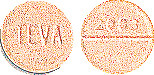
Dithiazide 25 mg tablets are round tablets, light orange in colour, flat faced, bevelled edge tablet bisected on one side with ‘2083’ debossed above the bisect. The reverse side is debossed with ‘TEVA’.

Each bottle contains 100 tablets.

Ingredients

Dithiazide contains 25 mg of hydrochlorothiazide as the active ingredient.

It also contains:

  • lactose monohydrate
  • calcium hydrogen phosphate dihydrate
  • maize starch
  • sunset yellow FCF
  • magnesium stearate

This medicine contains sugars as lactose. It does not contain sucrose, gluten or tartrazine.

Supplier

Dithiazide is supplied in Australia by:

Phebra Pty Ltd.
19 Orion Road,
Lane Cove West, NSW 2066,
Australia.

Dithiazide 25 mg
100 tablets per bottle
AUST R 92060
Phebra Product Code TAB006

This leaflet was prepared in June 2007.

This leaflet was amended on 08 Dec 2020.

Version 10

Phebra and the Phi symbol are trademarks of Phebra Pty Ltd, 19 Orion Road, Lane Cove West, NSW 2066, Australia.

Published by MIMS February 2021

BRAND INFORMATION

Brand name

Dithiazide

Active ingredient

Hydrochlorothiazide

Schedule

S4


1 Name of Medicine

Hydrochlorothiazide.

2 Qualitative and Quantitative Composition

Each Dithiazide tablet contains 25 mg hydrochlorothiazide as the active ingredient.
Hydrochlorothiazide is a white, or practically white, crystalline powder which is slightly soluble in water, but freely soluble in sodium hydroxide solution.

List of excipients with known effect.

Lactose monohydrate.
This medicine contains sugars as lactose.
For the full list of excipients, see Section 6.1 List of Excipients.

3 Pharmaceutical Form

Dithiazide 25 mg tablets are round, light orange, flat face, bevelled edge tablets bisected on one side, debossed '2083' above the bisect and TEVA debossed on the other side.

4 Clinical Particulars

4.1 Therapeutic Indications

Dithiazide is indicated for:

Hypertension.

May be used alone or in combination with other antihypertensive drugs.

Oedema.

Associated with congestive heart failure, hepatic cirrhosis, nephrotic syndrome, acute glomerulonephritis, chronic renal failure, premenstrual tension, and drug induced oedema. (See Section 4.4 Special Warnings and Precautions for Use).

4.2 Dose and Method of Administration

Therapy should be individualised according to patient response. Use the smallest dosage necessary to achieve the required response.

Adults.

Hypertension.

The usual starting dosage is 25 or 50 mg a day as a single or divided dose. In some patients, when Dithiazide is given as a single entity or in combination with other antihypertensive agents, a starting dose of 12.5 mg daily may be sufficient. Dosage should be adjusted according to blood pressure response. The maximum recommended daily dose is 100 mg.
When thiazides are used with other antihypertensives, the dose of the latter may need to be reduced to avoid excessive decrease in blood pressure.

Oedema.

The usual dosage is 25 mg to 100 mg once or twice a day. Many patients respond to intermittent therapy (administration on alternate days or on three to five days each week), which may avoid an excessive response and undesirable electrolyte imbalance. The maximum recommended daily dosage is 200 mg.
The recommended dosage in premenstrual tension with oedema is 25 mg to 50 mg once or twice a day from the first morning of symptoms until onset of the menses.

Infants and children.

The usual oral paediatric dosage of Dithiazide is 2.5 mg/kg of bodyweight per day in two doses. Infants under six months of age may require up to 3.5 mg/kg/day in two doses.
On this basis, infants up to two years of age may be given 12.5 mg to 37.5 mg of Dithiazide daily, in two doses. Children from 2 to 12 years of age may be given 37.5 mg to 100 mg daily, in two doses. Doses in both age groups should be based on bodyweight.

4.3 Contraindications

Dithiazide is contraindicated in anuria and hypersensitivity to any component of this product or to other sulphonamide-derived drugs. Also see Section 4.6 Fertility, Pregnancy and Lactation, Use in pregnancy, Use in lactation.

4.4 Special Warnings and Precautions for Use

Choroidal effusion, acute myopia and secondary angle-closure glaucoma.

Hydrochlorothiazide, a sulfonamide, can cause an idiosyncratic reaction, resulting in choroidal effusion with visual field defect, acute transient myopia and acute angle-closure glaucoma. Symptoms include acute onset of decreased visual acuity or ocular pain and typically occur within hours to weeks of drug initiation. Untreated acute angle-closure glaucoma can lead to permanent vision loss. The primary treatment is to discontinue hydrochlorothiazide as rapidly as possible. Prompt medical or surgical treatments may need to be considered if the intraocular pressure remains uncontrolled. Risk factors for developing acute angle-closure glaucoma may include a history of sulfonamide or penicillin allergy.

Combination use of ACE-inhibitors or angiotensin receptor antagonists, anti-inflammatory drugs and thiazide diuretics.

The use of an ACE-inhibiting drug (ACE inhibitor or angiotensin receptor antagonist), an anti-inflammatory drug (NSAID or COX-2 inhibitor) and a thiazide diuretic at the same time increases the risk of renal impairment. This includes use in fixed-combination products containing more than one class of drug. Combined use of these medications should be accompanied by increased monitoring of serum creatinine, particularly at the institution of the combination. The combination of drugs from these three classes should be used with caution particularly in elderly patients or those with pre-existing renal impairment.

Non-melanoma skin cancer.

An increased risk of non-melanoma skin cancer (NMSC) [basal cell carcinoma (BCC) and squamous cell carcinoma (SCC)] with increasing cumulative dose of hydrochlorothiazide (HCTZ) exposure has been observed in two epidemiological studies based on the Danish National Cancer Registry. Photosensitizing actions of HCTZ could act as a possible mechanism for NMSC. See Section 4.8 Adverse Effects (Undesirable Effects).
Patients taking HCTZ should be informed of the risk of NMSC and advised to regularly check their skin for any new lesions and promptly report any suspicious skin lesions. Possible preventive measures such as limited exposure to sunlight and UV rays and, in case of exposure, adequate protection should be advised to the patients in order to minimize the risk of skin cancer. Suspicious skin lesions should be promptly examined potentially including histological examinations of biopsies. The use of HCTZ may also need to be reconsidered in patients who have experienced previous NMSC.

Electrolyte imbalance.

Careful check should be kept for signs of fluid and electrolyte imbalance: namely, hyponatraemia, hypochloraemic alkalosis, hypokalaemia and hypomagnesaemia. It is particularly important to make serum and urine electrolyte determinations when the patient is vomiting excessively or receiving parenteral fluids. Warning signs or symptoms of fluid and electrolyte imbalance include: dryness of mouth, thirst, weakness, lethargy, drowsiness, restlessness, seizures, confusion, muscle pains or cramps, muscular fatigue, hypotension, oliguria, tachycardia, and gastrointestinal disturbances such as nausea and vomiting.
Hypokalaemia may develop with hydrochlorothiazide as with any other potent diuretic, especially with brisk diuresis, after prolonged therapy or when severe cirrhosis is present. Hypokalaemia can sensitise or exaggerate the response of the heart to the toxic effects of digitalis (e.g. increased ventricular irritability).
Diuretic induced hyponatraemia is usually mild and asymptomatic. In a few patients, hyponatraemia may become severe and symptomatic. Such patients require immediate attention and appropriate treatment.
Thiazides may decrease urinary calcium excretion. Thiazides may cause intermittent and slight elevation of serum calcium in the absence of known disorders of calcium metabolism. Thiazides should be discontinued before carrying out tests for parathyroid function.

Acute respiratory toxicity.

Very rare severe cases of acute respiratory toxicity, including acute respiratory distress syndrome (ARDS) have been reported after taking hydrochlorothiazide. Pulmonary oedema typically develops within minutes to hours after hydrochlorothiazide intake. At the onset, symptoms include dyspnoea, fever, pulmonary deterioration and hypotension. If diagnosis of ARDS is suspected, Dithiazide should be withdrawn, and appropriate treatment given. Hydrochlorothiazide should not be administered to patients who previously experienced ARDS following hydrochlorothiazide intake.

Metabolic.

Hyperuricaemia may occur or gout may be precipitated in certain patients receiving thiazide therapy.
Thiazide therapy may impair glucose tolerance. Dosage adjustment of antidiabetic agents, including insulin, may be required. Increases in cholesterol and triglyceride levels may be associated with thiazide diuretic therapy.

Other.

The possibility of exacerbation or activation of systemic lupus erythematosus has been reported.

Use in renal impairment.

When creatinine clearance falls below 30 mL/min thiazide diuretics are ineffective. Azotaemia may be precipitated or increased by hydrochlorothiazide. Cumulative effects of the drug may develop in patients with impaired renal function. If increasing azotaemia and oliguria occur during treatment of severe progressive renal disease, the diuretic should be discontinued.

Use in hepatic impairment.

Thiazides should be used with caution in patients with impaired hepatic function or progressive liver disease, since minor alterations of fluid and electrolyte balance may precipitate hepatic coma.

Use in the elderly.

No data available.

Paediatric use.

See Section 4.2 Dose and Method of Administration.

Effects on laboratory tests.

Because of their effects on calcium metabolism, thiazides may interfere with tests for parathyroid function (see Section 4.4 Special Warnings and Precautions for Use).

4.5 Interactions with Other Medicines and Other Forms of Interactions

When given concurrently the following drugs may interact with thiazide diuretics.

Alcohol, barbiturates, or narcotics.

Potentiation of orthostatic hypotension may occur.

Antidiabetic drugs (oral agents and insulin).

Dosage adjustment of the antidiabetic drug may be required.

Other antihypertensive drugs.

Additive effect. Diuretic therapy should be discontinued for 2-3 days prior to initiation of therapy with an ACE inhibitor to reduce the likelihood of first dose hypotension.

Cholestyramine and colestipol resins.

Absorption of hydrochlorothiazide is impaired in the presence of anionic exchange resins. Single doses of either cholestyramine or colestipol resins bind the hydrochlorothiazide and reduce its absorption from the gastrointestinal tract by up to 85 and 43 percent, respectively.

Corticosteroids, ACTH.

Intensified electrolyte depletion, particularly hypokalaemia.

Pressor amines (e.g. adrenaline).

Possible decreased response to pressor amines but not sufficient to preclude their use.

Skeletal muscle relaxants, non-depolarising (e.g. tubocurarine).

Possible increased responsiveness to the muscle relaxant.

Lithium.

Generally, should not be given with diuretics. Diuretic agents reduce the renal clearance of lithium and add a high risk of lithium toxicity. Refer to the package inserts for lithium preparations before use of such preparations.

Non-steroidal anti-inflammatory drugs.

In some patients, the administration of a non-steroidal anti-inflammatory agent can reduce the diuretic, natriuretic, and antihypertensive effects of diuretics.

4.6 Fertility, Pregnancy and Lactation

Effects on fertility.

No data available.
(Category C)
Dithiazide is pregnancy category C - drugs which, owing to their pharmacological effects, have caused or may be suspected of causing, harmful effects on the human fetus or neonate without causing malformations. These effects may be reversible.
Thiazides, related diuretics and loop diuretics enter the fetal circulation and may cause electrolyte disturbances. Neonatal thrombocytopenia has been reported with thiazides and related diuretics. Loop diuretics like frusemide and bumetanide are probably also associated with this risk. During the latter part of pregnancy products of this type should therefore only be given on sound indications, and then in the lowest effective dose.
The routine use of diuretics in otherwise healthy pregnant women with or without mild oedema is not indicated and exposes mother and fetus to unnecessary hazard. Diuretics do not prevent development of toxaemia of pregnancy and there is no satisfactory evidence that they are useful in the treatment of toxaemia.
Thiazides cross the placental barrier and appear in cord blood.
Use of Dithiazide when pregnancy is present or suspected requires that the benefits of the drug be weighed against possible hazards to the fetus. These hazards include fetal or neonatal jaundice, thrombocytopenia and possibly other adverse reactions which occurred in the adult.
Thiazides appear in breast milk. If use of the drug is deemed essential, the patient should stop breastfeeding.

4.7 Effects on Ability to Drive and Use Machines

The effects of this medicine on a person's ability to drive and use machines were not assessed as part of its registration.

4.8 Adverse Effects (Undesirable Effects)

Eye disorders.

Acute myopia, acute angle-closure glaucoma, choroidal effusion (frequency not known). Cases of choroidal effusion with visual field defect have been reported after the use of thiazide diuretics.

Gastrointestinal system.

Anorexia, gastric irritation, nausea, vomiting, cramping, diarrhoea, constipation, jaundice (intrahepatic cholestatic jaundice), pancreatitis, sialoadenitis.

Central nervous system.

Dizziness, vertigo, paraesthesias, headache, xanthopsia.

Haematological.

Leucopenia, agranulocytosis, thrombocytopenia, aplastic anaemia, haemolytic anaemia.

Cardiovascular.

Hypotension, including orthostatic hypotension (may be aggravated by alcohol, barbiturates, narcotics or antihypertensive drugs).

Hypersensitivity.

Purpura, photosensitivity, rash, urticaria, necrotising angiitis (vasculitis, cutaneous vasculitis), fever, respiratory distress including pneumonitis and pulmonary oedema, anaphylactic reactions, toxic epidermal necrolysis.

Metabolic.

Hyperglycaemia, glycosuria, hyperuricaemia, electrolyte imbalance, including hyponatraemia and hypokalaemia.

Renal.

Renal dysfunction, interstitial nephritis, renal failure.

Respiratory, thoracic and mediastinal disorders.

Respiratory disorders including pneumonitis and pulmonary oedema (uncommon). Acute respiratory distress syndrome (very rare) - see Section 4.4.

Other.

Muscle spasm, weakness, restlessness, transient blurred vision.

Postmarketing experience.

Neoplasms benign, malignant and unspecified (incl cysts and polyps).

Frequency 'not known': Non-melanoma skin cancer (Basal cell carcinoma and Squamous cell carcinoma).

Non-melanoma skin cancer.

Non-melanoma skin cancer: Based on available data from epidemiological studies, cumulative dose dependent association between HCTZ and NMSC has been observed. One study included a population comprised of 71,553 cases of BCC and of 8,629 cases of SCC matched to 1,430,883 and 172,462 population controls, respectively. High HCTZ use (≥ 50,000 mg cumulative) was associated with an adjusted OR of 1.29 (95% CI: 1.23-1.35) for BCC and 3.98 (95% CI: 3.68-4.31) for SCC. A clear cumulative dose response relationship was observed for both BCC and SCC. Another study showed a possible association between lip cancer (SCC) and exposure to HCTZ: 633 cases of lip-cancer were matched with 63,067 population controls, using a risk-set sampling strategy. A cumulative dose response relationship was demonstrated with an adjusted OR 2.1 (95% CI: 1.7-2.6) increasing to OR 3.9 (3.0-4.9) for high use (~25,000 mg) and OR 7.7 (5.7-10.5) for the highest cumulative dose (~100,000 mg).
Whenever side effects are moderate or severe, thiazide dosage should be reduced or therapy withdrawn.

Reporting suspected adverse effects.

Reporting suspected adverse reactions after registration of the medicinal product is important. It allows continued monitoring of the benefit-risk balance of the medicinal product. Healthcare professionals are asked to report any suspected adverse reactions at http://www.tga.gov.au/reporting-problems.

4.9 Overdose

The most common signs and symptoms observed are those caused by electrolyte depletion (hypokalaemia, hypochloraemia, hyponatraemia) and dehydration resulting from excessive diuresis. If digitalis has also been administered, hypokalaemia may accentuate cardiac arrhythmias.
In the event of overdosage, symptomatic and supportive measures should be employed. If ingestion is recent, emesis should be induced or gastric lavage performed. Dehydration, electrolyte imbalance, hepatic coma and hypotension should be corrected by established procedures. If required, give oxygen or artificial respiration for respiratory impairment.
For information on the management of overdose, contact the Poisons Information Centre on 131126 (Australia).

5 Pharmacological Properties

5.1 Pharmacodynamic Properties

Mechanism of action.

Dithiazide (hydrochlorothiazide) is a diuretic and antihypertensive. Dithiazide interferes with the distal renal tubular mechanism of electrolyte reabsorption. This compound increases the excretion of sodium and chloride in approximately equivalent amounts. Natriuresis may be accompanied by some loss of potassium, magnesium and bicarbonate. Urinary calcium excretion may be decreased.
Dithiazide is useful in the treatment of hypertension. It may be used alone or as an adjunct to other antihypertensive drugs. How thiazides control hypertension is unknown. Dithiazide does not usually affect normal blood pressure.
Hydrochlorothiazide has properties qualitatively similar to chlorothiazide, although it is about 10 times as potent, on a weight basis. While this compound is predominantly a saluretic agent, in vitro studies have shown that it has a carbonic anhydrase inhibitory action which seems to be relatively specific for the renal tubular mechanism. It does not appear to be concentrated in erythrocytes or the brain in sufficient amounts to influence the activity of carbonic anhydrase in those tissues.

Clinical trials.

No data available.

5.2 Pharmacokinetic Properties

Absorption.

Onset of the diuretic action following oral administration occurs in 2 hours and the peak action in about 4 hours. Diuretic activity lasts about 6 to 12 hours.

Distribution.

Hydrochlorothiazide crosses the placental but not the blood-brain barrier, and is excreted in breast milk.

Metabolism and excretion.

Hydrochlorothiazide is not metabolised but is eliminated rapidly by the kidney. The plasma half-life of hydrochlorothiazide is 5.6-14.8 hours when the plasma levels can be followed for at least 24 hours. At least 61% of the oral dose is eliminated unchanged within 24 hours.

5.3 Preclinical Safety Data

Genotoxicity.

No data available.

Carcinogenicity.

No data available.

6 Pharmaceutical Particulars

6.1 List of Excipients

The excipients are: lactose monohydrate, calcium hydrogen phosphate dihydrate, maize starch, sunset yellow FCF aluminium lake and magnesium stearate.

6.2 Incompatibilities

Incompatibilities were either not assessed or not identified as part of the registration of this medicine.

6.3 Shelf Life

In Australia, information on the shelf life can be found on the public summary of the Australian Register of Therapeutic Goods (ARTG)1. The expiry date can be found on the packaging.
1 AUST R 92060.

6.4 Special Precautions for Storage

Store below 25°C in a dry place.

6.5 Nature and Contents of Container

Dithiazide is supplied in a bottle containing 100 tablets.

6.6 Special Precautions for Disposal

In Australia, any unused medicine or waste material should be disposed of by taking to your local pharmacy.

6.7 Physicochemical Properties

Chemical Name: 6-chloro-3,4-dihydro-2H-1,2,4-benzothiadiazine-7-sulphonamide 1,1-dioxide.
The molecular weight of the compound is 297.7. The molecular formula is: C7H8ClN3O4S2.

Chemical structure.


CAS number.

58-93-5.

7 Medicine Schedule (Poisons Standard)

Schedule 4 - Prescription Only Medicine.

Summary Table of Changes