


Consumer medicine information

Dostinex

Cabergoline

BRAND INFORMATION

Brand name

Dostinex

Active ingredient

Cabergoline

Schedule

S4


Consumer medicine information (CMI) leaflet

Please read this leaflet carefully before you start using Dostinex.

What is in this leaflet

This leaflet answers some common questions about Dostinex. It does not contain all the available information. It does not take the place of talking to your doctor or pharmacist.

All medicines have risks and benefits. Your doctor has weighed the risks of you taking Dostinex against the expected benefits.

If you have any concerns about taking this medicine, ask your doctor or pharmacist.

Keep this leaflet with the medicine. You may need to read it again.

What Dostinex is used for

Dostinex may be prescribed by your doctor to reduce your body's level of a hormone known as prolactin. Dostinex may be needed if your levels of prolactin are abnormally high (hyperprolactinaemia).

Abnormally high prolactin may cause menstrual changes in women, impotence in men and breast changes in both sexes.

Dostinex can also be prescribed to prevent the production of milk in women after birth, if breast-feeding is to be prevented for medical reasons.

Ask your doctor if you have any questions about why this medicine has been prescribed for you.

Your doctor may have prescribed it for another reason.

Dostinex is available only with a doctor's prescription.

Before you start to take Dostinex

Before starting treatment with Dostinex, your doctor will need to do some tests to detect any underlying heart, lung or kidney disease.

These tests include chest x-rays, physical examinations, blood tests and heart monitoring.

Your doctor will repeat these tests regularly if you are taking Dostinex for a long period of time.

While you are taking Dostinex report anything unusual to your doctor such as difficulty in breathing, chest pain, swelling of your hands or feet, or anything else that is making you feel unwell.

When you must not take it

Do not take Dostinex if you have an allergy to:

  • any medicine containing cabergoline
  • any of the ingredients listed at the end of this leaflet
  • ergot alkaloids (medicines used to treat migraine).

Some of the symptoms of an allergic reaction may include shortness of breath, wheezing or difficulty breathing; swelling of the face, lips, tongue or other parts of the body; rash, itching or hives on the skin.

Do not take Dostinex if you have or have had:

  • any scarring or thickening of the lungs with shortness of breath
  • heart valve disorder
  • any swelling or inflammation around the heart or lungs
  • any abnormal formation of tissue outside the stomach wall.

Do not take this medicine if you are pregnant. It may affect your developing baby if you take it during pregnancy.

Do not give this medicine to a child under the age of 16 years. The safety and effectiveness in children has not been established.

Do not take this medicine after the expiry date printed on the pack or if the packaging is torn or shows signs of tampering. If it has expired or is damaged, return it to your pharmacist for disposal.

If you are not sure whether you should start taking this medicine, talk to your doctor.

Before you start to take it

Tell your doctor if you have or have had any of the following medical conditions:

  • kidney, heart and liver problems
  • lung disease or problems with your breathing
  • Raynaud's syndrome (associated with extreme numbness, tingling and colour changes in the fingers due to cold )
  • ulcer or bleeding in the stomach or intestines
  • low blood pressure
  • high blood pressure after childbirth
  • history of severe mental illness.

Tell your doctor if you are pregnant or plan to become pregnant. Your doctor can discuss with you the risks and benefits involved. It is recommended that women who plan to become pregnant stop taking Dostinex at least one month before becoming pregnant.

Tell your doctor if you are breast-feeding or intend to breastfeed. This medicine prevents the flow of breast milk.

If you have not told your doctor or pharmacist about any of the above, tell them before you start to take Dostinex.

Taking other medicines

Tell your doctor if you are taking any other medicines, including medicines you buy without a prescription from a pharmacy, supermarket or health food shop.

Some medicines and Dostinex may interfere with each other. These include:

  • medicines used to treat mental illness, e.g. antipsychotic medicines for schizophrenia
  • medicines used to treat high blood pressure
  • ergot alkaloids, medicines used to treat migraine
  • medicines used to prevent nausea and vomiting (e.g. metoclopramide)
  • medicines called macrolide antibiotics which are used to treat bacterial infections (e.g. erythromycin).

These medicines may be affected by Dostinex or may affect how well it works. You may need different amounts of your medicine or you may need to take different medicines.

Your doctor or pharmacist has more information on medicines to be careful with or avoid while taking Dostinex.

How to take Dostinex

Follow all directions given to you by your doctor or pharmacist carefully.

The directions given to you by your doctor or pharmacist on how to take Dostinex may differ from the information contained in this leaflet. You may be given a different dosage depending on your condition or how you react to the medicine.

If you do not understand the instructions on the label, ask your doctor or pharmacist for help.

How much to take

To treat high levels of prolactin (hyperprolactinaemia), the recommended starting dose is half a tablet taken twice a week. Your doctor will generally start you on a low dose and may gradually increase your dose.

To prevent the production of breast milk, the recommended dose is two tablets taken as a single dose, on the first day after delivery of your baby.

How to take it

Swallow Dostinex tablets with a glass of water.

When to take it

Take your medicine with food or a meal.

How long to take it

Continue taking Dostinex until your doctor tells you to stop.

If you forget to take it

If it is almost time for your next dose, skip the dose you missed and take your next dose when you are meant to.

Otherwise, take it as soon as you remember, then go back to taking your medicine as you normally would.

Do not take a double dose to make up for the dose that you missed. This may increase the chance of you getting an unwanted side effect.

If you are not sure what to do, speak to your doctor or pharmacist.

If you have trouble remembering to take your medicine, ask your pharmacist for some hints.

If you take too much (overdose)

Immediately telephone your doctor or the Poisons Information Centre for advice (13 11 26) or go to the Accident and Emergency department (Casualty) at your nearest hospital if you think you or anyone else may have taken too much Dostinex. Do this even if there are no signs of discomfort or poisoning.

You may need urgent medical attention. Keep telephone numbers for these services handy. Have the medicine or this leaflet available to give details if needed.

The symptoms of taking too much Dostinex may include nausea, vomiting, stomach pains and dizziness.

While you are taking Dostinex

Things you must do

Follow your doctor's requests for tests and report anything unusual to your doctor such as difficulty in breathing, chest pain or swelling of your hands or feet.

Keep all of your doctor's appointments while taking Dostinex so that your progress can be checked. It is important that your doctor carries out some regular tests if you are taking Dostinex for a long period of time to make sure the medicine is working and to prevent unwanted side effects. These tests may include chest x-rays, physical examinations, blood tests and heart monitoring.

If you are about to be started on any new medicine, remind your doctor and pharmacist that you are taking Dostinex.

Tell any other doctors, dentists, and pharmacists who treat you that you are taking this medicine.

Use barrier methods of contraception, such as condoms, to prevent pregnancy during and for at least one month after taking Dostinex.

Your doctor may recommend routine pregnancy tests during long periods of treatment.

Stop taking Dostinex immediately if you become pregnant and consult your doctor.

Things you must not do

Do not use Dostinex to treat any other medical complaints unless your doctor tells you to.

Do not stop taking your medicine until your doctor tells you to, even if you are feeling better.

Do not give Dostinex to anyone else, even if they have the same condition as you.

Things to be careful of

If you feel light-headed, dizzy or faint when getting out of bed or standing up, get up slowly.

Be careful driving or operating machinery until you know how Dostinex affects you. Dostinex may cause dizziness or affect your ability to respond quickly.

If you feel sleepy while taking Dostinex, do not drive or operate machinery.

See your doctor if you notice changes in your behaviour that result in a strong desire to either gamble, shop, eat or use medicines to excess, or you notice an increase in your sex drive. Such compulsive behaviours have been seen with this class of medicine, including cabergoline.

Side effects

Tell your doctor as soon as possible if you do not feel well while taking Dostinex, even if you do not think the problems are connected with the medicine or they are not listed in this leaflet.

Like many medicines, Dostinex may cause side effects. If they occur, they are likely to be minor and temporary. However, some may be serious and need medical attention.

It can be difficult to tell whether side effects are the result of taking Dostinex, effects of your condition or side effects of other medicines you may be taking. For this reason it is important to tell your doctor of any change in your condition.

Do not be alarmed by the following list of possible side effects. You may not experience any of them.

Ask your doctor or pharmacist about any questions you may have.

Tell your doctor if...

Tell your doctor if you notice any of the following and they worry you:

  • dizziness, fainting
  • headache
  • nausea or vomiting
  • unusual sleepiness
  • abdominal pain, or heartburn or pain in the stomach
  • constipation
  • nosebleed
  • weakness or tiredness
  • temporary impairment of vision
  • breast pain
  • hot flushes
  • rash
  • hair loss.

The side effects listed above are usually mild and short lived.

Tell your doctor as soon as possible if...

Tell your doctor as soon as possible if you notice any of the following:

  • irregular heart beat
  • leg cramps or pain in the fingers or toes
  • aggressive behaviour
  • depression, feelings of deep sadness
  • changes in behaviour such as increased sex drive, a compelling desire to gamble, shop, eat or take medicines
  • any breathing problems.

The above list includes serious side effects, which may require medical attention.

Go to hospital if...

Tell your doctor immediately or go to Accident and Emergency at your nearest hospital, if you notice any of the following:

  • chest pain with shortness of breath
  • sudden signs of allergy such as rash, itching or hives, swelling of the face, lips, tongue or other parts of the body, shortness of breath, wheezing or difficulty breathing.

The above list includes very serious side effects. You may need urgent medical attention or hospitalisation. These side effects are very rare.

Tell your doctor if you notice anything else that is making you feel unwell when you are taking, or soon after you have finished taking Dostinex. Other side effects not listed above may also occur in some patients.

Some of these side effects (e.g. changes in liver function) can only be found when your doctor does tests from time to time to check your progress.

After taking Dostinex

Storage

Keep Dostinex in its container until it is time to take it.

Keep Dostinex in a cool dry place, where the temperature stays below 25 °C.

Do not store Dostinex, or any medicines, in a bathroom or near the sink. Do not leave Dostinex in the car or on window sills. Heat and dampness can destroy some medicines.

Keep Dostinex where children cannot reach it. A locked cupboard at least one-and-a-half metres above the ground is a good place to store medicines.

Disposal

Ask your pharmacist what to do with any Dostinex which is left over, or if the medicine has passed its expiry date.

Product Description

What it looks like

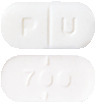
Dostinex comes as capsule-shaped, flat, white tablets. One side is marked with the letter 'P' on a side of the score and the letter 'U' on the other. The other side of the tablet is marked '700' with a short score on the top and bottom of the tablet surface.

Dostinex is available in bottles of 2 and 8 tablets.

Ingredients

Active Ingredient
The active ingredient is cabergoline 500 microgram.

Inactive Ingredients
Each tablet also contains lactose and leucine.

Supplier

Pfizer Australia Pty Ltd
Sydney NSW
Toll Free number: 1800 675 229
www.pfizer.com.au

Australian Registration Number

AUST R 52158

This leaflet was revised in July 2020.

© Pfizer Australia Pty Ltd

® Registered Trademark

Published by MIMS August 2020

BRAND INFORMATION

Brand name

Dostinex

Active ingredient

Cabergoline

Schedule

S4


1 Name of Medicine

Cabergoline.

2 Qualitative and Quantitative Composition

Dostinex (cabergoline) is a dopaminergic ergoline derivative, which has a potent and long lasting prolactin (PRL)-lowering activity.
Each Dostinex tablet for oral administration contains 500 microgram cabergoline.

Excipient(s) with known effect.

Sugars (as lactose).
For the full list of excipients, see Section 6.1 List of Excipients.

3 Pharmaceutical Form

Dostinex tablets are white flat capsule shaped, with the letter 'P' on a side of a score and the letter 'U' on the other side. On the other surface the number '700' with a short score in the middle of the upper and lower extremity of the tablet surface.

4 Clinical Particulars

4.1 Therapeutic Indications

Inhibition of physiological lactation.

Dostinex is indicated for the prevention of the onset of physiological lactation in the puerperium for clearly defined medical reasons.

Treatment of hyperprolactinemic disorders.

Dostinex is indicated for the treatment of pathological hyperprolactinaemia.

4.2 Dose and Method of Administration

Dosage.

Adults.

For the prevention of onset of physiological lactation in the puerperium.

Dostinex should be administered during the first day post-partum. The recommended therapeutic dosage is 1 mg (two 500 microgram tablets) given as a single dose.

For treatment of pathological hyperprolactinaemia.

The recommended initial dosage of Dostinex is 500 microgram per week given in one or two (one-half of one 500 microgram tablet) doses (e.g. on Monday and Thursday) per week. The weekly dose should be increased gradually, preferably by adding 500 microgram per week at monthly intervals until an optimal therapeutic response is achieved. The therapeutic dosage is usually 1 mg per week and ranges from 250 microgram to 2 mg per week. Doses of Dostinex up to 4.5 mg per week have been used in hyperprolactinaemic patients.
The weekly dose may be given as a single administration or divided into two or more doses per week according to patient tolerability. Division of the weekly dose into multiple administrations is advised when doses higher than 1 mg/week are to be given, since the tolerability of doses greater than 1 mg taken as a single weekly dose has been evaluated only in a few patients.
Patients should be evaluated during dose escalation to determine the lowest dosage that produces the therapeutic response. Monitoring of serum PRL levels at monthly intervals is advised since, once the effective therapeutic dosage regimen has been reached, serum PRL normalisation is usually observed within two to four weeks.
Children. The safety and efficacy of Dostinex has not been established in subjects less than 16 years of age.
Elderly. Very limited data concerning experience of treatment of hyperprolactinaemia in the elderly are available. However, available data do not indicate a special risk for this population.

Method of administration.

Dostinex is to be administered by the oral route. Since in clinical studies Dostinex has been mainly administered with food and since the tolerability of this class of compounds is improved with food, it is recommended, to promote compliance, that Dostinex be taken with meals, for all the therapeutic indications. Food is not noted to affect the absorption of Dostinex (see Section 5.2 Pharmacokinetic Properties).

4.3 Contraindications

Hypersensitivity to cabergoline, other ergot alkaloids, or to any of the excipients.
History of pulmonary, pericardial and retroperitoneal fibrotic disorders.
Anatomical evidence of cardiac valvulopathy of any valve as determined by pre-treatment (e.g. echocardiogram showing valve leaflet thickening, valve restriction, valve mixed restriction-stenosis).

4.4 Special Warnings and Precautions for Use

General.

As with other ergot derivatives, Dostinex should be given with caution to patients with severe cardiovascular disease, Raynaud's syndrome, liver disease, renal insufficiency, peptic ulcer or gastrointestinal bleeding, or with a history of serious, particularly psychotic, mental disorders.

Renal and hepatic disease.

The safety and efficacy of Dostinex have not yet been established in patients with renal and hepatic disease. Since available data indicate that biliary excretion represents the main route of elimination of the drug, it is advisable not to administer the drug to subjects with severe liver insufficiency.

Fibrosis and cardiac valvulopathy.

As with other ergot derivatives, fibrotic and serosal inflammatory disorders such as pleuritis, pleural effusion, pleural fibrosis, pulmonary fibrosis, pericarditis, pericardial effusion, cardiac valvulopathy or retroperitoneal fibrosis have occurred after prolonged usage of cabergoline. The valvular effects were predominantly seen at doses exceeding the maximum recommended dose for treatment of hyperprolactinaemic disorders and may be associated with cumulative dose. Some reports were in patients previously treated with ergotinic dopamine agonists. In some cases, following diagnosis of pleural effusion/pulmonary fibrosis or valvulopathy, the discontinuance of cabergoline has been reported to result in improvement of signs and symptoms. Progression of signs and symptoms may continue for a time before improvement occurs. Erythrocyte sedimentation rate (ESR) has been found to be abnormally increased in association with pleural effusion/fibrosis. Chest X-ray examination is recommended in cases of unexplained ESR increases to abnormal values. Serum creatinine measurements can also be used to help in the diagnosis of fibrotic disorder.

Before initiating long-term treatment.

It is recommended that before initiating treatment with cabergoline all patients undergo a cardiovascular evaluation, including an echocardiogram, to assess potential presence of an occult valvular disease. It is also appropriate to perform baseline investigations of erythrocyte sedimentation rate or other inflammatory markers, lung function/chest X-ray and renal function prior to initiation of therapy. In patients with valvular regurgitation, it is not known whether cabergoline treatment might worsen the underlying disease. If fibrotic valvular disease is detected, the patient should not be treated with cabergoline.

During long-term treatment.

Fibrotic disorders can have an insidious onset and patients should be regularly monitored for possible manifestations of progressive fibrosis. Therefore during treatment, attention should be paid to the signs and symptoms of:
pleuropulmonary disease such as dyspnoea, shortness of breath, persistent cough or chest pain;
renal insufficiency or ureteral/abdominal vascular obstruction that may occur with pain in the loin/ flank and lower limb oedema as well as any possible abdominal masses or tenderness that may indicate retroperitoneal fibrosis;
cardiac failure - cases of valvular and pericardial fibrosis have often manifested as cardiac failure. Therefore, valvular fibrosis (and constrictive pericarditis) should be excluded if such symptoms occur.
Clinical diagnostic monitoring for development of fibrotic disorders, as appropriate, is essential. Following treatment initiation, the first echocardiogram must occur within 3-6 months; thereafter, the frequency of echocardiographic monitoring should be determined by appropriate individual clinical assessment with particular emphasis on the above-mentioned signs and symptoms, but must occur at least every 6 to 12 months.
Additional appropriate investigations such as erythrocyte sedimentation rate and serum creatinine measurements should be performed if necessary to support a diagnosis of a fibrotic disorder.
Dostinex should be discontinued if fibrotic or serosal inflammatory disorders are diagnosed or an echocardiogram reveals valvular regurgitation, valvular restriction or valve leaflet thickening (see Section 4.3 Contraindications; Section 4.8 Adverse Effects (Undesirable Effects)).
The need for other subsequent clinical monitoring (e.g. physical examination, careful cardiac auscultation, X-ray, additional echocardiogram, CT scan) should be determined on an individual basis.

Inhibition/suppression of physiological lactation.

By analogy with other ergot derivatives, Dostinex should not be used in women with pre-eclampsia or post-partum hypertension.
Serious adverse events including hypertension, myocardial infarction, seizures, stroke or psychiatric disorders have been reported in postpartum women treated with cabergoline for inhibition of lactation. In some patients the development of seizures or stroke was preceded by severe headache and/or transient visual disturbances. Blood pressure should be carefully monitored after the treatment. If hypertension, suggestive chest pain, severe, progressive, or unremitting headache (with or without visual disturbances), or evidence of central nervous system toxicity develop, cabergoline should be discontinued and the patient should be evaluated promptly.

Postural hypotension.

Symptomatic hypotension can occur with Dostinex administration for any indication; periodic monitoring of blood pressure is advised and care should be exercised when administering Dostinex concomitantly with other drugs known to lower blood pressure.

Treatment of hyperprolactinaemic disorders.

Since hyperprolactinaemia with amenorrhoea/ galactorrhoea and infertility may be associated with pituitary tumours, a complete evaluation of the pituitary is indicated before treatment with Dostinex is initiated.

Somnolence/sudden sleep onset.

Cabergoline has been associated with somnolence. Dopamine agonists can be associated with sudden sleep onset episodes in patients with Parkinson's disease. A reduction of dosage or termination of therapy may be considered.
Patients being treated with cabergoline and presenting with somnolence must be informed to refrain from driving or engaging in activities where impaired alertness may put themselves or others at risk of serious injury or death (e.g. operating machines) unless patients have overcome such experiences of somnolence.

Psychiatric.

Impulse control disorders such as pathological gambling, increased libido, hypersexuality, compulsive shopping, eating or medication use, and punding (repetitive purposeless activity) have been reported in patients treated with dopamine agonists including cabergoline. This has been generally reversible upon reduction of the dose or treatment discontinuation. Prescribers, patients and caregivers should be alert to the possibility of such behaviour.

Use in the elderly.

See Section 4.2 Dose and Method of Administration.

Paediatric use.

See Section 4.2 Dose and Method of Administration.

Effects on laboratory tests.

See Section 4.8 Adverse Effects (Undesirable Effects).

4.5 Interactions with Other Medicines and Other Forms of Interactions

The concomitant use of other drugs during early puerperium, particularly of methylergometrine maleate, has not been associated with detectable interactions modifying the efficacy and safety of Dostinex.
Although there is no conclusive evidence of an interaction between Dostinex and other ergot alkaloids, the concomitant use of these medications during long-term therapy with Dostinex is not recommended.
Since Dostinex exerts its therapeutic effect by direct stimulation of dopamine receptors, it should not be concurrently administered with drugs which have dopamine antagonist activity (such as phenothiazines, butyrophenones, thioxanthenes, metoclopramide) since these might reduce the PRL-lowering effect of Dostinex.
Mono-oxygenase activity was increased 1.5 to 3-fold in female rats treated with cabergoline 100 microgram/kg/day to 1.5 mg/kg/day orally. Concomitant administration of cabergoline with drugs metabolised by mono-oxygenases may result in altered exposure and activity.
Dostinex should not be used with macrolide antibiotics (e.g. erythromycin) due to increased systemic bioavailability of cabergoline.

4.6 Fertility, Pregnancy and Lactation

Effects on fertility.

Fertility of female rats was completely inhibited by cabergoline at oral doses of 3 mg/kg/day and above, while male fertility was not affected at doses up to 320 mg/kg/day. The complete inhibition of fertility in female rats is related to inhibition of prolactin secretion and its effects on nidation.
(Category B1)
Before Dostinex administration, pregnancy should be excluded and, after treatment, pregnancy should be prevented for at least one month.
In women treated for hyperprolactinaemic hypogonadism, pregnancy may occur prior to reinitiation of menses: a pregnancy test is recommended at least every four weeks during the amenorrhoeic period and, once menses are reinitiated, every time a menstrual period is delayed by more than three days. In women conceiving during treatment with Dostinex, the risk of abortion, premature delivery, multiple pregnancy, or congenital abnormalities does not appear to be increased. However, because clinical experience is still limited, as a precautionary measure, it is recommended that women seeking pregnancy conceive at least one month after Dostinex discontinuation. Women not seeking pregnancy should be advised to use mechanical contraception during treatment and after Dostinex withdrawal, until recurrence of an ovulation. Should pregnancy occur during treatment, Dostinex is to be discontinued.
Data from animal studies indicated that Dostinex crosses the placental barrier in rats and skeletal malformations, possibly associated with maternal toxicity, were observed in rabbits at oral doses > 2 mg/kg.
As a precautionary measure, women who become pregnant should be monitored to detect signs of pituitary enlargement since expansion of pre-existing tumours may occur during gestation.
Dostinex should not be administered to mothers who elect to breastfeed their infants, since it prevents lactation and no information on the excretion of the compound in maternal milk in humans is available. For the same reason, puerperal women should not breastfeed in case of failed lactation inhibition/ suppression by Dostinex.
Dostinex has been shown to cross into and accumulate in milk from nursing rats.

4.7 Effects on Ability to Drive and Use Machines

See Section 4.4 Special Warnings and Precautions for Use.

4.8 Adverse Effects (Undesirable Effects)

Side effects are generally dose related. In patients known to be intolerant of dopaminergic drugs, side effects may be lessened by starting Dostinex therapy with reduced doses (e.g. 250 microgram once a week) with subsequent gradual increase until the therapeutic range is reached. In case of persistent or severe adverse events, temporary reduction of dosage followed by a more gradual increase (e.g. in steps of 250 microgram per week fortnightly) may result in reversal of side effects once they have occurred.
In women treated for inhibition of physiological lactation, the most frequently occurring adverse events are asymptomatic decreases in blood pressure, dizziness/vertigo, headache, nausea, somnolence and abdominal pain. In addition, on rare occasions, palpitations, epigastric pain, epistaxis, transient hemianopia, vomiting, syncope, asthenia, and hot flushes have been reported.
Most side effects are transient and mild to moderate in severity.
In patients treated for hyperprolactinaemia, the most common symptoms in decreasing rank of frequency are nausea, headache, dizziness/vertigo, abdominal pain/dyspepsia/gastritis, asthenia/fatigue, constipation, vomiting, breast pain, hot flushes, depression and paraesthesia.
Dostinex generally exerts a hypotensive effect in patients treated chronically: however, symptomatic hypotension or fainting have been rarely reported. The symptoms are generally mild to moderate in degree, mainly appearing during the first two weeks of therapy, and mostly disappearing despite continued therapy.
Being an ergot derivative, Dostinex may also act in some patients as a vasoconstrictor: digital vasospasm and leg cramps have been occasionally reported.
Discontinuation of Dostinex because of adverse events was required in only approximately 3% of patients. Dostinex withdrawal results in reversal of side effects, usually within a few days after discontinuation.
Alterations in standard laboratory tests are uncommon during long-term therapy with Dostinex. A decrease in haemoglobin values have been observed in amenorrhoeic women during the first few months after menses resumption.
Pleuropulmonary changes (pleural effusions, pneumonitis, pleural and pulmonary fibrosis) have been reported (see Section 4.4 Special Warnings and Precautions for Use).

Postmarketing experience.

There have been reports of fibrotic and serosal inflammatory conditions, such as pleuritis, pleural effusion, pleural fibrosis, pulmonary fibrosis, pericarditis, pericardial effusion, cardiac valvulopathy and retroperitoneal fibrosis in patients taking cabergoline (see Section 4.4 Special Warnings and Precautions for Use).
Serious adverse events including hypertension, myocardial infarction, seizures, stroke or psychiatric disorders have been reported in postpartum women treated with cabergoline for inhibition of lactation (see Section 4.4 Special Warnings and Precautions for Use).
The following events have also been reported in association with cabergoline: aggression, alopecia, blood creatinine phosphokinase increased, delusions, dyspnoea, oedema, hepatic function abnormal, hypersensitivity reaction, impulse control disorders such as hypersexuality, increased libido, and pathological gambling, liver function tests abnormal, psychotic disorder, rash, respiratory disorder and respiratory failure.
The prevalence of asymptomatic valvular regurgitation is significantly greater than that of non-ergot dopamine agonists (see Section 4.3 Contraindications; Section 4.4 Special Warnings and Precautions for Use).

Reporting suspected adverse effects.

Reporting suspected adverse reactions after registration of the medicinal product is important. It allows continued monitoring of the benefit-risk balance of the medicinal product. Healthcare professionals are asked to report any suspected adverse reactions at www.tga.gov.au/reporting-problems.

4.9 Overdose

There is limited experience of overdosage in humans. Symptoms of overdosage would likely be those of over-stimulation of dopamine receptors. These might include nausea, vomiting, gastric complaints, hypotension, nasal congestion, syncope, hallucinations or thought/perceptual disturbances.
Treatment of overdose is symptomatic and supportive. Supportive measures should be directed to maintain blood pressure, if necessary.
Consider administration of activated charcoal in the event of a potentially toxic ingestion. Activated charcoal is most effective when administered within 1 hour of ingestion. In patients who are not fully conscious or have impaired gag reflex, consideration should be given to administering activated charcoal via nasogastric tube once the airway is protected.
In addition, in case of pronounced central nervous system effects, the administration of dopamine antagonist drugs may be advisable.
For information on the management of overdose, contact the Poison Information Centre on 131126 (Australia).

5 Pharmacological Properties

5.1 Pharmacodynamic Properties

Mechanism of action.

Dostinex is a dopaminergic ergoline derivative with a potent and long lasting PRL-lowering activity. It acts by direct stimulation of the D2-dopamine receptors on pituitary lactotrophs, thus inhibiting PRL secretion.
In addition, Dostinex exerts a central dopaminergic effect via D2-receptor stimulation at oral doses higher than those effective in lowering serum PRL levels.
The long lasting PRL-lowering effect of Dostinex is probably due to its long persistence in the target organ, as suggested by the slow elimination of total radioactivity from the pituitary after a single oral dose in rats (t1/2 of approximately 60 hours).
The pharmacodynamic effects of Dostinex have been studied in healthy volunteers, puerperal women and hyperprolactinaemic patients. After a single oral administration of Dostinex (300 microgram-1.5 mg) a significant decrease in serum PRL levels was observed in each of the populations studied. The effect is prompt (within 3 hours from administration) and persistent (up to 7-28 days in healthy volunteers and hyperprolactinaemic patients, and up to 14-21 days in puerperal women). The PRL-lowering effect is dose-related both in terms of degree of effect and duration of action.
There are limited clinical data on the efficacy of Dostinex in treatment of pathological hyperprolactinaemia in adult males.
With regard to the endocrine effects of Dostinex not related to the antiprolactinaemic effect, available data from humans confirm the experimental findings in animals indicating that the test compound is endowed with a very selective action with no effect on basal secretion of other pituitary hormones or cortisol. Other pharmacodynamic actions of Dostinex, not correlated with the therapeutic effect, relate to lowering blood pressure. The maximal hypotensive effect of Dostinex as a single dose usually occurs during the first 6 hours after drug intake and is dose-dependent both in terms of maximal decrease and frequency.

Clinical trials.

No data available.

5.2 Pharmacokinetic Properties

The pharmacokinetic and metabolic profiles of Dostinex have been studied in healthy volunteers of both sexes and in female hyperprolactinaemic patients.
After oral administration of the labelled compound, radioactivity was rapidly absorbed from the gastrointestinal tract, and the peak of radioactivity in plasma was between 0.5 and 4 hours. Ten days after administration about 18% and 72% of the radioactive dose was recovered in urine and faeces respectively. Unchanged drug in urine accounted for 2-3% of the dose.
In urine, the main metabolite identified was 6-allyl-8β-carboxy-ergoline, which accounted for 4-6% of the dose. Three additional metabolites were identified in urine, which accounted overall for less than 3% of the dose. The metabolites have been found to be much less potent than Dostinex in inhibiting PRL secretion in vitro.
The low urinary excretion of unchanged Dostinex has been confirmed also in studies with non-radioactive product. The elimination half-life of Dostinex, estimated from urinary excretion rates, is long (63-68 hours in healthy volunteers, 79-115 hours in hyperprolactinaemic patients).
On the basis of the elimination half-life, steady state conditions should be achieved after 4 weeks, as confirmed by the mean peak plasma levels of Dostinex obtained after a single 1 mg dose (37 ± 8 picogram/mL) and after a 4 week regimen of 1 mg/week (101 ± 43 picogram/mL).
In vitro experiments showed that the drug, at concentrations of 100 microgram/mL to 10 mg/mL, is 41-42% bound to plasma proteins.
In limited studies, food did not appear to have an effect on the absorption of Dostinex.
In rats, Dostinex and/or its metabolites are excreted in milk; no information on its excretion in maternal milk in humans is available.

5.3 Preclinical Safety Data

Genotoxicity.

Gene mutation and cytogenetic assays in vitro and in vivo suggest that cabergoline does not possess genotoxic activity.

Carcinogenicity.

Two year carcinogenicity studies were conducted in rats and mice at maximum doses of 0.32 and 0.98 mg/kg/day corresponding to exposure (based on AUC) levels 0.86 and 0.72 times that expected in humans. In rats, the oral administration of cabergoline at doses of 0.02 to 0.32 mg/kg/day resulted in an increased incidence of benign Leydig cell tumours in males and an increased incidence of reproductive tract tumours, such as squamous carcinoma, stromal sarcoma and adenocarcinoma, in females. In mice, oral doses of 0.02 to 0.98 mg/kg/day resulted in a low incidence of uterine and cervical leiomyomas and leiomyosarcomas at dose levels of 0.14 mg/kg/day and above. The carcinogenic effects in rodents may involve endocrine mechanisms resulting from disturbances of the hypothalamo-pituitary-gonadal axis secondary to inhibition of prolactin secretion. However, even though there is no known correlation between uterine malignancies occurring in cabergoline treated rodents and human risk, there are no human data to substantiate this conclusion.

6 Pharmaceutical Particulars

6.1 List of Excipients

Lactose, leucine.

6.2 Incompatibilities

Incompatibilities were either not assessed or not identified as part of the registration of this medicine.

6.3 Shelf Life

In Australia, information on the shelf life can be found on the public summary of the Australian Register of Therapeutic Goods (ARTG). The expiry date can be found on the packaging.

6.4 Special Precautions for Storage

Store below 25°C.

6.5 Nature and Contents of Container

Dostinex is supplied as 500 microgram tablets in bottles of 2 or 8 tablets.

6.6 Special Precautions for Disposal

In Australia, any unused medicine or waste material should be disposed of by taking to your local pharmacy.

6.7 Physicochemical Properties

Chemical structure.

Chemical name: 1-[(6aR,9R,10aR)-7-allyl- 4,6,6a,7,8,9,10,10a- octahydroindole [4,3-fg]- quinoline-9-carbonyl]- 1-(3-dimethyl-aminopropyl)-3-ethylurea.

CAS number.

No data available.

7 Medicine Schedule (Poisons Standard)

Prescription Only Medicine (S4).

Summary Table of Changes