


Consumer medicine information

Empliciti

Elotuzumab

BRAND INFORMATION

Brand name

Empliciti

Active ingredient

Elotuzumab

Schedule

S4


Consumer medicine information (CMI) leaflet

Please read this leaflet carefully before you start using Empliciti.

What is in this leaflet

Read this leaflet carefully before taking EMPLICITI. This leaflet answers some common questions about EMPLICITI.

It does not contain all the available information.

It does not take the place of talking to your doctor or pharmacist.

All medicines have risks and benefits. Your doctor has weighed the risks of you taking EMPLICITI against the benefits they expect it will have for you.

If you have any concerns about taking this medicine, ask your doctor or pharmacist.

Keep this leaflet with the medicine. You may need to read it again.

What EMPLICITI is used for

EMPLICITI contains the active substance elotuzumab, which is a monoclonal antibody, a type of protein designed to recognise and attach to a specific target substance in the body.

Elotuzumab attaches to a target protein called Signaling Lymphocyte Activation Molecule Family member 7 (SLAMF7). SLAMF7 is found in large amounts on the surface of some cancer cells (multiple myeloma cells) and on certain cells of your immune system (natural killer cells).

When elotuzumab binds to SLAMF7 it stimulates your immune system to attack and destroy the multiple myeloma cells.

EMPLICITI is used to treat multiple myeloma (a cancer of the bone marrow) in adults in combination with other medicines.

Multiple myeloma is a cancer of a type of white blood cell called plasma cells. These cells divide out of control and collect in the bone marrow. This results in damage to the bones and kidneys.

EMPLICITI is used when you have already had one or more other types of treatment before.

EMPLICITI is not recommended for use in children and people under 18 years.

Ask your doctor if you have any questions about why EMPLICITI has been prescribed for you.

EMPLICITI is not addictive. This medicine is available only with a doctor's prescription.

Before you are given EMPLICITI

It is important that you read the information below and talk to your doctor or nurse before you are given EMPLICITI.

You should not be given EMPLICITI

If you are allergic (hypersensitive) to elotuzumab or to any other ingredients in the formulation listed at the end of this leaflet.

Some of the symptoms of an allergic reaction may include:

  • shortness of breath
  • wheezing or difficulty breathing
  • swelling of the face, lips, tongue or other parts of the body
  • rash, itching or hives on the skin

Using other medicines

EMPLICITI is used in combination with lenalidomide and dexamethasone; it is important that you read the Consumer Medicine Information for these medicinal products.

You should not be given this medicine after the expiry date, which is printed next to EXP on the vial label and carton.

If you are not sure whether you should be given this medicine, talk to your doctor.

Before you are given EMPLICITI

Tell your doctor if you are pregnant or intend to become pregnant. You should not use EMPLICITI if you are pregnant, unless your doctor specifically recommends it. The effects of EMPLICITI in pregnant women or its possible harm to an unborn baby are unknown.

You must use effective contraception while you are being treated with EMPLICITI.

If you are pregnant, think you may be pregnant, or planning to become pregnant while using EMPLICITI, ask your doctor for advice before taking EMPLICITI.

EMPLICITI is used in combination with lenalidomide and dexamethasone which are medicinal products expected to be harmful to an unborn baby.

When EMPLICITI is used in combination with lenalidomide, you must follow the pregnancy prevention programme for lenalidomide.

Tell your doctor if you are breast-feeding or plan to breast-feed. It is not known, whether elotuzumab gets into breast milk. A risk to the breast-fed infant cannot be excluded. Ask your doctor if you can breast-feed during or after treatment with EMPLICITI.

If you have not told your doctor about any of the above, tell them before you use EMPLICITI.

Driving and using machines

EMPLICITI is unlikely to affect your ability to drive or use machines. However, if you get an infusion reaction, do not drive, cycle or use machines until the reaction stops.

Important information about some of the ingredients of EMPLICITI

Tell your doctor if you are on a low-sodium (low-salt) diet before you are given EMPLICITI. It contains 0.13 mg sodium per 10 mg elotuzumab

Taking other medicines

Tell your doctor or pharmacist if you are taking any other medicines, including any that you get without a prescription from your pharmacy, supermarket or health food shop. EMPLICITI and other medicines may affect each other.

It is important that you tell your doctor about the medicines you are taking, even if they are not listed in this leaflet.

Your doctor will be able to provide you with more information than is contained within this leaflet on the medicines you need to be careful with, or should avoid while being given EMPLICITI.

How EMPLICITI is given

You will receive EMPLICITI by infusion under the supervision of an experienced healthcare professional. It will be given into a vein (intravenously) as a drip (infusion) over several hours.

The amount of EMPLICITI you will be given will be calculated based on your body weight.

Before you are given the EMPLICITI infusion you must receive the following medicines to help reduce any possible infusion reactions:

  • medicines to reduce an allergic reaction (anti-histamines)
  • medicines to reduce inflammation (dexamethasone)
  • medicines to reduce pain and fever (paracetamol)

How much will you be given

You will be given EMPLICITI in treatment cycles in combination with lenalidomide and dexamethasone.

The recommended dose is 10 mg of elotuzumab per kilogram of your body weight.

The frequency in combination with the other medicines is given below.

When EMPLICITI is given together with lenalidomide and dexamethasone, you will receive EMPLICITI intravenously as a 28-day (4-week) treatment cycle at the recommended dose and schedule as follows:

  • EMPLICITI: every week (days 1, 8, 15, and 22) for the first 2 cycles and every 2 weeks (day 1 and 15) thereafter.
  • Lenalidomide: 25 mg (or as specified by your doctor) given orally once daily for the first 3 weeks of each cycle (at least 2 hours after EMPLICITI infusion when on the same day).
  • Dexamethasone is given every week as follows:
    - In cycles 1 and 2: 28 mg orally (between 3 and 24 hours before EMPLICITI infusion) and 8 mg intravenously (45-90 minutes before EMPLICITI infusion) on days with EMPLICITI infusion (days 1, 8, 15 and 22)
    - In cycles 3 and above: 28 mg orally (between 3 and 24 hours before EMPLICITI infusion) and 8 mg intravenously (45-90 minutes before EMPLICITI infusion) on days with EMPLICITI infusion (days 1 and 15). 40 mg orally on days without EMPLICITI infusion (days 8 and 22).

How long will you be treated

Your doctor will continue to treat you with EMPLICITI until your disease progresses or unacceptable toxicity occurs.

If you miss a dose

EMPLICITI is used in combination with other multiple myeloma medicines. If any medicine in the regimen is delayed, interrupted, or discontinued, your doctor will decide how your treatment should be continued.

If you are given too much (overdose)

As EMPLICITI will be given to you by a healthcare professional, it is unlikely you will be given too much. In the unlikely case of an overdose, your doctor will monitor you for side effects.

If you stop using EMPLICITI

Stopping your treatment may stop the effect of the medicine. Do not stop treatment with EMPLICITI unless you have discussed this with your doctor.

If you have any further questions on the use of this medicine, ask your doctor.

While you are being treated with EMPLICITI

Things you must do

Tell your doctor or nurse immediately if you get any of the infusion reactions listed below.

  • Fever
  • Chills
  • High blood pressure

Other symptoms may occur as well.

These side effects mostly occur during or after the infusion of the first dose. You will be monitored for signs of such side effects during and after the infusion.

Depending on the seriousness of the infusion reactions:

  • You may require additional treatment to prevent complications and reduce your symptoms, or your infusion may be interrupted.
  • When the symptoms go away or improve, the infusion can be continued on a lower infusion rate and gradually increased if the symptoms do not recur.
  • Your doctor may decide not to continue with EMPLICITI treatment if you have a strong infusion reaction.

Before each infusion of EMPLICITI, you will be given medicines to avoid infusion

You must read the Consumer Medicine Information for all medicines used in combination with EMPLICITI for information related to these medicines before starting treatment with EMPLICITI.

When lenalidomide is used, particular attention to pregnancy testing and prevention requirements is needed.

  • Infections
    People with multiple myeloma who receive EMPLICITI with lenalidomide and dexamethasone may develop infections that can be serious.
    Tell your doctor right away if you have any signs and symptoms of an infection, including:
    - fever
    - shortness of breath
    - flu-like symptoms
    - burning with urination
    - cough
    - a painful skin rash
  • Risk of new cancers (malignancies)
    People with multiple myeloma who receive EMPLICITI with lenalidomide and dexamethasone have a risk of developing new cancers.
    Talk with your doctor about your risk of developing new cancers if you receive EMPLICITI. Your doctor will check you for new cancers during your treatment with EMPLICITI.
  • Liver problems
    EMPLICITI may cause liver problems. Your doctor will do blood tests to check your liver during treatment with EMPLICITI.
    Tell your doctor if you have signs and symptoms of liver problems, including:
    - tiredness
    - weakness
    - loss of appetite
    - yellowing of your skin or eyes
    - colour changes in your stools
    - confusion
    - swelling of the stomach area.

Possible Side effects

Like all medicines, EMPLICITI can cause side effects, although not everybody gets them. Your doctor will discuss these with you and will explain the risks and benefits of your treatment.

It is important that you tell your doctor or nurse immediately if you have, or develop, any of the symptoms listed below.

  • Infusion reactions
    EMPLICITI has been associated with infusion reactions. Typical symptoms associated with infusion reactions include:
    - Fever
    - Chills
    - High blood pressure.

Your doctor may consider reducing the infusion rate or interrupting the infusion of EMPLICITI to manage these symptoms.

The following side effects have been reported in clinical trials:

Very common side effects (affects more than 1 in 10 people)

  • Weight decrease
  • Low white blood cell count
  • Cough

Tell your doctor immediately if you get any of these side effects. Do not try to treat your symptoms with other medicines.

Common side effects (affects up to 1 in 10 people)

  • Chest pain
  • Night sweats
  • Mood changes
  • Decreased feeling of sensitivity, especially in the skin
  • Painful skin rash with blisters (shingles, herpes zoster)
  • Allergic reactions (hypersensitivity)

Tell your doctor immediately if you get any of these side effects. Do not try to treat your symptoms with other medicines.

This is not a complete list of side effects, other side effects not listed above may also occur in some patients.

Do not be alarmed by this list of possible side effects. You may not experience any of them or only some of them.

Ask your doctor to answer any questions you may have.

Product description

What it looks like

Powder for intravenous infusion

EMPLICITI is provided as a sterile white to off-white powder.

EMPLICITI is available in packs of 1 vial.

Ingredients

  • The active substance is elotuzumab
  • Each single use 300 mg vial contains 340 mg Elotuzumab
  • Each single use 400mg vial contains 440 mg of Elotuzumab
  • After reconstitution, each mL of concentrate contains 25 mg of elotuzumab

Other ingredients are include:

  • Each single use 300 mg vial contains 16.6 mg Sodium citrate dihydrate, 2.44 mg of citric acid monohydrate, 510 mg sucrose, 3.40 mg Polysorbate 80.
  • Each single use 400 mg vial Sodium citrate, 3.17 mg of citric acid monohydrate, 660 mg sucrose, 4.40 mg Polysorbate 80.

Storage

EMPLICITI lyophilized powder must be refrigerated at 2°C-8°C. Do not freeze or shake.

EMPLICITI should be stored in the original package in order to protect from light.

EMPLICITI contains no microbial agent. EMPLICITI is for single use only. Discard any residue.

Registration Numbers

EMPLICITI elotuzumab 300mg lyophilized powder for IV infusion vial AUST R 260052

EMPLICITI elotuzumab 400mg lyophilized powder for IV infusion vial AUST R 260055

Sponsored by

Bristol-Myers Squibb Australia Pty Ltd,
4 Nexus Court, Mulgrave,
Victoria 3170, Australia

Date of Preparation: April 2022

Published by MIMS May 2022
BRAND INFORMATION

Brand name

Empliciti

Active ingredient

Elotuzumab

Schedule

S4


1 Name of Medicine

Elotuzumab.

2 Qualitative and Quantitative Composition

Empliciti 300 mg powder for concentrate for solution for intravenous infusion.
Empliciti 400 mg powder for concentrate for solution for intravenous infusion.
Each vial contains either 300 mg or 400 mg elotuzumab. After reconstitution, each mL of concentrate contains 25 mg elotuzumab.
Elotuzumab is a humanized recombinant monoclonal antibody directed to SLAMF7, a cell surface glycoprotein. Elotuzumab consists of the complementary determining regions (CDR) of the mouse antibody MuLuc63 grafted onto human IgG1 heavy and kappa light chain frameworks. Elotuzumab is produced in NS0 cells by recombinant DNA technology. Purified elotuzumab IgG1 has been shown to have an affinity to SLAMF7 in the range of 30 to 45 nanoM.
Empliciti for injection vials require reconstitution with Sterile Water for Injection, BP (13 mL and 17 mL, respectively) to obtain a solution with a concentration of 25 mg/mL. After reconstitution, each vial contains overfill to allow for withdrawal of 12 mL (300 mg) and 16 mL (400 mg). The reconstituted solution has a pH of 5.7-6.3 in Sterile Water for Injection BP and is intravenously administered as an isotonic solution upon further dilution with 0.9% sodium chloride or 5% glucose.

Note.

"Qualitative and Quantitative Composition" only relates to the quantity of the therapeutically active ingredient.
For the full list of excipients, see Section 6.1 List of Excipients.

3 Pharmaceutical Form

Empliciti is a nonpyrogenic lyophilized powder that is a white to off-white, whole or fragmented cake that is provided in two strengths.
Empliciti for Injection, 400 mg per vial and Empliciti for Injection, 300 mg per vial are single use, sterile, nonpyrogenic lyophilized products.

4 Clinical Particulars

4.1 Therapeutic Indications

Empliciti (elotuzumab) is indicated in combination with lenalidomide and dexamethasone for the treatment of patients with multiple myeloma who have received at least one prior therapy.

4.2 Dose and Method of Administration

Empliciti therapy should be initiated and supervised by physicians experienced in the treatment of multiple myeloma.
Patients must receive premedication before each dose of Empliciti (see Section 4.2 Dose and Method of Administration, Premedication).

Administration with lenalidomide and dexamethasone.

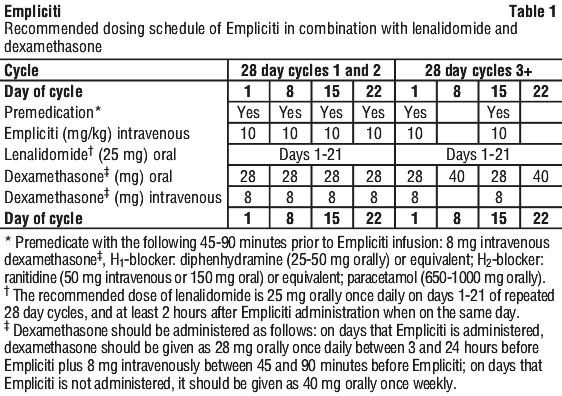
The recommended dose of Empliciti is 10 mg/kg administered intravenously every week (28 day cycle), on days 1, 8, 15, and 22 for the first two cycles and every 2 weeks thereafter on days 1 and 15 when administered with lenalidomide and dexamethasone. Treatment should continue until disease progression or unacceptable toxicity.
The dosing schedule is presented in Table 1.
For additional information concerning lenalidomide and dexamethasone, see the corresponding product information.

Premedication.

Premedication consisting of dexamethasone, H1 blocker, H2 blocker, and paracetamol should be administered prior to elotuzumab infusion.
When elotuzumab is used in combination with lenalidomide, dexamethasone 40 mg should be divided into an oral and intravenous dose and administered as shown in Table 1.
In addition, the following premedication must be administered 45-90 minutes prior to Empliciti infusion.
H1 blocker: diphenhydramine (25-50 mg orally once daily) or equivalent H1 blocker.
H2 blocker: ranitidine (50 mg intravenous or 150 mg orally once daily) or equivalent H2 blocker.
Paracetamol (650-1000 mg orally once daily).

Dose delay, interruption, or discontinuation.

If the dose of one medicine in the regimen is delayed, interrupted, or discontinued, the treatment with the other medicines may continue as scheduled. However, if dexamethasone is delayed or discontinued, the administration of Empliciti should be based on clinical judgment (based on risk of hypersensitivity).
Infusion rate should be modified following a ≥ grade 2 infusion reaction (see Section 4.2 Dose and Method of Administration).

Special populations.

Paediatric population.

There is no relevant use of Empliciti in the paediatric population in the indication of multiple myeloma.

Elderly patients.

No dose adjustment is required for elotuzumab in patients over 65 years of age (see Section 5.2 Pharmacokinetic Properties).

Patients with renal impairment.

In a study evaluating Empliciti in patients with renal impairment, the pharmacokinetics of elotuzumab in combination with lenalidomide and dexamethasone did not significantly differ between patients with normal renal function, severe renal impairment not requiring dialysis, or endstage renal disease requiring dialysis. No dose adjustment of Empliciti is required for patients with mild, moderate, severe renal impairment or endstage renal disease requiring dialysis (see Section 4.4 Special Warnings and Precautions for Use).

Patients with hepatic impairment.

Empliciti is an IgG1 monoclonal antibody, which is likely eliminated via several pathways similar to that of other antibodies. Hepatic excretion is not expected to play a dominant role in the excretion of Empliciti. Based on a population pharmacokinetic analysis, no dose adjustment for Empliciti is recommended for patients with mild hepatic impairment. Empliciti has not been studied in patients with moderate or severe hepatic impairment (see Section 4.4 Special Warnings and Precautions for Use).

Method of administration infusion rates.

Empliciti is for intravenous use only.
The administration of the diluted reconstituted solution must be initiated at an infusion rate of 0.5 mL per minute. If the infusion is well tolerated the infusion rate may be increased in a stepwise fashion as described in Table 2. The maximum infusion rate should not exceed 5 mL per minute.
If a ≥ grade 2 infusion reaction occurs during Empliciti administration, the infusion must be interrupted. Upon resolution to ≤ grade 1, Empliciti should be restarted at 0.5 mL/min and may be gradually increased at a rate of 0.5 mL/min every 30 minutes as tolerated to the rate at which the infusion reaction occurred. If there is no recurrence of the infusion reaction, the escalation can be resumed (see Table 2).
In patients who experience an infusion reaction vital signs should be monitored every 30 minutes for 2 hours after the end of the Empliciti infusion. If the infusion reaction recurs, the Empliciti infusion must be stopped and not restarted on that day (see Section 4.4 Special Warnings and Precautions for Use). Very severe infusion reactions may require permanent discontinuation of Empliciti therapy and emergency treatment.
Dose delay and modification for dexamethasone and lenalidomide or bortezomib should be performed as clinically indicated.
For instructions on reconstitution and dilution of Empliciti before administration (see Section 4.2 Dose and Method of Administration, Preparation of the intravenous infusion).

Calculating the dose.

Calculate the dose (mg) and determine the number of vials needed for the 10 mg/kg dose based on patient weight. More than one vial of Empliciti may be needed to give the total dose for the patient.
The total elotuzumab dose in mg = the patient's weight in kg x 10.

Preparation of the intravenous infusion.

Use aseptic technique.

Aseptically reconstitute each Empliciti vial with a syringe of adequate size and an 18 gauge or smaller needle as shown in Table 3. A slight back pressure may be experienced during administration of the sterilised water for injections, which is considered normal.
Hold the vial upright and swirl the solution by rotating the vial to dissolve the lyophilized cake. Then invert the vial a few times in order to dissolve any powder that may be present on top of the vial or the stopper. Avoid vigorous agitation, do not shake. The lyophilized powder should dissolve in less than 10 minutes.
After the remaining solids are completely dissolved, allow the reconstituted solution to stand for 5 to 10 minutes. The reconstituted preparation results in a colourless to slightly yellow, clear to very opalescent solution. Empliciti should be inspected visually for particulate matter and discolouration prior to administration. Discard the solution if any particulate matter or discolouration is observed.
Dilute the reconstituted Empliciti solution as described below.
Once the reconstitution is completed, withdraw the necessary volume for the calculated dose from each vial, up to a maximum of 16 mL from 400 mg vial and 12 mL from 300 mg vial.
Dilute the reconstituted solution with 230 mL of either sodium chloride 9 mg/mL (0.9%) solution for injection or 5% glucose injection, into an infusion bag made of polyvinyl chloride or polyolefin.
The volume of 0.9% sodium chloride injection BP or 5% glucose injection BP should be adjusted so as not to exceed 5 mL/kg of patient weight at any given dose of Empliciti.
Each vial of Empliciti is for single use in one patient only. Discard any residue.

Administration.

The entire Empliciti infusion should be administered with an infusion set and a sterile, nonpyrogenic, low protein binding filter (with a pore size of 0.2-1.2 micrometre) using an automated infusion pump. Empliciti should be initiated at an infusion rate of 0.5 mL per minute. If well tolerated, the infusion rate may be increased in a stepwise fashion as described in Table 2. The maximum infusion rate should not exceed 5 mL per minute.
The Empliciti infusion must be completed within 24 hours of preparation of the infusion solution. If not used immediately, the infusion solution may be stored under refrigeration conditions: 2°C-8°C and protected from light for up to 24 hours (a maximum of 8 hours of the total 24 hours can be at room temperature: 20°C-25°C and room light).

4.3 Contraindications

Empliciti should not be administered to patients with known hypersensitivity to the active substance elotuzumab or to any of the excipients (see Section 2 Qualitative and Quantitative Composition; Section 6.1 List of Excipients).
Empliciti is used in combination with other medicinal products; therefore, the contraindications applicable to those medicinal products also apply to Empliciti combination therapy.
The product information for all medicinal products used in combination with Empliciti must be consulted before starting therapy.

4.4 Special Warnings and Precautions for Use

Identified precautions.

Infusion reaction.

Empliciti can cause infusion reactions. Infusion reactions have been reported in patients receiving Empliciti (see Section 4.8 Adverse Effects (Undesirable Effects)). For severe infusion reactions, infusion should be stopped and Empliciti permanently discontinued (see Section 4.2 Dose and Method of Administration). Patients with mild or moderate infusion reaction may continue to receive Empliciti with close monitoring.
Premedication consisting of dexamethasone, H1 blocker, H2 blocker, and paracetamol must be administered prior to Empliciti infusion. The frequency of infusion reactions was much higher in patients who were not premedicated (see Section 4.8 Adverse Effects (Undesirable Effects), Description of select adverse reactions).
In case of a grade ≥ 2 infusion reaction, Empliciti infusion must be interrupted and appropriate medical and supportive measures instituted. Vital signs should be monitored every 30 minutes for 2 hours after the end of the Empliciti infusion. Once the reaction has resolved (≤ grade 1), Empliciti can be restarted at the initial infusion rate of 0.5 mL per minute. If symptoms do not recur, the infusion rate may be gradually escalated every 30 minutes to a maximum of 5 mL per minute.
Very severe infusion reactions may require permanent discontinuation of Empliciti therapy and emergency treatment. Patients with mild infusion reactions may receive Empliciti with a reduced infusion rate and close monitoring (see Section 4.2 Dose and Method of Administration).

Use of Empliciti with lenalidomide and dexamethasone.

Empliciti is recomended for use in combination with lenalidomide and dexamethasone. The product information for lenalidomide and dexamethasone must be consulted before starting therapy with Empliciti.
Patients receiving Empliciti in combination with lenalidomide should adhere to the pregnancy prevention programme of lenalidomide (see Section 4.6 Fertility, Pregnancy and Lactation, Use in pregnancy).

Infections.

The incidence of infections, including pneumonia, was higher with Empliciti treatment than with control. In the largest clinical trial of patients with multiple myeloma (N = 635), infections were reported in 81.4% of patients in the Empliciti combined with lenalidomide and dexamethasone (E-Ld) arm and 74.4% in lenalidomide and dexamethasone (Ld). Grade 3-4 infections were noted in 28% and 24.3% of E-Ld and Ld treated patients, respectively. Fatal infections were infrequent and were reported in 2.5% of E-Ld and 2.2% of Ld treated patients.
Monitor patients for development of infections and treat promptly.
The need for antiviral, or Pneumocystis jiroveci pneumonia, prophylaxis should be assessed on a case by case basis by the treating physician in accordance with local treatment policies.

Second primary malignancies (SPMs).

In a clinical trial of patients with multiple myeloma (N = 635), invasive second primary malignancies (SPM) have been observed in 6.9% of patients treated with E-Ld and 4.1% of patients treated with Ld. The rate of hematologic malignancies were the same between E-Ld and Ld treatment arms (1.6%). Solid tumors were reported in 2.5% and 1.9% of E-Ld and Ld treated patients, respectively. Nonmelanoma skin cancer was reported in 3.1% and 1.6% of patients treated with E-Ld and Ld, respectively.
Monitor patients for the development of second primary malignancies.

Hepatotoxicity.

Elevations in liver enzymes (aspartate transaminase/ alanine transaminase [AST/ALT] greater than 3 times the upper limit, total bilirubin greater than 2 times the upper limit, and alkaline phosphatase less than 2 times the upper limit) consistent with hepatotoxicity were reported in 2.5% and 0.6% of E-Ld and Ld treated patients in a clinical trial of patients with multiple myeloma (N = 635). Two patients experiencing hepatotoxicity were not able to continue treatment; however, 6 out of 8 patients had resolution and were able to continue treatment. In 7 out of the 8 patients, there were confounding risk factors such as concurrent steatic hepatitis, cholelithiasis or infection.
Monitor liver enzymes periodically. Stop Empliciti upon grade 3 or higher elevation of liver enzymes. After return to baseline values, continuation of treatment may be considered.

Interference with determination of complete response.

Empliciti is a humanized IgG kappa monoclonal antibody that can be detected on both the serum protein electrophoresis (SPEP) and immunofixation (IFE) assays used for the clinical monitoring of endogenous M-protein (see Section 4.5 Interactions with Other Medicines and Other Forms of Interactions). This interference can impact the determination of complete response and possibly relapse from complete response in patients with IgG kappa myeloma protein. Therefore, the M-protein assay should not be used in isolation in the clinical assessment of response in patients with IgG kappa disease.

Use of Empliciti with lenalidomide.

When Empliciti is used with lenalidomide there is a risk of fetal harm, including severe lifethreatening human birth defects associated with these agents, and the need to follow requirements regarding pregnancy avoidance, including testing and contraception. Lenalidomide is present in the blood and sperm of patients receiving the drug.
Please refer to the product information for requirements regarding contraception due to presence and transmission in sperm and for additional detail. Patients receiving Empliciti in combination with lenalidomide should adhere to the pregnancy prevention programme of lenalidomide.

Use in hepatic impairment.

Empliciti is an IgG1 monoclonal antibody, which is likely eliminated via several pathways similar to that of other antibodies. Hepatic excretion is not expected to play a dominant role in the excretion of Empliciti. Based on a population pharmacokinetic analysis, no dose adjustment of Empliciti is recommended for patients with mild hepatic impairment. Empliciti has not been studied in patients with moderate or severe hepatic impairment (see Section 5.2 Pharmacokinetic Properties).

Use in renal impairment.

In a study evaluating Empliciti in patients with renal impairment, the pharmacokinetics of elotuzumab in combination with lenalidomide and dexamethasone did not significantly differ between patients with normal renal function, severe renal impairment not requiring dialysis, or endstage renal disease requiring dialysis. Dose adjustments of Empliciti are not needed in patients with mild, moderate, severe renal impairment or endstage renal disease requiring dialysis (see Section 5.2 Pharmacokinetic Properties).

Use in the elderly.

Of the 785 patients across treatment groups in studies Eloquent-2 (CA204-004) and CA204-009, 57% were ≥ 65 years of age; the number of patients ≥ 65 years was similar between treatment groups for either study. No overall differences in safety or efficacy were observed between patients ≥ 65 years and younger patients (< 65 years) in either study.

Paediatric use.

The safety and effectiveness of Empliciti in paediatric patients have not been established.

Effects on laboratory tests.

No data available.

4.5 Interactions with Other Medicines and Other Forms of Interactions

Elotuzumab is a humanised monoclonal antibody. Therefore, pharmacokinetic interaction studies have not been conducted. As monoclonal antibodies are not metabolized by cytochrome P450 (CYP) enzymes or other drug metabolizing enzymes, inhibition or induction of these enzymes by coadministered medicinal products is not anticipated to affect the pharmacokinetics of elotuzumab.

4.6 Fertility, Pregnancy and Lactation

Effects on fertility.

Studies to evaluate the effect of elotuzumab on fertility have not been performed. Thus, the effect of elotuzumab on male and female fertility is unknown.
(Category C)
There are no data from the use of elotuzumab in pregnant women. Animal reproduction studies have not been conducted with elotuzumab. It is also not known whether elotuzumab can cause fetal harm when administered to a pregnant woman or can affect reproduction capacity.
Empliciti should not be used during pregnancy and in women of childbearing potential not using effective contraception, unless the potential benefit to the patient clearly outweighs the potential risk to the fetus.
It is unknown whether elotuzumab is excreted in human milk. Published data suggest that antibodies in breast milk do not enter the neonatal and infant circulations in substantial amounts. However, because of the potential for adverse reactions in nursing infants, a decision must be made whether to discontinue breastfeeding or to discontinue from Empliciti therapy, taking into account the benefit of breastfeeding for the child and the benefit of Empliciti therapy for the woman.

4.7 Effects on Ability to Drive and Use Machines

No studies on the effects on the ability to drive and use machines have been performed. On the basis of reported adverse reactions, Empliciti is not expected to influence the ability to drive or use machines. Patients experiencing infusion reactions should be advised not to drive and use machines until symptoms abate.

4.8 Adverse Effects (Undesirable Effects)

The safety data of elotuzumab have been assessed from a total of 554 patients with multiple myeloma treated with elotuzumab in combination with lenolidomide and dexamethasone or bortezomib and dexamethasone pooled across 6 clinical trials. The majority of adverse reactions were mild to moderate (grade 1 or 2).
The most serious adverse reaction that may occur during elotuzumab treatment is pneumonia.
The most common adverse reactions (occurring in > 10% of patients) with elotuzumab treatment were cough, herpes zoster, nasopharyngitis, pneumonia, upper respiratory tract infection and weight decreased.

Adverse events reported in study CA204-004.

Adverse events reported in patients with multiple myeloma at a frequency of 10% or higher in the Empliciti arm and 5% or higher than the lenalidomide and dexamethasone arm in study CA204-004 are presented in Table 4.
See Table 5.

Description of select adverse reactions.

Infusion reactions.

In a clinical trial of patients with multiple myeloma (study CA204-004), infusion reactions were reported in approximately 10% of premedicated patients treated with Empliciti combined with lenalidomide and dexamethasone (N = 318) (see Section 4.4 Special Warnings and Precautions for Use). The frequency of infusion reactions was much higher in patients who were not premedicated. All reports of infusion reaction were ≤ grade 3. Grade 3 infusion reactions occurred in 1% of patients. The most common symptoms of an infusion reaction included fever, chills, and hypertension. Five percent (5%) of patients required interruption of the administration of Empliciti for a median of 25 minutes due to infusion reaction, and 1% of patients discontinued due to infusion reactions. Of the patients who experienced an infusion reaction, 70% (23/33) had the reaction during the first dose.

Infections.

The incidence of infections, including pneumonia, was higher with Empliciti treatment than with control (see Section 4.4 Special Warnings and Precautions for Use). In a clinical trial of patients with multiple myeloma (study CA204-004), infections were reported in 81.4% of patients in the Empliciti combined with lenalidomide and dexamethasone arm (N = 318) and 74.4% in lenalidomide and dexamethasone arm (N = 317). Grade 3-4 infections were noted in 28% and 24.3% of Empliciti combined with lenalidomide and dexamethasone and lenalidomide and dexamethasone treated patients, respectively. Fatal infections were infrequent and were reported in 2.5% of Empliciti combined with lenalidomide and dexamethasone and 2.2% of lenalidomide and dexamethasone treated patients. The incidence of pneumonia was higher in the Empliciti combined with lenalidomide and dexamethasone arm compared to lenalidomide and dexamethasone arm reported at 15.1% vs 11.7% with a fatal outcome at 0.6% vs 0%, respectively.

Second primary malignancies (SPMs).

The incidence of SPMs was higher with Empliciti treatment than with control (see Section 4.4 Special Warnings and Precautions for Use). In a clinical trial of patients with multiple myeloma (study CA204-004), invasive SPMs have been observed in 6.9% of patients treated with Empliciti combined with lenalidomide and dexamethasone (N = 318) and 4.1% of patients treated with lenalidomide and dexamethasone (N = 317).
Second primary malignancies are known to be associated with lenalidomide exposure which was extended in patients treated with Empliciti combined with lenalidomide and dexamethasone vs. lenalidomide and dexamethasone. The rate of haematologic malignancies were the same between the two treatment arms (1.6%). Solid tumours were reported in 2.5% and 1.9% of Empliciti combined with lenalidomide and dexamethasone and lenalidomide and dexamethasone treated patients, respectively. Nonmelanoma skin cancer was reported in 3.1% and 1.6% of patients treated with Empliciti combined with lenalidomide and dexamethasone and lenalidomide and dexamethasone, respectively.

Adverse reactions reported across clinical trials.

The safety data of elotuzumab have been assessed from a total of 554 patients with multiple myeloma treated with elotuzumab in combination with lenolidomide and dexamethasone or bortezomib and dexamethasone pooled across 6 clinical trials. The majority of adverse reactions were mild to moderate (grade 1 or 2).
Across the clinical studies adverse reactions reported in patients treated with Empliciti with at a cut-off ≥ 10% included:

Investigations.

Weight decreased.

Respiratory, thoracic, and mediastinal disorders.

Cough (including productive cough, and upper airway cough syndrome).

Blood and lymphatic system disorders.

Lymphopenia (including lymphocyte count decreased).
Other clinically important adverse reactions reported in patients treated with Empliciti with a cut-off of ≤ 10%) were:

Musculoskeletal and connective tissue disorders.

Chest pain.

Nervous system disorders.

Hypoesthesia.

Psychiatric disorders.

Mood altered.

Skin and subcutaneous tissue disorders.

Night sweats.

Immune system disorders.

Hypersensitivity.

Infections and infestations.

Herpes zoster.

Injury, poisoning, and procedural complications.

Infusion related reaction.

Reporting suspected adverse effects.

Reporting suspected adverse reactions after registration of the medicinal product is important. It allows continued monitoring of the benefit-risk balance of the medicinal product. Healthcare professionals are asked to report any suspected adverse reactions at http://www.tga.gov.au/reporting-problems.

4.9 Overdose

One patient was reported to be overdosed with 23.3 mg/kg of elotuzumab in combination with lenalidomide and dexamethasone. The patient had no infusion reaction, no symptoms, did not require any treatment for the overdose, and was able to continue on elotuzumab therapy.
The maximum tolerated dose has not been determined. In clinical studies, approximately 78 patients were evaluated with elotuzumab at 20 mg/kg without apparent toxic effects.
In case of overdose, patients should be closely monitored for signs or symptoms of adverse reactions, and appropriate symptomatic treatment instituted.
For information on the management of overdose, contact the Poisons Information Centre on 131126 (Australia).

5 Pharmacological Properties

5.1 Pharmacodynamic Properties

Mechanism of action.

Elotuzumab is an immunostimulatory humanised, IgG1 monoclonal antibody that specifically targets the SLAMF7 (signaling lymphocyte activation molecule family member 7) protein. SLAMF7 is highly expressed on multiple myeloma cells independent of cytogenetic abnormalities. SLAMF7 is also expressed on natural killer cells, natural killer T cells, plasma cells, and at lower levels on some CD8+ T cells and other specific immune cell subsets, but is not detected on normal solid tissues or hematopoietic stem cells.
Elotuzumab targets SLAMF7 on myeloma cells and facilitates the interaction with natural killer cells (via Fc receptors) to mediate the killing of myeloma cells through antibody dependent cellular cytotoxicity (ADCC). Elotuzumab also directly activates natural killer cells through the SLAMF7 pathway to enhance antimyeloma activity in vitro. In preclinical models, elotuzumab has demonstrated synergistic activity when combined with lenalidomide or bortezomib.

Clinical trials.

Eloquent-2 (study CA204-004).

A randomised, open label study was conducted to evaluate the efficacy and safety of Empliciti in combination with lenalidomide and dexamethasone in patients with multiple myeloma who have received one to three prior therapies. All patients had documented progression following their most recent therapy.
Eligible patients were randomised in a 1:1 ratio to receive either Empliciti in combination with lenalidomide and low dose dexamethasone or lenalidomide and low dose dexamethasone. Treatment was administered in 4 week cycles until disease progression or unacceptable toxicity. Empliciti 10 mg/kg was administered intravenously each week for the first 2 cycles and every 2 weeks thereafter. Prior to Empliciti infusion, dexamethasone was administered as a divided dose: an oral dose of 28 mg and an intravenous dose of 8 mg. In the control group and on weeks without Empliciti, dexamethasone 40 mg was administered as a single oral dose weekly. Lenalidomide 25 mg was taken orally once daily for the first 3 weeks of each cycle. Assessment of tumour response was conducted every 4 weeks.
A total of 646 patients were randomised to receive treatment: 321 to Empliciti in combination with lenalidomide and dexamethasone and 325 to lenalidomide and low dose dexamethasone.
Demographics and baseline characteristics were well balanced between treatment arms. The median age was 66 years (range 37 to 91); 57% of patients were older than 65 years; 60% of patients were male; Caucasians comprised 84% of the study population, Asians 10%, and Blacks 4%. The ISS stage was I in 43%, II in 32% and III in 21% of patients. The high risk cytogenetic categories of del 17p and t (4;14) were present in 32% and 9% of patients, respectively. The median number of prior therapies was 2. Thirty-five percent (35%) of patients were refractory (progression during or within 60 days of last therapy) and 65% were relapsed (progression after 60 days of last therapy). Prior therapies included: stem cell transplant (54%), bortezomib (70%) melphalan (65%), thalidomide (48%), and lenalidomide (6%).
The primary endpoints of this study, progression free survival (PFS), as assessed by hazard ratio, and overall response rate (ORR) were determined based on assessments made by a blinded Independent Review Committee. The median number of treatment cycles was 19 for the Empliciti arm and 14 for the comparator arm. Efficacy results are presented in Table 6 and Figure 1.
With a minimum follow-up time of 23.4 months, the 1 and 2 year rates of PFS for Empliciti in combination with lenalidomide and dexamethasone treatment were 68% and 39%, respectively, compared with 56% and 26%, respectively, for lenalidomide and dexamethasone treatment.
Improvements observed in PFS were consistent across subsets regardless of cytogenetic category (presence or absence of cytogenetic categories del 17p or t (4;14)), age (< 65 versus ≥ 65), ISS stage, prior immunomodulatory agent exposure, prior bortezomib exposure, relapsed or refractory status, or renal function.
The 1 and 2 year rates of overall survival (OS) for Empliciti in combination with lenalidomide and dexamethasone treatment were 91% and 73%, respectively, compared with 83% and 69%, respectively, for lenalidomide and dexamethasone treatment.

Study CA204-009.

In a phase 2, randomised open label study in a total of 152 subjects, the 1 year rate of PFS for Empliciti in combination with bortezomib and dexamethasone treatment was 39% compared with 33% for bortezomib and dexamethasone treatment (hazard ratio = 0.72 70% CI [0.59, 0.88]; median = 9.7 months 95% CI [7.4, 12.2]) compared to bortezomib and dexamethasone (median = 6.9 months 95% CI [5.1, 10.2]).
Improvements observed in PFS were consistent across subsets regardless of age (< 65 versus ≥ 65), cytogenic categories (presence or absence of del 17p or t (4;14)), ISS stage, prior immunomodulatory exposure, prior proteasome inhibitor exposure, or renal function.

Immunogenicity.

As with all therapeutic proteins, there is a potential for immunogenicity to Empliciti.
Of 390 patients across four clinical studies who were treated with Empliciti and evaluable for the presence of antiproduct antibodies, 72 patients (18.5%) tested positive for treatment emergent antiproduct antibodies by an electrochemiluminescent (ECL) assay. Neutralizing antibodies were detected in 19 of 299 patients in Eloquent-2 (study CA204-004). In the majority of patients, immunogenicity occurred early in treatment and was transient, resolving by 2 to 4 months. There was no clear causal evidence of altered pharmacokinetic, efficacy, or toxicity profiles with antiproduct antibody development based on the population pharmacokinetic and exposure response analyses.

5.2 Pharmacokinetic Properties

Absorption.

Elotuzumab is administered intravenously.

Distribution.

The pharmacokinetics of elotuzumab was studied in patients with multiple myeloma who received doses ranging from 0.5 to 20 mg/kg. Elotuzumab exhibits nonlinear pharmacokinetics with clearance of elotuzumab decreasing from 19.2 to 5.3 17.5 to 5.8 mL/day/kg with an increase in dose from 0.5 to 20 mg/kg, suggesting target mediated clearance, resulting in greater than proportional increases in area under the concentration time curve (AUC). The volume of distribution for elotuzumab approximated the serum volume and appeared to be independent of dose. Upon discontinuation of elotuzumab, concentrations will decrease to approximately 3% (approximately 97% washout) of the population predicted steady-state maximal serum concentration by 3 months. Administration of 10 mg/kg elotuzumab treatment resulted in steady-state trough concentrations in excess of 70 microgram/mL, the target threshold concentration for maximal efficacy observed in the preclinical xenograft human multiple myeloma mouse model.
Special populations. Based on a population PK analysis using data from 375 patients, the clearance of elotuzumab increased with increasing bodyweight supporting a weight based dose. The population PK analysis suggested that the following factors had no clinically important effect on the clearance of elotuzumab: age (37 to 88 years), gender, race, baseline LDH, albumin, renal impairment, and mild hepatic impairment.

Renal impairment.

An open label study evaluated the pharmacokinetics of elotuzumab in combination with lenalidomide and dexamethasone in patients with multiple myeloma with varying degrees of renal impairment (classified using the CrCL values). The effect of renal impairment on the pharmacokinetics of elotuzumab was evaluated in patients with normal renal function (CrCl > 90 mL/min; n = 8), severe renal impairment not requiring dialysis (CrCl < 30 mL/min; n = 9), or endstage renal disease requiring dialysis (CrCl < 30 mL/min; n = 9). No clinically important differences in the pharmacokinetics of elotuzumab were found between patients with severe renal impairment (with and without dialysis) and patients with normal renal function (see Section 4.2 Dose and Method of Administration).

Hepatic impairment.

The effect of hepatic impairment on the clearance of Empliciti was evaluated by population PK analyses in patients with mild hepatic impairment (total bilirubin [TB] less than or equal to the upper limit of normal [ULN] and AST greater than ULN or TB less than 1 to 1.5 times ULN and any AST; n = 33). No clinically important differences in the clearance of Empliciti were found between patients with mild hepatic impairment and patients with normal hepatic function. Elotuzumab has not been studied in patients with moderate (TB greater than 1.5 to 3 times ULN and any AST) or severe hepatic impairment (TB greater than 3 times ULN and any AST) (see Section 4.2 Dose and Method of Administration).

Cardiac electrophysiology.

No changes in mean QT interval were detected in Empliciti treated patients based on Fridericia correction method. The potential effect of elotuzumab on QTc interval prolongation was evaluated in 41 patients at doses of 10 and 20 mg/kg either as monotherapy or in combination with lenalidomide and dexamethasone.

5.3 Preclinical Safety Data

Genotoxicity.

No genotoxicity data are available for elotuzumab. As a large molecular weight protein, elotuzumab is not expected to interact with DNA or other chromosomal material.

Carcinogenicity.

No carcinogenicity data are available for elotuzumab.

6 Pharmaceutical Particulars

6.1 List of Excipients

Sodium citrate dihydrate, citric acid monohydrate, sucrose, polysorbate 80.

6.2 Incompatibilities

Incompatibilities were either not assessed or not identified as part of the registration of this medicine.

6.3 Shelf Life

In Australia, information on the shelf life can be found on the public summary of the Australian Register of Therapeutic Goods (ARTG). The expiry date can be found on the packaging.

6.4 Special Precautions for Storage

Empliciti lyophilized powder must be refrigerated at 2°C-8°C. Do not freeze or shake. Store in the original package in order to protect from light.
For storage conditions after reconstitution for the fully diluted product (see Section 4.2 Dose and Method of Administration, Administration).
After reconstitution: chemical and physical in use stability of the reconstituted solution has been demonstrated for 24 hours, under refrigerated conditions (2°C-8°C) and protected from light.
From a microbiological point of view, the product should be used as soon as possible, but within 8 hours if stored at room temperature (see Section 4.2 Dose and Method of Administration, Administration).

6.5 Nature and Contents of Container

Empliciti is a lyophilized powder for intravenous infusion; it is supplied as a single-use vial in a 20 mL Type I glass vials, closed with 20 mm stoppers and sealed with aluminium flip off seals.

6.6 Special Precautions for Disposal

Do not store any unused portion of the infusion solution for reuse. Any unused medicinal product or waste material should be disposed of in accordance with local requirements.

6.7 Physicochemical Properties

CAS number.

CAS number: 915296-00-3.

Chemical structure.

Elotuzumab has a theoretical mass of 148.1 kDa for the intact antibody. The elotuzumab molecule consists of two identical heavy chain subunits and two identical light chain subunits which are covalently linked through disulfide bridges. The light and heavy chains have masses of 23.4 kDa and 50.6 kDa, respectively. These molecular weights exclude the contributions of glycosylation and other post-translational modifications.

7 Medicine Schedule (Poisons Standard)

Schedule 4 - Prescription Only Medicine.

Summary Table of Changes