


Consumer medicine information

Exelon Capsules

Rivastigmine

BRAND INFORMATION

Brand name

Exelon

Active ingredient

Rivastigmine

Schedule

S4


Consumer medicine information (CMI) leaflet

Please read this leaflet carefully before you start using Exelon Capsules.

What is in this leaflet

This leaflet answers some common questions about Exelon.

It does not contain all the available information. It does not take the place of talking to your doctor or pharmacist.

The information in this leaflet was last updated on the date listed on the final page. More recent information on the medicine may be available.

You should ensure that you speak to your pharmacist or doctor to obtain the most up to date information on the medicine. You can also download the most up to date leaflet from www.novartis.com.au. Those updates may contain important information about the medicine and its use of which you should be aware.

All medicines have risks and benefits. Your doctor has weighed the risks of you taking it against the benefits they expect it will provide.

If you have any concerns about taking this medicine, ask your doctor or pharmacist.

Keep this leaflet with the medicine. You may need to read it again.

What Exelon is used for

Exelon is used to treat a condition called Alzheimer's disease.

Alzheimer's disease is a condition in which changes in the brain cause problems with memory, thinking and behaviour. These problems gradually become worse with time.

Exelon works by preventing the breakdown of a chemical in the brain called acetylcholine. This chemical is needed to help keep the brain working properly.

Exelon helps to slow down the mental decline that happens in people with Alzheimer's disease and it helps to improve the ability to cope with everyday activities. It does not cure the condition.

Ask your doctor if you have any questions about why this medicine has been prescribed for you. Your doctor may have prescribed it for another reason.

Exelon is only available with a doctor's prescription. It is not addictive.

There is not enough information to recommend this medicine for children.

Before you take Exelon

When you must not take it

Do not take Exelon if you have had an allergic reaction to any of the following:

  • rivastigmine, the active ingredient in Exelon
  • any of the other ingredients of Exelon listed at the end of this leaflet.
  • other related "carbamate" medicines (if you are unsure about these, ask your doctor or pharmacist)

Symptoms of an allergic reaction may include wheezing or difficulty breathing; swelling of the face, lips, tongue or other parts of the body; rash or hives on the skin.

Do not take Exelon if you have a severe liver disorder. There is no information on the use of this medicine in people with severe liver problems.

Do not take Exelon if you have had a skin reaction spreading beyond Exelon transdermal patch size, if there was a more intense local reaction (such as blisters, increasing skin inflammation, swelling) and if it did not improve within 48 hours after removal of the transdermal patch.

Do not take Exelon after the expiry date printed on the pack or if the packaging is torn or shows signs of tampering. In that case, return it to your pharmacist.

Before you start to take it

Tell your doctor if you have any of the following conditions:

  • a problem with your heart including an irregular or slow heartbeat, QTc prolongation, a family history of QTc prolongation, torsade de pointes, or family history of low potassium or magnesium
  • a history of stomach ulcer
  • problems with your lungs such as asthma or emphysema
  • difficulty passing urine (water)
  • seizures (fits)
  • problems with your kidneys or liver
  • problems with your stomach such as nausea (feeling sick) and vomiting (being sick)
  • if you have a low body weight (less than 50 kg)

If you have any of the above conditions your doctor may want to take special precautions while you are taking this medicine.

Tell your doctor if you are pregnant or breast-feeding. It is not known whether taking Exelon during pregnancy or while breast-feeding could affect your baby. Breast-feeding is not recommended while you are taking this medicine.

Tell your doctor if you smoke. Nicotine can affect the amount of Exelon that is in your body. A sudden change in your usual smoking habit can also change the effects of Exelon.

Taking other medicines

Tell your doctor if you are taking any other medicines, including any that you buy without a prescription from a pharmacy, supermarket or health food shop.

Some medicines and Exelon may interfere with each other. These include:

  • cholinergic medicines (e.g. bethanecol, medicines used during surgery)
  • anticholinergic medicines (e.g. medicines for stomach cramps, medicines for travel sickness, many medicines used to treat mental illness)
  • non-steroidal anti-inflammatory drugs (NSAIDs), which are medicines used to treat arthritis and other painful conditions such as muscle strains, back pain, menstrual cramps and migraine
  • metoclopramide, medicine used for nausea and vomiting.
  • beta-blockers (e.g. atenolol), medicines used to treat hypertension, angina and other heart conditions

Use caution when taking Exelon together with medicinal products know to prolong the heart’s electrical system (QT interval). This could be including drugs like quinidine, amiodarone, pimozide, halofantrine, cisapride, citalopram, mizolastin, moxifloxacin, erythromycin, chlorpromazine, levomepromazine, sulpiride, sultopride, amisulpride, tiapride, veralipride, haloperidol, droperidol, diphemanil, methadone, and pentamidine. Your doctor may also monitor your clinical condition as needed.

You may need to take different amounts of your medicines or to take different medicines while you are taking Exelon. Your doctor and pharmacist have more information.

If you have not told your doctor about any of these things, tell him/her before you start taking this medicine.

How to take Exelon

Always take this medicine exactly as your doctor or pharmacist has told you. Check with your doctor or pharmacist, or healthcare provider if you are not sure. These instructions may differ from the information contained in this leaflet.

If you do not understand the instructions on the label, ask your doctor or pharmacist for help.

How much to take

The usual starting dose is 1.5 mg twice a day. After two weeks, if you do not have any problems with the medicine, the dose may be gradually increased up to a maximum of 6 mg twice a day.

If for any reason you stop taking Exelon for more than three days, tell your doctor before you start taking Exelon again. Your doctor will restart you at the lowest dose to help prevent side effects such as nausea and vomiting.

How to take it

Exelon is available in capsules.

If you are taking the capsules, swallow them whole with a full glass of water or other liquid, with your morning and evening meals. Do not open or crush the capsules.

Take Exelon at about the same time each day. Taking your medicine at the same time each day will have the best effect. It will also help you remember when to take it.

How long to take it

Continue taking Exelon for as long as your doctor tells you to. This medicine helps to slow the progression of Alzheimer's disease but does not cure it. Your treatment can be continued for as long as it benefits your condition. Your doctor can give you more information.

Do not stop taking Exelon or change your dose without talking with your doctor.

If you forget to take it

If it is almost time for your next dose, skip the dose you missed and take the next dose when you are meant to.

Otherwise, take it as soon as you remember, and then go back to taking it as you would normally.

Do not take a double dose to make up for the one that you missed. This may increase the chance of you getting an unwanted side effect.

If you have trouble remembering when to take your medicine, ask your pharmacist for some hints.

If you take too much (overdose)

Immediately telephone your doctor or the Poisons Information Centre (telephone number 13 11 26), or go to Accident and Emergency at your nearest hospital if you think that you or anyone else may have taken too much Exelon. Do this even if there are no signs of discomfort or poisoning.

Keep the telephone numbers for these places handy.

Some of the symptoms of an overdose may include severe nausea (feeling sick), vomiting, diarrhoea, slow heartbeat and breathing, excess saliva, sweating, muscle weakness, fainting and seizures (fits).

While you are taking Exelon

Things you must do

Be sure to keep all of your doctor's appointments so your progress can be checked.

You and your caregiver can help to produce the maximum benefit from your treatment by keeping in close contact with your doctor.

Make sure you or your caregiver tells your doctor if you experience considerable nausea, vomiting or diarrhoea with loss of appetite and weight loss. You may become dehydrated (losing too much fluid) if vomiting or diarrhoea are prolonged.

Talk to your doctor right away if you have skin inflammation, blisters or swelling of the skin that are increasing and spreading.

If you become pregnant while taking Exelon, tell your doctor.

If you are going to have surgery, tell your doctor and anaesthetist that you are taking Exelon. Exelon may affect some medicines you receive during surgery.

If you are about to be started on any new medicine, remind your doctor and pharmacist that you are taking Exelon.

Tell any other doctor, dentist or pharmacist who treats you that you are taking Exelon.

Things you must not do

Do not give this medicine to anyone else even if their condition seems similar to yours.

Do not use Exelon to treat any other complaints unless your doctor tells you to.

Your doctor will tell you whether your illness allows you to drive vehicles and use machines safely. Exelon may cause dizziness and somnolence, mainly at the start of treatment or when increasing the dose. Therefore, you should wait to know what effects the drug may cause before engaging in such activities. If you feel dizzy or drowsy, do not drive, use machines or perform any other tasks that require your attention.

Side effects

Tell your doctor or pharmacist as soon as possible if you do not feel well while you are taking Exelon, even if you do not think it is connected with the medicine.

All medicines can have side effects. Sometimes they are serious, but most of the time they are not. You may need medical treatment if you get some of the side effects.

Do not be alarmed by these lists of possible side effects. You may not experience any of them. Ask your doctor or pharmacist to answer any questions you may have.

Tell your doctor if you notice any of the following and they worry you:

  • nausea (feeling sick), vomiting
  • diarrhoea
  • loss of appetite
  • indigestion, abdominal discomfort or stomach pain
  • weight loss
  • dizziness
  • headache
  • itching
  • unusual tiredness, weakness or sleepiness, feeling generally unwell
  • trembling or shakiness
  • increased sweating
  • difficulty sleeping
  • nightmares
  • confusion
  • feeling anxious, agitated or depressed
  • aggression
  • restlessness, hyperactivity
  • hallucinations (hearing or seeing things that are not there)
  • loss of control of your bladder or bowels (incontinence).

The above side effects usually happen at the start of treatment when the dose is being increased. They are not usually serious and may gradually disappear as your body gets used to the medicine.

Women are more likely than men to get some side effects (e.g. nausea, vomiting, loss of appetite, weight loss).

Tell your doctor immediately or go to Accident and Emergency at your nearest hospital if you notice any of the following:

  • signs of allergy such as rash or hives on the skin; swelling of the face, lips, tongue or other parts of the body; wheezing or difficulty breathing
  • chest pain
  • unusually fast, slow or irregular heart beat
  • severe dizziness, fainting or fits (seizures)
  • severe confusion, loss of coordination, difficulty speaking or breathing
  • vomiting blood or material that looks like coffee grounds
  • bleeding from the back passage, black sticky bowel motions (stools) or bloody diarrhoea
  • severe pain in the abdomen, often with nausea and vomiting
  • signs of a urinary tract infection such as frequent urge to urinate or pain on urination
  • signs of a liver disorder (yellow skin, yellowing of the whites of eyes, abnormal darkening of the urine or unexplained nausea, vomiting, tiredness and loss of appetite)
  • skin inflammation, blisters or swelling of the skin that are increasing and spreading
  • dehydration (losing too much fluid)
  • hallucinations
  • stiff limbs, trembling hands.

Tell your doctor if you notice anything else that is making you feel unwell. Some people may have other side effects not yet known or mentioned in this leaflet. Some of the side effects (for example, changes in liver function) can only be found when your doctor does tests from time to time to check your progress.

After using Exelon

Storage

  • Keep your medicine in the original container until it is time to take it.
  • Store the medicine at room temperature.
  • Do not store Exelon or any other medicine in the bathroom or near a sink.
  • Do not leave it in the car or on window sills.

Keep the medicine where children cannot reach it. A locked cupboard at least one-and-a-half metres above the ground is a good place to store medicines.

Disposal

If your doctor tells you to stop taking Exelon or the expiry date has passed, ask your pharmacist what to do with any medicine you have left over.

Product description

What it looks like

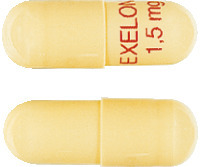
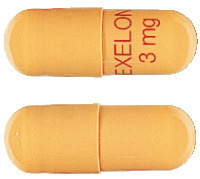
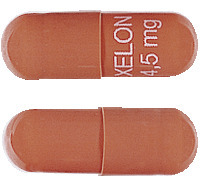
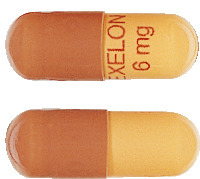
Exelon capsules are available in four strengths, in packs of 56 capsules.

  • Exelon 1.5 mg: yellow capsules printed with "EXELON" and "1.5 mg" in red.
  • Exelon 3.0 mg: orange capsules printed with "EXELON" and "3 mg" in red.
  • Exelon 4.5 mg: red capsules printed with "EXELON" and "4.5 mg" in white.
  • Exelon 6.0 mg: orange and red capsules printed with "EXELON" and "6 mg" in red

Ingredients

Exelon capsules contain 1.5, 3.0, 4.5 or 6.0 mg of the active ingredient, rivastigmine (as the hydrogen tartrate salt). They also contain:

  • magnesium stearate
  • hypromellose
  • colloidal anhydrous silica
  • microcrystalline cellulose
  • gelatin
  • red iron oxide (CI77491)
  • yellow iron oxide (CI77492)
  • titanium dioxide
  • printing ink (containing red iron oxide or titanium dioxide, and shellac).

Possible allergens: capsules contain tartrazine and residual sulfites, phenylalanine.

Sponsor

Exelon is supplied in Australia by:

NOVARTIS Pharmaceuticals Australia Pty Limited
ABN 18 004 244 160
54 Waterloo Road
Macquarie Park NSW 2113
Telephone 1 800 671 203

®= Registered Trademark

This leaflet was prepared in August 2023

Australian Registration Number.

1.5 mg capsule AUST R 71445

3.0 mg capsule AUST R 71446

4.5 mg capsule AUST R 71447

6.0 mg capsule AUST R 71448

(exe280823c) based on PI (exe280823i)

Published by MIMS October 2023

BRAND INFORMATION

Brand name

Exelon

Active ingredient

Rivastigmine

Schedule

S4


1 Name of Medicine

Rivastigmine hydrogen tartrate.

2 Qualitative and Quantitative Composition

Exelon capsules contain 1.5, 3.0, 4.5 or 6.0 mg rivastigmine as the hydrogen tartrate salt.

Excipients with known effect.

Capsules contain sulfites, phenylalanine, tartrazine.
For the full list of excipients, see Section 6.1 List of Excipients.

3 Pharmaceutical Form

Exelon capsule 1.5 mg: Hard capsule with yellow cap/yellow body marked "EXELON 1.5 mg" in red, containing off-white to slightly yellow powder.
Exelon capsule 3 mg: Hard capsule with orange cap/orange body marked with "EXELON 3 mg" in red, containing off-white to slightly yellow powder.
Exelon capsule 4.5 mg: Hard capsule with red cap/red body marked with "EXELON 4.5 mg" in white, containing off-white to slightly yellow powder.
Exelon capsule 6 mg: Hard capsule with red cap/orange body marked with "EXELON 6 mg" in red, containing off-white to slightly yellow powder.

4 Clinical Particulars

4.1 Therapeutic Indications

Exelon is indicated for the treatment of patients with mild to moderately severe dementia of the Alzheimer's type.

4.2 Dose and Method of Administration

Dosage.

The dosage of Exelon shown to be effective in controlled clinical trials is 6-12 mg/day, given as twice a day dosing (daily doses of 3 to 6 mg twice daily). There is evidence from the clinical trials that doses at the higher end of this range may be more beneficial. Patients should be individually titrated to establish the appropriate dosage of Exelon.

Method of administration.

Exelon should be administered twice daily, with morning and evening meals. The capsules should be swallowed whole.

Starting dose.

The recommended starting dose is 1.5 mg twice daily.

Dose titration.

If the starting dose is well tolerated after a minimum of two weeks of treatment, the dose may be increased to 3 mg twice daily. Subsequent increases to 4.5 mg and then 6 mg twice daily should also be based on tolerability of the current dose and may be considered after a minimum of two weeks treatment at that dose level.
If adverse effects (e.g. nausea, vomiting, abdominal pain, loss of appetite or weight decrease) are observed during treatment, these may respond to omission of one or more doses. If adverse effects persist, the daily dose should be reduced to the previous well-tolerated dose.

Maintenance dose.

1.5 to 6 mg twice daily. To achieve maximum therapeutic benefit, patients should be maintained on their highest well-tolerated dose.

Maximum recommended dose.

6 mg twice daily.

Reinitiation of therapy.

The incidence and severity of adverse events are generally increased with higher doses.
If treatment is interrupted for longer than three days, treatment should be reinitiated with the lowest daily dose and titrated as described above (see Section 4.4 Special Warnings and Precautions for Use).

Use in patients with renal or hepatic impairment.

No dose adjustment is necessary in patients with renal or hepatic impairment. However, due to increased exposure in renal impairment and mild to moderate hepatic impairment, dosing recommendations to titrate according to individual tolerability should be closely followed as patients with clinically significant renal or hepatic impairment might experience more adverse reactions (see Section 5 Pharmacological Properties, Pharmacokinetics in renal impairment, Pharmacokinetics in hepatic impairment).

4.3 Contraindications

The use of Exelon is contraindicated in patients with:
known hypersensitivity to rivastigmine, to the excipients of the formulation, or to other carbamate derivatives;
previous history of application site reactions suggestive of allergic contact dermatitis with rivastigmine transdermal patch (see Section 4.4 Special Warnings and Precautions for Use, Skin reactions);
severe liver impairment since it has not been studied in this population.

4.4 Special Warnings and Precautions for Use

Treatment should always be started at a dose of 1.5 mg twice daily and titrated to the patient's maintenance dose. If treatment is interrupted for longer than three days, treatment should be re-initiated with the lowest daily dose to reduce the possibility of adverse reactions (e.g. severe vomiting) [see Section 4.2 Dose and Method of Administration].

Gastrointestinal adverse reactions.

Significant gastrointestinal disorders such as nausea, vomiting, diarrhoea, anorexia and weight loss may occur when initiating treatment and/or increasing the dose. They may respond to a dose reduction. In other cases, Exelon has been discontinued.
Patients who show signs or symptoms of dehydration resulting from prolonged vomiting or diarrhoea can be managed with IV fluids and dose reduction or discontinuation if recognized and treated promptly. Dehydration can be associated with serious outcomes (see Section 4.8 Adverse Effects (Undesirable Effects)).

Nausea and vomiting.

In the controlled clinical trials, 47% of the patients treated with an Exelon dose in the therapeutic range of 6 to 12 mg/day (n = 1,189) developed nausea (compared with 12% for placebo). A total of 31% of Exelon treated patients developed at least one episode of vomiting (compared with 6% for placebo). The rate of vomiting was higher during the titration phase (24% vs 3% for placebo) than in the maintenance phase (14% vs 3% for placebo). The rates were higher in women than men. Five percent of patients discontinued for vomiting, compared to less than 1% of patients on placebo. Vomiting was severe in 2% of Exelon-treated patients and was rated as mild or moderate each in 14% of patients. The rate of nausea was higher during the titration phase (43% vs 9% for placebo) than in the maintenance phase (17% vs 4% for placebo).

Anorexia.

Patients with Alzheimer's disease may lose weight whilst taking cholinesterase inhibitors, including rivastigmine.
In the controlled clinical trials, of the patients treated with an Exelon dose of 6 to 12 mg/day, 17% developed anorexia compared to 3% of the placebo patients. Neither the time course or the severity of the anorexia is known.

Weight loss.

The patient's weight should be monitored during therapy with Exelon.
Patients with bodyweight below 50 kg may experience more adverse events and may be more likely to discontinue due to adverse events.
In the controlled trials, approximately 26% of women on high doses of Exelon (greater than 9 mg/day) had weight loss of equal to or greater than 7% of their baseline weight compared to 6% for placebo treated patients. About 18% of the males in the high dose group experienced a similar degree of weight loss compared to 4% of placebo treated patients. It is not clear how much of the weight loss was associated with anorexia, nausea, vomiting and the diarrhoea associated with the drug.

Peptic ulcers/ gastrointestinal bleeding.

Because of their pharmacological action, cholinesterase inhibitors may be expected to increase gastric acid secretion due to increased cholinergic activity. Therefore, patients should be monitored closely for symptoms of active or occult gastrointestinal bleeding, especially those at increased risk for developing ulcers, e.g. those with a history of ulcer disease or those receiving concurrent nonsteroidal anti-inflammatory drugs (NSAIDs). Clinical studies of Exelon have shown no significant increase, relative to placebo, in the incidence of either peptic ulcer disease or gastrointestinal bleeding.

Anaesthesia.

Rivastigmine as a cholinesterase inhibitor, is likely to exaggerate succinylcholine-type relaxation during anaesthesia.

QT prolongation and torsades de pointes.

Electrocardiogram QT prolongation may occur in patients treated with certain cholinesterase inhibitor products including rivastigmine. Rivastigmine may cause bradycardia which constitutes a risk factor in the occurrence of torsades de pointes, predominantly in patients with risk factors. Caution is advised in patients at higher risk of developing torsades de pointes; for example, those with uncompensated heart failure, recent myocardial infarction, bradyarrhythmias, a predisposition to hypokalaemia or hypomagnesemia, personal or family history of QT prolongation, or concomitant use with medicinal products known to induce QT prolongation and/or torsades de pointes. Clinical monitoring may also be required (see Section 4.5 Interactions with Other Medicines and Other Forms of Interactions).

Cardiovascular conditions.

Drugs that increase cholinergic activity may have vagotonic effects on heart rate (e.g. bradycardia). The potential for this action may be particularly important to patients with "sick sinus syndrome" or other supraventricular cardiac conduction conditions. In clinical trials, Exelon was not associated with any increased incidence of cardiovascular adverse events, heart rate or blood pressure changes, or ECG abnormalities. Syncopal episodes have been reported in 3% of patients receiving 6-12 mg/day of Exelon, compared to 2% of placebo patients.

Pulmonary conditions.

As with other cholinomimetics, Exelon should be used with caution in patients with a history of asthma or obstructive pulmonary disease. There is evidence from animal studies that rivastigmine may potentiate bronchoconstriction.

Other conditions.

Cholinomimetics may exacerbate urinary obstruction and seizures. However, seizure activity also may be a manifestation of Alzheimer's disease. Although this has not been observed with Exelon, caution is recommended in such cases.
Like other cholinomimetics, rivastigmine may induce or exacerbate extrapyramidal symptoms. In patients with dementia associated with Parkinson's disease who were treated with Exelon capsules, worsening of parkinsonian symptoms, particularly tremor, has been observed (see Section 4.8 Adverse Effects (Undesirable Effects)).

Skin reactions.

In patients who develop application site reactions suggestive of allergic contact dermatitis to Exelon Patch and who still require rivastigmine, treatment should be switched to oral rivastigmine only after negative allergy testing and under close medical supervision. It is possible that some patients sensitised to rivastigmine by exposure to rivastigmine patch may not be able to take rivastigmine in any form.
Allergic contact dermatitis should be suspected if application site reactions spread beyond the patch size, if there is evidence of a more intense local reaction (e.g. increasing erythema, edema, papules, vesicles) and if symptoms do not significantly improve within 48 hours after patch removal. In these cases, treatment should be discontinued (see Section 4.3 Contraindications).
There have been isolated post-marketing reports of patients experiencing allergic dermatitis (disseminated) when administered rivastigmine irrespective of the route of administration (oral, transdermal). In these cases, treatment should be discontinued (see Section 4.3 Contraindications). Patients and caregivers should be instructed accordingly.

Information for patients and caregivers.

Caregivers should be advised of the high incidence of nausea and vomiting associated with the use of the drug along with the possibility of anorexia and weight loss. Caregivers should be encouraged to monitor for these adverse events and inform the physician if they occur. It is critical to inform caregivers that, if therapy has been interrupted for more than several days, the next dose should not be administered until they have discussed this with the physician.

Use in hepatic impairment.

No dose adjustment is necessary in patients with hepatic impairment. However, due to increased exposure mild to moderate hepatic impairment, dosing recommendations to titrate according to individual tolerability should be closely followed as patients with clinically significant hepatic impairment might experience more adverse events (see Section 5 Pharmacological Properties, Pharmacokinetics in renal impairment, Pharmacokinetics in hepatic impairment).

Use in renal impairment.

No dose adjustment is necessary in patients with renal impairment. However, due to increased exposure in renal impairment, dosing recommendations to titrate according to individual tolerability should be closely followed as patients with clinically significant renal impairment might experience more adverse events (see Section 5 Pharmacological Properties, Pharmacokinetics in renal impairment, Pharmacokinetics in hepatic impairment).

Use in the elderly.

See Section 5.2 Pharmacokinetic Properties, Pharmacokinetics in the elderly.

Paediatric use.

There is no experience with the use of Exelon in children. Exelon is not recommended for use in children.

Effects on laboratory tests.

As treatment with Exelon was not associated with alterations in any laboratory tests, including liver function tests or the ECG, no specific monitoring of these measures is required.

4.5 Interactions with Other Medicines and Other Forms of Interactions

The patient group to be treated frequently takes additional medications. Therefore, physicians should carefully evaluate any concomitant drug administration in this patient group.
Rivastigmine is metabolised mainly through hydrolysis by esterases. Minimal metabolism occurs via the major cytochrome P450 isoenzymes. Based on in vitro studies, no pharmacokinetic interactions with drugs metabolised by the following isoenzyme systems are expected: CYP1A2, CYP2D6, CYP3A4/5, CYP2E1, CYP2C9, CYP2C8 or CYP2C19.

Anticipated interactions resulting in a concomitant use not recommended.

Metoclopramide.

Considering the possibility of an additive extrapyramidal effect the concomitant use of metoclopramide and rivastigmine is not recommended.

Drugs acting on cholinergic system.

In view of its pharmacodynamic effects, rivastigmine should not be given concomitantly with other cholinomimetic drugs due to possible additive effect. Rivastigmine might also interfere with the activity of anticholinergic medications (e.g. oxybutynin, tolterodine).

Succinylcholine-type muscle relaxants.

A synergistic effect may be expected when cholinesterase inhibitors are given concurrently with succinylcholine, similar neuromuscular blocking agents or cholinergic agonists such as bethanechol.

Anticipated interactions to be considered.

Medicinal products known to prolong the QT interval.

Caution is advised when rivastigmine is used in combination with other medicinal products known to prolong the QT interval (including but not limited to quinidine, amiodarone, pimozide, halofantrine, cisapride, citalopram, mizolastin, moxifloxacin, erythromycin, chlorpromazine, levomepromazine, sulpiride, sultopride, amisulpride, tiapride, veralipride, haloperidol, droperidol, diphemanil, methadone, and pentamidine). Clinical monitoring may also be required (see Section 4.4 Special Warnings and Precautions for Use).

Observed interactions to be considered.

Beta-blockers.

Additive effects leading to bradycardia (which may result in syncope) have been reported with the combined use of various beta-blockers (including atenolol) and rivastigmine. Cardioselective beta-blockers are expected to be associated with the greatest risk, but reports have also been received in patients using other beta-blockers.

Interaction with nicotine.

A population pharmacokinetic analysis showed that nicotine use increases the oral clearance of rivastigmine by 23% in patients with Alzheimer's dementia (n = 75 smokers and 549 non-smokers) following rivastigmine oral capsule doses of up to 12 mg/day.

Interactions with commonly used concomitant drugs.

No pharmacokinetic interaction was observed between oral rivastigmine and digoxin, warfarin, diazepam or fluoxetine in single-dose studies in healthy volunteers. The elevation of prothrombin time induced by warfarin was not affected by administration of rivastigmine. No untoward effects on cardiac conduction were observed following concomitant administration of digoxin and rivastigmine.
Population pharmacokinetic analysis with a database of 625 patients showed that the pharmacokinetics of rivastigmine were not influenced by commonly prescribed medications such as antacids (n = 77), antidiabetics (n = 21), antihypertensives (n = 72), beta-blockers (n = 42), calcium channel blockers (n = 75), antianginals (n = 35), nonsteroidal anti-inflammatory drugs (n = 79), oestrogens (n = 70), salicylate analgesics (n = 177) and antihistamines (n = 15). In addition, in clinical trials, no increased risk of clinically relevant untoward effects was observed in patients treated concomitantly with rivastigmine and these agents.

4.6 Fertility, Pregnancy and Lactation

Effects on fertility.

There is no information available on the effects of rivastigmine on human fertility.
(Category B2)
Oral rivastigmine was not teratogenic in rats and rabbits at doses producing maternal toxicity, but systemic drug exposures in these studies were below the maximum therapeutic value. The safety of Exelon in human pregnancy has not been established and it should only be given to pregnant women if the potential benefit outweighs the potential risk for the fetus.

Women of childbearing potential.

There is no information available on the effects of rivastigmine in women of child-bearing potential.
Rivastigmine and its metabolites are excreted into the milk of lactating rabbits. It is not known whether excretion into human milk occurs, and patients taking Exelon should not breastfeed.

4.7 Effects on Ability to Drive and Use Machines

Alzheimer's disease dementia may cause gradual impairment of driving performance or compromise the ability to use machinery. Rivastigmine may induce dizziness and somnolence, mainly when initiating treatment or increasing the dose. Therefore, the ability of Alzheimer's patients to continue driving or operating complex machines should be routinely evaluated by the treating physician.

4.8 Adverse Effects (Undesirable Effects)

In general, adverse events are mild to moderate and usually resolve without therapeutic intervention. Incidence and severity of adverse events generally increase with higher doses.

Adverse events reported in controlled trials.

Table 1 lists treatment emergent signs and symptoms that were reported in at least 2% of patients in placebo-controlled trials and for which the rate of occurrence was greater for patients treated with Exelon doses of 6-12 mg/day than for those treated with placebo. The prescriber should be aware that these figures cannot be used to predict the frequency of adverse events in the course of usual medical practice when patient characteristics and other factors may differ from those prevailing during clinical studies. Similarly, the cited frequencies cannot be directly compared with figures obtained from other clinical investigations involving different treatments, uses or investigators. An inspection of these frequencies, however, does provide the prescriber with one basis by which to estimate the relative contribution of drug and nondrug factors to the adverse event incidences in the population studied.
In general, adverse reactions were less frequent later in the course of treatment. No systematic effect of race or age could be determined on the incidence of adverse events in the controlled studies. Nausea, vomiting and weight loss were more frequent in women than men.
Other adverse events observed at a rate of 2% or more on Exelon 6-12 mg/day but at a greater or equal rate on placebo were chest pain, peripheral oedema, vertigo, back pain, arthralgia, pain, bone fracture, agitation, nervousness, delusion, paranoid reaction, upper respiratory tract infections, infection (general), coughing, pharyngitis, bronchitis, rash (general), urinary incontinence, nightmares.
A few cases of angina pectoris, gastric and duodenal ulcers, gastrointestinal haemorrhage, bradycardia and seizures were observed.
As treatment with Exelon was not associated with alterations in any laboratory tests, including liver function tests or the ECG, no specific monitoring of these measures is required.

Post-marketing surveillance.

The following adverse reactions have been accumulated both from clinical studies with Exelon and since the introduction of Exelon into the market.
Adverse reactions are ranked under headings of frequency using the following convention: very common (> 10%); common (> 1% to ≤ 10%); uncommon (> 0.1% to ≤ 1%); rare (> 0.01% to ≤ 0.1%); very rare (< 0.01% including isolated reports).

General disorders and administration site conditions.

Common: fatigue, asthenia, malaise. Uncommon: fall.

Investigations.

Common: weight loss.

Cardiac disorders.

Rare: angina pectoris, myocardial infarction. Very rare: cardiac arrhythmia (e.g. bradycardia, atrioventricular block, atrial fibrillation and tachycardia). Frequency not known: sick sinus syndrome.

Vascular disorders.

Very rare: hypertension.

Nervous system disorders.

Very common: dizziness. Common: headache, somnolence, tremor. Uncommon: syncope. Rare: seizures.

Gastrointestinal disorders.

Very common: nausea, vomiting, diarrhoea, loss of appetite. Common: abdominal pain, dyspepsia. Rare: gastric and duodenal ulcers. Very rare: gastrointestinal haemorrhage, pancreatitis, severe vomiting associated with oesophageal rupture.

Hepatobiliary disorders.

Uncommon: abnormal hepatic function tests. Frequency not known: hepatitis.

Infections and infestations.

Very rare: urinary tract infection.

Metabolism and nutrition disorders.

Frequency not known: dehydration.

Psychiatric disorders.

Common: agitation, confusion, anxiety. Uncommon: insomnia, depression. Very rare: hallucinations. Frequency not known: aggression, restlessness, extrapyramidal symptoms in patients with Alzheimer's dementia.

Skin and subcutaneous tissue disorders.

Common: hyperhidrosis. Rare: rash, pruritus. Frequency not known: allergic dermatitis (disseminated).

Additional adverse drug reactions which have been reported with Exelon Patch.

Common: urinary incontinence, agitation, depression. Uncommon: cerebrovascular accident, delirium, psychomotor hyperactivity. Rarely reported: erythema, urticaria, blister, dermatitis allergic.

Information from clinical trials in patients with dementia associated with Parkinson's disease.

The following additional adverse drug reactions have been identified with Exelon capsules in studies in patients with dementia associated with Parkinson's disease.

Metabolism and nutritional disorders.

Common: decreased appetite, dehydration.

Psychiatric disorders.

Common: anxiety, restlessness, insomnia.

Nervous system disorders.

Very common: tremor. Common: dizziness, somnolence, headache, Parkinson's disease (worsening), bradykinesia, dyskinesia, cogwheel rigidity, hypokinesia. Uncommon: dystonia.

Cardiac disorders.

Common: bradycardia, hypertension, hypotension. Uncommon: atrial fibrillation, atrioventricular block.

Gastrointestinal disorders.

Very common: nausea, vomiting. Common: diarrhea, abdominal pain and dyspepsia, salivary hypersecretion.

Skin and subcutaneous tissue disorders.

Common: sweating increased.

General disorders and administration site disorders.

Very common: fall. Common: fatigue, asthenia, gait disturbance.

Reporting suspected adverse effects.

Reporting suspected adverse reactions after registration of the medicinal product is important. It allows continued monitoring of the benefit-risk balance of the medicinal product. Healthcare professionals are asked to report any suspected adverse reactions at www.tga.gov.au/reporting-problems.

4.9 Overdose

Symptoms.

Most cases of accidental overdosage have not been associated with any clinical signs or symptoms and almost all of the patients concerned continued Exelon treatment. Where symptoms have occurred, they have included nausea, vomiting, diarrhoea, abdominal pain, dizziness, tremor, headache, somnolence, bradycardia, confusional state, hyperhidrosis, hypertension, hallucinations and malaise. Overdosage with cholinesterase inhibitors can result in cholinergic crisis characterized by severe nausea, vomiting, salivation, sweating, bradycardia, hypotension, respiratory depression, collapse and convulsions. Muscle weakness is a possibility and may result in death if respiratory muscles are involved. Atypical responses in blood pressure and heart rate have been reported with other drugs that increase cholinergic activity when co-administered with quarternary anticholinergics such as glycopyrrolate. Due to the known vagotonic effect of cholinesterase inhibitors on heart rate, bradycardia and/or syncope may also occur.
Fatal outcome has been rarely reported with rivastigmine overdose and the relationship to rivastigmine was unclear. Symptoms of overdose and outcome vary from patient to patient, and the severity of the outcome is not predictably related to the amount of the overdose.

Treatment.

As rivastigmine has a plasma half-life of about 1 hour and a duration of acetylcholinesterase inhibition of about 9 hours, it is recommended that, in cases of asymptomatic overdoses, no further dose of Exelon should be administered for the next 24 hours. In overdose accompanied by severe nausea and vomiting, the use of antiemetics should be considered. Symptomatic treatment for other adverse events should be given as necessary.
Due to the short half-life of Exelon, dialysis (haemodialysis, peritoneal dialysis or haemofiltration) would not be clinically indicated in the event of an overdose.
In massive overdoses, atropine can be used. An initial intravenous dose of 0.03 mg/kg atropine sulphate is recommended, with subsequent doses based upon clinical response. Use of hyoscine as an antidote is not recommended.
For information on the management of overdose, contact the Poisons Information Centre on 13 11 26 (Australia).

5 Pharmacological Properties

5.1 Pharmacodynamic Properties

Mechanism of action.

Pathological changes in Alzheimer's disease involve cholinergic neuronal pathways that project from the basal forebrain to the cerebral cortex and hippocampus. These pathways are known to be involved in attention, learning, memory and other cognitive processes. Rivastigmine, a brain-selective, pseudo-irreversible inhibitor of the enzymes acetyl- and butyryl-cholinesterase, is thought to facilitate cholinergic neurotransmission by slowing the degradation of acetylcholine released by functionally intact cholinergic neurons. Data from animal studies indicate that rivastigmine selectively increases the availability of acetylcholine in the cortex and hippocampus. Thus, Exelon may have an ameliorative effect on cholinergic-mediated cognitive deficits associated with Alzheimer's disease. In addition, there is some evidence that cholinesterase inhibition could slow the formation of amyloidogenic β-amyloid-precursor protein (APP) fragments, and thus of amyloid plaques, which are one of the main pathological features of Alzheimer's disease.

Pharmacodynamics.

Rivastigmine interacts with its target enzyme by forming a covalently bound complex that temporarily inactivates the enzyme. In healthy young men, an oral 3.0 mg dose decreases acetylcholinesterase (AChE) activity in CSF by approximately 40% within the first 1.5 hours after administration. Activity of the enzyme returns to baseline levels about 9 hours after the maximum inhibitory effect has been achieved. Butyrylcholinesterase (BuChE) activity in CSF was transiently inhibited and was no longer different from baseline after 3.6 hours in healthy young volunteers. In patients with Alzheimer's disease, inhibition of acetylcholinesterase in CSF by rivastigmine is dose-dependent up to 6 mg given twice daily, the highest dose tested. Inhibition of BuChE activity in the CSF of 18 patients with Alzheimer's disease was similar to that of AChE, with a change from baseline of more than 60% after 6 mg rivastigmine twice daily. The effect of rivastigmine on AChE and BuChE activity in CSF (a reduction from baseline of 33% and 45%, respectively) was sustained in 11 patients after administration of rivastigmine at a mean dose of 8.6 mg/day for 12 months. Statistically significant correlations were found between the degree of inhibition by rivastigmine of AChE and BuChE in the CSF and changes on a compound measure of cognitive performance, the Computerised Neuropsychological Test Battery (CNTB), in 18 patients with Alzheimer's disease treated with daily doses of rivastigmine of 2, 4, 6, 8, 10 or 12 mg (3 subjects per dose) for a duration of at least 3 consecutive days. However, only BuChE inhibition in CSF was significantly and consistently correlated with improvements in speed-, attention- and memory-related subtests of the CNTB. The clinical significance of the inhibitory effect of rivastigmine on BuChE in patients with Alzheimer's disease is unknown.

Clinical trials.

The effectiveness of Exelon as a treatment for Alzheimer's disease was demonstrated by the results of two randomised, double-blind, placebo-controlled clinical investigations in patients with Alzheimer's disease (diagnosed by NINCDS-ADRDA and DSM-IV criteria, Mini-Mental State Examination (MMSE) ≥ 10 and ≤ 26, and the Global Deterioration Scale). Proof of efficacy was further reinforced through a pooled analysis of the two pivotal studies and a third supportive randomised, double-blind, placebo controlled trial. The mean age of patients participating in the Exelon trials was 73 years with a range of 41 to 95. Approximately 59% of patients were women and 41% were men. The racial distribution was Caucasian 87%, black 4% and other races 9%.
Study outcome measures. In each study, the effectiveness of Exelon was determined from a performance-based measure of cognition, a clinician's global assessment of change, and a standard instrument evaluating activities of daily living through caregiver-related evaluation. The results of these two studies indicate that a statistically significantly higher proportion of patients on Exelon experienced clinical benefit.
The ability of Exelon to improve cognitive performance was assessed with the cognitive subscale of the Alzheimer's Disease Assessment Scale (ADAS-cog), a multi-item instrument that has been extensively validated in longitudinal cohorts of Alzheimer's disease patients. The ADAS-cog examines selected aspects of cognitive performance including elements of memory, orientation, attention, reasoning, language and praxis. The ADAS-cog scoring range is from 0 to 70, with higher scores indicating greater cognitive impairment. Elderly normal adults may score as low as 0 or 1, but it is not unusual for non-demented adults to score slightly higher.
The patients recruited as participants in each study had mean scores on the Alzheimer's Disease Assessment Scale (ADAS-cog) of approximately 23 units, with a range from 1 to 61. Experience gained in longitudinal studies of ambulatory patients with mild to moderate Alzheimer's disease suggests that they gain 6 to 12 units a year on the ADAS-cog. However, lesser degrees of change are seen in patients with very mild or very advanced disease because the ADAS-cog is not uniformly sensitive to change over the course of the disease. The annualised rate of decline in the placebo patients participating in Exelon trials was approximately 3 to 8 units per year.
The ability of Exelon to produce an overall clinical effect was assessed using a Clinician's Interview Based Impression of Change that required the use of caregiver information, the CIBIC-Plus. The CIBIC-Plus is not a single instrument and is not a standardised instrument like the ADAS-cog. Clinical trials for investigational drugs have used a variety of CIBIC formats, each different in terms of depth and structure. As such, results from a CIBIC-Plus reflect clinical experience from the trial or trials in which it was used and cannot be compared directly with the results of CIBIC-Plus evaluations from other clinical trials. The CIBIC-Plus used in Exelon trials was a semi-structured instrument based on a comprehensive evaluation at baseline and subsequent time-points of three domains: patient cognition, behaviour and functioning. It represents the assessment of a skilled clinician, using validated scales based on his/her observation, at interviews conducted separately with the patient and the caregiver familiar with the behaviour of the patient over the interval rated. The CIBIC-Plus is scored as a seven point categorical rating, ranging from a score of 1, indicating 'markedly improved', to a score of 4, indicating 'no change' to a score of 7, indicating 'marked worsening'. The CIBIC-Plus has not been systematically compared directly to assessments not using information from caregivers (CIBIC) or other global methods.
The ability of Exelon to improve activities of daily living (ADL) was assessed using the Progressive Deterioration Scale (PDS). The PDS examines selected aspects of activities of daily living including elements of use of household instruments, leisure activities, household tasks, self-care and behaviour in social settings. This is a 29-item scale that is a caregiver-rated evaluation of the patient's activities of daily living. The primary measure of clinical improvement was defined as a 10% or higher improvement on the PDS.
US twenty-six week study. In a study of 26 weeks duration, 699 patients were randomised to either a dose range of 1-4 mg or 6-12 mg of Exelon per day or placebo in divided doses. The 26 week study was divided into a 12 week forced titration phase and a 14 week maintenance phase. The study was designed to compare 1-4 and 6-12 mg/day flexible doses of Exelon. The patients in the active treatment arms of the study were maintained at their highest tolerated dose within the respective range.
The mean age of the patients was 75 years (range: 45 to 89). At baseline the mean MMSE score was 19.7 and the mean Global Deterioration Scale score was 4.0, with greater than 30% of the patients being rated as moderately severe in their disease.

Effects on the ADAS-cog.

Figure 1 illustrates the time course for the change from baseline in ADAS-cog scores for all three dose groups over the 26 weeks of the study. At the first measurement of efficacy (week 12), the mean differences between the 1-4 mg group with placebo and the 6-12 mg group with placebo were 0.87 units and 3.32 units, respectively. The difference between the 6-12 mg group and placebo was significant, indicating an onset of efficacy at or before 12 weeks of treatment. At 26 weeks of treatment, the mean differences in the ADAS-cog change scores for the Exelon treated patients compared to the patients on placebo were 1.88 and 4.94 units for the 1-4 mg and 6-12 mg treatments, respectively. These differences were statistically significant. The treatment effect size is slightly greater for the 6-12 mg treatment. This difference is also statistically significant.

Effects on the CIBIC-Plus.

At 26 weeks of treatment, the mean differences in the CIBIC-Plus scores for the Exelon treated patients compared to the patients on placebo were 0.32 and 0.35 units for the 1-4 mg and the 6-12 mg groups, respectively. These differences were statistically significant and the difference between the two active treatments was also statistically significant.

Effects on the PDS.

The PDS, which examines selected aspects of activities of daily living including elements of use of household instruments, leisure activities, household tasks, self-care and behaviour in social settings, demonstrated that, while the placebo group declined an average of 4.9 units, the Exelon 6-12 mg group deteriorated minimally (1 unit), a difference which was statistically significant (intent-to-treat analysis). Figure 2 illustrates the time course of the change from baseline in PDS scores for all three dose groups over the 26 weeks of the study.
Global twenty-six week study. An additional 26-week multi-national, multi-centre trial using three different languages was performed in six different countries using the same design as the US 26-week study. A total of 725 patients were randomised into the three treatment arms: 243 patients, 6-12 mg/day Exelon; 243 patients, 1-4 mg/day Exelon; and 239 patients, placebo. Overall, 581 (80%) patients completed the study, while 144 (20%) discontinued. A significantly higher proportion of patients in the 6-12 mg/day group (33%) than in the placebo group (13%) stopped treatment early. There was no difference between the 1-4 mg/day (14%) and placebo groups in the number of discontinuations.
Efficacy was demonstrated in the three key domains (i.e. cognition, global functioning and ADL) using the same outcome measures as the US 26-week study. Significant efficacy was shown in all major population analyses (ITT, LOCF and OC) for the 6-12 mg group, both in the analysis of mean change from baseline as well as of patients showing a clinically meaningful response. The results indicated that the 6-12 mg/day dose range of Exelon was statistically significantly superior to placebo for measures assessing cognition, global functioning, activities of daily living (mean change and responders) and for severity of the disease; while the low dose group had significantly higher number of patients considered CIBIC-Plus responders compared to placebo. An effect on cognitive function was seen as early as week 12 and this effect was maintained until week 26.

Symptom and subtest analyses.

Pooled analyses performed to detect those subtests and symptoms of the ADAS-Cog and CIBIC-Plus, respectively, which improved in patients treated with Exelon indicated that most ADAS-Cog subtests (ideational praxis, orientation, test instructions, word recall, language ability and word recognition) were significantly improved at week 26 with Exelon 6-12 mg. For the CIBIC-Plus, significant improvement was seen for cognition (concentration and recent memory), functioning (consecutive staging), and behaviour (purposeless activity and some delusions).

5.2 Pharmacokinetic Properties

Rivastigmine is well absorbed with absolute bioavailability of about 40% (3 mg dose). It shows linear pharmacokinetics up to 3 mg twice daily but is non-linear at higher doses. Doubling the dose from 3 to 6 mg twice daily results in a 3-fold increase in AUC. The elimination half-life is about 1.5 hours, with most elimination as metabolites via the urine.

Absorption.

Rivastigmine is rapidly and completely absorbed. Peak plasma concentrations are reached in approximately 1 hour. Due to the drug's interaction with its target enzyme, over the dose range of 1.5 mg to 6 mg twice daily, bioavailability (AUC) approximately tripled with doubling of the dose. Absolute bioavailability after a 3 mg dose is about 36%. Administration of rivastigmine capsules with food delays absorption (tmax) by 90 min and lowers Cmax and increases AUC by approximately 30%.

Distribution.

Rivastigmine is weakly bound to plasma proteins (approximately 40%). The apparent volume of distribution of rivastigmine is in the range of 1.8-2.7 L/kg. Rivastigmine penetrates the blood brain barrier, reaching CSF peak concentrations in 1.4-2.6 hours. Mean AUC1-12h ratio of CSF/ plasma averaged 40 + 0.5% following 1-6 mg twice daily doses. Rivastigmine distributes equally between blood and plasma with a blood-to-plasma partition ratio of 0.9 at concentrations ranging from 1-400 nanogram/mL.

Metabolism.

Rivastigmine is rapidly and extensively metabolised (half-life in plasma approximately 1 hour), primarily via cholinesterase-mediated hydrolysis to the decarbamylated metabolite. In vitro, this metabolite shows minimal inhibition of acetylcholinesterase (< 10%). Based on in vitro studies, no pharmacokinetic interactions with drugs metabolised by the following isoenzyme systems are expected: CYP1A2, CYP2D6, CYP3A4/5, CYP2E1, CYP2C9, CYP2C8 or CYP2C19. Based on evidence from animal studies, the major cytochrome P450 isoenzymes are minimally involved in rivastigmine metabolism. Consistent with these observations is the finding that no drug interactions related to cytochrome P450 have been observed in humans (see Section 4.5 Interactions with Other Medicines and Other Forms of Interactions).

Excretion.

Unchanged rivastigmine is not found in the urine. Renal excretion of the metabolites is the major route of elimination. Following administration of 14C-rivastigmine, renal elimination was rapid and essentially complete (> 90%) within 24 hours. Less than 1% of the administered dose is excreted in the faeces. There is no accumulation of rivastigmine or the decarbamylated metabolite in patients with Alzheimer's disease. Mean oral clearance of rivastigmine is 1.8 + 0.6 L/min after 6 mg twice daily.

Specific populations.

Pharmacokinetics in the elderly.

While the bioavailability of rivastigmine was greater in healthy elderly volunteers than in young healthy volunteers, studies in patients with Alzheimer's disease aged between 50 and 92 years showed no change in bioavailability with age.

Pharmacokinetics in renal impairment.

Following a single 3 mg dose, mean oral clearance of rivastigmine is 64% lower in moderately impaired renal patients (n = 8, GFR 10-50 mL/min) than in healthy subjects (n = 10, GFR 60 mL/min); CL/F = 1.7 L/min (cv = 45%) and 4.8 L/min (cv = 80%), respectively. In severely impaired renal patients (n = 8, GFR < 10 mL/min), mean oral clearance of rivastigmine is 43% higher than in healthy subjects (n = 10, GFR 60 mL/min); Cl/F = 6.9 L/min and 4.8 L/min, respectively. For unexplained reasons, the severely impaired renal patients had a higher clearance of rivastigmine than moderately impaired patients. However, dosage adjustment may not be necessary in renally impaired patients as the dose of the drug is individually titrated to tolerability (see Section 4.2 Dose and Method of Administration, Use in patients with renal or hepatic impairment).

Pharmacokinetics in hepatic impairment.

Following a single 3 mg dose, mean oral clearance of rivastigmine was 60% lower in hepatically impaired patients (n = 10, biopsy proven) than in healthy subjects (n = 10). After multiple 6 mg twice daily oral dosing, the mean clearance of rivastigmine was 65% lower in mild (n = 7, Child-Pugh score 5-6) and moderate (n = 3, Child-Pugh score 7-9) hepatically impaired patients (biopsy proven, liver cirrhosis) than in healthy subjects (n = 10). Dosage adjustment is not necessary in hepatically impaired patients as the dose of drug is individually titrated to tolerability (see Section 4.2 Dose and Method of Administration, Use in patients with renal or hepatic impairment).

Age.

Following a single 2.5 mg oral dose to elderly volunteers (> 60 years of age, n = 24) and younger volunteers (n = 24), mean oral clearance of rivastigmine was 30% lower in elderly (7 L/min) than in younger subjects (10 L/min).

Gender and race.

No specific pharmacokinetic study was conducted to investigate the effect of gender and race on the disposition of Exelon, but a population pharmacokinetic analysis indicates that gender (n = 277 males and 348 females) and race (n = 575 white, 34 black, 4 Asian and 12 other) did not affect the clearance of Exelon.

Nicotine use.

Population pharmacokinetic analysis showed that nicotine use increases the oral clearance of rivastigmine by 23% in AD patients (n = 75 smokers and 549 nonsmokers) following rivastigmine oral capsule doses of up to 12 mg/day.

5.3 Preclinical Safety Data

Genotoxicity.

Rivastigmine was not genotoxic in tests for gene mutation in vitro, for primary DNA damage in vivo, or for chromosomal damage in vivo. In tests for chromosomal damage in vitro, a small increase in the number of cells with chromosomal aberrations occurred at very high concentrations. However, there was no evidence of clastogenicity in the more relevant in vivo test.

Carcinogenicity.

No evidence of carcinogenicity was found in studies conducted at doses of up to 1.1 mg base/kg/day in rats and up to 1.6 mg/kg/day in mice, although systemic exposures to rivastigmine were lower than in humans treated with the maximum recommended dose. These dose levels are approximately 0.9 times and 0.7 times the maximum recommended human daily dose of 12 mg per day on a mg/m2 basis. Oral rivastigmine, at doses which achieved systemic drug exposures below the therapeutic value, had no effect on fertility in rats.

Animal toxicity studies.

Animal toxicity tests of up to 52 weeks duration have been carried out in rats and dogs. No toxicity, other than due to cholinergic stimulation, was seen, but oral rivastigmine doses were limited by intolerance, and systemic drug exposures were lower than the maximum therapeutic value, although those for the phenolic metabolite were generally higher.

6 Pharmaceutical Particulars

6.1 List of Excipients

Exelon 1.5 mg, 3 mg and 6 mg capsules.

Hypromellose, magnesium stearate, cellulose-microcrystalline, silica-colloidal anhydrous, gelatin, iron oxide red, iron oxide yellow, titanium dioxide, and TekPrint SW-1102 Red ink (ARTG PI No. 107015).

Exelon 4.5 mg capsules.

Hypromellose, magnesium stearate, cellulose-microcrystalline, silica-colloidal anhydrous, gelatin, iron oxide red, iron oxide yellow, titanium dioxide, and Opacode monogramming ink S-1-18086 White (ARTG PI No. 107579).

6.2 Incompatibilities

Incompatibilities were either not assessed or not identified as part of the registration of this medicine.

6.3 Shelf Life

In Australia, information on the shelf life can be found on the public summary of the Australian Register of Therapeutic Goods (ARTG). The expiry date can be found on the packaging.

6.4 Special Precautions for Storage

Exelon capsules.

Store below 25°C. Keep out of the reach of children.

6.5 Nature and Contents of Container

Exelon capsules contain 1.5, 3.0, 4.5 or 6.0 mg rivastigmine as the hydrogen tartrate salt; in blister packs of 14, 28, 56 and 112 capsules.
Not all pack sizes or presentations may be marketed.

6.6 Special Precautions for Disposal

In Australia, any unused medicine or waste material should be disposed of in accordance with local requirements.

6.7 Physicochemical Properties

Rivastigmine hydrogen tartrate is a white to off-white, fine crystalline powder that is very soluble in water, soluble in ethanol and acetonitrile, slightly soluble in n-octanol, and very slightly soluble in ethyl acetate.
Chemical name: (S)-N-ethyl-N-methyl- 3-[1-(dimethylamino)ethyl]- phenyl carbamate hydrogen-(2R,3R)-tartrate.

Chemical structure.


CAS number.

129101-54-8.
Molecular formula: C14H22N2O2.C4H6O6.
Molecular weight: 400.4.

7 Medicine Schedule (Poisons Standard)

Schedule 4 - Prescription medicine.

Summary Table of Changes