


Consumer medicine information

Felodil XR

Felodipine

BRAND INFORMATION

Brand name

Felodil XR

Active ingredient

Felodipine

Schedule

S4


Consumer medicine information (CMI) leaflet

Please read this leaflet carefully before you start using Felodil XR.

What is in this leaflet

This leaflet answers some common questions about FELODIL XR. It does not contain all the available information. It does not take the place of talking to your doctor or pharmacist.

All medicines have benefits and risks. Your doctor has weighed the risks of you taking FELODIL XR against the benefits they expect it will have for you.

If you have any concerns about taking this medicine, talk to your doctor or pharmacist.

Keep this leaflet with your medicine. You may need to read it again.

What FELODIL XR is used for

FELODIL XR is used to treat high blood pressure.

FELODIL XR belongs to a group of medicines called calcium channel blockers. They work by opening up blood vessels in the body to lower blood pressure and improve the supply of blood and oxygen to the heart.

Your doctor may have prescribed this medicine for another reason. Ask your doctor if you have any questions about why it has been prescribed for you.

FELODIL XR is available only with a doctor's prescription.

There is no evidence that it is addictive.

Before you take it

When you must not take it

Do not take FELODIL XR if you are allergic to felodipine or any of the ingredients listed at the end of this leaflet.

Some of the symptoms of an allergic reaction may include skin rash, itching or hives, swelling of the face, lips or tongue which may cause difficulty in swallowing or breathing, wheezing or shortness of breath.

Do not take FELODIL XR if you have any of the following conditions:

  • uncompensated heart failure
  • acute myocardial infarction
  • cardiac valvular obstruction
  • dynamic cardiac outflow obstruction
  • unstable angina pectoria

If you are not sure whether you have any of these conditions, ask your doctor.

Do not take FELODIL XR if you are pregnant or plan to become pregnant. This medicine may affect your developing baby if you take it during pregnancy.

Tell your doctor if you are breastfeeding or plan to breastfeed. Your baby can take in FELODIL XR from breast milk if you are breastfeeding, but it is unlikely to affect the infant when the mother is taking doses within the normal range of her treatment. Your doctor can discuss the risks and benefits involved.

Do not give FELODIL XR to children. There is no information on its use in children.

Do not take it if the expiry date (Exp.) printed on the pack has passed. It may not work as well if you do.

Do not take FELODIL XR if the packaging shows signs of tampering or the tablets do not look quite right.

Before you start to take it

Tell your doctor if you are allergic to any other medicines, foods, dyes or preservatives.

Tell your doctor if you have, or have had, any medical conditions, especially the following:

  • any heart problems
  • liver problems.

If you have not told your doctor about any of the above, tell them before you start taking FELODIL XR.

Taking other medicines

Tell your doctor if you are taking any other medicines, including any that you buy without a prescription from a pharmacy, supermarket or health food shop.

Some medicines may be affected by FELODIL XR, or may affect how well it works. These include:

  • cimetidine - a medicine used to treat stomach ulcers or heartburn
  • medicines used to treat infections such as erythromycin and rifampicin
  • treatment with FELODIL XR may affect the level of tacrolimus (a medicine given to prevent the body from rejecting a transplanted organ, e.g. kidney or liver) in your blood.
  • medicines used to treat fungal infections such as itraconazole and ketoconazole
  • medicines used to treat epilepsy such as phenytoin and carbamazepine
  • medicines used to help you sleep such as barbiturates
  • St John's Wort - a herbal remedy used to treat mood disorders

These medicines may be affected by FELODIL XR or may affect the way FELODIL XR works. You may need different amounts of your medicines, or may need to take different medicines.

Your doctor can tell you what to do if you are taking any of these medicines.

If you are taking other drugs which lower blood pressure, your doctor may need to change the dose of them to obtain the best results for you.

Your doctor and pharmacist have more information on medicines to be careful with or avoid while taking this medicine. If you are unsure about any medicine you are taking you should check with your doctor or pharmacist.

If you have not told your doctor, dentist or pharmacist about any of these things, tell them before you take any FELODIL XR.

How to take it

How much to take

The usual starting dose is 5 mg once daily. Your doctor may increase this dose depending on how you respond to this medicine.

Doses higher than 20 mg a day are not recommended.

If you are taking other medicines that lower blood pressure, your doctor may need to change the dose of them to obtain the best results for you.

Elderly people over 65 years and those with liver problems may need smaller doses. An alternate brand of felodipine extended release tablets will be required if a 2.5 mg dose is prescribed as FELODIL tablets must not be broken in half.

Follow all directions given to you by your doctor and pharmacist carefully.

How to take it

Swallow the tablets whole with a glass of liquid. FELODIL XR should not be chewed or broken up.

If you forget to take it

If it is less than 12 hours until your next dose, skip the dose you missed and take your next dose when you are meant to.

Otherwise, take the missed dose as soon as you remember (if more than 12 hours to the next dose), and then go back to taking your tablets as you would normally.

Do not take more than one dose at a time to make up for the dose you missed.

If you are not sure what to do, ask your doctor or pharmacist.

How long to take it for

FELODIL XR helps control your condition, but does not cure it. Therefore you must take it every day. Continue taking your tablets for as long as your doctor tells you to.

If you take too much (overdose)

Immediately telephone your doctor, or the Poisons Information Centre (telephone 13 11 26), or go to Accident and Emergency at the nearest hospital, if you think you or anyone else may have taken too much FELODIL XR. Do this even if there are no signs of discomfort or poisoning. You may need urgent medical attention.

Symptoms of overdose may include feeling dizzy and fainting due to a drop in blood pressure, irregular or rapid heart beats, shortness of breath and even loss of consciousness.

While you are taking it

Things you must do

Before starting any new medicine, tell your doctor or pharmacist that you are taking FELODIL XR.

Tell all the doctors, dentists and pharmacists who are treating you that you are taking FELODIL XR.

If you become pregnant while taking this medicine, tell your doctor immediately.

If you plan to have surgery, including dental surgery, tell your doctor or dentist that you are taking FELODIL XR.

If you have to have any blood or urine tests, tell your doctor that you are taking FELODIL XR. It may affect the results of some tests.

Visit your doctor regularly so they can check on your progress.

Things you must not do

Do not use this medicine to treat any other conditions unless your doctor tells you to.

Do not give it to anyone else, even if they have the same condition as you.

Things to be careful of

Be careful driving or operating machinery until you know how FELODIL XR affects you. FELODIL XR may cause dizziness or light-headedness in some patients, especially when they first start taking the medicine. Make sure you know how you react before driving a car, operating machinery, or doing anything else that could be dangerous if you are affected.

Side effects

Tell your doctor or pharmacist as soon as possible if you do not feel well while you are taking FELODIL XR.

It helps most people with high blood pressure, but it may have unwanted side effects in some people.

All medicines have side effects. Sometimes they are serious, most of the time they are not. You may need medical treatment if you get some of the side effects.

Ask your doctor or pharmacist to answer any questions you may have.

Tell your doctor if you notice any of the following and they worry you:

  • headache
  • palpitations
  • dizziness or light-headedness
  • tiredness
  • swelling in the ankles or legs
  • flushing
  • feeling sick, vomiting
  • red or swollen gums

These are the more common side effects of FELODIL XR. They are usually mild and occur at the beginning of treatment or after an increase in the dose.

Other side effects you should tell your doctor about if they worry you include:

  • nausea (feeling sick)
  • frequent urination
  • impotence / sexual dysfunction
  • stomach pain
  • pain, swelling or redness in your gums
  • fever
  • increased sensitivity of the skin to sunlight
  • sensation of burning, prickling, numbness, "pins and needles"
  • pain in joints or muscular pain

These side effects are usually mild.

If any of the following happen, either tell your doctor immediately or go to Accident and Emergency at your nearest hospital:

  • swelling of the face, tongue or back of the throat which may cause difficulty in swallowing or breathing
  • difficulty breathing
  • chest pain.

These are very serious side effects. You may need urgent medical attention or hospitalisation. These side effects are rare.

Other side effects not listed above may also occur in some patients. Tell your doctor if you notice anything that is making you feel unwell.

After using it

Storage

Keep your medicine where children cannot reach it. A locked cupboard at least one-and- a-half metres above the ground is a good place to store medicines.

Keep your tablets in a cool dry place where the temperature stays below 25°C.

Do not store FELODIL XR or any other medicine in the bathroom or near a sink.

Do not leave it in the car or on window sills. Heat and dampness can destroy some medicines.

Keep the tablets in their blister pack until it is time to take them. If you take the tablets out of the box or the blister pack they may not keep well.

Disposal

If your doctor tells you to stop taking FELODIL XR, or your tablets have passed their expiry date, ask your pharmacist what to do with any that are left over.

Product description

What it looks like

FELODIL XR comes in 2 strengths of tablets:

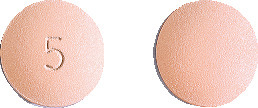
  • FELODIL XR 5 – round, pale pink tablet.
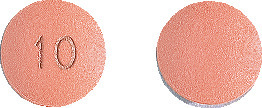
  • FELODIL XR 10 - round reddish- brown tablet.

Each blister pack contains 30 tablets.

Ingredients

The active ingredient in FELODIL XR is felodipine.

  • each FELODIL XR 5 tablet contains 5 mg of felodipine
  • each FELODIL XR 10 tablet contains 10 mg of felodipine

The tablets also contain:

  • lactose monohydrate
  • microcrystalline cellulose
  • hypromellose
  • povidone
  • propyl gallate
  • colloidal anhydrous silica
  • magnesium stearate
  • purified talc
  • propylene glycol
  • titanium dioxide
  • iron oxide red CI77491
  • iron oxide yellow CI7492. The tablets are gluten free.

This medicine contains sugars as lactose.

Sponsor

Arrotex Pharmaceuticals Pty Ltd
15-17 Chapel Street
Cremorne VIC 3121
Australia

Australian registration numbers:
FELODIL XR 5: AUST R 128793
FELODIL XR 10: AUST R 128795

This leaflet was revised in July 2022.

Published by MIMS September 2022

BRAND INFORMATION

Brand name

Felodil XR

Active ingredient

Felodipine

Schedule

S4


1 Name of Medicine

Felodipine.

2 Qualitative and Quantitative Composition

Felodil XR 2.5 tablets contain 2.5 mg of felodipine.
Felodil XR 5 tablets contain 5 mg of felodipine.
Felodil XR 10 tablets contain 10 mg of felodipine.

Excipients with known effect.

5 mg and 10 mg.

Contains lactose.

2.5 mg.

Contains sugars as lactose.
For the full list of excipients, see Section 6.1 List of Excipients.

3 Pharmaceutical Form

Modified release tablets.
Felodil XR 2.5 tablets are yellow, round biconvex, film coated tablet with "2.5" on one side.
Felodil XR 5 tablets are light pink, round biconvex film coated tablet, with "5" on one side.
Felodil XR 10 tablets are reddish-brown, round biconvex film coated tablet, with "10" on one side.

4 Clinical Particulars

4.1 Therapeutic Indications

Hypertension.

4.2 Dose and Method of Administration

Hypertension.

Adults.

The dose should be adjusted individually.
Treatment should be started with 5 mg once daily. In elderly patients a starting dose of 2.5 mg once daily should be considered.
If necessary, the dose can be increased in 2.5 or 5 mg/day increments. The usual maintenance dose is 5 mg to 10 mg daily. Doses higher than 20 mg daily of Felodil XR are not recommended.
Felodil XR tablets should be swallowed whole and taken with water and must not be divided, crushed or chewed.

Use in children.

Clinical data on the use of felodipine in children are unavailable and its use in this age group is not recommended.

Use in the elderly.

The dose should be adjusted individually, taking patient age into consideration (see Section 4.4 Special Warnings and Precautions for Use). An initial dose of 2.5 mg once daily should be considered.

Hepatic insufficiency.

The dose of felodipine should be reduced in patients with severely impaired hepatic function.

Renal insufficiency.

Impaired renal function does not influence felodipine peak plasma concentrations or area under the curve (AUC), and a dosage reduction is not necessary for patients with renal impairment.

4.3 Contraindications

Pregnancy, including the early stages. Women who are likely to become pregnant should not be treated with felodipine. (See Section 4.6 Fertility, Pregnancy and Lactation.)
Known hypersensitivity to felodipine or any other component of the product (see Section 6.1 List of Excipients).
Uncompensated heart failure.
Acute myocardial infarction.
Unstable angina pectoris.
Haemodynamically significant cardiac valvular obstruction.
Dynamic cardiac outflow obstruction.

4.4 Special Warnings and Precautions for Use

Excessive hypotension.

Because felodipine decreases peripheral vascular resistance, careful monitoring of blood pressure during the initial administration and titration of felodipine is suggested. Close observation is especially recommended for patients already taking medications that are known to lower blood pressure. Felodipine, like other vasodilators can cause hypotension, which, in susceptible individuals, may result in myocardial ischemia.

Exacerbation of angina.

Rarely, too great a reduction in blood pressure with an initial reflexogenic increase in heart rate may lead to increased frequency, duration and/or severity of angina, particularly in patients who have severe obstructive coronary artery disease. Therefore, the possibility of precipitation of myocardial ischaemia exists. This may occur in the initial stages of felodipine treatment or following a dosage increase.

Combination with beta-blockers in patients with congestive heart failure.

Beta-blockers are contraindicated in patients with uncompensated heart failure. Although felodipine may appear safe in these patients, combination with a beta-blocker is not recommended.

Leydig cell tumours in rats.

An increased incidence of benign interstitial cell testicular tumours has been observed in rats but not in mice following dosing with felodipine. The relevance of this finding in humans is not known, although clinical studies have demonstrated that felodipine has no influence on testosterone formation or on luteinising hormone secretion.

Outflow obstruction.

Calcium antagonists should be used with caution in the presence of fixed left ventricular outflow obstruction. In animal and in vitro studies, felodipine was six times more potent than nifedipine in inhibiting vascular, relative to myocardial, contractility. Therefore, in patients with raised left ventricular end diastolic pressure, felodipine is less likely to precipitate pulmonary oedema.

Peripheral oedema.

Mild to moderate peripheral oedema resulting from precapillary vasodilation may occur in about 20% of patients treated with felodipine. This oedema appears to be dose related. The effect of a diuretic on this oedema has not been investigated.

Gingival enlargement.

Mild gingival enlargement has been reported in patients with pronounced gingivitis/ periodontitis. The enlargement can be avoided or reversed by careful dental hygiene.

Lactose.

Felodil XR contains lactose and should not be given to patients with hereditary galactose intolerance or glucose-galactose malabsorption.

Use in the elderly.

Felodipine plasma levels are higher on average in elderly patients than in young and middle aged patients due to reduced first pass effect, reduced clearance capacity, or both. It appears, however, that age per se has relatively little impact on the pharmacokinetics of felodipine. However, an initial dose of 2.5 mg once daily in the elderly may be appropriate.

Paediatric use.

Clinical data on the use of felodipine in children are unavailable and its use in this age group is not recommended.

Effects on laboratory tests.

Slight increases in thrombocyte count and rare, usually transient, elevations of enzymes such as alkaline phosphatase, AST and ALT have occasionally been noted during felodipine treatment. These laboratory abnormalities have not been associated with clinical symptoms and their relationship to felodipine is uncertain.

4.5 Interactions with Other Medicines and Other Forms of Interactions

Cytochrome P450 inducers and inhibitors.

Concomitant administration of substances which interfere with the cytochrome P450 3A4 system may affect plasma concentrations of felodipine.
Enzyme inducers of the cytochrome P450 3A4 system (e.g. phenytoin, carbamazepine, rifampicin, barbiturates, Hypericum perforatum (St. John's wort)) will cause a decrease in plasma levels of felodipine.
Enzyme inhibitors of the cytochrome P450 3A4 system (e.g. cimetidine, erythromycin, itraconazole, ketoconazole and certain flavonoids present in grapefruit juice) have been shown to cause an increase in felodipine plasma levels.

Digoxin.

No increase in digoxin levels was observed during concomitant treatment with felodipine extended release tablets.

Food.

No significant effect on absorption of felodipine was observed when felodipine was given with food.

Grapefruit juice.

An increase in the bioavailability of dihydropyridines has been shown when they have been taken with grapefruit juice. The interaction is thought to be due to a bioflavonoid present in grapefruit juice which is not found in other citrus fruits. The interaction is more pronounced with immediate release formulations.

Tacrolimus.

Felodipine may increase the concentration of tacrolimus. When used together, the tacrolimus serum concentration should be followed and the tacrolimus dose may need to be adjusted.

4.6 Fertility, Pregnancy and Lactation

Effects on fertility.

No data available.
(Category C)
Felodil XR should not be given to pregnant women or those likely to become pregnant. Calcium channel blockers carry the potential to produce foetal hypoxia associated with maternal hypotension.
Following administration of felodipine to pregnant dams during the period of organogenesis, morphological abnormalities of the phalanges were observed in the rabbit foetus.
In rats, oral doses of felodipine 3.8 mg/kg or higher caused prolongation of labour.
Felodipine is detected in breast milk. When taken in therapeutic doses by a breastfeeding woman however, it is unlikely to affect the infant.

4.7 Effects on Ability to Drive and Use Machines

The effects of this medicine on a person's ability to drive and use machines were not assessed as part of its registration.

4.8 Adverse Effects (Undesirable Effects)

Extended release felodipine tablets have been extensively studied in Australia and overseas, both as monotherapy and in combination with other hypotensives such as beta-blockers and/or diuretics.
Felodipine can, like other vasodilators, cause flushing, peripheral oedema, headache, palpitations, dizziness and fatigue. Most of these reactions are dose dependent and appear at the start of treatment or after a dose increase. Should such reactions occur, they are usually transient and diminish in intensity with time.
As with other dihydropyridines, dose dependent ankle swelling, resulting from precapillary vasodilatation, can occur in patients treated with felodipine.
As with other calcium antagonists, gingival enlargement has been reported in patients with pronounced gingivitis or periodontitis. The enlargement can be avoided or reversed by attention to dental hygiene.
The following adverse events have been reported from clinical trials and from post-marketing surveillance of felodipine. In the great majority of the less common reactions, a causal relationship to treatment with felodipine has not been established.

Very common (≥ 10%).

Cardiovascular.

Peripheral oedema.

More common reactions (> 1%).

Cardiovascular.

Flushing (feeling of warmth).

Gastrointestinal.

Nausea, vomiting, gum hyperplasia.

Central nervous system.

Headache, dizziness/ vertigo.

Less common reactions (less than or equal to 1%).

Cardiovascular.

Hypotension, palpitations, tachycardia, syncope, chest pain. In isolated cases, sensation of cold.

Respiratory.

Dyspnoea, respiratory infection.

Gastrointestinal.

Dyspepsia, flatulence, abdominal pain, gingivitis, constipation.

Central nervous system.

Paraesthesia. In isolated cases, depression.

Hepatic.

Increased hepatic enzymes, e.g. alkaline phosphatase, AST, ALT.

General.

Hypersensitivity reactions, e.g. skin rashes (including on rare occasions photosensitivity reactions), pruritus, urticaria, angioedema, fever, arthralgia, myalgia, fatigue. In isolated cases impotence/ sexual dysfunction, pollakiuria (urinary frequency) and leucocytoclastic vasculitis.

Serious adverse events.

The following serious adverse events were reported rarely in patients receiving felodipine in placebo controlled studies: myocardial infarction (nonfatal), second degree atrioventricular block, stroke and chest pain. However, a causal relationship with drug therapy has not been established.

Reporting suspected adverse effects.

Reporting suspected adverse reactions after registration of the medicinal product is important. It allows continued monitoring of the benefit-risk balance of the medicinal product. Healthcare professionals are asked to report any suspected adverse reactions at http://www.tga.gov.au/reporting-problems.

4.9 Overdose

For information on the management of overdose, contact the Poison Information Centre on 13 11 26.

Symptoms.

Overdosage may cause excessive peripheral vasodilation with marked hypotension and sometimes bradycardia. Symptoms and signs of overdose may be delayed due to the controlled release properties of Felodil XR, so patients should be kept under observation for at least 24 hours.

Treatment.

If severe hypotension occurs, symptomatic treatment should be instituted. The patient should be placed supine with the legs elevated. In cases of accompanying bradycardia, atropine 0.5 to 1 mg should be administered intravenously. If this is not sufficient, plasma volume should be increased by electrolyte infusion (e.g. glucose, saline or dextran). Sympathomimetic drugs with predominant effect on the alpha1-adrenoreceptors may be given if the above mentioned measures are insufficient.

5 Pharmacological Properties

5.1 Pharmacodynamic Properties

Mechanism of action.

Felodipine is a calcium antagonist which lowers arterial blood pressure by decreasing peripheral vascular resistance. Felodipine exhibits a high degree of selectivity for smooth muscle in the arterioles and in therapeutic doses has no direct effect on cardiac contractility or conduction. Because of its lack of effect on venous smooth muscle and on adrenergic vasomotor control, felodipine does not cause orthostatic hypotension.
Felodipine possesses a mild natriuretic/diuretic effect and therefore does not produce any general fluid retention. In various studies in which bodyweight was monitored, mean values did not generally increase during felodipine therapy.
Felodipine is effective in all grades of hypertension. It can be combined with other antihypertensives such as beta-receptor blockers, diuretics or ACE inhibitors in order to achieve an increased antihypertensive effect.
Felodipine has anti-anginal and anti-ischaemic effects due to the improved oxygen supply/demand balance of the myocardium. Coronary vascular resistance is decreased and coronary blood flow, as well as myocardial oxygen supply, are increased by felodipine. The reduction in systemic blood pressure caused by felodipine leads to decreased left ventricular afterload and myocardial oxygen demand.
Felodipine improves exercise tolerance and reduces anginal attacks in patients with stable effort induced angina pectoris. It can be used as monotherapy or in combination with beta-receptor blockers in these patients.

Site and mechanism of action.

The predominant pharmacodynamic feature of felodipine is its pronounced vascular versus myocardial selectivity. Smooth muscles in arterial resistance vessels which exhibit myogenic activity are particularly sensitive to calcium antagonists such as felodipine. Felodipine inhibits electrical and contractile activity of vascular smooth muscle cells via an action at the cell membrane.

Haemodynamic effects.

The acute haemodynamic effect of felodipine is to reduce total peripheral resistance which leads to a decrease in blood pressure and a slight and transient reflex increase in heart rate and cardiac output. A reduction in blood pressure is usually evident 2 hours after an initial oral dose of felodipine extended release tablets. The effect lasts for at least 24 hours at steady state.
Plasma concentrations of felodipine and change in total peripheral resistance and blood pressure, respectively, are correlated.

Electrophysiological and other cardiac effects.

Felodipine in therapeutic doses has no effect on conduction in the specialised conducting system of the heart and no effect on the atrioventricular node refractoriness. In therapeutic doses felodipine has no negative effect on cardiac contractility. Antihypertensive treatment with felodipine is associated with significant regression of pre-existing left ventricular hypertrophy.

Renal effects.

Felodipine has a natriuretic and diuretic effect. Studies in rats have shown that the reabsorption of filtered sodium is reduced in the distal tubules and collecting ducts in the kidney. The salt and water retention observed with other vasodilators is not observed with felodipine. Felodipine does not affect daily potassium excretion.
Renal vascular resistance is decreased by felodipine. In normal renal function, glomerular filtration rate is unchanged.
In patients with impaired renal function the glomerular filtration rate may increase.

Clinical trials.

No data available.

5.2 Pharmacokinetic Properties

Absorption.

Felodipine is completely absorbed from the gastrointestinal tract after administration of the extended release tablets.
Peak plasma concentrations are usually reached within 3.5 hours. The systemic availability of felodipine is independent of dose in the therapeutic dose range. Due to pre-systemic metabolism of felodipine the bioavailability of the extended release dosage form is approximately 20%.
Felodil XR produces a relatively flat plasma concentration versus time curve, minimising the post-absorption peak seen with conventional tablets and maintaining therapeutic levels over the 24 hours following dosing. This permits single daily dosing of Felodil XR.

Distribution.

The plasma protein binding of felodipine in humans is approximately 99%. It is bound predominantly to the albumin fraction.
In humans, felodipine has a volume of distribution at steady state of approximately 10 L/kg.

Metabolism.

Felodipine is extensively metabolised by the liver. All identified metabolites are inactive. Approximately 70% of a given dose is excreted as metabolites in the urine; the remaining fraction is excreted in the faeces. Less than 0.5% of a dose is recovered unchanged in urine.

Excretion.

The elimination of felodipine from plasma follows a biphasic pattern, with the mean half-life of the alpha phase approximately 4 hours and that of the beta phase approximately 24 hours. There is no significant accumulation during long-term treatment.
Average peak plasma concentrations of felodipine tend to be higher in elderly patients than in young healthy individuals. This can be attributed to reduced systemic clearance of felodipine and a corresponding increase in plasma half-life. The systemic availability, time to peak plasma concentration and volume of distribution do not appear to be significantly affected by age.
In some patients administered a single dose of felodipine 5 mg extended release tablets there was no detectable blood level of felodipine, indicating a significant interindividual variation in pharmacokinetic response. Therefore, the dosage of felodipine extended release tablets for all patients should be individually adjusted rather than based solely on patient age.

5.3 Preclinical Safety Data

Genotoxicity.

No data available.

Carcinogenicity.

No data available.

6 Pharmaceutical Particulars

6.1 List of Excipients

Felodil XR tablets contain the following excipients: lactose monohydrate, microcrystalline cellulose, hypromellose, povidone, propyl gallate, colloidal anhydrous silica, magnesium stearate, purified talc, propylene glycol, titanium dioxide, iron oxide red (5 mg and 10 mg) and iron oxide yellow (2.5 mg, 5 mg and 10 mg).
The tablets are gluten free.

6.2 Incompatibilities

Incompatibilities were either not assessed or not identified as part of the registration of this medicine.

6.3 Shelf Life

In Australia, information on the shelf life can be found on the public summary of the Australian Register of Therapeutic Goods (ARTG). The expiry date can be found on the packaging.

6.4 Special Precautions for Storage

Store below 25°C. Protect from moisture.

6.5 Nature and Contents of Container

Felodil XR 2.5 tablets are available in blister pack (PVC/PE/PVDC/Aluminium) of 30 tablets.
Felodil XR 5 tablets are available in blister pack (PVC/PE/PVDC/Aluminium) of 30 tablets.
Felodil XR 10 tablets are available in blister pack (PVC/PE/PVDC/Aluminium) of 30 tablets.

6.6 Special Precautions for Disposal

In Australia, any unused medicine or waste material should be disposed of by taking to your local pharmacy.

6.7 Physicochemical Properties

Chemical structure.

Felodipine is a white or light yellow, crystalline powder which is practically insoluble in water, freely soluble in acetone, in ethanol, in methanol and in methylene chloride.
The chemical name for felodipine is ethyl methyl (4RS)-4-(2,3-dichlorophenyl)-2,6-dimethyl-1,4-dihydropyridine-3,5-dicarboxylate and it is present as a racemic mixture. Its structural formula is:
C18H19Cl2NO4. Molecular weight: 384.26.

CAS number.

Cas No.: 72509-76-3.

7 Medicine Schedule (Poisons Standard)

S4 - Prescription Only Medicine.

Summary Table of Changes