1 Name of Medicine
Fingolimod.
2 Qualitative and Quantitative Composition
Each Fingolimod-Teva capsule contains 0.56 mg fingolimod hydrochloride (equivalent to 0.5 mg fingolimod).
Excipient of known effect.
Gelatin may contain residual sulfites.
For the full list of excipients, see Section 6.1 List of Excipients.3 Pharmaceutical Form
Fingolimod-Teva 0.5 mg capsule.
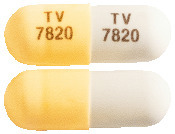
A hard gelatin capsule, size 4, filled with white to off-white powder, imprinted in black, with "TV 7820" on the yellow capsule cap and "TV 7820" on the white opaque capsule body.4.1 Therapeutic Indications
Fingolimod-Teva is indicated for the treatment of adult and paediatric patients of 10 years of age and above with relapsing forms of multiple sclerosis to reduce the frequency of relapses and to delay the progression of disability.
4.2 Dose and Method of Administration
In adults the recommended dose of Fingolimod-Teva is one 0.5 mg capsule taken orally once daily.
In paediatric patients (10 years of age and above), the recommended dose is dependent on body weight:
Paediatric patients with body weight ≤ 40 kg: one 0.25 mg capsule daily taken orally*.
Paediatric patients with body weight > 40 kg: one 0.5 mg capsule daily taken orally.
*0.25 mg strength is available in other brands.
Paediatric patients who start on 0.25 mg capsules and subsequently reach a stable body weight above 40 kg should be switched to 0.5 mg capsules.
Fingolimod-Teva can be taken with or without food. If a dose is missed, treatment should be continued with the next dose as planned.
On initiation of Fingolimod-Teva treatment, after the first dose, it is recommended that all patients be observed, with hourly pulse and blood pressure measurement, for a period of 6 hours for signs and symptoms of bradycardia. All patients should have an electrocardiogram performed prior to dosing and at the end of the 6-hour monitoring period (see Section 4.4 Special Warnings and Precautions for Use, Bradyarrhythmia).
When switching from a 0.25 mg to a 0.5 mg daily dose, it is recommended to repeat the observation after first dose.
Switching patients from other disease modifying therapies.
For recommendations related to switching patients from other disease modifying therapies to Fingolimod-Teva (see Section 4.4 Special Warnings and Precautions for Use, Prior treatment with immunosuppressive or immune-modulating therapies).
Children (below 10 years of age).
The safety and efficacy of Fingolimod-Teva in paediatric patients below 10 years of age have not been studied.
The elderly (≥ 65 years).
Fingolimod-Teva should be used with caution in patients aged 65 years and over (see Section 5 Pharmacological Properties).
Patients with renal impairment.
No Fingolimod-Teva dose adjustments are needed (see Section 5 Pharmacological Properties).
Patients with hepatic impairment.
No Fingolimod-Teva dose adjustments are needed in patients with mild or moderate hepatic impairment. Fingolimod-Teva is not recommended for use in patients with severe hepatic impairment (Child-Pugh class C) (see Section 5.2 Pharmacokinetic Properties, Pharmacokinetics in patients with impaired renal or hepatic function).
Ethnicity.
No Fingolimod-Teva dose adjustments based on ethnic origin are needed (see Section 5 Pharmacological Properties).
Gender.
No Fingolimod-Teva dose adjustments are needed based on gender (see Section 5 Pharmacological Properties).
Diabetic patients.
Fingolimod-Teva should be used with caution in patients with diabetes mellitus due to a potential increased risk of macular oedema (see Section 4.4 Special Warnings and Precautions for Use).4.3 Contraindications
Patients who in the last 6 months experienced myocardial infarction, unstable angina, stroke, TIA, decompensated heart failure requiring hospitalization or Class III/IV heart failure.
History or presence of Mobitz Type II second-degree or third-degree atrioventricular (AV) block or sick sinus syndrome, unless patient has a functioning pacemaker.
Baseline QTc interval ≥ 500 ms.
Concomitant treatment with Class Ia or Class III anti-arrhythmic drugs during Fingolimod-Teva initiation. See Section 4.4 Special Warnings and Precautions for Use for further information.
Further, Fingolimod-Teva should not be administered to patients with known hypersensitivity to fingolimod or any of the excipients.
4.4 Special Warnings and Precautions for Use
Infections.
Fingolimod causes a dose-dependent reduction in peripheral lymphocyte count to 20 - 30% of baseline values because of reversible sequestration of lymphocytes in lymphoid tissues (see Section 5 Pharmacological Properties). Fingolimod may therefore increase the risk of infections, including opportunistic infections, some serious in nature. Before initiating treatment with fingolimod (for switching patients from other disease modifying therapies, see Section 4.4 Special Warnings and Precautions for Use, Prior treatment with immunosuppressive or immune-modulating therapies), a recent complete blood count (CBC) should be available.
Because the elimination of fingolimod after discontinuation can take up to two months, continue monitoring for infections throughout this period.
Anti-neoplastic, immune-modulating or immunosuppressive therapies (including corticosteroids) should be co-administered with caution due to the risk of additive immune system effects. Specific decisions as to the dosage and duration of treatment with corticosteroids should be based on clinical judgement (see Section 4.8 Adverse Effects (Undesirable Effects); Section 4.5 Interactions with Other Medicines and Other Forms of Interactions).
Instruct patients receiving fingolimod to report symptoms of infections to a physician. Suspension of treatment with fingolimod if a patient develops a serious infection, and consideration of the benefit-risk should be undertaken.
Cases of cryptococcal infections, including cryptococcal meningitis, have been reported in the post-marketing setting after approximately 2-3 years of treatment, although the exact relationship between the risk of cryptococcal infections and the duration of treatment is unknown (see Section 4.8 Adverse Effects (Undesirable Effects)). Cryptococcal meningitis may be fatal. For this reason, patients with symptoms and signs consistent with cryptococcal infections should undergo prompt diagnostic evaluation. If a cryptococcal infection is diagnosed, appropriate treatment should be initiated.
Human papilloma virus (HPV) infection, including papilloma, dysplasia, warts and HPV-related cancer, has been reported in patients treated with fingolimod in the post-marketing setting (see Section 4.8 Adverse Effects (Undesirable Effects)). Due to the immunosuppressive properties of fingolimod, vaccination against HPV should be considered prior to treatment initiation with fingolimod taking into account vaccination recommendations. Cancer screening is recommended as per standard of care.
Progressive multifocal leukoencephalopathy.
Cases of progressive multifocal leukoencephalopathy (PML) have been reported in the post-marketing setting (see Section 4.8 Adverse Effects (Undesirable Effects)). PML is an opportunistic infection caused by JC virus, which may be fatal or result in severe disability. Cases of PML have occurred after approximately 2-3 years of treatment. Although the estimated risk appears to increase with cumulative exposure over time, an exact relationship between the risk of PML and the duration of treatment is unknown. The incidence rate for PML appears to be higher for patients in Japan; the reasons are currently unknown. Cases of PML cases have occurred in patients who had not been treated previously with natalizumab, which has a known association with PML, and who were not taking any concomitant immunosuppressive or immunomodulatory medications, and who had no other ongoing systemic medical conditions resulting in compromised immune system function.
Physicians should be vigilant for clinical symptoms or MRI findings that may be suggestive of PML. If PML is suspected, fingolimod treatment should be suspended until PML has been excluded. Early diagnosis and stopping therapy are important factors in management of PML in patients on fingolimod. Delay in diagnosis and treatment worsen prognosis which can result in permanent neurological sequelae or death. There are no known interventions that can reliably prevent PML or adequately treat PML if it occurs.
For diagnosis, an evaluation that includes neurological assessment and a gadolinium-enhanced magnetic resonance imaging (MRI) scan of the brain is recommended. MRI findings suggestive of PML may be apparent before clinical signs or symptoms. Cases of PML, diagnosed based on MRI findings and the detection of JCV DNA in the cerebrospinal fluid in the absence of clinical signs or symptoms specific to PML, have been reported in patients treated with MS medications associated with PML, including fingolimod. Many of these patients subsequently became symptomatic with PML. Therefore, monitoring with MRI for signs that may be consistent with PML may be useful, and any suspicious findings should lead to further investigation to allow for an early diagnosis of PML, if present.
Immune reconstitution inflammatory syndrome (IRIS) has been reported in patients treated with S1P receptor modulators, including fingolimod who developed PML and subsequently discontinued treatment. IRIS presents as a clinical decline in the patient's condition that may be rapid, can lead to serious neurological complications or death, and is often associated with characteristic changes on MRI. The time to onset of IRIS in patients with PML was generally within a few months after S1P receptor modulator discontinuation. Monitoring for development of IRIS and appropriate treatment of the associated inflammation should be undertaken.
Patients with active acute or chronic infections should not start treatment until the infection(s) is resolved. Appropriate diagnostic and therapeutic strategies should be employed in patients with symptoms of infection while on therapy. In multiple sclerosis clinical trials, the overall rate of infections (65.1%) at the 0.5 mg dose was similar to placebo. However, bronchitis, herpes zoster and pneumonia, were more common in fingolimod treated patients. Serious infections occurred at a rate of 1.6% in the fingolimod 0.5 mg group versus 1.4% in the placebo group.
Vaccination.
Vaccination may be less effective during and for up to two months after stopping treatment with fingolimod (see Section 4.4 Special Warnings and Precautions for Use, Stopping therapy). The use of live attenuated vaccines should be avoided.
As could be considered for any immune modulating drug, before initiating therapy, patients need to be assessed for their immunity to varicella (chickenpox) prior to fingolimod therapy. It is recommended that patients without a healthcare professional confirmed history of chickenpox or without documentation of a full course of vaccination against varicella zoster virus (VZV), should be tested for antibodies to VZV before initiating fingolimod therapy. A full course of VZV vaccination of antibody-negative patients should be considered prior to commencing treatment with fingolimod, following which initiation of treatment with fingolimod should be postponed for 1 month to allow full effect of vaccination to occur.
For paediatric patients, please also refer to subsection 'Paediatric patients'.
Macular oedema.
Macular oedema can occur with or without visual symptoms. An ophthalmologic evaluation should be performed before starting fingolimod and at 3-4 months after treatment initiation. Monitor visual acuity at baseline and during routine evaluations of patients.
Patients with diabetes mellitus or a history of uveitis are at increased risk of macular oedema (see Section 4.8 Adverse Effects (Undesirable Effects), Macular oedema). Fingolimod has not been studied in multiple sclerosis patients with concomitant diabetes mellitus. It is recommended that multiple sclerosis patients with diabetes mellitus or a history of uveitis undergo an ophthalmologic evaluation prior to initiating fingolimod therapy and should have regular follow-up ophthalmologic evaluations.
If patients report visual disturbances at any time while on fingolimod therapy, evaluation of the fundus, including the macula, should be carried out.
Continuation of fingolimod in patients with macular oedema has not been evaluated. A decision on whether or not fingolimod therapy should be discontinued needs to take into account the potential benefits and risks for the individual patient.
Bradyarrhythmia.
Initiation of fingolimod treatment results in a decrease in heart rate. After the first dose, the heart rate decrease starts within an hour and the Day 1 decline is maximal within 6 hours (see Section 5.1 Pharmacodynamic Properties, Heart rate and rhythm). In patients receiving fingolimod 0.5 mg, this decrease in heart rate, as measured by pulse, averages approximately 8 beats per minute (bpm) (see Section 4.8 Adverse Effects (Undesirable Effects)). Some patients experienced mild to moderate symptoms, including hypotension, dizziness, fatigue, and/or palpitations.
Initiation of fingolimod treatment has been associated with atrio-ventricular conduction delays, usually as first-degree atrio-ventricular blocks (prolonged PR interval on electrocardiogram). Second-degree atrio-ventricular blocks, usually Mobitz type I (Wenckebach) have been observed in less than 0.5% of patients receiving fingolimod 0.5 mg in clinical trials. The conduction abnormalities typically were transient, asymptomatic, usually did not require treatment and resolved within the first 24-hours on treatment. Isolated cases of transient, spontaneously resolving complete AV block have been reported during post-marketing use of fingolimod (see Section 4.8 Adverse Effects (Undesirable Effects)).
First dose monitoring.
Therefore on initiation of fingolimod treatment, it is recommended that all patients be observed, with hourly pulse and blood pressure measurement, for a period of 6 hours for signs and symptoms of bradycardia. All patients should have an electrocardiogram performed prior to dosing and at the end of the 6-hour monitoring period. Should post-dose bradyarrhythmia-related symptoms occur, appropriate management should be initiated as necessary and the patient should be observed until the symptoms have resolved. Should a patient require pharmacologic intervention during the first dose observation, overnight monitoring in a medical facility should be instituted and the first dose monitoring strategy should be repeated after the second dose of fingolimod.
The same precautions as for the first dose should be taken when patients are switched from the 0.25 mg to the 0.5 mg daily dose.
Additional observation until the finding has resolved is also required:
if the heart rate at 6 hours post-dose is < 45 bpm in adults, < 55 bpm in paediatric patients aged 12 years and above, or < 60 bpm in paediatric patients aged 10 to below 12 years, or is the lowest value post-dose (suggesting that the maximum pharmacodynamic effect on the heart is not yet manifest);
or if the ECG at 6 hours after the first dose shows new onset second degree or higher AV block.
If the ECG at 6 hours after the first dose shows a QTc interval > 470 msec (adult females), QTc > 460 msec (paediatric females) or > 450 msec (adult and paediatric males) the patient should be monitored overnight in a medical facility.
Due to the risk of serious cardiac rhythm disturbances, fingolimod is contraindicated in patients with second degree Mobitz type II or higher AV block, or sick-sinus syndrome unless the patient has a functioning pacemaker (see Section 4.3 Contraindications) and should not be used in patients with sino-atrial heart block, a history of recurrent syncope or symptomatic bradycardia. Since initiation of fingolimod treatment results in decreased heart rate and therefore a prolongation of the QT interval, fingolimod must not be used in patients with a baseline QTc interval ≥ 500 msec (see Section 4.3 Contraindications) and should be used with caution in patients with significant QT prolongation (QTc > 470 msec (females) or > 450 msec (males)). Fingolimod is best avoided in patients with relevant risk factors for QT prolongation, (for example, hypokalaemia, hypomagnesemia or congenital QT prolongation) or on concurrent therapy with QT prolonging drugs with a known risk of torsades de pointes (e.g. citalopram, chlorpromazine, haloperidol, methadone, erythromycin). Since significant bradycardia may be poorly tolerated in patients with known ischemic heart disease, history of myocardial infarction, congestive heart failure, history of cardiac arrest, cerebrovascular disease, uncontrolled hypertension or severe untreated sleep apnoea period, fingolimod should not be used in these patients. In patients for whom fingolimod is not contraindicated, if treatment is considered, advice from a cardiologist should be sought prior to initiation of treatment in order to determine the most appropriate monitoring strategy, which should last overnight.
Fingolimod has not been studied in patients with arrhythmias requiring treatment with Class Ia (e.g. quinidine, procainamide) or Class III anti-arrhythmic drugs (e.g. amiodarone, sotalol). Class Ia and Class III anti-arrhythmic drugs have been associated with cases of Torsades de Pointes in patients with bradycardia. Since initiation of fingolimod treatment results in decreased heart rate, fingolimod must not be used concomitantly with these drugs during fingolimod initiation (see Section 4.3 Contraindications).
Experience with fingolimod is limited in patients receiving concurrent therapy with beta blockers, heart rate lowering calcium channel blockers (such as verapamil or diltiazem), or other substances which may decrease heart rate (e.g. ivabradine or digoxin). Since the initiation of fingolimod treatment is also associated with slowing of the heart rate (see Section 4.8 Adverse Effects (Undesirable Effects), Bradyarrhythmia), concomitant use of these substances during fingolimod initiation may be associated with severe bradycardia and heart block. Because of the potential additive effect on heart rate, treatment with fingolimod should generally not be initiated in patients who are concurrently treated with these substances. If treatment with fingolimod is considered, advice from a cardiologist should be sought regarding the switch to non heart-rate lowering drugs or appropriate monitoring for treatment initiation (should last overnight).
If fingolimod therapy is discontinued for more than 2 weeks after the first month of treatment the effects on heart rate and atrio-ventricular conduction may recur on reintroduction of fingolimod treatment and the same precautions as for initial dosing should apply. Within the first 2 weeks of treatment, first dose procedures are recommended after interruption of one day or more, during week 3 and 4 of treatment first dose procedures are recommended after treatment interruption of more than 7 days.
Liver function.
Increased liver enzymes, mostly alanine aminotransaminase (ALT) elevation, have been reported in multiple sclerosis patients treated with fingolimod. During clinical trials, 3-fold or greater elevation in liver transaminases occurred in 8.5% of patients treated with fingolimod 0.5 mg and drug was discontinued if the elevation exceeded 5-fold increase. Recurrence of liver transaminase elevations occurred upon re-challenge in some patients, supporting a relationship to the drug. In clinical studies, transaminase elevations occurred at any time during treatment although the majority occurred within 6-9 months. Serum transaminase levels returned to normal within approximately two months after discontinuation of fingolimod.
Clinically significant liver injury has been reported in patients treated with fingolimod in the post-market setting including cases of acute liver failure requiring liver transplant.
Recent (i.e. within last 6 months) transaminase and bilirubin levels should be available before initiation of treatment with fingolimod. Patients should be monitored periodically while on treatment and until two months after fingolimod discontinuation.
Patients who develop symptoms suggestive of hepatic dysfunction, such as unexplained nausea, vomiting, abdominal pain, fatigue, anorexia, or jaundice and/or dark urine during treatment, should have liver enzymes and bilirubin checked and fingolimod should be discontinued if significant liver injury is confirmed (see Section 4.8 Adverse Effects (Undesirable Effects), Liver transaminases).
Although there are no data to establish that patients with pre-existing liver disease are at increased risk to develop elevated liver function tests (LFTs) when taking fingolimod, caution in the use of fingolimod should be exercised in patients with a history of significant liver disease.
Fingolimod has not been studied in patients with severe pre-existing hepatic injury (Child-Pugh class C) and is not recommended for use in these patients.
Posterior reversible encephalopathy syndrome.
Rare cases of posterior reversible encephalopathy syndrome (PRES) have been reported at 0.5 mg dose in clinical trials and in the post-marketing setting (see Section 4.8 Adverse Effects (Undesirable Effects)). Symptoms reported included sudden onset of severe headache, nausea, vomiting, altered mental status, visual disturbances and seizure. Symptoms may evolve into ischemic stroke or cerebral haemorrhage. Delay in diagnosis and treatment may lead to permanent neurological sequelae. If PRES is suspected, fingolimod should be discontinued.
Prior treatment with immunosuppressive or immune-modulating therapies.
When switching patients from other disease modifying therapies, the elimination half-life and mode of action of other therapy must be considered in order to avoid an additive immune effect whilst at the same time minimising the risk of disease reactivation. Before initiating treatment with fingolimod, a recent CBC (i.e. after discontinuation of prior therapy) should be available to ensure any immune effects of such therapy (e.g. cytopenia) have resolved.
Beta interferon, glatiramer acetate or dimethyl fumarate.
Fingolimod can generally be started immediately after discontinuation of beta interferon, glatiramer acetate or dimethyl fumarate.
Natalizumab or teriflunomide.
Due to the long elimination half-life of natalizumab or teriflunomide, caution regarding potential additive immune effects is required when switching patients from these therapies to fingolimod. A careful case-by-case assessment regarding the timing of the initiation of fingolimod treatment is recommended.
Elimination of natalizumab usually takes up to 2-3 months following discontinuation.
In MS patients the teriflunomide median t½z was approximately 19 days after repeated doses of 14 mg. If a decision is made to stop treatment with teriflunomide during the interval of 5 half-lives (approximately 3.5 months although may be longer in some patients), starting other therapies will result in concomitant exposure to teriflunomide. Without an accelerated elimination procedure, it may take up to 2 years to reach teriflunomide concentrations < 0.02 microgram/mL due to individual variation in clearance. The accelerated elimination procedure is described in the teriflunomide product information.
Alemtuzumab.
Due to the characteristics and duration of alemtuzumab immune suppressive effects described in its product information, initiating treatment with fingolimod after alemtuzumab is not recommended unless the benefits of fingolimod treatment clearly outweigh the risks for the individual patient.
Skin cancers.
Skin cancers including basal cell carcinoma (BCC), malignant melanoma, squamous cell carcinoma, Kaposi's sarcoma and Merkel cell carcinoma, have been reported in patients receiving fingolimod (see Section 4.8 Adverse Effects (Undesirable Effects), Post-marketing experience).
Since there is a potential risk of malignant skin growths, patients treated with fingolimod should be cautioned against exposure to sunlight without protection. These patients should not receive concomitant phototherapy with UV-B-radiation or PUVA-photochemotherapy.
Periodic skin examination is recommended for all patients. Vigilance for cutaneous neoplasms is recommended in patients receiving fingolimod. Healthcare professionals and patients are advised to monitor for suspicious skin lesions before initiating treatment and regularly during treatment with fingolimod. If a suspicious skin lesion is observed, it should be promptly evaluated.
Lymphomas.
There have been cases of lymphoma in clinical studies and the post-marketing setting. The cases reported were heterogeneous in nature, mainly Non-Hodgkin's Lymphoma, including B-cell and T-cell lymphomas. Cases of cutaneous T cell lymphoma (mycosis fungoides) have been observed (see Section 4.8 Adverse Effects (Undesirable Effects)).
Return of disease activity (rebound) after fingolimod discontinuation.
Cases of severe exacerbation of disease have been reported after stopping fingolimod in the post-marketing setting. This was generally observed within 12 weeks after stopping fingolimod, but was also reported up to and beyond 24 weeks after fingolimod discontinuation. Therefore, caution is indicated when stopping fingolimod therapy. If discontinuation of fingolimod is deemed necessary, patients should be monitored for relevant signs and symptoms and appropriate treatment should be initiated as required.
After stopping fingolimod in the setting of PML, monitor for development of immune reconstitution inflammatory syndrome (PML-IRIS) (see Section 4.4 Special Warnings and Precautions for Use, Infections).
Tumefactive lesions.
Rare cases of tumefactive lesions associated with MS relapse were reported in the post-marketing setting. In case of severe relapses, MRI should be performed to exclude tumefactive lesions.
Discontinuation of fingolimod should be considered by the physician on a case-by-case basis taking into account individual benefits and risks.
Stopping therapy.
If a decision is made to stop treatment with fingolimod, the physician needs to be aware that fingolimod remains in the blood and has pharmacodynamic effects, such as decreased lymphocyte counts, for up to two months following the last dose. Lymphocyte counts typically return to normal range within 1- 2 months of stopping therapy (see Section 5 Pharmacological Properties). Starting other therapies during this interval will result in a concomitant exposure to fingolimod. Use of immunosuppressants soon after the discontinuation of fingolimod may lead to an additive effect on the immune system and therefore caution should be applied.
See also section above: Return of disease activity (rebound) after fingolimod discontinuation.
Use in hepatic impairment.
Although there are no data to establish that patients with pre-existing liver disease are at increased risk to develop elevated liver function tests (LFTs) when taking fingolimod, caution in the use of fingolimod should be exercised in patients with a history of significant liver disease.
Use in the elderly.
Fingolimod should be used with caution in patients aged 65 years and over (see Section 5 Pharmacological Properties).
Paediatric use (10 years of age and above).
It is recommended that paediatric patients complete all immunisations in accordance with current immunisation guidelines prior to initiating fingolimod therapy.
Pregnancy, foetal risk, and contraception.
Due to the potential for a serious risk to the foetus, the pregnancy status of females of reproductive potential should be verified prior to starting treatment with fingolimod. Medical advice should be given regarding the risk of harmful effects on the foetus associated with treatment.
While on treatment with fingolimod, females should not become pregnant and effective contraception is recommended during treatment and for 2 months after stopping treatment. If a female becomes pregnant while taking fingolimod, discontinuation of fingolimod should be considered, taking into account the individual benefit risk assessment for both the mother and the foetus. (See Section 4.6 Fertility, Pregnancy and Lactation, Use in pregnancy; Section 4.4 Special Warnings and Precautions for Use, Return of disease activity (rebound) after fingolimod discontinuation).
Effects on laboratory tests.
Since fingolimod reduces blood lymphocyte counts via re-distribution in secondary lymphoid organs, peripheral blood lymphocyte counts cannot be utilised to evaluate the lymphocyte subset status of a patient treated with fingolimod.
Laboratory tests requiring the use of circulating mononuclear cells require larger blood volumes due to reduction in the number of circulating lymphocytes.4.5 Interactions with Other Medicines and Other Forms of Interactions
Pharmacodynamic interactions.
Anti-neoplastic, immunosuppressive or immune modulating therapies (including corticosteroids) should be co-administered with caution due to the risk of additive immune system effects (see Section 4.4 Special Warnings and Precautions for Use, Prior treatment with immunosuppressive or immune-modulating therapies). Specific decisions as to the dosage and duration of treatment with corticosteroids should be based on clinical judgement (see Section 4.4 Special Warnings and Precautions for Use; Section 4.8 Adverse Effects (Undesirable Effects)).
Caution should also be applied when switching patients from long-acting therapies with immune effects such as natalizumab, teriflunomide or mitoxantrone (see Section 4.4 Special Warnings and Precautions for Use, Prior treatment with immunosuppressive or immune-modulating therapies). In multiple sclerosis clinical trials the concomitant treatment of relapses with a short course of corticosteroids was not associated with an increased rate of infection.
When fingolimod is used with atenolol, there is an additional 15% reduction of heart rate upon fingolimod initiation, an effect not seen with diltiazem.
Treatment with fingolimod should not be initiated in patients receiving beta blockers, heart rate lowering calcium channel blockers (such as verapamil or diltiazem), or other substances which may decrease heart rate (e.g. ivabradine or digoxin) because of the additive effects on heart rate. If treatment with fingolimod is considered, advice from a cardiologist should be sought regarding the switch to non-heart-rate lowering medicinal products or appropriate monitoring for treatment initiation (should last overnight) (see Section 4.4 Special Warnings and Precautions for Use).
During and for up to two months after treatment with fingolimod vaccination may be less effective. The use of live attenuated vaccines may carry the risk of infection and should also therefore be avoided during fingolimod treatment and for up to 2 months after treatment with fingolimod (see Section 4.8 Adverse Effects (Undesirable Effects)).
Pharmacokinetic interactions.
Fingolimod is primarily cleared via cytochrome P450 4F2 (CYP4F2) and possibly other CYP4F isoenzymes. In vitro studies with human hepatocytes indicated that CYP3A4 may contribute to fingolimod metabolism in the case of strong induction of CYP3A4.
Potential of fingolimod and fingolimod-phosphate to inhibit the metabolism of co-medications. In vitro inhibition studies using pooled human liver microsomes and specific metabolic probe substrates demonstrated that fingolimod and fingolimod-phosphate have little or no capacity to inhibit the activity of CYP enzymes (CYP1A2, CYP2A6, CYP2B6, CYP2C8, CYP2C9, CYP2C19, CYP2D6, CYP2E1, CYP3A4/5, or CYP4A9/11 (fingolimod only)). Therefore, fingolimod and fingolimod-phosphate are unlikely to reduce the clearance of drugs that are mainly cleared through metabolism by the major CYP isoenzymes.
Potential of fingolimod and fingolimod-phosphate to induce its own and/or the metabolism of co-medications. Fingolimod was examined for its potential to induce human CYP3A4, CYP1A2, CYP4F2, and ABCB1 (P-glycoprotein) mRNA and CYP3A, CYP1A2, CYP2B6, CYP2C8, CYP2C9, CYP2C19, and CYP4F2 activity in primary human hepatocytes. Fingolimod did not induce mRNA or activity of the different CYP enzymes and ABCB1 with respect to the vehicle control. Therefore no clinically relevant induction by fingolimod of the tested CYP450 enzymes or ABCB1 is expected at therapeutic concentrations. In vitro experiments with primary human hepatocytes did not provide an indication of CYP induction by fingolimod-phosphate at clinically relevant concentrations.
Potential of fingolimod and fingolimod-phosphate to inhibit the active transport of co-medications. Based on in vitro data, fingolimod as well as fingolimod-phosphate are not expected to inhibit the uptake of co-medications and/or biologics transported by the organic anion transporting polypeptides 1B1 and 1B3 (OATP1B1, OATP1B3) or the sodium taurocholate co-transporting polypeptide (NTCP).
Similarly, they are not expected to inhibit the efflux of co-medications and/or biologics transported by the breast cancer resistance protein (BCRP), the bile salt export pump (BSEP), the multidrug resistance-associated protein 2 (MRP2) or P-glycoprotein (P-gp) at therapeutic concentrations.
Ciclosporin.
The pharmacokinetics of single-dose fingolimod were not altered during co-administration with ciclosporin at steady-state, nor were ciclosporin steady-state pharmacokinetics altered by single-dose, or multi-dose (28 days) fingolimod administration. These data indicate that fingolimod is unlikely to reduce or increase the clearance of drugs mainly cleared by CYP3A4 and that inhibition of CYP3A4 is unlikely to reduce the clearance of fingolimod. Potent inhibition of transporters P-gp, MRP2 and OATP1B1 does not influence fingolimod disposition.
Ketoconazole.
The co-administration of oral ketoconazole 200 mg twice daily at steady-state and a single dose of fingolimod 5 mg led to a modest increase in the AUC of fingolimod and fingolimod-phosphate (1.7-fold increase) by inhibition of CYP4F2. Patients who use fingolimod and systemic ketoconazole concomitantly should be closely monitored, as the risk of adverse reactions is greater.
Isoprenaline, atropine, atenolol, and diltiazem.
Single-dose fingolimod and fingolimod-phosphate exposure was not altered by co-administered isoprenaline or atropine. Likewise, the single-dose pharmacokinetics of fingolimod and fingolimod-phosphate and the steady-state pharmacokinetics of both atenolol and diltiazem were unchanged during the co-administration of the latter two drugs with fingolimod.
Carbamazepine.
The co-administration of carbamazepine 600 mg twice daily at steady-state and a single dose of fingolimod 2 mg significantly decreased the AUC of fingolimod and fingolimod-phosphate.
Population pharmacokinetics analysis of potential drug-drug interactions. A population pharmacokinetics evaluation, performed in multiple sclerosis patients, did not provide evidence for a significant effect of fluoxetine and paroxetine (strong CYP2D6 inhibitors) and carbamazepine (potent enzyme inducer) on fingolimod or fingolimod-phosphate concentrations. In addition, the following, commonly prescribed substances had no clinically relevant effect (≤ 20%) on fingolimod or fingolimod-phosphate concentrations: baclofen, gabapentin, oxybutynin, amantadine, modafinil, amitriptyline, pregabalin, corticosteroids and oral contraceptives.4.6 Fertility, Pregnancy and Lactation
Effects on fertility.
There are no human data on the effects of fingolimod on male or female fertility. Fingolimod had no effect on fertility in rats up to the highest dose tested of 10 mg/kg/day (estimated systemic exposure more than 100 times the anticipated clinical exposure) in a study in which both male and female animals were treated and mated. There was no apparent effect on sperm counts. Data from animals do not suggest that fingolimod would be associated with an increased risk of reduced fertility.
(Category D)
Available human data (post-marketing data and pregnancy registry information) suggest that use of fingolimod is associated with an increased prevalence of major congenital malformation in comparison to the general population.
For females planning to become pregnant, fingolimod should be stopped 2 months before conception (see Section 4.4 Special Warnings and Precautions for Use, Pregnancy, foetal risk, and contraception). It will take approximately 2 months to eliminate the compound from the body upon stopping treatment.
If a female becomes pregnant while taking fingolimod, discontinuation of fingolimod should be considered, taking into account the individual benefit risk assessment for both the mother and the foetus.
Medical advice should be given regarding the risk of harmful effects on the foetus associated with treatment and medical follow-up examination should be performed (e.g. ultrasonography examination). If fingolimod is discontinued because of pregnancy or planned pregnancy, the possibility of severe exacerbation of disease should be considered, see Section 4.4 Special Warnings and Precautions for Use, Return of disease activity (rebound) after fingolimod discontinuation, Stopping therapy.
In a prospective observational Fingolimod Pregnancy Registry (2011-2024), the rate of major birth defects among 166 live births, stillbirths or termination of pregnancy due to foetal anomaly from women who were exposed to fingolimod during pregnancy was 7.2% (95% CI: 3.8-12.3). The most frequent major congenital malformations were congenital heart defects, renal/urinary malformations and limb/musculoskeletal malformations. Important study limitations include no adjustment for confounders, no re-adjudication in case of spontaneous resolution, lack of an internal comparator cohort and small sample size.
Additionally, in the fingolimod prospective pharmacovigilance data, including data from the PRIM program (PRegnancy outcomes Intensive Monitoring), the rate of major birth defects among 700 live births, stillbirths or termination of pregnancy due to foetal anomaly from women who were exposed to fingolimod during pregnancy was 3.57% (95% CI: 2.32-5.23). The most frequent major congenital malformations were congenital heart defects, nervous system abnormalities and renal/urinary malformations. Important program limitations include possible under reporting of pregnancy exposure, a high number of cases being lost to follow-up, no adjustment for confounders, and lack of an internal comparator cohort.
The prevalence of major congenital malformation in the general population is 2 to 4%.
The pattern of malformation reported for fingolimod is similar to that observed in the general population.
There is no evidence of clustering of specific birth defects with fingolimod.
Animal studies have shown reproductive toxicity, including foetal loss. Fingolimod and/or its metabolites crossed the placental barrier in pregnant rats and rabbits. When administered during organogenesis, fingolimod was teratogenic in the rat at oral doses of 0.1 mg/kg/day or higher (similar to the clinical dose on a body surface area basis). The most common malformations were persistent truncus arteriosus and ventricular septal defect. At a lower dose (0.03 mg/kg/day), an increased incidence of left umbilical artery was the only finding. A pharmacological mechanism may be responsible as the sphingosine 1-phosphate receptor is involved in vascular formation during embryogenesis. Rabbits showed an increase in skeletal variations at exposures similar to clinical exposure. An increase in post-implantation loss and/or abortion was observed in rat (0.5 mg/kg/day or higher) and rabbit (5 mg/kg/day or higher) studies. Reduced perinatal survival was seen in offspring from rats treated orally from early gestation to weaning with 0.05 mg/kg/day or higher (similar to the clinical dose on a body surface area basis); a no effect dose was not established.
Fingolimod and/or its metabolites was excreted in the milk of treated rats during lactation. There were no effects on body weight, development, behaviour, or fertility in rat pups from dams treated with oral fingolimod from early gestation to weaning. Reduced immunocompetence was evident in juvenile rats following oral administration.
There are no data on the effects of fingolimod on the breastfed child or the effects of fingolimod on milk production. Since many drugs are excreted in human milk and because of the potential for serious adverse drug reactions from fingolimod in nursing infants, females receiving fingolimod should not breast feed.4.7 Effects on Ability to Drive and Use Machines
The effects of this medicine on a person's ability to drive and use machines were not assessed as part of its registration.
4.8 Adverse Effects (Undesirable Effects)
The safety population of fingolimod is derived from two Phase III placebo-controlled clinical trials and one Phase III active-controlled clinical trial in patients with relapsing remitting multiple sclerosis. It includes a total of 2,431 patients on fingolimod (0.5 or 1.25 mg dose).
In the pooled data from the two placebo controlled studies (D2301, FREEDOMS and D2309, FREEDOMS II) the most serious adverse drug reactions (ADRs) for the 0.5 mg recommended therapeutic dose were infections, macular oedema and transient atrio-ventricular blocks on treatment initiation. The most frequent ADRs (incidence ≥ 10%) at the 0.5 mg dose were headache, hepatic enzyme increased, diarrhoea, cough, influenza, sinusitis and back pain. The most frequent adverse event reported for fingolimod 0.5 mg at an incidence greater than 1% leading to treatment interruption was ALT elevations (2.2%).
The ADRs in Study D2302 (TRANSFORMS), a 1-year active controlled study using interferon beta-1a as comparator in 849 patients with multiple sclerosis treated with fingolimod, were generally similar to Study D2301, taking into account the differences in study duration.
Table 1 presents the frequency of ADRs reported in the pooled analysis of the placebo controlled studies. ADRs are listed according to MedDRA system organ class. Within each system organ class, the adverse drug reactions are ranked by frequency, with the most frequent reactions first. In addition, the corresponding frequency category for each adverse drug reaction is based on the following convention (CIOMS III):
Very common (≥ 1/10); common (≥ 1/100 to < 1/10); uncommon (≥ 1/1,000 to < 1/100); rare (≥ 1/10,000 to < 1/1,000); very rare (< 1/10,000). Within each frequency grouping, adverse reactions are ranked in order of decreasing seriousness.

Other adverse reactions reported in clinical trials.
Uncommon: pneumonia, macular oedema, melanoma* and seizure.
Very rare: Kaposi's sarcoma*.
*The frequency category and risk assessment were based on an estimated exposure of more than 24,000 patients to fingolimod 0.5 mg in all clinical trials.
Description of selected adverse drug reactions.
Infections.
In multiple sclerosis clinical trials, the overall rate of infections (65.1%) at the 0.5 mg dose was similar to placebo. However, bronchitis, herpes zoster and pneumonia, were more common in fingolimod treated patients. Serious infections occurred at a rate of 1.6% in the fingolimod 0.5 mg group versus 1.4% in the placebo group.
There have been very rare fatal cases of VZV infections in the context of prolonged concomitant corticosteroid use (more than 5 days) for treatment of multiple sclerosis relapses. Co-administration of a short course of corticosteroids (up to 5 days as per study protocols) did not increase the overall rate of infection in patients treated with fingolimod in the Phase III clinical trials, compared to placebo (see Section 4.4 Special Warnings and Precautions for Use; Section 4.5 Interactions with Other Medicines and Other Forms of Interactions).
There have been very rare cases of other herpes viral infections with fatal outcome. Two serious cases of disseminated herpes infection which were fatal have occurred on the 1.25 mg dose; a case of herpes encephalitis in a patient in whom initiation of acyclovir therapy was delayed by one week and a case of a primary disseminated varicella zoster infection in a patient not previously exposed to varicella receiving concomitant high-dose steroid therapy for a multiple sclerosis relapse.
Human papilloma virus (HPV) infection, including papilloma, dysplasia, warts and HPV-related cancer, has been reported under treatment with fingolimod in the post-marketing setting (see Section 4.4 Special Warnings and Precautions for Use).
Cases of opportunistic infections, have been reported in the post-marketing setting, some of which have been fatal. These cases included viral infections such as JCV causing Progressive Multifocal Leukoencephalopathy (PML), herpes simplex or varicella zoster virus which may lead to encephalitis/ meningitis, fungal infections including cryptococcal meningitis and atypical mycobacterial skin and lung infections (see Section 4.4 Special Warnings and Precautions for Use).
Macular oedema.
In clinical trials, macular oedema occurred in 0.4% of patients treated with the recommended fingolimod dose of 0.5 mg and in 1.1% of patients treated with the higher 1.25 mg dose. The majority of cases in multiple sclerosis clinical trials occurred within the first 3-4 months of therapy. Some patients presented with blurred vision or decreased visual acuity, but others were asymptomatic and diagnosed on routine ophthalmologic examination. The macular oedema generally improved or resolved spontaneously after drug discontinuation. The risk of recurrence after re-challenge has not been evaluated.
Macular oedema incidence is increased in multiple sclerosis patients with a history of uveitis (approximately 20% with a history of uveitis vs 0.6% without a history of uveitis). Fingolimod has not been tested in multiple sclerosis patients with diabetes mellitus. In renal transplant clinical studies where patients with diabetes mellitus were included, therapy with fingolimod 2.5 mg and 5 mg resulted in a 2-fold increase in the incidence of macular oedema. Multiple sclerosis patients with diabetes mellitus are therefore expected to be at a higher risk for macular oedema (see Section 4.4 Special Warnings and Precautions for Use).
Bradyarrhythmia.
Initiation of fingolimod treatment results in a transient decrease in heart rate and may also be associated with atrio-ventricular conduction delays (see Section 4.4 Special Warnings and Precautions for Use).
In multiple sclerosis clinical trials the mean maximal decrease in heart rate after the first dose intake was seen 4 - 5 hours post-dose, with declines in mean heart rate, as measured by pulse, of 8 beats per minute for fingolimod 0.5 mg. The second dose may result in a slight further decrease. Heart rates below 40 beats per minute (bpm) in adults, and below 50 bpm in paediatric patients were rarely observed in patients on fingolimod 0.5 mg. Heart rate returned to baseline within 1 month of chronic dosing.
In the multiple sclerosis clinical program first-degree atrio-ventricular block (prolonged PR interval on electrocardiogram) was detected following drug initiation in 4.7% of patients on fingolimod 0.5 mg, in 2.8% of patients on intramuscular interferon beta-1a and in 1.5% of patients on placebo. Second-degree atrioventricular block were detected in less than 0.5% patients on fingolimod 0.5 mg.
The conduction abnormalities were typically transient, asymptomatic and resolved within 24 hours on treatment. Although most patients did not require medical intervention, in clinical trials one patient on the 0.5 mg dose received isoprenaline for an asymptomatic second degree Mobitz I atrio-ventricular block.
Blood pressure.
In multiple sclerosis clinical trials fingolimod 0.5 mg was associated with a mild increase of approximately 1 mmHg on average in mean arterial pressure manifesting after approximately 2 months of treatment initiation. This increase persisted with continued treatment. Hypertension was reported in 6.1% of patients on fingolimod 0.5 mg and in 3.8% of patients on placebo.
Liver transaminases.
Increased hepatic enzymes (mostly ALT elevation) have been reported in multiple sclerosis patients treated with fingolimod (see Section 4.4 Special Warnings and Precautions for Use). In multiple sclerosis clinical trials, 8.5% and 1.9% of patients treated with fingolimod 0.5 mg experienced asymptomatic elevation in serum levels of hepatic transaminases ≥ 3 x ULN and ≥ 5 x ULN, respectively. The majority of elevations occurred within 6-9 months. Serum transaminase levels returned to normal after discontinuation of fingolimod within approximately 2 months. In a small number of patients, 10 patients on fingolimod 1.25 mg and 2 patients on fingolimod 0.5 mg, who experienced liver transaminase elevations ≥ 5 x ULN and who continued on fingolimod therapy, the elevations returned to normal within approximately 5 months (see Section 4.4 Special Warnings and Precautions for Use).
Respiratory system.
Minor dose-dependent reductions in FEV1 and diffusion capacity of the lung for carbon monoxide (DLCO) values were observed with fingolimod treatment starting at month 1 and remaining stable thereafter. At month 24, the reduction from baseline values in percent of predicted FEV1 was 3.1% for fingolimod 0.5 mg and 2.0% for placebo. For DLCO the reductions at Month 24 were 3.8% for fingolimod 0.5 mg and 2.7% for placebo. The changes in FEV1 were reversible following treatment discontinuation.
Seizures.
Cases of seizures, including status epilepticus, have been reported with the use of fingolimod in clinical trials and in the post-marketing setting. It is unknown whether these events were related to the effects of multiple sclerosis alone, to fingolimod, or to a combination of both.
Vascular events.
In phase III clinical trials, rare cases of peripheral arterial occlusive disease occurred in patients treated with fingolimod at higher doses (1.25 or 5.0 mg). Rare cases of ischemic and haemorrhagic strokes have also been reported at 0.5 mg dose in clinical trials and in the post-marketing setting although a causal relationship has not been established.
Lymphomas.
There have been cases of lymphoma in clinical studies and the post-marketing setting. The cases reported were heterogeneous in nature, mainly Non-Hodgkin's Lymphoma, including B-cell and T-cell lymphomas. Cases of cutaneous T cell lymphoma (mycosis fungoides) have been observed.
Special populations.
Paediatric patients (10 years of age and above).
In the controlled paediatric trial, the safety profile in paediatric patients (10 to below 18 years of age) receiving fingolimod 0.25 mg or 0.5 mg daily was similar to that seen in adult patients.
In the paediatric study, cases of seizures were reported in 5.6% of fingolimod-treated patients and 0.9% of interferon beta-1a treated patients.
Post-marketing experience.
See Table 2.

Bradyarrhythmia.
Isolated events of transient, spontaneously resolving complete AV block have been observed during the six hour observation period following the first dose of fingolimod. The patients recovered spontaneously. Isolated delayed onset events, including transient asystole and unexplained death, have occurred within 24 hours of the first dose. These cases have been confounded by concomitant medications and/or pre-existing disease. The relationship of such events to fingolimod is uncertain.
Reporting suspected adverse effects.
Reporting suspected adverse reactions after registration of the medicinal product is important. It allows continued monitoring of the benefit-risk balance of the medicinal product. Healthcare professionals are asked to report any suspected adverse reactions at www.tga.gov.au/reporting-problems.4.9 Overdose
No cases of overdosage have been reported. However, single doses up to 80-fold the recommended dose (0.5 mg) were well tolerated in healthy adult volunteers. At 40 mg, 5 of 6 subjects reported mild chest tightness or discomfort which was clinically consistent with small airway reactivity.
Fingolimod can induce bradycardia (see Section 5.1 Pharmacodynamic Properties, Heart rate and rhythm). Some patients experience mild to moderate symptoms, including hypotension, dizziness, fatigue, and/or palpitations. There have been reports of slow atrioventricular conduction with isolated reports of transient, spontaneously resolving complete AV block (see Section 4.4 Special Warnings and Precautions for Use; Section 4.8 Adverse Effects (Undesirable Effects)).
If the overdose constitutes first exposure to fingolimod it is important to observe for signs and symptoms of bradycardia, which could include overnight monitoring. Regular measurements of pulse rate and blood pressure are required and electrocardiograms should be performed (see Section 4.2 Dose and Method of Administration; Section 4.4 Special Warnings and Precautions for Use).
Neither dialysis nor plasma exchange would result in meaningful removal of fingolimod from the body.
For information on the management of overdose, contact the Poisons Information Centre on 13 11 26 (Australia).
5 Pharmacological Properties
5.1 Pharmacodynamic Properties
Pharmacotherapeutic group: Immunosuppressants, sphingosine-1-phosphate (S1P) receptor modulators, ATC code: L04AE01.
Mechanism of action.
Fingolimod is a sphingosine 1-phosphate receptor modulator. Fingolimod is metabolised by sphingosine kinase to the active metabolite fingolimod-phosphate. Fingolimod-phosphate, binds at low nanomolar concentrations to sphingosine 1-phosphate (S1P) receptors 1, 3, and 4 located on lymphocytes, and readily crosses the blood brain barrier to bind to S1P receptors 1, 3, and 5 located on neural cells in the central nervous system. By acting as a functional antagonist of S1P receptors on lymphocytes, fingolimod-phosphate blocks the capacity of lymphocytes to egress from lymph nodes, causing a redistribution, rather than depletion, of lymphocytes. This redistribution reduces the infiltration of pathogenic lymphocyte cells into the central nervous system where they would be involved in nerve inflammation and nervous tissue damage.
Animal studies and in vitro experiments indicate that fingolimod may also exert beneficial effects in multiple sclerosis via interaction with S1P receptors on neural cells.
Pharmacodynamics.
Immune system. Effects on immune cell numbers in the blood.
Within 4-6 hours after the first dose of fingolimod 0.5 mg, the lymphocyte count decreases to approximately 75% of baseline. With continued daily dosing, the lymphocyte count continues to decrease over a two week period, reaching a nadir count of approximately 500 cells/microL or approximately 30% of baseline. Eighteen percent of patients reached a nadir of < 200 cells/microL on at least one occasion.
Low lymphocyte counts are maintained with chronic daily dosing. The majority of T and B lymphocytes regularly traffic through lymphoid organs and these are the cells mainly affected by fingolimod. Approximately 15-20% of T lymphocytes have an effector memory phenotype, cells that are important for peripheral immune surveillance. Since this lymphocyte subset typically does not traffic to lymphoid organs, it is not affected by fingolimod. Peripheral lymphocyte count increases are evident within days of stopping fingolimod treatment and typically normal counts are reached within one to two months. Chronic fingolimod dosing leads to a mild decrease in the neutrophil count to approximately 80% of baseline. Monocytes are unaffected by fingolimod.
Heart rate and rhythm. Fingolimod causes a transient reduction in heart rate and atrio-ventricular conduction at treatment initiation (see Section 4.4 Special Warnings and Precautions for Use, Bradyarrhythmia; Section 4.8 Adverse Effects (Undesirable Effects)). The maximal decline of heart rate is seen in the first 4-5 hours post-dose, with 70% of the negative chronotropic effect achieved on the first day. Heart rate progressively returns to baseline values within one month of chronic treatment.
Pooled analysis of studies with Holter monitoring showed that fingolimod increased the rate of new onset first degree A-V heart block (PR > 200 ms) by 12% on Day 1 and that the incidence had reduced to < 1% after 1 week of treatment. Doses ≤ 1.25 mg were associated with a 7% incidence of heart block (cf. 3% in subjects given placebo). These blocks were usually asymptomatic and did not require treatment.
Autonomic responses of the heart, including diurnal variation of heart rate and response to exercise, are not affected by fingolimod treatment.
With initiation of fingolimod treatment there is an increase in atrial premature contractions, but there is no increased rate of atrial fibrillation/flutter or ventricular arrhythmias or ectopy. Fingolimod treatment is not associated with a decrease in cardiac output.
The decrease in heart rate induced by fingolimod can be reversed by atropine, isoprenaline or salmeterol.
Potential to prolong the QT interval. In a thorough QT interval study of doses of 1.25 or 2.5 mg fingolimod at steady-state, when a negative chronotropic effect of fingolimod was still present, fingolimod treatment resulted in a prolongation of QTcI, with the upper bound of the 90% CI ≤ 13.0 ms. There is no dose or exposure - response relationship of fingolimod and QTcI prolongation. There is no consistent signal of increased incidence of QTcI outliers, either absolute or change from baseline, associated with fingolimod treatment. In the multiple sclerosis studies, there was no clinically relevant prolongation of QT interval.
Pulmonary function. Persistent pulmonary inflammation and collagenisation with scarring and pulmonary remodelling were observed in association with fingolimod treatment in chronic animal studies (all tested species; mice, rats, dogs and monkeys). Focal pulmonary metaplastic ossification was evident in mice and rats treated for 2 years, but not 6 months, at a dose of 0.25 mg/kg/day and 0.5 mg/kg/day, respectively. Exposure (AUC) at the no effect level was below the clinical exposure in mice and 3 times the clinical exposure in rats. As these pulmonary changes occurred in multiple species, at low relative exposure and were incompletely reversible, adequate pulmonary monitoring should be considered with long-term treatment.
Fingolimod treatment with single or multiple doses of 0.5 and 1.25 mg for two weeks is not associated with a detectable increase in airway resistance as measured by forced expiratory volume in 1 second (FEV1) and forced expiratory flow during expiration of 25 to 75% of the forced vital capacity (FEF25-75). However, single fingolimod doses ≥ 5 mg (10-fold the recommended dose) are associated with a dose-dependent increase in airway resistance. Fingolimod treatment with multiple doses of 0.5, 1.25, or 5 mg is not associated with impaired oxygenation or oxygen desaturation with exercise or an increase in airway responsiveness to methacholine. Subjects on fingolimod treatment have a normal bronchodilator response to inhaled β-agonists.
Clinical trials.
The efficacy of fingolimod has been demonstrated in two studies which evaluated once daily doses of fingolimod 0.5 mg and 1.25 mg in patients with relapsing remitting multiple sclerosis. Both studies included patients who had experienced at least 2 clinical relapses during the 2 years prior to randomization, or at least 1 clinical relapse during the 1 year prior to randomization, and had an Expanded Disability Status Scale (EDSS) between 0 to 5.5.
The efficacy and safety of once-daily doses of fingolimod 0.25 mg or 0.5 mg (dose selected based on body weight and exposure measurements) have been established in paediatric patients aged 10 to < 18 years old with relapsing-remitting multiple sclerosis.
Patients with the following conditions were excluded from these studies: other chronic disease of the immune system; known immune deficiency syndrome; history of malignancy other than cutaneous BCC or SCC of the skin; active systemic bacterial, viral or fungal infections; AIDS; HBsAg positive or hepatitis C antibody positive; serious psychiatric condition.
Study D2301 (FREEDOMS) was a 2-year randomized, double-blind, placebo-controlled Phase III study in patients with relapsing-remitting multiple sclerosis who had not received any interferon-beta or glatiramer acetate for at least the previous 3 months and had not received any natalizumab for at least the previous 6 months. Neurological evaluations were performed at Screening, every 3 months and at time of suspected relapse. MRI evaluations were performed at Screening, month 6, month 12 and month 24. The primary endpoint was the annualised relapse rate.
Median age was 37 years, median disease duration was 6.7 years and median EDSS score at baseline was 2.0. Patients were randomized to receive fingolimod 0.5 mg (n=425) or fingolimod 1.25 mg (n=429), or placebo (n=418) for up to 24 months. Median time on study drug was 717 days on 0.5 mg, 715 days on 1.25 mg and 718.5 days on placebo.
The annualised relapse rate was significantly lower in patients treated with fingolimod than in patients who received placebo. The key secondary endpoint was the time to 3-month confirmed disability progression as measured by at least a 1-point increase from baseline in EDSS (0.5 point increase for patients with baseline EDSS of 5.5) sustained for 3 months. Time to onset of 3-month confirmed disability progression was significantly delayed with fingolimod treatment compared to placebo. There were no significant differences between the 0.5 mg and the 1.25 mg doses on either endpoint.
The results for this study are shown in Table 3 and Figure 1.

 Study D2302 (TRANSFORMS) was a 1-year randomized, double-blind, double-dummy, active (interferon beta-1a 30 micrograms, intramuscular, once weekly)-controlled Phase III study in patients with RRMS who had not received any natalizumab in the previous 6 months. Prior therapy with interferon-beta or glatiramer acetate up to the time of randomization was permitted.
Neurological evaluations were performed at Screening, every 3 months and at the time of suspected relapses. MRI evaluations were performed at Screening and at month 12. The primary endpoint was the annualised relapse rate.
Median age was 36 years, median disease duration was 5.9 years and median EDSS score at baseline was 2.0. Patients were randomized to receive fingolimod 0.5 mg (n=431) or 1.25 mg (n=426) or interferon beta-1a 30 micrograms via the intramuscular route once weekly (n=435) for up to 12 months. Median time on study drug was 365 days on 0.5 mg, 354 days on 1.25 mg and 361 days on interferon beta-1a IM.
The annualised relapse rate was significantly lower in patients treated with fingolimod than in patients who received interferon beta-1a IM. There was no significant difference between the fingolimod 0.5 mg and the 1.25 mg doses. The key secondary endpoints were number of new or newly enlarging T2 lesions and time to onset of 3-month confirmed disability progression as measured by at least a 1 point increase from baseline in EDSS (0.5 point increase for those with baseline EDSS of 5.5) sustained for 3 months. The number of new or newly enlarging T2 lesions was significantly lower in patients treated with fingolimod than in patients who received interferon beta-1a IM. There was no significant difference in the time to 3-month confirmed disability progression between fingolimod and interferon beta-1a-treated patients at 1 year. There were no significant differences between the 0.5 mg and the 1.25 mg doses on either endpoint.
The results for this study are shown in Table 4 and Figure 2.

 Pooled results of studies D2301 and D2302 showed a consistent reduction of annualised relapse rate compared to comparator in subgroups defined by gender, age, prior multiple sclerosis therapy, disease activity or disability levels at baseline.
Study D2311 (PARADIGMS) in paediatric patients 10 years of age and above.
Study D2311 (PARADIGMS) was a double-blind, randomized, active-controlled, parallel-group, multicenter study with flexible duration up to 24 months, to evaluate the efficacy and safety of fingolimod compared to interferon beta-1a in paediatric patients with MS, aged 10 to < 18 years old. Prior therapy with interferon-beta, dimethyl fumarate or glatiramer acetate up to the time of randomization was permitted. Neurological evaluations were performed at screening, every 3 months and at the time of suspected relapses. MRI evaluations were performed at screening, and every 6 months throughout the study. The primary endpoint was the annualized relapse rate.
Median age was 16 years, median disease duration since first symptom was 1.5 years and median EDSS score at baseline was 1.5. Patients were randomized to receive fingolimod or interferon beta-1a via the intramuscular route once weekly for up to 24 months. Median time on study drug was 634 days on fingolimod and 547 days on interferon beta-1a.
The primary endpoint, the annualized relapse rate, was significantly lower in patients treated with fingolimod than in patients who received interferon beta-1a (relative reduction in ARR of 81.9%). The key secondary endpoint, the annualized rate of the number of new or newly enlarged T2 lesions up to Month 24, was also significantly lower in patients treated with fingolimod than in patients who received interferon beta-1a, as was the number of Gd-enhancing T1 lesions per scan up to Month 24.
Fingolimod also significantly reduced the annualized rate of brain atrophy from baseline up to Month 24. An additional post-hoc analysis confirmed that time to onset of 3-month confirmed disability progression was significantly delayed with fingolimod compared to interferon beta-1a.
The results for this study are shown in Table 5, Figure 3 and Figure 4.


5.2 Pharmacokinetic Properties
Absorption.
Fingolimod absorption is slow (tmax of 12-16 hours) and extensive (≥ 85%, based on the amount of radioactivity excreted in urine and the amount of metabolites in faeces extrapolated to infinity). The apparent absolute oral bioavailability is high (93%).
Food intake does not alter Cmax or exposure (AUC) of fingolimod or fingolimod-phosphate. Therefore fingolimod may be taken without regard to meals (see Section 4.2 Dose and Method of Administration).
Steady-state blood concentrations are reached within 1 to 2 months following once-daily administration and steady-state levels are approximately 10-fold greater than with the initial dose.
Distribution.
Fingolimod highly distributes in red blood cells, with the fraction in blood cells of 86%. Fingolimod-phosphate has a smaller uptake in blood cells of < 17%. Fingolimod and fingolimod-phosphate are highly protein bound (> 99.7%). Fingolimod and fingolimod-phosphate protein binding is not altered by renal or hepatic impairment.
Fingolimod is extensively distributed to body tissues with a volume of distribution of about 1200 ± 260 L.
Metabolism.
The biotransformation of fingolimod in humans occurs by three main pathways: by reversible stereoselective phosphorylation to the pharmacologically active (S)-enantiomer of fingolimod-phosphate, by oxidative biotransformation catalysed mainly by CYP 4F2 and possibly other CYP4F isoenzymes and subsequent fatty acid-like degradation to inactive metabolites, and by formation of pharmacologically inactive non-polar ceramide analogues of fingolimod.
Following single oral administration of [14C] fingolimod, the major fingolimod-related components in blood, as judged from their contribution to the AUC up to 816 hours post dose of total radiolabeled components, are fingolimod itself (23.3%), fingolimod-phosphate (10.3%), and inactive metabolites (M3 carboxylic acid metabolite (8.3%), M29 ceramide metabolite (8.9%) and M30 ceramide metabolite (7.3%)).
Excretion.
Fingolimod blood clearance is 6.3 ± 2.3 L/h, and the average apparent terminal elimination half-life (t1/2) is 6-9 days. Blood levels of fingolimod-phosphate decline in parallel with fingolimod in the terminal phase yielding similar half-lives for both.
After oral administration, about 81% of the dose is slowly excreted in the urine as inactive metabolites. Fingolimod and fingolimod-phosphate are not excreted intact in urine but are the major components in the faeces with amounts representing less than 2.5% of the dose each. After 34 days, the recovery of the administered dose is 89%.
Linearity.
Fingolimod and fingolimod-phosphate concentrations increase in an apparent dose proportional manner after multiple once daily doses of fingolimod 0.5 mg or 1.25 mg.
In paediatric patients, fingolimod-phosphate concentrations increase in an apparent dose proportional manner after multiple once daily doses of fingolimod 0.25 mg or 0.5 mg.
Pharmacokinetics in special patient groups.
Pharmacokinetics in children.
Fingolimod-phosphate concentration at steady state is similar in adult and paediatric patients. Safety and efficacy of fingolimod in paediatric patients below 10 years of age have not been studied.
Pharmacokinetics in the elderly.
The mechanism for elimination and results from population pharmacokinetics suggest that dose adjustment would not be necessary in elderly patients. However, clinical experience in patients aged above 65 years is limited.
Pharmacokinetics in patients with impaired renal or hepatic function.
Severe renal impairment increases fingolimod Cmax and AUC by 32% and 43%, respectively, and fingolimod-phosphate Cmax and AUC by 25% and 14%, respectively. The apparent elimination half-life is unchanged for both analytes. In severe renal impairment Cmax and AUC for M3, an inactive metabolite, were increased by 805% and 1356% respectively. No fingolimod dose adjustments are needed in patients with renal impairment.
The pharmacokinetics of single-dose fingolimod (1 or 5 mg), when assessed in subjects with mild, moderate and severe hepatic impairments, showed no change on fingolimod Cmax, but an increase in AUC by 12%, 44% and 103%, respectively. The apparent elimination half-life is unchanged in mild hepatic impairment but is prolonged by 49-50% in moderate and severe hepatic impairment. Fingolimod-phosphate was measured in severe hepatic impairment only, and Cmax, and AUC were decreased by 22% and 29%, respectively. Although hepatic impairment elicited changes in the disposition of fingolimod and fingolimod-phosphate, the magnitude of these changes suggests that the fingolimod dose does not need to be adjusted in mild or moderate hepatic impaired patients. Fingolimod should be used with caution in patients with mild and moderate hepatic impairment. Fingolimod is not recommended for use in patients with severe hepatic impairment (Child-Pugh class C).
Ethnicity.
The effects of ethnic origin on fingolimod and fingolimod phosphate pharmacokinetics are not of clinical relevance.
Gender.
Gender has no influence on fingolimod and fingolimod-phosphate pharmacokinetics.
5.3 Preclinical Safety Data
Genotoxicity.
Fingolimod induced numerical chromosomal aberrations (polyploidy) in Chinese hamster cells at concentrations more than three orders of magnitude greater than the clinical steady-state plasma levels, but not in human lymphocytes when tested at similar concentrations. Fingolimod was not clastogenic in the in vivo micronucleus tests in mice and rats at exposures at least 500 times that expected clinically.
Carcinogenicity.
In a 2-year mouse study, an increased incidence of malignant lymphoma was seen at oral doses of fingolimod of 0.25 mg/kg/day and higher, with exposure (plasma AUC) 5-fold the human systemic exposure at a daily dose of 0.5 mg. Exposure at the NOEL (0.025 mg/kg/day) was 0.6-fold human exposure. No evidence of carcinogenicity was observed in a 2-year bioassay in rats at oral doses of fingolimod up to the maximum tolerated dose of 2.5 mg/kg/day, representing a 50-fold margin based on the human systemic exposure (AUC) at the 0.5 mg dose.6 Pharmaceutical Particulars
6.1 List of Excipients
Capsule content.
Pregelatinised maize starch, sodium lauryl sulfate.
Capsule shell.
Iron oxide yellow (E172), titanium dioxide (E171), gelatin.
Printing ink.
TekPrint SW-9008 Black Ink.
6.2 Incompatibilities
Incompatibilities were either not assessed or not identified as part of the registration of this medicine.
6.3 Shelf Life
In Australia, information on the shelf life can be found on the public summary of the Australian Register of Therapeutic Goods (ARTG). The expiry date can be found on the packaging.
6.4 Special Precautions for Storage
Store below 25 degrees Celsius.
6.5 Nature and Contents of Container
OPA/Al/PVC/Al blisters: In pack sizes: 7, 28, 30 and 84 capsules.
Not all pack sizes may be marketed.
6.6 Special Precautions for Disposal
In Australia, any unused medicine or waste material should be disposed of by taking to your local pharmacy.
6.7 Physicochemical Properties
Chemical name: 2-amino-2-[2-(4-octylphenyl)ethyl]propan-1,3-diol hydrochloride.
Molecular formula: C19H33NO2.HCl.
Molecular weight: 343.93.
Chemical structure.

CAS number.
162359-56-0.
Fingolimod hydrochloride is a white to off-white crystalline powder which is freely soluble in water. Fingolimod is a base with pKa of 7.82. Therefore, it has high solubility at low pH and very low solubility at high pH (e.g. < 0.01 mg/mL at pH 6.8). Relevant distribution coefficients are 22.3 in n-Octanol/water and 1290 in n-Octanol/hydrochloric acid 0.1N.7 Medicine Schedule (Poisons Standard)
S4 - Prescription Only Medicine.
Summary Table of Changes