


Consumer medicine information

Flosix

Tamsulosin hydrochloride

BRAND INFORMATION

Brand name

Flosix

Active ingredient

Tamsulosin hydrochloride

Schedule

S4


Consumer medicine information (CMI) leaflet

Please read this leaflet carefully before you start using Flosix.

WHAT IS IN THIS LEAFLET

This leaflet answers some common questions about Flosix.

It does not contain all the available information. It does not take the place of talking to your doctor or pharmacist.

All medicines have risks and benefits. Your doctor has weighed the risks of you taking this medicine against the benefits they expect it will have for you.

If you have any concerns about taking this medicine, ask your doctor, nurse or pharmacist.

Keep this leaflet with the medicine. You may need to read it again.

WHAT FLOSIX IS USED FOR

Flosix is for use by men only.

This medicine is used for the relief of lower urinary tract symptoms (LUTS) associated with a condition called benign prostatic hyperplasia (BPH). BPH is NOT prostate cancer. BPH is a condition where your prostate gland (which is near your bladder) has become bigger making it more difficult for you to pass urine. This can lead to symptoms such as:

  • weak or interrupted stream of urine
  • delay before you start to pass urine, and you have to strain to do so.
  • feeling that you cannot empty your bladder completely
  • may dribble at the end of passing urine.
  • needing to pass urine often, especially at night
  • feeling that you must pass urine right away.

BPH occurs only in men and is common over the age of 50 years. In some men, BPH can lead to serious problems, including urinary tract infections and the sudden inability to pass urine at all.

This medicine contains the active ingredient tamsulosin hydrochloride. Tamsulosin hydrochloride belongs to a group of medicines called alpha-blockers.

Flosix works by helping relax the smooth muscles in the prostate, in that way it improves the flow of urine, thus relieving the pain when passing urine.

Ask your doctor if you have any questions about why this medicine has been prescribed for you. Your doctor may have prescribed it for another reason.

This medicine is available only with a doctor's prescription.

BEFORE YOU TAKE FLOSIX

When you must not take it

Do not take this medicine if you have an allergy to:

  • tamsulosin hydrochloride, the active ingredient, or to any of the other ingredients listed at the end of this leaflet under Product Description
  • any other alpha-blockers

Some of the symptoms of an allergic reaction may include:

  • shortness of breath
  • wheezing or difficulty breathing
  • swelling of the face, lips, tongue or other parts of the body
  • rash, itching or hives on the skin.

Do not take this medicine if you are a woman or a child. Flosix is for use in men only.

Do not take this medicine if you have or have had any of the following medical conditions:

  • severe liver problems
  • severe kidney problems
  • feeling dizzy or light-headedness when you sit up or stand abruptly. This is a common symptom of a condition called orthostatic hypotension which is an excessive decrease in blood pressure that occurs when a person stands up, resulting in reduced blood flow to the brain and dizziness or fainting.
  • are taking other medication which relaxes the smooth muscle of blood vessels (some of the tradenames are Minipress, Prasig and Hytrin.

Do not take this medicine if you are taking another alpha-blocker.

Do not take this medicine after the expiry date printed on the pack or if the packaging is torn or shows signs of tampering. If it has expired or is damaged, return it to your pharmacist for disposal.

If you are not sure whether you should start taking this medicine, talk to your doctor.

Before you start to take it

Use Flosix only if your doctor has prescribed it for you.

All medicines have benefits and risks. In deciding to prescribe Flosix for you, your doctor has weighed the risk of taking Flosix against the benefit it is expected to have for you.

Your doctor has prescribed Flosix for BPH. Flosix does not treat prostate cancer. BPH and prostate cancer may have similar symptoms. A man can have prostate cancer and BPH at the same time. You should be checked for prostate cancer before you start Flosix. It is recommended that men be checked for prostate cancer once a year, from 50 years of age onwards. These checks should continue while you are on Flosix.

Tell your doctor if you have allergies to any other medicines, foods, preservatives or dyes.

Tell your doctor if you have or have had any of the following medical conditions:

  • dizziness and lightheadedness (low blood pressure)
  • heart attack or chest pain, feeling of tightness, pressure or heaviness in the chest (angina pectoris) during the last six months
  • are allergic to Flosix (or any of the ingredients (see 'Ingredients')
  • have high, or low blood pressure, or your blood pressure is controlled by medication
  • have had ejaculation problems
  • are suffering from any other illness
  • have had allergies to sulfa or any other medications
  • have had or planning to have cataract or glaucoma surgery
  • you previously have taken any other similar medicine in the same class as Flosix.

If you have not told your doctor about any of the above, tell him/her before you start taking Flosix.

Your doctor will discuss the risks and benefits of using Flosix.

Taking other medicines

Tell your doctor or pharmacist if you are taking any other medicines, including any that you get without a prescription from your pharmacy, supermarket or health food shop.

Some medicines and Flosix may interfere with each other. These include:

  • cimetidine, a medicine generally used to treat stomach ulcers or reflux
  • diuretic medicines used to treat high blood pressure such as frusemide
  • H2 antagonists or H2 blockers, a class of medicines used to treat stomach ulcer, reflux or heartburn such as cimetidine.

These medicines may be affected by Flosix or may affect how well it works. You may need different amounts of your medicines, or you may need to take different medicines.

Your doctor and pharmacist have more information on medicines to be careful with or avoid while taking this medicine.

HOW TO TAKE FLOSIX

Follow all directions given to you by your doctor or pharmacist carefully. They may differ from the information contained in this leaflet.

If you do not understand the instructions, ask your doctor or pharmacist for help.

How much to take

The standard dose for this medicine is one tablet daily.

Patients with severe liver problems should not take these tablets.

Patients with severe kidney problems should not take these tablets.

Ask your doctor or pharmacist if you are unsure of the correct dose for you. They will tell you exactly how much to take.

Follow the instructions they give you.

If you take the wrong dose, Flosix may not work as well and your problem may not improve.

How to take it

Swallow the tablet whole with a full glass of water.

Do not break, chew, crunch or dissolve the tablets. These tablets have a special coating to stop them dissolving until they have gone through the stomach and into the intestines, where they can start to work. If you chew them, the coating is destroyed.

When to take Flosix

Take your medicine at about the same time each day.

Flosix can be taken on an empty stomach, or before, with or after food.

How long to take Flosix

Continue taking your medicine for as long as your doctor tells you. This medicine helps to control your condition, but does not cure it.

If you forget to take it

Take your dose as soon as you remember, and continue to take it as you would normally.

If it is almost time for your next dose, skip the dose you missed and take your next dose when you are meant to.

If you miss a whole day, continue to take your normal daily dose the next day.

If you are not sure what to do, ask your doctor or pharmacist.

If you have trouble remembering to take your medicine, ask your pharmacist for some hints.

Do not take a double dose to make up for the dose that you missed.

If you take too much (overdose)

Immediately telephone your doctor or the Poisons Information Centre (telephone Australia 13 11 26 or New Zealand 0800 POISON or 088 764766) for advice, or go to Accident and Emergency at the nearest hospital, if you think that you or anyone else may have taken too much Flosix. Do this even if there are no signs of discomfort or poisoning. You may need urgent medical attention.

Symptoms of an overdose may include vomiting, diarrhoea. Low blood pressure may also occur, leading to dizziness, lightheadedness and fainting. Medical attention should be sought immediately.

WHILE YOU ARE TAKING FLOSIX

Things you must do

Be sure to keep all of your doctor's appointments so that your progress can be checked.

If you are about to be started on any new medicine, remind your doctor and pharmacist that you are taking Flosix.

Tell any other doctors, dentists, and pharmacists who treat you that you are taking this medicine.

Tell your doctor if, for any reason, you have not taken your medicine exactly as prescribed.

Otherwise your doctor may think it is not working effectively and change your treatment unnecessarily.

If you are going to have surgery, tell the surgeon or anaesthetist that you are taking this medicine. It may affect other medicines used during surgery.

If you are going to have eye surgery for cataracts or glaucoma, please tell your surgeon that you are taking or have taken Flosix.

(See 'Side Effects')

Things you must not do

Do not take Flosix to treat any other complaints unless your doctor tells you to.

Do not give your medicine to anyone else, even if they have the same condition as you.

Things to be careful of

Be careful driving or operating machinery while taking Flosix. This medicine may cause dizziness in some people. If you feel dizzy do not drive, operate machinery or do anything else that could be dangerous.

If you feel dizzy or faint when getting out of bed or standing up, get up slowly. Standing up slowly, especially when you get up from bed or chairs, will help your body get used to the change in position and blood pressure. If this problem continues or gets worse, talk to your doctor.

SIDE EFFECTS

Tell your doctor or pharmacist as soon as possible if you do not feel well while you are taking Flosix.

All medicines can have side effects. Sometimes they are serious, most of the time they are not. You may need medical attention if you get some of the side effects.

Do not be alarmed by the following lists of side effects. You may not experience any of them.

Ask your doctor or pharmacist to answer any questions you may have.

Tell your doctor or pharmacist if you notice any of the following and they worry you:

  • changes or problems with ejaculation (retrograde ejaculation). Retrograde ejaculation is a condition described as abnormal ejaculation in which semen is ejaculated backward into the bladder rather than out through the penis. Retrograde ejaculation is painless.
  • dizziness
  • constipation, diarrhoea, nausea, vomiting, dry mouth
  • insomnia
  • headache
  • fast heart beats
  • unusual weakness
  • blocked nose
  • nose bleed
  • skin rash, itchiness
  • hives (pinkish, itchy swellings on the skin)
  • fainting
  • blurred vision or visual impairment
  • inflammation and blistering of the skin and/or mucous membranes of the lips, eyes, mouth, nasal passages or genitals

Flosix can occasionally cause people to feel faint and dizzy. You should get up slowly from the sitting or lying position to reduce the risk of dizziness or lightheadedness. If you do feel faint on standing up, you should lie down for a short while. If the dizziness persists you should contact your doctor. You must not drive a car or operate machinery if you feel dizzy.

If any of the following happen, tell your doctor immediately or go to Accident and Emergency at your nearest hospital:

  • persistent painful erection of the penis which occurs without sexual arousal
  • skin rash, itchiness or swelling of the face, lips, mouth, tongue or throat which may cause difficulty in swallowing or breathing.

These are symptoms of an allergic reaction. You may need urgent medical attention or hospitalisation.

Tell your doctor or pharmacist if you notice anything else that is making you feel unwell. Other side effects not listed above may also occur in some people.

Tell your doctor if you notice any other effects or if the unwanted effects are particularly bothersome.

You should always tell your doctor about any problems you have whilst taking Flosix.

If you are having an operation on your eyes because of cataracts or glaucoma and are already taking or have taken Flosix, the pupil may dilate poorly and the iris (the coloured part of the eye) may become floppy during the procedure. This can be managed if your surgeon knows before carrying out the operation. If you are going to have eye surgery for cataracts or glaucoma, please tell your surgeon that you are taking or have taken Flosix.

AFTER TAKING FLOSIX

Storage

Keep your medicine in the original container.

If you take it out of its original container it may not keep well.

Keep your medicine in a cool dry place where the temperature stays below 25°C.

Do not store Flosix or any other medicine in the bathroom or near a sink. Do not leave it on a window sill or in the car.

Heat and dampness can destroy some medicines.

Keep it where children cannot reach it. A locked cupboard at least one-and-a-half metres above the ground is a good place to store medicines.

Note the expiry date on the pack. Do not use after this expiry date.

Disposal

If your doctor tells you to stop taking this medicine or the expiry date has passed, ask your pharmacist what to do with any medicine that is left over.

PRODUCT DESCRIPTION

What it looks like

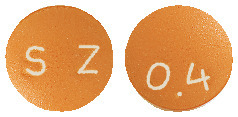
Flosix 400 mcg - brown, round, biconvex modified release tablets with debossing '0.4' on one side and 'SZ' on the other side.

Available in blister packs of 10 and 30 tablets.

Ingredients

Active ingredients:

  • Flosix 400 mcg - 400 mcg tamsulosin hydrochloride.

Inactive ingredients:

Excipients core:

  • cellulose - microcrystalline
  • hydroxypropyl cellulose
  • polyethylene oxide
  • butylated hydroxytoluene
  • magnesium stearate
  • silica - colloidal anhydrous.

Excipients coating:

  • hypromellose
  • hyprolose
  • macrogol 400
  • titanium dioxide
  • purified talc
  • quinoline yellow
  • cochineal
  • iron oxide black.

This medicine does not contain lactose, sucrose, gluten, tartrazine or any other azo dyes.

Supplier

Sandoz Pty Ltd
ABN 60 075 449 553
54 Waterloo Road
Macquarie Park NSW 2113
Australia
Tel: 1800 726 369

This leaflet was revised in July 2020.

Australian Register Number:

Flosix 400 mcg modified release tablets: AUST R 336015

Published by MIMS June 2021

BRAND INFORMATION

Brand name

Flosix

Active ingredient

Tamsulosin hydrochloride

Schedule

S4


1 Name of Medicine

Tamsulosin hydrochloride.

2 Qualitative and Quantitative Composition

Each Flosix 400 microgram modified release tablet contains 400 microgram tamsulosin hydrochloride.
For the full list of excipients, see Section 6.1 List of Excipients.

3 Pharmaceutical Form

Flosix 400 microgram are brown, round, biconvex film-coated tablets with debossing '0.4' on one side and 'SZ' on the other side.

4 Clinical Particulars

4.1 Therapeutic Indications

For the relief of lower urinary tract symptoms (LUTS) associated with benign prostatic hyperplasia (BPH).

4.2 Dose and Method of Administration

Dosage.

One tablet daily.

Method of administration.

The tablet must be swallowed whole and not be broken, crunched or chewed, as this compromises the prolonged release properties of the tablet for the active ingredient.
Flosix can be taken on an empty stomach, or before, with or after food.

4.3 Contraindications

Hypersensitivity, including drug-induced angioedema to tamsulosin hydrochloride or any other component of the product.
A history of orthostatic hypotension.
Severe hepatic impairment (Child-Pugh scores > 9).
Severe renal impairment with creatinine clearance of less than 10 mL/min.
Concurrent use of another α1-adrenoceptor inhibitor.

4.4 Special Warnings and Precautions for Use

Syncope and postural hypotension.

Patients beginning treatment with Flosix tablets should be cautioned to avoid situations where injury could result should syncope occur. Postural hypotension can occur during treatment with Flosix, but rarely results in syncope. However, the patient should be warned of this possibility and advised to sit or lie down if symptoms of hypotension should occur.

Exclusion of prostatic carcinoma and other urological conditions.

Carcinoma of the prostate and other conditions, which can cause the same symptoms as benign prostatic hyperplasia should be excluded before starting therapy with Flosix. Digital rectal examination and, as considered appropriate, determination of prostate specific antigen should be performed before treatment and at regular intervals afterwards.

Myocardial ischaemia.

Patients with myocardial infarction or angina pectoris within the preceding six months were excluded from the Phase III clinical studies. As a result, the safety of Flosix in these patients has not been formally assessed.

Dizziness.

As Flosix may cause dizziness, patients should be warned to take care whilst operating machinery or driving.

Intra-operative floppy iris syndrome.

Intra-operative Floppy Iris Syndrome (IFIS, a variant of small pupil syndrome) has been observed during cataract and glaucoma surgery in some patients taking or who have previously been treated with α1-adrenoceptor antagonists, including tamsulosin. IFIS may increase the risk of eye complications during and after the operation. Discontinuing tamsulosin 1-2 weeks prior to cataract surgery is anecdotally considered helpful, but the benefit of treatment discontinuation has not been established. IFIS has also been reported in patients who had discontinued tamsulosin for a longer period prior to cataract surgery.
The initiation of therapy with tamsulosin hydrochloride in patients for whom cataract surgery is scheduled is not recommended. During pre-operative assessment, cataract surgeons and ophthalmic teams should consider whether patients scheduled for cataract surgery are being or have been treated with tamsulosin in order to ensure that appropriate measures will be in place to manage the IFIS during surgery. This variant of small pupil syndrome is characterised by the combination of a flaccid iris that billows in response to intra-operative irrigation currents, progressive intra-operative miosis despite pre-operative dilation with standard mydriatic drugs, and potential prolapse of the iris toward the phaco-emulsification incisions.
During pre-operative assessment, ophthalmologists and ophthalmic teams should consider whether patients scheduled for cataract or glaucoma surgery are being, or have been, treated with α1-adrenoceptor antagonists in order to ensure that appropriate measures will be in place to manage IFIS during surgery if it occurs. The patient's ophthalmologist should be prepared for possible modifications to their surgical technique, such as the utilisation of iris hooks, iris dilator rings, or visco-elastic substances. The benefit of stopping α1-adrenoceptor antagonist therapy prior to cataract or glaucoma surgery has not been established.

Sulfa allergy.

Cases of allergic reaction to tamsulosin in patients with a past history of sulphonamide allergy have been reported. If a patient reports a sulfa allergy, caution is warranted when administering Flosix.

Use in hepatic impairment.

In a study of patients with moderate hepatic impairment, free tamsulosin levels remained unchanged after treatment with 400 microgram tamsulosin hydrochloride in a modified release capsule formulation when compared to normal subjects. Since the type of formulation will not affect the disposition of tamsulosin, no dose adjustment for tamsulosin tablets is expected in patients with mild to moderate hepatic impairment.
Severe hepatic impairment (Child-Pugh scores > 9) is a contraindication (see Section 4.3 Contraindications).

Use in renal impairment.

Severe renal impairment, with creatinine clearance of less than 10 mL/min is a contraindication, as these patients have not been studied (see Section 4.3 Contraindications).

Use in the elderly.

See Section 4.2 Dose and Method of Administration.

Paediatric use.

Flosix is not indicated for use in children.

Other populations.

Flosix is not indicated for use in women.

Effects on laboratory tests.

No data available.

4.5 Interactions with Other Medicines and Other Forms of Interactions

Interaction studies have only been performed in adults.

Drugs known to interact with tamsulosin.

Concomitant cimetidine leads to a rise in plasma levels of tamsulosin, while furosemide leads to a fall (about 12% following a single 20 mg intravenous dose). However, as levels remain within the normal range, dosage need not be adjusted.
Concurrent administration of tamsulosin with other α1-adrenoceptor antagonists is contraindicated because of the potential for hypotensive effects (see Section 4.3 Contraindications).

Drugs, which may interact with tamsulosin.

Tamsulosin binds extensively to plasma proteins and may displace other protein-bound drugs. Clinical trial data are not available.
No interactions at the level of hepatic metabolism have been seen during in vitro studies with liver microsomal fractions (representative of the cytochrome P450-linked drug metabolising enzyme system), involving amitriptyline, salbutamol, glibenclamide and finasteride. Diclofenac and warfarin, however, may increase the elimination rate of tamsulosin.

Drugs, which do not interact significantly with tamsulosin.

Tamsulosin did not affect the pharmacokinetics of a single intravenous dose of digoxin 0.5 mg. No interactions have been seen when tamsulosin hydrochloride was given concomitantly with either atenolol, enalapril, nifedipine or theophylline.

General.

Tamsulosin is metabolised in the liver, and may be expected to interact with other hepatically metabolised drugs. Pharmacokinetic studies in healthy volunteers revealed that concomitant administration with strong inhibitors of CYP3A4 or CYP2D6 may lead to increased exposure to tamsulosin. Concomitant administration with ketoconazole (a known CYP3A4 inhibitor) resulted in an increased Cmax and AUC of tamsulosin. Tamsulosin 400 microgram should not be used in combination with strong inhibitors of CYP3A4 in patients known to be CYP2D6 poor metabolizers. Concomitant administration with paroxetine (a known CYP2D6 inhibitor) results in an increased Cmax and AUC of tamsulosin. Tamsulosin should therefore be used with caution in patients who are taking other drugs, particularly those which undergo hepatic metabolism.

Other in vitro findings.

In vitro, neither diazepam nor propranolol, trichlormethiazide, chlormadinone, amitriptyline, diclofenac, glibenclamide, simvastatin and warfarin change the free fraction of tamsulosin in human plasma. Neither does tamsulosin change the free fractions of diazepam, propranolol, trichlormethiazide and chlormadinone.
An in vitro study using human liver microsomal fractions showed no effect of amitriptyline, salbutamol, glibenclamide and finasteride on the rate of disappearance of tamsulosin. The clinical relevance of these findings is uncertain.

4.6 Fertility, Pregnancy and Lactation

Effects on fertility.

Reproduction toxicity in rats has been conducted.
α-adrenoceptor antagonists are known to reduce male fertility by affecting penile erection, emission and/or ejaculation. In male rats, a severe reduction in male copulation rate and fertility was observed after a single dose or after repeated oral doses of tamsulosin. Spermatogenesis was not affected in the rat studies, and the effect on fertility was reversible. The no effect dose on male rat fertility was associated with plasma tamsulosin levels (AUC) at least 50% of those expected in human males treated with tamsulosin tablets.
Treatment of female rats with tamsulosin caused disruption of the oestrus cycle and a severe reduction in fertility, due to interference of fertilisation with the ova. These effects were shown to be reversible.
(Category B2)
Flosix is intended for use only in males. Tamsulosin is not indicated for use in women.
Tamsulosin, at oral doses causing maternal toxicity, was not embryotoxic or teratogenic when administered during gestation in rats (doses up to 300 mg/kg/day) or rabbits (doses up to 50 mg/kg/day). However, administration of tamsulosin during the peri-/post-natal period was associated with a higher incidence of stillbirths and reduced pup weight gain after birth. No adverse effects on development or reproductive performance were observed on surviving pups; however, there is some evidence for impairment of offspring reproductive capacity when maternal treatment with tamsulosin is started before pregnancy.
Flosix is intended for use only in males.
In female rats, tamsulosin and/or its metabolites were shown to pass into milk after oral administration of the drug during lactation. The effect on the newborn is not known.

4.7 Effects on Ability to Drive and Use Machines

As tamsulosin may cause dizziness, patients should be warned to take care whilst operating machinery or driving.

4.8 Adverse Effects (Undesirable Effects)

Priapism.

Rarely, tamsulosin, like other α1 antagonists, has been associated with priapism (persistent painful penile erection unrelated to sexual activity). Patients should be informed that this reaction is extremely rare, but if not brought to immediate medical attention, can lead to permanent erectile dysfunction.

Abnormal ejaculation.

Patients should be advised on the potential for abnormal ejaculation to occur upon commencement of tamsulosin treatment. Retrograde ejaculation and ejaculation failure are the most commonly reported abnormal ejaculation events associated with the use of tamsulosin (see Table 1).

Clinical trials.

Table 1 shows the incidence of undesirable effects following 400 microgram tamsulosin treatment. This data is based on a phase 3 clinical study in which there were no relevant differences between the treatment and placebo groups in the percentage of patients reporting at least 1 Treatment Emergent Adverse Event (TEAE). Most TEAEs were of mild or moderate intensity. The most frequent TEAEs were ejaculation disorders. These are TEAEs that are often associated with α1-AR antagonists.
The following treatment-related adverse events were reported from clinical trials, where Common is ≥ 1% and < 10%; Uncommon is ≥ 0.1% and < 1%; Rare is ≥ 0.01% and < 0.1%; and Very rare is < 0.01%.

Cardiac disorders.

Uncommon: palpitations.

Gastro-intestinal disorders.

Uncommon: constipation, diarrhoea, nausea, vomiting. Not known: dry mouth.

General disorders.

Uncommon: asthenia.

Nervous system disorders.

Common: dizziness (1.3%), insomnia. Uncommon: headache. Rare: syncope.

Reproductive system disorders.

Common: ejaculation disorders. Very rare: priapism.

Respiratory, thoracic and mediastinal disorders.

Uncommon: rhinitis.

Skin and subcutaneous tissue disorders.

Uncommon: rash, pruritus, urticaria. Rare: angioedema. Very rare: Stevens-Johnson syndrome.

Vascular disorders.

Uncommon: postural hypotension.

Post-marketing experience.

The following events have been reported during the post-marketing period. These events are reported voluntarily from a population of uncertain size, therefore it is not possible to reliably estimate their frequency.

General disorders.

Chest discomfort that could be caused or associated with other medical conditions such as respiratory conditions or cardiac disease.

Vision disorders.

Blurred vision, vision impairment.
During cataract and glaucoma surgery, a variant of small pupil syndrome known as Intraoperative Floppy Iris Syndrome (IFIS) has been reported during post-marketing surveillance in association with α1-adrenoceptor antagonist therapy (see Section 4.4 Special Warnings and Precautions for Use, Intra-operative floppy iris syndrome).

Skin and subcutaneous tissue disorders.

Skin desquamation, dermatitis exfoliative, erythema multiforme, Stevens-Johnson syndrome, photosensitivity reaction.

Respiratory, thoracic and mediastinal disorder.

Epistaxis.
In addition to the adverse events listed above, atrial fibrillation, arrhythmia, tachycardia and dyspnoea have been reported in association with tamsulosin use.

Reporting suspected adverse effects.

Reporting suspected adverse reactions after registration of the medicinal product is important. It allows continued monitoring of the benefit-risk balance of the medicinal product. Healthcare professionals are asked to report any suspected adverse reactions at www.tga.gov.au/reporting-problems.

4.9 Overdose

Acute overdose with 5 mg tamsulosin hydrochloride has been reported. Acute hypotension (systolic blood pressure 70 mmHg), vomiting and diarrhoea were observed, which were treated with fluid replacement and the patient could be discharged the same day.
If acute hypotension occurs after overdosage, cardiovascular support should be given and maintained. Blood pressure can be restored and heart rate brought back to normal by lying the patient down. If this is insufficient then volume expanders and, when necessary, vasopressors could be administered. Renal function should be monitored and general supportive measures applied. Dialysis is unlikely to be of help as tamsulosin is very highly bound to plasma proteins.
Flosix is a modified release formulation. The signs and symptoms of overdose may be delayed or prolonged from the time of ingestion.
Measures, such as emesis, can be taken to impede absorption. When large quantities are involved, gastric lavage can be applied and activated charcoal and an osmotic laxative, such as sodium sulphate, can be administered.
For information on the management of overdose, contact the Poison Information Centre on 131126 (Australia).

5 Pharmacological Properties

5.1 Pharmacodynamic Properties

Mechanism of action.

The tone of the human prostate smooth muscle is maintained primarily by noradrenaline released from adrenergic nerves and stimulating post-junctional α1-adrenoceptors. This provides the rationale for the use of α1-adrenoceptor antagonists for lower urinary tract symptoms associated with benign prostatic hyperplasia (BPH).
Pharmacological studies have established that tamsulosin is a selective, potent and competitive α1-adrenoceptor antagonist and that it has a greater affinity for the α1A-receptor subtype, predominantly present in the human prostate.
α1-adrenoceptor antagonists generally can reduce blood pressure by lowering peripheral resistance. However, no reduction in blood pressure of any clinical significance was observed during studies with tamsulosin.
The binding of tamsulosin to α1-adrenoceptors in the prostate results in relaxation of prostate smooth muscle followed by improvements in urodynamics. Thus, tamsulosin increases maximum urinary flow rate by reducing smooth muscle tension in the prostate and urethra and thereby relieving obstruction.
It also improves the symptoms related to bladder instability and tension of the smooth muscle of the lower urinary tract.
These effects on urinary storage and voiding symptoms are maintained during long-term therapy. The need for surgery or catheterisation is significantly delayed.

Clinical trials.

The efficacy of tamsulosin tablets has been evaluated in 2 randomised, placebo-controlled studies: the phase 2 dose-response study 617-CL-303 and the phase 3 study 617-CL-307. A total of 2962 patients were studied, of which 560 were treated with 0.4 mg of tamsulosin tablets and 564 were treated with placebo. The remaining subjects were treated with 0.4 mg (capsules), 0.8 mg and 1.2 mg (tablets) doses of tamsulosin hydrochloride.
Inclusion criteria. In both studies the inclusion criteria were: male patients aged ≥ 45 years, diagnosed as having lower urinary tract symptoms (LUTS) suggestive of BPH, with voiding/obstructive symptoms (including incomplete emptying of the bladder, intermittency, poor stream or hesitancy), and/or storage/irritative/filling symptoms (including daytime frequency, urgency or nocturia).
These patients had a total International Prostate Symptom Score (I-PSS) of ≥ 13, both at enrolment (Visit 1) and at baseline after the 2-week placebo run-in period (Visit 2). At enrolment, they also had to have a maximum flow rate (Qmax) of ≥ 4.0 mL/s and ≤ 12.0 mL/s, with a voided volume ≥ 120 mL during free flow.
Patients with cardiac ischaemia were excluded from participation in these trials. Safety in such patients has not been formally assessed.

Study 617-CL-303.

Study 617-CL-303 was a multi-center, double-blind, randomised, placebo-controlled, parallel group, dose-response study. In this study, 211 patients received placebo and 203 patients received 400 microgram of tamsulosin tablets once daily for 12 weeks of the double-blind randomised treatment. The results of study 617-CL-303 are summarised in Table 2.

Study 617-CL-307.

Study 617-CL-307 was a multi-center, double-blind, randomised, placebo and active-controlled, parallel group study. In this study, 353 patients received placebo and 357 patients received 400 microgram of tamsulosin tablets once daily for 12 weeks of the double-blind randomised treatment. The results of study 617-CL-307 are summarised in Table 3.
The primary efficacy parameter in both studies following 400 microgram tamsulosin tablets treatment was the change from baseline to endpoint in total I-PSS scores. The secondary efficacy analyses contained the changes from baseline in voiding and storage I-PSS sub-scores, and I-PSS Quality of Life scores.
The I-PSS questionnaire was developed and validated by the American Urological Association (I-PSS previously called the AUA Symptom Index) and consisted of 7 questions evaluating the frequency of 7 urinary symptoms. These included 4 voiding symptoms (poor stream, hesitancy, intermittency and incomplete bladder emptying) and 3 storage symptoms (daytime frequency, nocturia and urgency). The patient rated each of the 7 symptoms on a scale of 0-5 of increasing symptom severity. The total score could therefore range from 0-35, the voiding sub-score from 0-20 and the storage sub-score from 0-15. The questionnaire was adopted by the World Health Organization, who added a further question assessing the impact of the urinary symptoms on the Quality of Life. The Quality of Life question asked how the patient would feel about his current level of symptoms for the rest of his life, ranging from 1 (delighted) to 6 (terrible).

5.2 Pharmacokinetic Properties

Absorption.

Flosix is a modified (prolonged) release tablet. The formulation provides consistent slow release of tamsulosin, which is maintained over the whole pH range encountered in the gastrointestinal tract, resulting in an adequate exposure, with little fluctuation, over 24 hours.
Tamsulosin administered as tamsulosin tablets is absorbed from the intestine. Of the administered dose, approximately 55 to 59% is estimated to be absorbed. The rate and extent of absorption of tamsulosin hydrochloride administered as tamsulosin tablets are only slightly affected by food, but this is unlikely to be clinically significant.
Tamsulosin hydrochloride administered as tamsulosin tablets exhibits near linear pharmacokinetics (plasma concentrations Cmax and AUC vs dose) over the dosage range 0.4 mg through 0.8 mg to 1.2 mg once daily. Steady state is reached by day 4 of multiple dosing. The pharmacokinetics of a 400 microgram once daily dose of tamsulosin hydrochloride as tamsulosin tablets as a single dose under fasted conditions, and steady state under fed and fasted conditions are shown in Table 4.
As a result of the prolonged release characteristic of tamsulosin, the trough concentrations - at steady state, of tamsulosin hydrochloride in plasma amount to approximately 40% of the peak plasma concentrations, under fasted and fed conditions.
There is a considerable inter-patient variation in the plasma concentrations of tamsulosin hydrochloride, after both single and multiple dosing.
Following oral administration of a single dose of tamsulosin 400 microgram to healthy adult males under fasted and fed conditions, a mean peak plasma concentration (Cmax) of tamsulosin of approximately 4.72 nanogram/mL and 8.30 ng/mL respectively was achieved within approximately 4.75 hours and 5.63 hours respectively (Tmax).
Following oral administration of a multiple dose of tamsulosin 400 microgram to healthy adult males at steady state under fasting conditions, a mean peak plasma concentration (Cmax) of tamsulosin of approximately 8.77 nanogram/mL was achieved within approximately 4.22 hours (Tmax).

Distribution.

In man, tamsulosin is about 99% bound to plasma proteins. The volume of distribution is small (about 0.2 L/kg).

Metabolism.

Tamsulosin 400 microgram contains tamsulosin as the R(-) isomer. In humans, there is no in vivo conversion to the less active S(+) isomer. Tamsulosin has a low first pass effect, being metabolised slowly. Most tamsulosin is present in plasma in the form of unchanged drug. Tamsulosin is metabolised in the liver. In vitro results suggest that CYP3A4 and also CYP2D6 are involved in metabolism, with possible minor contributions to tamsulosin metabolism by other CYP isozymes. Inhibition of hepatic drug metabolizing enzymes may lead to increased exposure to tamsulosin (see Section 4.5 Interactions with Other Medicines and Other Forms of Interactions, General). In rats, tamsulosin was seen to cause minimal induction of microsomal liver enzymes. No dose adjustment is warranted in hepatic insufficiency. (See Section 4.3 Contraindications.)
None of the metabolites is more active than the original precursor compound.

Excretion.

Tamsulosin and its metabolites are mainly excreted in the urine. The amount excreted as unchanged drug is estimated to be about 4 - 6% of the dose administered as tamsulosin tablets. No dose adjustment is warranted in renal impairment (see Section 4.3 Contraindications).

5.3 Preclinical Safety Data

Genotoxicity.

In vivo and in vitro genotoxicity has been conducted.
Tamsulosin hydrochloride produced no evidence of genotoxic potential in assays for gene mutation (Ames reverse mutation test and mouse lymphoma thymidine kinase assay), chromosomal damage (Chinese hamster ovary cells and mouse micronucleus assay) and other genotoxic effects (unscheduled DNA repair synthesis and in vivo sister chromatid exchange).

Carcinogenicity.

Carcinogenicity studies in mice and reproduction toxicity studies in rats have been conducted. Oral (dietary) administration of tamsulosin for up to 2 years in rats and mice was associated with an increased incidence of pituitary adenoma, mammary gland hyperplasia, mammary gland fibroadenoma and (in mice only) mammary gland adenocarcinoma. These effects occurred at plasma tamsulosin concentrations (AUC) up to 10 times lower than those expected in men undergoing treatment with tamsulosin tablets, but they were observed only in female animals and are probably due to the hyperprolactinaemic effect of tamsulosin. It is not known if tamsulosin elevates prolactin during prolonged administration in humans. The relevance for human risk of the findings of prolactin-mediated endocrine tumours in female rodents is unknown.

6 Pharmaceutical Particulars

6.1 List of Excipients

The tablets also contain the following inactive (excipients) ingredients:

Excipients core.

Microcrystalline cellulose, hyprolose, polyethylene oxide, butylated hydroxytoluene, magnesium stearate, colloidal anhydrous silica.

Excipients coating.

Hypromellose, hyprolose, macrogol 400, titanium dioxide, purified talc, quinoline yellow, cochineal, iron oxide black.

6.2 Incompatibilities

Incompatibilities were either not assessed or not identified as part of the registration of this medicine.
For information on interactions with other medicines and other forms of interactions, see Section 4.5 Interactions with Other Medicines and Other Forms of Interactions.

6.3 Shelf Life

In Australia, information on the shelf life can be found on the public summary of the Australian Register of Therapeutic Goods (ARTG). The expiry date can be found on the packaging.

6.4 Special Precautions for Storage

Store below 25°C.

6.5 Nature and Contents of Container

Flosix 400 microgram are packaged in Alu/Alu blister packs of 10 or 30 tablets.

6.6 Special Precautions for Disposal

In Australia, any unused medicine or waste material should be disposed of in accordance with local requirements.

6.7 Physicochemical Properties

Tamsulosin hydrochloride is slightly soluble in water, freely soluble in formic acid, and slightly soluble in anhydrous ethanol. It is stable in an acid environment.
The pH of tamsulosin is 4.8-5.3 with a pKa of 8.4 (secondary amine) and 10.7 (sulphonamide) and a partition coefficient of 2.2.

Chemical structure.


Chemical formula: 5-[(2R)-2-[[2-(2-Ethoxyphenoxy) ethyl]amino]propyl]-2 methoxybenzenesulfonamide hydrochloride.
Molecular formula: C20H28N2O5S.HCl.
Molecular weight: 445.0.

CAS number.

106463-17-6.

7 Medicine Schedule (Poisons Standard)

S4 - Prescription Only Medicine.

Summary Table of Changes