


Consumer medicine information

Fludara Oral

Fludarabine phosphate

BRAND INFORMATION

Brand name

Fludara Oral

Active ingredient

Fludarabine phosphate

Schedule

S4


Consumer medicine information (CMI) leaflet

Please read this leaflet carefully before you start using Fludara Oral.

What is in this leaflet

This leaflet answers some common questions about Fludara Oral. It does not contain all the available information. It does not take the place of talking to your doctor or pharmacist.

All medicines have risks and benefits. Your doctor has weighed the risks of you taking Fludara Oral against the benefits they expect it will have for you.

Keep this leaflet with the medicine. You may need to read it again.

What Fludara Oral is used for

This medicine is an anti-cancer drug approved to treat a form of leukaemia known as B-cell chronic lymphocytic leukaemia (B-CLL). This is a cancer of a type of white blood cells called lymphocytes.

Patients with B-CLL have too many abnormal white blood cells (lymphocytes) and lymph nodes start to grow in various parts of the body. The abnormal white blood cells cannot carry out their normal disease fighting functions, and may push aside healthy blood cells. This can result in infections, a decreased number of red blood cells (anaemia), bruising and/or bleeding.

Fludara is a medication that stops the growth of new cancer cells. All cells of the body produce new cells like themselves by dividing. To do this, the cells' genetic material (DNA) must be copied and reproduced. Fludara is taken up by the cancer cells and hinders the production of new DNA.

Ask your doctor if you have any questions about why this medicine has been prescribed for you.

There is not enough information to recommend the use of this medicine for children.

Before you take Fludara

When you must not be given it

Do not have any Fludara if you have an allergy to:

  • any medicine containing fludarabine
  • any of the ingredients listed at the end of this leaflet.

Some of the symptoms of an allergic reaction may include:

  • shortness of breath
  • wheezing or difficulty breathing
  • swelling of the face, lips, tongue or other parts of the body
  • rash, itching or hives on the skin

Do not have Fludara if you

  • are pregnant
  • are breast-feeding
  • your red blood cell count is low because of a type of anaemia (haemolytic anaemia)
  • have severe kidney problems

Do not take this medicine if you are pregnant. It may affect your developing baby if you take it during pregnancy.

Do not breast-feed if you are taking this medicine.

It is possible that your baby may be affected if you breastfeed.

If you are not sure whether you should start taking this medicine, talk to your doctor.

Before you take it

Tell your doctor if you have allergies to any other medicines, foods, preservatives or dyes.

Tell your doctor if you have or have had any of the following medical conditions:

  • low protein in the blood (hypoalbuminaemia). Your doctor will have told you if you have this.
  • you feel very unwell, have unusual bruising, more bleeding than usual after injury, or if you seem to be catching a lot of infections
  • poor kidney function
  • enlarged liver or spleen, reduced liver function
  • skin cancer

If you have or have had skin cancer it may worsen or flare up again while you take Fludara or afterwards.

Tell your doctor if you are over 75 years of age. Your doctor will administer Fludara to you with caution and monitor your closely.

Tell your doctor if the person is below 18 years of age. It is not recommended to give this medicine to a child under the age of 18 years.

Tell your doctor if you are pregnant or plan to become a parent. Men and women who may still be fertile must use a reliable form of contraception during treatment and for at least 6 months after stopping Fludara therapy. It is not known whether Fludara decreases your fertility. Your doctor can discuss with you the risks and benefits involved.

If you have not told your doctor about any of the above, tell him/her before you start taking Fludara.

Taking other medicines

Tell your doctor or pharmacist if you are taking any other medicines, including any that you get without a prescription from your pharmacy, supermarket or health food shop.

Some medicines and Fludara may interfere with each other. These include:

  • (pentostatin (deoxycoformycin) also used to treat B-CLL. Taking these two drugs together can lead severe lung problems.
  • cytarabine (Ara-C) used to treat chronic lymphatic leukaemia
  • dipyridamole, used to prevent excessive blood clotting, or other similar drugs
  • live viral vaccines. It is recommended that patients do not receive live viral vaccines during and after treatment with Fludara.

These medicines may be affected by Fludara or may affect how well it works. You may need different amounts of your medicines, or you may need to take different medicines.

Your doctor may have more information on medicines to be careful with or avoid while taking this medicine.

How to take Fludara Oral

Fludara should be administered under the supervision of a qualified physician experienced in the use of cancer therapy. The dose you should take depends on your body surface area. This is measured in square metres (m2), and is worked out by the doctor from your height and weight.

Follow all directions given to you by your doctor or pharmacist carefully. They may differ from the information contained in this leaflet.

If you do not understand the instructions on the box/bottle, ask your doctor or pharmacist for help.

How much to take

The recommended dose is 40mg per square metre of body surface area, once a day. The exact number of tablets you should take is calculated by your doctor. The usual dose is between 3 to 10 tablets once a day.

How to take it

Swallow the tablets whole with a full glass of water. Do not chew or break the tablets.

When to take it

Take the tablets the same time every day.

Fludara can be taken either on an empty stomach or together with food.

How long to take it

Take the dose worked out by your doctor once a day for 5 consecutive days.

The 5-day-course of treatment will be repeated every 28 days until your doctor has decided that the best effect has been achieved (usually after 6 courses). Your doctor may adjust the dose and number of treatment days.

Attend all of your doctor's appointments so that your progress can be checked. You will have blood tests after every treatment course. Your individual dose will be carefully adjusted according to the number of your blood cells and your response to the therapy.

Continue taking your medicine for as long as your doctor tells you. This medicine helps to control your condition, but does not cure it. It is important to keep taking your medicine even if you feel better.

If you forget to take it

Talk to your doctor as soon as possible if you think you may have missed a dose or vomit after tablet taking. Do not take a double dose to make up for the forgotten tablets. This may increase the chance of you getting an unwanted side effect.

If you have trouble remembering to take your medicine, ask your pharmacist for some hints.

If you take too much (overdose)

Immediately telephone your doctor or the Poisons Information Centre (telephone 13 11 26) or New Zealand National Poisons Information Centre (telephone 0800 764 766, or 0800 POISON) for advice, or go to Accident and Emergency at the nearest hospital, if you think that you or anyone else may have taken too much Fludara. Do this even if there are no signs of discomfort or poisoning. You may need urgent medical attention.

Overdose can cause delayed blindness, coma and even death.

While you are using Fludara

Things you must do

If you are about to be started on any new medicine, remind your doctor and pharmacist that you are taking Fludara.

Tell any other doctors, dentists, and pharmacists who treat you that you are taking this medicine.

If you are going to have surgery, tell the surgeon or anaesthetist that you are taking this medicine. It may affect other medicines used during surgery.

If you notice anything new or unusual on your skin, suggestive of skin cancer, tell your doctor. If you have or have had skin cancer it may worsen or flare up again while you take Fludara or afterwards. You may also develop skin cancer during or after Fludara therapy as it reduces your body's defence mechanisms.

If you are a fertile male or female of childbearing potential, ensure that you use a reliable form of birth control during treatment and for at least 6 months after treatment. If you do become pregnant while taking this medicine, tell your doctor immediately. The effects of this medicine on reproduction are unknown.

If you are about to have any blood tests, tell your doctor that you are taking this medicine. It may interfere with the results of some tests.

If you need a blood transfusion, tell your doctor. Your doctor will ensure that you receive blood that has been treated by irradiation. There have been severe complications and even death, from transfusion of non-irradiated blood.

Keep all of your doctor's appointments so that your progress can be checked. Your doctor may do some tests from time to time to make sure the medicine is working and to prevent unwanted side effects.

Check with your doctor before receiving any vaccinations. Live vaccinations should be avoided during and after treatment with Fludara.

Things you must not do

Do not take Fludara to treat any other complaints unless your doctor tells you to.

Do not give your medicine to anyone else, even if they have the same condition as you.

Do not stop taking your medicine or change the dosage without checking with your doctor. If you stop taking it suddenly, your condition may worsen.

Things to be careful of

Be careful driving or operating machinery until you know how Fludara affects you. This medicine may cause fatigue, weakness, visual disturbances, confusion, agitation and whist rare seizures in some people. If you have any of these symptoms, do not drive, operate machinery or do anything else that could be dangerous.

Side effects

Tell your doctor or pharmacist as soon as possible if you do not feel well while you are taking FLUDARA. This medicine helps most people with B-cell chronic lymphocytic leukaemia (B-CLL), but it may have unwanted side effects. All medicines can have side effects. Sometimes they are serious, most of the time they are not. You may need medical attention if you get some of the side effects.

Do not be alarmed by the following list of side effects.

Ask your doctor or pharmacist to answer any questions you may have.

Tell your doctor or pharmacist if you notice any of the following and they worry you:

  • infections with symptoms of fever, severe chills, sore throat or mouth ulcers
  • symptoms of anaemia such as tiredness, headaches, being short of breath when exercising, dizziness and looking pale
  • some bruising
  • loss of appetite leading to weight loss
  • numbness or weakness in the arms and legs
  • cough
  • nausea, vomiting, diarrhoea,
  • sore mouth or gums
  • mouth ulcers
  • skin rash
  • fever
  • tiredness
  • chills
  • weakness and/or generally feeling unwell
  • swelling due to excessive fluid retention.

The above list includes the more common side effects of your medicine. They are often mild or moderate problems that are short-lived and diminish during the course of treatment. However, if you believe the side effect is of a more severe nature, tell your doctor as soon as possible.

Tell your doctor as soon as possible of you notice any of the following:

  • severe bruising
  • more bleeding than usual after injury
  • you seem to be catching a lot of infections
  • anything new or unusual on your skin such as mole, freckle or sore; a spot, mole or freckle that has changed in colour, shape or size
  • symptoms of pneumonia such as fever, chills, shortness of breath, cough and phlegm that may be blood stained
  • visual disturbances.

The above list includes serious side effects that may require medical attention.

If any of the following happen, tell your doctor immediately or go to Accident and Emergency at your nearest hospital:

  • sudden signs of allergy such as rash, itching or hives on the skin, swelling of the face, lips, tongue or other parts of the body, shortness of breath, wheezing or trouble breathing
  • red to brownish urine, rash or any blisters on your skin
  • vomiting blood or material that looks like coffee grounds, bleeding from the back passage, black sticky bowel motions (stools) or bloody diarrhoea
  • seizures, unconsciousness
  • sudden dimming or loss of vision
  • symptoms of heart disease such as shortness of breath, and swelling of the feet or legs due to fluid build-up
  • abnormal heartbeat (irregular, fast or slow)
  • difficultly breathing, shortness of breath, severe cough, sharp chest pains
  • signs of tumour lysis syndrome such as pain in one side of the body under the rib cage, little or no urine, drowsiness, nausea, vomiting, breathlessness, irregular heart beat, loss of memory, loss of consciousness
  • signs of Stevens-Johnson syndrome, such as skin and/or mucous membrane reaction with redness, inflammation, blistering and erosion
  • signs of toxic epidermal necrolysis which starts with painful red areas, then large blisters and ends with peeling of layers of skin. This is accompanied by fever and chills, aching muscles and generally feeling unwell.
  • Neurological disorders manifested by headache, feeling sick (nausea) and vomiting, seizures, visual disturbances including vision loss, changes in mental status (thinking abnormal, confusion, altered consciousness), and occasionally neuromuscular disorders manifested by muscle weakness in your limbs (including irreversible partial or complete paralysis) (symptoms of leukoencephalopathy, acute toxic leukoencephalopathy or posterior reversible leukoencephalopathy syndrome (RPLS))
  • bleeding in the lungs
  • inflammation of the bladder, which can cause pain when passing urine, and can lead to blood in the urine (haemorrhagic cystitis)

The above list includes very serious side effects. You may need medical attention or hospitalisation. These side effects are usually uncommon or rare.

Tell your doctor or pharmacist if you notice anything that is making you feel unwell.

Other side effects not listed above may also occur in some people.

Keep all doctors appointments do your progress can be checked. Some side effects (for example, blood disorders) can only be found when your doctor does tests on a regular basis.

After using Fludara Oral

Storage

Keep your tablets in the pack until it is time to take them. If you take the tablets out of the pack they may not keep well.

Keep your tablets in a cool dry place where the temperature stays below 25°C.

Do not store Fludara or any other medicine in the bathroom or near a sink. Do not leave it on a window sill or in the car. Heat and dampness can destroy some medicines.

Keep it where children cannot reach it. A locked cupboard at least one-and-a-half metres about the ground is a good place to store medicines.

Disposal

If your doctor tells you to stop taking this medicine or the expiry date has passed, ask your pharmacist what to do with any medicine that is left over.

Product description

What it looks like

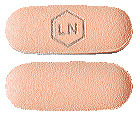
Fludara Oral film-coated tablets are salmon coloured oval shaped with "LN" indented in a regular hexagon on one side. The tablets are packaged in blisters of 5 tablets and three or four blisters are packed in child resistant containers.

Ingredients

Each Fludara Oral tablet contains 10mg of fludarabine phosphate.

It also contains:

  • microcrystalline cellulose
  • lactose monohydrate
  • colloidal anhydrous silica
  • croscarmellose sodium
  • magnesium stearate
  • hypromellose
  • purified talc
  • titanium dioxide
  • iron oxide red CI 77491
  • iron oxide yellow CI 77492

Sponsor

In Australia this product is distributed by:

sanofi-aventis australia pty ltd
12-24 Talavera Road
North Ryde
NSW 2113
Toll Free Number (medical information): 1800 818 806
Email: [email protected]

In New Zealand this product is distributed by:

sanofi-aventis new zealand limited
Level 8, James and Wells Tower
56 Cawley Street, Ellerslie,
Auckland
New Zealand
Toll Free Number (medical information): 0800 283 684 (option 2)

Australian Registration Number
AUST R 81998

Date of preparation: 29 April 2020

fludara-oral-ccdsv26-cmiv5-29apr20

Published by MIMS June 2020

BRAND INFORMATION

Brand name

Fludara Oral

Active ingredient

Fludarabine phosphate

Schedule

S4


1 Name of Medicine

Fludarabine phosphate.

2 Qualitative and Quantitative Composition

Fludara Oral contains fludarabine phosphate, a fluorinated nucleotide analogue of the antiviral agent vidarabine, (9-β-D-arabinofuranosyladenine) that is relatively resistant to deamination by adenosine deaminase.
Each Fludara Oral tablet contains 10 mg of fludarabine phosphate.

Excipients with known effect.

Sugars as lactose. For the full list of excipients, see Section 6.1 List of Excipients.

3 Pharmaceutical Form

Film coated tablets (salmon coloured oval shaped tablets with "LN" indented in a regular hexagon on one side).

4 Clinical Particulars

4.1 Therapeutic Indications

Fludara Oral is indicated for the treatment of B-cell chronic lymphocytic leukaemia.

4.2 Dose and Method of Administration

Adults.

Fludara Oral tablets should be prescribed by a qualified physician experienced in the use of antineoplastic therapy.
The recommended dose is 40 mg fludarabine phosphate/m2 body surface given daily for 5 consecutive days every 28 days by the oral route. Fludara Oral tablets can be taken either on an empty stomach or together with food. The tablets are to be swallowed whole with water, and must not be chewed or broken.
The duration of treatment depends on the treatment success and the tolerability of the drug. Fludara Oral should be administered up to achievement of best response (complete or partial remission, usually 6 cycles) and then the drug should be discontinued.

Toxicity.

Dosage may be decreased or delayed based on evidence of haematological and nonhaematological toxicity. Physicians should consider delaying or discontinuing the drug if toxicity occurs.

Impaired state of health.

A number of clinical settings may predispose to increased toxicity from Fludara Oral. These include advanced age, renal insufficiency and bone marrow impairment (see Section 4.4, Use in specialised groups). Such patients should be monitored closely for excessive toxicity and the dose modified accordingly.

Impaired renal function.

Dosage reduction is required in renally impaired patients. See Section 4.4, Use in specialised groups; Section 5.2, Special populations of this document.

Retreatment options after initial Fludara Oral treatment.

Patients who primarily respond to Fludara Oral have a good chance of responding again to Fludara Oral monotherapy. A crossover from initial treatment with Fludara Oral to chlorambucil for nonresponders to Fludara Oral should be avoided. In a clinical trial, 46 subjects who failed initial fludarabine therapy were treated with chlorambucil 40 mg/m2 every 28 days. Only one subject (2%) achieved a partial response.

4.3 Contraindications

Hypersensitivity to the active substance or to any of the excipients.
Renal impairment with creatinine clearance < 30 mL/min.
Hemolytic anemia.
Fludara Oral is contraindicated during pregnancy and lactation.

4.4 Special Warnings and Precautions for Use

Neurotoxicity.

When used at high doses in dose ranging studies in patients with acute leukaemia, Fludara Oral was associated with severe neurologic effects, including blindness, coma and death. Symptoms appeared from 21 to 60 days from last dose. This severe central nervous system toxicity occurred in 36% of patients treated intravenously with doses approximately four times greater (96 mg/m2/day for 5-7 days) than the dose recommended for treatment of CLL.
Similar severe central nervous system toxicity has also been observed in patients treated at doses recommended for CLL. Confusion occurred uncommonly and coma, seizures and agitation rarely (see Section 4.8 Adverse Effects (Undesirable Effects)).
In postmarketing experience, neurotoxicity has also been reported to occur with a latency ranging from 7 to 225 days after the last dose of Fludara Oral.
The effect of chronic administration of Fludara Oral on the central nervous system is unknown. However, patients tolerated the recommended dose in some studies for relatively long treatment times (for up to 26 courses of therapy). Patients should be closely observed for signs of neurologic side effects.
Administration of Fludara Oral can be associated with leukoencephalopathy (LE), acute toxic leukoencephalopathy (ATL) or reversible posterior leukoencephalopathy syndrome (RPLS).
These may occur:
at the recommended dose when Fludara Oral is given following, or in combination with, medications known to be associated with LE, ATL or RPLS, when Fludara Oral is given to patients with other risk factors such as previous exposure to cranial or total body irradiation, hematopoietic cell transplantation, graft versus host disease, renal impairment, or hepatic encephalopathy;
at doses higher than the recommended dose.
LE, ATL or RPLS symptoms may include headache, nausea and vomiting, seizures, visual disturbances such as vision loss, altered sensorium, and focal neurological deficits. Additional effects may include optic neuritis, and papillitis, confusion, somnolence, agitation, paraparesis/ quadriparesis, muscle spasticity and incontinence. LE/ATL/RPLS may be irreversible, life threatening, or fatal.
Whenever LE, ATL or RPLS is suspected, fludarabine treatment should be stopped. Patients should be monitored and should undergo brain imaging, preferably utilizing MRI. If the diagnosis is confirmed, fludarabine therapy should be permanently discontinued. Treating physicians should diagnose and monitor the patient with appropriate techniques (ideally brain imaging, MRI etc).

Myelosuppression.

Severe bone marrow suppression, notably anaemia, thrombocytopenia and neutropenia, has been reported in patients treated with Fludara Oral. In a phase I study in solid tumour patients, the median time to nadir counts was 13 days (range 3-25 days) for granulocytes and 16 days (range 2-32) for platelets. Most patients had haematologic impairment at baseline either as a result of disease or as a result of prior myelosuppressive therapy. Cumulative myelosuppression may be seen. While chemotherapy induced myelosuppression is often reversible, administration of fludarabine phosphate requires careful haematological monitoring.
Fludara Oral is a potent antineoplastic agent with potentially significant toxic side effects. Patients undergoing therapy should be closely observed for signs of haematologic and nonhaematologic toxicity. Periodic assessment of peripheral blood counts is recommended to detect the development of anaemia, neutropenia and thrombocytopenia. In such cases, as a general rule, the dose of myelosuppressive agents should be reduced or the dosage interval extended.
Several instances of trilineage bone marrow hypoplasia or aplasia resulting in pancytopenia, sometimes resulting in death, have been reported in adult patients. The duration of clinically significant cytopenia in the reported cases has ranged from approximately 2 months to 1 year. These episodes have occurred both in previously treated or untreated patients.

Disease progression.

Disease progression and transformation (e.g. Richter's syndrome) have been commonly reported in CLL patients.

Tumour lysis syndrome.

Tumour lysis syndrome associated with Fludara Oral treatment has been reported in CLL patients with large tumour burdens. Since Fludara Oral can induce a response as early as the first week of treatment, precautions should be taken in those patients at risk of developing this complication.

Autoimmune phenomena.

Irrespective of any previous history of autoimmune processes or Coombs test status, life threatening and sometimes fatal autoimmune phenomena (e.g. autoimmune haemolytic anaemia, autoimmune thrombocytopenia, thrombocytopenic purpura, pemphigus, Evans' syndrome) have been reported to occur during or after treatment with Fludara Oral. The majority of patients experiencing haemolytic anaemia developed a recurrence in the haemolytic process after rechallenge with Fludara Oral.
Patients undergoing treatment with Fludara Oral should be closely monitored for signs of haemolysis. Discontinuation of therapy with Fludara Oral is recommended in case of haemolysis. Blood transfusion (irradiated) and adrenocorticoid preparations are the most common treatment measures for autoimmune haemolytic anaemia.

Use in specialised groups.

Impaired state of health.

Patients who have advanced stage disease, hypoalbuminaemia, reduced platelet count or haemoglobin levels, white cell count above 50 x 109/L, significant hepatic or spleen enlargement, extensive prior therapy or poor performance status are at risk of serious and sometimes fatal toxicity during the first 6 months of treatment.
Fludarabine treatment may be associated with a spectrum of infections different from those seen with neutropenia from standard chemotherapy drugs. Prophylactic treatment should be considered in patients at increased risk of developing opportunistic infections, which include, but are not limited to, pneumocystis, fungi and herpes virus infections.
The dose of 25 mg/m2/day for 5 days by intravenous infusion may be greater than needed in some patients, especially those at risk and consideration should be given to using a lower dose in such patients.

Use in renal impairment.

There are limited data in dosing of patients with renal insufficiency. Careful monitoring for haematological toxicity is required and possible dose reductions of Fludara Oral in patients with renal impairment and patients with depressed white cell count and platelet counts or patients with infection or bleeding may be required.
The total body clearance of 2-fluoro-ara-A shows a correlation with creatinine clearance, indicating the importance of the renal excretion pathway for the elimination of the compound. Patients with reduced renal function demonstrated an increased total body exposure (AUC of 2F-ara-A). Limited clinical data are available in patients with impairment of renal function (creatinine clearance below 70 mL/min). Fludara Oral must be administered cautiously in patients with renal insufficiency. In patients with moderate impairment of renal function (creatinine clearance between 30 and 70 mL/min), the dose should be reduced in proportion to the reduced creatinine clearance and close haematological monitoring should be used to assess toxicity. Fludara Oral treatment is contraindicated if creatinine clearance is < 30 mL/min.

Use in hepatic impairment.

No data are available concerning the use of Fludara Oral in patients with hepatic impairment. In this group of patients, Fludara Oral should be used with caution, and administered if the potential benefit outweighs any potential risk.

Use in the elderly.

Since there are limited data for the use of Fludara Oral in elderly persons (> 75 years), caution should be exercised with the administration of Fludara Oral in these patients.

Pediatric use.

Fludara Oral is not recommended for the use in children below age 18 due to a lack of data on safety and efficacy.

Effects on laboratory tests.

No data available.

Vaccination.

During and after treatment with Fludara Oral vaccination with live vaccines should be avoided.

4.5 Interactions with Other Medicines and Other Forms of Interactions

In a clinical investigation using Fludara Oral in combination with pentostatin (deoxycoformycin) for the treatment of refractory chronic lymphocytic leukaemia (CLL), there was an unacceptably high incidence of fatal pulmonary toxicity. Therefore, the use of Fludara Oral in combination with pentostatin is not recommended.
A pharmacokinetic drug interaction was observed in AML patients during combination therapy with fludarabine phosphate and Ara-C. Clinical studies and in vitro experiments with cancer cell lines demonstrated elevated intracellular Ara-CTP levels in combination with Fludara Oral treatment.
Dipyridamole and other inhibitors of adenosine uptake may reduce the therapeutic efficacy of Fludara Oral.
In clinical investigation, pharmacokinetic parameters after peroral administration were not significantly affected by concomitant food intake.

4.6 Fertility, Pregnancy and Lactation

Effects on fertility.

Due to the genotoxic risk of fludarabine phosphate females of childbearing potential must be apprised of the potential hazard to the foetus.
Females of childbearing potential must take effective contraceptive measures during and at least for 6 months after cessation of therapy. Male patients must use effective methods of contraception and be advised to not father a child while receiving Fludara Oral, and following completion of treatment. Prior to Fludara Oral treatment, patients must seek advice on fertility preservation options. After Fludara Oral treatment, patients planning pregnancy are advised to seek genetic counselling.
Studies in mice, rats and dogs have demonstrated dose related adverse effects on the male reproductive system. Observations consisted of a decrease in mean testicular weights in dogs and degeneration and necrosis of spermatogenic epithelium of the testes in mice, rats and dogs. These results indicate that fludarabine phosphate may adversely affect male fertility, but this has not been directly investigated in studies of reproductive function. No information is available from animal studies on potential effects on female fertility. The possible adverse effects on fertility in humans have not been adequately evaluated.
(Category D)
Fludara Oral should not be used during pregnancy. There are very limited data of Fludara Oral use in pregnant women in the first trimester. One case of fludarabine phosphate use during early pregnancy leading to skeletal and cardiac malformation in the newborn has been reported. Early pregnancy loss has been reported in Fludara Oral monotherapy as well as in combination therapy. Premature delivery has been reported.
Fludarabine phosphate has been shown to be genotoxic. Fludarabine phosphate has also been shown to be embryotoxic, fetotoxic and teratogenic in animal studies. Preclinical data in rats demonstrated a transfer of fludarabine phosphate and/or metabolites through the fetoplacental barrier. In view of the small exposure margin between teratogenic doses in animals and the human therapeutic dose as well as in analogy to other antimetabolites which are assumed to interfere with the process of differentiation, the therapeutic use of Fludara Oral is associated with a relevant risk of teratogenic effects in humans.
Fludara Oral may cause foetal harm when administered to pregnant females. Therefore, Fludara Oral must not be used during pregnancy.
Females of childbearing potential receiving Fludara Oral should be advised to avoid becoming pregnant, and to inform the treating physician immediately should this occur.
Due to the genotoxic risk of fludarabine phosphate, females of childbearing potential or fertile males must take contraceptive measures during and at least for 6 months after cessation of therapy. If the patient becomes pregnant while taking this drug, the patient should be advised of the potential hazard to the foetus.
It is not known whether fludarabine phosphate is excreted in human milk. However there is evidence from preclinical data that fludarabine phosphate and/or metabolites transfer from maternal blood to milk. Because of the potential for adverse reactions in nursing infants from Fludara Oral, breastfeeding must be discontinued for the duration of Fludara Oral therapy.
Breastfeeding should not be initiated during Fludara Oral treatment.

4.7 Effects on Ability to Drive and Use Machines

Fludara Oral may reduce the ability to drive or use machines, since fatigue, weakness, visual disturbances, confusion, agitation and seizures have been observed. Patients experiencing such adverse effects should avoid driving and using machines.

4.8 Adverse Effects (Undesirable Effects)

Based on the experience with the intravenous use of Fludara Oral, the most common adverse events include myelosuppression (neutropenia, thrombocytopenia and anaemia), infection including pneumonia, cough, fever, fatigue, weakness, nausea, vomiting and diarrhoea.
Other commonly reported events include chills, oedema, malaise, anorexia, peripheral neuropathy, visual disturbances, stomatitis, skin rashes, and mucositis. Serious opportunistic infections have occurred in CLL patients treated with Fludara Oral. Fatalities as a consequence of serious adverse events have been reported.
Table 1 reports adverse events by MedDRA system organ classes (MedDRA SOCs). The frequencies are based on clinical trial data regardless of the causal relationship with Fludara Oral. The rare adverse reactions were mainly identified from post marketing experience.

Postmarketing experience.

Postmarketing experience with unknown frequency.

Nervous system disorders.

Leukoencephalopathy (see Section 4.4 Special Warnings and Precautions for Use), acute toxic leukoencephalopathy (see Section 4.4 Special Warnings and Precautions for Use), reversible posterior leukoencephalopathy syndrome (RPLS) (see Section 4.4 Special Warnings and Precautions for Use).

Vascular disorders.

Haemorrhage (including cerebral hemorrhage, pulmonary haemorrhage, haemorrhagic cystitis).

Reporting suspected adverse reactions.

Reporting suspected adverse reactions after registration of the medicinal product is important. It allows continued monitoring of the benefit-risk balance of the medicinal product. Healthcare professionals are asked to report any suspected adverse reactions at www.tga.gov.au/reporting-problems.

4.9 Overdose

High doses of Fludara Oral have been associated with leukoencephalopathy, acute toxic leukoencephalopathy, reversible posterior leukoencephalopathy syndrome (RPLS). Symptoms may include headache, nausea and vomiting, seizures, visual disturbances such as vision loss, altered sensorium, and focal neurological deficits. Additional effects may include optic neuritis, and papillitis, confusion, somnolence, agitation, paraparesis/ quadriparesis, muscle spasticity, incontinence, irreversible central nervous system toxicity characterised by delayed blindness, coma and death. High doses are also associated with severe thrombocytopenia and neutropenia due to bone marrow suppression. There is no known specific antidote for Fludara Oral overdosage. Treatment consists of drug discontinuation and supportive therapy.
For information on the management of overdose, contact the Poisons Information Centre on 131126 (Australia).

5 Pharmacological Properties

5.1 Pharmacodynamic Properties

Pharmacotherapeutic group: Antineoplastic agents, purine analogues. ATC code: L01B B05.

Mechanism of action.

Fludarabine phosphate is rapidly dephosphorylated to fludarabine (2F-ara-A) which is taken up by cells and then phosphorylated intracellularly by deoxycytidine kinase to the active triphosphate, fludarabine triphosphate (2F-ara-ATP). This metabolite has been shown to inhibit ribonucleotide reductase, DNA polymerase α, δ and ε, DNA primase and DNA ligase, thereby inhibiting DNA synthesis. Furthermore, partial inhibition of RNA polymerase II and consequent reduction in protein synthesis occurs.
Whilst some aspects of the mechanism of action of fludarabine triphosphate are as yet unclear, it is assumed that effects on DNA, RNA and protein synthesis all contribute to inhibition of cell growth with inhibition of DNA synthesis being the dominant factor. In addition, in vitro studies have shown that exposure of chronic lymphocytic leukaemia (CLL) lymphocytes to fludarabine (2F-ara-A) triggers extensive DNA fragmentation and cell death characteristic of apoptosis.
Fludarabine phosphate has also been shown to trigger these changes in normal (nonmalignant) lymphoid cells.

Clinical trials.

The following information refers to the use of Fludara Oral in 1st line chronic lymphocytic leukaemia.
Intravenous fludarabine 25 mg/m2 on days 1-5 of a 28 day cycle significantly delayed disease progression compared with comparators in the first line treatment of B cell CLL in three randomised controlled trials (see Tables 2 to 4). A difference in survival was not shown due to insufficient follow-up and confounding as a result of crossovers. There was a median 7 and maximum 21 treatment cycles.
Fludarabine tablets were assessed in an uncontrolled trial in 81 patients for first line treatment of B cell CLL. The dose was 40 mg/m2 on days 1-5 of each 28 day treatment cycle for a mean of 6 cycles. Fewer patients in this trial had Rai stage III/IV disease (22%) than in the intravenous fludarabine trials (35-50%). The median time to disease progression had not been reached at the time of the analysis, but exceeded 38 months, which is comparable or better than the result in the intravenous trials. The NCI complete response rate was 12% and overall response rate 80%. In a subgroup analysis, patients with Rai stage III or IV disease had a response rate of 61% which is comparable to that observed in this subgroup in the IV studies. There were no data on survival.

5.2 Pharmacokinetic Properties

Absorption.

The pharmacokinetics of fludarabine (2F-ara-A) has been studied after intravenous administration by rapid bolus injection, short-term infusion and following continuous infusion as well as after peroral dosing of fludarabine phosphate (2F-ara-AMP).
No clear correlation was found between fludarabine pharmacokinetics and treatment efficacy in cancer patients. However, occurrence of neutropenia and haematocrit changes indicated that the cytotoxicity of fludarabine phosphate depresses haematopoiesis in a dose dependent manner.

Distribution.

Fludarabine phosphate (2F-ara-AMP) is a water soluble prodrug of fludarabine (2F-ara-A), which is rapidly and quantitatively dephosphorylated in humans to the nucleoside fludarabine.
After single dose infusion of 25 mg fludarabine phosphate per m2 to CLL patients for 30 minutes, fludarabine (2F-ara-A) reached mean maximum concentrations in the plasma of 3.5-3.7 microM at the end of the infusion. Corresponding fludarabine (2F-ara-A) levels after the fifth dose showed a moderate accumulation with mean maximum levels of 4.4-4.8 microM at the end of infusion. During a 5 day treatment schedule, fludarabine (2F-ara-A) plasma trough levels increased by a factor of about 2. An accumulation of fludarabine (2F-ara-A) over several treatment cycles can be excluded. Postmaximum levels decayed in three disposition phases with an initial half-life of approximately 5 minutes, an intermediate half-life of 1-2 hours and a terminal half-life of approximately 20 hours.

Metabolism.

An interstudy comparison of fludarabine (2F-ara-A) pharmacokinetics resulted in a mean total plasma clearance (CL) of 79 mL/min/m2 (2.2 mL/min/kg) and a mean volume of distribution (Vss) of 83 L/m2 (2.4 L/kg). Data showed a high interindividual variability. After i.v. and peroral administration of fludarabine phosphate tablets in doses of 50-90 mg, the plasma concentration of fludarabine phosphate and the area under the plasma concentration time curve increased linearly with the dose. Additionally, after i.v. administration half-lives, plasma clearance and volumes of distribution remained constant independent of the dose indicating a dose linear behaviour.
After peroral fludarabine phosphate (2F-ara-AMP) doses, maximum fludarabine (2F-ara-A) plasma levels reached approximately 20-30% of corresponding i.v. levels at the end of infusion and occurred 1-2 hours postdose. The mean systemic fludarabine (2F-ara-A) availability was in the range of 50-65% following single and repeated doses and was similar after ingestion of a solution or immediate release tablet formulation.
After peroral dosing of fludarabine phosphate (2F-ara-AMP) with concomitant food intake a slight increase (< 10%) of systemic availability (AUC), a slight decrease of maximum plasma levels (Cmax) of fludarabine (2F-ara-A) and a delayed time of occurrence of Cmax was observed. Terminal half-lives were unaffected. In vitro investigations with human plasma proteins revealed no pronounced tendency of fludarabine (2F-ara-A) protein binding.

Excretion.

Fludarabine (2F-ara-A) elimination is largely by renal excretion. 40-60% of the administered i.v. dose was excreted in the urine. Mass balance studies in laboratory animals with 3H-2F-ara-AMP showed a complete recovery of radiolabelled substances in the urine.

Special populations.

Cellular pharmacokinetics of fludarabine triphosphate.

Fludarabine (2F-ara-A) is actively transported into leukaemic cells, whereupon it is rephosphorylated to the monophosphate and subsequently to the di- and triphosphate. The triphosphate 2F-ara-ATP, is the major intracellular metabolite and the only metabolite known to have cytotoxic activity. Maximum 2F-ara-ATP levels in leukemic lymphocytes of CLL patients were observed at a median of 4 hours and exhibited a considerable variation with a median peak concentration of approximately 20 microM. 2F-ara-ATP levels in leukemic cells were always considerably higher than maximum 2F-ara-A levels in the plasma indicating an accumulation at the target sites. In vitro incubation of leukemic lymphocytes showed a linear relationship between extracellular 2F-ara-A exposure (product of 2F-ara-A concentration and duration of incubation) and intracellular 2F-ara-ATP enrichment. 2F-ara-ATP elimination from target cells showed median half-life values of 15 and 23 hours.

Renal impairment.

Individuals with impaired renal function exhibited a reduced total body clearance, indicating the need for a dose reduction. Three groups of CLL/ non-Hodgkin's lymphoma patients with differing creatinine clearance, > 70 (n=10), 30-70 (n=9), < 30 (n=2) mL/min, were compared. After a single dose of 25 mg fludarabine by 30 minute IV infusion, AUC increased 16% in the second group and 116% in the third group relative to the first group. Multiple adjusted IV doses were then given over 5 days. The first group received 25 mg/m2/day, the second 20 mg/m2/day and the third 15 mg/m2/day. AUC was equivalent in the first and second groups, but increased 41% in the third group.

Note.

Fludarabine is not recommended for patients in the third group (see Section 4.3 Contraindications). There was a statistically significant inverse correlation between fludarabine AUC and creatinine clearance.

5.3 Preclinical Safety Data

Carcinogenicity.

No animal carcinogenicity studies with Fludara Oral have been conducted. However, positive findings in carcinogenicity studies with other cytotoxic drugs and the positive genotoxicity findings with fludarabine phosphate suggest that Fludara Oral has carcinogenic potential.

Genotoxicity.

Fludarabine phosphate has been shown not to cause gene mutations in bacterial and mammalian cells in vitro. Chromosomal aberrations were observed in an in vitro assay using Chinese hamster ovary (CHO) cells under metabolically activated conditions. Fludarabine phosphate has also been shown to be clastogenic in the in vivo mouse micronucleus test. In addition, fludarabine phosphate was shown to cause increased sister chromatid exchanges using an in vitro sister chromatid exchange (SCE) assay under both metabolically activated and nonactivated conditions.

Fertility.

Studies in mice, rats and dogs have demonstrated dose-related adverse effects on the male reproductive system. Observations consisted of a decrease in mean testicular weights in dogs and degeneration and necrosis of spermatogenic epithelium of the testes in mice, rats and dogs. These results indicate that fludarabine phosphate may adversely affect male fertility, but this has not been directly investigated in studies of reproductive function. No information is available from animal studies on potential effects on female fertility. The possible adverse effects on fertility in humans have not been adequately evaluated.

6 Pharmaceutical Particulars

6.1 List of Excipients

Microcrystalline cellulose, lactose monohydrate, colloidal anhydrous silica, croscarmellose sodium, magnesium stearate, hypromellose, purified talc, titanium dioxide, iron oxide red, iron oxide yellow.

6.2 Incompatibilities

Incompatibilities were either not assessed or not identified as part of the registration of this medicine.

6.3 Shelf Life

In Australia, information on the shelf life can be found on the public summary of the Australian Register of Therapeutic Goods (ARTG). The expiry date can be found on the packaging.

6.4 Special Precautions for Storage

Store below 25°C

6.5 Nature and Contents of Container

Al blister packs of 20 tablets (each blister foil contains 5 tablets).

6.6 Special Precautions for Disposal

In Australia, any unused medicine or waste material should be disposed of by taking to your local pharmacy.

6.7 Physicochemical Properties

Chemical structure.


Molecular formula: C10H13FN5O7P.
Molecular weight: 365.2.
Chemical name: 9-β-D-arabinofuranosyl-2-fluoroadenine 5'-(dihydrogen phosphate).

CAS number.

21679-14-1.

7 Medicine Schedule (Poisons Standard)

Prescription Only Medicine (S4).

Summary Table of Changes