1 Name of Medicine
Furosemide.
2 Qualitative and Quantitative Composition
Each tablet contains 20 mg or 40 mg furosemide, as the active ingredient.
Excipients with known effect.
Sugars as lactose monohydrate
For the full list of excipients, see Section 6.1 List of Excipients.3 Pharmaceutical Form
20 mg tablets.
White to off-white round tablets, debossed with 'F2' on one side and plain on the other side.
40 mg tablets.
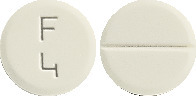
White to off-white round tablets, debossed with 'F4' on one side and breakline on the other side.4.1 Therapeutic Indications
Oedema.
Furosemide is indicated in adults, infants and children for the treatment of oedema associated with congestive heart failure, cirrhosis of the liver and renal disease including the nephrotic syndrome. Furosemide is particularly useful when an agent with greater diuretic potential than that of those commonly employed is desired.
Parenteral therapy with furosemide should be reserved for patients unable to take oral medication or for patients in emergency clinical situations. If gastrointestinal absorption is impaired or oral medication is not practical for any reason, furosemide is indicated by the intravenous or intramuscular route. Parenteral use should be replaced with oral furosemide as soon as practical.
Hypertension.
Oral furosemide may be used in adults for the treatment of hypertension alone or in combination with other antihypertensive agents. Hypertensive patients who cannot be adequately controlled with thiazides will probably also not be adequately controlled with furosemide alone.4.2 Dose and Method of Administration
Frusemix-M (Furosemide) 20 mg tablets and Frusemix (Furosemide) 40 mg tablets are intended for oral administration.
It is recommended that oral formulations of furosemide be taken on an empty stomach.
Dosage.
Oedema. Therapy should be individualised according to the patient's response. This therapy should be titrated to gain maximal therapeutic response with the minimum dose possible to maintain that diuretic response.
Adults.
The usual initial daily dose of furosemide for oedema is 20 to 80 mg given as a single dose. If the diuretic response to a single dose of 20 to 80 mg is not satisfactory, increase this dose by increments of 20 to 40 mg, not sooner than 6 to 8 hours after the previous dose, until the desired diuretic effect is obtained. This individually determined dose should be given once or twice (e.g. at 8 am and 2 pm) daily. The dose of furosemide may be carefully titrated up to 400 mg/day (except in advanced renal failure) in those patients with severe clinical oedematous states. The mobilisation of oedema may be most efficiently and safely accomplished by giving furosemide on 2 to 4 consecutive days each week.
When doses exceeding 80 mg/day are given for prolonged periods, careful clinical laboratory observations are particularly advisable.
Infants and children.
The usual initial dose is 2 mg/kg body weight given as a single dose. If the diuretic response is not satisfactory, the dose may be increased by 1 to 2 mg/kg no sooner than 6 to 8 hours after the previous dose. Doses of greater than 6 mg/kg body weight are not recommended.
For maintenance therapy in infants and children, the dose should be adjusted to the minimum effective level.
Hypertension. Therapy should be individualized according to the patient's response. This therapy should be titrated to gain maximal therapeutic response with the minimum dose possible to maintain that therapeutic response.
Adults.
The usual initial daily dose of furosemide for hypertension is 80 mg, usually divided into 40 mg twice a day. Dosage should then be adjusted according to response. If response is not satisfactory, add other antihypertensive agents.
Changes in blood pressure must be carefully monitored when furosemide is used with other antihypertensive drugs, especially during initial therapy.
To prevent an excessive drop in blood pressure, the dosage of other agents should be reduced by at least 50% when furosemide is added to the regimen. As the blood pressure falls under the potentiating effect of furosemide, a further reduction in dosage or even discontinuation of other antihypertensive drugs may be necessary.4.3 Contraindications
Known hypersensitivity to furosemide, sulfonamides or any of the inactive ingredients (see Section 6.1 List of Excipients). Patients allergic to sulfonamides (e.g. sulfonamide antibiotics or sulfonylureas) may show cross-sensitivity to furosemide.
Complete renal shutdown; impaired renal function or anuria. If increasing azotaemia and oliguria occur during treatment of severe progressive renal disease, discontinue furosemide. Severe hypokalaemia (see Section 4.8 Adverse Effects (Undesirable Effects)), hyponatraemia, hypovolaemia, dehydration or hypotension must be regarded as contraindications until serum electrolytes, fluid balance and blood pressure have been restored to normal levels.
In hepatic coma or pre-coma and conditions producing electrolyte depletion, furosemide therapy should not be instituted until the underlying conditions have been corrected or ameliorated.
In breast-feeding or pregnant women.
Do not administer furosemide to newborns presenting jaundice or to infants with conditions which might induce hyperbilirubinaemia or kernicterus (e.g. Rhesus incompatibility, familial non-haemolytic jaundice etc.) because of furosemide's in vitro potential to displace bilirubin from albumin.
4.4 Special Warnings and Precautions for Use
This medicine contains lactose. Patients with rare hereditary problems of galactose intolerance, the Lapp lactase deficiency or glucose-galactose malabsorption should not take this medicine.
Excessive diuresis may result in dehydration and reduction in blood volume with circulatory collapse and with the possibility of vascular thrombosis and embolism, particularly in elderly patients.
Excessive loss of potassium in patients receiving cardiac glycosides may precipitate digitalis toxicity.
Cases of reversible or irreversible tinnitus or hearing impairment have been reported. Usually, reports indicate that furosemide ototoxicity is associated with rapid injection or infusion, severe renal impairment, hypoproteinaemia, doses exceeding several times the usual recommended dose or concomitant therapy with aminoglycoside antibiotics, ethacrynic acid or other ototoxic drugs. In patients with hypoproteinaemia, e.g. associated with nephrotic syndrome, the effect of furosemide may be weakened and its ototoxicity potentiated. Cautious dose titration is required.
Caution should be exercised when administering curare or its derivatives to patients undergoing furosemide therapy. It is also advisable to discontinue furosemide for one week prior to any elective surgery.
Caution should be exercised and the risks and benefits of combining risperidone with furosemide or other potent diuretics should be considered prior to the decision to treat (see "Use in the elderly").
Rigid sodium restriction is conducive to both hyponatraemia and hypokalaemia; thus, strict restriction of sodium intake is not advisable in patients receiving furosemide.
Furosemide should be used with care, especially in the initial stages, in patients with impairment of micturition (e.g. prostatic hypertrophy). Urinary outflow must be secured. In patients with a partial obstruction of urinary outflow (e.g. in patients with bladder-emptying disorders, prostatic hyperplasia or narrowing of the urethra), increased production of urine may provoke or aggravate complaints. Thus, these patients require careful monitoring.
Particularly careful monitoring is required in patients with gout, patients with partial obstruction of urinary outflow, in patients with hypotension or who are at particular risk from a pronounced fall in blood pressure (e.g. patients with significant stenoses of the coronary arteries or of the blood vessels supplying the brain), in patients with latent or manifest diabetes mellitus, in patients with hepatorenal syndrome or in patients with hypoproteinaemia (e.g. associated with nephrotic syndrome). Dose titration, especially in this latter case, is required.
As with any effective diuretic, electrolyte depletion may occur during therapy, especially in patients receiving higher doses and a restricted salt intake. All patients receiving furosemide therapy should be observed for signs of fluid or electrolyte imbalance namely hyponatraemia, hypochloraemic alkalosis and hypokalaemia. Periodic determinations of serum electrolytes to detect a possible imbalance should be performed at appropriate intervals, as well as creatinine, blood urea and CO2 content determinations. This is particularly important when the patient is at high risk of developing electrolyte imbalances (e.g. receiving parenteral fluids) or in case of significant additional fluid loss, such as vomiting, diarrhoea and intense sweating. Warning signs of an imbalance, irrespective of cause include dryness of mouth, thirst, weakness, lethargy, drowsiness, restlessness, muscle pains or cramps, muscular fatigue, hypotension, oliguria, tachycardia, arrhythmia and gastrointestinal disturbances, such as nausea and vomiting. Hypovolaemia or dehydration as well as any significant electrolyte and acid-base disturbances must be corrected. This may require temporary discontinuation of furosemide.
During long-term therapy, a high potassium diet is recommended. Potassium supplements may be required, especially when high doses are used for prolonged periods. Particular caution with potassium is necessary when the patient is on digitalis glycosides, potassium depleting steroids or in the case of infants and children. Potassium supplementation, diminution in dose or discontinuation of furosemide therapy may be required.
Periodic checks on urine and blood glucose should be made in diabetics and even those suspected of latent diabetes when receiving furosemide. Increases in blood glucose and alterations in glucose tolerance tests with abnormalities of the fasting and 2-hour postprandial sugar have been observed and rare cases of precipitation of diabetes mellitus have been reported.
Furosemide may lower calcium levels and rare cases of tetany have been reported. Accordingly, periodic serum calcium levels should be obtained.
Reversible elevations of blood urea may be seen. These have been observed in association with dehydration, which should be avoided, particularly in patients with renal insufficiency.
Furosemide increases cholesterol and triglycerides short-term. It is not clear whether this effect persists long-term; however, the current evidence does not indicate this.
As with many other drugs, patients should be observed regularly for the possible occurrence of blood dyscrasias, liver damage or other idiosyncratic reactions.
Renal calcifications (from barely visible on X-ray to staghorn) have occurred in some severely premature infants treated with intravenous furosemide for oedema due to patent ductus arteriosus and hyaline membrane disease. The concurrent use of chlorothiazides has been reported to decrease hypercalciuria and to dissolve some calculi.
The possibility exists of exacerbation or activation of systemic lupus erythematosus.
Asymptomatic hyperuricaemia can occur and rarely, gout may be precipitated.
Furosemide should be used with care, especially in the initial stages, in patients with impairment of micturition (e.g. prostatic hypertrophy). Urinary outflow must be secured. In patients with a partial obstruction of urinary outflow (e.g. in patients with bladder-emptying disorders, prostatic hyperplasia or narrowing of the urethra), increased production of urine may provoke or aggravate complaints. Thus, these patients require careful monitoring.
Use in renal impairment.
Reversible elevations of blood urea may be seen. These have been observed in association with dehydration, which should be avoided, particularly in patients with renal insufficiency.
Use in hepatic impairment.
In patients with hepatic cirrhosis and ascites, initiation of therapy with furosemide is best carried out in hospital. Sudden alterations of fluid and electrolyte balance in patients with cirrhosis may precipitate hepatic coma, therefore, strict observation is necessary during the period of diuresis.
Use in the elderly.
In risperidone placebo-controlled trials in elderly patients with dementia, a higher incidence of mortality was observed in patients treated with furosemide plus risperidone (7.3%; mean age 89 years, range 75-97) compared to treatment with risperidone alone (3.1%; mean age 84 years, range 70-96) or furosemide alone (4.1%; mean age 80 years, range 67-90). Concomitant use of risperidone with other diuretics (mainly thiazide diuretics used in low doses) was not associated with similar mortality findings. No pathophysiological mechanism has been identified to explain this finding and no consistent pattern for cause of death was observed. Nevertheless, caution is advised. Irrespective of treatment, dehydration was an overall risk factor for mortality and should, therefore, be carefully avoided in elderly patients with dementia.
Paediatric use.
In premature infants, there is the possible development of nephrocalcinosis/nephrolithiasis and therefore renal function must be monitored and renal ultrasonography performed. In premature infants furosemide administered during the first weeks of life may increase the risk of persistence of Botallo's duct.
In children, the urge to defecate, complaints of abdominal pain and cramping have been reported after IV furosemide. An association of these symptoms with a low serum calcium and/or a low calcium/protein ratio is possible.
Effects on laboratory tests.
No data available.4.5 Interactions with Other Medicines and Other Forms of Interactions
Combinations that are not recommended.
Furosemide may increase the ototoxic and nephrotoxic potential of certain antibiotics (e.g. aminoglycosides) and certain cephalosporins (e.g. cephaloridine) and other ototoxic drugs, especially in the presence of impaired renal function; therefore, the simultaneous administration of these drugs is not advisable.
Anticonvulsants may decrease the response to furosemide. In isolated cases intravenous administration of furosemide within 24 hours of taking chloral hydrate may lead to flushing, sweating attacks, restlessness, nausea, increase in blood pressure and tachycardia. Use of furosemide concomitantly with chloral hydrate is, therefore, not recommended.
Precautions for use.
Furosemide should not be used concomitantly with ethacrynic acid or cisplatin because of the possibility of ototoxicity. In addition, nephrotoxicity of cisplatin may be enhanced if furosemide is not given in low doses (e.g. 40 mg in patients with normal renal function) and with positive fluid balance when used to achieve forced diuresis during cisplatin treatment.
Furosemide decreases the excretion of lithium salts and may cause increased serum lithium levels, resulting in increased risk of lithium toxicity, including increased risk of cardiotoxic and neurotoxic effects of lithium. Therefore, it is recommended that lithium levels are carefully monitored in patients receiving this combination.
Oral furosemide and sucralfate must not be taken within two hours of each other because sucralfate decreases the absorption of furosemide from the intestine and hence, reduces its effect.
The action of other antihypertensive drugs may be potentiated by furosemide, especially in combination with angiotensin converting enzyme (ACE) inhibitors. The administration of ACE inhibitors to patients pre-treated with furosemide may lead to a deterioration in renal function including renal failure, or may result in severe hypotension especially when an ACE inhibitor or angiotensin II receptor antagonist is given for the first time or for the first time in an increased dose. Consideration must be given to interrupting the administration of furosemide temporarily or at least reducing the dose of furosemide for 3 days before starting treatment with or increasing the dose of an ACE inhibitor or angiotensin II receptor antagonist.
Caution should be exercised and the risks and benefits of treating a patient on risperidone with furosemide or other potent diuretics should be considered prior to the decision to use (see Section 4.4 Special Warnings and Precautions for Use, Use in the elderly).
High doses of furosemide may inhibit binding of thyroid hormones to carrier proteins when administered with levothyroxine, and thereby lead to an initial transient increase in free thyroid hormones, followed by an overall decrease in total thyroid hormone levels. It is recommended that thyroid hormones be monitored.
Take into account.
The effects of digitalis preparations and drugs inducing QT interval prolongation syndrome may be potentiated by changes in electrolyte concentrations (e.g. hypokalaemia, hypomagnesaemia) due to furosemide. When a cardiac glycoside is administered concurrently, it should be remembered that potassium or magnesium deficiency increases the sensitivity of the myocardium to digitalis and may increase the toxicity of drugs which induce QT interval prolongation syndrome. When a glucocorticoid is administered during diuretic treatment, the potassium-lowering effect of the steroid should be borne in mind (see above). Carbenoxolone, corticosteroids, prolonged use of laxatives or ingestion of liquorice in large amounts may also predispose a patient to hypokalaemia.
Patients receiving high doses of salicylates, as in rheumatic disease, in conjunction with furosemide may experience salicylate toxicity at lower doses because of competitive renal excretory sites.
Interactions between furosemide and neuromuscular blocking agents have been reported. These appear to be dependent on the dose of furosemide and the neuromuscular blocking agent involved. Low doses of furosemide (0.1-10 microgram/kg) enhance the neuromuscular blockade of tubocurarine and succinylcholine. High doses (1-5 mg/kg) of furosemide have a tendency to antagonize the skeletal muscle relaxing effect of tubocurarine but may potentiate the action of succinylcholine. The clinical relevance of these findings is uncertain.
The combination of furosemide and amphotericin may result in an excessive loss of potassium.
Furosemide may decrease arterial responsiveness to noradrenaline (norepinephrine). This diminution is not sufficient to preclude effectiveness of the pressor agent for therapeutic use.
If antihypertensive agents, diuretics or other drugs with blood-pressure lowering potential are given concomitantly with furosemide, a more pronounced fall in blood pressure must be anticipated.
Non-steroidal anti-inflammatory drugs including acetylsalicylic acid may reduce the natriuretic and antihypertensive effects of furosemide in some patients by inhibiting prostaglandin synthesis. In patients with dehydration or pre-existing hypovolaemia, nonsteroidal anti-inflammatory drugs may cause acute renal failure. Salicylate toxicity may be increased by furosemide.
Phenytoin, methotrexate, probenecid and other drugs which, like furosemide, undergo significant renal tubular secretion may reduce the effect of furosemide. Conversely, furosemide may decrease renal elimination of these drugs. In the case of high dose treatment (in particular of both furosemide and the other drugs), this may lead to an increased risk of adverse effects due to furosemide or the concomitant medication.
IV furosemide was shown to increase the steady state concentration of theophylline by 20% in a small number of asthmatic patients; hence it is appropriate to measure serum theophylline levels when both drugs are given together.
The effects of curare-type muscle relaxants or of theophylline may be increased.
It should be borne in mind that the effect of antidiabetics or of pressor amines (e.g. adrenaline (epinephrine), noradrenaline (norepinephrine)) may be attenuated by furosemide (see Section 4.4 Special Warnings and Precautions for Use).
Impairment of renal function may develop in patients receiving concurrent treatment with furosemide and high doses of certain cephalosporins. The harmful effects of nephrotoxic drugs on the kidney may be increased.
Concomitant use of ciclosporin A and furosemide is associated with increased risk of gouty arthritis secondary to furosemide-induced hyperuricemia and ciclosporin impairment of renal urate excretion.
Patients who were at high risk for radiocontrast nephropathy treated with furosemide experienced a higher incidence of deterioration in renal function after receiving radiocontrast compared to high-risk patients who received only intravenous hydration prior to receiving radiocontrast.
Interactions with food.
It is recommended that oral formulations of furosemide be taken on an empty stomach.4.6 Fertility, Pregnancy and Lactation
Effects on fertility.
No data available.
(Category C)
Furosemide must not be given during pregnancy unless there are compelling medical reasons. Treatment during pregnancy requires monitoring of foetal growth.
Thiazides, related diuretics and loop diuretics enter the foetal circulation and may cause electrolyte disturbances. Neonatal thrombocytopaenia has been reported with thiazides and related diuretics. Loop diuretics, like furosemide and bumetanide, are probably also associated with this risk. During the latter part of pregnancy, products of this type should only be given on sound indications and then in the lowest effective dose. In pregnancy, furosemide must only be used in patients with a marked reduction in glomerular filtration.
Furosemide passes into the breast milk and inhibits lactation. Women must not breast feed if being treated with furosemide.4.7 Effects on Ability to Drive and Use Machines
Some adverse effects (e.g. an undesirable pronounced fall in blood pressure) may impair the patient's ability to concentrate and react and therefore constitute a risk in situations where these abilities are of special importance (e.g. operating a vehicle or machinery).
4.8 Adverse Effects (Undesirable Effects)
Whenever adverse reactions are moderate or severe, furosemide dose should be reduced or therapy withdrawn.
Metabolism and nutritional disorders.
As with other diuretics, electrolytes and water balance may be disturbed during therapy with furosemide, especially in patients receiving high doses for a prolonged period. The serum potassium concentration may decrease, especially at the commencement of treatment (owing to the earlier onset of action of furosemide).
Excessive diuresis may give rise, especially in elderly patients and children, to circulatory disturbances such as headache, dizziness, dry mouth or visual impairment, as symptoms of hypovolaemia. In extreme cases, hypovolaemia and dehydration may lead to hypotension, circulatory collapse and, in elderly patients in particular, thrombophilia. However, with individualised dosage, acute haemodynamic reactions are generally not to be expected, although diuresis sets in rapidly.
All saluretics may cause hypokalaemia, mainly in cases of low potassium diet, vomiting or chronic diarrhoea.
Factors such as underlying diseases (liver cirrhosis, cardiac failure), concomitant medication (see Section 4.5 Interactions with Other Medicines and Other Forms of Interactions) or nutritional inadequacies (excessive restriction of salt intake), may lead to sodium (hyponatremia), chloride (hypochloremia), or other electrolyte or fluid deficiencies which may produce a fall in orthostatic blood pressure, calf muscle spasms, anorexia, weakness, dizziness, drowsiness, apathy, vomiting and confusion.
Furosemide may lower the serum calcium level (hypocalcaemia) which may trigger a state of increased neuromuscular irritability.
Furosemide may cause a rise in serum cholesterol and triglyceride.
Hypomagnesaemia and, in rare cases, tetany or cardiac arrhythmias have been observed as a consequence of increased renal magnesium loss.
Treatment with furosemide may lead to transitory increases in urine volume, blood creatinine and urea levels. Serum levels of uric acid (hyperuricaemia) may increase and attacks of gout may occur.
Pre-existing metabolic alkalosis (e.g. due to decompensated liver cirrhosis) may be aggravated during furosemide treatment. Metabolic alkalosis has been reported with furosemide use.
Treatment with furosemide has occasionally caused reduced glucose tolerance and deterioration in cases of manifest diabetes, or made latent diabetes manifest.
Pseudo-Bartter syndrome in the context of misuse and/or long-term use of furosemide has been reported.
Very common: electrolyte disturbances (including symptomatic), dehydration and hypovolaemia especially in elderly patients, increased blood creatinine, increased blood triglycerides.
Common: hyponatremia, hypochloremia, hypokalaemia, blood cholesterol increased, blood uric acid increased and attacks of gout, urine volume increased.
Uncommon: impaired glucose tolerance. Latent diabetes mellitus may manifest.
Gastrointestinal disorders and hepato-biliary disorders.
Reactions with normal doses are uncommon with furosemide. They include anorexia, oral and gastric irritation, nausea, vomiting, cramping, diarrhoea and constipation.
In isolated cases, acute pancreatitis and increases in transaminases have been observed. Additionally, cholestasis and jaundice have been reported. Furosemide may increase the bile flow and distend the biliary tree which is already obstructed.
Central nervous system disorders.
Reactions such as dizziness, vertigo, paraesthesia, headache and blurred vision occasionally accompany furosemide-induced diuresis.
Ear and labyrinth disorders.
Reversible hearing impairment and tinnitus and rarely, permanent tinnitus and impairment of hearing, have been observed, especially in patients with markedly reduced renal function or hypoproteinaemia (e.g. in nephrotic syndrome). This occurs particularly when the injectable form of furosemide is used at a recommended rate of injection or infusion of 4 mg per minute (normal renal function) or 2.5 mg per minute (impaired renal function) is exceeded, or in patients who are also receiving drugs known to be ototoxic.
Cases of deafness, sometimes irreversible have been reported after oral administration of furosemide.
Skin and subcutaneous tissue disorders.
Uncommon allergic reactions include dermatitis, dermatitis bullous, rashes, urticaria, pruritus, photosensitivity reactions, pemphigoid, erythema multiforme, purpura and exfoliative dermatitis. Itching may occur and rare cases of necrotising angiitis, Stevens-Johnson syndrome, toxic epidermal necrolysis, Acute Generalized Exanthematous Pustulosis (AGEP), lichenoid reactions, and Drug Rash with Eosinophilia and Systemic Symptoms (DRESS) have been reported with furosemide use.
Blood and the lymphatic system disorders.
Common: haemoconcentration.
Uncommon: thrombocytopaenia.
Rare: eosinophilia, thrombophlebitis, haemolytic or aplastic anaemia, leukopaenia and agranulocytosis.
Congenital and familial/genetic disorders.
The persistence of patent ductus arteriosus when furosemide has been administered to a premature infant during the first weeks of life has been reported.
Renal and urinary disorders.
Excessive diuresis and dehydration could cause transient elevation of creatinine and BUN and reduction of GFR. Rare cases of tubulointerstitial nephritis have been reported. In elderly men with prostatic hypertrophy, acute urinary retention with overflow incontinence may occur. Symptoms of existing conditions of obstructed micturition, such as ureterostenosis or hydronephrosis, may be triggered or aggravated by pronounced diuresis. Interstitial nephritis has also been reported with furosemide use. In premature infants, calcium salts may be deposited in the renal tissue (nephrocalcinosis/ nephrolithiasis). In patients with a partial obstruction of urinary outflow, acute retention of urine may occur. Increase in sodium and/or chloride urine levels and renal failure has been reported with furosemide use.
Vascular disorders.
Very common: (especially for intravenous infusion) orthostatic hypotension may occur and may be aggravated by alcohol, narcotics and barbiturates. Due to the possibility of side effects such as hypotension, a patient's ability to drive or operate machinery may be impaired, especially at the commencement of therapy. Ischaemic complications have also been reported in elderly patients. A tendency for thromboses has been reported. If furosemide is administered to premature infants during the first weeks of life, it may increase the risk of persistence of patent ductus arteriosus.
Rare: vasculitis.
Cases of thrombosis have been reported.
Immune system disorders.
Severe anaphylactic or anaphylactoid reactions (e.g. with shock) is rare, but is acutely life-threatening if it does occur.
Cases of exacerbation or activation of systemic lupus erythematosus have been reported.
Nervous system disorders.
Common: hepatic encephalopathy in patients with hepatocellular insufficiency.
Rare: paraesthesia.
Headache, dizziness, fainting or loss of consciousness have been reported.
General disorders and administration site conditions.
Rarely, fever may occur. Following intramuscular injection, local reactions such as pain may occur. Restlessness has also been reported.
Musculoskeletal and connective tissue disorders.
Cases of rhabdomyolysis have been reported, often in the context of severe hypokalaemia (see Section 4.3 Contraindications).
Reporting suspected adverse effects.
Reporting suspected adverse reactions after registration of the medicinal product is important. It allows continued monitoring of the benefit-risk balance of the medicinal product. Healthcare professionals are asked to report any suspected adverse reactions at http://www.tga.gov.au/reporting-problems and contact Arrotex Medical Information Enquiries/Adverse Drug Reaction Reporting on 1800 195 055.4.9 Overdose
Symptoms.
The clinical picture in acute or chronic overdose depends primarily on the extent and consequences of electrolyte and fluid loss e.g. dehydration, blood volume reduction, hypotension, electrolyte imbalance, cardiac arrhythmias (including A-V block and ventricular fibrillation), hypokalaemia and hypochloraemic alkalosis, and extensions of its diuretic action. Symptoms of these disturbances include severe hypotension (progressing to shock), acute renal failure, thrombosis, delirious states, flaccid paralysis, apathy and confusion.
The acute toxicity of furosemide has been determined in mice, rats and dogs. In all three, the oral LD50 exceeded 1,000 mg/kg body weight, while the intravenous LD50 ranged from 300-680 mg/kg. The acute intragastric toxicity in neonatal rats is 7-10x that of adult rats. The concentration of furosemide in biological fluids associated with toxicity or death is not known.
Treatment.
No specific antidote to furosemide is known. If ingestion has only just taken place, attempts may be made to limit further systemic absorption of the active ingredient by measures such as activated charcoal.
Treatment of overdosage is supportive and consists of replacement of excessive fluid and electrolyte losses. Serum electrolytes, carbon dioxide level and blood pressure should be determined frequently. Adequate drainage must be assured in patients with urinary bladder outlet obstruction (such as prostatic hypertrophy). Haemodialysis does not accelerate furosemide elimination.
For information on the management of overdose, contact the Poisons Information Centre on 131126 (Australia).5 Pharmacological Properties
5.1 Pharmacodynamic Properties
Mechanism of action.
Furosemide is a potent diuretic. It inhibits sodium and chloride absorption in the ascending limb of Henle's loop and in both the proximal and distal tubules. The high degree of efficacy is due to this unique site of action. The action on the distal tubule is independent of any inhibitory effect on carbonic anhydrase or aldosterone.
Furosemide may promote diuresis in cases which have previously proved resistant to other diuretics.
Furosemide has no significant pharmacological effects other than on renal function.
Clinical trials.
No data available.
5.2 Pharmacokinetic Properties
Absorption.
Furosemide is rapidly absorbed from the gastrointestinal tract. Absorption rates in healthy subjects have been reported from 60-69% and from 43-46% in patients with end stage renal failure.
The onset of diuresis following oral administration is within 1 hour. The peak effect occurs within the first or second hour. The duration of diuretic effect is 6 to 8 hours.
The onset of diuresis following intravenous administration is within 5 minutes and somewhat later after intramuscular administration. The peak effect occurs within the first half hour. The duration of diuretic effect is approximately 2 hours.
In fasted normal men, the mean bioavailability of furosemide from tablets is 64% of that from an intravenous injection of the drug. Peak plasma concentrations increase with increasing dose but times-to-peak do not differ among doses.
Distribution.
Furosemide is extensively bound to plasma proteins, mainly albumin. Plasma concentrations of 1-400 microgram/mL are 91 to 99% bound in healthy individuals. The unbound fraction averages 2.3 to 4.1% at therapeutic concentrations.
Metabolism.
Recent evidence suggests that furosemide glucuronide is the only, or at least the major, bio-transformation product of furosemide in humans.
Excretion.
In patients with normal renal function, approximately 80% of an intravenous or intramuscular dose is excreted in the urine within 24 hours. Urinary excretion is accomplished both by glomerular filtration and proximal tubular secretion, which accounts for roughly 66% of the ingested dose, the remainder being excreted in the faeces. A small fraction is metabolised by cleavage of the side chain.
Significantly more furosemide is excreted in urine following an intravenous injection than after tablet administration.
Furosemide has a bi-phasic half-life in the plasma with t½ ranging up to 100 minutes; t½ is prolonged by renal and hepatic insufficiency, and in newborn infants.
5.3 Preclinical Safety Data
Genotoxicity.
No data available.
Carcinogenicity.
No data available.6 Pharmaceutical Particulars
6.1 List of Excipients
Lactose monohydrate, maize starch, pregelatinised maize starch, sodium starch glycollate type A, magnesium stearate.
6.2 Incompatibilities
Incompatibilities were either not assessed or not identified as part of the registration of this medicine.
6.3 Shelf Life
In Australia, information on the shelf life can be found on the public summary of the Australian Register of Therapeutic Goods (ARTG). The expiry date can be found on the packaging.
6.4 Special Precautions for Storage
Store below 25°C. Protect from light.
6.5 Nature and Contents of Container
Frusemix-M (furosemide) 20 mg tablets.
Packaged in HDPE bottles with PP child-resistant closures of 50, 100 and 1000 tablets (AUST R 186526).
Frusemix (furosemide) 40 mg tablets.
Packaged in HDPE bottles with PP child-resistant closures of 30, 50, 60, 100, 250 and 1000 tablets (AUST R 186521).
Not all strengths and/or pack sizes may be available.
6.6 Special Precautions for Disposal
In Australia, any unused medicine or waste material should be disposed of by taking to your local pharmacy.
6.7 Physicochemical Properties
Furosemide is an anthranilic acid derivative. It is a white to off-white odourless crystalline powder. It is practically insoluble in water, sparingly soluble in alcohol, freely soluble in dilute alkali solutions and insoluble in dilute acids.
Chemical structure.
 Chemical Name: 4-chloro-2-(furan-2-ylmethylamino)-5-sulfamoylbenzoic acid.
Molecular Formula: C12H11ClN2O5S.
Molecular Weight: 330.744.
CAS number.
54-31-9.7 Medicine Schedule (Poisons Standard)
S4 - Prescription Only Medicine.
Summary Table of Changes