


Consumer medicine information

Fungilin Lozenges

Amphotericin B (amphotericin)

BRAND INFORMATION

Brand name

Fungilin

Active ingredient

Amphotericin B (amphotericin)

Schedule

S4


Consumer medicine information (CMI) leaflet

Please read this leaflet carefully before you start using Fungilin Lozenges.

SUMMARY CMI

FUNGILIN lozenges

Consumer Medicine Information (CMI) summary

The full CMI on the next page has more details. If you are worried about using this medicine, speak to your doctor or pharmacist.

1. Why am I using FUNGILIN?

FUNGILIN contains the active ingredient amphotericin B. It is used to treat infections in or around the mouth, throat or tongue caused by yeast-like fungi called Candida. This condition is known as oral candidiasis or thrush.

For more information, see Section 1. Why am I using FUNGILIN? in the full CMI.

2. What should I know before I use FUNGILIN?

Do not use if you have ever had an allergic reaction to amphotericin B or any of the ingredients listed at the end of the CMI.

Talk to your doctor if you have any other medical conditions, take any other medicines, or are pregnant or plan to become pregnant or are breastfeeding.

For more information, see Section 2. What should I know before I use FUNGILIN? in the full CMI.

3. What if I am taking other medicines?

Some medicines may interfere with FUNGILIN and affect how it works.

A list of these medicines is in Section 3. What if I am taking other medicines? in the full CMI.

4. How do I use FUNGILIN?

  • The recommended daily dose is one lozenge, taken four times daily.
  • Suck the lozenge and allow it to dissolve slowly in the mouth.
  • Continue taking FUNGILIN lozenges for 7-14 days.
  • Take FUNGILIN at about the same time each day, after meals and at bedtime.

More instructions can be found in Section 4. How do I use FUNGILIN? in the full CMI.

5. What should I know while using FUNGILIN?

Things you should do
  • Remind any doctor, dentist or pharmacist you visit that you are using FUNGILIN lozenges.
  • If you plan to have surgery, tell your doctor or dentist that you are taking FUNGILIN lozenges.
  • If your symptoms do not improve while you are taking FUNGILIN or they become worse, tell your doctor.
  • Tell your doctor if you become pregnant while using FUNGILIN lozenges.
Things you should not do
  • Do not give FUNGILIN lozenges to anyone else, even if they have the same condition as you.
  • Do not take FUNGILIN lozenges to treat any other complaints unless your doctor or pharmacist tells you to.
  • Unless you experience a bad side effect or allergic reaction to FUNGILIN lozenges, do not stop using it until the infection is cured.
Looking after your medicine
  • Store it in a cool dry place where the temperature stays below 25°C.
  • Keep the medicine in the pack until it is time to take them.

For more information, see Section 5. What should I know while using FUNGILIN? in the full CMI.

6. Are there any side effects?

Tell your doctor or pharmacist as soon as possible if you do not feel well while you are taking FUNGILIN lozenges.

Some mild side effects include diarrhoea, indigestion or upset stomach, nausea, vomiting and yellowing of the teeth, which can be removed by brushing the teeth.

Some serious side effects include hives, swelling of the face, mouth, lips, tongue or throat and breathing difficulties.

For more information, including what to do if you have any side effects, see Section 6. Are there any side effects? in the full CMI.


FULL CMI

FUNGILIN lozenges

Active ingredient: amphotericin B


Consumer Medicine Information (CMI)

This leaflet provides important information about using FUNGILIN.

You should also speak to your doctor or pharmacist if you would like further information or if you have any concerns or questions about using FUNGILIN.

Where to find information in this leaflet:

1. Why am I using FUNGILIN?
2. What should I know before I use FUNGILIN?
3. What if I am taking other medicines?
4. How do I use FUNGILIN?
5. What should I know while using FUNGILIN?
6. Are there any side effects?
7. Product details

1. Why am I using FUNGILIN?

FUNGILIN contains the active ingredient amphotericin B, an antifungal.

It is used to treat infections in or around the mouth, throat or tongue caused by yeast-like fungi called Candida. This condition is known as oral candidiasis or thrush. Candida albicans is the most common cause of thrush.

Candida albicans is present in the gut of both men and women, and often in women's vaginas without causing problems. When conditions are suitable for its growth, the Candida will multiply and cause infection.

A number of different conditions provide favourable growth conditions for Candida, such as Acquired Immune Deficiency Syndrome (AIDS), diabetes, treatment with some antibiotic or cortisone medicines, or treatment for cancer.

Ask your doctor if you have any questions about why FUNGILIN has been prescribed for you.

Your doctor may have prescribed FUNGILIN for another reason.

2. What should I know before I use FUNGILIN?

Warnings

Do not use FUNGILIN if:

  • you are allergic to amphotericin B or any of the ingredients listed at the end of this leaflet.
    - Some symptoms of an allergic reaction may include shortness of breath, wheezing or difficult in breathing, swelling of the face, lips, tongue or any other parts of the body; rash, itching or hives on the skin.
  • the packaging is torn or shows signs of tampering
  • the expiry date on the pack has passed.

Check with your doctor if you:

  • have or have had any other medical conditions
  • take any medicines for any other condition
  • have had any allergy to any other medicines or any other substances, such as food, preservatives or dyes.

During treatment, you may be at risk of developing certain side effects. It is important you understand these risks and how to monitor for them. See additional information under Section 6. Are there any side effects?

Pregnancy and breastfeeding

Check with your doctor if you are pregnant or intend to become pregnant.

FUNGILIN is not recommended for use during pregnancy unless the benefits of treatment outweigh the risks to the unborn baby.

Talk to your doctor if you are breastfeeding or intend to breastfeed.

3. What if I am taking other medicines?

Tell your doctor or pharmacist if you are taking any other medicines, including any medicines, vitamins or supplements that you buy without a prescription from your pharmacy, supermarket or health food shop.

Some medicines may interfere with FUNGILIN and affect how it works.

Check with your doctor or pharmacist if you are not sure about what medicines, vitamins or supplements you are taking and if these affect FUNGILIN.

4. How do I use FUNGILIN?

How much to use

The recommended daily dose is one lozenge, taken four times daily.

How long to take it

Continue taking FUNGILIN lozenges for 7-14 days.

Tell your doctor if your symptoms do not improve after several days of treatment or they return soon after completing your course of treatment.

This may be a sign that your infection is caused by an organism which is resistant to FUNGILIN, or you may have another underlying condition of which you are not aware.

Therefore, it is very important that you advise your doctor if the condition persists after following the recommended course of treatment.

Your doctor may request that you have additional tests to further diagnose and treat your condition.

When to use FUNGILIN

Take FUNGILIN at about the same time each day, after meals and at bedtime.

Taking FUNGILIN at the same time each day will have the best effect and may help you remember when to take the medicine.

How to take it

Suck the lozenge and allow it to dissolve slowly in the mouth.

If you wear dentures, take them out while sucking the lozenge. This allows the medicine to reach where the dentures normally fit. Before replacing your dentures, clean them thoroughly.

If you forget to use FUNGILIN

If it is almost time for your next dose, skip the dose you missed and take the next dose when you are meant to. Otherwise, take it as soon as you remember and then go back to taking it as you would normally.

Do not take a double dose to make up for the missed dose.

If you are not sure what to do, ask your pharmacist.

If you use too much FUNGILIN

If you think that you have used too much FUNGILIN, you may need urgent medical attention.

You should immediately:

  • phone the Poisons Information Centre
    (by calling 13 11 26), or
  • contact your doctor, or
  • go to the Emergency Department at your nearest hospital.

You should do this even if there are no signs of discomfort or poisoning.

5. What should I know while using FUNGILIN?

Things you should do

  • If you are about to start taking any new medicines, tell all doctors and pharmacists who are treating you that you are taking FUNGILIN lozenges.
  • If you plan to have surgery, tell your doctor or dentist that you are taking FUNGILIN lozenges.
  • If your symptoms do not improve while you are taking FUNGILIN or they become worse, tell your doctor.
  • Tell your doctor if you become pregnant while using FUNGILIN lozenges.

Things you should not do

  • Do not give FUNGILIN lozenges to anyone else, even if they have the same condition as you.
  • Do not take FUNGILIN lozenges to treat any other complaints unless your doctor or pharmacist tells you to.
    This medicine is intended for mouth infections only, caused by Candida yeast infections.
  • Unless you experience a bad side effect or allergic reaction to FUNGILIN lozenges, do not stop using it until the infection is cured.

Things to may help your condition

To avoid the possibility of re-infection or infection of other household members, you must observe strict personal hygiene. Hands must be washed thoroughly before and after taking the lozenges.

Wash used kitchen utensils by boiling for 20 minutes. Wash your used utensils separately and keep them away from utensils used by other household members. This may help prevent spread of the infection.

If you have yellowing of the teeth while using FUNGILIN, this can be removed by brushing your teeth.

Driving or using machines

This medicine is not expected to affect the ability to drive a car or operate machinery. FUNGILIN lozenges are tolerated well by all age groups.

Looking after your medicine

  • Keep the medicine in the pack until it is time to take them.
  • Store it in a cool dry place where the temperature stays below 25°C.
  • Store it away from moisture, heat or sunlight; for example, do not store it:
    - in the bathroom or near a sink, or
    - in the car or on window sills.

Heat and dampness can destroy some medicines.

Keep it where young children cannot reach it.

Getting rid of any unwanted medicine

If your doctor tells you to stop using FUNGILIN lozenges, or the lozenges have passed their expiry date, ask your pharmacist what to do with any that is left over.

Do not use this medicine after the expiry date.

6. Are there any side effects?

All medicines can have side effects. If you do experience any side effects, most of them are minor and temporary. However, some side effects may need medical attention.

See the information below and, if you need to, ask your doctor or pharmacist if you have any further questions about side effects.

Less serious side effects

Less serious side effectsWhat to do
  • diarrhoea
  • indigestion or upset stomach
  • nausea
  • vomiting
  • yellowing of the teeth, which can be removed by brushing the teeth.
Speak to your doctor if you have any of these less serious side effects and they worry you.
These side effects are mostly mild and short-lived.

Serious side effects

Serious side effectsWhat to do
  • hives
  • swelling of the face, mouth, lips, tongue or throat and have difficulty breathing
Call your doctor straight away, or go to the Emergency Department at your nearest hospital if you notice any of these serious side effects.
Serious side effects are very rare.

Tell your doctor if you notice anything else that may be making you feel unwell.

Other side effects not listed here may occur in some people.

Reporting side effects

After you have received medical advice for any side effects you experience, you can report side effects to the Therapeutic Goods Administration online at www.tga.gov.au/reporting-problems. By reporting side effects, you can help provide more information on the safety of this medicine.

Always make sure you speak to your doctor or pharmacist before you decide to stop taking any of your medicines.

7. Product details

This medicine is only available with a doctor's prescription.

What FUNGILIN contains

Active ingredient
(main ingredient)
  • amphotericin B 10 mg.
Other ingredients
(inactive ingredients)
  • mannitol
  • acacia
  • stearic acid
  • sodium cyclamate
  • saccharin sodium
  • polyvinyl alcohol
  • purified talc
  • blood orange flavour 51226 T
  • curacao 50397 AP0500
  • orange flavour 1AA01144.
Potential allergens
  • saccharin.

FUNGILIN lozenges do not contain gluten, sucrose or lactose.

Do not take this medicine if you are allergic to any of these ingredients.

What FUNGILIN looks like

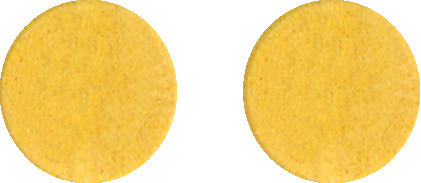
FUNGILIN 10 mg oral lozenges are yellow, flat faced and round with an odour of orange. Available in bottles of 20 lozenges.

Australian Registration number: AUST R 19295.

Who distributes FUNGILIN

Aspen Pharmacare Australia Pty Ltd
34-36 Chandos St
St Leonards
2065 NSW

This leaflet was revised in May 2025.

Published by MIMS July 2025

BRAND INFORMATION

Brand name

Fungilin

Active ingredient

Amphotericin B (amphotericin)

Schedule

S4


1 Name of Medicine

Amphotericin B (amphotericin).

2 Qualitative and Quantitative Composition

Fungilin oral lozenges contains 10 milligrams of amphotericin B (amphotericin). Amphotericin is a mixture of macrolide - antifungal polyenes produced by the growth of certain strains of Streptomyces nodosus. It consists largely of amphotericin B (amphotericin).
For the full list of excipients, see Section 6.1 List of Excipients.

3 Pharmaceutical Form

Fungilin 10 mg oral lozenges are yellow, flat-faced, bevel-edged, disc-shaped lozenge.

4 Clinical Particulars

4.1 Therapeutic Indications

Treatment of candidal infections of the oral and perioral areas including oral thrush, angular cheilitis, denture stomatitis and in other conditions of the mouth, throat and tongue complicated by the overgrowth of Candida albicans.

4.2 Dose and Method of Administration

One (1) lozenge should be sucked and allowed to dissolve slowly in the mouth four times a day for a duration of 7 to 14 days. The lozenges should be taken after meals and at bedtime. Patients wearing dentures should be especially careful to cleanse them thoroughly and to remove them while sucking the lozenge to allow the active material to reach all tissues.

4.3 Contraindications

Fungilin is contraindicated in patients with a history of hypersensitivity to amphotericin B (amphotericin) or any other component of the Fungilin formulation.

4.4 Special Warnings and Precautions for Use

Orally administered amphotericin B (amphotericin) is not to be used for the treatment of systemic fungal infections.

Hypersensitivity.

Hypersensitivity reactions to the Fungilin amphotericin B (amphotericin) lozenge are rare, but should sensitivity develop, treatment should be discontinued. Treatment with Fungilin lozenges should not be attempted in those individuals who have shown hypersensitivity to any of its components.

Use in the elderly.

No data available.

Paediatric use.

No data available.

Effects on laboratory tests.

No data available.

4.5 Interactions with Other Medicines and Other Forms of Interactions

No data available.

4.6 Fertility, Pregnancy and Lactation

Effects on fertility.

No data available.
(Category B3)
There are no adequate and well-controlled studies in pregnant women. Oral forms of amphotericin B (amphotericin) should be used during pregnancy only if the potential benefit justifies the potential risk to the foetus.
It is not known whether amphotericin B (amphotericin) is excreted in human milk. Though gastrointestinal absorption is insignificant, caution should be exercised when amphotericin B (amphotericin) is prescribed for a nursing woman.

4.7 Effects on Ability to Drive and Use Machines

The effects of this medicine on a person's ability to drive and use machines were not assessed as part of its registration.

4.8 Adverse Effects (Undesirable Effects)

Amphotericin is not appreciably absorbed when taken orally, even at high dosage. No systemic adverse effects have followed oral administration of up to at least 3 g daily.

Gastrointestinal disorders.

Common: mild gastrointestinal distress; nausea; vomiting; diarrhoea.

Skin and subcutaneous tissue disorders.

Rare: urticaria, angioedema, Stevens-Johnson syndrome and toxic epidermal necrolysis.

Post marketing surveillance.

Skin exfoliation has been reported.
Transient yellowing of the teeth may occur with the use of the lozenge formulations, which can easily be removed by brushing.

Reporting suspected adverse effects.

Reporting suspected adverse reactions after registration of the medicinal product is important. It allows continued monitoring of the benefit-risk balance of the medicinal product. Healthcare professionals are asked to report any suspected adverse reactions at www.tga.gov.au/reporting-problems.

4.9 Overdose

There is little information available regarding overdose with oral dosage forms of amphotericin B (amphotericin). Since absorption of amphotericin B (amphotericin) from the gastrointestinal tract is negligible, even in high doses, overdose should not normally result in systemic toxicity. In case of overdose, usual measures to remove drug substance from the gastrointestinal tract should be considered.
For information on the management of overdose, contact the Poisons Information Centre on 13 11 26 (Australia).

5 Pharmacological Properties

5.1 Pharmacodynamic Properties

Mechanism of action.

Amphotericin B (amphotericin) appears to act mainly by interfering with the permeability of the cell membrane of sensitive fungi by binding to sterols, chiefly ergosterol. It is reported to be fungistatic at concentrations achieved clinically.
This medicine is active against a wide range of yeasts and yeast like including Candida albicans. Candida albicans is generally quite susceptible to the medicine, but other Candida species may be less susceptible. Oral amphotericin B (amphotericin) has demonstrated antifungal activity towards many fungal species including candidal infections of the oral and perioral areas (see Section 4.1 Therapeutic Indications).
Amphotericin B (amphotericin) is inactive against bacteria (including Rickettsia) and viruses.

Resistance.

Fungal species with decreased susceptibility to amphotericin B (amphotericin) have been isolated after serial passage in culture media containing the drug, and from some patients receiving prolonged therapy.
Some resistant strains of Candida have been isolated from immunocompromised patients receiving prolonged treatment with amphotericin B (amphotericin).
However, strains of Candida albicans resistant to both amphotericin B (amphotericin) and fluconazole have emerged in a few patients who have received repeated or prolonged courses of fluconazole.
Reports of amphotericin B (amphotericin) resistant fungi are infrequent.

Clinical trials.

No data available.

5.2 Pharmacokinetic Properties

There is little or no absorption of amphotericin B (amphotericin) from the gastrointestinal tract.

5.3 Preclinical Safety Data

Genotoxicity.

No data available.

Carcinogenicity.

No data available.

6 Pharmaceutical Particulars

6.1 List of Excipients

Each lozenge of Fungilin contains amphotericin B (amphotericin), mannitol, acacia, stearic acid, sodium cyclamate, saccharin sodium, polyvinyl alcohol, talc-purified, blood orange flavour 51226 T (PI 272), orange flavour 1AA01144 and curacao 50397 AP0500 (PI 1834).

6.2 Incompatibilities

Incompatibilities were either not assessed or not identified as part of the registration of this medicine.

6.3 Shelf Life

In Australia, information on the shelf life can be found on the public summary of the Australian Register of Therapeutic Goods (ARTG). The expiry date can be found on the packaging.

6.4 Special Precautions for Storage

Store below 25°C.

6.5 Nature and Contents of Container

Fungilin lozenges are available in glass bottles of 20's.

6.6 Special Precautions for Disposal

In Australia, any unused medicine or waste material should be disposed of in accordance with local requirements.

6.7 Physicochemical Properties

Chemical structure.

C47H73NO17.
Molecular weight: 924.

CAS number.

1397-89-3.

7 Medicine Schedule (Poisons Standard)

S4 (Prescription Only Medicine).

Summary Table of Changes