


Consumer medicine information

Glatira 20 mg/1 mL, 40 mg/1 mL

Glatiramer acetate

BRAND INFORMATION

Brand name

Glatira

Active ingredient

Glatiramer acetate

Schedule

S4


Consumer medicine information (CMI) leaflet

Please read this leaflet carefully before you start using Glatira 20 mg/1 mL, 40 mg/1 mL.

What is in this leaflet

This leaflet answers some common questions about Glatira20 mg/mL and Glatira 40 mg/mL.

It does not contain all the available information. It does not take the place of talking to your doctor and pharmacist.

All medicines have risks and benefits. Your doctor has weighed the risks of you using this medicine against the benefits they expect it will have for you.

If you have any concerns about using this medicine, ask your doctor or pharmacist.

Keep this leaflet with the medicine. You may need to read it again.

What Glatira 20 mg/mL and Glatira 40 mg/mL is used for

Glatira 20 mg/mL and Glatira 40 mg/mL is used for the management of relapsing forms of Multiple Sclerosis (MS).

Glatira may also be used in patients who, for the first time, have experienced symptoms and have MRI changes that indicate a high risk for development of MS. Your doctor will rule out any other reasons which could explain these symptoms before you are treated.

The cause of MS is not yet known. MS affects the brain and spinal cord. In MS, the body's immune system reacts against its own myelin (the 'insulation' surrounding nerve fibres). In relapsing forms of MS, people can have 'exacerbations' from time to time (eg. blurred vision, weakness in the legs or arms, or loss of control of bowel or bladder function). These are followed by periods of recovery.

Although the exact mechanism of how Glatira works in MS is unknown, it is thought that Glatira works by changing the immune processes that are believed to be responsible for the disease.

Glatira has been shown to be effective in reducing the number of relapses in patients with relapsing remitting MS. Although it is not a cure, patients treated with Glatira generally find that they will experience fewer relapses.

Your doctor, however, may prescribe Glatira for another purpose.

Ask your doctor or pharmacist if you have any questions about why it has been prescribed for you.

This medicine is only available with a doctor's prescription.

Before you use it

When you must not use it

Do not use Glatira if you are allergic to it or any of the ingredients listed at the end of this leaflet. Some symptoms of an allergic reaction include skin rash, itching, shortness of breath or swelling of the face, lips or tongue, which may cause difficulty in swallowing or breathing.

Do not give Glatira to children. There is no experience with its use in children under 12 years of age.

Do not use it after the expiry date (EXP) printed on the pack. If you use it after the expiry date has passed, it may not work as well.

Do not use it if the packaging is damaged or shows signs of tampering.

Before you start to use it

Tell your doctor or pharmacist if you have allergies to:

  • any of the ingredients listed at the end of this leaflet
  • any other medicines
  • any other substances, such as foods, preservatives or dyes.

Tell your doctor if you are pregnant or intend to become pregnant. Like most medicines of this kind, Glatira is not recommended to be used during pregnancy. You should discuss contraceptive options with your doctor. Your doctor will discuss the risks and benefits of using it if you are pregnant.

Tell your doctor if you are breast- feeding or plan to breast-feed. It is not known whether Glatira passes into breast milk. Your doctor will discuss the risks and benefits of using it if you are breast-feeding or planning to breast-feed.

Tell your doctor if you have or have ever had any medical conditions, especially the following:

  • asthma
  • a history of severe allergic reactions

Tell your doctor if you plan to have surgery.

If you have not told your doctor about any of the above, tell them before you use Glatira.

Taking other medicines

Tell your doctor or pharmacist if you are taking any other medicines, including any that you buy without a prescription from your pharmacy, supermarket or health food store.

Some medicines may interfere with the absorption of Glatira.

These medicines may be affected by Glatira, or may affect how well it works. You may need to use different amounts of your medicine, or take different medicines. Your doctor or pharmacist will advise you.

Your doctor or pharmacist has more information on medicines to be careful with or avoid while using Glatira 20 mg/mL or Glatira 40 mg/mL.

How to use it

Follow all directions given to you by your doctor, MS education nurse or pharmacist. They may differ from the information contained in this leaflet.

How much to use

The recommended dose of one Glatira 20mg/mL pre-filled syringe (1mL) is to be injected once a day.

The recommended dose of one Glatira 40 mg/mL pre-filled syringe (1mL) is to be injected three times a week and at least 48 hours apart. Glatira 40 mg/mL should be given, if possible, at the same time and on the same three days each week (for example, Monday, Wednesday and Friday) at least 48 hours apart.

Do not change the dose or dosing schedule or stop using Glatira without talking to your doctor.

How to use it

Glatira 20 mg/mL and Glatira 40 mg/mL is given by an injection into the fatty layer under the skin (subcutaneous injection).

Many people with MS learn to give themselves the injection or have it given by a carer.

Self-injection needs to be taught and practised. It is important that a qualified healthcare professional supervises your first injection.

Your doctor may teach you to self-inject or arrange for an MS education nurse to do so.

You may have a friend attend the injection training session as your assistant. Especially when you first start giving yourself injections, your assistant should be with you.

Talk to your doctor or the MS Society or telephone 1800 620 076 for more information.

Patient support kits that include a self-injection device are available by telephoning 1800 620 076.

After being taught to self-inject, you can refer to this leaflet for step-by-step instructions about how to prepare and inject Glatira 20 mg/mL and Glatira 40 mg/mL.

The following instructions explain how to inject Glatira 20mg/mL and Glatira 40 mg/mL yourself.

Do not attempt self-injection until you are confident that you understand how to inject yourself.

Please read these instructions carefully.

Before you Inject

Glatira 20 mg/mL and Glatira 40 mg/mL pre-filled injection is pre-mixed and ready for you to use.

Make sure that the blister with the syringe inside is taken out of the refrigerator for 20 minutes before you use it. It is important that the solution is at room temperature when you inject it. If you need to delay your injection, return the blister to its package in the refrigerator.

Always inspect Glatira solution in the pre-filled syringe before you use it. Do not inject the solution if it is cloudy or has particles in it.

Gathering the Materials

Gather the following items on a towel in a well-lit area:

  • One blister with Glatira 20 mg/mL or Glatira 40 mg/mL pre-filled syringe (at room temperature - as described above)
  • A dry cotton ball
  • Disposal unit for used syringes

Wash and dry your hands. Do not touch your hair or skin afterwards. This will help prevent infection.

Deciding where to Inject

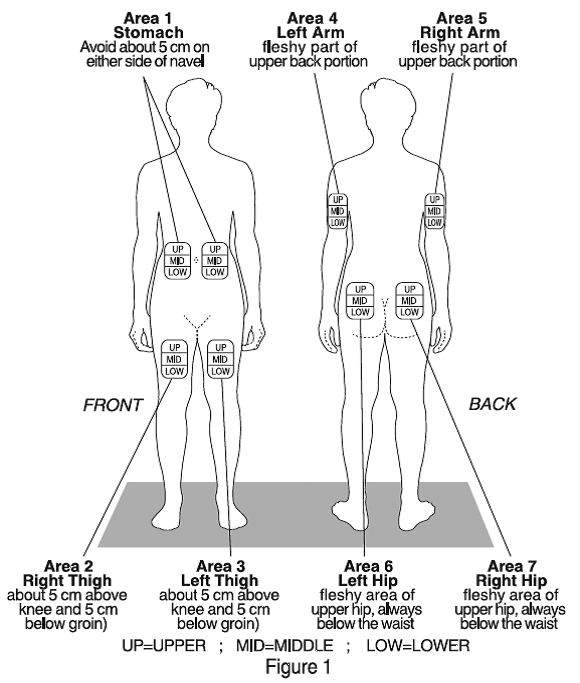
There are seven injection areas on your body; arms, thighs, back of the hips and stomach (belly). Within each injection area there are multiple injection sites (Figure 1).

Rotate the injection sites within an area.

You should not use any site more than once each week. Choose a different site for each injection. This will reduce the likelihood of irritation, pain or loss of fatty tissue (lipoatrophy) at the site of injection. Marking a calendar will help you keep track of the sites you have used each day.
Giving Yourself the Injection

  1. Remove the syringe from its protective blister by peeling back the paper label.
  2. Pick up the syringe as you would a pencil, using the hand you write with. Remove the plastic cover from the needle.
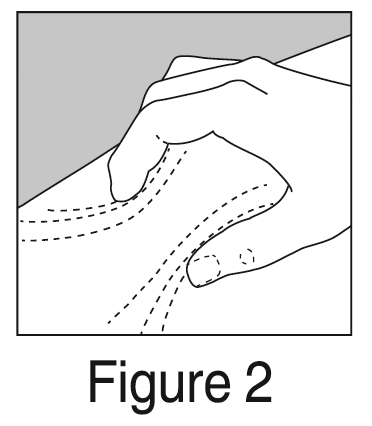
  3. Pinch about a 5 cm fold of skin between thumb and index finger.
When you inject in the upper back portions of your arms, it is not possible to pinch 5 cm of skin with one hand and inject yourself with the other hand. Ask your doctor / nurse for instruction on how to use these areas.
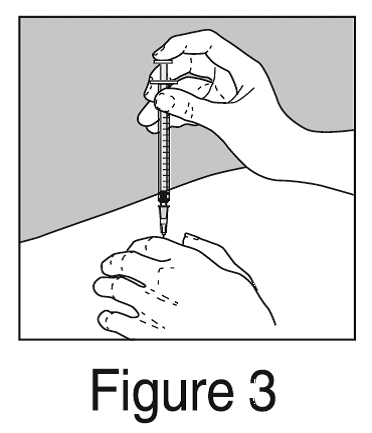
  1. Inject the medication by holding the syringe steady while pushing down on the plunger until the syringe is empty. The injection should take just a few seconds.
  2. Pull the needle straight out
  3. Press a dry cotton ball on the injection site for a few seconds, but do not massage it.
  4. Dispose of the pre-filled syringe in a safe hard-walled container, according to your doctor's instructions and the laws of your state (if any). Ask your doctor or pharmacist for advice if you are in doubt.

Some patients may experience a side-effect known as the Immediate Post Injection Reaction (see the information under the heading 'Side effects' below).

Proper use of needles and syringes

Do not reuse the pre-filled syringe. Each pre-filled syringe should be used only for one injection.

Ask your doctor or nurse about obtaining a "sharps container".

After use, place all used syringes and needles in a hard-walled plastic container, such as a liquid laundry detergent container. It is very important that you keep the cover of the container tightly shut and that you store it out of the reach of children. When the container is full, check with your doctor or nurse about proper disposal.

When to use it

Give yourself the Glatira 20 mg/mL injection at the same time each day.

Give yourself the injection at the same time on the same three days of the week (for example, Monday, Wednesday and Friday) at least 48 hours apart. Choose a time when you feel strongest.

How long to use it

Do not stop using Glatira without checking with your doctor first.

The positive effects of Glatira are not seen immediately. They occur with long-term treatment.

If you forget to use it

Glatira 20 mg/mL

If it is almost time for your next dose, skip the dose you missed and have your next injection when you are meant to.

If there is still a long time to go before your next dose, use it as soon as you remember, and then go back to using it as you would normally.

Glatira 40 mg/mL

If you miss a dose of Glatira 40 mg/mL, you should take your next dose as soon as you remember or are able to take it, then skip the following day. If possible, you should return to your regular administration schedule the following week.

Do not use a double dose to make up for the dose that you missed. This may increase the chance of you getting an unwanted side-effect.

If you are not sure what to do, ask your doctor or pharmacist.

If you have trouble remembering when to use your medicine, ask your pharmacist or MS education nurse for some hints.

It is important not to miss injections as this can affect the success of your treatment.

If you use too much (overdose)

Immediately telephone your doctor or Poisons Information Centre (telephone Australia 13 11 26), or go to Accident and Emergency at your nearest hospital, if you think that you or anyone else may have used too much Glatira 20 mg/mL or Glatira 40 mg/mL.

Do this even if there are no signs of discomfort or poisoning. You may need urgent medical attention.

While you are using it

Things you must do

Tell all the doctors, dentists and pharmacists who are treating you that you are using Glatira.

If you are about to be started on any new medicine, tell your doctor and pharmacist that you are using Glatira.

If you plan to have surgery that needs a general anaesthetic, tell your doctor or dentist that you are using this medicine.

If you become pregnant while you are using this medicine, stop using it and tell your doctor immediately.

Things you must not do

Do not use more than the recommended dose unless your doctor tells you to.

Do not give this medicine to anyone else, even if they have the same condition as you.

Side effects

All medicines have some unwanted side effects. Sometimes they are serious, but most of the time they are not. Your doctor has weighed the risks of using this medicine against the benefits they expect it will have for you.

Do not be alarmed by this list of possible side effects. You may not experience any of them.

Tell your doctor or pharmacist as soon as possible if you do not feel well while you are using Glatira.

It helps most people with MS, but it may have unwanted side effects in a few people.

Tell your doctor if you notice any of the following and they worry you:

  • pain, redness, itching, hardening of the skin or an infection at the site where you have injected yourself
  • nausea (feeling sick)
  • pain in the joints
  • sore muscles
  • feeling of weakness
  • dizziness
  • constipation
  • changes to your vision
  • hay fever symptoms
  • changes in your urination frequency

These side effects were reported by patients who used Glatira 20 mg/mL every day and by patients who use Glatira 40 mg/mL three times a week.

Some patients may experience a side-effect known as the Immediate Post Injection Reaction. This reaction consists of the following symptoms:

  • reddening of the face and/or neck,
  • chest pain or tightness,
  • feeling your heartbeat quickly (heart palpitations),
  • anxiety and difficulty in breathing.

These are mild side effects of this medicine and usually are short-lived.

Some patients may experience only one episode during the treatment period.

Stop administering Glatira and contact your doctor immediately if the above symptoms are severe.

If any of the following happen, stop using this medicine and tell your doctor immediately, or go to Accident and Emergency at your nearest hospital:

  • swelling of the face, lips, mouth or throat, which may cause difficultly in swallowing or breathing
  • hives
  • chest pain
  • trouble breathing
  • severe pain, redness or swelling at the injection site that does not go away.

These are very serious side effects. If you have them, you may have had a serious allergic reaction to Glatira. You may need urgent medical attention or hospitalisation.

These side effects are very rare.

Tell your doctor or pharmacist if you notice anything else that is making you feel unwell. Other side effects not listed above may occur in some patients.

Do not be alarmed by this list of possible side effects. You may not experience any of them.

Ask your doctor or pharmacist to answer any questions you may have.

After using it

If you have any queries about any aspect of your medicine, or any questions regarding the information in this leaflet, discuss them with your doctor or pharmacist.

Storage

Keep Glatira 20 mg/mL and Glatira 40 mg/mL in the pack until it is time to use it. Protect from direct light. The medicine will not keep as well if taken out of the packaging.

Keep Glatira pre-filled syringes in the refrigerator at 2°C to 8°C. In the event of refrigeration being unavailable, Glatira may be stored below 25°C for up to one month.

Glatira 20 mg/mL and Glatira 40 mg/mL must not be frozen. Do not place in the freezer or freezing compartment of a refrigerator.

Do not store it or any other medicine in the bathroom, near a sink or on a windowsill.

Do not leave it in the car. Heat and damp can destroy some medicines.

Keep it where children cannot reach it.

Disposal

Please read the package insert carefully for full details, including self-disposal of needles and syringes after use.

If your doctor tells you to stop using Glatira or the medicine has passed its expiry date, ask your pharmacist what to do with any that are left over.

Return any unused medicine to your pharmacist

Product description

What it looks like

Glatira 20 mg/mL and Glatira 40 mg/mL is a clear colourless solution supplied in 1mL glass single use pre-filled syringes fitted with a staked 1/2 inch needle.

Glatira 20 mg/mL is supplied in a box of 28 blister packed pre-filled syringes.

Glatira 40 mg/mL is supplied in a box of 12 blister packed pre-filled syringes

Ingredients

Active Ingredient:

Each Glatira pre-filled syringe contains 20 mg glatiramer acetate.

Each Glatira 40 mg/mL pre-filled syringe contains 40 mg glatiramer acetate.

Inactive Ingredients:

Each injection also contains:

  • mannitol
  • water for injections

Distributor

Glatira is distributed in Australia by:

Juno Pharmaceuticals Pty Ltd
42 Kelso Street,
Cremorne,
VIC 3121

Medical information please call 1800 620 076

Australian Register Number:

20 mg/1 mL: AUST R 303650
40 mg/1 mL: AUST R 303649

This leaflet was prepared in January 2022

Published by MIMS March 2022
BRAND INFORMATION

Brand name

Glatira

Active ingredient

Glatiramer acetate

Schedule

S4


1 Name of Medicine

Glatiramer acetate.

2 Qualitative and Quantitative Composition

Glatira 20 mg/1 mL contains 20 mg of glatiramer acetate.
Glatira 40 mg/1 mL contains 40 mg of glatiramer acetate.
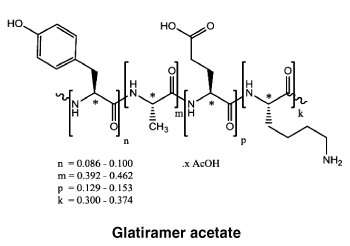
Glatiramer acetate, the active ingredient in both Glatira 20 mg/1 mL and Glatira 40 mg/1 mL, is the acetate salt of synthetic polypeptides, containing four naturally occurring amino acids: L-glutamic acid, L-alanine, L-tyrosine and L-lysine with an average molar fraction 0.141, 0.427, 0.095 and 0.338, respectively.
For the full list of excipients, see Section 6.1 List of Excipients.

3 Pharmaceutical Form

Glatira 20 mg/1 mL is a clear, colourless solution for injection, in a 1 mL pre-filled syringe.
Glatira 40 mg/1 mL is a clear, colourless solution for injection, in a 1 mL pre-filled syringe.
The pH of a 0.5% solution in water is in the range of 5.5 to 7.0 and an osmolarity of about 265 mOsmol/L and 300 mOsmol/L for the 20 mg/mL and 40 mg/mL, respectively.

4 Clinical Particulars

4.1 Therapeutic Indications

Reduction of the frequency of relapses in patients with Relapsing Remitting Multiple Sclerosis.
Treatment of patients with a single clinical event suggestive of multiple sclerosis and at least two clinically silent MRI lesions characteristic of multiple sclerosis, if alternative diagnoses have been excluded.

4.2 Dose and Method of Administration

The only recommended route of administration of Glatira injection is by the subcutaneous route. Glatira should not be administered by the intravenous or intramuscular routes.

Glatira 20 mg/1 mL.

The recommended dosage in adults for subcutaneous injection of glatiramer acetate 20 mg/1 mL solution for injection is once daily.

Glatira 40 mg/1 mL.

The recommended dosage in adults for subcutaneous injection of glatiramer acetate 40 mg/1 mL solution for injection is three times a week, and at least 48 hours apart.

Method of administration.

Sites for self-injection include arms, abdomen, hips and thighs. A different site for injection should be used each day in order to reduce the likelihood of local irritation or pain as a result of the injection.
Patients should be instructed in self-injection techniques to assure the safe administration of Glatira (see Glatira Consumer Medicine Information).
Before injecting, the solution should be removed from refrigerated storage and left at room temperature for about 20 minutes to warm up.
Glatira is intended for long-term treatment and its use should not be discontinued unless clearly indicated by a physician.
Glatira pre-filled syringe contains no antimicrobial agent. It is for single use in one patient only. Discard any residue.

4.3 Contraindications

Glatira is contraindicated in patients with known hypersensitivity to glatiramer acetate or mannitol.

4.4 Special Warnings and Precautions for Use

Immediate post-injection reaction.

In placebo-controlled studies of up to 2 years duration with glatiramer acetate 20 mg/mL, approximately 16% of patients given glatiramer acetate and 4% given placebo experienced a constellation of symptoms immediately after injection. In a 12-month, placebo-controlled study of glatiramer acetate 40 mg/mL, approximately 2% of patients given glatiramer acetate and none given placebo developed similar symptoms. Symptoms included: flushing, chest pain, palpitations, anxiety, dyspnoea, constriction of the throat, and urticaria. The symptoms were generally transient and self-limited and did not require specific treatment. In general, these symptoms have their onset several months after the initiation of treatment, although they may occur earlier, and a given patient may experience one or several episodes of these symptoms. Whether or not any of these symptoms actually represent a specific syndrome is uncertain. During the post-marketing period, there have been reports of patients with similar symptoms who received emergency medical care.
Whether an immunologic or non-immunologic mechanism mediates these episodes, or whether several similar episodes seen in a given patient have identical mechanisms, is unknown.
The treating physician should explain to the patient that a reaction (Immediate Post Injection Reaction) associated with at least one of the following symptoms may occur within minutes of a glatiramer acetate injection: vasodilatation (flushing), chest pain, dyspnoea, palpitations or tachycardia. The majority of these symptoms is short-lived and resolves spontaneously without any sequelae.
Glatiramer acetate can cause post-injection reactions as well as anaphylactic reaction (see Section 4.8 Adverse Effects (Undesirable Effects)).
Should a severe adverse event occur, the patient must immediately stop glatiramer acetate treatment and contact his/her physician or any emergency doctor. Symptomatic treatment may be instituted at the discretion of the physician.

Chest pain.

In placebo-controlled studies of up to 2 years with glatiramer acetate 20 mg/mL approximately 13% of patients given glatiramer acetate and 6% given placebo experienced at least one episode of transient chest pain. In a 12-month, placebo-controlled study with glatiramer acetate 40 mg/mL approximately 2% of patients given glatiramer acetate and 1% given placebo experienced at least one episode of chest pain. While some of these episodes occurred in the context of the Immediate Post-Injection Reaction described above, many did not. The temporal relationship of this chest pain to an injection was not always known. The pain was usually transient, often not associated with other symptoms, and appeared to have no clinical sequelae. Some patients experienced more than one such episode, and episodes usually began at least 1 month after the initiation of treatment. The pathogenesis of this symptom is unknown.

Immune function.

As glatiramer acetate is an antigenic material, it is possible that its use may lead to the induction of antibodies (see Section 5.1 Pharmacodynamic Properties).
As with all immunogenic medicines, hypersensitivity reactions may rarely occur.
Anaphylactic reactions may occur shortly following administration of glatiramer acetate, even months or years after initiation of treatment (see Section 4.8 Adverse Effects (Undesirable Effects)). Cases with fatal outcomes have been reported. Some signs and symptoms of anaphylactic reactions may overlap with post-injection reactions. All patients receiving treatment with glatiramer acetate and caregivers should be informed about the signs and symptoms specific for anaphylactic reactions and that they should seek immediate emergency medical care in case of experiencing such symptoms (see Section 4.8 Adverse Effects (Undesirable Effects)). If an anaphylactic reaction occurs, treatment with glatiramer acetate must be discontinued (see Section 4.3 Contraindications).
Glatiramer acetate has not been studied in patients with a history of asthma, nor in patients under treatment for asthma. Particular caution is therefore advised regarding the use of glatiramer acetate in such patients.
Although glatiramer acetate is intended to minimise the autoimmune response to myelin, there is the possibility that chronic treatment with glatiramer acetate might result in alteration of normal immune responses.

Injection site lipoatrophy and skin necrosis.

At injection sites, localised lipoatrophy and, rarely, injection site skin necrosis may occur. Skin necrosis has only been observed in the post-marketing setting. Localised lipoatrophy may occur at various times after treatment onset (sometimes after several months) and is thought to be permanent. There is no known therapy for lipoatrophy. To assist in possibly minimising these events, the patient should be advised to follow proper injection technique and to rotate injection sites with each injection.

Use in renal impairment.

Renal function should be monitored in patients with impaired renal function.
The pharmacokinetics of glatiramer acetate in patients with impaired renal function have not been determined. In patients with renal impairment, renal function should be monitored while they are treated with glatiramer acetate. Whilst there is no evidence of glomerular deposition of immune complexes in patients, the possibility cannot be excluded. This drug should be administrated with care in patients with renal dysfunction.

Hepatic.

Rare cases of severe liver injury, including liver failure, hepatitis with jaundice, and extremely rare cases of fulminant hepatitis leading to liver transplant, have been reported with glatiramer acetate during postmarketing experience in patients with and without relevant risk factors in their medical history, such as history of drug induced liver events with other disease modifying therapies (DMTs) indicated for the treatment of multiple sclerosis, concomitant treatment with drugs with known Drug Induced Liver Injury (DILI) risk or medical history of liver impairment. Hepatic adverse events have occurred from days to years after initiating treatment with glatiramer acetate and with a similar profile with both dose regimens (20 mg/mL daily and 40 mg/mL TIW), suggesting idiosyncratic drug induced liver injury in most cases. Some cases, reported in patients who previously experienced liver injury during treatment with other immunomodulatory therapies used to treat multiple sclerosis, were suggestive of autoimmune hepatitis. Most events resolved with discontinuation of treatment and a relationship to glatiramer acetate could not be excluded (see Section 4.8 Adverse Effects (Undesirable Effects), Post-marketing experience).
Caution is recommended when considering treatment with glatiramer acetate in patients who have pre-existing liver disease or who have experienced liver injury previously during treatment with other drugs, including other disease modifying therapies (DMTs) for treatment of multiple sclerosis or with concomitant (DILI) risk drugs.
Prior to initiating treatment with glatiramer acetate, serum aminotransferase, alkaline phosphatase and total bilirubin levels should be obtained (within 6 months) for all patients. Patients should be monitored during treatment for signs of hepatic injury. Evaluation of transaminases is recommended during treatment, as clinically relevant. Patients should be advised to immediately report any signs or symptoms of hepatotoxicity (e.g. jaundice, dark urine, abdominal pain, nausea, vomiting, loss of appetite, weight loss, and unusual fatigue). Discontinue treatment if clinically significant liver injury induced by glatiramer acetate is suspected.

Use in the elderly.

Glatiramer acetate has not been studied specifically in elderly patients but safety data are reassuring for patients up to 65 years of age.

Paediatric use.

No prospective, randomised, controlled clinical trials or pharmacokinetic studies have been conducted in children or adolescents. However, limited published data suggest that the safety profile in adolescents from 12 to 18 years of age receiving glatiramer acetate 20 mg subcutaneously every day is similar to that seen in adults. There is not enough information available on the use of glatiramer acetate in children below 12 years of age to make any recommendation for its use. Therefore, glatiramer acetate should not be used in this population.

Effects on laboratory tests.

No data available.

4.5 Interactions with Other Medicines and Other Forms of Interactions

Results from clinical trials do not suggest any significant interactions of glatiramer acetate with therapies commonly used in MS patients. This includes the concurrent use of corticosteroids. Glatiramer acetate has not been formally evaluated in combination with Interferon beta-1b. However, 10 patients who switched from therapy with Interferon beta-1b to glatiramer acetate have not reported any serious or unexpected adverse events thought to be related to treatment.

4.6 Fertility, Pregnancy and Lactation

Effects on fertility.

No evidence of reproductive toxicity was observed. In a fertility and reproductive study in rats, glatiramer acetate had no adverse effects on reproductive parameters at subcutaneous doses of up to 36 mg/kg/day, which is 15 times the daily therapeutic dose in humans expressed in terms of mg/m2.
(Category B1)
No adverse effects on embryofoetal development occurred in reproduction studies in rats and rabbits receiving subcutaneous doses up to 37.5 mg/kg of glatiramer acetate during the period of organogenesis (15 and 28 times the daily human dose of 20 mg on a mg/m2 basis respectively).
To date, post-market information was received on more than 8,000 pregnancies, out of which 2000 were prospectively reported pregnancies with known outcome in patients exposed to conventional dose regimens of glatiramer acetate. In this cohort, the reported rate of foetal loss was below 14% while congenital anomalies or disorders occurred in less than 3% of the pregnancies. These prevalence rates are within the range found in a normal population. However, since there are no adequate and well controlled studies in pregnant women, and because animal reproduction studies are not always predictive of human response, glatiramer acetate should be used during pregnancy only if the benefits to the mother outweigh the potential risks to the foetus.
There are no data on the effects of glatiramer acetate on milk production or on the presence of glatiramer acetate in human milk. The physico-chemical properties and low oral absorption suggest that exposure of newborns/infants to glatiramer acetate via human breast milk is negligible.
Limited data in humans showed no negative effects of glatiramer acetate on breastfed infants. The developmental and health benefits of breastfeeding should be considered along with the mother's clinical need for glatiramer acetate and any potential adverse effects on the breastfed infant from glatiramer acetate or from the underlying maternal condition.

4.7 Effects on Ability to Drive and Use Machines

Based on current data, no special caution is required for patients operating a car or using complex machinery.

4.8 Adverse Effects (Undesirable Effects)

Glatiramer acetate 20 mg/mL administered once daily.

The adverse event data in this section are derived from 5 pivotal, double-blind, placebo-controlled clinical trials which were conducted during pre-marketing and post-marketing periods in a total of 563 patients treated with glatiramer acetate and 564 patients treated with placebo for up to 36 months. Three trials were conducted in RRMS and one trial in secondary progressive MS (SPMS). The fifth trial was in patients presenting with a first clinical event and MRI features suggestive of MS and included 243 patients treated with glatiramer acetate and 238 patients treated with placebo.
In the 5 placebo-controlled clinical trials the most commonly observed adverse events occurring at an incidence of at least 10% with the use of glatiramer acetate and at least 1.5 times higher than among placebo-treated patients were: injection site reactions, vasodilatation, rash, dyspnoea, and chest pain.
Approximately 5% of the subjects receiving glatiramer acetate discontinued treatment because of an adverse event. The adverse events most commonly associated with discontinuation were: injection site reactions, dyspnoea, urticaria, vasodilatation, and hypersensitivity.
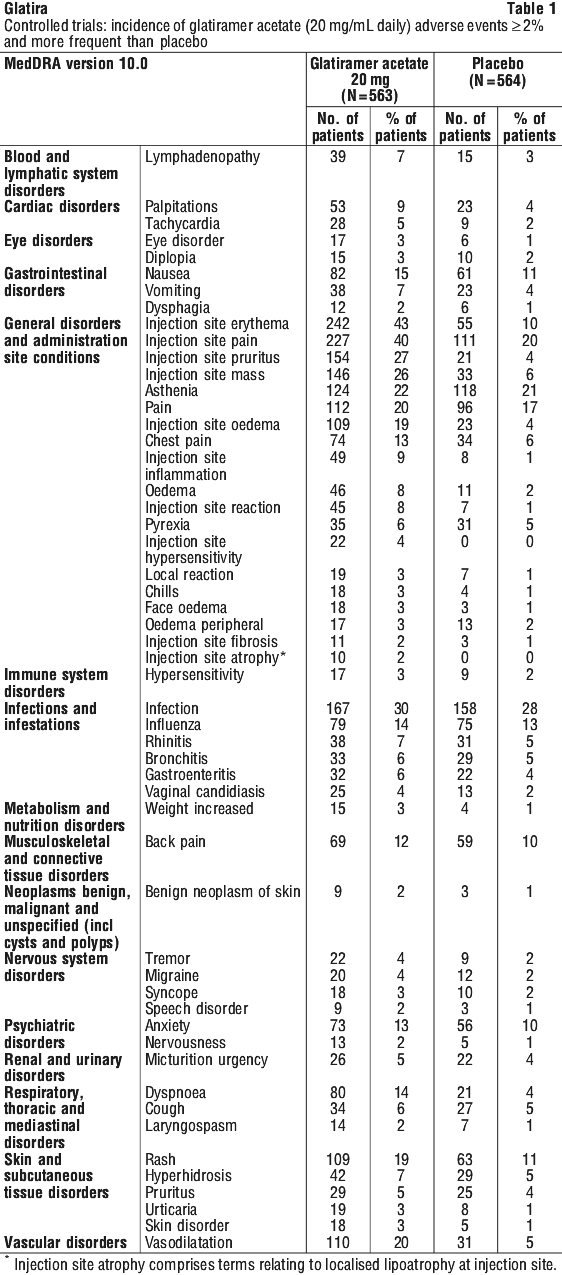
Controlled clinical trials experience. Table 1 lists treatment-emergent signs and symptoms that occurred in at least 2% of patients treated with glatiramer acetate 20 mg/mL in the placebo-controlled trials. These signs and symptoms were numerically more common in patients treated with glatiramer acetate than in patients treated with placebo. Adverse events were usually mild in intensity.
The overall frequency of adverse events and the frequencies of individual adverse events were higher in patients treated with glatiramer acetate for RRMS or SPMS, and lower in patients treated with glatiramer acetate for a first clinical episode of MS.
Events which occurred only in 4-5 more subjects in the glatiramer acetate group than in the placebo group (less than 1% difference), but for which a relationship to glatiramer acetate could not be excluded, were arthralgia and herpes simplex.
Laboratory analyses were performed on all patients participating in the clinical program for glatiramer acetate. Clinically significant laboratory values for haematology, chemistry, and urinalysis were similar for both glatiramer acetate and placebo groups in blinded clinical trials. No patient receiving glatiramer acetate withdrew from any placebo-controlled trial because of abnormal laboratory findings which were assessed as possibly related to glatiramer acetate. In one of the placebo-controlled trials, a transient elevation in eosinophils was shown after three months of glatiramer acetate treatment in up to 7% of the patients which gradually declined while on treatment.
Data on adverse events occurring in the controlled clinical trials were analysed to evaluate differences based on sex. No clinically significant differences were identified. Ninety-six percent of patients in these clinical trials were Caucasian. This percentage is indicative of the higher representation of Caucasians in the MS population, even though it does not reflect the exact world racial distribution among MS patients. In addition, the vast majority of patients treated with glatiramer acetate were between the ages of 18 and 45. Consequently, data are inadequate to perform an analysis of the adverse event incidence related to clinically relevant age subgroups.
Pre-marketing clinical trials experience with glatiramer acetate 20 mg/mL. During the pre-marketing period, clinical trials were conducted in RRMS and SPMS, only some of which were placebo-controlled. At that time, glatiramer acetate was administered to approximately 900 individuals who received at least one dose.
Similar types of events were grouped into standardised categories using COSTART dictionary terminology. All reported events occurring at least twice and potentially important events occurring once are listed below, except those too general to be informative, trivial events, and other events which occurred in at least 2% of treated patients and were present at equal or greater rates in the placebo group. Additional adverse events reported during the post-marketing period are also included.
Events are further classified within body system categories and listed in order of decreasing frequency using the following definitions: frequent adverse events are defined as those occurring in at least 1/100 patients; infrequent adverse events are those occurring in 1/100 to 1/1000 patients; rare adverse events are those occurring in less than 1/1000 patients.

Body as a whole.

Frequent: injection site oedema, injection site atrophy, abscess, injection site hypersensitivity.
Infrequent: injection site haematoma, injection site fibrosis, moon face, cellulitis, generalised oedema, hernia, injection site abscess, serum sickness, suicide attempt, injection site hypertrophy, injection site melanosis, lipoma, photosensitivity reaction and injection site necrosis.

Cardiovascular.

Frequent: hypertension.
Infrequent: hypotension, midsystolic click, systolic murmur, atrial fibrillation, bradycardia, fourth heart sound, postural hypotension, and varicose veins.

Digestive.

Infrequent: dry mouth, stomatitis, burning sensation on tongue, cholecystitis, colitis, oesophageal ulcer, esophagitis, gastrointestinal carcinoma, gum haemorrhage, hepatomegaly, increased appetite, melena, mouth ulceration, pancreas disorder, pancreatitis, rectal haemorrhage, tenesmus, tongue discolouration, and duodenal ulcer.

Endocrine.

Infrequent: goiter, hyperthyroidism, and hypothyroidism.

Gastrointestinal.

Frequent: bowel urgency, oral moniliasis, salivary gland enlargement, tooth caries, and ulcerative stomatitis.

Haemic and lymphatic.

Infrequent: leukopenia, anaemia, cyanosis, eosinophilia, hematemesis, lymphoedema, pancytopenia, and splenomegaly.

Metabolic and nutritional.

Infrequent: weight loss, alcohol intolerance, Cushing's syndrome, gout, abnormal healing, and xanthoma.

Musculoskeletal.

Infrequent: arthritis, muscle atrophy, bone pain, bursitis, kidney pain, muscle disorder, myopathy, osteomyelitis, tendon pain, and tenosynovitis.

Nervous.

Frequent: abnormal dreams, emotional lability, and stupor.
Infrequent: aphasia, ataxia, convulsion, circumoral paraesthesia, depersonalisation, hallucinations, hostility, hypokinesia, coma, concentration disorder, facial paralysis, decreased libido, manic reaction, memory impairment, myoclonus, neuralgia, paranoid reaction, paraplegia, psychotic depression, and transient stupor.

Respiratory.

Frequent: hyperventilation, hay fever.
Infrequent: asthma, pneumonia, epistaxis, hypoventilation, and voice alteration.

Skin and appendages.

Frequent: eczema, herpes zoster, pustular rash, skin atrophy, and warts.
Infrequent: dry skin, skin hypertrophy, dermatitis, furunculosis, psoriasis, angioedema, contact dermatitis, erythema nodosum, fungal dermatitis, maculopapular rash, pigmentation, benign skin neoplasm, skin carcinoma, skin striae, and vesiculobullous rash.

Special senses.

Frequent: visual field defect.
Infrequent: dry eyes, otitis externa, ptosis, cataract, corneal ulcer, mydriasis, optic neuritis, photophobia, and taste loss.

Urogenital.

Frequent: amenorrhea, haematuria, impotence, menorrhagia, suspicious papanicolaou smear, urinary frequency and vaginal haemorrhage.
Infrequent: vaginitis, flank pain (kidney), abortion, breast engorgement, breast enlargement, carcinoma in situ cervix, fibrocystic breast, kidney calculus, nocturia, ovarian cyst, priapism, pyelonephritis, abnormal sexual function, and urethritis.

Glatiramer acetate 40 mg/mL administered three times per week.

The safety of glatiramer acetate 40 mg/mL was assessed based on a double-blind, placebo-controlled clinical trial involving a total of 943 patients treated with glatiramer acetate 40 mg/mL three times per week, and 461 patients treated with placebo for 12 months. Approximately 3% of patients treated with glatiramer acetate 40 mg/mL discontinued treatment because of an adverse event.
Adverse drug reactions seen in patients treated with glatiramer acetate 40 mg/mL were those already known and labelled for glatiramer acetate 20 mg/mL daily and mostly reported at a similar frequency.
Injection site reactions were reported by 36% of the patients on glatiramer acetate 40 mg/mL compared to 5% on placebo. Immediate Post-Injection Reaction was reported by 8% of the patients on glatiramer acetate 40 mg/mL compared to 2% on placebo.
A few specific adverse reactions are noted from an integrated safety analysis consisting of three studies that involved glatiramer acetate 20 mg/mL once daily compared to glatiramer acetate 40 mg/mL daily (two studies), and glatiramer acetate 40 mg/mL 3-times-a-week compared to placebo. There was no direct comparison performed in a study between glatiramer acetate 20 mg/mL daily with glatiramer acetate 40 mg/mL 3-times-a-week. Only adverse events reported for the glatiramer acetate 20 mg/mL daily, glatiramer acetate 40 mg/mL 3-times-a-week and placebo groups are presented below:
During the double blind phase of the trials the incidence in subjects of hypersensitivity/anaphylaxis was 0.6% on 20 mg/mL once daily, 0.7% on 40 mg/mL 3 times-a-week and 0.4% on placebo.
No injection site necrosis was reported with the 40 mg/mL 3-times-a-week. Injection Site Atrophy occurred in 1.1% of patients on 20 mg/mL daily, 0.5% on 40 mg/mL 3-times-a-week and 0% on placebo.
During the double blind phase of the trials the incidence in subjects of skin erythema was 3.3% on 20 mg/mL once daily, 2.1% on 40 mg/mL 3-times-a-week and 0% on placebo, while for pain in extremity it was 5.2% on 20 mg/mL daily, 2.1% on 40 mg/mL 3-times-a-week and 1.7% on placebo.
During the double blind phase of the trials the incidence in subjects of drug-induced liver injury was 0.2% on 20 mg/mL once daily, 0.1% on 40 mg/mL 3-times-a-week and 0% on placebo, while for toxic hepatitis it was 0% on 20 mg/mL daily, 0.1% on 40 mg/mL 3-times-a-week and 0% on placebo: Hepatic Steatosis had an incidence 0.2% in both glatiramer acetate groups and 0% on placebo.
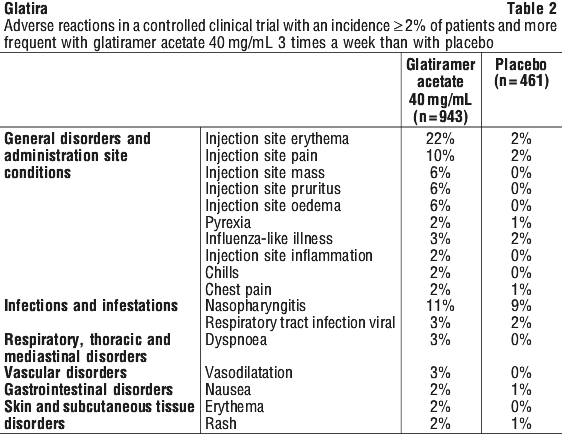
Controlled clinical trial experience. Table 2 lists treatment-emergent signs and symptoms that occurred in at least 2% of patients treated with glatiramer acetate 40 mg/mL in the blinded, placebo-controlled trial. These signs and symptoms were numerically more common in patients treated with glatiramer acetate 40 mg/mL than in patients treated with placebo. Adverse reactions were usually mild in intensity.

Post-marketing experience.

Post-marketing experience has shown an adverse event profile similar to that presented above. Reports of adverse events occurring under treatment with glatiramer acetate injection 20 mg/mL not mentioned above that have been received since market introduction and that may or may not have causal relationship to the drug are listed below. As these events are reported voluntarily from a population of uncertain size, it is not always possible to reliably estimate their frequency or establish a causal relationship to drug exposure.

Body as a whole.

Sepsis; LE syndrome; hydrocephalus; enlarged abdomen; injection site hypersensitivity; allergic reaction; anaphylactic reaction.

Immune system.

Anaphylactic reactions may occur shortly following administration of glatiramer acetate, even months or years after initiation of treatment with a frequency uncommon (see Section 4.4 Special Warnings and Precautions for Use).

Cardiovascular system.

Thrombosis; peripheral vascular disease; pericardial effusion; myocardial infarct; deep thrombophlebitis; coronary occlusion; congestive heart failure; cardiomyopathy; cardiomegaly; arrhythmia; angina pectoris.

Digestive system.

Tongue oedema; stomach ulcer; haemorrhage; liver function abnormality; liver damage; hepatitis; eructation; cirrhosis of the liver; cholelithiasis.

Haemic and lymphatic system.

Thrombocytopenia; lymphoma-like reaction; acute leukaemia.

Metabolic and nutritional disorders.

Hypercholesterolemia.

Musculoskeletal system.

Rheumatoid arthritis; generalised spasm.

Nervous system.

Myelitis; meningitis; CNS neoplasm; cerebrovascular accident; brain oedema; abnormal dreams; aphasia; convulsion; neuralgia.

Respiratory system.

Pulmonary embolus; pleural effusion; carcinoma of lung; hay fever.

Special senses.

Glaucoma; blindness; visual field defect.

Urogenital system.

Urogenital neoplasm; urine abnormality; ovarian carcinoma; nephrosis; kidney failure; breast carcinoma; bladder carcinoma; urinary frequency.
Rare cases of severe liver injury (including liver failure, hepatitis with jaundice and fulminant hepatitis leading to liver transplant) have been reported with glatiramer acetate in post-marketing experience. Most instances of severe liver injury resolved with discontinuation of treatment. Hepatic events have occurred from days to years after initiating treatment with glatiramer acetate.

Reporting suspected adverse effects.

Reporting suspected adverse reactions after registration of the medicinal product is important. It allows continued monitoring of the benefit-risk balance of the medicinal product. Healthcare professionals are asked to report any suspected adverse reactions at http://www.tga.gov.au/reporting-problems.

4.9 Overdose

There are 13 reports to date of overdose with glatiramer acetate which were confirmed by health care professionals. Most cases concern 2 or 3 injections given on the same day. The largest dose of glatiramer acetate that has been administered is 300 mg on a single occasion. No adverse reactions occurred and the patient continued treatment.
There is no specific antidote. Treatment of overdose consists of discontinuation of glatiramer acetate, along with monitoring the patient for at least 10 hours and the institution of appropriate symptomatic and supportive therapy.
For information on the management of overdose, contact the Poisons Information Centre on 13 11 26 (Australia).

5 Pharmacological Properties

5.1 Pharmacodynamic Properties

Mechanism of action.

The precise mechanism by which glatiramer acetate exerts its effects in patients with multiple sclerosis (MS) is unknown. It is thought to act by modifying immune processes that are currently held to be responsible for the pathogenesis of MS. This view of glatiramer acetate derives from knowledge that it reduces the incidence and severity of experimental allergic encephalomyelitis (EAE) - a condition induced in several animal species through immunisation with CNS-derived material containing myelin and often used as an experimental animal model of MS.

Clinical trials.

Relapsing remitting multiple sclerosis.

Glatiramer acetate 20 mg/mL administered once daily.

Evidence supporting the effectiveness of glatiramer acetate 20 mg/mL for decreasing the frequency of relapses in patients with relapsing-remitting multiple sclerosis (RRMS) derives from two placebo controlled trials, both of which used a glatiramer acetate dose of 20 mg/day.
One trial enrolled 50 patients who were randomised to receive daily doses of glatiramer acetate 20 mg or placebo subcutaneously. Patients were diagnosed with RRMS by standard criteria and had at least two exacerbations during the two years immediately preceding enrolment. Patients were ambulatory, as evidenced by a score of no more than 6 on the Kurtzke Expanded Disability Scale Score (EDSS), a standard scale ranging from 0 (normal) to 10 (death due to MS). A score of 6 is defined as one at which a patient is still ambulatory with assistance: a score of 7 means the patient must use a wheelchair.
Patients were reviewed every 3 months for two years, as well as within several days of a presumed exacerbation. In order for an exacerbation to be confirmed, a blinded neurologist had to document objective neurologic signs, as well as document the existence of other criteria (e.g. the persistence of the lesion for at least 48 hours).
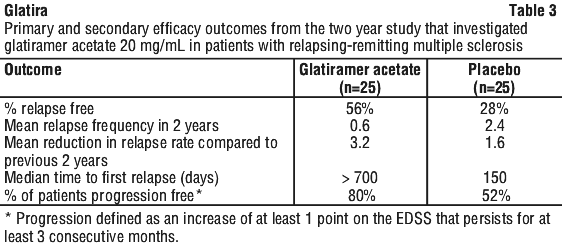
The protocol-specified primary outcome measure was the proportion of patients in each treatment group who remained exacerbation free for the two year trial, but two other important outcomes were also specified as endpoints: the frequency of relapses during the trial and the change in number of relapses compared to the previous two years.
Table 3 presents the results of analyses of the three outcomes described above, as well as several other secondary measures. These analyses are based on the intent-to-treat population (i.e. all patients who received at least one dose of treatment and who had at least one on-treatment assessment).
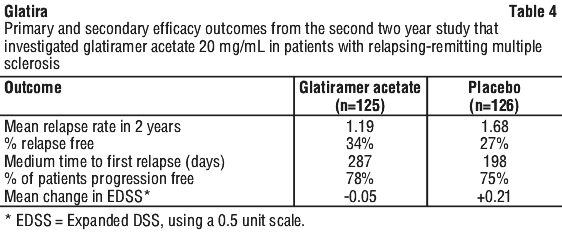
The second trial was of similar design to the first study. A total of 251 patients were enrolled. The primary outcome measure was the mean 2 year relapse rate. Table 4 presents the results of the analysis of this outcome for the intent-to-treat population, as well as other secondary measures.
Results also showed that glatiramer acetate reactive antibodies were present in all treated patient's sera, with maximal levels attained after a duration of 3-4 months. Thereafter antibody levels slowly declined and stabilised at a level slightly higher than baseline.
The antibody profile in patients who experienced relapses was similar to that observed in all patients and the occurrence of relapses was independent of glatiramer acetate antibody production. The occurrence of systemic reactions had no correlation to glatiramer acetate antibody production. Analysis of glatiramer acetate antibody type revealed that specific IgG and not IgE antibodies were produced following chronic treatment with glatiramer acetate. The ability of glatiramer acetate antibodies to neutralise the biological activity of glatiramer acetate was investigated in several in vitro and in vivo systems. No neutralising activity was exhibited by a variety of monoclonal and polyclonal glatiramer acetate antibodies, including those formed during long-term administration to MS patients.
Thus antibody formation is unlikely to be associated with either short or long term safety issues and is unlikely to affect the clinical efficacy or the biological activity of glatiramer acetate.
In both studies, glatiramer acetate exhibited a clear beneficial and statistically significant effect on relapse rate and it is on this basis that glatiramer acetate is considered effective. Response rates were apparently better for those patients where therapy was initiated early in the course of the disease. A correlation between reduction in relapse frequency alone and a decreased risk of future disability remains to be established.

Glatiramer acetate 40 mg/mL administered three times per week.

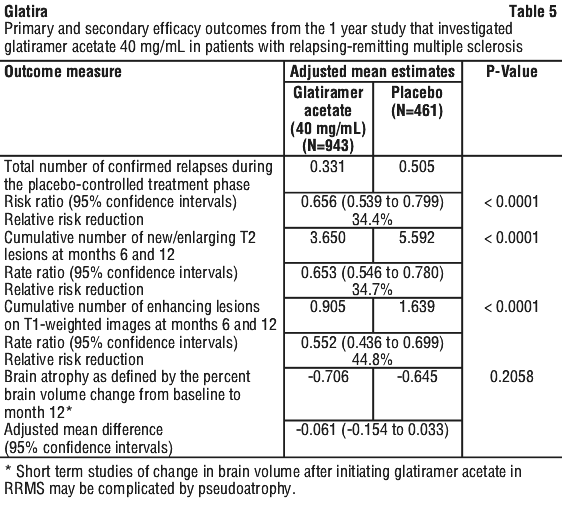
Evidence supporting the effectiveness of glatiramer acetate 40 mg/mL injection administered subcutaneously three times a week in decreasing the frequency of relapses derives from one 12-month placebo-controlled study. The primary outcome measure was the total number of confirmed relapses. The effect of glatiramer acetate on several magnetic resonance imaging (MRI) variables including number of new or enlarging T2 lesions and number of enhancing lesions on T1-weighted images was also measured at months 6 and 12.
A total of 1404 patients were randomised in a 2:1 ratio to receive either glatiramer acetate 40 mg/mL (n=943) or placebo (n=461). Both treatment groups were comparable with respect to baseline demographics, MS disease characteristics and MRI parameters. Patients had a median of 2.0 relapses in the 2 years prior to screening.
Table 5 presents the values for the primary and secondary outcome measures for the intent-to-treat population.
Single clinical event suggestive of multiple sclerosis.

Glatiramer acetate 20 mg/mL administered once daily.

One placebo-controlled study involving 481 patients (glatiramer acetate n=243, placebo n=238) was performed in patients with a well-defined, single, unifocal neurological manifestation and MRI features highly suggestive of MS (at least two cerebral lesions on the T2-weighted MRI above 6 mm diameter). Any disease other than MS that could better explain signs and symptoms of the patient had to be excluded.
During the placebo-controlled period of up to three years, glatiramer acetate delayed the progression from the first clinical event to clinically definite multiple sclerosis (CDMS) according to Poser criteria in a statistically significant and clinically meaningful manner, corresponding to a risk reduction of 45% (Hazard Ratio = 0.55; 95% CI [0.40; 0.77], p-value=0.0005). Glatiramer acetate prolonged the time to CDMS by 386 (115%) days, from 336 days in the placebo group to 722 days in the glatiramer acetate group (based on the 25th percentile; Kaplan-Meier estimates). The robustness of the results was confirmed in the Completers and Per-Protocol cohorts.
The favourable effect of treatment with glatiramer acetate over placebo was also demonstrated in two secondary MRI endpoints. The first, number of new T2 lesions at last observed value (LOV) of the placebo-controlled phase was statistically significantly (p-value < 0.0001) lower for patients on glatiramer acetate, demonstrating a treatment effect of 58% for glatiramer acetate over placebo. The mean (SD) number of new T2 lesions was 0.7 (1.7) in the glatiramer acetate group and 1.8 (3.6) in the placebo group. The second MRI endpoint, baseline-adjusted T2 lesion volume at LOV of the placebo-controlled phase, showed a statistically significant (p-value=0.0002) reduction of 25% in T2 lesion volume. The mean (SD) change from baseline in total T2 lesion volume was 1.2 (2.6) mL in the glatiramer acetate group and 2.6 (3.9) mL in the placebo group. The clinical secondary endpoint showed that the proportion of patients who converted to CDMS (43% of the placebo patients compared to 25% of the glatiramer acetate patients) was statistically significantly (p-value < 0.0001) lower for patients on glatiramer acetate, demonstrating a treatment effect of 59% in favour of glatiramer acetate.
Subgroup analyses of the risk in three years for progression to CDMS according to baseline factors demonstrated evidence of efficacy in all subgroups evaluated. A significant risk reduction of 39% and 54% was obtained for patients with and without corticosteroid treatment for the initial attack, respectively, and 66% risk reduction was demonstrated for patients with a unifocal optic manifestation at the initial attack. A significant risk reduction of 71% for patients with baseline T1 gadolinium enhancement and 58% for patients with 9 or more T2 lesions at baseline was obtained. Glatiramer acetate was also effective in patients with no enhancement at baseline who demonstrated a significant risk reduction of 44%.

5.2 Pharmacokinetic Properties

There is no information regarding the absorption, distribution, metabolism or excretion profile of glatiramer acetate in humans as there is currently no direct and sensitive analytical method for measuring glatiramer acetate in biological fluids. Therefore all pharmacokinetic studies have been conducted in animals using radio labelled glatiramer acetate. The methodology is limited because the radiolabel dissociates rapidly from glatiramer acetate and re-associates with other macromolecules. However the studies indicate that glatiramer acetate is readily absorbed; repetitive dosing has no effect on absorption; Cmax and AUC are linearly dependent across the administered glatiramer acetate dose range and there is no evidence of any tissue accumulation of glatiramer acetate.
Results from studies with human tissues reveal rapid hydrolysis of glatiramer acetate by both subcutaneous and muscle tissues. In contrast, plasma has a "stabilising" effect on glatiramer acetate, which may be explained by the observation that it is 97.5% bound to plasma proteins in vitro. Based on results of animal studies and on the hydrolysis of glatiramer acetate by human tissues, it may be concluded that glatiramer acetate is extensively degraded at the site of subcutaneous injection. It has not been possible to determine the excretory fate of glatiramer acetate or its metabolites as they cannot be distinguished from naturally occurring amino acids or peptides.
Although the concentration of glatiramer acetate in blood cannot be determined directly, three lines of evidence support it being bioavailable to the immune system, which is the site of its therapeutic activity:
1. Clinical efficacy in patients with relapsing-remitting multiple sclerosis.
2. Formation of antibodies to glatiramer acetate in treated patients.
3. Decline in the peripheral blood mononuclear cell proliferative response to glatiramer acetate following chronic exposure.

5.3 Preclinical Safety Data

Genotoxicity.

Glatiramer acetate was not mutagenic in vitro, but a clastogenic effect was observed in two separate in vitro assays in human lymphocytes. There was no evidence of clastogenicity in a mouse bone marrow micronucleus assay in vivo.

Carcinogenicity.

In a 2-year carcinogenicity study, repeated subcutaneous administration of glatiramer acetate to male mice at doses 12 times the daily human therapeutic dose on a mg/m2 basis was associated with the development of skin and subcutis sarcomas. This effect may have been associated with persistent tissue damage at injection sites, which tended to be more common and was of greater severity in males. The incidence of skin sarcoma was not increased in female mice at doses up to 12 times the daily human therapeutic dose on a mg/m2 basis. In a 2-year carcinogenicity study in rats, subcutaneous administration of glatiramer acetate at 12 times the daily therapeutic human dose on a mg/m2 basis was associated with an increased incidence of benign adrenal pheochromocytomas in males only; this effect was not seen at 6 times the daily human dose and was within the historical control values for the testing laboratory. The possible relevance of these findings to humans is not known.

6 Pharmaceutical Particulars

6.1 List of Excipients

Both Glatira 20 mg/1 mL and 40 mg/1 mL solution for injection contain 40 mg of mannitol and water for injections.

6.2 Incompatibilities

Incompatibilities were either not assessed or not identified as part of the registration of this medicine.

6.3 Shelf Life

In Australia, information on the shelf life can be found on the public summary of the Australian Register of Therapeutic Goods (ARTG). The expiry date can be found on the packaging.

6.4 Special Precautions for Storage

Store Glatira at 2°C to 8°C. Refrigerate, do not freeze. In the event of refrigeration being unavailable, Glatira may be stored below 25°C on one occasion for up to one month. After this one month period, if the Glatira pre-filled syringes have not been used and are still in their original packaging, they must be returned to storage in a refrigerator (2°C to 8°C). Keep the pre-filled syringe in the outer carton when not injecting, in order to protect from light.

6.5 Nature and Contents of Container

Glatira 20 mg/1 mL.

Glatira 20 mg/1 mL is supplied as a sterile pre-filled syringe fitted with staked ½ inch needle containing 20 mg glatiramer acetate, 40 mg mannitol and water for injections.
Glatira 20 mg/1 mL is supplied in packs of 28 pre-filled syringes for subcutaneous injection.

Glatira 40 mg/1 mL.

Glatira 40 mg/1 mL is supplied as a sterile pre-filled syringe fitted with staked ½ inch needle containing 40 mg glatiramer acetate, 40 mg mannitol and water for injections.
Glatira 40 mg/1 mL is supplied in packs of 12 pre-filled syringes for subcutaneous injection.

6.6 Special Precautions for Disposal

In Australia, any unused medicine or waste material should be disposed of by taking to your local pharmacy.

6.7 Physicochemical Properties

Glatiramer acetate is a white to slightly yellowish lyophilised material which is sparingly soluble in water and insoluble in acetone. The pH of a 0.5% solution in water is in the range of 5.5 to 7.0.

Chemical structure.


Structural Formula: Poly [ L-Glu13-15, L-Ala39-46, L-Tyr8.6-10, L-Lys30-37].n(CH3CO2H).
n = 15 to 24 units per 100 amino acid residues.
The superscripts in the formula above represent the molar fraction percent range of the amino acid residues comprising the various polypeptide species in glatiramer acetate where the sequence of the amino acid residues varies among the individual species.

CAS number.

147245-92-9.
CAS Registry Number of the free base: 28704-27-0.
Average Molecular weight: 5000-9000 daltons.

7 Medicine Schedule (Poisons Standard)

Schedule 4 (Prescription Only Medicine).

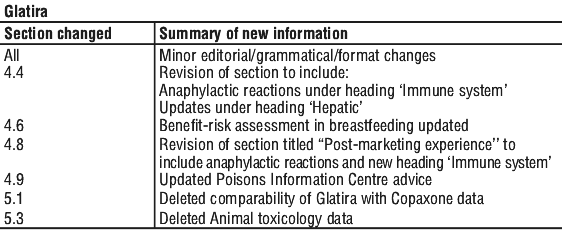
Summary Table of Changes