



Consumer medicine information

Hydrocortisone Viatris 4; hydrocortisone Viatris 20

Hydrocortisone

BRAND INFORMATION

Brand name

Hydrocortisone Viatris

Active ingredient

Hydrocortisone

Schedule

S4


Consumer medicine information (CMI) leaflet

Please read this leaflet carefully before you start using Hydrocortisone Viatris 4; hydrocortisone Viatris 20.

What is in this leaflet

This leaflet answers some common questions about Hydrocortisone Mylan.

It does not contain all of the available information. It does not take the place of talking to your doctor or pharmacist.

All medicines have benefits and risks. Your doctor has weighed the risks of you taking Hydrocortisone Mylan against the benefits they expect it will have for you.

If you have any concerns about taking this medicine, talk to your doctor or pharmacist.

Keep this leaflet with your medicine. You may need to read it again.

What Hydrocortisone Mylan is used for

Hydrocortisone Mylan belongs to a group of medicines called corticosteroids. Hydrocortisone Mylan contains hydrocortisone, which is a hormone produced by the adrenal glands, small glands that sit near the top of the kidneys.

Hydrocortisone Mylan is used to replace the hydrocortisone in patients whose adrenal glands do not produce enough naturally. This occurs in conditions such as Addison's disease or when the adrenal glands are damaged or not working properly.

Your doctor may have prescribed Hydrocortisone Mylan for another reason. Ask your doctor if you have any questions about why Hydrocortisone Mylan has been prescribed for you.

Hydrocortisone Mylan is available only with a doctor's prescription.

There is no evidence that Hydrocortisone Mylan is addictive.

Before you take Hydrocortisone Mylan

When you must not take it

Do not take Hydrocortisone Mylan if you are allergic to medicines containing hydrocortisone or any of the ingredients listed at the end of this leaflet.

Some of the symptoms of an allergic reaction may include skin rash, itching or hives, swelling of the face, lips or tongue which may cause difficulty in swallowing or breathing, wheezing or shortness of breath.

Do not take Hydrocortisone Mylan if the expiry date (Exp.) printed on the pack has passed.

Do not take Hydrocortisone Mylan if the packaging shows signs of tampering or the tablets do not look quite right.

Before you start to take it

Tell your doctor if you are allergic to any other medicines, foods, dyes or preservatives.

Tell your doctor if you are pregnant or plan to become pregnant. Your doctor will discuss the risks and benefits of taking Hydrocortisone Mylan during pregnancy.

Tell your doctor if you are breastfeeding or wish to breastfeed. Hydrocortisone Mylan passes into breast milk and may affect your baby. Your doctor will discuss the risks and benefits of taking Hydrocortisone Mylan when breastfeeding.

Tell your doctor if you have, or have had, any medical conditions, especially the following:

  • current or recent infection, including tuberculosis, chicken pox, herpes, measles or infection in the eye
  • high blood pressure
  • recent heart attack, heart failure
  • kidney problems
  • liver problems, including cirrhosis
  • stomach or duodenal ulcers
  • inflammation of the colon
  • diabetes mellitus
  • blood clotting problems
  • osteoporosis or other bone diseases
  • chronic back problems
  • convulsive disorders, such as epilepsy
  • underactive thyroid
  • Cushing's syndrome
  • cancer that has spread or is spreading
  • mental illness
  • skin rashes.

Your doctor may want to take special care if you have any of these conditions.

Tell your doctor if you plan to have surgery. Your doctor may need to keep an eye on any changes to your condition caused by stress from the surgery. This may lead to adjustments to your dose.

If you have not told your doctor about any of the above, tell them before you start taking Hydrocortisone Mylan.

Taking other medicines

Tell your doctor if you are taking any other medicines, including any that you buy without a prescription from a pharmacy, supermarket or health food shop.

Some medicines may be affected by Hydrocortisone Mylan, or may affect how well it works. These include:

  • oral contraceptives (birth control pill)
  • medicines used to treat epilepsy, such as phenytoin and barbiturates
  • rifampicin, an antibiotic used to treat and prevent infections
  • diuretics, also called fluid tablets
  • digoxin, a medicine used to treat heart conditions
  • aspirin
  • live vaccines
  • insulin or oral medicines for diabetes.

Your doctor can tell you what to do if you are taking any of these medicines.

If you are not sure whether you are taking any of these medicines, check with your doctor or pharmacist.

Your doctor and pharmacist have more information on medicines to be careful with or avoid while taking Hydrocortisone Mylan.

How to take Hydrocortisone Mylan

How much to take

The dose varies from patient to patient.

Your doctor will tell you how many tablets you need to take each day and when to take them. This depends on your condition and whether or not you are taking any other medicines.

Any changes to your condition during therapy may also require your doctor to adjust your dose.

Tell your doctor if you believe that your condition is either getting better or worse. You may require adjustments to your dose.

Tell your doctor if you feel that your current dose is not as effective as before. Your doctor will review your situation and may recommend a dose adjustment.

Follow all directions given to you by your doctor and pharmacist carefully.

How to take it

Swallow the tablets with a glass of milk, or take Hydrocortisone Mylan with food. This will lessen the chance of a stomach upset.

If you forget to take it

If it is almost time for your next dose, skip the dose you missed and take your next dose when you are meant to.

Otherwise, take the missed dose as soon as you remember, and then go back to taking your tablets as you would normally.

Do not take a double dose to make up for the dose you missed.

If you are not sure what to do, ask your doctor or pharmacist.

If you have any questions about this, check with your doctor or pharmacist.

How long to take it for

Keep taking Hydrocortisone Mylan for as long as your doctor recommends.

If treatment is to be stopped after more than a few days treatment, your doctor will reduce your dose gradually.

If you take too much (overdose)

Immediately telephone your doctor or the Poisons Information Centre (telephone 13 11 26) for advice, or go to Accident and Emergency at the nearest hospital, if you think you or anyone else may have taken too much Hydrocortisone Mylan. Do this even if there are no signs of discomfort or poisoning. You may need urgent medical attention.

If you take too much Hydrocortisone Mylan, you may have symptoms of weakness, dizziness, convulsions, headache, nausea, vomiting and blurred vision.

While you are taking Hydrocortisone Mylan

Things you must do

Before starting any new medicine, tell your doctor or pharmacist that you are taking Hydrocortisone Mylan.

Tell all the doctors, dentists and pharmacists who are treating you that you are taking Hydrocortisone Mylan.

If you become pregnant while taking Hydrocortisone Mylan, tell your doctor.

Discuss with your doctor situations in which it may be appropriate for you to make short-term changes of dose during illness, or at a time of medical or dental procedures. Illness or medical or dental procedures can bring on stress, which may affect your condition and require temporary dose increases.

Visit your doctor regularly so they can check on your progress. Your will need to have regular blood tests to measure your potassium and calcium levels. If your levels are low, you may need to take dietary supplements.

Have your blood pressure checked regularly. Hydrocortisone Mylan may increase your blood pressure due to an increase in the amount of salt in your body. You may need to restrict the amount of salt in your diet.

If you have to have any other tests, such as allergy skin tests, tell your doctor that you are taking Hydrocortisone Mylan. Hydrocortisone Mylan may affect the results of some tests.

Things you must not do

Do not stop taking Hydrocortisone Mylan without checking with your doctor Stopping Hydrocortisone Mylan suddenly may cause unwanted side effects. Your doctor will want you to gradually reduce the amount of Hydrocortisone Mylan you are taking before stopping completely.

Do not have any vaccinations without first checking with your doctor. If you are taking Hydrocortisone Mylan vaccines may not work as well and there is an increased risk of complications.

Do not use Hydrocortisone Mylan to treat any other conditions unless your doctor tells you to.

Do not give Hydrocortisone Mylan to anyone else, even if they have the same condition as you.

Things to be careful of

Avoid contact with people who have infections, such as chicken pox, measles or herpes. Infections are easier to get and harder to spot while you take Hydrocortisone Mylan.

Tell your doctor immediately if you think you may have picked up an infection while taking Hydrocortisone Mylan. Infections can bring on stress, which may affect your condition and require temporary dose adjustments.

If you are a diabetic, monitor your blood sugar levels regularly. Your doctor may need to adjust your dose of insulin or tablets.

Side effects

Tell your doctor or pharmacist as soon as possible if you do not feel well while you are taking Hydrocortisone Mylan.

Like all other medicines, Hydrocortisone Mylan may have unwanted side effects in some people. Sometimes they are serious, most of the time they are not. You may need medical treatment if you get some of the side effects.

If you are over 65 years of age or are a postmenopausal woman, you may have an increased chance of getting side effects.

Long term therapy with Hydrocortisone Mylan may affect your bone density, making you more likely to get fractures or osteoporosis.

In children, Hydrocortisone Mylan may slow or stop their growth especially if it is used for a long time. Your child's doctor will discuss the risks and benefits involved.

Do not be alarmed by this list of possible side effects. You may not experience any of them.

Ask your doctor or pharmacist to answer any questions you may have.

Tell your doctor if you notice any of the following and they worry you:

  • nausea
  • increased appetite, weight gain
  • dizziness
  • headaches
  • insomnia (trouble sleeping)
  • skin rashes, acne or blotchy skin
  • thin fragile skin
  • bruising or bleeding more easily than normal, purplish-blue spots or lines under the skin
  • facial redness
  • increase in body or facial hair
  • increased sweating
  • irregular menstrual periods.

Tell your doctor as soon as possible if you notice any of the following:

  • severe upper stomach pain with nausea and vomiting
  • fits or convulsions, loss of consciousness
  • weakness, loss of muscle mass
  • wounds that will not or take longer to heal
  • increased thirst and frequent urination
  • severe indigestion with stomach pain and discomfort
  • signs of infection such as fever, chills, sore throat or mouth ulcers
  • blurred vision, changes in vision
  • swelling of the face, hands, ankles or feet
  • confusion, hallucinations, depression or mood swings
  • swelling and redness along a vein which is tender to touch.

Your doctor may decide to alter your dose to help control serious side effects and organise certain tests to monitor the above effects.

Other side effects not listed above may also occur in some patients. Tell your doctor if you notice anything that is making you feel unwell.

After taking Hydrocortisone Mylan

Storage

Keep Hydrocortisone Mylan where children cannot reach it. A locked cupboard at least one-and-a-half metres above the ground is a good place to store medicines.

Keep your tablets in the bottle until it is time to take them. If you take the tablets out of the bottle they may not keep well.

Keep your tablets in a cool dry place where the temperature stays below 30°C.

Do not store Hydrocortisone Mylan or any other medicine in the bathroom or near a sink.

Do not leave Hydrocortisone Mylan in the car or on window sills. Heat and dampness can destroy some medicines.

Disposal

If your doctor tells you to stop taking Hydrocortisone Mylan, or your tablets have passed their expiry date, ask your pharmacist what to do with any that are left over.

Product description

What it looks like

Hydrocortisone Mylan comes in 2 strengths of tablets:

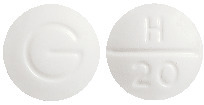
  • Hydrocortisone Mylan 4 round, white, scored tablet marked H/4 on one side and G on the reverse. Each bottle contains 50 tablets.
  • Hydrocortisone Mylan 20 round, white, scored tablet marked H/20 on one side and G on the reverse. Each bottle contains 60 tablets.

Ingredients

The active ingredient in Hydrocortisone Mylan is hydrocortisone.

  • each Hydrocortisone Mylan 4 tablet contains 4 mg of hydrocortisone
  • each Hydrocortisone Mylan 20 tablet contains 20 mg of hydrocortisone.

The 4 mg tablets also contain:

  • lactose monohydrate
  • povidone
  • maize starch
  • magnesium stearate.

The 20 mg tablets also contain:

  • lactose monohydrate
  • povidone
  • maize starch
  • magnesium stearate
  • macrogol 8000.

Hydrocortisone Mylan contains sulfites and sugars as lactose.

Sponsor

Hydrocortisone Mylan is supplied by:

Alphapharm Pty Limited
Level 1, 30 The Bond
30-34 Hickson Road
Millers Point NSW 2000
ABN 93 002 359 739
www.mylan.com.au
Medical Information
Phone: 1800 028 365

Australian registration numbers:

Hydrocortisone Mylan 4 - AUST R 290097

Hydrocortisone Mylan 20 - AUST R 290098

This leaflet was prepared in June 2021.

Hydrocortisone Mylan_cmi/Jun21

Published by MIMS August 2021

BRAND INFORMATION

Brand name

Hydrocortisone Viatris

Active ingredient

Hydrocortisone

Schedule

S4


1 Name of Medicine

Hydrocortisone.

2 Qualitative and Quantitative Composition

Hydrocortisone, also known as cortisol, is a white or almost white, odourless crystalline powder. It is practically insoluble in water; sparingly soluble in ethanol (96%) and in acetone; slightly soluble in chloroform; very slightly soluble in ether. It melts at about 214°C, with decomposition.
Each Hydrocortisone Viatris 4 tablet contains 4 mg of hydrocortisone.
Each Hydrocortisone Viatris 20 tablet contains 20 mg of hydrocortisone.

Excipients with known effect.

Sulfites and sugars as lactose.
For the full list of excipients, see Section 6.1 List of Excipients.

3 Pharmaceutical Form

Hydrocortisone Viatris 4 mg tablet: white, scored, marked H/4 on one side, G on reverse.
Hydrocortisone Viatris 20 mg tablet: white, scored, marked H/20 on one side, G on reverse.

4 Clinical Particulars

4.1 Therapeutic Indications

Hydrocortisone is indicated for replacement therapy in Addison's disease or chronic adrenocortical insufficiency secondary to hypopituitarism.

4.2 Dose and Method of Administration

Dosage requirements are variable and must be individualised on the basis of the disease and the response of the patient.
A typical dose in adults is hydrocortisone 30 mg daily in divided doses. Dosage may be increased if clinically necessary. Patients should be advised to take their hydrocortisone replacement therapy with meals or a glass of milk or antacid because the drug may increase gastric acidity. Approximately 2/3 of the dose should be taken in the morning and 1/3 at about 4 pm. Some individuals may exhibit irritability or insomnia after initiation of therapy; in these the dosage should be reduced. Smaller doses may also be necessary in patients with hypertension, diabetes mellitus, or active tuberculosis.
Supplementary administration of fludrocortisone, 0.05 to 0.1 mg daily by mouth, is required to replace mineralocorticoid deficiency. Blood pressure and serum electrolyte measurements will give an indication of adequacy of mineralocorticoid dosage. Patients should be advised to ingest adequate sodium (3 to 4 g per day). The physician should be alert to complications of mineralocorticoid therapy, e.g. hypokalaemia, oedema, hypertension, cardiac enlargement, congestive heart failure.
Dosage of hydrocortisone should be increased during periods of intercurrent illness or surgery to about 75 to 150 mg/day. Fludrocortisone dosage should also be increased. Patients should be alerted to awareness of those occasions when excess sodium may be required, e.g. hot weather, gastrointestinal upsets.
After a favourable initial response, the proper maintenance dosage should be determined by decreasing the initial dosage in small amounts to the lowest dosage that maintains an adequate clinical response.
Patients should be observed closely for signs that may require dosage adjustment, including changes in clinical status resulting from remissions or exacerbations of the disease, individual drug responsiveness, and the effect of stress (e.g. surgery, infection, trauma). During stress it may be necessary to increase dosage temporarily.
If the drug is to be stopped after more than a few days of treatment, it usually should be withdrawn gradually.

4.3 Contraindications

Patients with any uncontrolled infections; known hypersensitivity to hydrocortisone.

4.4 Special Warnings and Precautions for Use

The use of Hydrocortisone Viatris in the treatment of conditions other than those specified in the Therapeutic Indications section is not advised, due to the marked effect of hydrocortisone on sodium retention.

Immunosuppressant effects/ increased susceptibility to infections.

Corticosteroids may mask some signs of infection, and new infections may appear during their use. There may be decreased resistance and inability to localise infection when corticosteroids are used. If an infection occurs during hydrocortisone therapy, consider stopping hydrocortisone if possible. In any case, the infection should be promptly controlled by suitable antimicrobial therapy.
Individuals on immunosuppressant therapy, including hydrocortisone, should avoid exposure to infections. For example, varicella and measles can prove serious or even fatal. The administration of an appropriate immunoglobulin may be indicated in individuals exposed to these infections during corticosteroid therapy.
Patients should not be vaccinated against smallpox whilst on corticosteroid therapy. Other immunisation procedures, particularly those involving the administration of live vaccines, e.g. BCG, should not be undertaken in patients who are taking corticosteroids, especially in high doses, because of the possible risks of neurological complications and a lack of antibody response.
The use of Hydrocortisone Viatris in patients with active tuberculosis should be restricted to those cases of fulminating or disseminated tuberculosis in which the corticosteroid is used for the management of the disease in conjunction with an appropriate anti-tuberculous regimen. If corticosteroids are indicated in patients with latent tuberculosis or tuberculin reactivity, close observation is necessary since reactivation of the disease may occur. During prolonged corticosteroid therapy, these patients should receive chemoprophylaxis.
Corticosteroids should be used cautiously in patients with ocular Herpes simplex because of possible corneal perforation. The lowest possible dose of corticosteroid should be used to control the condition being treated. When possible, the dosage should be gradually reduced.

Ocular effects.

Prolonged use of corticosteroids may produce posterior subcapsular cataracts, glaucoma with possible damage to the optic nerves, and may enhance the establishment of secondary ocular infections due to fungi or viruses.
Visual disturbance may be reported with systemic and topical corticosteroid use. If a patient presents with symptoms such as blurred vision or other visual disturbances, the patient should be considered for referral to an ophthalmologist for evaluation of possible causes which may include cataract, glaucoma or rare diseases such as central serous chorioretinopathy (CSCR) which have been reported after use of systemic and topical corticosteroids.

Endocrine effects.

Average and large doses of hydrocortisone can cause elevation in blood pressure, salt and water retention, and increased potassium excretion. Therefore, both dosage and salt intake should be carefully monitored in order to avoid the development of hypertension, oedema or weight gain.
Periodic checking of serum electrolyte levels is advisable during prolonged therapy; dietary salt restriction and potassium supplementation may be necessary. All corticosteroids increase calcium excretion.
Adverse effects to corticosteroids may be produced by too rapid withdrawal or by continued use of large doses.
There is an enhanced corticosteroid effect in patients with hypothyroidism and in those with cirrhosis.

Psychiatric effects.

Psychic derangements may appear when corticosteroids are used. These may range from euphoria, insomnia, mood swings, personality changes, and severe depression to frank psychotic manifestations. Existing emotional instability or psychotic tendencies may also be aggravated by corticosteroids.

Gastrointestinal effects.

Corticosteroids should be used with caution in patients with nonspecific ulcerative colitis as there is a possibility of impending perforation, abscess, or other pyogenic infection.

Other.

Aspirin should be used cautiously in conjunction with corticosteroids in patients with hypoprothrombinaemia.
Hydrocortisone should also be used cautiously in the following patients that are/have: post-menopausal women, diverticulitis, recent surgery including intestinal anastomoses, active or latent peptic ulcer, hypertension, osteoporosis, acute glomerulonephritis, vaccinia, varicella, exanthemata, Cushing's syndrome, antibiotic resistant infections, diabetes mellitus, congestive heart failure, chronic nephritis, thromboembolic tendencies, thrombophlebitis, convulsive disorders, metastatic carcinoma, vertebral collapse.

Use in the elderly.

Hydrocortisone should be used cautiously in the elderly.

Paediatric use.

Growth and development of infants and children on prolonged corticosteroid therapy should be carefully observed.

Effects on laboratory tests.

Reactions to skin tests may be suppressed.

4.5 Interactions with Other Medicines and Other Forms of Interactions

Oral contraceptives may increase the half-life of corticosteroids. Barbiturates, phenytoin, rifampicin and other drugs which induce hepatic enzymes may shorten the elimination half-life of hydrocortisone.
Hydrocortisone can increase the loss of potassium. When administered concomitantly with potassium-depleting diuretics, patients should be observed closely for the development of hypokalaemia. Patients taking the combination of hydrocortisone and digoxin should also be closely monitored due to an increased sensitivity to digoxin.

4.6 Fertility, Pregnancy and Lactation

Effects on fertility.

No data available.
(Category A)
Category A: Drugs which have been taken by a large number of pregnant women and women of childbearing age without any proven increase in the frequency of malformations or other direct or indirect harmful effects on the fetus having been absorbed.
Corticosteroids appear in breast milk and could suppress growth, interfere with endogenous corticosteroid production, or cause other unwanted effects. Mothers taking pharmacological doses of corticosteroids should be advised not to nurse.

4.7 Effects on Ability to Drive and Use Machines

The effects of this medicine on a person's ability to drive and use machines were not assessed as part of its registration.

4.8 Adverse Effects (Undesirable Effects)

Fluid and electrolyte disturbances.

Sodium retention, fluid retention, congestive heart failure in susceptible patients, potassium loss, hypokalaemic alkalosis, hypertension.

Musculoskeletal.

Muscle weakness, steroid myopathy, loss of muscle mass, osteoporosis, vertebral compression fractures, aseptic necrosis of femoral and humeral heads, pathological fracture of long bones and spontaneous fractures, tendon rupture.

Gastrointestinal.

Peptic ulcer with possible perforation and haemorrhage, perforation of the small and large bowel (particularly in patients with inflammatory bowel disease), pancreatitis, abdominal distension, ulcerative oesophagitis.

Dermatological.

Impaired wound healing, thin fragile skin, bruising, petechiae and ecchymoses, facial erythema, increased sweating, subcutaneous fat atrophy, purpura, striae, hyperpigmentation of the skin and nails, hirsutism, acneiform eruptions, other cutaneous reactions (such as allergic dermatitis, urticaria, angioneurotic oedema).

Neurological.

Convulsions, increased intracranial pressure with papilloedema (pseudotumour cerebri) usually after treatment, vertigo, headache, severe mental disturbances.

Endocrine.

Menstrual irregularities, development of cushingoid state, suppression of growth in children, secondary adrenocortical and pituitary unresponsiveness, particularly in times of stress (e.g. trauma, surgery or illness), decreased carbohydrate tolerance, manifestations of latent diabetes mellitus, increased requirements for insulin or oral hypoglycaemic agents in diabetics.

Immunological.

Clinically significant infections increase in frequency and severity during corticosteroid use.

Haematological.

Corticosteroids will increase total WBC, with an increase in neutrophils and a decrease in monocytes, lymphocytes and eosinophils.

Ophthalmic.

Posterior subcapsular cataracts, increased intraocular pressure, glaucoma, exophthalmos.

Metabolic.

Hypertriglyceridaemia, hyperglycaemia, glycosuria, negative nitrogen balance due to protein catabolism.

Cardiovascular.

Myocardial rupture following recent myocardial infarction.

Other.

Hypersensitivity, thromboembolism, weight gain, increased appetite, nausea, malaise, necrotising angiitis, thrombophlebitis, aggravation or masking of infections, insomnia, syncopal episodes and anaphylactoid reactions.

Post marketing.

Eye disorders.

Vision blurred.

Reporting suspected adverse effects.

Reporting suspected adverse reactions after registration of the medicinal product is important. It allows continued monitoring of the benefit-risk balance of the medicinal product. Healthcare professionals are asked to report any suspected adverse reactions at www.tga.gov.au/reporting-problems.

4.9 Overdose

Reports of acute toxicity and/or death following overdosage with glucocorticoids are rare. In the event of overdosage, no specific antidote is available; treatment is supportive and symptomatic.
For information on the management of overdose, contact the Poisons Information Centre on 13 11 26 (Australia).

5 Pharmacological Properties

5.1 Pharmacodynamic Properties

Mechanism of action.

Hydrocortisone, which has salt-retaining properties, is believed to be the principal glucocorticoid secreted by the adrenal cortex. It is used as replacement therapy in adrenocortical deficiency states. It is also used for its potent anti-inflammatory effects in disorders of many organ systems.

Clinical trials.

No data available.

5.2 Pharmacokinetic Properties

Absorption.

Hydrocortisone is readily absorbed from the gastrointestinal tract.

Distribution.

Peak blood concentration is attained in about one hour. The biological half-life is about 100 minutes. It is more than 90% bound to plasma proteins.

Metabolism.

Hydrocortisone is metabolised in the liver and most body tissues to hydrogenated and degraded forms such as tetrahydrocortisone and tetrahydrocortisol.

Excretion.

The metabolites are excreted in the urine, mainly conjugated as glucuronides, together with a very small proportion of unchanged hydrocortisone.

5.3 Preclinical Safety Data

Genotoxicity.

No data available.

Carcinogenicity.

No data available.

6 Pharmaceutical Particulars

6.1 List of Excipients

Hydrocortisone Viatris 4 tablets contain the following excipients: lactose monohydrate, maize starch, povidone, magnesium stearate.
Hydrocortisone Viatris 20 tablets contain the following excipients: lactose monohydrate, maize starch, macrogol 8000, povidone, magnesium stearate.

6.2 Incompatibilities

Incompatibilities were either not assessed or not identified as part of the registration of this medicine.

6.3 Shelf Life

In Australia, information on the shelf life can be found on the public summary of the Australian Register of Therapeutic Goods (ARTG). The expiry date can be found on the packaging.

6.4 Special Precautions for Storage

Store below 30°C.

6.5 Nature and Contents of Container

Hydrocortisone Viatris 4: HDPE bottles of 50 tablets.
Hydrocortisone Viatris 20: HDPE bottles of 60 tablets.

Australian Register of Therapeutic Goods (ARTG).

AUST R 290097 - Hydrocortisone Viatris 4 hydrocortisone 4 mg tablet bottle.
AUST R 290098 - Hydrocortisone Viatris 20 hydrocortisone 20 mg tablet bottle.

6.6 Special Precautions for Disposal

In Australia, any unused medicine or waste material should be disposed of by taking it to your local pharmacy.

6.7 Physicochemical Properties

Chemical structure.


Chemical name: 11β,17α,21-trihydroxypregn-4-ene-3,20-dione.
Molecular formula: C21H30O5.
Molecular weight: 362.5.

CAS number.

50-23-7.

7 Medicine Schedule (Poisons Standard)

S4 (Prescription Only Medicine).

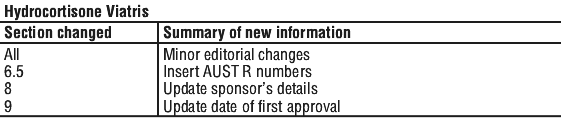
Summary Table of Changes