


Consumer medicine information

Ikotab

Nicorandil

BRAND INFORMATION

Brand name

Ikotab

Active ingredient

Nicorandil

Schedule

S4


Consumer medicine information (CMI) leaflet

Please read this leaflet carefully before you start using Ikotab.

What is in this leaflet

This leaflet answers some common questions about IKOTAB. It does not contain all the available information. It does not take the place of talking to your doctor or pharmacist.

All medicines have risks and benefits. Your doctor has weighed the risks of you taking IKOTAB against the benefits they expect it will have for you.

If you have any concerns about taking this medicine, ask your doctor or pharmacist.

Keep this leaflet with the medicine. You may need to read it again.

What IKOTAB is used for

This medicine is used to treat chronic stable angina pectoris (chest pain or discomfort due to coronary heart disease).

This medicine belongs to a group of medicines called potassium channel activators.

This medicine works by widening blood vessels and increasing blood supply to the heart muscle.

Ask your doctor if you have any questions about why this medicine has been prescribed for you. Your doctor may have prescribed it for another reason.

This medicine is not addictive.

Before you take IKOTAB

When you must not take it

Do not take IKOTAB if you have an allergy to:

  • any medicine containing nicorandil
  • any of the ingredients listed at the end of this leaflet

Some of the symptoms of an allergic reaction may include:

  • shortness of breath
  • wheezing or difficulty breathing
  • swelling of the face, lips, tongue or other parts of the body
  • rash, itching or hives on the skin

Do not take IKOTAB if:

  • you have low blood pressure (which could make you feel faint, weak, or dizzy, especially when you stand up suddenly)
  • you suffer from any other type of serious heart diseases
  • you have been prescribed a type of medicine called a 'phosphodiesterase 5 inhibitor' - these medicines are used to treat impaired sexual function
  • you have been prescribed any soluble guanylate cyclase stimulators e.g. riociguat

Do not take this medicine if you are pregnant. It may affect your developing baby if you take it during pregnancy.

Do not breast-feed if you are taking this medicine.

Do not give this medicine to children. Safety and effectiveness in children have not been established.

Do not take this medicine after the expiry date printed on the pack or if the packaging is torn or shows signs of tampering. If it has expired or is damaged, return it to your pharmacist for disposal.

If you are not sure whether you should start taking this medicine, talk to your doctor.

Before you start to take it

Tell your doctor if you have had any of the following medical conditions:

  • kidney or liver disease
  • diverticular disease (a condition affecting the muscles of the bowel)
  • low blood pressure (common signs of low blood pressure are feeling faint, weakness or dizziness, especially when you stand up quickly)
  • other types of serious heart diseases
  • depression
  • glaucoma
  • hyperkalaemia (high potassium levels in the blood)
  • mouth, stomach, or skin ulcers

Tell your doctor if you are pregnant or plan to become pregnant or are breast-feeding. Your doctor can discuss with you the risks and benefits involved.

If you have not told your doctor about any of the above, tell them before you start taking IKOTAB.

Taking other medicines

Tell your doctor or pharmacist if you are taking any other medicines, including any that you get without a prescription from your pharmacy, supermarket or health food shop.

Some medicines and IKOTAB may interfere with each other. These include:

  • phosphodiesterase 5 inhibitors, medicines often used to treat impaired sexual function
  • soluble guanylate cyclase stimulators
  • vasodilator medicines, used to widen blood vessels
  • tricyclic antidepressants, used to treat depression
  • nitrates, medicines used to treat angina (chest pain)
  • antihypertensive medicines, used to treat high blood pressure
  • corticosteroid medicines
  • aspirin or other non-steroidal anti-inflammatories (NSAIDs) e.g. ibuprofen, diclofenac

These medicines may be affected by IKOTAB or may affect how well it works. You may need different amounts of your medicines, or you may need to take different medicines.

Your doctor and pharmacist have more information on medicines to be careful with or avoid while taking this medicine.

How to take IKOTAB

Follow all directions given to you by your doctor or pharmacist carefully. They may differ from the information contained in this leaflet.

If you do not understand the instructions on the box, ask your doctor or pharmacist for help.

How much to take

The usual dose is 10 mg to 20 mg, two times a day. The usual starting dose is 10 mg, two times a day however a lower starting dose may be required in some patients. Your doctor will tell you how much IKOTAB to take.

How to take it

Swallow the tablet with a full glass of water.

When to take it

Take a dose of your medicine in the morning and the evening. Taking it this way each day will have the best effect. It will also help you remember when to take it.

It does not matter if you take this medicine before or after food.

How long to take it

Continue taking your medicine for as long as your doctor tells you.

This medicine helps to control your condition but does not cure it. It is important to keep taking your medicine even if you feel well.

If you forget to take it

If it is almost time for your next dose, skip the dose you missed and take your next dose when you are meant to.

Otherwise, take it as soon as you remember, and then go back to taking your medicine as you would normally.

Do not take a double dose to make up for the dose that you missed. This may increase the chance of you getting an unwanted side effect.

If you are not sure what to do, ask your doctor or pharmacist.

If you have trouble remembering to take your medicine, ask your pharmacist for some hints.

If you take too much (overdose)

Immediately telephone your doctor or the Poisons Information Centre (telephone 13 11 26) for advice, or go to Accident and Emergency at the nearest hospital, if you think that you or anyone else may have taken too much IKOTAB. Do this even if there are no signs of discomfort or poisoning. You may need urgent medical attention.

Symptoms of an overdose may include feeling light-headed, or dizzy, and a faster than normal heartbeat.

While you are using IKOTAB

Things you must do

If you are about to be started on any new medicine, remind your doctor and pharmacist that you are taking IKOTAB.

Tell any other doctors, dentists and pharmacists who treat you that you are taking this medicine.

If you are going to have surgery, tell the surgeon or anaesthetist that you are taking this medicine. It may affect other medicines used during surgery.

If you become pregnant while taking this medicine, tell your doctor immediately.

Keep all of your doctor's appointments so that your progress can be checked.

Things you must not do

Do not take IKOTAB to treat any other complaints unless your doctor tells you to.

Do not give your medicine to anyone else, even if they have the same condition as you.

Do not stop taking your medicine or lower the dosage without checking with your doctor. If possible, your doctor may gradually reduce the amount you take each day before stopping this medicine completely.

Things to be careful of

Be careful driving or operating machinery until you know how IKOTAB affects you. This medicine may cause dizziness or light-headedness in some people. If you have any of these symptoms, do not drive, operate machinery or do anything else that could be dangerous.

Be careful when drinking alcohol while you are taking this medicine. IKOTAB may increase the effects of alcohol.

If you feel light-headed, dizzy or faint when getting out of bed or standing up, get up slowly. Standing up slowly, especially when you get up from bed or chairs, will help your body get used to the change in position and blood pressure. If this problem continues or gets worse, talk to your doctor.

Side effects

Tell your doctor or pharmacist as soon as possible if you do not feel well while you are taking IKOTAB.

This medicine helps most people with angina, but it may have unwanted side effects in a few people. All medicines can have side effects. Sometimes they are serious, most of the time they are not. You may need medical attention if you get some of the side effects.

Do not be alarmed by the following lists of side effects. You may not experience any of them.

Ask your doctor or pharmacist to answer any questions you may have.

Tell your doctor or pharmacist if you notice any of the following and they worry you:

  • headache
    Headaches usually occur when you begin to take IKOTAB, and generally do not last long.
  • dizziness and light headedness, especially when getting up from a sitting or lying down position
  • tiredness, drowsiness
  • cough
  • nausea, vomiting, indigestion
  • diarrhoea
  • constipation
  • stomach ache
  • flushing, sweating
  • loss of appetite, weight loss
  • fever
  • leg, neck, back, chest or muscular pain, pain in the arm or general pain
  • trouble sleeping
  • nervousness
  • depression
  • itching
  • double vision
  • nose bleed
  • skin abscess

Tell your doctor as soon as possible if you notice any of the following:

  • high blood pressure
  • fast or irregular heart beats
  • swelling of the face, hands, ankles or feet
  • difficulty in breathing or shortness of breath
  • tingling or numbness of the hands or feet
  • rash
  • ringing or other persistent noise in the ears
  • persistent mouth ulcers or genital, anal or skin ulcers
  • dark bowel motions and/or bloody diarrhoea
  • inflammation of the bowel wall (fever, vomiting and stomach pain or discomfort)
  • high potassium levels in the blood
  • nerve paralysis

Tell your doctor immediately, or go to Accident and Emergency at your nearest hospital if you notice any of the following:

  • allergic type reactions e.g. skin rash, itching and difficulty breathing, wheezing or coughing.

You may need urgent medical attention or hospitalisation.

Tell your doctor or pharmacist if you notice anything that is making you feel unwell.

Other side effects not listed above may also occur in some people.

After using IKOTAB

Storage

Keep your tablets in the pack until it is time to take them. If you take the tablets out of the pack they may not keep well.

Keep your tablets in a cool dry place where the temperature stays below 25°C.

Do not store IKOTAB or any other medicine in the bathroom or near a sink. Do not leave it on a window sill or in the car. Heat and dampness can destroy some medicines.

Keep it where children cannot reach it. A locked cupboard at least one-and-a-half metres above the ground is a good place to store medicines.

Disposal

Discard this medicine 30 days after opening the blister strip.

If your doctor tells you to stop taking this medicine or the expiry date has passed, ask your pharmacist what to do with any medicine that is left over.

Product description

What it looks like

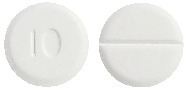
IKOTAB 10 mg tablets are round and white scored on one side and marked '10' on the other side.

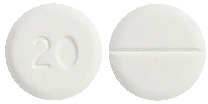
IKOTAB 20 mg tablets are round and white scored on one side and bearing the inscription '20' on the other side.

They are available in blister packs of 60 tablets. Each blister strip contains a desiccant.

Ingredients

IKOTAB contains 10 mg or 20 mg of nicorandil as the active ingredient.

The tablets also contain the following inactive ingredients:

  • mannitol
  • stearic acid
  • croscarmellose sodium
  • pregelatinised maize starch

This medicine does not contain lactose, sucrose, gluten, tartrazine or any other azo dyes.

Distributor

IKOTAB is distributed in Australia by:

Alphapharm Pty Ltd
Level 1, 30 The Bond
30-34 Hickson Road
Millers Point NSW 2000
www.mylan.com.au

This leaflet was prepared in April 2021.

10 mg: AUST R 218690

20 mg: AUST R 218689

ikotab_cmi\apr21/00

Published by MIMS May 2021

BRAND INFORMATION

Brand name

Ikotab

Active ingredient

Nicorandil

Schedule

S4


1 Name of Medicine

Nicorandil.

2 Qualitative and Quantitative Composition

Each Ikotab tablet contains either 10 mg or 20 mg nicorandil as the active ingredient.
For the full list of excipients, see Section 6.1 List of Excipients.

3 Pharmaceutical Form

Ikotab 10 mg tablets are round, white tablets, scored on one side and bearing the inscription "10" on the other side.
Ikotab 20 mg tablets are round, white tablets, scored on one side and bearing the inscription "20" on the other side.

4 Clinical Particulars

4.1 Therapeutic Indications

Nicorandil is indicated for the treatment of chronic stable angina pectoris.

4.2 Dose and Method of Administration

Adults.

The recommended therapeutic dose for nicorandil is 10 to 20 mg twice daily. The usual starting dose is 10 mg twice daily (preferably in the morning and in the evening). A lower starting dose of 5 mg twice daily may be used in patients who are prone to headache or other adverse reactions. Dosage should be titrated to the minimum effective dose.

Elderly.

There are no dosage adjustments required for the elderly patients. However, as with all other medications, the lowest effective dose should be used.

Children.

Not recommended for use in children as safety and efficacy have not been established.

4.3 Contraindications

Known or idiosyncratic hypersensitivity to nicorandil, nicotinamide, nicotinic acid or any of the excipients in this product.
Cardiogenic shock.
Hypotension.
In patients with severe hypotension or with a risk of developing severe hypotension including acute myocardial infarction with acute left ventricular failure and low filling pressures and hypovolaemia.
In patients receiving any soluble guanylate cyclase stimulators (see Section 4.5 Interactions with Other Medicines and Other Forms of Interactions).
Due to the risk of severe hypotension, the concomitant use of nicorandil and phosphodiesterase 5 inhibitors (e.g. sildenafil, tadalafil, vardenafil) is contraindicated (see Section 4.5 Interactions with Other Medicines and Other Forms of Interactions).

4.4 Special Warnings and Precautions for Use

Nicorandil should be used with caution in patients who may have blood volume depletion or in those who present low systolic blood pressure (e.g. below 100 mmHg). The use of nicorandil in patients with cardiogenic shock, or acute myocardial infarction with acute left ventricular failure and low filling pressures should be avoided.
If mouth ulceration stomatitis or persistent or severe buccal ulcerations appear, this drug should be discontinued and appropriate measures taken.
Nicorandil may lower the blood pressure of hypertensive patients and therefore should be used with care when prescribed with antihypertensive drugs.
Gastrointestinal, skin, mucosal, corneal and conjunctival ulcerations have been reported with nicorandil (see Section 4.8 Adverse Effects (Undesirable Effects)). Ulceration may occur at different locations in the same patient. Gastrointestinal haemorrhage secondary to gastrointestinal ulceration has also been reported with nicorandil. The onset of ulceration may vary from shortly after initiation of nicorandil treatment to several years after starting nicorandil. Weight loss has been reported in association with gastrointestinal ulcerations. Gastrointestinal ulcerations, if advanced, may develop into perforation, fistulating disease, or abscess formation or may lead to gastrointestinal haemorrhage or weight loss. Occurrence of persisting ulcers should lead to drug discontinuation because the ulcers may be refractory to treatment while taking nicorandil (see Section 4.8 Adverse Effects (Undesirable Effects)).
Patients with diverticular disease may be at particular risk of fistula formation or bowel perforation during nicorandil treatment.
Gastrointestinal perforations in the context of concomitant use of nicorandil and corticosteroids have been reported. Caution is advised when concomitant use is considered.
Gastrointestinal ulcerations and haemorrhage in the context of concomitant use of acetylsalicylic acid or non-steroidal anti-inflammatory drugs (NSAIDs) with nicorandil have also been reported. Caution is advised when concomitant use is considered.
Nicorandil should be used with care in combination with other medical products that may increase potassium levels because hyperkalaemia has been reported with nicorandil (see Section 4.8 Adverse Effects (Undesirable Effects)).

Use in hepatic impairment.

The pharmacokinetics of nicorandil in cirrhotic patients (n = 8) was compared with age matched controls (n = 8) after a single 10 mg oral tablet and IV dose of 0.1 mg/kg. In cirrhotic patients, the AUC after oral dosing was less and t1/2 was longer (1.6 h versus 1.1 h) than those for the control groups. As the changes after oral dosing were minor, it is unlikely that dosage adjustment would be necessary in patients with stabilised liver impairment based solely on pharmacokinetic consideration. However, as nicorandil is primarily metabolised in the liver, the need to reduce the nicorandil dose in patients with severe liver disease cannot be excluded to prevent the potential accumulation following repeated dosing.

Use in renal impairment.

The pharmacokinetics of nicorandil was investigated in 3 groups of subjects with varying degrees of renal function (GFR > 80 mL/min, n = 6; 20-80 mL/min, n = 8 and < 20 mL/min, n = 7) receiving 20 mg of nicorandil twice daily for 5 days. Renal impairment did not significantly modify the rate and extent of nicorandil absorption. No correlation exists between nicorandil clearance and creatinine clearance. Thus the decrease of glomerular filtration rate does not significantly alter the disposition profile of nicorandil; thus no dosage adjustment is necessary in patients with renal impairment.

Use in the elderly.

The pharmacokinetics of nicorandil in 12 elderly patients was compared with 12 young adults receiving 10 mg twice daily for 8 days. There were no clinically relevant differences in the nicorandil pharmacokinetic parameters. Results from this study suggest that dosage adjustment for elderly patients may not be necessary. However, as with all medicines, use of the lowest effective dose is recommended.

Paediatric use.

Nicorandil is not recommended for use in children as its safety and efficacy in children have not been established.

Effects on laboratory tests.

No data available.

4.5 Interactions with Other Medicines and Other Forms of Interactions

Smoking.

The effect of smoking on the pharmacokinetics of nicorandil has not been studied.

Cimetidine.

The effects of cimetidine (400 mg twice daily for 7 days) on the pharmacokinetics of nicorandil (20 mg twice daily given for 7 days alone and then another 7 days with cimetidine) were assessed in 12 healthy volunteers. The co-administration of cimetidine with nicorandil did not significantly modify the rate of absorption of nicorandil or other pharmacokinetic parameters (such as Cmax, tmax and urinary excretion parameters). Thus, cimetidine does not significantly inhibit the liver enzymes involved in the metabolism of nicorandil. A dose adjustment of nicorandil in patients treated concomitantly with cimetidine, a drug known to be an inhibitor of liver drug metabolising enzymes, may not be necessary.

Rifampicin.

The influence of rifampicin (600 mg/day) on nicorandil (20 mg twice daily) pharmacokinetics was assessed in 16 male volunteers. Rifampicin did not modify significantly the pharmacokinetics of nicorandil, except for a slight decrease on t1/2β. Therefore, rifampicin does not modify significantly the extent of nicorandil metabolism or its disposition pattern. As a consequence, a dose adjustment of nicorandil in patients treated concomitantly with rifampicin, a drug known to be a potent inducer of liver drug-metabolising enzymes, may not be necessary.

Combination with nitrate.

Although clinical experience to-date suggests that long-acting nitrate administered concomitantly with nicorandil does not appear to alter nicorandil's clinical acceptability, however, as nicorandil contains a nitrate moiety, caution should be taken for the likelihood of additive hypotensive effects.

Other medicines.

Co-administration of nicorandil does not affect the anticoagulation effect of warfarin. No pharmacological and/or pharmacokinetic interaction has been observed in animal and clinical studies when nicorandil is administered concomitantly with β-blockers, a calcium antagonist, digoxin, a combination of digoxin/furosemide (frusemide), acenocoumarol, rifampicin, and cimetidine. However, the possibility that nicorandil may potentiate the effect of tricyclic antidepressants, antihypertensive drugs or other vasodilators, particularly alcohol, cannot be excluded.

Phosphodiesterase 5 inhibitors.

As hypotensive effects of nitrates or nitric oxide donors are potentiated by phosphodiesterase 5 inhibitors (e.g. sildenafil, tadalafil, vardenafil), the concomitant use of nicorandil and phosphodiesterase 5 inhibitors is contraindicated (see Section 4.3 Contraindications). Combination use can lead to a serious fall in blood pressure.

Soluble guanylate cyclase stimulators.

Nicorandil is contraindicated in the concomitant use of soluble guanylate cyclase stimulators such as riociguat, since it can lead to a serious fall in blood pressure (see Section 4.3 Contraindications).

Corticosteroids.

Gastrointestinal perforations in the context of concomitant use of nicorandil and corticosteroids or acetylsalicylic acid have been reported. Caution is advised when concomitant use is considered.

Interactions with food.

Although food has been shown to delay the absorption of nicorandil (16%) it does not affect the extent of absorption. Thus, nicorandil tablets can be taken with meals.

4.6 Fertility, Pregnancy and Lactation

Effects on fertility.

Nicorandil did not affect the fertility of male and female rats at oral doses up to 100 mg/kg/day.
(Category B3)
Nicorandil has not been studied in pregnant women. Although animal studies have shown that nicorandil is not teratogenic, it has been shown to increase pre-implantation loss at oral doses of 40 mg/kg/day in rats and to increase fetal mortality at doses of 100 mg/kg/day. The significance of these findings in human use is unknown. Nicorandil should not be used during pregnancy unless it is considered essential by the physician.
It is not known whether nicorandil is excreted in milk. Animal studies have shown that nicorandil increases perinatal mortality at 50 mg/kg/day. The significance of this finding to human use is unclear. Thus, nicorandil is not recommended for use during breast feeding.

4.7 Effects on Ability to Drive and Use Machines

Nicorandil, as with other vasodilators, may cause dizziness and patients should be advised not to drive or operate any machinery, should dizziness occur. This is especially the case in combination with alcohol.

4.8 Adverse Effects (Undesirable Effects)

The following CIOMS frequency rating is used:
Very common ≥ 1/10 (10%); common ≥ 1/100 (1%) and < 1/10 (10%); uncommon ≥ 1/1000 (0.1%) and < 1/100 (1%); rare ≥ 1/10,000 (0.01%) and < 1/1000 (0.1%); very rare < 1/10,000 (< 0.01%). See Table 1.

Reporting suspected adverse effects.

Reporting suspected adverse reactions after registration of the medicinal product is important. It allows continued monitoring of the benefit-risk balance of the medicinal product. Healthcare professionals are asked to report any suspected adverse reactions at www.tga.gov.au/reporting-problems.

4.9 Overdose

No data are available concerning overdosage of nicorandil in humans. However, in case of overdosage, peripheral vasodilation with a fall in blood pressure and reflex tachycardia can be expected. In such an event, monitoring of cardiac function and general supportive measures should be used. If not successful, circulating plasma volume should be increased by substitution of fluid. In life-threatening situations, administration of vasopressors should be considered.
For information on the management of overdose, contact the Poisons Information Centre on 13 11 26 (Australia).

5 Pharmacological Properties

5.1 Pharmacodynamic Properties

Mechanism of action.

Nicorandil, a potassium channel opener with nitrate moiety, is an antianginal agent with a dual mechanism of action:
(i) It opens ATP-dependent potassium (KATP) channels in vascular smooth muscle and hence causes a hyperpolarisation of the smooth muscle cells. This leads to arterial dilation and afterload reduction.
(ii) Due to its nitrate moiety, nicorandil also relaxes vascular smooth muscle, particularly in the venous vascular system, via an increase in intracellular cyclic GMP. This results in an increase pooling in capacitance vessels with a decrease in preload.
Nicorandil has been shown to exert a direct effect on the coronary arteries, both on normal and stenotic segments, without leading to a steal phenomenon. Furthermore, the reduction of end-diastolic pressure and wall tension decreases the extravascular component of vascular resistance. Ultimately, this results in an improved oxygen balance in the myocardium and improved blood flow in the post-stenotic areas of the myocardium and, thus, reducing infarct size. Nicorandil has no direct effect on myocardial contractility, cardiac conduction and rhythm. Furthermore, nicorandil has demonstrated a powerful spasmolytic activity in both in-vitro and in-vivo studies and reverses coronary spasm induced by methacholine or noradrenaline.
The activation of ATP-dependant K-channels by nicorandil or other potassium channel openers causes relaxation of all types of smooth muscle. In an asthma model, the three known K-channel openers (cromakalim, pinacidil and nicorandil) were compared. Nicorandil was weakest of the three in terms of bronchodilator activity. Results from clinical trials with nicorandil have not shown any deterioration of airways function during treatment.
Nicorandil has no effect on renal function and electrolytes. Following 1-year therapy of nicorandil, plasma levels of sodium, potassium, creatinine and blood urea nitrogen remained unchanged.
Nicorandil has specificity for the KATP channels in the blood vessels and not for the KATP channels present in the pancreas. At the doses used for its vasodilatory action, nicorandil does not produce hyperpolarisation on the β-cells in the pancreas and therefore does not affect insulin secretion and hence blood glucose. There was no change in plasma glucose levels in patients receiving nicorandil therapy for 1 year. Animal studies show that the vascular effects of potassium channel openers can be inhibited by glibenclamide, however, to inhibit the vascular effect of potassium channel openers the sulphonylureas have to be administered at doses 100 to 1000 times higher than the therapeutic dose. There was no change in plasma lipids in patients receiving nicorandil therapy.
The pharmacological data and clinical findings give no indication of a direct interaction between nicorandil and the sympathetic-adrenergic system or neurohumoural mechanism. Indirect activation of the adrenergic system and the renin-angiotensin system may occur as a result of excessive vasodilation or reduction in blood pressure, but only at doses higher than the therapeutic recommended dosage.

Clinical trials.

Clinical studies employing exercise tolerance test as major end point show that nicorandil at doses 10 to 20 mg twice daily is as efficacious as other anti-anginal agents (including diltiazem, nifedipine, isosorbide mononitrate, isosorbide dinitrate, propranolol, metoprolol and atenolol) in treating patients with chronic stable angina. Most of the controlled, comparative studies were of limited duration (= 3 months) and included patients with anginal attacks usually less than five per week. Data on the influence of nicorandil on myocardial infarction and mortality was limited. There is a trend to increased anti-anginal efficacy when nicorandil is added to β-blocker or calcium channel blocker, but this was not statistically significant. Efficacy testings at 2-hours and 12-hours suggest a prolonged anti-anginal effect of nicorandil which is longer than nicorandil's half-life. Some studies did investigate three times daily dosing with nicorandil, but this did not appear to present any advantages over twice daily dosing, although no strictly comparative studies of different dosing frequencies were performed. Long-term uncontrolled studies show that nicorandil maintains its efficacy with no evidence of tolerance developing up to 2 years after commencement of therapy.
The efficacy of nicorandil in preventing coronary artery spasm in patients with vasospastic angina was compared to nifedipine in provocation test using methylergometrine. Nicorandil was shown to be at least as effective as nifedipine. The benefit of nicorandil in unstable angina has not yet been fully established.

Laboratory safety monitoring.

Abnormal laboratory test results were very infrequent with nicorandil. However, in the short and medium term studies, the testings were performed at the beginning of the study (as a baseline) and at its termination (up to 3 months later). Thus transient laboratory abnormalities could have been missed.

Haemodynamic safety monitoring.

In hypertensive patients (n = 12), single doses of nicorandil (10, 20 and 30 mg) compared to placebo produced an acute and significant reduction in both systolic and diastolic, supine and upright blood pressure which peaked at 4 to 6 hours. After 24 hours, only the 30 mg dose continued to have a significant effect. Heart rate did not alter significantly. In patients with ischaemic heart disease undergoing routine cardiac catheterisation, a single dose of 40 mg nicorandil caused significant decreases in aortic systolic and diastolic pressure which occurred 30 minutes after dosing and reached maximum at 45 minutes. When nicorandil was administered in doses of 60 mg and, to a lesser extent 40 mg, dizziness and hypotension became relatively common side effects. In normotensive volunteers, a single 10 mg and 20 mg nicorandil dose did not affect blood pressure.

5.2 Pharmacokinetic Properties

Absorption.

After oral administration, nicorandil is absorbed rapidly and maximum plasma concentrations are reached after about 30-60 minutes. The absolute bioavailability of nicorandil is about 75% indicating that nicorandil is well absorbed from the gastrointestinal tract without undergoing significant hepatic first-pass effect. The plasma concentrations (and the area under the curve) show linear proportionality to the dose (5 mg to 40 mg). The drug disposition parameters (distribution volume, mean residence time, total body clearance and apparent elimination half-life) remain unchanged within the therapeutic dose range. Following repeated dosing of 10 or 20 mg nicorandil twice daily, higher nicorandil concentrations were observed at Day 10 compared to Day 1. Accumulation ratios (AUCDay 10/AUCDay 1) of 1.7 for 10 mg and 2.0 for 20 mg were observed. Steady-state plasma concentrations of nicorandil usually are reached within approximately 96-120 h after twice daily dosing.

Distribution.

The decrease in plasma concentration reveals two distinct phases:
a rapid elimination phase with a half-life of about 1 hour responsible for approximately 96% of the decline in the plasma concentration;
a slow elimination phase occurring between the 8th and 24th hour following oral dosing.
Nicorandil is not extensively bound to human plasma proteins (free fraction estimated to be about 75%).

Metabolism.

Metabolism occurs mainly by denitration of the molecule. The denitration product is then further metabolised via the nicotinamide pathway.

Excretion.

Nicorandil and its metabolites are mainly excreted in the urine. Only 1% of the administered dose was excreted in the faeces, whereas more than 60% of the administered dose was eliminated in the urine 24 hours after dosing. Only approximately 1% of nicorandil is excreted unchanged in the urine, and the remaining being mainly the denitrated metabolite (9%) and its derivatives (e.g. nicotinuric acid 6%, nicotinamide 1%, nicotinamide 1%, N-methylnicotinamide < 1% and nicotinic acid < 1%).

5.3 Preclinical Safety Data

Genotoxicity.

Mutagenicity and carcinogenicity studies did not reveal any adverse effect of nicorandil under the experimental conditions. Nicorandil has shown no genotoxic potential in a series of assays for gene mutations and chromosomal damage.

Carcinogenicity.

Nicorandil has shown no carcinogenic potential in two year old studies in mice (100 mg/kg/day) and rats (20 and 40 mg/kg/day for male and female rats respectively).

6 Pharmaceutical Particulars

6.1 List of Excipients

The tablets also contain the following inactive ingredients: pregelatinised maize starch, croscarmellose sodium, stearic acid and mannitol.

6.2 Incompatibilities

Incompatibilities were either not assessed or not identified as part of the registration of this medicine.

6.3 Shelf Life

In Australia, information on the shelf life can be found on the public summary of the Australian Register of Therapeutic Goods (ARTG). The expiry date can be found on the packaging.

6.4 Special Precautions for Storage

Store below 25°C. Store in the original package. Discard 30 days after opening the blister strip.

6.5 Nature and Contents of Container

Container type: blister pack (Al/Al).
Pack sizes: 20, 60.
Some strengths, pack sizes and/or pack types may not be marketed.

Australian Register of Therapeutic Goods (ARTG).

AUST R 218689 - Ikotab nicorandil 20 mg tablet blister pack.
AUST R 218690 - Ikotab nicorandil 10 mg tablet blister pack.

6.6 Special Precautions for Disposal

In Australia, any unused medicine or waste material should be disposed of by taking it to your local pharmacy.

6.7 Physicochemical Properties

Chemical structure.

Nicorandil is a white crystalline powder or white needles with a faint, characteristic odour. It is freely soluble in acetone, methanol, ethanol and acetonitrile; soluble in ethylacetate and chloroform; sparingly soluble in water; slightly soluble in ether.
Chemical name: N-(2-hydroxyethyl)-nicotinamide nitrate (ester).
Molecular formula: C8H9N3O4.
Molecular weight: 211.2.

CAS number.

65141-46-0.

7 Medicine Schedule (Poisons Standard)

S4 (Prescription Only Medicine).

Summary Table of Changes