
Consumer medicine information

Ilaris

Canakinumab

BRAND INFORMATION

Brand name

Ilaris

Active ingredient

Canakinumab

Schedule

S4


Consumer medicine information (CMI) leaflet

Please read this leaflet carefully before you start using Ilaris.

What is in this leaflet

This leaflet answers some common questions about Ilaris.

It does not contain all the available information. It does not take the place of talking to your doctor or pharmacist.

The information in this leaflet was last updated on the date listed on the final page. More recent information on the medicine may be available.

You should ensure that you speak to your pharmacist or doctor to obtain the most up to date information on the medicine. You can also download the most up to date leaflet from www.novartis.com.au. Those updates may contain important information about the medicine and its use of which you should be aware.

All medicines have risks and benefits. Your doctor has weighed the risks of you taking Ilaris against the benefits they expect it will have for you.

If you have any concerns about taking this medicine, ask your doctor or pharmacist.

Keep this leaflet with the medicine. You may need to read it again.

What Ilaris is used for

Ilaris is used to treat certain auto-inflammatory diseases which are collectively known as Cryopyrin-Associated Periodic Syndromes. These include:

  • Familial Cold Auto-inflammatory Syndrome (also called Familial Cold Urticaria)
  • Muckle-Wells Syndrome
  • Neonatal-Onset Multisystem Inflammatory Disease (also called Chronic Infantile Neurological, Cutaneous, Articular Syndrome)

With these conditions, the body produces excessive amounts of a chemical messenger called interleukin-1 beta. This may lead to symptoms such as fever, headache, fatigue, skin rash, painful joints and muscles. In some people, more severe outcomes such as hearing impairment are observed.

Ilaris belongs to a group of medicines called interleukin-1 inhibitors. The active substance in Ilaris is canakinumab.

It binds to interleukin-1 beta, blocking its activity. This leads to an improvement in symptoms.

Ilaris is injected every 8 weeks as a single dose under the skin (also called subcutaneous injection).

Ask your doctor if you have any questions about why this medicine has been prescribed for you. Your doctor may have prescribed it for another reason.

Ilaris is available only with a doctor's prescription and is not addictive.

It can be used in adults and children aged 4 years and older.

Before you have Ilaris

When you must not take it

Do not take Ilaris if you have an allergy to:

  • canakinumab, the active ingredient, or to any of the other ingredients listed at the end of this leaflet.
  • any other similar medicines (such as medicines of the same class).

Some of the symptoms of an allergic reaction may include shortness of breath, wheezing or difficulty breathing; swelling of the face, lips, tongue or other parts of the body; rash, itching or hives on the skin.

Do not take this medicine after the expiry date printed on the pack or if the packaging is torn or shows signs of tampering. If it has expired or is damaged, return it to your pharmacist for disposal.

If you are not sure whether you should start taking this medicine, talk to your doctor.

Before you start to have it

Tell your doctor if you have or have had any of the following medical conditions:

  • infection or a history of recurring infections, including tuberculosis
  • neutropenia, where certain white blood cell counts are low

Tell your doctor if you are pregnant or plan to become pregnant. Ilaris is not recommended for use during pregnancy unless clearly needed. Your doctor can discuss with you the risks and benefits involved.

Tell your doctor if you are breast-feeding. Breastfeeding is not recommended while you are taking Ilaris. It is not known whether Ilaris passes into breast milk and could affect your baby.

Tell your doctor if you have allergies to any other medicines, foods, preservatives or dyes. Your doctor will want to know if you are prone to allergies.

If you have not told your doctor about any of the above, tell them before you start taking Ilaris.

Taking other medicines

Tell your doctor or pharmacist if you are taking any other medicines, including any that you get without a prescription from your pharmacy, supermarket or health food shop. Some medicines and Ilaris may interfere with each other. These include:

  • vaccinations; you must not be given "live vaccines" while being treated with Ilaris
  • medicines called TNF inhibitors (such as etanercept, adalimumab or infliximab).

Such medicines may be affected by Ilaris or may affect how well it works. You may need different amounts of your medicines, or you may need to take different medicines.

Your doctor and pharmacist have more information on medicines to be careful with or avoid while taking this medicine.

How Ilaris is given

Follow all directions given to you by your doctor or pharmacist carefully. They may differ from the information contained in this leaflet.

Ilaris is intended for subcutaneous use. This means that it is injected through a short needle into the fatty tissue just under the skin. It is injected as a single dose every 8 weeks.

The injection may be given by your doctor or nurse or you may be taught how to inject yourself with the medicine.

If you do not understand the instructions on the label ask your doctor or pharmacist for help.

How much is given

Every 8 weeks a single dose of Ilaris is injected under the skin.

The recommended dose of Ilaris is:

  • 150 mg for patients with body weight of more than 40 kg.
  • 2 mg/kg for patients with body weight between 15 kg and 40 kg (example: a 25 kg child should receive a 50 mg injection).
  • If the rash and other inflammation symptoms have not resolved 7 days after treatment start, your treating physician may consider a second dose of 150 mg (body weight more than 40 kg) or 2mg/kg (body weight between 15 kg and 40 kg). Depending on the effect achieved, your treating physician may decide to increase your regular dose to 300 mg (body weight more than 40 kg) or to 4 mg/kg (body weight between 15 kg and 40 kg) every 8 weeks.

Do not exceed the recommended dose.

Injecting Ilaris yourself

Discuss with your doctor whether or not you will inject Ilaris yourself. After proper training in injection technique, you may inject it yourself.

Do not try to inject yourself if you have not been properly trained or if you are not sure how to do it.

Read the following instructions all the way through before beginning.

Use the following instructions to prepare for the injection:

  1. Find a clean, comfortable area.
  2. Wash your hands with soap and water.
  3. Always use new, unopened needles and syringes. Avoid touching the needles and the tops of the vials.
  4. Gather together the necessary items included in the pack:
    - one vial of Ilaris powder for injection.
  5. Gather together the necessary items not included in the pack:
    - one vial of sterile water for injection ("water") (do not refrigerate)
    - one 1.0 mL syringe
    - one 18 G x 2" (50 mm) needle for reconstituting the powder ("transfer needle")
    - one 27 G x 0.5" (13 mm) needle for injecting ("injection needle")
    - alcohol swabs
    - clean, dry cotton swabs
    - an adhesive bandage
    - a proper disposal container for used needles, syringe and vials (sharps container).

Use the following list of instructions to make the solution of Ilaris:

  1. Remove the protective caps from the Ilaris vial and water vial. Do not touch the vial stoppers. Clean the stoppers with the alcohol swab.
  2. Open the wrappers containing the syringe and the transfer needle (bigger one) and attach the needle to the syringe.
  3. Carefully remove the cap from the transfer needle and set the cap aside. Pull the plunger all the way down to the 1.0 mL mark, filling the syringe with air. Insert the needle into the water vial through the centre of the rubber stopper.
  4. Gently push the plunger all the way down until air is injected into the vial.
  5. Invert the vial and syringe assembly and bring to eye level.
  6. Make sure the tip of the transfer needle is covered by the water and slowly pull the syringe plunger down to slightly past the 1.0 mL mark. If you see bubbles in the syringe, remove bubbles as instructed by your healthcare provider or pharmacist.
  7. Make sure 1.0 mL of water is in the syringe, then withdraw the needle from the vial (there will be water remaining in the vial).
  8. Insert the transfer needle through the centre of the stopper of the vial of Ilaris powder, taking care not to touch the needle or the stopper. Slowly inject 1.0 mL of water in to the vial containing the Ilaris powder.
  9. Carefully remove the syringe with the transfer needle from the vial and recap the needle as instructed by your healthcare provider or pharmacist.
  10. Without touching the rubber stopper, swirl (do not shake) the vial slowly at an angle of about 45 degrees for approximately 1 minute. Allow to stand for 5 minutes.
  11. Gently turn the vial head over tail ten times, again taking care not to touch the rubber stopper.
  12. Allow to stand for about 5 minutes at room temperature to obtain a clear solution. Do not shake. Do not use if particles are present in the solution.
  13. Make sure all of the solution is in the bottom of the vial. If drops remain on the stopper, tap the side of the vial to remove them. The solution should be clear and essentially free of visible particles.
  14. If not used within 1 hour of mixing, the solution should be stored in the refrigerator (2 to 8°C) and used within 24 hours.

Use the following list of instructions to prepare the injection:

  1. Clean the rubber stopper of the vial containing the Ilaris solution with a new alcohol swab.
  2. Uncap the transfer needle again. Pull the plunger of the syringe all the way down to the 1.0 mL mark, filling the syringe with air. Insert the syringe needle into the vial of Ilaris solution through the centre of the rubber stopper. Gently push the plunger all the way down until air is injected into the vial. Do not inject air into the medication.
  3. Do not invert the vial and syringe assembly. Insert the needle all the way into the vial until it reaches the bottom edge.
  4. Tip the vial to ensure that the required amount of solution can be drawn into the syringe.
    The required amount depends on the dose to be administered (0.2 mL to 1.0 mL). Your healthcare provider will instruct you on the right amount for you.
  5. Slowly pull the syringe plunger up to the correct mark (0.2 to 1.0 mL), filling the syringe with Ilaris solution. If there are air bubbles in the syringe, remove bubbles as instructed by your healthcare provider. Ensure that the correct amount of solution is in the syringe.
  6. Remove the syringe and needle from the vial. (There may be solution remaining in the vial.) Recap the transfer needle as instructed by your healthcare provider or pharmacist.
  7. Remove the transfer needle from the syringe. Place the transfer needle in the sharps container.

Use the following list of instructions to give the injection:

  1. Open the wrapper containing the injection needle and attach the needle to the syringe. Set the syringe aside.
  2. Choose an injection site on the upper arm, upper thigh, abdomen or buttocks. Do not use an area that has a rash or broken skin, or is bruised or lumpy. Avoid injecting into scar-tissue as this may lead to insufficient exposure to canakinumab. Avoid injecting into a vein.
  3. Clean the injection site with a new alcohol swab. Allow the area to dry. Uncap the injection needle.
  4. Gently pinch the skin up at the injection site. Hold the syringe at a 90-degree angle and in a single, smooth motion, push the needle straight down completely into the skin.
  5. Keep the needle all the way in the skin while slowly pushing the syringe plunger down until the barrel is empty. Release the pinched skin and pull the needle straight out. Dispose of the needle and syringe in the sharps container without recapping or removing the needle.
  6. Do not rub the injection area. If bleeding occurs, apply a clean, dry cotton swab over the area, and press gently for 1 to 2 minutes, or until bleeding stops. Then apply an adhesive bandage.

How long to take it

Keep taking this medicine for as long as your doctor tells you.

If you forget to have it

If you forget to inject it, inject the next dose as soon as you remember then contact your doctor to discuss when you should take the next dose. You should continue with injections at 8-week intervals, as before.

If you are not sure what to do, ask your doctor or pharmacist.

If you have trouble remembering to have your medicine, ask your pharmacist for some hints.

If you take too much (overdose)

Immediately telephone your doctor or the Poisons Information Centre (telephone 13 11 26) for advice, or go to Accident and Emergency at the nearest hospital, if you think that you or anyone else may have taken too much Ilaris. Do this even if there are no signs of discomfort or poisoning.

While you are taking Ilaris

Things you must do

Keep all of your doctor's appointments so that your progress can be checked. Your doctor will do tests from time to time to make sure the medicine is working and to prevent unwanted side effects.

Tell your doctor if you have a temperature or chills, or another sign of an infection. You may need medical treatment.

Tell your doctor if you experience any signs of an allergic reaction such as difficulty breathing or swallowing, nausea, dizziness, skin rash, itching, hives or palpitations.

If you want to be vaccinated, tell your doctor you are taking Ilaris before you have the vaccination. Some vaccines may not be suitable for you.

If you are about to be started on any new medicine, remind your doctor and pharmacist that you are taking Ilaris.

Tell any other doctors, dentists, and pharmacists who treat you that you are taking this medicine.

Things you must not do

Do not take Ilaris to treat any other complaints unless your doctor tells you to.

Do not give your medicine to anyone else, even if they have the same condition as you.

Side effects

Tell your doctor or pharmacist as soon as possible if you do not feel well while you are taking Ilaris. All medicines can have side effects. Sometimes they are serious, most of the time they are not. You may need medical attention if you get some of the side effects.

Do not be alarmed by the following lists of side effects. You may not experience any of them.

Ask your doctor or pharmacist to answer any questions you may have.

Tell your doctor or pharmacist if you notice any of the following which might worry you:

  • redness, pain or itching at the site of injection
  • combination of sore throat, runny nose, blocked nose, sneezing with or without fever
  • dizziness or spinning sensation.

If any of the following happen, tell your doctor immediately:

  • constant "flu-like" symptoms such as fever, chills, sore throat, aching joints, swollen glands, cough, or any other signs of infection such as infection of a cut or scratch
  • signs of an allergy such as rash, itching or hives on the skin; swelling of the face, lips, tongue or other part of the body; shortness of breath, wheezing or difficulty breathing or swallowing, nausea, dizziness, palpitations or low blood pressure
  • burning sensation on urination or increased urgency to urinate.

The above list includes serious side effects. You may need urgent medical attention or hospitalisation.

Tell your doctor if you notice anything else that is making you feel unwell. Other side effects not listed here or not yet known may happen in some people. Some of these side effects can only be found by laboratory testing.

After taking Ilaris

Storage

If you have to store Ilaris:

  • Keep it in a refrigerator (2°C to 8°C). Do not freeze it.
  • Keep the vial in the outer carton in order to protect it from light.
  • Do not store Ilaris or any other medicine in the bathroom or near a sink.
  • Do not leave it in the car or on a window sill.

Keep the medicine where young children cannot reach it. A locked cupboard at least one-and-a-half metres above the ground is a good place to store medicines.

Disposal

If your doctor tells you to stop taking this medicine or the expiry date has passed, ask your pharmacist what to do with any medicine that is left over.

Product description

What it looks like

Ilaris is supplied as a powder for injection in a single-use glass vial.

The powder is white. It can be in a whole or a fragmented cake.

Each pack contains one or four single-dose vials.

Ingredients

Ilaris powder for injection vials contain 150 mg canakinumab as the active ingredient. They also contain:

  • sucrose
  • histidine
  • histidine hydrochloride monohydrate
  • polysorbate 80
  • dilute hydrochloric acid.

This medicine does not contain gluten, tartrazine or any other azo dyes.

Sponsor

Ilaris is supplied in Australia by:
Novartis Pharmaceuticals Australia Pty Limited
ABN 18 004 244 160
54 Waterloo Road
North Ryde NSW 2113
Telephone 1 800 671 203

®= Registered Trademark

This leaflet was prepared in
March 2012.

Australian Registration Numbers:
AUST R 159573 - powder for injection vial only
AUST R 187078 - powder for injection vial and water for injections diluent vial

Published by MIMS July 2025
BRAND INFORMATION

Brand name

Ilaris

Active ingredient

Canakinumab

Schedule

S4


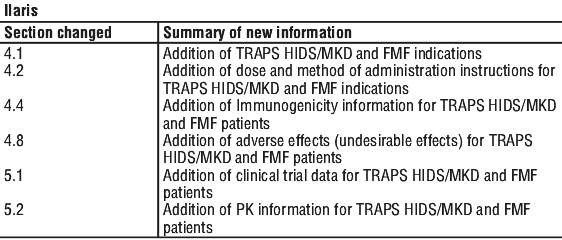
1 Name of Medicine

Active ingredient: Canakinumab.

2 Qualitative and Quantitative Composition

Canakinumab is a high-affinity human anti-human-IL-1β monoclonal antibody that belongs to the IgG1/κ isotype subclass. It is expressed in a murine myeloma SP2/0 cell line.

Powder for solution for injection.

Ilaris is a sterile, white, lyophilised powder that is reconstituted with water for injections and administered as a subcutaneous (SC) injection. A reconstituted single-use vial delivers 150 mg canakinumab per 1 mL.

Excipients.

Sucrose, L-histidine, L-histidine hydrochloride monohydrate, polysorbate 80, dilute hydrochloric acid.

Solution for injection.

Ilaris is a colourless to slightly brownish yellow solution, in a 2 mL colourless glass vial with grey rubber stopper and green flip off cap and administered as a SC injection.

Excipients.

Mannitol, L-histidine, L-histidine hydrochloride monohydrate, polysorbate 80, water for injection.

3 Pharmaceutical Form

Powder for solution for injection.
Solution for injection.

4 Clinical Particulars

4.1 Therapeutic Indications

Periodic fever syndromes.

Ilaris is indicated for the treatment of the following autoinflammatory periodic fever syndromes in adults, adolescents and children aged 2 years and older:

Cryopyrin-associated periodic syndromes.

Ilaris is indicated for the treatment of cryopyrin-associated periodic syndromes (CAPS), in adults and children aged 2 years or older including:
Familial cold autoinflammatory syndrome (FCAS)/familial cold urticaria (FCU);
Muckle-Wells syndrome (MWS);
Neonatal-onset multisystem inflammatory disease (NOMID)/chronic infantile neurological, cutaneous, articular syndrome (CINCA).

Tumour necrosis factor receptor associated periodic syndrome (TRAPS).

Ilaris is indicated for the treatment of tumour necrosis factor (TNF) receptor associated periodic syndrome (TRAPS).

Hyperimmunoglobulin D syndrome (HIDS)/mevalonate kinase deficiency (MKD).

Ilaris is indicated for the treatment of hyperimmunoglobulin D syndrome (HIDS)/mevalonate kinase deficiency (MKD).

Familial mediterranean fever (FMF).

Ilaris is indicated for the treatment of familial mediterranean fever (FMF). Ilaris should be given in combination with colchicine, if appropriate.
Ilaris is also indicated for the treatment of:

Systemic juvenile idiopathic arthritis (sJIA).

Ilaris is indicated for the treatment of active systemic juvenile idiopathic arthritis (sJIA) in patients aged 2 years or older.

4.2 Dose and Method of Administration

For CAPS, TRAPS, HIDS/MKD, FMF and sJIA, treatment should be initiated and supervised by a specialist physician experienced in the diagnosis and treatment of the relevant indication.

Dosage for CAPS.

The recommended starting dose of Ilaris for CAPS patients is:

Adults and children ≥ 4 years of age.

150 mg with body weight > 40 kg;
2 mg/kg with body weight ≥ 15 kg and ≤ 40 kg;
4 mg/kg with body weight ≥ 7.5 kg and < 15 kg.

Children 2 to < 4 years of age.

4 mg/kg for patients with body weight ≥ 7.5 kg.
This is administered every eight weeks as a single dose via subcutaneous injection.
For patients with a starting dose of 150 mg or 2 mg/kg, if a satisfactory clinical response (resolution of rash and other generalised inflammatory symptoms) has not been achieved 7 days after treatment start, a second dose of Ilaris at 150 mg or 2 mg/kg can be considered. If a full treatment response is subsequently achieved, the intensified dosing regimen of 300 mg or 4 mg/kg every 8 weeks should be maintained. If a satisfactory clinical response has not been achieved 7 days after this increased dose, a third dose of Ilaris at 300 mg or 4 mg/kg can be considered. If a full treatment response is subsequently achieved, maintaining the intensified dosing regimen of 600 mg or 8 mg/kg every 8 weeks should be considered.
For patients with a starting dose of 4 mg/kg, if a satisfactory clinical response has not been achieved 7 days after treatment start, a second dose of Ilaris 4 mg/kg can be considered. If a full treatment response is subsequently achieved, maintaining the intensified dosing regimen of 8 mg/kg every 8 weeks should be considered.
Clinical experience with dosing at intervals of less than 4 weeks or at doses above 600 mg or 8 mg/kg is limited.

Dosage for TRAPS, HIDS/MKD and FMF: adults, adolescents and children aged 2 years and older.

The recommended starting dose of Ilaris in TRAPS, HIDS/MKD and FMF patients is: 150 mg for patients with body weight > 40 kg;
2 mg/kg for patients with body weight ≥ 7.5 kg and ≤ 40 kg.
This is administered every four weeks as a single dose via subcutaneous injection.
If a satisfactory clinical response has not been achieved 7 days after treatment starts, a second dose of Ilaris at 150 mg or 2 mg/kg can be considered. If a full treatment response is subsequently achieved, the intensified dosing regimen of 300 mg (or 4 mg/kg for patients weighing ≤ 40 kg) every 4 weeks should be maintained.
Continued treatment with Ilaris in patients without clinical improvement should be reconsidered by the treating physician.

Dosage for sJIA.

Treatment should be initiated and supervised by a specialist physician experienced in the diagnosis and treatment of sJIA.
The recommended dose of Ilaris for sJIA patients with body weight ≥ 7.5 kg is 4 mg/kg (up to maximum of 300 mg) administered every four weeks via subcutaneous injection. The treating physician should consider whether patients without clinical improvement should continue treatment with Ilaris.

Special populations.

Paediatric use.

Ilaris is not indicated for use in children below age 2 years or with body weight below 7.5 kg. The safety and efficacy of Ilaris in CAPS, TRAPS, HIDS/MKD and FMF patients under two years of age have not been established. Limited data on CAPS patients under two years are available (see Section 5.2 Pharmacokinetic Properties, Pharmacokinetics in children).
The safety and efficacy of Ilaris in sJIA patients under 2 years of age have not been established. No recommendation on a dosage can be made.

Use in renal impairment.

Ilaris has not been studied in patients with renal impairment. However, clinical experience in such patients is limited.

Use in the elderly.

No dose adjustment is required in geriatric patients. However, clinical experience in such patients is limited.

Method of administration.

Subcutaneous injection.
After proper training in injection technique, patients or caregivers may inject Ilaris if their physician determines that it is appropriate and with medical follow-up as necessary.

Instructions for use and handling (powder for solution for injection).

Reconstitute each vial of Ilaris by slowly injecting 1.0 mL water for injections with a 1 mL syringe and a 18 G x 2" needle. Swirl the vial slowly at an angle of about 45° for approximately 1 minute and allow to stand for 5 minutes. Then gently turn the vial upside down and back again ten times. If possible, avoid touching the rubber stopper with your fingers. Allow to stand for about 15 minutes at room temperature to obtain a clear solution. Do not shake. Do not use if particles are present in the solution.
Tap the side of the vial to remove any residual liquid from the stopper. The solution should be essentially free of visible particles and clear to opalescent. The solution should be colourless or may have a slightly brownish-yellow tint. If not used within 60 minutes of reconstitution, the solution should be stored in the refrigerator (2°C to 8°C) and used within 24 hours.
Carefully withdraw the required volume depending on the dose to be administered and subcutaneously inject using a 27 G x 0.5" needle.
Injection into scar-tissue should be avoided as this may result to insufficient exposure to Ilaris.
Ilaris 150 mg/mL powder for injection is supplied in a single-use vial. Ilaris 150 mg/mL powder for injection is for single use in one patient only. Any unused product or waste material should be disposed of in accordance with local requirements.

Instructions for use and handling (solution for injection).

Ilaris 150 mg/1 mL solution for injection is supplied in a single-use vial for individual use. Any unused product or waste material should be disposed of in accordance with local requirements.
Let the vial stand unopened for 10 minutes to allow the contents to reach room temperature. Do not expose the vial to heat. The solution should be clear to opalescent and colourless or may have a slight brownish-yellow tint. Do not use if particles are present in the solution.
Carefully withdraw the required volume depending on the dose to be administered using an appropriate size needle and a 1 mL syringe and subcutaneously inject using a 27 G x 0.5" needle. Once the vial is pierced, use the solution immediately.
Injection into scar-tissue should be avoided as this may result in insufficient exposure to Ilaris.

4.3 Contraindications

Confirmed hypersensitivity to the active substance or to any of the excipients (see Section 4.4 Special Warnings and Precautions for Use; Section 4.8 Adverse Effects (Undesirable Effects)).

4.4 Special Warnings and Precautions for Use

Drug reaction with eosinophilia and systemic symptoms (DRESS).

Drug reaction with eosinophilia and systemic symptoms (DRESS) has rarely been reported in patients treated with Ilaris, predominantly in patients with systemic juvenile idiopathic arthritis (SJIA). Patients with DRESS may require hospitalisation, as this condition may be fatal. If signs and symptoms of DRESS are present and an alternative aetiology cannot be established, do not re-administer Ilaris, treat promptly and monitor until signs and symptoms resolve and a different treatment should be considered.

Infections.

Ilaris is associated with an increased incidence of serious infections. Physicians should exercise caution when administering Ilaris to patients with infections, a history of recurring infections or underlying conditions which may predispose them to infections. Treatment with Ilaris should not be initiated or continued in patients with active infection requiring medical intervention.
Infections, predominantly of the upper respiratory tract, in some instances serious, have been reported more frequently with Ilaris than with placebo treatment. All infections responded to standard therapy. In canakinumab-treated patients with serious and systemic infections, a physiological inflammatory response was maintained as evidenced by concomitant C-reactive protein (CRP) elevation and fever. A blunted inflammatory response to infections cannot be excluded and increased vigilance is therefore recommended. Isolated cases of unusual or opportunistic infections (including aspergillosis, atypical mycobacterial infections, herpes zoster) have been reported during Ilaris treatment. A causal relationship of Ilaris to these events cannot be excluded.
Concomitant use of Ilaris with tumour necrosis factor (TNF) inhibitors is not recommended because this may increase the risk of serious infections (see Section 4.5 Interactions with Other Medicines and Other Forms of Interactions).
In approximately 12% of CAPS patients tested with a PPD skin test in clinical trials, follow-up testing yielded a positive test result while treated with Ilaris without clinical evidence of a latent or active tuberculosis infection.
It is unknown whether the use of IL-1 inhibitors such as Ilaris increases the risk of reactivation of tuberculosis. Before initiation of therapy, all patients must be evaluated for both active and latent tuberculosis infection. Particularly in adult patients, this evaluation should include a detailed medical history and appropriate screening tests. Patients must be monitored closely for signs and symptoms of tuberculosis during and after treatment with Ilaris. In the event of conversion from a negative to a positive PPD test, especially in high-risk patients, alternative means of screening for a tuberculosis infection should be considered.

Malignancies.

Malignancy events have been reported in patients treated with Ilaris. The risk for the development of malignancies with anti-interleukin (IL)-1 therapy is unknown. A potential risk cannot be excluded in patients treated with Ilaris.

Hypersensitivity reactions.

Hypersensitivity reactions with Ilaris therapy have been reported. The majority of these events were mild in severity. During clinical development of Ilaris, no anaphylactoid or anaphylactic reactions have been reported. However, the risk for severe hypersensitivity reactions, which is not uncommon for injectable proteins, cannot be excluded (see Section 4.3 Contraindications; Section 4.8 Adverse Effects (Undesirable Effects)).

Vaccinations.

Live vaccines should not be given concurrently with Ilaris (see Section 4.5 Interactions with Other Medicines and Other Forms of Interactions).

Neutropenia and leukopenia.

Neutropenia (absolute neutrophil count [ANC] < 1.5 x 10⁹/L) and leukopenia have been observed with medicinal products that inhibit IL-1, including Ilaris (see Section 4.8 Adverse Effects (Undesirable Effects)). Treatment with Ilaris should not be initiated in patients with neutropenia or leukopenia. It is recommended that white blood cell (WBC) counts including neutrophil counts be assessed prior to initiating treatment and again after 1 to 2 months. For chronic or repeated therapies, it is also recommended to assess WBC counts periodically during treatment. If a patient becomes neutropenic or leukopenic, the WBC counts should be monitored closely and treatment discontinuation should be considered.

Use in hepatic impairment.

No dose adjustment is needed in patients with hepatic impairment. Transient and asymptomatic cases of elevations of serum transaminases or bilirubin have been reported in clinical trials (see Section 4.8 Adverse Effects (Undesirable Effects)).

Macrophage activation syndrome (in sJIA patients).

Macrophage activation syndrome (MAS) is a known, life-threatening disorder that may develop in patients with rheumatic conditions, in particular SJIA, and should be aggressively treated. Physicians should be attentive to symptoms of infection or worsening of SJIA, as these are known triggers for MAS. Based on clinical trial experience, Ilaris does not appear to increase the incidence of MAS in SJIA patients, but no definitive conclusion can be made.

Effects on laboratory tests.

Haematology.

During clinical trials with canakinumab mean values for haemoglobin increased and decreased for white blood cell, neutrophils and platelets.

Hepatic transaminases.

Elevations of transaminases have been observed rarely in CAPS patients.

Bilirubin.

Asymptomatic and mild elevations of serum bilirubin have been observed in CAPS patients treated with canakinumab without concomitant elevations of transaminases.

Immunogenicity.

No anaphylactic reactions were observed in patients treated with Ilaris.
Antibodies against Ilaris were observed in approximately 1.5% and 3% of the patients treated with Ilaris for CAPS and sJIA respectively. Most of the sJIA clinical studies employed a higher sensitivity bridging assay. No neutralizing antibodies were detected. No apparent correlation of antibody development to clinical response or adverse events was observed.
There were no antibodies against Ilaris observed in TRAPS, HIDS/MKD and FMF patients treated with doses of 150 mg and 300 mg over 16 weeks of treatment.

4.5 Interactions with Other Medicines and Other Forms of Interactions

Interactions between Ilaris and other medicinal products, including combinations with other biologics such as tocilizumab, have not been investigated in formal studies.
The expression of hepatic CYP450 enzymes may be suppressed by the cytokines that stimulate chronic inflammation, such as IL-1 beta. Thus, CYP450 expression may be normalised when potent cytokine inhibitory therapy, such as canakinumab, is introduced. This is clinically relevant for CYP450 substrates with a narrow therapeutic index where the dose is individually adjusted. On initiation of canakinumab in patients being treated with this type of medicinal product, therapeutic monitoring of the effect or of the active substance concentration should be performed and the individual dose of the medicinal product adjusted as necessary.
An increased incidence of serious infections has been associated with administration of another IL-1 blocker in combination with TNF inhibitors. Use of Ilaris with TNF inhibitors is not recommended because this may increase the risk of serious infections.
No data are available on either the effects of live vaccination or the secondary transmission of infection by live vaccines in patients receiving Ilaris. Therefore, live vaccines should not be given concurrently with Ilaris. It is recommended that, if possible, paediatric and adult patients should complete all immunisations in accordance with current immunisation guidelines prior to initiating Ilaris therapy.
The results of a study in healthy adult subjects demonstrated that a single dose of Ilaris 300 mg did not affect the induction of antibody responses after vaccination with influenza and glycosylated protein based meningococcus vaccines.
Limited data suggests that vaccination with non-live, standard of care childhood vaccinations results in protective levels of antibody.

4.6 Fertility, Pregnancy and Lactation

Effects on fertility.

Studies of the potential effect of Ilaris on human fertility have not been conducted.
Canakinumab had no effect on sperm motility and morphology in male marmoset (C. jacchus) at SC doses up to 113 times the clinical dose based on AUC. A murine anti-murine IL-1 beta antibody had no undesirable effects on fertility in male or female mice. The high dose (150 mg/kg) in the mouse study was in excess of the maximally effective dose in terms of IL-1 beta suppression and activity.
(Category B3)
There are no adequate and well-controlled studies of canakinumab in pregnant women or women of child-bearing potential. The risk for the foetus or mother is unknown because animal reproduction studies are not always predictive of the human response. Canakinumab should be given to a pregnant woman only if clearly needed.

Clinical consideration.

Monoclonal antibodies such as canakinumab actively cross the placenta and are detectable in the fetus, predominantly in the second and third trimesters of pregnancy. Based on limited human data, canakinumab levels were detected in cord and neonatal blood. The clinical impact of this is unknown. However, administration of live vaccines to newborn infants exposed to canakinumab in utero is not recommended for 16 weeks following the mother's last dose of Ilaris before childbirth.

Animal data.

Studies on embryofoetal development were performed in marmoset monkeys dosed with canakinumab and in mice dosed with a murine anti-murine IL-1 beta antibody. There was no evidence of maternal toxicity, embryo-toxicity or teratogenicity. In addition, canakinumab did not elicit adverse effects on fetal or neonatal growth when administered throughout late gestation. Pregnant marmosets dosed with canakinumab subcutaneously at doses of 15, 50 or 150 mg/kg twice weekly (13 to 129 times the human dose based on AUC) during organogenesis (gestation days 25 to 109) showed an increase in the incidence of incomplete ossification, misalignment and/or bipartite of the terminal caudal vertebra in fetuses at all dose levels.
No undesirable effects of a murine anti-murine IL-1 beta antibody were seen in a complete set of reproductive studies in mice. In addition, no effects on labor and delivery were observed. The high dose used in these studies was in excess of the maximally effective dose in terms of IL-1 beta suppression and activity. In mice subcutaneously administered the murine anti-murine IL-1 beta antibody at doses of 15, 50 or 150 mg/kg on gestation days 6, 11 and 17, the incidence of incomplete ossification of the parietal and frontal skull bones of fetuses was increased at all dose levels.
It is not known whether canakinumab is transferred into breast milk. There are no data on the effects of Ilaris on the breastfed child or milk production. Breast-feeding is not recommended during Ilaris therapy.
In a mouse study, a murine anti-murine IL-1 beta antibody at up to 150 mg/kg SC weekly administered to the dam during gestation and lactation had no effects on pup development. High serum levels of the antibody were detected in the pups.

4.7 Effects on Ability to Drive and Use Machines

The effects of this medicine on a person's ability to drive and use machines were not assessed as part of its registration.

4.8 Adverse Effects (Undesirable Effects)

Reporting suspected adverse effects.

Reporting suspected adverse reactions after registration of the medicinal product is important. It allows continued monitoring of the benefit-risk balance of the medicinal product. Healthcare professionals are asked to report any suspected adverse reactions at www.tga.gov.au/reporting-problems.
In blinded and open-label clinical trials in patients with CAPS and sJIA, the most frequently reported adverse drug reactions were infections predominantly of the upper respiratory tract. The majority of the events were mild to moderate although serious infections were observed. No impact on the type or frequency of adverse drug reactions was seen with longer-term treatment.
Hypersensitivity reactions have been reported in patients treated with Ilaris in clinical trials (see Section 4.3 Contraindications; Section 4.4 Special Warnings and Precautions for Use).
Opportunistic infections have been reported in patients treated with Ilaris (see Section 4.4 Special Warnings and Precautions for Use).

CAPS.

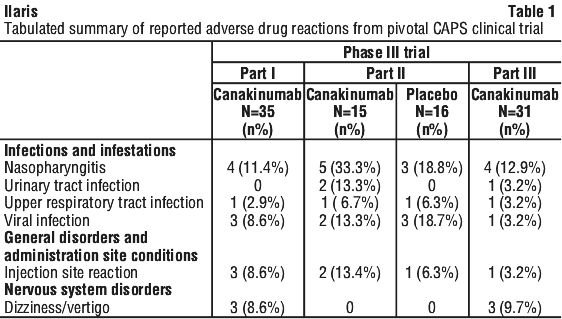
A total of 211 adult and paediatric CAPS patients (including FCAS/FCU, MWS, and NOMID/CINCA) have received Ilaris in clinical trials. The safety of canakinumab compared with placebo was investigated in a pivotal phase III trial that consisted of an 8-week, open-label period (part I), followed by a 24-week, randomised, double-blind and placebo-controlled withdrawal period (part II) and a 16-week open label period on canakinumab treatment (part III). All patients were treated with Ilaris 150 mg subcutaneous or 2 mg/kg if body weight was ≥ 15 kg and ≤ 40 kg. See Table 1.
In the long-term, open label studies with dose-escalation, events of infections (gastroenteritis, respiratory tract infection, and upper respiratory tract infection), vomiting and dizziness were more frequently reported in the 600 mg or 8 mg/kg dose group than in other dose groups.
TRAPS, HIDS/MKD and FMF.

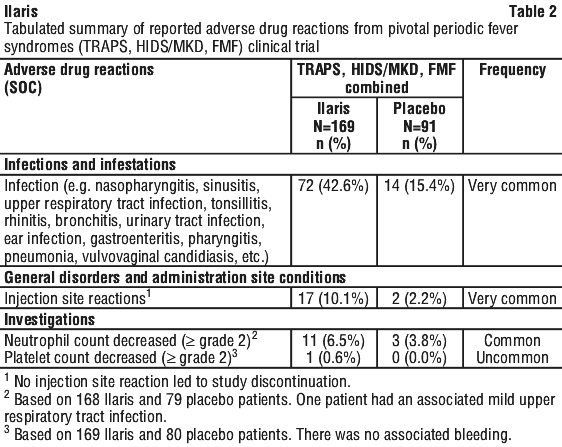
A total of 169 adult and pediatric TRAPS, HIDS/MKD, and FMF patients have received Ilaris in one pivotal phase III clinical trial that consisted of a 12-week screening period (part I), and a 16-week, randomized, double-blind, placebo-controlled treatment period (part II). Ilaris patients were treated with 150 mg subcutaneous or 2 mg/kg if body weight was ≤ 40 kg. The safety of Ilaris compared to placebo treated patients from the 16-week treatment period (part II) is shown in Table 2. Frequency categories are defined using the following convention: very common (≥ 1/10); common (≥ 1/100 to < 1/10); uncommon (≥ 1/1,000 to < 1/100); rare (≥ 1/10,000 to < 1/1,000); and very rare (< 1/10,000).

Paediatric population.

There were 80 paediatric patients with an age range from 2 years to 17 years in the CAPS studies. Overall, there were no clinically meaningful differences for the safety and tolerability profile of Ilaris in paediatric patients compared to the overall CAPS population (comprised of adult and paediatric patients, N=211) including the overall frequency and severity of infectious episodes. However, the risk of infection in younger children (aged < 11 years) is higher than in older children and adolescents. Infections of the upper respiratory tract were the most frequently reported infection events.
Additionally, 6 paediatric patients under the age of 2 years were evaluated in a small open-label clinical study. The safety profile of Ilaris appeared similar to that in patients aged 2 years and above.
There were 102 TRAPS, HIDS/MKD and FMF patients (2-17 years of age) who received canakinumab in a 16-week study. Overall, there were no clinically meaningful differences in the safety and tolerability profile of canakinumab in paediatric patients compared to the overall population.

sJIA.

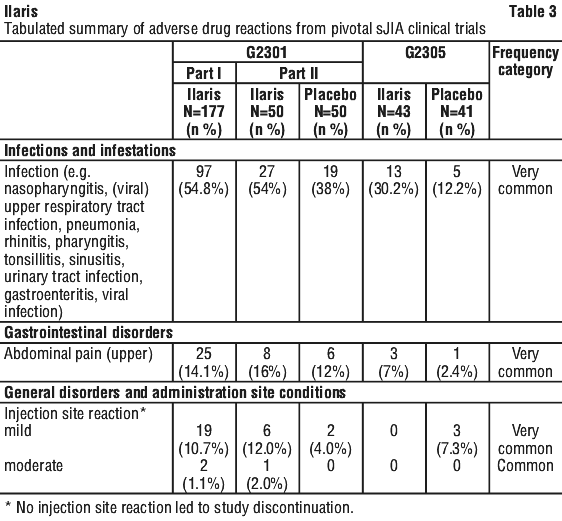
A total of 201 sJIA patients aged 2 to < 20 years have received Ilaris in clinical trials. The safety of Ilaris compared to placebo was investigated in two pivotal phase III studies (see Section 5.1 Pharmacodynamic Properties, Clinical trials).
Adverse reactions are listed according to MedDRA version 15.0 system organ class. Within each system organ class, the adverse drug reactions are ranked by frequency category with the most common first. Frequency categories are defined using the following convention: very common (≥ 1/10); common (≥ 1/100 to < 1/10); uncommon (≥ 1/1,000 to < 1/100); rare (≥ 1/10,000 to < 1/1,000); very rare (< 1/10,000); not known (cannot be estimated from the available data). Within each frequency grouping, adverse reactions are presented in order of decreasing seriousness. See Table 3.

Laboratory abnormalities (in sJIA).

Haematology. Decreased white blood cell counts (WBC) ≤ 0.8 x lower limit of normal (LLN) were reported in 5 patients (10.4%) in the Ilaris group compared to 2 (4.0%) in the placebo group.
Transient decreases in absolute neutrophils counts (ANC) to less than 1x10⁹/L were reported in 3 patients (6.0%) in the Ilaris group compared to 1 patient (2.0%) in the placebo group. One case of ANC counts < 0.5x10⁹/L was observed in the Ilaris group and none in the placebo group (see Section 4.4 Special Warnings and Precautions for Use).
Mild (< LLN and > 75x109/L) and transient decreases in platelet counts were observed in 3 (6.3%) Ilaris-treated patients versus 1 (2.0%) placebo-treated patient.
Hepatic transaminase.

ALT/AST.

High ALT and/or AST > 3 x upper limit of normal (ULN) were reported in 2 (4.1%) Ilaris-treated patients and 1 (2.0%) placebo patient. All patients had normal values at the next visit.

Laboratory abnormalities in TRAPS, HIDS/MKD and FMF patients.

Neutrophils.

Although ≥ grade 2 reductions in neutrophil count occurred in 6.5% of patients (common) and grade 1 reductions occurred in 9.5% of patients, the reductions are generally transient and neutropenia-associated infection has not been identified as an adverse reaction.

Platelets.

Although reductions in platelet count (≥ grade 2) occurred in 0.6% of patients, bleeding has not been identified as an adverse reaction. Mild and transient grade 1 reduction in platelets occurred in 15.9% of patients without any associated bleeding adverse events.

4.9 Overdose

There is limited experience with overdosage. In case of overdosage, it is recommended that the patient be monitored for any signs and symptoms of adverse reactions or effects and appropriate symptomatic treatment instituted as necessary.
For information on the management of overdose, contact the Poisons Information Centre on 13 11 26 (Australia).

5 Pharmacological Properties

Pharmacotherapeutic group, ATC.

Interleukin inhibitors; ATC code: L04AC08.

5.1 Pharmacodynamic Properties

Mechanism of action.

Canakinumab is a human monoclonal anti-human interleukin-1beta (IL-1beta) antibody of the IgG1/kappa isotype. Canakinumab binds with high affinity to human IL-1beta and neutralises the biological activity of human IL-1beta by blocking its interaction with IL-1 receptors, thereby preventing IL-1beta-induced gene activation and the production of inflammatory mediators such as interleukin-6 or cyclooxygenase-2. Canakinumab is therefore suited to treat diseases and pathologies characterised by local or systemic overproduction of IL-1beta.
Excess production of IL-1beta in inflammatory diseases leads to local or systemic inflammation, increased production of the inflammatory markers C-reactive protein (CRP) or serum amyloid A (SAA), and fever.

CAPS, TRAPS, HIDS/MKD and FMF.

Cryopyrin-associated periodic syndromes (CAPS), TRAPS, HIDS/MKD and FMF patients who have uncontrolled overproduction of IL-1beta (manifest as fever, fatigue, skin rash, arthritis, intense leukocytosis, high platelet count, and acute phase protein elevation) show a rapid and sustained response to therapy with canakinumab. Following canakinumab treatment, CRP and SAA levels, leukocytosis and high platelet count rapidly returned to normal.

sJIA.

Systemic juvenile idiopathic arthritis is a severe auto-inflammatory disease, driven by innate immunity by means of pro-inflammatory cytokines, a key one being interleukin 1beta (IL-1 β).
Common features of sJIA include fever, rash, hepatosplenomegaly, lymphadenopathy, polyserositis and arthritis. Treatment with canakinumab resulted in a rapid and sustained improvement of both the articular and the systemic features of sJIA with significant reduction of the number of inflamed joints, prompt resolution of fever and reduction of acute phase reactants in the majority of patients (see Section 5.1 Pharmacodynamic Properties, Clinical trials).

Clinical trials.

CAPS. The efficacy and safety of canakinumab have been demonstrated in patients with varying degrees of disease severity and different CAPS phenotypes including:
Familial cold autoinflammatory syndrome (FCAS)/familial cold urticaria (FCU);
Muckle-Wells syndrome (MWS) and;
Neonatal-onset multisystem inflammatory disease (NOMID)/chronic infantile neurological, cutaneous, articular syndrome (CINCA).
In the phase I/II study, treatment with canakinumab had a rapid onset, with disappearance or clinically significant improvement of symptoms within one day after dosing. Laboratory parameters such as high CRP and SAA, high neutrophils and platelet counts normalised rapidly within days of canakinumab injection.
The pivotal study consisted of a 48-week three-part multicentre study, i.e. a 8-week open-label period (part I), a 24-week randomised, double-blind, placebo-controlled withdrawal period (part II), followed by a 16-week open-label period (part III). The aim of the study was to assess efficacy, safety, and tolerability of canakinumab in patients with CAPS.
Part I: a complete clinical and biomarker response to canakinumab (defined as composite of: physician's global assessment on autoinflammatory and on skin disease ≤ minimal and CRP or SAA values < 10 mg/L) was observed in 97% of patients and appeared within 7 days of initiation of treatment. Significant improvements were seen in physician's clinical assessment of autoinflammatory disease activity: global assessment of autoinflammatory disease activity, assessment of skin disease (urticarial skin rash), arthralgia, myalgia, headache/migraine, conjunctivitis, fatigue/malaise, assessment of other related symptoms and patient's assessment of symptoms;
Part II: in the withdrawal period of the pivotal study, the primary endpoint was defined as disease relapse/flare: none (0%) of the patients randomised to canakinumab flared, compared with 81% of the patients randomised to placebo;
Part III: patients treated with placebo in Part II who entered the open-label extension on canakinumab, again showed a significant clinical and serological improvement of disease activity, comparable to patients continuously treated with canakinumab.
Two open-label, uncontrolled, long-term phase III studies were performed. One was a safety, tolerability, and efficacy study of canakinumab in patients with CAPS. The total treatment duration ranged from 6 months to 2 years. The other was an open-label study with canakinumab to evaluate the efficacy and safety in Japanese CAPS patients for 24 weeks with an extension phase up to 48 weeks. The primary objective was to assess the proportion of patients who were free of relapse at week 24 including those patients whose dose was increased.
In the pooled efficacy analysis for these two studies (n=185), 65.6% of patients who had not previously been treated with canakinumab achieved complete response at 150 mg or 2 mg/kg, while 85.2% of patients achieved complete response at any dose. Of the patients treated with 600 mg or 8 mg/kg (or even higher), 43.8% achieved complete response. Fewer patients aged 2 to < 4 years achieved complete response (57.1%) than older pediatric and adult patients. Of the patients who had achieved a complete response, 89.3% maintained response without relapsing.
Experience from individual patients who achieved a complete response following dose escalation to 600 mg (8 mg/kg) every eight weeks suggests that a higher dose may be beneficial in patients not achieving complete response or not maintaining complete response with the recommended doses (150 mg or 2 mg/kg for patients ≥ 15 kg and ≤ 40 kg). An increased dose was administered more frequently to patients aged 2 to < 4 years and patients with NOMID/CINCA symptoms compared with FCAS or MWS.
The CAPS trials with canakinumab included a total of 80 paediatric patients with an age range from 2 to 17 years. Overall, there were no clinically meaningful differences for the efficacy, safety and tolerability profile of canakinumab in paediatric patients compared to the overall CAPS population (comprised of adult and paediatric patients, N=211). The majority of paediatric patients achieved improvement in clinical symptoms and objective markers of inflammation (e.g. SAA and CRP).
Limited data suggests that vaccination with non-live, standard of care childhood vaccinations results in protective levels of antibody.
TRAPS, HIDS/MKD and FMF. The efficacy and safety of Ilaris for the treatment of TRAPS, HIDS/MKD and FMF were demonstrated in a single, pivotal, phase III, 4-part study (N2301) consisting of three separate disease cohorts.
Part I: patients in each disease cohort aged 2 years and older entered a 12-week screening period during which they were evaluated for the onset of disease flare;
Part II: patients at flare onset were randomised into a 16-week double-blind, placebo-controlled treatment period during which they received either 150 mg Ilaris (2 mg/kg for patients with body weight ≤ 40 kg) subcutaneous (s.c.) or placebo every 4 weeks. Patients > 28 days but < 2 years of age were allowed to enter the study directly into an open-arm of part II as non-randomised patients (and were excluded from the primary efficacy analysis);
Part III: patients who completed 16 weeks of treatment and were classified as responders were re-randomised into a 24-week, double-blind withdrawal period during which they received Ilaris 150 mg (2 mg/kg for patients ≤ 40 kg) s.c. or placebo every 8 weeks;
Part IV: all Part III patients treated with Ilaris were eligible to enter into a 72-week open-label treatment extension period.
A total of 185 patients aged 28 days and above were enrolled and a total of 181 patients aged 2 years and above were randomised in part II of the study.
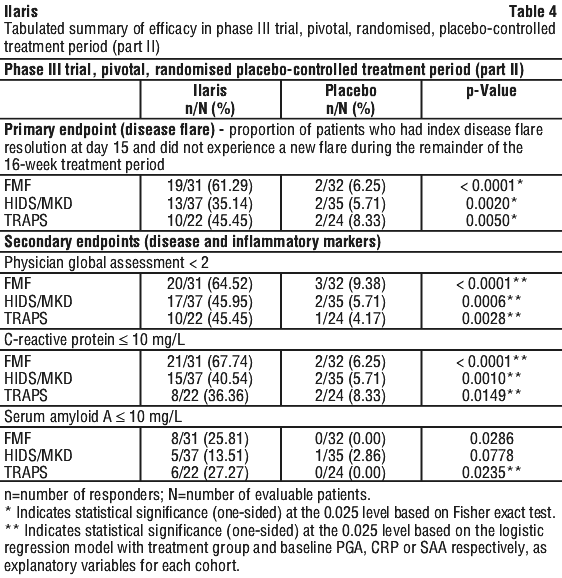
The primary efficacy endpoint of the randomised treatment period (part II) was the proportion of responders within each cohort who had resolution of their index disease flare at day 15 and did not experience a new flare during the remainder of the 16-week treatment period (defined as complete response). Resolution of the index disease flare was defined as having a physician's global assessment (PGA) of disease activity score < 2 ("minimal or no disease") and CRP within normal range (≤ 10 mg/L) or reduction ≥ 70% from baseline. A new flare was defined as a PGA score ≥ 2 ("mild, moderate, or severe disease") and CRP ≥ 30 mg/L. Secondary endpoints, all based on week 16 results (end of part II), included the proportion of patients who achieved a PGA score of < 2, the proportion of patients with serological remission (defined as CRP ≤ 10 mg/L), and the proportion of patients with a normalised SAA level (defined as SAA ≤ 10 mg/L).
For the primary efficacy endpoint, Ilaris was superior to placebo for all three disease cohorts. Ilaris also demonstrated superior efficacy compared to placebo on the secondary endpoints of PGA < 2 and CRP ≤ 10 mg/L in all three cohorts. Higher proportions of patients had normalised SAA (≤ 10 mg/L) at week 16 with Ilaris treatment compared to placebo in all three cohorts, with a statistically significant difference observed in TRAPS patients (see Table 4 with study results below).

Up-titration.

In part II of the study, patients treated with Ilaris who had persistent disease activity received an additional dose of 150 mg (or 2 mg/kg for patients ≤ 40 kg) within the first month. This additional dose could be provided as early as 7 days after the first treatment dose. All up-titrated patients remained at the increased dose of 300 mg (or 4 mg/kg for patients ≤ 40 kg) every 4 weeks.
In an exploratory analysis of the primary endpoint, it was observed that in patients with an inadequate response after the first dose, an up-titration within the first month to a dose of 300 mg (or 4 mg/kg) every 4 weeks further improved flare control, reduced disease activity and normalised CRP and SAA levels.

Paediatric patients.

Two non-randomised HIDS/MKD patients aged > 28 days but < 2 years were included in the study and received canakinumab. One patient had resolution of index flare by day 15 after receiving one single dose of canakinumab 2 mg/kg, but discontinued treatment after this first dose due to serious adverse events (pancytopenia and hepatic failure). This patient presented at study entry with a history of immune thrombocytopenic purpura and an active medical condition of abnormal hepatic function. The second patient received a starting dose of canakinumab 2 mg/kg and an add-on dose of 2 mg/kg at week 3, and was up-titrated at week 5 to receive a dose of 4 mg/kg administered every 4 weeks until the end of Part II of the study. Resolution of disease flare was achieved by week 5 and the patient had not experienced any new flare at the end of part II of the study (week 16).
sJIA. The efficacy of Ilaris for the treatment of active sJIA was assessed in two pivotal phase III studies (G2305 and G2301). Patients enrolled were aged 2 to < 20 years (mean age at baseline: 8.5 years) with a confirmed diagnosis of sJIA at least 2 months before enrolment (mean disease duration at baseline: 3.5 years). Patients had active disease defined as ≥ 2 joints with active arthritis (mean number of active joints at baseline: 15.4), documented spiking, intermittent fever (body temperature > 38°C) for at least 1 day within 1 week before study drug administration, and CRP >30 mg/L (normal range < 10 mg/L) (mean CRP at baseline: 200.5 mg/L). Patients were allowed to continue their stable dose of methotrexate, corticosteroids, and/or NSAIDs without change, except for tapering of the corticosteroid dose as per study design in Study G2301.

Study G2305.

Study G2305 was a randomised, double-blind, placebo-controlled, single-dose 4-week study assessing the short term efficacy of Ilaris in 84 patients randomised to receive a single subcutaneous (s.c.) dose of 4 mg/kg Ilaris or placebo (43 patients received Ilaris and 41 patients received placebo). The primary objective of this study was to demonstrate the superiority of Ilaris versus placebo in the proportion of patients who achieved at least 30% improvement in an adapted paediatric American College of Rheumatology (ACR) response criterion which included both the paediatric ACR core set (ACR30 response) and absence of fever (temperature ≤ 38°C in the preceding 7 days) at day 15. Additionally, "inactive disease" (defined as no active arthritis, no fever, no rash, no serositis, no hepatomegaly or lymphadenopathy attributable to sJIA, normal CRP, and physician global assessment indicating no disease activity) was evaluated.
Paediatric ACR responses are defined as the percentage improvement (30%, 50%, 70%, 90%, and 100%) from baseline in 3 of any 6 core outcome variables, with worsening of ≥ 30% in no more than one of the remaining variables. Core outcome variables included a physician global assessment of disease activity, parent or patient global assessment of wellbeing, number of joints with active arthritis, number of joints with limited range of motion, CRP and functional ability (Childhood Health Assessment Questionnaire - CHAQ).
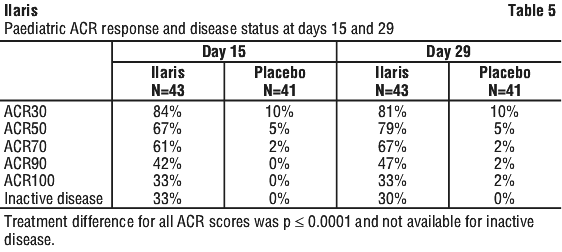
All primary and secondary endpoints were met. Percentage of patients by paediatric ACR response and inactive disease are presented in Table 5.
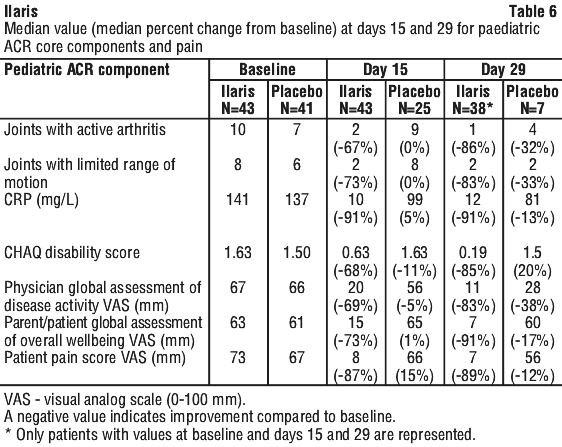
Ilaris treatment improved components of paediatric ACR core set as compared to placebo at Days 15 and 29 (Table 6). All patients treated with Ilaris had no fever at day 3 compared to 86.8% of patients treated with placebo (p=0.0098).
No patient in Study G2305 discontinued because of an adverse event.
Study G2301.

Study G2301 was a randomized, double-blind, placebo-controlled withdrawal study of flare prevention by Ilaris in patients with active sJIA. Flare events were defined as reappearance of fever > 38°C for at least 2 consecutive days not due to infections and/or all JIA paediatric flare criteria (≥ 30% worsening in at least 3 of 6 response variables; not more than 1 of 6 response variable improving by ≥ 30%; ≥ 20 mm VAS for overall well-being if physician or parent global assessment is measured; worsening in ≥ 2 joints; CRP > 30 mg/L).
The study consisted of two major parts with two independent primary endpoints. 177 patients were enrolled in the study and received 4 mg/kg s.c. Ilaris every 4 weeks for up to 32 weeks (median 16 weeks) in part I, and either s.c. Ilaris 4 mg/kg or placebo every 4 weeks in part II. The study was stopped when the 37 flare events had occurred in part II.
In part I, a total of 77/177 patients (44%) discontinued the study, with the most frequently reported reasons being a lack of response to therapy by day 29 (34 patients, 19%) or inability to successfully reduce their corticosteroid dose (24 patients, 14%). A total of 48 of the 77 patients who discontinued in part I enrolled into a long term extension trial to continue treatment with Ilaris.

Corticosteroid dose tapering.

Part I had an open-label design to assess whether Ilaris allowed successful tapering of corticosteroids in at least 25% of the patients entering the study using a corticosteroid. The primary endpoint of part I was met. Of the 128 patients who entered the study taking corticosteroids, 57 (45%) successfully tapered the corticosteroid dose (p < 0.0001) and 42 (33%) discontinued their corticosteroids. Of the 92 patients who attempted corticosteroid tapering, 57 (62%) successfully tapered the corticosteroid dose, 42 (46%) discontinued corticosteroids, 24 (26%) patients still on corticosteroids had the dose reduced to ≤ 0.2 mg/kg/day (prednisone equivalent). Successful corticosteroid dose taperers reduced their mean corticosteroid dose from 0.34 mg/kg/day prednisone equivalent at baseline to 0.05 mg/kg/day representing a mean 90% dose reduction. For patients attempting corticosteroid dose reduction who entered with a prednisone equivalent dose of ≥ 0.5 mg/kg/day (N=28), 15 (54%) had their dose reduced by at least 0.3 mg/kg which resulted in a prednisone equivalent dose of ≤ 0.5 mg/kg/day, including 7 (25%) who discontinued corticosteroids.

Time to flare.

Part II was an event-driven withdrawal design to demonstrate that the time to flare was longer with Ilaris than with placebo. The primary endpoint of part II was met after a median duration to flare of 31.6 weeks with canakinumab and 23.4 weeks with placebo. The probability of experiencing a flare in part II was statistically lower for the Ilaris treatment group than for the placebo group. The median time to flare was 236 days for the placebo group and could not be determined for the Ilaris group because less than 50% of the patients treated with Ilaris experienced a flare event over the observation period (maximum of > 80 weeks). This corresponded to a statistically significant 64% relative reduced risk for patients in the Ilaris group to experience a flare event as compared to those in the placebo group (hazard ratio of 0.36; 95% CI: 0.17 to 0.75; p = 0.0032).
In part II, 37 patients discontinued the study: 11/50 patients on canakinumab and 20/50 patients on placebo discontinued due to unsatisfactory therapeutic effect which occurred between day 113 and day 398. Four patients on placebo and none (0) on canakinumab discontinued due to an adverse event.

Paediatric adapted ACR response and paediatric ACR core components.

Improvements in the paediatric ACR responses and in each of the paediatric ACR core components observed in Study G2305 (Table 5 and Table 6) were similarly observed during open-label Ilaris treatment in part I of G2301.
Nearly all (139/141, 98.6%) the patients treated with Ilaris had no fever at day 3. In 46 of the 120 patients (38.3%) who entered the study with a low haemoglobin the level had increased to within the normal range at their last visit of part I.

Health-related and quality of life outcomes in studies G2305 and G2301.

Treatment with Ilaris resulted in rapid, and clinically relevant improvements in patients' quality of life and daily functioning.
In the open-label Study G2305, statistically significant improvement from baseline in the CHAQ score for patients treated with Ilaris versus placebo (p = 0.0002) was observed, with an estimated difference of the LS means between the treatment groups of -0.69 representing 3.6 times the minimal clinically important difference (MCID) of -0.19. Statistically significant improvements were also observed with Ilaris on the CHQ-PF50 physical health score and CHQ-PF50 psychosocial health score with an estimated difference in LS means between the Ilaris and placebo treatment groups of 12.1 (p = 0.0012) and 7.3 (p = 0.0017), respectively.
Similar improvements in the CHAQ score and each of the CHQ-PF50 health scores observed in Study G2305 were observed during the open-label Ilaris treatment in part I of Study G2301. The median improvement from baseline to end of part I for the CHAQ score was -0.88 (-79%), 21.8 (+74%) for the CHQ-PF50 physical health score, and 8.2 (+22%) for the CHQ-PF50 psychosocial health score.

Long-term data.

147 patients entered a long-term extension trial and received 4 mg/kg open label Ilaris every 4 weeks. Patients who were strong responders and who did not require a concomitant corticosteroid were allowed to reduce their Ilaris dose to 2 mg/kg every 4 weeks.
At the time of the interim results, 25 patients who had a strong ACR response for a minimum of 5 months reduced their Ilaris doe to 2 mg/kg every 4 weeks and maintained a paediatric ACR 100 response throughout the time the reduced dose was given (median 32 weeks, range 8-124 weeks).
Interim results with a median 49 weeks of follow-up showed that of the 40 patients (27%) who entered the study as non-responders (< paediatric ACR30), 58% (23/40) were able to regain and maintain a minimum paediatric ACR30 response. The remaining 107 patients (73%) entered the study as responders (≥ paediatric ACR30) and of these, 94 % (101/107) maintained their responder status and 6% (6/107) lost it (< paediatric ACR30) at the time of the interim analysis. Seventy six (52%) of the 147 patients who entered the study had inactive disease at the time of the interim analysis. Furthermore, 43% (17/40) of patients who were not successful in tapering their corticosteroid dose in Study G2301 were successful in this study including 10/40 (25%) patients who were able to discontinue their corticosteroids.

Incidence of macrophage activation syndrome (MAS).

Eleven cases of MAS were observed in 201 sJIA patients treated with canakinumab in clinical trials (see Section 4.4 Special Warnings and Precautions for Use).

5.2 Pharmacokinetic Properties

Absorption.

The peak serum canakinumab concentration (Cmax) occurred approximately 7 days following single subcutaneous administration of 150 mg in adult CAPS patients. The mean terminal half-life was 26 days. Based on a population pharmacokinetic analysis in the CAPS population including children from 2 years of age, the absolute bioavailability of subcutaneous administration of canakinumab was estimated to be 66%. Exposure parameters (such as AUC and Cmax) increased in proportion to dose over the dose range of 0.30 to 10.0 mg/kg given as intravenous infusion or from 150 to 600 mg as subcutaneous injection.

Distribution.

Canakinumab binds to serum IL-1β. The distribution volume (Vss) of canakinumab varied according to body weight. It was estimated to be 6.2 litres in a CAPS patient of body weight 70 kg, 3.2 litres in a SJIA patient of body weight 33 kg. The expected accumulation ratio was 1.3-fold and 1.6-fold following 6 months of subcutaneous administration of 150 mg canakinumab every 8 weeks and 4 mg/kg every 4 weeks respectively (see Section 4.2 Dose and Method of Administration).

Excretion.

The clearance (CL) of canakinumab varied according to body weight and were estimated to be 0.17 L/day in a CAPS patient of body weight 70 kg, and 0.11 L/day in a sJIA patient of body weight 33 kg. After accounting for body weight differences, no clinically significant differences in the pharmacokinetic properties of canakinumab were observed between CAPS and sJIA patients.
There was no indication of accelerated clearance or time-dependent change in the pharmacokinetic properties of canakinumab following repeated administration. No gender or age-related pharmacokinetic differences were observed after correction for body weight.

TRAPS, HIDS/MKD and FMF.

Bioavailability in TRAPS, HIDS/MKD and FMF patients has not been determined independently. Apparent clearance (CL/F) in the TRAPS, HIDS/MKD and FMF population at body weight of 55 kg (0.14 L/d) was comparable to CAPS population at body weight of 70 kg (0.17 L/d). The apparent volume of distribution (V/F) was 4.96 L at body weight of 55 kg.
After repeated subcutaneous administration of 150 mg every 4 weeks, canakinumab minimal concentration at week 16 (Cmin) was estimated to be 15.4 ± 6.6 microgram/mL. The estimated steady state AUCtau was 636.7 ± 260.2 microgram*d/mL.

Pharmacokinetics in children.

Peak concentrations of canakinumab occurred between 2 to 7 days following single subcutaneous administration of canakinumab 150 mg or 2 mg/kg in paediatric patients 4 years of age and older. The terminal half-life ranged from 22.9 to 25.7 days, similar to the pharmacokinetic properties observed in adults.
Based on the population PK modeling analysis, the pharmacokinetics of canakinumab in children 2 to < 4 years of age were similar to patients 4 years of age and older. An additional pharmacokinetics analysis showed that the pharmacokinetics of canakinumab in 6 paediatric CAPS patients under the age of 2 years were similar to the pharmacokinetics in paediatric patients 2-4 years of age.
Based on the population pharmacokinetic modelling analysis, the expected exposures after a dose of 2 mg/kg were comparable across the CAPS paediatric age groups, but were approximately 40% lower in paediatric patients of very low body weight (e.g. 10 kg) than in adult patients (150 mg dose). This is consistent with the observations of higher exposure in higher body weight groups in CAPS patients. Pharmacokinetic properties are similar in CAPS and sJIA paediatric populations.
In sJIA, exposure parameters (such as AUC and Cmax) were comparable across age groups from 2 to < 20 years following subcutaneous administration of canakinumab 4 mg/kg every 4 weeks.

5.3 Preclinical Safety Data

Genotoxicity.

Genotoxicity studies have not been conducted with canakinumab.

Carcinogenicity.

Carcinogenicity studies have not been conducted with canakinumab.

6 Pharmaceutical Particulars

6.1 List of Excipients

See Section 2 Qualitative and Quantitative Composition.

6.2 Incompatibilities

Incompatibilities were either not assessed or not identified as part of the registration of this medicine.

6.3 Shelf Life

In Australia, information on the shelf life can be found on the public summary of the Australian Register of Therapeutic Goods (ARTG). The expiry date can be found on the packaging.

6.4 Special Precautions for Storage

Store at 2° to 8°C. Refrigerate. Do not freeze. Protect from light.

6.5 Nature and Contents of Container

Powder for solution for injection.

Packs containing 1 or 4 vials of 150 mg sterile, lyophilised powder.

Solution for injection.

1 vial of 150 mg/mL solution for injection.

6.6 Special Precautions for Disposal

In Australia, any unused medicine or waste material should be disposed of in accordance with local requirements.

6.7 Physicochemical Properties

Chemical structure.

Structure: canakinumab comprises two 447(or 448)-residue heavy chains and two 214-residue light chains.
Molecular weight: approximately 145.157 kDa.
Chemical name: immunoglobulin G1, anti-(human interleukin-1beta (IL-1β)) human monoclonal ACZ885; (1Glu > Glp)-γ1 heavy chain (221-214')-disulfide with kappa light chain, dimer (227-227":230-230")-bisdisulfide.

CAS number.

402710-25-2 (variable heavy γ1 chain).
402710-27-4 (variable light κ chain).

7 Medicine Schedule (Poisons Standard)

Schedule 4 - Prescription Only Medicine.

Summary Table of Changes