
Consumer medicine information

Increlex

Mecasermin

BRAND INFORMATION

Brand name

Increlex

Active ingredient

Mecasermin

Schedule

S4


Consumer medicine information (CMI) leaflet

Please read this leaflet carefully before you start using Increlex.

What is in this leaflet

This leaflet answers some common questions about INCRELEX. It does not contain all the available information. It does not take the place of talking to your child's doctor or pharmacist.

All medicines have risks and benefits. Your child's doctor has weighed the risks of them being given INCRELEX against the benefits they expect it will have.

If you have any concerns about your child being given this medicine, ask your child's doctor or pharmacist.

Keep this leaflet with the medicine. You may need to read it again.

What INCRELEX is used for

INCRELEX is a solution for injection that contains mecasermin which is a synthetic insulin-like growth factor-1 (IGF 1), which is similar to the IGF 1 made by your body.

It is used to treat children and adolescents from 2 to 18 years old who are very short for their age because their bodies do not make enough IGF 1. This condition is called primary IGF 1 deficiency.

Ask your doctor if you have any questions about why this medicine has been prescribed for your child. Your child's doctor may have prescribed it for another reason.

This medicine is available only with a doctor's prescription.

There is not enough information to recommend the use of this medicine for children under the age of 2 years.

Before giving INCRELEX

When your child must not be given it

Do not give INCRELEX if your child:

  • currently has any tumour or growth, either cancerous or non-cancerous
  • have had cancer in the past
  • has any conditions which may increase the risk of cancer.

There is an increased risk of tumours and growths (both cancerous and non-cancerous) in children and adolescents treated with INCRELEX. If any new growth, skin lesion or symptom of cancer occurs during treatment or after treatment tell your child's doctor immediately.

Do not give INCRELEX to premature babies or newborns because it contains benzyl alcohol. Benzyl alcohol can cause toxic or allergic reactions in premature babies or newborns.

Do not give INCRELEX if your child has an allergy to:

  • The active ingredient, mecasermin
  • any of the ingredients listed at the end of this leaflet.

Some of the symptoms of an allergic reaction may include:

  • shortness of breath
  • wheezing or difficulty breathing
  • swelling of the face, lips, tongue or other parts of the body
  • rash, itching or hives on the skin

Do not give INCRELEX to your child if they have finished growing (the bone growth plates are closed). In this case INCRELEX cannot help them grow and should not be used. Your child's doctor will advise you of this.

Do not use this medicine if your child is pregnant. It may affect the developing baby if used during pregnancy.

Do not breast-feed while being given this medicine. It is not known if the active ingredient in INCRELEX (mecasermin) will pass into breast milk and it is not known if it will affect the baby.

Do not give this medicine to a child under the age of 2 years. Safety and effectiveness in children younger than 2 years have not been established.

Do not give this medicine after the expiry date printed on the pack or if the packaging is torn or shows signs of tampering. If it has expired or is damaged, return it to your pharmacist for disposal.

If you are not sure whether your child should start taking this medicine, talk to your child's doctor.

Before giving it

Tell your doctor if your child has allergies to any other medicines, foods, preservatives or dyes.

Tell your child's doctor if they have or have had any of the following medical conditions:

  • if they have a curved spine (scoliosis).
  • if they develop a limp or hip or knee pain
  • if they have enlarged tonsils (tonsillar hypertrophy).
  • if they have symptoms of increased pressure in the brain (intracranial hypertension), such as visual changes, headache, nausea and/or vomiting.
  • if they have a localised reaction at the injection site or generalised allergic reaction with INCRELEX from a previous injection.

Tell your child's doctor if they are pregnant or plan to become pregnant or are breast-feeding. If they are pregnant or breast-feeding or think they may be pregnant or are planning to have a baby, ask your child's doctor for advice before using this medicine.

A negative pregnancy test is recommended for all women of child bearing potential prior to treatment with INCRELEX. It is also recommended that all women of childbearing potential use adequate contraception during treatment.

Mecasermin therapy should be discontinued if pregnancy occurs.

Mecasermin should not be administered to a breast-feeding mother.

If you have not told your child's doctor about any of the above, tell them before giving them INCRELEX.

Before starting treatment with INCRELEX, your child's doctor will check the function of your child's heart via ultrasound (echocardiogram).

Taking other medicines

Tell your child's doctor or pharmacist if they are taking any other medicines, including any that you get without a prescription from your pharmacy, supermarket or health food shop.

Some medicines and INCRELEX may interfere with each other. These include:

  • insulin or other anti-diabetes medicines. A dose adjustment may be needed for these medicines.

These medicines may be affected by INCRELEX or may affect how well it works. Your child may need different amounts of their medicines, or they may need to take different medicines.

Your child's doctor and pharmacist have more information on medicines to be careful with or avoid while being given this medicine.

How to give INCRELEX

Follow all directions given to you by your child's doctor or pharmacist carefully. Always give this medicine exactly as they have told you. Their instructions may differ from the information contained in this leaflet.

If you do not understand the instructions, ask your child's doctor or pharmacist for help.

How much to give

Your child's doctor or pharmacist will tell you how much to give.

The typical dose is 0.08 to 0.12 mg/kg of patient weight administered twice a day. See the 'Instructions for Use' at the end of this leaflet.

How to give it

Inject INCRELEX just under your child's skin.

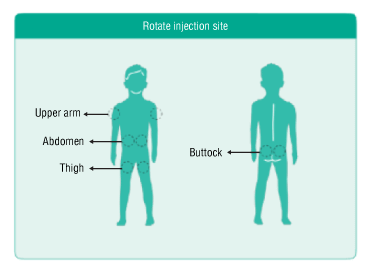
Inject INCRELEX just below the skin in your child's upper arm, upper leg (thigh), stomach area (abdomen), or buttocks. Never inject it into a vein or muscle. Change the injection site for each injection.

Only give INCRELEX that is clear to slightly cloudy and colourless to slightly yellow.

Treatment with mecasermin is a long-term therapy. For further information ask your child's doctor.

INCRELEX is for use in one patient only.

When to give it

Give INCRELEX at about the same time each day. Giving it at the same time each day will have the best effect. It will also help you to remember when to give it.

Give INCRELEX shortly before or after a meal or snack (within 20 minutes) because it may cause low blood sugar levels.

If an INCRELEX dose cannot be given shortly before or just after a meal, that dose should not be given. The following dose should be the usual one and not doubled to make up for the missed dose

Do not inject the dose of INCRELEX if your child cannot eat for any reason.

Until your child’s doctor advises otherwise, vigorous physical activity should be avoided for 2-3 hours after the injection. If physical activity takes place after breakfast, a snack should be taken.

How long to give it

Continue giving the medicine for as long as your child's doctor tells you.

Treatment with mecasermin is a long-term therapy. For further information ask your child's doctor.

If you forget to give it

Do not make up the missed dose by giving two doses the next time. The next dose should be given as usual, with a meal or snack.

If you are not sure what to do, ask your child's doctor or pharmacist.

If you have trouble remembering to give the medicine, ask your pharmacist for some hints.

If you give too much (overdose)

Immediately telephone your child's doctor or the Poisons Information Centre (telephone 13 11 26) for advice, or take your child to Accident and Emergency at the nearest hospital, if you think that your child or anyone else may have been given too much INCRELEX. Do this even if there are no signs of discomfort or poisoning. Your child may need urgent medical attention.

Symptoms of an overdose may include low blood sugar levels.

While being given INCRELEX

Things you must do

If you are about to be give your child any new medicine, remind your child's doctor and pharmacist that you are using INCRELEX.

Tell any other doctors, dentists, and pharmacists who treat your child that they are being given this medicine.

If they are going to have surgery, tell the surgeon or anaesthetist that your child is being given this medicine. It may affect other medicines used during surgery.

Hypoglycaemia

Hypoglycaemia is the medical name for a low blood sugar level. INCRELEX is related to insulin, a naturally occurring hormone in the body that decreases blood sugar levels so, INCRELEX can affect blood sugar levels. As a result, hypoglycaemia is a possible side effect of INCRELEX therapy.

Hypoglycaemia is one of the most common side effects and can happen when the correct dose is given.

If hypoglycaemia does occur, it is usually in the first month of treatment and the problem lessens as treatment goes on.

It is recommended that the blood glucose levels of your child should be regularly monitored. The blood glucose monitoring of your child is recommended at the start of treatment, when their dose is increased or decreased, when they are not taking enough food or if they are unwell and suffering from any other disease. Discuss the need for blood glucose monitoring for your child with their doctor.

It is important that you read all of this leaflet and any other information provided by your child's doctor about hypoglycaemia to minimise the risks of it occurring.

Make sure that you, your child, friends, family, your child's teachers and other carers can recognise the symptoms of hypoglycaemia and know how to treat them. Hypoglycaemia can occur suddenly.

Two of the most important risk factors for hypoglycaemia are:

  • Not eating enough e.g. delaying or missing meals
  • Physical exercise without eating sufficiently

Symptoms of hypoglycaemia may include:

  • Dizziness
  • Tiredness
  • Restlessness
  • Irritability
  • Hunger
  • Trouble concentrating
  • Sweating
  • Nausea
  • Fast or irregular heartbeats

In younger children, the most important symptoms to look out for are your child becoming pale, stopping playing and remaining seated, or becoming sleepy.

If the hypoglycaemia is severe, your child may have reduced consciousness or have convulsions.

Symptoms of hypoglycaemia that occur during the night can be: restlessness, anxiety or excitability, nightmares, bed wetting, or tiredness in the morning

If your child experiences any of the symptoms of hypoglycaemia, you need to raise their blood glucose levels.

You can do this by giving your child one of the following:

  • 5 to 7 jelly beans
  • 3 teaspoons of sugar or honey
  • half a can of non-diet soft drink
  • 2 to 3 concentrated glucose tablets or glucose gel.

Unless your child is within 20 minutes of their next meal or snack, follow up with extra carbohydrates such as plain biscuits, fruit or milk.

It is important to keep snacks available, especially for younger children, and to teach them to eat as soon as they feel hungry. If hypoglycaemia occurs despite adequate food intake you should tell your child’s doctor, who may reduce the dose of INCRELEX.

In very rare cases, severe hypoglycaemia can occur. Should it occur, your child may not be conscious enough to swallow. In such cases, you should not try to give your child anything to eat or drink, but instead, you should give an injection of glucagon. Glucagon raises blood sugar levels when injected. Your doctor may show you how to use glucagon, in case you need to give it to your child

Tell your child's doctor about all of the occasions when hypoglycaemia may have occurred since your last visit. Keeping a record may help with this.

Intracranial Hypertension (Increased Pressure in the Brain)

High pressure in fluid around the brain (intracranial hypertension) can occur in some patients receiving INCRELEX treatment. Increased pressure in the brain may be caused by one of several factors other than treatment with INCRELEX. Therefore, if your child experiences the symptoms of increased pressure in the brain, which include severe headache, pain behind the eyes or visual changes such as blurred vision with nausea and vomiting, it is important to determine the reason for these symptoms.

It is important to tell your doctor if your child has an unexplained, severe, persistent headache or visual disturbance. By examining your child’s eyes, your doctor can confirm whether or not your child has increased pressure in their brain. Your doctor may then perform further tests to determine the cause of these symptoms and may adjust the dose of INCRELEX or stop treatment if necessary. It may be possible to restart treatment after the symptoms disappear.

Lipohypertrophy (increase in fat under the skin)

INCRELEX must be given using a different site at every injection, usually the stomach, thigh, buttocks or upper arm, to avoid an increase in fat tissue, also known as lipohypertrophy, around the area you inject. It is very important to be careful to rotate the injection sites, as lipohypertrophy will stop INCRELEX being absorbed into the body, and it will therefore not be effective. See the instructions for administration at the end of this leaflet for more information.

If your child becomes pregnant while taking this medicine, tell their doctor immediately.

If your child is about to have any blood tests, tell their doctor that they are being given this medicine. It may interfere with the results of some tests.

Keep all of your child's doctor's appointments so that their progress can be checked. Your child's doctor may do some tests from time to time to make sure the medicine is working and to prevent unwanted side effects.

If your child has or develops scoliosis (sideways curvature of the spine caused by rapid growth), your child's doctor should monitor its progression.

Your child should have periodic examinations by their doctor for enlarged tonsils.

Your child's doctor will also continue to monitor their heart function (echocardiogram) during treatment and if treatment is stopped.

It is recommended that your child's doctor perform a skin check at before starting treatment and regularly during treatment to check for lesions growths or coloured patches on the skin such as birthmarks or moles.

Things you must not do

Do not give INCRELEX to treat any other complaints unless your child's doctor tells you to.

Do not give your child's medicine to anyone else, even if they have the same condition.

Do not stop giving their medicine or lower the dosage without checking with your child's doctor. A disruption or early ending of treatment with mecasermin may impair the success of the growth therapy. Please ask your child's doctor for advice before stopping the treatment.

Things to be careful of

Your child should be careful driving or operating machinery until you know how INCRELEX affects them. Mecasermin may cause low blood sugar levels (hypoglycaemia) that may affect their ability to drive and use machines because their ability to concentrate or react may be reduced. Other side effects of INCRELEX include dizziness and convulsions which could also affect their ability to drive or use machines.

They should avoid engaging in any high-risk activities (such as driving or operating machinery) within 2-3 hours after dosing, particularly at the start of INCRELEX treatment, until a dose has been found which does not cause side effects that make these activities risky.

Children should be careful when riding bicycles or climbing trees.

Side effects

Tell your child's doctor or pharmacist as soon as possible if they do not feel well while they are being given INCRELEX.

This medicine helps most people with primary IGF 1 deficiency, but it may have unwanted side effects in a few people. All medicines can have side effects. Sometimes they are serious, most of the time they are not. Your child may need medical attention if they get some of the side effects.

Do not be alarmed by the following lists of side effects. Your child may not experience any of them.

Ask your child's doctor or pharmacist to answer any questions you may have.

Tell your child's doctor or pharmacist if you notice any of the following and they worry you:

  • signs of low blood sugar (hypoglycaemia) such as: dizziness, tiredness, restlessness, hunger, irritability, trouble concentrating, sweating, nausea, fast or irregular heartbeats
  • injection site reactions such as: pain, irritation, bleeding, bruising, redness, hardening, swelling
  • pain in the upper belly
  • joint pain, pain in limbs
  • headache
  • dizziness, tremors
  • breast enlargement
  • skin thickening, moles, abnormal hair texture
  • weight increase

The above list includes the more common side effects of the medicine. They are usually mild and short-lived.

Tell your child's doctor or pharmacist as soon as possible if you notice any of the following:

  • increased blood sugar levels
  • infection (especially in the middle ear)
  • hearing loss, ear pain
  • enlarged tonsils/adenoids, snoring, difficulty breathing or swallowing, sleep apnoea (a condition where breathing stops briefly during sleep), infections of the ear, excessive daytime sleepiness

If any of the following happen, tell your child's doctor immediately or take them to Accident and Emergency at your nearest hospital:

  • seizures/fits, becoming unconscious. These are signs of severe low blood sugar levels (hypoglycaemia), if they are not responsive and cannot drink sugar-containing fluids, you should give an injection of glucagon. The doctor or nurse will instruct you how to give the injection. Glucagon raises the blood sugar when it is injected.
  • visual changes, headache, nausea, vomiting
  • a localised rash or other signs of a generalised allergic reaction (hives, trouble breathing, faintness or collapse and feeling generally unwell).

The above list includes very serious side effects. Your child may need urgent medical attention or hospitalisation.

Cancerous and non-cancerous tumours:

An increase in both cancerous and non-cancerous tumours has been reported in patients treated with INCRELEX. The risk of such tumours may be higher if INCRELEX is used for a condition other than what is listed above (see 'What INCRELEX is used for') or used at a higher than recommended dose. The proportion of patients affected is not known and cannot currently be estimated based on the available data.

Tell your child's doctor or pharmacist if you notice anything that is making them feel unwell.

Other side effects not listed above may also occur in some children.

Some of these side effects (for example, an enlarged thymus (a specialized organ of the immune system)), swelling at the back of the eye (due to increased pressure within the brain) or worsening of scoliosis (sideways curvature of the spine - caused by rapid growth)) can only be found when your child's doctor does tests from time to time to check your progress.

Talk to your doctor or pharmacist:

  • if your child feels down, depressed, or if they feel they have no interest or take any pleasure in doing normal activities, whilst using this medicine. Depression is an uncommon side effect of the medicine.

After giving INCRELEX

Storage

Keep the vial in the outer carton until it is time to use it. This will protect from it light

Keep the medicine in the refrigerator where the temperature stays between 2°C - 8°C). Do not freeze. Protect from light.

After first use, the vial may be stored for up to 30 days at 2°C to 8°C.

Keep it where children cannot reach it. A locked cupboard at least one-and-a-half metres above the ground is a good place to store medicines.

Disposal

If your child's doctor tells you to stop giving this medicine or the expiry date has passed, ask your pharmacist what to do with any medicine that is left over. Do not throw away any medicines via wastewater or household waste.

Product description

What it looks like

INCRELEX is a clear to slightly cloudy and colourless to slightly yellow solution for injection (injection) supplied in a clear glass vial closed with grey stopper and an aluminium seal with a plastic flip-off button. The vial contains 4 mL of solution.

Pack size of 1 vial.

Ingredients

INCRELEX contains 10 mg of mecasermin as the active ingredient. It also contains:

  • benzyl alcohol,
  • sodium chloride
  • polysorbate 20
  • glacial acetic acid
  • sodium acetate trihydrate
  • water for injections

This medicine does not contain lactose, sucrose, gluten, tartrazine or any other azo dyes.

Sponsor

INCRELEX is sponsored in Australia by:

Ipsen Pty Ltd
Level 5
627 Chapel Street
South Yarra Victoria 3141

Australian Registration Number:

AUST R 308494

This leaflet was prepared in March 2025.

Full Product Information intended for healthcare professionals can be found at the following link:

www.ebs.tga.gov.au/ebs/picmi/picmirepository.nsf/pdf?OpenAgent&id=CP-2019-PI-02289-1&d=201911291016933

INCRELEX Injection Instructions for administration of the product

The following instructions explain how to inject INCRELEX.

PLEASE READ ALL OF THE INSTRUCTIONS CAREFULLY BEFORE STARTING THE INJECTION.

Your child's doctor or other healthcare professional will show you how to inject INCRELEX before first use.

INCRELEX should be administered using sterile disposable syringes and needles.

Preparing the dose:

  1. Wash your hands
Wash your hands before you get INCRELEX ready for the injection.
  1. Use a new needle and syringe
Use a new needle and syringe every time you give a dose.
  1. Preparing the syringe
Check the liquid to make sure it is clear to slightly cloudy and colourless to slightly yellow – do not use it if it is cloudy or if you see particles, and do not use it after the expiry date.
If you are using a new vial, remove the protective cap but do not remove the rubber stopper, which you should wipe with an alcohol swab to prevent contamination.
  1. Inject air into the vial
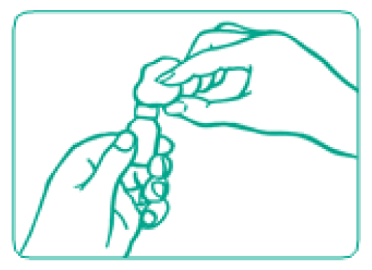
Before putting the needle into the vial, withdraw the plunger to draw an amount of air into the syringe that is equal to the Increlex dose.
Push the needle through the rubber top of the vial and then push the plunger to inject air into the vial.
  1. Withdrawing the dose
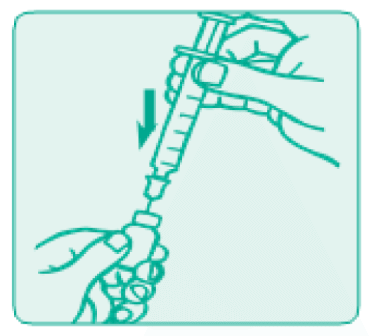
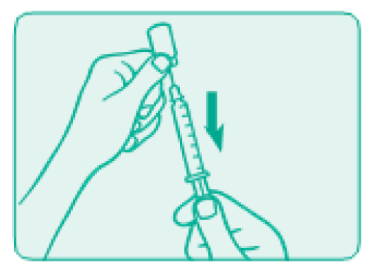
Leave the syringe in the vial and turn both upside down. Hold the syringe and vial firmly. Make sure that the tip of the needle is in the liquid and then pull the plunger to withdraw the correct dose into the syringe.
  1. Remove air bubbles and fill syringe
Before you take the needle out of the vial, check the syringe for air bubbles. If air bubbles are in the syringe, hold the vial and syringe with the needle straight up and tap the side of the syringe until the bubbles float to the top. Push the bubbles out by using the plunger, and then draw liquid back until you have the correct dose.
  1. Ready to inject
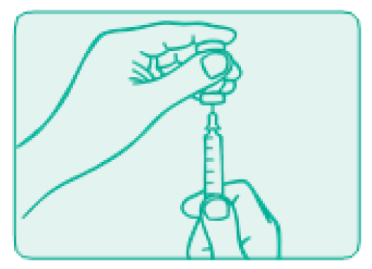
Remove the needle from the vial.
Do not let the needle touch anything. You are now ready to inject.
Injecting the dose:
Inject INCRELEX as instructed by your child’s doctor.
Do not give the INCRELEX injection if your child is unable to eat within 20 minutes before or after the injection.
  1. Decide on a site of injection
Decide on an injection area – upper arm, thigh, buttock, or abdomen. The injection site should be changed for each injection.
  1. To inject the dose
Use alcohol, or soap and water, to clean the skin where you are going to inject your child. The injection site should be dry before you inject.
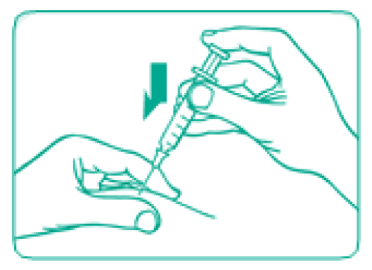
Lightly pinch the skin. Insert the needle in the way that your child’s doctor has showed you. Release the skin.
Slowly push in the plunger of the syringe all the way, making sure that you have injected all the liquid.
  1. Pull the needle straight out and gently press (do not rub) with gauze or cotton.
Pull the needle straight out and gently press on the spot where you injected your child with gauze or a cotton ball for a few seconds.
Do not rub the area.
Do not recap the syringe. The used needle and syringe should be placed in a sharps container which should be sealed and disposed of properly.

Published by MIMS May 2025
BRAND INFORMATION

Brand name

Increlex

Active ingredient

Mecasermin

Schedule

S4


1 Name of Medicine

Mecasermin.

2 Qualitative and Quantitative Composition

Each mL contains 10 mg of mecasermin*.
Each vial of 4 mL contains 40 mg of mecasermin*.
*Mecasermin is a recombinant DNA-derived human insulin-like growth factor-1(IGF-1) produced in Escherichia coli.

Excipient with known effect.

One mL contains 9 mg of benzyl alcohol.
For the full list of excipients, see Section 6.1 List of Excipients.

3 Pharmaceutical Form

Solution for injection (injection).
Colourless to slightly yellow and clear to slightly opalescent liquid.

4 Clinical Particulars

4.1 Therapeutic Indications

For the long-term treatment of growth failure in children and adolescents from 2 to 18 years with severe primary insulin-like growth factor 1 deficiency (Primary IGFD).
Severe Primary IGFD is defined by:
height standard deviation score ≤ -3.0; and
baseline height velocity less than the 25th percentile for bone age, based on two measurements over 12 months; and
basal IGF-1 levels below the 2.5th percentile for age and gender; and
GH sufficiency;
exclusion of secondary forms of IGF-1 deficiency, such as malnutrition, hypopituitarism, hypothyroidism, or chronic treatment with pharmacologic doses of anti-inflammatory steroids.
IGF-1 and GH levels must be performed using validated assays with paediatric normal ranges.

4.2 Dose and Method of Administration

Increlex is supplied as a multi-dose solution. Each vial is for use in one patient only.
Treatment with mecasermin should be under the supervision of a paediatric endocrinologist.
There should be documented confirmation of the diagnosis of severe IGF-1 deficiency at initiation of treatment, in line with guidance in the prescribing information (see Section 4.1 Therapeutic Indications). Ideally this will also include confirmation of mutation in the growth hormone/IGF signalling pathway consistent with severe IGF-1 deficiency.
The dose should be individualised for each patient. The recommended starting dose of mecasermin is 0.04 mg/kg of body weight twice daily by subcutaneous injection. If no significant adverse reactions occur for at least one week, the dose may be raised in increments of 0.04 mg/kg to the maximum dose of 0.12 mg/kg given twice daily. In the clinical trials, optimal growth response was seen with doses between 0.08 mg/kg and 0.12 mg/kg twice daily. Lower doses were less effective. Higher doses were more often associated with hypoglycaemia. Doses greater than 0.12 mg/kg twice daily should not be exceeded as this may increase the risk of neoplasia (see Section 4.4 Special Warnings and Precautions for Use). If the recommended dose is not tolerated by the patient, treatment with a lower dose can be considered. Treatment success should be evaluated based on height velocities.
Treatment should continue until bone age demonstrates fusion of epiphysis.

Paediatric population.

The safety and efficacy of mecasermin in children below the age of two have not been established (see Section 5.1 Pharmacodynamic Properties). No data are available.
Therefore, the product is not recommended in children below the age of two.

Special populations.

Patients with renal impairment.

There are limited data concerning the pharmacokinetics of mecasermin in children with renal impairment in this specific population of severe primary IGFD patients. It is recommended that the dose be individualised for each patient as described above.

Patients with hepatic impairment.

There are limited data concerning the pharmacokinetics of mecasermin in children with hepatic impairment in this specific population of severe primary IGFD patients. It is recommended that the dose be individualised for each patient as described above.

Method of administration.

Increlex should be administered by subcutaneous injection shortly before or after a meal or snack. If hypoglycaemia occurs with recommended doses, despite adequate food intake, the dose should be reduced. If the patient is unable to eat, for any reason, this dose should be withheld. The dose of mecasermin should never be increased to make up for one or more omitted doses.
Injection sites should be rotated to a different site with each injection to help prevent lipohypertrophy. Increlex should not be administered intravenously.

Precaution to be taken before manipulating or administering the medicinal product.

The solution should be clear immediately after removal from the refrigerator. If the solution is cloudy, or contains particulate matter, it must not be injected.
Increlex should be administered using sterile disposable syringes and injection needles. The syringes should be of small enough volume that the prescribed dose can be withdrawn from the vial with reasonable accuracy.

4.3 Contraindications

Hypersensitivity to the active substance or to any of the excipients (see Section 6.1 List of Excipients).
Increlex is contraindicated in children and adolescents with active or suspected neoplasia, or any condition or medical history which increases the risk of benign or malignant neoplasia.
Therapy should be discontinued if evidence of neoplasia develops.
As Increlex contains benzyl alcohol, it must not be given to premature babies or neonates.

4.4 Special Warnings and Precautions for Use

Mecasermin is not a substitute for GH treatment.
Mecasermin should not be used for growth promotion in patients with closed epiphyses.

Benign and malignant neoplasms.

There is an increased risk of benign and malignant neoplasia in children and adolescents treated with Increlex, since IGF-1 plays a role in the initiation and progression of benign and malignant tumours.
There have been post-marketing reports of both benign and malignant neoplasms in children and adolescents who have received treatment with Increlex. These cases represented a variety of different malignancies and included rare malignancies usually not seen in children (see Section 4.8 Adverse Effects (Undesirable Effects)). The increased risk of neoplasia may be higher in patients who receive Increlex for unapproved uses or at higher than recommended doses. Current knowledge of IGF-1 biology suggests that IGF-1 plays a role in malignancies in all organs and tissues. Physicians should therefore be vigilant of any symptoms of potential malignancy. If benign or malignant neoplasia develops, Increlex treatment should be discontinued definitely and appropriate expert medical care sought.
It is recommended that patients have a skin check at baseline and regularly during treatment for the documentation of any naevi.

Hypoglycaemia.

Mecasermin may have insulin-like hypoglycaemic effects. It should be administered shortly before or during a meal or snack. Special attention should be paid to young children, children with a history of hypoglycaemia and children with inconsistent food intake. Blood glucose monitoring is recommended on initiation of treatment, during dose titration, periods of reduced oral intake or if the child is unwell. If frequent symptoms of hypoglycaemia and/or severe hypoglycaemia occur, blood glucose monitoring should continue regardless of pre-prandial condition and if possible at the time of the event. Patients should avoid engaging in any high-risk activities within 2-3 hours after dosing, particularly at the initiation of mecasermin treatment, until a well-tolerated dose of Increlex has been established. If a person with severe hypoglycaemia is unconscious or otherwise unable to ingest food normally, an injection of glucagon may be required. Persons with a history of severe hypoglycaemia should have glucagon available. At the time of initial prescription, physicians should educate parents on the signs, symptoms and treatment of hypoglycaemia, including injection of glucagon.
Doses of insulin and/or other hypoglycaemic medicinal products may need to be reduced for diabetic subjects using this medicinal product.

Other identified precautions.

Echocardiogram is recommended before initiation of mecasermin treatment in all patients. Patients who terminate treatment should also have an echocardiogram. Patients with abnormal echocardiogram findings or cardiovascular symptoms should be followed regularly with echocardiogram procedures.
Lymphoid tissue (e.g. tonsillar) hypertrophy associated with complications, such as snoring, sleep apnoea, and chronic middle-ear effusions have been reported with the use of this medicinal product. Patients should have examinations periodically and at the occurrence of clinical symptoms to rule out such potential complications or to initiate appropriate treatment.
Intracranial hypertension (IH) with papilloedema, visual changes, headache, nausea and/or vomiting has been reported in patients treated with mecasermin, as has been reported with therapeutic GH administration. IH-associated signs and symptoms resolved after interruption of dosing. Funduscopic examination is recommended at the initiation, periodically during the course of mecasermin therapy and at the occurrence of clinical symptoms.
Slipped capital femoral epiphysis (with the potential to lead to avascular necrosis) and progression of scoliosis can occur in patients who experience rapid growth. These conditions and other symptoms and signs known to be associated with GH treatment in general should be monitored during mecasermin treatment. Any patient with the onset of a limp or complaint of hip or knee pain should be evaluated.
In post-marketing experience in patients treated with Increlex, cases of hypersensitivity, urticaria, pruritus and erythema have been reported. These have been observed both as being systemic and/or local to the injection site. A small number of cases indicative of anaphylaxis requiring hospitalisation have been reported. Parents and patients should be informed that such reactions are possible and that if a systemic allergic reaction occurs, treatment should be interrupted and prompt medical attention should be sought.
Treatment should be reconsidered if, after one year, patients remain non-responsive.
Persons who have allergic reactions to injected IGF-1, who have unexpectedly high blood values of IGF-1 after injection, or who fail to show a growth response without any identified cause may be having an antibody response to injected IGF-1. This may be through the production of anti-IGF-1 IgEs, sustaining antibodies or neutralizing antibodies respectively. In such instances, instructions for antibody testing should be considered. Contact the sponsor for details on the antibody testing process (see Section 8 Sponsor).

Benzyl alcohol.

Increlex contains 9 mg/mL benzyl alcohol as a preservative.
Intravenous administration of benzyl alcohol has been associated with serious adverse events and death in neonates ("gasping syndrome"). The minimum amount of benzyl alcohol at which toxicity may occur is not known.
The risk inherent to benzyl alcohol is due to its accumulation. Elimination of benzyl alcohol is highly variable as both the age (immaturity) and ethnic polymorphism of alcohol dehydrogenase may lead to accumulation of benzyl alcohol and thus toxicity.

Use in the elderly.

No data available.

Paediatric use.

The product is for use in children and adolescents from 2 to 18 years only.

Effects on laboratory tests.

No data available.

4.5 Interactions with Other Medicines and Other Forms of Interactions

No interaction studies have been performed.
Doses of insulin and/or other hypoglycaemic medicinal products may need to be reduced (see Section 4.4 Special Warnings and Precautions for Use).

4.6 Fertility, Pregnancy and Lactation

Effects on fertility.

Mecasermin has no effects on fertility in male and female rats at intravenous doses up to 4 mg/kg/day (estimated to yield up to 6 time in males and 3 times in females the clinical exposure with the [MRHD] based on AUC).
(Category B3)
There are no adequate data for the use of mecasermin in pregnant women.
Embryofetal lethality, but no malformations, occurred in rabbits given mecasermin intravenously at 2 mg/kg/day during the period of organogenesis. No adverse effects on embryofetal development were observed in rabbits at 0.5 mg/kg/day IV, or in rats at IV doses up to 16 mg/kg/day. The doses shown to be without adverse effect on embryofetal development in animals are associated with only low or modest multiples of the plasma AUC in patients at the MRHD.
This medicinal product should not be used during pregnancy.
A negative pregnancy test is recommended for all women of child bearing potential prior to treatment with mecasermin. It is also recommended that all women of childbearing potential use adequate contraception during treatment.
Endogenous IGF-1 is detected in human milk. Breast-feeding while taking Increlex is not recommended, because there is insufficient information on the extent of excretion of mecasermin in human milk and the risk posed to the breastfed infant.

4.7 Effects on Ability to Drive and Use Machines

Increlex may have a major influence on the ability to drive or use machines in case of a hypoglycaemic episode. Hypoglycaemia is a very common adverse reaction.
Other adverse effects of Increlex include dizziness and convulsions which could also affect the ability to drive or use machines (see Section 4.8 Adverse Effects (Undesirable Effects)).

4.8 Adverse Effects (Undesirable Effects)

Reporting suspected adverse effects.

Reporting suspected adverse reactions after registration of the medicinal product is important. It allows continued monitoring of the benefit-risk balance of the medicinal product. Healthcare professionals are asked to report any suspected adverse reactions at www.tga.gov.au/reporting-problems.

Summary of safety profile.

Adverse reaction data was taken from a total of 413 clinical trial patients with IGFD, including 92 patients with severe primary IGFD. Data was also collected from post-marketing sources.
The most frequently reported adverse reactions from the clinical trials were headache (44%), hypoglycaemia (28%), vomiting (26%), injection site hypertrophy (17%), and otitis media (17%).
Intracranial hypertension/increased intracranial pressure occurred in 4 (0.96%) of patients from the clinical trials and occurred in 7-9 year old treatment naïve subjects.
During clinical trials in other indications totalling approximately 300 patients, reports of local and/or systemic hypersensitivity were received for 8% of patients. There were also reports of systemic hypersensitivity from post-marketing use, of which some cases were indicative of anaphylaxis. Post-marketing reports of local allergic reactions were also received.
Some patients may develop antibodies to mecasermin. No attenuation of growth was observed as a consequence of the development of antibodies.

Tabulated list of adverse reactions.

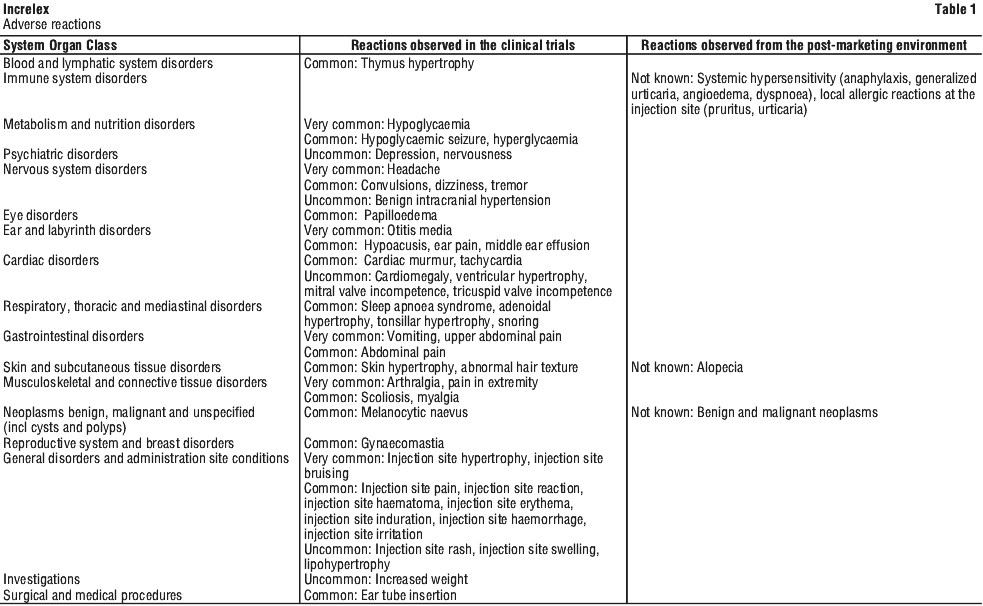
Table 1 contains very common (≥ 1/10), common (≥ 1/100 to < 1/10) and uncommon (≥ 1/1000, < 1/100) adverse reactions which occurred in clinical trials. Within each frequency grouping, adverse reactions are presented in order of decreasing seriousness. Other adverse reactions have been identified during post approval use of Increlex. As these reactions are reported voluntarily from a population of uncertain size, it is not possible to reliably estimate their frequency (not known).

Description of selected adverse reactions.

Neoplasms. There have been post-marketing reports of benign and malignant neoplasms in children and adolescents who have received treatment with Increlex. These cases represented a variety of different malignancies and included rare malignancies usually not seen in children (see Section 4.4 Special Warnings and Precautions for Use; Section 4.3 Contraindications).
Systemic/local hypersensitivity.

Clinical trials.

During clinical trials in other indications (totalling approximately 300 patients) 8% of patients reported a local and/or systemic hypersensitivity reactions. All cases were mild or moderate in severity and none was serious.

Post-marketing reports.

Systemic hypersensitivity included symptoms such as anaphylaxis, generalized urticaria, angioedema and dyspnoea. The symptoms in the cases indicative of anaphylaxis included hives, angioedema and dyspnoea. Some patients required hospitalization. Upon re-administration, symptoms did not re-occur in all patients. There were also reports of local allergic reactions at the injection site. Typically, these were pruritus and urticaria.
Hypoglycaemia. Of the 115 (28%) subjects who experienced one or more episode of hypoglycaemia, 6 subjects experienced a hypoglycaemic seizure on one or more occasion. Symptomatic hypoglycaemia was generally avoided when a meal or snack was consumed either shortly before or after the administration of Increlex.
Injection site hypertrophy. This reaction occurred in 71 (17%) subjects from the clinical trials and was generally associated with lack of proper rotation of injections. When injections were properly dispersed, the condition resolved.
Tonsillar hypertrophy. This was noted in 38 (9%) subjects, particularly in the first 1 to 2 years of therapy with lesser tonsillar growth in subsequent years.
Snoring. This occurred generally in the first year of treatment and was reported in 30 subjects (7%).
Intracranial hypertension/increased intracranial pressure. This occurred in 4 subjects (0.96%); in two subjects Increlex was discontinued and not restarted; in two subjects the event did not recur after restarting Increlex at a reduced dose. All 4 subjects recovered from the event without sequelae.

4.9 Overdose

For information on the management of overdose, contact the Poisons Information Centre on 13 11 26 (Australia).
Acute overdose could lead to hypoglycaemia. Long-term overdose may result in signs and symptoms of acromegaly or gigantism. Overdosing may lead to supraphysiological IGF-1 levels and may increase the risk of benign and malignant neoplasm.
Treatment of acute overdose of mecasermin should be directed at alleviating any hypoglycaemic effects. Oral glucose or food should be consumed. If the overdose results in loss of consciousness, intravenous glucose or parenteral glucagon may be required to reverse the hypoglycaemic effects.
In case of an acute or a chronic overdose, Increlex must be discontinued immediately. If Increlex is restarted, the dose should not exceed the recommended daily dosage (see Section 4.2 Dose and Method of Administration).

5 Pharmacological Properties

5.1 Pharmacodynamic Properties

Pharmacotherapeutic group: Pituitary and hypothalamic hormones and analogues, somatropin and somatropin agonists.
ATC code: H01AC03.

Mechanism of action.

Insulin-like growth factor-1 (IGF-1) is the principal hormonal mediator of statural growth. Under normal circumstances, growth hormone (GH) binds to its receptor in the liver and other tissues and stimulates the synthesis/secretion of IGF-1. In target tissues the Type 1 IGF-1 receptor, which is homologous to the insulin receptor, is activated by IGF-1, leading to intracellular signalling which stimulates multiple processes leading to statural growth. The metabolic actions of IGF-1 are in part directed at stimulating the uptake of glucose, fatty acids, and amino acids so that metabolism supports growing tissues.

Pharmacodynamic effects.

The following actions have been demonstrated for endogenous human IGF-1:

Tissue growth.

Skeletal growth is accomplished at the epiphyseal plates at the ends of a growing bone. Growth and metabolism of epiphyseal plate cells are directly stimulated by GH and IGF-1.
Organ growth: treatment of IGF-1 deficient rats with rhIGF-1 results in whole body and organ growth.
Cell growth: IGF-1 receptors are present on most types of cells and tissues. IGF-1 has mitogenic activity that leads to an increased number of cells in the body.

Carbohydrate metabolism.

IGF-1 suppresses hepatic glucose production, stimulates peripheral glucose utilization, and can reduce blood glucose and cause hypoglycaemia.
IGF-1 has inhibitory effects on insulin secretion.

Bone/mineral metabolism.

Circulating IGF-1 plays an important role in the acquisition and maintenance of bone mass. IGF-1 increases bone density.

Clinical trials.

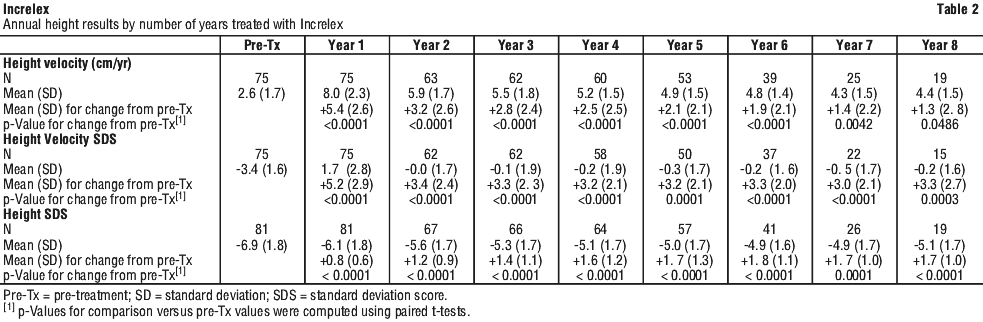
Five clinical studies (4 open-label and 1 double-blind, placebo-controlled) were conducted with Increlex. Subcutaneous doses of mecasermin, generally ranging from 0.06 to 0.12 mg/kg given twice daily (BID), were administered to 92 paediatric subjects with severe Primary IGFD. Patients were enrolled in the studies on the basis of extreme short stature, slow growth rates, low IGF-1 serum concentrations, and normal GH secretion. Eighty-three (83) out of 92 patients were naïve to Increlex at baseline and 81 completed at least one year of Increlex treatment. Baseline characteristics for the 81 patients evaluated in the primary and secondary efficacy analyses from the combined studies were (mean ± SD): chronological age (years): 6.8 ± 3.8; age range (years): 1.7 to 17.5; height (cm): 84.1 ± 15.8; height standard deviation score (SDS): -6.9 ± 1.8; height velocity (cm/yr): 2.6 ± 1.7; height velocity SDS: -3.4 ± 1.6; IGF-1 (nanogram/mL): 24.5 ± 27.9; IGF-1 SDS: 4.2 ± 2.0; and bone age (years): 3.8 ± 2.8. Of these, 72 (89%) had Laron syndrome-like phenotype; 7 (9%) had GH gene deletion, 1 (1%) had neutralizing antibodies to GH and 1 (1%) had isolated genetic GH deficiency. Forty-six (57%) of the subjects were male; 66 (81%) were Caucasian. Seventy-four (91%) of the subjects were prepubertal at baseline.
Annual results for height velocity, height velocity SDS, and height SDS until year 8 are shown in Table 2. Pre-treatment height velocity data were available for 75 subjects. The height velocities at a given year of treatment were compared by paired t-tests to the pre-treatment height velocities of the same subjects completing that treatment year. The height velocities for years 2 through 8 remained statistically greater than baseline. For the 21 treatment naïve subjects with near-adult height, the mean (± SD) of the difference between observed increase in height versus that expected from Laron was approximately 13 cm (± 8 cm) after an average of 11 years of treatment.

5.2 Pharmacokinetic Properties

Absorption.

The absolute subcutaneous bioavailability of mecasermin in severe Primary IGFD subjects has not been determined. The bioavailability of mecasermin after subcutaneous administration in healthy subjects has been reported to be approximately 100%.

Distribution.

In blood, IGF-1 is bound to six IGF binding proteins (IGFBPs), with ~80% bound as a complex with IGFBP 3 and an acid-labile subunit. IGFBP 3 is reduced in subjects with severe Primary IGFD, resulting in increased clearance of IGF-1 in these subjects relative to healthy subjects. The total IGF-1 volume of distribution (mean ± SD) after subcutaneous administration of Increlex in 12 subjects with severe Primary IGFD is estimated to be 0.257 (± 0.073) L/kg at a mecasermin dose of 0.045 mg/kg, and is estimated to increase as the dose of mecasermin increases. Limited information is available on the concentration of unbound IGF-1 after the administration of Increlex.

Metabolism.

Both the liver and the kidney have been shown to metabolise IGF-1.

Excretion.

The mean terminal t1/2 of total IGF-1 after single subcutaneous administration of 0.12 mg/kg in three paediatric subjects with severe Primary IGFD is estimated to be 5.8 hours. Clearance of total IGF-1 is inversely proportional to serum IGFBP 3 levels and total IGF-1 systemic clearance (CL/F) is estimated to be 0.04 L/hr/kg at 3 mg/L IGFBP 3 in 12 subjects.

Pharmacokinetics in special patient populations.

Elderly.

The pharmacokinetics of Increlex have not been studied in subjects greater than 65 years of age.

Paediatric.

The pharmacokinetics of Increlex have not been studied in subjects younger than 12 years of age.

Gender.

In adolescents with Primary IGFD and in healthy adults there were no apparent differences between males and females in the pharmacokinetics of Increlex.

Renal impairment.

No studies have been conducted in children with renal impairment.

Hepatic impairment.

No studies have been conducted to determine the effect of hepatic impairment on the pharmacokinetics of mecasermin.

5.3 Preclinical Safety Data

Genotoxicity.

Mecasermin was not clastogenic in an in vitro chromosomal aberration assay (conducted in Chinese hamster lung fibroblasts) or an in vivo mouse bone marrow micronucleus test. As a polypeptide, mecasermin is not expected to interact with DNA or other chromosomal material.

Carcinogenicity.

The carcinogenic potential of mecasermin, administered subcutaneously, was examined in a 2-year study in rats. An increased incidence of adrenal phaeochromocytoma was observed in male rats at doses of 1 mg/kg/day and above (≥ 1 times the clinical exposure at the MRHD based on AUC) and female rats at all dose levels (≥ 0.25 nanogram/kg/day; ≥ 0.2 times the clinical exposure).
An increased incidence of keratoacanthoma in the skin was observed in male rats at doses of 4 mg/kg/day and above (≥ 3 times the clinical exposure). An increased incidence of mammary gland carcinoma in both male and female rats was observed in animals treated with 10 mg/kg/day (4-5 times the clinical exposure).
IGF-1 is a known mitogen. The carcinogenic risk posed by mecasermin treatment in patients is mitigated by the context of its use as replacement therapy to normalise IGF-1 levels.

6 Pharmaceutical Particulars

6.1 List of Excipients

Benzyl alcohol, sodium chloride, polysorbate 20, glacial acetic acid, sodium acetate trihydrate, water for injections.

6.2 Incompatibilities

In the absence of compatibility studies, this medicinal product must not be mixed with other medicinal products.

6.3 Shelf Life

In Australia, information on the shelf life can be found on the public summary of the Australian Register of Therapeutic Goods (ARTG). The expiry date can be found on the packaging.

After opening.

Chemical and physical in-use stability has been demonstrated for 30 days at 2°C to 8°C. From a microbiological point of view, once opened, the medicinal product may be stored for a maximum of 30 days at 2°C to 8°C.
For use in one patient only.

6.4 Special Precautions for Storage

Store at 2°C to 8°C (Refrigerate. Do not freeze). Protect from light.
For storage conditions after first opening of the medicinal product, see Section 6.3 Shelf Life.

6.5 Nature and Contents of Container

5 mL vial (type I clear glass) closed with a grey stopper (chlorobutyl/isoprene polymer) and an aluminium seal with a plastic flip-off button (coloured plastic).
Pack size of 1 vial.

6.6 Special Precautions for Disposal

In Australia, any unused medicine or waste material should be disposed of by taking to your local pharmacy.

6.7 Physicochemical Properties

Chemical structure.

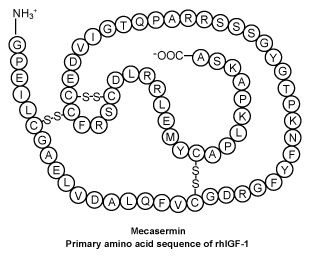
Mecasermin human insulin-like growth factor-1 (rhIGF-1) is produced by recombinant DNA technology. IGF-1 consists of 70 amino acids in a single chain with three intramolecular disulfide bridges and a molecular weight of 7649 daltons. The amino acid sequence of the product is identical to that of endogenous human IGF-1. The rhIGF-1 protein is synthesized in bacteria (E. coli) that have been modified by the addition of the gene for human IGF-1.

CAS number.

68562-41-4.

7 Medicine Schedule (Poisons Standard)

S4.

Summary Table of Changes