Notes
Distributed by Wagner Pharmaceuticals Pty Ltd
1 Name of Medicine
Isotretinoin.
2 Qualitative and Quantitative Composition
Each capsule contains 10 mg or 20 mg of isotretinoin as the active ingredient.
Excipients with known effect.
Sulfites, phenylalanine, and soy bean products.
For the full list of excipients see Section 6.1 List of Excipients.3 Pharmaceutical Form
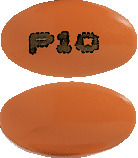
Isotretinoin-WGR 10 mg capsule.
Red-orange, size 3, oval, soft gelatin capsules marked P10.
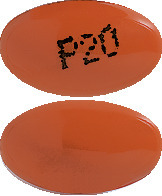
Isotretinoin-WGR 20 mg capsule.
Red-orange, size 6, oval, soft gelatin capsules marked P20.4.1 Therapeutic Indications
Isotretinoin is indicated for the treatment of severe cystic acne. A single course of therapy has been shown to result in complete and prolonged remission of disease in many patients. If a second course of therapy is needed, it should not be initiated until at least eight weeks after completion of the first course, since experience has shown that patients may continue to improve while off the drug.
Because of significant adverse effects associated with its use, isotretinoin should be reserved for patients with severe cystic acne who are unresponsive to conventional therapy, including systemic antibiotics.
4.2 Dose and Method of Administration
Isotretinoin-WGR capsules are intended for oral administration.
Dosage.
The therapeutic response to isotretinoin is dose related and varies between patients. This necessitates individual adjustment of dosage according to the response of the condition and the patient's tolerance of the drug. In most cases complete or near complete suppression of acne is achieved with a 16 week course of treatment.
All patients should initially receive doses up to 0.5 mg/kg bodyweight daily for a period of two to four weeks, when their responsiveness to the drug will usually be apparent. It should be noted that the transient exacerbation of acne is occasionally seen during this initial period. Satisfactory initial responses have been reported from 0.05 mg/kg/day. Relapse rates on the lower doses are higher (a second course may be required in about two-thirds of patients on 0.1 mg/kg/day for 16 weeks), but there is decreased incidence and severity of adverse reactions at lower doses.
The daily dosage should be taken with food in the nearest number of whole capsules, either as a single dose or in two divided doses during the day, whichever is more convenient.
Doses up to 1 mg/kg/day may be used in patients refractory to initial treatment at lower doses.
The above daily dosages of isotretinoin should be continued for 16 weeks to complete the course of treatment.
After a period of two months off therapy, and if warranted by persistent severe cystic acne, a second course of therapy may be initiated.4.3 Contraindications
(Category X)
Isotretinoin must not be used by females who are pregnant or who may possibly become pregnant while undergoing treatment.
Major human foetal abnormalities related to isotretinoin administration have been reported, including hydrocephalus, microcephalus, abnormalities of the external ear (micropinna, small or absent external auditory canals), eye abnormalities (including microphthalmia), cardiovascular abnormalities (conotruncal malformations such as tetralogy of Fallot, transposition of great vessels, septal defects), facial dysmorphia, cleft palate, thymus gland abnormality, parathyroid gland abnormalities and cerebellar malformation/abnormalities. There is also an increased incidence of spontaneous abortion.
Women of childbearing potential should not be given isotretinoin until pregnancy is excluded. It is strongly recommended that a pregnancy test be performed within two weeks prior to isotretinoin therapy. Isotretinoin therapy should start on the second or third day of the next normal menstrual period. An effective form of contraception should be used for at least one month before and also throughout isotretinoin therapy.
It is recommended that contraception be continued for one month following discontinuation of isotretinoin therapy. Females should be fully counselled on the serious risk to the foetus should they become pregnant while undergoing treatment. If pregnancy does occur during treatment, the physician and patient should discuss the desirability of continuing the pregnancy.
Isotretinoin is contraindicated in patients who are breast-feeding (see Section 4.6 Fertility, Pregnancy and Lactation, Use in lactation).
Isotretinoin is contraindicated in patients with severely impaired liver function and in patients with chronic abnormally elevated blood lipid values.
Isotretinoin is contraindicated in patients who have pre-existing hypervitaminosis A.
Hypersensitivity to the drug or any of the other ingredients or to other retinoids. Isotretinoin contains soya oil and partially hydrogenated soya oil, therefore isotretinoin is contraindicated in patients allergic to soya.
Rare cases of benign intracranial hypertension have been reported after isotretinoin and after tetracyclines. Concomitant treatment with tetracyclines is therefore contraindicated (also see Section 4.5 Interactions with Other Medicines and Other Forms of Interactions).
4.4 Special Warnings and Precautions for Use
Information for patients.
Women of childbearing potential should be warned that the drug causes birth defects. They should be instructed that they must not be pregnant when isotretinoin therapy is initiated, and that they should use an effective form of contraception while taking isotretinoin and for one month after isotretinoin has been stopped (see Section 4.3 Contraindications).
Because of the relationship of isotretinoin to vitamin A, patients should be advised against taking vitamin supplements containing vitamin A to avoid additive toxic effects.
Isotretinoin contains soya oil therefore caution should be taken with patients allergic to peanut or soya.
Donation of blood by patients during and within one month of cessation of isotretinoin treatment to women of childbearing potential should be avoided.
Skin and subcutaneous tissue disorders.
Patients should be informed that transient exacerbation of acne has been seen, generally during the initial period of therapy. This subsides with continued treatment, usually within 7-10 days, and usually does not require dose adjustments.
Wax epilation should be avoided in patients on isotretinoin and for a period of 5-6 months after treatment because of the risk of epidermal stripping, scarring or dermatitis.
Aggressive chemical dermabrasion and cutaneous laser treatment should be avoided in patients on isotretinoin and for a period of 5-6 months after the end of treatment because of the risk of hypertrophic scarring in atypical areas and more rarely hyper- or hypo-pigmentation in treated areas.
Exposure to intense sunlight or UV rays should be avoided. Where necessary, a sun protection product with a high protection factor of at least SPF 15 should be used.
Patients should be advised to use a skin-moisturising ointment or cream and a lip balm from the start of treatment as isotretinoin is likely to cause dryness of the skin and lips.
There have been post-marketing reports of severe skin reactions (e.g. erythema multiforme, Stevens-Johnson syndrome, and toxic epidermal necrolysis) associated with isotretinoin therapy. These reactions may be serious and result in death, life-threatening events, hospitalisation or disability. Patients should be monitored closely for severe skin reactions and discontinuation of isotretinoin should be considered if warranted.
Benign intracranial hypertension.
Isotretinoin use has been associated with a number of cases of benign intracranial hypertension (pseudotumour cerebri), some of which involved the concomitant use with tetracyclines. Early signs and symptoms of benign intracranial hypertension include papilloedema, headache, nausea and vomiting, and visual disturbances. Patients who develop benign intracranial hypertension should discontinue isotretinoin immediately.
Eye disorders.
Dry eyes, corneal opacities, conjunctivitis, blepharitis, intolerance to contact lenses, decreased night vision and keratitis usually resolve after discontinuation of therapy. Dry eyes can be helped by the application of a lubricating eye ointment or by application of tear replacement therapy. Due to the possible occurrence of keratitis, patients with dry eyes should be monitored. Patients experiencing visual difficulties should be referred for an ophthalmological examination and withdrawal of isotretinoin considered. Intolerance to contact lenses may occur which may necessitate the patient to wear glasses during treatment.
Corneal opacities have occurred in patients receiving isotretinoin for acne and more frequently when higher drug dosages were used in patients with disorders of keratinisation. All isotretinoin patients experiencing visual difficulties should discontinue the drug and have an ophthalmological examination.
Hearing impairment.
Impaired hearing has been reported in patients taking isotretinoin. Hearing impairment can be unilateral or bilateral, and symptoms include tinnitus, impaired hearing at certain frequencies and deafness. In some cases, hearing impairment has been reported to persist after therapy has been discontinued. Anyone who experiences these symptoms should immediately seek medical advice; the drug should be ceased and the patient should undergo urgent formal audiology assessment.
Biochemical abnormalities.
Rises in alanine and aspartate aminotransferase enzymes (ALT and AST) have been reported. Liver function tests, especially AST and blood lipids should be measured before therapy and at monthly intervals during therapy and at the end of treatment. When transaminase levels exceed the normal levels, reduction of the dose or discontinuation of treatment may be necessary. Isotretinoin causes elevation of serum triglycerides and cholesterol as well as a decrease in high-density lipoprotein (HDL), which appear to be related to duration of treatment and are reversible on cessation of treatment. The degree of elevation may also be dose dependent, although this has not been conclusively established.
At doses of greater than 1 mg/kg/day, approximately one in four patients have been found to develop elevated triglycerides while taking isotretinoin. At lower doses triglyceride levels elevated above the normal range are uncommon.
Some patients have been able to reverse triglyceride elevations by weight reduction, restriction of dietary fat and alcohol and reduction in dose while continuing to take isotretinoin. Serum lipid values usually return to normal on reduction of the dose or discontinuation of treatment.
Acute pancreatitis, which is potentially fatal, sometimes associated with serum triglycerides levels > 8 g/L, has been reported. Hence isotretinoin should be discontinued if uncontrolled hypertriglyceridaemia or symptoms of pancreatitis occur.
Serum lipid levels (fasting value) should be determined one month prior to therapy and again after about four weeks of therapy and subsequently at three month intervals unless more frequent monitoring is clinically indicated.
Predisposing factors such as a family history of lipid disorders, obesity, alcoholism, diabetes and smoking should be assessed. In high risk patients (with diabetes, obesity, alcoholism or lipid metabolism disorder) undergoing treatment with isotretinoin, more frequent checks of serum values for lipids and/or blood glucose may be necessary.
Musculoskeletal and connective tissue disorders.
Sacroiliitis has been reported in patients exposed to isotretinoin. To differentiate sacroiliitis from other causes of back pain, in patients with clinical signs of sacroiliitis, further evaluation may be needed including imaging modalities such as MRI. In cases reported post-marketing, sacroiliitis improved after discontinuation of Roaccutane and appropriate treatment.
Myalgia, arthralgia and increased serum creatine phosphokinase may occur and be associated with reduced tolerance to vigorous exercise (see Section 4.8 Adverse Effects (Undesirable Effects)). Isolated instances of raised CPK levels have been reported in patients receiving isotretinoin, particularly those undergoing vigorous physical activity.
In clinical trials of disorders of keratinisation with a mean dose of 2.24 mg/kg/day, a high prevalence of skeletal hyperostosis was noted. Bone changes including premature epiphyseal closure, hyperostosis, and calcification of tendons and ligaments have occurred after administration of high doses for long periods for treating disorders of keratinisation. The dose levels, duration of treatment and total cumulative dose in these patients generally far exceeded those recommended for the treatment of acne.
Minimal skeletal hyperostosis has also been observed by X-rays in prospective studies of cystic acne patients treated with a single course of therapy at recommended doses.
Isotretinoin may be associated with growth retardation in prepubertal children.
Due to the possible occurrence of these bone changes, a careful evaluation of the risk/benefit ratio should be carried out in every patient and isotretinoin administration should be restricted to severe cases.
Use in hepatic impairment.
Several cases of clinical hepatitis have been noted which are considered to be possibly or probably related to isotretinoin therapy. Additionally, mild to moderate elevations of liver enzymes have been observed in approximately 15% of individuals treated during clinical trials, some of which normalised with dosage reduction or continued administration of the drug. If normalisation does not readily occur or if hepatitis is suspected during treatment with isotretinoin, the drug should be discontinued and the aetiology further investigated.
Psychiatric disorders.
Depression, depression aggravated, psychotic symptoms, anxiety, aggressive tendencies, mood alterations, psychosis and, rarely, suicide, suicidal ideation and suicide attempts have been reported with isotretinoin. All patients should have an assessment of their mental health, and of family history of mental health conditions, before starting treatment with isotretinoin. Particular care needs to be taken in patients with a history of depression and all patients should be monitored for signs of depression and referred for appropriate treatment if necessary. If symptoms of depression develop or worsen, the drug should be discontinued promptly and the patient referred for appropriate psychiatric treatment. Although no mechanism of action for these events has been established, discontinuation of therapy may be insufficient to alleviate symptoms and therefore further psychiatric or psychological evaluation may be necessary.
Sexual disorders.
Erectile dysfunction, decreased libido, vulvovaginal dryness, anhedonia and gynaecomastia have been reported with isotretinoin. Patients should be asked about signs or symptoms of sexual dysfunction prior to starting therapy, and monitored for development of new sexual disorders during treatment. Although no mechanism of action for these events has been established, discontinuation of isotretinoin may not alleviate symptoms and therefore further specialist evaluation may be necessary.
Gastrointestinal disorders.
Isotretinoin has been associated with inflammatory bowel disease (including regional ileitis) in patients without a prior history of intestinal disorders. Patients experiencing abdominal pain, rectal bleeding or severe (haemorrhagic) diarrhoea should discontinue isotretinoin immediately.
Allergic reactions.
Anaphylactic reactions have been reported rarely and only after previous topical exposure to retinoids. Allergic cutaneous reactions are reported infrequently. Serious cases of allergic vasculitis, often with purpura (bruises and red patches) of the extremities and extracutaneous involvement have been reported. Severe allergic reactions necessitate interruption of therapy and careful monitoring.
Use in renal impairment.
Renal insufficiency and renal failure do not affect the pharmacokinetics of isotretinoin. Therefore, isotretinoin can be given to patients with renal insufficiency. Isotretinoin should be started at a lower dose in patients with severe renal insufficiency and then afterwards dose adjusted according to tolerance.
Paediatric use.
The approved therapeutic indication does not involve use in children and safety in pre-pubertal children has not been established (also see Section 4.4 Special Warnings and Precautions for Use).
The use of isotretinoin in paediatric patients less than 12 years of age is not recommended.
Isotretinoin may stop long bone growth in children who are still growing. The use of isotretinoin for the treatment of severe cystic acne in paediatric patients aged 12 to 17 years should be given careful consideration, especially for those patients where a known metabolic or structural bone disease exists.
Use in the elderly.
No data available.
Effects on laboratory tests.
Elevation of lipid (triglycerides and cholesterol) levels occurs with isotretinoin therapy. These are usually mild in doses less than 1 mg/kg/day and elevations above the normal range are unusual at 0.5 mg/kg/day. At doses above 1 mg/kg/day, elevation (above the normal range) occurs in 25% of patients.
These changes are seen more frequently in patients where a family history of lipid disorders, or obesity, alcohol abuse, diabetes mellitus or smoking is present. The changes are dose related and may be controlled by dietary means (including alcohol restriction) or dosage reduction. (Also see Section 4.4 Special Warnings and Precautions for Use, Biochemical abnormalities).
Elevated ESR values occur in about 40% of patients treated with isotretinoin.
A rise in aspartate aminotransferase (AST) levels may occur, especially with the higher dosages of isotretinoin. Although the changes have usually been within the normal range, and may return to baseline levels despite continued treatment, significant increases have occurred in a few cases, necessitating dosage reduction or discontinuation of isotretinoin.
Certain patients receiving isotretinoin have experienced problems in the control of their blood sugar. Therefore, known or suspected diabetics should have frequent blood sugar determinations performed during isotretinoin therapy. New cases of diabetes have been diagnosed.
A small number of patients have shown proteinuria, microscopic or gross haematuria and elevated CPK.4.5 Interactions with Other Medicines and Other Forms of Interactions
As a rule concomitant therapy is not indicated but non-irritant topical preparations may be used if required.
Concurrent administration of isotretinoin with topical keratolytic or exfoliative anti-acne agents should be avoided as local irritation may increase.
Concurrent treatment with vitamin A must be avoided, as symptoms of hypervitaminosis A may be intensified (see Section 4.8 Adverse Effects (Undesirable Effects)).
Cases of pseudotumour cerebri and/or papilloedema have been reported in association with the use of isotretinoin. Four out of ten of these patients had retinal haemorrhages. Symptoms appeared after 21 days to 6 months therapy with 40 to 120 mg daily. Concomitant tetracycline or minocycline was administered in 5 out of 10 cases - both of these drugs have been implicated in causing intracranial hypertension. Concomitant therapy with tetracyclines is contraindicated (see Section 4.3 Contraindications).
Since acne is an androgen-dependent disease, contraceptives containing an androgen progestational substance, such as one derived from 19-nortestosterone (norsteroid), particularly in the presence of gynaeco-endocrinological problems, should be avoided.
The effect of microdosed progesterone preparations may be diminished by interaction with isotretinoin. Therefore, microdosed progesterone preparations or "minipills" should not be used.
In a study of 31 premenopausal female patients with severe recalcitrant nodular acne, isotretinoin at a dose of 1 mg/kg/day did not induce clinically relevant changes in the pharmacokinetics of ethinyl oestradiol and norethindrone and in the serum levels of progesterone, follicle-stimulating hormone (FSH) and luteinizing hormone (LH). Prescribers are advised to consult the Product Information of the medication administered concomitantly with hormonal contraceptives, since some medications may decrease the effectiveness of these birth control products.
Isotretinoin has not been shown to alter the pharmacokinetics of phenytoin in a study in seven healthy volunteers. These results are consistent with the in vitro finding that neither isotretinoin nor its metabolites induce or inhibit the activity of the CYP 2C9 human hepatic P450 enzyme. Phenytoin is known to cause osteomalacia. No formal clinical studies have been conducted to assess if there is an interactive effect on bone loss between phenytoin and isotretinoin. Therefore, caution should be exercised when using these drugs together.
Systemic corticosteroids are known to cause osteoporosis. No formal clinical studies have been conducted to assess if there is an interactive effect on bone loss between systemic corticosteroids and isotretinoin. Therefore, caution should be exercised when using these drugs together.
4.6 Fertility, Pregnancy and Lactation
Effects on fertility.
In the reproductive studies in rats (2, 8 or 32 mg/kg/day; two generation), no adverse effects were noted on gonadal function, fertility, gestation or neonatal viability, although the average weight in the high dose group was slightly reduced.
In dogs, testicular atrophy was noted after treatment with isotretinoin for approximately 30 weeks at dosages of 60 or 20 mg/kg/day. In general, there was microscopic evidence for appreciable depression of spermatogenesis, but some sperm were observed in all testes examined and in no instance were completely atrophic tubules seen. In studies in 66 human males, 30 of whom were patients with cystic acne, no significant changes were noted in the count or motility of spermatozoa in the ejaculate.
(Category X)
Isotretinoin is a known human teratogen and should not under any circumstances be administered during pregnancy (see Section 4.3 Contraindications).
Isotretinoin should only be prescribed by physicians who are experienced in the use of systemic retinoids and understand the risk of teratogenicity.
Isotretinoin is teratogenic in rats and rabbits although sensitivity differs. In the rat, doses up to 50 mg/kg/day were not teratogenic but 150 mg/kg/day were teratogenic. At lower doses in the rat perinatal and post-natal studies (5, 15, 32 mg/kg/day) increased pup mortality was noted in all treatment groups. This was attributed to a dose-related reduction in maternal food intake. Body weight development of pups was significantly impaired in high dose groups.
In the rabbit, a dose of 10 mg/kg/day caused abortions in 9 out of 13 animals and teratogenicity and embryo toxicity were observed in the remaining 4 litters.
Category X: Drugs which have such a high risk of causing permanent damage to the foetus that they should not be used in pregnancy or when there is a possibility of pregnancy.
As isotretinoin is highly lipophilic, the passage of the drug in human milk is very likely. Because of the potential for adverse effects, the use of isotretinoin is contraindicated in in breast-feeding mothers.4.7 Effects on Ability to Drive and Use Machines
Decreased night vision has occurred during isotretinoin therapy and in rare instances has persisted after discontinuation of therapy. As the onset in some patients was sudden, patients should be advised of this potential problem and warned to be cautious when driving or operating any vehicle at night.
Drowsiness, dizziness and visual disturbances have been reported very rarely. Patients should be warned that if they experience these effects, they should not drive, operate machinery or take part in any other activities where the symptoms could put either themselves or others at risk.
4.8 Adverse Effects (Undesirable Effects)
Most adverse effects appear to be dose related with the more pronounced effects occurring at doses above 1 mg/kg/day. The adverse effects may recede during continued therapy and the mucocutaneous effects were reversible with dosage reduction or discontinuation of therapy. Exacerbation of the cystic acne may occur during the initial stages of therapy.
Many of the adverse effects seen in patients receiving isotretinoin are similar to those described in patients taking very high doses of vitamin A.
Post-marketing experience.
Blood glucose.
Certain patients receiving isotretinoin have experienced problems in the control of their blood sugar. New cases of diabetes have been diagnosed.
Symptoms associated with hypervitaminosis A.
The most common side effects are mucocutaneous. The most frequently reported effects are dryness of the skin, in particular peeling of the palms and soles, dryness of the mucosa e.g. lips (cheilitis which occurs in over 90% of patients), the nasal mucosa (epistaxis is seen in up to 30% of patients), nasopharyngitis, the pharynx (hoarseness) and eyes (conjunctivitis, reversible corneal opacities and intolerance to contact lenses).
Skin and appendages disorders.
Exanthema, pruritus, facial erythema/dermatitis, dry skin, localized exfoliation, sweating, pyogenic granuloma, paronychia, nail dystrophy, abnormal wound healing (delayed healing or increased formation of granulation tissue with crusting), persistent hair thinning, reversible alopecia (which in some cases persists), bruising, dry mouth, epistaxis, eruptive xanthomas, flushing, infections (including disseminated herpes simplex), peeling of palms and soles, rash (including seborrhea, and eczema), sunburn susceptibility increased, urticaria, acne fulminans, hirsutism, hyperpigmentation and hypopigmentation, photosensitivity, photoallergic reactions, skin fragility. Acne flare occurs at start of treatment and persists for several weeks.
During the post-marketing period, erythema multiforme, Stevens-Johnson syndrome, and toxic epidermal necrolysis have been reported with isotretinoin (see Section 4.4 Special Warnings and Precautions for Use).
Musculoskeletal system disorders.
Myalgia (muscle pain) with or without elevated serum CPK values (see Section 4.4 Special Warnings and Precautions for Use), arthralgia (joint pain), hyperostosis, exostosis, arthritis, calcification of ligaments and tendons and other bone changes, reduced bone density, musculoskeletal symptoms (sometimes severe) including back pain, epiphyses, premature fusion, tendinitis, transient pain in the chest, arthritis and elevations of CPK.
Serious cases of rhabdomyolysis, often leading to hospitalization some with fatal outcome have been reported, particularly in those undertaking vigorous physical activity.
Cases of sacroiliitis have been observed in patients treated with isotretinoin (see Section 4.4 Special Warnings and Precautions for Use).
Renal and urinary disorders.
Cases of urethritis have been reported.
Psychiatric and central nervous system disorders.
Behavioural disorders, depression, depression aggravated, suicide attempt, suicidal ideation, suicide (see Section 4.4 Special Warnings and Precautions for Use), psychosis, violent behaviour, emotional instability, aggressive tendencies, anxiety, mood alterations, headache, increased intracranial pressure (pseudotumour cerebri), seizures, insomnia, lethargy, malaise, nervousness, paraesthesia, syncope, hoarseness, drowsiness and dizziness.
Of the patients reporting depression, some reported that the depression subsided with discontinuation of therapy and recurred with reinstitution of therapy.
Sensory disorders.
Visual disturbances, photophobia, decreased night vision, colour vision disturbances (reversible upon discontinuation), lenticular cataracts, keratitis, blurred vision, blepharitis, conjunctivitis, eye irritation, contact lens intolerance, corneal opacities, eyelid inflammation, optic neuritis, eye irritation, papilloedema as a sign of benign intracranial hypertension, tinnitus, impaired hearing at certain frequencies and deafness.
Gastrointestinal system disorders.
Nausea, severe diarrhoea, bleeding and inflammation of the gums, oesophagitis/oesophageal ulceration, (haemorrhagic), dry throat, pancreatitis, inflammatory bowel disease such as colitis, ileitis and haemorrhage have been reported to occur. Patients on isotretinoin, especially those with high triglyceride levels, are at risk of developing pancreatitis. Fatal pancreatitis has been rarely reported (see Section 4.4 Special Warnings and Precautions for Use).
Liver and biliary system disorders.
Transitory and reversible increases in liver transaminases, some cases of hepatitis.
Respiratory system disorders.
Bronchospasm (with or without a history of asthma), respiratory infection, voice alteration has been rarely reported; sometimes in patients with a pre-history of asthma.
Reproductive system and breast disorders.
Sexual dysfunction including erectile dysfunction, decreased libido, vulvovaginal dryness, anhedonia and gynaecomastia. A causal association with these adverse effects has not been established.
Disorders of the blood.
Decrease in white blood cell count, neutropenia, disorders of red blood cell parameters (such as decrease in red blood cell count and haematocrit), elevation of sedimentation rate increase or decrease in platelet count (thrombocytopenia), anaemia.
Cardiovascular disorders.
Palpitation, tachycardia, vascular thrombotic disease, stroke.
Vasculitis (for example Wegener's granulomatosis, allergic vasculitis).
Urinary disorders.
Haematuria, proteinuria and glomerulonephritis.
Laboratory findings.
Increase in serum triglyceride and cholesterol levels, decrease in HDL, hyperuricemia. Rare cases of elevated blood glucose have been reported, and new cases of diabetes have been diagnosed (see Section 4.4 Special Warnings and Precautions for Use).
Resistance mechanism disorders.
Local or systemic infections due to Gram-positive microorganisms (Staphylococcus aureus).
Miscellaneous reactions.
Decreases in haematocrit, lymphadenopathy, haematuria, and proteinuria, vasculitis (for example Wegener's granulomatosis, allergic vasculitis), allergic responses, systemic hypersensitivity, glomerulonephritis.
Reporting suspected adverse effects.
Reporting suspected adverse reactions after registration of the medicinal product is important. It allows continued monitoring of the benefit-risk balance of the medicinal product. Healthcare professionals are asked to report any suspected adverse reactions at http://www.tga.gov.au/reporting-problems.4.9 Overdose
Isotretinoin is a derivative of vitamin A. Although acute toxicity of isotretinoin is low, signs of hypervitaminosis A could appear in cases of accidental overdose. Clinically, overdose has been associated with transient headache, (severe), nausea or vomiting, facial flushing, cheilosis, abdominal pain, headache, dizziness, drowsiness, irritability, pruritus and ataxia. All symptoms quickly resolved without apparent residual effects.
The oral LD50 of isotretinoin is greater than 4000 mg/kg in rats and mice and approximately 1960 mg/kg in rabbits.
Treatment.
Treatment of overdose should consist of general supportive measures.
Isotretinoin causes serious birth defects at any dosage (see Section 4.3 Contraindications; Section 4.4 Special Warnings and Precautions for Use). Female patients of childbearing potential who present with isotretinoin overdose must be evaluated for pregnancy. Patients who are pregnant should receive counselling about the risks to the foetus. Non-pregnant patients must be warned to avoid pregnancy for at least one month and receive contraceptive counselling. Because an overdose would be expected to result in higher levels of isotretinoin in semen than found during a normal treatment course, male patients should use a condom, or avoid reproductive sexual activity with a female patient who is or might become pregnant, for 1 month after the overdose.
All patients with isotretinoin overdose should not donate blood for at least one month.
For information on the management of overdose, contact the Poisons Information Centre on 131126 (Australia).5 Pharmacological Properties
5.1 Pharmacodynamic Properties
Mechanism of action.
Isotretinoin is a retinoid that inhibits sebaceous gland function and keratinisation. The exact mechanism of action of isotretinoin is unknown.
Clinical improvement in cystic acne patients occurs in association with a reduction in sebum secretion. The decrease in sebum secretion is reversible and the extent is related to the dose and duration of treatment with isotretinoin and reflects a reduction in sebaceous gland size and an inhibition of sebaceous gland differentiation.
Clinical trials.
No data available.
5.2 Pharmacokinetic Properties
Absorption.
There is considerable inter-individual variation in the bioavailability of oral isotretinoin. After oral administration of 80 mg isotretinoin (2 x 40 mg capsules) given in the fasting state, peak plasma concentrations ranged from 167 to 459 nanogram/mL and mean time to peak was 3.2 hours in healthy volunteers, while in acne patients peak concentrations ranged from 98 to 535 nanogram/mL (mean 262 nanogram/mL) with a mean time to peak of 2.9 hours.
The bioavailability of isotretinoin capsules taken with food is 1½ to 2 times greater than when taken in a fasting state.
Distribution.
Tissue distribution in animals.
Tissue distribution of 14C-isotretinoin in rats revealed high concentrations of radioactivity in many tissues after 15 minutes, with a maximum in 1 hour and declining to non-detectable levels by 24 hours in most tissues. After seven days, however, low levels of radioactivity were detected in the liver, ureter, adrenal, ovary and lacrimal gland.
The drug is 99.9% bound in human plasma almost exclusively to albumin.
Metabolism.
The major identified metabolite in blood and urine is 4-oxo-isotretinoin. Tretinoin and 4-oxotretinoin were also observed. After two 40 mg capsules of isotretinoin, maximum concentrations of the metabolite of 87 to 399 nanogram/mL occurred at 6 to 20 hours. The blood concentration of the major metabolite generally exceeded that of isotretinoin after 6 hours.
The mean ± SD minimum steady state blood concentrations of isotretinoin were 160 ± 19 nanogram/mL in ten patients receiving 40 mg twice daily. After single and multiple doses, the mean ratio of areas under the curves of isotretinoin to 4-oxo-isotretinoin is 3 to 3.5.
Excretion.
The terminal elimination half-life of isotretinoin ranged from 10 to 20 hours in volunteers and patients. Following an 80 mg liquid suspension oral dose of 14C-isotretinoin, 14C activity in blood declined with a half-life of 90 hours. Relatively equal amounts of radioactivity were recovered in the urine and faeces with 65 to 83% of the dose recovered. The apparent half-life for elimination of the 4-oxo-metabolite ranged from 11 to 50 hours with a mean of 29 hours. This metabolite is subject to recycling in the enterohepatic circulation.
5.3 Preclinical Safety Data
Genotoxicity.
Isotretinoin was negative in tests for gene mutation (histidine reversion in S. typhimurium), chromosomal damage in vitro (Chinese hamster lung cell and S. cerevisiae D7 assays) and in vivo (mouse micronucleus test), and unscheduled DNA synthesis in vitro (rat hepatocytes).
Carcinogenicity.
In Fischer, 344 rats given isotretinoin at dosages of 32 or 8 mg/kg/day for greater than 18 months, there was dose related increased incidence of phaeochromocytoma. The incidence of adrenal medullary hyperplasia was also increased at the higher dosage. There is doubt as to the validity of this animal model as a predictor of tumorigenicity in humans, as the Fischer rat is genetically predisposed to the multiple endocrine neoplasia syndrome which includes spontaneous occurrence of phaeochromocytoma. In these studies there was also a dose related decrease in the incidence of liver adenomata, liver angiomata and leukaemia.6 Pharmaceutical Particulars
6.1 List of Excipients
Soya oil, yellow beeswax, hydrogenated soya oil and partially hydrogenated soya oil, gelatin, glycerol, titanium dioxide, iron oxide red, iron oxide yellow, brilliant blue FCF, shellac.
6.2 Incompatibilities
Incompatibilities were either not assessed or not identified as part of the registration of this medicine.
6.3 Shelf Life
In Australia, information on the shelf life can be found on the public summary of the Australian Register of Therapeutic Goods (ARTG). The expiry date can be found on the packaging.
6.4 Special Precautions for Storage
Store below 25°C. Protect from light and moisture.
6.5 Nature and Contents of Container
Isotretinoin-WGR 10 mg capsule.
Blister pack (PVC/PE/PVDC/Al) of 60 capsules. AUST R number 432371.
Isotretinoin-WGR 20 mg capsule.
Blister pack (PVC/PE/PVDC/Al) of 60 capsules. AUST R number 432370.
Not all strengths may be available.
6.6 Special Precautions for Disposal
In Australia, any unused medicine or waste material should be disposed of by taking to your local pharmacy.
6.7 Physicochemical Properties
Isotretinoin is a yellow-orange to orange crystalline powder that is practically insoluble in water, soluble in methylene chloride, sparingly soluble in ether and slightly soluble in alcohol. It is sensitive to air, heat and light, especially in solution. It is related to both retinoic acid and retinol (vitamin A).
Chemical structure.
 Chemical name: (2Z, 4E, 6E, 8E)-3,7-dimethyl-9-(2,6,6-trimethylcyclohex-1-enyl)nona-2,4,6,8-tetraenoic acid (also known as 13-cis-retinoic acid).
Molecular formula: C20H28O2.
Molecular weight: 300.44.
CAS number.
4759-48-2.7 Medicine Schedule (Poisons Standard)
S4 - Prescription Only Medicine.
Summary Table of Changes