





Consumer medicine information

Jakavi

Ruxolitinib

BRAND INFORMATION

Brand name

Jakavi

Active ingredient

Ruxolitinib

Schedule

S4


Consumer medicine information (CMI) leaflet

Please read this leaflet carefully before you start using Jakavi.

What is in this leaflet

This leaflet answers some common questions about Jakavi.

It does not contain all the available information. It does not take the place of talking to your doctor or pharmacist.

The information in this leaflet was last updated on the date listed on the final page. More recent information on the medicine may be available.

You should ensure that you speak to your pharmacist or doctor to obtain the most up to date information on the medicine. You can also download the most up to date leaflet from www.novartis.com.au. Those updates may contain important information about the medicine and its use of which you should be aware.

All medicines have risks and benefits. Your doctor has weighed the risks of you taking this medicine against the benefits they expect it will provide.

If you have any concerns about this medicine, ask your doctor or pharmacist.

Keep this leaflet with the medicine. You may need to read it again.

What Jakavi is used for

Jakavi is used to treat adult patients with myelofibrosis, a rare form of blood disorder with a variety of symptoms such as fever, night sweats, bone pain, weight loss. Enlarged spleen is one of the characteristics of myelofibrosis.

Jakavi is also used to treat patients with polycythemia vera who are intolerant of or not controlled with hydroxyurea. Polycythemia vera is a rare serious blood disorder with a variety of troublesome symptoms such as itching (pruritus), headache, vision problems, severe burning pain in the hands or feet, and blood vessels clots. Enlarged spleen is also sometimes present in patients with polycythemia vera.

Jakavi contains the active substance ruxolitinib phosphate.

This medicine belongs to a group of medicines called Jak inhibitors.

Myelofibrosis is a disorder of the bone marrow, in which the marrow is replaced by scar tissue. The abnormal marrow can no longer produce enough normal blood cells and results in a significantly enlarged spleen. Jakavi can reduce spleen size in patients with different forms of myelofibrosis and relieve the symptoms.

Polycythemia vera is a disorder of the bone marrow, in which the marrow produces too many red blood cells. The blood becomes thicker as a result of the increased red blood cells. Jakavi can relieve the symptoms, reduce spleen size and the volume of red blood cells produced in patients with polycythemia vera.

Ask your doctor if you have any questions about why this medicine has been prescribed for you. Your doctor may have prescribed it for another reason.

Jakavi is not addictive.

Jakavi is available only with a doctor's prescription.

There is not enough information to recommend the use of this medicine for children under the age of 18 years.

Before you take Jakavi

When you must not take it

Do not take Jakavi if you have an allergy to:

  • ruxolitinib, the active ingredient in Jakavi
  • any of the other ingredients listed at the end of this leaflet.

Some of the symptoms of an allergic reaction may include shortness of breath, wheezing or difficulty breathing; swelling of the face, lips, tongue or other parts of the body; rash, itching or hives on the skin.

Do not take this medicine if you are pregnant. It may affect your developing baby if you take it during pregnancy.

Do not breast-feed if you are taking this medicine. It is not known if the active ingredient in Jakavi passes into breast milk. There is a possibility that your baby may be affected.

Do not give this medicine to a child under the age of 18 years. There is not enough information to recommend the use of this medicine for children under the age of 18 years.

Do not take this medicine after the expiry date printed on the pack or if the packaging is torn or shows signs of tampering. If it has expired or is damaged, return it to your pharmacist for disposal.

If you are not sure whether you should start taking this medicine, talk to your doctor.

Before you start to take it

Tell your doctor if you have allergies to any other medicines, foods, preservatives or dyes.

Tell your doctor if you have or have had (if appropriate) any of the following medical conditions:

  • any infection
  • problems with your kidney
  • problems with your liver
  • skin cancer
  • tuberculosis
  • viral hepatitis B

Tell your doctor if you are pregnant or plan to become pregnant or are breast-feeding. Your doctor can discuss with you the risks and benefits involved.

Tell your doctor if you have an intolerance to lactose. This medicine contains lactose.

Taking other medicines

Tell your doctor or pharmacist if you are taking any other medicines, including any that you buy without a prescription from your pharmacy, supermarket or health food shop.

Some medicines and Jakavi may interfere with each other. These include:

  • some medicines used to treat fungal infections. These include medicines like ketoconazole, itraconazole, posaconazole and voriconazole
  • some medicines used to treat types of bacterial infections. These include antibiotics like ciprofloxacin, clarithromycin, erythromycin or telithromycin
  • some medicines used to treat viral infections
  • some medicines used to treat fungal infections such as ketoconazole, itraconazole, posaconazole, fluconazole and voriconazole
  • medicines used to treat HIV/AIDS such as atazanavir, indinavir, nelfinavir, ritonavir, saquinavir
  • some medicines used to treat high blood pressure such as verapamil, nifedipine or carvedilol.

You may need different amounts of your medicines, or you may need to take different medicines. Your doctor and pharmacist have more information.

If you have not told your doctor about any of these things, tell him/her before you start taking this medicine.

How to take Jakavi

Follow all directions given to you by your doctor or pharmacist carefully. They may differ from the information contained in this leaflet.

If you do not understand the instructions on the label, ask your doctor or pharmacist for help.

How much to take

Your doctor will tell you the dose that you should take. To find and maintain a suitable Jakavi dose for you, your doctor will check your blood cells and the condition of your liver and kidney. Your doctor may also need to know if you are on treatment with other medicines.

If you notice you are feeling unwell while taking Jakavi, your doctor might need to change the amount of Jakavi you have to take or tell you to stop taking Jakavi for a while.

Do not stop taking Jakavi unless your doctor tells you to.

How to take it

Jakavi tablets are to be taken by mouth, either with or without food.

Swallow the tablets whole with a glass of water.

When to take it

Take Jakavi twice a day, every day, at about the same time each day. If you receive dialysis, take one single dose of Jakavi before and another single dose following the dialysis. Your doctor will tell you how much the single dose is you need to take before and after the dialysis.

Take your medicine at about the same time each day. Taking it at the same time each day will have the best effect. It will also help you remember when to take it.

How long to take it

Continue taking Jakavi for as long as your doctor tells you to.

This is long-term treatment. Your doctor will regularly monitor your condition to make sure that the treatment is having the desired effect.

If you interrupt your treatment with Jakavi, your myelofibrosis related symptoms may come back.

If you have questions about how long to take Jakavi, talk to your doctor or pharmacist.

If you forget to take it

If it is almost time for your next dose, skip the dose you missed and take the next dose when you are meant to.

Otherwise, take it as soon as you remember, and then go back to taking it as you would normally.

Do not take a double dose to make up for the dose that you missed. This may increase the chance of you getting an unwanted side effect.

If you have trouble remembering to take your medicine, ask your pharmacist for some hints.

If you take too much (overdose)

Immediately telephone your doctor or the Poisons Information Centre (telephone 13 11 26) for advice, or go to Accident and Emergency at the nearest hospital, if you think that you or anyone else may have taken too much Jakavi. Do this even if there are no signs of discomfort or poisoning. Keep the telephone numbers for these places handy.

While you are taking Jakavi

Things you must do

Keep all of your doctor's appointments so that your progress can be checked. Your doctor may do some tests to check your blood cells and the condition of your liver and kidney from time to time to make sure the medicine is working and to prevent unwanted side effects. Your doctor may also regularly check the level of lipids (fat) in your blood.

If you become pregnant while taking this medicine, tell your doctor immediately.

If you are going to have surgery, tell the surgeon or anaesthetist that you are taking this medicine. It may affect other medicines used during surgery.

If you are about to be started on any new medicine, remind your doctor and pharmacist that you are taking this medicine.

Tell any other doctors, dentists, and pharmacists who treat you that you are taking this medicine.

Things you must not do

Do not give this medicine to anyone else, even if their condition seems similar to yours.

Do not use it to treat any other complaints unless your doctor tells you to.

Do not stop taking your medicine or lower the dosage without checking with your doctor. If you stop taking it suddenly, your condition may worsen or you may have unwanted side effects. If possible, your doctor will gradually reduce the amount you take each day before stopping the medicine completely.

Things to be careful of

Be careful driving, operating machinery or doing jobs that require you to be alert until you know how Jakavi affects you.

If you feel light-headed, dizzy or faint when getting out of bed or standing up, get up slowly. Standing up slowly, especially when you get up from bed or chairs, will help your body get used to the change in position and blood pressure. If this problem continues or gets worse, talk to your doctor.

Side effects

Tell your doctor or pharmacist as soon as possible if you do not feel well while you are taking Jakavi even if you do not think it is connected with the medicine.

All medicines can have side effects. Sometimes they are serious, but most of the time they are not. You may need medical treatment if you get some of the side effects.

Do not be alarmed by the following lists of side effects. You may not experience any of them. Ask your doctor or pharmacist to answer any questions you may have.

Tell your doctor as soon as possible if you notice any of the following:

  • Urinary tract infection or any other infections
  • Shingles (herpes zoster) - painful skin rash with blisters
  • Bruising more easily than normal
  • Fever, cough, difficult or painful breathing, wheezing, pain in chest when breathing (possible symptoms of pneumonia)
  • Persistent cough with blood-tinged sputum, fever, night sweats and weight loss (possible symptoms of tuberculosis)
  • Skin changes - may require further observation, as certain types of skin cancer (non-melanoma) have been reported.

The above list includes serious side effects which may require medical attention.

Tell your doctor or pharmacist if you notice any of the following and they worry you:

  • Dizziness
  • Headache
  • Weight gain
  • Excess amount of gas in the bowels (flatulence)
  • Constipation
  • Feeling more tired than usual
  • Pale skin
  • Frequent infections, fever, chills, sore throat or mouth ulcers due to infections.

The above list includes the more common side effects of your medicine. Most of these side effects are mild to moderate and will generally disappear after a few days to a few weeks of treatment.

Tell your doctor or pharmacist if you notice anything that is making you feel unwell.

Some people may have other side effects not yet known or mentioned in this leaflet. Other side effects can only be found when your doctor does tests from time to time to check your progress. These include:

  • low level of red blood cells (anaemia), low level of white blood cells (neutropenia), low level of platelet (thrombocytopenia)
  • high level of cholesterol (hypercholesterolemia) or fat in the blood (hypertriglyceridemia)
  • abnormal liver function test results.

After using Jakavi

Storage

  • Keep your medicine in the original container until it is time to take it.
  • Store it in a cool, dry place at room temperature.
  • Do not store this medicine or any other medicine in the bathroom or near a sink
  • Do not leave it in the car or on window sills.

Keep the medicine where children cannot reach it. A locked cupboard at least one-and-a-half metres above the ground is a good place to store medicines.

Disposal

If your doctor tells you to stop taking this medicine or the expiry date has passed, ask your pharmacist what to do with any medicine you have left over.

Product description

What it looks like

Jakavi tablets are available in four different strengths, supplied in packs of 56 tablets.

  • 5 mg: round curved and white to almost white tablets with "L5" on one side and "NVR" on the other
  • 10mg: Round curved white to almost white tablets with "L10" on one side and "NVR" on the other
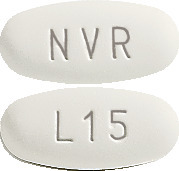
  • 15 mg: ovaloid curved and white to almost white tablets with "L15" on one side and "NVR" on the other
  • 20 mg: elongated curved white to almost white tablets with "L20" on one side and "NVR" on the other.

Ingredients

Jakavi contains 5, 10, 15 or 20 mg of ruxolitinib phosphate as the active ingredient. It also contains:

  • microcrystalline cellulose
  • magnesium stearate
  • colloidal anhydrous silica
  • sodium starch glycollate type A
  • hyprolose
  • povidone
  • lactose monohydrate.

This medicine contains sugars in the form of lactose monohydrate. It does not contain sucrose, gluten, tartrazine or any other azo dyes.

Sponsor

Jakavi is supplied in Australia by:

NOVARTIS Pharmaceuticals Australia Pty Limited
ABN 18 004 244 160
54 Waterloo Road
Macquarie Park NSW 2113
Telephone 1 800 671 203
Web site: www.novartis.com.au

® = Registered Trademark

This leaflet was prepared in September 2021.

Australian Registration Number.

Jakavi 5 mg tablets AUST R 198934

Jakavi 10 mg tablets AUST R 232702

Jakavi 15 mg tablets AUST R 198936

Jakavi 20 mg tablets AUST R 198933

(jak210921c.doc) based on PI (jak210921i.doc)

Published by MIMS November 2021

BRAND INFORMATION

Brand name

Jakavi

Active ingredient

Ruxolitinib

Schedule

S4


1 Name of Medicine

Ruxolitinib.

2 Qualitative and Quantitative Composition

Jakavi tablets contain 5 mg, 10 mg, 15 mg and 20 mg of ruxolitinib as the phosphate salt.

Excipients with known effects.

Contains sugars, as lactose monohydrate.
For the full list of excipients, see Section 6.1 List of Excipients.

3 Pharmaceutical Form

Tablet.

4 Clinical Particulars

4.1 Therapeutic Indications

Jakavi is indicated for the treatment of disease-related splenomegaly or symptoms in patients with primary myelofibrosis, post-polycythemia vera myelofibrosis or post-essential thrombocythemia myelofibrosis.
Jakavi is indicated for the treatment of adult patients with polycythemia vera who are resistant to or intolerant of hydroxyurea.
Jakavi is indicated for the treatment of patients aged 12 years and older with acute graft-versus-host disease who have inadequate response to corticosteroids.
Jakavi is indicated for the treatment of patients aged 12 years and older with chronic graft-versus-host disease who have inadequate response to corticosteroids.

4.2 Dose and Method of Administration

Doses should be individualised based on safety and efficacy. Starting doses per indication are noted below.

Monitoring instructions.

Blood cell counts.

A blood cell count must be performed before initiating therapy with Jakavi. Complete blood counts should be monitored every 2 to 4 weeks until doses are stabilised, and then as clinically indicated (see Section 4.4 Special Warnings and Precautions for Use).

Dose.

Myelofibrosis (MF).

Starting dose.

The recommended starting dose of Jakavi in MF is based on platelet count (see Table 1). Jakavi can be taken with or without food.

Dose modifications.

The dose is titrated based on efficacy and safety.
If efficacy is considered insufficient and blood counts are adequate, doses may be increased in 5 mg twice daily increments to a maximum dose of 25 mg twice daily. Doses should not be increased during the first 4 weeks of therapy and not more frequently than every 2 weeks.
Based on limited clinical data, long-term maintenance at a 5 mg twice daily dose has not shown responses and continued use at this dose should be limited to patients in whom the benefits outweigh the potential risks. Discontinue treatment after 6 months if there is no spleen size reduction or symptom improvement since initiation of therapy with Jakavi.
There are limited data on initiating Jakavi in patients with platelet counts of 50-100 x 109/L. Jakavi should only be used if hepatic function is normal and renal function is normal or mildly impaired. The Jakavi dose should be titrated cautiously based on response and blood cell counts.

Dose reduction, treatment interruption and restart.

The Jakavi dose should be reduced in MF if the platelet count decreases during treatment as outlined in Table 2, with the goal of avoiding dose interruptions for thrombocytopenia.
Jakavi treatment should be interrupted if the platelet count decreases below 50 x 109/L or the absolute neutrophil count decreases below 0.5 x 10⁹/L.
After recovery of blood counts above these levels, Jakavi may be restarted at 5 mg twice daily and gradually increased based on careful monitoring of blood cell counts.
Polycythemia vera (PV).

Starting dose.

The recommended starting dose of Jakavi in PV is 10 mg given orally twice daily with or without food.

Dose modifications.

The dose is titrated based on efficacy and safety.
If efficacy is considered insufficient and blood counts are adequate, doses may be increased in 5 mg twice daily increments to a maximum dose of 25 mg twice daily. Doses should not be increased during the first 4 weeks of therapy and not more frequently than every 2 weeks.

Dose reduction, treatment interruption and restart.

In PV, dose reduction should also be considered if haemoglobin decreases below 120 g/L and is recommended if haemoglobin decreases below 100 g/L. Treatment should be interrupted if the platelet count decreases below 50 x 109/L or the absolute neutrophil count decreases below 0.5 x 10⁹/L. Treatment should also be interrupted when hemoglobin is below 80 g/L.
After recovery of blood counts above these levels, Jakavi may be restarted at 5 mg twice daily and gradually increased based on careful monitoring of blood cell counts.
Acute graft-versus-host disease. The recommended starting dose of Jakavi in acute GvHD is 5 to 10 mg given orally twice daily with or without food.
Chronic graft-versus-host disease. The recommended starting dose of Jakavi in chronic GvHD is 10 mg given orally twice daily with or without food.

Dose modifications for acute and chronic GvHD.

Dose reductions and temporary interruptions of treatment may be needed in GvHD patients with thrombocytopenia, neutropenia, or elevated total bilirubin after standard supportive therapy including growth-factors, anti-infective therapies and transfusions. One dose level reduction step is recommended (10 mg twice daily to 5 mg twice daily or 5 mg twice daily to 5 mg once daily). In patients who are unable to tolerate Jakavi at a dose of 5 mg once daily, treatment should be interrupted. Detailed dosing recommendations are provided in Table 3.
In GvHD, tapering of Jakavi may be considered in patients with a response and after having discontinued corticosteroids. A 50% dose reduction of Jakavi every two months is recommended. If signs or symptoms of GvHD reoccur during or after the taper of Jakavi, re-escalation of treatment should be considered.

Administration instruction.

If a dose is missed, the patient should not take an additional dose, but should take the next usual prescribed dose.
Treatment may be continued as long as the benefit-risk ratio remains positive.

Dose adjustment with concomitant CYP3A4 inhibitors or dual moderate inhibitors of CYP2C9 and CYP3A4.

When Jakavi is administered with strong CYP3A4 inhibitors in MF and PV patients or dual moderate inhibitors of CYP2C9 and CYP3A4 enzymes (e.g. fluconazole) in MF, PV or GvHD patients, the total daily dose of Jakavi should be modified according to Table 4. The concomitant use of Jakavi with fluconazole doses of greater than 200 mg daily should be avoided (see Section 4.5 Interactions with Other Medicines and Other Forms of Interactions).
More frequent monitoring of haematology parameters and clinical signs and symptoms of Jakavi related adverse drug reactions is recommended upon initiation of a strong CYP3A4 inhibitor or dual moderate inhibitors of CYP2C9 and CYP3A4 enzymes.

Patients with renal impairment.

In patients with moderate to severe renal impairment (creatinine clearance (Clcr) less than 60 mL/min) the recommended starting dose based on platelet count for MF patients (myelofibrosis) should be reduced by approximately 50%. The recommended starting dose for PV patients with severe renal impairment is 5 mg twice daily. Patients diagnosed with moderate to severe renal impairment while receiving Jakavi should be carefully monitored and may need to have their doses reduced to avoid adverse drug reactions.
There are limited data to determine the best dosing options for patients with endstage renal disease (ESRD) on dialysis.
Available data in this population suggest that MF patients on dialysis should be started on an initial single dose of 15 mg or 20 mg (or two doses of 10 mg given 12 hours apart) based on platelet counts with subsequent single doses only after each dialysis session, and with careful monitoring of safety and efficacy.
The recommended starting dose for PV patients with ESRD on haemodialysis is a single dose of 10 mg or two doses of 5 mg given 12 hours apart, to be administered post-dialysis and only on the day of haemodialysis and with careful monitoring of safety and efficacy (see Section 5.2 Pharmacokinetic Properties). There are no data for patients undergoing peritoneal dialysis or continuous venovenous haemofiltration. Jakavi should be avoided in patients with endstage renal disease (Clcr less than 15 mL/min) not undergoing dialysis and in patients with moderate to severe renal impairment with platelet counts less than 100 x 109/L. See Table 5.

Patients with hepatic impairment.

In MF patients with any hepatic impairment the recommended starting dose based on platelet count should be reduced by approximately 50%. The recommended starting dose is 5 mg twice daily for PV patients. Patients diagnosed with hepatic impairment while receiving Jakavi should be carefully monitored and may need to have their dose reduced to avoid adverse drug reactions.
Jakavi should be avoided in patients with hepatic impairment with platelet counts less than 100 x 109/L. See Table 6.

Elderly patients.

No additional dose adjustments are recommended for elderly patients.

4.3 Contraindications

Hypersensitivity to the active substance or any of the excipients.

4.4 Special Warnings and Precautions for Use

Decrease in blood cell count.

Treatment with Jakavi can cause haematological adverse reactions, including thrombocytopenia, anaemia and neutropenia. A complete blood count must be performed before initiating therapy with Jakavi (for monitoring frequency, see Section 4.2 Dose and Method of Administration).
It has been observed that MF patients with low platelet counts (< 200 x 109/L) at the start of therapy are more likely to develop thrombocytopenia during treatment.
Thrombocytopenia was generally reversible and was usually managed by reducing the dose or temporarily withholding Jakavi. However, platelet transfusions may be required as clinically indicated (see Section 4.2 Dose and Method of Administration; Section 4.8 Adverse Effects (Undesirable Effects)).
Patients developing anaemia may require blood transfusions. Dose modifications or interruption for patients developing anaemia may also be considered.
Neutropenia (Absolute Neutrophil Count (ANC) < 0.5 x 10⁹/L) was generally reversible and was managed by temporarily withholding Jakavi (see Section 4.2 Dose and Method of Administration; Section 4.8 Adverse Effects (Undesirable Effects)).
Complete blood counts should be monitored as clinically indicated and dose adjusted as required (see Section 4.2 Dose and Method of Administration; Section 4.8 Adverse Effects (Undesirable Effects)).

Haemorrhage.

Bleeding (in most cases of bruising type and other bleeding events; and rarely gastrointestinal, intracranial or fatal haemorrhage) has been reported in patients treated with Jakavi (see Section 4.8 Adverse Effects (Undesirable Effects), Post-marketing experience). Platelet counts should be monitored.

Infections.

Serious bacterial, mycobacterial, fungal, viral and other opportunistic infections have occurred in patients treated with Jakavi. Patients should be assessed for the risk of developing serious infections. Physicians should carefully observe patients receiving Jakavi for signs and symptoms of infections and appropriate treatment should be initiated promptly. Jakavi therapy should not be started until active serious infections have resolved.
Tuberculosis has been reported in patients receiving Jakavi. Before starting treatment, patients should be evaluated for active and inactive ("latent") tuberculosis.
Hepatitis B viral load (HBV-DNA titre) increases, with and without associated elevations in alanine aminotransferase (ALT) and aspartate aminotransferase (AST), have been reported in patients with chronic HBV infections taking Jakavi. The effect of Jakavi on viral replication in patients with chronic HBV infection is unknown. Patients with chronic HBV infection should be treated and monitored according to clinical guidelines.

Herpes zoster.

Physicians should educate patients about early signs and symptoms of herpes zoster, advising that treatment should be sought as early as possible.

Progressive multifocal leukoencephalopathy.

Progressive Multifocal Leukoencephalopathy (PML) has been reported with ruxolitinib treatment. Physicians should be alert for neuropsychiatric symptoms suggestive of PML. If PML is suspected, further dosing must be suspended until PML has been excluded.

Non-melanoma skin cancer.

Non-melanoma skin cancers (NMSCs), including basal cell, squamous cell, and Merkel cell carcinoma have been reported in patients treated with Jakavi. Most of these MF and PV patients had histories of extended treatment with hydroxyurea and prior NMSC or pre-malignant skin lesions. A causal relationship to ruxolitinib has not been established. Periodic skin examination is recommended for patients who are at increased risk for skin cancer.

Lipid abnormalities/elevations.

Treatment with Jakavi has been associated with increases in lipid parameters including total cholesterol, high density lipoprotein (HDL) cholesterol, low density lipoprotein (LDL) cholesterol, and triglycerides. Lipid monitoring and treatment of dyslipidaemia according to clinical guidelines is recommended.

Withdrawal effects.

Following interruption or discontinuation of ruxolitinib, symptoms of myelofibrosis may return over a period of approximately 1 week. There have been cases of patients discontinuing ruxolitinib who sustained more severe events, particularly in the presence of acute intercurrent illness. It has not been established whether abrupt discontinuation of ruxolitinib contributed to these events. Unless abrupt discontinuation is required, gradual tapering of the dose of ruxolitinib may be considered, although the utility of the tapering is unproven.

Major adverse cardiovascular events (MACE).

Another JAK inhibitor has increased the risk of MACE, including cardiovascular death, myocardial infarction, and stroke (compared to those treated with TNF blockers) in patients with rheumatoid arthritis, a condition for which Jakavi is not indicated. Consider the benefits and risks for the individual patient prior to initiating or continuing therapy with Jakavi particularly in patients who are current or past smokers and patients with other cardiovascular risk factors. Patients should be informed about the symptoms of serious cardiovascular events and the steps to take if they occur.

Thrombosis.

Another JAK inhibitor has increased the risk of thrombosis, including deep venous thrombosis (DVT), pulmonary embolism (PE), and arterial thrombosis (compared to those treated with TNF blockers) in patients with rheumatoid arthritis, a condition for which Jakavi is not indicated. In patients with MF and PV treated with Jakavi in clinical trials, the rates of thromboembolic events were similar in Jakavi and control treated patients.
Patients with symptoms of thrombosis should be promptly evaluated and treated appropriately.

Secondary malignancies.

Another JAK inhibitor has increased the risk of lymphoma and other malignancies excluding NMSC (compared to those treated with TNF blockers) in patients with rheumatoid arthritis, a condition for which Jakavi is not indicated. Patients who are current or past smokers are at additional increased risk. Consider the benefits and risks for the individual patient prior to initiating or continuing therapy with Jakavi, particularly in patients with a known secondary malignancy (other than a successfully treated NMSC), patients who develop a malignancy, and patients who are current or past smokers.

Diverticulitis.

Cases of diverticulitis and gastrointestinal perforations have been reported in clinical trials and from post-marketing sources with JAK inhibitors. Diverticulitis may cause gastrointestinal perforation. Jakavi should be used with caution in patients with diverticular disease and especially in patients chronically treated with concomitant medications associated with an increased risk of diverticulitis such as nonsteroidal anti-inflammatory drugs, corticosteroids and opioids. Patients presenting with new onset abdominal signs and symptoms should be evaluated promptly for early identification of diverticulitis to prevent gastrointestinal perforation.

Use in hepatic impairment.

Dose modifications are required, depending on the level of severity of hepatic impairment and the condition treated (see Section 4.2 Dose and Method of Administration).

Use in renal impairment.

Dose modifications are needed in patients with renal impairment (see Section 4.2 Dose and Method of Administration; Section 5.2 Pharmacokinetic Properties, Pharmacokinetics in special patient groups).

Paediatric use.

MF and PV.

The safety and efficacy of Jakavi in paediatric patients have not been established.

GvHD.

In paediatric patients 12 years of age and older with GvHD, the safety and efficacy of Jakavi are supported by evidence from the randomised phase 3 studies REACH2 and REACH3. The safety and efficacy of Jakavi have not been established in patients less than 12 years of age (see Section 4.2 Dose and Method of Administration; Section 5.1 Pharmacodynamic Properties, Clinical trials).
In studies using juvenile rats, ruxolitinib adversely affected bone development. See Section 5.3 Preclinical Safety Data.

Use in the elderly.

No additional dose adjustments are recommended for elderly patients.

Effects on laboratory tests.

See Section 4.8 Adverse Effects (Undesirable Effects).

4.5 Interactions with Other Medicines and Other Forms of Interactions

Agents that may alter plasma concentration of ruxolitinib.

At clinically relevant concentrations, ruxolitinib does not inhibit CYP1A2, CYP2B6, CYP2C8, CYP2C9, CYP2C19, CYP2D6 or CYP3A4 and is not a potent inducer of CYP1A2, CYP2B6 or CYP3A4 based on in vitro studies.
In vitro, ruxolitinib was not an inhibitor of the OATP1B1, OATP1B3, OCT1, OCT2, OAT1 or OAT3 transporters at clinically relevant concentration. Ruxolitinib is not a substrate for the P-glycoprotein transporter but was shown to be a weak inhibitor of this transporter. The effect of ruxolitinib on medicines which are substrates of P-glycoprotein are unknown.
Ruxolitinib is eliminated through metabolism catalysed by CYP3A4 and CYP2C9. Thus, medicinal products inhibiting these enzymes can give rise to increased ruxolitinib exposure.

Strong CYP3A4 inhibitors (such as, but not limited to, boceprevir, clarithromycin, indinavir, itraconazole, ketoconazole, lopinavir/ ritonavir, ritonavir, nelfinavir, posaconazole, saquinavir, telaprevir, telithromycin, voriconazole).

In healthy subjects receiving ketoconazole, a strong CYP3A4 inhibitor, at 200 mg twice daily for four days, the AUC of ruxolitinib increased by 91% and the half-life was prolonged from 3.7 to 6.0 hours.
When administering Jakavi with strong CYP3A4 inhibitors the total daily dose of Jakavi should be reduced by approximately 50%, except in GvHD patients. The effect of strong CYP3A4 inhibitors in patients with GvHD was not found to have a significant impact on any parameter in the Population PK model.
Patients should be closely monitored for cytopenias and dose titrated based on safety and efficacy (see Section 4.2 Dose and Method of Administration).
Grapefruit, grapefruit juice, and other foods that are known to be strong inhibitors of cytochrome P450 3A4 may increase ruxolitinib exposures and should be avoided during treatment.

Mild or moderate CYP3A4 inhibitors (such as, but not limited to, ciprofloxacin, erythromycin, amprenavir, atazanavir, diltiazem, cimetidine).

In healthy subjects receiving erythromycin, a moderate CYP3A4 inhibitor, at 500 mg twice daily for four days, there was a 27% increase in the AUC of ruxolitinib.
No dose adjustment is recommended when Jakavi is coadministered with mild or moderate CYP3A4 inhibitors (e.g. erythromycin). Patients should be closely monitored for cytopenias when initiating therapy with a moderate CYP3A4 inhibitor.

Dual moderate CYP2C9 and CYP3A4 inhibitors (e.g. fluconazole).

In healthy subjects receiving fluconazole, a dual CYP2C9 and CYP3A4 inhibitor, as a single 400 mg dose followed by 200 mg once daily for seven days, there was a 47% and 232% increase in the Cmax and AUC of ruxolitinib, respectively. When ruxolitinib is administered with dual inhibitors of CYP2C9 and CYP3A4 enzymes (e.g. fluconazole), a 50% dose reduction should be considered. The concomitant use of Jakavi with fluconazole doses of greater than 200 mg daily should be avoided (see Section 4.2 Dose and Method of Administration).

CYP3A4 inducers (such as, but not limited to, dexamethasone, carbamazepine, phenobarbital, phenytoin, rifabutin, rifampin (rifampicin), rifapentine, St. John's wort (Hypericum perforatum)).

Upon initiation of a CYP3A4 inducer, no dose adjustment is recommended. Patients should be closely monitored and the dose titrated based on safety and efficacy.
In healthy subjects receiving rifampin, a potent CYP3A4 inducer, at 600 mg once daily for ten days, the AUC of ruxolitinib following a single dose decreased by 71% and the half-life decreased from 3.3 to 1.7 hours. The relative amount of active metabolites increased in relation to parent compound.

Substances metabolised by CYP3A4.

It cannot be excluded that ruxolitinib inhibits CYP3A4 in the intestine. Increased systemic exposure may be obtained for substances which are metabolised by CYP3A4, and particularly those that undergo extensive intestinal metabolism. Some sensitive CYP3A substrates include lovastatin, aprepitant, budesonide, conivaptan, darifenacin, darunavir, everolimus, sirolimus, and midazolam. Safety monitoring of orally administered CYP3A4 metabolised substances is advised when combined with ruxolitinib. The interaction is likely to be minimised if the time between coadministrations is kept as long as possible.

Substances transported by P-glycoprotein or other transporters.

Ruxolitinib may inhibit P-glycoprotein and breast cancer resistance protein (BCRP) in the intestine. This may result in increased systemic exposure of substrates of these transporters, such as dabigatran etexilate, cyclosporin, rosuvastatin and potentially digoxin. Therapeutic drug monitoring (TDM) or clinical monitoring of the affected substance is advised.
Drugs that inhibit P-glycoprotein include tacrolimus, cyclosporine, diltiazem, amiodarone, carvedilol, nifedipine, verapamil, ketoconazole, itraconazole, quinidine, ritonavir, saquinavir, nelfinavir, ranolazine, valspodar and isradipine. It is possible that the potential inhibition of P-gp and BCRP in the intestine can be minimised if the time between administrations is kept apart as long as possible.
No dose adjustment is recommended when Jakavi is coadministered with substances that interact with P-gp and other transporters.

Cytoreductive therapies.

The concomitant use of cytoreductive therapies and Jakavi has not been studied. Some cytoreductive therapies include hydroxyurea, mercaptopurine, melphalan, chlorambucil and cytarabine. The safety and efficacy of this coadministration is not known.

4.6 Fertility, Pregnancy and Lactation

Effects on fertility.

There are no human data on the effect of ruxolitinib on fertility. In an animal study, ruxolitinib was administered to male rats prior to and throughout mating and to female rats prior to mating and up to the implantation day. Ruxolitinib had no effect on fertility or reproductive function in male or female rats at doses up to 60 mg/kg/day. However, in female rats doses of greater than or equal to 30 mg/kg/day resulted in increased postimplantation loss. The exposure (free AUC) at the dose of 30 mg/kg/day is approximately equivalent to the clinical exposure at the maximum recommended dose of 25 mg twice daily.

Females and males of reproductive potential.

Based on animal studies, ruxolitinb is found to be harmful to the developing fetus. Considering this, women of childbearing potential must take appropriate precautions (contraceptive methods that result in < 1% pregnancy rates) to avoid becoming pregnant during ruxolitinib treatment. In case pregnancy occurs, risk/benefit evaluations must be carried out on an individual basis with careful counselling regarding potential risk to the fetus using the most recent data available.
(Category C)
There are no adequate and well controlled studies of Jakavi in pregnant women. Ruxolitinib and/or its metabolites crossed the placental barrier in pregnant rats. JAK2 is required for definitive erythropoiesis during embryogenesis. When administered at oral doses up to 60 mg/kg during the period of organogenesis, ruxolitinib was embryolethal and fetotoxic in both rats and rabbits (increases in postimplantation loss and reduced fetal weights at maternotoxic doses). Exposures (AUC) at the no effect level were subclinical. There was no evidence of teratogenicity.
The use of Jakavi during pregnancy is not recommended. The patient should be advised of the risk to a fetus if the patient becomes pregnant while taking this medicinal product.
There are no data on the effects of ruxolitinib on the breast-fed child or the effects of ruxolitinib on milk production. In lactating rats, ruxolitinib and/or its metabolites were excreted into the milk with a concentration that was 13-fold higher than the maternal plasma concentration. Jakavi must not be used during breastfeeding and breastfeeding should therefore be discontinued when treatment is started. It is unknown whether ruxolitinib and/or its metabolites are excreted in human milk. A risk to the breastfed child cannot be excluded.
In a study in which pregnant rats were dosed with ruxolitinib from implantation through lactation at oral doses up to 30 mg/kg/day, there were no adverse effects on postnatal survival, pup development or pup reproductive function. Maternal exposure (AUC) at the highest dose level was subclinical.

4.7 Effects on Ability to Drive and Use Machines

Jakavi has no or negligible sedating effect. However, patients who experience dizziness after the intake of Jakavi should refrain from driving or using machines.

4.8 Adverse Effects (Undesirable Effects)

Summary of the safety profile.

Myelofibrosis.

The safety of Jakavi in MF patients was evaluated using long term follow-up data from the two phase 3 studies COMFORT-I and COMFORT-II including data from patients initially randomised to Jakavi (n = 301) and patients who received Jakavi after crossing over from control treatments (n = 156). The median exposure upon which the ADR frequency categories for MF patients are based was 30.5 months (range 0.3 to 68.1 months).
The most frequently reported adverse drug reactions (ADRs) were anaemia (83.8%) and thrombocytopenia (80.5%).
Haematological ADRs (any CTCAE grade; Common Terminology Criteria for Adverse Events) included anaemia (83.8%), thrombocytopenia (80.5%) and neutropenia (20.8%).
Anaemia, thrombocytopenia and neutropenia are dose related effects.
The most frequent non-haematological adverse reactions were bruising (33.3%), dizziness (21.9%) and urinary tract infections (21.4%). The most frequent non-haematological laboratory abnormalities identified as ADRs were increased ALT (40.7%), increased AST (31.5%) and hypertriglyceridaemia (25.2%). However, no CTCAE grade 3 or 4 hypertriglyceridaemia and increased AST or grade 4 increased ALT were observed.
Discontinuation due to AEs, regardless of causality, was observed in 30.0% of patients treated with Jakavi.

Polycythemia vera.

The safety of Jakavi in PV patients was evaluated using long-term follow-up data from the two phase 3 studies RESPONSE and RESPONSE 2 including data from patients initially randomised to Jakavi (n = 184) and patients who received Jakavi after crossing over from control treatments (n = 156). The median exposure upon which the ADR frequency categories for PV patients are based was 41.7 months (range 0.03 to 59.7 months).
The most frequently reported ADRs were anaemia (61.8%) and increased ALT (45.3%).
Haematological ADRs (any CTCAE grade) included anaemia (61.8%), thrombocytopenia (25.0%) and neutropenia (5.3%). Anaemia or thrombocytopenia grade 3 and 4 were reported in 2.9% and 2.6% of the patients, respectively.
The most frequent non-haematologic ADRs were weight gain (20.3%), dizziness (19.4%), and headache (17.9%).
The most frequent non-haematological laboratory abnormalities (any CTCAE grade) identified as ADRs were increased ALT (45.3%), increased AST (42.6%) and hypercholesterolaemia (34.7%). The majority were grade 1 to 2, with one CTCAE grade 4 'increased AST'.
Discontinuation due to AEs, regardless of causality, was observed in 19.4% of patients treated with Jakavi.

Acute GvHD.

The safety of Jakavi in acute GvHD patients was evaluated in the phase 3 study REACH2, including data from patients initially randomised to Jakavi (n = 152) and patients who received Jakavi after crossing over from control treatment (n = 49). The median exposure upon which the ADR frequency categories were based was 8.9 weeks (range 0.3 to 66.1 weeks).
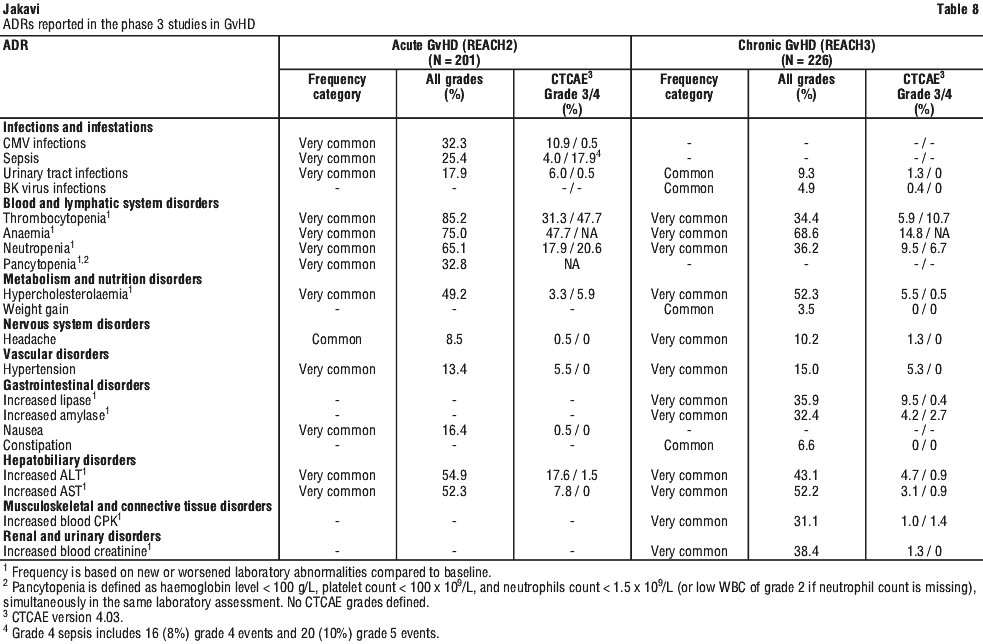
The most frequently reported overall ADRs were thrombocytopenia (85.2%), anaemia (75.0%) and neutropenia (65.1%).
Haematological laboratory abnormalities identified as ADRs included thrombocytopenia (85.2%), anaemia (75.0%) and neutropenia (65.1%). Grade 3 anaemia was reported in 47.7% of patients (Grade 4 not applicable per CTCAE v4.03). Grade 3 and 4 thrombocytopenia were reported in 31.3% and 47.7% of patients, respectively.
The most frequent non-haematological ADRs were cytomegalovirus (CMV) infection (32.3%), sepsis (25.4%) and UTI (17.9%).
The most frequent non-haematological laboratory abnormalities identified as ADRs were increased ALT (54.9%), increased AST (52.3%) and hypercholesterolaemia (49.2%). The majority were of grade 1 and 2.
Discontinuation due to AEs, regardless of causality, was observed in 29.4% of patients treated with Jakavi.

Chronic GvHD.

The safety of Jakavi in chronic GvHD patients was evaluated in the phase 3 study REACH3, including data from patients initially randomised to Jakavi (n = 165) and patients who received Jakavi after crossing over from best available treatment (BAT) [n = 61]. The median exposure upon which the ADR frequency categories were based was 41.4 weeks (range 0.7 to 127.3 weeks).
The most frequently reported overall ADRs were anaemia (68.6%), hypercholesterolaemia (52.3%) and increased AST (52.2%).
Haematological laboratory abnormalities identified as ADRs included anaemia (68.6%), thrombocytopenia (34.4%) and neutropenia (36.2%). Grade 3 anaemia was reported in 14.8% of patients (Grade 4 not applicable per CTCAE v4.03). Grade 3 and 4 neutropenia were reported in 9.5% and 6.7% of patients, respectively.
The most frequent non-haematological ADRs were hypertension (15.0%), headache (10.2%) and UTI (9.3%).
The most frequent non-haematological laboratory abnormalities identified as ADRs were hypercholesterolaemia (52.3%), increased AST (52.2%) and increased ALT (43.1%). The majority were Grade 1 and 2.
Discontinuation due to AEs, regardless of causality, was observed in 18.1% of patients treated with Jakavi.

Tabulated summary of adverse drug reactions from clinical trials.

ADRs from clinical trials in MF and PV are listed in Table 7. ADRs from clinical trials in acute and chronic GvHD are listed in Table 8. All ADRs are listed by MedDRA system organ class (SOC). Within each SOC, the ADRs are ranked by frequency, with the most frequent reactions first. In addition, the corresponding frequency category for each ADR is based on the following convention (CIOMS III): very common (≥ 1/10); common (≥ 1/100 to < 1/10); uncommon (≥ 1/1000 to < 1/100); rare (≥ 1/10,000 to < 1/1000); very rare (< 1/10,000).
In the clinical studies program the severity of ADRs was assessed based on the CTCAE defining Grade 1 = mild, Grade 2 = moderate, Grade 3 = severe and Grade 4 = life threatening or disabling, Grade 5 = death.
Upon discontinuation MF patients may experience a return of myelofibrosis symptoms such as fatigue, bone pain, fever, pruritus, night sweats, symptomatic splenomegaly and weight loss. In MF clinical studies the total symptom score for myelofibrosis symptoms gradually returned to baseline values within 7 days after dose discontinuation.
Post-marketing experience.

Tuberculosis has been observed post-marketing with Jakavi in PV patients via spontaneous case reports and in the literature.
Bleeding including bruising, gastrointestinal and intracranial bleeding, epistaxis, post-procedural haemorrhage and haematuria have been reported in patients treated with ruxolitinib.
Cases of diverticulitis have been reported with JAK inhibitors.
Because cases were reported voluntarily from a population of uncertain size, it is not possible to reliably estimate the frequency, which is therefore characterised as 'not known'.

Description of selected adverse drug reactions.

Anaemia.

In phase 3 MF clinical studies, median time to onset of first CTCAE Grade 2 or higher anaemia was 1.5 months. One patient (0.3%) discontinued treatment because of anaemia.
In patients receiving Jakavi mean decreases in haemoglobin reached a nadir of approximately 15 to 20 g/L below baseline after 8 to 12 weeks of therapy and then gradually recovered to reach a new steady state that was approximately 10 g/L below baseline. This pattern was observed in patients regardless of whether they had received transfusion during therapy.
In the randomised, placebo-controlled study (COMFORT-I), 59.4% of Jakavi treated patients and 37.1% of patients receiving placebo received red blood cell transfusions during randomised treatment. In the COMFORT-II study, the rate of packed red blood cell transfusions was 51.4% in the Jakavi arm and 38.4% in the best available therapy arm (BAT). Over the randomised period in the pivotal studies, anaemia was less frequent in the PV patients (43.6%) versus 82.4% in MF patients. In the PV population, the CTCAE Grade 3 and 4 events were reported in 1.8%, while in the MF patients, the frequency was of 42.5%.
In the phase 3 acute and chronic GvHD studies, anaemia CTCAE Grade 3 was reported in 47.7% and 14.8% of patients, respectively.

Thrombocytopenia.

In the phase 3 MF clinical studies, in patients who developed Grade 3 or 4 thrombocytopenia, the median time to onset was approximately 8 weeks. Thrombocytopenia was generally reversible with dose reduction or dose interruption. The median time to recovery of platelet counts above 50 x 109/L was 14 days. During the randomised period, platelet transfusions were administered to 4.5% of patients receiving Jakavi and to 5.8% of patients receiving control regimens. Discontinuation of treatment because of thrombocytopenia occurred in 0.7% of patients receiving Jakavi and 0.9% of patients receiving control regimens. Patients with a platelet count of 100 x 109/L to 200 x 109/L before starting Jakavi had a higher frequency of Grade 3 or 4 thrombocytopenia compared to patients with platelet count > 200 x 109/L (64.2% versus 35.4%).
Over the randomised period in the pivotal studies, the rate of patients experiencing thrombocytopenia was lower in PV (24.5%) compared to MF (69.8%) patients. The frequency of severe (i.e. of CTCAE Grade 3 and 4) thrombocytopenia was lower in PV (5.5%) than in MF (11.6%) patients.
In the phase 3 acute GvHD study, Grade 3 and 4 thrombocytopenia was observed in 31.3% and 47.7% of patients, respectively. In the phase 3 chronic GvHD study Grade 3 and 4 thrombocytopenia was lower (5.9% and 10.7%) than in acute GvHD.

Neutropenia.

In the phase 3 clinical studies in MF, in patients who developed Grade 3 or 4 neutropenia, the median time of onset was 12 weeks. During the randomised period of the studies dose holding or reductions due to neutropenia were reported in 1.0% of patients and 0.3% of patients discontinued treatment because of neutropenia.
Over the randomised period in the pivotal study, in PV patients, neutropenia was observed in 2 patients (1.8%) from the RESPONSE study, of which one patient developed CTCAE Grade 4 neutropenia. During the long-term follow-up (RESPONSE 2), 2 patients reported CTCAE Grade 4 neutropenia.
In the phase 3 acute GvHD study, Grade 3 and 4 neutropenia was observed in 17.9% and 20.6% of patients, respectively. In the phase 3 chronic GvHD study, Grade 3 and 4 neutropenia was lower (9.5% and 6.7%) than in acute GvHD.

Infections.

In the randomised period of the phase 3 MF clinical studies, Grade 3 or 4 urinary tract infection was reported for 1.0% of patients. Urosepsis was reported in 1.0% of patients and kidney infection in 1 patient. The rate of herpes zoster was 4.0%. During long-term follow up, urinary tract infection and herpes zoster of any grade were observed in 21.4% and 19.7% of patients, respectively.
In the randomised period of the two phase 3 PV clinical studies, one (0.5%) Grade 3 to 4 urinary tract infections was observed. The rate of herpes zoster was 4.3% including one report of Grade 3 and 4 post herpetic neuralgia. During long-term follow-up, urinary tract infection and herpes zoster of any grade were observed in 11.8% and 14.7% of patients, respectively.
In the phase 3 acute GvHD study, Grade 3 and 4 CMV infections were reported in 10.9% and 0.5% of patients, respectively. CMV infection with organ involvement was seen in very few patients; CMV colitis, CMV enteritis and CMV gastrointestinal infection of any Grade were reported in four, two and one patients, respectively.
Sepsis events including septic shock of any Grade were reported in 25.4% of patients.
In the phase 3 chronic GvHD study, Grade 3 urinary tract infections and BK virus infections were reported in 1.3% and 0.4% of patients, respectively.

Increased systolic blood pressure.

In the Phase 3 pivotal clinical studies an increase in systolic blood pressure of 20 mmHg or more from baseline was recorded in 31.5% of patients on at least one visit compared with 19.5% of the control treated patients. In COMFORT-I the mean increase from baseline in systolic BP was 0-2 mmHg on Jakavi versus a decrease of 2-5 mmHg in the placebo arm. In COMFORT-II mean values showed little difference between the ruxolitinib treated and the control treated patients.
In the randomised period of the pivotal study in PV patients, the mean systolic blood pressure increased by 0.65 mmHg in the Jakavi arm versus a decrease of 2 mmHg in the BAT arm.

Reporting suspected adverse effects.

Reporting suspected adverse reactions after registration of the medicinal product is important. It allows continued monitoring of the benefit-risk balance of the medicinal product. Healthcare professionals are asked to report any suspected adverse reactions at www.tga.gov.au/reporting-problems.

4.9 Overdose

There is no known antidote for overdoses with Jakavi. Single doses up to 200 mg have been given with acceptable acute tolerability. Higher than recommended repeat doses are associated with increased myelosuppression including leucopoenia, anaemia and thrombocytopenia. Appropriate supportive treatment should be given.
Haemodialysis is not expected to enhance the elimination of ruxolitinib.
For information on the management of overdose, contact the Poisons Information Centre on 13 11 26 (Australia).

5 Pharmacological Properties

5.1 Pharmacodynamic Properties

Mechanism of action.

Ruxolitinib is an inhibitor of the Janus Associated Kinases (JAKs) JAK1 and JAK2 with nanomolar potency. JAKs mediate the signalling of a number of cytokines and growth factors that are important for haematopoiesis and immune function. JAK signalling involves recruitment of STATs (signal transducers and activators of transcription) to cytokine receptors, activation, and subsequent localisation of STATs to the nucleus leading to modulation of gene expression. Dysregulation of the JAK-STAT pathway has been associated with several cancers and increased proliferation and survival of malignant cells.
Myelofibrosis (MF) and polycythemia vera (PV) are myeloproliferative neoplasms (MPN) known to be associated with dysregulated JAK1 and JAK2 signalling. The basis for the dysregulation is believed to include high levels of circulating cytokines that activate the JAK-STAT pathway, gain of function mutations such as JAK2V617F, and silencing of negative regulatory mechanisms. MF patients exhibit dysregulated JAK signalling regardless of JAK2V617F mutation status. Activating mutations in JAK2 (V617F or exon 12) are found in > 95% of PV patients.
Ruxolitinib inhibits JAK-STAT signalling and cell proliferation of cytokine dependent cellular models of haematological malignancies. In an acute mouse model of JAK2V617F positive MPN, oral administration of ruxolitinib prevented splenomegaly, decreased circulating inflammatory cytokines (e.g. TNF-alpha, IL-6) and resulted in significantly prolonged survival.
JAK-STAT signalling pathways play a role in regulating the development, proliferation, and activation of several immune cell types important for GvHD pathogenesis. In a mouse model of acute GvHD, oral administration of ruxolitinib was associated with decreased expression of inflammatory cytokines in colon homogenates and reduced immune-cell infiltration in the colon.

Pharmacodynamics.

Ruxolitinib inhibits cytokine induced STAT3 phosphorylation in whole blood from healthy subjects and MF and PV patients. Ruxolitinib resulted in maximal inhibition of STAT3 phosphorylation 2 hours after dosing which returned to near baseline by 8 hours in both healthy subjects and myelofibrosis patients, indicating no accumulation of either parent or active metabolites.
Baseline elevations in inflammatory markers associated with constitutional symptoms such as TNF-alpha, IL-6, and CRP in patients with MF were decreased following treatment with ruxolitinib. Patients with myelofibrosis did not become refractory to the pharmacodynamic effects of ruxolitinib treatment over time. Similarly, patients with polycythemia vera also presented with baseline elevations in inflammatory markers and these markers were decreased following treatment with ruxolitinib.
In a thorough QT study in healthy subjects, there was no indication of a QT/QTc prolonging effect of ruxolitinib in single doses up to a supratherapeutic dose of 200 mg indicating that ruxolitinib has no effect on cardiac repolarisation.

Clinical trials.

Myelofibrosis.

Two randomised Phase 3 studies (COMFORT-I and COMFORT-II) were conducted in patients with myelofibrosis (primary myelofibrosis (PMF), post-polycythemia vera myelofibrosis (PPV-MF) or post-essential thrombocythemia myelofibrosis (PET-MF)). In both studies, patients had palpable splenomegaly at least 5 cm below the costal margin and risk category of intermediate 2 (2 prognostic factors) or high risk (3 or more prognostic factors) based on the International Working Group Consensus Criteria (IWG). The prognostic factors that comprise the IWG criteria consist of age > 65 years, presence of constitutional symptoms (weight loss, fever, night sweats), anaemia (haemoglobin < 100 g/L), leukocytosis (history of WBC > 25 x 109/L) and circulating blasts ≥ 1%. The starting dose of Jakavi was based on platelet count. Patients with a platelet count between 100 and 200 x 109/L were started on Jakavi 15 mg twice daily and patients with a platelet count > 200 x 109/L were started on Jakavi 20 mg twice daily. Of the 301 patients, 111 (36.9%) had a baseline platelet count between 100 x 109/L and 200 x 109/L, and 190 (63.1%) had a baseline platelet count > 200 x 109/L. Patients with platelet counts ≤ 100 x 109/L were not eligible in COMFORT studies. Patients with platelet counts ≥ 50 x 109/L to ≤ 100 x 109/L were potentially eligible for enrolment in the EXPAND study, a Phase Ib, open label, dose-finding study in patients with PMF, PPV-MF or PET-MF. In COMFORT studies, doses were then individualised based upon tolerability and efficacy with maximum doses of 20 mg twice daily for patients with platelet counts between 100 to ≤ 125 x 109/L, of 10 mg twice daily for patients with platelet counts between 75 to ≤ 100 x 109/L, and of 5 mg twice daily for patients with platelet counts between 50 to ≤ 75 x 109/L.
COMFORT-I was a double blind, randomised, placebo controlled study in 309 patients who were refractory to or were not candidates for available therapy. Patients were dosed with Jakavi or matching placebo. The primary efficacy endpoint was proportion of subjects achieving ≥ 35% reduction from baseline in spleen volume at Week 24 as measured by MRI or CT.
Secondary endpoints included duration of maintenance of a ≥ 35% reduction from baseline in spleen volume, proportion of patients who had ≥ 50% reduction in total symptom score from baseline to Week 24 as measured by the modified Myelofibrosis Symptom Assessment Form (MFSAF) v2.0 diary, change in total symptom score from baseline to Week 24 as measured by the modified MFSAF v2.0 diary and overall survival.
COMFORT-II was an open label, randomised study in 219 patients. Patients were randomised 2:1 to Jakavi versus best available therapy (BAT). BAT was selected by the investigator on a patient by patient basis. In the BAT arm, 47% of patients received hydroxyurea and 16% of patients received glucocorticoids. The primary efficacy endpoint was proportion of patients achieving ≥ 35% reduction from baseline in spleen volume at Week 48 as measured by MRI or CT.
A secondary endpoint in COMFORT-II was the proportion of patients achieving a ≥ 35% reduction of spleen volume measured by MRI or CT from baseline to Week 24. Duration of maintenance of a ≥ 35% reduction from baseline in responding patients was also a secondary endpoint.
In COMFORT-I, patient baseline demographics and disease characteristics were comparable between the treatment arms. The median age was 68 years with 61% of patients older than 65 years and 54% male. Fifty percent (50%) of patients had PMF, 31% had post-PMF and 18% had PET-MF. Twenty one percent (21%) of patients had red blood transfusions within 8 weeks of enrolment in the study. The median platelet count was 251 x 109/L. Seventy six percent (76%) of patients had the mutation encoding the V617F substitution present in the JAK protein. Patients had a median palpable spleen length of 16 cm. At baseline 37.4% of the patients in the Jakavi arm had Grade 1 anaemia, 31.6% Grade 2 and 4.5% Grade 3, while in the placebo arm 35.8% had Grade 1, 35.1% Grade 2, 4.6% Grade 3, and 0.7% Grade 4. Grade 1 thrombocytopenia was found in 12.9% of patients in the Jakavi arm and 13.2% in the placebo arm.
In COMFORT-II, patient baseline demographics and disease characteristics were comparable between the treatment arms. The median age was 66 years with 52% of patients older than 65 years and 57% male. Fifty three percent (53%) of the patients had PMF, 31% had PPV-MF, and 16% had PET-MF. Nineteen percent (19%) of patients were considered transfusion dependent at baseline. Patients had a median palpable spleen length of 15 cm.
At baseline 34.2% of the patients in the Jakavi arm had grade 1 anaemia, 28.8% grade 2, and 7.5% grade 3, while in the BAT arm 37% had Grade 1, 27.4% Grade 2, 13.7% Grade 3, and 1.4% Grade 4. Thrombocytopenia of grade 1 was found in 8.2% of patients in the Jakavi arm, and 9.6% in the BAT arm.
Efficacy analyses of the primary endpoint in COMFORT-I and COMFORT-II are presented in Table 9. A significantly larger proportion of patients in the Jakavi group achieved a ≥ 35% reduction in spleen volume from baseline in both studies compared to placebo in COMFORT-I and BAT in COMFORT-II.
In COMFORT-I, 41.9% of patients in the Jakavi arm achieved a ≥ 35% reduction in spleen volume from baseline compared with 0.7% in the placebo arm at Week 24. A similar proportion of patients in the Jakavi arm achieved a ≥ 50% reduction in the exploratory efficacy endpoint of palpable spleen length.
In COMFORT-II, 28.5% of patients in the Jakavi arm achieved a ≥ 35% reduction in spleen volume from baseline compared with none (0%) in the BAT arm at Week 48. A secondary endpoint was the proportion of patients achieving a ≥ 35% reduction of spleen volume at Week 24. A significantly larger proportion of patients in the Jakavi arm 46 (31.9%) achieved a ≥ 35% reduction in spleen volume from baseline compared to no (0%) patients in the BAT arm (p-value < 0.0001).
An exploratory subgroup analysis showed a significantly higher proportion of patients in the Jakavi arm achieved ≥ 35% reduction from baseline in spleen volume regardless of the presence or absence of the JAK2V617F mutation or the disease subtype (PMF, PPV-MF, PET-MF).
Figure 1 shows a waterfall plot of the percent change from baseline in spleen volume at Week 24 in COMFORT-I. Among the 139 patients in the Jakavi arm who had both baseline spleen volume at Week 24, with a median reduction of 33%. Among the 106 patients in the placebo arm who had both baseline and Week 24 spleen volume evaluations, there was a median increase of 8.5%.
Figure 2 shows a waterfall plot of the percent change from baseline in spleen volume at Week 48 in COMFORT-II. Among the 98 patients in the Jakavi arm who had both baseline and Week 48 spleen volume evaluations, the median reduction in spleen volume at Week 48 was 28%. Among the 34 patients in the BAT arm who had both baseline and Week 48 spleen volume evaluations, there was a median increase of 8.5%.
The probability of duration from 1st ≥ 35% reduction of spleen volume to 25% increase from nadir and loss of response in COMFORT-I and COMFORT-II is shown in Table 10.
Among the 80 patients that showed a ≥ 35% reduction at any time point in COMFORT-I and of the 69 patients in COMFORT-II, the probability that a patient would maintain a response to Jakavi for at least 24 weeks was 89% and 87% in COMFORT-I and COMFORT-II respectively and the probability of maintaining a response for at least 48 weeks was 52% in COMFORT-II.
Overall survival (OS) was a secondary endpoint on both COMFORT studies. Median OS times had not been reached for either treatment arm in both studies. OS data from COMFORT-I demonstrate a risk of death reduced with Jakavi treatment by 50% (median follow-up: 51 weeks, HR: 0.499, 95% CI, 0.254, 0.980; p = 0.04), 13 out of 155 patients (8.4%) died in the Jakavi arm and 24 out of 154 patients (15.6%) died in the placebo arm with OS time censored for 142 (91.6%) and 130 (84.4%) in ruxolitinib and placebo arms, respectively. With 61.1 weeks of follow-up COMFORT II OS did not demonstrate a difference between the Jakavi and BAT arm (median follow-up: 61.1 weeks; HR: 1.01, 95% CI, 0.32, 3.24; p = 0.95) with 11 (7.5%) deaths in the Jakavi and 4 (5.5%) in the placebo arm, OS time was censored for 135 (92.5%) and 69 (94.5%) patients in Jakavi and BAT arms, respectively.
In COMFORT-I, after a median follow-up of 34.3 months, the death rate in patients randomised to the Jakavi arm was 27.1% (42 of 155 patients) versus 35.1% (54 of 154) in patients randomised to placebo. There was a 31.3% reduction in the risk of death in the Jakavi arm as compared to placebo (HR 0.687; 95% CI 0.459-1.029; p = 0.0668).
In COMFORT-II, after a median follow-up of 34.7 months, the death rate in patients randomised to Jakavi was 19.9% (29 of 146 patients) versus 30.1% (22 of 73 patients) in patients randomised to BAT. There was a 52% reduction in risk of death in the Jakavi arm compared to BAT arm (HR 0.48; 95% CI 0.28-0.85; p = 0.009).
The impact of Jakavi on MF associated symptoms was assessed in COMFORT-I only. In COMFORT-I symptoms of MF (night sweats, itchiness, abdominal discomfort, pain under the ribs, early satiety, bone or muscle pain) were captured using the modified MFSAF diary v2.0 as an electronic diary, which subjects completed daily. The change from Baseline in the Week 24 total score was a secondary endpoint in this study. Significantly larger proportion of patients in the Jakavi arm achieved a ≥ 50% improvement from Baseline in the Week 24 total symptom score compared with the placebo arm (45.9% and 5.3%, respectively, p < 0.0001 using the Chi-Squared test).
An improvement in overall quality of life was measured by the exploratory efficacy endpoint, EORTC QLQ-C30, in both COMFORT-I and COMFORT-II. COMFORT-I compared Jakavi to placebo at 24 weeks and COMFORT-II compared Jakavi to BAT at 48 weeks. At baseline for both studies, EORTC QLQ-C30 individual subscale scores for the Jakavi and comparator arms were similar. At Week 24 in COMFORT-I, the Jakavi arm showed significant improvement in the global health status/ quality of life of the EORTC QLQ-C30 compared with the placebo arm (mean change of +12.3 and -3.4 for Jakavi and placebo, respectively, p < 0.0001). At Week 24 and Week 48, the Jakavi arm in COMFORT-II showed a trend towards greater improvement of global health status/ QoL compared to BAT (Week 24: 8.4 (Jakavi) vs 5.2 (BAT); Week 48: 9.1 (Jakavi) vs 3.4 (BAT)), an exploratory endpoint, consistent with the COMFORT-I findings.

Polycythemia vera.

A randomised, open label, active controlled Phase 3 study (RESPONSE) was conducted in 222 patients with PV who were resistant to or intolerant of hydroxyurea. A total of 110 patients were randomised to the Jakavi arm and 112 patients to the BAT arm. Crossover could occur at Week 32 if BAT patients failed to meet the primary endpoint response, or after 32 weeks if they had a phlebotomy eligibility or spleen size progression. The starting dose of Jakavi was 10 mg twice daily. Doses were then adjusted in individual patients based on tolerability and efficacy with a maximum dose of 25 mg twice daily. BAT was selected by the investigator on a patient by patient basis and included hydroxyurea (59.5%), interferon/ pegylated interferon (11.7%), anagrelide (7.2%), pipobroman (1.8%) and observation (15.3%).
Baseline demographics and disease characteristics were comparable between the two treatments arms. The median age was 60 years (range 33 to 90 years). Patients in the Jakavi arm had PV diagnosis for a median of 8.2 years and had previously received hydroxyurea for a median of approximately 3 years. Most patients (> 80%) had received at least two phlebotomies in the last 24 weeks prior to screening.
The primary composite endpoint was the proportion of patients achieving both the absence of phlebotomy eligibility (HCT control) and ≥ 35% reduction in spleen volume from baseline at Week 32. Phlebotomy eligibility was defined as a confirmed HCT > 45% that is at least 3 percentage points higher than the HCT obtained at baseline or a confirmed HCT > 48%, whichever is lower. Key secondary endpoints included the proportion of patients who achieved the primary endpoint and who remained free from progression at Week 48, and the proportion of patients achieving complete haematological remission at Week 32.
The study met its primary objective and a higher proportion of patients in the Jakavi arm achieved the primary composite endpoint and each of its individual components. Significantly more patients on Jakavi (22.7%) compared to BAT (0.9%) achieved a primary response (p < 0.0001; 95% CI: 15.3, 31.7 vs 0.0, 4.9). Haematocrit control was achieved in 60% of patients in the Jakavi arm compared to 19.6% in the BAT arm and ≥ 35% reduction in spleen volume was achieved in 40% of patients in the Jakavi arm compared to 0.9% in the BAT arm.
Both key secondary endpoints were also met. The proportion of patients achieving a complete haematologic remission was 23.6% on Jakavi compared to 8.9% on BAT (p = 0.0028), and the proportion of patients achieving a durable primary response at Week 48 was 20% on Jakavi and 0.9% on BAT (p < 0.0001).
Symptom burden was assessed using the MPN-Symptoms Assessment Form (SAF) total symptom score (TSS) electronic patient diary consisting of 14 questions. At Week 32, 49% and 64% of evaluable patients treated with Jakavi achieved a ≥ 50% reduction in TSS-14 and TSS-5, respectively, compared to only 5% and 11% of evaluable patients on BAT.
Treatment benefit perception was measured by the Patient Global Impression of Change (PGIC) questionnaire. 66% of Jakavi treated patients compared to 19% in BAT reported an improvement as early as 4 weeks after the start of treatment. Improvement in perception of treatment benefit was also higher in Jakavi treated patients at Week 32 (78% versus 33%).
Additional analyses from the RESPONSE study to assess durability of response were conducted at Week 80 and week 256 following randomisation. Out of 25 patients who had achieved primary response at week 32, three patients had progressed by week 80 and 6 patients by week 256. The probability to have maintained a response from week 32 up to week 80 and week 256 was 92% and 74%, respectively.
A second randomised, open label, active-controlled phase IIIb study (RESPONSE-2) was conducted in 149 PV patients who were resistant to or intolerant of hydroxyurea but without palpable splenomegaly. Seventy-four patients were randomised to the Jakavi arm and 75 patients to the BAT arm. The starting dose and dose adjustments of Jakavi and investigator-selected BAT were similar to the RESPONSE study. Baseline demographics and disease characteristics were comparable between the two treatment arms and similar to the patient population of the RESPONSE study. The primary endpoint was the proportion of patients achieving HCT control (absence of phlebotomy eligibility) at Week 28. The key secondary endpoint was the proportion of patients achieving complete haematological remission at Week 28.
RESPONSE-2 met its primary objective with a higher proportion of patients in the Jakavi arm (62.2%) compared to the BAT arm (18.7%) achieving the primary endpoint (p < 0.0001). The key secondary endpoint was also met with significantly more patients achieving a complete haematologic remission in the Jakavi arm (23.0%) compared to the BAT arm (5.3%; p = 0.0019). At week 28, the proportion of patients achieving a ≥ 50% reduction in symptom burden as measured by the MPN-SAF total symptom score was 45.3% in the Jakavi arm and 22.7% in the BAT arm.

Acute graft versus host disease.

The clinical efficacy of Jakavi in patients 12 years of age and older with GvHD has been investigated in REACH1, a phase 2 open-label, single-arm, multicentre study of Jakavi for treatment of patients with steroid-refractory aGVHD Grades 2 to 4 (Mount Sinai Acute GVHD International Consortium (MAGIC) criteria) occurring after allogeneic hematopoietic stem cell transplantation. Jakavi was administered at 5 mg twice daily, and the dose could be increased to 10 mg twice daily after 3 days in the absence of toxicity.
Seventy-one patients were enrolled in the study. These patients had a median age of 58 years (range 18-73 years), 49.3% were male and the majority of participants were White/Caucasian (93.0%).
In REACH1, the primary endpoint was the overall response rate (ORR) on Day 28, defined as the proportion of patients in each arm with a complete response (CR), Very good Partial Response (VGPR) or a partial response (PR) (as per the CIBMTR modifications to the IBMTR response index).
The key secondary endpoint was six-month duration of response (DOR), defined as the time from first response until GvHD progression or death assessed when all participants who are still on study complete the Day 180 visit.
The REACH 1 study achieved the predetermined threshold for a positive study outcome (lower limit of the 95% CI for Day 28 ORR ≥ 40%). Forty participants (56.3% [95% CI: 44.0, 68.1]) demonstrated a response at Day 28, including 19 participants (26.8%) who achieved a CR, 6 participants who achieved a VGPR (8.5%) and 15 participants who achieved a PR (21.1%).

Chronic graft versus host disease.

In REACH3, 329 patients with moderate or severe corticosteroid-refractory, chronic GvHD were randomised 1:1 to Jakavi 10 mg twice daily (n = 165) or BAT (n = 164). Patients were stratified by severity of chronic GvHD at the time of randomisation. Corticosteroid refractoriness was determined when patients had lack of response or disease progression after 7 days, or had disease persistence for 4 weeks or failed corticosteroid taper twice.
BAT was selected by the investigator on a patient-by-patient basis and included extracorporeal photopheresis (ECP), low dose methotrexate (MTX), mycophenolate mofetil (MMF), mTOR inhibitors (everolimus or sirolimus), infliximab, rituximab, pentostatin, imatinib, or ibrutinib.
In addition to Jakavi or BAT, patients could have received standard allogeneic stem cell transplantation supportive care including anti-infective medications and transfusion support as well as standard chronic GvHD prophylaxis and treatment medications initiated before randomisation including systemic corticosteroids and CNIs (cyclosporine or tacrolimus). Topical or inhaled corticosteroid therapy was allowed to be continued per institutional guidelines.
Patients randomised to the BAT arm were allowed to cross over to the Jakavi arm after the Cycle 7 Day 1 visit (week 24). Tapering of Jakavi was allowed after the Cycle 7 Day 1 visit.
Baseline demographics and disease characteristics were balanced between the two treatment arms. The median age was 49 years (range 12 to 76 years). The study included 3.6% adolescent, 61.1% male and 75.4% white patients. The majority of enrolled patients had malignant underlying disease.
The severity at diagnosis of corticosteroid-refractory chronic GvHD was balanced between the two treatment arms, with 41% and 45% moderate, and 59% and 55% severe, in the Jakavi and the BAT arms, respectively.
Patients' insufficient response to corticosteroids in the Jakavi and BAT arm were characterised by i) a lack of response or disease progression after corticosteroid treatment for at least 7 days at 1 mg/kg/day of prednisone equivalents (37.6% and 44.5%, respectively), ii) disease persistence after 4 weeks at 0.5 mg/kg/day (35.2% and 25.6%), or iii) corticosteroid dependency (27.3% and 29.9%, respectively).
Among all patients, 73% and 45% had skin and lung involvement in the Jakavi arm, compared to 69% and 41% in the BAT arm.
The most frequently used prior systemic chronic GvHD therapies were corticosteroids only (43% in the Jakavi arm and 49% in the BAT arm) and corticosteroids+CNIs (41% patients in the Jakavi arm and 42% in the BAT arm).
The primary endpoint was the ORR on Day 1 of Cycle 7, defined as the proportion of patients in each arm with a CR or a PR without the requirement of additional systemic therapies for an earlier progression, mixed response or non-response based on investigator assessment per NIH criteria.
REACH3 met its primary objective. ORR at week 24 was higher in the Jakavi arm (49.7%) compared to the BAT arm (25.6%). There was a statistically significant difference between the treatment arms (stratified Cochrane-Mantel-Haenszel test p < 0.0001, one-sided, OR: 2.99; 95% CI: 1.86, 4.80). Results are presented in Table 11.
Best overall response (BOR) is defined as the proportion of patients who achieved ORR (CR+PR) at any time point up to Cycle 7 Day 1. The BOR up to Cycle 7 Day 1 was higher in the Jakavi arm (76.4%) than in the BAT arm (60.4%).
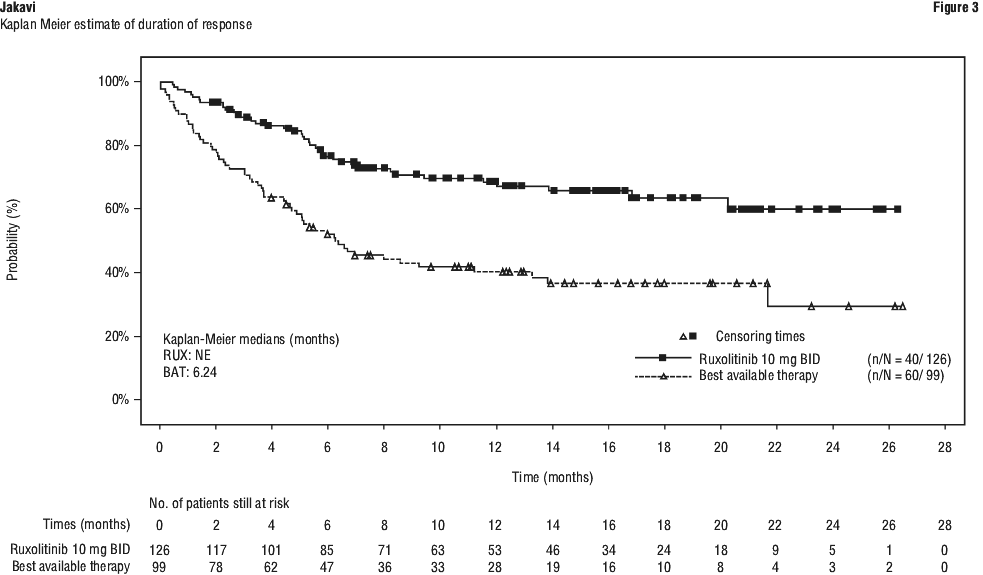
The estimated probability of maintaining BOR at 12 months was higher in the Jakavi arm compared to the BAT arm (64.5% [95% CI: 58.9, 76.3] vs 40.3% [95% CI: 30.3, 50.2]).
Duration of response was evaluated in patients who achieved a complete or partial response at or before Cycle 7 Day 1 (BOR). DOR was defined as "time from first response until cGVHD progression, death, or systemic therapies for cGVHD". The Median duration of response was not reached in Jakavi arm and was 6.2 months (95% CI: 4.7 to 13.3) in the BAT arm. The estimated probability of maintaining BOR with 95% CIs was higher in the Jakavi arm (76.58%; 95% CI: 67.87, 88.22) compared to the BAT arm (52.11%; 95% CI: 41.78, 61.45) at 6 months. Similar trends in probability were observed at 12 months and 18 months. See Figure 3.

5.2 Pharmacokinetic Properties

Absorption.

Ruxolitinib is a Class 1 molecule under the Biopharmaceutical Classification System, with high permeability, high solubility and rapid dissolution characteristics. In clinical studies, ruxolitinib is rapidly absorbed after oral administration with maximal plasma concentration (Cmax) achieved approximately 1 hour post-dose. Based on a mass balance study in humans, oral absorption of ruxolitinib was 95% or greater. Mean ruxolitinib Cmax and total exposure (AUC) increased proportionally over a single dose range of 5 to 200 mg. There was no clinically relevant change in the pharmacokinetics of ruxolitinib upon administration with a high fat meal. The mean Cmax was moderately decreased (24%) while the mean AUC was nearly unchanged (4% increase) upon dosing with a high fat meal.

Distribution.

The mean volume of distribution at steady state is 72 L in myelofibrosis patients with an intersubject variability of 29.4% and 75 L in polycythemia vera patients with an associated intersubject variability of 22.6%. At clinically relevant concentrations of ruxolitinib, binding to plasma proteins in vitro is approximately 97%, mostly to albumin.

Metabolism.

In vitro studies indicate that CYP3A4 and CYP2C9 are the major enzymes responsible for metabolism of ruxolitinib. Parent compound is the predominant entity in humans representing approximately 60% of the drug related material in circulation. Two major and active metabolites were identified in plasma of healthy subjects representing 25% and 11% of parent AUC. These metabolites have one-half to one-fifth of the parent JAK related pharmacological activity. The sum total of all active metabolites contribute to 18% of the overall pharmacodynamics of ruxolitinib.

Excretion.

Following a single oral dose of [14C]-labelled ruxolitinib in healthy adult subjects, elimination was predominately through metabolism with 74% of radioactivity excreted in urine and 22% excretion via faeces. Unchanged drug accounted for less than 1% of the excreted total radioactivity. The mean elimination half-life of ruxolitinib is approximately 3 hours.

Pharmacokinetics in special patient groups.

Effects of age, gender, or race.

Based on studies in healthy subjects, no relevant differences in ruxolitinib pharmacokinetics were observed with regard to gender and race. In a population pharmacokinetic evaluation in myelofibrosis patients, no relationship was apparent between oral clearance and patient age or race. Clearance was 17.7 L/h in women and 22.1 L/h in men, with 39% intersubject variability in myelofibrosis patients. Clearance was 12.7 L/h in polycythemia vera patients, with a 42% intersubject variability, and no relationship was apparent between oral clearance and gender, patient age or race in this patient population.

Paediatric.

The safety and effectiveness of Jakavi in paediatric patients with MF or PV have not been established.
The safety, efficacy and PK profile observed in adolescent patients with acute or chronic GvHD was comparable to the overall patient population (see Section 5.1 Pharmacodynamic Properties, Clinical trials).

Renal impairment.

Following a single ruxolitinib dose of 25 mg, the pharmacokinetics were similar in subjects with various degrees of renal impairment and in those with normal renal function. However, plasma AUC values of ruxolitinib metabolites tended to increase with increasing severity of renal impairment, and most markedly in the subjects with endstage renal disease requiring haemodialysis. Ruxolitinib is not removed by dialysis. A dose modification is recommended for patients with moderate to severe renal impairment (Clcr less than 60 mL/min). For patients with endstage renal disease a modification of the dosing schedule is recommended. Jakavi should be avoided in patients with endstage renal disease (Clcr less than 15 mL/min) not undergoing dialysis and in patients with moderate to severe renal impairment with platelet counts less than 100 x 109/L (see Section 4.2 Dose and Method of Administration).

Hepatic impairment.

Following a single ruxolitinib dose of 25 mg in patients with varying degrees of hepatic impairment, the pharmacokinetics and pharmacodynamics of ruxolitinib were assessed. The mean AUC for ruxolitinib was increased in patients with mild, moderate and severe hepatic impairment by 87%, 28% and 65%, respectively, compared to patients with normal hepatic function and indicating no clear relationship to the degree of hepatic impairment based on Child-Pugh scores. The terminal elimination half-life was prolonged in patients with hepatic impairment compared to healthy controls (4.1-5.0 hours versus 2.8 hours). A dose reduction is recommended for MF and PV patients with hepatic impairment (see Section 4.2 Dose and Method of Administration).
Mild, moderate or severe hepatic impairment in patients with GvHD was not found to have a significant impact on any parameter in the Population PK model.

5.3 Preclinical Safety Data

In juvenile rat studies, administration of ruxolitinib resulted in effects on growth and bone measures. Reduced bone growth was observed at doses ≥ 5 mg/kg/day when treatment started on postnatal day 7 (comparable to human newborn developmental stage, 0-28 days), and at ≥ 15 mg/kg/day when treatment started on postnatal day 14 or 21 (comparable to human newborn developmental stage, 1-23 months). Fractures that necessitated early termination of rats were observed at doses ≥ 30 mg/kg/day when treatment was started on postnatal day 7. Based on unbound AUC, reduced bone growth and fractures occurred at exposures that ranged between 0.2-1.5- and 13-14-fold the exposure in adult patients at the maximum recommended dose of 25 mg twice daily, respectively. The effects were generally more severe when administration was initiated earlier in the postnatal period.

Genotoxicity.

Ruxolitinib was not mutagenic in a bacterial mutagenicity assay (Ames test) or clastogenic in an in vitro chromosomal aberration assay (cultural human peripheral blood lymphocytes) or an in vivo rat bone marrow micronucleus assay.

Carcinogenicity.

No evidence of carcinogenicity was observed in a 6 month study in the Tg.rasH2 transgenic mouse model at oral doses of ruxolitinib up to 125 mg/kg/day, resulting in approximately 9 times the human exposure (AUC) at the maximum recommended dose of 25 mg twice daily.

6 Pharmaceutical Particulars

6.1 List of Excipients

Jakavi tablets contain the following excipients: microcrystalline cellulose, magnesium stearate, colloidal anhydrous silica, sodium starch glycollate type A, hyprolose, povidone, lactose monohydrate.

6.2 Incompatibilities

Incompatibilities were either not assessed or not identified as part of the registration of this medicine.

6.3 Shelf Life

In Australia, information on the shelf life can be found on the public summary of the Australian Register of Therapeutic Goods (ARTG). The expiry date can be found on the packaging.

6.4 Special Precautions for Storage

Store below 30°C. Protect from moisture.

6.5 Nature and Contents of Container

5 mg tablet.

Round curved white to almost white tablets of approximately 7.5 mm in diameter with "NVR" debossed on one side and "L5" debossed on the other side.

10 mg tablet.

Round curved white to almost white tablets of approximately 9.3 mm in diameter with "NVR" debossed on one side and "L10" debossed on the other side.

15 mg tablet.

Ovaloid curved white to almost white tablets of approximately 15.0 x 7.0 mm with "NVR" debossed on one side and "L15" debossed on the other side.

20 mg tablet.

Elongated curved white to almost white tablets of approximately 16.5 x 7.4 mm with "NVR" debossed on one side and "L20" debossed on the other side.
Jakavi 5 mg, 10 mg, 15 mg and 20 mg tablets: blisters (PVC/PCTFE with aluminium backing) containing 14, 28, 56, 112, 168, 224 tablets.
Pack sizes: not all pack sizes may be marketed.

6.6 Special Precautions for Disposal

In Australia, any unused medicine or waste material should be disposed of by taking to your local pharmacy.

6.7 Physicochemical Properties

Ruxolitinib phosphate is a white to almost white powder.

Chemical structure.


The active ingredient of Jakavi is ruxolitinib (as the phosphate salt) or (R)-3-(4-(7H-Pyrrolo[2,3-d] pyrimidin-4-yl)-1H-pyrazol-1-yl)-3-cyclopentylpropanenitrile phosphate.
INN: ruxolitinib.
CAS name: 1H-Pyrazole-1-propanenitrile, β-cyclopentyl-4-(7H-pyrrolo[2,3-d] pyrimidin-4-yl)-, (βR)-, phosphate (1:1); 941678-49-5.

CAS number.

1092939-17-7.
Molecular formula: C17H18N6.
Molecular weight of the phosphate salt: 404.36.
Molecular weight of the free base: 306.37.
Ruxolitinib is highly soluble in water, most soluble at low pH (pH 3.3) at 37°C. The pKa is 4.3 and 11.8. The BCS is Class 1.

7 Medicine Schedule (Poisons Standard)

Prescription Only Medicine (Schedule 4).

Summary Table of Changes