


Consumer medicine information

Jinarc

Tolvaptan

BRAND INFORMATION

Brand name

Jinarc

Active ingredient

Tolvaptan

Schedule

S4


Consumer medicine information (CMI) leaflet

Please read this leaflet carefully before you start using Jinarc.

What is in this leaflet

This leaflet answers some common questions about Jinarc.

It does not contain all the available information. It does not take the place of talking to your doctor or pharmacist.

All medicines have risks and benefits. Your doctor has weighed the risks of you taking this medicine against the benefits they expect it will have for you.

If you have any concerns about taking this medicine, ask your doctor or pharmacist.

Keep this leaflet with the medicine. You may need to read it again.

What Jinarc is used for

Jinarc is used to treat a disease called Autosomal Dominant Polycystic Kidney Disease (ADPKD). This disease causes growth of cysts in the kidneys which results in problems because of their size and the space they occupy.

Jinarc contains the active ingredient tolvaptan which belongs to a group of medicines called vasopressin antagonists.

This means that it prevents a hormone called vasopressin from binding to receptors in your kidneys. By blocking the effect of vasopressin, Jinarc slows the development of kidney cysts in patients with ADPKD, reduces symptoms of the disease and increases urine production.

Ask your doctor if you have any questions about why this medicine has been prescribed for you.

This medicine is available only with a doctor’s prescription.

Jinarc is not recommended for use in children and teenagers, or patients older than 55 years. The effects of Jinarc in people younger than 18 years had not been studied, and in patients older than 55 years has not been proven.

Before you take Jinarc

When you must not take it

Do not take this medicine if:

  • you have an allergy to tolvaptan, the active ingredient, benzazepine derivatives or to any of the other ingredients listed at the end of this leaflet under Product Description
  • you have been told that you have raised levels of liver enzymes in your blood
  • you have high level of sodium in your blood ("hypernatraemia")
  • you do not realise when you are thirsty
  • your kidneys cannot produce urine
  • you have low blood volume
  • you are pregnant
  • you are breastfeeding

Do not take this medicine if you are below the age of 18 years. Safety and effectiveness in children younger than 18 years have not been established.

Do not take this medicine after the expiry date printed on the pack or if the packaging is torn or shows signs of tampering. If the medicine has expired or the packing is damaged, return it to your pharmacist for disposal.

If you are not sure whether you should start taking this medicine, talk to your doctor.

Before you start to take it

Tell your doctor if you have allergies to any other medicines, foods, preservatives or dyes.

Tell your doctor if you have or have had any of the following medical conditions:

  • you cannot drink enough water or if you are fluid restricted
  • you have difficulties in urination or have an enlarged prostate
  • you suffer from liver disease
  • you suffer from too high or too low blood sodium
  • you suffer from high potassium levels in your blood
  • you have diabetes
  • you have high blood pressure and are taking medications to treat it
  • you are dehydrated or suffer from excessive vomiting, diarrhoea or sweating
  • you have gout
  • lactose intolerance

Tell your doctor if you are pregnant or plan to become pregnant or are breastfeeding. Jinarc must not be taken if you are pregnant or while breastfeeding.

You must use a reliable method of contraception to avoid becoming pregnant while you are taking Jinarc. You should continue doing this for one month after stopping treatment.

If you have not told your doctor about any of the above, tell him/her before you start taking Jinarc.

Taking other medicines

Tell your doctor or pharmacist if you are taking any other medicines, including any that you get without a prescription from your pharmacy, supermarket or health food shop.

In particular let your doctor know if you are taking:

  • treatments containing ketoconazole, fluconazole or itraconazole for fungal infections
  • antibiotics such as clarithromycin, erythromycin, and ciprofloxacin
  • medicines for the treatment of HIV such as saquinavir, ritonavir and atazanavir
  • medicines for high blood pressure and chest pain such as diltiazem and verapamil
  • medicines which increase the level of sodium in your blood or which contain large amounts of salt, like tablets that dissolve in water and indigestion remedies
  • digoxin, a medicine for the treatment of irregular heart beat and heart failure
  • cyclosporine, a medicine that reduces the immune response
  • quinidine, a medicine used for malaria
  • dabigatran, a medicine used to thin the blood
  • rosuvastatin and pitavastatin, medicines used to lower cholesterol
  • methotrexate, a medicine used to treat rheumatoid arthritis
  • sulfasalazine, a medicine used to treat inflammatory bowel disease
  • metformin, a medicine for diabetes
  • medicines for the treatment of epilepsy such as phenytoin and carbamazepine
  • rifampicin, an antibiotic
  • St John's wort, a traditional herbal medicinal product for the relief of slightly low mood and mild anxiety
  • fluid tablets and other medicines used for the treatment of high blood pressure
  • desmopressin, a medicine used to control urine output or bedwetting

It may still be alright for you to take these medicines and Jinarc together. Your doctor will be able to decide what is suitable for you.

Jinarc with food and drink
Do not drink grapefruit juice when taking Jinarc.

How to take Jinarc

Follow all directions given to you by your doctor or pharmacist carefully. They may differ from the information contained in this leaflet.

If you do not understand the instructions, ask your doctor or pharmacist for help.

How much to take

Jinarc is to be taken in two different doses every day. The dose combinations are 45 mg + 15 mg or 60 mg + 30 mg or 90 mg + 30 mg. One tablet of the higher dose (45 mg, 60 mg or 90 mg) should be taken in the morning upon waking, at least 30 minutes before food and one tablet with the lower dose (15 mg or 30 mg) should be taken 8 hours later. The afternoon dose can be taken with or without food.

Your doctor will start with a dose combination of 45 mg in the morning and 15 mg eight hours later and may then increase it to a maximum of 90 mg in the morning and 30 mg after 8 hours.

To find the best dosage for you your doctor will regularly examine whether you tolerate a prescribed dose. You should always take the highest tolerable dose combination prescribed by your doctor.

If you take other medicines which can increase the effects of Jinarc you may receive lower Jinarc doses.

Your doctor may have prescribed a different dose.

Ask your doctor or pharmacist if you are unsure of the correct dose for you. They will tell you exactly how much to take.

Follow the instructions they give you. If you take the wrong dose, Jinarc may not work as well and your problem may not improve.

How to take it

Swallow the tablets without chewing, with a glass of water.

The morning dose should be taken at least 30 minutes before the morning meal. The second daily dose can be taken with or without food.

Do not chew, crush or split the tablets. To ensure you get the entire dose, the tablets should be swallowed whole without chewing or crushing.

When to take it

Take your medicine at about the same time each day. Taking it at the same time each day will have the best effect. It will also help you remember when to take it.

Your first dose should be taken in the morning and your second dose approximately 8 hours later.

How long to take it

Continue taking your medicine for as long as your doctor tells you.

Do not stop unless your doctor advises you to.

Your doctor may reduce your dose slowly to avoid side effects.

If you have any further questions on the use of this medicine, ask your doctor or pharmacist.

If you forget to take it

If you forget to take your medicine you should take the dose as soon as you remember on the same day.

If you do not take your tablets on one day, take your normal dose on the next day. DO NOT take a double dose to make up for forgotten individual doses.

If you are not sure what to do, ask your doctor or pharmacist.

If you have trouble remembering to take your medicine, ask your pharmacist for some hints.

If you take too much (overdose)

Immediately telephone your doctor or the Poisons Information Centre (telephone Australia 13 11 26 for advice, or go to Accident and Emergency at the nearest hospital, if you think that you or anyone else may have taken too much Jinarc. Do this even if there are no signs of discomfort or poisoning. You may need urgent medical attention.

While you are taking Jinarc

Things you must do

MAKE SURE YOU DRINK ENOUGH WATER

Jinarc causes water loss because it increases your urine production. You may experience urine loss of between 5-7 L per day.

This water loss may result in side effects such as dry mouth and thirst or even more severe side effects like kidney problems (see "Side Effects"). It is therefore important that you have access to water and that you are able to drink sufficient amounts when you feel thirsty.

Unless your doctor tells you otherwise, drink plenty of water during the day and 1 or 2 glasses before going to bed, even if you do not feel thirsty and you must also drink water after you urinate at night.

Exposure to prolonged heat and humidity, exercise and intercurrent illness can further increase your risk of dehydration. In these circumstances, you should drink more water or fluid to reduce your risk of dehydration.

Special care must be taken if you have a disease that reduces appropriate fluid intake or if you are at an increased risk of water loss e.g. in case of vomiting or diarrhoea. If this occurs stop your tolvaptan treatment and seek medical advice immediately.

Due to the increased urine production it is also important that you always have access to a toilet.

If you are about to be started on any new medicine, remind your doctor and pharmacist that you are taking Jinarc.

Tell any other doctors, dentists and pharmacists who treat you that you are taking Jinarc.

If you are going to have surgery, tell the surgeon or anaesthetist that you are taking Jinarc. It may affect other medicines used during surgery.

If you become pregnant while taking Jinarc, tell your doctor immediately. Your doctor will advise you on whether you should stop treatment. Do not stop treatment without first discussing it with your doctor.

If you are about to have any blood tests, tell your doctor that you are taking Jinarc. It may interfere with the results of some tests.

During treatment with Jinarc, your doctor will arrange regular (e.g. monthly) blood tests to check for changes in your liver function.

Keep all of your doctor’s appointments so that your progress can be checked.

Things you must not do

Do not take Jinarc to treat any other complaints unless your doctor tells you to.

Do not give your medicine to anyone else, even if they have the same condition as you.

Do not stop taking your medicine or lower the dosage without checking with your doctor.

Things to be careful of

Patients starting Jinarc should be carefully observed especially when starting treatment and if the dose is increased.

Do not drive or operating machinery until you know how Jinarc affects you. Jinarc may cause side effects that can affect your ability to drive or use machines.

Jinarc may make you feel dizzy or sleepy, particularly at the beginning of treatment. If this happens to you, do not drive or use any tools or machines.

Side effects

Serious side effects:

If you notice any of the following side effects, you may need urgent medical attention. Stop taking Jinarc and immediately contact a doctor or go to the nearest hospital if you:

  • find it difficult to urinate
  • experience swelling of the face, lips or tongue, itching, generalised rash, or severe wheezing or breathlessness (symptoms of an allergic reaction)
  • signs of electrolytes imbalances such as dizziness, confusion, weakness, seizures or palpitation

Jinarc may cause your liver to not work properly. Therefore, please inform your doctor immediately if you have any signs that could indicate potential liver problems, such as:

  • nausea
  • vomiting
  • fever
  • tiredness
  • loss of appetite
  • pain in the abdomen
  • dark urine
  • jaundice (yellowing of the skin or eyes)
  • itching of your skin
  • joint and muscle pain with fever

Tell your doctor or pharmacist as soon as possible if you do not feel well while you are taking Jinarc.

All medicines can have side effects. Sometimes they are serious, most of the time they are not. You may need medical attention if you get some of the side effects.

Do not be alarmed by the following lists of side effects. You may not experience any of them:

  • thirst
  • increased amount of urine
  • increased frequency of urination during the day and at night
  • headache
  • constipation, diarrhea, dry mouth, indigestion, decreased appetite
  • fatigue, weakness, dizziness
  • trouble sleeping
  • muscle spasms
  • rash, dry skin, itching
  • painful, swollen joints

If any of these affects you severely, tell your doctor, nurse or pharmacist.

Tell your doctor or pharmacist if you notice anything else that is making you feel unwell, even if it is not listed in this leaflet. Other side effects not listed above may also occur in some people.

Ask your doctor or pharmacist to answer any questions you may have.

After using Jinarc

Storage

Keep your medicine in the original container.

If you take it out of its original container it may not keep well.

Keep your medicine in a cool dry place where the temperature stays below 25°C.

Do not store Jinarc or any other medicine in the bathroom or near a sink.

Do not leave it on a window sill or in the car. Heat and dampness can destroy some medicines.

Keep it where children cannot reach it. A locked cupboard at least one-and-a-half metres above the ground is a good place to store medicines.

Disposal

If your doctor tells you to stop taking this medicine or the expiry date has passed, ask your pharmacist what to do with any medicine that is left over.

Product description

What it looks like

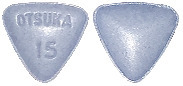
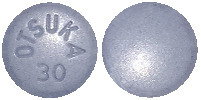
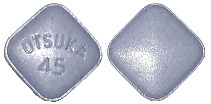
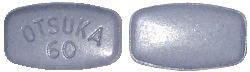
The different strengths of Jinarc tablets have different shapes and embossing:

15 mg tablet: blue, triangular, debossed with "OTSUKA" and "15" on one side.

30 mg tablet: blue, round, debossed with "OTSUKA" and "30" on one side.

45 mg tablet: blue, square, debossed with "OTSUKA" and "45" on one side

60 mg tablet: blue, modified rectangular, debossed with "OTSUKA" and "60" on one side

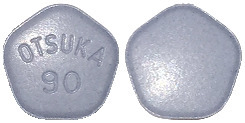
90 mg tablet: blue, pentagonal, debossed with "OTSUKA" and "90" on one side

Ingredients

Active ingredient:

tolvaptan

Excipient Ingredients:

  • lactose monohydrate
  • maize starch
  • microcrystalline cellulose
  • hyprolose
  • magnesium stearate
  • indigo carmine aluminium lake.

This medicine does not contain gluten, tartrazine or any other azo dyes.

Sponsor

Otsuka Australia Pharmaceutical Pty Ltd
Suite 2.03, Level 2
9 Help Street, Chatswood NSW 2067

Under the licence of Otsuka Pharmaceutical Co., Ltd.

Date of Preparation
June 2020

Australian Register Numbers

AUST R 272785 - 15 mg tablets blister pack

AUST R 272786 - 30 mg tablet blister pack

AUST R 272787 - 15 mg + 45 mg tablet blister composite pack

AUST R 272788 - 30 mg + 60 mg tablet blister composite pack

AUST R 272789 = 30 mg + 90 mg tablet blister composite pack

Published by MIMS August 2020

BRAND INFORMATION

Brand name

Jinarc

Active ingredient

Tolvaptan

Schedule

S4


1 Name of Medicine

Tolvaptan.

2 Qualitative and Quantitative Composition

Jinarc tablets for oral use contain 15 mg, 30 mg, 45 mg, 60 mg or 90 mg of tolvaptan.

Excipients with known effect.

Lactose monohydrate.
For the full list of excipients, see Section 6.1 List of Excipients.

3 Pharmaceutical Form

Jinarc 15 mg tablet.

A blue triangular shallow-convex tablet debossed with "OTSUKA" and "15" on one side.

Jinarc 30 mg tablet.

A blue round shallow-convex tablet debossed with "OTSUKA" and "30" on one side.

Jinarc 45 mg tablet.

A blue square shallow-convex tablet debossed with "OTSUKA" and "45" on one side.

Jinarc 60 mg tablet.

A blue modified rectangular shallow convex tablet debossed with "OTSUKA" and "60" on one side.

Jinarc 90 mg tablet.

A blue pentagonal shallow-convex tablet debossed with "OTSUKA" and "90" on one side.

4 Clinical Particulars

4.1 Therapeutic Indications

Jinarc is indicated to slow the progression of cyst development and renal insufficiency of autosomal dominant polycystic kidney disease (ADPKD) in adults with chronic kidney disease (CKD) stage 1 to 3 at initiation of treatment with evidence of rapidly progressing disease (see Section 5.1 Pharmacodynamic Properties).

4.2 Dose and Method of Administration

Jinarc treatment must be initiated and monitored under the supervision of physicians with expertise in managing ADPKD and a full understanding of the risks of tolvaptan therapy including hepatic toxicity and monitoring requirements (see Section 4.4 Special Warnings and Precautions for Use, Imadjin program).

Dosage.

Jinarc is to be administered twice daily in split dose regimens of 45 mg + 15 mg, 60 mg + 30 mg or 90 mg + 30 mg. The morning dose is to be taken at least 30 minutes before the morning meal. The second daily dose can be taken with or without food. According to these split dose regimens the total daily doses are 60, 90, or 120 mg.

Dose titration.

The initial dose is 60 mg tolvaptan per day as a split-dose regimen of 45 mg + 15 mg (45 mg taken upon waking and prior the morning meal and 15 mg taken 8 hours later). The initial dose is to be titrated upward to a split-dose regimen of 90 mg tolvaptan (60 mg + 30 mg) per day and then to a target split-dose regimen of 120 mg tolvaptan (90 mg + 30 mg) per day, if tolerated, with at least weekly intervals between titrations. Dose titration has to be performed cautiously to ensure that high doses are not poorly tolerated through overly rapid up-titration. Patients may down-titrate to lower doses based on tolerability. Patients have to be maintained on the highest tolerable tolvaptan dose.
The aim of dose titration is to block activity of vasopressin at the renal V2 receptor as completely and constantly as possible, while maintaining acceptable fluid balance, in order to achieve optimal effects on TKV progression or diminution of renal function decline.
Measurements of urine osmolality are recommended to monitor the adequacy of vasopressin inhibition and, if possible, an absolute urine osmolality of less than 300 mOsm/kg should be maintained at all times (see Section 5.1 Pharmacodynamic Properties).
Also, monitoring of plasma osmolality or serum sodium (to calculate plasma osmolality) and/or body weight should be considered to monitor the risk of dehydration secondary to the aquaretic effects of tolvaptan in case of patient's insufficient water intake.
The safety and efficacy of Jinarc in CKD stage 5 have not been adequately explored and therefore tolvaptan treatment should be discontinued if renal insufficiency progresses to CKD stage 5.
Therapy must be interrupted if the ability to drink or the accessibility to water is limited (see Section 4.4 Special Warnings and Precautions for Use). Tolvaptan must not be taken with grapefruit juice (see Section 4.4 Special Warnings and Precautions for Use; Section 4.5 Interactions with Other Medicines and Other Forms of Interactions). Patients must be instructed to drink sufficient amounts of water or other aqueous fluids (see Section 4.4 Special Warnings and Precautions for Use).
At the onset of symptoms or signs consistent with hepatic injury or if clinically significant abnormal ALT or AST increases are detected during treatment, Jinarc administration must be immediately interrupted and repeat tests including ALT, AST, BT and alkaline phosphatase (AP) must be obtained as soon as possible (ideally within 48 to 72 hours). Testing must continue at increased time frequency until symptoms/signs/laboratory abnormalities stabilise or resolve, at which point Jinarc may be cautiously reinitiated.
If the abnormal liver tests results are determined to be definitively related to tolvaptan therapy, restarting therapy is not recommended. However, if bilirubin, ALT and AST levels remained below the permanent discontinuation threshold, and if it is determined that tolvaptan would still be beneficial for the patient, tolvaptan therapy may be cautiously reinitiated with more frequent monitoring at the same or a lower dose.
In patients with a stable, low baseline AST or ALT, an increase above 2 times baseline, even if less than 2 times upper limit of normal, may indicate early liver injury. Such elevations may warrant treatment suspension and prompt (48 to 72 hours) re-evaluation of liver test trends prior to reinitiating therapy with more frequent monitoring.
Recommended guidelines for permanent discontinuation include:
ALT or AST > 8-times ULN.
ALT or AST > 5-times ULN for more than 2 weeks.
ALT or AST > 3-times ULN and (BT > 2-times ULN or International Normalized Ratio [INR] > 1.5).
ALT or AST > 3-times ULN with persistent symptoms of hepatic injury noted above.

Dose adjustment for patients taking strong CYP3A inhibitors.

In patients taking strong CYP3A inhibitors (see Section 4.4 Special Warnings and Precautions for Use; Section 4.5 Interactions with Other Medicines and Other Forms of Interactions), tolvaptan doses have to be reduced as follows (see Table 1).

Dose adjustment for patients taking moderate CYP3A inhibitors.

In patients taking moderate CYP3A inhibitors, tolvaptan doses have to be reduced as follows (see Table 2).
Further reductions have to be considered if patients cannot tolerate the reduced tolvaptan doses.

Dosage adjustments for patients taking CYP3A inducers.

Concomitant use of tolvaptan with strong CYP3A inducers should be avoided (see Section 4.5 Interactions with Other Medicines and Other Forms of Interactions).

Elderly population.

Increasing age has no effect on tolvaptan plasma concentrations. However, the safety and effectiveness of tolvaptan in ADPKD patients aged over 55 years has not yet been established.

Renal impairment.

Dose adjustment is not required in patients with renal impairment. No clinical trials in subjects with a creatinine clearance < 10 mL/min or in patients undergoing dialysis have been conducted. The risk of hepatic damage in patients with severely reduced renal function (i.e. eGFR < 20) may be increased; these patients should be carefully monitored for hepatic toxicity (see Section 5.1 Pharmacodynamic Properties, Clinical trials).

Hepatic impairment.

In patients with severe hepatic impairment the benefits and risks of treatment with Jinarc must be evaluated carefully. Patients must be managed carefully and liver enzymes must be monitored regularly (see Section 4.4 Special Warnings and Precautions for Use).
Jinarc is contraindicated in patients with elevated liver enzymes and/or signs or symptoms of liver injury prior to initiation of treatment that meet the requirements for permanent discontinuation of tolvaptan (see Section 4.3 Contraindications; Section 4.4 Special Warnings and Precautions for Use).
No dose adjustment is needed in patients with mild or moderate hepatic impairment (Child-Pugh classes A and B).

Paediatric population.

The safety and efficacy of tolvaptan in children and adolescents has not yet been established. No data are available. Tolvaptan is not recommended in the paediatric age group.

Method of administration.

For oral use.
Tablets must be swallowed without chewing and with a glass of water.

4.3 Contraindications

Hypersensitivity to the active substance, benzazepine derivatives or to any of the excipients listed, see Section 6.1 List of Excipients.
Elevated liver enzymes and/or signs or symptoms of liver injury prior to initiation of treatment that meet the requirements for permanent discontinuation of tolvaptan (see Section 4.4 Special Warnings and Precautions for Use).
Volume depletion.
Anuria.
Hypernatremia.
Patients who cannot perceive or respond to thirst.
Pregnancy (see Section 4.6 Fertility, Pregnancy and Lactation, Use in pregnancy).
Breastfeeding (see Section 4.6 Fertility, Pregnancy and Lactation, Use in lactation).

4.4 Special Warnings and Precautions for Use

Idiosyncratic hepatic toxicity.

Tolvaptan has been associated with idiosyncratic elevations of blood alanine and aspartate aminotransferases (ALT and AST) with infrequent cases of concomitant elevations in bilirubin-total (BT).
In post-marketing experience with tolvaptan in ADPKD, acute liver failure requiring liver transplantation has been reported.
In a double-blind, placebo-controlled trial in patients with ADPKD, elevation (> 3 x upper limit of normal [ULN]) of ALT was observed in 4.4% (42/958) of patients on tolvaptan and 1.0% (5/484) of patients on placebo, while elevation (> 3xULN) of AST was observed in 3.1% (30/958) of patients on tolvaptan and 0.8% (4/484) patients on placebo. Two (2/957, 0.2%) of these tolvaptan treated-patients, as well as a third patient from an extension open label trial, exhibited increases in hepatic enzymes (> 3xULN) with concomitant elevations in BT (> 2xULN). The period of onset of hepatocellular injury (by ALT elevations > 3xULN) was within 3 to 14 months after initiating treatment and these increases were reversible, with ALT returning to < 3xULN within 1 to 4 months. While these concomitant elevations were reversible with prompt discontinuation of tolvaptan, they represent a potential for significant liver injury. Similar changes with other medicinal products have been associated with the potential to cause irreversible and potentially life-threatening liver injury.
Prescribing physicians must comply fully with the safety measures required below.
To mitigate the risk of significant and/or irreversible liver injury, blood testing for hepatic transaminases and bilirubin is required prior to initiation of Jinarc, continuing monthly for 18 months and at regular 3 monthly intervals thereafter. Concurrent monitoring for symptoms that may indicate liver injury (such as fatigue, anorexia, nausea, right upper abdominal discomfort, vomiting, fever, rash, pruritus, dark urine or jaundice) is recommended.
If a patient shows abnormal ALT, AST or BT levels prior to initiation of treatment which fulfil the criteria for permanent discontinuation (see below) tolvaptan treatment should not be initiated (see Section 4.3 Contraindications). In case of abnormal baseline levels below the limits for permanent discontinuation, pre-existing liver disease is likely, and treatment can only be initiated if the potential benefits of treatment outweigh the potential risks and liver function testing must continue at increased time frequency. The advice of a hepatologist is recommended.
During the first 18 months of treatment, Jinarc can only be supplied to patients whose physician has determined that liver function supports continued therapy.
At the onset of symptoms or signs consistent with hepatic injury or if clinically significant abnormal ALT or AST increases are detected during treatment, Jinarc administration must be immediately interrupted and repeat tests including ALT, AST, BT and alkaline phosphatase (AP) must be obtained as soon as possible (ideally within 48 to 72 hours). Testing must continue at increased time frequency until symptoms/signs/laboratory abnormalities stabilise or resolve, at which point Jinarc may be cautiously reinitiated.
If the abnormal liver tests results are determined to be definitively related to tolvaptan therapy, restarting therapy is not recommended. However, if bilirubin, ALT and AST levels remained below the permanent discontinuation threshold, and if it is determined that tolvaptan would still be beneficial for the patient, tolvaptan therapy may be cautiously reinitiated with more frequent monitoring at the same or a lower dose.
In patients with a stable, low baseline AST or ALT, an increase above 2 times baseline, even if less than 2 times upper limit of normal, may indicate early liver injury. Such elevations may warrant treatment suspension and prompt (48 to 72 hours) re-evaluation of liver test trends prior to reinitiating therapy with more frequent monitoring.
Recommended guidelines for permanent discontinuation include:
ALT or AST > 8-times ULN.
ALT or AST > 5-times ULN for more than 2 weeks.
ALT or AST > 3-times ULN and (BT > 2-times ULN or International Normalized Ratio [INR] > 1.5).
ALT or AST > 3-times ULN with persistent symptoms of hepatic injury noted above.

Imadjin program.

Because of the risk of liver injury, prescriber education and certification on the risk of liver injury and the importance of regular liver function monitoring is mandatory. These are available through the Imadjin program, which is run and maintained by, or for, the sponsor of Jinarc.
Further information on the Imadjin program is available at www.jinarc.com.au or by telephone at 1800 059 606.

Access to water.

Tolvaptan may cause adverse reactions related to water loss such as thirst, polyuria, nocturia, and pollakiuria (see Section 4.8 Adverse Effects (Undesirable Effects)). Therefore, patients must have access to water (or other aqueous fluids) and be able to drink sufficient amounts of these fluids (see Section 4.2 Dose and Method of Administration). Patients have to be instructed to drink water or other aqueous fluids at the first sign of thirst in order to avoid excessive thirst or dehydration.
Additionally, patients have to drink 1 to 2 glasses of fluid before bedtime regardless of perceived thirst and replenish fluids overnight with each episode of nocturia.

Dehydration.

Volume status must be monitored in patients taking tolvaptan because treatment with tolvaptan may result in severe dehydration which constitutes a risk factor for renal dysfunction. If dehydration becomes evident, take appropriate action which may include the need to interrupt or reduce the dose of tolvaptan and increase fluid intake. Special care must be taken in patients having diseases that impair appropriate fluid intake or who are at an increased risk of water loss e.g. in case of vomiting or diarrhoea. In such circumstances patients should be advised to cease tolvaptan treatment and seek urgent medical assistance.
Patients exposed to prolonged heat, humidity, exercise and intercurrent illness will be at greater risk of dehydration.

Urinary outflow obstruction.

Urinary output must be secured. Patients with partial obstruction of urinary outflow, for example patients with prostatic hypertrophy or impairment of micturition, have an increased risk of developing acute retention.

Fluid and electrolyte balance.

Fluid and electrolyte status must be monitored in all patients. Administration of tolvaptan induces copious aquaresis and may cause dehydration and increases in serum sodium (see Section 4.8 Adverse Effects (Undesirable Effects)) and is contraindicated in hypernatraemic patients (see Section 4.3 Contraindications). Therefore, serum creatinine, electrolytes and symptoms of electrolyte imbalances (e.g. dizziness, fainting, palpitations, confusion, weakness, gait instability, hyper-reflexia, seizures, coma) have to be assessed prior to and after starting tolvaptan to monitor for dehydration.
During long-term treatment electrolytes have to be monitored at least every three months.

Serum sodium abnormalities.

Pretreatment sodium abnormalities (hyponatraemia or hypernatraemia) must be corrected prior to initiation with tolvaptan therapy.

Hyperkalemia.

Treatment with tolvaptan is associated with an acute reduction of the extracellular fluid volume which could results in increased serum potassium. Serum potassium levels should be monitored carefully after initiation of tolvaptan, especially in those who are receiving drugs known to increase serum potassium levels.

Anaphylaxis.

In post-marketing experience, anaphylaxis (including anaphylactic shock and rash generalised) has been reported very rarely following administration of tolvaptan. This type of reaction occurred after the first administration of tolvaptan. If an anaphylactic reaction or other serious allergic reactions occur, administration of tolvaptan must be discontinued immediately and appropriate therapy initiated. Since hypersensitivity is a contraindication (see Section 4.3 Contraindications) treatment must never be restarted after an anaphylactic reaction or other serious allergic reactions.

Lactose.

Jinarc contains lactose as an excipient. Patients with rare hereditary problems of galactose intolerance, the Lapp lactase deficiency or glucose-galactose malabsorption should not take this medicine.

Diabetes mellitus.

Diabetic patients with an elevated glucose concentration (e.g. in excess of 300 mg/dL) may present with pseudohyponatraemia. This condition must be excluded prior and during treatment with tolvaptan.
Tolvaptan may cause hyperglycaemia (see Section 4.8 Adverse Effects (Undesirable Effects)). Therefore, diabetic patients treated with tolvaptan must be managed cautiously. In particular this applies to patients with inadequately controlled type II diabetes.

Uric acid increases.

Decreased uric acid clearance by the kidney is a known effect of tolvaptan. In a double-blind, placebo-controlled trial of patients with ADPKD, potentially clinically significant increased uric acid (greater than 10 mg/dL) was reported at a higher rate in tolvaptan-patients (6.2%) compared to placebo treated patients (1.7%). Adverse reactions of gout were reported more frequently in tolvaptan treated patients (28/961, 2.9%) than in patients receiving placebo (7/483, 1.4%). In addition, increased use of allopurinol and other medicinal products used to manage gout were observed in the double-blind, placebo-controlled trial. Effects on serum uric acid are attributable to the reversible renal hemodynamic changes that occur in response to tolvaptan effects on urine osmolality and may be clinically relevant. However, events of increased uric acid and/or gout were not serious and did not cause discontinuation of therapy in the double-blind, placebo-controlled trial. Uric acid concentrations are to be evaluated prior to initiation of Jinarc therapy, and as indicated during treatment based on symptoms.

Effect of tolvaptan on glomerular filtration rate (GFR).

A reversible reduction in GFR has been observed in ADPKD trials at the initiation of tolvaptan treatment.

Use in the elderly.

Increasing age has no effect on tolvaptan plasma concentrations. However, the safety and effectiveness of tolvaptan in ADPKD patients aged over 55 years has not yet been established.

Paediatric use.

No data are available. Tolvaptan is not recommended in the paediatric age group.

Effects on laboratory tests.

No data available.

4.5 Interactions with Other Medicines and Other Forms of Interactions

Effect of other medicinal products on the pharmacokinetics of tolvaptan.

CYP3A inhibitors.

Concomitant use of medicinal products that are moderate (e.g. amprenavir, aprepitant, atazanavir, ciprofloxacin, crizotinib, darunavir/ritonavir, diltiazem, erythromycin, fluconazole, fosamprenavir, imatinib, verapamil) or strong (e.g. itraconazole, ketoconazole, ritonavir, clarithromycin, saquinavir) CYP3A inhibitors increase tolvaptan exposure. Co-administration of tolvaptan and ketoconazole resulted in a 440% increase in area under time concentration curve (AUC) and 248% increase in maximum observed plasma concentration (Cmax) for tolvaptan.
Co-administration of tolvaptan with 240 mL grapefruit juice, a moderate to strong CYP3A inhibitor, produced a doubling of peak tolvaptan concentrations (Cmax).
Dose reduction of tolvaptan is recommended for patients while taking moderate or strong CYP3A inhibitors (see Section 4.2 Dose and Method of Administration). Patients taking moderate or strong CYP3A inhibitors must be managed cautiously, in particular if the inhibitors are taken more frequently than once a day.

CYP3A inducers.

Concomitant use of medicinal products that are potent CYP3A inducers (e.g. rifampicin) will decrease tolvaptan exposure and efficacy. Co-administration of tolvaptan with rifampicin reduces Cmax and AUC for tolvaptan by about 85%. Therefore, concomitant administration of tolvaptan with potent CYP3A inducers (e.g. rifampicin, rifabutin, rifapentin, phenytoin, carbamazepine, and St. John's Wort) is to be avoided.

P-gp inhibitors.

Reduction in the dose of tolvaptan may be required in patients concomitantly treated with P-glycoprotein (P-gp) inhibitors, such as cyclosporine and quinidine, based on clinical response (see Section 4.2 Dose and Method of Administration). If P-gp inhibitors also act as strong CYP3A inhibitors (e.g. ketoconazole, clarithromycin, ritonavir, saquinavir), substantial dose reduction of tolvaptan is required (see Section 4.2 Dose and Method of Administration).

Co-administration with medicinal products that increase serum sodium concentration.

There is no experience from controlled clinical trials with concomitant use of tolvaptan and hypertonic saline, oral sodium formulations, and medicinal products that increase serum sodium concentration. Medicinal products with high sodium content such as effervescent analgesic preparations and certain sodium containing treatments for dyspepsia may also increase serum sodium concentration. Concomitant use of tolvaptan with medicinal products that increase serum sodium concentration may result in a higher risk for developing hypernatraemia (see Section 4.4 Special Warnings and Precautions for Use) and is therefore not recommended.

Diuretics.

Tolvaptan has not been extensively studied in ADPKD in combination with diuretics. While there does not appear to be a synergistic or additive effect of concomitant use of tolvaptan with loop and thiazide diuretics, each class of agent has the potential to lead to severe dehydration, which constitutes a risk factor for renal dysfunction. If dehydration or renal dysfunction becomes evident, appropriate action must be taken which may include the need to interrupt or reduce doses of tolvaptan and/or diuretics and increased fluid intake. Other potential causes of renal dysfunction or dehydration must be evaluated and addressed.

Effect of tolvaptan on the pharmacokinetics of other products.

CYP3A substrates.

In healthy subjects, tolvaptan, a CYP3A substrate, had no effect on the plasma concentrations of some other CYP3A substrates (e.g. warfarin or amiodarone). Tolvaptan increased plasma levels of lovastatin by 1.3- to 1.5-fold. Even though this increase has no clinical relevance, it indicates tolvaptan can potentially increase exposure to CYP3A4 substrates.

Transporter substrates.

In vitro studies indicate that tolvaptan is a substrate and competitive inhibitor of P-glycoprotein (P-gp). In vitro studies indicate that tolvaptan or its oxobutyric metabolite may have the potential to inhibit OATP1B1, OATP1B3, OAT3, BCRP and OCT1 transporters.
Steady state digoxin concentrations were increased (1.3-fold in maximum observed plasma concentration [Cmax] and 1.2-fold in area under the plasma concentration-time curve over the dosing interval [AUCtau]) when co-administered with multiple once daily 60 mg doses of tolvaptan. Patients receiving digoxin or other narrow therapeutic P-gp substrates (e.g. dabigatran) must therefore be managed cautiously and evaluated for excessive effects when treated with tolvaptan.
Statins commonly used in the tolvaptan phase 3 pivotal trial (e.g. rosuvastatin and pitavastatin) are OATP1B1 or OATP1B3 substrates, however no difference in AE profile was observed during the phase 3 pivotal trial for tolvaptan in ADPKD.
If OATP1B1 and OATP1B3 substrates (e.g. statins such as rosuvastatin and pitavastatin), OAT3 substrates (e.g. methotrexate, ciprofloxacin), BCRP substrates (e.g. sulfasalazine) or OCT1 substrates (e.g. metformin) are co-administered with tolvaptan, patients must be managed cautiously and evaluated for excessive effects of these medications.

Diuretics or non-diuretic anti-hypertensive drug(s).

Standing blood pressure was not routinely measured in ADPKD trials, therefore a risk of orthostatic/postural hypotension due to a pharmacodynamic interaction with tolvaptan cannot be excluded.

Co-administration with vasopressin analogues.

In addition to its renal aquaretic effect, tolvaptan is capable of blocking vascular vasopressin V2 receptors involved in the release of coagulation factors (e.g. von Willebrand factor) from endothelial cells. Therefore, the effect of vasopressin analogues such as desmopressin may be attenuated in patients using such analogues to prevent or control bleeding when co-administered with tolvaptan. It is not recommended to administer Jinarc with vasopressin analogues.

Smoking and alcohol.

Data related to smoking or alcohol history in ADPKD trials are too limited to determine possible interactions of smoking or alcohol with efficacy and safety of ADPKD treatment with tolvaptan.

4.6 Fertility, Pregnancy and Lactation

Effects on fertility.

Fertility was unaffected in male and female rats given tolvaptan at oral doses up to 1000 mg/kg/day (yielding 1.9-times in males and 5.1-times in females the AUC in patients at the maximum recommended human dose [MRHD] of 120 mg per day). However, oestrus cycles were altered in rats at oral doses ≥ 300 mg/kg/day (3.8-times the clinical AUC at the MRHD).
(Category D)
Tolvaptan and/or its metabolites were shown to cross the placenta in rats and rabbits.
In rats treated with tolvaptan during organogenesis reduced fetal weights and delayed fetal ossification occurred at an oral dose of 1000 mg/kg/day (yielding 17-times the clinical AUC at the MRHD).
Teratogenicity was noted in rabbits given 1000 mg/kg/day (7.5 times the exposure from the 120 mg/day human dose on an AUC basis). The effects were increased rates of embryofetal death, fetal microphthalmia, open eyelids, cleft palate, brachymelia and skeletal malformations. These adverse effects on embryofetal development were observed in conjunction with maternal toxicity (reduced maternal body weight gain and food consumption) although a direct effect of the drug cannot be excluded.
No teratogenic effects were seen in rabbits at 300 mg/kg/day (about 1.25 to 2.65 times the exposure in humans at the 120 mg/day dose, based on AUC). However, increasing the dose from 300 mg/kg/day to 1000 mg/kg/day increased abortions from 1/17 to 5/18 animals.
There are no adequate data from the use of tolvaptan in pregnant women. The potential risk for humans is unknown.
Women of childbearing potential must use adequate contraceptive measures during Jinarc use. Jinarc must not be used during pregnancy (see Section 4.3 Contraindications).
It is unknown whether tolvaptan is excreted in human breastmilk. Studies in rats have shown excretion of tolvaptan in milk.
The potential risk for humans is unknown. Jinarc is contraindicated during breastfeeding (see Section 4.3 Contraindications).

4.7 Effects on Ability to Drive and Use Machines

Jinarc has minor influence on the ability to drive or use machines. However, when driving vehicles or using machines it has to be taken into account that occasionally dizziness, asthenia or fatigue may occur.

4.8 Adverse Effects (Undesirable Effects)

Summary of the safety profile.

The pharmacodynamically predictable and most commonly reported adverse reactions are thirst, polyuria, nocturia, and pollakiuria occurring in approximately 55%, 38%, 29% and 23% of patients, respectively. Furthermore, tolvaptan has been associated with idiosyncratic elevations of blood alanine and aspartate aminotransferases (ALT and AST) with infrequent cases of concomitant elevations in bilirubin-total (BT).

Tabulated list of adverse reactions.

The adverse reaction profile of tolvaptan in the ADPKD indication is based on the results of two clinical trials: 156-04-251 of 1444 treated patients (961 patients treated with tolvaptan, 483 treated with placebo) and 156-13-210 of 1366 patients (681 patients treated with tolvaptan, 685 treated with placebo), and is consistent with the pharmacology of the active substance. Adverse reactions associated with tolvaptan obtained from ADPKD clinical studies are tabulated in Table 3 and Table 4.

Description of selected adverse reactions.

To mitigate the risk of significant or irreversible liver injury, blood testing for hepatic transaminases is required prior to initiation of Jinarc treatment, continuing monthly for 18 months and at regular 3-monthly intervals thereafter (see Section 4.4 Special Warnings and Precautions for Use).
The most frequent adverse reactions are related to water loss. It is therefore of greatest importance that patients have access to water and are able to drink sufficient amounts of fluids. The volume status of patients taking tolvaptan must be monitored to prevent dehydration (see Section 4.4 Special Warnings and Precautions for Use).

Post-marketing.

The following adverse reactions have been reported during post-marketing surveillance of tolvaptan. The exact incidence of spontaneously reported adverse reactions is unknown: anaphylaxis; generalised rash.

Reporting suspected adverse reactions.

Reporting suspected adverse reactions after registration of the medicinal product is important. It allows continued monitoring of the benefit-risk balance of the medicinal product. Healthcare professionals are asked to report any suspected adverse reactions at www.tga.gov.au/reporting-problems.

4.9 Overdose

Contact the Poisons Information Centre on telephone 13 11 26 for advice on management of overdose.
Single oral doses up to 480 mg (4 times the maximum recommended daily dose) and multiple doses up to 300 mg once daily for 5 days have been well tolerated in trials in healthy subjects. There is no specific antidote for tolvaptan intoxication. The signs and symptoms of an acute overdose can be anticipated to be those of excessive pharmacologic effect: a rise in serum sodium concentration, polyuria, thirst and dehydration/hypovolemia.
No mortality was observed in rats or dogs following single oral doses of 2,000 mg/kg (maximum feasible dose). A single oral dose of 2,000 mg/kg was lethal in mice and symptoms of toxicity in affected mice included decreased locomotor activity, staggering gait, tremor and hypothermia.
In patients with suspected tolvaptan overdose, assessment of vital signs, electrolyte concentrations, ECG and fluid status is recommended. Appropriate replacement of water and/or electrolytes must continue until aquaresis abates. Dialysis may not be effective in removing tolvaptan because of its high binding affinity for human plasma protein (> 98%).

5 Pharmacological Properties

5.1 Pharmacodynamic Properties

Tolvaptan is a vasopressin antagonist: ATC code C03XA01.

Mechanism of action.

Tolvaptan is a vasopressin antagonist that specifically blocks the binding of arginine vasopressin (AVP) at the V2 receptors of the distal portions of the nephron. Tolvaptan affinity for the human V2-receptor is 1.8 times that of native AVP.

Pharmacodynamic effects.

The pharmacodynamic effects of tolvaptan have been determined in healthy subjects and subjects with autosomal dominant polycystic kidney disease (ADPKD) across chronic kidney disease (CKD) stages 1 to 4. Effects on free water clearance and urine volume are evident across all CKD stages with smaller absolute effects observed at later stages, consistent with the declining number of fully functioning nephrons. Acute reductions in mean total kidney volume were also observed following 3 weeks of therapy in all CKD stages, ranging from -4.6% for CKD stage 1 to -1.9% for CKD stage 4.
With the recommended split-dose regimens in patients with autosomal dominant polycystic kidney disease (ADPKD), tolvaptan inhibits vasopressin from binding to the V2-receptor in the kidney for the entire day, as indicated by increased urine output and decreased urine osmolality to below 300 mOsm/kg. Higher doses, e.g. 90+30 mg/day, reduced urine osmolality to below 300 mOsm/kg in a greater proportion of patients than the lower doses.
In healthy subjects or patients with CKD Stage 1 to 4 receiving a single dose of tolvaptan, the onset of the aquaretic effects occurs within 1 to 2 hours post-dose and peaks between 4 and 8 hours post-dose. Higher doses of tolvaptan do not increase the peak effect in urine excretion rate but sustain the effect for a longer period of time. The offset of tolvaptan action is rapid with urine excretion rate returning to baseline within 24 hours following a 90 mg dose.
Increases in daily urine output in response to tolvaptan treatment are positively correlated with baseline renal function. Following a 90+30 mg split-dose regimen in patients with CKD Stage 1 or 2, the change in mean daily urine volume was about 4 L for a mean total daily volume of about 7 L. In Stage 4 patients, the mean change in daily urine volume was about 2 L for a total daily urine volume of about 5 L.

Clinical trials.

The primary focus of the clinical program for development of tolvaptan tablets for the treatment of ADPKD is a single pivotal, multinational, phase 3, randomised, placebo-controlled trial in which the long-term safety and efficacy of oral split dose tolvaptan regimens (titrated between 60 mg/day and 120 mg/day) were compared with placebo in 1,445 adult subjects with ADPKD. In total, 14 clinical trials involving tolvaptan have been completed worldwide in support of the ADPKD indication, including 8 trials in the US, 1 in the Netherlands, 3 in Japan, 1 in Korea, and the multinational phase 3 pivotal trial.
In the pivotal double-blind, 36-month, placebo-controlled, multi-center trial (TEMPO 3:4), a total of 1445 adult patients (age 18 to 50 years) with early, rapidly-progressing ADPKD (meeting modified Ravine criteria, total kidney volume (TKV) ≥ 750 cc, estimated creatinine clearance ≥ 60 mL/min) were randomized 2:1 to treatment with tolvaptan or placebo, respectively. A total of 1445 patients were treated for up to 3 years, then followed for 14 to 42 days after treatment withdrawal. Randomization was stratified based on several predictors of more rapid progression, namely baseline hypertension status, kidney volume and renal function. Other known predictors of risk of rapid progression, not used in the stratification, include a family history of ADPKD with early end-stage renal disease (ESRD) or high bilateral cyst number. All patients remained on standard concomitant medications. Concomitant use of potent cytochrome P450 CYP3A4 inhibitors was avoided. Investigational drug was up-titrated from a daily, oral split dose of 45 mg on waking plus 15 mg 9 hours later (45 mg/15 mg) weekly, as tolerated to 60 mg/30 mg then 90 mg/30 mg. Patients were to maintain the highest tolerated dose for 3 years, but could interrupt, decrease and/or increase as clinical circumstances warranted within the range of titrated doses. All patients were encouraged to drink adequate water to avoid thirst or dehydration and at night before retiring. Patients were evaluated at screening, baseline, during weekly titration steps and at intervals of at least 4 months for outcome, laboratory and safety assessments. At baseline and yearly visits, MRI-TKV and pharmacokinetic assessments were also performed. Patients who completed the study terminated treatment at 3 years, and were followed for a further period of 2 to 6 weeks to assess off-drug effects.
Tolvaptan (N=961) and placebo (N=484) groups were well matched and representative of regional populations with an average age of 39 years, with 52% being male, 84% Caucasian, 13% Asian and 3% other races. At baseline 79% had hypertension, average estimated glomerular filtration rate (eGFR) was 82 mL/min/1.73 m2 (Chronic Kidney Disease Epidemiology formula (CKD-EPI)) and mean TKV was 1692 cc (height adjusted 972 cc/m). Using CKD-EPI eGFR, tolvaptan and placebo patients were distributed across Kidney Disease Outcomes Quality Initiative chronic kidney disease (KDOQI-CKD) stages 1 (34% and 36%), 2 (49% and 46%) and 3 (17% and 17%), respectively. Within the study population receiving placebo, stratification factors successfully predicted more rapid progression in those who had larger kidneys, lower eGFR, or hypertension at baseline. No anti-hypertensive medications were being taken by 23% of patients; in the remaining 77% of patients, 71% were taking agents acting on the renin-angiotensin system, 20% calcium channel blockers and, 18% beta blockers. Analgesics were used in 10% of patients for unspecified indications while an additional 5% of patients used these for kidney pain. Dietary restrictions for sodium, protein or caffeine were prescribed in 31%, 17% and 34% of patients, respectively.
The primary endpoint (TKV slope) was the intergroup difference for rate of change of TKV normalized as a percentage. TKV increased in the tolvaptan group at a rate of 2.80% per year (95% confidence interval [CI], 2.5% to 3.1%) compared with 5.51% per year (95% CI, 5.1% to 6.0%) for placebo representing a 49.2% reduction in growth rate averaged over 3 years (p < 0.0001).
Pre-specified secondary endpoints were tested sequentially. The key secondary composite endpoint (ADPKD progression) was time to multiple clinical progression events of: 1) worsening kidney function (defined as a persistent [reproduced over at least 2 weeks] 25% reduction in reciprocal serum creatinine during treatment (from end of titration to last on-drug visit); 2) medically significant kidney pain (defined as requiring prescribed leave, last-resort analgesics, narcotic and anti-nociceptive, radiologic or surgical interventions); 3) worsening hypertension (defined as a persistent increase in blood pressure category or an increased anti-hypertensive prescription); 4) worsening albuminuria (defined as a persistent [reproduced at 2 of 3 successive assessments] increase in albumin/creatinine ratio category).
The relative rate of ADPKD-related events was decreased by 13.5% in tolvaptan-treated patients, (44 vs. 50 events; hazard ratio, 0.87; 95% CI, 0.78 to 0.97; p=0.0095).
The result of the key secondary composite endpoint is primarily attributed to effects on worsening kidney function and medically significant kidney pain. The renal function events were 61.4% less likely for tolvaptan compared with placebo (2 events per 100 person-years of follow-up in the tolvaptan group vs. 5 in the placebo group; hazard ratio, 0.39; 95% CI, 0.26 to 0.57; nominal p < 0.0001, Figure 1), while renal pain events were 35.8% less likely in tolvaptan-treated patients (5 events per 100 person-years of follow-up in the tolvaptan group vs. 7 in the placebo group; hazard ratio, 0.64; 95% CI, 0.47 to 0.89; nominal p=0.007, Figure 1). In contrast, there was no effect of tolvaptan on either progression of hypertension or albuminuria.
The next sequentially ordered secondary endpoint of slope of kidney function decline was assessed as change in estimated glomerular filtration rate (eGFR-CKD EPI) during treatment (from end of titration to last on-drug visit). The tolvaptan-treated patients had a 26.4% reduction in the rate of renal function decline compared with placebo (-2.7 versus -3.7 (mL/min/1.73 m2), p < 0.0001, Figure 2). Figure 2 represents slope of renal function for tolvaptan (solid) and placebo (dashed) change from end of titration baseline (i.e. end of Week 3). Box plots derived from mixed effect model repeat measurement (MMRM) analyses to each indicated 12-month visit with 5th, 25th, mean, 75th and 95th percentiles of change from end of titration for tolvaptan (grey) and placebo (white) groups.
Subgroup analysis of all endpoints above (change in TKV, key composite [including time to worsening of kidney function and time to medically significant kidney pain] and change in slope of decline in renal function) demonstrated consistent efficacy (directional) in all pre-specified subgroups, including those stratified by age, gender, race, geographical location, baseline hypertension, baseline eGFR and baseline TKV.
Patients were not genotyped to separate into ADPKD type 1 and 2 and it is not known whether Jinarc has comparable efficacy in these subgroups.
The Phase 3, multi-centre, international, randomized-withdrawal, placebo-controlled, double-blind trial 156-13-210 (REPRISE) compared the efficacy and safety of tolvaptan (45 to 120 mg/day) to placebo in later stage ADPKD (CKD stage 2 to 4). A total of 1,370 patients (age 18 to 65) were randomized to either tolvaptan (n = 683) or placebo (n = 687) and were treated for a period of 12 months. Approximately 5%, 75% and 20% had an eGFR 60 mL/min/1.73 m2 or greater (CKD stage 2), or less than 60 and greater than 30 mL/min/1.73 m2 (CKD stage 3) or less than 30 but greater than 15 mL/min/1.73 m2 (CKD stage 4), respectively.
The primary endpoint of the trial was the change in estimated glomerular filtration rate (eGFR) from pre-treatment baseline levels to post-treatment assessment. In patients treated with tolvaptan the reduction in eGFR was significantly less than in patients treated with placebo (p < 0.0001).
The treatment difference in eGFR change observed in this trial is 1.27 mL/min/1.73 m2, representing a 35% reduction in the loss of kidney function compared to placebo over the course of one year (Table 5).
The key secondary endpoint was a comparison of the efficacy of tolvaptan treatment versus placebo in reducing the decline of annualised eGFR slope across all measured time points in the trial. These data also showed statistically significant benefit from tolvaptan vs. placebo (p < 0.0001) (Table 6).
Prespecified subgroup analyses of the primary endpoint showed a beneficial effect of tolvaptan across subgroups that were defined according to sex, baseline estimated GFR, stage of chronic kidney disease (except for stage 2) and geographic region, as well as in the subgroups of patients who were 55 years of age or younger and patients who were white.
The prespecified subgroup analysis was inconclusive in the smaller sample size subgroups of patients who were non-white, or who were older than 55 years of age, a subgroup which also had a notably slower rate of eGFR decline. The prespecified analysis was not significant for patients who had chronic kidney disease of stage 2 due to the limited sample size in REPRISE trial.
Safety results were consistent with the known safety profile based on previous tolvaptan clinical trials.
In a long-term, open-label, multi-center dose ranging phase 2 trial (TEMPO 2:4) in 46 adult patients (age 18 to 50 years) with ADPKD (meeting modified Ravine criteria and an estimated GFR ≥ 30 mL/min) patients were titrated in weekly intervals for the first 4 weeks among split doses of 30 mg/15 mg (down-titration to 15 mg/15 mg allowed for tolerability) to 90 mg/30 mg, then maintained at their maximal tolerated dose (MTD) through Month 2 (Titration Period). Following a determination of final long-term dosing regimens based on objective criteria (trough spot urine osmolality < 300 mOsm/kg, median tolerability) using data from the Titration Period, patients were randomly allocated to a fixed high dose regimen (60 mg/30 mg) and fixed low dose regimen (45 mg/15 mg) for up to Month 36 (Fixed-dose Period). All patients discontinued treatment at the end of this phase of the trial and after a period of 4 to 6 months had an option to enter an Extension Period of treatment for an additional 12 months.
All 46 of the patients who entered the Titration Period were treated in the Fixed-dose Period, including 22 patients in the tolvaptan 45 mg/15 mg group and 24 patients in the tolvaptan 60 mg/30 mg group. Over the course of 36 to 48 months of open-label tolvaptan treatment, 39/46 patients (84.8%) completed the 36-month portion of the trial and 35/35 patients (100%) completed the 12-month Extension. At Month 36, TKV increased from baseline in both groups, with a higher mean (SD) percent increase seen in the tolvaptan 45 mg/15 mg group (9.86% [11.81%]) compared with the tolvaptan 60 mg/30 mg group 5.06% [9.77%]; nominal p=0.0553). The mean (SD) annual rate of change from predose baseline in creatinine clearance estimate by Cockcroft-Gault equation (eCrCLCG) was -2.17 (14.45) mL/min/year in the tolvaptan 45 mg/15 mg group and -0.450 (4.86) mL/min/year in the tolvaptan 60 mg/30 mg group. Upon withdrawal from treatment, TKV increased at higher rates than while on treatment. Upon resumption of treatment, in the extension phase rates of TKV growth again slowed (Figure 3). These results support that patients treated with higher doses of tolvaptan have a greater treatment effect and that continued treatment is required to maintain benefits and provided support for the dosing recommendations in the pivotal trial discussed above.
Data are not currently available to show whether long-term therapy with Jinarc continues to slow the rate of renal function decline and affect clinical outcomes of ADPKD, including delay in the onset of end-stage renal disease.

5.2 Pharmacokinetic Properties

Absorption and distribution.

After oral administration, tolvaptan is rapidly absorbed with peak plasma concentrations occurring about 2 hours after dosing. The absolute bioavailability of tolvaptan is about 56%.
Co-administration of tolvaptan with a high-fat meal increased peak concentrations of tolvaptan up to 2-fold but left AUC unchanged. Even though the clinical relevance of this finding is not known, to minimise the unnecessary risk of increasing the maximal exposure the morning dose should be taken under fasted conditions (see Section 4.2 Dose and Method of Administration).
Following single oral doses of ≥ 300 mg, peak plasma concentrations appear to plateau, possibly due to saturation of absorption. Tolvaptan binds reversibly (98%) to plasma proteins.

Metabolism.

Tolvaptan is extensively metabolised in the liver almost exclusively by CYP3A. Tolvaptan is a weak CYP3A4 substrate and does not appear to have any inhibitory activity.
In vitro studies indicated that tolvaptan has no inhibitory activity for CYP3A. Fourteen metabolites have been identified in plasma, urine and faeces; all but one were also metabolised by CYP3A. Only the oxobutyric acid metabolite is present at greater than 10% of total plasma radioactivity; all others are present at lower concentrations than tolvaptan.
Tolvaptan metabolites have little to no contribution to the pharmacological effect of tolvaptan; all metabolites have no or weak antagonist activity for human V2 receptors when compared with tolvaptan.

Excretion.

The terminal elimination half-life is about 8 hours and steady-state concentrations of tolvaptan are obtained after the first dose.
Less than 1% of intact active substance is excreted unchanged in the urine. Radio labelled tolvaptan experiments showed that 40% of the radioactivity was recovered in the urine and 59% was recovered in the faeces, where unchanged tolvaptan accounted for 32% of radioactivity. Tolvaptan is only a minor component in plasma (3%).

Linearity.

Following single oral doses, Cmax values show less than dose proportional increases from 30 to 240 mg and then a plateau at doses from 240 to 480 mg, AUC increases linearly.
Following multiple once daily dosing of 300 mg, tolvaptan exposure was only increased 6.4-fold when compared to a 30 mg dose. Based on calculations from 4 different studies in split-dose regimens of 30, 60 and 120 mg/day in ADPKD patients, tolvaptan exposure (AUC) increases approximately linearly.

Pharmacokinetics in special populations.

Elderly.

Clearance of tolvaptan is not significantly affected by age.

Hepatic dysfunction.

The effect of mildly or moderately impaired hepatic function (Child-Pugh classes A and B) on the pharmacokinetics of tolvaptan was investigated in 87 patients with liver disease of various origins. For single doses of 10 to 60 mg, Cmax and AUC increase linearly with dose. Although mean Cmax values for 30 and 60 mg doses do not appear to be much higher compared to healthy subjects, 1.07- to 1.65-fold, AUC values are 1.56- to 2.75-fold higher. Following multiple dosing (QD, 13 days) tolvaptan concentrations also appear to accumulate 1.7- to 1.6-fold. Clearance following a single dose is about half that of healthy subjects and following multiple dosing is about a third that of healthy subjects. Very limited information is available in patients with severe hepatic impairment (Child-Pugh class C).
In a population pharmacokinetic analysis in patients with hepatic oedema, AUC of tolvaptan in severely (Child-Pugh class C) and mildly or moderately (Child-Pugh classes A and B) hepatic impaired patients were 3.1 and 2.3 times higher than that in healthy subjects.

Renal dysfunction.

In a population pharmacokinetic analysis for patients with ADPKD, tolvaptan concentrations were increased, compared to healthy subjects, as renal function decreased below eGFR of 60 mL/min/1.73 m2. An eGFRCKD-EPI decrease from 72.2 to 9.79 (mL/min/1.73 m2) was associated with a 32% reduction in total body clearance.

5.3 Preclinical Safety Data

Genotoxicity.

Tolvaptan tested negative for genotoxicity in in vitro (bacterial reverse mutation assay, mammalian forward mutation assay and chromosomal aberration test in Chinese hamster lung fibroblast cells) and in vivo (rats micronucleus assay) test systems.

Carcinogenicity.

Up to two years of oral administration of tolvaptan to male and female rats at doses up to 1000 mg/kg/day (yielding 1.3- and 3.4-times respectively, the AUC for tolvaptan in patients at the MRHD), to male mice at doses up to 60 mg/kg/day (relative exposure, 0.3) and to female mice at doses up to 100 mg/kg/day (relative exposure, 0.4) did not increase the incidence of tumours. The predictive value of these studies is limited by the inability to obtain high multiples of clinical exposure to tolvaptan. However, negative findings in genotoxicity assays and the absence of pre-neoplastic lesions observed in these and other studies lend support to tolvaptan being unlikely to pose a particular carcinogenic risk in patients.

6 Pharmaceutical Particulars

6.1 List of Excipients

Inactive ingredients include maize starch, hyprolose, lactose monohydrate, magnesium stearate, microcrystalline cellulose and indigo carmine aluminium lake as colorant.

6.2 Incompatibilities

See Section 4.5 Interactions with Other Medicines and Other Forms of Interactions.

6.3 Shelf Life

In Australia, information on the shelf life can be found on the public summary of the Australian Register of Therapeutic Goods (ARTG). The expiry date can be found on the packaging.

6.4 Special Precautions for Storage

Store below 25°C.
Protect from light and moisture.

6.5 Nature and Contents of Container

The following pack sizes and configurations are available:
Jinarc 15 mg tablets are available in a PVC/Aluminium blister in packs of 7 or 28 tablets.
Jinarc 30 mg tablets are available in a PVC/Aluminium blister in packs of 7 or 28 tablets.
Jinarc Combination Pack of 15 mg + 45 mg tablets are available in a PVC/Aluminium foil blister in packs of 56 tablets.
Jinarc Combination Pack of 30 mg + 60 mg tablets are available in a PVC/Aluminium foil blister in packs of 56 tablets.
Jinarc Combination Pack of 30 mg + 90 mg tablets are available in a PVC/Aluminium foil blister in packs of 56 tablets.
Not all presentations and pack sizes may be available in Australia.

6.6 Special Precautions for Disposal

In Australia, any unused medicine or waste material should be disposed of by taking to your local pharmacy.

6.7 Physicochemical Properties

Chemical structure.


Chemical Name: (±)-4'-[(7-chloro- 2,3,4,5-tetrahydro -5-hydroxy-1H-1-benzazepin -1-yl) carbonyl]-o-tolu-m-toluidide.
The empirical formula of tolvaptan is C26H25ClN2O3.
Molecular Weight: 448.94.
Tolvaptan is practically insoluble in water and the aqueous solubility of the drug substance is poor (~ 0.1 mg/250 mL) across all pH ranges. It is slightly soluble in ethyl acetate, sparingly soluble in ethanol, soluble in methanol and freely soluble in benzyl alcohol. The octanol: water partition coefficient was reported to be greater than 5000 at 25°C.

CAS number.

150683-30-0.

7 Medicine Schedule (Poisons Standard)

S4 - Prescription Only Medicine.

Summary Table of Changes