


Consumer medicine information

Kisqali

Ribociclib

BRAND INFORMATION

Brand name

Kisqali

Active ingredient

Ribociclib

Schedule

S4


Consumer medicine information (CMI) leaflet

Please read this leaflet carefully before you start using Kisqali.

What is in this leaflet

Please read this leaflet carefully before you start using KISQALI.

This leaflet answers some common questions about KISQALI.

It does not contain all the available information. It does not take the place of talking to your doctor or pharmacist.

The information in this leaflet was last updated on the date listed on the final page. More recent information on the medicine may be available.

You should ensure that you speak to your pharmacist or doctor to obtain the most up to date information on the medicine.

You can also download the most up to date leaflet from www.novartis.com.au or from www.ebs.tga.gov.au/. Those updates may contain important information about the medicine and its use of which you should be aware.

All medicines have risks and benefits. Your doctor has weighed the risks of you taking KISQALI against the benefits they expect it will have for you.

If you have any concerns about taking this medicine, ask your doctor or pharmacist.

Keep this leaflet with the medicine. You may need to read it again.

What KISQALI is used for

KISQALI tablets contain an active substance called ribociclib. It is used to treat hormone receptor (HR)- positive, human epidermal growth factor receptor 2 (HER2) - negative breast cancer that is locally advanced or may have also spread to other parts of the body (metastatic).

KISQALI is used in combination with a second medicine (either an aromatase inhibitor or fulvestrant), which are used as hormonal anticancer therapies. Your doctor or pharmacist will advise you as to which medication you are taking with KISQALI.

If KISQALI is used in women who have not reached menopause in combination with an aromatase inhibitor, a third medicine must also be used from the group of luteinising hormone-releasing hormone (LHRH) agonists. This medicine controls the function of your ovaries, by reducing the amount of oestrogen (a hormone) that is produced by your body.

KISQALI is believed to work by blocking the effects of types of enzymes, called cyclin dependent kinases (CDK) that chemically signal cancer cells to grow and multiply. By blocking these enzymes, KISQALI may delay the growth of breast cancer cells.

Ask your doctor or pharmacist if you have any questions about why this medicine has been prescribed for you.

Your doctor may have prescribed KISQALI for another reason.

This medicine should not be used in children and adolescents, under the age of 18 years.

This medicine is available only with a doctor's prescription. It is not addictive.

Please also read the Consumer Medicine Information (CMI) for the other medicines used in combination with KISQALI carefully as well. That is, the:

  • Aromatase inhibitor OR fulvestrant, depending on what your doctor has prescribed.
  • LHRH agonist (if you are a premenopausal or perimenopausal woman).

Before you take KISQALI

When you must not use it

Do not take KISQALI if you have an allergy to:

  • ribociclib
  • any cyclin dependent kinase inhibitors
  • soya lecithin
  • any of the other ingredients of KISQALI tablets (see list at the end of this leaflet).

Some of the symptoms of an allergic reaction may include:

  • Severe itching of the skin, with a red rash, or raised bumps;
  • Swelling of the face, lips, tongue, throat, or other parts of the body;
  • Difficulty in breathing or swallowing;
  • Dizziness.

If you think you may be allergic, ask your doctor for advice.

If you experience an allergic reaction, stop using the medicine and tell your doctor or pharmacist immediately.

Do not take KISQALI if you have:

  • A heart problem known as QT prolongation
    This is caused by a change in the electrical activity of the heart, and is seen by your doctor on an ECG (electrocardiogram), or
  • Conditions which put you at risk of getting QT prolongation
    Such as:
    - slow heartbeat
    - low potassium, magnesium, calcium or phosphorous levels in your blood
    - family history of QT prolongation, or
  • Taking other medicines which prolong the QT interval
    Your doctor or pharmacist will know more about this.

Women of childbearing age who recently became postmenopausal or peri menopausal should not commence treatment with KISQALI until your post-menopausal status is fully established.

Do not take KISQALI if you are pregnant or breastfeeding. It may affect your baby if you take it while you are pregnant or breastfeeding.

Do not take this medicine after the expiry date printed on the pack or if the packaging is torn or shows signs of tampering. The expiry date refers to the last day of that month.

If it has expired or is damaged, return it to your pharmacist for disposal.

If you are not sure whether you should start taking this medicine, talk to your doctor.

Before you start to take it

Tell your doctor if you are allergic to any other medicines, foods, dyes or preservatives. Your doctor will want to know if you are prone to allergies.

Tell your doctor or pharmacist before taking KISQALI if you have any of the following conditions:

  • Fever, sore throat or mouth ulcers due to infections (signs of low level of white blood cells)
  • Any problems with your liver or previously had any type of liver disease
  • Have or had heart failure, a heart attack, heart disorders or heart rhythm disorders, such as an irregular heartbeat, including a condition called prolonged QT syndrome (QT interval prolongation)
  • Low levels of potassium, magnesium, calcium, or phosphorous in your blood
  • Are still having periods
  • Are pregnant, think you may be pregnant, or plan to become pregnant
  • Plan to breastfeed
  • Are taking any medicines or supplements (see "Taking other medicines").

Taking other medicines

Before you take KISQALI, tell your doctor or pharmacist if you are taking or have recently taken any other medicines, including medicines or supplements that you can buy without a prescription from a pharmacy, supermarket or health food shop.

These may interact with KISQALI. In particular, some medicines used to treat:

  • Fungal infections, such as ketoconazole, itraconazole, voriconazole or posaconazole;
  • Certain types of bacterial infections, such as erythromycin, clarithromycin, azithromycin, moxifloxacin, levofloxacin, norfloxacin, and ciprofloxacin
  • HIV/AIDS such as: ritonavir, saquinavir, idinavir, lopinavir, nelfinavir, telaprevir and efavirenz;
  • Seizures or fits (anti-epileptics) such as carbamazepine, phenytoin, rifampin and midazolam;
  • Heart rhythm problems such as amiodarone, disopyramide, procainamide, quinidine and sotalol;
  • Depression, anxiety, sleep problems, or other conditions with a herbal product called St John's Wort (also known as Hypericum perforatum).

Ask your doctor or pharmacist if you are not sure whether your medicine is one of the medicines listed above.

Keep a list of the medicines you take, so you can show it to your doctor, nurse or pharmacist when you get a new medicine.

Other medicines may be affected by KISQALI or they may affect how well KISQALI works. This includes medicines or supplements obtained without a prescription and/or herbal medicines.

You should also tell your doctor if you are already taking KISQALI if you are prescribed a new medicine that you have not taken previously during KISQALI treatment.

Your doctor or pharmacist can tell you what to do when taking KISQALI with other medicines.

Women of child-bearing potential

If you are pregnant or breast-feeding, think you might be pregnant, or are planning to have a baby, ask your doctor or pharmacist for advice before taking this medicine.

KISQALI may harm your unborn baby if you are pregnant.

KISQALI may harm your baby if you are breastfeeding. Your doctor will discuss with you the potential risks of taking KISQALI during pregnancy or when breastfeeding.

If until recently you still had menstrual periods, you should delay commencing KISQALI until your post-menopausal status is determined.

If you are able to become pregnant, your doctor will discuss with you the potential risks of taking KISQALI during pregnancy or breastfeeding.

Women who are able to become pregnant should have a negative pregnancy test result before starting treatment and use effective birth control during treatment and for at least 21 days after stopping KISQALI.

Men taking KISQALI

KISQALI may reduce fertility in male patients.

How to take KISQALI

KISQALI is taken in repeating cycles of 28 days (4 weeks).

KISQALI is taken each day for 21 days, followed by a treatment break of 7 days when KISQALI tablets are not taken.

Always take KISQALI exactly as your doctor and pharmacist has told you. Your doctor or pharmacist will tell you exactly how many tablets to take and which days to take them on. These directions may differ from the information contained in this leaflet.

Check with your doctor or pharmacist if you are not sure.

Do not change the KISQALI dose or schedule without talking to your doctor.

If you do not understand the instructions on the pack, ask your doctor or pharmacist for help.

How much KISQALI to take

DAYS 1 to 21 (of repeating 28 day cycles)

  • The usual starting dose of KISQALI is 600 mg (three KISQALI 200 mg tablets) once daily.
  • Your doctor will tell you exactly how many tablets of KISQALI to take.

Do not exceed the recommended dose prescribed by your doctor. It is very important to follow your doctor’s recommendations. If you have certain side effects, your doctor may ask you to change to a lower dose, or ask you to skip the dose or to discontinue treatment.

DAYS 22 to 28 (of repeating 28 day cycles)

Do not take any KISQALI tablets this week.

It is very important that you do not take KISQALI during Week 4 of the cycle. That is on DAYS 22 to 28 of every cycle.

The 7 day break when you do not take KISQALI tablets will help your body to recover and decrease the risks of getting any potentially serious side effects or an infection.

When taking KISQALI and an aromatase inhibitor in combination, keep taking the aromatase inhibitor ONLY on these 7 days, as directed by your doctor.

Resume taking KISQALI once a day on the following week.

If you are aged 65 years and over, your dose does not need to be modified.

When to take it

Take KISQALI tablets at about the same time each day, preferably in the morning on days 1 to 21 of a 28 day cycle. Taking the tablets at the same time each day will have the best effect. It will also help you remember when to take them.

KISQALI tablet packs have a fifth flap to help you keep track of your doses during each treatment cycle.

Write in the days of the week starting with the first day of your treatment. Cross off a circle after each tablet that you take, in each week of the cycle, as shown in the pack example.

How to take it

Swallow KISQALI tablets whole with a glass of water or other liquid.

Do not chew, crush, or split the tablets prior to swallowing. No tablet should be ingested if it is broken, cracked, or otherwise not intact.

Taking the aromatase inhibitor or fulvestrant in combination with KISQALI

These other medicines are supplied separately.

Your doctor will tell you the dose of the aromatase inhibitor or fulvestrant, or LHRH agonist that you should take and when you should take it.

Keep taking theses medicines as directed by your doctor.

Taking with food or drinks

KISQALI tablets can be taken with or without food.

However, do not eat grapefruit (or drink grapefruit juice), pomelos, star-fruit, or Seville oranges during your treatment with KISQALI.

It may change the way that KISQALI is absorbed in your body.

How long to take it

This is a long-term treatment, which may continue for many months or years.

Continue taking KISQALI once a day on days 1 to 21, of repeating 28 day cycles, for as long as your doctor tells you to do so.

Your doctor will regularly check your condition to ensure that KISQALI treatment is having the desired effect.

If you are unsure, talk to your doctor.

If you forget to take it

If you miss a dose of KISQALI on Days 1 to 21, skip the missed dose that day. Take your next dose at your regular time on the following day.

Do not take a double dose to make up for a forgotten or a missed dose. Instead, wait until it is time for your next dose and then take your usual dose.

If you are not sure what to do, ask your doctor or pharmacist.

If you have trouble remembering when to take or skip KISQALI, keep a treatment diary, or ask your doctor, nurse or pharmacist for some hints.

If you take more KISQALI than you should (overdose)

If you think that you have accidentally taken too many tablets or that someone else may have accidentally taken your medicine (or the aromatase inhibitor), immediately telephone your doctor, a hospital, or the Poisons Information Centre (telephone 13 11 26) for advice. Go to Accident and Emergency at your nearest hospital. Take the KISQALI pack with you.

Do this even if there are no signs of discomfort or poisoning. You may need medical attention.

Keep the telephone numbers for these places handy.

While you are taking KISQALI

Things you must do

If you become pregnant while taking KISQALI, tell your doctor immediately. You should not take this medicine while you are pregnant.

Follow your doctor's instructions carefully. If you do not follow your doctor's instructions, your treatment may not help or you may have unwanted side effects.

Be sure to keep all of your doctor's appointments so that your progress can be checked. You will have regular blood tests before and during treatment with KISQALI to monitor your liver function, the amount of blood cells, and electrolytes (blood salts including potassium, calcium, magnesium and phosphate) in your body.

The electrical activity of your heart will also be checked before and during treatment (with a test called an electrocardiogram or ECG). These tests can be affected by KISQALI.

Your doctor will also check your lung function.

If necessary, your doctor may decide to temporarily stop or reduce your KISQALI dose to allow your liver function, blood cells, electrolytes, heart activity and lungs to recover. Your doctor may also decide to stop treatment permanently.

If you are about to be started on any new medicine, remind your doctor and pharmacist that you are taking KISQALI.

Tell any other doctor, dentist or pharmacist who treats you that you are taking KISQALI.

Be careful when driving or using machines during your treatment with KISQALI.

Treatment with KISQALI may lead to tiredness, dizziness or vertigo.

Things you must not do

Do not take KISQALI to treat any other complaints unless your doctor says you can.

Do not give this medicine to anyone else, even if their symptoms seem to be similar to yours.

Things to be careful of

When taking KISQALI with an aromatase inhibitor, do not skip the aromatase inhibitor on any day. It must be taken EVERY day as directed in the 28 day cycle.

Side effects

Like all medicines, KISQALI can cause unwanted side effects, in addition to its beneficial effects. Sometimes they are serious, and you may need medical treatment.

The side effects that you might experience with KISQALI are different to what you may have experienced in the past, while taking hormonal therapy only.

Tell your doctor or pharmacist as soon as possible if you do not feel well while you are taking KISQALI.

Do not be alarmed by this list of possible side effects. You may not experience any of them.

Ask your doctor or pharmacist to answer any questions you may have.

SERIOUS SIDE EFFECTS

Stop taking KISQALI and tell your doctor immediately or go to Accident and Emergency at your nearest hospital if you notice any of the following symptoms during treatment with KISQALI:

  • Signs of an allergic reaction (as given on page 1)
  • Fever, sweats or chills, cough, flu like symptoms, weight loss, shortness of breath, blood in your phlegm, sores on your body
  • warm or painful areas on your body, diarrhoea or stomach pain, feeling very tired (these may be signs of infections)
  • Fever, sore throat or mouth ulcers due to infections
  • Tiredness, itchy yellow skin or yellowing of the whites of your eyes, nausea or vomiting, loss of appetite, pain in the upper right side of the belly (abdomen), dark or brown urine, bleeding or bruising more easily than normal (these may be signs of a liver problem)
  • Spontaneous bleeding or bruising;
  • Sore throat or mouth ulcers with a single episode of fever greater than 38.3°C, or above 38°C for more than one hour and/or with infection (febrile neutropenia)
  • Serious infections with increased heart rate, shortness of breath or rapid breathing, fever and chills (these may be signs of a sepsis which is an infection in the blood system which may be life threatening)
  • Chest pain or discomfort, changes in heart beat (fast or slow), palpitations, light headedness, fainting, dizziness, lips turning blue colour, shortness of breath, swelling (oedema) of your lower limbs or skin (these may be signs of heart problems)
  • A condition called Toxic epidermal necrolysis (TEN) which starts with fever and 'flu - like symptoms. This leads to blistering peeling skin with painful raw areas
  • A condition called "interstitial lung disease or pneumonitis. Symptoms include shortness of breath, cough or anxiety, confusion and restlessness
  • Severe skin reactions including rash, blisters or lesions
  • Fainting
  • Irregular heartbeat.

VERY COMMON SIDE EFFECTS

  • Tiredness, fatigue, pale skin
  • Sore throat, runny nose, blocked nose, sneezing, feeling of pressure or pain in the cheeks or forehead with or without fever, cough, hoarseness, weak voice or voice loss (signs of a respiratory tract infection)
  • Painful and frequent urination (signs of a urinary tract infection)
  • Reduced appetite
  • Shortness of breath, difficulty breathing
  • Back pain
  • Nausea
  • Diarrhoea
  • Vomiting
  • Constipation
  • Mouth sores or ulcers with gum inflammation
  • Abdominal (belly) pain
  • Hair loss or hair thinning
  • Rash
  • Itching
  • Tiredness (fatigue)
  • Weakness
  • Fever
  • Headache
  • Swollen hands, ankles or feet
  • Dizziness or light headedness
  • Cough

Very common side effects that may show up in your test results

  • Low level of:
    - Types of white blood cells
    - Red blood cells
    - Platelets
    - Haemoglobin
    - Calcium in the blood, which may sometimes lead to cramps
    - Phosphate in the blood
    - Sugar in the blood
    - Albumin in the blood.
  • High level of:
    - Some liver function blood test result(s)
    - Creatinine.

COMMON SIDE EFFECTS

  • Abdominal pain, nausea, vomiting, diarrhoea, swelling or bloating of the abdomen and feeling sick (signs of gastroenteritis, which is an inflammation of the stomach lining)
  • Spontaneous bleeding or bruising
  • Watering or tearing of eyes
  • Dry eye
  • Strange taste in the mouth
  • Upset stomach, indigestion, heartburn
  • Skin reddening
  • Sensation of losing balance (vertigo)
  • Dry skin
  • Loss of skin colour in patches (vitiligo)
  • Dry mouth
  • Sore throat (oropharyngeal pain).

Common side effects that may show up in your test results

  • Low level of potassium in the blood, which could lead to disturbances in heart rhythm
  • Change in the electrical activity of the heart.

Tell your doctor if you notice anything else that is making you unwell. Other side effects not listed above may happen in some people.

After taking KISQALI

Storage

  • Keep this medicine where children cannot reach it.
    A locked cupboard at least one-and-a-half metres above the ground is a good place to store medicines.
  • Keep your tablets in the blister until it is time to take them.
  • Store the tablets in a cool dry place below 30°C.
  • Do not store KISQALI in the bathroom or any other place that is hot or steamy.
  • Do not leave the tablets in the car or on window sills.

Heat and dampness can destroy some medicines. KISQALI will keep well if it is cool and dry.

Disposal

If your doctor tells you to stop taking KISQALI or the tablets have passed their use by (expiry date), ask your pharmacist what to do with any that are left over.

Medicines should not be disposed of via wastewater or household waste.

Product description

What it looks like

KISQALI 200 mg
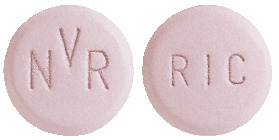
KISQALI film coated tablets are light greyish violet, unscored, round, curved with bevelled edges, debossed with "RIC" on one side and "NVR" on the other side.

The tablets are supplied in packs containing either 63, 42, or 21 tablets. All packs contain three blister strips in each carton.

63 tablets
This pack is intended for patients taking the ribociclib daily dose of 600 mg (as three tablets) once daily for 3 weeks.

Each blister strip contains 21 tablets.

42 tablets
This pack is intended for patients taking a reduced ribociclib daily dose of 400 mg (as two tablets) once daily for 3 weeks.

Each blister strip contains 14 tablets.

21 tablets
This pack is intended for patients taking the lowest ribociclib daily dose of 200 mg (one tablet once daily).

Each blister strip contains 7 tablets.

Please visit www.sparkkonnect.com.au for the Kisqali Patient Support Program.

Ingredients

Each KISQALI film coated tablet contains 200 mg of ribociclib, as the active ingredient, in the form of the succinate salt.

Each tablet also contains:

  • Magnesium stearate (vegetable source) (E572)
  • Microcrystalline cellulose (E460(i))
  • Hyprolose (E463)
  • Crospovidone (E1202)
  • Colloidal silicon dioxide
  • Polyvinyl alcohol (partially hydrolysed) (E1203)
  • Titanium dioxide (E171)
  • Iron oxide black CI77499 (E172)
  • Iron oxide red CI77491 (E172)
  • Iron oxide yellow CI77492 (E172)
  • Purified talc (E553b)
  • Lecithin (soy) (E322)
  • Xanthan gum (E415).

KISQALI does not contain sucrose, lactose, gluten, tartrazine, azo dyes, or any animal products.

Sponsor

KISQALI is supplied in Australia by:

NOVARTIS Pharmaceuticals Australia Pty Limited
ABN 18 004 244 160
54 Waterloo Road
Macquarie Park NSW 2113
Telephone 1800 671 203
www.novartis.com.au

® = Registered trademark,

© Copyright 2019.

Australian Registration Number

AUST R 280246.

Date of preparation

This leaflet was prepared in May 2020.

Internal document code
(kis200220c_v2 is based on PI kis200220i).

Published by MIMS June 2020

BRAND INFORMATION

Brand name

Kisqali

Active ingredient

Ribociclib

Schedule

S4


1 Name of Medicine

Ribociclib.

2 Qualitative and Quantitative Composition

Active substance.

Each film coated tablet contains ribociclib succinate equivalent to 200 mg ribociclib.

Excipients.

Excipients with known effect.

Each film-coated tablet contains 0.344 mg soya lecithin.
For full list of excipients, see Section 6.1 List of Excipients.

3 Pharmaceutical Form

Light greyish violet, unscored, round (approx. diameter: 11.1 mm), curved film-coated tablet with bevelled edges; debossed with "RIC" on one side and "NVR" on the other side.

4 Clinical Particulars

4.1 Therapeutic Indications

Early breast cancer.

Kisqali in combination with an aromatase inhibitor is indicated for the adjuvant treatment of patients with hormone receptor (HR)-positive, human epidermal growth factor receptor 2 (HER2)-negative stage II and III early breast cancer at high risk of recurrence.

Advanced or metastatic breast cancer.

Kisqali is indicated for the treatment of patients with hormone receptor (HR)-positive, human epidermal growth factor receptor 2 (HER2)-negative advanced or metastatic breast cancer, in combination with an aromatase inhibitor or fulvestrant, as initial endocrine-based therapy or following prior endocrine therapy.

4.2 Dose and Method of Administration

Early breast cancer.

The recommended dose of Kisqali when given in combination with an aromatase inhibitor for the treatment of early breast cancer is 400 mg (two 200 mg film-coated tablets) taken orally, once daily for 21 consecutive days followed by 7 days off treatment resulting in a complete cycle of 28 days.
In patients with early breast cancer, continue Kisqali until completion of 3 years of treatment or until disease recurrence or unacceptable toxicity occurs.

Advanced or metastatic breast cancer.

The recommended dose of Kisqali when given in combination with an aromatase inhibitor or fulvestrant for advanced or metastatic breast cancer is 600 mg (three 200 mg film-coated tablets) taken orally, once daily for 21 consecutive days, followed by 7 days off treatment, resulting in a complete cycle of 28 days.
In patients with advanced or metastatic breast cancer, treatment should be continued as long as the patient is deriving clinical benefit from therapy, unless unacceptable toxicity occurs.

General dosing advice (across indications).

Treatment with Kisqali should be initiated by a physician experienced in the use of anticancer therapies.
Kisqali may be taken with or without food (see Section 4.5 Interactions with Other Medicines and Other Forms of Interactions), but should be taken at approximately the same time each day, preferably in the morning.
If the patient vomits after taking the dose or misses a dose, an additional dose should not be taken that day. The next prescribed dose should be taken at the usual time.
Kisqali tablets should be swallowed whole (not chewed, crushed or split prior to swallowing). No tablet should be ingested if it is broken, cracked, or otherwise not intact.

Co-administered medicines.

LHRH agonist.

In pre/perimenopausal women, and in men, endocrine therapy for breast cancer should be co-administered with a luteinising hormone-releasing hormone (LHRH) agonist according to current clinical practice standards. Please refer to the full Product information of the LHRH agonist.

Aromatase inhibitor.

When co-administered with Kisqali, an aromatase inhibitor is taken daily throughout the 28-day cycle. Please refer to the full Product Information of the aromatase inhibitor.
Patients should be encouraged to take their dose of Kisqali and aromatase inhibitor at approximately the same time each day, preferably in the morning.

Fulvestrant.

When co-administered with Kisqali, the recommended dose of fulvestrant is 500 mg administered on Days 1, 15, 29, and once monthly thereafter. Please refer to the full Product Information of fulvestrant.

Special populations.

Renal impairment.

No dose adjustment is necessary in patients with mild or moderate renal impairment, but the recommended starting dose is 200 mg Kisqali once daily for patients with severe renal impairment (see Section 5.2 Pharmacokinetic Properties). There is no experience in cancer patients with severe renal failure or who require haemodialysis with the use of Kisqali. Caution and close monitoring for toxicity should be used in patients with severe renal impairment.

Hepatic impairment.

No dose adjustment is necessary in patients with early breast cancer and hepatic impairment.
In patients with advanced/metastatic breast cancer, no dose adjustment is necessary for mild hepatic impairment (Child-Pugh class A), but for moderate (Child-Pugh class B) and severe hepatic impairment (Child-Pugh class C) the starting dose of Kisqali should be reduced to 400 mg once daily. Kisqali has not been studied in patients with advanced or metastatic breast cancer with moderate and severe hepatic impairment. Kisqali has not been studied in patients with early breast cancer with severe hepatic impairment (see Section 5.2 Pharmacokinetic Properties).
Review the full Product Information for co-administered medicines (aromatase inhibitor, fulvestrant, or LHRH agonist) for dose modifications related to hepatic impairment.

Paediatric use.

The safety and efficacy of Kisqali in children and adolescents aged below 18 years have not been established.

Use in the elderly.

No dose adjustment is necessary (see Section 5.2 Pharmacokinetic Properties).

Dose modifications.

Dose modification for use of Kisqali with strong CYP3A inhibitors.

Avoid concomitant use of Kisqali with strong CYP3A inhibitors and consider an alternative concomitant medication with less potential for CYP3A inhibition. If a strong CYP3A inhibitor must be co-administered, reduce the Kisqali dose by 200 mg.
Due to inter-patient variability, the recommended dose adjustments may not be optimal in all patients. Monitor closely for signs of toxicity and manage with further dose reduction or interruption as needed.
If the strong inhibitor is discontinued, the Kisqali dose should be changed back (after 5 elimination half-lives of the strong CYP3A inhibitor) to the dose used prior to the initiation of the strong CYP3A inhibitor (see Section 4.4 Special Warnings and Precautions for Use; Section 4.5 Interactions with Other Medicines and Other Forms of Interactions; Section 5.2 Pharmacokinetic Properties).

Dose modification for adverse reactions.

Management of severe or intolerable adverse reactions may require temporary dose interruption, dose reduction, or permanent discontinuation of Kisqali.
Table 1 contains Kisqali dose reduction guidelines in case of adverse reactions. Refer to the full Product Information of co-administered medicines (aromatase inhibitor, fulvestrant or LHRH agonist) for dose modification guidelines and other relevant safety information.
Tables 2 to 6 contain Kisqali dose modification guidelines for specific adverse reactions (also see Section 4.4 Special Warnings and Precautions for Use; Section 4.8 Adverse Effects (Undesirable Effects)).
In case of QTcF prolongation at any given time during treatment:
Perform analysis of serum electrolytes (K+, Ca2+, PO43-, Mg2+). If outside the normal range, interrupt ribociclib treatment, correct with supplements or appropriate therapy as soon as possible, and repeat electrolytes until documented as normal.
Review concomitant medication usage for the potential to inhibit CYP3A4 and/or to prolong the QT interval.
Monitor ECGs more frequently (e.g. at 7 and 14 days) after resumption of Kisqali.

4.3 Contraindications

Kisqali is contraindicated in patients with corrected QT interval (QTcF) > 450 milliseconds (ms) prior to treatment, or who have long QT syndrome, or who are at significant risk of developing Torsades de Pointes (see Section 4.4 Special Warnings and Precautions for Use).
Kisqali is contraindicated in patients with hypersensitivity to ribociclib succinate or any of the excipients, which include soya lecithin (see Section 6.1 List of Excipients).

4.4 Special Warnings and Precautions for Use

QT interval prolongation.

Kisqali causes QT interval prolongation in a concentration-dependent manner (see Section 5.1 Pharmacodynamic Properties, Cardiac electrophysiology).
Avoid Kisqali in patients who are at significant risk of developing Torsades de Pointes (TdP). Risk assessment should consider carefully the following factors:
QTcF > 450 ms prior to treatment (see Section 4.3 Contraindications);
Long QT syndrome or a history of ventricular arrhythmias;
Uncontrolled or significant cardiac disease including recent myocardial infarction, congestive heart failure, unstable angina, bradyarrhythmias, uncontrolled hypertension, high degree atrioventricular block, severe aortic stenosis, or uncontrolled hypothyroidism;
Electrolyte abnormalities;
Co-administration of medicines or other substances known to prolong the QT interval, (see Section 4.5 Interactions with Other Medicines and Other Forms of Interactions);
Co-administration of strong CYP3A inhibitors as this may increase ribociclib exposure and thus the prolongation of the QTcF interval (see Section 4.2 Dose and Method of Administration if co-administration is unavoidable).
Perform a baseline ECG prior to commencing treatment. Do not commence treatment with Kisqali if the baseline QTcF is 450 ms or longer. Perform repeat ECG on approximately day 14, then as clinically indicated. Consider more frequent ECG monitoring based on a patient's individual risk factors, if there are any symptoms that may be related to QT prolongation (e.g. palpitations or syncope), or if there is any increase in the risk of QT prolongation (e.g. new medication, or condition that may increase the likely exposure to ribociclib).
Check serum electrolytes (including potassium, calcium, phosphorous and magnesium) before initiating treatment, at the beginning of each of the first 6 cycles, and then as clinically indicated. Do not commence or continue Kisqali therapy until abnormalities are corrected.
Interrupt, reduce dose or discontinue treatment to manage QTc prolongation as described in Table 2 (see Section 4.2 Dose and Method of Administration).
Based on MONALEESA-7 (E2301), co-administration of Kisqali with tamoxifen is associated with increased risk of QT prolongation (see Section 5.1, Clinical trials). Kisqali is not indicated for use with tamoxifen.

Clinical trial data regarding QT prolongation.

In the NATALEE study, in patients with early breast cancer who received 400 mg Kisqali plus AI, 3 patients (0.1%) had a post-baseline QTcF interval of > 500 ms value and 19 patients (0.8%) had a QTcF interval increase of > 60 ms from baseline. There were no reported cases of sudden death or TdP.
The phase III clinical studies (MONALEESA-2, MONALEESA-7 and MONALEESA-3) excluded patients with certain conditions known to increase QT prolongation risk, such as heart failure, cardiomyopathy, or recent coronary disease. Across these studies, in patients with advanced or metastatic breast cancer who received the combination of 600 mg Kisqali plus an aromatase inhibitor or fulvestrant, 15 out of 1054 patients (1%) had > 500 ms post-baseline QTcF value, and 61 out of 1054 patients (6%) had a > 60 ms increase from baseline in QTcF intervals. These ECG changes were reversible with dose interruption and the majority (63%) occurred within the first four weeks of treatment. There were no reported cases of TdP.
In MONALEESA-2, in the Kisqali plus letrozole treatment arm, there was one (0.3%) sudden death in a patient with Grade 3 hypokalaemia and Grade 2 QT prolongation that improved to Grade 1 on the same day, reported 10 days before the event. No cases of sudden death were reported in MONALEESA-7 or MONALEESA-3.
Also see Section 4.8 Adverse Effects (Undesirable Effects).

Severe cutaneous reactions.

Toxic epidermal necrolysis (TEN) has been reported with Kisqali treatment. If signs and symptoms suggestive of severe cutaneous reactions (e.g. progressive widespread skin rash often with blisters or mucosal lesions) appear, Kisqali should be immediately and permanently discontinued.

Interstitial lung disease (ILD)/Pneumonitis.

Severe, life threatening, or fatal interstitial lung disease (ILD) and/or pneumonitis can occur in patients treated with Kisqali and other CDK4/6 inhibitors.
In the phase III clinical study in patients with early breast cancer, ILD was reported in 1 patient (Grade 1) in the Kisqali plus AI arm with no cases in the AI alone arm. Pneumonitis (any Grade 0.6%, vs 0.4%) was reported in the Kisqali plus AI arm and in the AI alone arm, respectively, with 2 cases of a Grade 3 event in the AI arm. No cases of Grade 3 pneumonitis were reported in the Kisqali plus AI arm.
In the phase III clinical studies in patients with advanced or metastatic breast cancer (MONALEESA-2, MONALEESA-3, MONALEESA-7), 1.6% of Kisqali treated patients had ILD/pneumonitis of any grade, 0.4% had Grade 3 or 4, and 0.1% had a fatal outcome. Additional cases of ILD/pneumonitis have been observed in the postmarketing setting (see Section 4.8 Adverse Effects (Undesirable Effects)), with fatalities reported.
Monitor patients for pulmonary symptoms indicative of ILD/pneumonitis which may include hypoxia, cough and dyspnoea. In patients who have new or worsening respiratory symptoms suspected to be due to ILD or pneumonitis, interrupt Kisqali immediately and evaluate the patient. Permanently discontinue Kisqali in patients with recurrent symptomatic or severe ILD/pneumonitis. (See Section 4.2 Dose and Method of Administration for dosing adjustment table).

Hepatobiliary toxicity.

Ribociclib commonly causes reversible elevations in transaminase levels, and uncommonly causes life-threatening hepatotoxicity.
In the phase III clinical studies in patients with early breast cancer and advanced or metastatic breast cancer, increases in transaminases were observed.
In patients with early breast cancer, Grade 3 or 4 increases in ALT (7.6% vs. 0.7%) and AST (4.7% vs. 0.5%) were reported in the Kisqali plus AI arm and AI alone arm, respectively. Grade 4 increases in ALT (1.5%) and AST (0.8%) were reported in the Kisqali plus AI arm. No Grade 4 increase in AST was reported in the AI alone arm, 1 case (< 0.1%) of Grade 4 increase in ALT was reported in the AI alone arm.
In the phase III clinical study, 80.9% (165/204) of Grade 3 or 4 ALT or AST elevation events occurred within the first 6 months of treatment (see Section 4.8 Adverse Effects (Undesirable Effects)). The majority of increases in ALT and AST were reported without concurrent elevations of bilirubin. Among the patients who had Grade 3 or 4 ALT/AST elevation, the median time-to-onset was 2.8 months for the Kisqali plus AI arm. The median time to resolution (to normalisation or Grade ≤ 2) was 0.7 months in the Kisqali plus AI arm.
Concurrent elevations of ALT or AST > 3 x upper limit of normal (ULN) and of total bilirubin > 2 x ULN, with normal alkaline phosphatase levels (Hy's Law), occurred in 8 patients treated with Kisqali plus AI (in 6 patients ALT or AST levels recovered to normal within 65 to 303 days after discontinuation of Kisqali).
In patients with advanced or metastatic breast cancer, Grade 3 or Grade 4 increases in ALT (11% vs 2%) and AST (8% vs 2%) were reported in the Kisqali and placebo arms, respectively.
Among the patients who had Grade 3 or Grade 4 ALT/AST elevation, the median time to onset was 92 days for patients treated with Kisqali plus an aromatase inhibitor or fulvestrant. The median time to resolution (to normalisation or ≤ Grade 2) was 21 days in patients treated with Kisqali plus an aromatase inhibitor or fulvestrant.
The majority of increases in ALT and AST were reported without concurrent elevation of bilirubin. In MONALEESA-2 and MONALEESA-3, concurrent elevations of ALT or AST > 3 x ULN and of total bilirubin > 2 x ULN, with normal alkaline phosphatase levels, in the absence of cholestasis (Hy's law) occurred in 6 patients (1%), and all patients recovered after discontinuation of Kisqali. There were no such cases in MONALEESA-7.
Liver function tests (LFTs) should be performed before initiating therapy with Kisqali in patients with early breast cancer and advanced or metastatic breast cancer. LFTs should be monitored every 2 weeks for the first 2 cycles, at the beginning of each of the subsequent 4 cycles, and then as clinically indicated.
Based on the severity of the transaminase elevations, Kisqali may require dose interruption, reduction, or discontinuation as described in Table 4 (see Section 4.2 Dose and Method of Administration). Recommendations for patients who have elevated AST/ALT > Grade 3 at baseline have not been established.

Neutropenia.

Severity of neutropenia is concentration dependent. Inform patients to promptly report any fever (see Section 4.8 Adverse Effects (Undesirable Effects)). In patients with early breast cancer (phase III clinical study NATALEE (O12301C)), neutropenia was the most frequently reported adverse drug reaction (62.5%) and a Grade 3 or 4 decrease in neutrophil counts (based on laboratory findings) was reported in 45.1% of patients receiving Kisqali plus aromatase inhibitor (AI).
Among the patients with early breast cancer who had Grade 2, 3 or 4 neutropenia in the phase III clinical study, the median time to Grade 2, 3 or 4 neutropenia was 0.6 months. The median time to resolution of Grade ≥ 3 (to normalization or Grade < 3) was 0.3 months in the Kisqali plus AI arm. Febrile neutropenia was reported in 0.3% of patients receiving Kisqali plus AI.
In patients with advanced or metastatic breast cancer, (three phase III clinical studies MONALEESA-2 (A2301), MONALEESA-7 (E2301-NSAI) and MONALEESA-3 (F2301), neutropenia was the most frequently reported adverse reaction (75%) and a Grade 3 or Grade 4 decrease in neutrophil counts (based on laboratory findings) was reported in 62% of patients receiving Kisqali plus an aromatase inhibitor or fulvestrant. Among these patients who had Grades 2, 3 or 4 neutropenia, the median time to onset was 17 days. The median time to resolution of Grade ≥ 3 neutropenia (to normalisation or Grade < 3) was 12 days in patients treated with Kisqali plus an aromatase inhibitor or fulvestrant. Febrile neutropenia was reported in 2% of patients exposed to Kisqali plus an aromatase inhibitor or fulvestrant.
A full blood count (FBC) should be performed before initiating therapy with Kisqali. FBC should be monitored every 2 weeks for the first 2 cycles, at the beginning of each of the subsequent 4 cycles, and then as clinically indicated.
Based on the severity of the neutropenia, Kisqali may require dose interruption, reduction or discontinuation as described in Table 3 (see Section 4.2 Dose and Method of Administration).

Blood creatinine increase.

Ribociclib may cause blood creatinine increase as an inhibitor of the renal transporters organic cation transporter 2 (OCT2) and multidrug and toxin extrusion protein 1 (MATE1), which are involved in the active secretion of creatinine from the proximal tubules (see Section 4.5 Interactions with Other Medicines and Other Forms of Interactions). In case of blood creatinine increase while on treatment, it is recommended that further assessment of the renal function be performed to exclude renal impairment.

Reproductive toxicity and fertility.

Women of reproductive potential should be advised to use an effective method of contraception while taking Kisqali and for at least 21 days after the last dose (see Section 4.6 Fertility, Pregnancy and Lactation).

4.5 Interactions with Other Medicines and Other Forms of Interactions

Drugs that may increase the QT interval.

Co-administration of Kisqali with medicinal products with a known potential to prolong the QT interval may have an additive effect with ribociclib and increase the risk of QT prolongation.
Avoid co-administration of Kisqali with medicinal products with a known potential to prolong the QT interval, including, but not limited to: amiodarone, disopyramide, procainamide, quinidine, sotalol, ciprofloxacin, levofloxacin, azithromycin, moxifloxacin, erythromycin, clarithromycin, fluconazole, pentamidine, citalopram, escitalopram, lithium, clomipramine, desipramine, imipramine, trimipramine, chlorpromazine, haloperidol, ziprasidone, cisapride, ondansetron, dolasetron, chloroquine, halofantrine, methadone, bepridil, and pimozide. If coadministration cannot be avoided, consider reducing the dose of ribociclib and monitor by ECG for QT prolongation (see Section 4.5 Interactions with Other Medicines and Other Forms of Interactions, Drugs that may increase ribociclib plasma concentrations). Kisqali is not recommended for use in combination with tamoxifen (see Section 4.4 Special Warnings and Precautions for Use).

Interactions with co-administered anticancer medicines.

Ribociclib and letrozole.

Comparison of data from clinical trials in patients with breast cancer to historical controls, and a population PK analysis indicated no clinically important drug-drug interaction between ribociclib and letrozole following their co-administration.

Ribociclib and anastrozole.

Data from a clinical trial in patients with breast cancer indicated no clinically relevant drug-drug interaction between ribociclib and anastrozole following their co-administration.

Ribociclib and fulvestrant.

Data from a clinical trial in patients with breast cancer indicated no clinically relevant effect of fulvestrant on ribociclib exposure following co-administration of the drugs.

Ribociclib and tamoxifen.

Kisqali is not indicated for concomitant use with tamoxifen. Data from a clinical trial in patients with breast cancer indicated that tamoxifen exposure (Cmax and AUC) approximately doubled following co-administration of ribociclib and tamoxifen.

In vitro interaction data.

Effect of ribociclib on cytochrome P450 enzymes.

In vitro, ribociclib is a reversible inhibitor of CYP1A2, CYP2E1 and CYP3A4/5 and a time dependent inhibitor of CYP3A4/5, at clinically relevant concentrations. In vitro evaluations indicated that ribociclib has no potential to inhibit the activities of CYP2A6, CYP2B6, CYP2C8, CYP2C9, CYP2C19, and CYP2D6 at clinically relevant concentrations. Ribociclib has no potential for time dependent inhibition of CYP1A2, CYP2C9, and CYP2D6.
In vitro data indicate that ribociclib has no potential to induce UGT enzymes or the CYP enzymes CYP2B6, CYP2C9, CYP2C19 and CYP3A4 via CAR or PXR. Therefore, Kisqali is unlikely to affect substrates of these enzymes.

Effect of transporters on ribociclib.

Based on in vitro data, ribociclib is a substrate of P-gp but not a substrate of BCRP. However, P-gp mediated transport is unlikely to affect the extent of oral absorption of ribociclib at therapeutic doses because of moderate passive permeability. Ribociclib is not a substrate for hepatic uptake transporters OATP1B1/1B3 or OCT-1 in vitro.

Effect of ribociclib on transporters.

In vitro evaluations indicated that ribociclib has a potential to inhibit the activities of drug transporters Pgp, BCRP, OATP1B1/1B3, OCT1, OCT2, MATE1, MATE2K and BSEP. Caution and monitoring for toxicity are advised during concomitant treatment with sensitive substrates of these transporters which exhibit a narrow therapeutic index, including but not limited to digoxin, pitavastatin, pravastatin, rosuvastatin and metformin. Ribociclib did not inhibit OAT1, OAT3 or MRP2 at clinically relevant concentrations in vitro.

Drugs that may increase ribociclib plasma concentrations.

CYP3A4 inhibitors.

Ribociclib is primarily metabolised by CYP3A4 and is a time-dependent inhibitor of CYP3A4 in vitro (see Section 5.2 Pharmacokinetic Properties, Metabolism). Therefore, medicinal products which can influence CYP3A4 enzyme activity may alter the PK of ribociclib. No dose adjustments are required for mild and moderate CYP3A4 inhibitors, however, if treatment with a moderate CYP3A4 inhibitor is initiated, close monitoring for ribociclib-related AEs is recommended.
Concomitant use of strong CYP3A inhibitors including, but not limited to, clarithromycin, indinavir, itraconazole, ketoconazole, lopinavir, ritonavir (see below), nefazodone, nelfinavir, posaconazole, ritonavir, saquinavir, telaprevir, telithromycin, verapamil, and voriconazole should be avoided (see Section 4.4 Special Warnings and Precautions for Use). Alternative concomitant medications with less potential to inhibit CYP3A should be considered and patients should be monitored for adverse drug reactions (ADRs) (see Section 4.2 Dose and Method of Administration; Section 4.4 Special Warnings and Precautions for Use; Section 5.2 Pharmacokinetic Properties, Metabolism).
If co-administration of Kisqali with a strong CYP3A inhibitor cannot be avoided, reduce the Kisqali dose (see Section 4.2 Dose and Method of Administration).

Ritonavir.

A drug interaction trial in healthy subjects was conducted with ritonavir (strong CYP3A inhibitor). Compared to ribociclib alone, ritonavir (100 mg bid for 14 days) increased ribociclib Cmax and AUCinf by 1.7-fold and 3.2-fold, respectively, following a single 400 mg ribociclib dose. Cmax and AUClast for LEQ803 (a prominent metabolite of LEE011, accounting for < 10% of parent exposure) decreased by 96% and 98%, respectively.

Erythromycin.

Simulations using physiologically-based pharmacokinetic modelling (PBPK) predict that co-administration of ribociclib with erythromycin (a moderate CYP3A4 inhibitor), may increase steady-state ribociclib Cmax and AUC by 1.1-fold and 1.1-fold, respectively, at the 600 mg dose; by 1.1-fold and 1.2-fold, respectively, at the 400 mg dose; and by 1.3-fold and 1.5-fold, respectively, at the 200 mg dose of ribociclib.

Drugs that may decrease ribociclib plasma concentrations.

CYP3A4 inducers.

Avoid concomitant use of strong CYP3A inducers, including, but not limited to, phenytoin, rifampin, carbamazepine and St. John's wort (Hypericum perforatum). Consider an alternate concomitant medication with no or minimal potential to induce CYP3A (see Section 4.4 Special Warnings and Precautions for Use).

Rifampicin.

A drug interaction trial in healthy subjects was conducted with rifampicin, a strong CYP3A4 inducer. Compared to ribociclib alone, co-administration with rifampicin (600 mg daily for 14 days) decreased ribociclib Cmax and AUCinf by 81% and 89%, respectively, following a single 600 mg ribociclib dose. LEQ803 Cmax increased 1.7-fold and AUCinf decreased by 27%, respectively.

Efavirenz.

The effect of a moderate CYP3A4 inducer on ribociclib exposure has not been studied. PBPK simulations suggested that a moderate CYP3A4 inducer (efavirenz) may decrease steady-state ribociclib Cmax and AUC by 55% and 74%, respectively, at a ribociclib dose of 400 mg, and by 52% and 71%, respectively, at a ribociclib dose of 600 mg. The concomitant use of moderate CYP3A4 inducers may therefore lead to decreased exposure and consequently a potential risk for impaired efficacy.

Effect of ribociclib on other drugs.

CYP3A substrates.

Ribociclib is a moderate to strong CYP3A4 inhibitor and may interact with medicinal substrates that are metabolised via CYP3A4, which can lead to increased serum concentrations of the concomitantly used medicinal product.
Caution is recommended in case of concomitant use with sensitive CYP3A substrates with a narrow therapeutic index (see Section 4.4 Special Warnings and Precautions for Use). The dose of a sensitive CYP3A substrate with a narrow therapeutic index, including but not limited to alfentanil, cyclosporine, dihydroergotamine, ergotamine, everolimus, fentanyl, pimozide, quinidine, sirolimus and tacrolimus, may need to be reduced as ribociclib can increase their exposure.

Midazolam.

Simulations using PBPK suggested that at a 600 mg ribociclib dose, midazolam Cmax and AUC may increase 2.4-fold and 5.2-fold, respectively.
Co-administration of midazolam (CYP3A4 substrate) with multiple doses of ribociclib (400 mg) increased the midazolam exposure by 3.8-fold in healthy subjects, compared with administration of midazolam alone. Simulations using physiologically-based PK (PBPK) models suggested that ribociclib given at the clinically relevant dose of 600 mg is expected to increase the midazolam AUC by 5.2-fold.

Caffeine.

Simulations using PBPK suggested only weak inhibitory effects on CYP1A2 substrates at a 600 mg ribociclib dose.
Co-administration of caffeine (CYP1A2 substrate) with multiple doses of ribociclib (400 mg) decreased Cmax by 10% and increased the caffeine AUCinf by 20% in healthy subjects, compared with administration of caffeine alone. At the clinically relevant ribociclib dose of 600 mg, simulations using PBPK models predicted only weak inhibitory effects of ribociclib on CYP1A2 substrates (less than 2-fold increase in AUC).

Drug-food interactions.

Patients should be instructed to avoid fruits (including fruit juices) that are known to be strong inducers or inhibitors of cytochrome CYP3A enzymes and may therefore increase exposure to ribociclib. These include grapefruit, grapefruit hybrids, pommelos, star-fruit, and Seville oranges.
Kisqali can be administered with or without food (see Section 4.2 Dose and Method of Administration; Section 5.2 Pharmacokinetic Properties).

Gastric pH elevating medications.

Ribociclib exhibits high solubility at or below pH 4.5 and in bio-relevant media (at pH 5.0 and 6.5). Co-administration of ribociclib with medicinal products that elevate the gastric pH was not evaluated in a clinical trial; however, altered ribociclib absorption with proton pump inhibitors was not observed in population pharmacokinetic analysis, non-compartmental pharmacokinetic analyses nor in simulations using PBPK models.

4.6 Fertility, Pregnancy and Lactation

Effects on fertility.

There are no clinical data available regarding effects of Kisqali on human fertility. Based on animal studies, Kisqali may impair fertility in males.
(Category D)
There are no adequate and well-controlled clinical studies regarding the use of ribociclib in pregnancy. Based on findings in animals, ribociclib can cause fetal harm (including fetal developmental abnormalities and fetal loss) when administered during pregnancy (see Section 5.3 Preclinical Safety Data). Use of Kisqali is not recommended during pregnancy, or in patients who could become pregnant and are not using highly effective contraception.

Pregnancy testing.

The pregnancy status of a patient should be verified prior to initiating treatment with Kisqali.

Contraception.

Patients who could become pregnant should use effective contraception (methods that result in less than 1% pregnancy rates) whilst receiving Kisqali and for at least 21 days after stopping treatment.
It is not known if Kisqali is present in human milk. There are no data on the effects of Kisqali on a breastfed child or the effects of Kisqali on milk production. Ribociclib and its metabolites readily passed into the milk of lactating rats (see Section 5.3 Preclinical Safety Data). Patients receiving Kisqali should not breastfeed for at least 21 days after the last dose.

4.7 Effects on Ability to Drive and Use Machines

No studies on the effects of ribociclib on the ability to drive or operate machinery have been conducted. Patients experiencing fatigue, dizziness, or vertigo while taking ribociclib should exercise caution when driving or operating machinery (see Section 4.8 Adverse Effects (Undesirable Effects)).

4.8 Adverse Effects (Undesirable Effects)

Early breast cancer.

The safety of Kisqali was evaluated in NATALEE, an open-label, randomised clinical trial of 5101 patients who received Kisqali plus AI or AI alone, with or without goserelin (see Section 5.1 Pharmacodynamic Properties, Clinical trials) for the treatment of HR-positive, HER2-negative early breast cancer. The median duration of exposure to ribociclib across the study was 33 months with 69% of patients exposed for at least 2 years and 43% of patients having completed the 3-year ribociclib regimen.
Serious adverse reactions occurred in 14% of patients who received Kisqali. Serious adverse reactions in > 0.5% of patients who received Kisqali included COVID-19 (1.1%), pneumonia (0.8%), and pulmonary embolism (0.6%).
Fatal adverse reactions occurred in 0.6% of patients who received Kisqali. Fatal adverse reactions in ≥ 0.1% of patients receiving Kisqali included COVID-19 or COVID-19 pneumonia (0.2%) and pulmonary embolism (0.1%).
Permanent discontinuation of Kisqali due to an adverse reaction occurred in 20% of patients. Adverse reactions which resulted in permanent discontinuation of Kisqali in ≥ 2% of patients were alanine aminotransferase or aspartate aminotransferase increased (8%).
Dosage interruptions of both Kisqali plus AI due to an adverse reaction occurred in 73% of patients. Adverse reactions which required dosage interruption in ≥ 5% of patients included neutropenia or neutrophil count decreased (43%), alanine aminotransferase or aspartate aminotransferase increased (11%), COVID-19 (10%), and hypomagnaesemia (5%).
Dose reductions of Kisqali due to an adverse reaction occurred in 23% of patients. Adverse reactions which required dose reductions in ≥ 2% of patients included neutropenia or neutrophil count decreased (14%) and liver function abnormal (2.3%). Table 7 summarises the most common adverse reactions in NATALEE.
Clinically relevant adverse reactions reported in less than 10% of patients who received Kisqali plus AI included rash (9%), dizziness (9%), vomiting (8%), peripheral oedema (7%), pruritus (7%), dyspnoea (7%), stomatitis (6%), oropharyngeal pain (6%), hypocalcaemia (5%), hypokalaemia (4.8%), and decreased appetite (4.8%).
Table 8 summarises the laboratory abnormalities in NATALEE.

Advanced or metastatic breast cancer.

MONALEESA-2: Kisqali in combination with letrozole.

Postmenopausal women with HR-positive, HER2-negative advanced or metastatic breast cancer for initial endocrine based therapy.

The safety data reported below are based on a clinical study of 668 postmenopausal women receiving Kisqali plus letrozole or placebo plus letrozole. The median duration of exposure to Kisqali plus letrozole was 20 months with 63% of patients exposed for ≥ 12 months. Dose reductions due to adverse reactions (ARs) occurred in 49% of patients receiving Kisqali plus letrozole and in 3% of patients receiving placebo plus letrozole. Among patients receiving Kisqali plus letrozole, 11% were reported to have permanently discontinued both Kisqali and letrozole and 9% were reported to have permanently discontinued Kisqali alone due to ARs. Among patients receiving placebo plus letrozole, 3% were reported to have permanently discontinued both and 2% were reported to have permanently discontinued placebo alone due to ARs. Adverse reactions leading to treatment discontinuation of Kisqali in patients receiving Kisqali plus letrozole were ALT increased (5%), AST increased (3%), vomiting (2%). Antiemetics and antidiarrhoea medications were used to manage symptoms as clinically indicated.
On-treatment deaths, regardless of causality, were reported in 8 cases (2%) of Kisqali plus letrozole treated patients vs 3 cases (0.9%) in placebo plus letrozole treated patients. Causes of death in Kisqali plus letrozole included progressive disease in 2 cases (0.6%), 2 cases of acute respiratory failure (0.6%), and one case each (0.1%) of the following: sudden death (in a patient who had Grade 3 hypokalemia and Grade 2 QT prolongation that improved to Grade 1 on the same day, both reported 10 days before the event), death due to unknown cause, acute myocardial infarction, and pneumonia. Causes of death in placebo plus letrozole included 2 (0.6%) cases of progressive disease and 1 (0.3%) case of subdural hematoma (not related to study treatment).
The most common ARs (reported at a frequency ≥ 20% in the Kisqali arm and ≥ 2% higher than placebo) were neutropenia, nausea, infections, fatigue, diarrhoea, alopecia, leukopenia, vomiting, constipation, headache, back pain, cough, anaemia, rash, abnormal liver function tests, decreased appetite and abdominal pain.
The most common Grade 3/4 ARs (reported at a frequency ≥ 5%) were neutropenia, infections, leukopenia, abnormal liver function tests, and lymphopenia. Syncope occurred in 15 patients (5%) in the Kisqali plus letrozole arm versus 9 (3%) in the placebo plus letrozole arm.
ARs and laboratory abnormalities occurring in patients in MONALEESA-2 are listed in Table 9 and Table 10, respectively.
MONALEESA-7: Kisqali in combination with an aromatase inhibitor.

Pre- or perimenopausal patients with HR-positive, HER2-negative advanced or metastatic breast cancer for initial endocrine-based therapy.

MONALEESA-7 was conducted in 672 pre- or perimenopausal patients with HR-positive, HER2-negative advanced or metastatic breast cancer receiving either Kisqali plus endocrine therapy (goserelin plus either a non-steroidal aromatase inhibitor (NSAI) or tamoxifen) or placebo plus endocrine therapy (goserelin plus either a NSAI or tamoxifen). The median duration of exposure on the Kisqali plus an NSAI arm was 24.6 months with 67.3% of patients exposed for ≥ 12 months.
Kisqali is not recommended for use in combination with tamoxifen due to the risk of QTc prolongation (see Section 4.4 Special Warnings and Precautions for Use).
The safety data reported below are based on 495 NSAI-treated patients, which included 248 patients who received Kisqali plus goserelin plus NSAI (the Kisqali arm) and 247 patients who received placebo plus goserelin plus NSAI (the placebo arm). Dose reductions due to adverse reactions (ARs) occurred in 36% of patients receiving Kisqali plus NSAI plus goserelin and in 5% of patients receiving placebo plus NSAI plus goserelin. In the Kisqali arm, 4% were reported to have permanently discontinued both Kisqali and NSAI and 6% were reported to have permanently discontinued Kisqali alone due to ARs. In the placebo arm, 3% were reported to have permanently discontinued both and 1% were reported to have permanently discontinued placebo alone due to ARs. Adverse reactions leading to Kisqali or placebo treatment discontinuation in the Kisqali arm versus the placebo arm were ALT increased (3% vs 0.8%), AST increased (2% vs 1%) and neutropenia (2% vs 0%). One patient (0.4%) died while on treatment with Kisqali plus NSAI plus goserelin due to the underlying malignancy.
The most common ARs (reported at a frequency ≥ 20% in the Kisqali arm and ≥ 2% higher than placebo) were neutropenia, infections, nausea, leukopenia, headache, fatigue, back pain, diarrhoea, abnormal liver function tests, vomiting, alopecia and anaemia. The most common Grade 3/4 ARs (reported at a frequency ≥ 5%) were neutropenia, leukopenia, abnormal liver function tests and lymphopenia.
Adverse reactions and laboratory abnormalities occurring in patients in MONALEESA-7 are listed in Table 11 and Table 12, respectively.
MONALEESA-3: Kisqali in combination with fulvestrant.

Postmenopausal patients with HR-positive, HER2-negative advanced or metastatic breast cancer for initial endocrine-based therapy or after disease progression on endocrine therapy.

The safety data reported below are based on a clinical study of 724 postmenopausal women receiving Kisqali plus fulvestrant or placebo plus fulvestrant. The median duration of exposure to Kisqali plus fulvestrant was 15.8 months with 58% of patients exposed for ≥ 12 months. Dose reductions due to adverse reactions (ARs) occurred in 35% of patients receiving Kisqali plus fulvestrant and in 5% of patients receiving placebo plus fulvestrant. Among patients receiving Kisqali plus fulvestrant, 10% were reported to have permanently discontinued both Kisqali and fulvestrant and 9% were reported to have discontinued Kisqali alone due to ARs. Among patients receiving placebo plus fulvestrant, 4% were reported to have permanently discontinued both and 3% were reported to have discontinued placebo alone due to ARs. Adverse reactions leading to treatment discontinuation of Kisqali in patients receiving Kisqali plus fulvestrant (as compared to the placebo arm) were ALT increased (5% vs 0%), AST increased (3% vs 0.6%), and vomiting (1% vs 0%).
On-treatment deaths, regardless of causality, were reported in seven patients (1.4%) due to the underlying malignancy and six patients (1.2%) due to other causes while on treatment with Kisqali plus fulvestrant. Causes of death included one pulmonary embolism, one acute respiratory distress syndrome, one cardiac failure, one pneumonia, one haemorrhagic shock, and one ventricular arrhythmia. Seven patients (2.9%) died due to the underlying malignancy and 1 patient (0.4%) died due to pulmonary embolism while on placebo plus fulvestrant.
The most common ARs (reported at a frequency ≥ 20% in the Kisqali arm and ≥ 2% higher than placebo) were neutropenia, infections, nausea, diarrhoea, leukopenia, vomiting, constipation, rash, cough, headache, pruritus, alopecia and anaemia. The most common Grade 3/4 ARs (reported at a frequency ≥ 5%) were neutropenia, infections, leukopenia, lymphopenia and abnormal liver function tests.
Adverse reactions and laboratory abnormalities occurring in patients in MONALEESA-3 are listed in Table 13 and Table 14, respectively.
COMPLEEMENT-1: Kisqali in combination with letrozole and goserelin or leuprolide.

Men with HR-positive, HER2-negative advanced breast cancer for initial endocrine-based therapy.

The safety of Kisqali in combination with letrozole was evaluated in men (n=39) in an open-label, multicentre clinical study for the treatment of adult patients with HR-positive, HER2-negative, advanced breast cancer who received no prior hormonal therapy for advanced disease (COMPLEEMENT-1) (see Section 5.1, Clinical trials).
The median duration of exposure to Kisqali for male patients was 19.2 months (range: 0.5 to 30.6 months).
Adverse reactions occurring in men treated with Kisqali plus letrozole and were similar to those occurring in women treated with Kisqali plus endocrine therapy. No men received leuprolide in the study.

Post-marketing data.

The following ADRs are derived from post-marketing experience with Kisqali via spontaneous case reports and literature cases. As these reactions are reported voluntarily from a population of uncertain size, it is not possible to reliably estimate their frequency which is therefore categorised as not known. See Table 15.

Description of selected adverse drug reactions.

QT prolongation.

In the phase III study in patients with early breast cancer (NATALEE), 5.3% of patients in the Kisqali plus AI arm and 1.4% of patients in the AI alone arm reported events of QT interval prolongation. Dose interruptions were reported in 1.1% of Kisqali treated patients due to ECG QT prolonged and syncope. Dose adjustments were reported in 0.1% of Kisqali treated patients due to ECG QT prolonged.
A central analysis of ECG data showed 10 patients (0.4%) and 4 patients (0.2%) with at least one post-baseline QTcF interval > 480 ms for the Kisqali plus AI arm and the AI alone arm, respectively. Among the patients who had QTcF interval prolongation of > 480 ms in the Kisqali plus AI arm, the median time to onset was 15 days and these changes were reversible with dose interruption and/or dose adjustment (see Section 4.2 Dose and Method of Administration; Section 4.4 Special Warnings and Precautions for Use; Section 5.1 Pharmacodynamic Properties). QTcF interval > 60 ms change from baseline was observed in 19 patients (0.8%) in the Kisqali plus AI arm and post-baseline QTcF interval > 500 ms was observed in 3 patients (0.1%) in the Kisqali plus AI arm.
In the phase III clinical studies in patients with advanced or metastatic breast cancer, 9% of ribociclib-treated patients and 4% of placebo-treated patients had at least one event of QT interval prolongation or syncope. Dose interruptions/adjustments were reported in 3% of the Kisqali-treated patients due to QT interval prolongation or syncope.
A central analysis of ECG data (average of triplicate) showed that at least one post-baseline QTcF of > 480 ms occurred in 5% ribociclib-treated patients and 2% of placebo-treated patients. Among the ribociclib-treated patients who had QTcF prolongation of > 480 ms, the median time to onset was 15 days regardless of what treatment ribociclib was combined with, and these changes were reversible with dose interruption and/or dose reduction (see Section 4.2 Dose and Method of Administration; Section 4.4 Special Warnings and Precautions for Use; Section 5.2 Pharmacokinetic Properties).
In MONALEESA-7, the observed mean QTcF increase from baseline was > 10 ms higher in the tamoxifen plus placebo subgroup compared with NSAI plus placebo subgroup, suggesting that tamoxifen contributed to the QTcF prolongation observed in the ribociclib plus tamoxifen group (see Section 5.1 Pharmacodynamic Properties, Cardiac electrophysiology). A QTcF increase of > 60 ms from baseline occurred in zero patients who received placebo plus NSAI, 7% of patients who received placebo plus tamoxifen, 7% of patients who received ribociclib plus NSAI, and 16% of patients who received ribociclib plus tamoxifen. Co-administration of Kisqali and tamoxifen is not recommended (see Section 4.4 Special Warnings and Precautions for Use).

Hepatobiliary toxicity.

In the phase III study in patients with early breast cancer, hepatobiliary toxicity events occurred in a higher proportion of patients in the Kisqali plus AI arm vs AI alone arm (26% vs 11%, respectively), with more Grade 3/4 AEs reported in patients treated with Kisqali plus AI (8.6% vs 1.7%, respectively). Dose interruptions due to hepatobiliary toxicity events were reported in 12% of patients with early breast cancer treated with Kisqali plus AI, primarily due to ALT increased (10%) and/or AST increased (7%). Dose adjustment due to hepatobiliary toxicity events was reported in 2.6% of patients treated with Kisqali plus AI, primarily due to ALT increased (1.9%) and/or AST increased (0.6%). Discontinuation of treatment with Kisqali due to abnormal liver function tests and hepatotoxicity occurred in 8.9% and 0.1% of patients, respectively (see Section 4.4 Special Warnings and Precautions for Use).
In the phase III clinical studies in patients with advanced or metastatic breast cancer, hepatobiliary toxicity events occurred in a higher proportion of ribociclib-treated patients compared with placebo-treated patients (27% vs 20%), and more Grade 3/4 adverse events were reported in ribociclib-treated than placebo-treated patients (13% vs 6%). Dose interruptions and/or adjustments due to hepatobiliary toxicity events were reported in 12% of ribociclib-treated patients, primarily due to ALT increased (8%) and/or AST increased (7%). Discontinuation of treatment with Kisqali due to abnormal liver function tests and hepatotoxicity occurred at rates of 2% and 0.3%, respectively (see Section 4.2 Dose and Method of Administration; Section 4.4 Special Warnings and Precautions for Use; Section 5.2 Pharmacokinetic Properties).

Neutropenia.

Severity of neutropenia is concentration-dependent.
Neutropenia was a frequent laboratory finding in clinical studies. Permanent treatment discontinuation due to neutropenia was reported in 0.8% of patients receiving Kisqali for advanced breast cancer and 1.1% of patients receiving Kisqali for early breast cancer, however, dose interruptions and/or modifications were required in 43.5% of ribociclib-treated patients (see Section 4.2 Dose and Method of Administration; Section 4.4 Special Warnings and Precautions for Use).
Based on its severity, neutropenia was managed by laboratory monitoring, dose interruption and/or dose modification. All patients should be instructed to report any fever promptly.

Reporting suspected adverse effects.

Reporting suspected adverse reactions after registration of the medicinal product is important. It allows continued monitoring of the benefit-risk balance of the medicinal product. Healthcare professionals are asked to report any suspected adverse reactions at www.tga.gov.au/reporting-problems.

4.9 Overdose

Symptoms and signs.

Limited experience in humans suggests that in the event of Kisqali overdosage, nausea, vomiting, neutropenia and thrombocytopenia could occur. QTc prolongation may also occur, as it is known to be concentration-dependent.

Treatment.

The treatment of overdose should consist of general symptomatic and supportive measures. For information on the management of overdose, contact the Poison Information Centre on telephone number 13 11 26 (local call in all areas).

5 Pharmacological Properties

5.1 Pharmacodynamic Properties

Pharmacotherapeutic group: antineoplastic agents, protein kinase inhibitors.
Anatomical Therapeutic Chemical (ATC) code: L01EF02.

Mechanism of action.

Ribociclib is an inhibitor of cyclin-dependent kinases (CDK) 4 and 6. These kinases are activated upon binding to D-cyclins and play a crucial role in signalling pathways which lead to cell cycle progression and cellular proliferation. The cyclin D-CDK4/6 complex regulates cell cycle progression through phosphorylation of the retinoblastoma protein (pRb).
In vitro, ribociclib decreased pRb phosphorylation resulting in arrest in the G1 phase of the cell cycle, reduced proliferation in breast cancer-derived models. In vivo, treatment with single agent ribociclib in a rat xenograft model with human tumour cells led to decreased tumour volumes, which correlated with inhibition of pRb phosphorylation.
In vivo studies using patient-derived oestrogen receptor-positive breast cancer xenograft models, combination of ribociclib and anti-oestrogen therapies (e.g. letrozole) resulted in increased tumour growth inhibition compared to each drug alone. Additionally, the combination of ribociclib and fulvestrant resulted in tumour growth inhibition in an oestrogen receptor positive breast cancer xenograft model.

Pharmacodynamic effects.

Ribociclib inhibits the CDK4/cyclin-D1 and CDK6/cyclin-D3 enzyme complexes with concentration resulting in 50% inhibition (IC50) values of 0.01 micromolar (microM) (4.3 nanogram/mL) and 0.039 microM (16.9 nanogram/mL) in biochemical assays, respectively.
In cell based assays with pRb positive cancer cell lines, ribociclib inhibits CDK4/6-dependent pRb phosphorylation with an IC50 of 0.06 microM (26 nanogram/mL). Ribociclib halts G1 to S-phase cell cycle progression measured by flow cytometry with IC50 of 0.11 microM (47.8 nanogram/mL). Ribociclib also inhibits cellular proliferation measured by bromodeoxyuridine uptake with IC50 of 0.08 microM (34.8 nanogram/mL).
When tested in a panel of breast cancer cell lines with known ER status, ER-positive cell lines were more sensitive than ER-negative cell lines to the anti-proliferation effects of ribociclib. Ribociclib had no inhibitory activity in the tested pRb-negative cancer cell lines.

Cardiac electrophysiology.

Serial, triplicate electrocardiograms (ECGs) were collected following a single dose and at steady-state to evaluate the effect of ribociclib on the QTc interval in patients with advanced cancer. In vitro studies have shown that both ribociclib and its major metabolite, LEQ803, interact with hERG channels. A pharmacokinetic-pharmacodynamic analysis included a total of 997 patients treated with ribociclib at doses ranging from 50 mg to 1200 mg. The analysis suggested that ribociclib causes concentration-dependent increases in the QTc interval.
In patients with early breast cancer, the estimated geometric mean QT interval change from baseline for Kisqali 400 mg starting dose in combination with non-steroidal aromatase inhibitor (NSAI) was 10.00 ms (90% CI: 8.0, 11.9), at the geometric mean Cmax at steady state (see Section 4.4 Special Warnings and Precautions for Use).
In patients with advanced or metastatic breast cancer, the estimated mean change from baseline in QTcF for Kisqali 600 mg in combination with aromatase inhibitors or fulvestrant was 22.0 ms (90% CI: 20.6, 23) and 23.7 ms (90% CI: 22.3, 25.1), respectively, and was 34.7 ms (90% CI: 31.6, 37.8) in combination with tamoxifen at the geometric mean Cmax at steady-state (see Section 4.4 Special Warnings and Precautions for Use).

Clinical trials.

NATALEE (Study CLEE011O12301C). NATALEE was a randomised (1:1), open-label, multicenter study in adults (N=5101) with HR-positive, HER2-negative early breast cancer that was:
Anatomic Stage Group IIB-III, or
Anatomic Stage Group IIA that is either:
Node positive or
Node negative, with:
Histologic grade 3, or
Histologic grade 2, with any of the following criteria:
Ki67 ≥ 20%;
High risk by gene signature testing.
Applying TNM criteria, NATALEE included patients with any lymph node involvement, or if no nodal involvement either tumour size > 5 cm, or tumour size 2-5 cm with either grade 2 (and high genomic risk or Ki67 ≥ 20%) or grade 3.
Participants were randomised to receive Kisqali 400 mg plus a non-steroidal aromatase inhibitor (AI) or AI only, and goserelin as indicated. Randomisation was stratified by Anatomic Stage, prior receipt of neo/adjuvant chemotherapy (yes versus no), menopausal status (premenopausal and males versus postmenopausal) and region (North America/Western Europe/Oceania versus rest of the world).
Kisqali was given orally at a dose of 400 mg once daily for 21 consecutive days followed by 7 days off treatment in combination with letrozole 2.5 mg or anastrozole 1 mg orally once daily for 28 days; goserelin 3.6 mg was administered on Day 1 of each 28-day cycle. Kisqali was administered for up to 36 months in the absence of recurrence or unacceptable toxicity. AI was administered for at least 5 years.
Patients enrolled in this study had a median age of 52 years (range 24 to 90); 15% were at least 65 years old, and 2.4% were at least 75 years old. The majority were female (0.4% were male) and Caucasian (73%), while 13% were Asian and 1.7% were Black or African American. ECOG performance status was 0 for 83% and was 1 for 17%. Most patients (88%) had node-positive disease, 88% had received prior neo/adjuvant chemotherapy, and 71% had received antihormonal therapy in the neo/adjuvant setting prior to study entry.
The primary endpoint for the study was invasive disease-free survival (iDFS) defined as the time from randomisation to the first occurrence of: local invasive breast recurrence, regional invasive recurrence, distant recurrence, death (any cause), contralateral invasive breast cancer, or second primary non-breast invasive cancer (excluding basal and squamous cell carcinomas of the skin). Overall survival (OS) was an additional outcome measure.
A statistically significant increase in iDFS (HR: 0.748, 95% CI: 0.618 to 0.906; one-sided stratified log-rank test p-value=0.0014) was demonstrated in the intent-to-treat (ITT) population at an interim iDFS analysis (11-Jan-2023 cut-off).
The efficacy results from the final iDFS analysis (21-Jul-23 cut-off) are summarised in Table 16 and Figure 1. The median duration of study follow-up at that time was 40 months, and overall survival (OS) was immature: a total of 172 patients (3.5%) had died across both study arms.
MONALEESA-2 (study CLEE011A2301). MONALEESA-2 was a randomised, double-blind, placebo-controlled, multicentre clinical study of Kisqali plus letrozole versus placebo plus letrozole conducted in postmenopausal women with HR positive, HER2-negative, advanced breast cancer who had received no prior therapy for advanced disease.
A total of 668 patients were randomised to receive either Kisqali plus letrozole (n=334) or placebo plus letrozole (n=334), stratified according to the presence of liver and/or lung metastases. Demographics and baseline disease characteristics were balanced and comparable between study arms. Letrozole 2.5 mg was given orally once daily for 28 days, with either Kisqali 600 mg or placebo orally once daily for 21 consecutive days followed by 7 days off treatment, until disease progression or unacceptable toxicity. Patients who had prior neoadjuvant or adjuvant therapy with anastrozole or letrozole must have completed it at least 12 months before study randomisation, and patients were not allowed to cross over from placebo to Kisqali during the study or after disease progression. The primary efficacy endpoint for the study was investigator-assessed progression-free survival (PFS) using Response Evaluation Criteria in Solid Tumours (RECIST) v1.1.
Patients enrolled in MONALEESA-2 had a median age of 62 years (range 23 to 91). The majority of patients were Caucasian (82%), Asian (8%) or Black (3%), and all patients had an ECOG performance status of 0 or 1. A total of 47% of patients had received chemotherapy and 51% had received antihormonal therapy in the neoadjuvant or adjuvant setting. At study entry, 34% of patients had de novo metastatic disease, 22% had bone only disease and 59% had visceral disease.

Primary analysis.

The efficacy findings are summarised in Table 17 and Figure 2. The results shown are from pre-planned primary interim efficacy analysis of PFS and from an updated analysis performed at the time of the second interim analysis of overall survival (OS). Results were consistent across patient subgroups of prior adjuvant or neoadjuvant chemotherapy or hormonal therapies, liver and/or lung involvement, and bone-only metastatic disease. The PFS assessment based on a blinded independent central radiological review was consistent with investigator assessment.

Final OS analysis.

At the time of the final overall survival (OS) analysis (10-Jun-2021 cut-off), the study met its key secondary endpoint demonstrating a statistically significant improvement in OS with a 24% relative reduction in risk of death (HR: 0.765, 95% CI: 0.628, 0.932; p-value=0.004).
The OS results from this final analysis are summarised in Table 18 and Figure 3.
MONALEESA-7 (study CLEE011E2301). MONALEESA-7 was a randomised, double-blind, placebo-controlled, multicentre clinical study of Kisqali plus endocrine therapy (goserelin plus either a non-steroidal aromatase inhibitor (NSAI) or tamoxifen) versus placebo plus endocrine therapy (goserelin plus either a NSAI or tamoxifen) for the treatment of pre- and perimenopausal women with HR-positive, HER2-negative, advanced breast cancer who had received no prior endocrine therapy for advanced disease.
A total of 672 patients were randomised to receive either Kisqali plus goserelin plus NSAI/tamoxifen (n=335) or placebo plus goserelin plus NSAI/tamoxifen (n=337), stratified according to the presence of liver and/or lung metastases, prior chemotherapy for advanced disease and endocrine combination partners (NSAI and goserelin [n=493] versus tamoxifen and goserelin [n=179]). Kisqali is not recommended for use in combination with tamoxifen due to the risk of QTc prolongation (see Section 4.4 Special Warnings and Precautions for Use).
In the NSAI-treated patients, NSAI (letrozole 2.5 mg or anastrozole 1 mg) was given orally once daily on a continuous schedule, and goserelin (3.6 mg) was administered subcutaneously on day 1 of each 28 day cycle, with either Kisqali 600 mg or placebo orally once daily for 21 consecutive days followed by 7 days off until disease progression or unacceptable toxicity. Patients were not allowed to cross over from placebo to Kisqali during the study or after disease progression, or to switch between endocrine combination partners. The primary efficacy endpoint for the study was investigator-assessed PFS using RECIST v1.1.
Patients enrolled in MONALEESA-7 had a median age of 44 years (range 25 to 58) and 28% were younger than 40. The majority of patients were Caucasian (58%), Asian (29%) or Black (3%), and nearly all patients (99%) had an ECOG performance status of 0 or 1. Of the 672 patients, 33% had received chemotherapy in the adjuvant setting, 18% had received chemotherapy in the neoadjuvant setting, 40% had received endocrine therapy in the adjuvant setting, and 0.7% had received endocrine therapy in the neoadjuvant setting. At study entry, 40% of patients had de novo metastatic disease, 24% had bone only disease, and 57% had visceral disease. Demographics and baseline disease characteristics were balanced and comparable between study arms, including in endocrine combination partner subgroups.
The efficacy results from a pre-specified subgroup analysis of 495 patients who had received Kisqali or placebo in combination with NSAI plus goserelin are summarised in Table 19 and Figure 4. In the NSAI subgroups, there was no significant difference demonstrated between the treatment arms for the Time to response (TTR) or Duration of response (DoR) - responders. Consistent results were observed in stratification subgroups of disease site and prior chemotherapy for advanced disease. At the time of the PFS analysis, 13% of patients had died, and overall survival data were immature.

Final overall survival (OS) analysis.

At the time of the second OS analysis (30-Nov-2018 cut-off), the study met its key secondary endpoint demonstrating a statistically significant improvement in OS (HR: 0.712; 95% CI: 0.535, 0.948; one-sided stratified log-rank test p-value: 0.00973), and is consistent across exploratory subgroups. Median OS was not reached in the Kisqali arm and was 40.9 months (95% CI: 37.8, NE) in the placebo arm.
The safety profile of both treatment arms remained consistent with the results from the primary analysis.
A more mature update of overall survival data (30-Nov-2018 cut-off) is provided in Table 20 as well as in Figure 5.
Additionally, time to progression on next-line therapy or death (PFS2) in patients in the Kisqali arm was longer compared to patients in the placebo arm (HR: 0.692 (95% CI: 0.548, 0.875)) in the overall study population. The median PFS2 was 32.3 months (95% CI: 27.6, 38.3) in the placebo arm and was not reached (95% CI: 39.4, NE) in the Kisqali arm. Similar results were observed in the NSAI sub-group (HR: 0.660 (95% CI: 0.503, 0.868); median PFS2: 32.3 months (95% CI: 26.9, 38.3) in the placebo arm vs not reached (95% CI: 39.4, NE) in the ribociclib arm).
MONALEESA-3 (study CLEE011F2301). MONALEESA-3 was a randomised double-blind, placebo-controlled, multicentre clinical study of Kisqali plus fulvestrant versus placebo plus fulvestrant for the treatment of men and postmenopausal women with HR-positive, HER2-negative, advanced breast cancer who had received no or only one line of prior endocrine treatment for advanced disease.
A total of 726 patients were randomised to receive either Kisqali plus fulvestrant (n=484) or placebo plus fulvestrant (n=242), stratified according to the presence of liver and/or lung metastases and prior endocrine therapy. First-line patients with advanced breast cancer (A) include de novo advanced breast cancer with no prior endocrine therapy, and patients who relapsed after 12 months of (neo)adjuvant endocrine therapy completion.
Second-line patients' subgroup (B) includes those patients whose disease relapsed during adjuvant therapy or less than 12 months after endocrine adjuvant therapy completion, and those who progressed to first line endocrine therapy. Fulvestrant 500 mg was administered intramuscularly on days 1, 15, 29, and once monthly thereafter, with either Kisqali 600 mg or placebo given orally once daily for 21 consecutive days followed by 7 days off until disease progression or unacceptable toxicity.
Patients enrolled in MONALEESA-3 had a median age of 63 years (range 31 to 89), and 14% were at least 75 years old. The majority of patients were Caucasian (85%), Asian (9%) or Black (1%), and nearly all patients (99.7%) had an ECOG performance status of 0 or 1. First and second line patients were enrolled in this study (of which 19% had de novo metastatic disease). Of the 726 patients, 43% had received chemotherapy in the adjuvant setting, 13% had received chemotherapy in the neoadjuvant setting, 59% had received endocrine therapy in the adjuvant setting and 1% had received endocrine therapy in the neoadjuvant setting. At study entry, 21% of patients had bone only disease and 61% had visceral disease. Demographics and baseline disease characteristics were balanced and comparable between study arms.

Primary analysis.

The primary efficacy endpoint for the study was investigator-assessed PFS using RECIST v1.1, based on the investigator assessment in the full analysis set (all randomised patients) and confirmed by a random central audit of 40% imaging subset by a blinded independent review committee (BIRC). The median follow-up time at the time of primary PFS analysis was 20.4 months.
PFS analyses based on the BIRC were supportive of the primary efficacy results, the PFS hazard ratio was 0.492 (95% CI, 0.345 to 0.703).
The efficacy results from MONALEESA-3 are summarised in Table 21 and Figure 6. Consistent results were observed in stratification subgroups of disease site and prior endocrine treatment for advanced disease.
At the time of the PFS analysis, 17% of patients had died, and overall survival data were immature.
The clinical benefit rate in the Kisqali plus fulvestrant arm and in the placebo plus fulvestrant arm is summarized in Table 22.
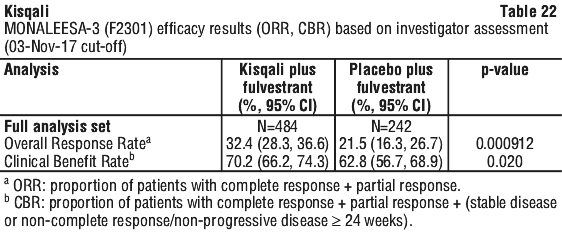
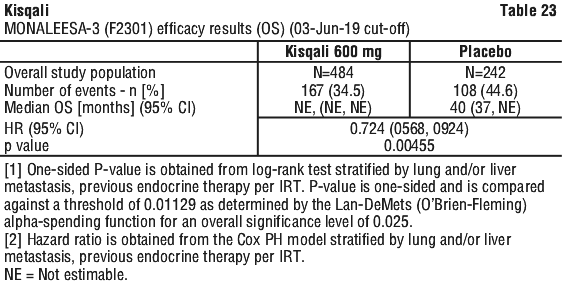
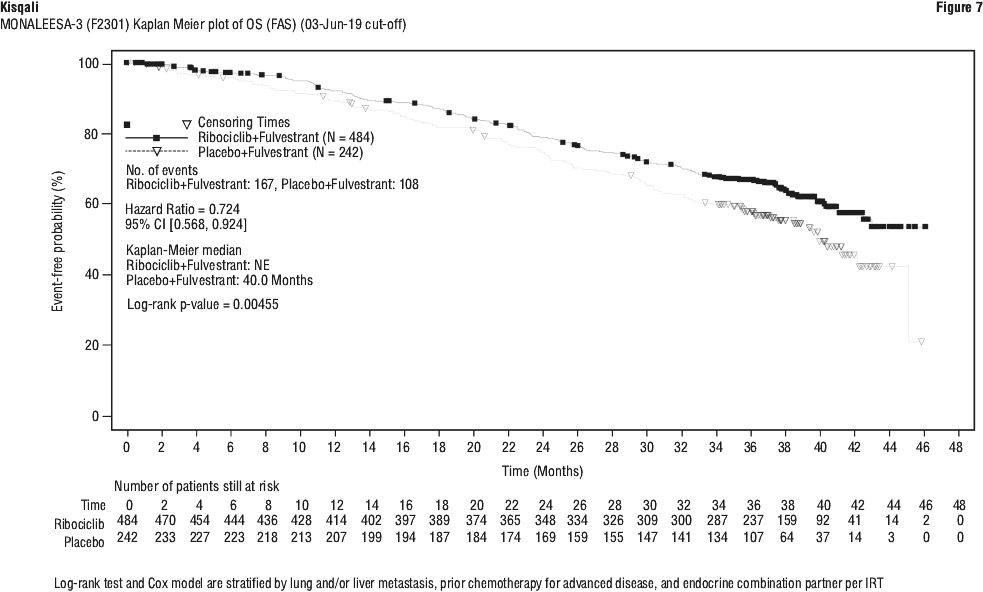
Final OS analysis.

In the pre-specified second OS interim analysis, the study crossed pre-specified Lan-DeMets (O'Brien-Fleming) stopping boundary, demonstrating a statistically significant improvement in OS.
The OS results from this interim analysis with a 03-Jun-19 cut-off are provided in Table 23 and Figure 7.
Additionally, time to progression on next-line therapy or death (PFS2) in patients in the Kisqali arm was longer compared to patients in the placebo arm (HR: 0.670 (95% CI: 0.542, 0.830)) in the overall study population. The median PFS2 was 39.8 months (95% CI: 32.5, NE) for the Kisqali arm and 29.4 months (95% CI: 24.1, 33.1) in the placebo arm.
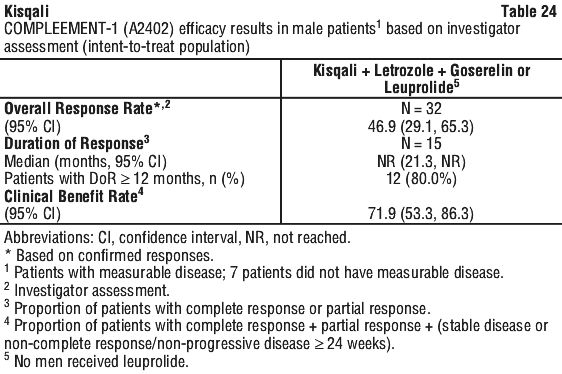
Study CLEE011A2404 (COMPLEEMENT-1). COMPLEEMENT-1 was an open-label, single arm, multicentre phase IIIb clinical study of ribociclib in combination with letrozole in pre/post-menopausal women and men with HR-positive, HER2-negative, advanced breast cancer who received no prior hormonal therapy for advanced disease.
The study enrolled 3246 patients, including 39 male patients who received Kisqali 600 mg orally once daily for 21 consecutive days followed by 7 days off; and letrozole 2.5 mg orally once daily for 28 days; and goserelin 3.6 mg as injectable subcutaneous implant or leuprolide 7.5 mg as intramuscular injection administered on Day 1 of each 28 day cycle. Premenopausal women also received goserelin or leuprolide, and men received goserelin (no men received leuprolide). Patients were treated until disease progression or unacceptable toxicity occurred.
Male patients enrolled in this study had a median age of 62 years (range 33 to 80). Of these patients, 39% were 65 years and older, including 10% aged 75 years and older. The male patients enrolled were Caucasian (72%), Asian (8%), and Black (3%), with 17% unknown. Nearly all male patients (97%) had an ECOG performance status of 0 or 1. The majority of male patients (97%) had 4 or less metastatic sites, which were primarily bone and visceral (69% each). Table 24 summarises the efficacy results in male patients.

5.2 Pharmacokinetic Properties

The pharmacokinetics (PK) of ribociclib was investigated in patients with advanced cancer following oral daily doses ranging from 50 mg to 1200 mg. Healthy subjects received single oral doses ranging from 400 mg to 600 mg or repeated daily oral doses (for 8 days) at 400 mg. At the recommended dose of ribociclib 600 mg, the inter-patient variability in pharmacokinetics was approximately 60%.

Absorption.

Following oral administration of Kisqali to patients with advanced solid tumours or lymphomas, peak plasma levels (Cmax) of ribociclib were achieved between 1 and 4 hours (time to reach maximum concentration, Tmax). The geometric mean absolute bioavailability of ribociclib after a single oral dose of 600 mg was 65.8% in healthy subjects. Following repeated once daily dosing, steady-state was generally achieved after 8 days and ribociclib accumulated with a geometric mean accumulation ratio of 2.51 (range: 0.97 to 6.40).

Linearity/ non-linearity.

Ribociclib exhibited slightly over-proportional increases in exposure (Cmax and AUC) across the dose range of 50 mg to 1200 mg following both single dose and repeated doses. The observed over-proportional increases in exposure might be attributed to auto-inhibition of CYP3A4. This analysis is limited by the small sample sizes for most of the dose cohorts with the majority of data coming from the 600 mg dose cohort.

Food effect.

Compared to the fasted state, oral administration of a single 600 mg dose of Kisqali with a high-fat, high-calorie meal had no effect on the rate and extent of absorption of ribociclib. The geometric mean ratio (GMR) for Cmax was 1.00 (90% CI: 0.898, 1.11) and for AUCinf was 1.06 (90% CI: 1.01, 1.12).
See also fruits and juices to avoid in Section 4.5 Interactions with Other Medicines and Other Forms of Interactions.

Distribution.

Binding of ribociclib to human plasma proteins in vitro was approximately 70% and independent of concentration (10 nanogram/mL to 10,000 nanogram/mL). Ribociclib was equally distributed between red blood cells and plasma with a mean in vivo blood-to-plasma ratio of 1.04. The mean apparent volume of distribution at steady-state (Vss/F) was 1090 L based on population PK analysis.

Metabolism.

In vitro and in vivo studies indicated ribociclib undergoes extensive hepatic metabolism mainly via CYP3A4 in humans. Following oral administration of a single 600 mg dose of [14C] ribociclib to humans, the primary metabolic pathways for ribociclib involved oxidation {dealkylation, C and/or N-oxygenation, oxidation (-2H)} and combinations thereof. Phase II conjugates of ribociclib Phase I metabolites involved N-acetylation, sulfation, cysteine conjugation, glycosylation and glucuronidation. Ribociclib was the major circulating drug-derived entity in plasma (44%). The major circulating metabolites included metabolite M13 (CCI284, N-hydroxylation), M4 (LEQ803, N-demethylation), and M1 (secondary glucuronide), each representing an estimated 9%, 9%, and 8% of total radioactivity, and 22%, 20%, and 18% of ribociclib exposure, respectively. Clinical activity (pharmacological and safety) of ribociclib was due primarily to the parent drug, with negligible contribution from the circulating metabolites.
Ribociclib was extensively metabolised with unchanged drug accounting for 17% and 12% in faeces and urine, respectively. Metabolite LEQ803 was a significant metabolite in excreta and represented approximately 14% and 4% of the administered dose in faeces and urine, respectively. Numerous other metabolites were detected in both feces and urine in minor abundance (≤ 3% of the administered dose).

Excretion.

The geometric mean plasma effective half-life (based on accumulation ratio) was 32.0 hours (63% CV) and the geometric mean apparent oral clearance (CL/F) was 25.5 L/hr (66% CV) at steady-state at 600 mg in patients with advanced cancer. The mean CL/F estimated by population PK analysis was 38.4 L/hr (95% CI: 35.5 to 41.9) at steady state at 400 mg in patients with early breast cancer. The geometric mean apparent plasma terminal half-life (t1/2) of ribociclib ranged from 29.7 to 54.7 hours and the geometric mean CL/F of ribociclib ranged from 39.9 to 77.5 L/hr at 600 mg across studies in healthy subjects.
Ribociclib is eliminated mainly via faeces, with some elimination by the renal route. In six healthy male subjects, following a single oral dose of [14C] ribociclib, 92% of the total administered radioactive dose was recovered within 22 days; faeces was the major route of excretion (69%), with 23% of the dose recovered in urine. The estimated oral absorption of ribociclib was 59%.

Special patient populations.

Renal impairment.

The effect of renal function on the pharmacokinetics of ribociclib was assessed in a renal impairment study in non-cancer subjects that included 14 subjects with normal renal function (absolute Glomerular Filtration Rate (aGFR) ≥ 90 mL/min), 8 subjects with mild renal impairment (aGFR 60 to < 90 mL/min), 6 subjects with moderate renal impairment (aGFR 30 to < 60 mL/min), 7 subjects with severe renal impairment (aGFR 15 to < 30 mL/min), and 3 subjects with end stage renal disease (ESRD) (aGFR < 15 mL/min) at a single oral ribociclib dose of 400 mg/day.
In subjects with mild, moderate and severe renal impairment, AUCinf was 1.6-fold, 1.9-fold and 2.7-fold higher, respectively, and Cmax was to 1.8-fold, 1.8-fold and 2.3-fold higher, respectively, compared to subjects with normal renal function. A fold difference for subjects with ESRD was not calculated due to the small number of subjects (see Section 4.2 Dose and Method of Administration).
A sub-group analysis of data from studies following oral administration of Kisqali in patients with advanced cancer or early breast cancer who have mild to moderate renal impairment, AUC and Cmax were comparable to those in patients with normal renal function, suggesting no clinically meaningful effect of mild or moderate renal impairment on ribociclib exposure.

Hepatic impairment.

Compared to adults with normal hepatic function, mild (Child-Pugh class A) hepatic impairment had no effect on the exposure of ribociclib; while in adults with moderate (Child-Pugh class B) hepatic impairment, the mean ratio was 1.44 for Cmax and 1.28 for AUCinf); and in adults with severe (Child-Pugh class C) hepatic impairment, the mean ratio was 1.32 for Cmax and 1.29 for AUCinf).

Use in the elderly.

Of the 2549 patients with early breast cancer who received Kisqali in the phase III study (NATALEE, ribociclib plus AI arm), 407 patients (16.0%) were ≥ 65 years of age.
Of 334 patients with advanced or metastatic breast cancer who received Kisqali in MONALEESA 2 (ribociclib plus letrozole arm), 150 patients (45%) were ≥ 65 years of age and 35 patients (10%) were ≥ 75 years of age. Of 483 patients who received Kisqali in MONALEESA 3 (ribociclib plus fulvestrant arm), 226 patients (47%) were ≥ 65 years of age and 65 patients (14%) were ≥ 75 years of age. No overall differences in safety or effectiveness of Kisqali were observed between these patients and younger patients (see Section 4.2 Dose and Method of Administration).

Paediatric use.

No studies have been conducted to investigate the pharmacokinetics of ribociclib in paediatric patients.

Effect of age, weight, gender and race.

Population PK analysis showed that there are no clinically relevant effects of age, body weight, gender, or race on the systemic exposure of ribociclib that would require a dose adjustment.

5.3 Preclinical Safety Data

Safety pharmacology.

QT prolongation.

In vivo cardiac safety studies in dogs demonstrated dose and concentration related QTc interval prolongation at an exposure that would be expected to be achieved in patients following the highest recommended dose of 600 mg. As well, there is potential to induce incidences of premature ventricular contractions (PVCs) at elevated exposures (approximately 4-fold the anticipated clinical Cmax).

Phototoxicity.

Ribociclib was shown to absorb light in the UV-B and UV-A range, however, phototoxicity was not suggested by in vitro testing. The risk that Kisqali causes photosensitisation in patients is considered very low.

Repeated-dose toxicity.

Repeated dose toxicity studies (treatment schedule of 3 weeks on/1 week off) in rats up to 26 weeks duration and dogs up to 39 weeks duration, revealed the hepatobiliary system (proliferative changes, cholestasis, sand-like gall bladder calculi, inspissated bile, periportal hepatocyte necrosis and arteriopathy in the hilar region) as the primary target organ of toxicity of ribociclib.
Additionally, effects on bone marrow (hypocellularity), pancytopenia, lymphoid system (lymphoid depletion), testes (atrophy), intestinal mucosa (atrophy), skin (atrophy), bone/ribs (decreased bone formation), lung (increased incidence of alveolar macrophages), and kidney (concurrent degeneration and regeneration of tubular epithelial cells) were described. In general, these changes in rats and dogs demonstrated either reversibility or a clear tendency towards reversibility. Exposure to ribociclib in animals in these toxicity studies was generally less than or equal to that observed in patients receiving multiple doses of 600 mg/day (based on AUC).

Reproductive toxicity and fertility.

Ribociclib showed foetotoxicity and teratogenicity at doses which did not show maternal toxicity in rats or rabbits. Following prenatal exposure, increased incidences of post-implantation loss and reduced foetal weights were observed in rats and ribociclib was teratogenic in rabbits at exposures lower than or 1.5 times the exposure in humans, respectively, at the highest recommended dose of 600 mg/day based on AUC.
In rats, reduced foetal weights accompanied by skeletal changes considered to be transitory and/or related to the lower foetal weights were noted. In rabbits, there were adverse effects on embryo-foetal development as evidenced by increased incidences of foetal abnormalities (malformations and external, visceral and skeletal variants) and foetal growth (lower foetal weights). These findings included reduced/small lung lobes and additional vessel on the aortic arch and diaphragmatic hernia, absent accessory lobe or (partly) fused lung lobes and reduced/small accessory lung lobe (30 and 60 mg/kg), extra/rudimentary thirteenth ribs and misshapen hyoid bone and reduced number of phalanges in the pollex. There was no evidence of embryo-foetal mortality.
In a fertility study in female rats, ribociclib did not affect reproductive function, fertility or early embryonic development at doses up to 300 mg/kg/day (approximately 0.6 times the clinical exposure in patients at the highest recommended dose of 600 mg/day based on AUC).
Ribociclib has not been evaluated in male fertility studies. However, atrophic changes in testes were reported in rat and dog toxicity studies at exposures that were less than or equal to human exposure at the highest recommended daily dose of 600 mg/day based on AUC. These effects can be linked to a direct anti-proliferative effects on the testicular germ cells resulting in atrophy of the seminiferous tubules.
Ribociclib and its metabolites passed readily into rat milk. In lactating rats administered a single dose of 50 mg/kg, exposure to ribociclib was 4-fold higher in milk compared to maternal plasma.

Genotoxicity.

Genotoxicity studies in bacteria, and in mammalian cells (human lymphocytes and mouse lymphoma cells) in vitro with and without metabolic activation, and in a micronucleus test in rats did not reveal any evidence for a mutagenic potential of ribociclib.

Carcinogenicity.

Ribociclib was assessed for carcinogenicity in a 2-year rat study.
Oral administration of ribociclib for 2 years resulted in an increased incidence of endometrial epithelial tumours and glandular and squamous hyperplasia in the uterus/cervix of female rats at doses ≥ 300 mg/kg/day (0.9 times the exposure in patients at the maximum recommended human dose of 600 mg/day [based on plasma AUC]) as well as an increased incidence in follicular tumours in the thyroid glands of male rats at a dose of 15 mg/kg/day (0.3 times the exposure in patients at 600 mg/day based on plasma AUC).
Additional non-neoplastic proliferative changes consisted of increased liver altered foci (basophilic and clear cell) and testicular interstitial (Leydig) cell hyperplasia in male rats at doses of ≥ 5 mg/kg/day (0.03 times the exposure in patients at 600 mg/day based on plasma AUC) and 50 mg/kg/day (equivalent to the exposure in patients based on plasma AUC), respectively.
The mechanism for the thyroid findings in males is considered to be a rodent-specific microsomal enzyme induction in the liver with unclear clinical relevance to humans. The effects on the uterus/cervix and on the testicular interstitial (Leydig) cell may be related to prolonged hypoprolactinemia secondary to CDK4 inhibition of lactotrophic cell function in the pituitary gland, altering the hypothalamus-pituitary-gonadal axis.
Any potential increase of oestrogen/progesterone ratio in humans by this mechanism would be compensated by an inhibitory action of concomitant anti-oestrogen therapy on oestrogen synthesis as in humans Kisqali is indicated in combination with oestrogen-lowering agents.
Considering important differences between rodents and humans with regard to synthesis and role of prolactin, this mode of action is not expected to have consequences for uterine tumours and Leydig cell hyperplasia in humans.

6 Pharmaceutical Particulars

6.1 List of Excipients

Each tablet contains microcrystalline cellulose, hyprolose, crospovidone, colloidal silicon dioxide, magnesium stearate (vegetable source), polyvinyl alcohol, titanium dioxide (E171), iron oxide black CI77499, iron oxide red CI77491, purified talc, lecithin (soya), and xanthan gum. Kisqali does not contain sucrose, lactose, gluten, or synthetic colours.

6.2 Incompatibilities

Not applicable.

6.3 Shelf Life

In Australia, information on the shelf life can be found on the public summary of the Australian Register of Therapeutic Goods (ARTG). The expiry date can be found on the packaging.

6.4 Special Precautions for Storage

Store Kisqali tablets at 2°C to 8°C. (Refrigerate, do not freeze.).

6.5 Nature and Contents of Container

Kisqali tablets are supplied in Aclar/aluminium blisters platforms in packs containing either 63, 42, or 21 tablets.

6.6 Special Precautions for Disposal

Any unused product should not be disposed of in household waste or wastewater. Return it to a pharmacist for safe disposal.

6.7 Physicochemical Properties

Kisqali tablets contain ribociclib succinate which is a light yellow to yellowish brown, crystalline powder. It is soluble in a 1:1 mixture of water and acetonitrile, and the pH of a 1% w/v aqueous solution is about 5.2 at 25°C.
Chemical name: butanedioic acid - 7-cyclopentyl-N,N-dimethyl-2-{[5-(piperazin-1-yl) pyridin-2-yl] amino}-7H-pyrrolo[2,3-d] pyrimidine-6-carboxamide (1/1).
Molecular formula: C23H30N8O.C4H6O4.
Molecular weight: As succinate: 552.64, and free base: 434.55.

Chemical structure.


CAS number.

Chemical Abstracts Service (CAS) numbers: 1374639-75-4 (as succinate) and 1211441-98-3 (as free base).

7 Medicine Schedule (Poisons Standard)

Schedule 4 - Prescription medicine.

Summary Table of Changes