1 Name of Medicine
Lercanidipine hydrochloride.
2 Qualitative and Quantitative Composition
Each tablet contains 10 mg or 20 mg lercanidipine hydrochloride as the active ingredient.
Excipients with known effect.
Lactose.
For the full list of excipients, see Section 6.1 List of Excipients.3 Pharmaceutical Form
10 mg.
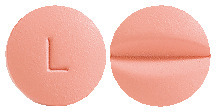
Round biconvex yellow film coated tablets, scored on one side, marked "L" on the other side.
20 mg.
Round biconvex pink film coated tablets, scored on one side, marked "L" on the other side.4.1 Therapeutic Indications
Lercanidipine is indicated for the treatment of hypertension.
4.2 Dose and Method of Administration
Lercanidipine tablets are intended for oral administration.
Dosage.
The recommended dose is 10 mg once daily, at least 15 minutes before a meal. The dose may be increased to 20 mg once daily depending on the individual response. Dose titration should be gradual, as it may take about two weeks for the maximal antihypertensive effect to be apparent. Titration may proceed more rapidly, however, if clinically warranted, provided the patient is assessed frequently. Since it is unlikely that increasing the dose beyond 20 mg will further improve the efficacy, and may be associated with side effects, doses above 20 mg are not recommended. Some individuals not adequately controlled on a single antihypertensive agent may benefit from the addition of lercanidipine at the same doses used in monotherapy to the existing regimen with a beta-blocker, a diuretic or an ACE inhibitor.
Use in the elderly, children, hepatic and renal impairment.
See Section 4.4 Special Warnings and Precautions for Use.4.3 Contraindications
Hypersensitivity to any dihydropyridine or any ingredient in this medicine (see Section 6.1 List of Excipients).
Left ventricular outflow tract obstruction.
Untreated congestive cardiac failure.
Unstable angina pectoris or recent (within 1 month) myocardial infarction.
Severe hepatic impairment.
Severe renal impairment (GFR < 30 mL/min), including patients undergoing dialysis.
Concomitant treatment of lercanidipine with:
strong inhibitors of CYP3A4 (see Section 4.5 Interactions with Other Medicines and Other Forms of Interactions);
ciclosporin (see Section 4.5 Interactions with Other Medicines and Other Forms of Interactions);
grapefruit or grapefruit juice (see Section 4.5 Interactions with Other Medicines and Other Forms of Interactions).
4.4 Special Warnings and Precautions for Use
Ischaemic heart disease.
It has been suggested that some short-acting dihydropyridines may be associated with increased cardiovascular risk in patients with ischaemic heart disease. Although lercanidipine is long-acting, caution should be required in such patients.
Some dihydropyridines may rarely lead to precordial pain or angina pectoris. Very rarely patients with pre-existing angina pectoris may experience increased frequency, duration or severity of these attacks. Isolated cases of myocardial infarction may be observed.
Left ventricular dysfunction.
Care is required in patients with left ventricular dysfunction.
Congestive heart failure.
Safety of lercanidipine in patients with congestive heart failure has not been established. Lercanidipine should be used with caution in patients receiving treatment for heart failure. Lercanidipine is contraindicated in patients with untreated congestive cardiac failure (see Section 4.3 Contraindications).
Peritoneal dialysis.
Lercanidipine has been associated with the development of cloudy peritoneal effluent in patients on peritoneal dialysis. The turbidity is due to an increased triglyceride concentration in the peritoneal effluent. Whilst the mechanism is unknown, the turbidity tends to resolve soon after withdrawal of lercanidipine. This is an important association to recognise as cloudy peritoneal effluent can be mistaken for infective peritonitis with consequential unnecessary hospitalisation and empiric antibiotic administration.
Sick sinus syndrome.
Lercanidipine should be administered with caution in patients with sick sinus syndrome (without a pacemaker).
Inducers of CYP3A4.
Inducers of CYP3A4 like anticonvulsants (e.g. phenytoin, carbamazepine) and rifampicin may reduce lercanidipine plasma levels and therefore the efficacy of lercanidipine may be less than expected (see Section 4.5 Interactions with Other Medicines and Other Forms of Interactions).
Lactose.
This medicine contains lactose. Patients with rare hereditary problems of galactose intolerance, total lactase deficiency or glucose-galactose malabsorption should not take this medicine.
Use in hepatic impairment.
The pharmacokinetics of lercanidipine in patients with mild hepatic impairment are similar to those observed in the general population. However, there are no studies in patients with moderate hepatic impairment and dosage recommendations have not been established. Lercanidipine should, therefore, be used with caution in this patient group and careful monitoring undertaken during treatment, since the bioavailability and hypotensive effect may be increased. The use of lercanidipine in patients with moderate hepatic impairment should only be undertaken if the benefits are considered to outweigh the risks. Lercanidipine is contraindicated in patients with severe hepatic disease.
A study in patients with mild hepatic impairment (Child-Pugh class A) showed that the pharmacokinetic behaviour of the drug is similar to that observed in the general population. No studies have been undertaken in patients with moderate or severe hepatic impairment.
Use in renal impairment.
In patients with severe renal dysfunction or dialysis-dependent patients, plasma levels were increased by about 70%. As a consequence, lercanidipine is contraindicated in patients with severe renal impairment (GFR < 30 mL/min), including patients undergoing dialysis (see Section 4.3 Contraindications).
Although the pharmacokinetics of lercanidipine in patients with mild to moderate renal impairment are similar to those observed in the general population, special care should be exercised when commencing treatment in such patients. The usual recommended dose of 10 mg daily may be tolerated; however, an increase to 20 mg daily should be approached with caution.
Use in the elderly.
In elderly patients, the pharmacokinetics of lercanidipine are similar to those observed in the general population.
Although the pharmacokinetic data and clinical experience suggest that no adjustment of the daily dose is required, special care should be exercised when initiating treatment in the elderly.
Paediatric use.
Due to lack of clinical experience, and because the safety and efficacy of lercanidipine have not been demonstrated in children, lercanidipine is not recommended for use in patients under the age of 18.
Effects on laboratory tests.
There were reports of isolated and reversible increases in serum levels of hepatic transaminases; no other clinically significant pattern of laboratory test abnormalities related to lercanidipine has been observed. Lercanidipine does not appear to influence adversely blood sugar or serum lipid levels.4.5 Interactions with Other Medicines and Other Forms of Interactions
Lercanidipine has been safely administered with diuretics and ACE inhibitors. It may also be administered safely with beta-blockers which are eliminated unchanged (such as atenolol).
Inhibitors of cytochrome CYP3A4.
Since the main metabolic pathway of lercanidipine involves the enzyme CYP3A4, drugs that inhibit this enzyme have the potential to alter the plasma concentration of the compound and may interact with the metabolism and elimination of lercanidipine.
An interaction study with a strong CYP3A4 inhibitor, ketoconazole, has shown a considerable increase in plasma levels of lercanidipine (a 15-fold increase of the AUC and an 8-fold increase of the Cmax for the eutomer S-lercanidipine).
Therefore, inhibitors of CYP3A4 (such as ketoconazole, itraconazole, erythromycin, ritonavir, troleandomycin, clarithromycin and fluoxetine) may increase the plasma concentration of lercanidipine, and such combinations should be avoided (see Section 4.3 Contraindications).
Ciclosporin.
Co-administration of lercanidipine with ciclosporin resulted in a 3-fold increase in the plasma levels of lercanidipine and a 21% increase in the bioavailability of ciclosporin. However, when ciclosporin was administered 3 hours after lercanidipine, no increase in plasma levels was observed for lercanidipine, while the bioavailability of ciclosporin increased by 27%. Therefore, ciclosporin and lercanidipine should not be administered together (see Section 4.3 Contraindications).
Grapefruit or grapefruit juice.
The metabolism of dihydropyridines can be inhibited by grapefruit juice, leading to increased plasma concentration and hypotensive effect. Lercanidipine must not be taken with grapefruit or grapefruit juice (see Section 4.3 Contraindications).
Inducers of cytochrome CPY3A4.
Since the main metabolic pathway of lercanidipine involves the enzyme CYP3A4, drugs that induce this enzyme have the potential to alter the plasma concentration of the compound.
Co-administered with CYP3A4 inducers, such as anticonvulsants (e.g. phenytoin, phenobarbital (phenobarbitone) carbamazepine) and rifampicin should be approached with caution since the antihypertensive effect of lercanidipine may be reduced and, therefore, blood pressure should be monitored more frequently than usual (see Section 4.4 Special Warnings and Precautions for Use).
Alcohol.
Alcohol should be avoided while taking lercanidipine since it may potentiate the effect of vasodilating antihypertensive drugs.
CYP3A4 and CYP2D6 substrates.
The potential for in vivo inhibition of CYP3A4 by lercanidipine is negligible, as confirmed by an interaction study with midazolam in healthy volunteers. After repeated co-administration with lercanidipine, midazolam (a probe for CYP3A4 activity) was found to be essentially bioequivalent to the drug administered alone. However, unless specific data are available, caution should also be exercised when lercanidipine is co-prescribed with other substrates of CYP3A4 which have a narrow therapeutic index, such as ciclosporin, terfenadine, astemizole and class III antiarrhythmic drugs (e.g. amiodarone, sotalol and quinidine).
Co-administration of lercanidipine with ciclosporin resulted in a 3-fold increase in the plasma levels of lercanidipine and a 21% increase in the bioavailability of ciclosporin. However, when ciclosporin was administered three hours after lercanidipine, no increase in plasma levels was observed for lercanidipine, while the bioavailability of ciclosporin increased by 27%. Therefore, ciclosporin and lercanidipine should not be administered together.
Moreover, interaction studies in humans have shown that lercanidipine did not modify the plasma levels of metoprolol, (a typical substrate of CYP2D6). Therefore, at therapeutic doses it is unlikely that lercanidipine will inhibit the biotransformation of drugs metabolised by CYP2D6.
These findings confirm that the inhibition of cytochrome P450 isoenzymes observed in vitro with lercanidipine is devoid of any clinical significance. In vitro experiments with human liver microsomes demonstrated that lercanidipine inhibits CYP3A4 and CYP2D6 (IC50 of 2.6 microM and 0.8 microM, respectively). The IC50 concentrations for CYP3A4 and CYP2D6 are 160- and 40-fold higher, respectively, than those reached at peak in the plasma after a 20 mg dose.
Midazolam.
When concomitantly administered at a dose of 20 mg with midazolam orally to volunteers aged 63 +/- 6 years, lercanidipine absorption was increased (by approximately 40%) and the rate of absorption was decreased (tmax was delayed from 1.75 to 3 hours). Midazolam systemic availability was not affected, while Cmax showed a slight increase of about 18%.
Beta-blockers.
When lercanidipine was administered with metoprolol, a beta-blocker eliminated mainly by the liver, the bioavailability of metoprolol was not changed, while that of lercanidipine was reduced by 50%. Therefore, when co-administered with metoprolol, it may be necessary to increase the dose of lercanidipine. It is anticipated that a similar effect may occur with propranolol.
Cardiac glycosides.
Co-administration of lercanidipine (20 mg) in patients chronically treated with beta-methyldigoxin (a pro-drug of digoxin) showed no evidence of a pharmacokinetic interaction. Healthy volunteers treated with digoxin following dosing with 20 mg lercanidipine given fasted showed a mean increase of 33% in digoxin Cmax, while AUC and renal clearance were not significantly modified. Patients on concomitant digoxin treatment should be closely monitored clinically for signs of digoxin toxicity.
Cimetidine.
Concomitant administration of cimetidine 400 mg twice daily does not cause significant changes in the plasma levels of lercanidipine: AUC and Cmax were increased by a mean of 11%. However, at higher doses caution is required since the bioavailability and the hypotensive effect of lercanidipine may be increased.
Simvastatin.
Co-administration of a 20 mg dose of lercanidipine with 40 mg simvastatin resulted in no increase in the bioavailability of lercanidipine; however, a 56% increase was observed for simvastatin and a 28% increase for its active metabolite β-hydroxyacid. It is unlikely that these changes are clinically relevant. However, it is recommended that when required lercanidipine be administered in the morning and simvastatin in the evening.
Warfarin.
The co-administration of 20 mg lercanidipine to healthy volunteers given fasted did not alter the pharmacokinetics of warfarin.
Diuretics and ACE inhibitors.
Lercanidipine has been safely administered with diuretics and ACE inhibitors.
Other medications affecting blood pressure.
As for all antihypertensive medications, an increased hypotensive effect may be observed when lercanidipine is administered with other medications affecting blood pressure, such as alpha-blockers for the treatment of urinary symptoms, tricyclic antidepressants, neuroleptics. On the contrary, a reduction of the hypotensive effect may be observed with a concomitant use with corticosteroids.
Food.
For the effect of food on bioavailability, see Section 5.2 Pharmacokinetic Properties.
For the effect of alcohol and grapefruit juice, see Section 4.5 Interactions with Other Medicines and Other Forms of Interactions.4.6 Fertility, Pregnancy and Lactation
Effects on fertility.
No clinical data are available with lercanidipine. Reversible biochemical changes in the head of spermatozoa which can impair fecundation have been reported in some patients treated by calcium channel blockers. In cases where repeated in-vitro fertilisation is unsuccessful and where another explanation cannot be found, the possibility of calcium channel blockers as the cause should be considered.
Administration of lercanidipine at oral doses up to 12 mg/kg/day (associated with plasma lercanidipine concentration (AUC) about 20-40 times higher than the expected human AUC) had no-effect on male or female fertility in rat.
(Category C)
There is no clinical experience with lercanidipine in pregnancy, but other dihydropyridine compounds have been found to cause irreversible malformations in animals. Therefore, lercanidipine should not be administered during pregnancy or to women with childbearing potential unless effective contraception is used.
In animal studies, pregnant rats given lercanidipine orally at doses ≥ 2.5 mg/kg/day, beginning prior to mating, or 12 mg/kg/day beginning from early gestation, showed signs of dystocia and had an increased incidence of stillbirths and a lower neonatal survival index. The no-effect dose for effects on parturition and neonatal survival was 0.5 mg/kg/day (associated with lercanidipine concentration (AUC) about 50% of the expected human AUC) when dosing started before pregnancy or 2.5 mg/kg/day (about three times the human AUC) when dosing started during early gestation. Administration with lercanidipine at doses of 2.5 mg/kg/day during gestation also caused a higher incidence of foetal visceral abnormalities (mono/bilateral renal pelvic and/or ureteric dilatation) and skeletal abnormalities (mainly delayed ossification) at all dose levels. A no-effect dose was not established. The effects of lercanidipine during pregnancy have not been investigated adequately in a nonrodent species.
There is no clinical experience with lercanidipine in lactation. Distribution into milk may be expected, due to the high lipophilicity of lercanidipine. Therefore, lercanidipine should not be administered to lactating women.4.7 Effects on Ability to Drive and Use Machines
The effects of this medicine on a person's ability to drive and use machines were not assessed as part of its registration. However, caution should be exercised because dizziness, asthenia, fatigue and rarely somnolence may occur.
4.8 Adverse Effects (Undesirable Effects)
Treatment with lercanidipine is generally well tolerated. In nine placebo-controlled clinical trials with a treatment duration lasting at least four weeks, 582 patients were initially treated with lercanidipine, and 292 patients received placebo. Most of the events reported in the studies were related to the vasodilatory effects of lercanidipine and were classified mild to moderate in severity.
Table 1 lists, according to organ system, adverse events that were reported in placebo controlled trials in hypertensive patients with lercanidipine tablets at an incidence greater than or equal to 1% in at least one of the active treatment groups.
 More extensively, over 15,500 patients were treated with lercanidipine in clinical trials (including PMS studies) with doses from 2.5 mg daily up to 40 mg daily, and with treatment duration ranging from single dose up to more than one year. Adverse experiences which were not clearly drug related and which occurred in < 1% but ≥ 0.1% of patients are summarised according to organ system.
Cardiovascular.
Palpitations/ tachycardia.
Central and peripheral nervous system.
Dizziness, vertigo.
Gastrointestinal.
Nausea, dyspepsia, abdominal pain, diarrhoea.
Psychiatric.
Somnolence.
General.
Flushing, asthenia (including fatigue and muscle weakness).
The following events have been rarely reported:
Cardiovascular.
Hypotension, orthostatic hypotension, periorbital oedema, anginal pain, myocardial infarction, cardiac failure.
Respiratory.
Dyspnoea.
Central and peripheral nervous system.
Migraine, paraesthesia, cramps leg.
Special senses.
Taste alteration.
Gastrointestinal.
Vomiting, GI disorder NOS.
Liver and biliary system.
GGT increased.
Genitourinary.
Polyuria, urinary frequency, impotence.
Musculoskeletal.
Myalgia.
Skin and appendages.
Rash, pruritus, allergic dermatitis, hives, sweating increased.
Psychiatric.
Anxiety, insomnia.
Metabolic.
Hypercholesterolaemia.
General.
Chest pain, malaise.
Serious adverse events have been reported in clinical trials in less than 0.002% of the patients. The remaining adverse events have been reported as mild to moderate in intensity.
Other adverse effects.
Gastrointestinal.
Cloudy peritoneal effluent (in patients on peritoneal dialysis).
Adverse reactions reported in clinical trials and in the worldwide post-marketing experience (observational studies and spontaneous cases) for which a reasonable causal relationship exists are: hypersensitivity, headache, dizziness, somnolence, syncope, tachycardia, palpitations, angina pectoris, flushing, hypotension, dyspepsia, nausea, abdominal pain upper, vomiting, diarrhoea, gingival hypertrophy, peritoneal cloudy effluent, serum transaminase increased, rash, pruritus, urticaria, angioedema, myalgia, polyuria, pollakiuria, oedema peripheral, asthenia, fatigue, chest pain.
Reporting suspected adverse effects.
Reporting suspected adverse reactions after registration of the medicinal product is important. It allows continued monitoring of the benefit-risk balance of the medicinal product. Healthcare professionals are asked to report any suspected adverse reactions at www.tga.gov.au/reporting-problems.4.9 Overdose
In the post-marketing experience of lercanidipine, some cases of overdose have been reported ranging from 30-40 mg up to 800 mg, including reports of suicide attempt.
Symptoms.
As with other dihydropyridines, overdosage might be expected to cause excessive peripheral vasodilation with marked hypotension and reflex tachycardia. However, at very high doses, the peripheral selectivity may be lost, causing bradycardia and a negative inotropic effect. In case of severe hypotension, bradycardia and unconsciousness, cardiovascular and respiratory monitoring will be required, and supportive treatment may be necessary. The most common adverse drug reactions associated to cases of overdose have been hypotension, dizziness, headache and palpitations.
Treatment.
Clinically significant hypotension requires active cardiovascular support including frequent monitoring of cardiac and respiratory function, elevation of extremities and attention to circulating fluid volume and urine output. In view of the prolonged pharmacological effect of lercanidipine, it is essential that the cardiovascular status of the patient is monitored for 24 hours at least. Since the product has a high protein binding, dialysis is not likely to be effective. Patients in whom a moderate to severe intoxication is anticipated should be observed in a high-care setting.
For information on the management of overdose, contact the Poisons Information Centre on 13 11 26 (Australia).5 Pharmacological Properties
5.1 Pharmacodynamic Properties
Mechanism of action.
Lercanidipine is a calcium antagonist of the dihydropyridine group and selectively inhibits the transmembrane influx of calcium into cardiac and vascular smooth muscle, with a greater effect on vascular smooth muscle than on cardiac smooth muscle. The antihypertensive action is due to a direct relaxant effect on vascular smooth muscle which lowers total peripheral resistance and hence blood pressure. Lercanidipine has a prolonged antihypertensive activity because of its high membrane partition coefficient. It is devoid of negative inotropic effects and its vascular selectivity is due to its voltage dependent calcium antagonist activity. Since the vasodilatation induced by lercanidipine hydrochloride is gradual in onset, acute hypotension with reflex tachycardia has rarely been observed in hypertensive patients.
As for other asymmetric 1,4-dihydropyridines, the antihypertensive activity of lercanidipine is mainly due to the (S)-enantiomer.
No significant effects on ECG have been seen.
Clinical trials.
Placebo-controlled studies.
Lercanidipine has been compared to placebo in four 4-16 week studies, involving 671 patients with mild to moderate essential hypertension. All studies used a 3 week placebo run-in period. Endpoints were diastolic and systolic blood pressure 24 hours post dose. Both 10 mg and 20 mg once daily significantly lowered diastolic and systolic blood pressure compared to placebo, and the reduction in blood pressure was maintained throughout the 24 hour dosing period.
Diastolic blood pressure changes observed after four weeks of treatment with lercanidipine 10-20 mg daily ranged between 8 and 13 mmHg, as compared to 3-6 mmHg induced by placebo.
Studies with 24-hour ambulatory blood pressure monitoring have documented that the antihypertensive effect of lercanidipine is maintained throughout the 24-hour dosing period, with limited variations between peak (5-7 hours post dosing) and trough blood pressure changes.
Active controlled studies.
Four clinical trials involving 538 patients with mild to moderate essential hypertension have compared lercanidipine with nifedipine SR, atenolol, hydrochlorothiazide and captopril. Trials included a two week washout period followed by a 3 week placebo run-in, and 12-16 weeks of active treatment. Diastolic and systolic blood pressure was measured 24 hours post dose. Lercanidipine was as effective as the comparator drugs, and at least as well tolerated. 24-hour blood pressure monitoring was used in a comparative, cross-over trial of lercanidipine versus amlodipine (n = 16). The effect of lercanidipine paralleled that of amlodipine throughout the 24-hour period.
Patients with isolated systolic hypertension.
The effect of lercanidipine 10-20 mg daily on isolated systolic hypertension was studied in a double blind, randomised, placebo-controlled study in 83 elderly patients (sitting systolic blood pressure > 160 mmHg and sitting diastolic blood pressure < 95 mmHg). The study consisted of one-week wash-out, three weeks placebo run-in, and eight weeks of active treatment. Systolic and diastolic blood pressure was measured 24 hours post dose. Lercanidipine 10-20 mg was efficacious in lowering systolic blood pressure from the initial values of 172.6 ± 5.6 mmHg to 140.2 ± 8.7 mmHg (mean ± s.d., per protocol population in all patients completing the whole eight weeks of double blind treatment), as compared to the changes in the placebo group (from 172.4 ± 6.3 to 162.8 ± 9.7 mmHg). Therefore, at study endpoint, patients treated with lercanidipine experienced a significantly greater decrease (-22.6 mmHg, p < 0.001) in sitting systolic blood pressure in comparison to placebo. The diastolic blood pressure was within normal range.
Long-term studies.
In long-term studies, 399 patients were followed for 12 months, with dose titration allowed every four weeks, to 30 mg daily. Development of tolerance was not seen. The antihypertensive effect was maintained and the heart rate was not significantly affected. A further fall in blood pressure was seen after the first and second month, with blood pressure stabilising in the third month. The majority of patients remained on 10 mg once daily.
5.2 Pharmacokinetic Properties
Absorption.
Lercanidipine is completely absorbed after oral administration. Peak plasma levels of 3.30 nanogram/mL ± 2.09 s.d. and 7.66 nanogram/mL ± 5.90 s.d. occur 1.5 to 3 hours after dosing with 10 mg and 20 mg, respectively. The absolute bioavailability of lercanidipine is about 10%, because of high first-pass metabolism. The bioavailability increases 4-fold when lercanidipine is ingested up to two hours after a high fat meal, and about 2-fold when taken immediately after a carbohydrate-rich meal. Consequently, lercanidipine should be taken at least 15 minutes before a meal.
With oral administration, lercanidipine exhibits non-linear kinetics. After 10, 20 or 40 mg, peak plasma concentrations observed were in the ratio 1:3:8 and areas under plasma concentration time curves in the ratio 1:4:18, showing a progressive saturation of first-pass metabolism. Accordingly, bioavailability increases as dosage increases.
The two enantiomers of lercanidipine have a similar time to peak plasma concentration. The peak plasma concentration and AUC are, on average, 1.2-fold higher for the (S)-enantiomer. No in vivo interconversion of enantiomers is observed.
Distribution.
Distribution of lercanidipine from plasma to tissues and organs is rapid and extensive. Serum protein binding exceeds 98%. The free fraction of lercanidipine may be increased in patients with renal or hepatic impairment as plasma protein levels are decreased in these disease states.
Metabolism.
As for other dihydropyridine derivatives, lercanidipine is extensively metabolised by CYP3A4. It is predominantly converted to inactive metabolites; no parent drug is found in the urine or faeces. About 50% of the dose is excreted in the urine.
Excretion.
The mean terminal elimination half-life of S- and R-lercanidipine enantiomers is 5.8 ± 2.5 and 7.7 ± 3.8 hours, respectively. No accumulation was seen upon repeated administration. The therapeutic activity of lercanidipine lasts for 24 hours, due to its high binding to lipid membranes.
5.3 Preclinical Safety Data
Genotoxicity.
No evidence for genotoxic activity was observed with lercanidipine in in vitro assays of gene mutation (reverse mutation in S. typhimurium, forward mutation in Chinese hamster V79 fibroblasts), gene conversion (in Saccharomyces cerevisiae D4) or chromosomal damage (CHO cytogenetic assay). Negative findings were also obtained with lercanidipine in an in vivo assay of chromosomal damage (mouse micronucleus test).
Carcinogenicity.
Carcinogenicity studies of lercanidipine (administered via the diet) have been performed in rats and mice (18 months), using doses up to 60 mg/kg/day for mice and 5 mg/kg/day for rats. Plasma concentrations (AUC) of lercanidipine at the highest doses used in these studies were about 2-4 times the highest AUC expected in humans during treatment with lercanidipine. Lercanidipine showed no evidence of carcinogenic activity in these studies.6 Pharmaceutical Particulars
6.1 List of Excipients
Lactose monohydrate, microcrystalline cellulose, sodium starch glycollate, povidone, magnesium stearate.
10 mg tablets.
Film coating ingredient Opadry II Yellow 85F32553 (which contains polyvinyl alcohol, titanium dioxide, macrogol 3350, purified talc and iron oxide yellow).
20 mg tablets.
Film coating ingredient Opadry II Pink 85F34564 (which contains polyvinyl alcohol, titanium dioxide, macrogol 3350, purified talc and iron oxide red).
6.2 Incompatibilities
See Section 4.5 Interactions with Other Medicines and Other Forms of Interactions.
6.3 Shelf Life
In Australia, information on the shelf life can be found on the public summary of the Australian Register of Therapeutic Goods (ARTG). The expiry date can be found on the packaging.
6.4 Special Precautions for Storage
Store below 25°C. Protect from light.
6.5 Nature and Contents of Container
10 mg.
Blister (PVC/PVDC/Al) pack of 7, 28 or 30 tablets - AUST R 431710.
20 mg.
Blister (PVC/PVDC/Al) pack of 7, 28 or 30 tablets - AUST R 431711.
Not all pack sizes are available.
6.6 Special Precautions for Disposal
In Australia, any unused medicine or waste material should be disposed of by taking to your local pharmacy.
6.7 Physicochemical Properties
Lercanidipine hydrochloride is a microcrystalline, odourless, citrine powder, readily soluble in chloroform and methanol, practically insoluble in water. Octanol:water partition coefficient (LogP): 6.4.
Chemical structure.
 Lercanidipine is a dihydropyridine derivative. It is a racemate due to the presence of a chiral carbon atom at position 4 of the 1,4-dihydropyridine ring.
Chemical name: 3,5-pyridinedicarboxylic acid, 1,4- dihydro-2, 6-dimethyl-4-(3- nitrophenyl)-2- [(3,3-diphenylpropyl)methylamino]- 1,1-dimethylethyl methyl ester hydrochloride.
Molecular formula: C36H41N3O6.HCl.
Molecular weight: 648.2 (free base 611.7).
CAS number.
132866-11-6.7 Medicine Schedule (Poisons Standard)
S4 - Prescription Only Medicine.
Summary Table of Changes