


Consumer medicine information

Lithicarb

Lithium carbonate

BRAND INFORMATION

Brand name

Lithicarb

Active ingredient

Lithium carbonate

Schedule

S4


Consumer medicine information (CMI) leaflet

Please read this leaflet carefully before you start using Lithicarb.

What is in this leaflet

This leaflet answers some common questions about Lithicarb. It does not contain all the information that is known about Lithicarb. It does not take the place of talking to your doctor or pharmacist.

All medicines have risks and benefits. Your doctor has weighed the risks of you taking Lithicarb against the benefits they expect it will have for you.

If you have any concerns about taking this medicine ask your doctor or pharmacist.

Keep this leaflet with the medicine. You may need to read it again.

What Lithicarb is used for

Lithicarb is used to both treat and prevent episodes of a condition called manic-depressive or bipolar disorder, in which there are sustained mood swings either up (manic) or down (depression).

It is also used in the treatment of schizo-affective illness and chronic schizophrenia.

Lithicarb contains lithium (as lithium carbonate) as the active ingredient. Lithium is a powerful mood stabiliser, however, the exact way that lithium works to stabilise a person's mood is not known. It helps you to have more control over your emotions and helps you cope better.

Your doctor, however, may have prescribed Lithicarb for another purpose.

Ask your doctor if you have any questions about why Lithicarb has been prescribed for you.

This medicine is available only with a doctor's prescription.

There is no evidence that it is addictive.

Before you take it

When you must not take it

Do not take Lithicarb if you have an allergy to:

  • any medicine containing lithium
  • any of the ingredients listed at the end of this leaflet.

Some of the symptoms of an allergic reaction may include shortness of breath, wheezing or difficulty breathing; swelling of the face, lips, tongue or other parts of the body; rash, itching or hives on the skin.

Do not take Lithicarb if you have or have had:

  • severe heart or kidney disease
  • low activity of the adrenal gland (e.g. Addison's disease)
  • an underactive thyroid gland
  • low levels of sodium in your body (e.g. if you are dehydrated or on a low salt diet).

Do not take diuretics (water pills) – medication that increases urination without first consulting your doctor.

Do not take Lithicarb after the expiry date (EXP) printed on the pack.

Do not take it if the packaging is torn or shows signs of tampering.

Do not take it to treat any other complaints unless your doctor has instructed you to do so.

Before you start to take it

A medical examination and some laboratory tests are usually performed before you begin therapy with Lithicarb. They are usually repeated at regular intervals while you continue to take this medicine.

Tell your doctor if you are allergic to any other medicines, foods, preservatives or dyes.

Tell your doctor if you have or have had any of the following medical conditions:

  • conditions for which you take diuretics (fluid tablets)
  • vomiting or diarrhoea
  • two infections occurring at the same time
  • you have a condition called Brugada syndrome, or someone in your family has Brugada syndrome (a genetic disease that affects the heart)

It may not be safe for you to take Lithicarb if you have any of these medical conditions.

Do not take Lithicarb if you are pregnant, plan to become pregnant or are breastfeeding unless you and your doctor have discussed the risks and benefits involved.

If you have not told your doctor about any of the above, tell them before you start taking Lithicarb.

Taking other medicines

Tell your doctor or pharmacist if you are taking any other medicines, including any that you buy without a prescription from your pharmacy, supermarket or health food shop.

Lithicarb interacts with many other medicines. This can cause a change in the blood levels of either the lithium or of the other medicine, increasing the chance of side effects or lithium toxicity. Lithium toxicity may occur if the level of lithium in your blood becomes too high. If you are taking a medication which interacts with Lithicarb your blood lithium levels will need to be monitored closely.

Some medicines in common use that may interfere with Lithicarb include:

  • medicines for removal of fluid (diuretics)
  • some medicines for high blood pressure and other heart drugs (e.g. captopril, enalapril, calcium channel blockers, methyldopa, Atacand and Cozaar)
  • some types of tranquillisers (e.g. diazepam)
  • some medicines for depression (e.g. fluoxetine, imipramine)
  • some medicines for arthritis or pain (e.g. indomethacin, piroxicam, celecoxib)
  • appetite suppressants
  • some medicines for epilepsy (e.g. carbamazepine and phenytoin)
  • medicines used to treat respiratory illness (e.g. theophylline)
  • medicines that change the acidity of the urine (e.g. sodium bicarbonate)
  • medicines used to treat certain mental health conditions (e.g. haloperidol)
  • ziprasidone, which can interact with lithium to affect the heart
  • medicines containing steroids (e.g. prednisolone)
  • medicines used to treat glaucoma (e.g. acetazolamide)
  • medicines used to treat skin disorders (e.g. urea)
  • some antibiotics (e.g. metronidazole).

These medicines may be affected by Lithicarb or may affect how well it works. You may need to take different amounts of your medicine or you may need to take different medicines.

Your doctor or pharmacist has a more complete list of medicines to be careful with or avoid while taking Lithicarb.

If you have not told your doctor about any of these things, tell them before you take Lithicarb.

Things to be aware of

Lithicarb should always be taken with care and under your doctor's supervision because serious side effects may occur if the level of lithium in your blood becomes too high (lithium toxicity). This can happen if you are taking too much lithium or if there are major changes to your normal health or lifestyle.

There are a number of things you can do during therapy with Lithicarb to help prevent lithium toxicity, such as:

  • maintain a normal diet with adequate salt and fluid
  • consult your doctor before you make any dietary changes
  • avoid reducing your salt intake
  • avoid heavy exercise which may lead to excessive sweating and water loss
  • take extra care in hot weather by limiting exposure to the heat. Drink plenty of fluids to avoid becoming dehydrated.
  • watch for signs of lithium toxicity if you have an infection or have symptoms such as fever, vomiting or diarrhoea
  • watch for signs of lithium toxicity if your regular dose of Lithicarb is increased or changed or if you start taking another medication.

If you are not aware of the signs of lithium toxicity you should ask your doctor. You and your family should be able to recognise the signs of lithium toxicity and know what to do if they occur.

Use in children

Do not give Lithicarb to children. This medicine is not recommended for children as there is no specific information about such use.

Use in elderly

Elderly patients may be more sensitive to the effects or side effects of this medicine. If you are elderly you need to watch carefully for signs of side effects or lithium toxicity. Elderly patients may require a lower dosage than younger patients.

How to take it

How much to take

Follow all directions given to you by your doctor or pharmacist carefully.

Your doctor will tell you how much Lithicarb to take.

The dose required to reach an effective level in the blood varies between individuals. For this reason the dose needs to be adjusted to suit you.

In the early stages of your treatment your doctor will arrange several blood tests to establish your blood level of lithium and the dose of Lithicarb that is correct for you. You will need to have regular blood tests to monitor your blood lithium level.

Your body's requirements of lithium may change and it may be necessary for your doctor to change the amount of Lithicarb taken to effectively control your mood swings.

How to take it

Lithicarb should be taken with a meal or snack to prevent stomach upset.

When to take it

In order for Lithicarb to work properly, spread out the recommended dose evenly throughout the day. This will help keep the amount of lithium in your blood constant.

Do not miss any doses and do not stop taking the medicine even if you feel better. Missing doses may make your symptoms worse.

How long to take it

Continue taking Lithicarb for as long as your doctor tells you.

Lithicarb is not a cure. To control mood swings you may need to take it for a long period of time. Only after several months or even years can you and your doctor decide whether taking it is still necessary.

What to expect

When you start taking Lithicarb your mood swings should become less frequent, less severe and less prolonged.

Sometimes it must be taken for one to several weeks before you begin to feel better. However, it may take six to twelve months before the full benefits of lithium therapy become apparent. To maximise its effectiveness it is important that you take the prescribed dose of Lithicarb regularly.

If you forget to take it

If you miss a dose and it is more than two hours before your next dose is due, take it straight away, then continue as you normally would.

If it is less than 2 hours to your next dose, skip the dose you have missed but be sure to take the next dose when you are meant to.

Do not try to make up for missed doses by taking more than one dose at a time.

If you take too much (Overdose)

Immediately telephone your doctor or the Poisons Information Centre (telephone 13 11 26) for advice, or go to Accident and Emergency at the nearest hospital, if you think that you or anyone else may have taken too much Lithicarb. Do this even if there are no signs of discomfort or poisoning. You may need urgent medical attention.

While you are taking it

Things you must do

Lithium blood level tests
When you first start taking Lithicarb, you may require two or more blood tests a week. Once your lithium levels are stable, you should need tests about 4 times a year to check that your blood lithium level is stable. If your Lithicarb dose is changed or if you have signs of lithium toxicity you may need more frequent blood tests.

The blood test must be done twelve hours after a dose, before you have taken your morning tablets.

Take Lithicarb exactly as your doctor has prescribed.

If you are about to be started on any new medicine, remind your doctor and pharmacist that you are taking Lithicarb.

Tell your doctor immediately if you become pregnant while taking Lithicarb.

Tell all doctors, dentists and pharmacists who are treating you, that you are taking Lithicarb.

Things you must not do

Do not give this medicine to anyone else, even if they have the same condition as you.

Do not stop taking Lithicarb suddenly unless advised by your doctor. If you stop taking it suddenly your mood swings may return. If you want to stop taking Lithicarb, your doctor will tell you how to do it gradually over several weeks or months.

Things to be careful of

Be careful driving or operating machinery until you know how Lithicarb affects you.

This medicine may cause drowsiness, poor co-ordination and blurred vision in some patients, especially when you first start to take it. Make sure you know how you react to it before you drive a car, operate machinery, or do anything else that could be dangerous.

Be careful when drinking alcohol while you are taking Lithicarb. If you drink alcohol while you are taking it side effects such as drowsiness may become worse.

Side effects

Tell your doctor or pharmacist as soon as possible if you do not feel well while you are taking Lithicarb.

Lithicarb helps most people with mood swings or schizophrenia, but it may have unwanted side effects in a few people. All medicines can have side effects. Sometimes they are serious, most of the time they are not. You may need medical attention if you get some of the side effects.

Ask your doctor or pharmacist to answer any questions you may have.

Tell your doctor if you notice any of the following and they worry you:

  • stomach upset with mild nausea (feeling sick) and diarrhoea
  • feeling dazed, dizzy or lightheaded
  • muscle weakness
  • fine tremor of the hands
  • fluid retention
  • thirst
  • passing more urine than usual
  • unusual tiredness or weakness
  • loss of appetite
  • vomiting
  • increased saliva
  • stomach pain
  • stomach problems with pain, nausea, vomiting, vomiting blood and blood in the bowel motions
  • constipation
  • slurred speech
  • slightly altered taste
  • dry mouth
  • headache
  • impotence
  • rash
  • worsening of skin diseases such as acne or psoriasis
  • numbness, tingling and colour change in fingers and toes when exposed to cold.

These are all common side effects of Lithicarb. Most of these will improve or resolve with time.

When Lithicarb is taken for long periods of time the following side effects can occur:

  • thyroid changes (goitre)
  • weight gain
  • mild forgetfulness
  • hair thinning.

Your doctor may suggest some dietary or lifestyle changes to help reduce these effects.

Tell your doctor immediately, or go to Accident and Emergency at your nearest hospital if you notice any of the following symptoms:

  • irregular heart beat
  • excessive thirst
  • passing large amounts of urine
  • severe stomach cramps or pain
  • vomiting or diarrhoea
  • severe drowsiness or dizziness
  • ringing in the ears
  • confusion
  • staggering and slurred speech
  • severe tremor
  • increased muscle twitches or weakness
  • blurred vision or agitation
  • swelling of the face, mouth lips, tongue or throat which may cause difficulty in breathing or swallowing.

These are all serious side effects. They are possible signs of high levels of lithium in the blood (lithium toxicity). You may need urgent medical attention or hospitalisation.

Tell your doctor if you notice anything else that is making you feel unwell. Some people may get other side effects while taking Lithicarb.

Do not be alarmed by this list of possible side effects. You may not experience any of them.

After taking it

Storage

Keep Lithicarb tablets in a cool dry place where the temperature stays below 30°C.

Do not store it or any other medicine in the bathroom or near a sink or stove. Do not leave it on a window sill or in the car. Heat and dampness can destroy some medicines.

Keep it where young children cannot reach it. A locked cupboard at least one-and-a-half metres above the ground is a good place to store medicines.

Disposal

If your doctor tells you to stop taking this medicine, or the expiry date has passed, ask your pharmacist what to do with any tablets you may have left.

Product description

What it looks like

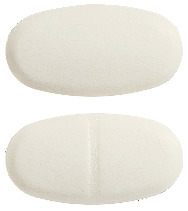
Lithicarb tablets are white to off-white oval-shaped bevel edged film coated tablets, with breakline on one side and plain on the other side

The tablets are available in bottles of 200.

Ingredients

Active ingredient:

Each tablet contains 250 mg lithium carbonate.

Inactive ingredients:

  • starch - maize
  • dextrin
  • lactose
  • macrogol 6000
  • sodium starch glycollate A
  • talc - purified
  • sodium lauryl sulphate
  • magnesium stearate
  • hypromellose

Lithicarb tablets do not contain sucrose, tartrazine or any other azo dyes.

Sponsor

Aspen Pharmacare Australia Pty Ltd
34-36 Chandos St
St Leonards NSW 2065
Australia

Australian Registration Number:
AUST R 49625

This leaflet was updated in February 2022.

Published by MIMS April 2022

BRAND INFORMATION

Brand name

Lithicarb

Active ingredient

Lithium carbonate

Schedule

S4


1 Name of Medicine

Lithium carbonate.

2 Qualitative and Quantitative Composition

White to off-white oval-shaped bevel edged film coated tablets, with breakline on one side and plain on the other side.
Each Lithicarb tablet contains 250 mg of the active lithium carbonate.

List of excipients with known effect.

Lactose. For the full list of excipients, see Section 6.1 List of Excipients.

3 Pharmaceutical Form

See Section 2 Qualitative and Quantitative Composition.

4 Clinical Particulars

4.1 Therapeutic Indications

The indications for lithium therapy may be summarised as follows:
It is given for mania, both as treatment and prophylaxis; manic depressive (bipolar) illness, both as treatment and as prophylaxis; it is less effective in depressive swings. In recurrent endogenous (unipolar) depressive illness, it is highly effective as prophylaxis in a number of cases, and is probably useful as treatment, especially if there is a family history of manic depressive illness and response to lithium.
In some cases of schizoaffective illness and so called chronic schizophrenia it is dramatically effective. Those in the latter category who do respond have frequently had affective symptoms at some time. It is used in character or personality disorders in young people with clear evidence of cyclothymia.
Lithium should not be prescribed until it is certain that the manic depressive swings are established and the course of the disease certain. If the patient has two effective swings in one year, perhaps in opposite directions, and associated with a positive family history, it should certainly be seriously considered. With 3 episodes in two years, there is no doubt it should be given. As a general rule, it should be prescribed and therapeutic response assessed, satisfactory maintenance dosage determined, side and toxic effects and associated precautions discussed with the patient and relatives and blood levels monitored, only under specialist supervision except perhaps in isolated areas. A major management problem also, is that there are relatively narrow distances between the therapeutic and toxic dosages and blood levels. For these reasons treatment is preferably commenced on an inpatient basis, so that the patient is under appropriate observation.

4.2 Dose and Method of Administration

The dosage of lithium depends upon whether it is being used for an acute condition or for prophylactic purposes.
In acute mania, a program has been established aimed at obtaining high serum levels as rapidly as is safely possible. Some patients take up to 2 weeks to respond, and during this time they are difficult to manage.
Doses of up to 1.75 g daily may be given in divided doses, and workers have recommended the following dosage:
Day 1: 500 to 1,000 mg in divided doses.
Day 2: 1,250 to 1,750 mg in divided doses.
Day 3: 1,500 to 2,000 mg in divided doses.
This should give blood levels of between 0.8 to 1.6 mmol/L, but the serum level must be checked. It is most important not to exceed a level of 2 mmol/L. When remission has been produced in 7 to 14 days, dosage is reduced in stepwise fashion to a dose sufficient to maintain the blood level within the therapeutic range, usually 500 mg to 1 g/day, taken in one or two doses. When remission is achieved, it is important to maintain satisfactory basal blood levels. Lithium should be taken with food, as it causes less nausea than on an empty stomach.

Frequency of blood level determinations.

At the beginning of treatment, blood levels should be estimated at least twice weekly.
Thereafter, estimation should be done weekly for the next month, monthly for the next year and from then on quarterly. If there is evidence of recurrence of symptoms, blood level determinations should also be done on an ad hoc basis.

Base or steady-state blood levels.

It is important to base dosage on steady-state levels. These are not achieved until about 12 hours after the last oral dose of lithium. Therefore, blood samples to determine blood levels should be taken in the morning before the daily dose and 12 hours after the previous evening dose. This should be done no later than 3 days after commencing lithium treatment. An adequate sodium intake during lithium therapy is essential. Inadequate intake or excessive excretion of sodium is an important factor in precipitating lithium toxicity. This is particularly important in various obvious climatic and occupational situations where there may be considerable loss of sodium in sweating.

4.3 Contraindications

Patients with significant cardiovascular or renal disease.
Frank hypothyroidism.
Conditions associated with hyponatremia, for example: Addison's disease, dehydrated or severely debilitated patients, patients on low sodium diets.
Diuretics should not be used during lithium therapy without appropriate dosage adjustment.
Patients with a previous history of hypersensitivity to lithium or any of the excipients contained in the tablets.

4.4 Special Warnings and Precautions for Use

Pretreatment physical examination and laboratory testing are required prior to commencement of therapy, and should be repeated at frequent intervals. The patient should maintain a normal diet with adequate salt and fluid intake during therapy.

Brugada syndrome.

Lithium is a known inhibitor of cardiac sodium channels and can unmask Brugada syndrome. For this reason lithium should be avoided in patients with Brugada syndrome. If there are no therapeutic alternatives and the decision is made to initiate lithium this should be done in a controlled medical environment with an ECG performed following the start of treatment and periodically thereafter.
Lithium toxicity is closely related to serum lithium concentrations and can occur at doses close to therapeutic concentrations.
In patients who have undergone bariatric surgery, a lower maintenance dose of lithium may be required. Lithium levels should be closely monitored due to the risk of lithium toxicity until weight has stabilized.

Use with caution in the following circumstances.

Vomiting, diarrhoea, intercurrent infection, fluid deprivation and drugs likely to upset electrolyte balance, such as diuretics, may all reduce lithium excretion thereby precipitating intoxication. Therefore, reduction in the dosage of lithium may be required. Lithium requirements may change during fever, infection and when mood swings occur. Patients in a manic state seem to have increased tolerance to lithium which decreases when manic symptoms subside.
Patients should avoid low salt dietary regimens or other dietary changes which may reduce sodium intake, or circumstances which may cause excessive sodium loss, such as heavy exercise leading to excessive sweating, as these may lead to increased lithium concentrations.
Chronic lithium therapy may be associated with diminution of renal concentrating ability, occasionally presenting as nephrogenic diabetes insipidus with polyuria and polydipsia. Such patients should be carefully managed to avoid dehydration with resulting lithium retention and toxicity. This condition is usually reversible when lithium is discontinued. Morphologic changes with glomerular and interstitial fibrosis and nephron atrophy have also been reported in patients on chronic lithium therapy. Some structural changes have also been reported in manic depressives never exposed to lithium. The relationship between renal function, morphologic changes and lithium therapy has not been established. When kidney function is assessed, routine urinalysis and other tests may be used to evaluate tubular function (e.g. urine specific gravity, osmolality following water deprivation or 24 hour urine volume) and glomerular function (e.g. serum creatinine or creatinine clearance).
Cases of microcysts, oncocytomas and collecting duct renal carcinoma have been reported in patients with severe renal impairment who have received lithium for more than 10 years (see Section 4.8 Adverse Effects (Undesirable Effects)).

Hypercalcemia and hyperparathyroidism.

Treatment with lithium can cause hypercalcemia that may or may not be accompanied by hyperparathyroidism (see Section 4.8 Adverse Effects (Undesirable Effects)). It is recommended to monitor blood calcium levels before onset of treatment and periodically thereafter during treatment, and if necessary, parathyroid hormone level.
Acute renal failure has been reported rarely with lithium toxicity.
An encephalopathic syndrome, characterised by weakness, lethargy, fever, tremulousness, confusion, extrapyramidal symptoms and leucocytosis has occurred in a few patients treated with lithium and neuroleptics. In some instances, the syndrome was followed by irreversible brain damage. Because there is a possible causal relationship between these events and treatment with lithium and neuroleptics, patients receiving combined therapy should be monitored closely for early evidence of neurological toxicity and treatment discontinued promptly if symptoms appear. This encephalopathic syndrome may be similar to or the same as neuroleptic malignant syndrome.
Lithium should be temporarily discontinued before electroconvulsive therapy (ECT) to reduce the risk of delirium, which may occur when the two treatments are co-administered.

Use in surgery.

It is wise to discontinue lithium for 24 hours before any major operation. Provided serum electrolytes are in balance it can, and normally should, be restarted soon after the operation. Complete discontinuation of prophylactic lithium therapy should be discussed between patient, general practitioner and specialist.

Special precautions.

Concurrent administration of diuretics with lithium exerts a paradoxical antidiuretic effect and may result in an increase in plasma lithium concentration.

Check the following before use.

Since lithium is excreted primarily by the kidney, adequate renal function is essential in order to avoid lithium accumulation and intoxication. Thus, a decision to initiate lithium therapy should be preceded by a thorough clinical examination and evaluation of each patient, including laboratory determinations, ECG and a very careful assessment of renal function.
Patients on lithium therapy should be maintained under careful clinical and laboratory control throughout treatment. Means of obtaining accurate determination of serum lithium levels should be available since frequent serum determinations are required during the initial period of treatment.
Patients receiving lithium should be examined periodically for abnormal thyroid function, since goitre and hypothyroidism may develop. Cardiac and renal function should be monitored regularly.
Patients receiving lithium therapy should be taught to recognise the symptoms of early toxicity (see Section 4.8 Adverse Effects (Undesirable Effects)) and, should these occur, to discontinue therapy and request medical aid at once.

Paediatric use.

Information regarding the safety and efficacy in children under 12 years of age is not available, therefore, lithium therapy is not recommended in this age group.

Use in the elderly.

Lithium should be used with care in the elderly as excretion may be reduced, resulting in a longer half-life. The elderly may, therefore exhibit signs of toxicity at serum concentrations ordinarily tolerated by younger patients. Elderly patients also often require lower lithium dosages to achieve therapeutic serum concentrations.

Effects on laboratory tests.

No data available.

4.5 Interactions with Other Medicines and Other Forms of Interactions

Clinicians should be aware that lithium may interact with a variety of drugs. Caution should, therefore, be exercised when lithium is coadministered with any other medication.
Ziprasidone can interact with lithium to augment the prolongation of the QTc interval.
Concurrent diuretics or angiotensin converting enzyme (ACE) inhibitors (such as captopril and enalapril) may be associated with changes in lithium clearance and should only be instituted with caution following reduction in lithium dosage and with subsequent monitoring of serum lithium levels (see Section 4.3 Contraindications). Thiazides show a paradoxical antidiuretic effect resulting in possible water retention and lithium intoxication. Similar precautions should be exercised on withdrawal of these agents.
Drugs which affect electrolyte balance such as steroids and appetite suppressants may alter lithium excretion. Drugs containing ionic sodium, e.g. sodium bicarbonate, may prevent the establishment or maintenance of adequate serum lithium levels.
Side effects of psychotropic drugs, such as neuroleptics (particularly haloperidol at higher doses), may be potentiated by lithium therapy. Consequently, concomitant dosage of these drugs should be reduced.
Lithium may prolong the effects of neuromuscular blocking agents.
Isolated cases have been reported of clinically significant interactions between lithium and calcium channel blockers, carbamazepine, diazepam, phenytoin, methyldopa, theophylline and fluoxetine (therefore, concomitant use of other SSRIs should be undertaken with caution as this combination may precipitate serotonin syndrome).
Calcium channel blockers may increase the neurotoxic effects of lithium, and serum lithium concentrations may need to be at the lower end of the therapeutic range.
Acetazolamide, urea, xanthine preparations and alkalinising agents, such as sodium bicarbonate, may lower serum lithium concentrations by increasing urinary lithium excretion.
Possible interactions may occur with imipramine and metronidazole.

Topiramate.

There have been reports on lithium toxicity when concurrently administered with topiramate. Lithium levels should be closely monitored when co-administered with topiramate.
Nonsteroidal anti-inflammatory drugs may cause an increase in serum lithium levels. This interaction is reported to be most marked with the more potent prostaglandin synthetase inhibitors, such as indomethacin and piroxicam. There is also evidence that other nonsteroidal anti-inflammatory agents, including the selective cyclooxygenase-2 (COX-2) inhibitors, have the same effect.
Lithium levels should be monitored very carefully when NSAIDs are first co-administered or discontinued.
Angiotensin II receptor antagonists (e.g. Atacand and Cozaar) can increase serum lithium concentrations when administered concurrently.
Patients should be encouraged to inform their doctor if signs of intoxication, such as polyuria, polydipsia or episodes of nausea and vomiting, occur.
Acute renal failure has been reported rarely with lithium toxicity.
SGLT2 inhibitors may increase renal lithium excretion and the blood lithium levels may be decreased. Serum concentration of lithium should be monitored more frequently after initiation and dose changes of SGLT2 inhibitors.

4.6 Fertility, Pregnancy and Lactation

(Category D)
Lithium enters the fetal circulation and cases of disturbance of the thyroid function of the newborn infant have been reported. Available data also indicate that lithium during pregnancy may cause malformations of the cardiovascular system.
Therefore, the potential benefits of continued administration during pregnancy must be weighed against the possible adverse effects. If administration of lithium is considered essential and continued during pregnancy, serum lithium levels must be monitored closely at routine intervals, particularly at parturition. Babies showing signs of lithium intoxication may require fluid therapy and they may have a flaccid appearance which returns to normal without treatment. It is strongly recommended that lithium be discontinued before a planned pregnancy.
Bottle feeding of infants is recommended as lithium is excreted in breast milk.

Effects on fertility.

In animal studies, lithium has been reported to interfere with fertility, gestation and fetal development.

4.7 Effects on Ability to Drive and Use Machines

Impaired driving performance or machine operation skills may occur in patients receiving lithium. At the beginning of treatment the occasional onset of fatigue can impair reflexes. Lithium may cause disturbances of the central nervous system (e.g. somnolence, dizziness, and hallucinations).

4.8 Adverse Effects (Undesirable Effects)

The occurrence and severity of adverse reactions are generally directly related to serum lithium concentrations as well as to individual sensitivity to lithium and generally occur more frequently and with greater severity at higher concentrations. The most frequent adverse effects are the initial postabsorptive symptoms, believed to be associated with a rapid rise in serum lithium levels. They include gastrointestinal discomfort with mild nausea and diarrhoea, vertigo, muscle weakness and a dazed feeling, and frequently disappear after stabilisation of therapy.
The more common and persistent adverse reactions are fine tremor of the hands, fatigue, thirst and polyuria. These do not necessarily require reduction of dosage. Nausea is usually transient.
Adverse effects occurring at therapeutic serum lithium concentrations include anorexia, constipation or diarrhoea, epigastric discomfort, metallic taste, headache, vertigo, fine tremor, polyuria with polydipsia, oedema, hypermagnesaemia and hypercalcaemia. Reversible ECG changes, e.g. T wave flattening or inversion, cardiac arrhythmias and EEG changes have been reported. Exacerbation of skin conditions (such as acne and psoriasis) and leucocytosis are relatively common side effects of lithium therapy. Significant weight gain is also observed in many patients receiving lithium.
Long-term administration of lithium carbonate may precipitate goitre requiring treatment with thyroxine, but this regresses when treatment is discontinued. Hair thinning and mild cognitive impairment may occur. Rarely, hyperthyroidism, hyperparathyroidism and nephrogenic diabetes insipidus have been reported.
Toxic effects may be expected at serum lithium concentrations over 1.5 mmol/L, although they can appear at lower concentrations. They call for immediate withdrawal of treatment and should always be considered very seriously. Signs of toxicity include increasing diarrhoea, vomiting, anorexia, severe abdominal discomfort, polyuria, muscle weakness, lethargy, ataxia, lack of coordination, tinnitus, blurred vision, dry mouth, dysgeusia and impotence/ sexual dysfunction, coarse tremor (marked) of the extremities and lower jaw, muscle hyperirritability and twitching, agitation, hyper-reflexia, choreoathetoid movements, dysarthria, disorientation, psychosis, drowsiness, seizures and coma. At higher concentrations, ataxia, tinnitus, blurred vision, giddiness and increasing polyuria are seen.
The following reactions appear to be related to serum lithium concentrations. Adverse reactions can occur in patients with serum concentrations within the therapeutic range (i.e. below 1.5 mmol/L or lower in the elderly).

Body as a whole.

Oedema.

Cardiovascular.

Arrhythmia, hypotension, ECG changes including nonspecific T wave changes, oedema, Raynaud's phenomena, peripheral circulatory collapse, bradycardia, sinus node dysfunction.

Dermatological.

Alopecia, acne, folliculitis, pruritus, psoriasis exacerbation, rash, drug reaction with eosinophilia and systemic symptoms (DRESS).

Endocrine.

Euthyroid goitre, hypothyroidism, rare cases of hyperthyroidism, hyperglycaemia, hypercalcaemia, hypermagnesaemia, hyperparathyroidism, parathyroid adenoma and parathyroid hyperplasia.

Gastrointestinal.

Anorexia, nausea, vomiting, diarrhoea, constipation, gastritis, excessive salivation, abdominal pain.

Haematological.

Leucocytosis.

Hypersensitivity.

Angioedema.

Neuromuscular/ CNS.

Tremor, fasciculations, twitching clonic movements of extremities, ataxia, choreoathetoid movements, hyperactive deep tendon reflexes, extrapyramidal symptoms, syncope, seizures, slurred speech, dizziness, vertigo, nystagmus, somnolence, stupor, coma, hallucinations, taste distortion, taste impairment, scotomata, pseudotumour cerebri, autonomic effects including blurred vision, dry mouth, impotence/ sexual dysfunction, headache and EEG changes. Myasthenia gravis has been observed rarely.

Renal.

Symptoms of nephrogenic diabetes insipidus. Microcysts, oncocytoma and collecting duct renal carcinoma (in long-term therapy) in patients with severe renal impairment (see Section 4.4 Special Warnings and Precautions for Use).
It is vital to bear in mind that lithium can be lethal, if prescribed or ingested in excess.

Reporting suspected adverse events.

Reporting suspected adverse reactions after registration of the medicinal product is important. It allows continued monitoring of the benefit-risk balance of the medicinal product. Healthcare professionals are asked to report any suspected adverse reactions at http://www.tga.gov.au/reporting-problems.

4.9 Overdose

Symptoms.

In acute overdosage, vomiting often occurs within an hour of ingestion due to the high concentration of lithium in the stomach, but significant amounts of lithium can still reach the systemic circulation. The typical clinical symptoms often appear after a latency period and gastrointestinal symptoms can re-appear at a later time. The symptoms of overdosages are reported to be mainly related to the alimentary and nervous systems and include abdominal pain, anorexia, nausea, vomiting, occasionally mild diarrhoea, giddiness, tremor, ataxia, slurring speech, myoclonus, twitching, asthenia, depression, renal symptoms.
Coma and convulsions may occur in serious cases and cardiac effects (first degree heart block and QRS and QT prolongation) have been described rarely. A patient may appear to be aware with open eyes but have an expressionless face and be unable to move or speak (coma vigil). Acute renal failure and nephrogenic diabetes insipidus may develop.

Treatment.

Treatment is symptomatic and supportive; recommend closely monitoring vital signs. Activated charcoal is of no value. Whole bowel irrigation has been suggested although there do not appear to be clinical studies to confirm efficacy.
Further measures may involve procedures to enhance the renal clearance of lithium or its active removal. Adequate hydration should be ensured and any electrolyte imbalance corrected, but forced diuresis or diuretics are contraindicated. Appropriate supportive care may include measures to control hypotension and convulsions. Maintenance of fluid and electrolyte balance is particularly important because of the risk of hypernatraemia. The ECG should be monitored in symptomatic patients.
In severe poisoning, haemodialysis is the treatment of choice (particularly if there is renal impairment). Although effective in reducing serum lithium concentrations, substantial rebound increases can be expected when dialysis is stopped, and prolonged or repeated treatments may be required. Peritoneal dialysis is less effective and only appropriate if haemodialysis facilities are not available. Haemofiltration has been tried to good effect.
Serum lithium concentrations should be monitored regularly throughout treatment. Once the serum and dialysis fluid are free of lithium, it has been recommended that serum lithium concentrations should be monitored for at least another week so that allowance can be made for delayed diffusion from body tissues.
For information on the management of overdose, contact the Poison Information Centre on 131126 (Australia).

5 Pharmacological Properties

5.1 Pharmacodynamic Properties

Mechanism of action.

Management of manic depressive psychoses.

Clinical trials.

No data available.

5.2 Pharmacokinetic Properties

No data available.

5.3 Preclinical Safety Data

Genotoxicity.

No data available.

Carcinogenicity.

No data available.

6 Pharmaceutical Particulars

6.1 List of Excipients

The tablets contain the inactive ingredients: dextrin, hypromellose, lactose monohydrate, macrogol 6000, magnesium stearate, sodium lauryl sulfate, sodium starch glycollate A, maize starch and talc-purified.

6.2 Incompatibilities

Incompatibilities were either not assessed or not identified as part of the registration of this medicine.

6.3 Shelf Life

2 years.

6.4 Special Precautions for Storage

Store below 30 degrees Celsius.

6.5 Nature and Contents of Container

White HDPE bottles with polypropylene child resistant caps.
200, *100 and *1000 tablets.
*Not currently marketed.

6.6 Special Precautions for Disposal

In Australia, any unused medicine or waste material should be disposed of by taking to your local pharmacy.

6.7 Physicochemical Properties

Molecular formula of lithium carbonate is Li2O3. It has a molecular weight of 73.9.

CAS number.

The CAS number is 554-13-2.

7 Medicine Schedule (Poisons Standard)

S4.

Summary Table of Changes