


Consumer medicine information

Lofenoxal

Diphenoxylate hydrochloride; Atropine sulfate monohydrate

BRAND INFORMATION

Brand name

Lofenoxal

Active ingredient

Diphenoxylate hydrochloride; Atropine sulfate monohydrate

Schedule

S4


Consumer medicine information (CMI) leaflet

Please read this leaflet carefully before you start using Lofenoxal.

What is in this leaflet

This leaflet answers some common questions about Lofenoxal. It does not contain all the available information. It does not take the place of talking to your doctor or pharmacist.

All medicines have risks and benefits. Your doctor has weighed the risks of you taking Lofenoxal against the benefits they expect it will have for you.

If you have any concerns about taking this medicine, ask your doctor or pharmacist.

Keep this leaflet with the medicine. You may need to read it again.

What LOFENOXAL is used for

Lofenoxal is used along with other measures for the treatment of acute or chronic diarrhoea.

Lofenoxal contains the active ingredients diphenoxylate hydrochloride and atropine sulfate. Diphenoxylate reduces diarrhoea by slowing down the movements of the intestines. Because diphenoxylate may be abused by taking it in doses that are larger than prescribed, a small amount of atropine sulfate is included in Lofenoxal. This causes unpleasant effects if larger than normal doses are taken and discourages abuse.

Lofenoxal is only available with a doctor's prescription.

Before you take LOFENOXAL

When you must not use it

Do not take Lofenoxal if:

  • You are allergic to diphenoxylate, atropine or any of the tablet ingredients listed at the end of this leaflet
    If you have an allergic reaction you may get a skin rash, difficulty in breathing, hayfever or faintness.
  • You have jaundice
  • You have diarrhoea caused by pseudomembranous enterocolitis
    This is a potentially serious infection of the gut, which may occur during or up to several weeks following antibiotic treatment.
  • You have an inflammatory bowel disease such as ulcerative colitis or Crohn's disease
  • You have bacterial colitis or amoebic colitis.
  • You are breastfeeding.

You should use an alternative form of infant feeding while you are taking Lofenoxal.

Lofenoxal passes into breast milk, so if you take Lofenoxal while breastfeeding, your baby may have some effects from it.

Lofenoxal is not recommended for children less than 12 years old. Children, especially very young children, are very sensitive to the effects of Lofenoxal.

Lofenoxal must be kept out of the reach of children, since accidental overdose in children may result in serious breathing difficulties, or even death.

  • Do not use tablets after the use by date, which appears on the label after the letters "EXP".
    They may have no effects at all, or an entirely unexpected effect if you use them after the expiry date.
  • Do not use Lofenoxal if the packaging is torn or shows signs of tampering.
  • Do not use Lofenoxal to treat any other complaints unless your doctor says to.
  • Do not give this medicine to anyone else, even if their symptoms seem similar to yours.

Before you start to use Lofenoxal

Tell your doctor if:

  • You are allergic to any other medicines, or foods, dyes or preservatives
  • You have any other medical conditions, especially:
    - Liver disease, jaundice
    - Kidney disease
    - Colitis
    - Down's syndrome
    - History of drug abuse
  • You are taking any other medicines, including medicines that you buy without a prescription from a pharmacy, supermarket or health food shop.

Some of the medicines that may interfere with Lofenoxal include:

  • Tranquillisers - medicines used to produce calmness, treat anxiety or help you sleep
  • Antidepressants - medicines used to treat depression, such as monoamine oxidase inhibitors (MAOI)
  • Barbiturates - medicines used to treat epilepsy and to help you sleep.

These medicines may be affected by Lofenoxal or may affect how well it works. You may need to take different amounts of your medicine or you may need to take different medicines. Your doctor or pharmacist has a more complete list of medicines to avoid while taking Lofenoxal.

Do not drink alcohol while taking Lofenoxal.

Tell your doctor if you become pregnant while you are taking Lofenoxal. You should not take Lofenoxal near or at the time of giving birth, because diphenoxylate is chemically related to medicines which can slow down the breathing of newborn infants.

How to take Lofenoxal

Follow your doctor's or pharmacist's instructions on how much Lofenoxal to take and for how long to take it. The usual starting dose of Lofenoxal is 2 tablets, three or four times a day, until the diarrhoea is under control.

The dose is then usually reduced, so that you are taking just enough tablets to control the diarrhoea. This may be as few as 2 tablets a day.

The usual maximum dose is 8 tablets in a day (24 hours).

Your doctor may want you to stop taking Lofenoxal when your bowel movements return to normal.

If your diarrhoea contains blood or lasts for more than 2 days, tell your doctor.

If you take too much (overdose)

Immediately telephone your doctor, pharmacist or Poisons Information Centre (telephone number: 131126) for advice, or go to Casualty at your nearest hospital, if you think that you or anyone else may have taken a large number of Lofenoxal tablets. Do this even if there are no signs of discomfort or poisoning. You may need urgent medical attention.

Keep telephone numbers for these places handy.

If you think someone has taken an overdose of Lofenoxal, or if a child has accidentally taken Lofenoxal tablets, you should get medical help immediately.

Signs that may indicate an overdose are: at first, dryness of the skin and mouth, widening of the pupils of the eye, restlessness, flushing, high temperatures and rapid heartbeat, followed by lack of energy or coma, poor reflexes, constant movements of the eyeballs, pinpoint (small) pupils and slow, shallow breathing (respiratory depression). Sometimes respiratory depression may not occur straight away and may develop as late as 30 hours after an overdose. Patients should be watched for at least 48 hours, preferably in hospital.

While you are using Lofenoxal

Things you must do

Use Lofenoxal exactly as your doctor has prescribed.

Tell all doctors, dentists and pharmacists who are treating you that you are taking Lofenoxal.

Drink plenty of liquids, such as an oral rehydration solution. Drinking plenty of liquids makes sure you do not become dehydrated (lose too much liquid from your body). If you have become very dehydrated, see your doctor to make sure this is corrected, before taking Lofenoxal.

Eat as little as possible for the first few days. Eat only plain, bland foods, such as unbuttered toast, plain biscuits, boiled potatoes, rice or pasta. Gradually return to your normal diet when the diarrhoea has stopped.

Be careful driving or operating machinery until you know how Lofenoxal affects you. Lofenoxal can make some people drowsy or dizzy. Make sure you know how you react to Lofenoxal before you drive a car or operate machinery.

Things you must not do

Do not give this medicine to anyone else, even if their symptoms seem similar to yours.

Side effects

Tell your doctor or pharmacist as soon as possible if you do not feel well while you are using Lofenoxal. Lofenoxal helps most people with diarrhoea, but it may have unwanted effects in some people.

All medicines have side effects.

Sometimes they are serious, most of the time they are not. You may need medical treatment if you get some of the side effects.

Tell your doctor if you experience any unusual side effects or any changes in your health, while you are taking Lofenoxal.

Side effects which have been reported in patients taking Lofenoxal are:

  • Lack of energy
  • Confusion
  • Drowsiness
  • Dizziness
  • Restlessness
  • Depression
  • Euphoria
  • Numbness in hands and feet
  • Headache
  • Allergic wheals and swelling
  • Rash
  • Swelling of gums
  • Itching
  • Vomiting
  • Nausea
  • Loss of appetite
  • Abdominal discomfort
  • Severe allergic reaction (anaphylaxis)
  • Obstruction or paralysis of the intestine

Reported side effects of atropine sulfate are:

  • Unusually high fever
  • Rapid heartbeat
  • Being unable to urinate
  • Flushing
  • Dry skin and
  • Dry mouth.

Tell your doctor if any side effects do not settle down during treatment or are a problem for you, or if you develop any new medical problem while you are taking LOMOTIL.

Ask your doctor or pharmacist about any questions you may have.

After using Lofenoxal

Storage

Keep it where young children cannot reach it, since overdose is especially dangerous in children.

Do not leave it in the car on hot days.

Keep your tablets in their blister pack until it is time to take them.

Store below 30°C.

Store away from heat, direct light and steamy or damp places. Heat or moisture may cause Lofenoxal tablets to deteriorate.

Disposal

Carefully dispose of any tablets that are no longer needed or are past the expiry date ("EXP"). Ask your pharmacist for advice on disposal of medicines.

Product description

What it looks like

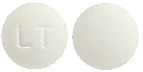
Lofenoxal tablets are white to off-white, uncoated, biconvex tablets marked LT on one side in blister packs of 20 tablets

Ingredients

Lofenoxal contains 2.5mg diphenoxylate hydrochloride and 25 micrograms atropine sulfate as the active ingredients.

Other ingredients in each tablet are:
Sucrose, acacia, sorbitol, talc, magnesium stearate, liquid paraffin.

Distributor

Lofenoxal is distributed by:

iNova Pharmaceuticals (Australia) Pty Limited
ABN: 13 617 871 539
Level 10, 12 Help Street
Chatswood NSW 2067
Tel (Australia): 1800 630 056

AUST R 74476

This leaflet was prepared May 2020.

Published by MIMS August 2020

BRAND INFORMATION

Brand name

Lofenoxal

Active ingredient

Diphenoxylate hydrochloride; Atropine sulfate monohydrate

Schedule

S4


1 Name of Medicine

Diphenoxylate hydrochloride and atropine sulfate.

2 Qualitative and Quantitative Composition

Each Lofenoxal tablet contains diphenoxylate HCl 2.5 mg and atropine sulfate 25 micrograms.

Excipients with known effect.

Sorbitol, sucrose.
For the full list of excipients, see Section 6.1 List of Excipients.
Lofenoxal is a white to off white, uncoated, round, biconvex tablet embossed "LT" on one side and plain on the other.

3 Pharmaceutical Form

Tablet.

4 Clinical Particulars

4.1 Therapeutic Indications

Lofenoxal is indicated as an adjunctive therapy for acute and chronic diarrhoea.

4.2 Dose and Method of Administration

The recommended adult starting dose is 5 mg (two tablets) three or four times daily.
After initial control is achieved, the dosage should be reduced to meet the requirements of the individual patient. Control may often be maintained with as little as 5 mg (two tablets) daily.

4.3 Contraindications

1. Known hypersensitivity to diphenoxylate HCl or atropine.
2. Jaundice.
3. Diarrhoea associated with pseudomembranous enterocolitis which may occur during or up to several weeks following treatment with certain antibiotics.
4. Diarrhoea associated with inflammatory bowel disease (e.g. ulcerative colitis, Crohn's disease) and bacterial and amoebic colitis, as diphenoxylate may exacerbate the underlying condition (see Section 4.4 Special Warnings and Precautions for Use).
Lofenoxal is not recommended for children under 12 years of age. The medication should be kept out of reach of children since accidental overdosage may result in severe, even fatal respiratory depression.

4.4 Special Warnings and Precautions for Use

Interaction with CNS depressants.

Diphenoxylate may have an additive effect on certain central nervous system depressants, e.g. barbiturates, tranquillizers and alcohol (see Section 4.5 Interactions with Other Medicines and Other Forms of Interactions).

MAO inhibitors.

Concurrent use with MAO inhibitors may, in theory, precipitate hypertensive crisis. Therefore, close observation is required when these medications are given concomitantly with diphenoxylate hydrochloride.

Antibiotic use.

Bacterially induced diarrhoea should be treated with appropriate antimicrobial therapy.
The possibility of serious underlying aetiology should be considered before antidiarrhoeal treatment of any type is instituted as other therapeutic measures may occasionally be necessary. Special caution should be exercised in treating diarrhoea which may be attributable to antibiotics known to cause colitis or pseudomembranous colitis.

Toxic megacolon in patients with acute ulcerative colitis.

In some patients with acute ulcerative colitis, agents which inhibit intestinal motility or prolong intestinal transit time have been reported to induce toxic megacolon.

Dehydration and electrolyte imbalance.

Appropriate fluid and electrolyte therapy should be given to protect against dehydration. If severe dehydration or electrolyte imbalance is present, Lofenoxal should be withheld until appropriate corrective therapy has been initiated, in order to prevent diphenoxylate intoxication due to variability of response.
Caution patients to adhere strictly to recommended dosage schedules.

Dependence potential.

Addiction (dependency) to diphenoxylate hydrochloride is theoretically possible at high dosage. Therefore, the recommended dosage should not be exceeded. Because of the structural and pharmacologic similarity of diphenoxylate hydrochloride to drugs with definite addiction potential, Lofenoxal should be administered with considerable caution to patients who are receiving addicting drugs, to individuals known to be addiction prone, or to those whose histories suggest they may increase the dosage on their own initiative.
A subtherapeutic dose of atropine has been added to the diphenoxylate hydrochloride. Therefore, consideration should be given to the precautions relating to the use of atropine in children.

Atropinism.

Lofenoxal should be used with caution since signs of atropinism may occur particularly in Down's syndrome.

Use in hepatic impairment.

Lofenoxal should be used with extreme caution in patients with advanced hepatorenal disease and in all patients with abnormal liver function, since hepatic coma may be precipitated.

Use in the elderly.

No data available.

Paediatric use.

Lofenoxal is not recommended for children under 12 years of age. The medication should be kept out of reach of children since accidental overdosage may result in severe, even fatal respiratory depression (see Section 4.3 Contraindications).

Effects on laboratory tests.

No data available.

4.5 Interactions with Other Medicines and Other Forms of Interactions

Diphenoxylate may have an additive effect on certain central nervous system depressants, e.g. barbiturates, tranquillizers and alcohol (see Section 4.4 Special Warnings and Precautions for Use).

4.6 Fertility, Pregnancy and Lactation

Effects on fertility.

No data available.
(Category C)
Diphenoxylate is chemically related to the narcotic pethidine. Narcotic analgesics may cause respiratory depression in the newborn infant. This drug should not be given at, or near, term.
Diphenoxylate hydrochloride may be and atropine sulfate is excreted in human breast milk. Therefore, infants of nursing mothers taking Lofenoxal may exhibit some effects of the drug.

4.7 Effects on Ability to Drive and Use Machines

Lofenoxal may cause dizziness or drowsiness. The effects of this medicine on a person's ability to drive and use machines were not assessed as part of its registration. However, patients should refrain from driving or using machinery until they know that Lofenoxal does not negatively affect these abilities as confusion, lethargy, sedation, drowsiness and dizziness may occur (see Section 4.8. Adverse Effects (Undesirable Effects)).

4.8 Adverse Effects (Undesirable Effects)

At therapeutic doses, the following have been reported:

Nervous system.

Malaise/lethargy, confusion, sedation/drowsiness, dizziness, restlessness, depression, euphoria, numbness of extremities, headache.

Allergic.

Anaphylaxis, angioneurotic oedema, urticaria, swelling of gums, pruritus.

Gastrointestinal system.

Toxic megacolon, paralytic ileus, vomiting, nausea, anorexia, abdominal discomfort.
Atropine sulfate effects are: hyperthermia, tachycardia, urinary retention, flushing, dryness of the skin and mucous membranes.

Reporting suspected adverse effects.

Reporting suspected adverse reactions after registration of the medicinal product is important. It allows continued monitoring of the benefit-risk balance of the medicinal product. Healthcare professionals are asked to report any suspected adverse reactions at www.tga.gov.au/reporting-problems.

4.9 Overdose

Symptoms.

Initial signs of overdosage may include dryness of the skin and mucous membranes, mydriasis, restlessness, flushing, hyperthermia and tachycardia followed by lethargy or coma, hypotonic reflexes, nystagmus, pinpoint pupils and respiratory depression. Respiratory depression may be evidenced as late as 30 hours after ingestion and may recur in spite of an initial response to narcotic antagonists.

Management.

Treat all possible Lofenoxal overdosages as serious and maintain medical observation for at least 48 hours.
Establishment of a patent airway, and if necessary, artificial ventilation should be instituted. If the patient is not comatose, gastric lavage and administration of a slurry of activated charcoal may be indicated.
Naloxone hydrochloride should be administered if respiratory depression develops. If naloxone hydrochloride is not available, nalorphine hydrochloride should be used.
When naloxone hydrochloride is administered intravenously the onset of action in generally apparent within two minutes. Naloxone hydrochloride may also be administered subcutaneously or intramuscularly providing a slightly less rapid onset of action but a more prolonged effect.
To counteract the respiratory depression caused by Lofenoxal overdosage, the following dosage schedule for naloxone hydrochloride should be followed:
The usual initial adult dose of naloxone hydrochloride is 0.4 mg (1 mL) administered intravenously. The action of naloxone hydrochloride is of shorter duration than that of diphenoxylate hydrochloride, so repeated injections of the antidote may be required. If respiratory function does not adequately improve after the initial dose the same I.V. dose may be repeated at two to three minute intervals.
Since the duration of action of diphenoxylate hydrochloride is longer than that of naloxone hydrochloride improvement of respiration following administration may be followed by recurrent respiratory depression. Consequently, continuous observation is necessary until the effect of diphenoxylate hydrochloride on respiration (which may persist for many hours) has passed. The period of observation should extend over at least 48 hours, preferably under continuous hospital care.
For information on the management of overdose, contact the Poisons Information Centre on 13 11 26 (Australia).

5 Pharmacological Properties

5.1 Pharmacodynamic Properties

Mechanism of action.

Diphenoxylate is chemically related to the narcotic pethidine and acts by slowing intestinal motility. The formulation contains a small amount of atropine sulfate which has little therapeutic significance and is added to discourage excessive self-medication.

Clinical trials.

No data available.

5.2 Pharmacokinetic Properties

Absorption.

Diphenoxylate is rapidly absorbed reaching peak blood levels in about two hours.

Metabolism.

Its relatively short plasma half-life (about 2.5 hours) and large plasma clearance suggest its rapid biotransformation. The major metabolic pathway of diphenoxylate in man is the hydrolysis of the ester group to give diphenoxylic acid - a pharmacologically active metabolite. Diphenoxylate metabolites probably undergo enterohepatic circulation.

Excretion.

The drug is excreted principally as its metabolites in both urine and, to a larger extent, in the faeces.

5.3 Preclinical Safety Data

Genotoxicity.

No data available.

Carcinogenicity.

No data available.

6 Pharmaceutical Particulars

6.1 List of Excipients

Lofenoxal contains the following excipients: acacia, magnesium stearate, liquid paraffin, sorbitol solution, sucrose and purified talc.

6.2 Incompatibilities

Incompatibilities were either not assessed or not identified as part of the registration of this medicine.

6.3 Shelf Life

In Australia, information on the shelf life can be found on the public summary of the Australian Register of Therapeutic Goods (ARTG).

6.4 Special Precautions for Storage

Store below 30°C.

6.5 Nature and Contents of Container

Blister pack: 20's.

6.6 Special Precautions for Disposal

In Australia, any unused medicine or waste material should be disposed of by taking to your local pharmacy.

6.7 Physicochemical Properties

Diphenoxylate hydrochloride is a white or almost white, crystalline powder, very slightly soluble in water, freely soluble in methylene chloride, sparingly soluble in alcohol, practically insoluble in ether.
Atropine sulfate is a white, crystalline powder or colourless crystals, very soluble in water, freely soluble from alcohol, practically insoluble in ether.

Chemical structure.


C30H32N2O2, HCl; M. W. = 489.1.
Ethyl 1-(3-cyano-3,3-diphenylpropyl)-4-phenylpiperidine-4-carboxylate hydrochloride.
C34H48N2O10S, H2O; M. W. = 695.
Bis (1R, 3r, 5S)-3-[(RS)-(3-hydroxy-2-phenylpropionyl)oxy]-8-methyl-8- azabicyclo[3.2.1] octane sulphate.

CAS number.

Diphenhydramine hydrochloride: 3810-80-8.
Atropine sulfate: 5908-99-6.

7 Medicine Schedule (Poisons Standard)

(S4) Prescription Only Medicine.

Summary Table of Changes