


Consumer medicine information

LPV

Phenoxymethylpenicillin

BRAND INFORMATION

Brand name

LPV

Active ingredient

Phenoxymethylpenicillin

Schedule

S4


Consumer medicine information (CMI) leaflet

Please read this leaflet carefully before you start using LPV.

What is in this leaflet

This leaflet answers some common questions about LPV. It does not contain all the available information. It does not take the place of talking to your doctor or pharmacist.

All medicines have risks and benefits. Your doctor has weighed the risks of you taking LPV against the benefits they expect it will have for you.

If you have any concerns about taking this medicine, ask your doctor or pharmacist.

Keep this leaflet with the medicine. You may need to read it again.

What LPV is used for

LPV is an antibiotic that belongs to a group of medicines called penicillins. These antibiotics work by killing the bacteria that are causing your infection.

It is used to treat infections in different parts of the body caused by certain bacteria.

This medicine may also be used to prevent infections before, during and after surgery.

LPV will not work against infections caused by viruses, such as colds.

Ask your doctor if you have any questions about why LPV has been prescribed for you. Your doctor may have prescribed it for another purpose.

This medicine is available only with a doctor's prescription.

There is no evidence that LPV is addictive.

Before you take it

When you must not take it

Do not take LPV if you have ever had an allergic reaction to:

  • phenoxymethylpenicillin
  • any other penicillins
  • any of the ingredients listed at the end of this leaflet.

Symptoms of an allergic reaction may include shortness of breath, wheezing or difficulty in breathing; swelling of the face, lips, tongue or any other parts of the body; rash, itching or hives on the skin.

Do not take LPV if you have ever had an allergic reaction to cephalosporins. You may have an increased chance of being allergic to LPV if you are allergic to cephalosporins.

Do not take LPV after the expiry date (EXP) printed on the pack. It may have no effect at all or an entirely unexpected effect if you take it after the expiry date.

Do not take it if the packaging is torn or shows signs of having been tampered with.

Do not take this medicine to treat any other complaints unless your doctor has instructed you to do so.

Before you start to take it

Tell your doctor if you are allergic to any other medicines or any foods, dyes or preservatives.

Tell your doctor if you have or have had any health problems such as asthma.

Tell your doctor if you are pregnant or intend to become pregnant. Your doctor will discuss the risks and benefits of taking LPV during pregnancy.

Tell your doctor if you are breast feeding or plan to breast feed. Your doctor will discuss the risks and benefits of taking LPV when breast-feeding.

If you have not told your doctor about any of these things, tell them before you take LPV.

Taking other medicines

Tell your doctor if you are taking any other medicines, including any that you get without a prescription from a pharmacy, supermarket or health food shop. Some medicines may be affected by LPV or may affect how well it works. You may need to take different amounts of your medicine or you may need to take different medicines. Your doctor or pharmacist has more information on medicines to be careful with or avoid while taking LPV.

Talk to your doctor about the possible need for an additional method of contraception while taking LPV. Some antibiotics may decrease the effectiveness of some birth control pills.

How to take it

Follow all directions given to you by your doctor or pharmacist carefully. They may differ from the information contained in this leaflet.

If you do not understand the instructions on the pack, ask your doctor or pharmacist for help.

How much to take

Your doctor will tell you how much and how often you should take LPV.

This will depend on the type of infection you have. The dose varies from patient to patient.

How to take it

Swallow the tablets/capsules whole with a full glass of water.

When to take it

LPV should be taken preferably about one hour before or two hours after food. It can be taken with food but may not be as effective.

How long to take it

Continue taking your medicine until you finish the pack or for as long as your doctor tell you. It is important to complete the full course prescribed by your doctor, even if you begin to feel better after a few days. If you do not, the bacteria causing your infection may not clear completely or your symptoms may return.

If you take too much (overdose)

Immediately telephone your doctor or the Poisons Information Centre (telephone 13 11 26) for advice, or go to Accident and Emergency at the nearest hospital, if you think that you or anyone else may have taken too much LPV. Do this even if there are no signs of discomfort or poisoning. You may need urgent medical attention.

While you are taking it

Things you must do

Tell your doctor if the symptoms of your infection do not improve within a few days, or if they become worse.

Tell any other doctors, dentists and pharmacists who are treating you that you are taking LPV, especially if you are about to be started on any new medicines.

Tell your doctor if you become pregnant while taking this medicine.

If you are about to have any blood tests, tell your doctor that you are taking LPV. It may interfere with the results of some tests.

Keep all of your doctor's appointments so that your progress can be checked. Your doctor may do some tests from time to time to make sure the medicine is working and to prevent unwanted side effects.

Things you must not do

Do not give LPV to anyone else, even if they have the same condition as you.

Do not take it to treat any other complaints unless your doctor tells you to.

Do not stop taking your medicine or change the dosage without first checking with your doctor. If you stop taking it, your condition may worsen.

Things to be careful of

Be careful driving or operating machinery until you know how LPV affects you. LPV generally does not cause any problems with the ability to drive a car or operate machinery. However, as with many other medicines, it may cause dizziness or drowsiness in some people.

Children should be careful when riding bicycles or climbing trees.

Side effects

Tell your doctor or pharmacist as soon as possible if you do not feel well while you are taking LPV. This medicine helps most people with infection, but it may have unwanted side effects in a few people.

All medicines can have side effects. Sometimes they are serious, most of the time they are not. You may need medical attention if you get some of the side effects.

Ask your doctor or pharmacist to answer any questions you may have.

Tell your doctor if you notice any of the following and they worry you:

  • swollen, sore or grooved furry tongue
  • bad taste and breath
  • diarrhoea
  • nausea
  • vomiting
  • abdominal pain
  • fever or high temperature.

The above list includes the more common side effects of your medicine.

Tell your doctor as soon as possible if you notice any of the following and they worry you:

  • dizziness, headache
  • yellowing of the skin or eyes
  • sore throat or mouth ulcers
  • unusual tiredness
  • numbness or weakness of the arms and legs
  • bleeding or bruising more easily than normal.

The above list includes serious side effects which may require medical attention. Serious side effects are rare.

Tell your doctor immediately if you notice any of the following, particularly if they occur several weeks after stopping treatment with LPV:

  • severe stomach cramps or pain
  • severe, watery or bloody diarrhoea
  • fever, in combination with one of the above.

Do not take any diarrhoea medicine without first checking with your doctor. You may have a serious condition affecting your bowel requiring urgent medical attention.

If any of the following happen, stop taking LPV and tell your doctor immediately or go to Accident and Emergency at your nearest hospital, if you notice any of the following symptoms:

  • sudden signs of allergy such as rash, itching or hives on the skin with swelling of the face, lips, tongue or other parts of the body, shortness of breath, wheezing or trouble breathing.

This is a very serious side effect. You may need urgent medical attention or hospitalisation. This side effect is very rare.

Tell your doctor or pharmacist if you notice anything else that is making you feel unwell. Other side effects not listed above may also occur in some people.

Some of these side effects can only be found when your doctor does tests from time to time to check your progress.

Do not be alarmed by this list of possible side effects. You may not experience any of them.

After taking it

Storage

Keep the capsules in the blister pack until it is time to take them. If you take the capsules out of the pack, they may not keep as well.

Keep it in a cool dry place where the temperature stays below 25°C.

Do not store it or any other medicine in the bathroom or near a sink. Do not leave it on a window sill or in the car. Heat and dampness can destroy some medicines.

Keep it where children cannot reach it. A locked cupboard at least one-and-a-half metres above the ground is a good place to store medicines.

Disposal

If your doctor tells you to stop taking this medicine or the expiry date has passed, ask your pharmacist what to do with any medicine that is left over.

Product description

What it looks like

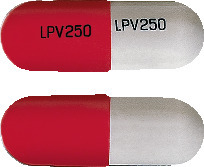
In LPV 250 mg capsules are red and grey printed with "LPV250" on both cap and body. They are available in packs of 50.

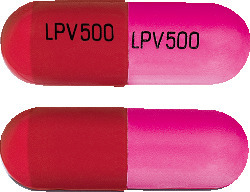
LPV 500 mg capsules are red and pink printed with "LPV500" on both cap and body. They are available in packs of 50.

Ingredients

Active ingredient:

LPV capsules contain either 250 mg or 500 mg of the active phenoxymethylpenicillin (as potassium).

Inactive ingredients:

  • gelatin
  • brilliant blue FCF
  • sunset yellow FCF
  • erythrosine
  • titanium dioxide
  • magnesium stearate
  • opacode black A-10259
  • carbon black (250 mg capsule only).

LPV does not contain gluten, sucrose or tartrazine.

Sponsor

iNova Pharmaceuticals (Australia) Pty Limited
ABN: 13 617 871 539
Level 10, 12 Help Street
Chatswood NSW 2067
Tel: 1800 630 056

™= Registered Trademark

Australian Registration Numbers:
500 mg capsule: AUST R 66511
250 mg capsule: AUST R 66510

This leaflet was prepared in December 2009 and updated in November 2017.

Published by MIMS February 2018

BRAND INFORMATION

Brand name

LPV

Active ingredient

Phenoxymethylpenicillin

Schedule

S4


1 Name of Medicine

Phenoxymethylpenicillin.

2 Qualitative and Quantitative Composition

Phenoxymethylpenicillin potassium is a white or almost white, crystalline powder, freely soluble in water and practically insoluble in ethanol (96%).
LPV capsules contain either 250 mg or 500 mg of the active phenoxymethylpenicillin (as potassium). They also contain magnesium stearate, gelatin, erythrosine, sunset yellow FCF, brilliant blue FCF, titanium dioxide and opacode black A-10259S-1-8115 black. The 250 mg capsule also contains carbon black.

Excipients with known effects.

LPV 250 mg capsules contain 28 mg potassium per capsule and LPV 500 mg capsules contain 55 mg potassium per capsule.
For the full list of excipients, see Section 6.1 List of Excipients.

3 Pharmaceutical Form

LPV phenoxymethylpenicillin 250 mg (as potassium) capsule blister pack - capsules with a opaque red cap and opaque grey body printed with "LPV250" in black ink on cap and body.
LPV phenoxymethylpenicillin 500 mg (as potassium) capsule blister pack - capsules with a red opaque top and pink body; both printed with "LPV500" in black ink.

4 Clinical Particulars

4.1 Therapeutic Indications

Penicillin V potassium is indicated in the treatment of mild to moderately severe infections due to penicillin V sensitive microorganisms. Therapy should be guided by bacteriological studies (including sensitivity tests) and by clinical response.

Note.

Severe pneumonia, empyema, bacteraemia, pericarditis, meningitis and arthritis should not be treated with penicillin V during the acute stage.
Indicated surgical procedures should be performed.
The following infections will usually respond to adequate dosage of penicillin V.

Streptococcal infections (without bacteraemia).

Mild to moderate infections of the upper respiratory tract, scarlet fever and mild erysipelas.

Note.

Streptococci in groups A, C, G, H, L and M are very sensitive to penicillin. Other groups, including group D (Enterococcus), are resistant.

Pneumococcal infections.

Mild to moderately severe infections of the respiratory tract.

Fusospirochetosis (Vincent's gingivitis and pharyngitis).

Mild to moderately severe infections of the oropharynx usually respond to therapy with oral penicillin.

Note.

Necessary dental care should be accomplished in infections involving the gum tissue.

Medical conditions in which oral penicillin therapy is indicated as prophylaxis.

For the prevention of recurrence following rheumatic fever and/or chorea. Prophylaxis with oral penicillin on a continuing basis has proven effective in preventing recurrence of these conditions. To prevent bacterial endocarditis in patients with congenital and/or rheumatic heart lesions who are to undergo dental procedures or minor upper respiratory tract surgery or instrumentation, prophylaxis should be instituted on the day of the procedure and for 2 or more days following. Patients who have a past history of rheumatic fever and are receiving continuous prophylaxis may harbour increased numbers of penicillin resistant organisms; use of another prophylactic anti-infective agent should be considered. If penicillin is to be used in these patients at surgery, the regular rheumatic fever program should be interrupted 1 week prior to the contemplated surgery. At the time of surgery, penicillin may be reinstituted as a prophylactic measure against the hazards of surgically induced bacteraemia.

Note.

Oral penicillin should not be used as adjunctive prophylaxis for genitourinary instrumentation or surgery, lower intestinal tract surgery, sigmoidoscopy and complications of childbirth.

4.2 Dose and Method of Administration

The dosage of penicillin V should be determined according to the sensitivity of the causative microorganisms and the severity of infection, and adjusted to the clinical response of the patient.
The usual dosage recommendations for adults and children 12 years and over are as follows.

Streptococcal infections.

Mild to moderately severe, of the upper respiratory tract and including scarlet fever and erysipelas: 125 to 250 mg every 6 to 8 hours for 10 days.

Pneumococcal infections.

Mild to moderately severe, of the respiratory tract, including otitis media: 250 to 500 mg every 6 hours until the patient has been afebrile for at least 2 days.

Fusospirochetosis (Vincent's gingivitis) of the oropharynx.

Mild to moderately severe infections: 250 to 500 mg every 6 to 8 hours.

For the prevention of recurrence following rheumatic fever and/or chorea.

125 to 250 mg twice daily on a continuing basis.

To prevent bacterial endocarditis in patients with rheumatic or congenital heart lesions who are to undergo dental or upper respiratory tract surgery or instrumentation.

Adults.

2 gram orally 30 minutes to 1 hour prior to the procedure and then 500 mg orally every 6 hours for 8 doses.

Children.

For those weighing 25 kg or more, use adult dose recommendations (see above). For those weighing less than 25 kg, use 1 gram orally 30 minutes to 1 hour prior to the procedure and then 250 mg orally every 6 hours for 8 doses.

4.3 Contraindications

A previous hypersensitivity reaction to any penicillin.

4.4 Special Warnings and Precautions for Use

Warnings.

Serious and occasionally fatal hypersensitivity (anaphylactoid) reactions have been reported in patients on penicillin therapy. Although anaphylaxis is more frequent following parenteral therapy, it has occurred in patients on oral penicillins. These reactions are more apt to occur in individuals with a history of sensitivity to multiple allergens.
There have been well documented reports of individuals with a history of penicillin hypersensitivity reactions who have experienced severe hypersensitivity reactions when treated with a cephalosporin. Before therapy with a penicillin, careful inquiry should be made concerning previous hypersensitivity reactions to penicillins, cephalosporins and other allergens. If an allergic reaction occurs, the drug should be discontinued and the patient treated with the usual agents e.g. pressor amines, antihistamines and corticosteroids.
Antibiotic associated pseudomembranous colitis has been reported with many antibiotics including LPV. A toxin produced by Clostridium difficile appears to be the primary cause. The severity of the colitis may range from mild to life threatening. It is important to consider this diagnosis in patients who develop diarrhoea or colitis in association with antibiotic use (this may occur up to several weeks after cessation of antibiotic therapy). Mild cases usually respond to drug discontinuation alone. However, in moderate to severe cases, appropriate therapy with a suitable oral antibacterial agent effective against Clostridium difficile should be considered. Fluids, electrolytes and protein replacement should be provided when indicated. Drugs which delay peristalsis, e.g. opiates and diphenoxylate with atropine (e.g. Lomotil), may prolong and/or worsen the condition and should not be used.

Precautions.

Penicillin should be used with caution in individuals with histories of significant allergies and/or asthma. The oral route of administration should not be relied upon in patients with severe illness, or with nausea, vomiting, gastric dilatation, cardiospasm or intestinal hypermotility.
Occasional patients will not absorb therapeutic amounts of orally administered penicillin. In streptococcal infections, therapy must be sufficient to eliminate the organism (10 day minimum), otherwise the sequelae of streptococcal disease may occur. Cultures should be taken following completion of treatment to determine whether Streptococci have been eradicated.
Prolonged use of antibiotics may promote the overgrowth of nonsusceptible organisms, including fungi. Should superinfection occur, appropriate measures should be taken.

Use in the elderly.

No data available.

Paediatric use.

No data available.

Effects on laboratory tests.

No data available.

4.5 Interactions with Other Medicines and Other Forms of Interactions

No data available.

4.6 Fertility, Pregnancy and Lactation

Effects on fertility.

No data available.
(Category A)
No data available.
No data available.

4.7 Effects on Ability to Drive and Use Machines

The effects of this medicine on a person's ability to drive and use machines were not assessed as part of its registration.

4.8 Adverse Effects (Undesirable Effects)

Although the incidence of reactions to oral penicillins has been reported with much less frequency than following parenteral therapy, it should be remembered that all degrees of hypersensitivity, including fatal anaphylaxis, have been reported with oral penicillin.
The most common reactions to oral penicillin are nausea, vomiting, epigastric distress, diarrhoea and black hairy tongue. The hypersensitivity reactions reported are skin eruptions (maculopapular to exfoliative dermatitis), urticaria and other serum sickness-like reactions, laryngeal oedema and anaphylaxis. Fever and eosinophilia may frequently be the only reaction observed. Haemolytic anaemia, leukopenia, thrombocytopenia, neuropathy and nephropathy are infrequent reactions and are usually associated with high doses of parenteral penicillin.

Reporting suspected adverse effects.

Reporting suspected adverse reactions after registration of the medicinal product is important. It allows continued monitoring of the benefit-risk balance of the medicinal product. Healthcare professionals are asked to report any suspected adverse reactions at www.tga.gov.au/reporting-problems.

4.9 Overdose

For information on the management of overdose, contact the Poisons Information Centre on 13 11 26 (Australia).

5 Pharmacological Properties

5.1 Pharmacodynamic Properties

Mechanism of action.

Microbiology.

Penicillin V exerts a bactericidal action against penicillin sensitive microorganisms during the stage of active multiplication. It acts through the inhibition of biosynthesis of cell wall mucopeptide. It is not active against the beta-lactamase producing bacteria, which include many strains of Staphylococci. The drug exerts high in vitro activity against Staphylococci (except beta-lactamase producing strains), Streptococci (groups A, C, G, H, L and M) and pneumococci. Other organisms sensitive in vitro to penicillin V are Corynebacterium diphtheriae, Bacillus anthracis, Clostridia, Actinomyces bovis, Streptobacillus moniliformis, Listeria monocytogenes, Leptospira and Neisseria gonorrhoeae. Treponema pallidum is extremely sensitive.

Clinical trials.

No data available.

5.2 Pharmacokinetic Properties

The potassium salt of penicillin V has the distinct advantage over penicillin G in resistance to inactivation by gastric acid. It may be given with meals; however, blood levels are slightly higher when the drug is given on an empty stomach. Average blood levels are two to five times higher than the levels following the same dose of oral penicillin G and also show much less individual variation. Once absorbed, penicillin V is about 80% bound to serum protein. Tissue levels are highest in the kidneys, and the cerebrospinal fluid. The drug is excreted as rapidly as it is absorbed in individuals with normal kidney function; however, recovery of the drug from the urine indicates that only about 25% of the dose given is absorbed. In neonates, young infants and individuals with impaired kidney function, excretion is considerably delayed.

5.3 Preclinical Safety Data

Genotoxicity.

No data available.

Carcinogenicity.

No data available.

6 Pharmaceutical Particulars

6.1 List of Excipients

See Section 2 Qualitative and Quantitative Composition.

6.2 Incompatibilities

Incompatibilities were either not assessed or not identified as part of the registration of this medicine.

6.3 Shelf Life

In Australia, information on the shelf life can be found on the public summary of the Australian Register of Therapeutic Goods (ARTG). The expiry date can be found on the packaging.

6.4 Special Precautions for Storage

Store below 25°C.

6.5 Nature and Contents of Container

250 mg.

Pack of 50.

500 mg.

Pack of 50.

6.6 Special Precautions for Disposal

In Australia, any unused medicine or waste material should be disposed of by taking to your local pharmacy.

6.7 Physicochemical Properties

Chemical structure.


Chemical name: potassium salt of (2S,5R,6R)-3,3-dimethyl-7-oxo-6-[(phenoxyacetyl)amino]-4-thia-1-azabicyclo[3.2.0]heptane-2-carboxylic acid.
Molecular formula is C16H17KN2O5S (molecular weight: 388.5).

CAS number.

54-35-3.

7 Medicine Schedule (Poisons Standard)

(S4) Prescription Only Medicine.

Summary Table of Changes