


Consumer medicine information

Maxor Heartburn Relief

Omeprazole

BRAND INFORMATION

Brand name

Maxor Heartburn Relief

Active ingredient

Omeprazole

Schedule

S3


Consumer medicine information (CMI) leaflet

Please read this leaflet carefully before you start using Maxor Heartburn Relief.

What is in this leaflet

This leaflet answers some common questions about Maxor Heartburn Relief.

It does not contain all of the available information. It does not take the place of talking to your doctor or pharmacist.

All medicines have benefits and risks. Your doctor or pharmacist has weighed the risks of you taking Maxor Heartburn Relief against the benefits they expect it will have for you.

If you have any concerns about taking this medicine, talk to your doctor or pharmacist.

Keep this leaflet with your medicine. You may need to read it again.

What Maxor Heartburn Relief is used for

Gastro-oesophageal reflux disease (GORD)

Maxor Heartburn Relief is used for the relief of heartburn and stomach acid complaints due to gastro-oesophageal reflux disease (GORD). This can be caused by "washing back" (reflux) of food and acid from the stomach into the oesophagus (food pipe).

Reflux can cause a burning feeling in the chest rising up to the throat, known as heartburn.

Who should use Maxor Heartburn Relief

Maxor Heartburn Relief is recommended for:

  • adults 18 years of age and over who suffer from heartburn at least 2 times a week.

Maxor Heartburn Relief is not the right medicine for you if you suffer heartburn only occasionally (one episode of heartburn a week or less), or if you want immediate relief of heartburn.

How Maxor Heartburn Relief works

Maxor Heartburn Relief belongs to a group of medicines called proton pump inhibitors. It works by reducing the amount of acid made by the stomach. This helps reduce pain and also allows any damage to heal. This does not stop food being digested in the normal way.

Follow all directions given to you by your doctor carefully. They may differ from the information contained in this leaflet.

Ask your doctor if you have any questions about why this medicine has been prescribed for you. Your doctor may prescribe this medicine for another reason.

Maxor Heartburn Relief is not recommended for use in children, as there is no experience with Maxor Heartburn Relief capsules in children.

Maxor Heartburn Relief is available only from your pharmacist or doctor. It can be purchased directly from your local pharmacy without a doctor's prescription.

There is no evidence that Maxor Heartburn Relief is addictive.

Before you take Maxor Heartburn Relief

When you must not take it

Do not take Maxor Heartburn Relief if you have an allergy to:

  • medicines containing omeprazole or any of the ingredients listed at the end of this leaflet
  • any medicine containing a proton-pump inhibitor.

Some of the symptoms of an allergic reaction may include skin rash, fever, wheezing, swelling of the face, lips, mouth, tongue or throat which may cause difficulty in swallowing or breathing.

Do not take Maxor Heartburn Relief if you are currently taking cilostazol (Pletal), a medicine used to treat cramping pain and weakness in legs. Please check with your doctor or pharmacist if you are taking cilostazol. This medicine will be affected by Maxor Heartburn Relief.

Do not give Maxor Heartburn Relief to children and adolescents under 18 years of age.

Do not take this medicine after the expiry date printed on the pack or if the packaging is torn or shows signs of tampering. If it has expired or is damaged, return it to your pharmacist for disposal.

If you are not sure whether you should start taking this medicine, talk to your doctor or pharmacist.

Before you start to take it

Tell your doctor or pharmacist if:

  • you have allergies to any other medicines, foods, dyes or preservatives
  • you have had to take other medication for indigestion or heartburn continuously for four or more weeks in order to control your symptoms
  • you have recently (within the last two weeks) finished a course of Maxor Heartburn Relief or a similar medicine
  • you have any problems with your liver
  • you have any other medical conditions
  • you have been diagnosed with osteoporosis
  • if you have ever had a skin reaction after treatment with a medicine similar to Maxor that reduces stomach acid.

Do not take Maxor Heartburn Relief if you are pregnant or breastfeeding unless your doctor says so. Ask your doctor about the risks and benefits involved.

It is not known if it is safe for you to take Maxor Heartburn Relief while you are pregnant. It may affect your baby.

It is not known if your baby can take in Maxor Heartburn Relief from breast milk if you are breastfeeding.

If you have not told your doctor or pharmacist about any of the above, tell them before you start taking Maxor Heartburn Relief.

If you have suffered from frequent heartburn/indigestion symptoms for some time you should see your doctor.

Taking other medicines

Do not take Maxor Heartburn Relief if you are taking the following medicine:

  • cilostazol (Pletal), a medicine used to treat cramping pain and weakness in legs.

Tell your doctor or pharmacist if you are taking any other medicines, including any that you buy without a prescription from a pharmacy, supermarket or health food shop.

Some medicines and Maxor Heartburn Relief may interfere with each other. These include:

  • phenytoin, a medicine used to treat epilepsy or fits
  • warfarin and clopidogrel, medicines used to prevent blood clots
  • digoxin, a medicine used to treat heart conditions
  • diazepam, a medicine used to treat anxiety and some other conditions
  • St John's Wort, a herbal remedy used to treat mood disorders
  • ketoconazole, itraconazole or voriconazole, medicines used to treat certain fungal infections
  • clarithromycin or rifampicin, medicines used to treat bacterial infections
  • atazanavir or nelfinavir, medicines used to treat viral infections such as HIV
  • tacrolimus and mycophenolate mofetil - medicines used to assist in organ transplants
  • methotrexate, a medicine used to treat arthritis and some types of cancer
  • erlotinib or related medicines used to treat cancer.

These medicines may be affected by Maxor Heartburn Relief or may affect how well it works. You may need different amounts of your medicines, or you may need to take different medicines.

Your doctor and pharmacist have more information on medicines to be careful with or avoid while taking this medicine.

If you have not told your doctor about any of the above, tell them before you start taking Maxor.

How to take Maxor Heartburn Relief

Follow all directions given to you by your doctor and pharmacist carefully. They may differ from the information contained in this leaflet or the instructions on the box.

If you do not understand the instruction on the box, ask your doctor or pharmacist for help.

How much to take

The required dose is one Maxor Heartburn Relief capsule a day (every 24 hours).

How to take it

Swallow the capsules whole with a glass of water with or without food.

Do not crush or chew the capsules. If the granules in the capsules are crushed or chewed they will not work properly.

When to take it

Take Maxor Heartburn Relief at the same time each day.

How long to take it for

Maxor Heartburn Relief should be taken for at least 7 days, and up to 14 days. You should not take it for more than 14 days unless directed by a doctor.

Tell your doctor or pharmacist if your symptoms return. You may need further treatment with omeprazole.

If you forget to take it

If it is almost time for your next dose, skip the dose you missed and take your next dose when you are meant to.

Otherwise, take the missed dose as soon as you remember, and then go back to taking your capsules as you would normally.

Do not take a double dose to make up for the dose you missed.

If you are not sure what to do, ask your doctor or pharmacist.

If you have trouble remembering when to take your medicine, ask your pharmacist for some hints.

If you take too much (overdose)

Immediately telephone your doctor or the Poisons Information Centre (telephone 13 11 26) for advice, or go to Accident and Emergency at the nearest hospital, if you think you or anyone else may have taken too much Maxor Heartburn Relief. Do this even if there are no signs of discomfort or poisoning. You may need urgent medical attention.

Symptoms of an overdose may include nausea, vomiting, dizziness, stomach pain, diarrhoea, headache and confusion.

While you are taking Maxor Heartburn Relief

Things you must do

If you are about to be started on any new medicine, remind your doctor and pharmacist that you are taking Maxor Heartburn Relief.

Tell any other doctors, dentists and pharmacists who treat you that you are taking this medicine.

If you become pregnant while taking Maxor Heartburn Relief, tell your doctor or pharmacist immediately.

Things you must not do

Do not take Maxor Heartburn Relief to treat any other complaints unless your doctor or pharmacist tells you to.

Do not give your medicine to anyone else, even if they have the same condition as you.

Things that may help your condition

Some self-help actions suggested below may help your condition. Talk to your doctor or pharmacist about these and ask for more information.

  • Alcohol - your doctor or pharmacist may advise you to limit your alcohol intake
  • Aspirin and similar medicines used to treat, for example, arthritis, period pain or headache - these medicines may irritate the stomach and may make your condition worse. Your doctor or pharmacist can suggest other medicines you may take
  • Caffeine - your doctor or pharmacist may advise you to limit the number of drinks you take which contain caffeine, such as coffee, tea, cocoa and cola drinks, because they contain ingredients that may irritate the stomach
  • Eating habits - consider eating smaller quantities at regular meal times. Do not skip meals. Eat slowly and chew your food carefully. Try not to rush at meal times
  • Smoking - your doctor or pharmacist is likely to advise you to stop smoking or at least cut down the number of cigarettes you smoke. Ask for advice on how they can help you do this
  • Weight - if you are overweight, your doctor or pharmacist may suggest that you lose some weight to help your condition.

Side effects

Tell your doctor or pharmacist as soon as possible if you do not feel well while you are taking Maxor Heartburn Relief.

Like all other medicines, Maxor Heartburn Relief may have unwanted side effects in some people. Sometimes they are serious, most of the time they are not. You may need medical attention if you get some of the side effects.

Ask your doctor or pharmacist to answer any questions you may have.

Do not be alarmed by this list of possible side effects. You may not experience any of them.

Tell your doctor or pharmacist if you notice any of the following and they worry you:

  • constipation or diarrhoea
  • nausea (feeling sick) or vomiting
  • headache
  • skin rash, itchy skin
  • wind
  • stomach pain
  • dizziness
  • dry or sore mouth

These side effects are usually mild and short-lived.

Tell your doctor or pharmacist as soon as possible if you notice any of the following:

  • muscle pain or weakness, joint pain
  • tingling or numbness of the hands or feet, pins and needles
  • changes in sleep patterns
  • mood changes, confusion or depression
  • blurred vision
  • increase in breast size (males)
  • fever
  • increased bruising or bleeding
  • increased sweating
  • hair loss
  • tremor
  • signs of frequent infections such as fever, severe chills, sore throat or mouth ulcers.
  • Worsening of acid related symptoms as a result of stopping your heartburn medicine

The above list includes serious side effects which may require medical attention. Serious side effects are rare.

Tell your doctor or pharmacist immediately or go to Accident and Emergency at the nearest hospital if you notice any of the following:

  • swelling of the face, lips, mouth, tongue or throat which may cause difficulty in swallowing or breathing
  • shortness of breath or difficulty in breathing
  • severe skin reaction which may include rash, itching, redness, blistering and peeling of the skin
  • ulcers, blisters or bleeding of the lips, eyes, mouth, nose and genitals
  • blood in the urine
  • swelling of hands, feet or ankles
  • signs of liver inflammation including yellowing of the skin or eyes, feeling generally unwell, nausea, vomiting, loss of appetite.
  • skin reaction, especially in sun-exposed areas, with joint pain

The above list includes very serious side effects. You may need urgent medical attention or hospitalisation. These side effects are very rare.

Occasionally Maxor Heartburn Relief may be associated with changes in your liver or blood, which may require your doctor to do certain blood tests.

Tell your doctor or pharmacist if you notice anything that is making you feel unwell.

Other side effects not listed above may also occur in some people.

Some health problems may arise from the condition being treated itself, rather than the treatment. For this reason, contact your doctor or pharmacist immediately if you notice any of the following:

  • pain or indigestion which occurs during treatment with Maxor Heartburn Relief
  • vomiting blood or food
  • passing black or blood-stained motions.

After taking Maxor Heartburn Relief

Storage

Keep your capsules in their original pack, until it is time to take them. If you take the capsules out of the pack, they may not keep well.

Keep your capsules in a cool, dry place where the temperature stays below 25°C.

Do not store Maxor Heartburn Relief or any other medicine in the bathroom or near a sink. Do not leave it in the car or on a window sill. Heat and dampness can destroy some medicines.

Keep it where children cannot reach it. A locked cupboard at least one-and-a-half metres above the ground is a good place to store medicines.

Disposal

If your doctor or pharmacist tells you to stop taking this medicine or the expiry date has passed, ask your pharmacist what to do with any medicine that is left over.

Product description

What it looks like

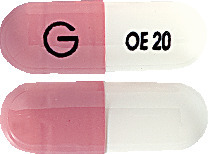
Maxor Heartburn Relief is a pale white and pale pink enteric capsule marked G/OE 20.

Each blister pack contains 14 enteric capsules.

Ingredients

The active ingredient in Maxor Heartburn Relief is omeprazole. Each Maxor Heartburn Relief enteric capsule contains 20 mg of omeprazole.

The enteric capsules also contain:

  • sucrose
  • maize starch
  • hypromellose
  • purified talc
  • dibasic sodium phosphate dihydrate
  • methacrylic acid copolymer
  • triethyl citrate
  • gelatin
  • iron oxide black CI77499
  • iron oxide red CI77491
  • erythrosine CI45430
  • titanium dioxide
  • TekPrint SW-9008 black ink.

Maxor Heartburn Relief enteric capsules are gluten free.

Supplier

Maxor Heartburn Relief is supplied in Australia by:

Alphapharm Pty Ltd
Level 1 - 30 The Bond
30 - 34 Hickson Road
Millers Point NSW 2000
www.mylan.com.au

Australian registration number:

Maxor Heartburn Relief - AUST R 180913

This leaflet was prepared in March 2022.

Maxor Heartburn Relief_cmi\Mar22/00

Published by MIMS April 2022
BRAND INFORMATION

Brand name

Maxor Heartburn Relief

Active ingredient

Omeprazole

Schedule

S3


1 Name of Medicine

Omeprazole.

2 Qualitative and Quantitative Composition

Each Maxor Heartburn Relief enteric capsule contains 20 mg of omeprazole.

Excipients with known effect.

Sugars and trace quantities of sulfites.
For the full list of excipients, see Section 6.1 List of Excipients.

3 Pharmaceutical Form

Maxor Heartburn Relief omeprazole 20 mg enteric capsule.

Opaque pink cap and opaque white body capsule #2, printed G/OE20 containing white to slightly beige spherical pellets.

4 Clinical Particulars

4.1 Therapeutic Indications

Maxor Heartburn Relief is indicated for the symptomatic relief of frequent heartburn (more than twice a week) and other symptoms associated with GORD.

4.2 Dose and Method of Administration

Maxor Heartburn Relief capsules should be swallowed whole (not broken or chewed) with water.

Symptomatic GORD.

Adults (≥ 18 years).

The recommended dose for symptomatic relief of GORD is one Maxor Heartburn Relief 20 mg capsule once daily for 7 - 14 days, depending on the severity and persistence of symptoms.
If symptom control has not been achieved or relapse has occurred after 14 days treatment with Maxor Heartburn Relief 20 mg capsule daily, further investigation is recommended. Use for longer than 14 days should only be on medical advice.
Do not use in children and adolescents below 18 years of age.

Elderly.

No dosage adjustment of Maxor Heartburn Relief is necessary in the elderly.

Hepatic impairment.

The rate of plasma elimination of omeprazole and its metabolites is decreased in patients with liver cirrhosis. However, no accumulation has been observed during the use of the recommended dose of omeprazole 20 mg daily and no adjustment to the normal dosage regime is required (see Section 4.4 Special Warnings and Precautions for Use).

Renal impairment.

The systemic bioavailability of omeprazole is not significantly altered in patients with reduced renal function and no dosage adjustment is required.

4.3 Contraindications

Hypersensitivity to omeprazole, substituted benzimidazoles or any other ingredients of Maxor Heartburn Relief capsules.
Omeprazole, an inhibitor of CYP2C19, is contraindicated in patients taking cilostazol.

4.4 Special Warnings and Precautions for Use

Patients should be referred to their doctor for review if:
They have unintentional weight loss, anaemia, gastrointestinal bleeding, dysphagia, persistent vomiting or vomiting with blood, melaena, haematemesis, gastric ulcer is suspected or present, as treatment with omeprazole may alleviate symptoms and delay diagnosis. In these cases, malignancy should be excluded;
They have had gastrointestinal surgery;
They have had to take other medication for indigestion or heartburn continuously for four or more weeks in order to control their symptoms;
They are being treated for symptomatic GORD and require Maxor Heartburn Relief for more than 14 days;
Their symptoms recur within 14 days of completing a course of Maxor Heartburn Relief;
They have any other significant medical condition.

Undiagnosed malignancy.

As with all antisecretory agents, the presence of any alarm symptom (e.g. significant unintentional weight loss, recurrent vomiting, dysphagia, haematemesis or melaena) and when gastric ulcer is suspected or present, the possibility of malignancy should be excluded before therapy with Maxor Heartburn Relief capsules is instituted, as treatment with omeprazole may alleviate symptoms and delay diagnosis.

Concomitant therapy with clopidogrel.

Results from studies in healthy subjects have shown a pharmacokinetic/pharmacodynamics (PK/PD) interaction between clopidogrel (300 mg loading dose/75 mg daily maintenance dose) and omeprazole (80 mg p.o. daily, i.e. four times the recommended dose) resulting in decreased exposure to the active metabolite of clopidogrel by an average of 46% and resulting in decreased maximum inhibition of (ADP induced) platelet aggregation by an average of 16%. Based on these data, concomitant use of omeprazole and clopidogrel should be avoided (see Section 4.5 Interactions with Other Medicines and Other Forms of Interactions).

Acute interstitial nephritis.

Acute interstitial nephritis has been observed in patients taking proton pump inhibitors (PPIs) including omeprazole. Acute interstitial nephritis may occur at any point during PPI therapy and is generally attributed to idiopathic hypersensitivity reaction. Discontinue omeprazole if acute interstitial nephritis develops.

Cyanocobalamin (vitamin B-12) deficiency.

Daily treatment with acid-suppressing medicines over a long period of time (e.g. longer than 3 years) may lead to malabsorption of cyanocobalamin (vitamin B-12) caused by hypo- or achlorhydria.

Osteoporotic fractures.

Some published case controlled and observational studies suggest that proton-pump inhibitor therapy may be associated with an increased risk for osteoporosis-related fractures.
The risk of fracture was increased in patients who received high-dose, defined as multiple daily doses, and long-term PPI therapy (a year or longer). Patients should use the lowest dose and shortest duration of PPI therapy appropriate to the condition being treated.
Patients at risk for developing osteoporosis or osteoporotic fractures are advised to have appropriate clinical monitoring in accordance with current clinical guidelines for these conditions.

Effects related to acid inhibition.

Decreased gastric acidity due to any means including proton pump inhibitors increases gastric counts of bacteria normally present in the gastrointestinal tract. Treatment with acid-reducing drugs may lead to slightly increased risk of gastrointestinal infections such as Salmonella and Campylobacter and possibly also Clostridium difficile.

Subacute cutaneous lupus erythematosus.

Subacute cutaneous lupus erythematosus (SCLE) has been reported with the use of PPIs. If lesions occur, especially in sun-exposed areas of the skin, and if accompanied by arthralgia, the patient should seek medical help promptly and the health care professional should consider stopping Maxor Heartburn Relief. The occurrence of SCLE with previous PPI treatment may increase the risk of SCLE with other PPIs.

Hypomagnesaemia.

Hypomagnesaemia, symptomatic and asymptomatic, has been reported rarely in patients treated with PPIs. Serious adverse events include tetany, arrhythmias, and seizures. In most patients, treatment of hypomagnesaemia required magnesium replacement and discontinuation of the PPI.
For patients expected to be on prolonged treatment or who take PPIs with medications such as digoxin or drugs that may cause hypomagnesaemia (e.g. diuretics), health care professionals may consider monitoring magnesium levels prior to initiation of PPI treatment and periodically during PPI treatment.
Hypomagnesaemia may lead to hypocalcaemia and/or hypokalaemia (see Section 4.8 Adverse Effects (Undesirable Effects)).

Renal impairment.

Acute tubulointerstitial nephritis (TIN) has been observed in patients taking omeprazole and may occur at any point during omeprazole therapy (see Section 4.8 Adverse Effects (Undesirable Effects)). Acute tubulointerstitial nephritis can progress to renal failure.
Omeprazole should be discontinued in case of suspected TIN, and appropriate treatment should be promptly initiated.

Special patient populations.

Use in hepatic impairment.

Patients with impaired liver function show a markedly increased bioavailability, a reduced total plasma clearance, and up to a four-fold prolongation of the elimination half-life. However, urinary recovery over 96 hours remains unchanged indicating no accumulation of omeprazole or its metabolites. The normal dose of omeprazole 20 mg daily may be used in patients with severe liver disease (see Section 4.2 Dose and Method of Administration).

Use in the elderly.

See Section 4.2 Dose and Method of Administration.

Paediatric use.

There is no experience with Maxor Heartburn Relief in children.

Effects on laboratory tests.

Chromogranin A (CgA) increases due to decreased gastric acidity. The increased CgA level may interfere with investigations for neuroendocrine tumours. Literature reports indicate that proton pump inhibitor treatment should be stopped 5 to 14 days before CgA measurement. Measurements should be repeated if levels have not normalised by this time.

CYP2C19 enzyme.

Approximately 3% of the Caucasian population and 15 to 20% of the Asian population lack a functional CYP2C19 enzyme and are called poor metabolisers.
In these individuals the metabolism of omeprazole is most likely catalysed by CYP3A4. After repeated once-daily administration of 20 mg omeprazole, the mean AUC was 5 to 10 times higher in poor metabolisers than in subjects having a functional CYP2C19 enzyme (extensive metabolisers). Mean peak plasma concentrations were also 3 to 5 times higher. The implications of these findings need to be addressed from a clinical perspective.

4.5 Interactions with Other Medicines and Other Forms of Interactions

Omeprazole is metabolised via the hepatic cytochrome P-450 system (CYP2C19) and may be expected to interact with the pharmacokinetics of other drugs metabolised by this system.

Effects of omeprazole on other drugs.

Diazepam.

Following dosing with omeprazole 40 mg once daily, the clearance of diazepam was decreased by 54% and the mean elimination half-life of diazepam was increased 130% with a consequent significant increase in plasma diazepam concentrations. For omeprazole 20 mg, the clearance of diazepam was decreased by approximately 25% in the majority of the population, while no change was detected in poor metabolisers. Consideration should be given to a reduction in diazepam dosage, when Maxor Heartburn Relief are co-prescribed.

Phenytoin.

Omeprazole 40 mg daily for 7 days reduced plasma clearance of IV phenytoin by 15 to 20% and increased the elimination half-life by 27%. Monitoring of patients receiving phenytoin is recommended and a reduction of the phenytoin dose may be necessary. In a study that administered omeprazole 20 mg to epileptic patients, steady state plasma levels of phenytoin were unchanged during omeprazole treatment.

Warfarin.

Concomitant administration of omeprazole 20 mg to patients on continuous treatment with warfarin caused a slight though statistically significant increase in the plasma concentration of the R-enantiomer of warfarin. Plasma concentrations of the more potent S-enantiomer were not affected. No change in warfarin's anticoagulant activity was observed.
In patients receiving warfarin or other vitamin K antagonists, monitoring of INR is recommended and a reduction of the warfarin (or other vitamin K antagonist) dose may be necessary.

Cilostazol.

Omeprazole 40 mg daily for 7 days increased Cmax and AUC for cilostazol by 18% and 26% respectively, and one of its active metabolites by 29% and 69% respectively (see Section 4.3 Contraindications).

Methotrexate.

When given together with proton pump inhibitors, methotrexate levels have been reported to increase in some patients. In high-dose methotrexate administration a temporary withdrawal of omeprazole may need to be considered.

Antiretroviral drugs.

Concomitant administration with omeprazole and drugs such as atazanavir and nelfinavir is not recommended.
Omeprazole has been reported to interact with some antiretroviral drugs. The clinical importance and the mechanisms behind these interactions are not always known. Increased gastric pH during omeprazole treatment may change the absorption of the antiretroviral drug. Other possible interaction mechanisms are via CYP 2C19. For some antiretroviral drugs, such as atazanavir and nelfinavir, decreased serum levels have been reported when given together with omeprazole. For other antiretroviral drugs, such as saquinavir, elevated serum levels have been reported. There are also some antiretroviral drugs of which unchanged serum levels have been reported when given with omeprazole.

Clopidogrel.

Results from studies in healthy subjects have shown a pharmacokinetic/ pharmacodynamic (PK/PD) interaction between clopidogrel (300 mg loading dose/75 mg daily maintenance dose) and omeprazole (80 mg p.o. daily i.e. four times the recommended dose) resulting in a decreased exposure of to the active metabolite of clopidogrel by an average of 46% and resulting in decreased maximum inhibition of (ADP induced) platelet aggregation by an average of 16%. Based on these data, concomitant use of omeprazole and clopidogrel should be avoided.
When clopidogrel was given together with a fixed dose combination of esomeprazole 20 mg + ASA 81 mg compared to clopidogrel alone in a study in healthy subjects there was a decreased exposure by almost 40% of the active metabolite of clopidogrel. However, the maximum levels of inhibition of (ADP induced) platelet aggregation in these subjects were similar in the clopidogrel and the clopidogrel + the combined (esomeprazole + ASA) product groups.
There are both observational and clinical studies on the clinical implications of a PK/PD interaction (with proton pump inhibitors, including omeprazole) investigating the number of major cardiovascular events when clopidogrel and proton pump inhibitors are given concomitantly.

Tacrolimus.

Concomitant administration of omeprazole and tacrolimus may increase the serum levels of tacrolimus.

Medicinal products with pH dependent absorption.

The decreased intragastric acidity during treatment with omeprazole, might increase or decrease the absorption of drugs if the mechanism of absorption is influenced by gastric acidity.
Omeprazole produces a profound and sustained inhibition of gastric acid secretion. The absorption of compounds whose absorption depends on gastric pH (e.g. ketoconazole, itraconazole, erlotinib, etc.) may decrease and the absorption of drugs such as digoxin can increase during treatment with omeprazole. Concomitant treatment with omeprazole (20 mg daily) and digoxin in healthy subjects increased the bioavailability of digoxin by 10% (up to 30% in two out of ten subjects).
Co-administration of omeprazole in healthy subjects and in transplant patients receiving mycophenolate mofetil has been reported to reduce exposure to the active metabolite, mycophenolic acid. This is possibly due to a decrease in mycophenolate mofetil solubility at an increased gastric pH. The clinical relevance of reduced mycophenolic acid exposure on organ rejection has not been established in transplant patients receiving omeprazole and mycophenolate mofetil. Use omeprazole with caution in transplant patients receiving mycophenolate mofetil.

Effects of other drugs on omeprazole.

Drugs known to induce CYP2C19 or CYP3A4 or both (such as rifampicin and St John's wort) may lead to decreased omeprazole serum levels by increasing the rate of metabolism of omeprazole.
Drugs known to inhibit CYP2C19 or CYP3A4 or both (such as clarithromycin or voriconazole) may lead to increased omeprazole serum levels by decreasing the rate of metabolism of omeprazole.

Voriconazole.

Concomitant administration of omeprazole and the CYP2C19 and CYP3A4 inhibitor, voriconazole, resulted in more than doubling of the omeprazole exposure.

Clarithromycin.

Plasma concentrations of omeprazole are increased during concomitant administration.

Potential interactions that have been excluded.

Results from a range of in vivo interaction studies with omeprazole versus other drugs indicate that omeprazole 20 to 40 mg, given repeatedly, has no influence on any other relevant isoforms of CYP, as shown by the lack of metabolic interaction with substrates for CYP1A2 (caffeine, phenacetin, theophylline), CYP2C9 (S-warfarin, piroxicam, diclofenac and naproxen), CYP2D6 (metoprolol, propranolol), CYP2E1 (ethanol), and CYP3A (ciclosporin, lidocaine), quinidine and estradiol).

4.6 Fertility, Pregnancy and Lactation

Effects on fertility.

There was no evidence of an adverse effect on fertility following administration of omeprazole to male and female rats at doses up to 320 mg/kg/day orally (16-fold anticipated exposure at the clinical oral dose of 40 mg/day, based on plasma AUC) and 100 mg/kg/day intravenously (14-fold anticipated exposure at the clinical intravenous dose of 40 mg/day, based on plasma AUC). Oral administration to male rats prior to mating and to female rats prior to and throughout gestation at 7-fold clinical exposure was associated with embryofoetal toxicity.
(Category B3)
Australian Categorisation Definition of B3: Drugs which have been taken by only a limited number of pregnant women and women of childbearing age, without an increase in the frequency of malformation or other direct or indirect harmful effects on the human fetus having been observed. Studies in animals have shown evidence of an increased occurrence of fetal damage, the significance of which is considered uncertain in humans.
Results from three prospective epidemiological studies indicate that whilst there was no increase in the overall malformation rates compared with controls, the data indicated a potentially higher rate of cardiac defects in the omeprazole group.
There was no evidence of teratogenicity following administration of omeprazole to pregnant rats and rabbits during the period of organogenesis. Doses in rats were associated with systemic exposures of up to 16- and 14-fold (oral and intravenous administration, respectively) the anticipated exposure at the clinical dose of 40 mg/day (based on plasma AUC). Studies in rats did not demonstrate embryotoxicity apart from increased locomotor activity in prenatally exposed offspring at systemic exposures approximating clinical exposure, based on plasma AUC. In rabbits, oral doses were associated with systemic exposure less than clinical exposure (plasma AUC) and intravenous doses were up to 13-fold the 40 mg/day clinical dose (on a mg/m2 basis). Embryofoetal toxicity and maternotoxicity occurred at doses associated with less than clinical exposures.
Although omeprazole and its metabolites are excreted in the milk of nursing female rats, it is not known if omeprazole or its metabolites appear in human breast milk. In rats, reduced offspring postpartum growth rate was observed following administration of omeprazole during late gestation and throughout lactation at oral doses of 138 mg/kg/day and above (7-fold anticipated exposure at the clinical dose of 40 mg/day, based on plasma AUC) and intravenous doses of 3.2 mg/kg/day and above (less than clinical exposure). Therefore, it is recommended that omeprazole not be used during breast feeding.

4.7 Effects on Ability to Drive and Use Machines

No effects have been observed.

4.8 Adverse Effects (Undesirable Effects)

Omeprazole is well tolerated. Most adverse reactions have been mild and transient and there has been no consistent relationship with treatment.
Adverse reactions within each body system are listed in descending order of frequency (Very common: ≥ 10%; common: ≥ 1% and < 10%; uncommon: ≥ 0.1% and < 1%; rare: ≥ 0.01% and < 0.1%; very rare: < 0.01%).
These include the following:

Blood and lymphatic disorders.

Rare: leukopenia, thrombocytopenia, agranulocytosis, pancytopenia.

Immune system disorders.

Rare: hypersensitivity reactions (e.g. fever, angioedema, anaphylactic reaction/shock).

Metabolism and nutrition disorders.

Rare: hyponatraemia. Very rare: weight increase, hypomagnesaemia and hypokalaemia (reported in children). Hypomagnesaemia may result in hypokalaemia and/or hypocalcaemia.

Psychiatric disorders.

Uncommon: insomnia. Rare: agitation, aggression, reversible mental confusion, depression, hallucinations.

Nervous system disorders.

Common: headache. Uncommon: dizziness, paraesthesia, somnolence. Rare: taste disturbance.

Eye disorders.

Rare: blurred vision.

Ear and labyrinth disorders.

Uncommon: vertigo.

Respiratory, thoracic and mediastinal disorders.

Rare: bronchospasm. Very rare: dyspnoea.

Gastrointestinal disorders.

Common: abdominal pain, constipation, diarrhoea, flatulence, nausea/vomiting. Rare: dry mouth, stomatitis, gastrointestinal candidiasis, microscopic colitis. Very rare: dyspepsia, haemorrhagic necrotic gastritis (reported in children).
Frequency not known: withdrawal of long-term PPI therapy can lead to aggravation of acid-related symptoms and may result in rebound acid hypersecretion.

Hepatobiliary disorders.

Uncommon: increased liver enzymes. Rare: hepatitis with or without jaundice, hepatic failure, encephalopathy in patients with pre-existing liver disease.

Skin and subcutaneous tissue disorders.

Uncommon: dermatitis, pruritus, rash, urticaria. Rare: alopecia, photosensitivity, erythema multiforme, Stevens-Johnson syndrome, toxic epidermal necrolysis (TEN), acute generalised exanthematous pustulosis (AGEP), drug rash with eosinophilia and systemic symptoms (DRESS).
Not known: subacute cutaneous lupus erythematosus (SCLE).

Musculoskeletal, connective tissue and bone disorders.

Rare: arthralgia, myalgia, muscular weakness.

Renal and urinary disorders.

Rare: tubulointerstitial nephritis (with possible progression to renal failure). Very rare: impaired renal function, including nephrosis.

Reproductive system and breast disorders.

Rare: gynaecomastia. Very rare: impotence (although causality has not been established).

General disorders and administration site conditions.

Uncommon: malaise. Rare: increased sweating, peripheral oedema.

Reporting suspected adverse effects.

Reporting suspected adverse reactions after registration of the medicinal product is important. It allows continued monitoring of the benefit-risk balance of the medicinal product. Healthcare professionals are asked to report any suspected adverse reactions at www.tga.gov.au/reporting-problems.

4.9 Overdose

Rare reports have been received of overdosage with omeprazole. In the literature doses of up to 560 mg have been described and occasional reports have been received when single oral doses have reached up to 2400 mg omeprazole (120 times the usual recommended clinical dose). Nausea, vomiting, dizziness, abdominal pain, diarrhoea and headache have been reported from overdosage with omeprazole. Also apathy, depression and confusion have been described in single cases. The symptoms described in connection to omeprazole overdosage have been transient, and no serious clinical outcome due to omeprazole has been reported. The rate of elimination was unchanged (first-order kinetics) with increased doses and no specific treatment has been needed. In suspected cases of overdosage treatment should be supportive and symptomatic.
For information on the management of overdose, contact the Poisons Information Centre on 13 11 26 (Australia).

5 Pharmacological Properties

5.1 Pharmacodynamic Properties

Mechanism of action.

Omeprazole reversibly reduces gastric acid secretion by specifically inhibiting the gastric enzyme H+, K+-ATPase, the proton pump, in the acid environment of the intracellular canaliculi within the parietal cell. This effect of omeprazole on the final step of the gastric acid formation process is dose dependent and effectively inhibits both basal acid secretion and stimulated acid secretion, irrespective of the stimulus to acid production.
Omeprazole has no effect on acetylcholine or histamine receptors. No clinically significant pharmacodynamic effects, other than those explained by the effect on acid secretion, have been observed.

Effect on gastric acid secretion.

Oral dosing with omeprazole 20 mg once daily provides rapid and effective reduction of gastric acid secretion. After a single dose the onset of antisecretory effect occurs within one hour and is maximal within 2 hours. With repeated once-daily dosing the maximum effect is usually achieved within 4 days of commencing treatment.
A mean decrease of approximately 80% in 24-hour intragastric acidity is maintained in duodenal ulcer patients treated with an oral dose of omeprazole 20 mg. Omeprazole produces a mean decrease in peak pentagastrin-stimulated acid output of approximately 70% 24 hours after dosing. When the drug is discontinued, secretory activities return to approximately 50% of maximum after 24 hours and gradually return to normal over 3 to 5 days.

Other effects related to acid inhibition.

During long term treatment gastric glandular cysts have been reported in a somewhat increased frequency. These changes are benign and appear to be reversible.
In some patients, fasting serum gastrin levels have been noted to rise two to four-fold during treatment with omeprazole. Up to 3% of patients have values exceeding 400 picogram/mL.

Clinical trials.

Symptomatic gastro-oesophageal reflux disease (GORD).

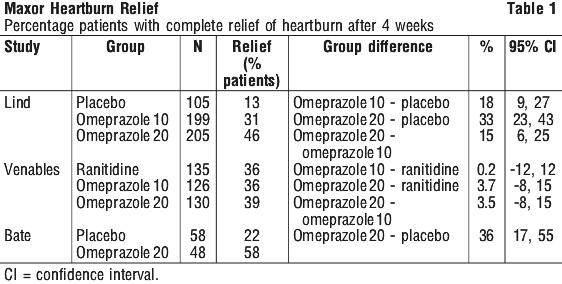
Randomised controlled clinical trials (n=1710) were evaluated to assess the efficacy of omeprazole in the complete relief of heartburn in adult patients with symptomatic GORD after four weeks treatment comparing omeprazole 10 mg and 20 mg once daily with control groups of ranitidine 150 mg twice daily or placebo.
The % of patients with complete relief of heartburn after 4 weeks is presented in Table 1.

5.2 Pharmacokinetic Properties

Absorption.

Omeprazole is acid labile and is administered orally as enteric coated granules in capsules.
Absorption is rapid with peak plasma levels of omeprazole occurring within 4 hours and is usually complete within 3 to 6 hours. The systemic bioavailability of omeprazole from a single oral dose is approximately 35%. After repeated once-daily administration, the bioavailability increases to about 60%. Concomitant intake of food has no influence on oral bioavailability but may reduce the rate of absorption of omeprazole.

Distribution.

The plasma protein binding of omeprazole is approximately 95%. The inhibition of acid secretion is related to the area under the plasma concentration-time curve (AUC) but not to the actual plasma concentration at any given time.

Metabolism.

Omeprazole is entirely metabolised by the cytochrome P450 system (CYP), mainly in the liver. The major part of its metabolism is dependent on the polymorphic CYP2C19. This CYP is responsible for the formation of hydroxyomeprazole, one of the major metabolites in plasma, and to a lesser extent, for the formation of 5-O-desmethyl omeprazole. The remaining part is mainly dependent on another specific isoform, CYP3A4, responsible for the formation of omeprazole sulphone.
Identified metabolites in plasma are the sulphone, the sulphide and hydroxy omeprazole. These metabolites have no significant effect on acid secretion. The average half-life of the terminal phase of the plasma concentration-time curve following IV administration of omeprazole is approximately 40 minutes; the total plasma clearance is 0.3 to 0.6 L/min. There is no change in half-life during repeated dosing.
The parameters below reflect mainly the pharmacokinetics in individuals with a functional CYP2C19 enzyme, extensive metabolisers.
Total plasma clearance is about 30-40 L/h after a single dose. The plasma elimination half life of omeprazole is usually shorter than one hour both after single and repeated once-daily dosing. The AUC of omeprazole increases with repeated administration. This increase is dose-dependent and results in a non-linear dose-AUC relationship after repeated administration. This time and dose dependency is due to a decrease of first-pass metabolism and systemic clearance probably caused by an inhibition of the CYP2C19 enzyme by omeprazole and/or its metabolites (e.g. the sulphone). Omeprazole is completely eliminated from plasma between doses with no tendency for accumulation during once-daily administration.

Excretion.

About 80% of the metabolites are excreted in urine and the remainder in faeces. The two main urinary metabolites are hydroxy omeprazole and the corresponding carboxylic acid.

5.3 Preclinical Safety Data

Genotoxicity.

Omeprazole has been subjected to a battery of in vitro and in vivo genotoxicity tests to examine the mutagenic, clastogenic and DNA damaging potential of the drug. The in vitro assays include the Ames test, mouse lymphoma TK locus forward mutation assay and a chromosome aberration test in human lymphocytes. The in vivo tests were a chromosome aberration test in mouse bone marrow, an alkaline elution/rat liver DNA damage assay and two mouse micronucleus tests.
No evidence of significant genotoxicity was seen in these tests.

Carcinogenicity.

In a two year carcinogenicity study in rats, omeprazole at daily doses of 13.8, 44.0 and 140.8 mg/kg/day produced gastric ECL-cell hyperplasia and carcinoid tumours in a dose-related manner in both male and female rats. The incidence of these effects was markedly higher in female rats.
The same effects were seen in an additional 2-year study in female rats at daily doses of 1.7, 3.4 and 13.8 mg/kg/day. A no-effect dose was not established in female rats in the dose ranges studied.
In mice, a 78 week carcinogenicity study was performed according to relevant regulatory and scientific standards. No gastric ECL-cell carcinoids were seen. However, longer term studies have not been performed in this species.
Hypergastrinaemia, ECL-cell hyperplasia and gastric carcinoids have also been produced in the rat by other treatments or procedures not related to omeprazole. These include the following:

a) Exogenous gastrin infusion.

Subcutaneous infusion of gastrin-17 has resulted in a significant hyperplasia of ECL-cells following treatment for one month.

b) H2-receptor antagonists.

In rats administered 2 g/kg/day of ranitidine in their diet over 106 weeks, argyrophilic cell hyperplasia was observed in 37% of the animals and gastric carcinoids were found in 19% of the treated group.

c) Surgical resection of the acid producing oxyntic mucosa.

In rats in whom 75% of the stomach corpus was surgically removed, 26 of 75 animals developed ECL-cell carcinoids during the 124 week study.
These findings show that the development of ECL-cell carcinoids in the rat is directly related to hypergastrinaemia rather than a direct effect of omeprazole on the ECL-cell.
Omeprazole may also affect other cells in the gastrointestinal tract (for example, G cells) either directly or by inducing sustained hypochlorhydria but this possibility has not been extensively studied.

6 Pharmaceutical Particulars

6.1 List of Excipients

Hypromellose, purified talc, dibasic sodium phosphate dihydrate, methacrylic acid copolymer, triethyl citrate, maize starch, sucrose, gelatin, purified water, titanium dioxide, iron oxide black, iron oxide red, erythrosine and TekPrint SW-9008 Black Ink (ARTG PI No: 2328).

6.2 Incompatibilities

Incompatibilities were either not assessed or not identified as part of the registration of this medicine.

6.3 Shelf Life

In Australia, information on the shelf life can be found on the public summary of the Australian Register of Therapeutic Goods (ARTG). The expiry date can be found on the packaging.

6.4 Special Precautions for Storage

Store below 25°C. Protect from Moisture.

6.5 Nature and Contents of Container

Al/Al blister packs of 7* and 14 enteric capsules.
* Not marketed in Australia.

Australian Register of Therapeutic Goods (ARTG).

AUST R 180913 - Maxor Heartburn Relief omeprazole 20 mg enteric capsule blister pack (new formulation).

6.6 Special Precautions for Disposal

In Australia, any unused medicine or waste material should be disposed of by taking it to your local pharmacy.

6.7 Physicochemical Properties

Chemical structure.


Chemical name: 5-methoxy- 2-[(RS)-[(4-methoxy-3,5-dimethyl-2-pyridinyl)methyl]-sulfinyl]- 1H-benzimidazole. Molecular formula: C17H19N3O3S. Molecular weight: 345.42.
The active ingredient in Maxor Heartburn Relief is omeprazole, which is a substituted benzimidazole.
Omeprazole is a white or almost white powder, very slightly soluble in water, soluble in methylene chloride, sparingly soluble in alcohol and in methanol. It dissolves in dilute solutions of alkali hydroxides.

CAS number.

73590-58-6.

7 Medicine Schedule (Poisons Standard)

S3 (Pharmacist Only Medicine).

Summary Table of Changes