


Consumer medicine information

Mersynofen

Paracetamol; Ibuprofen

BRAND INFORMATION

Brand name

Mersynofen

Active ingredient

Paracetamol; Ibuprofen

Schedule

S2 | S3


Consumer medicine information (CMI) leaflet

Please read this leaflet carefully before you start using Mersynofen.

What is in this leaflet

This leaflet answers some common questions about Mersynofen.

It does not contain all the available information. It does not take the place of talking to your doctor or pharmacist.

All medicines have risks and benefits. Your doctor or pharmacist has weighed the risks of you using this medicine against the benefits they expect it will have for you.

If you have any concerns about using this medicine, ask your doctor or pharmacist.

Keep this leaflet with the medicine. You may need to read it again.

What Mersynofen is used for

Mersynofen is an analgesic (pain reliever). It works to relieve acute (short term) pain and/or inflammation associated with headache, migraine headache, tension headache, sinus pain, toothache, dental procedures, backache, muscular aches and pains, period pain, sore throat, tennis elbow, rheumatic pain and arthritis, and the aches and pains associated with colds and flu.

It contains ibuprofen and paracetamol.

Ibuprofen belongs to a group of medicines called non-steroidal anti-inflammatory drugs (NSAIDs).

Paracetamol works to stop the pain messages from getting through to the brain.

Ask your doctor or pharmacist if you have any questions about this medicine.

This medicine is not addictive.

It is only available from your pharmacist.

Before you use it

When you must not take it

Do not take Mersynofen if you have an allergy to:

  • any medicine containing ibuprofen, aspirin or other NSAIDs
  • any medicine containing paracetamol
  • any of the ingredients listed at the end of this leaflet
  • any other medicine for pain relief.
  • Some of the symptoms of an allergic reaction may include:
  • shortness of breath
  • wheezing or difficulty breathing
  • swelling of the face, lips, tongue or other parts of the body
  • rash, itching or hives on the skin.

Do not take Mersynofen if you have any of the following conditions:

  • liver or kidney disease
  • heart problems
  • asthma
  • a stomach ulcer or duodenal ulcer or if you have had either of these conditions or gastric bleeding or other gastrointestinal diseases in the past.
  • recently vomited blood or material that looks like coffee grounds
  • recently bled from the back passage (rectum), had black sticky bowel motions or bloody diarrhoea.

Do not take Mersynofen if you are pregnant or intend to become pregnant. Like most medicines of this kind, Mersynofen is not recommended to be used during pregnancy.

Do not use it if you are breast-feeding or planning to breast-feed. Small amounts of ibuprofen and paracetamol may pass into the breast milk

Do not take it after the expiry date (EXP) printed on the pack or if the packaging is torn or shows signs of tampering. If you use it after the expiry date has passed, it may not work as well. If it has expired or is damaged, return it to your pharmacist for disposal.

Do not take if you are aged 65 years or older.

Do not give Mersynofen to children aged under 12 years.

Do not take Mersynofen if you are taking any other product containing paracetamol, ibuprofen or other NSAIDs or if you are taking any other medicine for pain relief.

If you are not sure whether you should start taking Mersynofen, talk to your pharmacist or doctor.

Before you start to take it

Tell your doctor or pharmacist if you have allergies to any other medicines, foods, preservatives or dyes.

Tell your doctor or pharmacist if you currently have or have had diabetes in the past.

Tell your doctor or pharmacist if you have or have had any medical conditions, especially the following:

  • asthma
  • liver or kidney disease
  • heart problems

If you currently have these conditions, do not take this medicine.

Tell your doctor or pharmacist if you are pregnant or intend to become pregnant. Like most medicines of this kind, Mersynofen is not recommended to be used during pregnancy. Your doctor or pharmacist will discuss the risks and benefits of using it if you are pregnant.

Tell your doctor or pharmacist if you are breast-feeding or planning to breast-feed. Small amounts of ibuprofen and paracetamol may pass into the breastmilk.

If you have not told your doctor or pharmacist about any of the above, tell them before you start taking Mersynofen.

Taking other medicines

Tell your doctor or pharmacist if you are taking any other medicines, including any that you buy without a prescription from your pharmacy, supermarket or health food store.

Some medicines and ibuprofen and paracetamol may interfere with each other, or may affect how well it works. These include:

  • warfarin, a medicine used to prevent blood clots
  • lithium, a medicine used to treat mood swings and some types of depression
  • medicines used to lower blood pressure
  • methotrexate, a medicine used to treat arthritis and some types of cancer
  • medicines used to treat heart failure
  • medicines such as prednisone, prednisolone and cortisone, which reduces the activity of your immune system
  • zidovudine, a medicine used to treat HIV infection
  • aspirin, salicylates and other non-steroidal anti-inflammatory drugs (NSAIDs)
  • medicines used to treat diabetes
  • metoclopramide, a medicine used to control nausea and vomiting
  • medicines used to treat epilepsy or fits
  • chloramphenicol an antibiotic used to treat ear and eye infections
  • alcohol

Your doctor and pharmacist will have more information on these and other medicines to be careful with or to avoid while using Mersynofen.

How to take it

How much to take

Follow all directions for use written on the medicine's label.

Do not take more than the recommended dose on the label or for a longer period of time.

If you do not understand the instructions on the label, ask your pharmacist or doctor for help.

How much to take

Adults under 65 and children from12 years: Take one tablet every 8 hours with water when necessary. Not recommended for adults 65 years of age and over or children under 12 years of age.

Do not take more than 3 tablets in 24 hours.

How long to take it

Only take Mersynofen when required for pain.

Adults: do not take Mersynofen for more than 3 days at a time.

Adolescents (12 to 17 years): do not take Mersynofen for more than 2 days at a time.

If your symptoms persist, worsen or new symptoms develop, talk to your pharmacist or doctor.

If you use too much (overdose)

Immediately telephone your doctor, or the Poisons Information Centre (telephone Australia 13 11 26 or New Zealand 0800 POISON or 0800 764766), or go to Accident and Emergency at your nearest hospital, if you think you or anyone else may have used too much Mersynofen.

Do this even if there are no signs of discomfort or poisoning. You may need urgent medical attention.

While you are using it

Things you must do

If you are about to be started on any new medicine, tell your doctor and pharmacist that you are using Mersynofen.

Talk to your doctor or pharmacist if your symptoms do not improve. Your doctor or pharmacist will assess your condition and decide if you should continue to take this medicine.

If you become pregnant while you are using this medicine, tell your doctor or pharmacist immediately.

Things you must not do

Do not take for more than 3 days at a time (2 days for adolescents 12 to 17 years) unless your doctor or pharmacist tells you to.

Do not take more than the recommended dose unless your doctor or pharmacist tells you to.

Things to be aware of

Taking this medicine may increase the risk of you getting unwanted effects, such as stomach or heart problems.

Only drink small quantities of alcohol (beer, wine or spirits) while taking paracetamol. Drinking large quantities of alcohol while taking paracetamol may increase the risk of liver side effects.

Do not take Mersynofen to treat any other complaints unless your pharmacist or doctor tells you to.

Do not give your medicine to anyone else, even if they have the same condition as you.

Side effects

Tell your doctor or pharmacist as soon as possible if you do not feel well while you are taking Mersynofen.

It helps most people with the relief of pain, but it may have unwanted side effects in a few people.

All medicines have some unwanted side effects. Sometimes they are serious, but most of the time they are not. Your doctor or pharmacist has weighed the risks of using this medicine against the benefits they expect it will have for you.

Do not be alarmed by this list of possible side effects.

You may not experience any of them.

Ask your doctor or pharmacist to answer any questions you may have.

It is rare to get side effects from ibuprofen and paracetamol if taken for a short period of time and in the doses in OTC medicines.

Tell your doctor or pharmacist if you notice any of the following and they worry you:

  • nausea, heartburn, or stomach pain
  • loss of appetite
  • diarrhoea
  • dizziness
  • drowsiness
  • headache
  • nervousness

The above list includes the more common side effects of your medicine. They are usually mild side effects of this medicine and usually short-lived.

Tell your doctor or pharmacist immediately if you notice:

  • you are getting sunburnt more quickly than usual.

The above is a list that includes serious side effects that may require medical attention. Serious side effects are rare.

If any of the following happen, stop using this medicine and tell your doctor immediately, or go to Accident and Emergency at your nearest hospital:

  • fluid retention
  • vomiting blood or bleeding from the back passage
  • shortness of breath
  • wheezing or difficulty breathing
  • swelling of the face, lips, tongue or other parts of the body
  • rash, itching or hives on the skin

These are very serious side effects. You may need urgent medical attention or hospitalisation.

These side effects are very rare.

Tell your doctor or pharmacist if you notice anything else that is making you feel unwell. Other side effects not listed above may occur in some consumers.

Ask your doctor or pharmacist to answer any questions you may have.

After using it

If you have any queries about any aspect of your medicine, or any questions regarding the information in this leaflet, discuss them with your doctor or pharmacist.

Storage

Keep your medicine in the original pack until it is time to take.

Keep your medicine in a cool dry place where the temperature stays below 30°C.

Do not store it or any other medicine in the bathroom, near a sink, or on a windowsill.

Do not leave it in the car. Heat and dampness can destroy some medicines.

Keep it where children cannot reach it. A locked cupboard at least one-and-a-half metres above the ground is a good place to store medicines.

Disposal

If your doctor or pharmacist tells you to stop using Mersynofen, or the medicine has passed its expiry date, ask your pharmacist what to do with anything that is left over.

Return any unused medicine to your pharmacist.

Product description

What it looks like

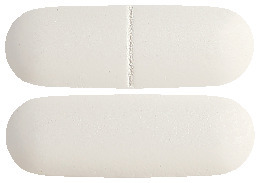
Mersynofen is a white to off white, capsule shaped, film coated tablet with a break bar on one side

They are available in blister packs in a range of sizes up to 30 tablets.

Ingredients

Active Ingredient:

  • Each Mersynofen tablet contains 200mg of ibuprofen and
  • 500mg of paracetamol.

Inactive Ingredients:

  • maize starch
  • magnesium stearate
  • microcrystalline cellulose
  • pregelatinised maize starch
  • croscarmellose sodium
  • sodium lauryl sulfate
  • purified talc
  • opadry QX Quick and Flexible Film Coating System 321A180025 White
  • opadry fx special effects film coating system 63F97546 Silver

This product does not contain gluten, lactose or sucrose.

Manufacturer/Sponsor

Mersynofen is supplied in Australia by:

Sanofi Consumer Healthcare,
87 Yarraman Place
Virginia, QLD 4014, Australia

This leaflet was prepared in 09 August 2019.

Australian Register Number

AUST R 321566

® Registered Trademark

Published by MIMS December 2019

BRAND INFORMATION

Brand name

Mersynofen

Active ingredient

Paracetamol; Ibuprofen

Schedule

S2 | S3


1 Name of Medicine

Ibuprofen 200 mg and paracetamol 500 mg film coated tablets.

2 Qualitative and Quantitative Composition

Ibuprofen 200 mg and paracetamol 500 mg.

3 Pharmaceutical Form

Film coated tablet.

4 Clinical Particulars

4.1 Therapeutic Indications

Mersynofen is indicated for the temporary relief of acute (short term) pain and/or inflammation associated with headache, migraine headache, tension headache, sinus pain, toothache, dental procedures, backache, muscular aches and pains, period pain, sore throat, tennis elbow, rheumatic pain and arthritis, and the aches and pains associated with colds and flu.

4.2 Dose and Method of Administration

For oral use.

Adults under 65 and children from 12 years.

1 tablet every 8 hours as necessary (maximum 3 tablets in 24 hours). Do not split the tablets. Keep to the recommended dose.
Mersynofen should not be used for more than 3 days at a time (or not more than 2 days at a time for adolescents aged 12 to 17 years) unless it is recommended by a physician.
It is recommended that patients with a sensitive stomach take Mersynofen with food.
If taken shortly after eating, the onset of actions of Mersynofen may be delayed. If this happens, do not take more Mersynofen than recommended or until the correct re-dosing interval has passed.
Not recommended for children under 12 years of age.
Not recommended for adults 65 years and over.

Monitoring advice.

If symptoms persist or worsen please consult your healthcare professional.
The lowest effective dose should be used for the shortest duration necessary to relieve symptoms (see Section 4.4 Special Warnings and Precautions for Use).

Pregnancy.

See Section 4.3 Contraindications; Section 4.6 Fertility, Pregnancy and Lactation.

4.3 Contraindications

This product is contraindicated:
In patients with a known hypersensitivity to ibuprofen, paracetamol or any other constituent of the medicinal product.
In patients with a history of hypersensitivity reactions (e.g. bronchospasm, angioedema, rhinitis or urticaria) associated with aspirin (acetylsalicylic acid) or other non-steroidal anti-inflammatory drugs or analgesic drugs.
Unclarified blood-formation disturbances.
Cerebrovascular or other active bleeding.
In patients with a history of, or an existing gastrointestinal ulceration/perforation or bleed, or other stomach disorder.
In patients with impaired hepatic function, impaired renal function or heart failure.
In patients with asthma.
In pregnancy (see Section 4.6 Fertility, Pregnancy and Lactation).
In patients with conditions that predispose to renal failure.
In concomitant use with ibuprofen or other NSAID-containing products, including cyclooxygenase-2 (COX-2) specific inhibitors and aspirin or other anti-inflammatories as there is an increased risk of adverse reactions.
In concomitant use with other paracetamol-containing products as there is an increased risk of serious adverse effects; patients should be advised not take with any other paracetamol containing products. Immediate medical advice should be sought if this occurs, even if they feel well, as this can result in an overdose.
In patients aged 65 years and over and in children under 12 years.
In patients undergoing treatment of perioperative pain in setting of coronary artery bypass surgery (CABG).
In patients with severe dehydration (caused by vomiting, diarrhoea or insufficient fluid intake).

4.4 Special Warnings and Precautions for Use

Identified precautions.

The hazard of paracetamol overdose is greater in patients with non-cirrhotic alcoholic liver disease. Immediate medical advice should be sought in the event of an overdose, even if the patient feels well, because of the risk of delayed, serious liver damage. Undesirable effects may be minimised by using the lowest effective dose for the shortest duration necessary to control symptoms.
In general terms, the habitual intake of analgesics particularly on combination of several pain-relieving active substances, may lead to permanent renal damage with the risk of renal failure (analgesic nephropathy). This risk may be increased under physical strain associated with loss of salt and dehydration. Therefore, it should be avoided.
Through concomitant consumption of alcohol, active substance-related undesirable effects, particularly those that concern the gastrointestinal tract or the central nervous system, may be increased on use of NSAIDs.
Undesirable effects may be minimized by using the lowest effective dose for the shortest duration necessary to control symptoms (see gastrointestinal and cardiovascular risks below).
Caution is required in patients with certain conditions, which may be made worse:
systemic lupus erythematosus and mixed connective tissue disease - increased risk of aseptic meningitis or hepatitis (see Section 4.8 Adverse Effects (Undesirable Effects));
congenital disorder of porphyrin metabolism (e.g. acute intermittent porphyria);
gastrointestinal disorders (such as peptic ulcer, hiatus hernia or gastrointestinal bleeding) and chronic inflammatory intestinal disease (ulcerative colitis, Crohn's disease) (see Section 4.8 Adverse Effects (Undesirable Effects));
hypertension and/or cardiac impairment as renal function may deteriorate;
renal impairment;
hepatic dysfunction;
directly after major surgery;
in patients who react allergically to other substances, as an increased risk of hypersensitivity reactions occurring also exists for them on use of Mersynofen;
in patients who suffer from hay fever, nasal polyps or chronic obstructive respiratory disorders as an increased risk exists for them of allergic reactions occurring. These may present as asthma attacks (so-called analgesic asthma). Quincke's edema or urticaria.

Diabetes.

Caution is required in patients suffering from diabetes. Paracetamol falsely elevates continuous blood glucose monitor (CGM) readings compared to finger stick (BG meter) readings. This is applicable for those using CGM devices with or without an automated insulin delivery pump e.g. in type I diabetes.

Respiratory disorders.

Caution is required in patients with a history of bronchial asthma or allergic disease since NSAIDs have been reported to precipitate bronchospasm. The product is contraindicated in asthma (see Section 4.3 Contraindications).

Cardiovascular and cerebrovascular effects.

Observational studies have indicated that NSAIDs may be associated with an increased risk of serious cardiovascular events, including myocardial infarction and stroke, which may increase with dose or duration of use.
Patients with cardiovascular disease, history of atherosclerotic cardiovascular disease or cardiovascular risk factors may also be at greater risk.
Patients should be advised to remain alert for such cardiovascular events, even in the absence of previous cardiovascular symptoms. Patients should be informed about signs and/or symptoms of serious cardiovascular toxicity and the steps to take if they occur.
Appropriate monitoring and advice are required for patients with a history of hypertension as fluid retention and oedema have been reported in association with NSAID therapy. The product is contraindicated in patients with heart failure (see Section 4.3 Contraindications).
Clinical trial data suggest that the use of ibuprofen, particularly at high doses (2400 mg daily) may be associated with an increased risk of arterial thrombotic events (e.g. myocardial infarction or stroke). Overall, epidemiological studies do not suggest that low dose ibuprofen (e.g. < 1200 mg daily) is associated with an increased risk of myocardial infarction.
Patients with uncontrolled hypertension, established ischaemic heart disease, peripheral arterial disease, and/or cerebrovascular disease should only be treated with fixed dose combination (FDC) after careful consideration. Similar consideration should be made before initiating treatment for patients with risk factors for cardiovascular events (e.g. hypertension, hyperlipidaemia, diabetes mellitus and smoking). The product is contraindicated in heart failure (see Section 4.3 Contraindications).
Hypersensitivity reactions to Mersynofen can also progress to Kounis syndrome, a serious allergic reaction that can result in myocardial infarction. Presenting symptoms of such reactions can include chest pain occurring in association with an allergic reaction to Mersynofen (see Section 4.8 Adverse Effects (Undesirable Effects)).

Gastrointestinal effects.

The use of Mersynofen with concomitant NSAIDs including cyclooxygenase-2 selective inhibitors, increases risk of adverse reactions (see Section 4.8 Adverse Effects (Undesirable Effects)) and should be avoided.
The patient is to be instructed to withdraw the medicinal product and to go to a physician immediately if severe pain in the upper abdomen or melaena or haematemesis occurs.

Gastrointestinal bleeding, ulceration and perforation.

Gastrointestinal (GI) bleeding, ulceration and perforation, which can be fatal, has been reported with all NSAIDs at any time during treatment, with or without warning symptoms or a previous history of serious GI events.
When GI bleeding or ulceration occurs in patients receiving ibuprofen, it is advised to withdraw the treatment.
The risk of GI bleeding, ulceration or perforation is higher with increasing NSAID doses and patients with a history of ulcer, particularly if complicated with hemorrhage or perforation (see Section 4.3 Contraindications), and in the elderly. These patients should commence treatment on the lowest dose available. Combination therapy with protective agents (e.g. misoprostol or proton pump inhibitors) should be considered for these patients, and also for patients requiring concomitant low dose acetylsalicylic acid, or other medicinal products likely to increase gastrointestinal risk.
NSAIDs should be given with care to patients with a history of gastrointestinal disease (ulcerative colitis, Crohn's disease) as their condition may be exacerbated (see Section 4.5 Interactions with Other Medicines and Other Forms of Interactions).
Caution should be advised in patients receiving concomitant medications which could increase the risk of ulceration or bleeding, such as oral corticosteroids, anticoagulants such as warfarin, selective serotonin-reuptake inhibitors (SSRIs), or antiplatelet agents such as acetylsalicylic acid.
The product is contraindicated in patients with a history of GI toxicity including ulceration (see Section 4.3 Contraindications).
When GI bleeding or ulceration occurs in patients receiving FDC, the treatment should be withdrawn.
NSAIDs should be given with care to patients with a history of gastrointestinal disease (ulcerative colitis, Crohn's disease) as their condition may be exacerbated.

SLE and mixed connective tissue disease.

In patient with systemic lupus erythematosus (SLE) and mixed connective tissue disease disorders there may be an increased risk of aseptic meningitis.

Dermatological, serious cutaneous reactions.

Serious skin reactions, some of them fatal, including bullous and exfoliative dermatitis, Stevens-Johnson syndrome, drug reaction with eosinophilia with systemic symptoms (see Drug reaction with eosinophilia with systemic symptoms (DRESS)) and toxic epidermal necrolysis (TEN), have been reported very rarely in association with the use of NSAIDs and paracetamol. Patients appear to be at highest risk of these reactions early in the course of therapy, the onset of the reaction occurring in the majority of cases within the first month of treatment. Use of this product should be discontinued at the first appearance of skin rash, mucosal lesions, or any other sign of hypersensitivity.

Severe skin reactions.

Severe skin reactions such as acute generalised exanthematous pustulosis (AGEP) may occur with ibuprofen-containing products. The acute pustular eruption may occur with ibuprofen-containing products. The acute pustular eruption may occur within the first 2 days of treatment, with fever, and numerous, small, mostly non-follicular pustules arising on a widespread oedematous erythema and mainly localised on the skin folds, trunk, and upper extremities. Patients should be carefully monitored. If signs and symptoms such as pyrexia, erythema, or many small pustules are observed, administration of FDC should be discontinued and appropriate measures taken if needed.

Drug reaction with eosinophilia with systemic symptoms (DRESS).

DRESS has been reported in patients using NSAIDs. Some of these events have been fatal or life-threatening. DRESS typically, although not exclusively, presents with fever, rash, lymphadenopathy, and/or facial swelling. Other clinical manifestations may include hepatitis, nephritis, haematological abnormalities, myocarditis, or myositis. Sometimes symptoms of DRESS may resemble an acute viral infection. Eosinophilia is often present. Because this disorder is variable in its presentation, other organ systems not noted here may be involved. It is important to note that early manifestations of hypersensitivity, such as fever or lymphadenopathy, may be present even though rash is not evident. If such signs or symptoms are present, discontinue the NSAID and evaluate the patient immediately.

Fixed drug eruption and generalised bullous fixed drug eruption.

Cases of fixed drug eruption (FDE) and generalised bullous fixed drug eruption (GBFDE) have been reported with ibuprofen. Ibuprofen should not be reintroduced in patients with history of ibuprofen-related FDE or GBFDE.

Masking of symptoms of underlying infections.

Mersynofen can mask symptoms of infection, which may lead to delayed initiation of appropriate treatment and thereby worsening the outcome of the infection. This has been observed in bacterial community acquired pneumonia and bacterial complications to varicella. When Mersynofen is administered for fever or pain relief in relation to infection, monitoring of infection is advised. In non-hospital settings, the patient should consult a doctor if symptoms persist or worsen.

Other precautions.

Severe acute hypersensitivity reactions (e.g. anaphylactic shock) are observed very rarely. At the first signs of hypersensitivity reaction after taking/administering Mersynofen therapy must be stopped. Medically required measures, in line with the symptoms, must be initiated by specialist personnel.
Ibuprofen, the active substance of Mersynofen may temporarily inhibit the blood-platelet function (thrombocyte aggregation). Therefore, patients with platelet disorders should be monitored carefully.
In case of prolonged treatment with ibuprofen, liver and kidney parameters as well as blood picture need to be checked regularly.
Prolonged use of any type of analgesics for headaches can make them worse. If this situation is experienced or suspected, medical advice should be obtained and treatment should be discontinued. The diagnosis of medication overuse headache (MOH) should be suspected in patients who have frequent or daily headaches despite (or because of) the regular use of headache medications.
In general terms, the habitual intake of analgesics particularly on combination of several pain-relieving active substances, may lead to permanent renal damage with the risk of renal failure (analgesic nephropathy). This risk may be increased under physical strain associated with loss of salt and dehydration. Therefore, it should be avoided.
Through concomitant consumption of alcohol, active substance-related undesirable effects, particularly those that concern the gastrointestinal tract or the central nervous system, may be increased on use of NSAIDs.

Renal disorders.

Renal tubular acidosis and hypokalaemia may occur following ibuprofen overdose with/without a prolonged treatment period.

Use in renal and hepatic impairment.

The administration of NSAIDs may cause a dose-dependent reduction in prostaglandin formation and precipitate renal failure. Patients at greatest risk of this reaction are those with impaired renal function, cardiac impairment, liver dysfunction, those taking diuretics and the elderly. The product is contraindicated in patients with impaired renal or liver function or heart failure and in patients 65 years of age or older (see Section 4.3 Contraindications). Renal function should be monitored in other at risk patients.
As with other NSAIDs, elevations of one or more liver function tests may occur in up to 15% of patients. These abnormalities may progress, may remain essentially unchanged or may resolve with continued therapy. Meaningful elevations (three times the upper limit of normal) of ALT or AST occurred in controlled clinical trials in less than 1% of patients.
Patients should be advised to remain alert for hepatotoxicity and be informed about the signs and/or symptoms of hepatotoxicity (e.g. nausea, fatigue, lethargy, pruritus, jaundice, abdominal tenderness in the right upper quadrant and "flu-like" symptoms).

Use in the elderly.

Mersynofen is contraindicated in adults aged 65 years and over. The elderly have an increased frequency of adverse reactions to NSAIDs especially gastrointestinal (GI) bleeding and perforation which may be fatal (see Section 4.2 Dose and Method of Administration).

Paediatric use.

Mersynofen is contraindicated in children under 12 years of age since no investigations have been carried out with this product in this age group.
There is a risk of renal impairment in dehydrated adolescents.

Effects on laboratory tests.

No information is available regarding Mersynofen and laboratory tests.

4.5 Interactions with Other Medicines and Other Forms of Interactions

This product is contraindicated in combination with:
Aspirin;
Other paracetamol containing products;
Other NSAIDs including cyclo-oxygenase-2 selective inhibitors. NSAIDs may exacerbate cardiac failure, reduce glomerular filtration rate (GFR) and increase plasma glycoside levels;
Other anti-inflammatories and analgesics, as concomitant use may increase the risk of adverse reactions.
This product (like any other paracetamol containing products) should be used with caution in combination with:

Chloramphenicol.

Increased plasma concentration of chloramphenicol.

Cholestyramine.

The speed of absorption of paracetamol is reduced by cholestyramine.
Therefore, cholestyramine should not be taken within one hour if maximal analgesia is required.

Metoclopramide and domperidone.

The absorption of paracetamol is increased by metoclopramide and domperidone. However, concurrent use need not be avoided.

Warfarin.

The anticoagulant effect of warfarin and other coumarins may be enhanced by prolonged regular use of paracetamol with increased risk of bleeding; occasional doses have no significant effect.
This product (like any other ibuprofen containing products and NSAIDs) should be used with caution in combination with:

Anticoagulants.

NSAIDs may enhance the effects of anticoagulants, i.e. warfarin.

Antihypertensives.

NSAIDs may reduce the effects of these drugs.

Antiplatelet agents and selective serotonin reuptake inhibitors (SSRIs).

Increased risk of gastrointestinal bleeding.

Acetylsalicylic acid.

Concomitant administration of ibuprofen and acetylsalicylic acid is not generally recommended because of the potential of increased adverse effects.

Ciclosporin.

Increased risk of nephrotoxicity.

Corticosteroids.

Increased risk of gastrointestinal ulceration or bleeding.

CYP2C9 inhibitors.

Concomitant administration of ibuprofen with CYP2C9 inhibitors may increase the exposure to ibuprofen (CYP2C9 substrate). In a study with voriconazole and fluconazole (CYP2C9 inhibitors), an increased S(+)-ibuprofen exposure by approximately 80 to 100% has been shown. Reduction of the ibuprofen dose should be considered when potent CYP2C9 inhibitors are administered concomitantly, particularly when high dose (2400 mg/day) ibuprofen is administered with either voriconazole or fluconazole.

Digoxin.

The concomitant use of Mersynofen with digoxin preparations may increase serum level of digoxin. A check of serum-digoxin is not as a rule required on correct use (maximum over 4 days).

Diuretics, ACE inhibitors, beta receptor-blockers and angiotensin-II antagonists.

NSAIDs may reduce the effect of diuretics and other antihypertensive medicinal products. In some patients with compromised renal function (e.g. dehydrated patients or elderly patients with compromised renal function) the co-administration of an ACE inhibitor, beta receptor-blockers or angiotensin-II antagonists and agents that inhibit cyclo-oxygenase may result in further deterioration of renal function, including possible acute renal failure, which is usually reversible. Therefore, the combination should be administered with caution, especially in the elderly. Patients should be adequately hydrated and consideration should be given to monitoring of renal function after initiation of concomitant therapy, and periodically thereafter.

Potassium sparing diuretics.

The concomitant administration of Mersynofen and potassium-sparing diuretics may lead to hyperkalaemia.

Lithium.

Decreased elimination of lithium.

Methotrexate.

Decreased elimination of methotrexate.

Mifepristone.

NSAIDs should not be used for 8-12 days after mifepristone administration as NSAIDs can reduce the effect of mifepristone.

Phenytoin.

May increase serum levels of phenytoin.

Probenecid and sulfinpyrazone.

Medicinal products that contain probenecid or sulfinpyrazone may delay the excretion of ibuprofen.

Quinolone antibiotics.

Animal data indicate that NSAIDs can increase the risk of convulsions associated with quinolone antibiotics. Patients taking NSAIDs and quinolones may have an increased risk of developing convulsions.

Sulphonylureas.

Clinical investigations have shown interactions between nonsteroidal anti-inflammatory drugs and antidiabetics (sulphonylureas). Although interactions between ibuprofen and sulphonylureas have not been described to date, a check of blood-glucose values is recommended as a precaution on concomitant intake. Animal data indicate that NSAIDs can increase the risk of convulsions associated with quinolone antibiotics. Patients taking NSAIDs and quinolones may have an increased risk of developing convulsions.

Tacrolimus.

Possible increased risk of nephrotoxicity when NSAIDs are given with tacrolimus.

Uricosurics.

May delay the excretion of ibuprofen.

Zidovudine.

Increased risk of haematological toxicity when NSAIDs are given concomitantly with zidovudine. There is evidence of an increased risk of haemarthrosis and haematoma in HIV+ haemophiliacs receiving concurrent treatment with zidovudine and ibuprofen.

4.6 Fertility, Pregnancy and Lactation

Effects on fertility.

The use of the product may impair female fertility and is not recommended in women attempting to conceive.
(Category C)
Drugs which owing to their pharmacological effects have caused or may be suspected of causing harmful effects on the human foetus or neonate without causing malformation. These effects may be reversible.
There is no experience of use of this product in humans during pregnancy. Therefore, this product is contraindicated for use during pregnancy.

Oligohydramnios and neonatal renal impairment.

Use of NSAIDs from about 20 weeks gestation may cause neonatal renal dysfunction leading to oligohydramnios and, in some cases, neonatal renal impairment.
Antenatal monitoring for oligohydramnios and ductus arteriosus constriction should be considered after exposure to treatment from gestational week 20 onward. Treatment should be discontinued if oligohydramnios or ductus arteriosus constriction are found.
These adverse outcomes are seen, on average, after days to weeks of treatment, although oligohydramnios has been infrequently reported as soon as 48 hours after NSAID initiation. Oligohydramnios is often, but not always, reversible with treatment discontinuation.
Complications of prolonged oligohydramnios may, for example, include limb contractures and delayed lung maturation. In some post-marketing cases of impaired neonatal renal function, invasive procedures such as exchange transfusion or dialysis were required.
If, after careful consideration of alternative treatment options for pain management, NSAID treatment is necessary from about 20 weeks, limit use to the lowest effective dose and shortest duration possible. Consider ultrasound monitoring of amniotic fluid if treatment extends beyond 48 hours. Discontinue treatment with NSAIDs if oligohydramnios occurs.
Inhibition of prostaglandin synthesis may adversely affect the pregnancy and/or the embryo/fetal development. Data from epidemiological studies suggest an increased risk of miscarriage and of cardiac malformation and gastroschisis after use of a prostaglandin synthesis inhibitor in early pregnancy. The absolute risk for cardiovascular malformation was increased from less than 1%, up to approximately 1.5%. The risk is believed to increase with dose and duration of therapy.
In animals, administration of a prostaglandin synthesis inhibitor has been shown to result in increased pre- and post-implantation loss and embryo-fetal lethality. In addition, increased incidences of various malformations, including cardiovascular, have been reported in animals given a prostaglandin synthesis inhibitor during the organogenetic period.
Congenital abnormalities have been reported in association with NSAID administration in man; however these are low in frequency and do not appear to follow any discernible pattern. Use of NSAIDs during the second and third trimester of pregnancy may cause effects on the foetal cardiovascular system (with premature constriction/ closure of the ductus arteriosus mostly resolving after treatment cessation and pulmonary hypertension), and the onset of labour may be delayed and the duration increased with an increased bleeding tendency in both mother and child.
Epidemiological studies in human pregnancy have shown no ill effects due to paracetamol use at the recommended dosage.
Ibuprofen and its metabolites can pass in very small amounts (0.0008% of the maternal dose) into the breast milk. No harmful effects to infants are known.
Paracetamol is excreted in breast milk but not in a clinically significant amount. Available published data do not contraindicate breastfeeding.
Therefore, it is not necessary to interrupt breastfeeding for short-term treatment with the recommended dose of this product.

4.7 Effects on Ability to Drive and Use Machines

As central nervous undesirable effects such as tiredness and dizziness may occur on use of Mersynofen at higher dosage, the ability to react and the ability to take part actively in road traffic and to operate machines may be impaired in isolated cases. This applies to a greater extent in combination with alcohol.

4.8 Adverse Effects (Undesirable Effects)

Clinical trials with this product have not indicated any other undesirable effects other than those for ibuprofen or paracetamol alone.
In short term clinical trials, FDC was shown to have a safety profile comparable to that of placebo. The body systems most commonly affected by ADE associated with FDC treatment were the gastrointestinal and nervous systems. The most commonly reported ADEs were nausea, vomiting, diarrhoea, dyspepsia, dizziness and headache.
One study recorded ADEs and abnormal haematological and biochemical results in subjects treated with FDC three times daily for 13 weeks. The median incidence of all ADE considered to be moderate and severe, regardless of causality, was 1.1 per person-days exposure in all four treatment groups. The commonest treatment related ADEs were dyspepsia, diarrhoea and nausea.
Compared to the other treatments, more incidence of diarrhoea were reported in association with FDC; a higher incidence of liver function abnormalities with paracetamol; and a higher incidence of early but transient abnormal liver tests with paracetamol vs ibuprofen. At the end of the study (13 weeks) the incidence of treatment related ADEs was significantly higher in patients taking one (50.5%) or 2 (51.3%) FDC compared to ibuprofen (42%, p = 0.04), but not paracetamol (45.5%).
Mean haemoglobin decreased in all groups throughout the study. At study end, the proportion of patients experiencing a decrease of 2 g/100 mL or greater decrease in haemoglobin was significantly higher in the 2 FDC group (6.9%) compared to those taking paracetamol (0.9%, p = 0.011), ibuprofen (0.9%, p = 0.001) and one FDC (1.8%, p = 0.0096).
For FDC in general the percentage of subjects who experience an adverse event, as well as the range of ADE observed, are similar to those established for ibuprofen and paracetamol when administered alone.
In clinical trials, the product is administered in single or multiple doses.
The following is a list of adverse effects from pharmacovigilance data experienced by patients taking ibuprofen alone or paracetamol alone in short term and long-term use.
Adverse events may be minimized by using the minimum effective dose for the shortest duration necessary to control symptoms.

Common (occurring > 1% and < 10%).

Gastrointestinal.

Gastrointestinal complaints such as pyrosis, abdominal pain, diarrhoea, dyspepsia, nausea, stomach discomfort, flatulence and constipation, vomiting and slight gastro-intestinal blood losses that may cause anaemia in exceptional cases.

Investigations.

Alanine aminotransferase increased, gamma glutamyl transferase increased and liver function tests abnormal with paracetamol. Blood creatinine increased and blood urea increased.

Uncommon (occurring > 0.1% and < 1%).

Gastrointestinal.

Peptic ulcer, potentially with bleeding, perforation or gastrointestinal haemorrhage, with symptoms of melaena, haematemesis sometimes fatal, particularly in the elderly. Ulcerative stomatitis and exacerbation of ulcerative colitis and Crohn's disease. Less frequently gastritis has been observed and pancreatitis reported.

Skin and subcutaneous tissue disorders.

Rashes of various types (including urticarial) and pruritus. Angioedema and swelling face. Acute generalised exanthematous pustulosis.

Investigations.

Aspartate aminotransferase increased, blood alkaline phosphatase increased, blood creatine phosphokinase increased, blood creatinine increased, haemoglobin decreased and platelet count increased.

Nervous system disorders.

Central nervous system disorders such as headache and dizziness, sleeplessness, agitation, irritability and tiredness.

Eye disorders.

Visual disturbance.

Immune system disorders.

Hypersensitivity reactions with skin rashes and itching, as well as asthma attacks (possibly with drop in blood pressure).

Rare (occurring > 0.01% and < 0.1%).

Ear and labyrinth disorders.

Tinnitus.

Renal and urinary disorders.

Kidney-tissue damage (papillary necrosis), elevated uric acid concentrations in the blood may also occur rarely.

Very rare (occurring < 0.01%).

Blood and lymphatic system disorders.

Haematopoietic disorders (agranulocytosis, anaemia, aplastic anaemia, haemolytic anaemia, leucopaenia, neutropaenia, thrombocytopaenia and pancytopaenia). First signs are fever, sore throat, superficial mouth ulcers, flu-like symptoms, severe exhaustion, unexplained bleeding and bruising and nose bleeds.

Immune system disorders.

Severe general hypersensitivity reactions have been reported. These may consist of non-specific allergic reactions and anaphylaxis. Symptoms of severe hypersensitivity reactions can include facial, tongue and larynx swelling with constriction of the airways, respiratory distress, dyspnoea, tachycardia, hypotension, anaphylaxis, angioedema or severe shock.

Infections and infestations.

Mersynofen can mask symptoms of infection, which may lead to delayed initiation of appropriate treatment and thereby worsening the outcome of the infection (including bacterial community-acquired pneumonia, serious cutaneous and soft tissue infections and bacterial complications to varicella) (see Section 4.4 Special Warnings and Precautions for Use). The symptoms of aseptic meningitis with neck stiffness, headache, nausea, vomiting, fever or consciousness clouding have been observed under ibuprofen. Patients with autoimmune disorders (SLE, mixed connective-tissue disease) appear to be predisposed.

Psychiatric disorders.

Psychotic reactions, confusion, depression and hallucinations.

Nervous system disorders.

Paraesthesia, optic neuritis and somnolence. Single cases of aseptic meningitis in patients with existing autoimmune disorders (e.g. systemic lupus erythematosus and mixed connective tissue disease) during treatment with ibuprofen, with symptoms such as stiff neck, headache, nausea, vomiting, fever or disorientation have been observed.

Ear and labyrinth disorders.

Vertigo.

Cardiac disorders.

Palpitations, hypertension and cardiac failure have been reported in association with NSAID treatment. Clinical trial and epidemiological data suggest that use of ibuprofen, particularly at high doses (2400 mg daily), and in long-term treatment may be associated with a small increased risk of arterial thrombotic events (e.g. myocardial infarction or stroke).

Respiratory, thoracic and mediastinal disorders.

Respiratory reactivity including asthma, exacerbation of asthma, bronchospasm and dyspnoea.

Hepatobiliary disorders.

Abnormal liver function, hepatic damage, particularly in long-term therapy, hepatic failure, acute hepatitis and jaundice. In overdose, paracetamol can cause acute hepatic failure, hepatic failure, hepatic necrosis and liver injury.

Skin and subcutaneous tissue disorders.

Hyperhidrosis, purpura and photosensitivity. Exfoliative dermatoses. Bullous reactions including bullous erythema multiforme, Stevens-Johnson syndrome and toxic epidermal necrolysis. In exceptional cases, severe skin infections and soft-tissue complications may occur during a varicella infection (see also "Infections and infestations").

Renal and urinary disorders.

Formation of oedemas, particularly in patients with arterial hypertension or renal insufficiency, nephrotoxicity in various forms, including nephrotic syndrome, interstitial nephritis that may be accompanied by acute renal insufficiency, and acute and chronic renal failure. Renal function should therefore be checked regularly.

General disorders and administration site conditions.

Fatigue and malaise.

Gastrointestinal.

Oesophagitis, pancreatitis, formation of intestinal diaphragm-like structures.

Vascular disorders.

Arterial hypertension, vasculitis.
Hypersensitivity reactions have been reported following treatment with both paracetamol and ibuprofen. These may consist of:
a) Non-specific allergic reactions and anaphylaxis.
b) Respiratory tract reactivity e.g. asthma, aggravated asthma, bronchospasm and dyspnoea.
c) Assorted skin disorders, including rashes of various types, pruritus, urticaria, purpura, angioedema and more rarely bullous dermatoses (including toxic epidermal necrolysis and bullous erythema multiforme).

Post-marketing experience.

Pregnancy, puerperium and perinatal conditions.

Unknown: Oligohydramnios, neonatal renal impairment.

Skin and subcutaneous tissue disorders.

Unknown: Drug Reaction with Eosinophilia with Systemic Symptoms (DRESS), Acute Generalised Exanthematous Pustulosis (AGEP), photosensitivity reactions and Fixed Drug Eruptions (FDE) including Generalised Bullous Fixed Drug Eruption (GBFDE).

Cardiac disorders.

Unknown: Kounis syndrome.

Reporting suspected adverse reactions.

Reporting suspected adverse reactions after registration of the medicinal product is important. It allows continued monitoring of the benefit-risk balance of the medicinal product. Healthcare professionals are asked to report any suspected adverse reactions at www.tga.gov.au/reporting-problems.

4.9 Overdose

For information on the management of overdose, contact the Poisons Information Centre on 13 11 26 (Australia).

Paracetamol.

Liver damage is possible in adults who have taken 10 g (equivalent to 20 tablets) or more of paracetamol. Ingestion of 5 g (equivalent to 10 tablets) or more of paracetamol may lead to liver damage if the patient has one or more of the risk factors below:
a) Is on long-term treatment with carbamazepine, phenobarbitone, phenytoin, primidone, rifampicin, St John's wort or other drugs that induce liver enzymes.
b) Regularly consumes alcohol in excess of recommended amounts.
c) Is likely to be glutathione depleted e.g. eating disorders, cystic fibrosis, HIV infection, starvation, cachexia.

Symptoms.

Symptoms of paracetamol overdose in the first 24 hours include pallor, nausea, vomiting, anorexia and abdominal pain. Liver damage may become apparent 12 to 48 hours after ingestion as liver function tests become abnormal. Abnormalities of glucose metabolism and metabolic acidosis may occur. In severe poisoning, hepatic failure may progress to encephalopathy, disseminated intravascular coagulation, haemorrhage, hypoglycaemia, cerebral oedema and death. Acute renal failure with acute tubular necrosis, strongly suggested by loin pain, haematuria and proteinuria, may develop even in the absence of severe liver damage. Cardiac arrhythmias and pancreatitis have been reported.

Management.

Immediate treatment is essential in the management of paracetamol overdose. Despite a lack of significant early symptoms, patients should be referred to hospital urgently for immediate medical attention. Symptoms may be limited to nausea or vomiting and may not reflect the severity of overdose or the risk of organ damage. Management should be in accordance with established treatment guidelines.
Treatment with activated charcoal should be considered if the overdose has been taken within 1 hour. Plasma paracetamol concentration should be measured at 4 hours or later after ingestion (earlier concentrations are unreliable).
Treatment with N-acetylcysteine may be used up to 24 hours after ingestion of paracetamol, however the maximum protective effect is obtained up to 8 hours post-ingestion. The effectiveness of the antidote declines sharply after this time.
If required, the patient should be given intravenous N-acetylcysteine in line with the established dosage schedule. If vomiting is not a problem, oral methionine may be a suitable alternative for remote areas, outside hospital.
Patients who present with serious hepatic dysfunction beyond 24 hours from ingestion should be managed in accordance with established guidelines.

Ibuprofen.

Symptoms.

Most patients who have ingested clinically important amounts of NSAIDs will develop no more than dizziness, light-headedness, abdominal pain, nausea, vomiting, epigastric pain, or more rarely diarrhoea. Tinnitus, headache, gastrointestinal bleeding, unconsciousness (also myoclonic convulsions in children) and hepatic and renal dysfunction, hypotension, respiratory depression and cyanosis are also possible. In more serious poisoning, toxicity is seen in the central nervous system, manifesting as drowsiness, occasionally excitation and disorientation or coma. Occasionally patients develop convulsions. In serious poisoning, metabolic acidosis may occur and prolong the prothrombin time (PT) and increase the international normalised ratio (INR), probably due to interference with the actions of circulating clotting factors. Acute renal failure and liver damage may occur if there is co-incident dehydration. Exacerbation of asthma is possible in asthmatics. Renal tubular acidosis and hypokalaemia may occur with or without a prolonged treatment period. Symptoms may include a reduced level of consciousness and generalized weakness.

Management.

Management should be symptomatic and supportive and include the maintenance of a clear airway and monitoring of cardiac and vital signs until stable. Consider oral administration of activated charcoal if the patient presents within 1 hour of ingestion of a potentially toxic amount. If frequent or prolonged, convulsions should be treated with intravenous diazepam or lorazepam. Give bronchodilators for asthma.

5 Pharmacological Properties

5.1 Pharmacodynamic Properties

Mechanism of action.

The pharmacological actions of ibuprofen and paracetamol differ in their site and mode of action. These complementary modes of action result in greater antinociception than the single actives alone.
Ibuprofen possesses analgesic, antipyretic and anti-inflammatory properties, similar to other non-steroidal anti-inflammatory drugs (NSAIDs). Its mechanism of action is unknown, but it is thought to be through peripheral inhibition of cyclooxygenases and subsequent prostaglandin synthetase inhibition.
Paracetamol is a para-aminophenol derivative that exhibits analgesic and antipyretic activity.
Paracetamol has minimal anti-inflammatory action. The precise mechanism of action remains uncertain; it is believed to include inhibition of prostaglandin synthesis, primarily within the central nervous system.

Clinical trials.

Preclinical safety data. The toxicological safety profiles of ibuprofen and paracetamol individually have been established in animal experiments and in humans from extensive clinical experience.
Summary of clinical data. Five randomised, double-blind, placebo-controlled studies were conducted to evaluate the efficacy and safety of 200 mg/500 mg ibuprofen/500 mg paracetamol FDC when used to treat post-operative dental pain, pain associated with dysmenorrhoea and chronic knee pain.

Study 1.

This efficacy study was a two part study (a single dose phase and a multiple dose phase). Seven hundred and thirty five subjects with post-operative dental pain were randomised to one of eight treatment groups in Part 1 (placebo, ibuprofen 200 mg or 400 mg, paracetamol 500 mg or 1000 mg, ibuprofen 100 mg plus paracetamol 250 mg (½ tablet FDC), ibuprofen 200 mg plus paracetamol 500 mg (1 tablet FDC) or 400 mg ibuprofen plus 1000 mg paracetamol (2 tablets FDC).
In Part 1 of the study (single dose phase), the primary efficacy variable was the mean differences in the sum of total pain relief and pain intensity difference (SPRID 0-8 h) for pairwise comparisons.
Primary efficacy variable comparisons during Part 1 (single dose) all favoured the combination product over the comparators - that is, 2 tablets of FDC were more effective than 400 mg ibuprofen, 1000 mg paracetamol or placebo, and 1 tablet of FDC was more effective than 200 mg ibuprofen, 500 mg paracetamol or placebo. The majority of the secondary efficacy endpoints (including pain relief intensity difference 8 hours postdose, subjects overall assessment of medication, time to meaningful pain relief, duration of effects, and total pain relief over 8 hours) were consistent with the primary efficacy findings.
Seven hundred and fifteen subjects entered Part 2 (multiple dose phase) of the pivotal study, which involved only combinations - ½, 1 or 2 tablets of FDC - (no single actives) against placebo. The primary efficacy endpoint was the number of completed 24-hour periods with no more than one dose of rescue medication and with the subject's overall assessment always rated as at least good, in subjects who had taken the combination treatment or placebo in both parts 1 and 2 of the study.
One or two tablets of FDC were statistically significantly superior to placebo for the primary efficacy endpoint. The secondary efficacy variables (including time to treatment failure, duration between doses, peak pain relief and median score for subjects overall assessment) showed mixed results, with 1 tablet of FDC not significantly different to placebo for all parameters.
In Part 1, subjects taking either the 1 or 2 tablet doses of FDC experienced significantly fewer adverse effects than the placebo group, and subjects taking the 1 tablet dose of FDC also experienced significantly fewer adverse events than the 500 mg paracetamol group, with no significant differences in adverse events between any other groups. For the study overall, there were no significant differences in adverse events between any treatment groups. The most common adverse events in all groups were swelling face, nausea, vomiting and headache.

Study 2.

An exploratory, single dose, efficacy and safety study in 234 subjects with post-operative dental pain was also conducted. The double blind, double-dummy study compared 400 mg ibuprofen plus 1000 mg paracetamol (equivalent to 2 tablets FDC) with 200 mg ibuprofen plus 500 mg paracetamol (equivalent to 1 tablet FDC), 400 mg ibuprofen, 1000 mg paracetamol and placebo.
Both doses of the combination treatment were significantly more efficacious as assessed by the primary efficacy parameter, SPRID (0-8 hr) than placebo and 1000 mg paracetamol. The higher dose combination (equivalent to 2 tablets of FDC), but not the lower dose combination (equivalent to 1 tablet FDC), was significantly more efficacious than 400 mg ibuprofen.
Both combination treatments were significantly more efficacious than placebo for the majority of secondary efficacy variables (including total pain relief (TOTPAR), sum of pain intensity difference (SPID) and SPRID over 0-4, 0-6 and 0-8 hours, peak pain relief and time to pain relief). The secondary efficacy variables showed mixed results for the comparisons of the combination treatments with ibuprofen 400 mg and paracetamol 1000 mg.
Each of the treatments was well tolerated and the adverse event profiles of the combination treatments were comparable to that of either drug administered alone.

Study 3.

A double-blind, single dose, placebo-controlled, randomised study compared 1 or 2 tablets of FDC with a combination of paracetamol 1000 mg plus codeine 30 mg (2 tablets Panadeine Extra) and ibuprofen 400 mg plus codeine 25.6 mg (2 tablets Nurofen Plus) in 678 subjects with post-operative dental pain.
The study was conducted in subjects > 16 years of age with moderate to severe pain.
The primary efficacy endpoint was the sum of the mean scores of pain relief (PR) combined with pain intensity (PI) differences over 12 hours (SPRID 0-12 h), i.e. the sum of the PI difference and the PR score integrated over the follow-up time period.
This study showed that for the primary efficacy variable, after a single dose over a 12 hour evaluation period, 1 tablet of FDC was statistically significantly more efficacious than 2 tablets of Panadeine Extra or placebo, and non-inferior in analgesic effect to 2 tablets of Nurofen Plus. Similar results were observed for the majority of the secondary efficacy parameters (which included SPRID over 4, 6 and 8 hours, SPID over 4, 6, 8 and 12 hours, TOTPAR over 4, 6, 8 and 12 hours, peak pain relief and pain intensity difference, subjects overall assessment, and time of onset and duration of action), although there were no differences between any of the active treatment groups in time to meaningful pain relief.
Fewer treatment emergent, and treatment-related treatment emergent adverse events occurred with both 2 tablets of FDC (ibuprofen 400 mg plus paracetamol 1000 mg) and 1 tablet of FDC (ibuprofen 200 mg plus paracetamol 500 mg) compared with Nurofen Plus, Panadeine Extra and placebo. All these comparisons achieved statistical significance with the exception of 1 tablet of FDC when compared with placebo. The adverse event profile was consistent with patients having undergone third molar extraction and no safety issues were raised.
An additional study examined the efficacy and safety of the combination on an alternative pain model, primary dysmenorrhoea.

Study 4.

A double blind, randomised, crossover, single dose, single centre study examined the analgesic efficacy and tolerability of FDC in 94 subjects with primary dysmenorrhoea. Subjects received one of the following treatments: FDC (1 tablet) + placebo (1 tablet); FDC (2 tablets); or placebo (2 tablets). The study was conducted in females > 18 years of age with primary dysmenorrhoea with moderate to severe cramping pain in at least 4 of the previous 6 months.
The primary efficacy endpoint was total pain relief over 0-6 hours (TOTPAR6). Secondary endpoints included TOTPAR over 2 and 4 hours, SPRID over 2, 4 and 6 hours, SPID over 2, 4 and 6 hours, and subject's overall assessment of medication.
Two tablets of FDC were statistically more efficacious (TOTPAR0-6h) than placebo (p = 0.0001), and approached significance for one FDC compared to placebo (p = 0.054). Two tablets of FDC provided significantly greater pain relief compared to placebo from 2 hours postdose onward (p ≤ 0.01 all-time points), and one tablet FDC provided significantly more pain relief than placebo at the 4 (p < 0.05) and 6 hour (p < 0.01) assessment point.
The percentage of patients who rated their study medicine as 'good', 'very good' or 'excellent' was 63.3% for 2 FDC, 57.1% for one FDC and 43.3% for placebo. The corresponding percentage of patients rating their medicines as 'poor' was respectively 12.2%, 15.3% and 31.1%.
There were no withdrawals due to adverse events. Both the higher and lower dose combinations were well tolerated. The incidence of events did not differ with either treatment compared to placebo. Eleven patients reported 14 events (13 mild, 1 moderate) after taking the lower dose combination, seven patients reported 7 events (all mild) after taking the higher dose combination and nine patients reported 13 events (7 mild, 6 moderate) after taking placebo. There were no clinically significant laboratory abnormalities and no changes in vital signs during the course of the study.

Study 5.

This study evaluated a total of 892 patients (mean age 60.6 years, 49% female) experiencing knee pain, but who were not under medical supervision for this condition. Subjects had to be aged 40 years or older, experienced knee pain for most of the past 3 months and on 4 of the 7 preceding days. They were randomized to receive one of the following four treatments: 2 capsules of a combination (FDC) containing ibuprofen 200 mg/paracetamol 500 mg; one FDC capsule and one placebo capsule; 2 capsules of ibuprofen 200 mg; or 2 capsules of paracetamol 500 mg.
The primary short term efficacy endpoint was the difference between treatment groups in the Western Ontario McMaster Universities osteoarthritis index (WOMAC) pain scale (normalized to 0 to 100 mm scale) after 10 day's treatment. The primary long-term efficacy endpoint was the patient global assessment (PG) of study medicine after 13 week's treatment. The secondary endpoints analysed were the change in physical function from baseline, change in stiffness from baseline, change in composite score from baseline, time taken (seconds) from sitting to standing and acceptability of knee pain in the last 48 hours.
Two tablets of FDC were statistically more efficacious than 1000 mg of paracetamol after 10 days of treatment (p = 0.0012). This difference was maintained to 13 weeks (p < 0.001). One FDC showed a non significant benefit in pain relief over paracetamol. After 13 weeks of treatment patient global assessment rated one or two FDC as at least "excellent" or "good", when compared to 1000 mg paracetamol (p = 0.0152 and p = 0.0002, respectively. One FDC was associated with significantly better scores than paracetamol in physical functioning (p = 0.04) and role-physical score (p = 0.0014) at week 7 and in social functioning (p = 0.03) at week 13. There were no significant differences between 400 mg ibuprofen and either 1 or 2 FDC for any efficacy parameter.
In this study, the median incidence of all ADE considered to be moderate and severe, regardless of causality, was 1.1 per person-days exposure in all four treatment groups. The commonest treatment related ADEs were dyspepsia, diarrhoea and nausea.
Compared to the other treatments, more incidence of diarrhoea were reported in association with FDC; a higher incidence of liver function abnormalities with paracetamol; and a higher incidence of early but transient abnormal liver tests with paracetamol vs ibuprofen. At the end of the study (13 weeks) the incidence of treatment related ADEs was significantly higher in patients taking one (50.5%) or 2 (51.3%) FDC compared to ibuprofen (42%, p = 0.04), but not paracetamol (45.5%).
Mean haemoglobin decreased in all groups throughout the study. At study end, the proportion of patients experiencing a decrease of 2 g/100 mL or greater decrease in haemoglobin was significantly higher in the 2 FDC group (6.9%) compared to those taking paracetamol (0.9%, p = 0.011), ibuprofen (0.9%, p = 0.001) and one FDC (1.8%, p = 0.0096).

5.2 Pharmacokinetic Properties

Absorption.

Ibuprofen is well absorbed from the gastrointestinal tract and is extensively bound to plasma proteins. Ibuprofen diffuses into the synovial fluid. Plasma levels of ibuprofen from this product are detected from 5 minutes with peak plasma concentrations achieved within 1-2 hours after ingestion on an empty stomach. When taken with food, peak plasma levels are delayed by a median of 25 minutes, but the overall extent of absorption is equivalent.
Paracetamol is readily absorbed from the gastrointestinal tract. Plasma protein binding is negligible at usual therapeutic concentrations, although this is dose-dependent. Plasma levels of paracetamol from this product are detected from 5 minutes with peak plasma concentrations occurring at 0.5-0.67 hours after ingestion on an empty stomach.

Metabolism.

Ibuprofen is metabolised in the liver to two major metabolites with primary excretion via the kidneys, either as such or as major conjugates, together with a negligible amount of unchanged ibuprofen.
Paracetamol is metabolised in the liver and excreted in the urine mainly as the glucuronide and sulphate conjugates, with about 10% as glutathione conjugates. A minor hydroxylated metabolite, which is usually produced in very small amounts by mixed function oxidases in the liver and detoxified by conjugation with liver glutathione, may accumulate following paracetamol overdose and cause liver damage.

Excretion.

Excretion of ibuprofen by the kidney is both rapid and complete. The elimination half-life is approximately 2 hours.
Less than 5% of paracetamol is excreted as unchanged paracetamol. The elimination half-life is approximately 3 hours.
No significant differences in the paracetamol or ibuprofen pharmacokinetic profiles are observed in the elderly.
The bioavailability and pharmacokinetic profiles of ibuprofen and paracetamol taken individually are not altered when taken in combination as a single or repeat dose.

5.3 Preclinical Safety Data

Genotoxicity.

No information is available regarding Mersynofen and genotoxicity.

Carcinogenicity.

No information is available regarding Mersynofen and carcinogenicity.

6 Pharmaceutical Particulars

6.1 List of Excipients

Maize starch, magnesium stearate, microcrystalline cellulose, pregelatinised maize starch, croscarmellose sodium, sodium lauryl sulfate, purified talc, Opadry QX Quick and Flexible Film Coating System 321A180025 White, Opadry fx special effects film coating system 63F97546 Silver.

6.2 Incompatibilities

Incompatibilities were either not assessed or not identified as part of the registration of this medicine.

6.3 Shelf Life

In Australia, information on the shelf life can be found on the public summary of the Australian Register of Therapeutic Goods (ARTG). The expiry date can be found on the packaging.

6.4 Special Precautions for Storage

Store below 30°C.

6.5 Nature and Contents of Container

Container type: Mersynofen tablets are packed in PVC/PVDC/Al blister packs.
Pack sizes of Mersynofen tablets: 2, 3, 6, 10, 12, 16, 24 or 30 tablets*.
*Not all pack sizes will be marketed.

6.6 Special Precautions for Disposal

In Australia, any unused medicine or waste material should be disposed of by taking to your local pharmacy.

6.7 Physicochemical Properties

Chemical structure.


Molecular formula: C13H18O2.
MW: 206.3.

CAS number.

15687-27-1.
Molecular formula: C8H9NO2.
MW: 151.16.

CAS number.

103-90-2.

7 Medicine Schedule (Poisons Standard)

2, 3, 6, 10, 12 and 16 tablets: Pharmacy Medicine (S2).
24 and 30 tablets: Pharmacist Only Medicine (S3).

Summary Table of Changes