




Consumer medicine information

Metformin Sandoz

Metformin hydrochloride

BRAND INFORMATION

Brand name

Metformin Sandoz 500 mg and 850 mg

Active ingredient

Metformin hydrochloride

Schedule

S4


Consumer medicine information (CMI) leaflet

Please read this leaflet carefully before you start using Metformin Sandoz.

WHAT IS IN THIS LEAFLET

This leaflet answers some common questions about Metformin Sandoz.

It does not contain all the available information. It does not take the place of talking to your doctor, pharmacist or diabetes educator.

All medicines have risks and benefits. Your doctor has weighed the risks of you taking this medicine against the benefits they expect it will have for you.

If you have any concerns about taking this medicine, ask your doctor, pharmacist or diabetes educator.

Keep this leaflet with the medicine. You may need to read it again.

WHAT METFORMIN SANDOZ IS USED FOR

This medicine is used to control blood sugar (glucose) in patients with diabetes mellitus.

Metformin Sandoz is used to treat Type 2 diabetes when it cannot be properly controlled by diet and exercise. It can also be used in patients with Type 1 diabetes mellitus where insulin alone is not enough to control your blood glucose levels. Metformin Sandoz can be used alone, or in combination with other medicines for treating diabetes.

How Metformin Sandoz works

It contains the active ingredient metformin hydrochloride.

Metformin belongs to a group of medicines called oral hypoglycaemics.

It works to reduce high levels of blood glucose by helping your body to make better use of the insulin produced by your pancreas.

Diabetes mellitus is a condition in which the blood glucose levels are not adequately controlled.

People with type 2 diabetes are not able to make enough insulin or do not respond normally to the insulin their bodies make. When this happens, sugar (glucose) builds up in the blood. This can lead to serious medical problems including heart disease, kidney damage, poor blood circulation, gangrene, amputation and blindness.

If your blood glucose is not properly controlled, you may experience hypoglycaemia (low blood glucose) or hyperglycaemia (high blood glucose).

Hypoglycaemia:

Hypoglycaemia (low blood glucose) can occur suddenly. Initial signs include:

  • weakness, trembling or shaking
  • sweating
  • light-headedness, dizziness, headache or lack of concentration
  • irritability, tearfulness or crying
  • hunger
  • numbness around the lips and tongue.

If not treated promptly, these may progress to:

  • loss of co-ordination
  • slurred speech
  • confusion
  • fits or loss of consciousness.

Hyperglycaemia:

Hyperglycaemia (high blood glucose) usually occurs more slowly than hypoglycaemia. Signs of hyperglycaemia may include:

  • lethargy or tiredness
  • headache
  • thirst
  • passing large amounts of urine
  • blurred vision.

Long term hyperglycaemia can lead to serious problems with your heart, eyes, kidneys or blood circulation.

Diabetes is also closely linked to heart disease. The main goal of treating diabetes is to lower your blood sugar to a normal level. High blood sugar levels can be lowered by diet and exercise, by a number of oral medicines, and by insulin injections.

Ask your doctor if you have any questions about why this medicine has been prescribed for you. Your doctor may have prescribed it for another reason.

This medicine is not addictive.

This medicine is available only with a doctor's prescription.

Metformin Sandoz is not recommended for use in children, except for those with insulin-resistant diabetes who are being treated in hospital.

BEFORE YOU TAKE METFORMIN SANDOZ

When you must not take it

Do not take this medicine if you have an allergy to:

  • metformin hydrochloride, the active ingredient, or to any of the other ingredients listed at the end of this leaflet under Product Description.
  • any other similar medicines such as biguanides.

Some of the symptoms of an allergic reaction may include:

  • shortness of breath
  • wheezing or difficulty breathing
  • swelling of the face, lips, tongue or other parts of the body
  • rash, itching or hives on the skin.

Do not take this medicine if you have or have had any of the following medical conditions:

  • type 1 diabetes mellitus that is well controlled by insulin alone
  • type 2 diabetes that is already well controlled by diet alone
  • any type of metabolic acidosis such as lactic acidosis, diabetic ketoacidosis (a symptom of uncontrolled diabetes, in which substances called ketone bodies build up in the blood - you may notice this as an unusual fruity odour on your breath, difficulty breathing, confusion and frequent urination)
  • diabetic coma or pre-coma
  • severe kidney disease or kidney failure
  • severe liver disease
  • dehydration, severe blood loss, shock
  • high blood pressure
  • gangrene
  • severe breathing difficulties
  • a severe infection
  • excessive alcohol intake or suffer from alcohol dependence
  • a heart disorder such as heart failure or you have suffered a heart attack recently
  • blood vessel problems
  • problems with your circulation causing, for example, frequent cramps in your calves or leg ulcers that do not heal
  • a fever or you are ill in any other way
  • excessive loss of body water
  • blood clots in the lungs (symptoms include coughing, shortness of breath, chest pain and a fast heart rate)
  • inflammation of the pancreas (symptoms include severe stomach pain often with nausea and vomiting).

Do not breastfeed if you are taking this medicine. Metformin Sandoz is not recommended while you are breastfeeding. Your doctor will discuss other treatment options with you.

Do not take this medicine if you need to have major surgery or an examination such as an X-ray or a scan requiring an injection of iodinated contrast (dye). You must stop taking Metformin Sandoz for a certain period of time before and after the examination or the surgery. Your doctor will decide whether you need any other treatment for this time. It is important that you follow your doctor's instructions precisely.

Do not take this medicine after the expiry date printed on the pack or if the packaging is torn or shows signs of tampering. If it has expired or is damaged, return it to your pharmacist for disposal.

If you are not sure whether you should start taking this medicine, talk to your doctor.

Before you start to take it

Tell your doctor if you have allergies to any other medicines, foods, preservatives or dyes.

Before starting this medicine your doctor will ask you to have a blood test to check your kidney function.

Tell your doctor if you have or have had any of the following medical conditions:

  • kidney problems
  • heart failure.

Your doctor may want to take special care if you have any of these conditions.

Tell your doctor if you are pregnant or plan to become pregnant. Insulin is more suitable for controlling blood glucose during pregnancy. Your doctor will replace Metformin Sandoz with insulin while you are pregnant.

Tell your doctor if you drink alcohol. Alcohol can affect the control of your diabetes. Drinking excessive amounts of alcohol while you are being treated with Metformin Sandoz may also lead to serious side effects. Your doctor may suggest you stop drinking or reduce the amount of alcohol you drink.

If you have not told your doctor about any of the above, tell him/ her before you start taking Metformin Sandoz.

Taking other medicines

Tell your doctor or pharmacist if you are taking any other medicines, including any that you get without a prescription from your pharmacy, supermarket or health food shop.

Some medicines and Metformin Sandoz may interfere with each other. These include:

  • other antidiabetic drugs (e.g. insulin), sulphonylureas such as gliclazide, glipizide, glimepiride, meglitinide
  • medicines that contain alcohol, such as cough and cold syrups
  • tetracosactrin, a medicine used in people with multiple sclerosis and in young children to treat some types of seizures (fits)
  • danazol, a medicine used to treat endometriosis
  • NSAIDs (non-steroidal anti-inflammatory drugs) medicines used to relieve pain, swelling and other symptoms of inflammation such as aspirin, diclofenac, ibuprofen, meloxicam, naproxen, piroxicam, salicylates or pyrazolones
  • medicines used to treat high blood pressure and some heart conditions (beta blockers, calcium channel blockers and ACE inhibitors e.g. metoprolol, nifedipine, enalapril, lisinopril
  • cimetidine a medicine used to treat reflux and ulcers
  • corticosteroids such as prednisone and cortisone
  • tablets that thin the blood (anticoagulants such as warfarin)
  • diuretics known as fluid tablets (thiazide diuretics such as Moduretic®, Amizide®)
  • chlorpromazine, a medicine used to treat schizophrenia and other mental illnesses
  • thyroid preparations such as thyroxine
  • medication used to treat asthma (beta-2 agonists)
  • iodinated contrast materials used for some radiological procedures
  • medicines that are substrates/inhibitors of organic cation transporters - OCT 1 such as verapamil; OCT 2 such as dolutegravir, crizotinib, olaparib, daclatasvir or vandetanib
  • medicines that are inducers of OCT 1 such as rifampicin
  • medicines that may increase the risk of lactic acidosis when concomitantly used with metformin hydrochloride such as topiramate and other carbonic anhydrase inhibitors.

These medicines may be affected by Metformin Sandoz or may affect how well it works. You may need different amounts of your medicines, or you may need to take different medicines.

Your doctor and pharmacist have more information on medicines to be careful with or avoid while taking this medicine.

HOW TO TAKE METFORMIN SANDOZ

Follow all directions given to you by your doctor or pharmacist carefully. They may differ from the information contained in this leaflet.

If you do not understand the instructions, ask your doctor or pharmacist for help.

How much to take

The standard dose for this medicine varies from patient to patient. The usual starting dose is one 500mg tablet once or twice a day with breakfast and the evening meal.

Your doctor may have prescribed a different dose depending on your blood glucose levels. The maximum recommended dose is 1000mg three times a day.

Elderly patients and people with kidney problems may need smaller doses.

If your child has diabetes which is resistant to insulin and is being treated in hospital, your child's doctor will decide the dose.

Ask your doctor or pharmacist if you are unsure of the correct dose for you. They will tell you exactly how much to take.

Follow the instructions they give you.

If you take the wrong dose, Metformin Sandoz may not work as well and your problem may not improve.

How to take it

The 500 mg and 1000 mg tablet may be divided in half along the breakline, if advised by your doctor.

Swallow the tablets whole with a full glass of water.

Do not chew them.

When to take Metformin Sandoz

Take your medicine at about the same time each day. Taking it at the same time each day will have the best effect. It will also help you remember when to take it.

Take your medicine during or immediately after a meal, at about the same time each day. If you take it on an empty stomach, it may cause stomach upset.

How long to take Metformin Sandoz

Continue taking your medicine for as long as your doctor tells you.

This medicine helps to control your condition, but does not cure it. Most people will need to take Metformin Sandoz on a long-term basis. It is important to keep taking your medicine even if you feel well.

If you forget to take it

Take your dose as soon as you remember (with food), and continue to take it as you would normally.

If it is almost time for your next dose, skip the dose you missed and take your next dose when you are meant to.

Do not take a double dose to make up for the dose that you missed. This may increase the chance of you getting an unwanted side effect.

If you are not sure what to do, ask your doctor or pharmacist.

If you have trouble remembering to take your medicine, ask your pharmacist for some hints.

If you take too much (overdose)

Immediately telephone your doctor or the Poisons Information Centre (telephone 13 11 26) for advice, or go to Accident and Emergency at the nearest hospital, if you think that you or anyone else may have taken too much Metformin Sandoz. Do this even if there are no signs of discomfort or poisoning. You may need urgent medical attention.

Symptoms of an overdose may include:

  • feeling sleepy
  • feeling very tired and sick
  • vomiting
  • having trouble breathing
  • unusual muscle pain
  • stomach pain or diarrhoea.

These may be early signs of a serious condition called lactic acidosis (build up of lactic acid in the blood).

You may also experience symptoms of hypoglycaemia (low blood glucose). This usually only happens if you take too much Metformin Sandoz together with other medicines for diabetes or with alcohol.

If you do experience any signs of hypoglycaemia, raise your blood glucose quickly by eating jelly beans, sugar or honey, drinking a non-diet soft drink or taking glucose tablets.

WHILE YOU ARE TAKING METFORMIN SANDOZ

Things you must do

If you are about to be started on any new medicine, remind your doctor and pharmacist that you are taking Metformin Sandoz.

Tell any other doctors, dentists, and pharmacists who treat you that you are taking this medicine.

If you become pregnant while taking this medicine, tell your doctor immediately.

Keep all of your doctor's appointments so that your progress can be checked. Your doctor may do some tests to check your kidneys, liver, heart, blood and vitamin B12 levels from time to time to make sure the medicine is working and to prevent unwanted side effects.

Prolonged treatment with Metformin Sandoz can deplete reserves of vitamin B12 and this may cause anaemia. Regular blood tests for kidney function and vitamin B12 should therefore be carried out.

Check your blood glucose levels regularly.

This is the best way to tell if your diabetes is being controlled properly. Your doctor or diabetes educator will show you how and when to do this.

When you start treatment with Metformin Sandoz, it can take up to two weeks for your blood glucose levels to be properly controlled.

Make sure that you, your friends, family and work colleagues can recognise the symptoms of hypoglycaemia and hyperglycaemia and know how to treat them.

If you do experience any signs of hypoglycaemia (low blood glucose), raise your blood glucose quickly by taking one of the following:

  • 5-7 jelly beans
  • 3 teaspoons of sugar or honey
  • half a can of non-diet soft drink
  • 2-3 concentrated glucose tablets.

Unless you are within 10-15 minutes of your next meal or snack, follow up with extra carbohydrates such as plain biscuits, fruit or milk. Taking this extra carbohydrate will prevent a second drop in your blood glucose level.

Hyperglycaemia usually occurs more slowly than hypoglycaemia. If you experience any of the signs of hyperglycaemia (passing large amounts of urine, excessive thirst and having a dry mouth and skin), contact your doctor immediately.

Your doctor may need to consider additional or other treatments for your diabetes.

The risk of hyperglycaemia is increased in the following situations:

  • uncontrolled diabetes
  • illness, infection or stress
  • taking less Metformin Sandoz than prescribed
  • taking certain other medicines
  • too little exercise
  • eating more carbohydrates than normal.

Tell your doctor it you:

  • become ill
  • become dehydrated
  • are injured
  • have a fever
  • have a serious infection
  • are having surgery (including dental surgery

Your blood glucose may become difficult to control at these times. You may also be more at risk of developing a serious condition called lactic acidosis. At these times, your doctor may replace Metformin Sandoz with insulin.

Carefully follow the advice of your doctor and dietician on diet, drinking alcohol and exercise.

Things you must not do

Do not take Metformin Sandoz to treat any other complaints unless your doctor tells you to.

Do not give your medicine to anyone else, even if they have the same condition as you.

Do not stop taking Metformin Sandoz without your doctor's permission.

Do not skip meals while taking Metformin Sandoz.

Things to be careful of

Be careful driving or operating machinery until you know how Metformin Sandoz affects you. Low blood glucose levels may slow your reaction time and affect your ability to drive or operate machinery. If your blood glucose levels fall too low, do not drive, operate machinery or do anything else that could be dangerous.

If you become sick with a cold, fever or flu, it is very important to continue eating your normal meals.

Your diabetes educator can give you a list of foods to eat on sick days.

When you are travelling, it is a good idea to:

  • wear some form of identification (e.g. bracelet) showing you have diabetes
  • carry some form of sugar to treat hypoglycaemia if it occurs, for example, sugar sachets or jelly beans
  • carry emergency food rations in case of a delay, for example, dried fruit, biscuits or muesli bars
  • bring enough Metformin Sandoz with you, so you don't miss any doses.

SIDE EFFECTS

Tell your doctor or pharmacist as soon as possible if you do not feel well while you are taking Metformin Sandoz.

All medicines can have side effects. Sometimes they are serious, most of the time they are not. You may need medical attention if you get some of the side effects.

If you are over 65 years of age you may have an increased chance of getting side effects.

Do not be alarmed by the following lists of side effects. You may not experience any of them.

Ask your doctor or pharmacist to answer any questions you may have.

Tell your doctor or pharmacist if you notice any of the following and they worry you:

  • stomach upset such as feeling sick (nausea), vomiting
  • diarrhoea
  • stomach pain
  • taste disturbance
  • skin rash, itching, and redness of the skin
  • loss of appetite.

These are mild side effects of the medicine. Stomach upset and diarrhoea are short-lived, they generally get better after the first few weeks. Taking Metformin Sandoz with meals can help reduce stomach pain, nausea and diarrhoea. Rarely skin reactions may occur.

If any of the following happen, tell your doctor immediately or go to Accident and Emergency at your nearest hospital:

  • severe nausea, vomiting, stomach pain
  • trouble breathing, rapid, shallow breathing
  • feeling weak, tired, or uncomfortable
  • sleepiness
  • unusual muscle pain
  • dizziness, light-headedness or loss of balance
  • slow heart beat
  • shivering, feeling extremely cold.

Lactic acidosis is a very rare but serious side effect requiring urgent medical treatment in hospital. The risk of lactic acidosis is higher in some people, including the elderly, those taking doses greater than 2000 mg a day, those whose diabetes is poorly controlled, those with prolonged fasting, those drinking excessive amounts of alcohol, those with certain heart conditions and people with kidney or liver problems.

Tell your doctor or pharmacist if you notice anything else that is making you feel unwell. Other side effects not listed above may also occur in some people.

Some side effects (e.g. reduced vitamin B12 level) can only be found when your doctor does tests from time to time to check your progress.

AFTER TAKING METFORMIN SANDOZ

Storage

Keep your medicine in the original container. If you take it out of its original container it may not keep well.

Keep your medicine in a cool dry place where the temperature stays below 25°C.

Do not store Metformin Sandoz or any other medicine in the bathroom or near a sink. Do not leave it on a window sill or in the car. Heat and dampness can destroy some medicines.

Keep it where children cannot reach it. A locked cupboard at least one-and-a-half metres above the ground is a good place to store medicines.

Disposal

If your doctor tells you to stop taking this medicine or the expiry date has passed, ask your pharmacist what to do with any medicine that is left over.

PRODUCT DESCRIPTION

What it looks like

Metformin Sandoz comes in three types of tablets:

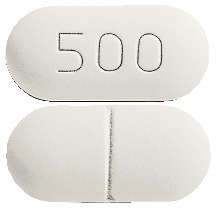
Metformin Sandoz 500 mg - white, film coated, biconvex capsule shaped tablet with central breakline on one side and '500' embossed on the other side.

Available in blisters and bottles of 100 tablets.

Metformin Sandoz 850 mg - white, film coated, round, biconvex tablet plain on one side and '850' embossed on the other side.

Available in blisters and bottles of 60 tablets.

Metformin Sandoz 1000 mg - white, capsule-shaped filmcoated tablets, with a breakline on one side.

Available in blisters of 10, 30, 60 and 90 tablets.

Ingredients

Active ingredients:

  • Metformin Sandoz 500 mg - 500 mg metformin hydrochloride
  • Metformin Sandoz 850 mg - 850 mg metformin hydrochloride
  • Metformin Sandoz 1000 mg - 1000 mg metformin hydrochloride

Inactive ingredients:

  • sodium starch glycollate
  • maize starch
  • povidone
  • colloidal anhydrous silica
  • magnesium stearate
  • hypromellose
  • titanium dioxide
  • propylene glycol
  • macrogol 6000
  • purified talc.

This medicine does not contain lactose, sucrose, gluten, tartrazine or any other azo dyes

Supplier

Sandoz Pty Ltd
ABN 60 075 449 553
54 Waterloo Road
Macquarie Park NSW 2113
Australia
Tel: 1800 634 500

This leaflet was revised in April 2021.

Australian Register Numbers

500 mg tablet: AUST R 125661 (blisters)

500 mg tablet: AUST R 148268 (bottles)

850 mg tablet: AUST R 125662 (blisters)

850 mg tablet: AUST R 148270 (bottles)

1000 mg tablet: AUST R 292865 (blisters)

Published by MIMS June 2021

BRAND INFORMATION

Brand name

Metformin Sandoz 500 mg and 850 mg

Active ingredient

Metformin hydrochloride

Schedule

S4


1 Name of Medicine

Metformin hydrochloride.

2 Qualitative and Quantitative Composition

Each 500 mg film coated tablet contains 500 mg of metformin hydrochloride.
Each 850 mg film coated tablet contains 850 mg of metformin hydrochloride.
Each 1000 mg film coated tablet contains 1000 mg of metformin hydrochloride.
For the full list of excipients, see Section 6.1 List of Excipients.

3 Pharmaceutical Form

Metformin Sandoz film coated tablets 500 mg.

White, film coated, biconvex capsule shaped tablet with central breakline on one side and 500 embossed on the other side.

Metformin Sandoz film coated tablets 850 mg.

White, film coated, round, biconvex tablet plain on one side and '850' embossed on the other side.

Metformin Sandoz film coated tablets 1000 mg.

White, film coated, capsule-shaped, biconvex tablet plain on one side and central breakline on the other side.

4 Clinical Particulars

4.1 Therapeutic Indications

Treatment of type 2 diabetes mellitus in adults, particularly in overweight patients, when dietary management and exercise alone does not result in adequate glycaemic control.
Metformin may be used as initial treatment, or in sulfonylurea failures, either alone or in combination with a sulfonylurea and other oral agents or as adjuvant therapy in insulin dependent type 2 diabetes.

4.2 Dose and Method of Administration

Dosage.

Life threatening lactic acidosis can occur due to accumulation of metformin. Risk factors include renal impairment, old age and high doses of metformin above 2 g/day.
Initially 500 mg should be taken once or twice a day with breakfast and evening meal. If necessary, the dose may be increased over a few weeks up to 1 g three times per day. The dose should be titrated with gradual dose increments until the desired effect is obtained.
500 mg three times a day is often sufficient to obtain a diabetic control. If necessary, the dose can be increased to 1 g three times daily, which is the maximum recommended daily dose. Control may be obtained within a few days but occasionally requires up to two weeks. Once control has been obtained, the dosage should be reviewed and reduced to the lowest maintenance level consistent with good diabetic control.
If dose titration has been achieved with one tablet strength, then the patient's response should be reassessed if a different strength or dose schedule is commenced.
Metformin dosage should be frequently reviewed in patients stabilised on metformin, especially if they develop an illness, as they may tolerate the drug less well, particularly if the illness is accompanied by a decrease in renal function. If necessary, metformin should be ceased for a few days during an illness and then restarted at low dosage, as for initial therapy.
The action of metformin is progressive and no final assessment of the patient's real response should be made before the 21st day of treatment; blood sugar estimations are recommended during the initial 15 days of stabilisation. Metformin will not produce a hypoglycaemic state when used alone; however, due to its action in increasing insulin effectiveness, care must be taken when metformin is initially administered with parenteral doses of insulin.

Method of administration.

It is important that the tablets are taken in divided doses with meals.

Dosage adjustment.

Elderly.

The initial maintenance dosing of metformin should be conservative in elderly patients, due to the potential for decreased renal function in this population. Any dosage adjustment should be based on a careful assessment of renal function. Generally, elderly patients should not be titrated to the maximum dose of metformin.

Debilitated patients.

In debilitated or malnourished patients, the dosing should be conservative and based on a careful assessment of renal function.

4.3 Contraindications

Juvenile diabetes mellitus that is uncomplicated and well regulated on insulin.
Diabetes mellitus regulated by diet alone.
During or immediately following surgery where insulin is essential.
Hypersensitivity to metformin hydrochloride or to any of the excipients listed (see Section 6.1 List of Excipients).
Diabetic ketoacidosis, lactic acidosis, diabetic precoma.
Renal failure or renal dysfunction (creatinine clearance < 60 mL/minute).
Acute conditions with the potential to alter renal function such as dehydration, severe infection, shock, intravascular administration of iodinated contrast agents (see Section 4.4 Special Warnings and Precautions for Use).
Acute or chronic disease which may cause tissue hypoxia such as cardiac failure, recent myocardial infarction, respiratory failure, pulmonary embolism, shock, acute significant blood loss, sepsis, gangrene, pancreatitis.
Elective major surgery (see Section 4.4 Special Warnings and Precautions for Use).
Severe hepatic insufficiency, acute alcohol intoxication, alcoholism.
Lactation.

4.4 Special Warnings and Precautions for Use

Hypoglycaemia.

Hypoglycaemia does not occur in patients receiving metformin hydrochloride alone under usual circumstances of use, but could occur when caloric intake is deficient, when strenuous exercise is not compensated by caloric intake is deficient, when strenuous exercise is not compensated by caloric supplementation, or during concomitant use with other glucose lowering agents (such as sulfonylureas) or ethanol.
Elderly, debilitated or malnourished patients, and those with adrenal pituitary insufficiency or alcohol intoxication, are particularly susceptible to hypoglycaemic effects.
The effectiveness of oral antidiabetic drugs in lowering blood glucose to a targeted level decreases in many patients over a period of time. This phenomenon, which may be due to progression of the underlying disease or to a diminished responsiveness to the drug, is known as secondary failure, to distinguish it from primary failure in which the drug is ineffective during initial therapy. Should secondary failure occur with metformin hydrochloride or sulfonylurea monotherapy, combined therapy with metformin hydrochloride and sulfonylurea may result in a response. Should secondary failure occur with combined metformin hydrochloride/ sulfonylurea therapy, it may be necessary to initiate insulin therapy.
Metformin hydrochloride alone does not usually cause hypoglycaemia, although it may occur when metformin hydrochloride is used in conjunction with other antidiabetic agents (oral sulfonylureas, glinides, insulin). When initiating combination therapy, the risks of hypoglycaemia, its symptoms and treatment, and conditions that predispose to its development should be explained to patients.

Lactic acidosis.

Lactic acidosis is a rare but serious (high mortality in the absence of prompt treatment) metabolic complication, which can occur due to metformin accumulation during treatment with metformin. When it occurs, it is fatal in approximately 50% of cases. Lactic acidosis is a medical emergency and must be treated in hospital immediately. The risk of lactic acidosis increases with the degree of renal dysfunction and the patient's age. Reported cases have occurred primarily in diabetic patients with significant renal insufficiency, often in the setting of multiple concomitant medical/ surgical problems and multiple concomitant medications.
The incidence of lactic acidosis can and should be reduced by assessing other associated risk factors such as poorly controlled diabetes, ketosis, prolonged fasting, excessive alcohol intake, hepatic insufficiency and any condition associated with hypoxia.
Special caution should be taken in the elderly due to the decrease of renal function with age.
The reported incidence of lactic acidosis in patients receiving metformin is very low (approximately 0.03 cases per 1,000 patient years, with approximately 0.015 fatal cases per 1,000 patient years). The onset is often subtle and accompanied by nonspecific symptoms such as malaise, myalgia, respiratory distress, increasing somnolence and nonspecific abdominal distress. Lactic acidosis may also occur in association with a number of pathophysiological conditions, including diabetes mellitus, and when there is significant tissue hypoperfusion and hypoxaemia. Lactic acidosis is characterised by acidosis (decreased blood pH), elevated lactate levels with increased lactate/ pyruvate ratio and electrolyte disturbances with increased anion gap.

Diagnosis.

The risk of lactic acidosis must be considered in the event of nonspecific signs such as muscle cramps with digestive disorders such as abdominal pain and severe asthenia. Lactic acidosis is characterised by acidotic dyspnoea, abdominal pain and hypothermia followed by coma. Diagnostic laboratory findings are decreased blood pH, plasma lactate levels above 5 mmol/L, and an increased anion gap and lactate/ pyruvate ratio. If metabolic acidosis is suspected, metformin should be discontinued and the patient should be hospitalised immediately (see Section 4.9 Overdose, Treatment).

Renal function.

As metformin is excreted by the kidney, it is recommended that creatinine clearance (this can be estimated from serum creatinine levels by using the Cockcroft-Gault formula) should be determined before initiating treatment and regularly thereafter:
at least annually in patients with normal renal function;
at least two to four times a year in patients with serum creatinine levels at the upper limit of normal and in elderly subjects.
Decreased renal function in elderly subjects is frequent and asymptomatic. Special caution should be exercised in situations where renal function may become impaired, for example when initiating antihypertensive therapy, diuretic therapy or when starting therapy with a nonsteroidal anti-inflammatory drug (NSAID).

Surgery.

Metformin must be discontinued 48 hours before elective major surgery. Therapy may be restarted no earlier than 48 hours following surgery and only after renal function has been re-evaluated and found to be normal.

Heart failure.

Type 2 diabetic patients with heart failure are at an increased risk of hypoperfusion and possible renal insufficiency. Renal insufficiency is a risk factor for systemic accumulation of metformin and consequently lactic acidosis. Careful monitoring of renal function is recommended when metformin is used in patients with cardiac failure. The major risk of cardiac insufficiency is hypoxia.
When metformin is implicated as the cause of lactic acidosis, metformin plasma levels greater than 5 microgram/mL are generally found (see Section 5.2 Pharmacokinetic Properties). Underlying renal disease, or deterioration in renal function, result in reduced clearance of metformin and drug accumulation and are, therefore, major risk factors in lactic acidosis.
The risk of lactic acidosis may, therefore, be significantly decreased by regular monitoring of renal function in patients taking metformin, patients taking concomitant diuretics and by the use of the minimum effective dose of metformin. In addition, metformin therapy should be temporarily stopped in the presence of any condition associated with hypoxaemia or dehydration, in patients suffering from serious infections or trauma (particularly if gastrointestinal disturbances are noted or acidosis is suspected) and in those undergoing surgery.

Administration of iodinated contrast agent.

Radiological studies involving the use of intravascular iodinated contrast materials (for example intravenous urogram, intravenous cholangiography, angiography, any computed tomography scans with intravascular contrast materials) can lead to acute alteration of renal function and have been associated with lactic acidosis in patients receiving metformin. Therefore in patients with impaired renal function, metformin must be discontinued 48 hours before the test and in patients with normal renal function, metformin should be stopped at the time of the study and not recommended for 48 hours and only after renal function has been re-evaluated and found to be normal. (See Section 4.4 Special Warnings and Precautions for Use; Section 4.5 Interactions with Other Medicines and Other Forms of Interactions.)

Other precautions.

All patients should continue their diet with a regular distribution of carbohydrate intake during the day. Overweight patients should continue their energy restricted diet.
The usual laboratory tests for diabetes monitoring should be performed regularly.
Alcohol is known to potentiate the effects of metformin on lactate metabolism. Patients should therefore be warned against excessive alcohol intake, acute or chronic, while taking metformin.
Periodic assessment of renal, hepatic and cardiovascular function is recommended during prolonged periods of treatment with metformin.

Patients receiving continuous metformin therapy.

It is recommended that serum vitamin B12 levels be measured prior to initiation treatment with metformin, after 6 months treatment and thereafter annually because of reports of decreased vitamin B12 absorption associated with metformin administration. The risk of low vitamin B12 levels increases with increasing metformin dose, treatment duration, and/or in patients with risk factors known to cause vitamin B12 deficiency. (See Section 4.8 Adverse Effects (Undesirable Effects)).

Use in hepatic impairment.

Since impaired hepatic function has been associated with some cases of lactic acidosis, metformin should be avoided in patients with clinical or laboratory evidence of hepatic disease.

Use in the elderly.

The risk of lactic acidosis, in association with metformin, is increased in elderly patients on long-term therapy due to the physiological alteration of the renal function and the possible accumulation of metformin. Metformin may be used in the elderly if contraindications and precautions are respected, the dosage is frequently reviewed and renal function monitored.
Decreased renal function in elderly subjects is frequent and asymptomatic. Special caution should be exercised in situations where renal function may become impaired.

Paediatric use.

Metformin is not recommended for use in children except those with insulin resistant diabetes who are being treated in hospital.
The diagnosis of type 2 diabetes mellitus should be confirmed before treatment with metformin is initiated. No effect of metformin on growth and puberty has been detected during controlled clinical studies of one year duration but no long-term data on these specific points are available. Therefore, a careful follow-up of the effect of metformin on these parameters in metformin treated children, especially prepubescent children, is recommended.

Effects on laboratory tests.

No information is available.

4.5 Interactions with Other Medicines and Other Forms of Interactions

Contraindicated combinations.

Iodinated contrast media.

Metformin must be discontinued either 48 hours before the test when renal function is known to be impaired, or from the time of the test when renal function is known to be normal (see Section 4.4 Special Warnings and Precautions for Use, Administration of iodinated contrast agent).

Inadvisable combinations.

Alcohol.

Alcohol may make the signs of hypoglycaemia less clear and delayed hypoglycaemia may occur. The CNS depressant effects of alcohol plus hypoglycaemia can make driving or the operation of dangerous machinery much more hazardous. There is increased risk of lactic acidosis in acute alcohol intoxication, particularly with fasting, malnutrition or hepatic insufficiency.
Avoid consumption of alcohol and alcohol containing medications.

Combinations requiring precautions for use.

Medicinal products with intrinsic hyperglycaemic activity (e.g. glucocorticoids and tetracosactides (systemic and local routes), beta-2-agonists, danazol, chlorpromazine at high dosages of 100 mg per day and diuretics).

More frequent blood glucose monitoring may be required, especially at the beginning of treatment. If necessary, adjust the metformin dosage during therapy with the respective medicinal product and upon discontinuation.

Cimetidine.

Reduced clearance of metformin has been reported during cimetidine therapy, so a dose reduction should be considered. Other cationic drugs such as amiloride, digoxin, morphine, procainamide, quinidine, quinine, ranitidine, triamterene, trimethoprim and vancomycin are eliminated by renal tubular secretion and theoretically have the potential to compete for common renal tubular transport systems with metformin. Careful patient monitoring is recommended in situations where cationic medications which are excreted via the proximal renal tubular secretory system are coadministered with metformin.

Anticoagulants.

Metformin increased the elimination rate of vitamin K antagonists. Consequently, the prothrombin time should be closely monitored in patients in whom metformin and vitamin K antagonists are being coadministered. Cessation of metformin in patients receiving vitamin K antagonists can cause marked increases in the prothrombin time.

Nifedipine.

A single dose metformin/ nifedipine drug interaction study in normal healthy volunteers demonstrated that coadministration of metformin and nifedipine increased plasma metformin Cmax and AUC by 20% and 9%, respectively, and increased the amount of metformin excreted in the urine. Tmax and half-life of metformin were unaffected. Nifedipine appears to enhance the absorption of metformin. Metformin has minimal effects on the pharmacokinetics of nifedipine.

Sulfonylureas and meglitinides.

During concomitant therapy with other antidiabetic agents, such as sulfonylureas or meglitinides, blood glucose should be monitored because combined therapy may cause hypoglycaemia.

Beta-blockers.

Coadministration of metformin and β-blockers may result in a potentiation of the antihyperglycaemic action. In addition, some of the premonitory signs of hypoglycaemia, in particular tachycardia, may be masked. Monitoring of blood glucose should be undertaken during dosage adjustment of either agent.

ACE inhibitors.

ACE inhibitors may decrease the blood glucose levels. Therefore, dose adjustment of metformin hydrochloride may be necessary when such medicinal products are added or discontinued.

Calcium channel blockers.

Calcium channel blockers may affect glucose control in diabetic patients; regular monitoring of glycaemic control is recommended.

Thiazide diuretics.

Thiazide therapy may impair glucose tolerance. Dosage adjustment of metformin may be required.

Thyroid products.

Thyroid products tend to produce hypoglycaemia and may lead to loss of control.

Diuretics, especially loop diuretics.

May increase the risk of lactic acidosis due to their potential to decrease renal function.

Other.

Phenothiazines, oestrogens, oral contraceptives, phenytoin, nicotinic acid, sympathomimetics and isoniazid tend to produce hyperglycaemia and patients receiving concomitant administration of any of these drugs with metformin hydrochloride should be closely observed to maintain glycaemic control.

Organic cation transporters (OCT).

Metformin is a substrate of both transporters OCT1 and OCT2.
Co-administration of metformin with:
substrates/inhibitors of OCT1 (such as verapamil) may reduce efficacy of metformin;
inducers of OCT1 (such as rifampicin) may increase gastrointestinal absorption and efficacy;
substrates/inhibitors of OCT2 (such as cimetidine, dolutegravir, crizotinib, olaparib, daclatasvir, vandetanib) may decrease the renal elimination of metformin and thus lead to an increase metformin plasma concentration.

Carbonic anhydrase inhibitors.

Topiramate or other carbonic anhydrase inhibitors (e.g. zonisamide, acetazolamide or dichlorphenamide) frequently cause a decrease in serum bicarbonate and induce non-anion gap, hyperchloremic metabolic acidosis. Concomitant use of these drugs with Metformin hydrochloride tablet may increase the risk for lactic acidosis. Consider more frequent monitoring of these patients.

NSAID.

May increase the risk of lactic acidosis and adversely affect renal function.
Therefore, caution is advised when these drugs are co-administered with metformin and a dose adjustment may be considered, particularly in patients with renal impairment.

4.6 Fertility, Pregnancy and Lactation

Effects on fertility.

Fertility of male or female rats was unaffected by metformin administration at doses of up to 600 mg/kg/day, or approximately twice the maximum recommended daily dose on a body surface area basis.
(Category C)
Australian Category C Definition: Drugs, which, owing to their pharmacological effects, have caused or may be suspected of causing, harmful effects on the human fetus or neonate without causing malformations. These effects may be reversible. Accompanying texts should be consulted for further details.
It is important to achieve strict normoglycaemia during pregnancy. Oral hypoglycaemic agents should be replaced by insulin.
Metformin was not teratogenic in rats and rabbits at doses up to 600 mg/kg/day, or about two times the maximum recommended human daily dose on a body surface area basis. Determination of fetal concentrations demonstrated a partial placental barrier to metformin. Because animal reproduction studies are not always predictive of human response, any decision to use this drug should be balanced against the benefits and risks. The safety of metformin in pregnant women has not been established.
Recent information suggests that abnormal blood glucose levels during pregnancy are associated with a higher incidence of congenital abnormalities. Oral hypoglycaemics may enter the fetal circulation and cause neonatal hypoglycaemia. There is a consensus among experts that insulin be used during pregnancy to maintain blood glucose levels as close to normal as possible.
Studies in lactating rats show that metformin is excreted into milk and reaches levels comparable to those in plasma. Similar studies have not been conducted in nursing mothers, but caution should be exercised in such patients, and a decision should be made whether to discontinue nursing or to discontinue the drug, taking into account the importance of the drug to the mother.

4.7 Effects on Ability to Drive and Use Machines

Patients should be alerted to the risk of hypoglycaemia when metformin is used in combination with other antidiabetic agents (sulfonylureas, glinides, insulin).

4.8 Adverse Effects (Undesirable Effects)

Gastrointestinal disorders.

Very common: mild gastrointestinal symptoms (such as diarrhoea, nausea, vomiting, abdominal pain and loss of appetite) are most frequent reactions to metformin (> 1/10), especially during the initial treatment period. These symptoms are generally transient and resolve spontaneously during continued treatment.
Gastrointestinal symptoms can possibly be avoided if metformin is taken with meals and the dose is increased slowly. Occasionally, a temporary dose reduction can be considered. Occurrence of gastrointestinal symptoms, once a patient is stabilised on any dose of metformin, could be due to lactic acidosis or other serious disease.

Metabolism and nutrition disorders.

Common: vitamin B12 deficiency. Consideration of such an aetiology is recommended if a patient presents with megaloblastic anaemia.
Therefore, serum B12 levels should be appropriately monitored or periodic parenteral B12 supplementation should be considered. (See Section 4.4 Special Warnings and Precautions for Use, Other precautions).
Very rare: lactic acidosis (see Section 4.4 Special Warnings and Precautions for Use) is a very rare (< 1/10,000) but serious metabolic complication that can occur due to metformin accumulation during treatment with metformin.
The onset of lactic acidosis is often subtle and accompanied by nonspecific symptoms such as malaise, myalgia, respiratory distress, increasing somnolence and nonspecific abdominal distress. There may be associated hypothermia, hypotension and resistant bradyarrhythmias with more marked acidosis. The patient and the patient's doctor should be instructed to notify the doctor immediately if they occur. Lactic acidosis should be suspected in any diabetic patient with metabolic acidosis lacking evidence of ketoacidosis (ketonuria and ketonaemia).
Lactic acidosis is a medical emergency that must be treated in hospital. In a patient with lactic acidosis who is taking metformin, the drug should be discontinued immediately and general supportive measures should be instituted promptly.

Skin and subcutaneous tissue disorders.

Very rare: skin reactions such as mild erythema, pruritus and urticaria have been reported in some hypersensitive individuals, but the incidence is very rare (< 1/10,000).

Hepatobiliary disorders.

Very rare: isolated reports. Liver function tests abnormalities or hepatitis resolving upon metformin discontinuation, have been reported.

Nervous system disorders.

Common: taste disturbance (3%) is common.

Reporting suspected adverse effects.

Reporting suspected adverse reactions after registration of the medicinal product is important. It allows continued monitoring of the benefit-risk balance of the medicinal product. Healthcare professionals are asked to report any suspected adverse reactions at www.tga.gov.au/reporting-problems.

4.9 Overdose

Symptoms.

Hypoglycaemia has not been seen with ingestion of up to 85 g of metformin alone, although lactic acidosis has occurred in such circumstances. This disorder is a medical emergency and must be treated in hospital. The onset of lactic acidosis is often subtle and accompanied only by nonspecific symptoms such as malaise, myalgia, respiratory distress, increasing somnolence and nonspecific abdominal distress. There may be associated hypothermia, hypotension and resistant bradyarrhythmias with more marked acidosis. Lactic acidosis should be suspected in any diabetic patient with metabolic acidosis lacking evidence of ketoacidosis, such as ketonuria and ketonaemia.

Treatment.

Lactic acidosis may develop in diabetic metformin-treated patients with overdose. Lactic acidosis is diagnosed and monitored by measurement of serum electrolytes, arterial pH and pCO2 and arterial lactate plasma level.
The aim of treatment is to manage any underlying disorder and in some cases this will be sufficient to enable the body's homeostatic mechanism to correct the acid/ base imbalance. The advantages of more active treatment of the acidosis must be balanced against the risks, including overalkalinisation with sodium bicarbonate. Because metformin hydrochloride is dialysable (with a clearance of up to 170 mL/min under good haemodynamic conditions), prompt haemodialysis is recommended to correct the acidosis and remove the accumulated metformin.
For information on the management of overdose, contact the Poison Information Centre on 131126 (Australia).

5 Pharmacological Properties

5.1 Pharmacodynamic Properties

Mechanism of action.

Metformin is an antihyperglycaemic agent, which improves glucose tolerance in NIDDM subjects, lowering both basal and postprandial plasma glucose. Metformin causes an increased peripheral uptake of glucose by increasing the biological efficiency of available exogenous or endogenous insulin.
The mode of action of metformin may be linked to increased insulin sensitivity. It does not stimulate insulin release but does require the presence of insulin to exert its antihyperglycaemic effect. Possible mechanisms of action include inhibition of gluconeogenesis in the liver, delay in glucose absorption from the gastrointestinal tract and an increase in peripheral uptake of glucose.
Metformin has an antiketogenic activity which is comparable, though somewhat inferior, to insulin itself.
Metformin has a modest favourable effect on serum lipids, which are often abnormal in NIDDM patients.

Clinical trials.

The prospective randomised (UKPDS) study has established the long-term benefit of intensive blood glucose control in type 2 diabetes.
Analysis of the results for overweight patients treated with metformin after failure of diet alone showed the following:
a significant reduction of the absolute risk of any diabetes related complication in the metformin group (29.8 events/1000 patient years) versus diet alone (43.3 events/1000 patient years), p = 0.0023, and versus the combined sulfonylurea and insulin monotherapy groups (40.1 events/1000 patient years), p = 0.0034;
a significant reduction of the absolute risk of diabetes related mortality: metformin 7.5 events/1000 patient years, diet alone 12.7 events/1000 patient years, p = 0.017;
a significant reduction of the absolute risk of overall mortality: metformin 13.5 events/1000 patient years versus diet alone 20.6 events/1000 patient years (p = 0.011), and versus the combined sulfonylurea and insulin monotherapy groups 18.9 events/1000 patient years (p = 0.021);
a significant reduction in the absolute risk of myocardial infarction: metformin 11 events/1000 patient years, diet alone 18 events/1000 patient years (p = 0.01).
For metformin used as second line therapy, in combination with a sulfonylurea, benefit regarding clinical outcome has not been shown.
In type 1 diabetes, the combination of metformin and insulin has been used in selected patients, but the clinical benefit of this combination has not been formally established.

5.2 Pharmacokinetic Properties

Absorption.

A randomised, open, balanced, crossover bioequivalence study using metformin tablets 500 mg film coated tablets in 26 healthy subjects showed that peak plasma concentrations occurred at between 2 to 3 hours after a single dose of 500 mg. The mean peak plasma concentration was 0.721 mg/mL for the test product. Metformin was detected in plasma for 36 hours postdose in all subjects. The Tmax values were comparable for both reference and test formulations. The 90% confidence limit for AUC0-t and AUC0-inf (as a measure of the extent of absorption) of the test product metformin tablets compared to the reference product (metformin 500 mg Diabex Alphapharm) was within acceptable limits. No adverse events were reported.
After oral administration, metformin hydrochloride is absorbed along the entire gastrointestinal mucosa. Studies using single oral doses of metformin tablets indicate that there is a lack of dose proportionality with increasing doses, which is due to decreased absorption rather than increase in elimination.
At usual clinical doses and dosing schedules of metformin tablets, steady-state plasma concentrations are reached in 24 to 48 hours and are generally less than 1 microgram/mL. Food decreases the extent and slightly delays the absorption of metformin. However, the clinical relevance of this is unknown. During controlled trials, maximum metformin plasma levels did not generally exceed 5 microgram/mL even at maximum doses.

Distribution.

Metformin is negligibly bound to plasma proteins.

Metabolism.

Metformin is excreted unchanged in the urine and does not undergo hepatic metabolism.

Excretion.

In patients with decreased renal function (based on measured creatinine clearance), the plasma half-life of metformin is prolonged and renal clearance is decreased in proportion to the decrease in creatinine clearance, e.g. if creatinine clearance is 10-30 mL/min, renal clearance is reduced to 20% of normal. No pharmacokinetic data is available for hepatic insufficiency.

5.3 Preclinical Safety Data

Genotoxicity.

No evidence of a mutagenic potential of metformin was found in the Ames test (S. typhimurium), gene mutation test (mouse lymphoma cells), chromosomal aberrations test (human lymphocytes) or in vivo micronuclei formation test (mouse bone marrow).

Carcinogenicity.

Long-term carcinogenicity studies have been performed in rats (dosing duration 104 weeks) and mice (dosing duration 91 weeks) at doses up to and including 900 and 1500 mg/kg/day, respectively. These doses are approximately two to three times the recommended human daily dose on a body surface area basis. No evidence of carcinogenicity with metformin was found in either male or female mice. Similarly, there was no tumorigenic potential observed with metformin in male rats. However, an increased incidence of benign stromal uterine polyps was seen in female rats treated with 900 mg/kg/day.

6 Pharmaceutical Particulars

6.1 List of Excipients

Sodium starch glycollate, maize starch, povidone, colloidal anhydrous silica, magnesium stearate, hypromellose, titanium dioxide, propylene glycol, macrogol 6000 and purified talc.

6.2 Incompatibilities

Incompatibilities were either not assessed or not identified as part of the registration of this medicine.
For information on interactions with other medicines and other forms of interactions, see Section 4.5 Interactions with Other Medicines and Other Forms of Interactions.

6.3 Shelf Life

In Australia, information on the shelf life can be found on the public summary of the Australian Register of Therapeutic Goods (ARTG). The expiry date can be found on the packaging.

6.4 Special Precautions for Storage

Store below 25°C.

6.5 Nature and Contents of Container

Metformin Sandoz tablets 500 mg.

100's in PVC/PE/PVDC/Al blister packs and HDPE bottles.

Metformin Sandoz tablets 850 mg.

60's in PVC/PE/PVDC/Al blister packs and HDPE bottles.

Metformin Sandoz 1000 mg.

10's, 30's, 60's and 90's in PVC/PE/PVDC/Al blister packs.

6.6 Special Precautions for Disposal

In Australia, any unused medicine or waste material should be disposed of in accordance with local requirements.

6.7 Physicochemical Properties

Metformin hydrochloride is a white crystalline powder which is odourless or almost odourless and hygroscopic. It is freely soluble in water, slightly soluble in alcohol and practically insoluble in acetone and in methylene chloride.

Chemical structure.


Chemical formula: 1,1-dimethylbiguanide hydrochloride.
Molecular formula: C4H11N5.HCl.
Molecular weight: 165.6.

CAS number.

1115-70-4.

7 Medicine Schedule (Poisons Standard)

S4 - Prescription Only Medicine.

Summary Table of Changes